Loading subject page…


87,705 views


Video Summary: What Is Skin Cancer
Every year, over 5 million Americans are diagnosed with skin cancer biology types, making it the most common cancer in the United States. Understanding what is skin cancer and what types exist is crucial for prevention and early detection. The three main types of skin cancer explained include basal cell carcinoma, squamous cell carcinoma, and melanoma, each arising from different skin layers and presenting unique characteristics. Watch the full video on JoVE Coach to master this concept with expert-led visuals and step-by-step explanations.
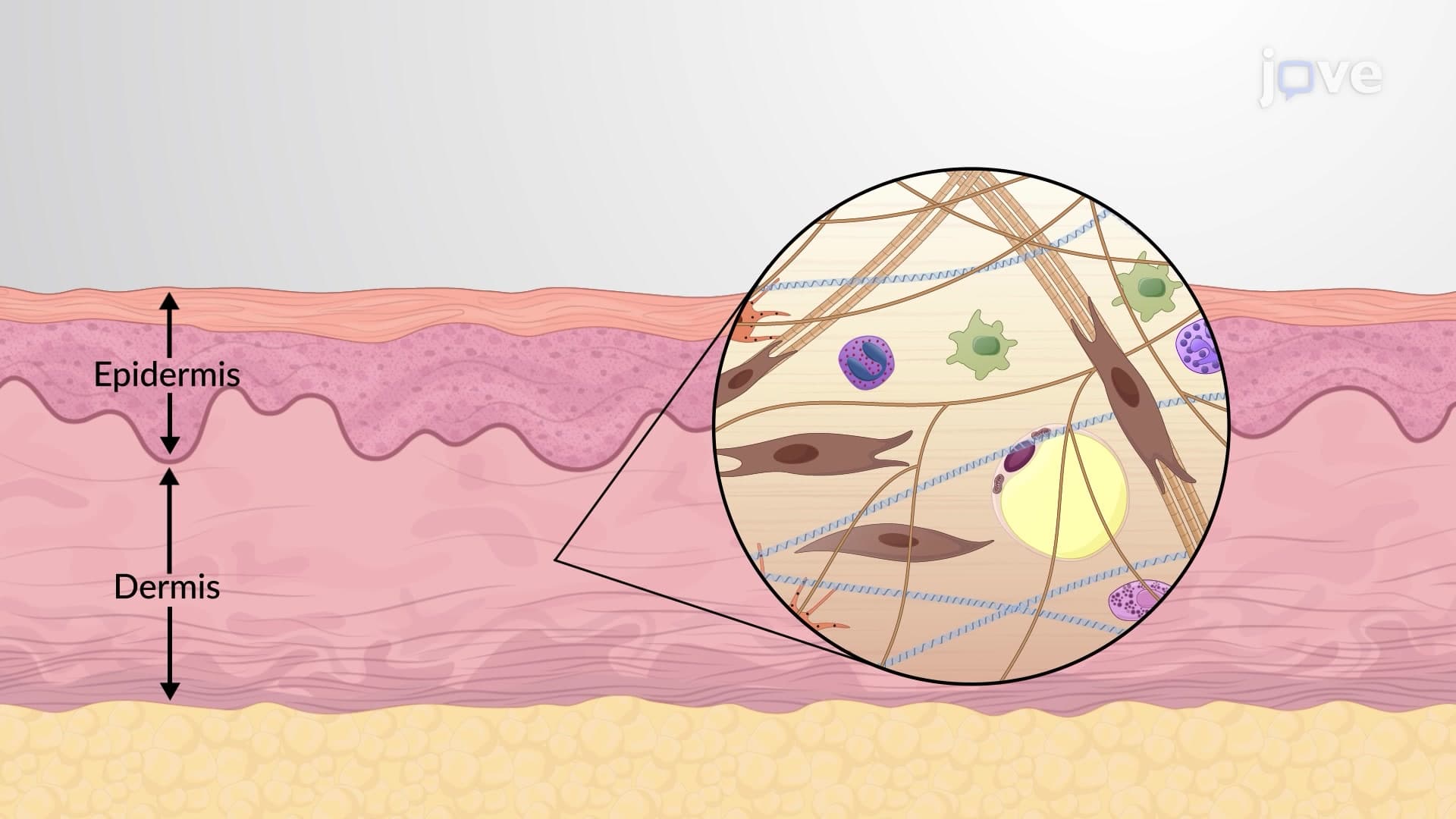
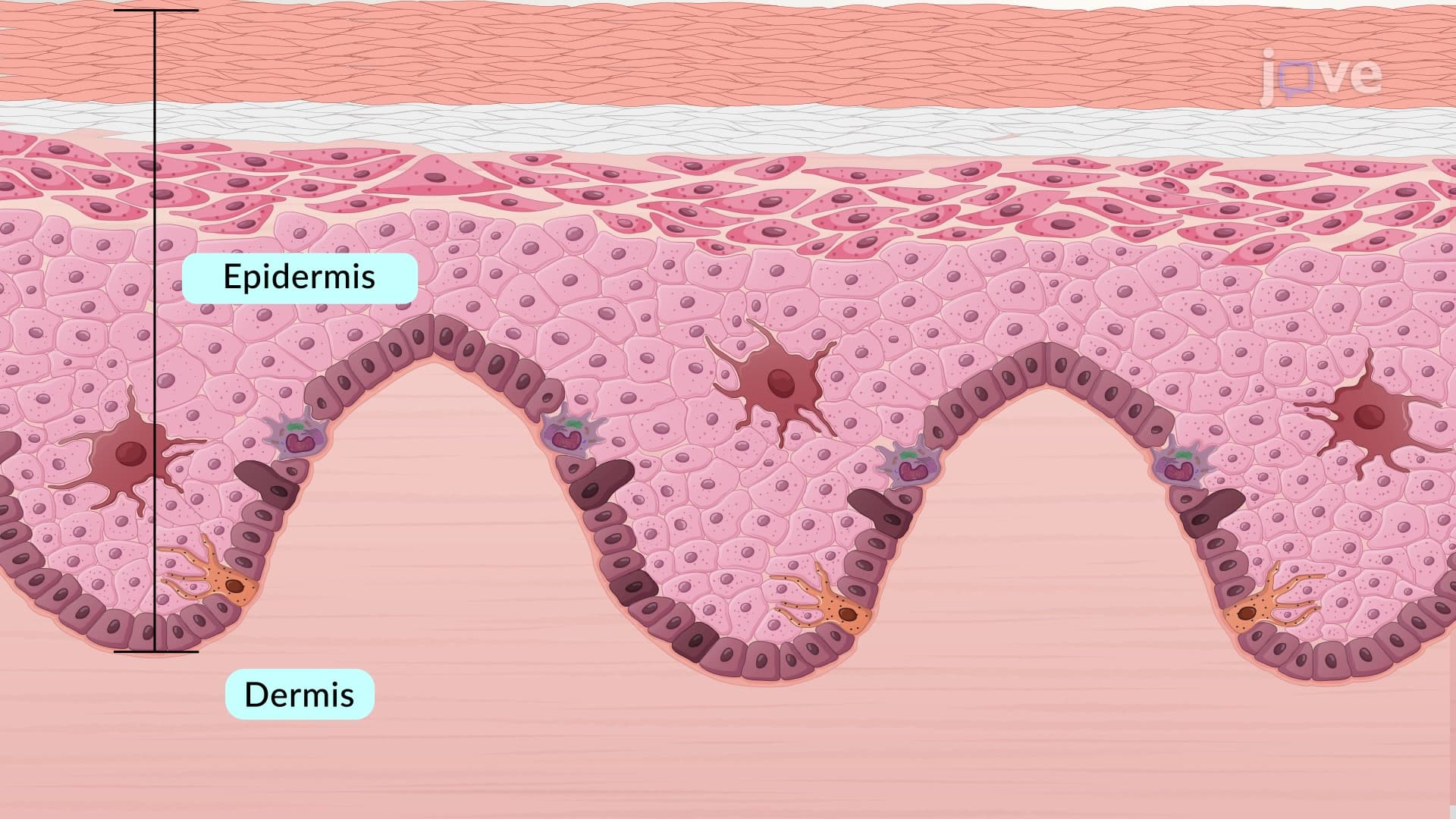
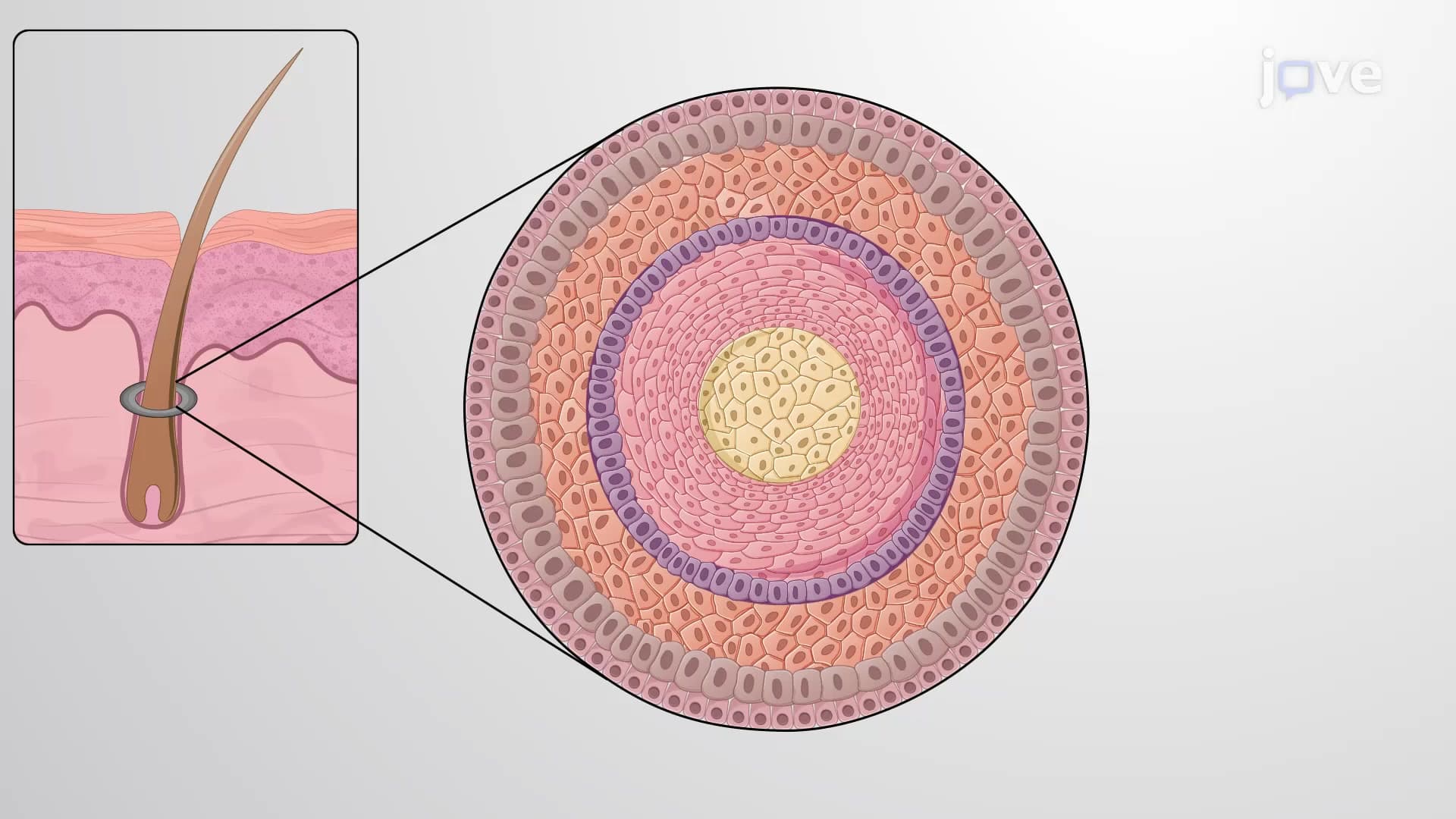
What is skin cancer fundamentally represents uncontrolled cellular growth within different layers of the skin, each with distinct characteristics and prognoses. The skin's complex structure, including the epidermis with its multiple layers, provides the foundation for understanding how different types of skin cancer explained develop from specific cell populations.
The primary driver of skin cancer biology types involves chronic ultraviolet radiation exposure from sources like intense summer sun in states like Arizona and Florida, tanning beds, and sun lamps. UV radiation creates DNA photolesions, particularly thymine dimers, which can overwhelm cellular repair mechanisms. This damage triggers mutations in critical cell cycle genes like p53 and CDKN2A, while simultaneously generating reactive oxygen species that further damage cellular components. Students preparing for the MCAT should understand how these molecular events cascade into uncontrolled cell division.
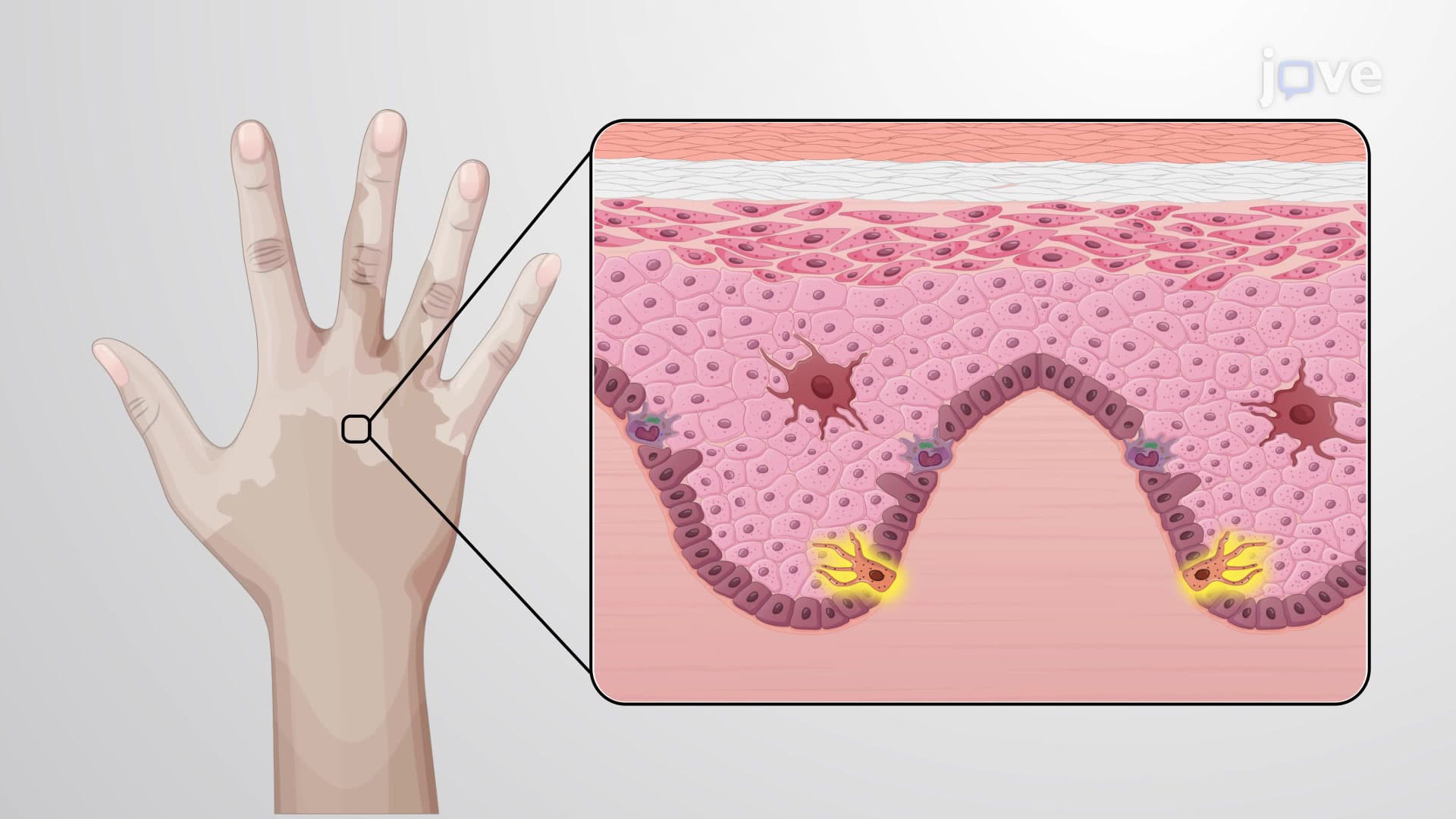
Basal cell carcinoma skin cancer arises from the deepest layer of the epidermis, where stem cells normally maintain tissue homeostasis. These cancers typically appear as pearly, dome-shaped nodules, often mistaken for harmless moles by patients. Despite being the most common cancer in Americans, with over 4 million cases annually, basal cell carcinomas rarely metastasize due to their location and growth pattern. Treatment success rates exceed 95% when caught early, making dermatological screening programs like those implemented by major healthcare systems including Kaiser Permanente highly effective.
Squamous cell skin cancer develops from keratinocytes in the stratum spinosum, presenting as rapidly growing, scaly red lesions that can metastasize if untreated. Melanoma malignant skin cancer, though comprising only 1% of skin cancers, causes the majority of skin cancer deaths due to its aggressive metastatic behavior. The ABCDE criteria (Asymmetry, Border irregularity, Color variation, Diameter >6mm, Evolving) taught in AP Biology and college anatomy courses provides a systematic approach for identifying suspicious lesions. Understanding these distinctions is crucial for students pursuing healthcare careers and appears frequently on exams like the NCLEX and USMLE Step 1.
Related Micro-courses