Loading subject page…

- Anatomy and Physiology
- The Integumentary System
- Introduction to the Integumentary System
Micro-course: The Integumentary System
87,705 views
Learn key concepts and earn your certificate.



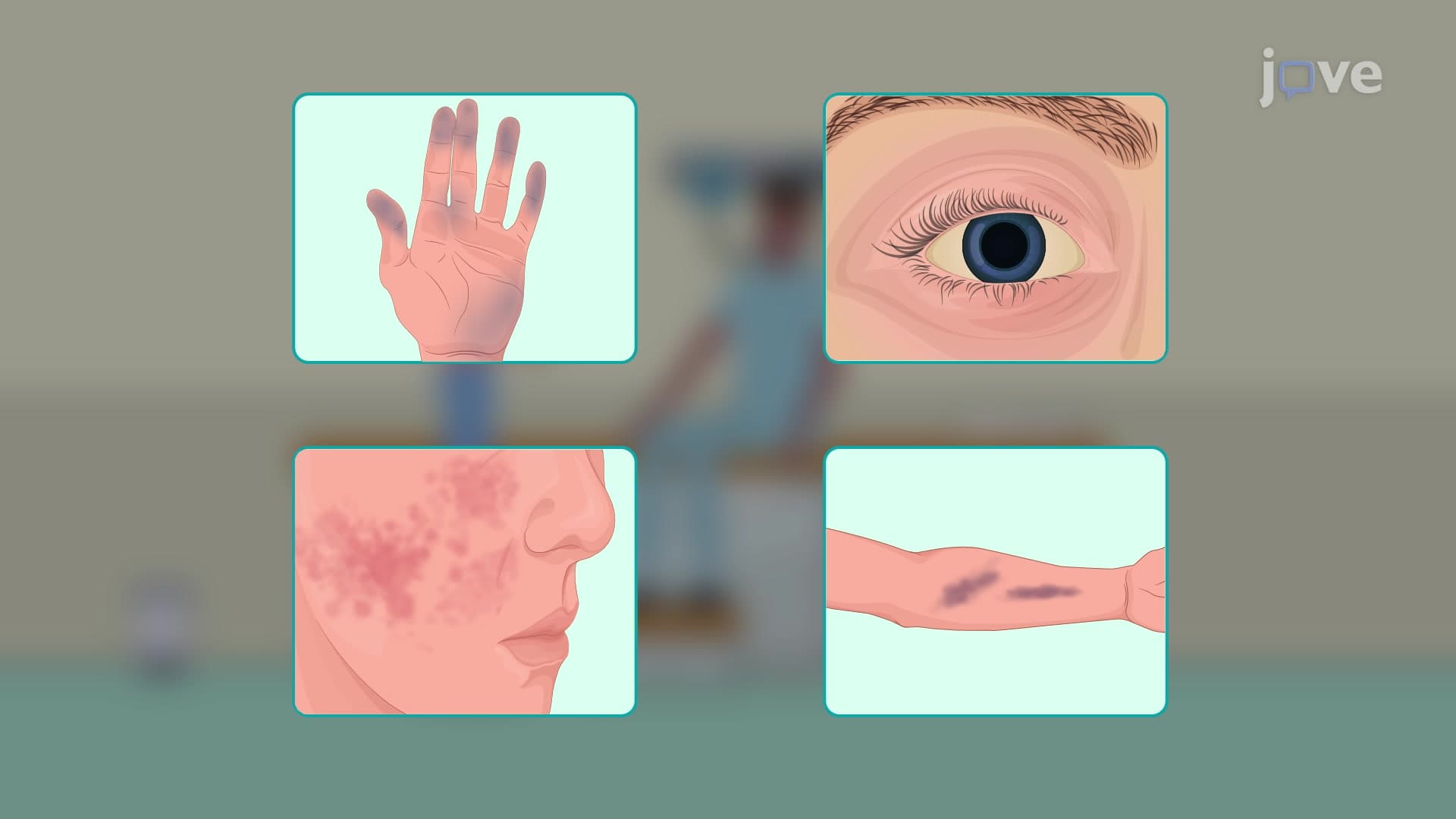
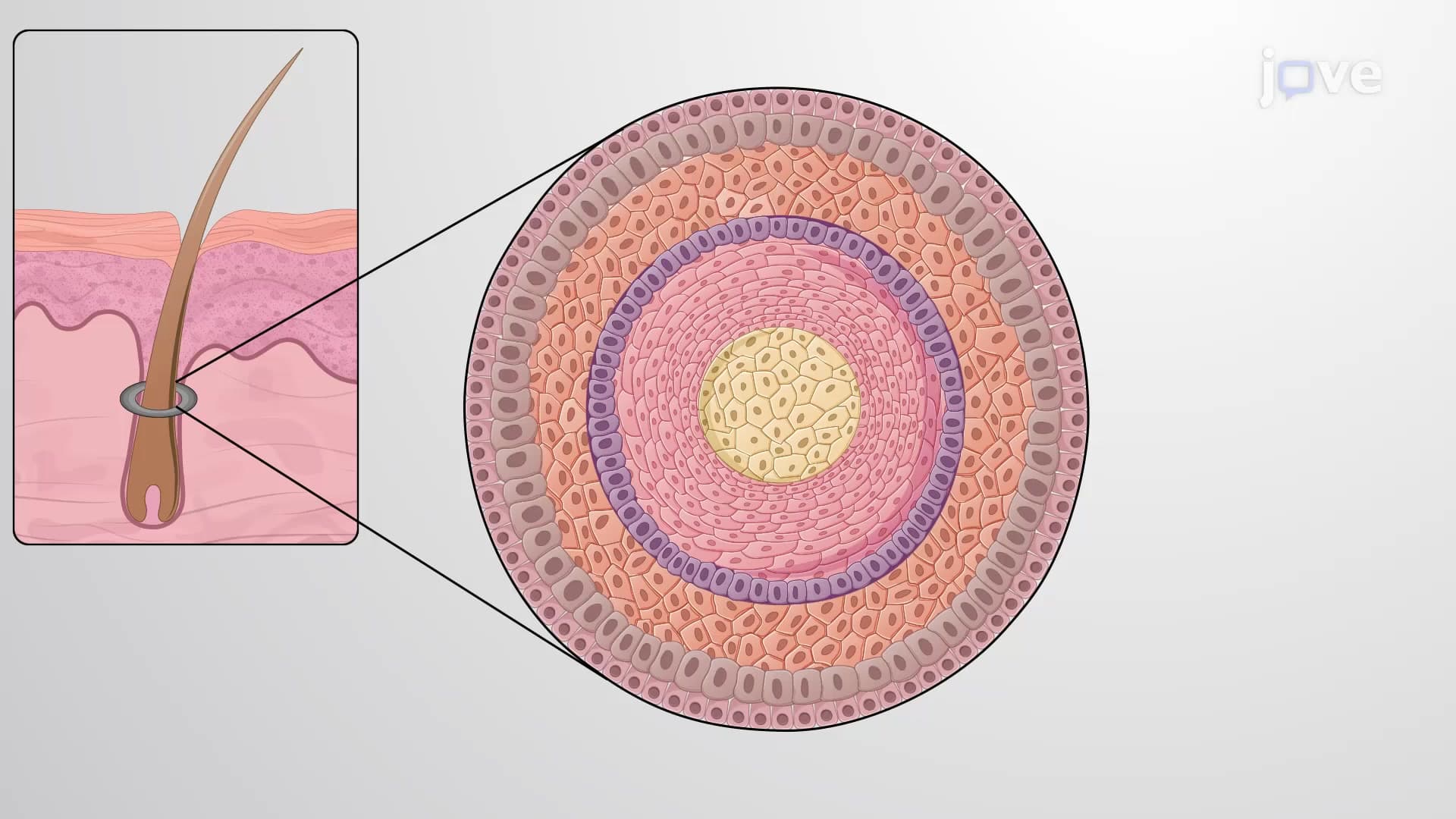
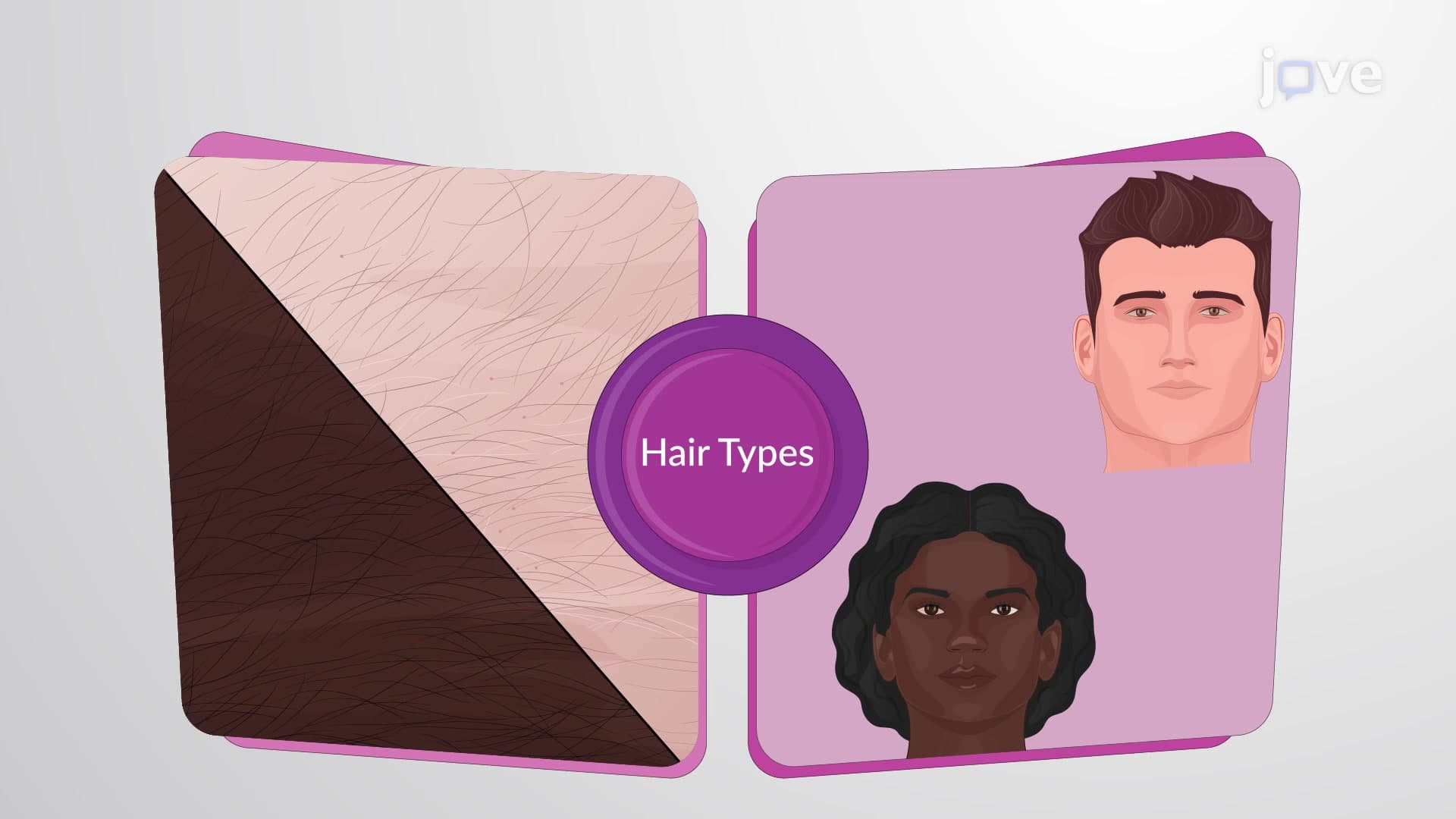
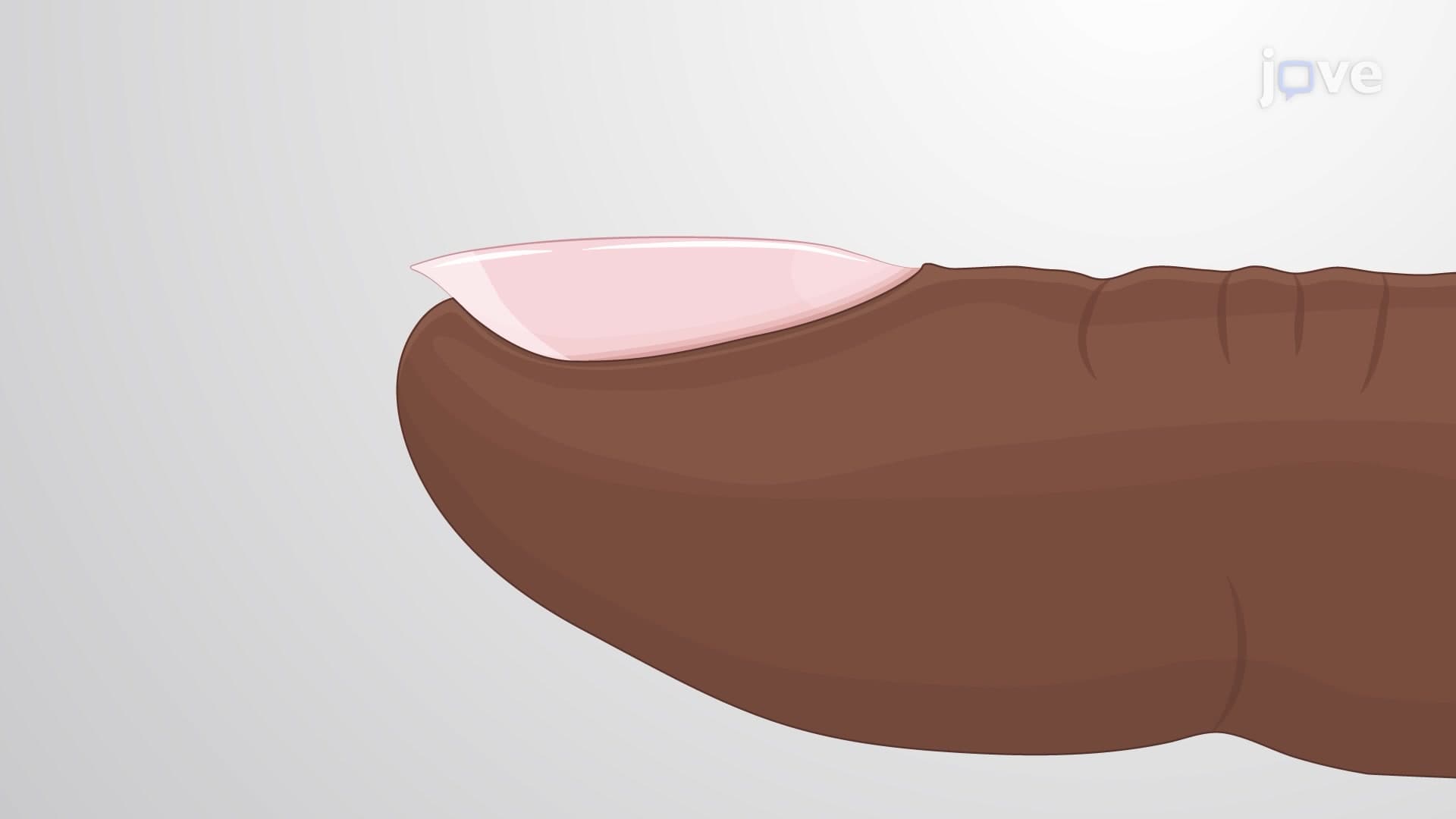
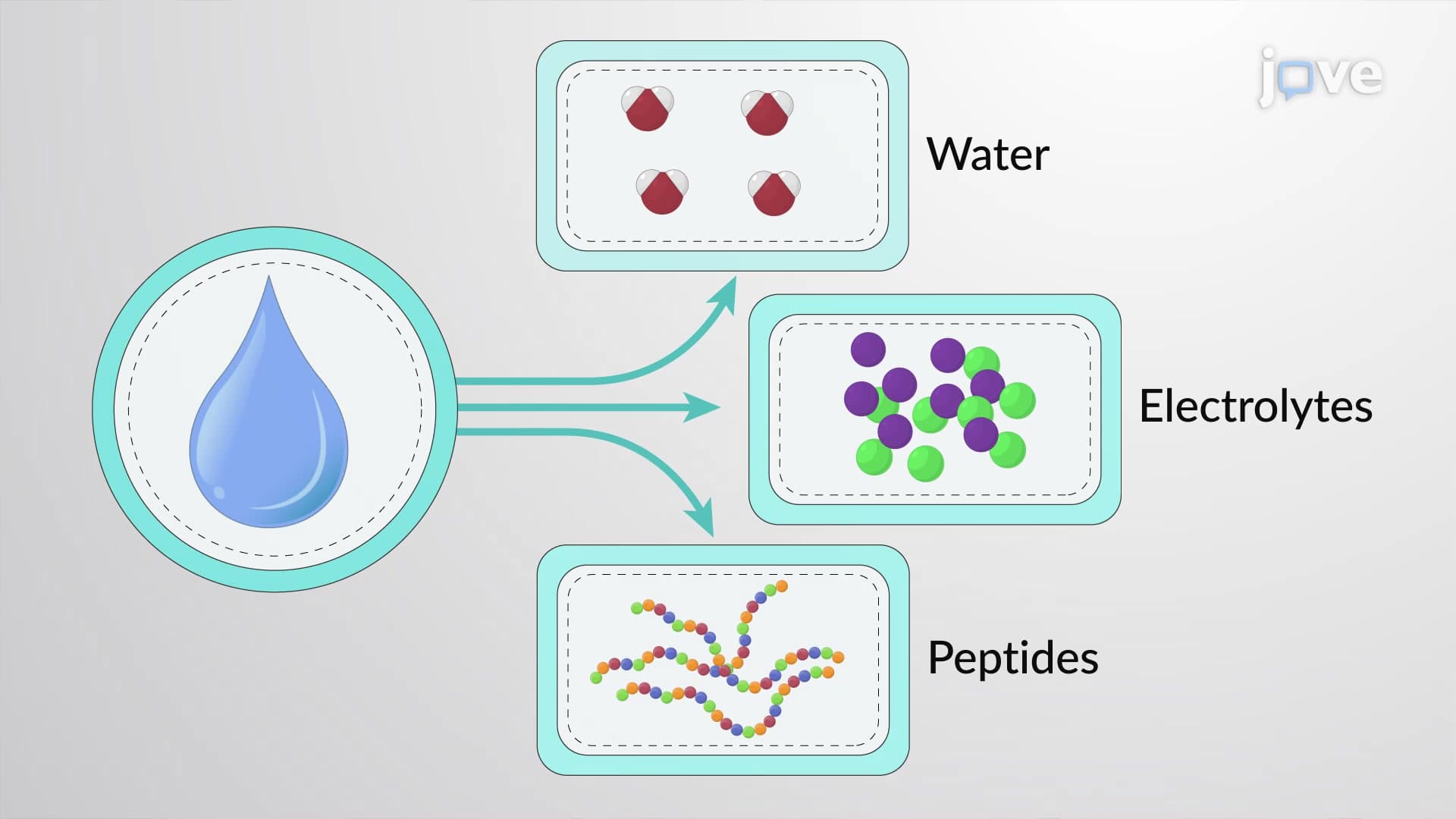

Introduction to the Integumentary System

00:00
01:25
Video Summary: What Is the Integumentary System
Ever wondered how your body maintains a constant 98.6°F temperature while walking through a Michigan winter? The integumentary system biology encompasses far more than just skin-it's your body's sophisticated environmental control center. This complex system includes skin layers, hair follicles, sweat glands, and nails working together to protect internal organs, regulate temperature, and even produce vitamin D when you spend time outdoors at California beaches. Watch the full video on JoVE Coach to master this concept with expert-led visuals and step-by-step explanations.
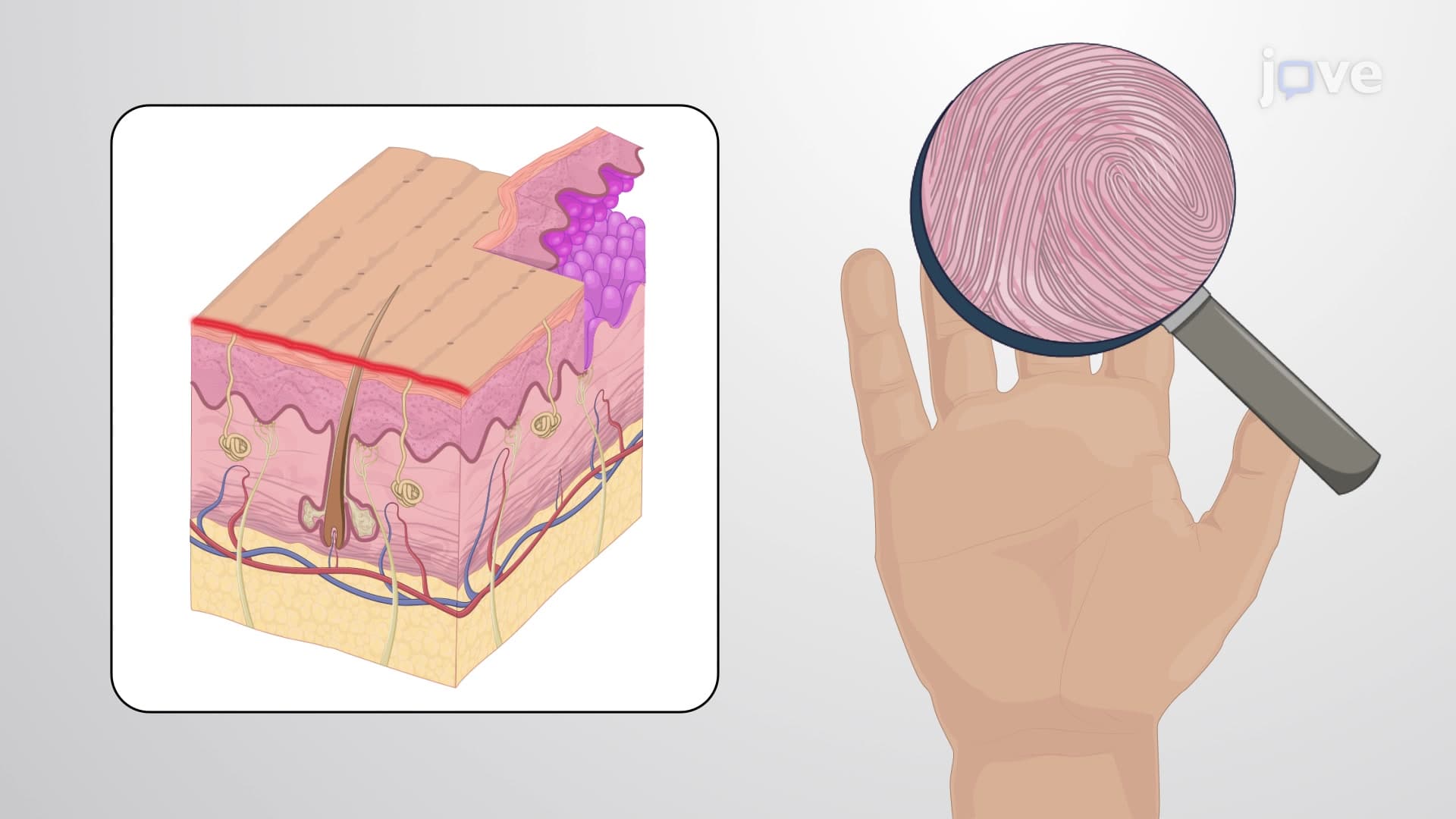
- Understand what is the integumentary system and identify its primary components including epidermis, dermis, hair, nails, and exocrine glands
- Analyze the protective functions of skin system anatomy and how it serves as the body's first line of defense against pathogens and environmental hazards
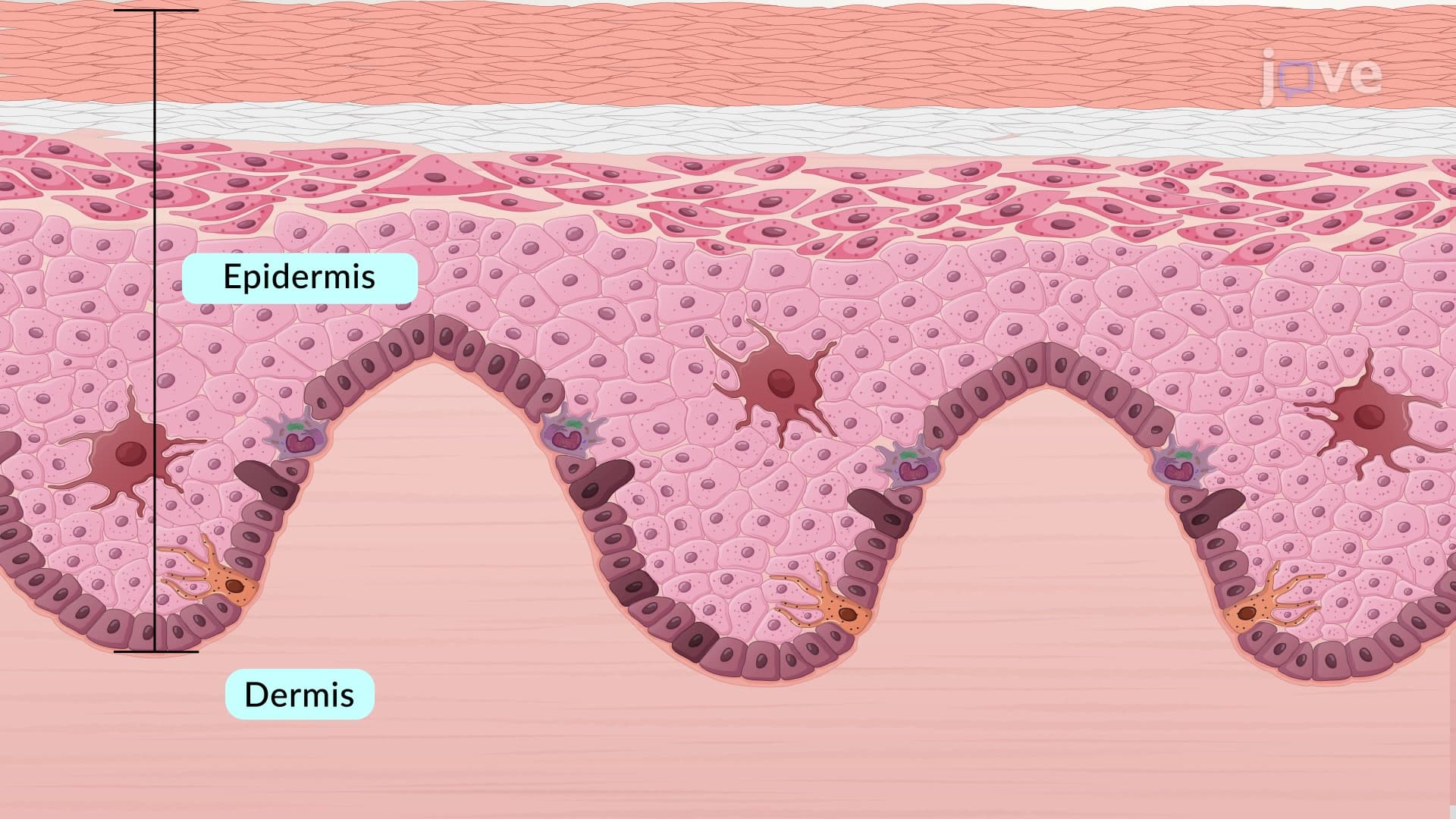
- Compare the structural differences between epidermis and dermis layers, including their cellular composition and specific roles
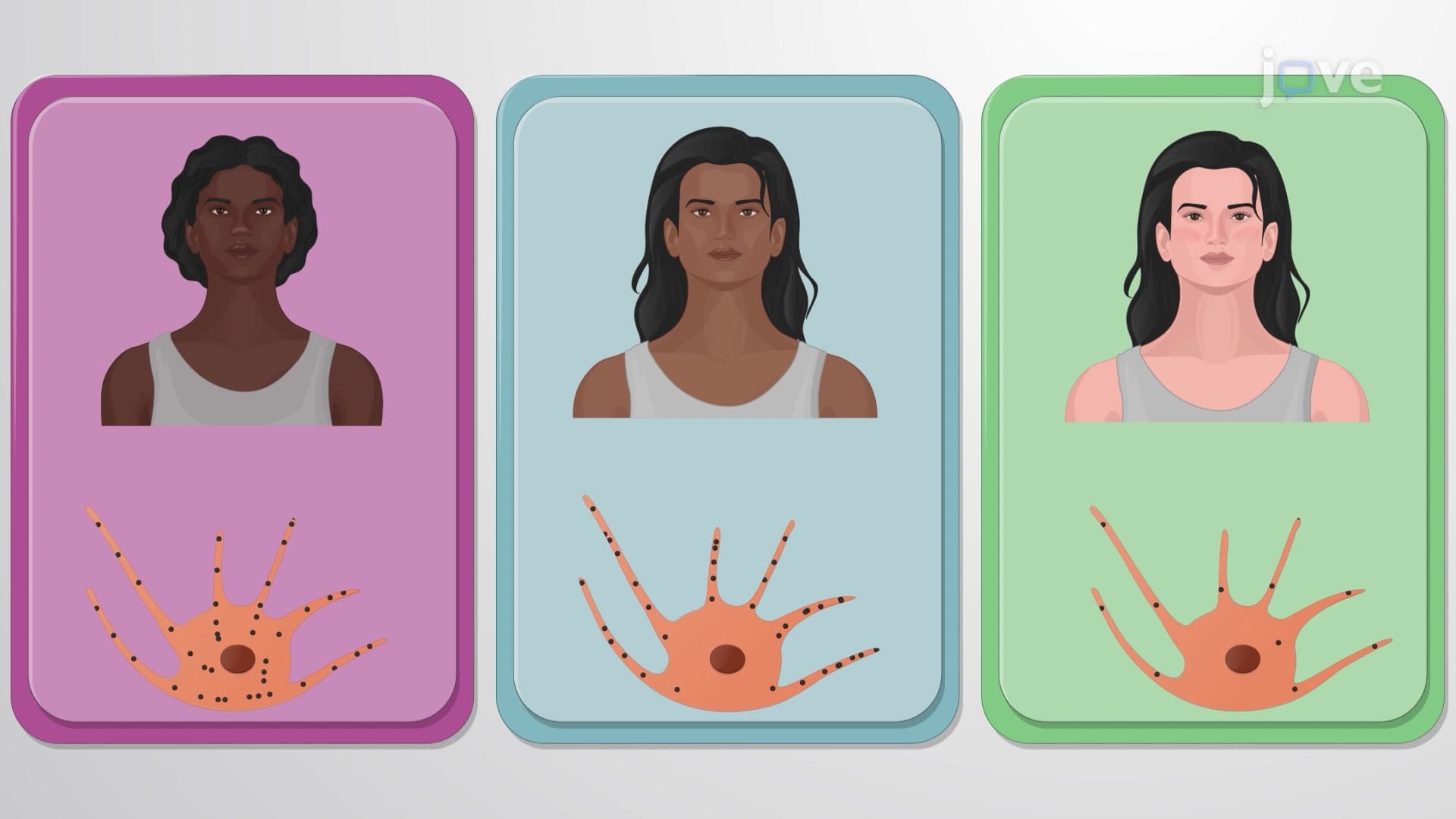
- Identify integumentary system components and explain how melanocytes produce different types of melanin affecting skin and hair pigmentation
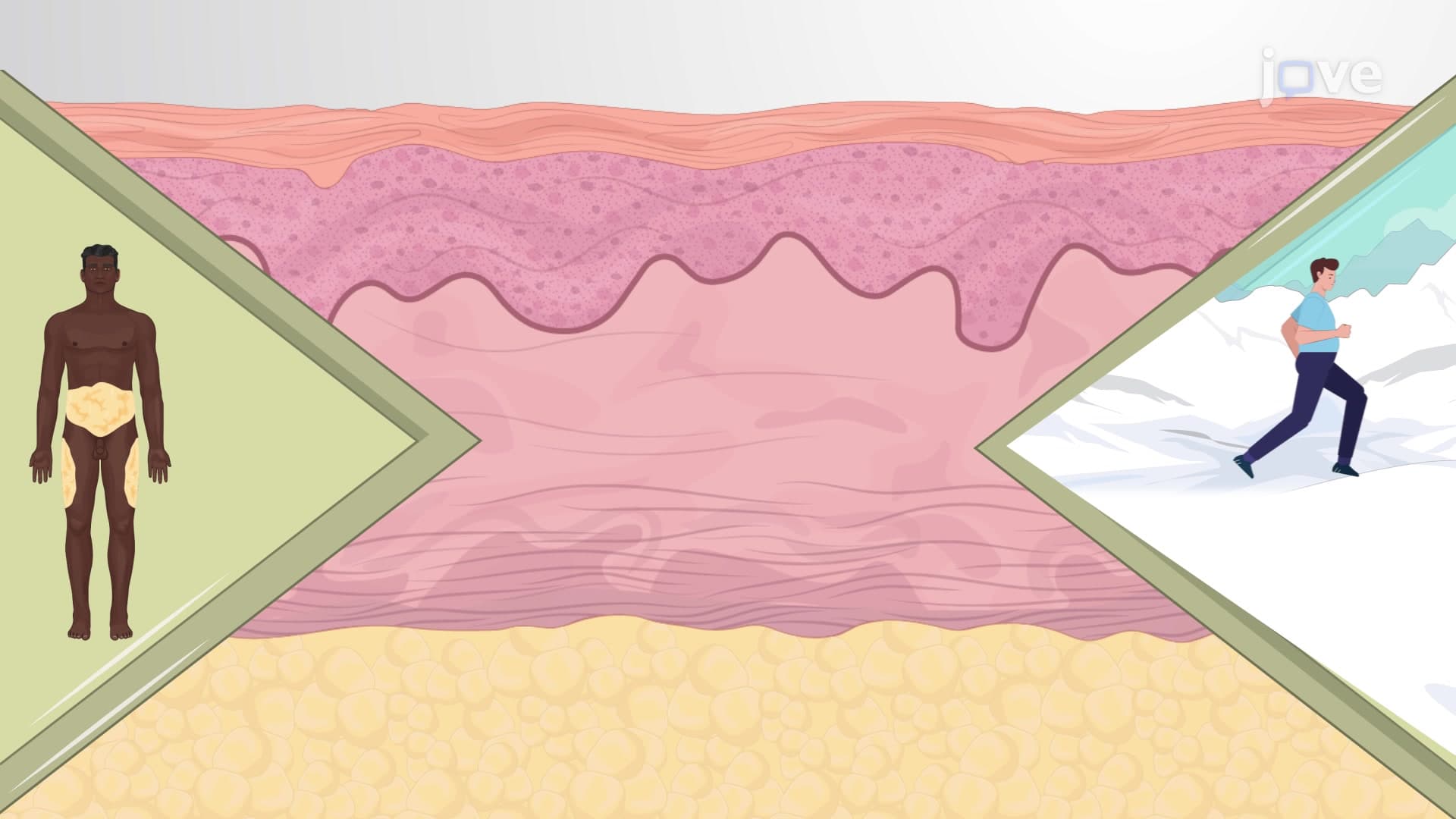
- Evaluate the metabolic functions of integumentary protection function, particularly vitamin D synthesis and fat storage capabilities
- Apply knowledge of integumentary system anatomy overview to explain thermoregulation and sensory detection mechanisms
- Recognize the relationship between body cover integumentary structures and their specialized appendages in maintaining homeostasis
- Explore how skin hair nail integumentary interactions contribute to overall body protection and environmental adaptation
Understanding the Integumentary System's Complex Architecture
The integumentary system anatomy overview reveals a sophisticated multilayered defense mechanism that extends far beyond simple body coverage. This system represents the largest organ system in the human body, accounting for approximately 16% of total body weight in healthy adults. Unlike simple protective barriers, the integumentary system actively participates in immune responses, metabolic processes, and environmental adaptation strategies crucial for human survival.
Structural Organization and Tissue Composition
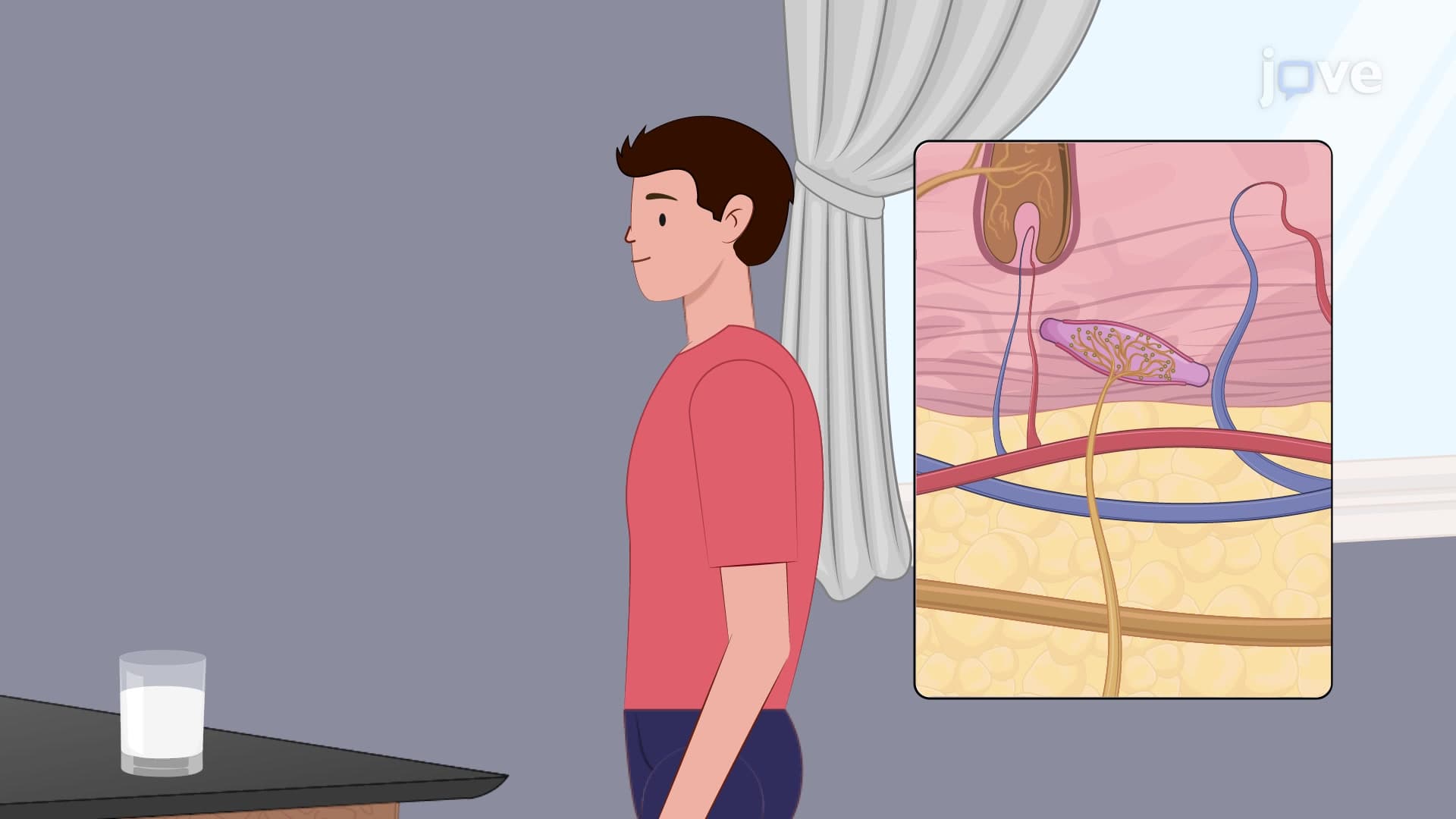
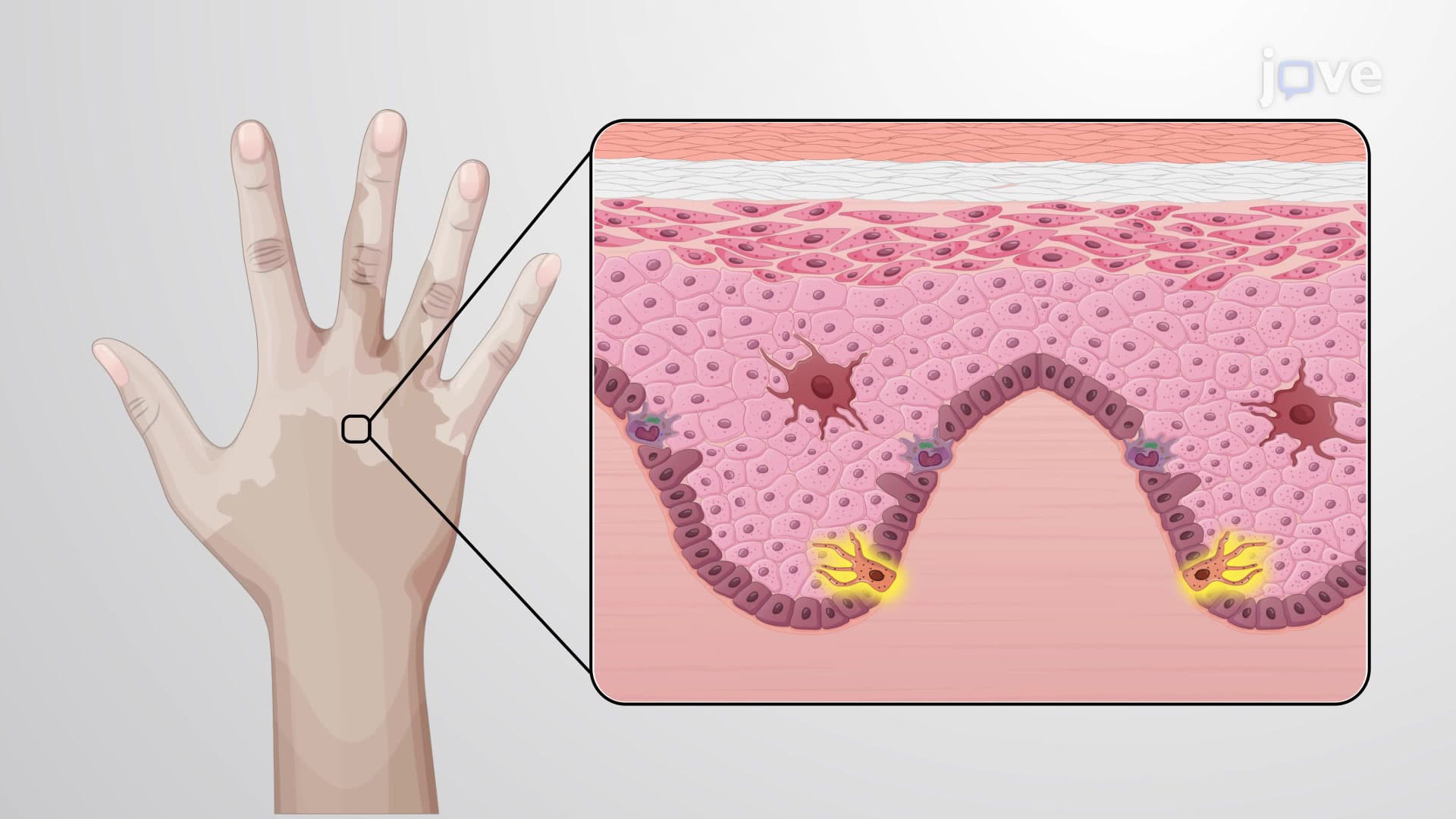
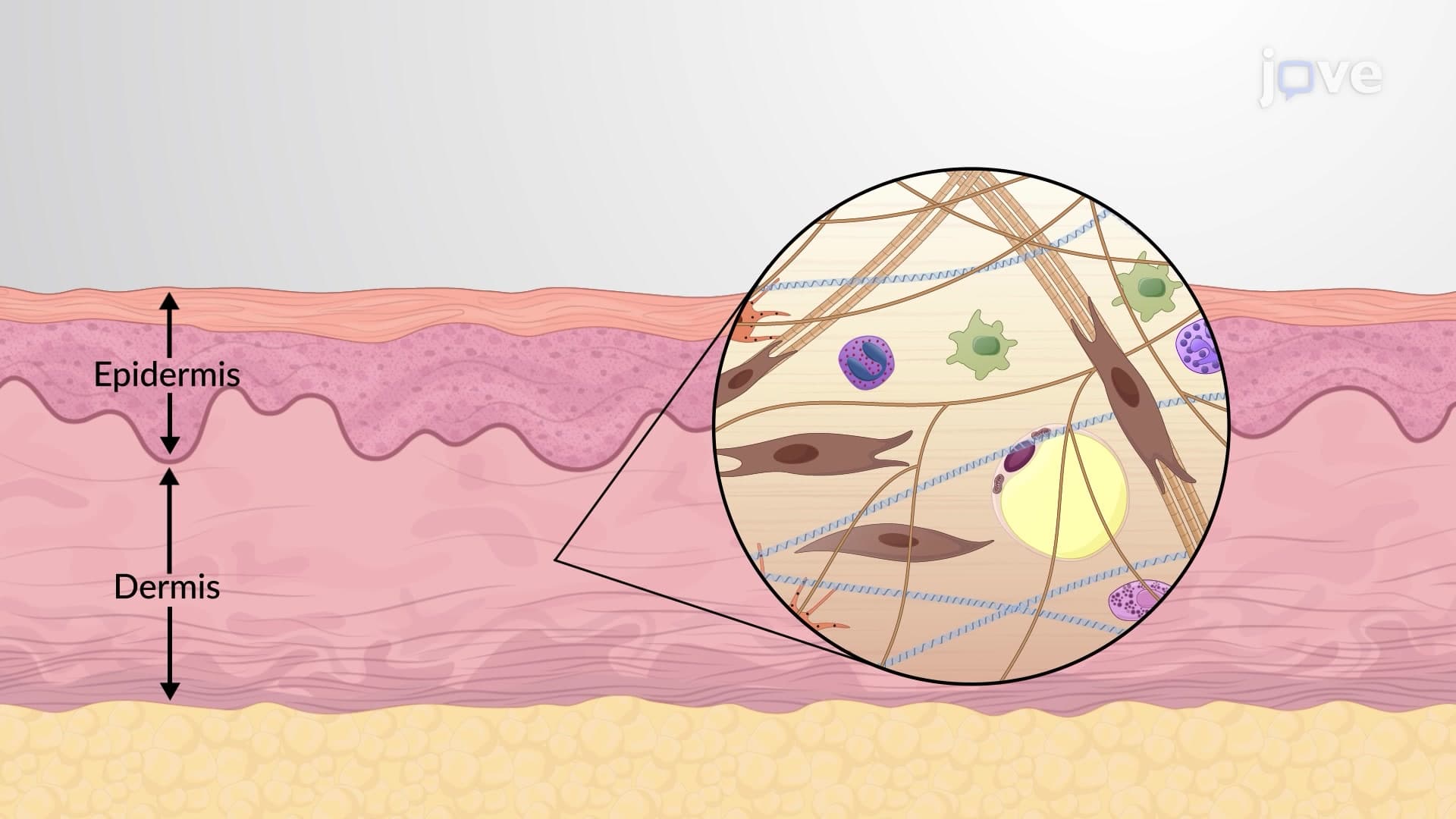
Skin system anatomy demonstrates remarkable organizational complexity through its distinct layers. The epidermis, composed primarily of keratinized stratified squamous epithelium, undergoes continuous renewal every 28-30 days through carefully regulated cell division processes. This outer layer contains specialized Langerhans cells that function as immune sentinels, immediately responding to potential threats. The underlying dermis, constructed from dense irregular connective tissue, houses blood vessels, nerve endings, and sensory receptors that enable tactile discrimination and pain detection. Students preparing for the MCAT or AP Biology exams should understand how collagen and elastin fibers within the dermis provide structural integrity while maintaining flexibility necessary for joint movement.
Functional Integration of Integumentary Components
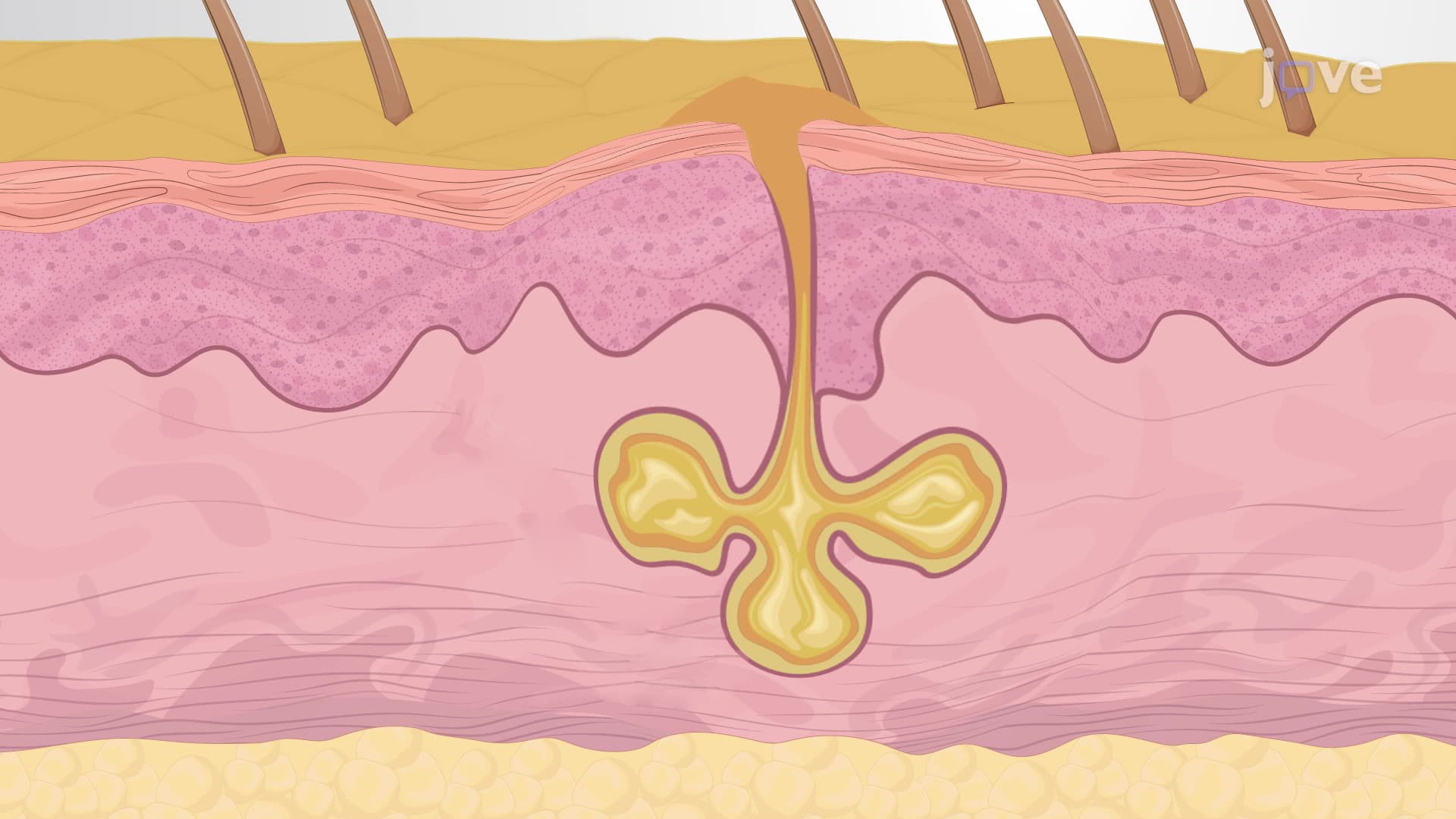
Integumentary system components work synergistically to maintain physiological homeostasis through multiple mechanisms. Sebaceous glands produce sebum, creating an acidic surface environment (pH 4.5-6.5) that inhibits bacterial colonization-a concept frequently tested in USMLE Step 1 examinations. Eccrine sweat glands enable thermoregulation through evaporative cooling, while apocrine glands in axillary and groin regions respond to emotional stimuli. Hair follicles, containing arrector pili muscles, facilitate heat conservation through piloerection responses during cold exposure, similar to mechanisms observed in patients with hypothyroidism at Cleveland Clinic medical centers.
Clinical Applications and Metabolic Functions
The integumentary protection function extends into metabolic territory through vitamin D synthesis, particularly relevant for populations in northern US states with limited sunlight exposure. 7-dehydrocholesterol conversion to cholecalciferol occurs when UVB radiation penetrates the epidermis, initiating the pathway ultimately producing calcitriol. This process becomes clinically significant for nursing students studying calcium homeostasis on NCLEX examinations, especially when considering patients with osteoporosis or rickets. Additionally, subcutaneous adipose tissue provides thermal insulation and serves as an energy reservoir, storing approximately 80% of the body's total fat content in healthy individuals.
Frequently Asked Questions
The integumentary system includes skin, hair, nails, and associated glands that collectively form the body's protective outer covering. It's considered the largest organ system because skin alone covers approximately 20 square feet in adults and weighs about 8 pounds, making up roughly 16% of total body weight. This system serves multiple vital functions including protection, temperature regulation, vitamin D synthesis, and sensory perception.
Integumentary system concepts frequently appear in MCAT biology sections, particularly questions about tissue types, homeostasis, and organ system interactions. AP Biology students encounter these topics when studying cell structure, immune responses, and physiological systems. Understanding melanin production, thermoregulation mechanisms, and vitamin D synthesis provides excellent examples for explaining molecular processes and system integration that commonly appear on standardized tests.
Focus on distinguishing epidermis layers (stratum basale through stratum corneum), dermis composition including papillary and reticular layers, and the hypodermis relationship. Understanding cellular components like keratinocytes, melanocytes, Langerhans cells, and Merkel cells is crucial for anatomy and physiology courses. Pay special attention to gland types, hair follicle structure, and nail anatomy for comprehensive exam preparation.
In US hospitals and clinics, intact skin serves as the primary barrier against bloodborne pathogens like hepatitis and HIV during patient care procedures. Healthcare workers rely on their integumentary system's natural antimicrobial properties, including acidic pH and sebum production, while following additional safety protocols. Understanding these protective mechanisms helps medical students and nursing students appreciate why proper hand hygiene and personal protective equipment remain essential despite natural skin defenses.
The integumentary system actually provides an excellent introduction to human biology because students can observe and relate to its structures daily. Basic concepts like skin layers, hair growth, and wound healing connect easily to personal experiences. Starting with familiar structures like fingerprints and freckles helps build confidence before progressing to more complex topics like melanin biochemistry and thermoregulation mechanisms.
Create visual diagrams showing skin layers and label all components including cell types and gland structures. Use mnemonics for remembering epidermis layers: "Big Strong Girls Can Learn" (Basale, Spinosum, Granulosum, Corneum, Lucidum). Practice with microscopy images to identify tissue types, and connect structure to function by explaining how each component contributes to protection, sensation, or regulation. Focus on clinical correlations like burns, skin cancer, and vitamin D deficiency for comprehensive understanding.
Progress to studying wound healing mechanisms, including inflammatory, proliferative, and remodeling phases that demonstrate cellular coordination. Explore dermatopathology including skin cancer types, autoimmune conditions like psoriasis, and infectious diseases affecting skin integrity. Advanced students should investigate pharmacology of topical medications, transplantation immunology related to skin grafts, and regenerative medicine approaches for treating severe burns and wounds.
US dermatologists use detailed understanding of skin anatomy to diagnose conditions like melanoma through dermoscopy and biopsy techniques. Plastic surgeons rely on knowledge of skin tension lines, blood supply patterns, and healing mechanisms when planning reconstructive procedures following trauma or cancer removal. Understanding integumentary system components allows these specialists to predict healing outcomes, minimize scarring, and restore both function and appearance effectively.
Related Micro-courses

19 Concepts

11 Concepts
6 Concepts