Loading subject page…

- Anatomy and Physiology
- The Lymphatic and Immune System
- B Cell Activation and Differentiation
Micro-course: The Lymphatic and Immune System
218,420 views
Learn key concepts and earn your certificate.




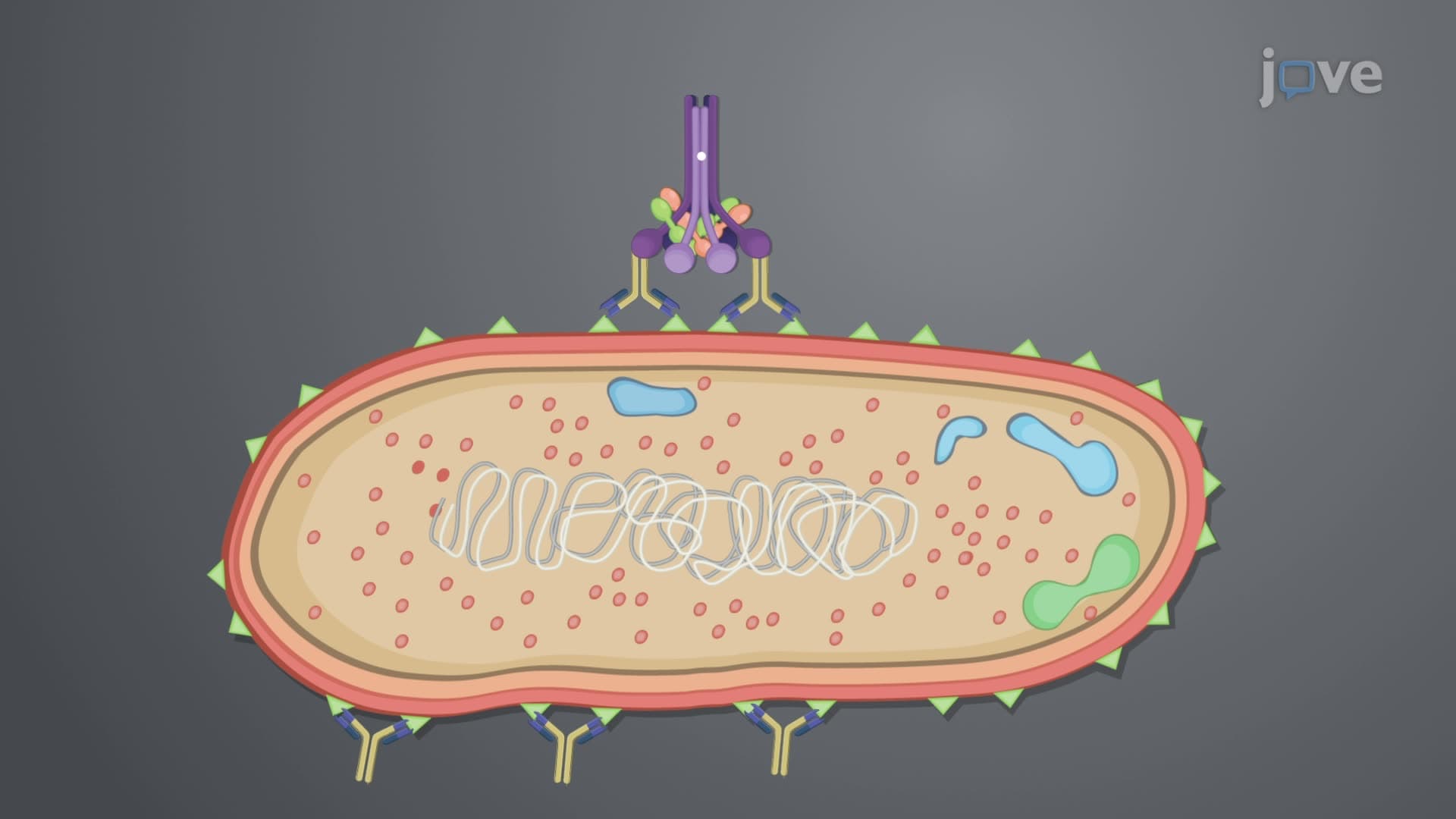
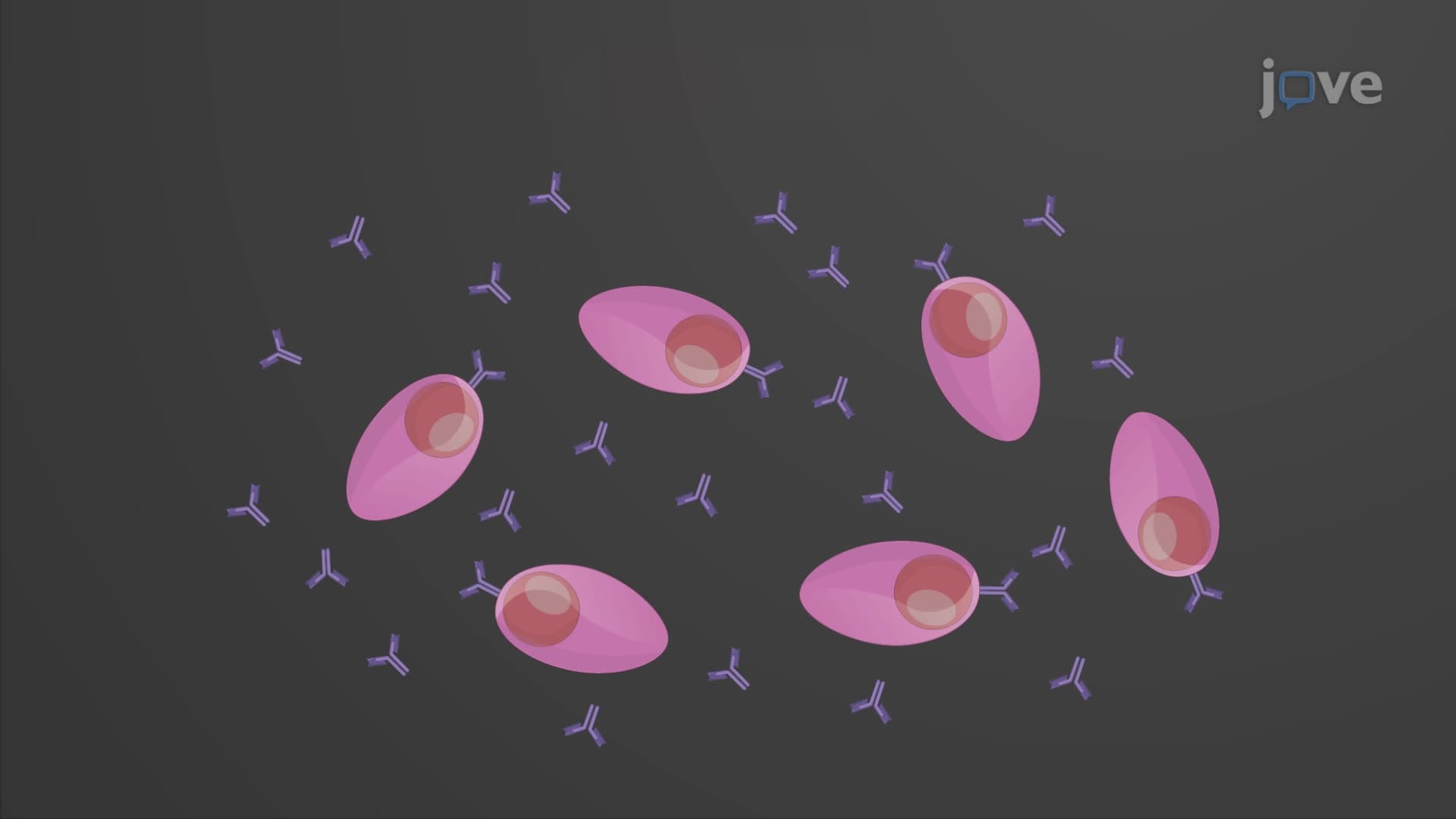

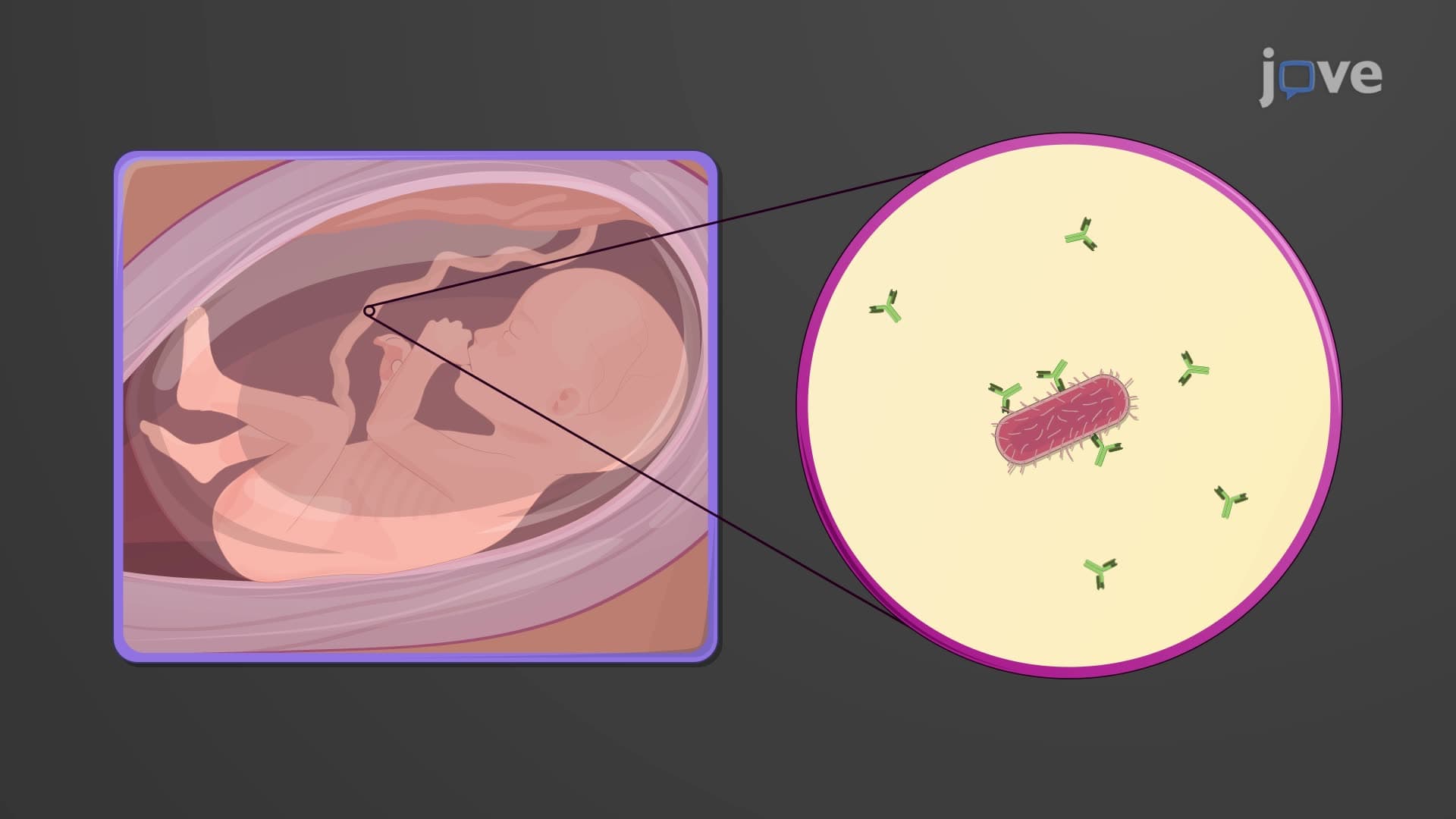
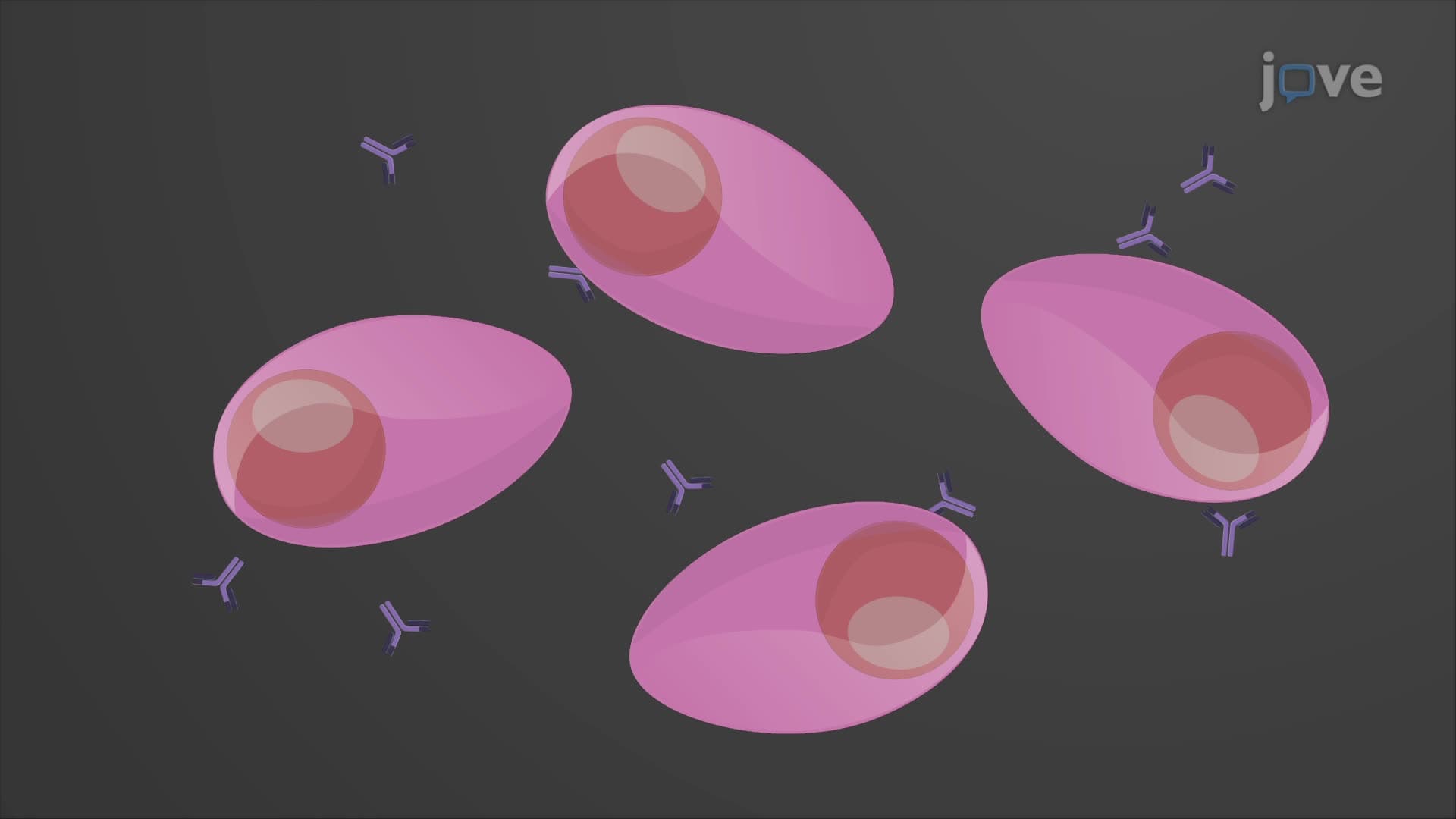

B Cell Activation and Differentiation

00:00
01:24
Video Summary: B Cell Activation and Differentiation Explained
Every time you recover from strep throat, millions of specialized immune cells called B lymphocytes spring into action through B cell activation differentiation. This remarkable process transforms naive B cells into antibody-producing powerhouses that can remember pathogens for decades. When a CDC outbreak investigation traces immunity patterns in a community, they're studying the very mechanisms of B Cell Activation And Differentiation Explained in real populations. Watch the full video on JoVE Coach to master this concept with expert-led visuals and step-by-step explanations.
- Understand the complete pathway of B Cell Activation And Differentiation Explained, from initial antigen recognition through memory cell formation
- Identify the molecular components involved in B cell receptor (BCR) binding and antigen presentation via MHC II molecules
- Analyze the critical role of Helper T cells in providing co-stimulatory signals for successful B cell activation
- Compare the distinct functions of plasma cells versus memory B cells in adaptive immunity
- Evaluate how clonal expansion ensures rapid immune response amplification against specific pathogens
- Apply knowledge of B cell differentiation to predict immune responses in vaccination scenarios
- Recognize the importance of antigen processing and presentation in initiating the adaptive immune cascade
- Explore connections between B cell activation mechanisms and autoimmune disease development
Understanding B Cell Activation And Differentiation Explained
B cell activation differentiation represents one of immunology's most elegant cellular transformations. This multi-step process converts resting naive B cells into either antibody-secreting plasma cells or long-lived memory cells, forming the backbone of humoral immunity that protects us from infectious diseases.
The Sensitization Phase: Antigen Recognition and Processing
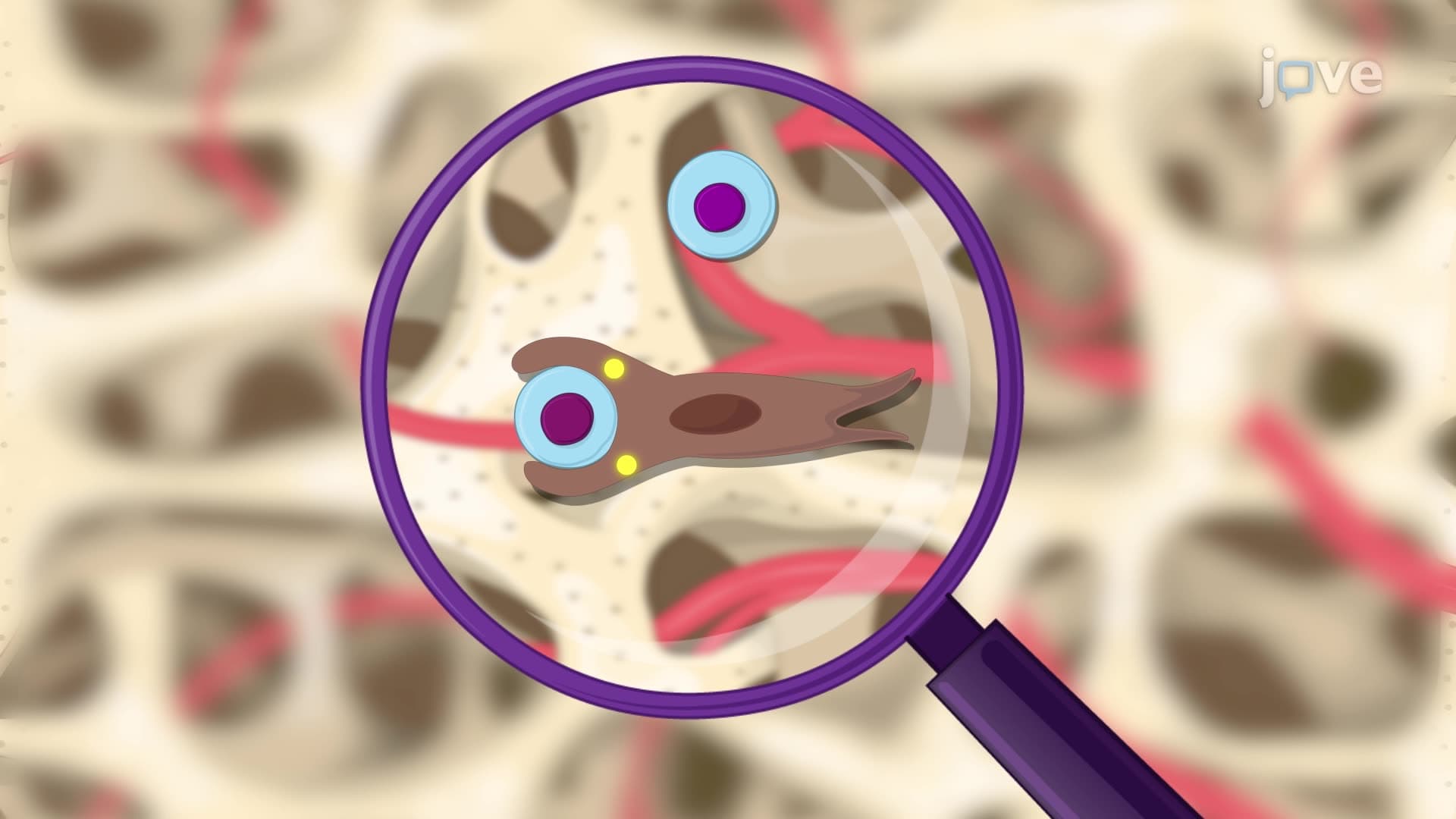
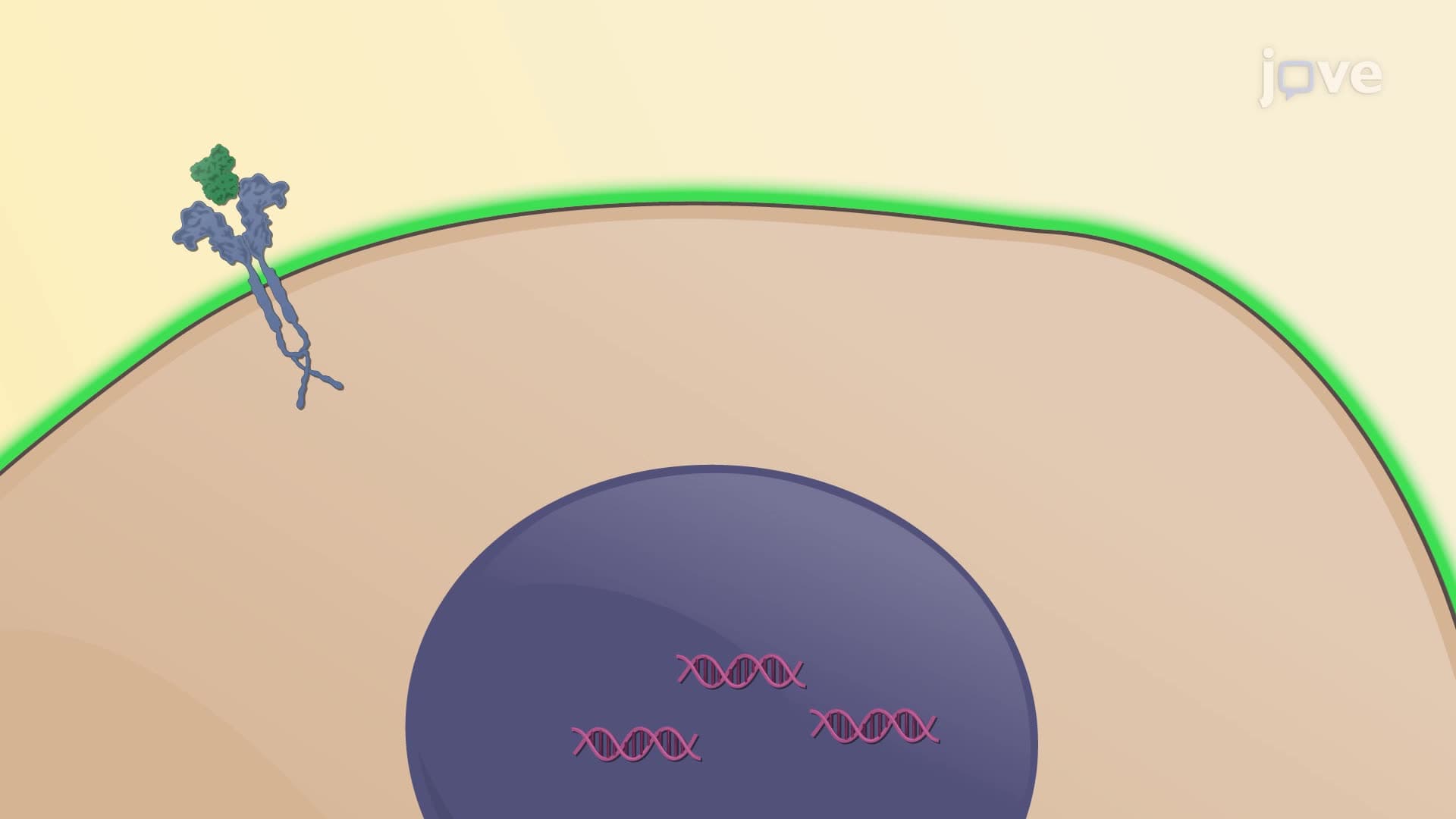
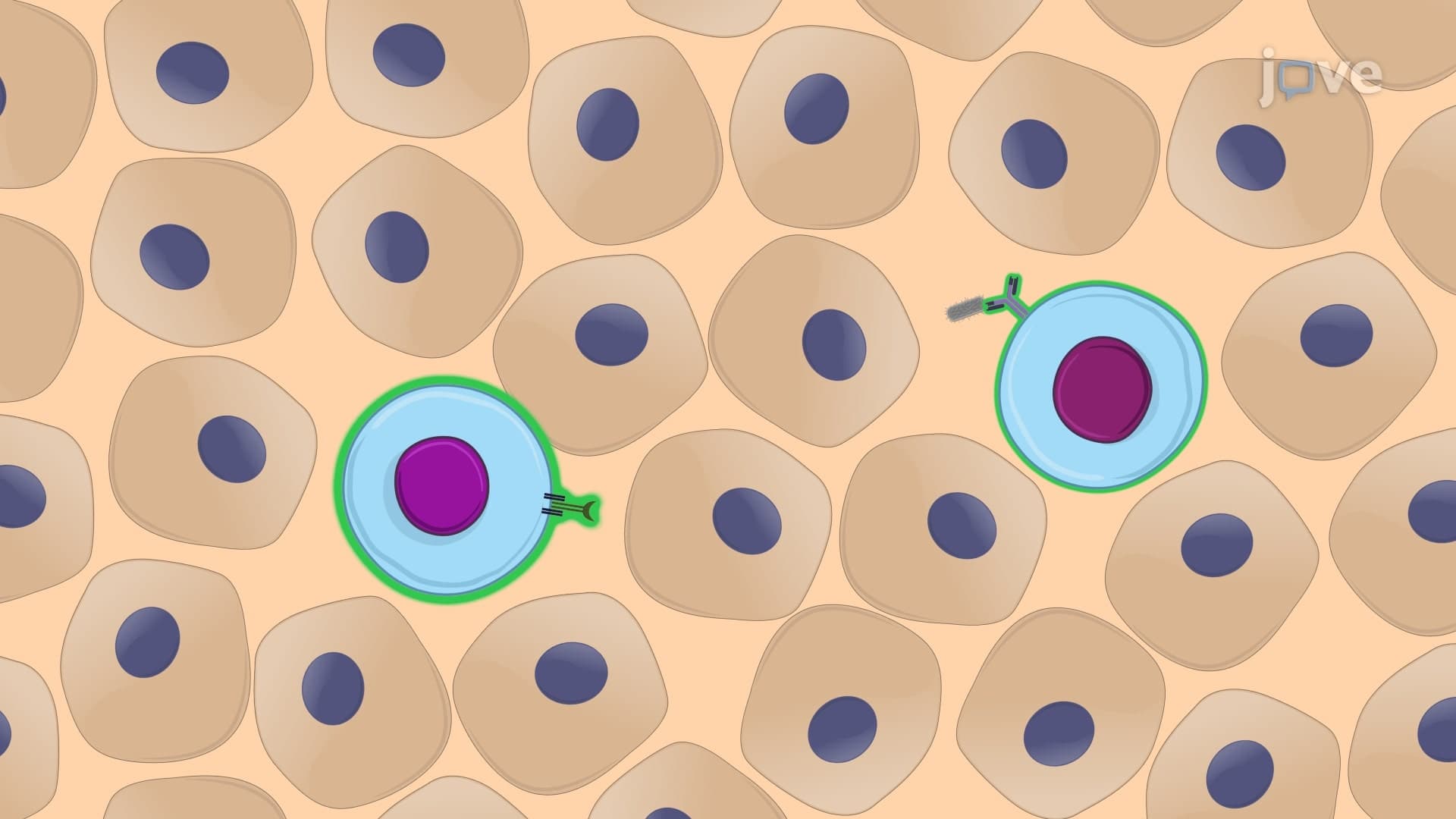
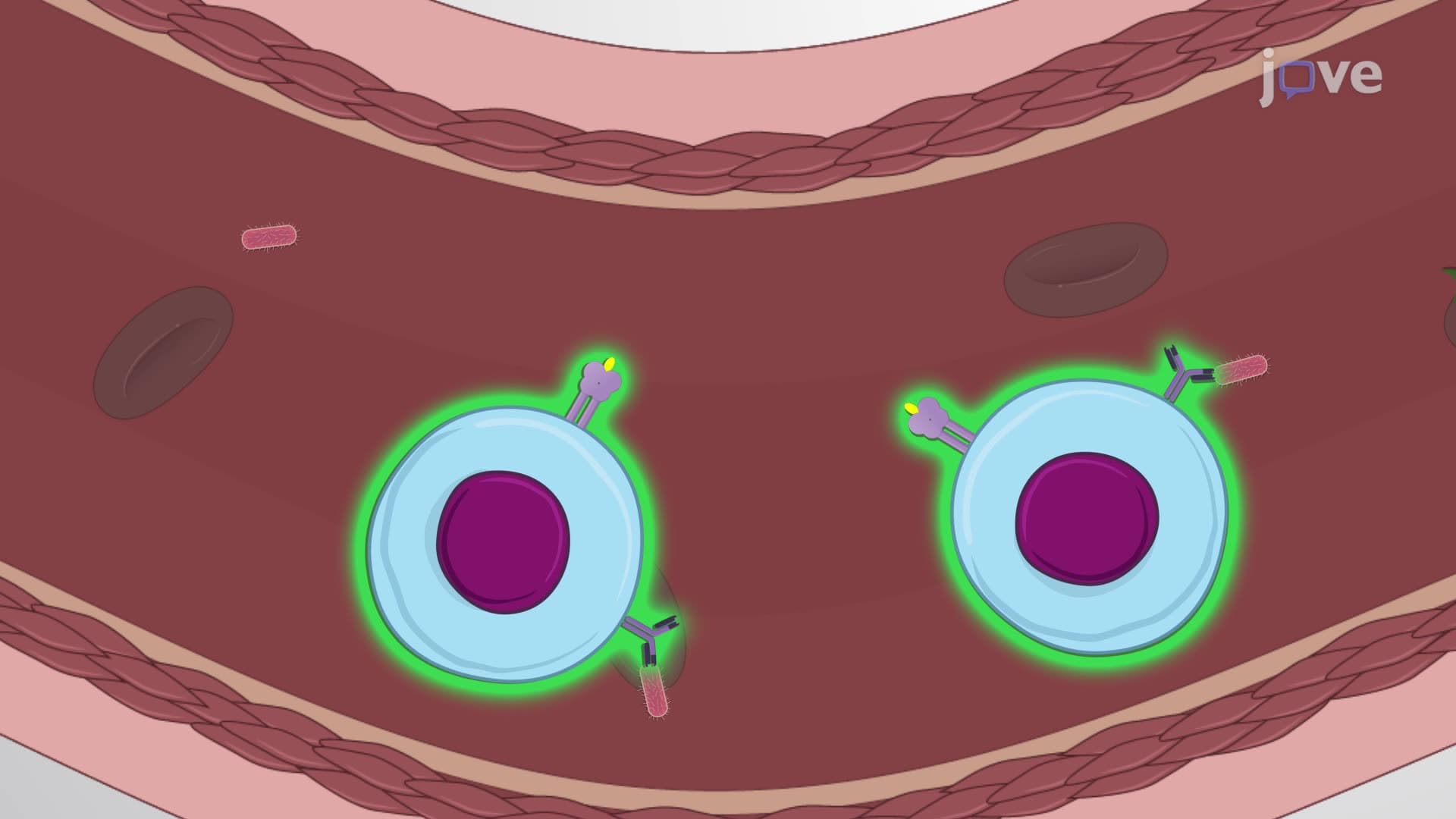
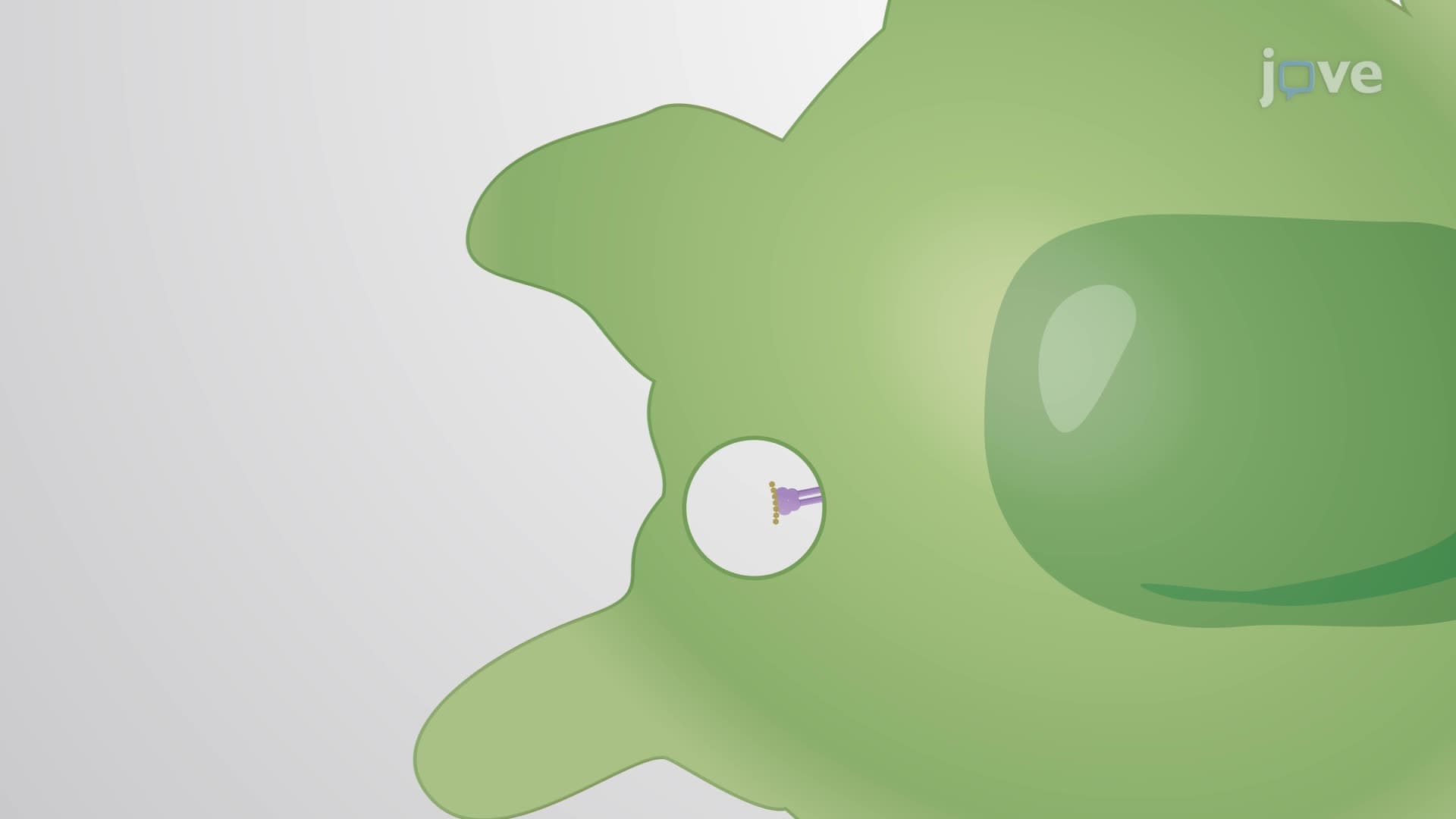
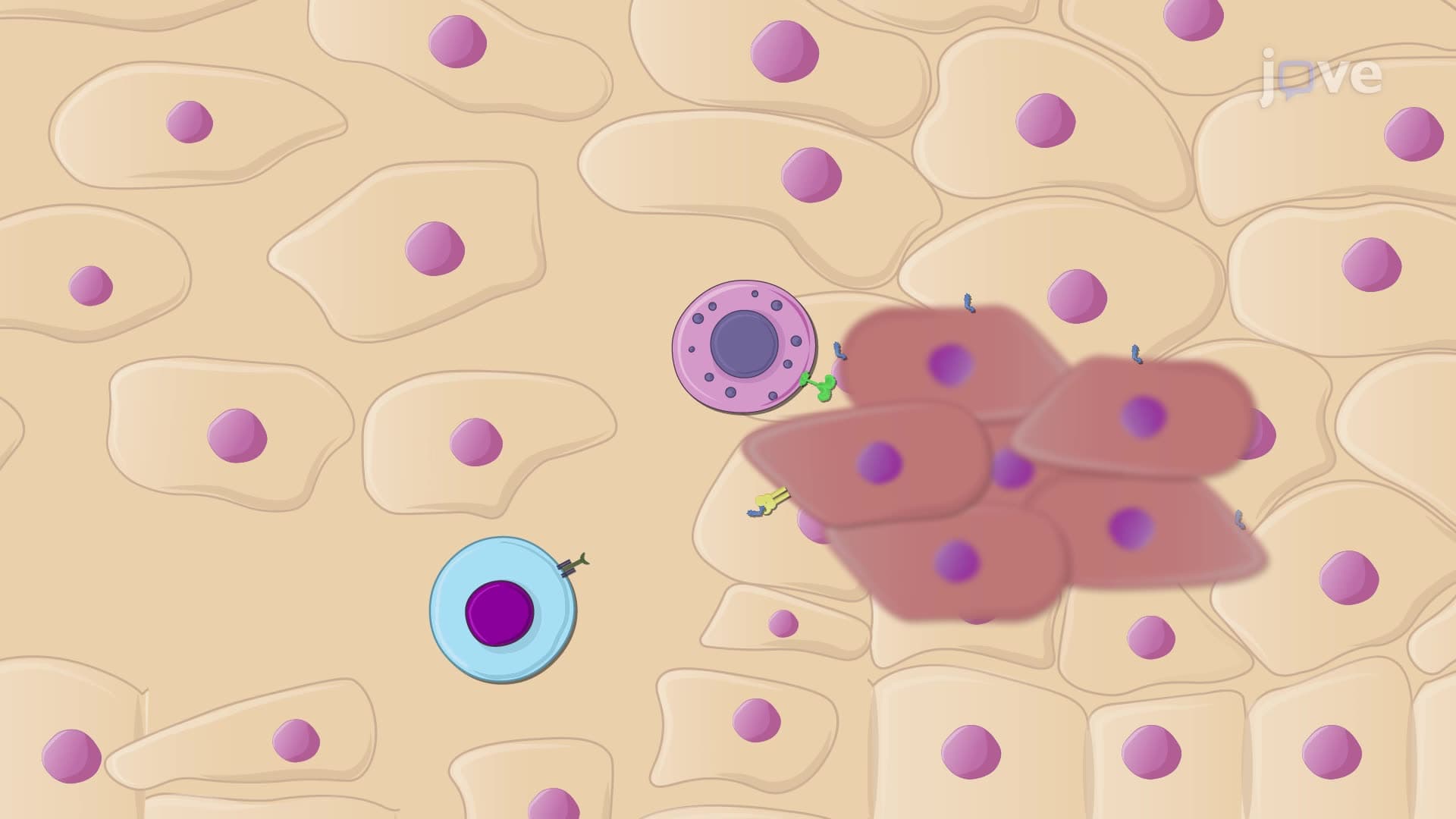
The journey begins when a naive B cell encounters its specific antigen through the B cell receptor (BCR). Unlike the more complex T cell recognition system, B lymphocyte activation explained starts with direct antigen binding. Once bound, the B cell engulfs the antigen through receptor-mediated endocytosis-a process similar to how macrophages consume pathogens but with exquisite specificity.
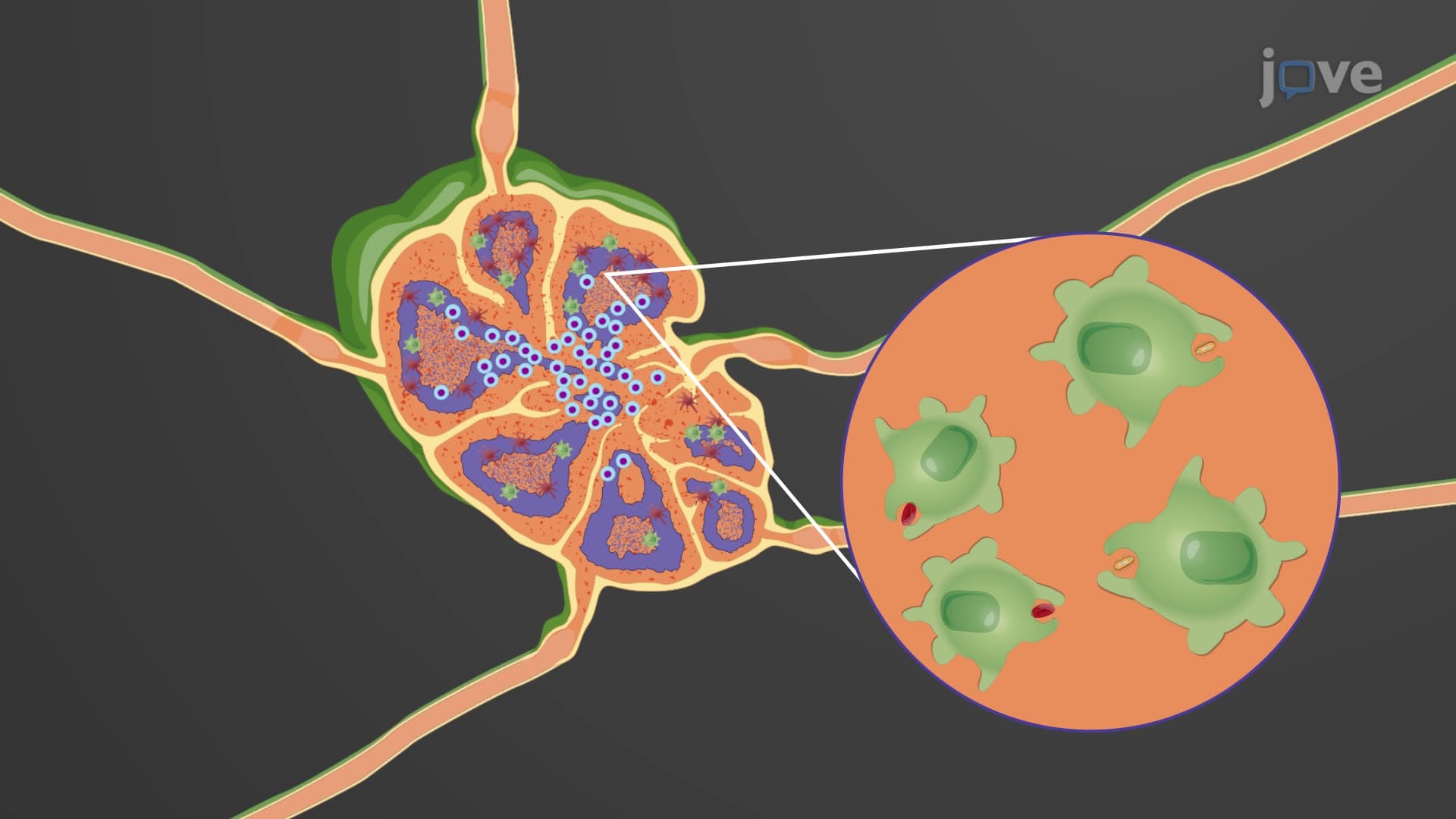
Inside the B cell, proteolytic enzymes fragment the antigen into peptides that associate with MHC II molecules. This antigen-MHC II complex then travels to the cell surface, transforming the B cell into an antigen-presenting cell. This dual role-antigen recognition and presentation-makes B cells unique among immune cells and explains why they're central to vaccine effectiveness studies conducted by the NIH.
T Cell-Dependent Activation: The Critical Partnership
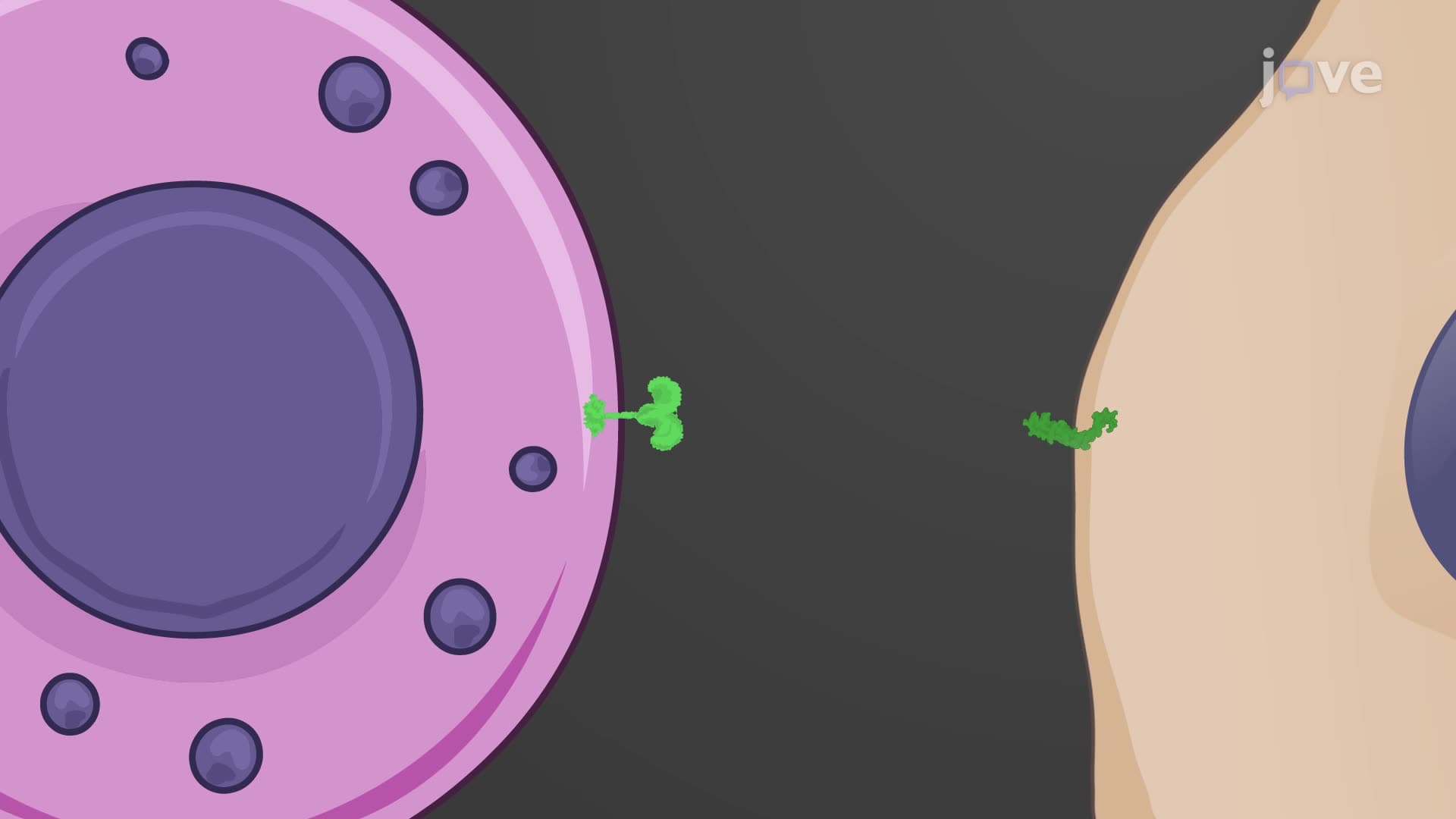
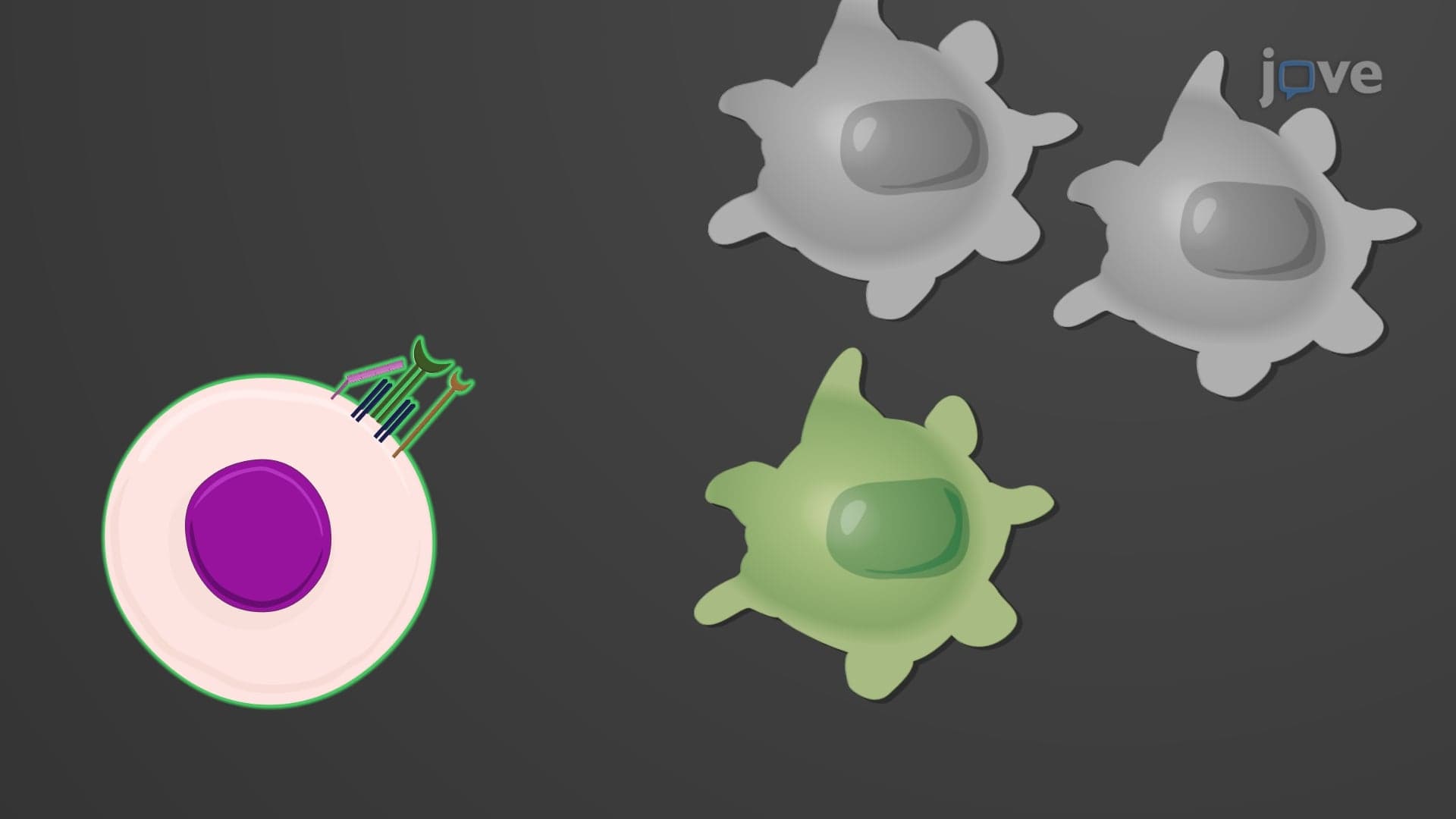
Most clinically relevant B cell responses require Helper T cell assistance, explaining how B cell activation and differentiation occur in response to complex pathogens like influenza virus. When the sensitized B cell presents its processed antigen to a compatible Helper T cell, the T cell releases cytokines including interleukin-4 and interleukin-21. These molecular signals provide the "second signal" necessary for full B cell activation-a safeguard preventing autoimmune responses.
This T dependent B cell activation mechanism is why combination vaccines like MMR (measles, mumps, rubella) generate robust, long-lasting immunity. The Helper T cell partnership ensures that only truly foreign antigens trigger full immune responses.
Clonal Expansion and Differentiation: Creating an Army
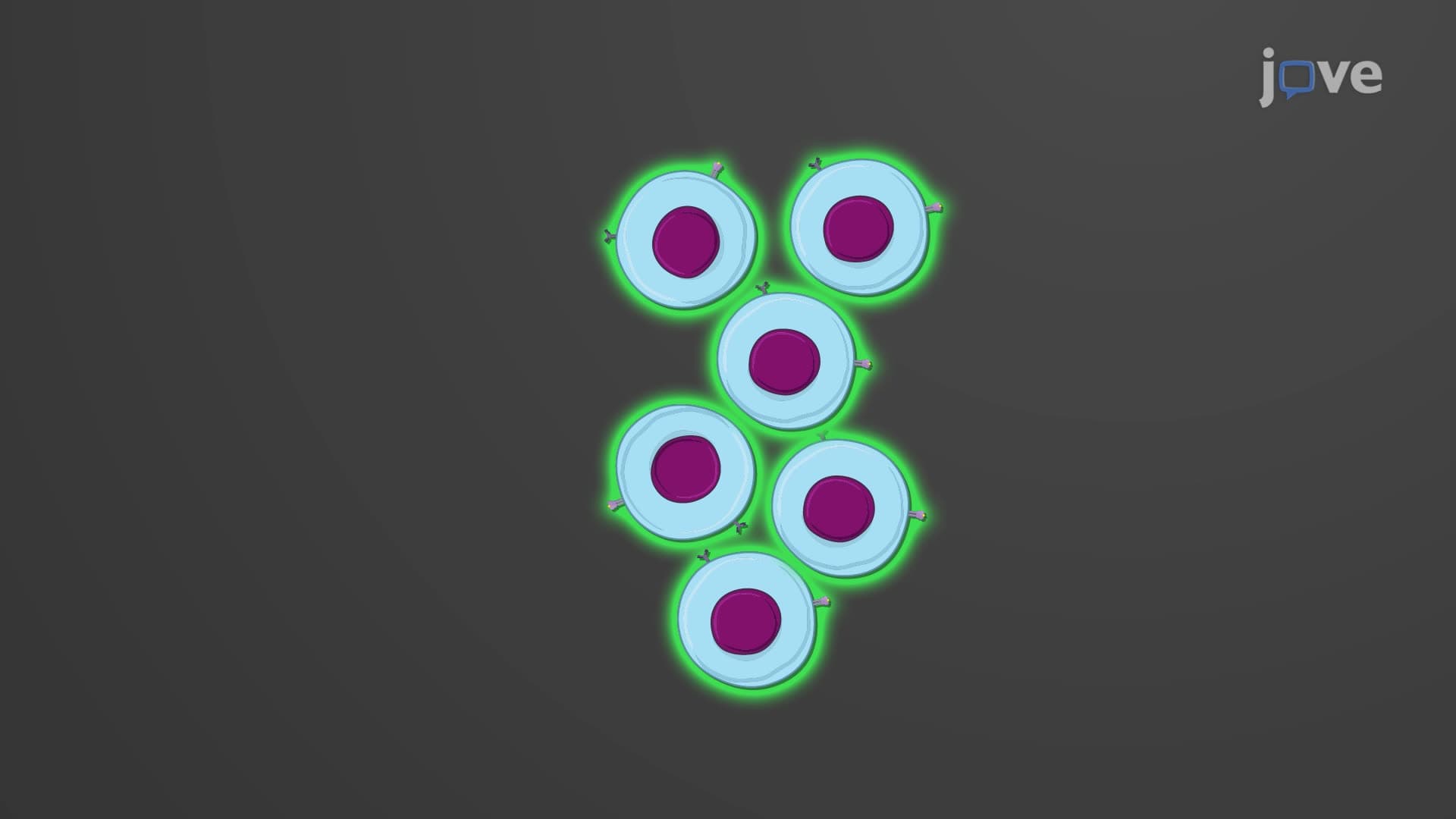
Upon receiving proper activation signals, B cell clonal expansion occurs rapidly. A single activated B cell can produce thousands of identical daughter cells within days. This expansion phase is crucial for generating sufficient immune effector cells to combat infection-similar to how the CDC scales up vaccine production during pandemic responses.
The activated B cell population then differentiates along two primary pathways. Plasma cell differentiation B cells become antibody factories, secreting thousands of immunoglobulins per second. These antibody producing B cell effectors have shortened lifespans but provide immediate pathogen neutralization. Meanwhile, other cells become memory B cells, establishing immunological memory that can persist for decades.
Understanding these mechanisms proves essential for MCAT preparation, particularly in biological sciences sections, and frequently appears in AP Biology free-response questions about immune system function.
Frequently Asked Questions
B cell activation and differentiation is the process where naive immune cells transform into antibody-producing plasma cells or memory cells after encountering specific antigens. It involves antigen recognition, Helper T cell assistance, rapid cell division, and specialized cell type development. This process forms the basis of vaccination effectiveness and long-term immunity.
MCAT questions often focus on the molecular mechanisms of BCR signaling and cytokine interactions, while AP Biology emphasizes the overall process flow and immune system integration. Both exams may include experimental data interpretation about antibody production rates. Students should understand both cellular and molecular perspectives for comprehensive exam preparation.
Step 1 frequently tests B cell activation in immunodeficiency contexts, autoimmune disease mechanisms, and vaccine immunology. Key connections include hypersensitivity reactions, immunoglobulin class switching, and germinal center formation. Understanding plasma cell dysfunction in multiple myeloma also builds on these foundational concepts.
During the 2009 H1N1 pandemic, epidemiologists tracked B cell memory responses to determine population immunity levels and vaccine effectiveness. B cells producing strain-specific antibodies helped contain viral spread, while memory B cells from previous flu exposures provided cross-protective immunity in some individuals.
Not at all-B cell activation follows logical steps that build naturally on basic cell biology concepts. Starting with simple antigen-antibody binding and progressing through cellular communication makes this topic accessible. Many students find the detective-like process of immune recognition engaging and intuitive once broken into clear stages.
Create flowcharts connecting each activation step, then practice explaining the process using different starting scenarios (bacterial infection, vaccination, allergen exposure). Focus on understanding why each step occurs rather than memorizing isolated facts. Drawing the cellular interactions helps solidify spatial relationships and signal pathways.
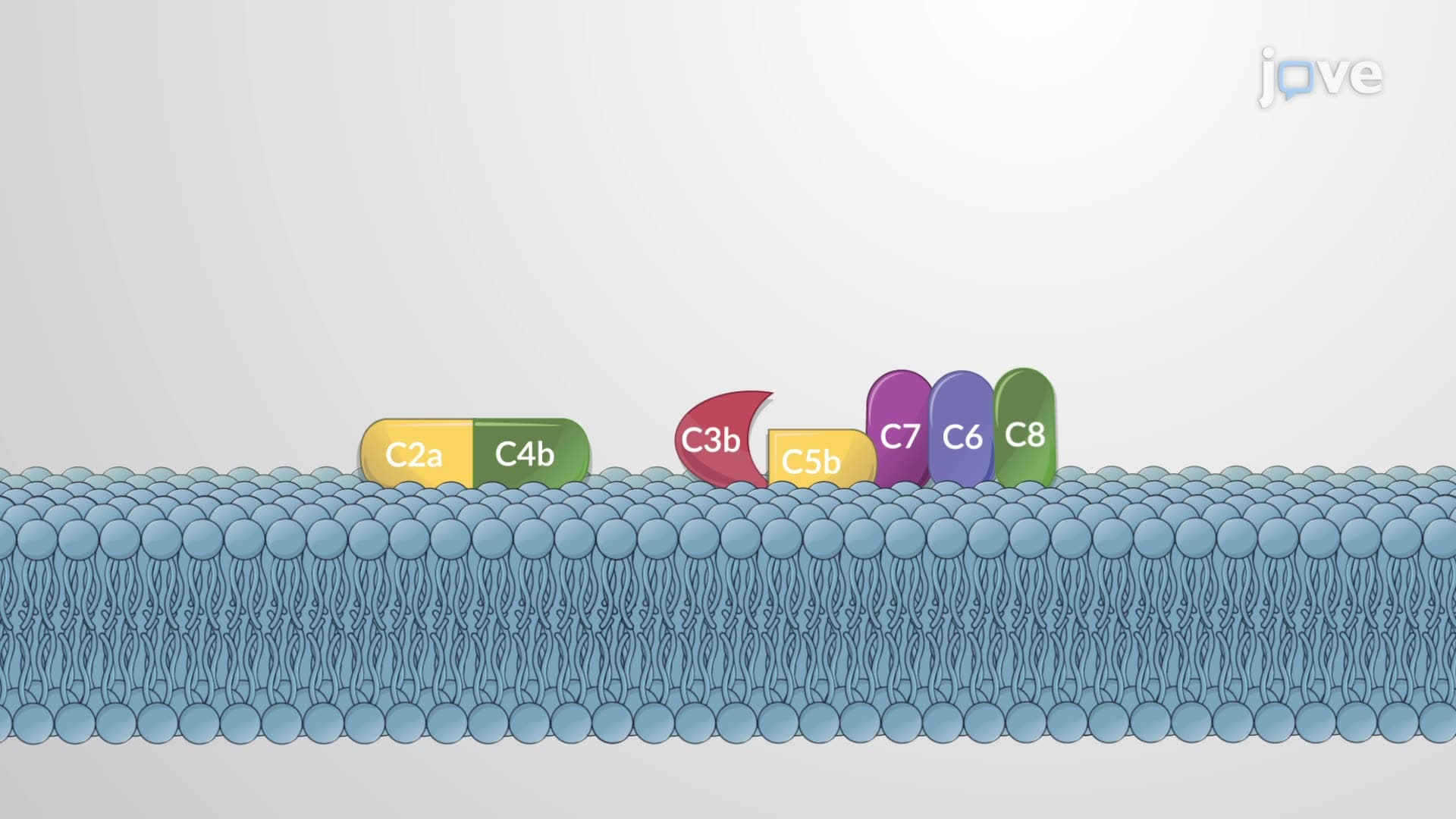
Germinal center reactions, affinity maturation, and immunoglobulin class switching build directly on B cell activation principles. These concepts connect to clinical topics like autoimmune diseases and immunotherapy mechanisms. Understanding complement system activation by antibodies also provides important therapeutic context for future healthcare studies.
Related Micro-courses