Loading subject page…


218,421 views

Video Summary: Cytotoxic T Cells Mediated Immune Response Explained
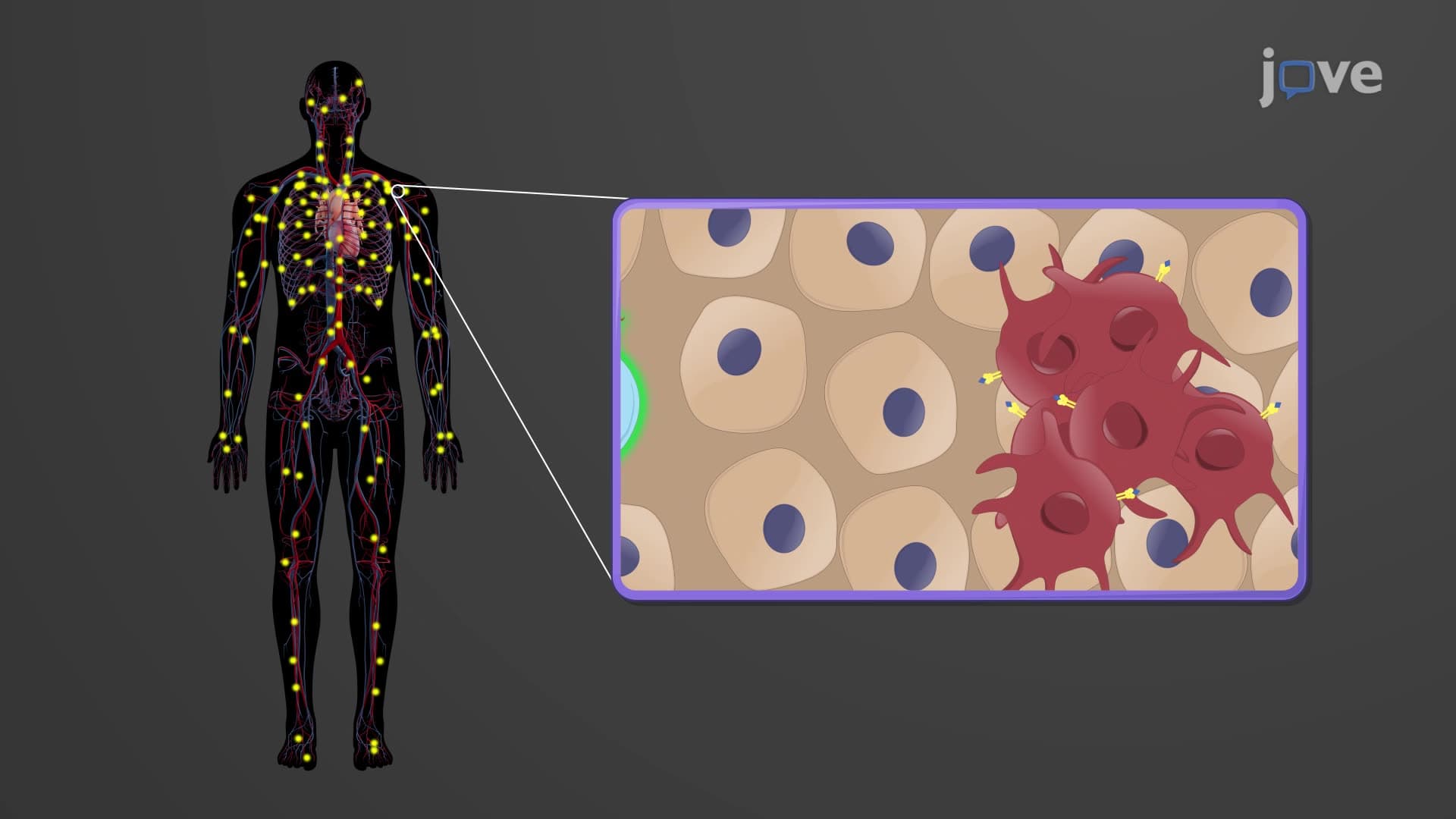
Did you know your body has specialized killer cells that can identify and destroy cancer cells before they spread? The cytotoxic T cell immune response represents your immune system's most precise weapon against infected and malignant cells. These CD8+ T lymphocytes patrol your body, targeting virus-infected cells much like those seen in COVID-19 patients at Johns Hopkins Hospital. Understanding Cytotoxic T Cells Mediated Immune Response Explained reveals how your body maintains cellular health through immunological surveillance. Watch the full video on JoVE Coach to master this concept with expert-led visuals and step-by-step explanations.
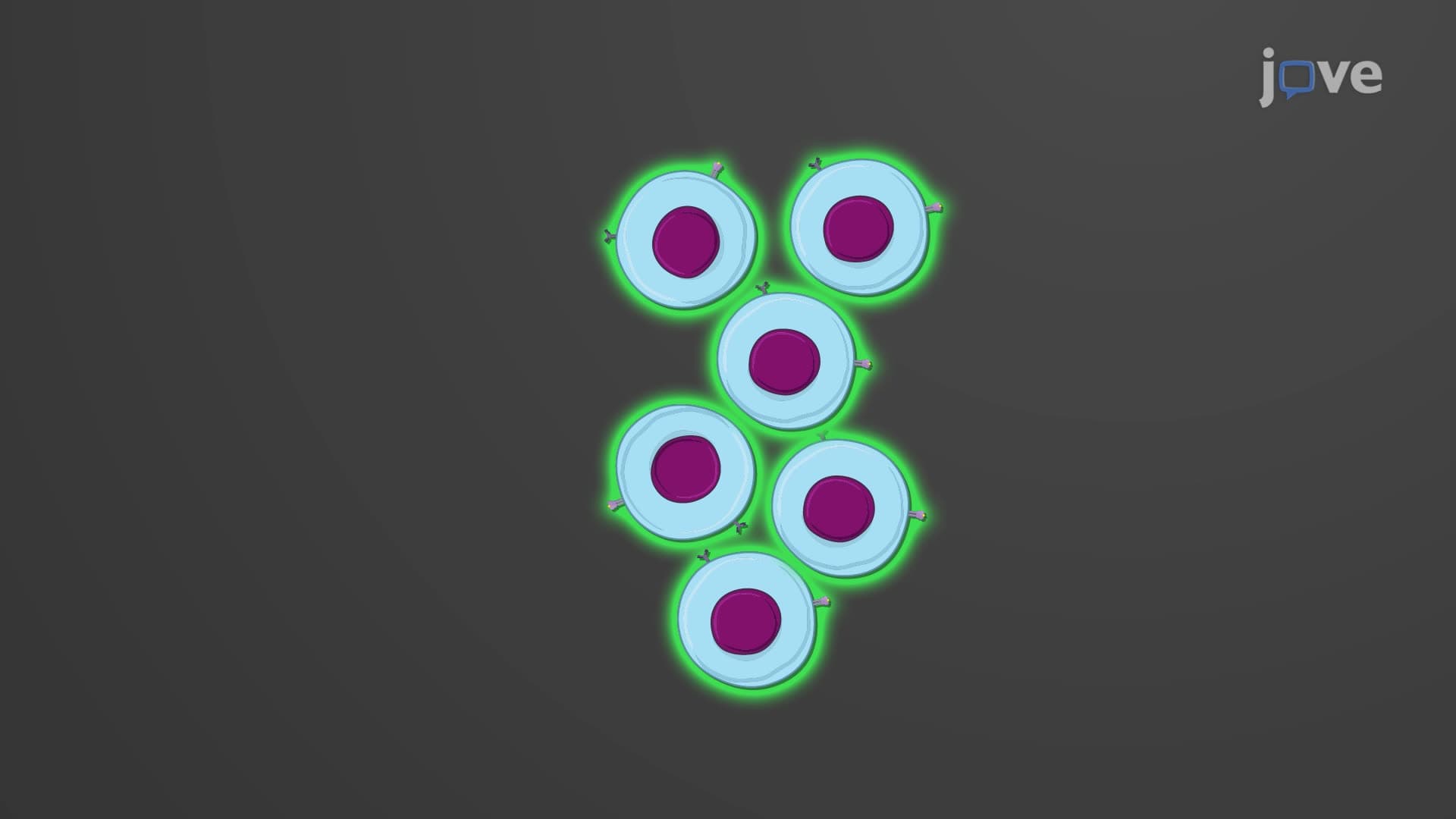
The cytotoxic T cell immune response represents one of adaptive immunity's most sophisticated mechanisms. Unlike antibodies that target extracellular threats, CD8+ cytotoxic T lymphocytes (CTLs) specialize in eliminating compromised cells from within. This CTL immune response explained involves a complex cascade of recognition, activation, and targeted destruction that protects against viral infections, cancer, and transplant rejection.
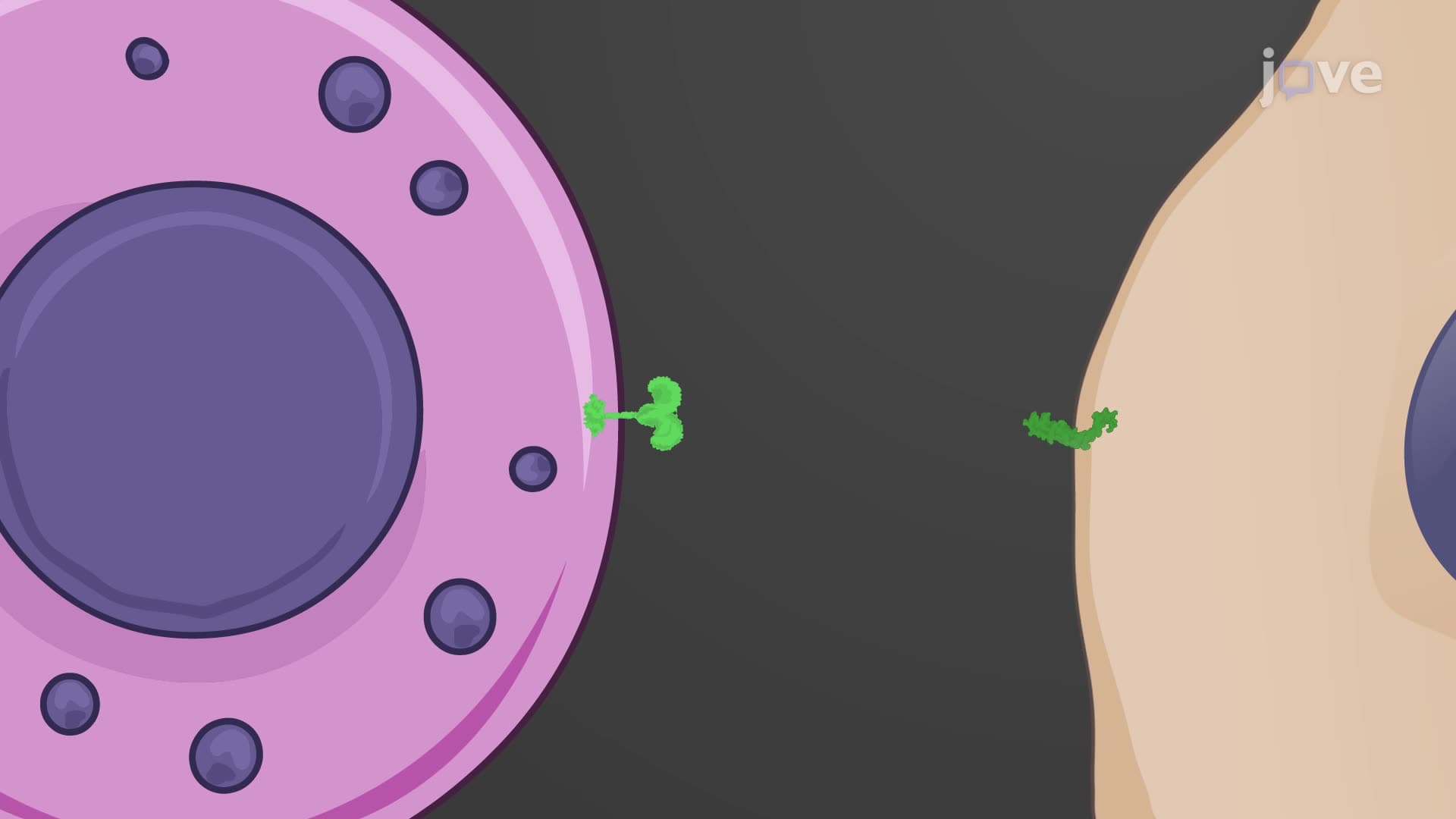
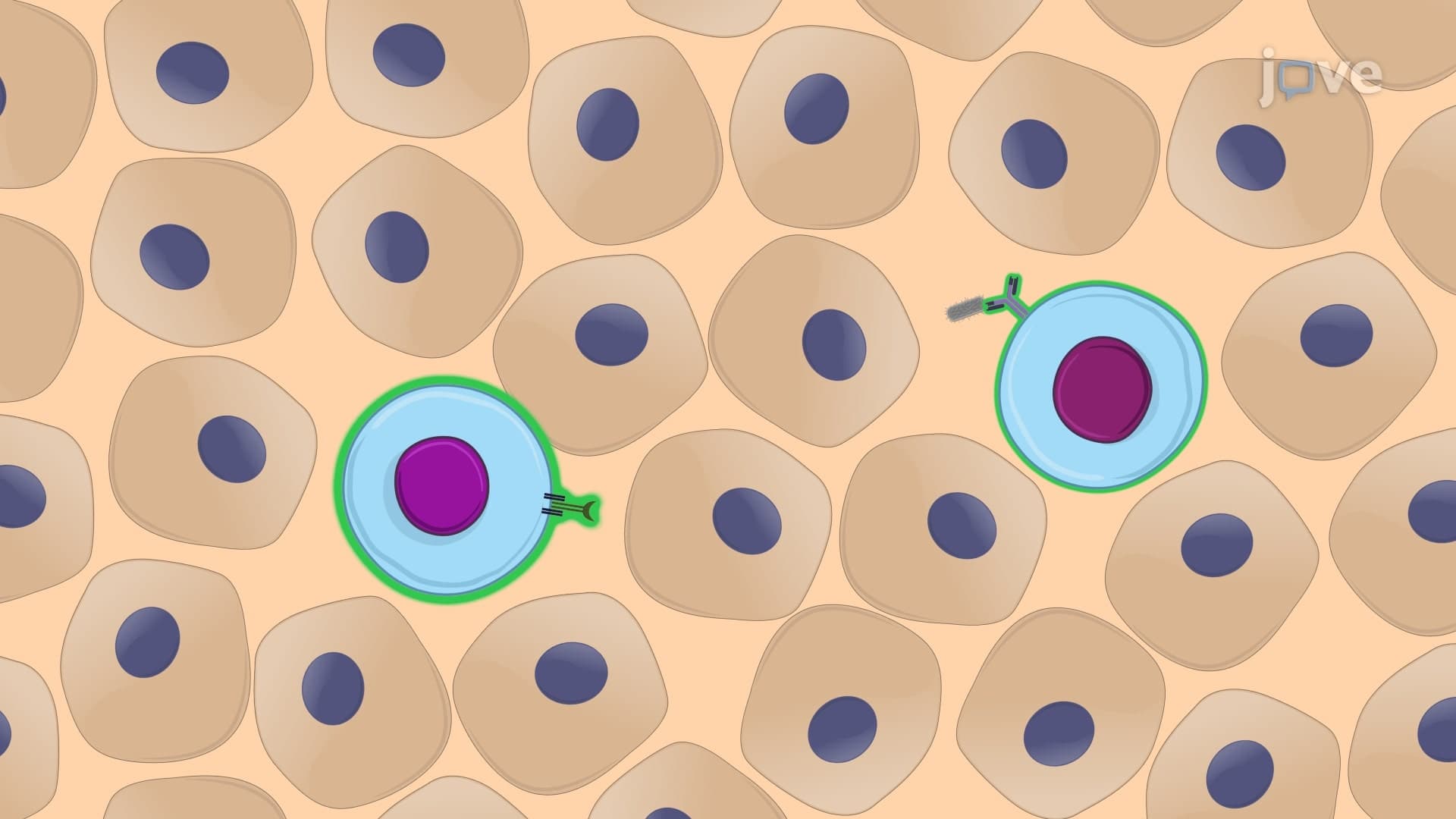
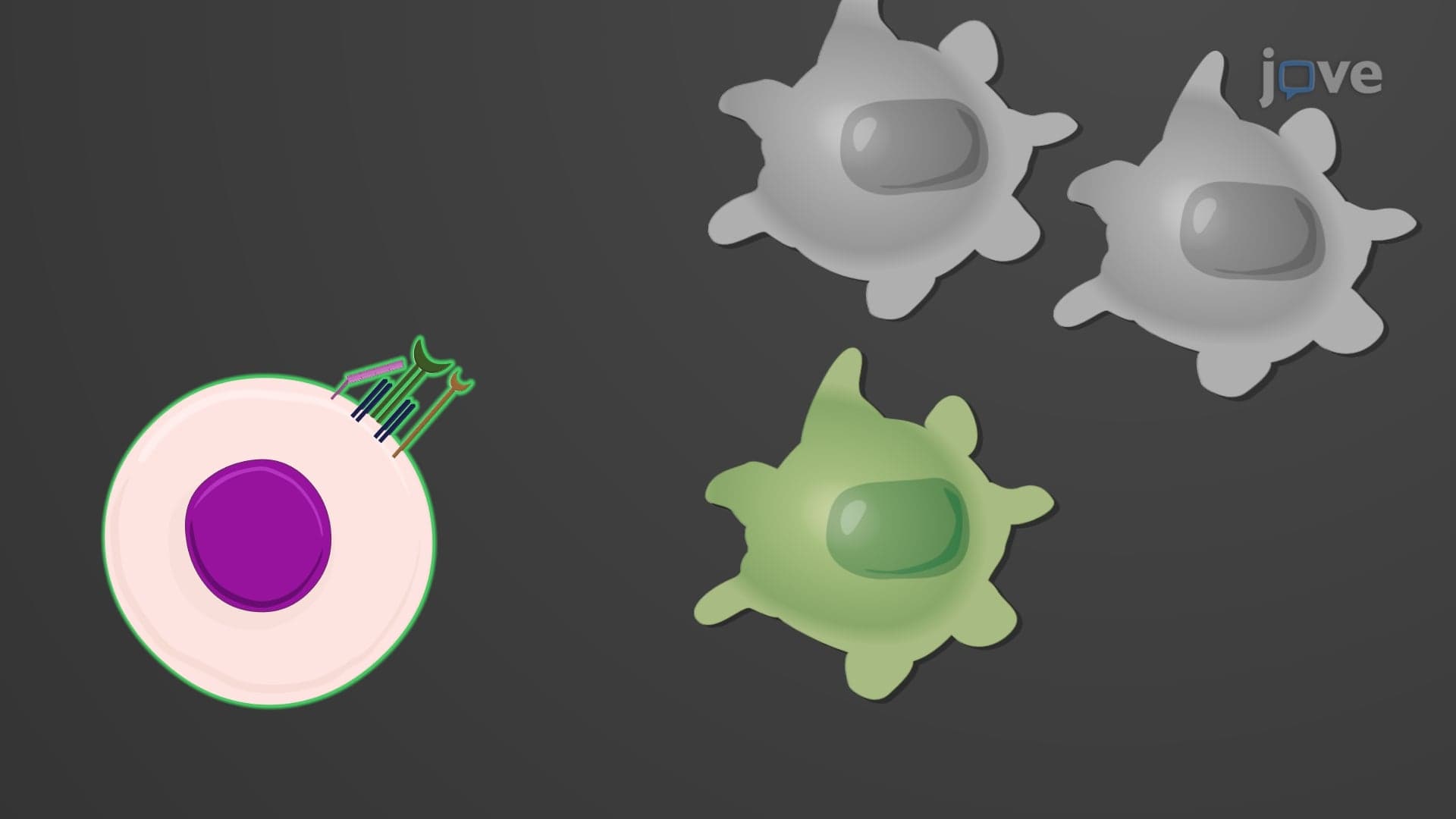
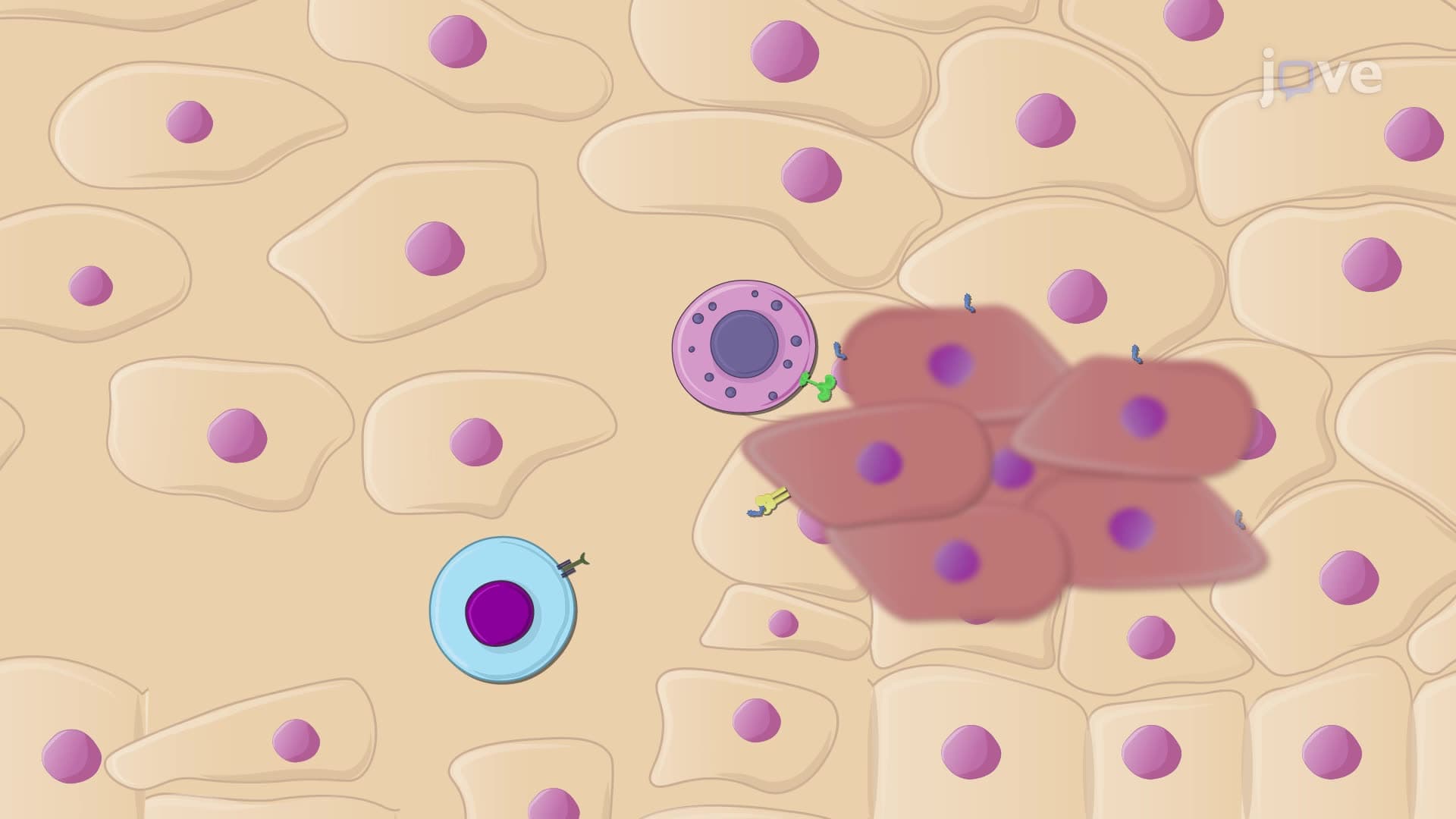
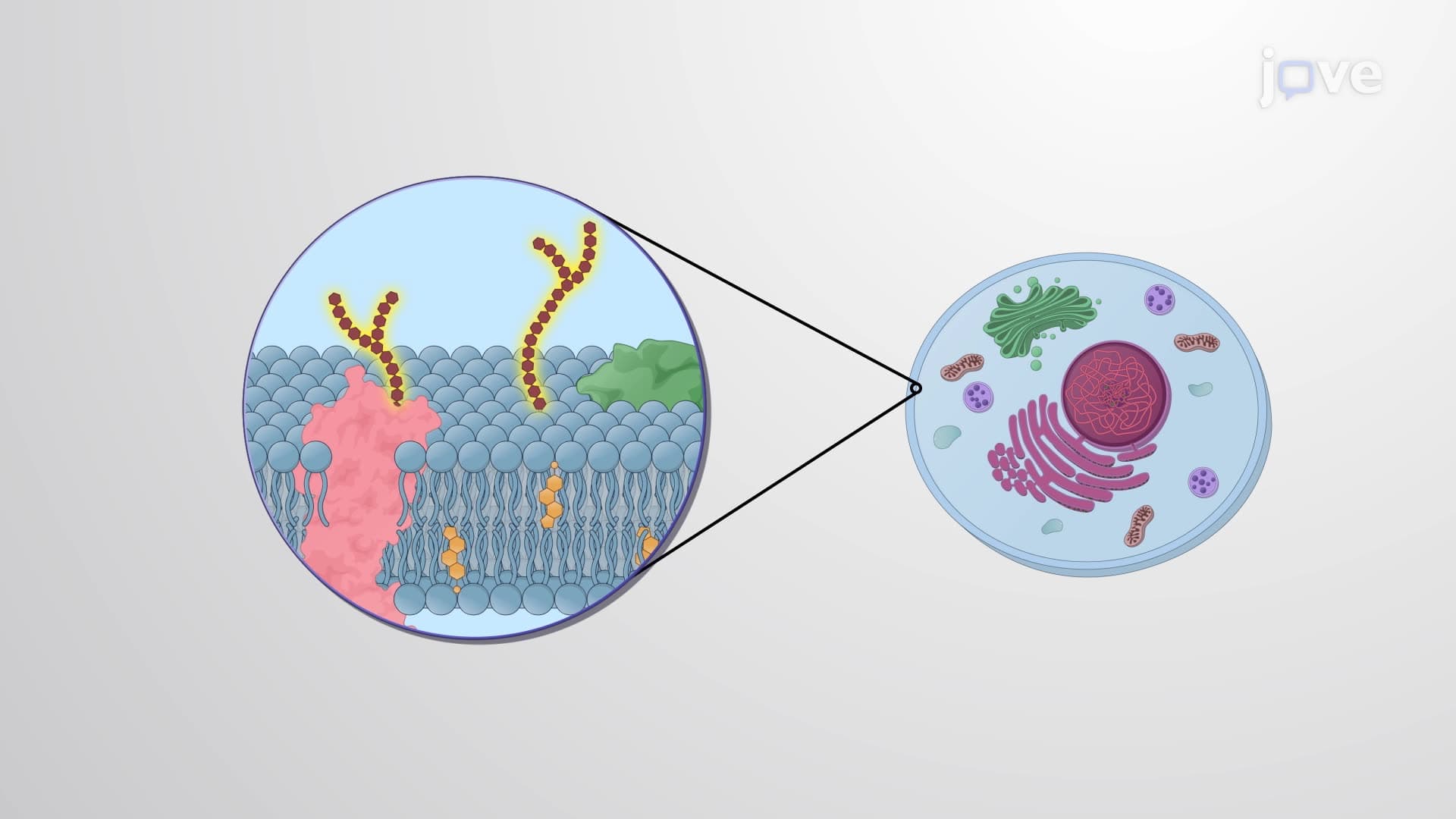
How cytotoxic T cells mediate immune response begins with precise antigen recognition. Naive CD8+ T cells require two critical signals for activation. First, their T cell receptors (TCRs) must bind to specific antigens presented on MHC class I molecules-found on all nucleated cells in the body. This MHC class I CTL interaction ensures that cytotoxic cells only target cells presenting foreign or abnormal proteins.
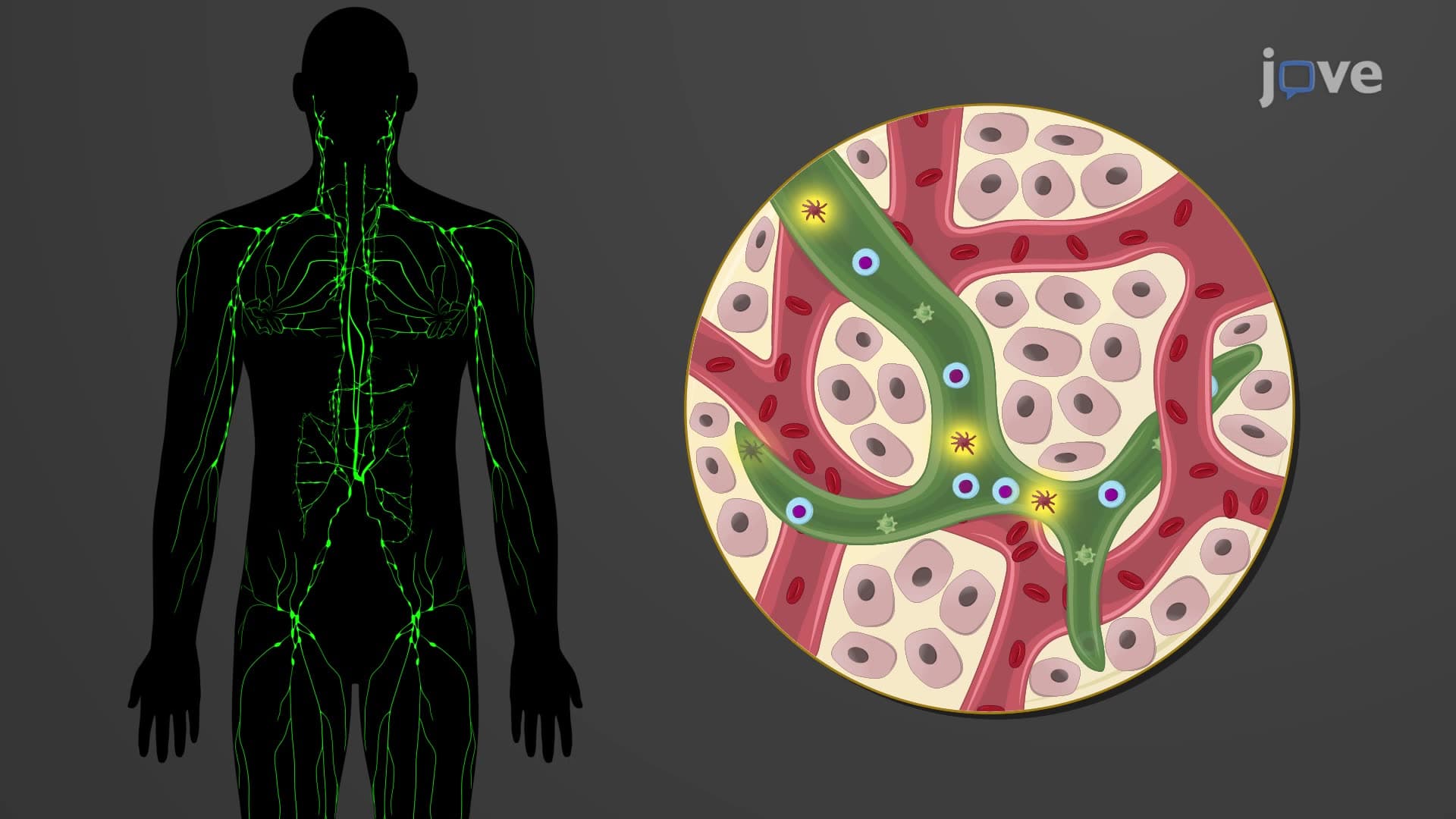
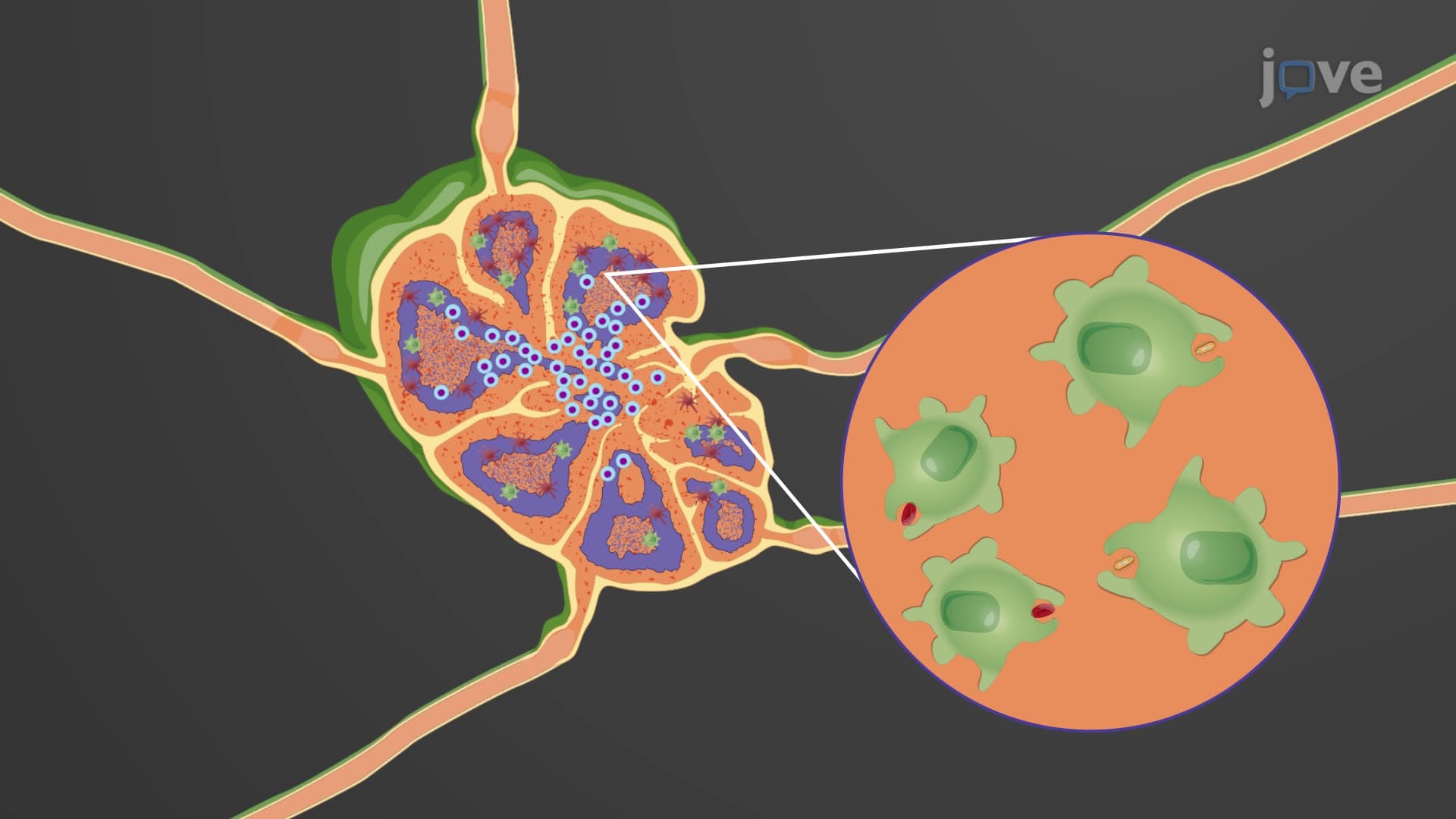
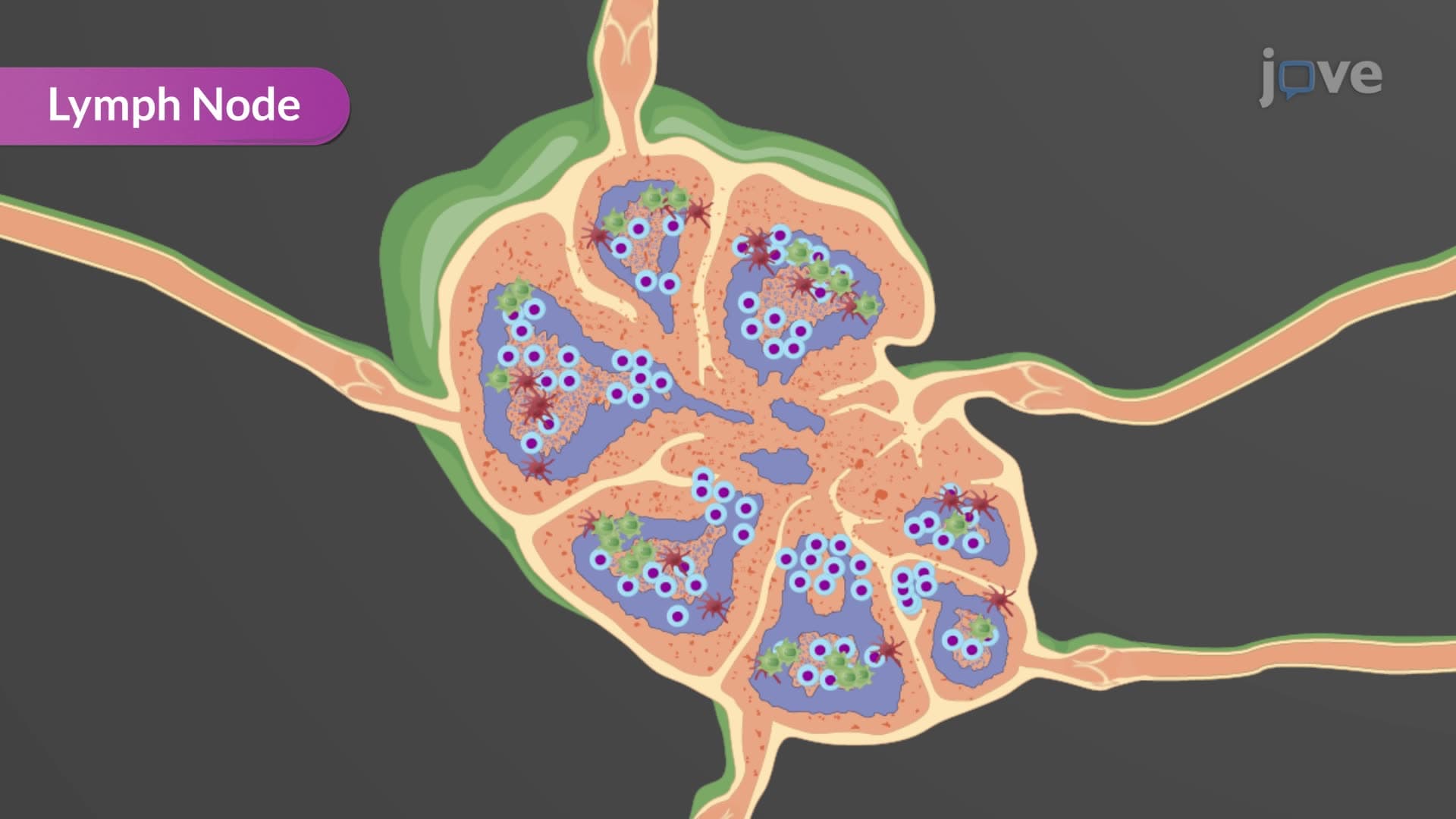
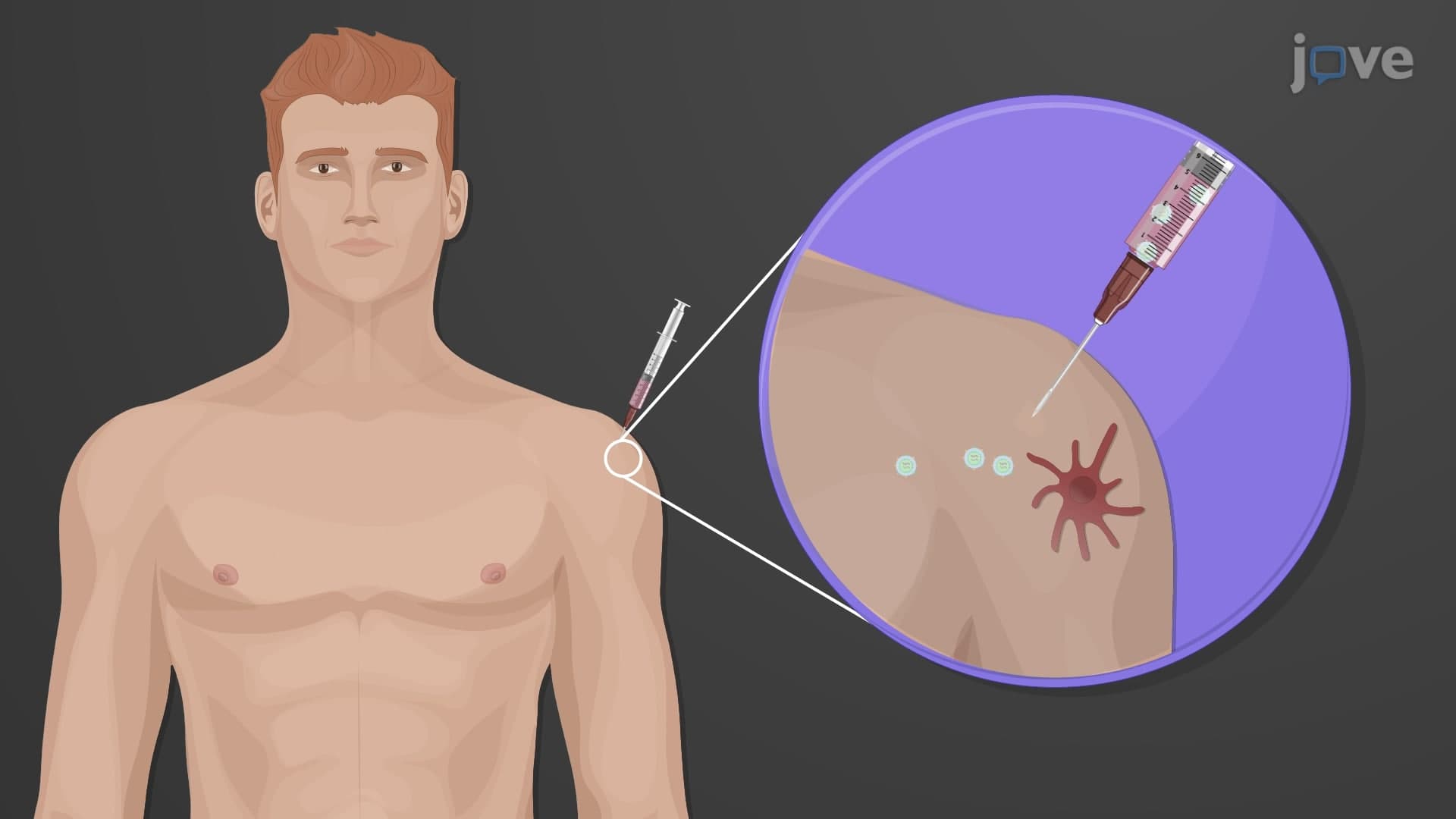
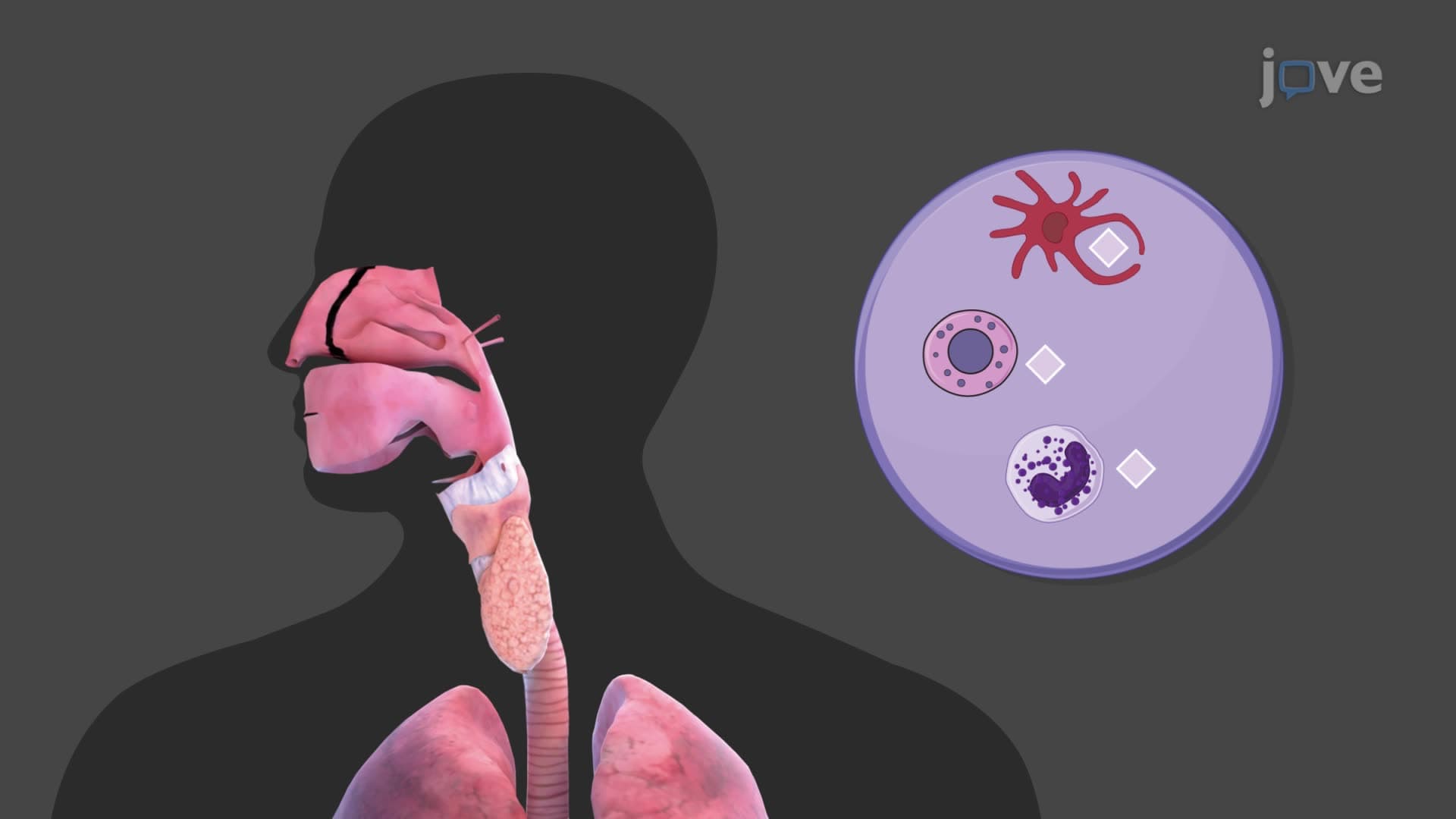
The second signal comes from professional antigen-presenting cells, particularly dendritic cells. These sentinel cells engulf debris from infected or dying cells, process the antigens, and present them to naive CD8+ T cells in lymph nodes. This process, crucial for preventing autoimmune responses, occurs regularly at medical centers like the Mayo Clinic when monitoring transplant patients for rejection.
Once activated, CD8 CTL cytotoxicity employs multiple lethal mechanisms. The primary pathway involves perforin granzyme T cell activity. Activated CTLs release cytotoxic granules containing perforin, which creates pores in the target cell membrane. Subsequently, granzymes enter through these pores, initiating target cell apoptosis CTL through proteolytic cleavage of key cellular proteins.
Alternative mechanisms include cytokine-mediated killing and lymphotoxin release. These pathways prove particularly important in cancer immunotherapy, where treatments like CAR-T cell therapy-developed at institutions like the University of Pennsylvania-harness cytotoxic T cell power against malignancies.
This concept frequently appears on MCAT immunology sections and AP Biology exams, particularly regarding immune system dysfunction. Students should understand how HIV targets CD4+ helper T cells, compromising cytotoxic T cell activation. Similarly, cancer cells often downregulate MHC I expression to evade CTL surveillance-a mechanism targeted by modern checkpoint inhibitor therapies used at cancer centers nationwide.
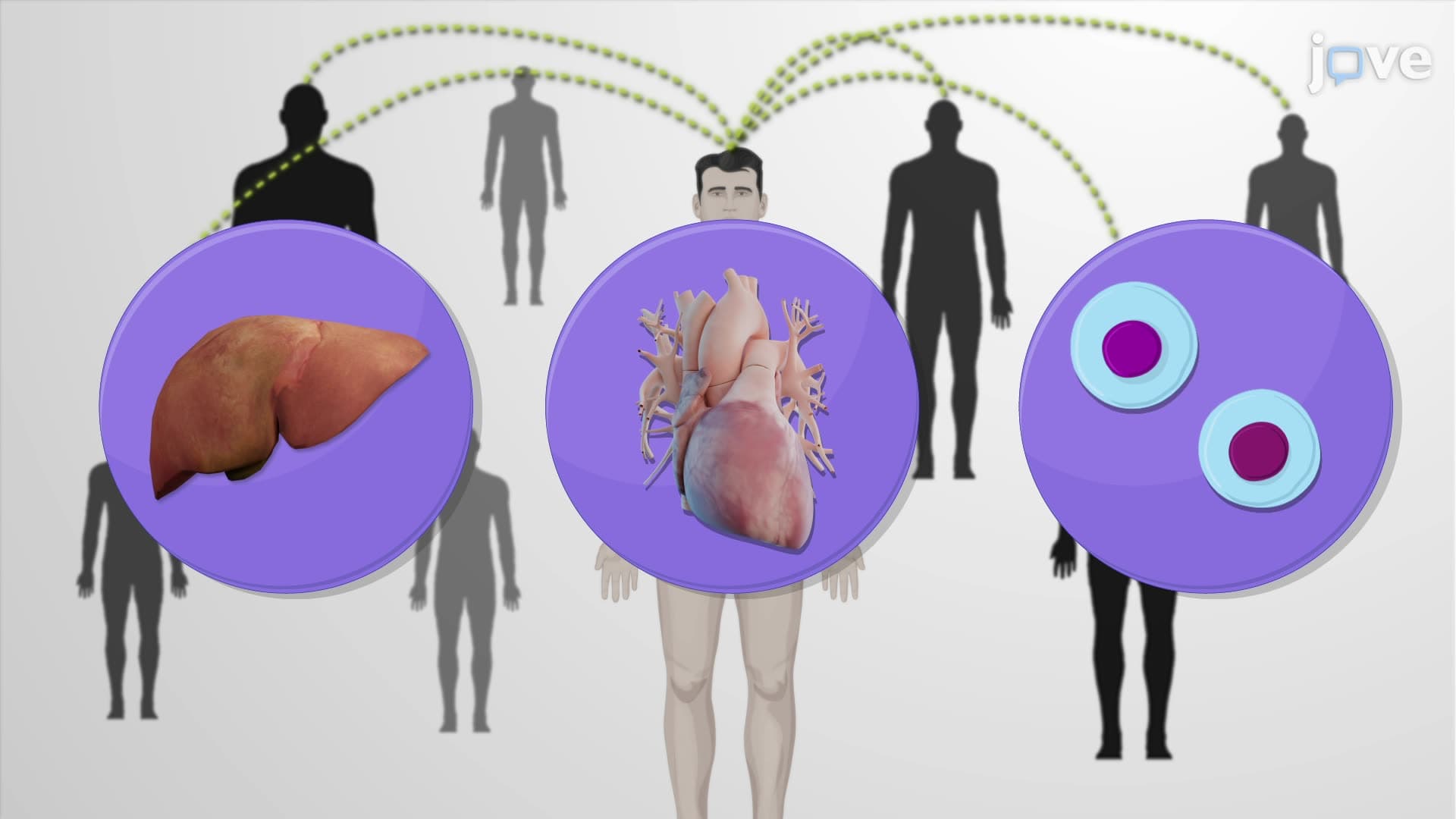
The cytotoxic T lymphocyte mechanism also explains transplant biology, where recipient CTLs recognize donor MHC molecules as foreign, leading to graft rejection without immunosuppressive intervention.
Related Micro-courses