Loading subject page…

- Anatomy and Physiology
- The Lymphatic and Immune System
- Detailed Structure and Function of Lymph Nodes
Micro-course: The Lymphatic and Immune System
218,420 views
Learn key concepts and earn your certificate.


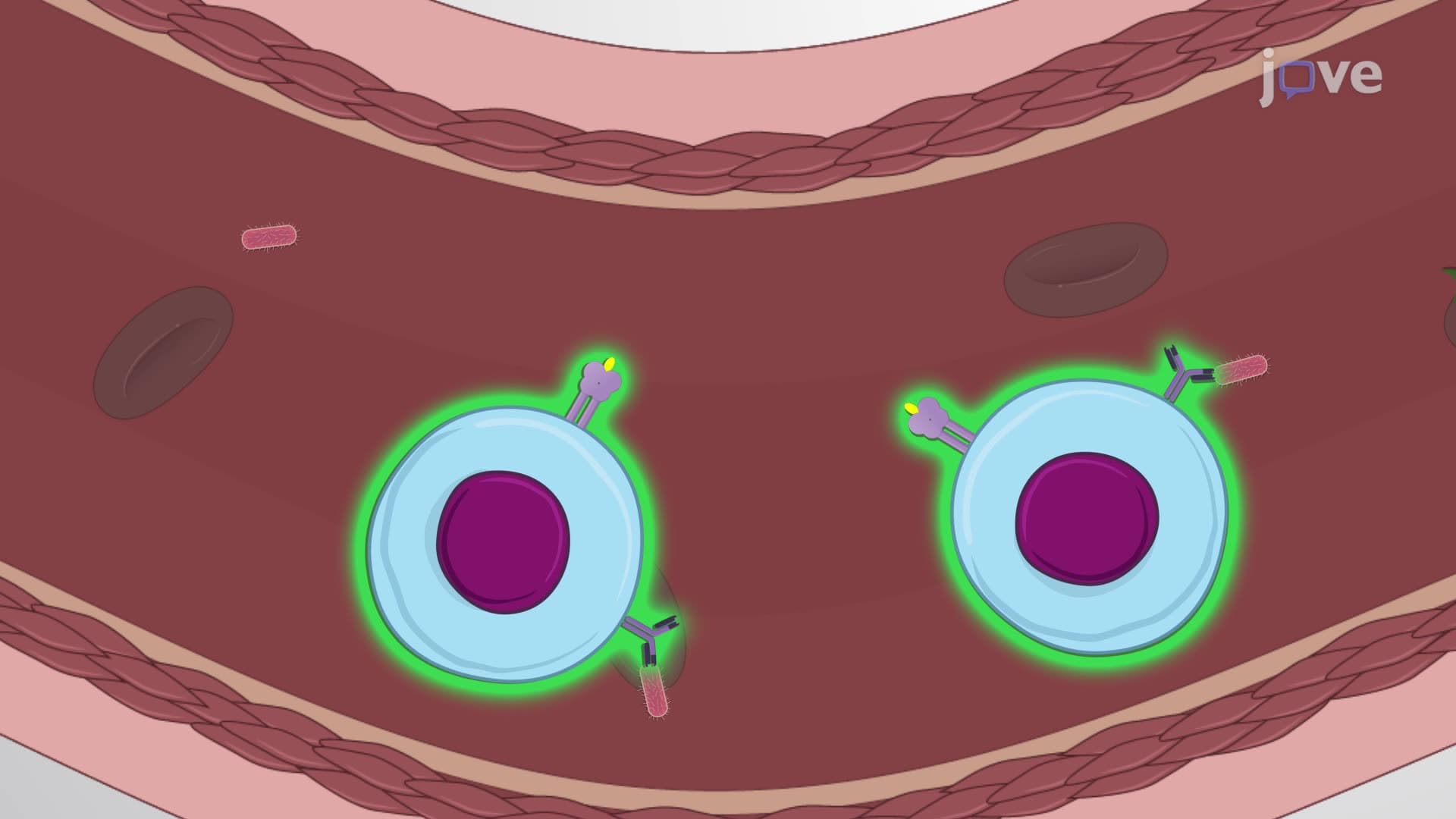


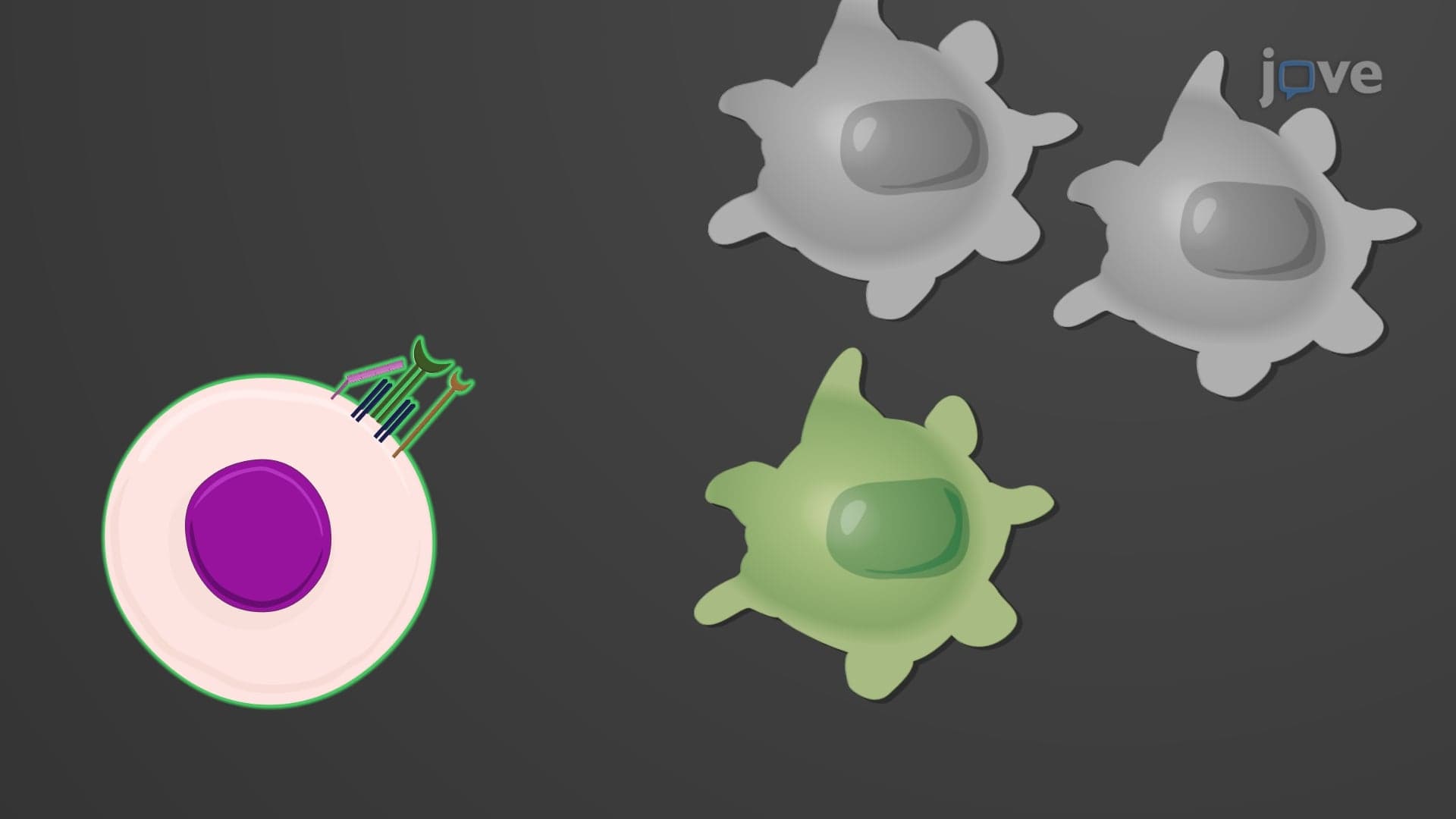
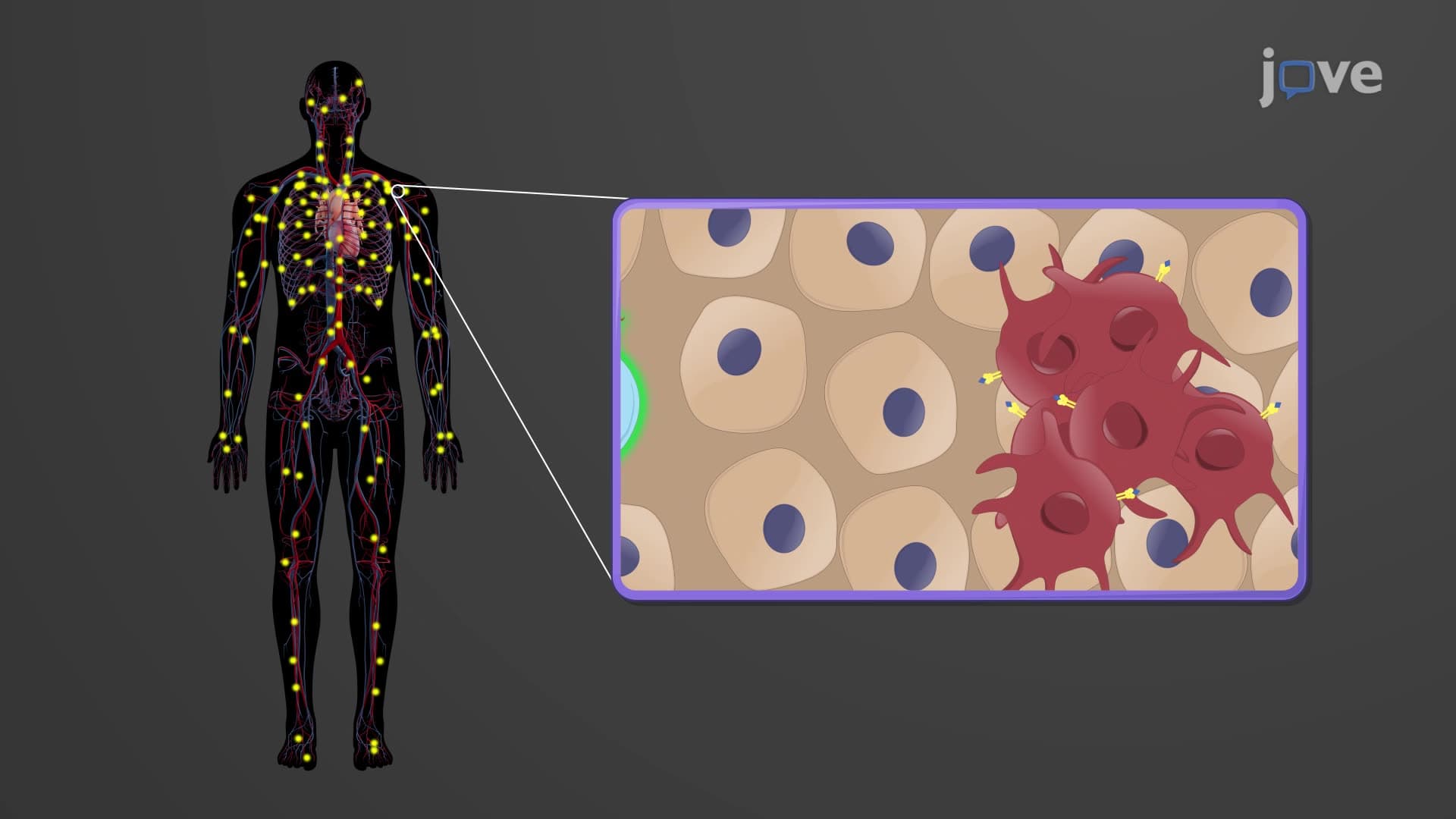
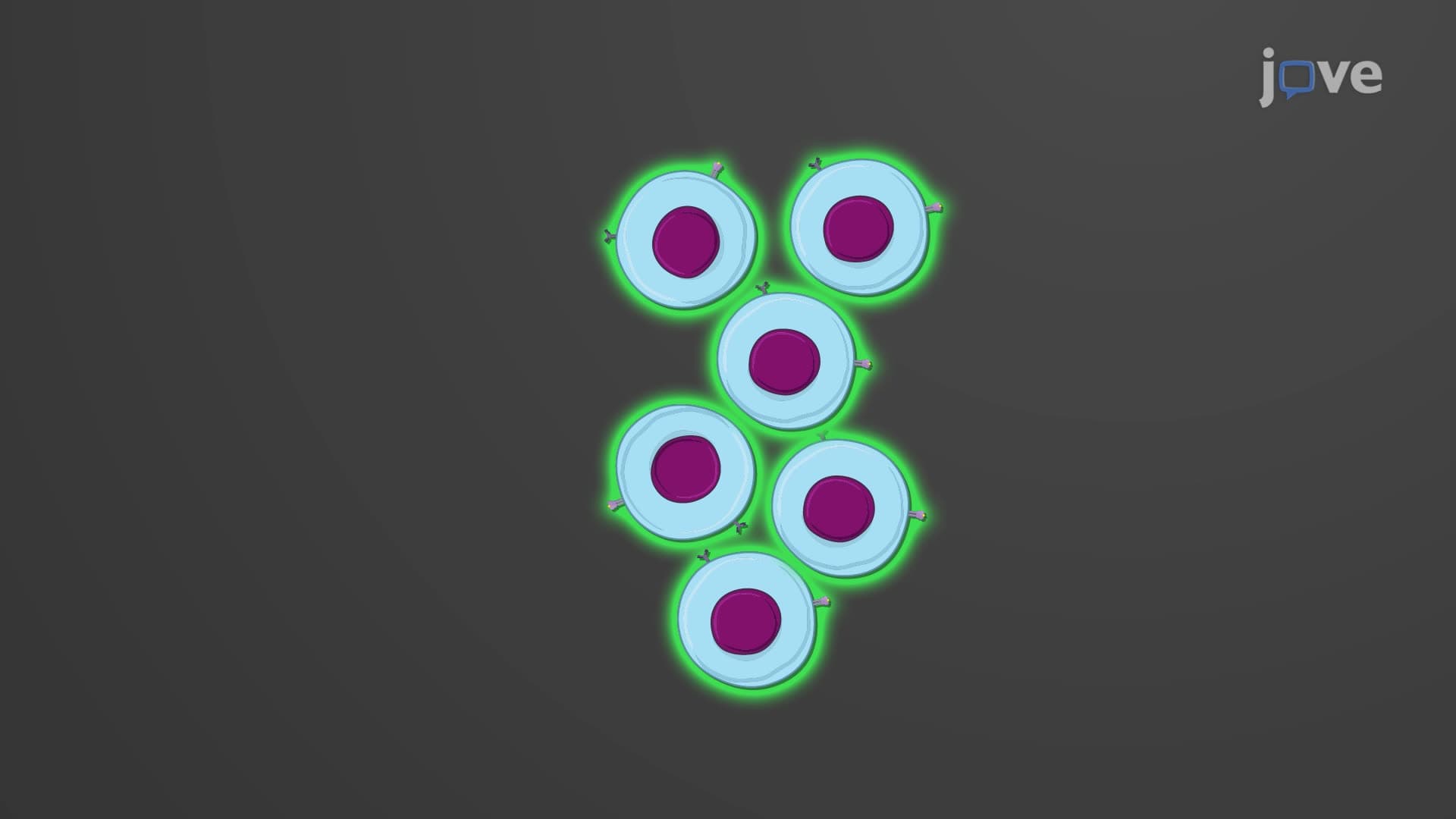
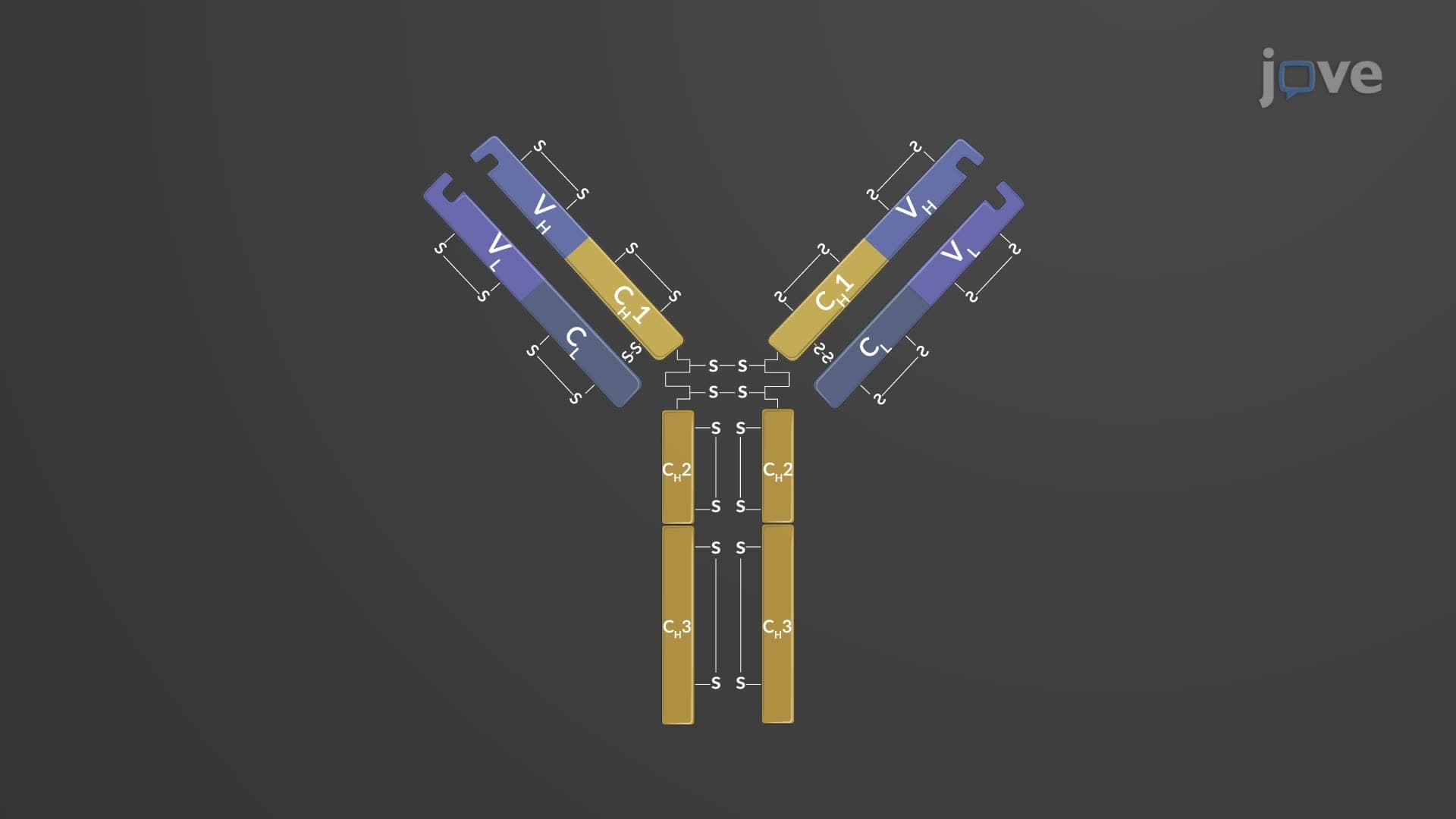
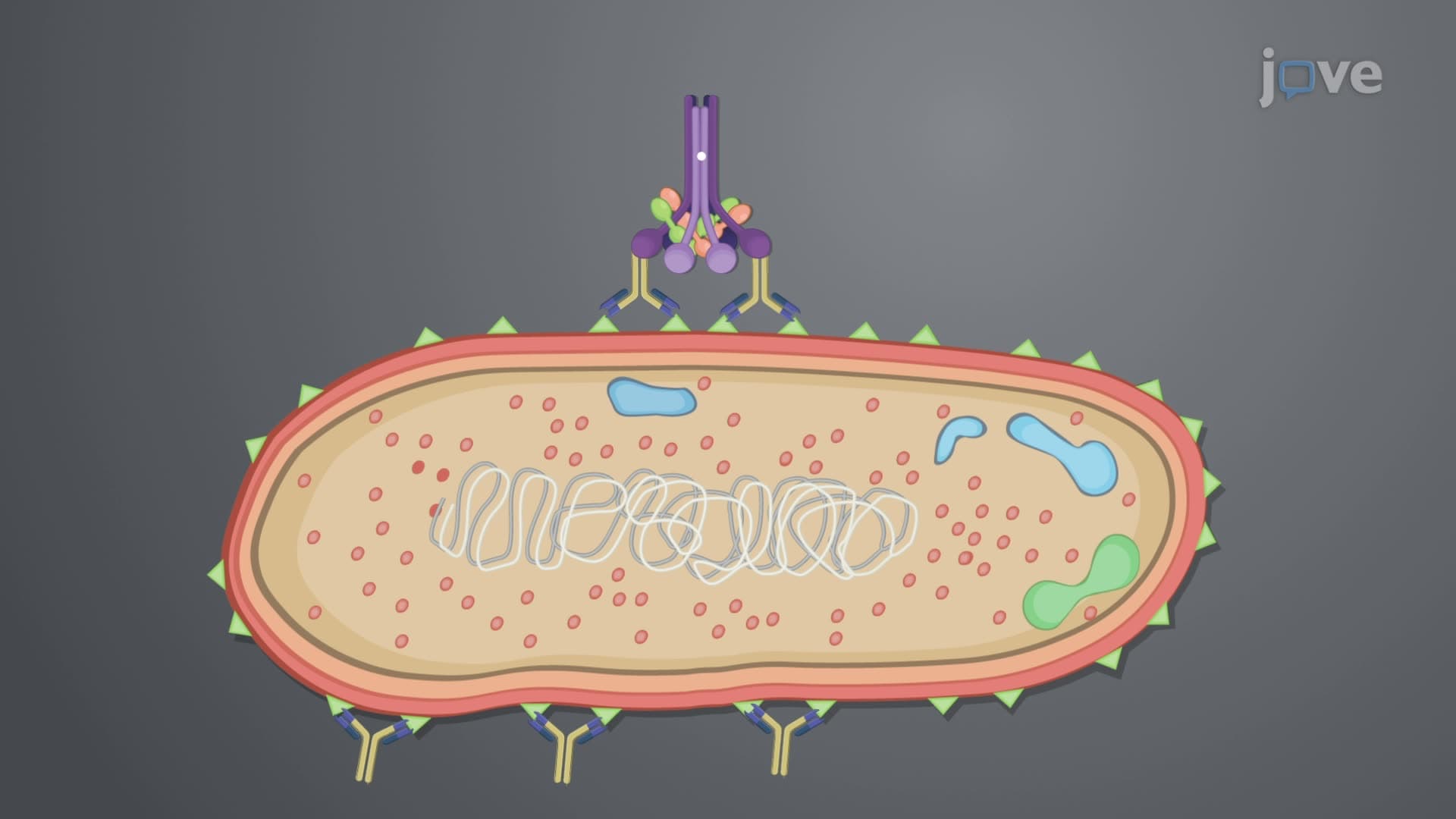
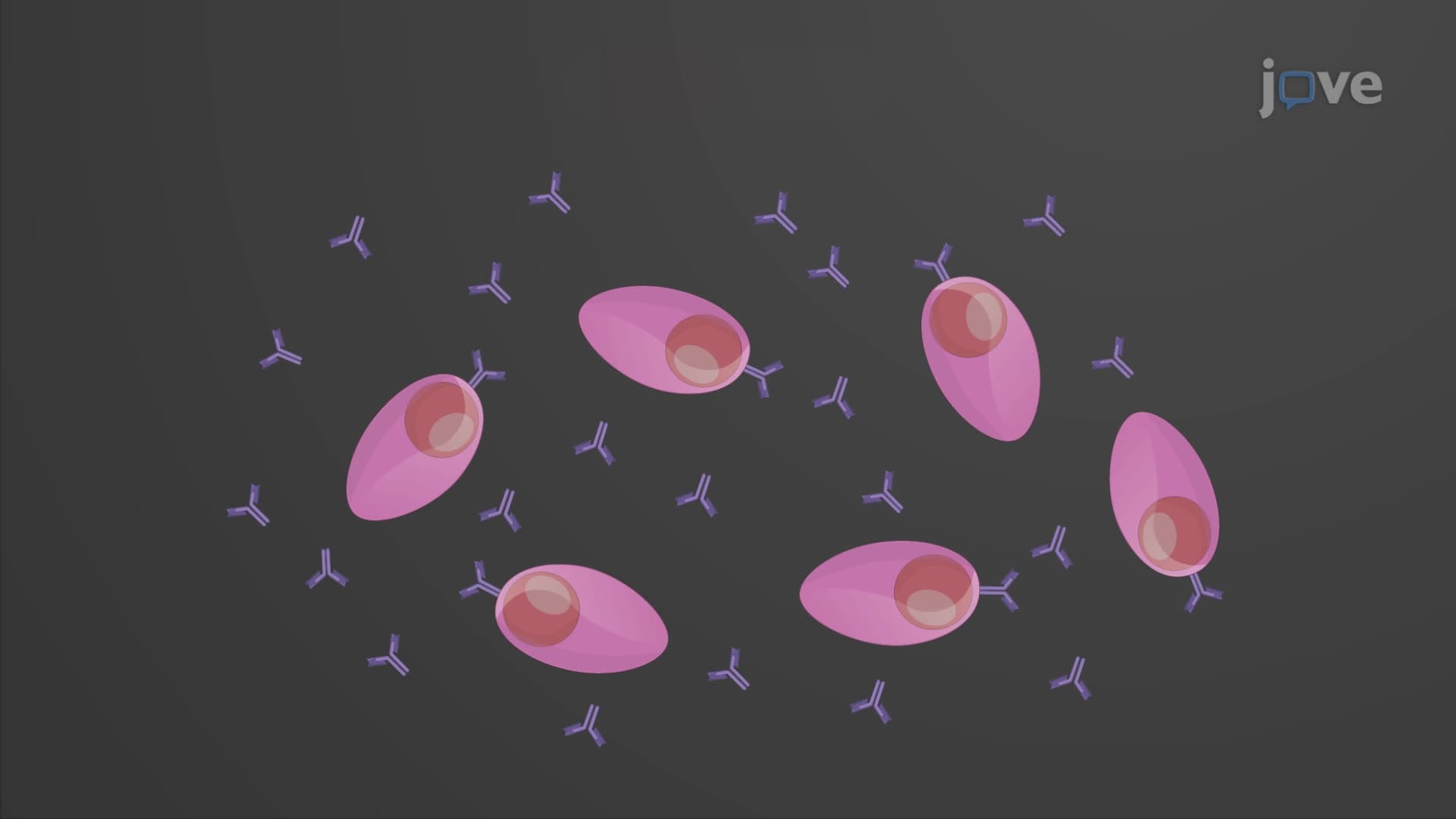

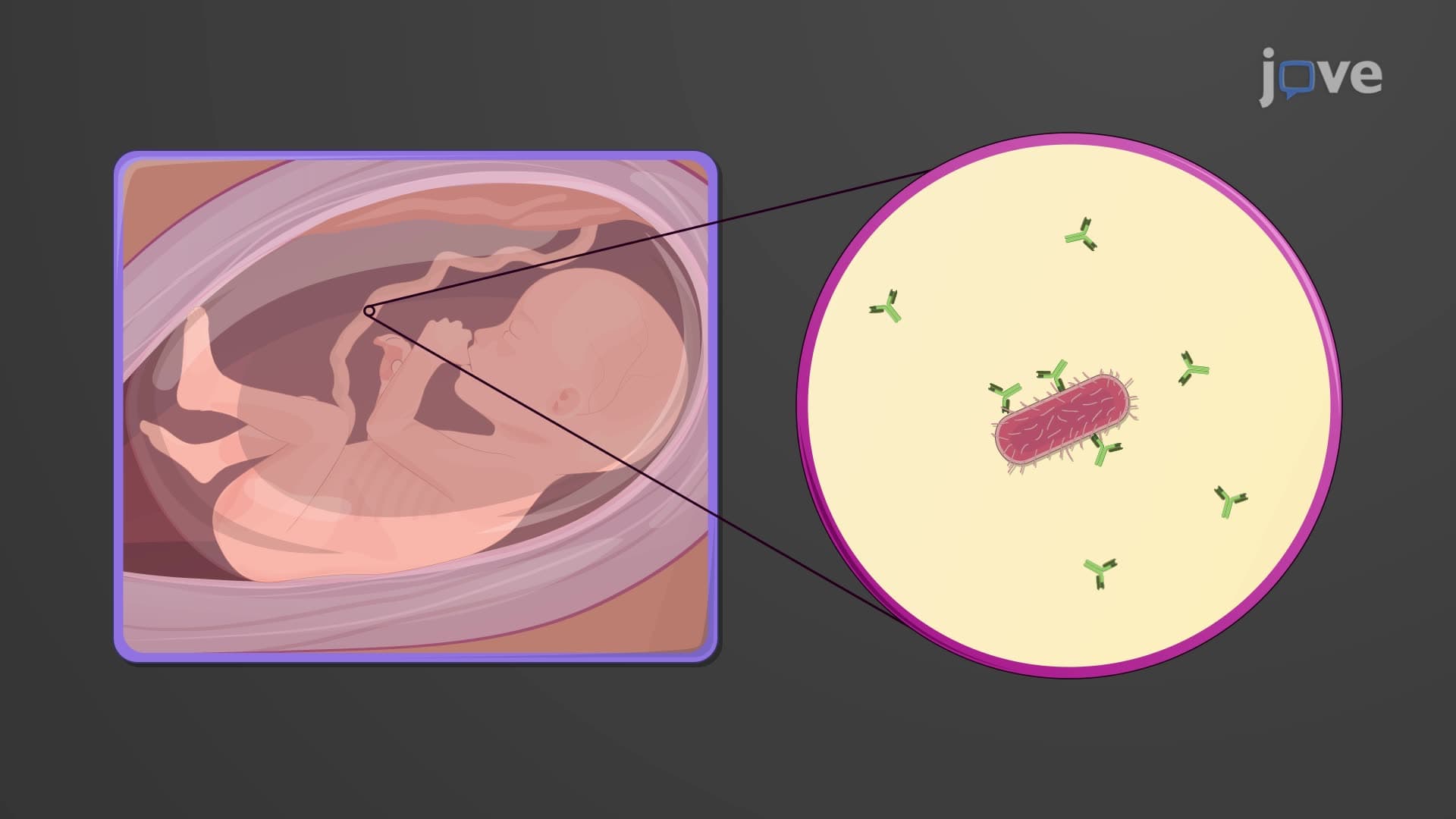
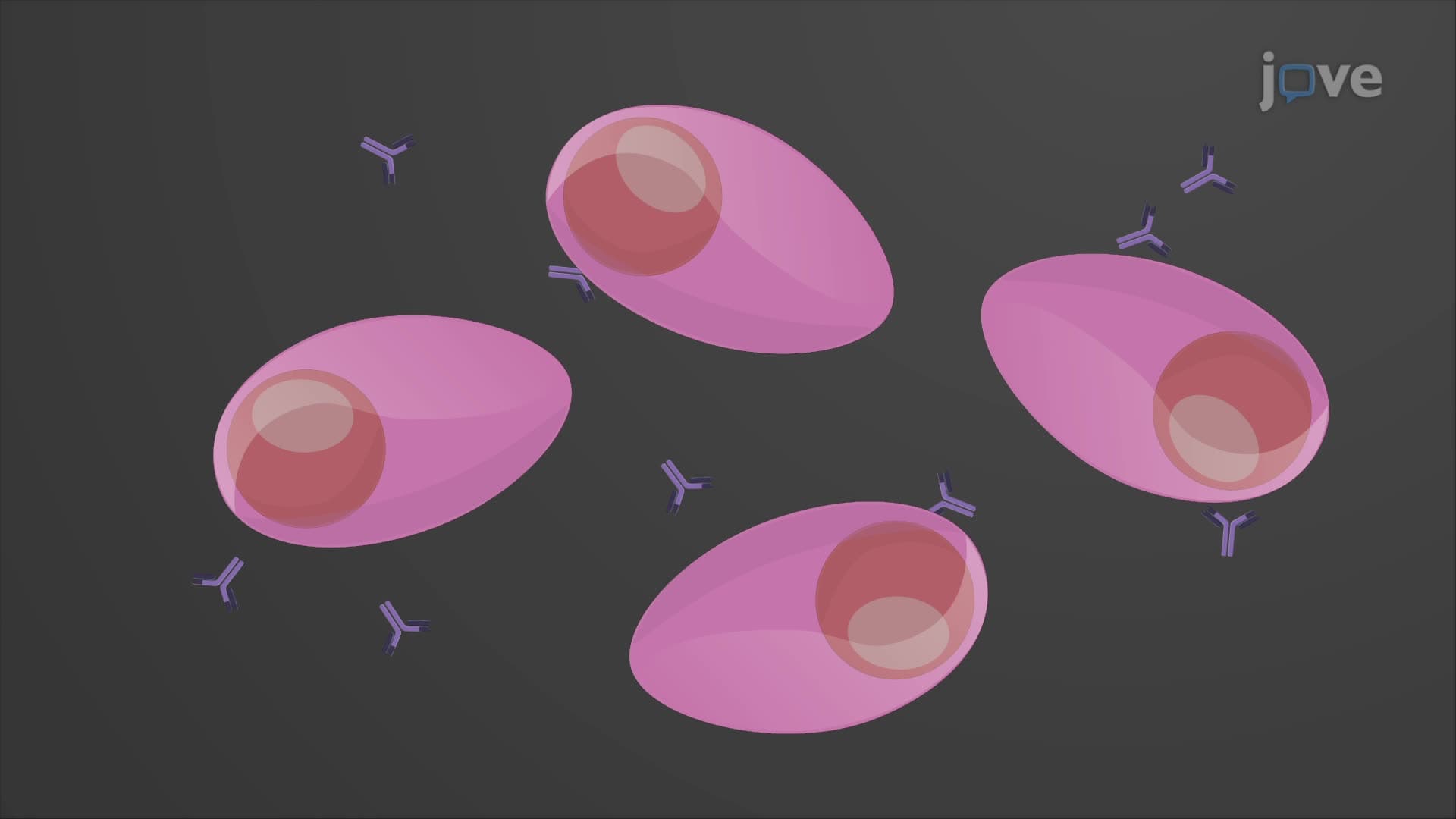

Detailed Structure and Function of Lymph Nodes

00:00
01:23
Video Summary: Detailed Structure and Function of Explained
When you get a sore throat or infection, the "swollen glands" in your neck are actually lymph nodes working overtime to fight off invaders. Understanding lymph node structure function reveals how these bean-shaped immune system guardians filter harmful substances from your lymphatic fluid. At major medical centers like the Mayo Clinic, doctors routinely examine lymph nodes in the neck, armpit, and groin to assess immune system health and detect potential infections or diseases. Watch the full video on JoVE Coach to master this concept with expert-led visuals and step-by-step explanations.
- Understand the detailed structure and function of lymph nodes and their role as immune system filtering stations throughout the body
- Identify the anatomical regions where lymph nodes cluster, including cervical, axillary, and inguinal locations
- Analyze the histological organization of lymph nodes, distinguishing between the outer cortex and inner medulla regions
- Compare the specialized functions of B lymphocytes in cortical follicles versus T lymphocytes in the inner cortex
- Evaluate how afferent and efferent lymphatic vessels direct lymph flow through filtering sinuses within nodes
- Apply knowledge of lymph node capsule and trabeculae structure to understand compartmentalization
- Recognize the immune response mechanisms involving dendritic cells, macrophages, and plasma cell production
- Explore the clinical significance of lymph node examination in medical diagnosis and disease detection
Understanding Detailed Structure and Function of Lymph Nodes
Lymph nodes serve as critical checkpoints in your body's immune surveillance network, strategically positioned to intercept and eliminate threats before they reach vital organs. These sophisticated structures demonstrate remarkable organizational complexity that directly supports their filtering and immune functions.
Strategic Anatomical Positioning and External Architecture
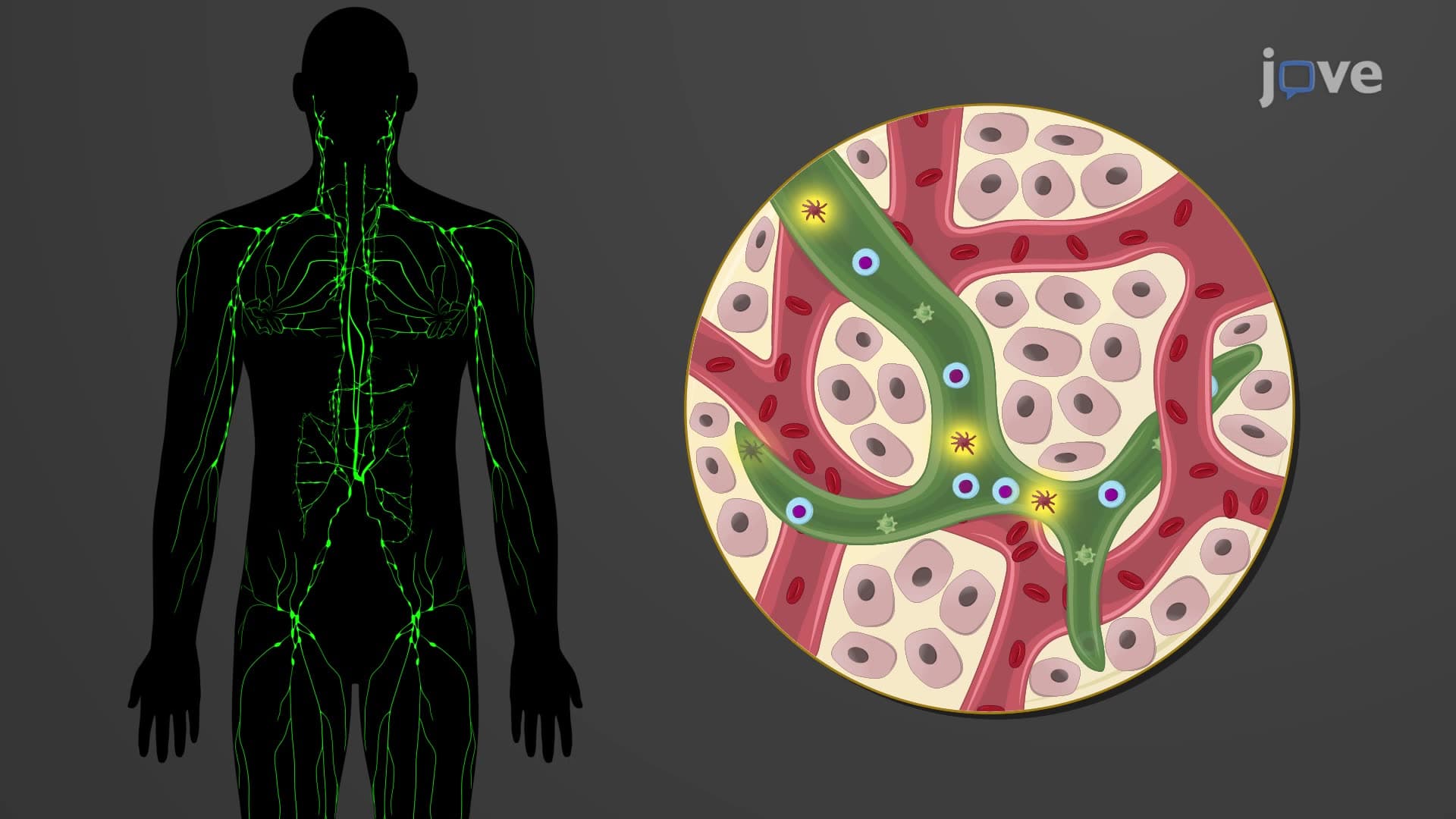
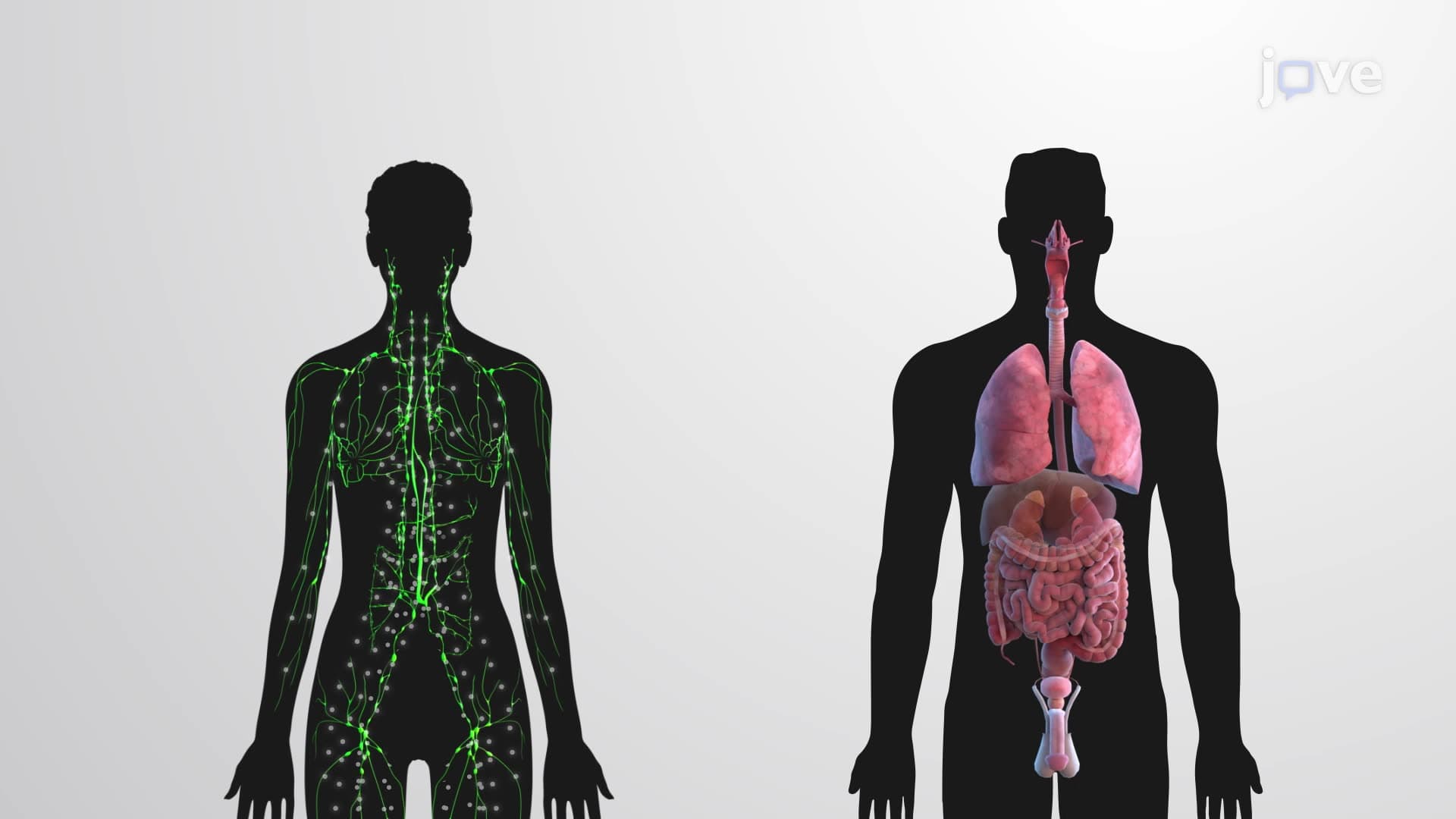
The detailed lymph node anatomy begins with their strategic clustering in three primary regions. Cervical lymph nodes in your neck monitor the head and upper respiratory tract-explaining why they swell during throat infections. Axillary nodes in your armpits filter lymph from your arms and upper chest, while inguinal nodes in your groin process lower body drainage. This positioning ensures comprehensive immune coverage throughout your body.
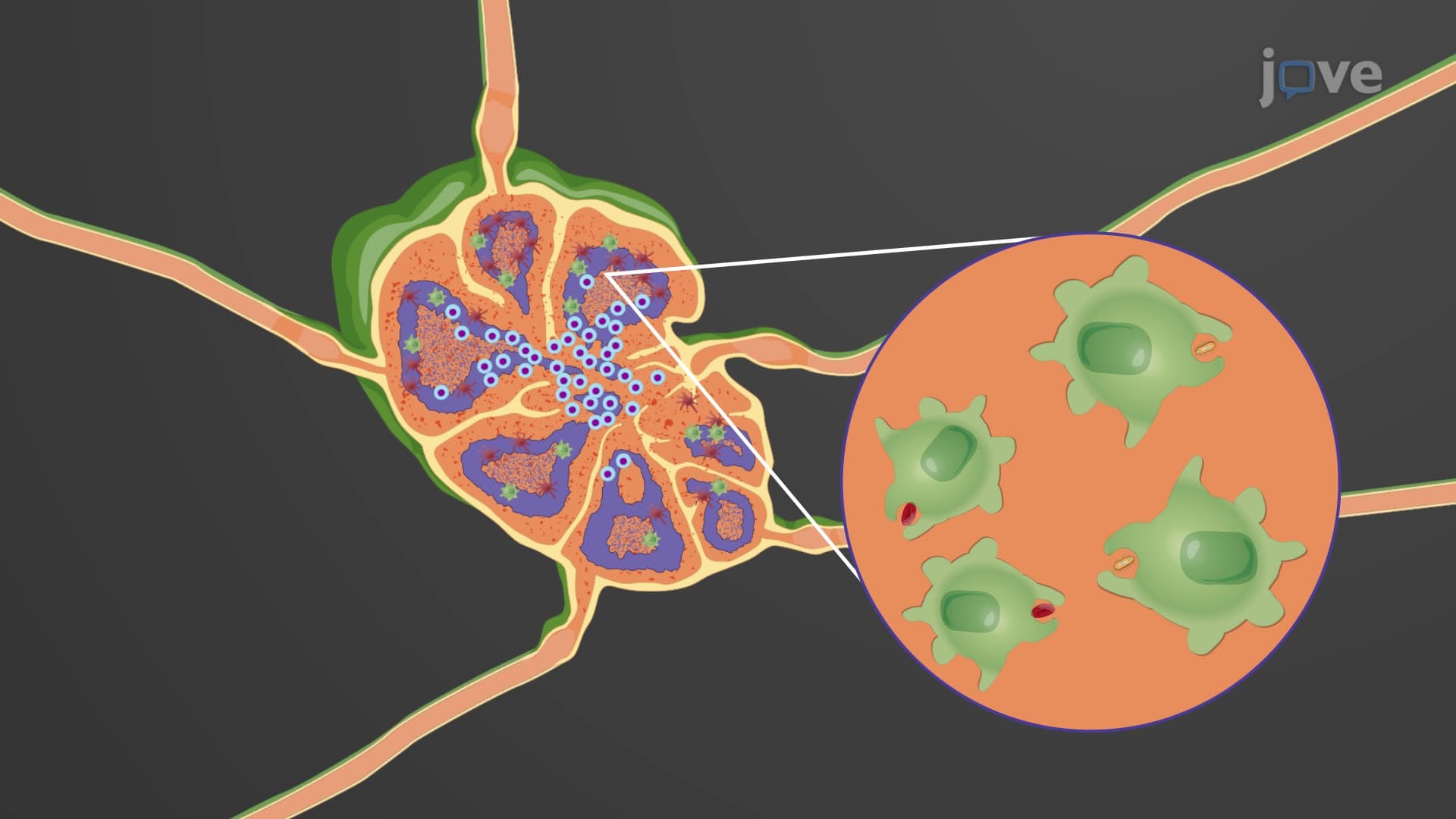
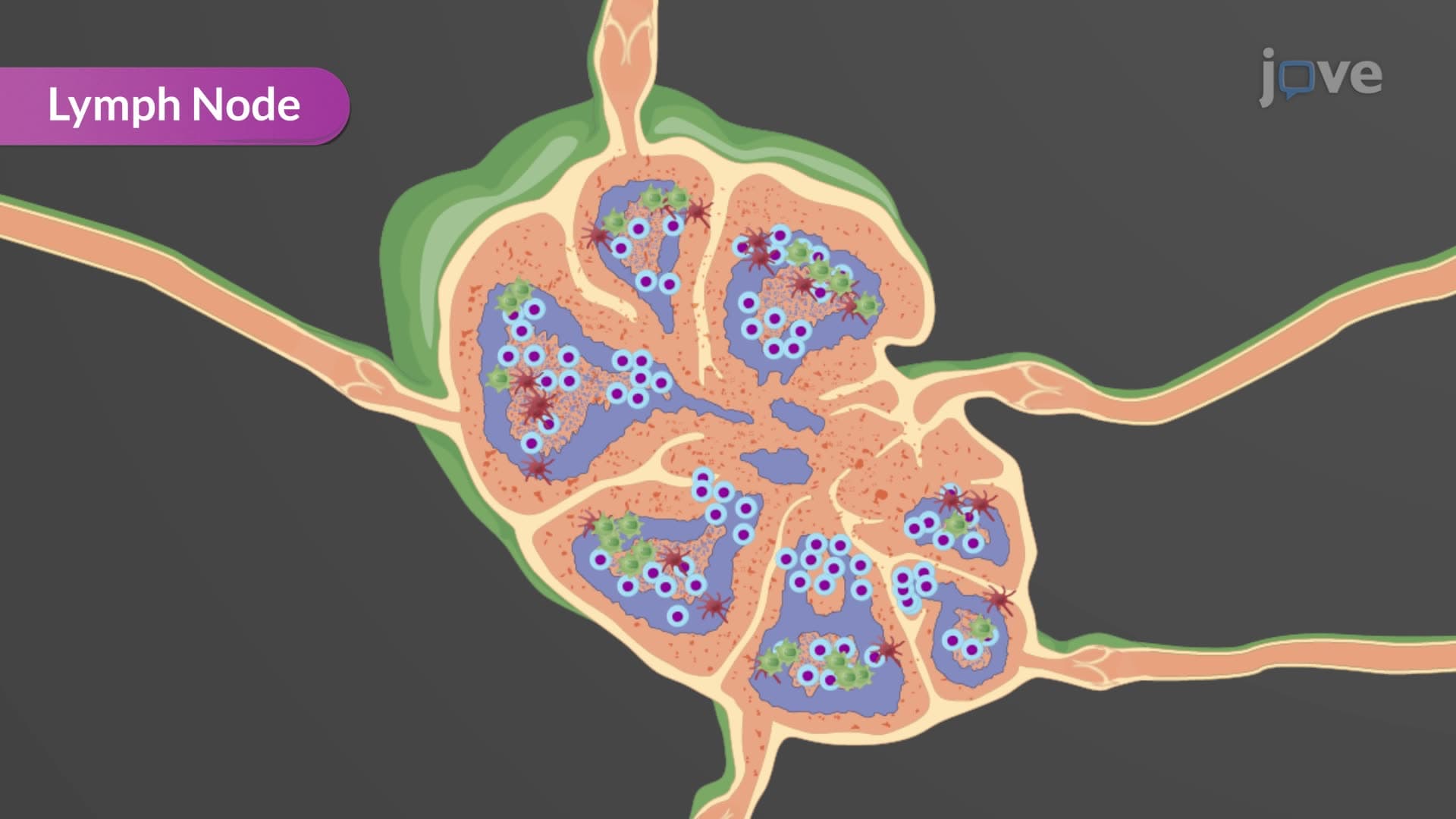
Each node's bean-shaped structure features a protective fibrous capsule that extends finger-like projections called trabeculae inward. These trabeculae create internal compartments, similar to how walls divide rooms in a house, organizing the node's immune functions efficiently.
Cortex and Medulla: Specialized Immune Zones
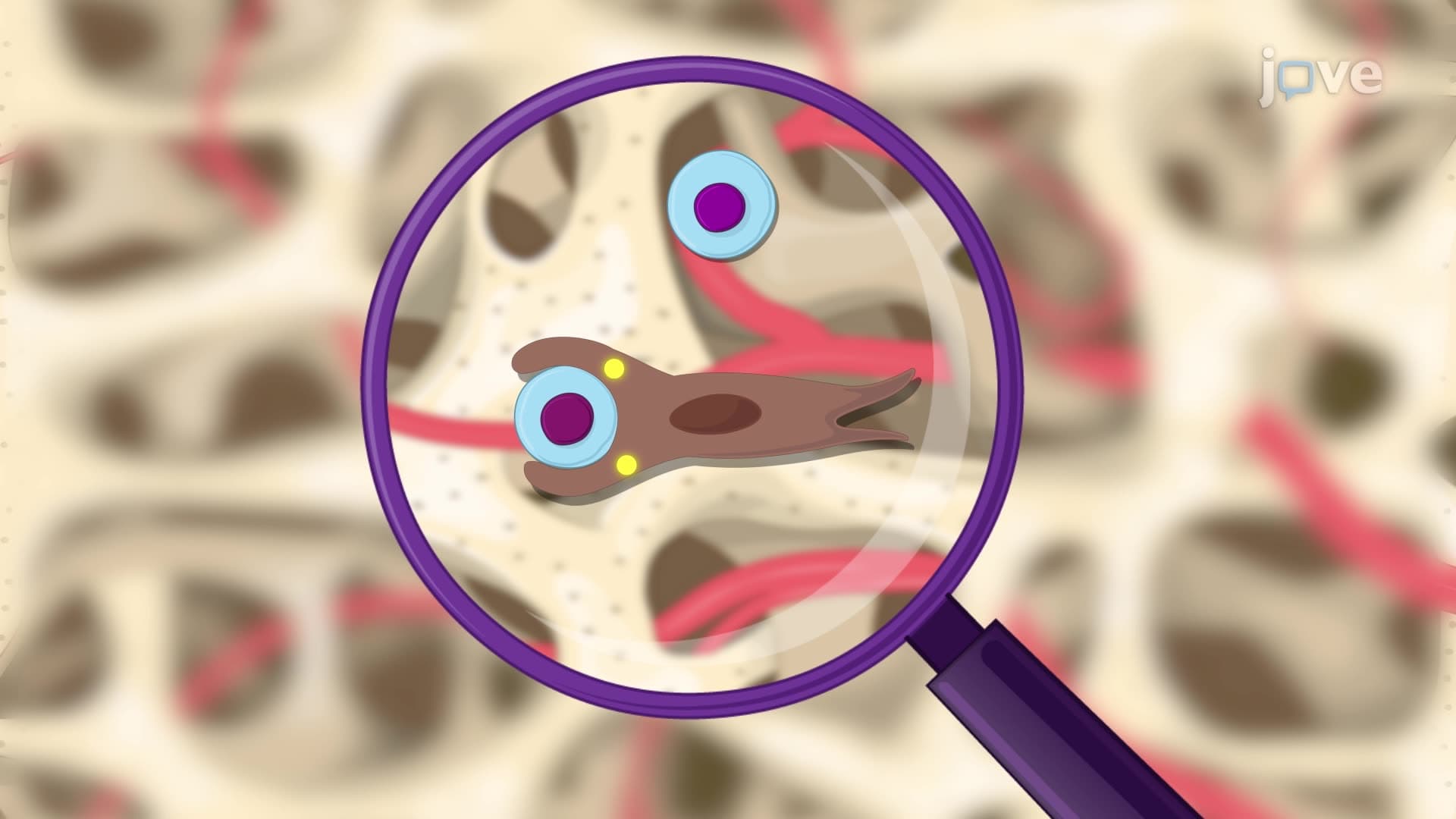
The lymph node cortex medulla organization reflects functional specialization. The outer cortex houses densely packed B lymphocyte follicles, which transform into germinal centers during active immune responses. When Harvard Medical School students study immunology, they learn that these germinal centers are antibody factories where B cells mature into plasma cells, producing specific antibodies against detected threats.
The deeper medulla contains primarily T lymphocytes and supporting cells. This region processes cell-mediated immunity, where T cells coordinate immune responses and directly attack infected cells. The inner cortex serves as a transition zone where dendritic cells present antigens to activate appropriate immune responses.
Lymphatic Flow and Filtration Mechanisms
Understanding afferent efferent lymph vessel flow patterns reveals how lymph nodes function as biological water treatment plants. Multiple afferent vessels bring potentially contaminated lymph into the node, while a single efferent vessel at the hilum carries filtered lymph away. This design ensures thorough processing.
Within the node, lymph node sinuses anatomy includes subcapsular, trabecular, and medullary sinuses lined with macrophages and filled with reticular fibers. These act like increasingly fine filters, with macrophages engulfing foreign particles while lymphocytes mount specific immune responses against pathogens.
For AP Biology and college anatomy students, understanding this structure-function relationship is crucial for exam success and clinical applications in healthcare careers.
Frequently Asked Questions
Lymph nodes are bean-shaped immune organs with specialized compartments including an outer cortex containing B cell follicles and an inner medulla with T cells. They filter lymph fluid through sinuses filled with immune cells, removing pathogens and foreign substances while producing antibodies. Their strategic locations in neck, armpit, and groin regions ensure comprehensive immune surveillance throughout the body.
MCAT questions often focus on lymph node structure-function relationships, asking students to predict consequences of structural damage or explain immune cell interactions. AP Biology exams emphasize understanding lymphatic flow patterns and connecting lymph node anatomy to immune responses. Students should practice identifying cortex versus medulla functions and explaining afferent/efferent vessel roles in filtration processes.
Nursing exams emphasize clinical assessment of lymph nodes, including normal versus abnormal findings during physical examination. Key topics include recognizing lymphadenopathy (swollen lymph nodes) as infection indicators and understanding drainage patterns for different body regions. Students must know when enlarged lymph nodes warrant further medical evaluation versus normal immune responses.
Physicians routinely palpate lymph nodes during physical exams to assess immune system function and detect potential infections, cancers, or autoimmune conditions. Enlarged cervical nodes might indicate throat infections, while persistent lymphadenopathy could suggest lymphoma or metastatic cancer. Understanding drainage patterns helps doctors determine infection sources and plan appropriate treatments.
Basic high school biology knowledge of cells, tissues, and immune system fundamentals provides sufficient foundation for understanding lymph nodes. Students familiar with concepts like antibodies, white blood cells, and circulatory systems can easily grasp lymph node functions. The key is connecting structural features to their specific immune roles rather than memorizing complex details.
Create labeled diagrams showing lymph flow from afferent vessels through cortex and medulla sinuses to efferent vessels, emphasizing cell types in each region. Practice connecting structure to function by explaining how cortical B cells produce antibodies while medullary T cells coordinate cellular immunity. Use clinical examples like swollen neck glands during illness to reinforce concepts.
Students interested in deeper immunology study should explore germinal center reactions, memory cell formation, and lymph node development during embryogenesis. Advanced topics include studying how different pathogens trigger distinct lymph node responses and investigating lymph node involvement in autoimmune diseases and cancer metastasis patterns.
Related Micro-courses