Loading subject page…

- Anatomy and Physiology
- The Lymphatic and Immune System
- Immune Response Against Viral Pathogens
Micro-course: The Lymphatic and Immune System
218,420 views
Learn key concepts and earn your certificate.


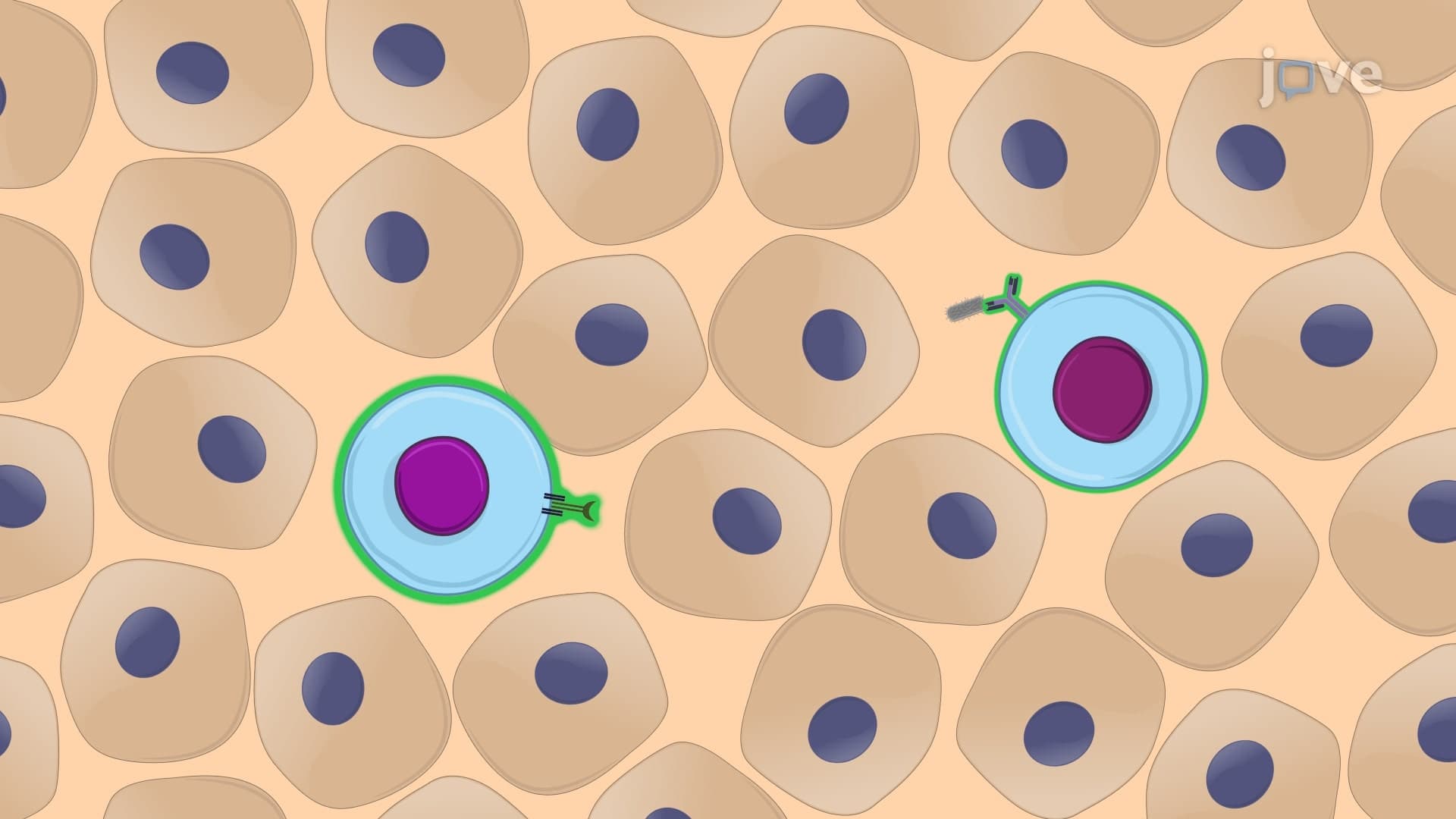
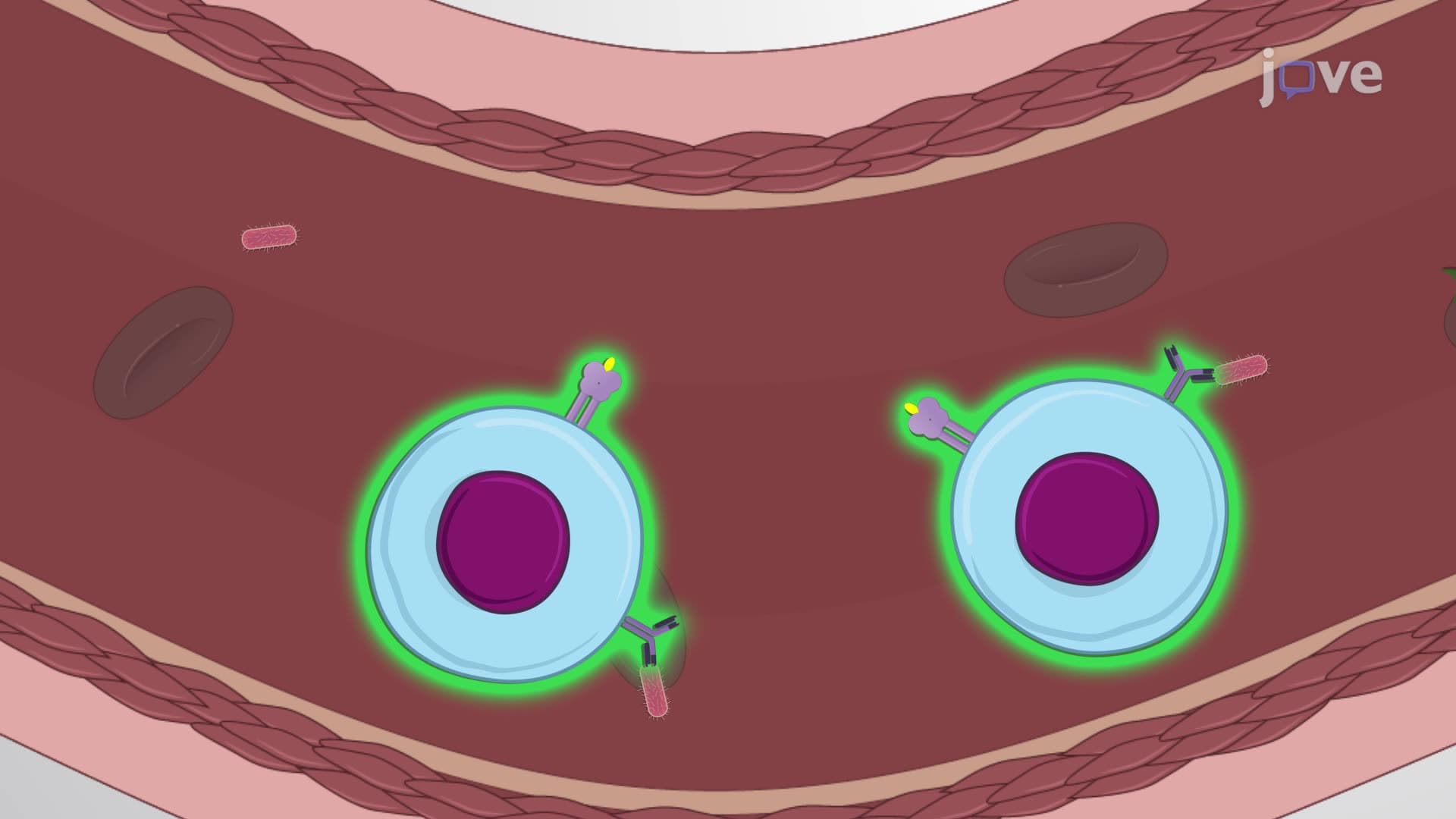



Immune Response Against Viral Pathogens


00:00
01:29
Video Summary: Immune Response Against Viral Pathogens Explained
Did you know your body launches a coordinated military-style defense within hours of a viral infection like COVID-19? The immune response against viral pathogens involves multiple specialized cell types working together-from interferon-secreting infected cells that sound the alarm, to natural killer cells that eliminate compromised tissue, to antibody-producing B cells that neutralize free viral particles before they can spread. Watch the full video on JoVE Coach to master this concept with expert-led visuals and step-by-step explanations.
- Understand the complete sequence of immune response against viral pathogens, from initial infection detection through pathogen elimination
- Identify the key cellular players in antiviral immunity, including NK cells, dendritic cells, cytotoxic T cells, helper T cells, and B cells
- Analyze how interferons coordinate the early innate immune response to limit viral spread
- Compare the roles of MHC I and MHC II antigen presentation in activating different T cell populations
- Evaluate the mechanisms by which cytotoxic T cells eliminate virus-infected cells through targeted cell lysis
- Apply knowledge of antibody-mediated viral neutralization to understand vaccine function
- Recognize how helper T cells coordinate both cellular and humoral immune responses
- Explore the connection between innate pathogen recognition and adaptive immune memory formation
Understanding Immune Response Against Viral Pathogens
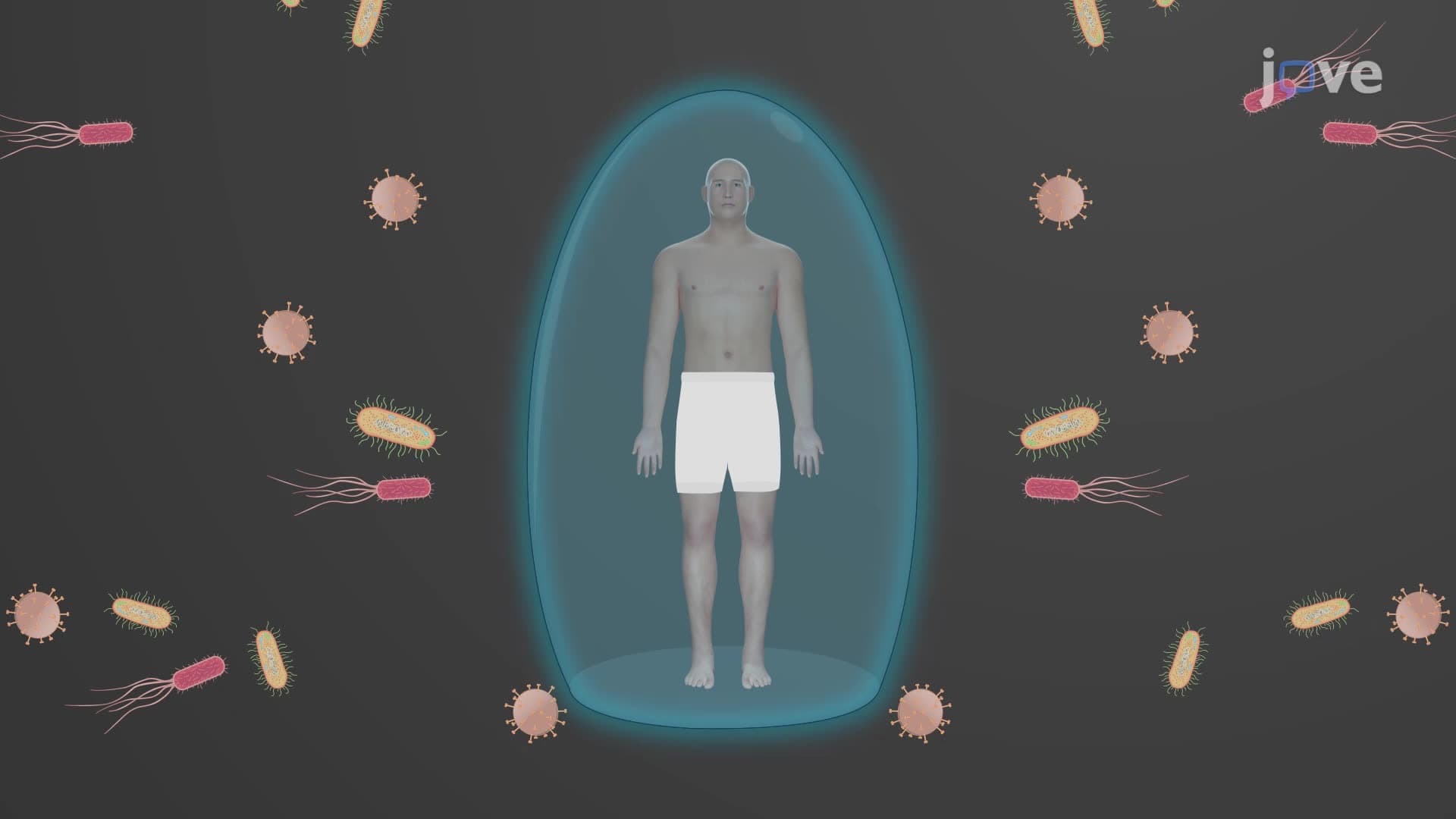
The human immune system employs a sophisticated two-phase strategy to combat viral infections. This multilayered defense mechanism has evolved to detect, contain, and eliminate viral threats while building long-term immunity. From the common cold to serious infections like influenza, understanding these processes is crucial for students preparing for advanced biology coursework and health science careers.
Innate Immunity: The First Line of Defense
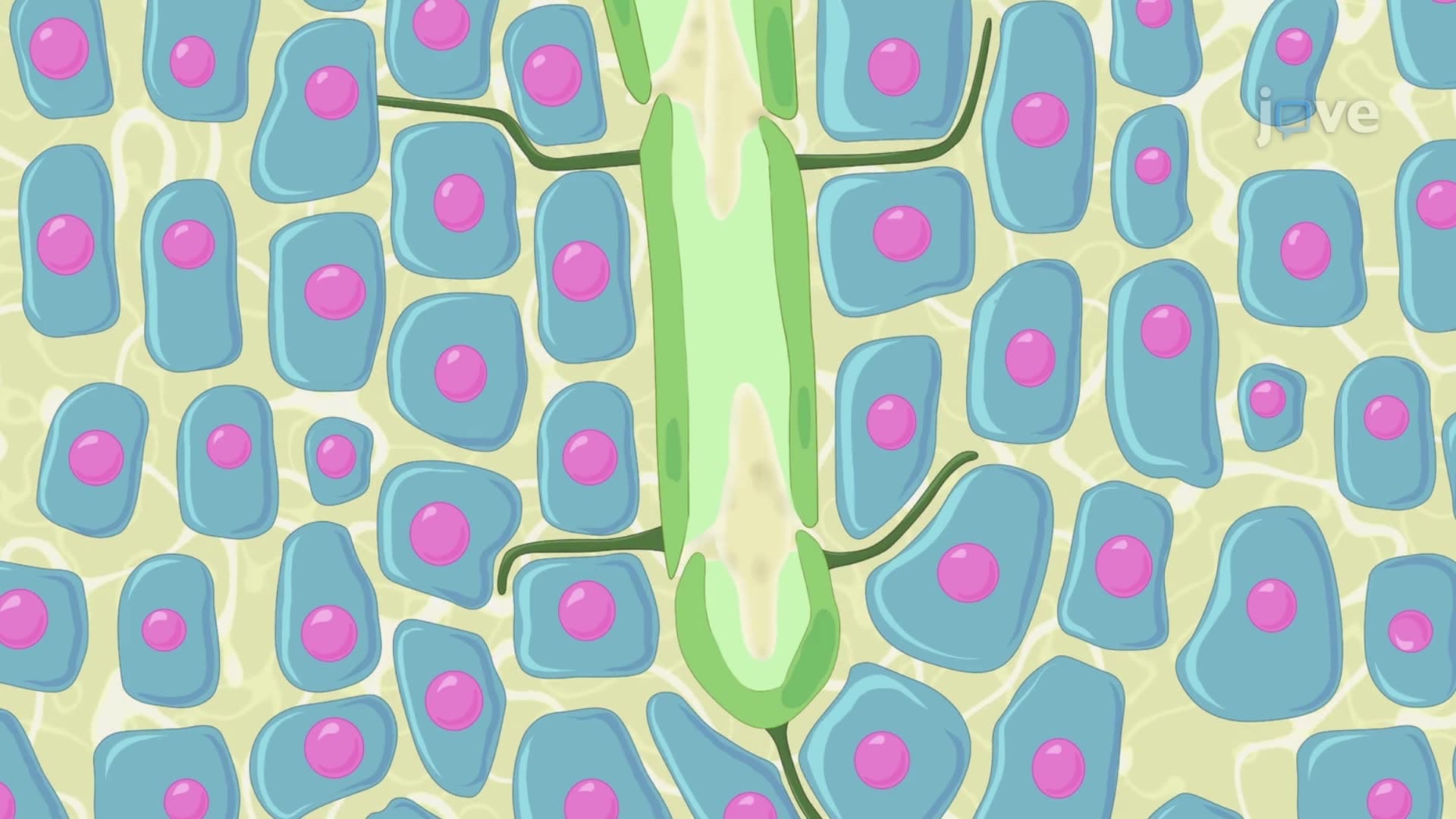
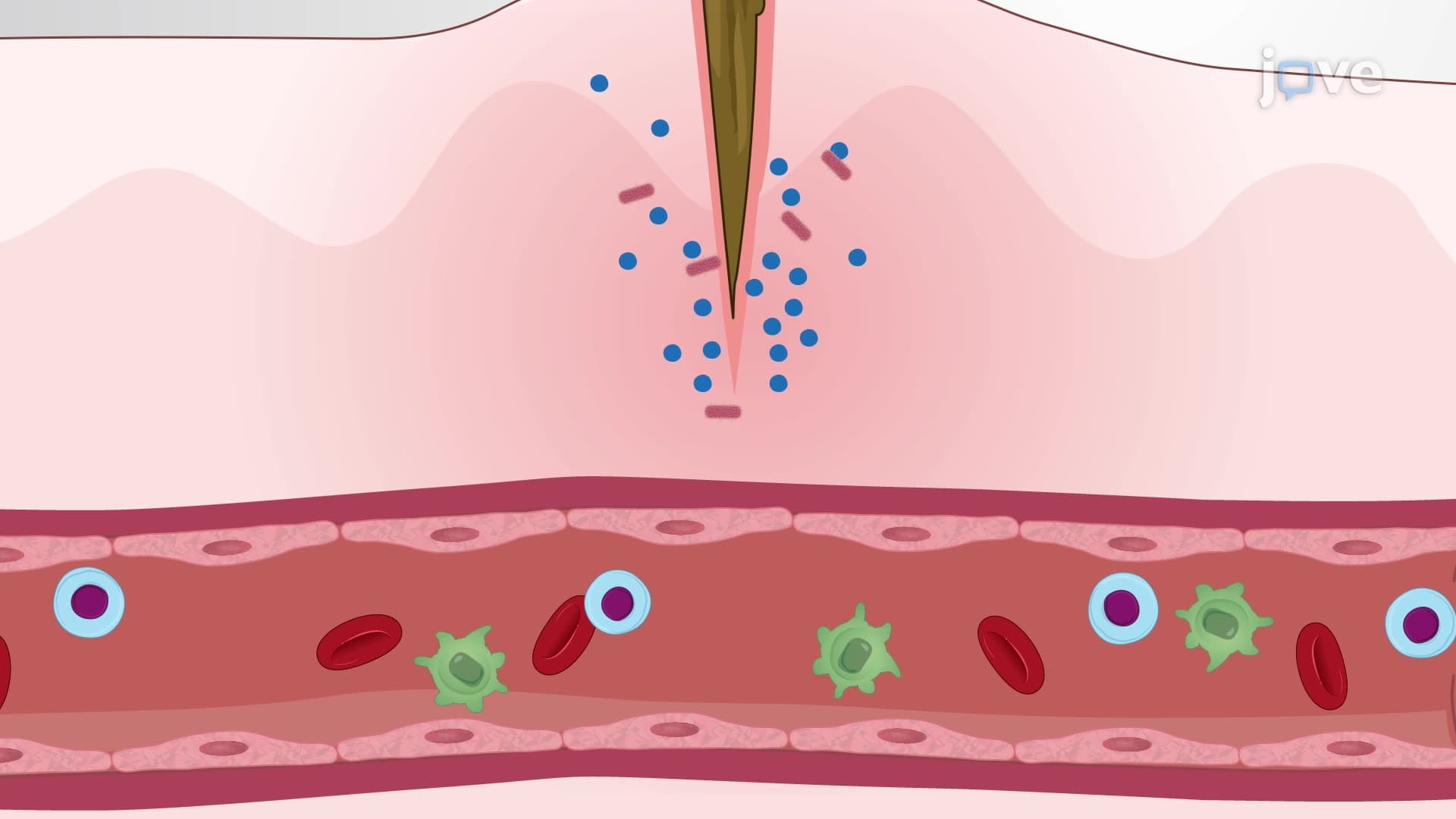
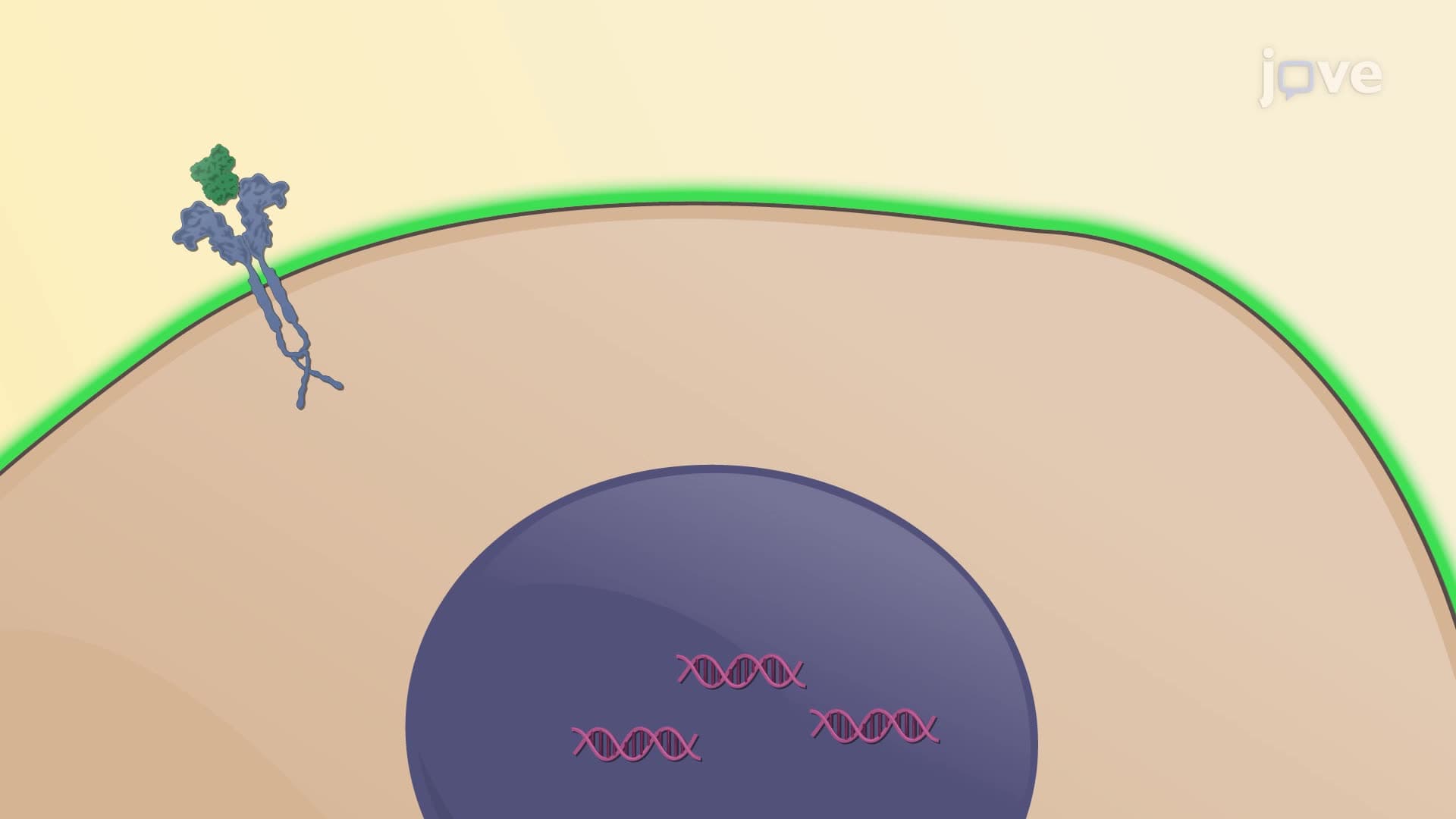
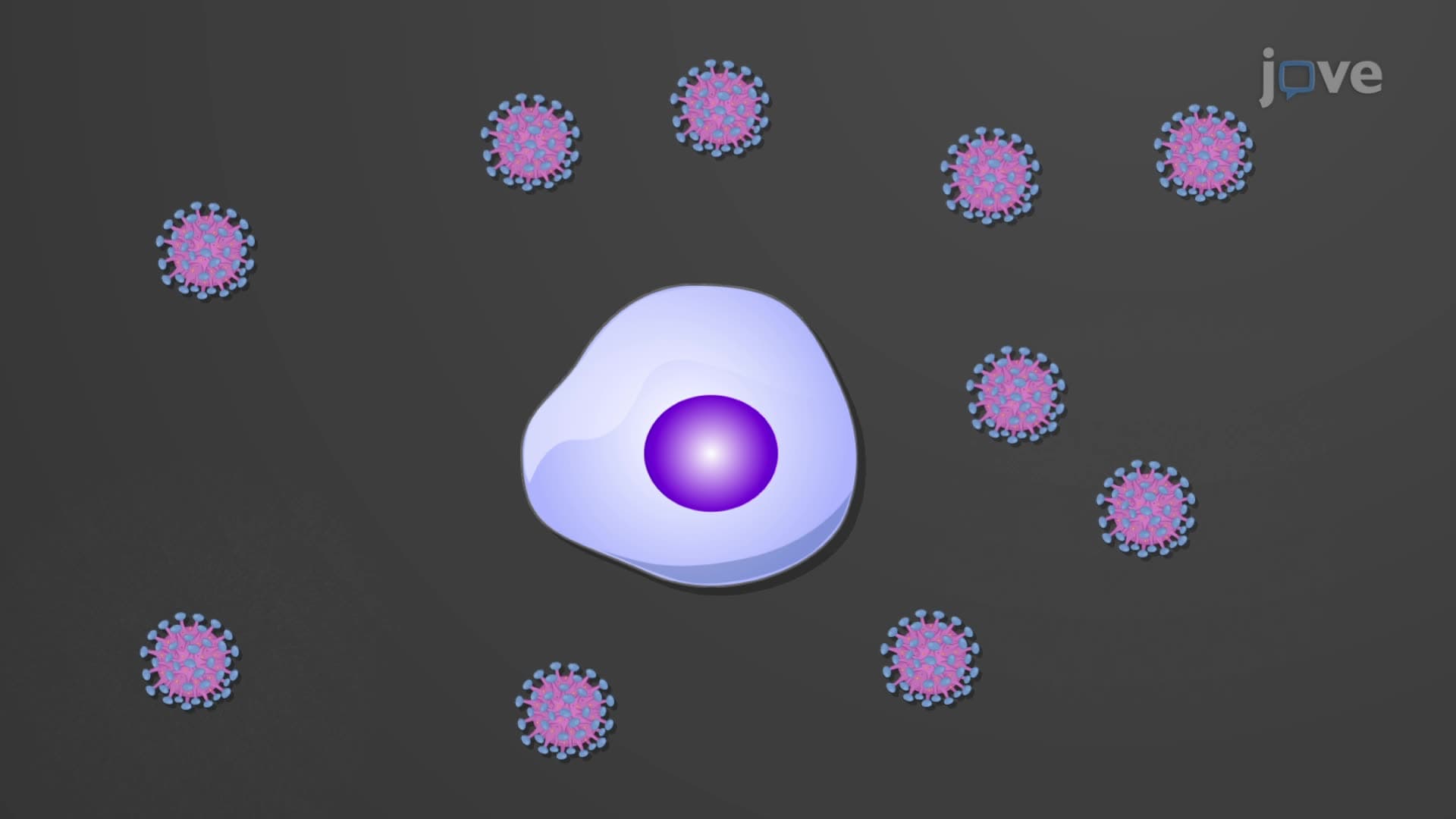
When viruses breach cellular barriers, the interferon antiviral response serves as an immediate alarm system. Infected cells rapidly secrete type I interferons (IFN-α and IFN-β), which bind to receptors on nearby healthy cells, inducing an antiviral state that makes them resistant to infection. This paracrine signaling represents one of the most rapid immune responses, occurring within hours of initial infection.
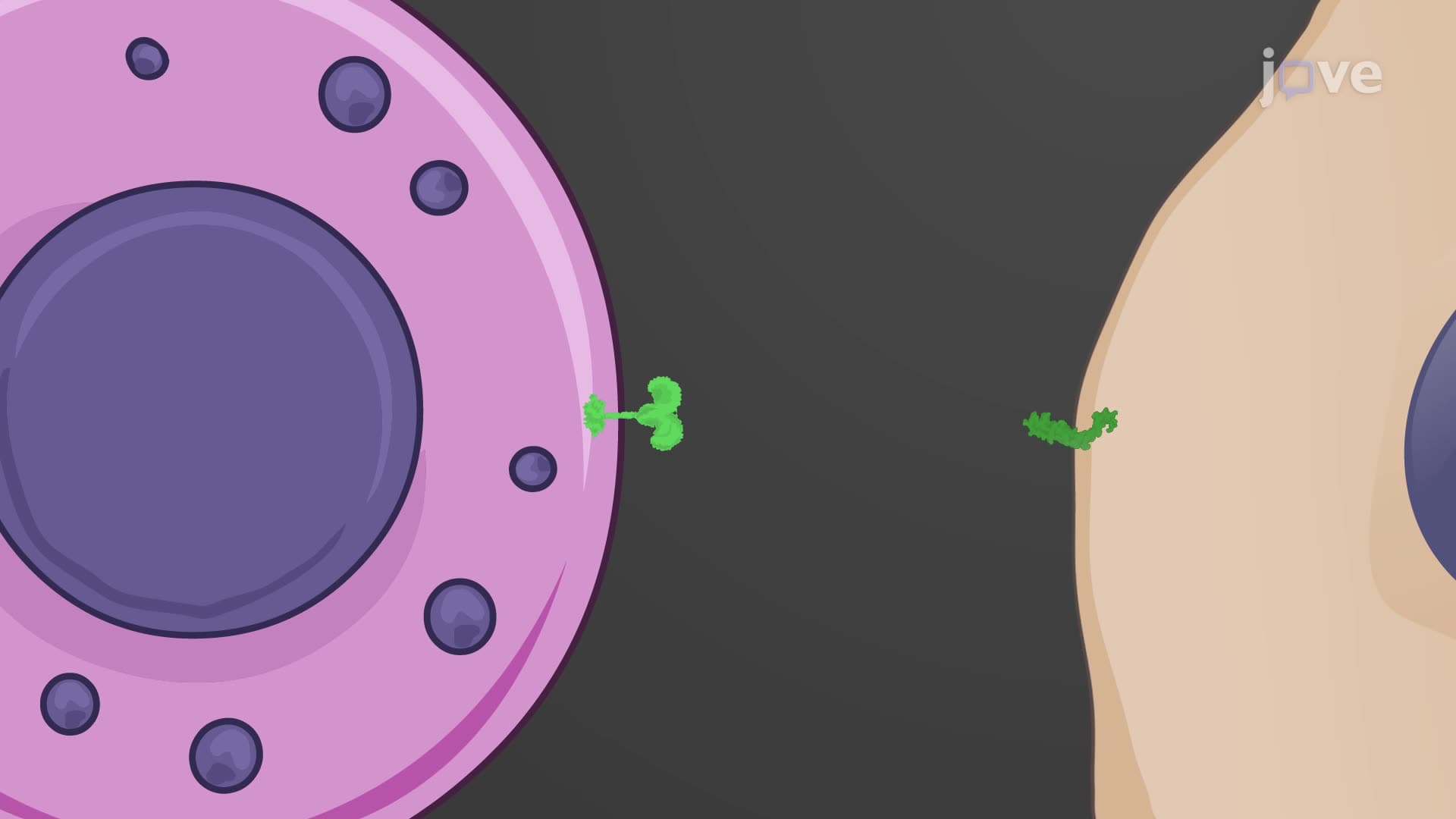
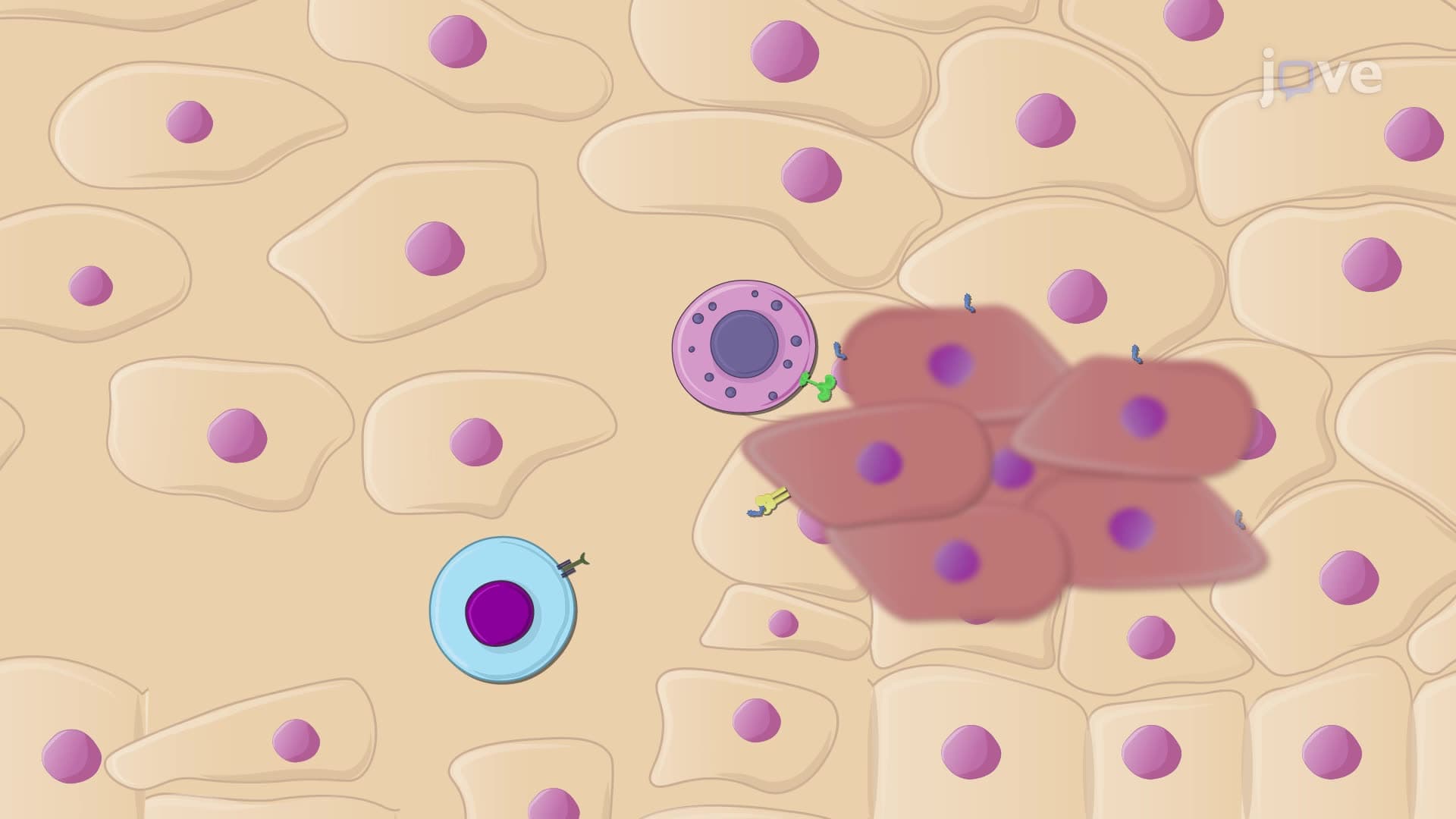
Simultaneously, NK cell virus killing mechanisms activate throughout affected tissues. These innate lymphocytes patrol constantly, using germline-encoded pattern recognition receptors to identify stressed or infected cells. Unlike adaptive immune cells, NK cells don't require prior antigen exposure-they recognize general "danger signals" like viral proteins displayed on cell surfaces or the absence of normal self-markers. Upon recognition, NK cells release cytotoxic granules containing perforin and granzymes, creating pores in target cell membranes and triggering apoptosis.
Adaptive Immunity: Precision Targeting Through Antigen Presentation
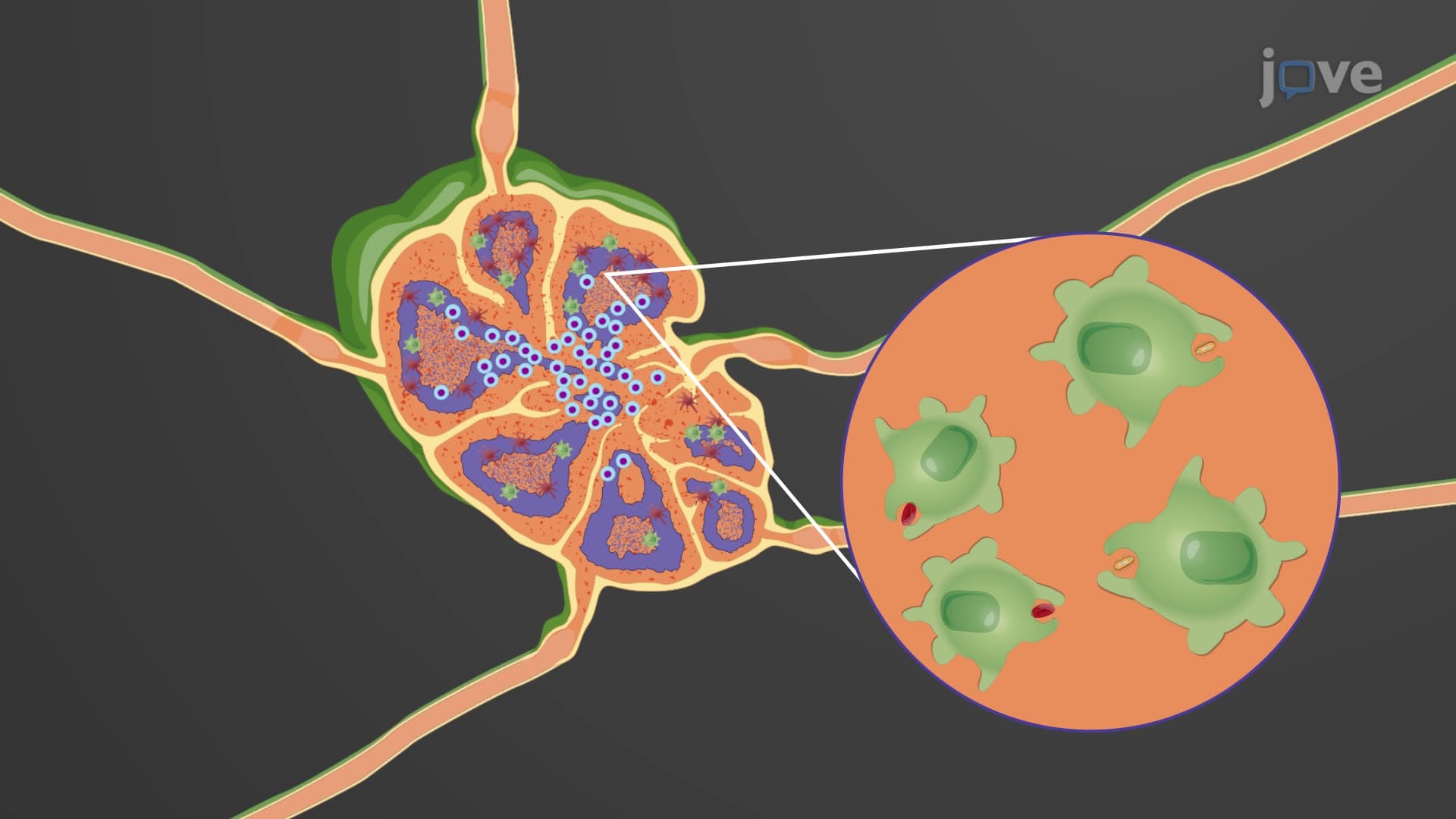
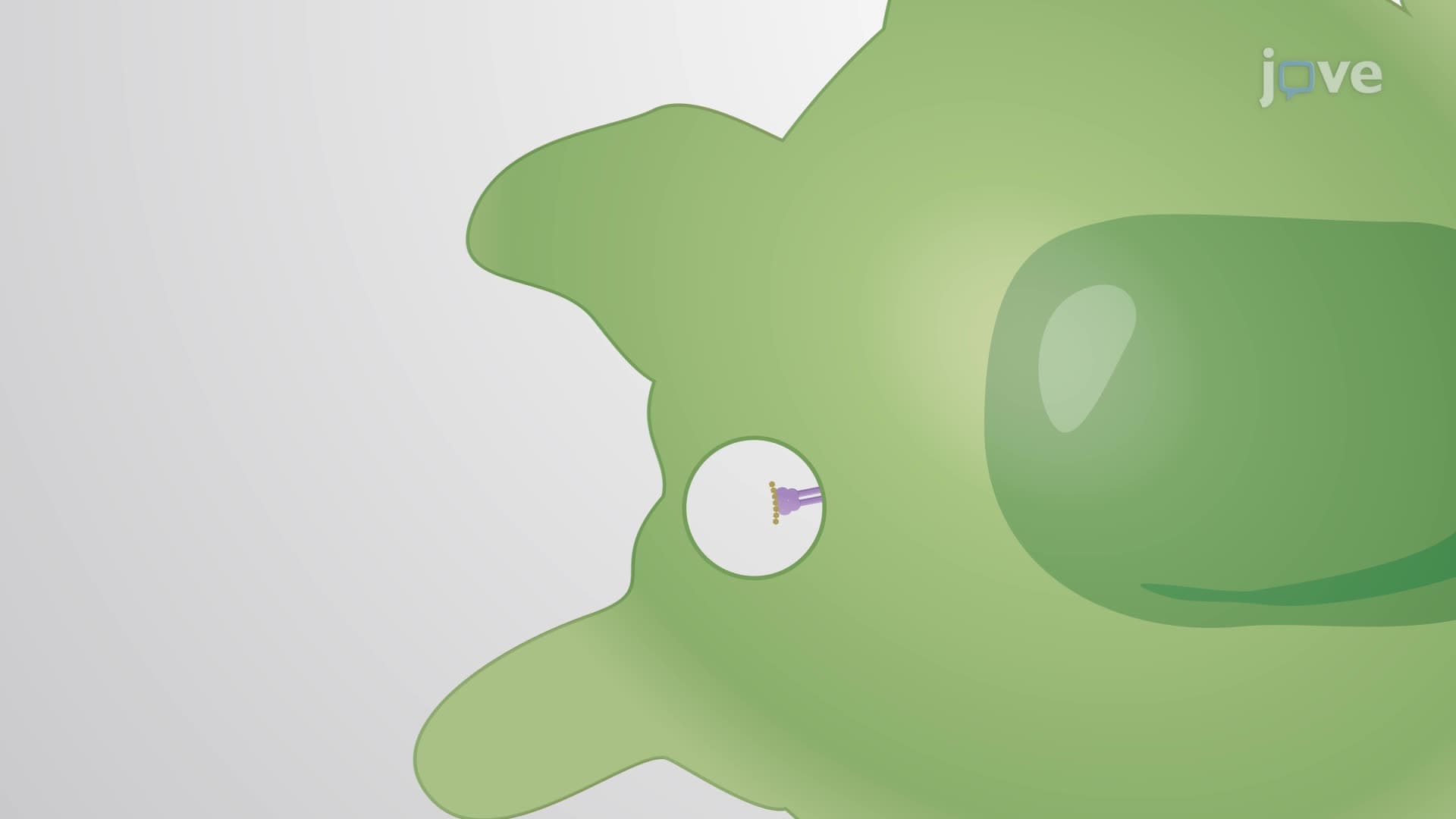
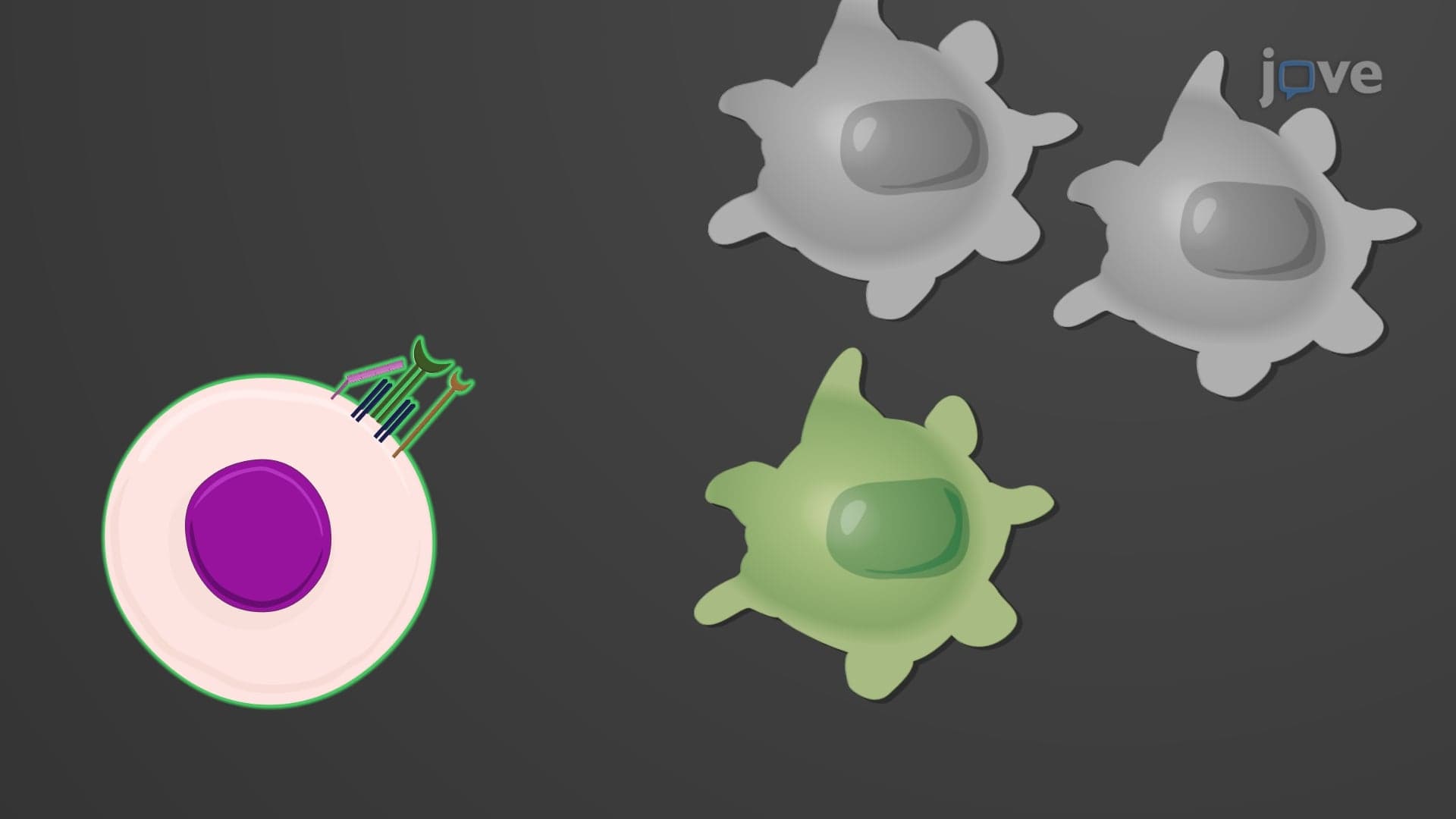
The transition from innate to adaptive immunity occurs through antigen-presenting cells (APCs), primarily dendritic cells. These professional presenters engulf viral debris from lysed infected cells and migrate to lymphoid organs where they display processed antigens via two distinct pathways that students commonly encounter on the MCAT and AP Biology exams.
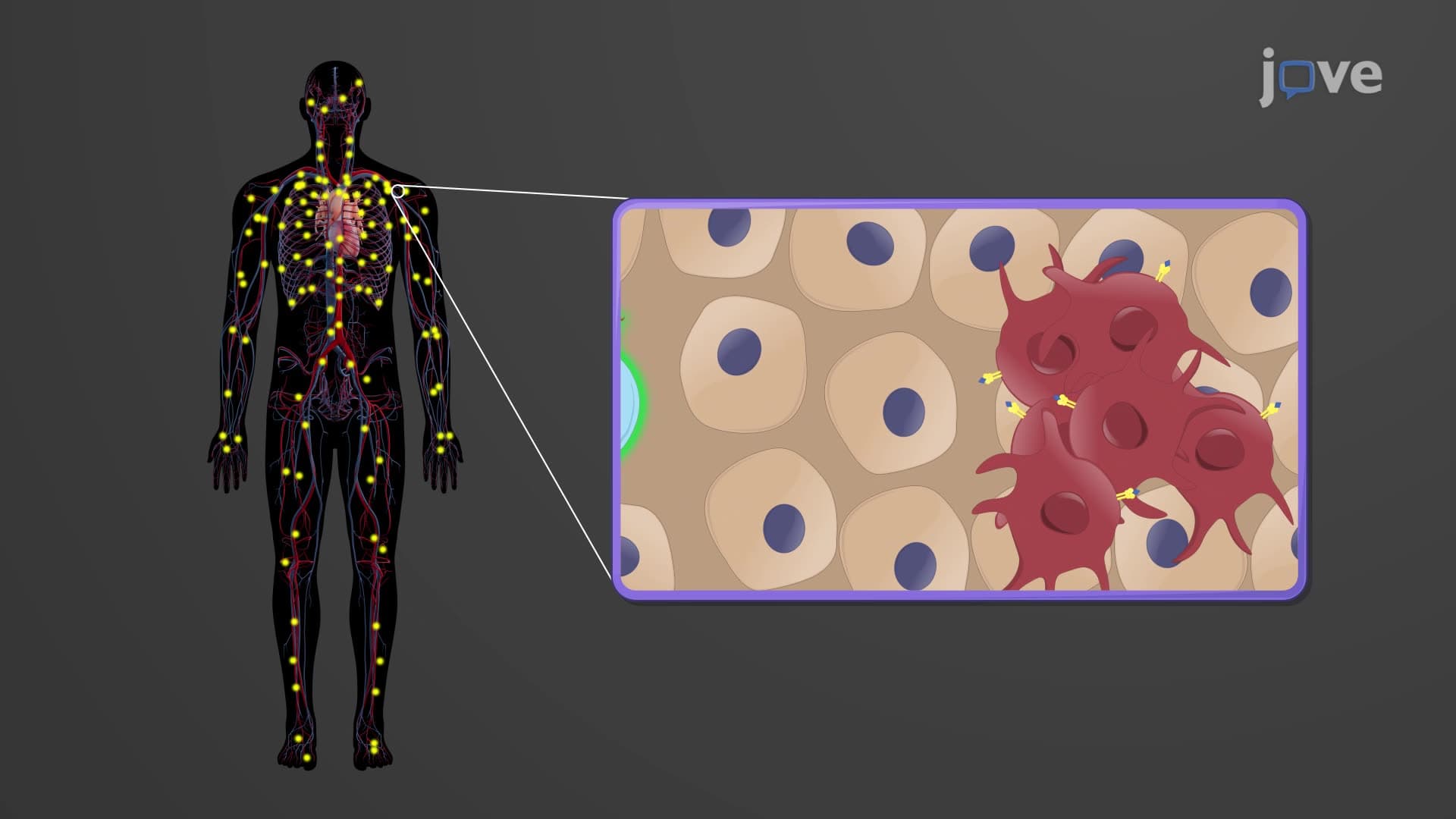
Cytotoxic T virus responses emerge when dendritic cells present viral peptides bound to MHC class I molecules. Naive CD8+ T cells recognizing their specific antigen undergo clonal expansion and differentiation into cytotoxic T lymphocytes (CTLs). These cells then circulate systemically, using their T cell receptors to identify and eliminate any cell displaying the same viral antigen-MHC I complex. This mechanism proves especially important for eliminating intracellular pathogens like hepatitis B virus, where infected hepatocytes must be destroyed to clear the infection.
Humoral Immunity and Viral Neutralization
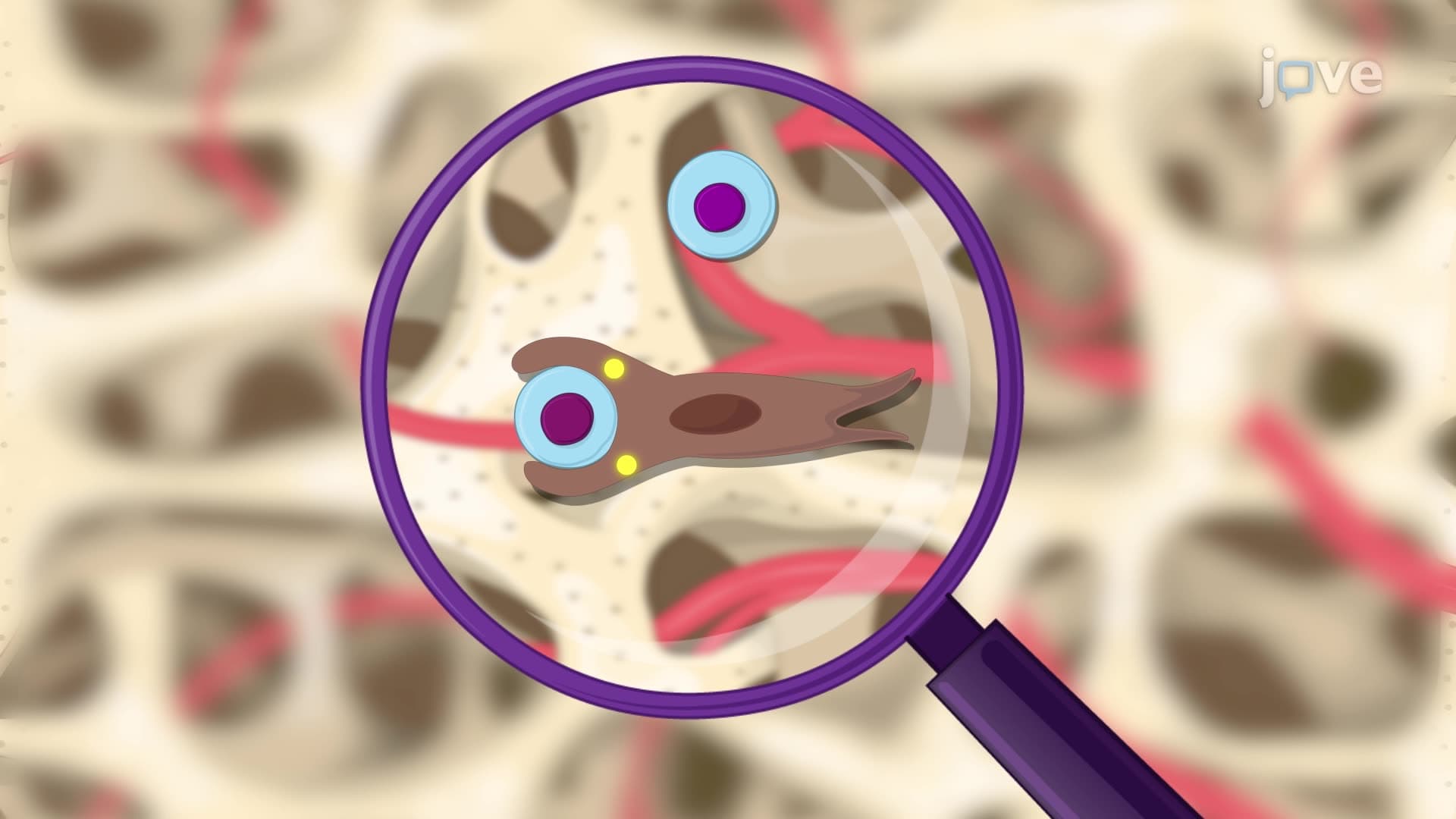
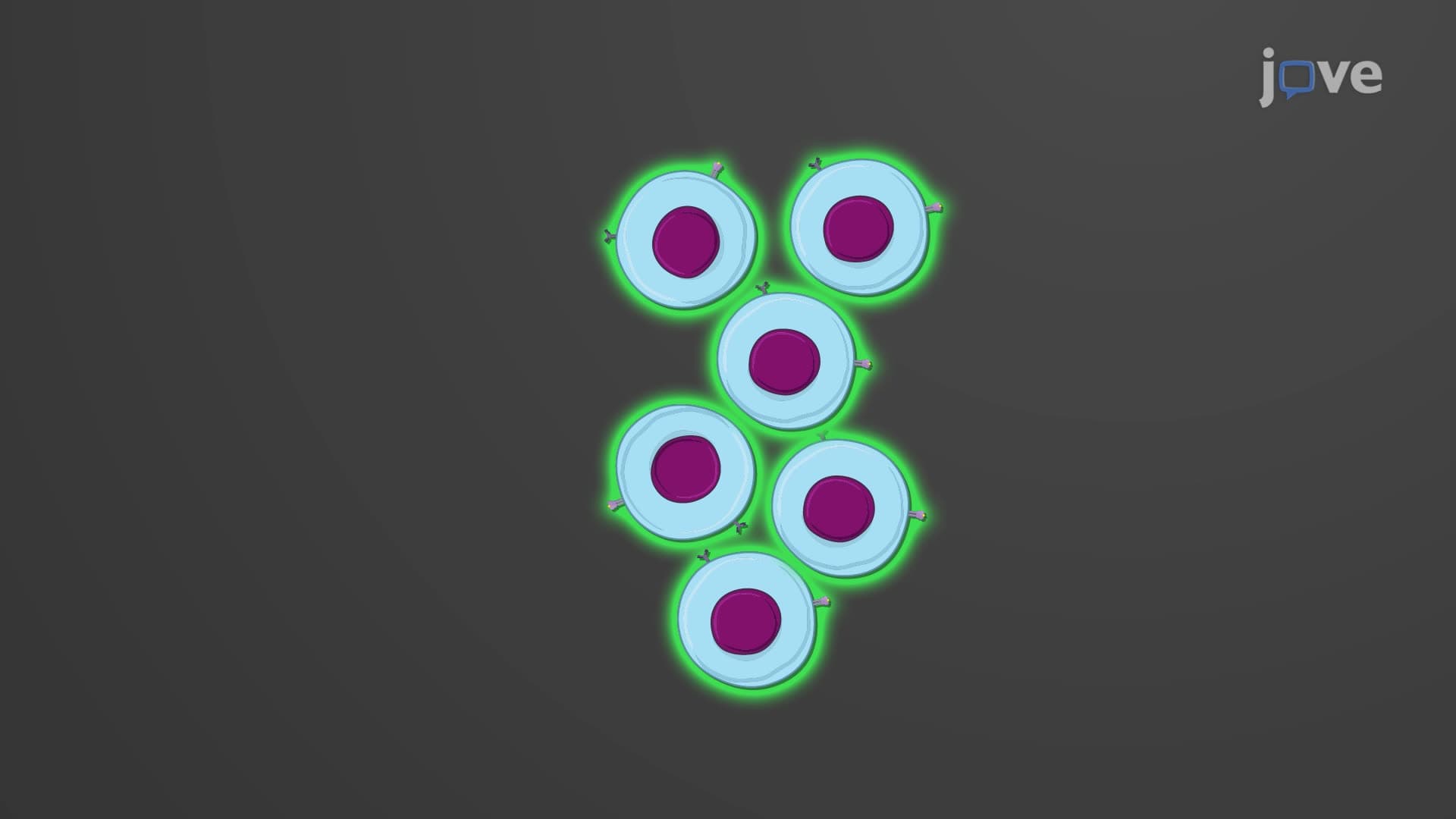
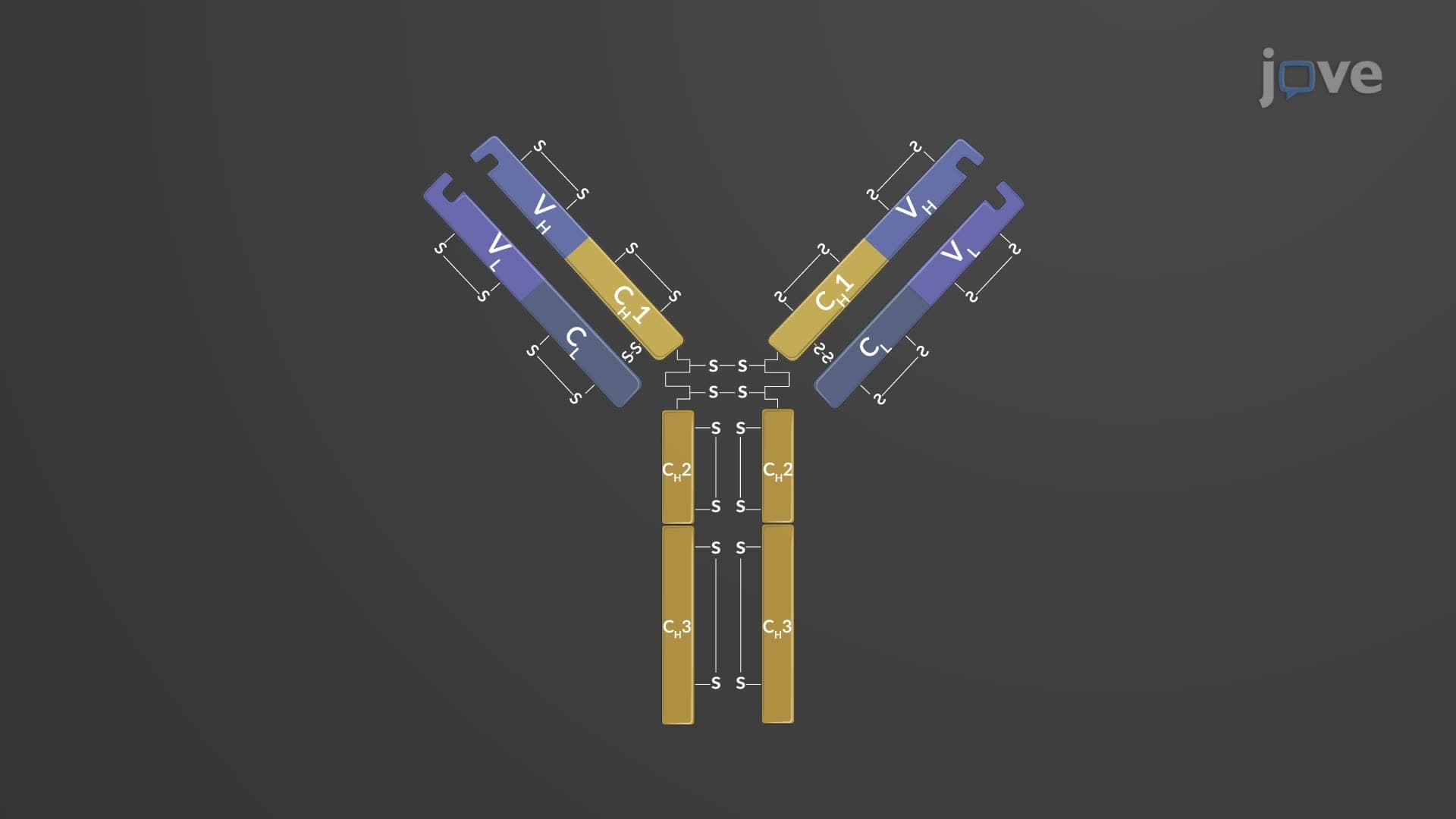
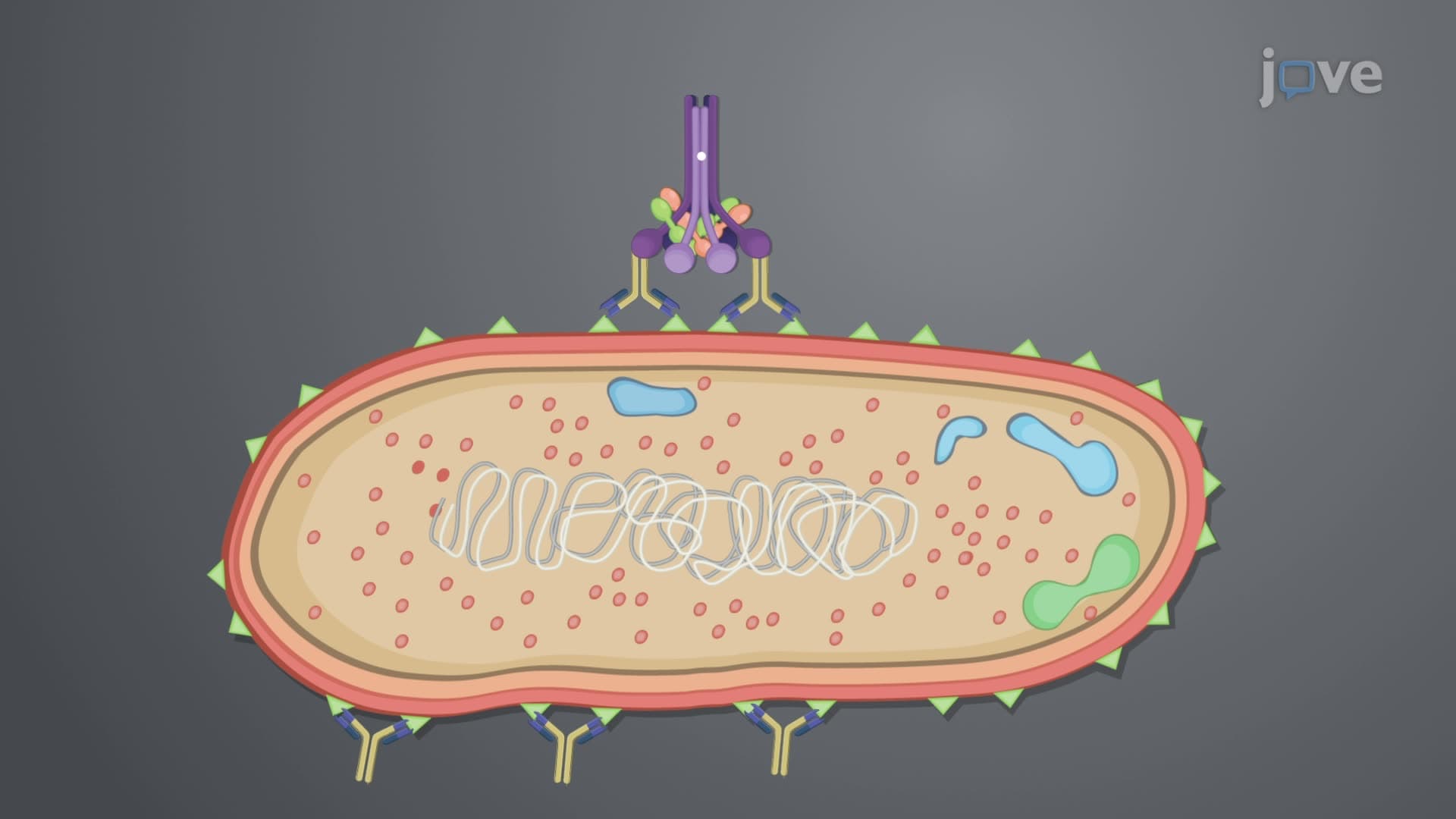
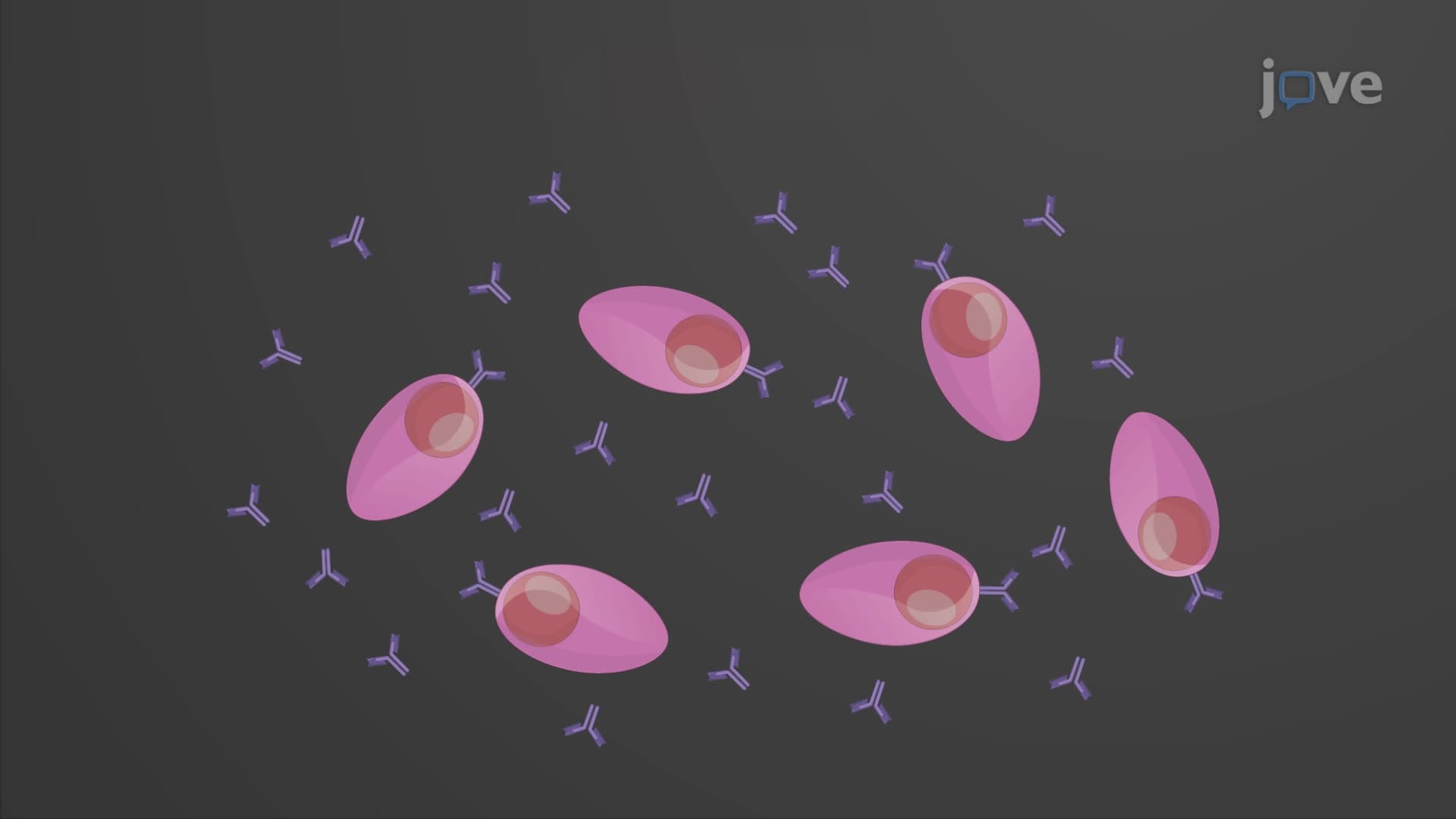
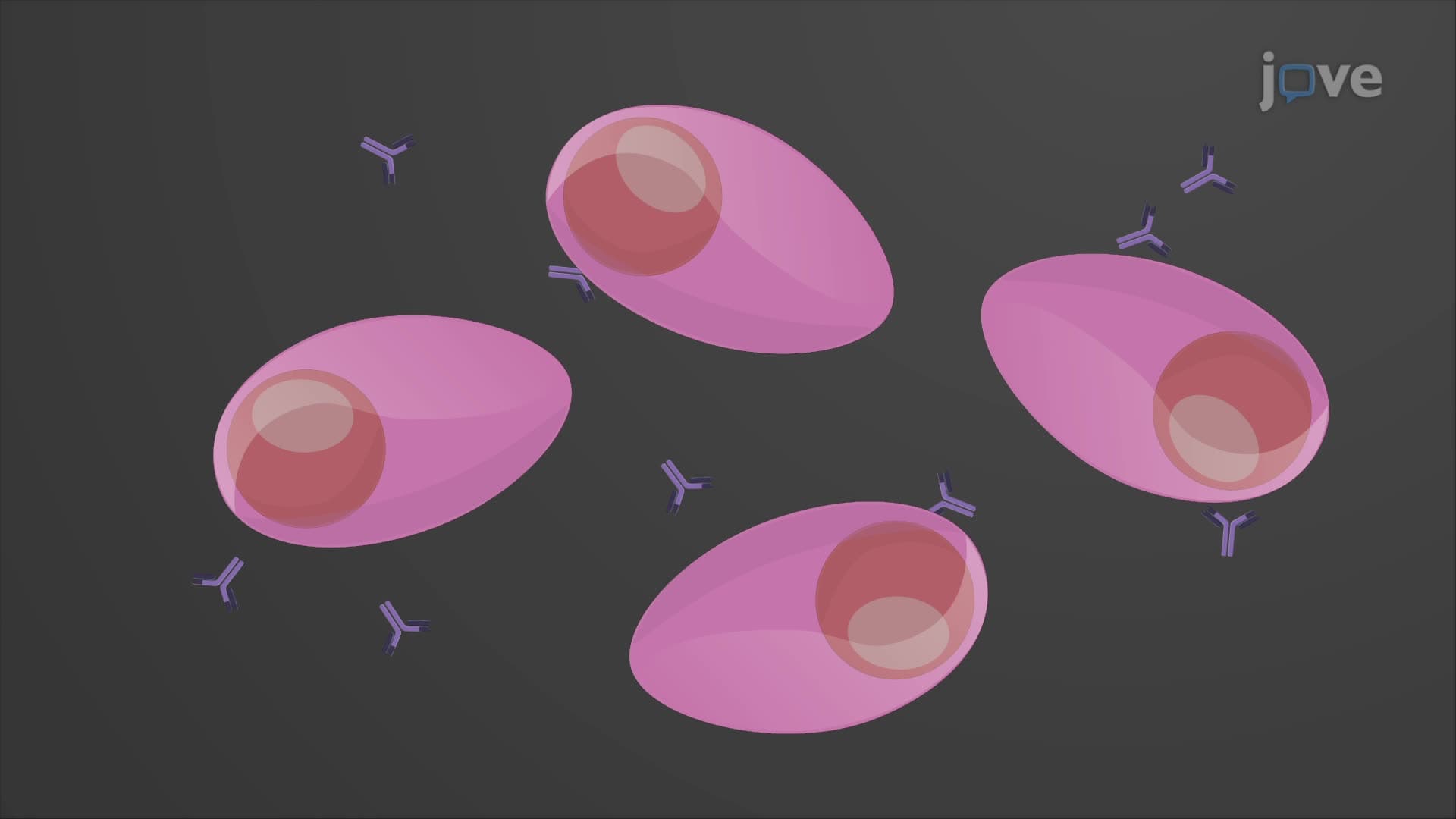
The neutralizing antibody virus response represents the immune system's ability to prevent reinfection. Helper T cells (CD4+), activated by antigen-MHC II complexes, provide essential signals for B cell activation. B cells with surface immunoglobulins that directly bind viral antigens receive additional activation signals from helper T cells, leading to their differentiation into plasma cells. These antibody factories produce thousands of immunoglobulin molecules per second, creating circulating antibodies that bind free viral particles, preventing cellular attachment and entry while marking them for destruction by phagocytes.
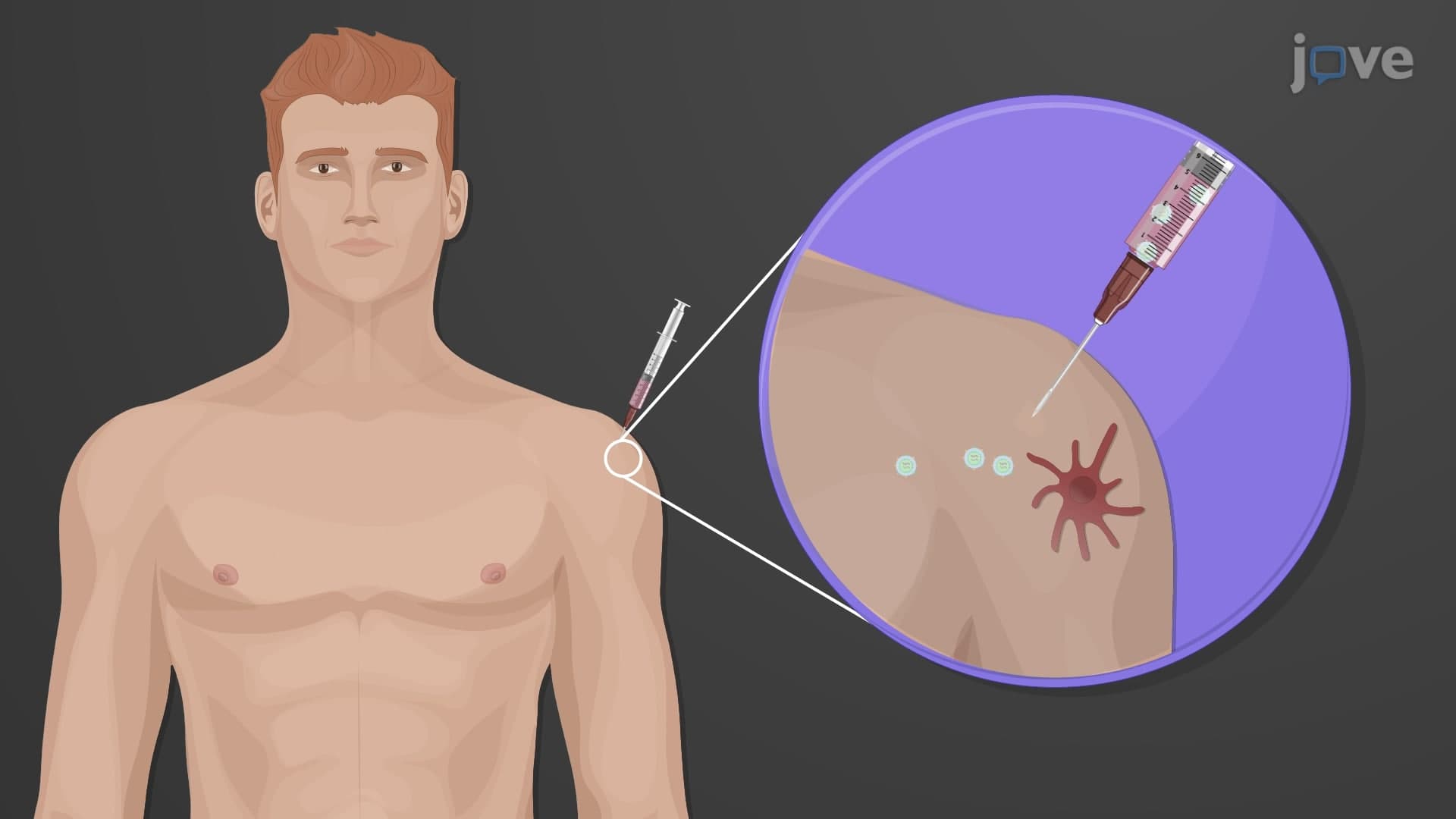
This antiviral immune mechanism forms the basis for vaccination strategies. The measles-mumps-rubella (MMR) vaccine, routinely administered to US children, works by exposing the immune system to weakened viral antigens, allowing memory B and T cells to form without causing disease. Upon subsequent exposure, these memory cells rapidly expand, producing protective antibody levels within days rather than weeks.
Frequently Asked Questions
The immune response against viral pathogens is a coordinated defense involving both innate and adaptive immunity specifically adapted to combat intracellular parasites. Unlike bacterial infections that primarily occur extracellularly, viral infections require the immune system to identify and eliminate infected host cells while neutralizing free viral particles. This involves specialized mechanisms like interferon signaling, NK cell cytotoxicity, MHC I antigen presentation to CD8+ T cells, and neutralizing antibody production.
MCAT passages frequently present experimental scenarios involving viral infection models, testing your ability to predict immune cell interactions and antibody responses. AP Biology questions often focus on comparing innate versus adaptive responses, explaining MHC presentation pathways, or analyzing data from vaccination studies. Practice identifying which immune components respond first (interferons, NK cells) versus those requiring time for activation (T and B cells). Understanding the timeline of immune responses helps answer process-based questions.
Strong foundation courses include general biology, microbiology, and biochemistry, typically required for pre-med students at institutions like UCLA or Johns Hopkins. Cell biology coursework provides essential background on MHC molecules and antigen processing. Many students benefit from immunology electives offered at universities with strong research programs. The concepts build logically from basic cell biology through molecular mechanisms, making prerequisite knowledge manageable for dedicated students.
mRNA vaccines like Pfizer-BioNTech exemplify antiviral immunity by delivering genetic instructions for spike protein production, mimicking natural viral infection without causing disease. Host cells translate the mRNA and present spike peptides via MHC molecules, activating both CD4+ and CD8+ T cells. B cells recognizing spike protein differentiate into plasma cells producing neutralizing antibodies. This creates immunological memory, enabling rapid secondary responses upon actual SARS-CoV-2 exposure-demonstrating how understanding basic immune mechanisms applies to current public health interventions.
Create flowcharts mapping the sequence from viral infection through antibody production, using different colors for innate versus adaptive responses. Practice drawing the process from memory, focusing on key transition points like APC activation and T cell differentiation. Make connection diagrams showing how interferons, NK cells, T cells, and B cells interact rather than studying each component in isolation. Use active recall by explaining the entire process aloud, identifying any gaps in your understanding that need review.
While antiviral immunity involves multiple interconnected processes, the core concepts build logically and relate to everyday experiences like recovering from colds or receiving vaccinations. Students who understand basic cell biology and protein interactions can master these mechanisms with proper scaffolding. Breaking the topic into discrete phases (recognition, activation, effector function, memory) makes the complexity manageable. Many high school AP Biology students successfully learn these concepts and apply them on standardized tests and college entrance exams.
Antiviral immunity integrates cell biology, molecular biology, and physiology, serving as an excellent capstone topic. The MHC presentation mechanisms connect to genetics and protein folding concepts. Cytokine signaling pathways appear throughout endocrinology and development. Antibody structure and function bridge to biochemistry and protein chemistry courses. Students planning health science careers will encounter these same principles in pharmacology, pathology, and clinical medicine coursework, making this foundational knowledge valuable for future academic success.
Consider investigating autoimmune diseases where antiviral mechanisms malfunction, targeting healthy tissue instead of pathogens. Tumor immunology applies similar principles to cancer cell recognition and elimination. Immunodeficiency disorders like HIV infection demonstrate what happens when specific immune components fail. Transplant immunology explores how the same T cell recognition mechanisms that eliminate viruses can reject beneficial transplanted organs. These advanced topics build directly on antiviral immunity foundations while connecting to clinical applications in medicine.
Related Micro-courses