Loading subject page…


218,421 views

Video Summary: Immune Surveillance by Nk Cells Explained
Did you know that your body has specialized assassin cells patrolling your bloodstream 24/7, ready to eliminate cancer cells before they spread? NK cell immune surveillance represents one of your immune system's most critical defense mechanisms, with natural killer cells constantly monitoring tissues for threats. The Stanford Cancer Institute reports that NK cells can destroy malignant cells within hours of detection, making them vital for cancer prevention. Immune Surveillance By NK Cells Explained reveals how these remarkable cells use sophisticated recognition systems and lethal protein weapons to protect your health. Watch the full video on JoVE Coach to master this concept with expert-led visuals and step-by-step explanations.
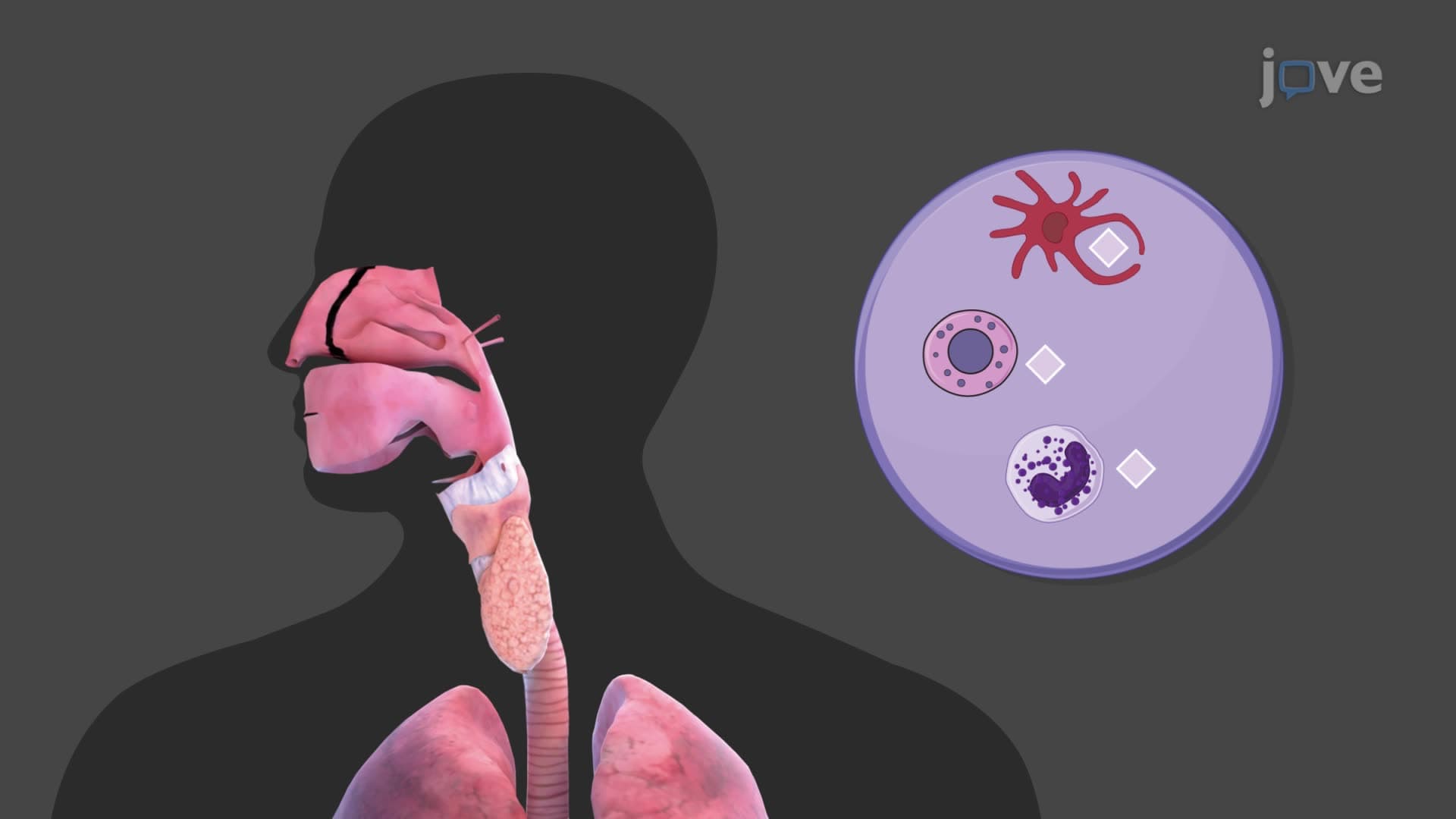
NK cell immune surveillance operates as your body's first line of defense against cellular abnormalities, functioning independently of prior antigen exposure. Unlike adaptive immune cells that require specific training, natural killer cells patrol tissues continuously, equipped with sophisticated pattern recognition receptors that identify "danger signals" from infected, stressed, or malignant cells. This surveillance system proves especially crucial in cancer prevention, as demonstrated by studies at the National Cancer Institute showing increased tumor incidence in individuals with NK cell deficiencies.
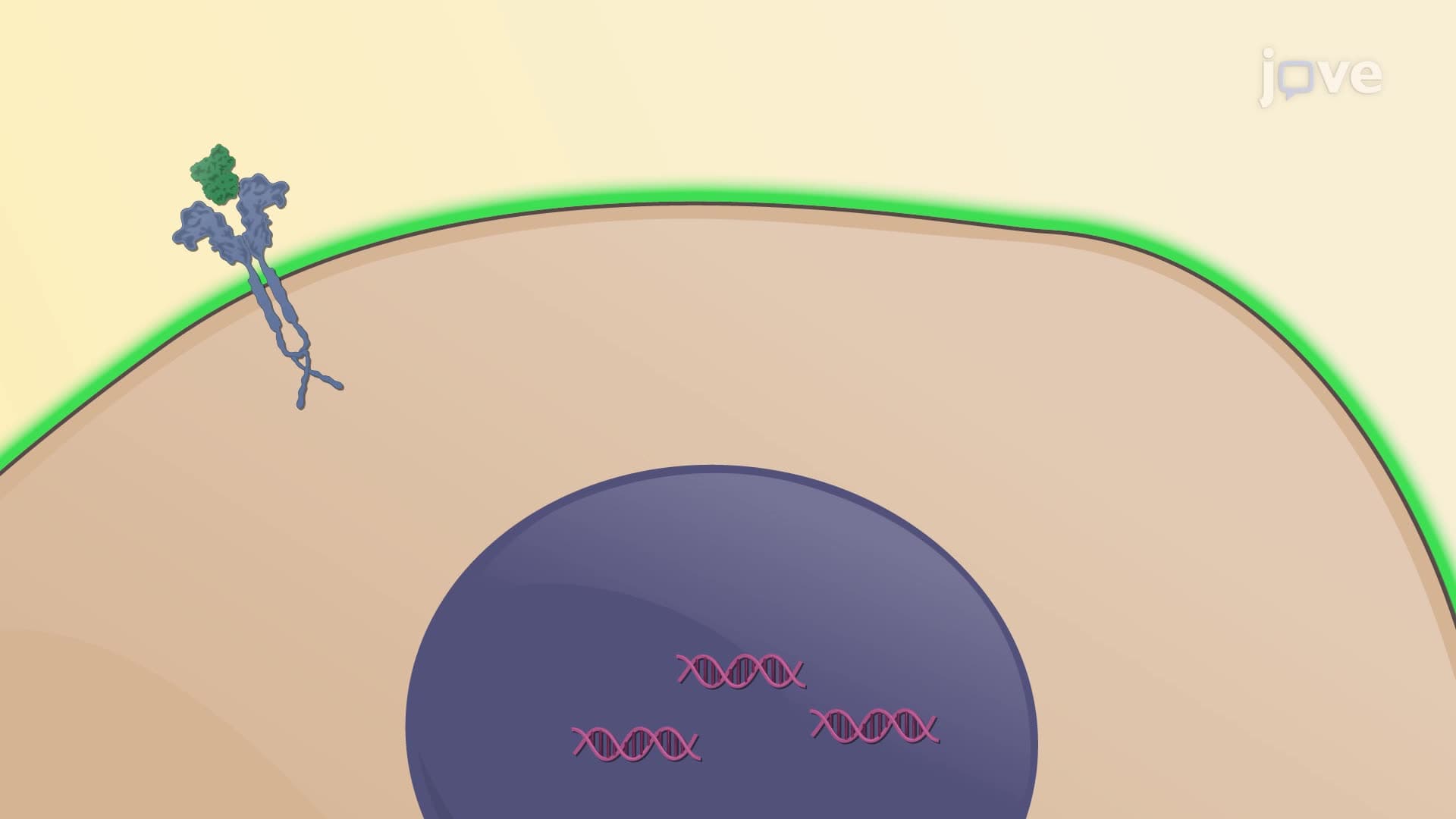
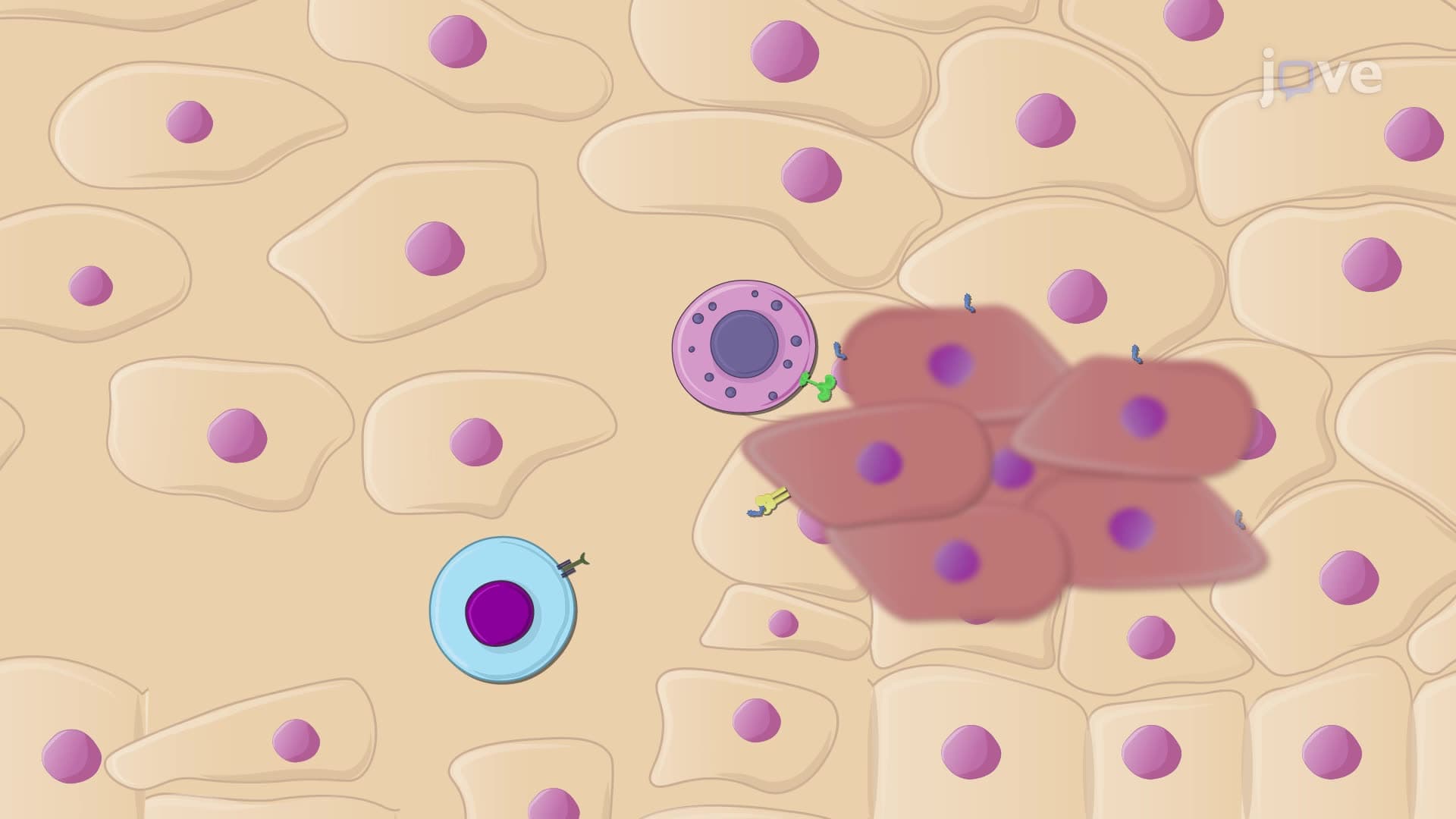
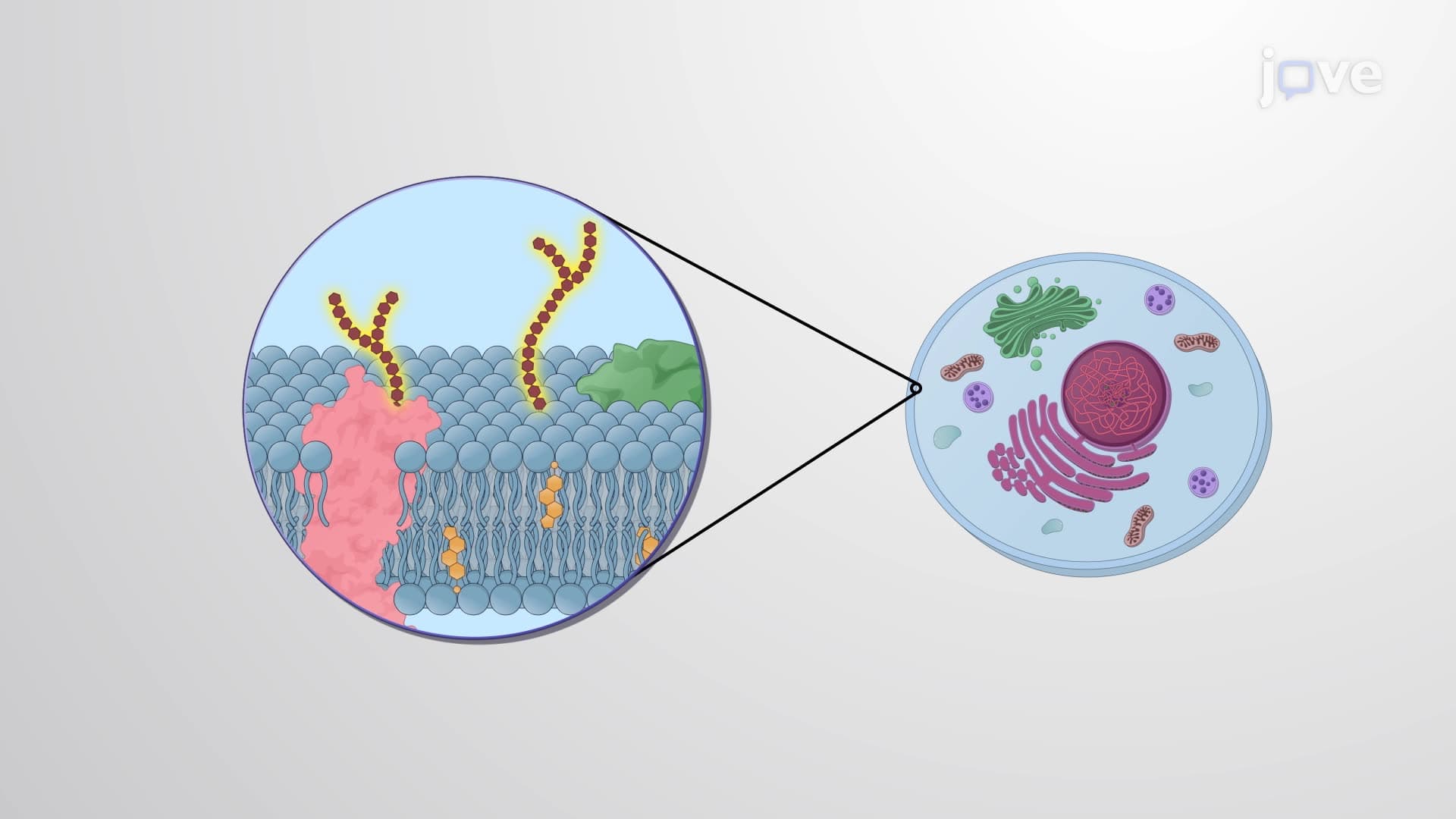
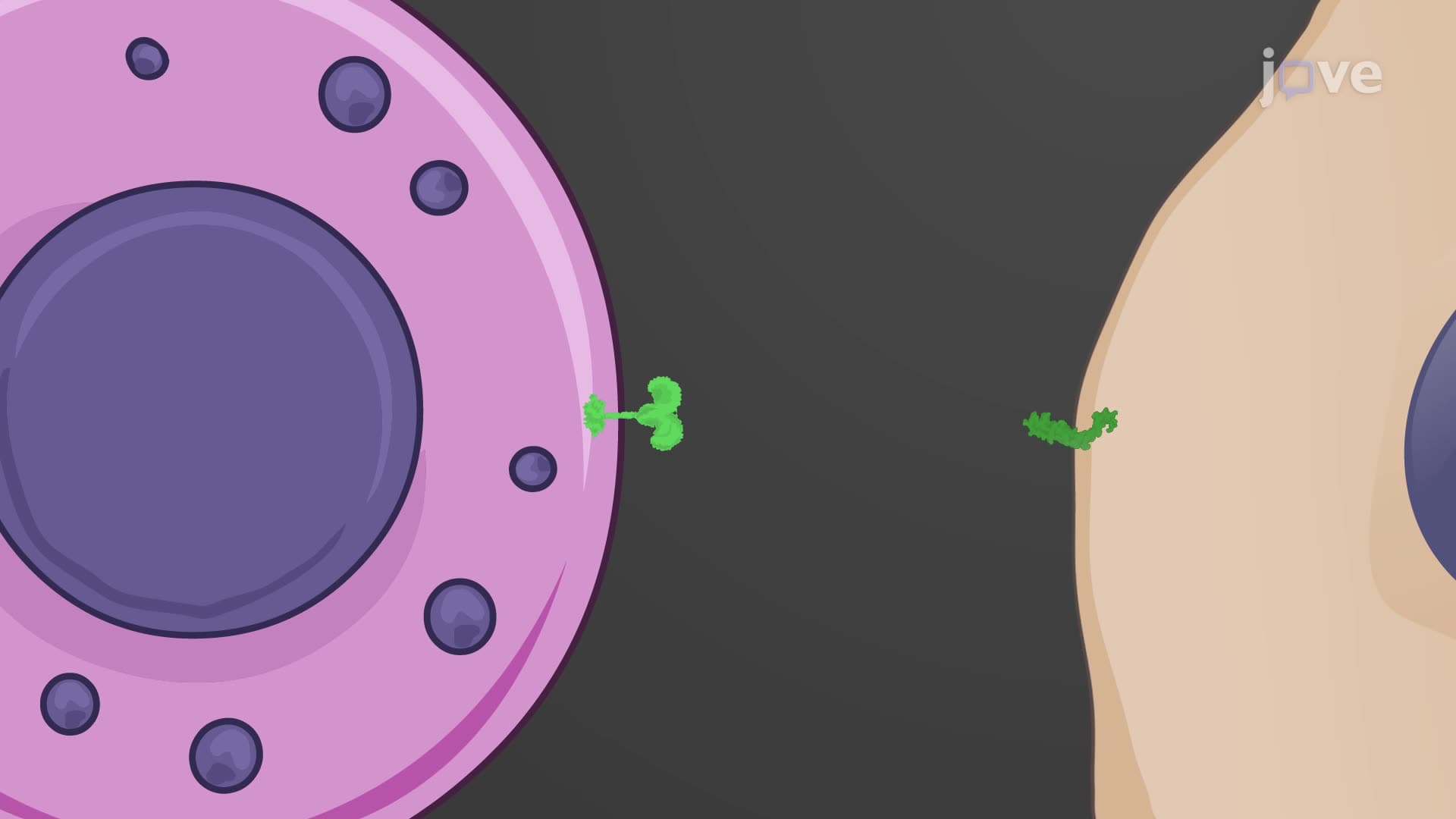
Natural killer cell surveillance relies heavily on the "missing self" hypothesis, where NK cells recognize when target cells fail to display normal levels of MHC class I molecules. Healthy cells constantly present MHC class I on their surface as identification badges, but virus-infected cells and many cancer cells downregulate these molecules to evade T cell detection. NK cells possess inhibitory receptors that bind to MHC class I; when these molecules are absent or reduced, inhibition is released, triggering NK cell activation. This mechanism explains why NK cells excel at eliminating cells that escape T cell surveillance.
Once activated, NK cells execute targets through a precisely orchestrated cytotoxicity mechanism. The activated NK cell forms an immunological synapse with its target, reorganizing its Golgi apparatus to direct secretory vesicles toward the contact site. These vesicles contain perforin proteins that polymerize to form pores in the target cell membrane, creating entry points for granzyme proteases. Granzymes then trigger apoptotic pathways within the target cell, ensuring controlled cell death that minimizes inflammation and tissue damage.
Understanding NK cell immune surveillance proves essential for advanced biology courses, MCAT preparation, and pre-health programs. AP Biology students encounter these concepts when studying immune system regulation and cancer biology. Medical students must master NK cell function for USMLE Step 1, particularly regarding immunodeficiency disorders and tumor immunology. The Cleveland Clinic's immunology residency program emphasizes NK cell surveillance as fundamental to understanding why some patients develop recurrent infections or unusual malignancies despite normal T and B cell counts.
Related Micro-courses