Loading subject page…


218,421 views

Video Summary: Special Features of Adaptive Immunity Explained
Did you know your immune system can remember a pathogen for decades after a single encounter? The adaptive immunity special features enable your body to mount increasingly powerful defenses against repeat infections, which is why vaccines like the MMR shot provide long-lasting protection. These remarkable capabilities include antigen specificity, immunological memory, self-tolerance, and versatile responses that distinguish adaptive immunity from innate defenses. Watch the full video on JoVE Coach to master this concept with expert-led visuals and step-by-step explanations.
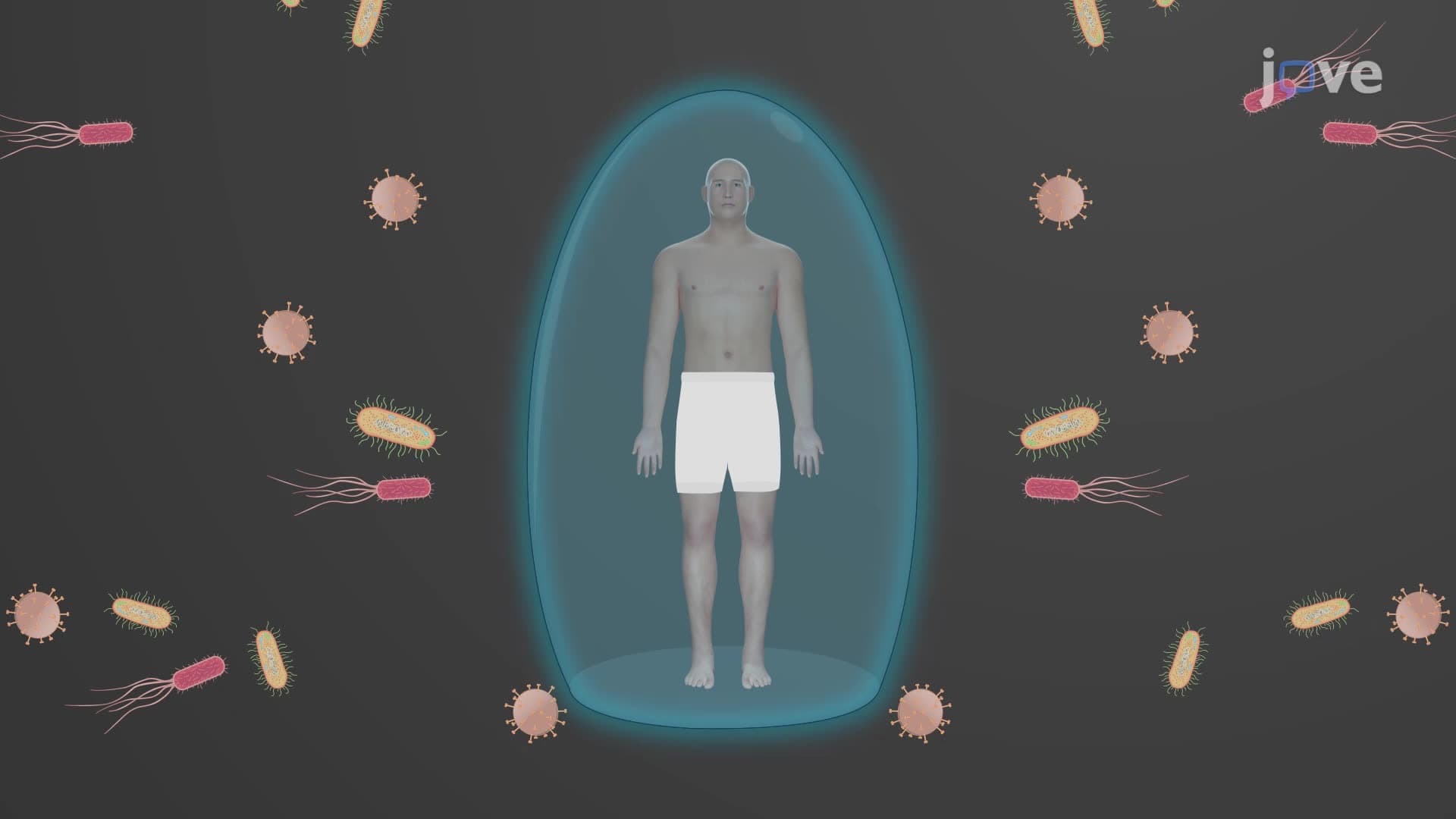
The adaptive immune system represents one of biology's most sophisticated defense mechanisms, distinguished by four remarkable characteristics that set it apart from innate immunity. Unlike the broad, immediate responses of innate immunity, adaptive immunity provides precision-guided protection through unique features adaptive immune system components that have evolved to combat specific threats with extraordinary accuracy and lasting effectiveness.
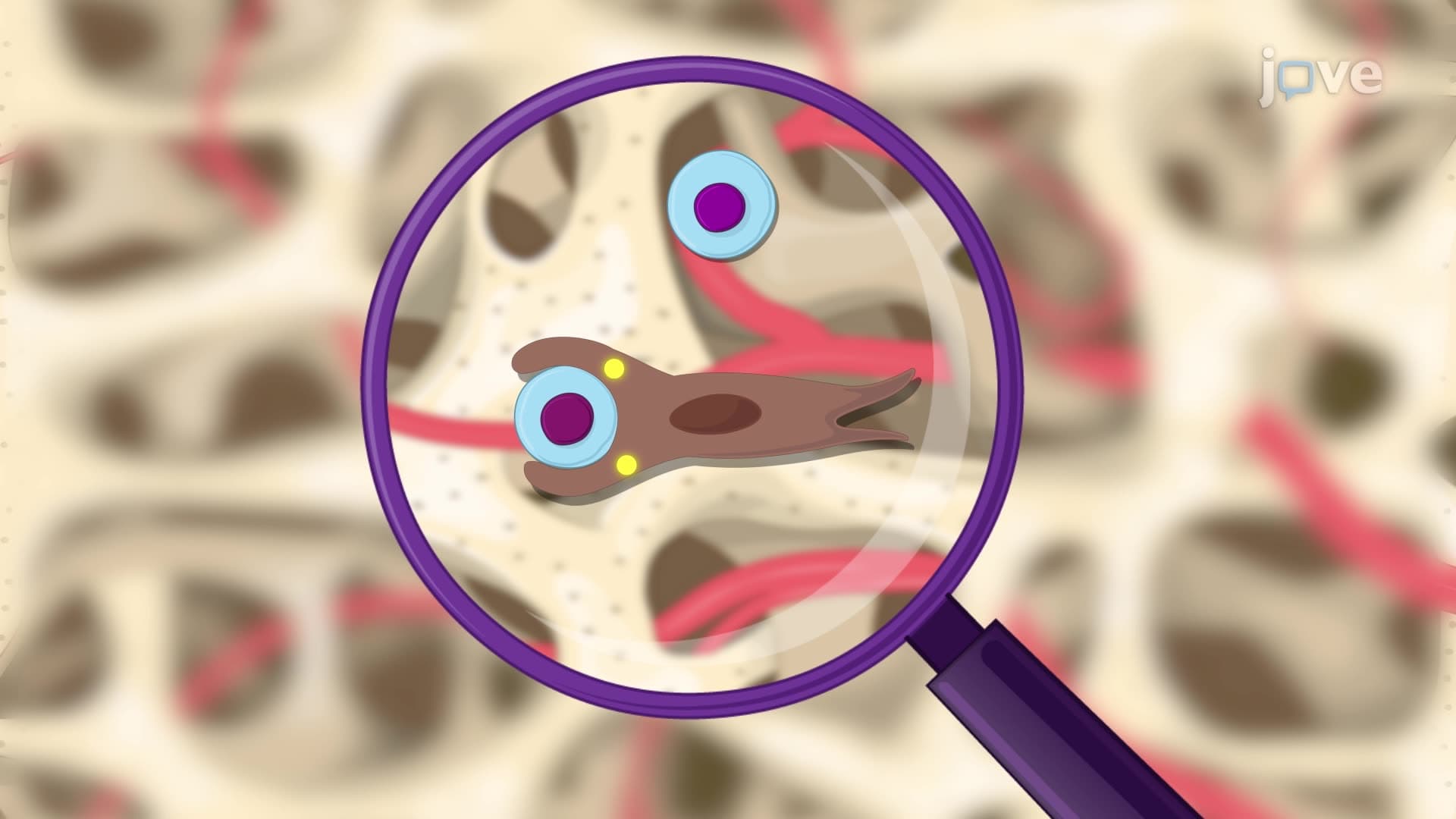
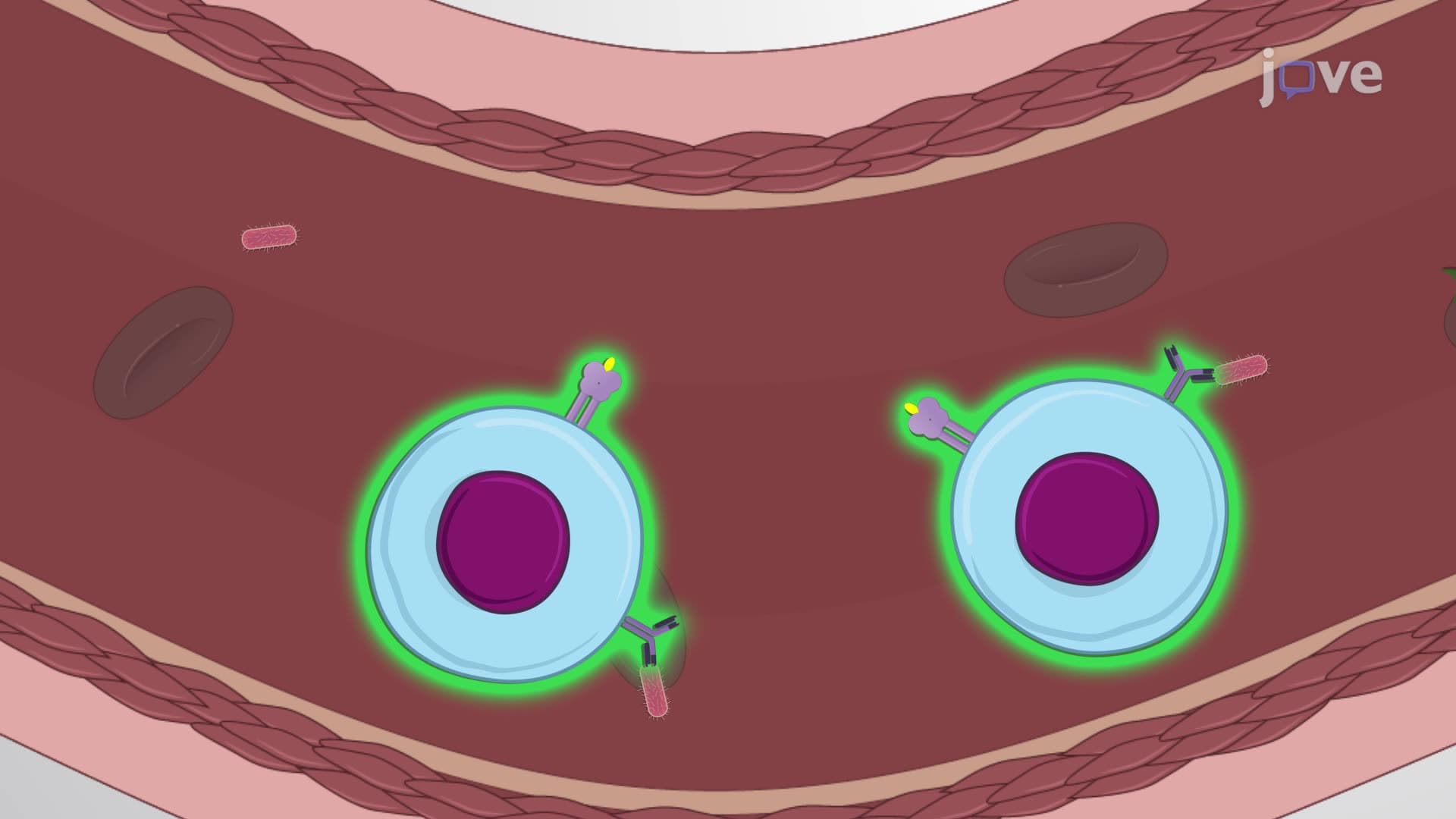
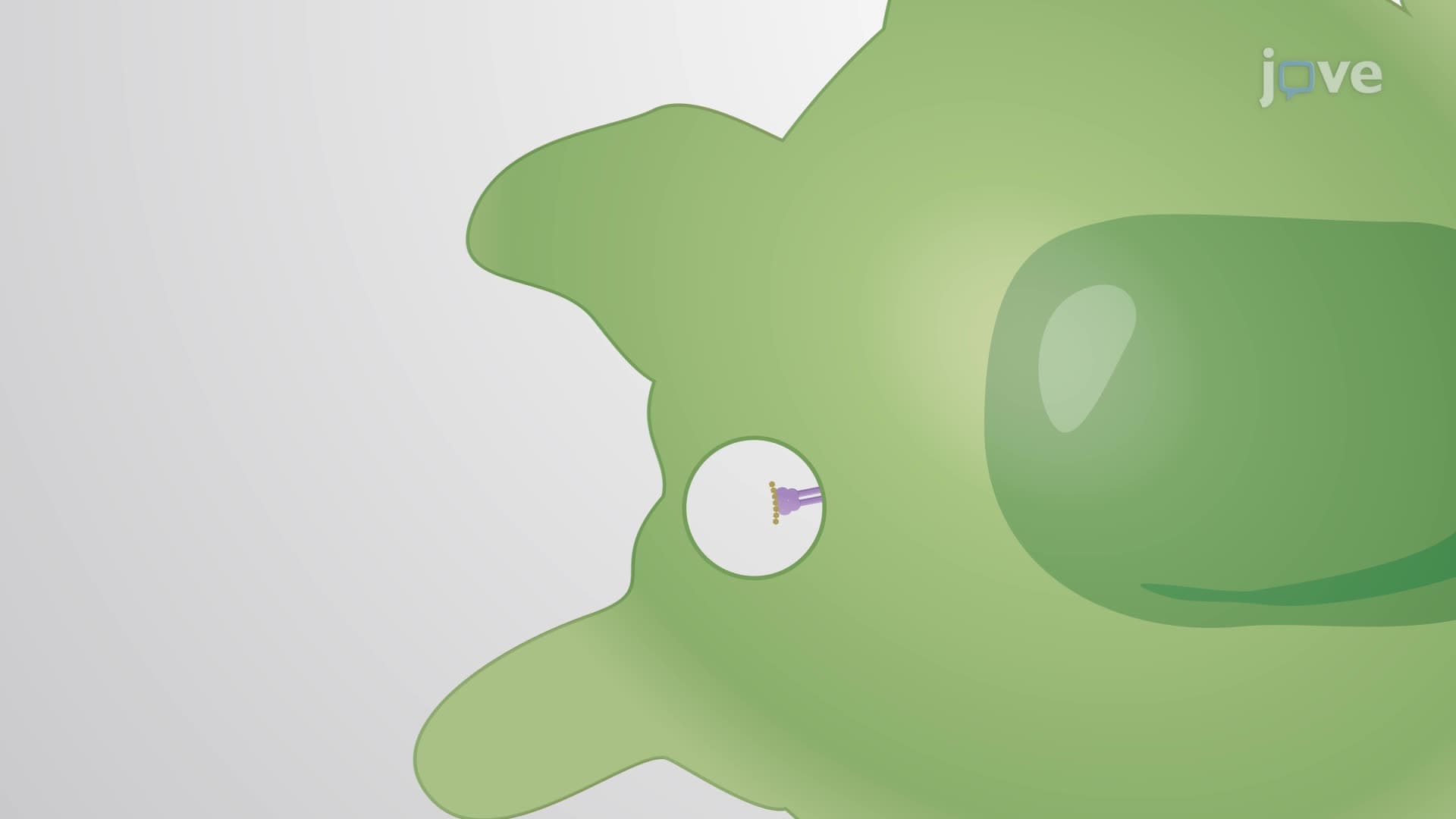
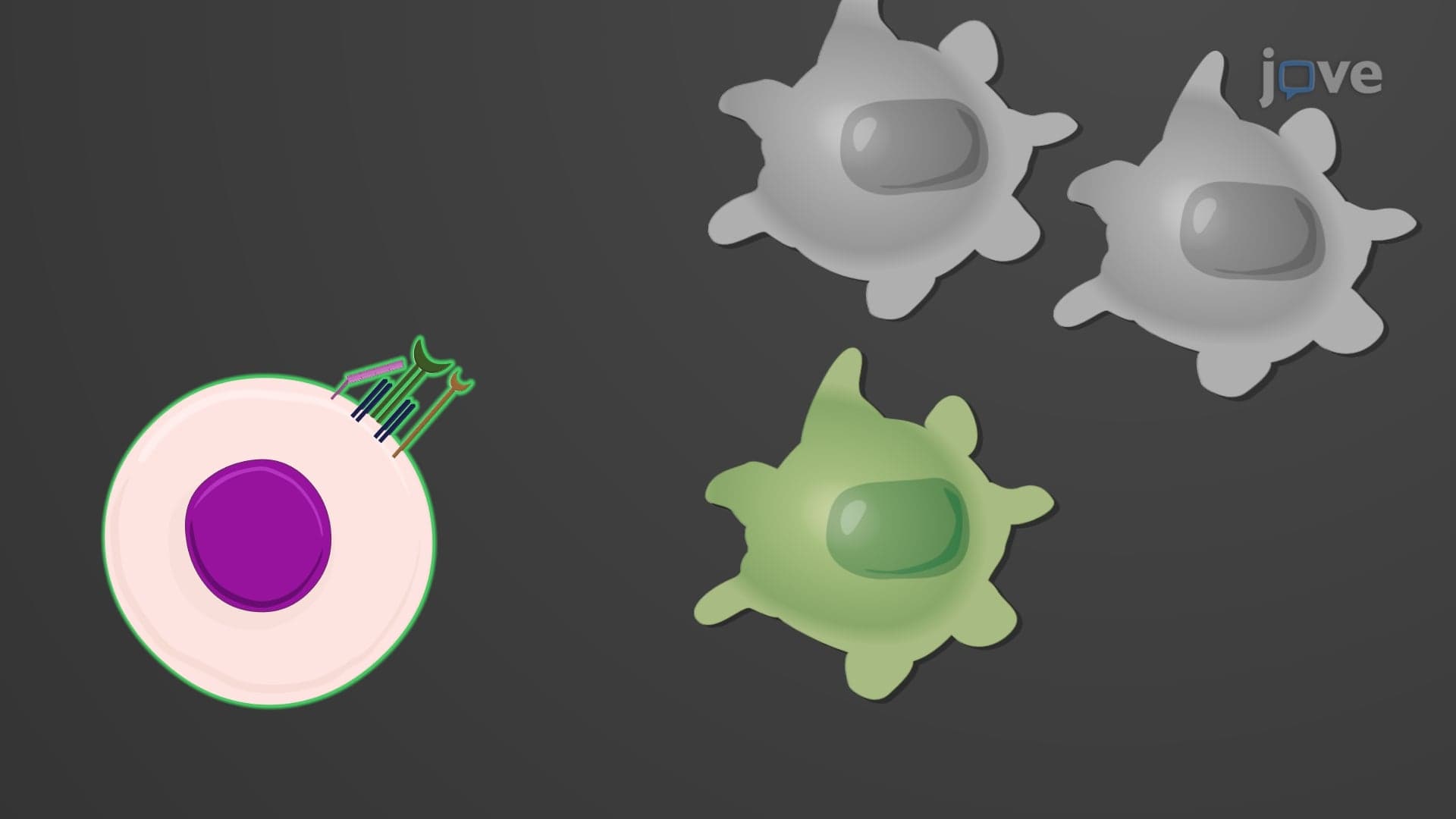
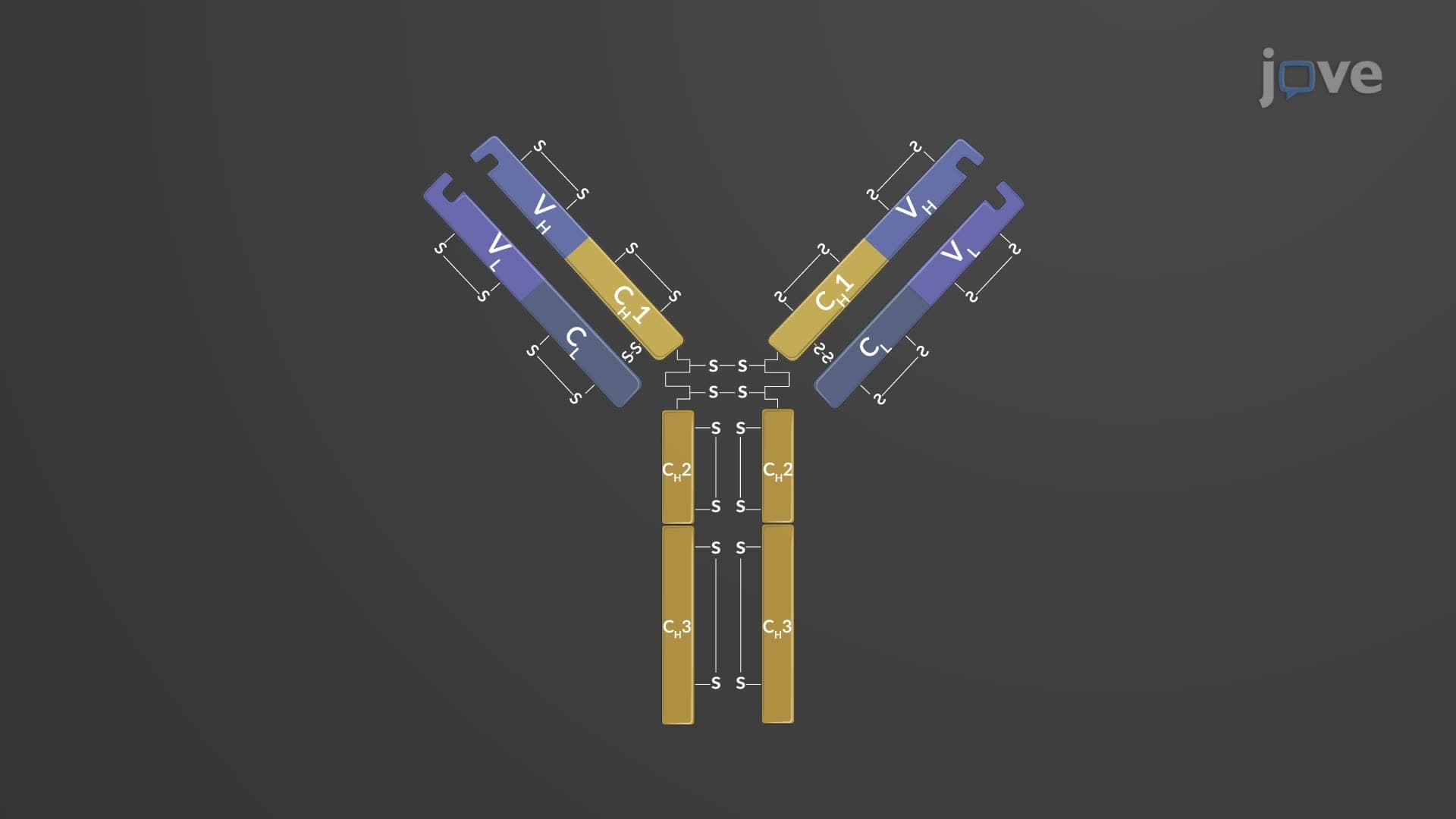
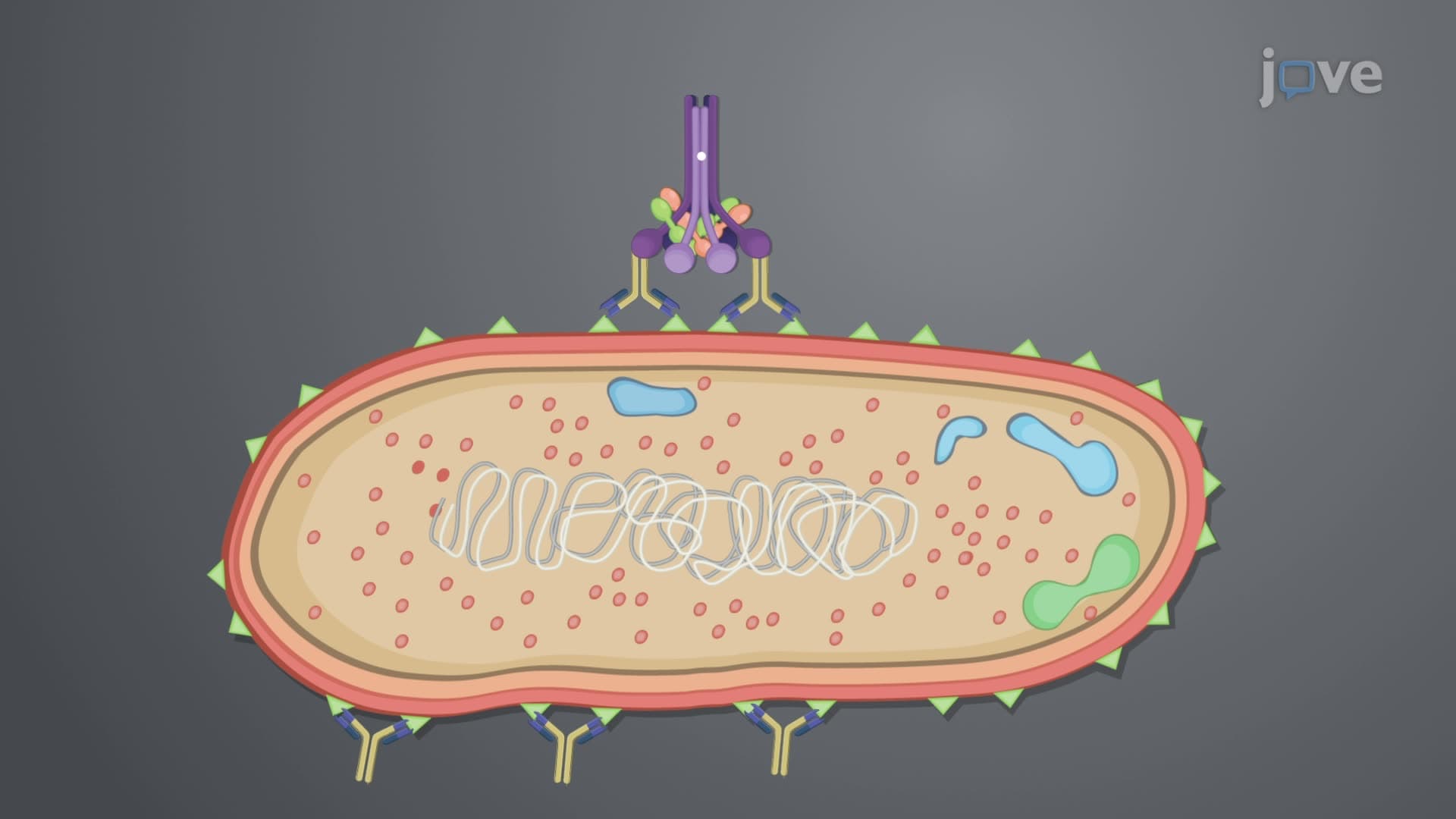
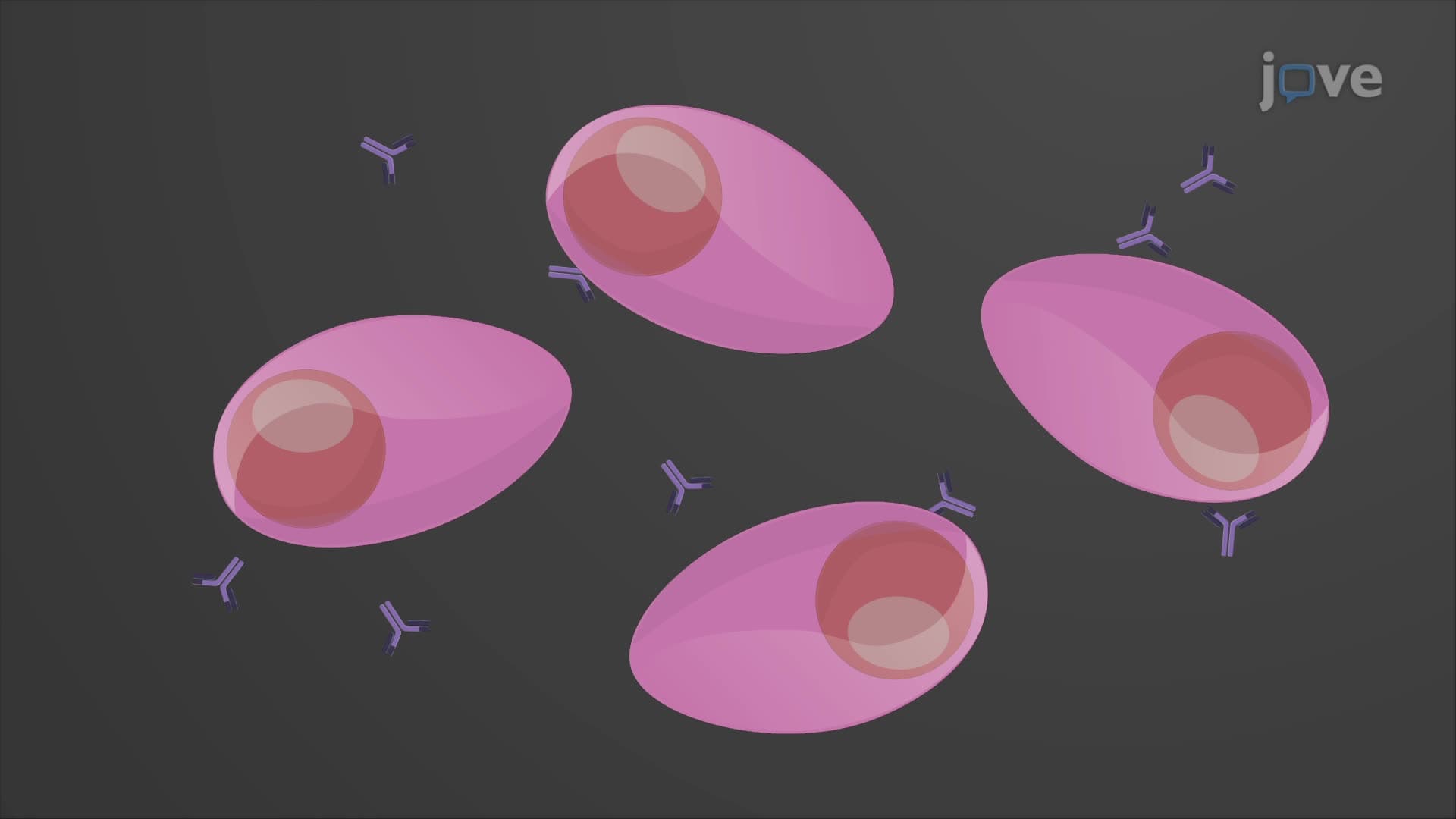
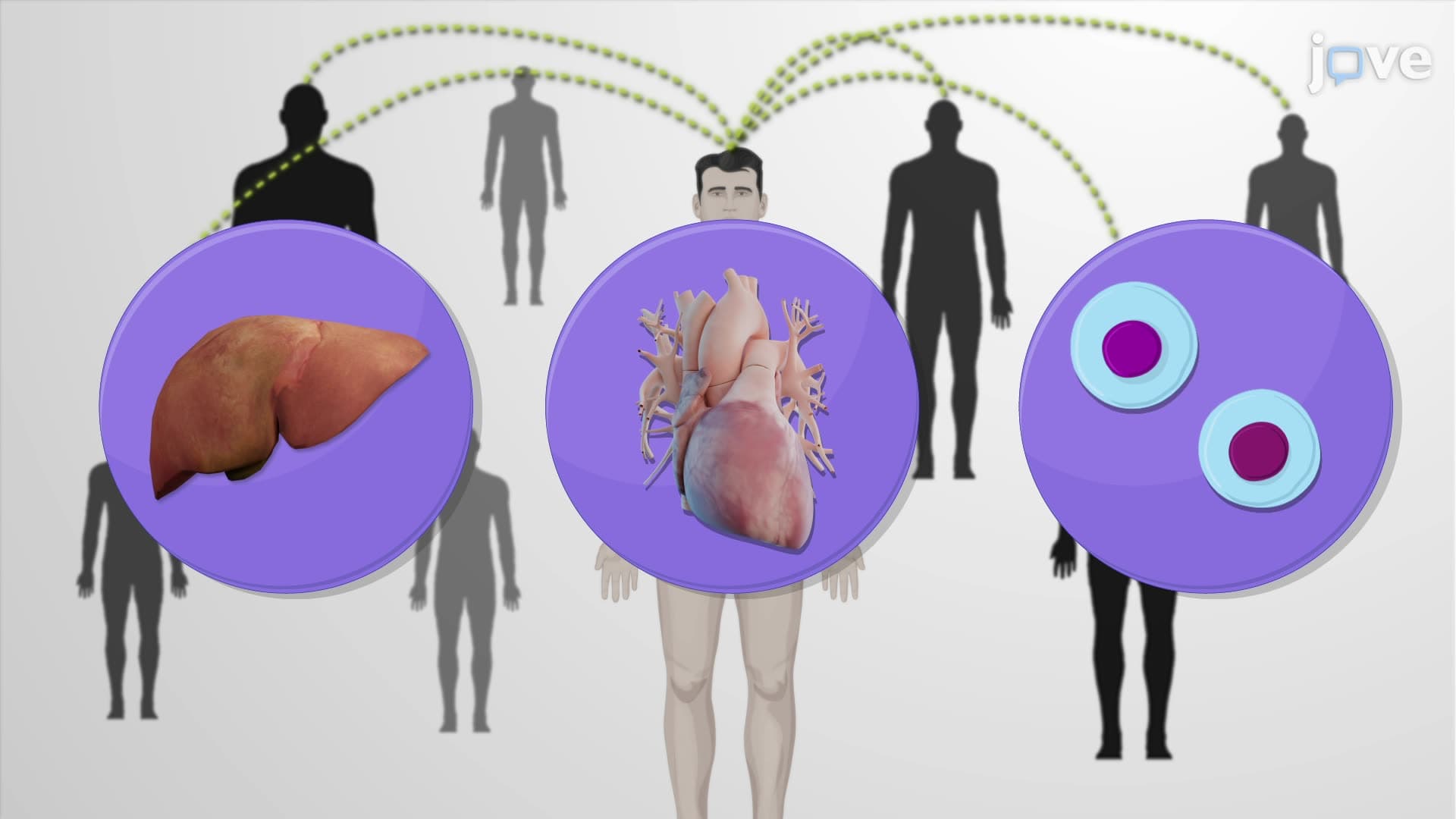
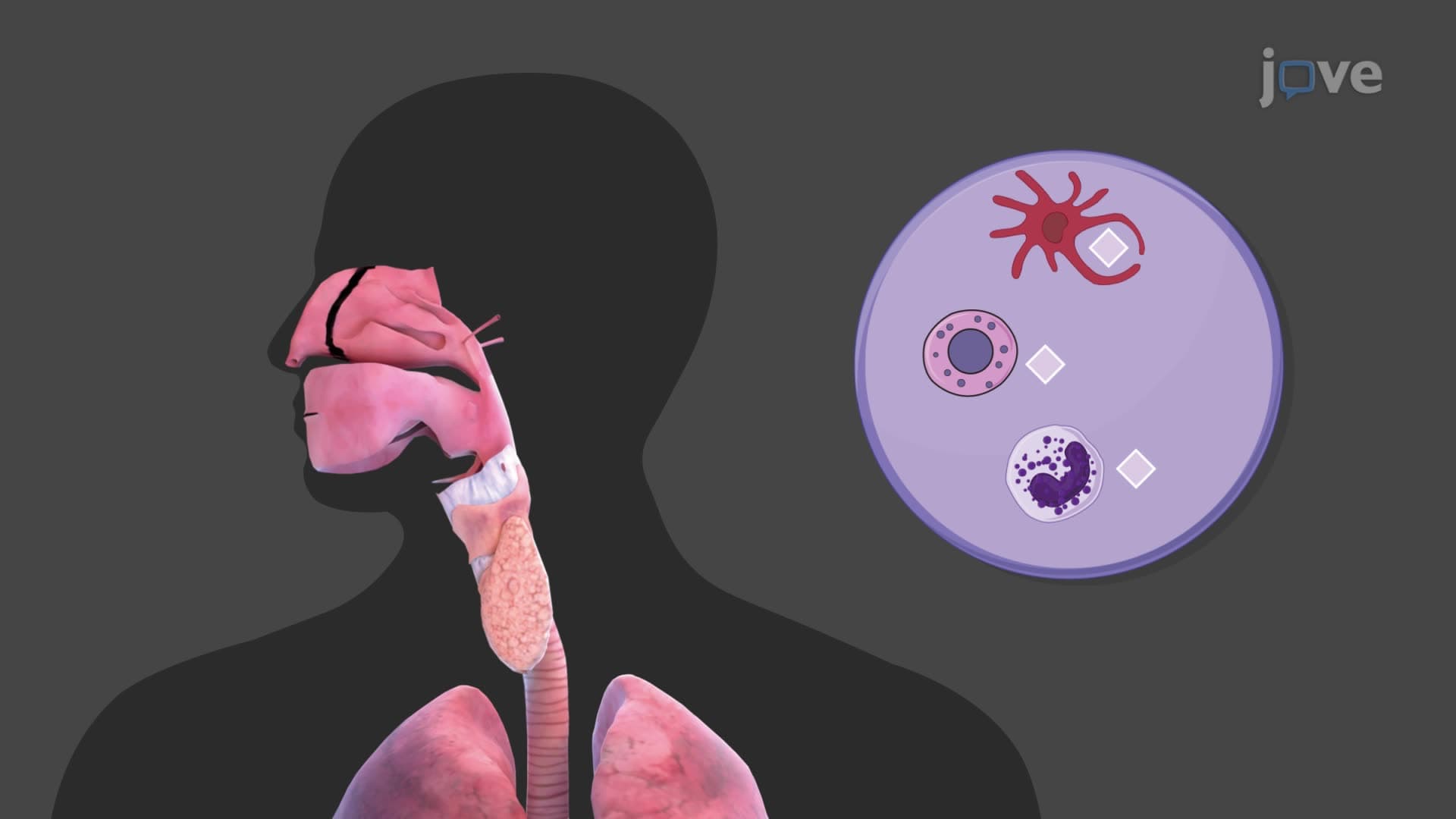
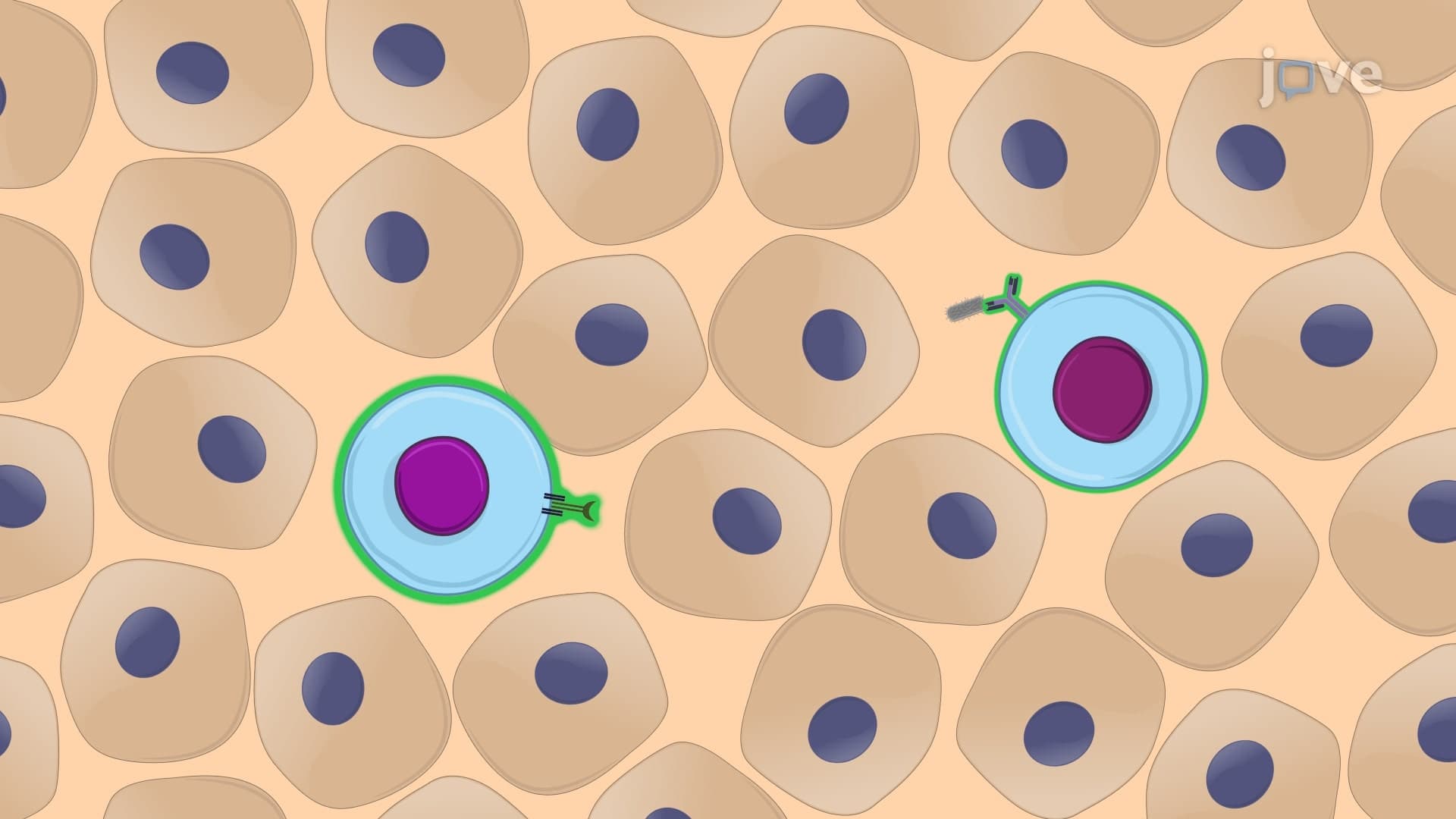
Antigen specificity adaptive responses begin with the incredible diversity of lymphocyte receptors. Each T cell possesses a unique T cell receptor (TCR), while B cells display specific B cell receptors (BCRs) on their surfaces. Through a process called somatic recombination occurring in bone marrow, developing lymphocytes can theoretically generate over 100 million different receptor combinations. This vast repertoire ensures that virtually any foreign molecule-from bacterial proteins to viral components-can be recognized by at least some lymphocytes in your body.
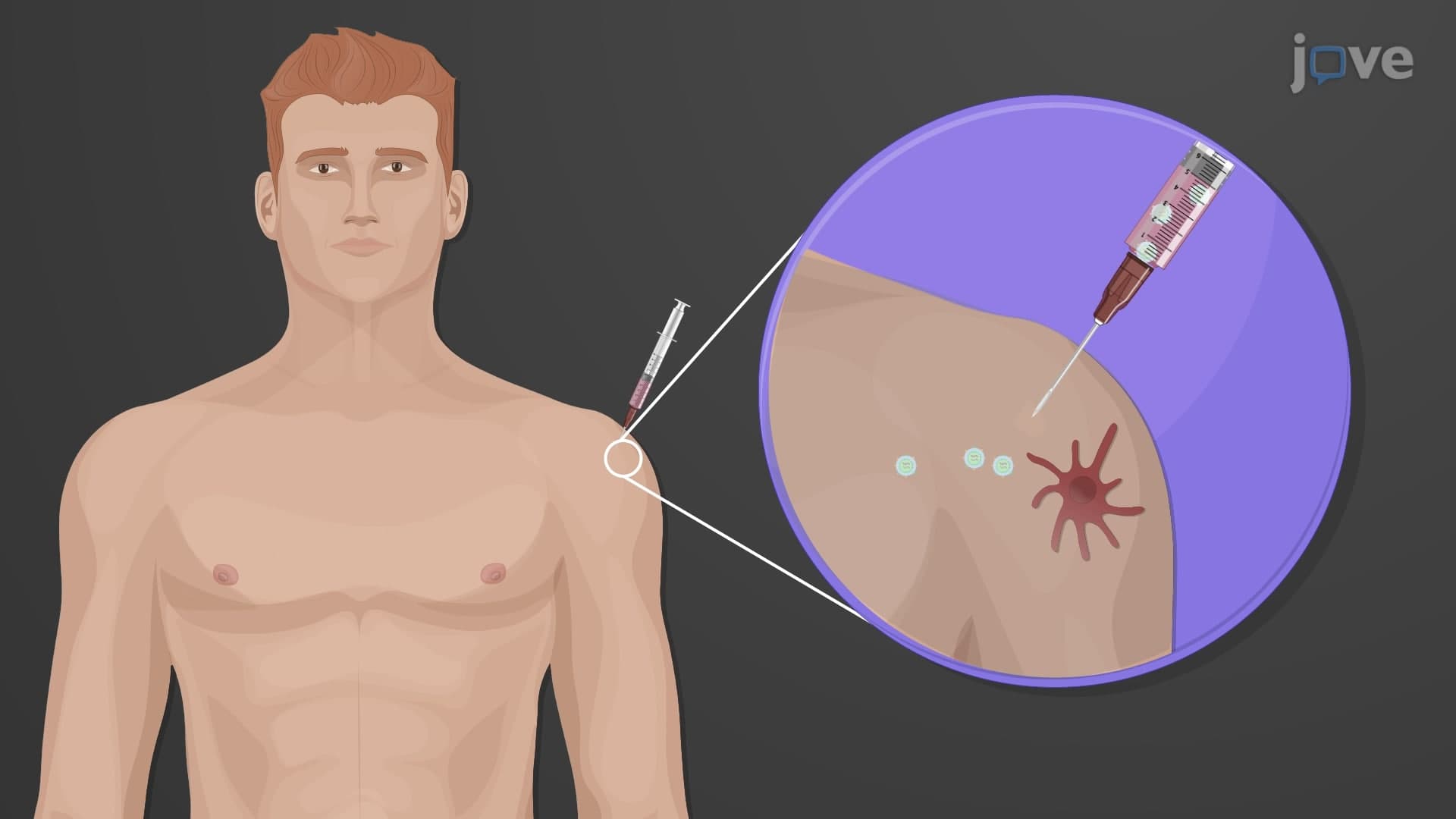
Consider how this applies to real-world scenarios: when you receive a flu vaccine at your local CVS or Walgreens, the specific antigens in that vaccine are recognized by particular B cells whose receptors match those exact molecular structures. This specificity explains why flu vaccines must be reformulated annually-different influenza strains present different antigens requiring different specific responses.
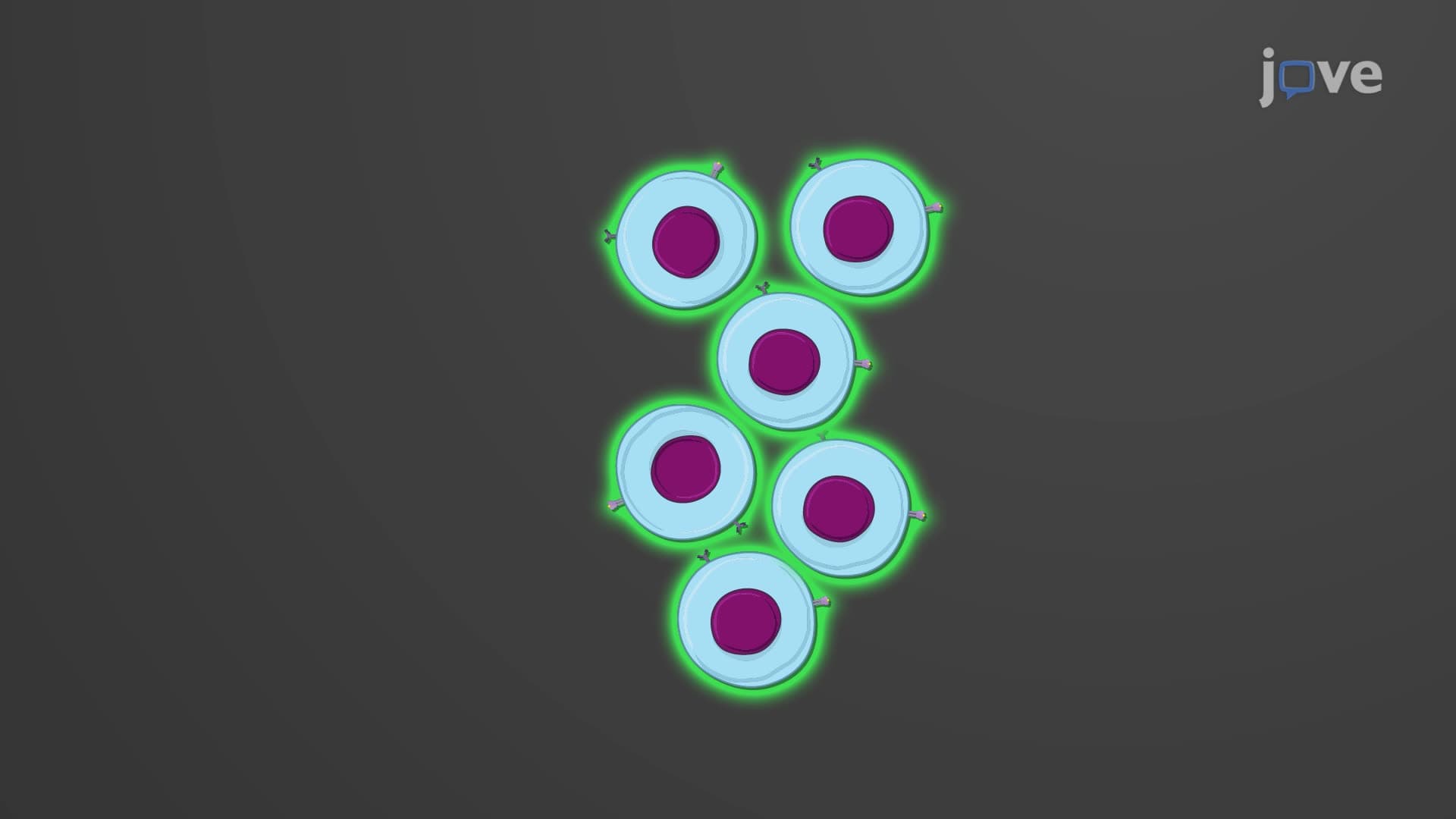
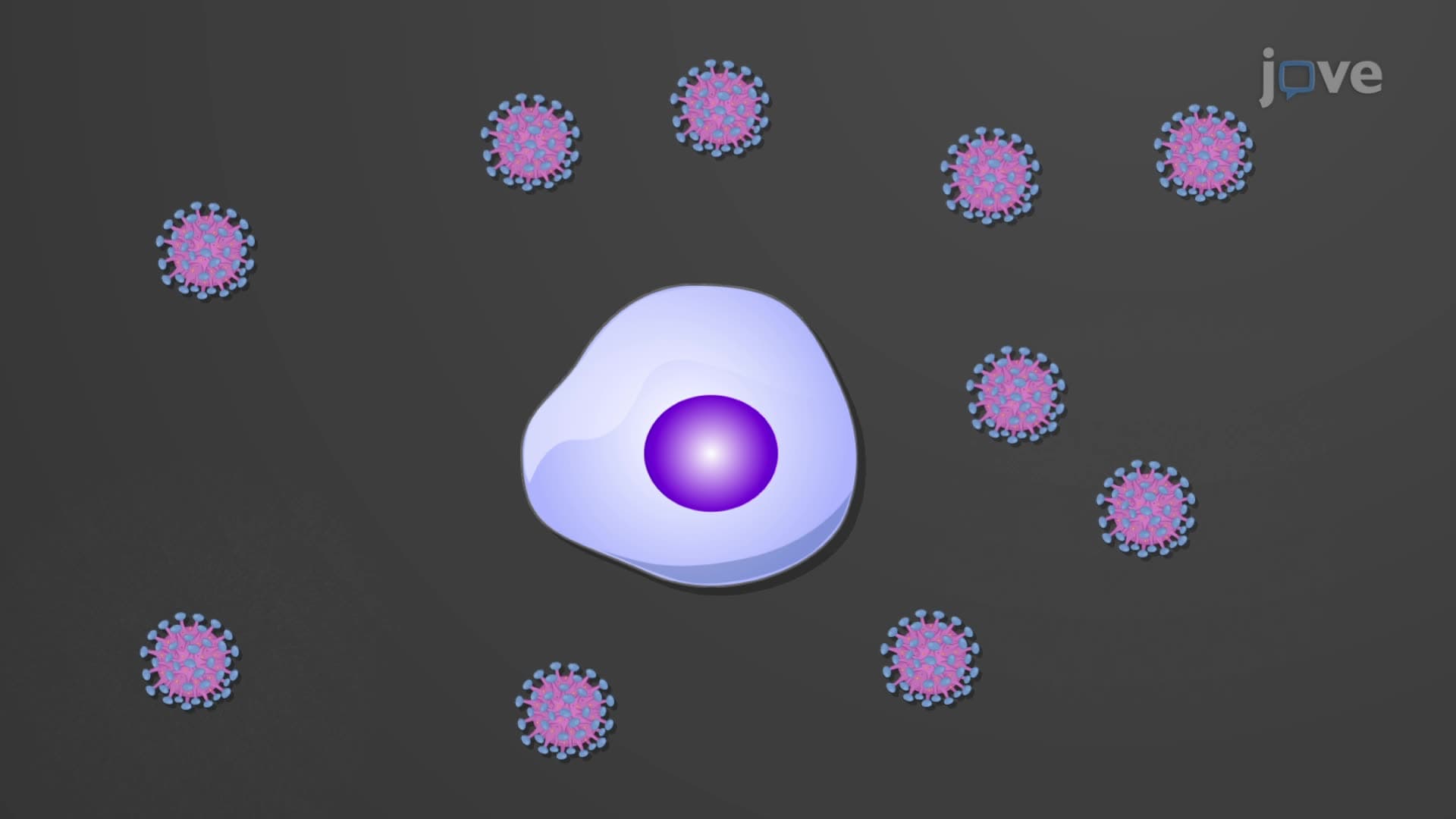
Perhaps the most clinically significant feature is immunological memory adaptive immunity, which forms the foundation of vaccination strategies nationwide. After initial antigen exposure, some activated lymphocytes differentiate into memory cells that persist for years or even decades. These memory cells "remember" the specific antigen and can mount rapid, amplified responses upon re-exposure.
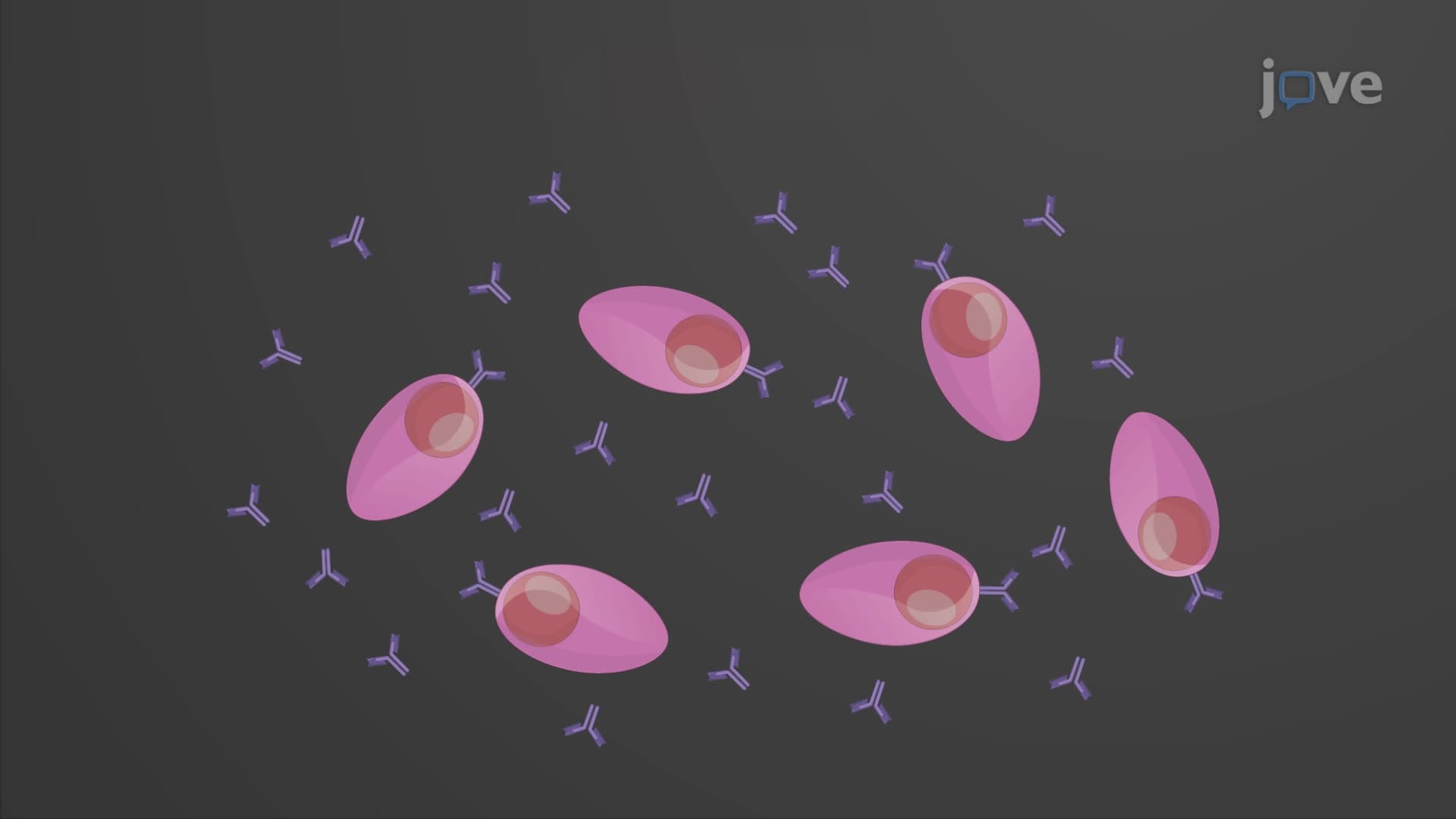
This principle directly impacts students preparing for AP Biology or college-level immunology courses. Understanding memory cell function helps explain why childhood vaccines like measles, mumps, and rubella (MMR) provide long-term protection, while others like tetanus require periodic boosters. Memory B cells can quickly differentiate into plasma cells producing high-affinity antibodies, while memory T cells rapidly expand to coordinate cellular immune responses.
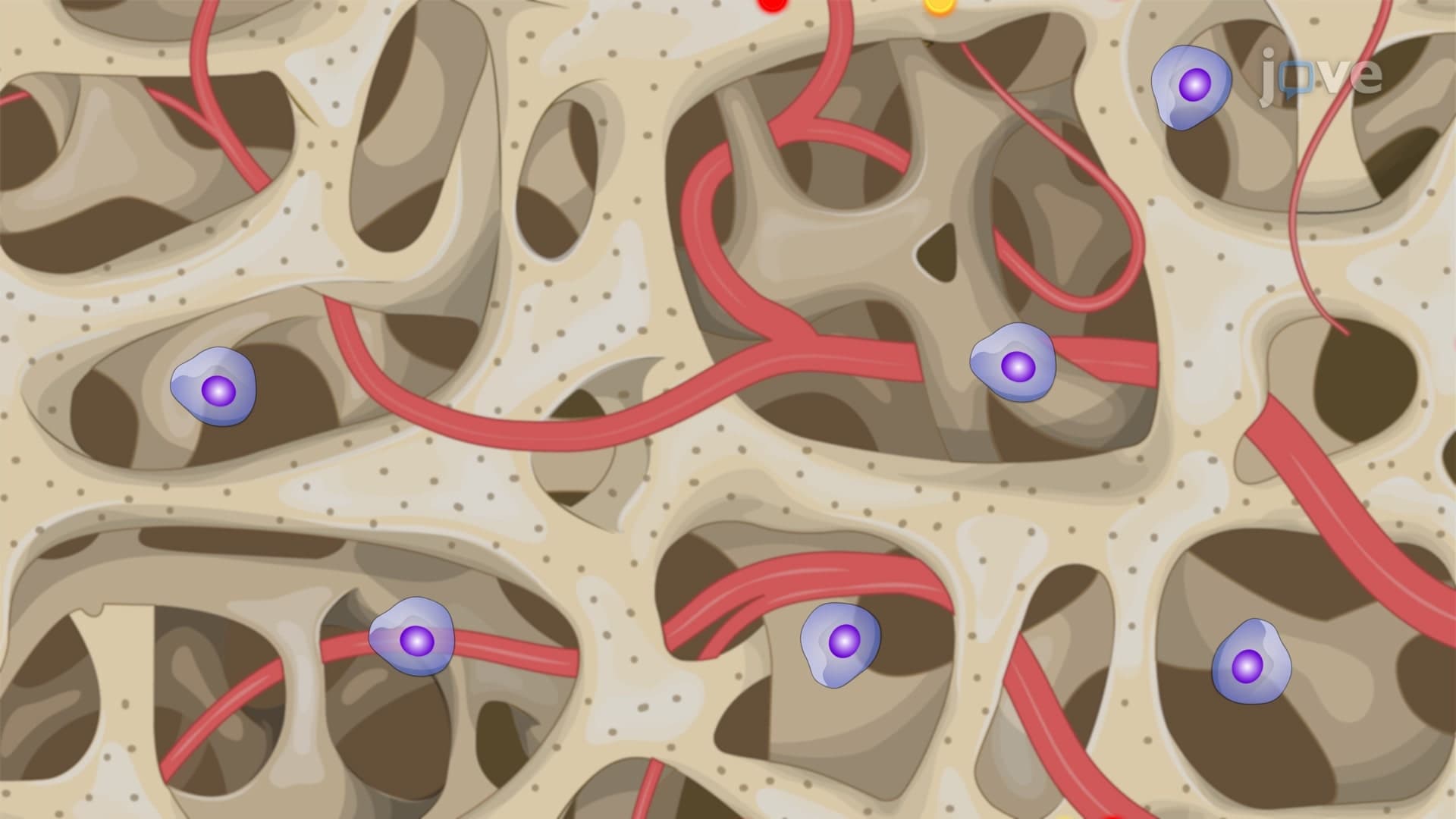
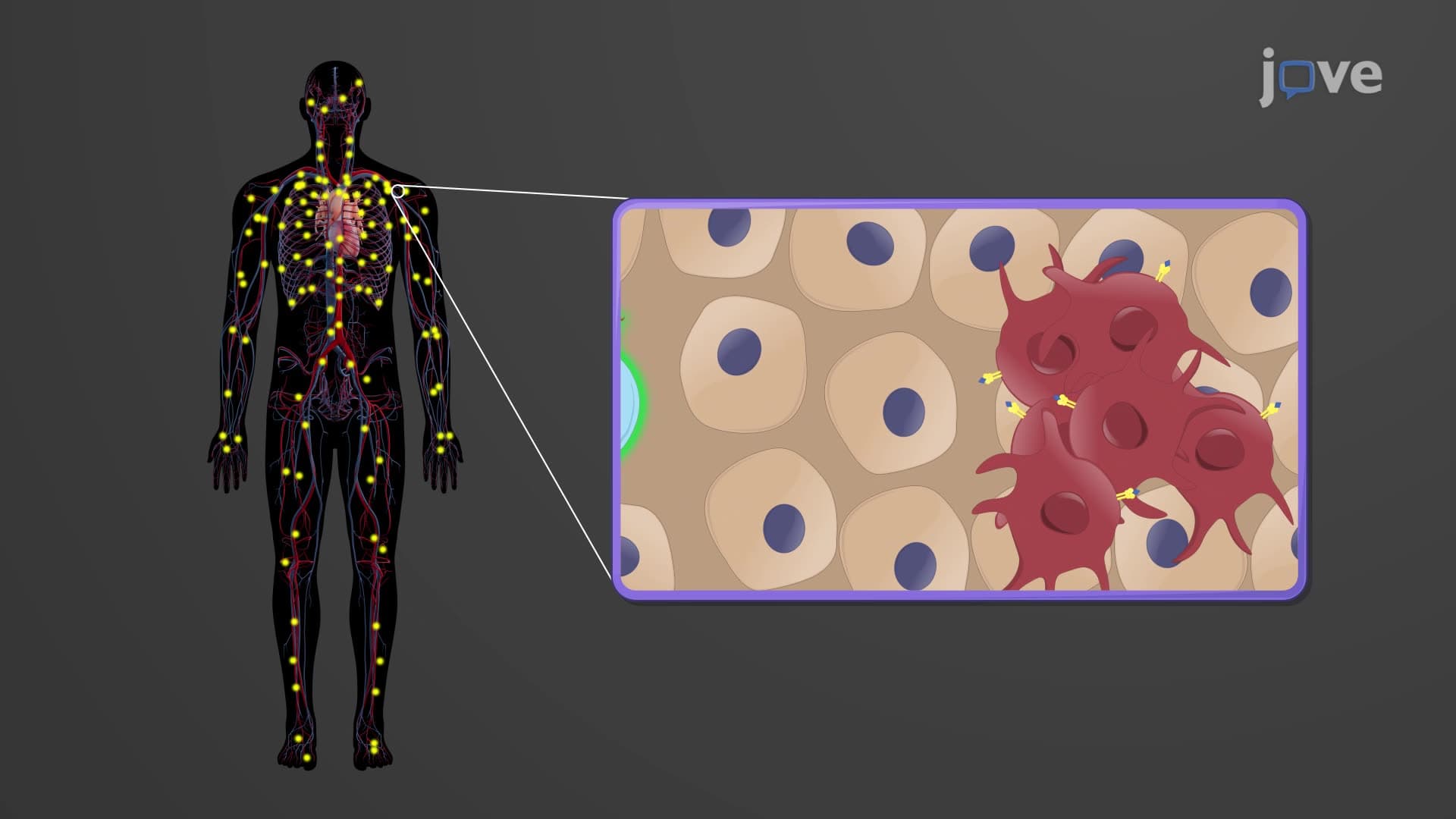
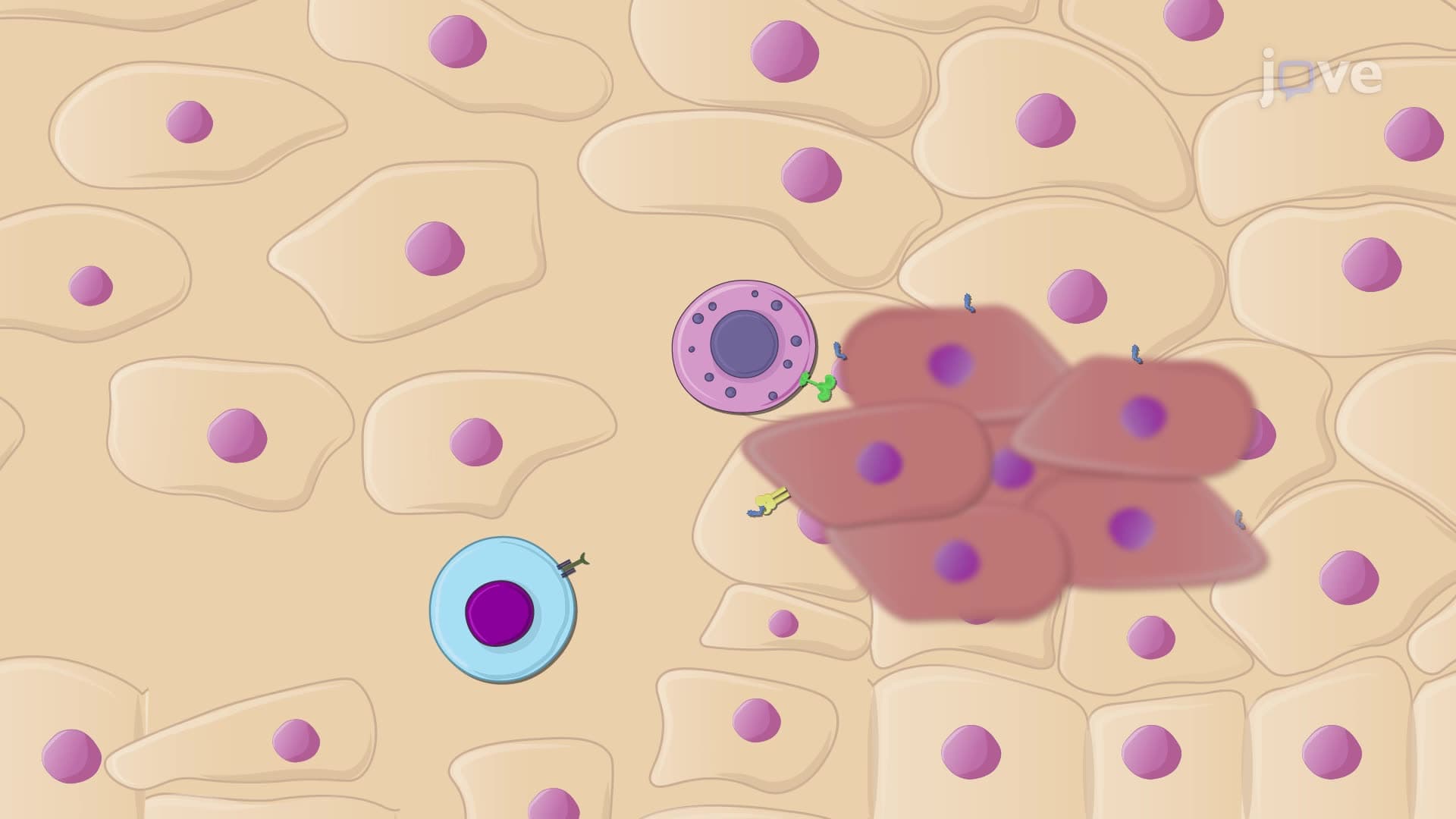
Self non-self discrimination prevents the immune system from attacking the body's own tissues while maintaining vigilance against foreign threats. During lymphocyte development in primary lymphoid organs (bone marrow for B cells, thymus for T cells), cells undergo rigorous selection processes. Those that react strongly to self-antigens are eliminated through programmed cell death, while those that ignore self-antigens but can potentially recognize foreign antigens are allowed to mature.
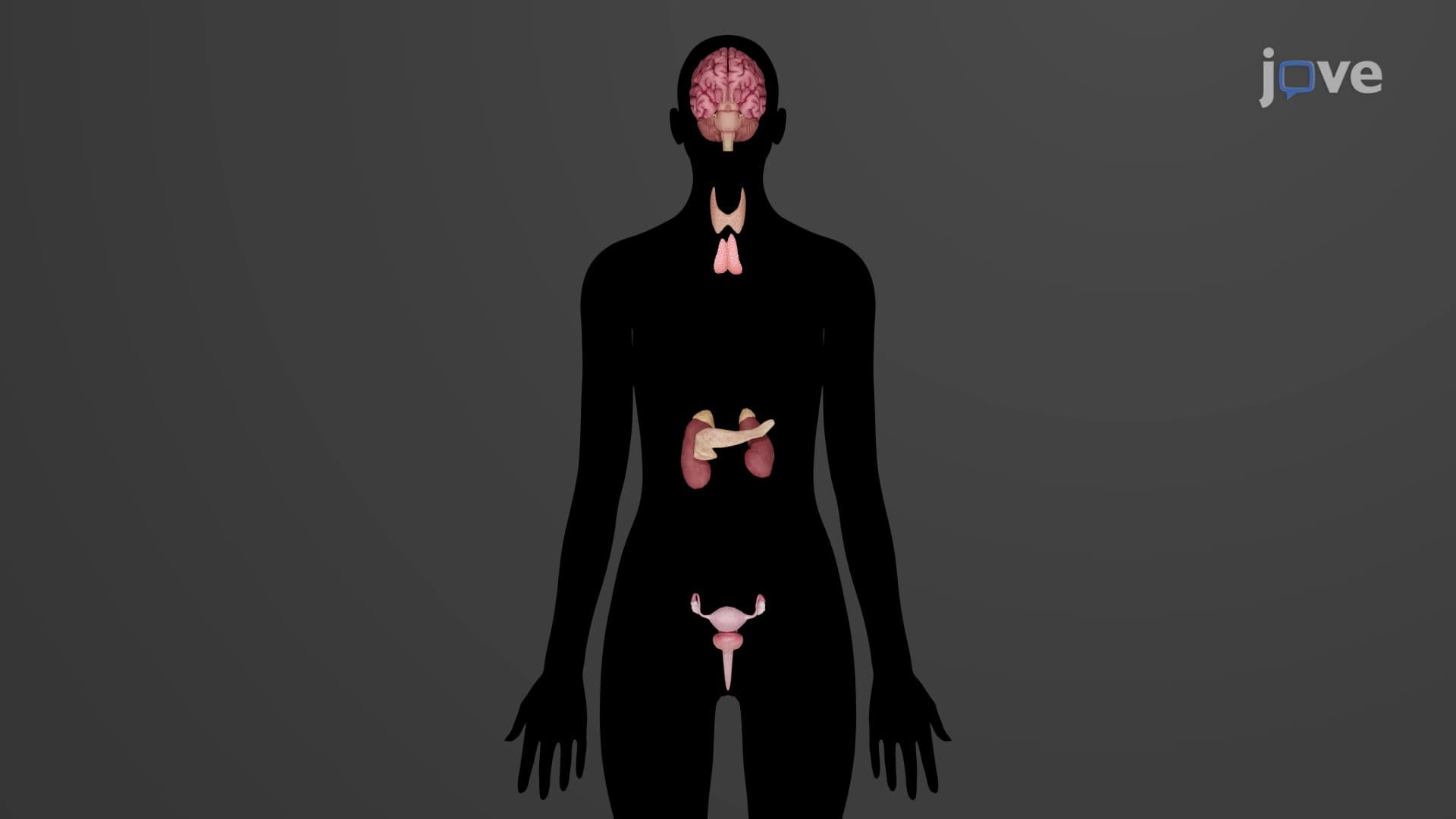
This tolerance mechanism has profound clinical implications, particularly relevant for students interested in medical careers. Autoimmune diseases like Type 1 diabetes or multiple sclerosis occur when this self-tolerance breaks down, causing immune attacks on pancreatic beta cells or myelin sheaths, respectively. Understanding these mechanisms proves essential for MCAT preparation and medical school immunology courses.
Related Micro-courses