Loading subject page…

- Anatomy and Physiology
- The Lymphatic and Immune System
- T Cell Activation and Clonal Selection
Micro-course: The Lymphatic and Immune System
218,420 views
Learn key concepts and earn your certificate.

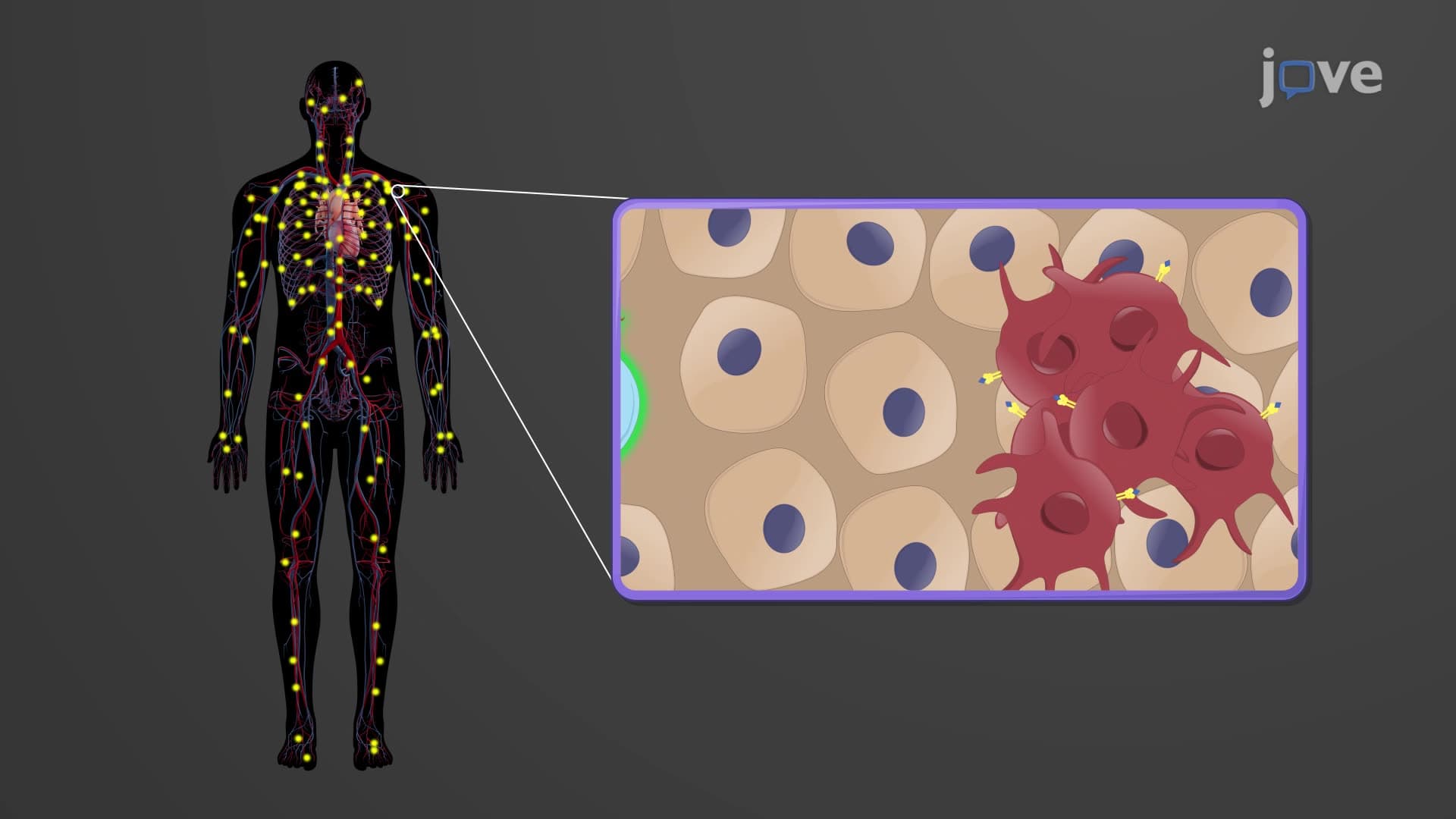
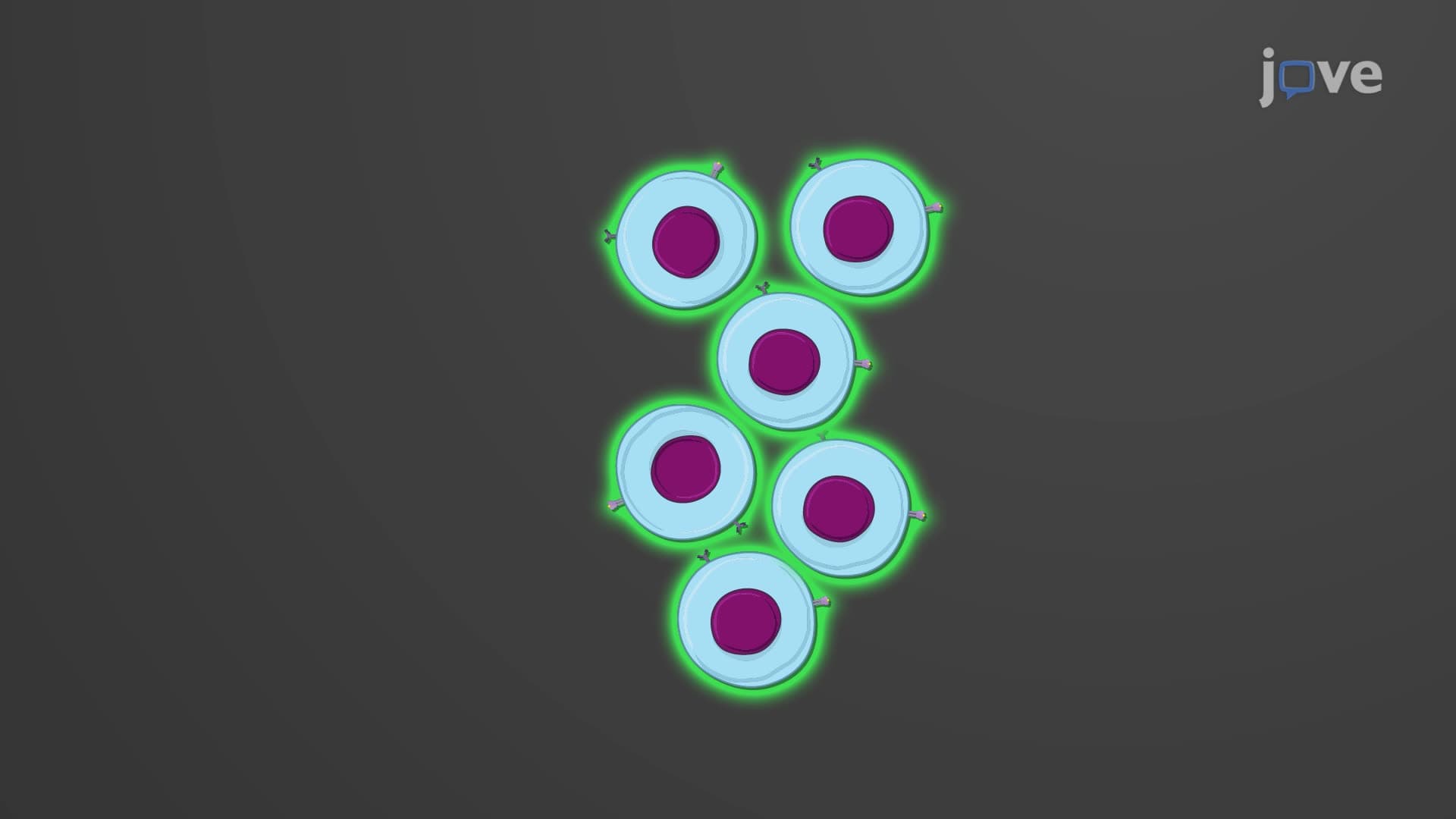
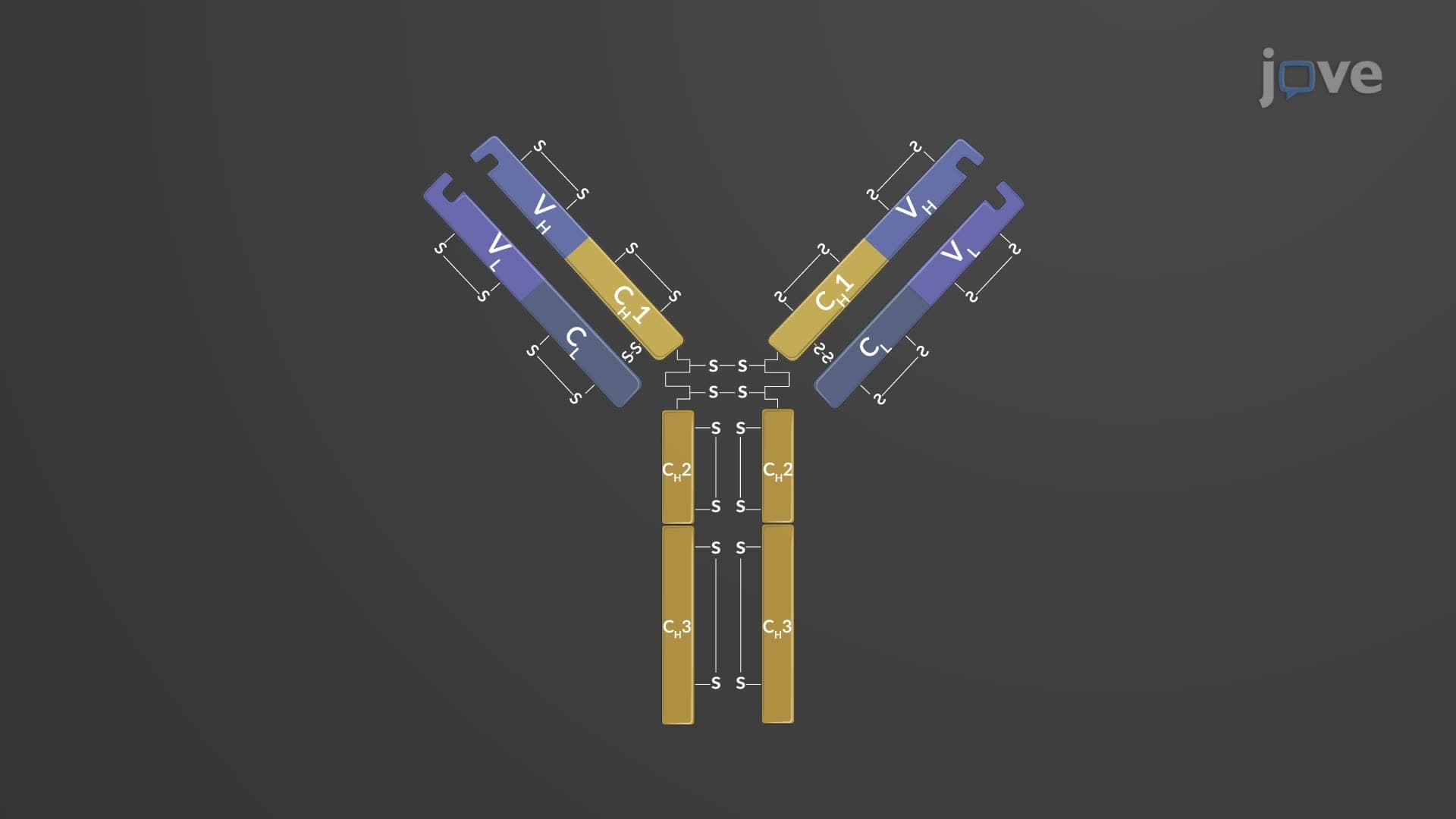
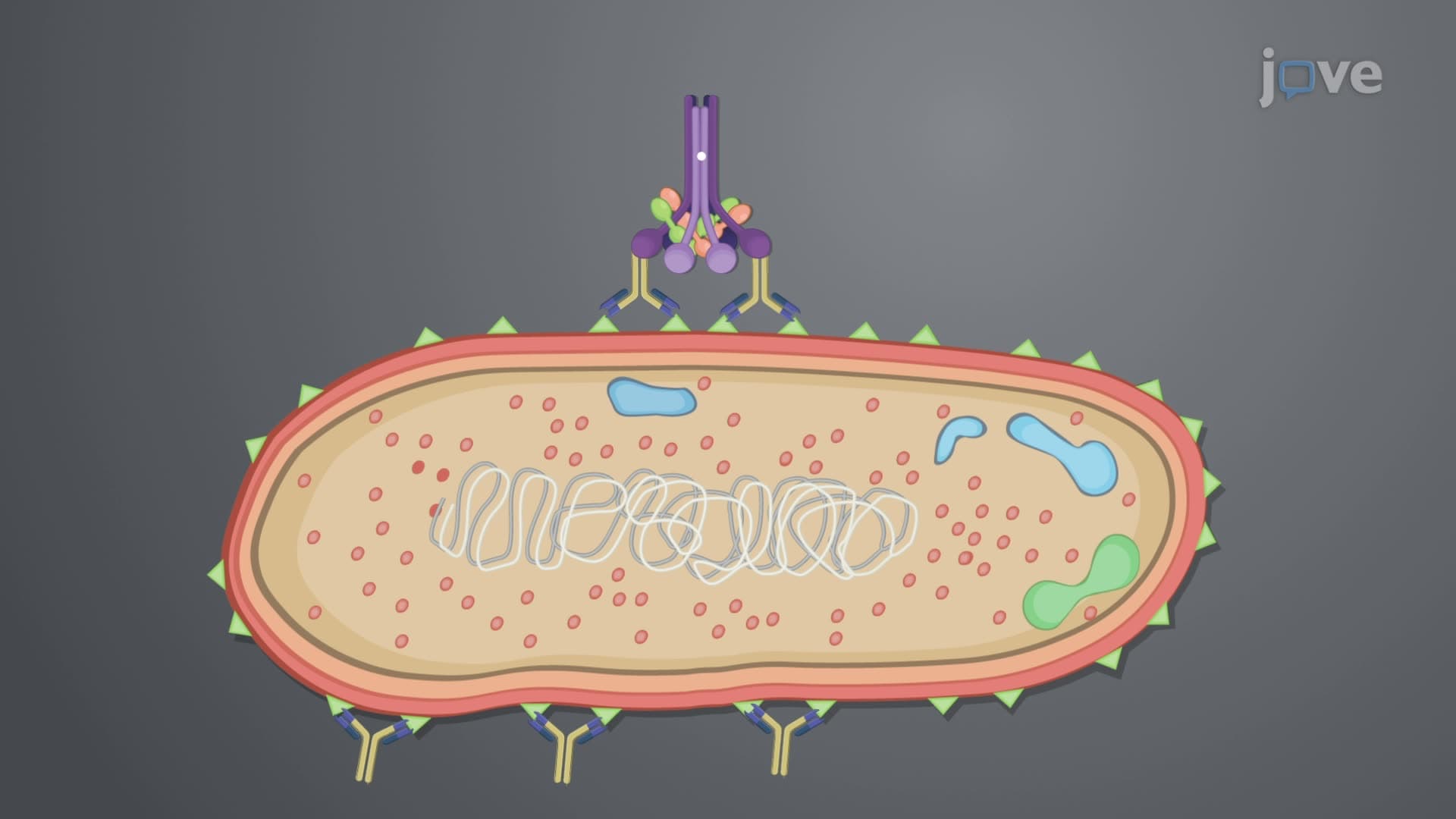
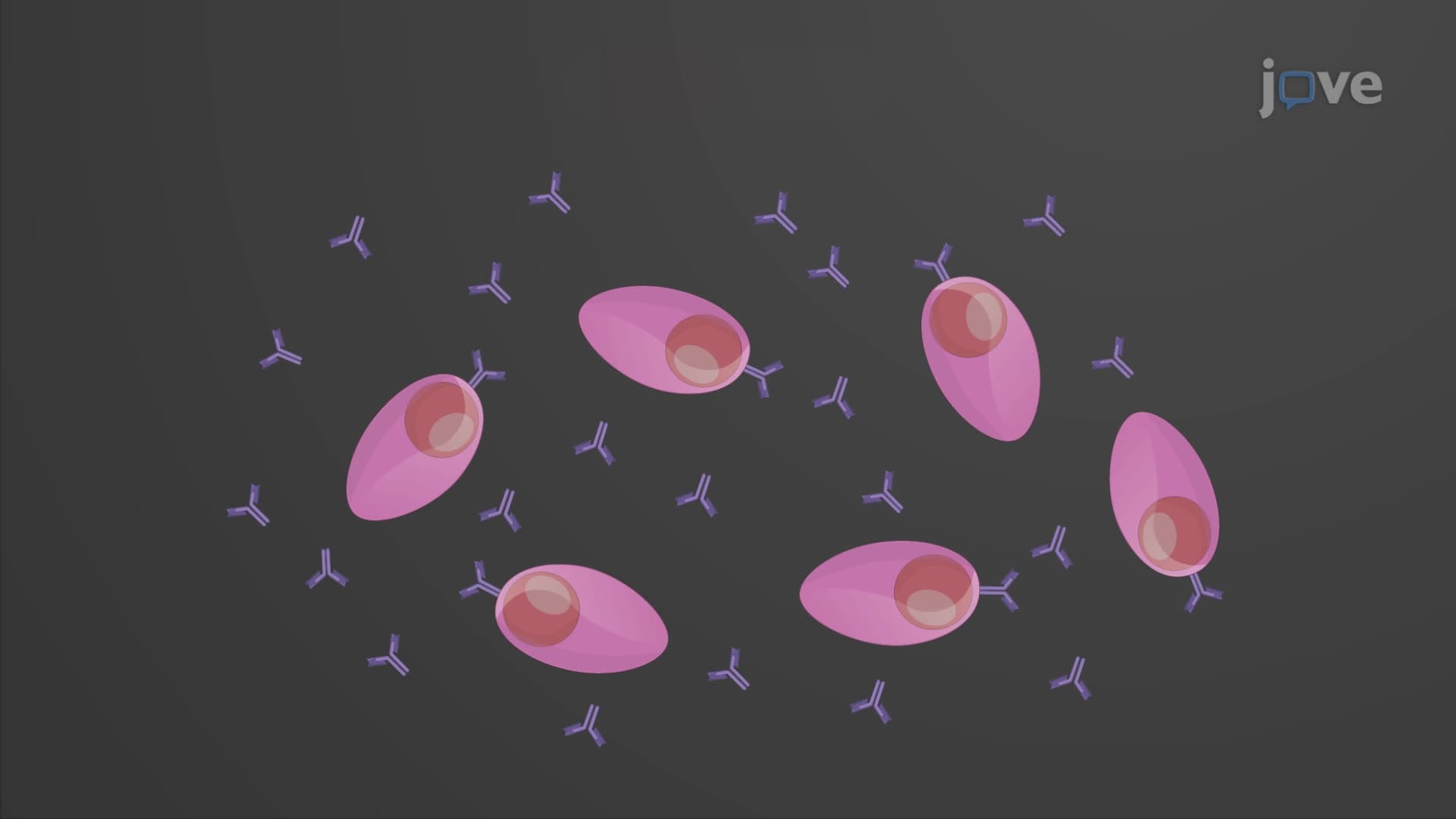

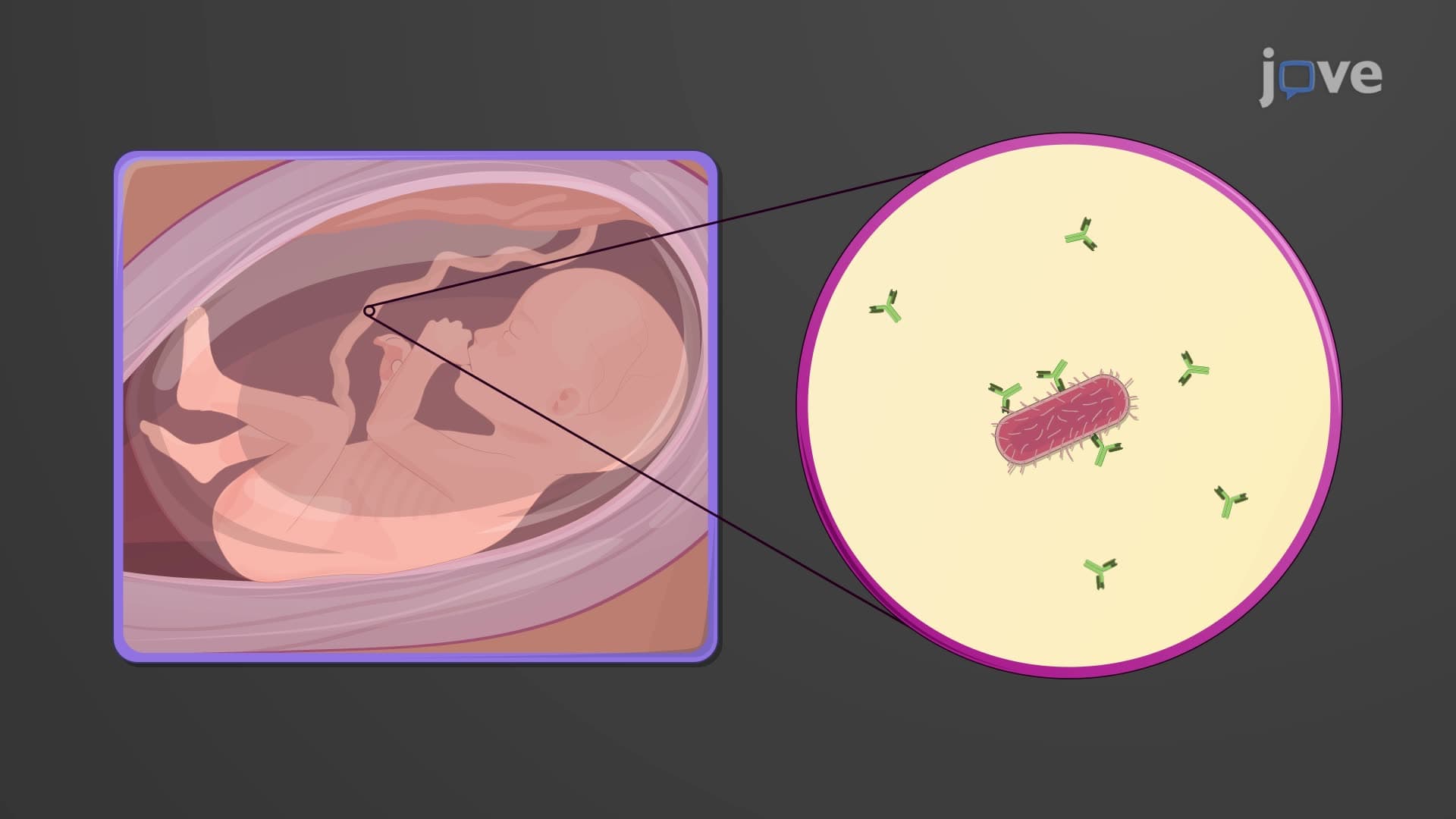
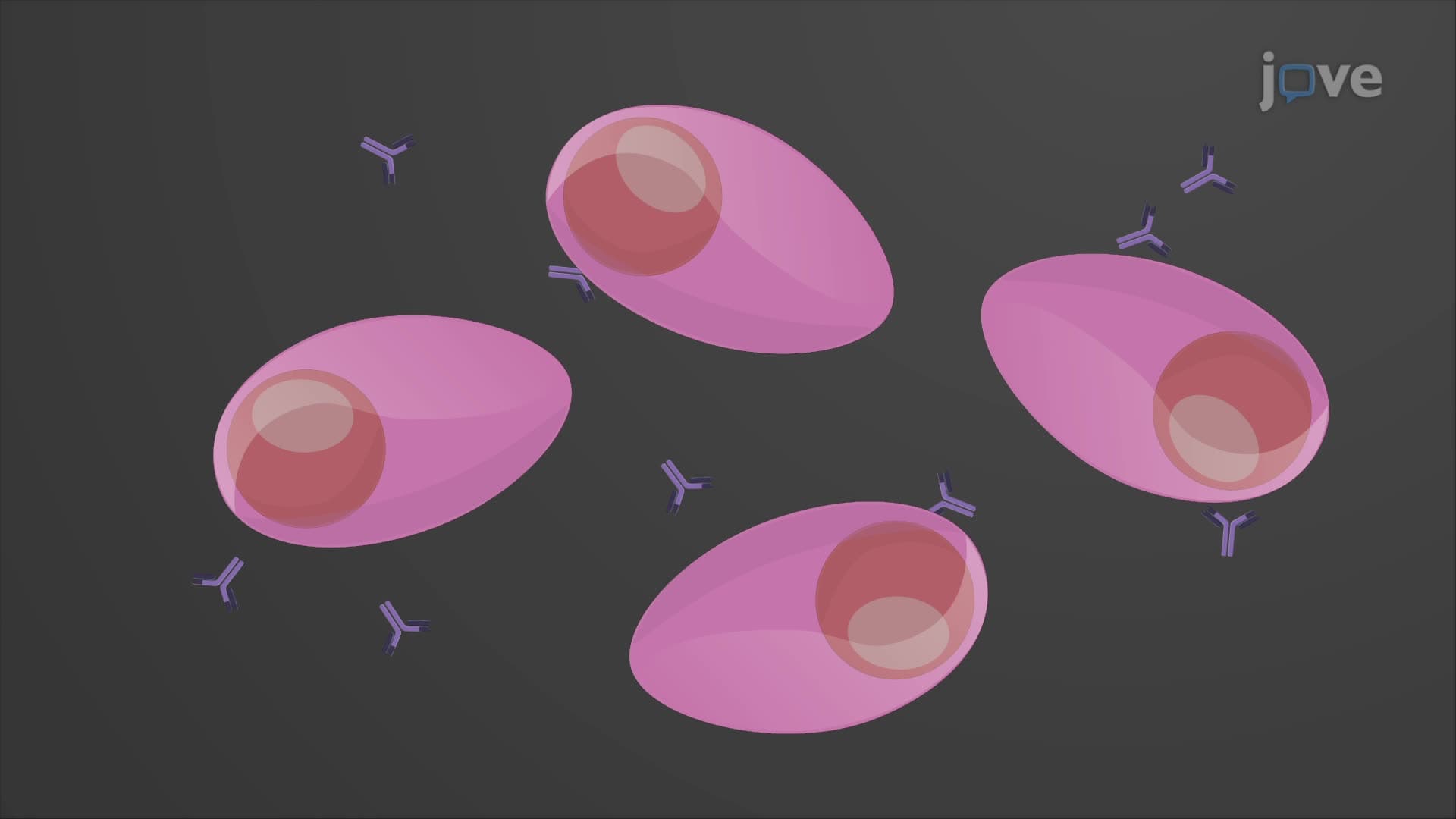

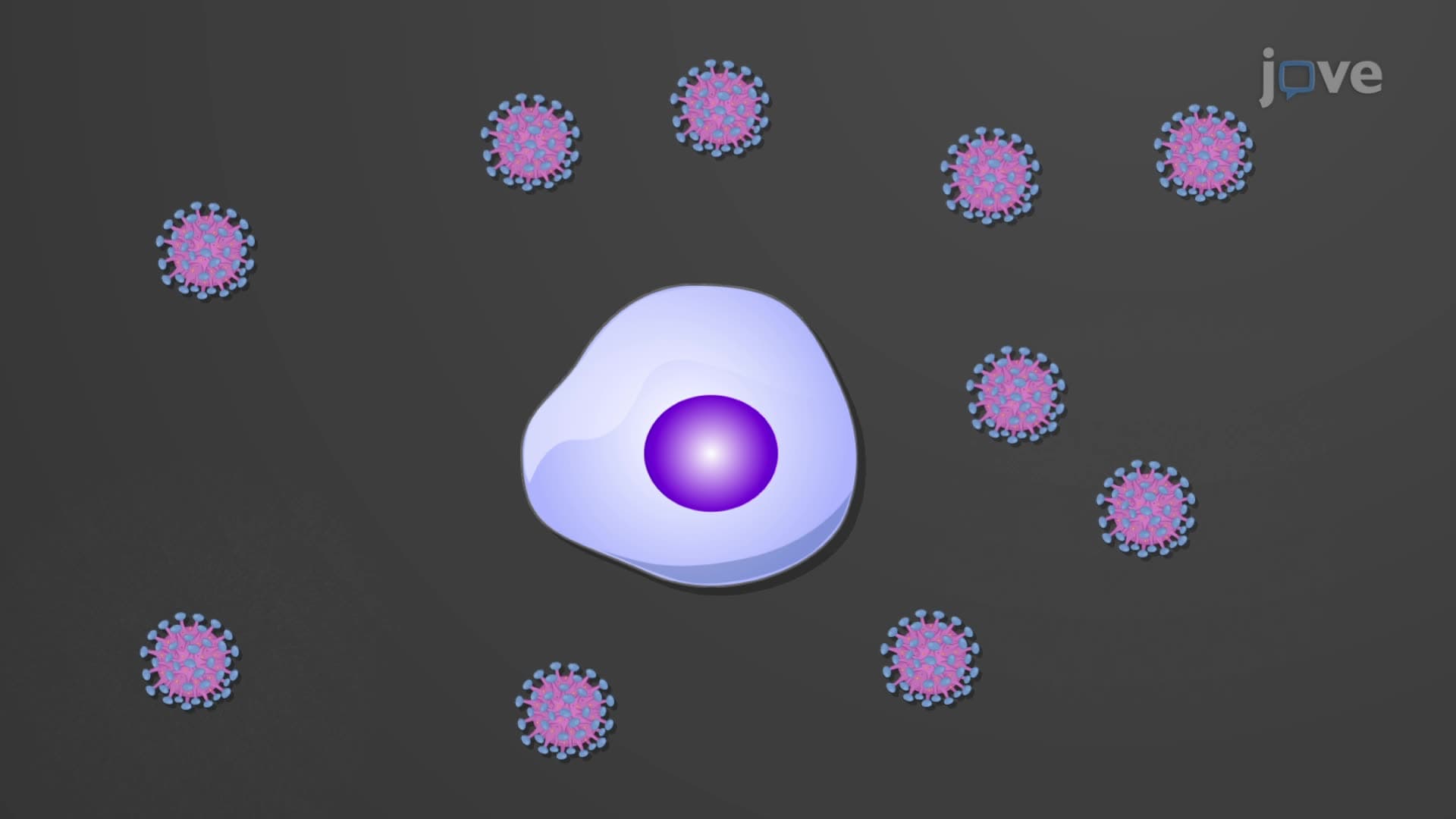
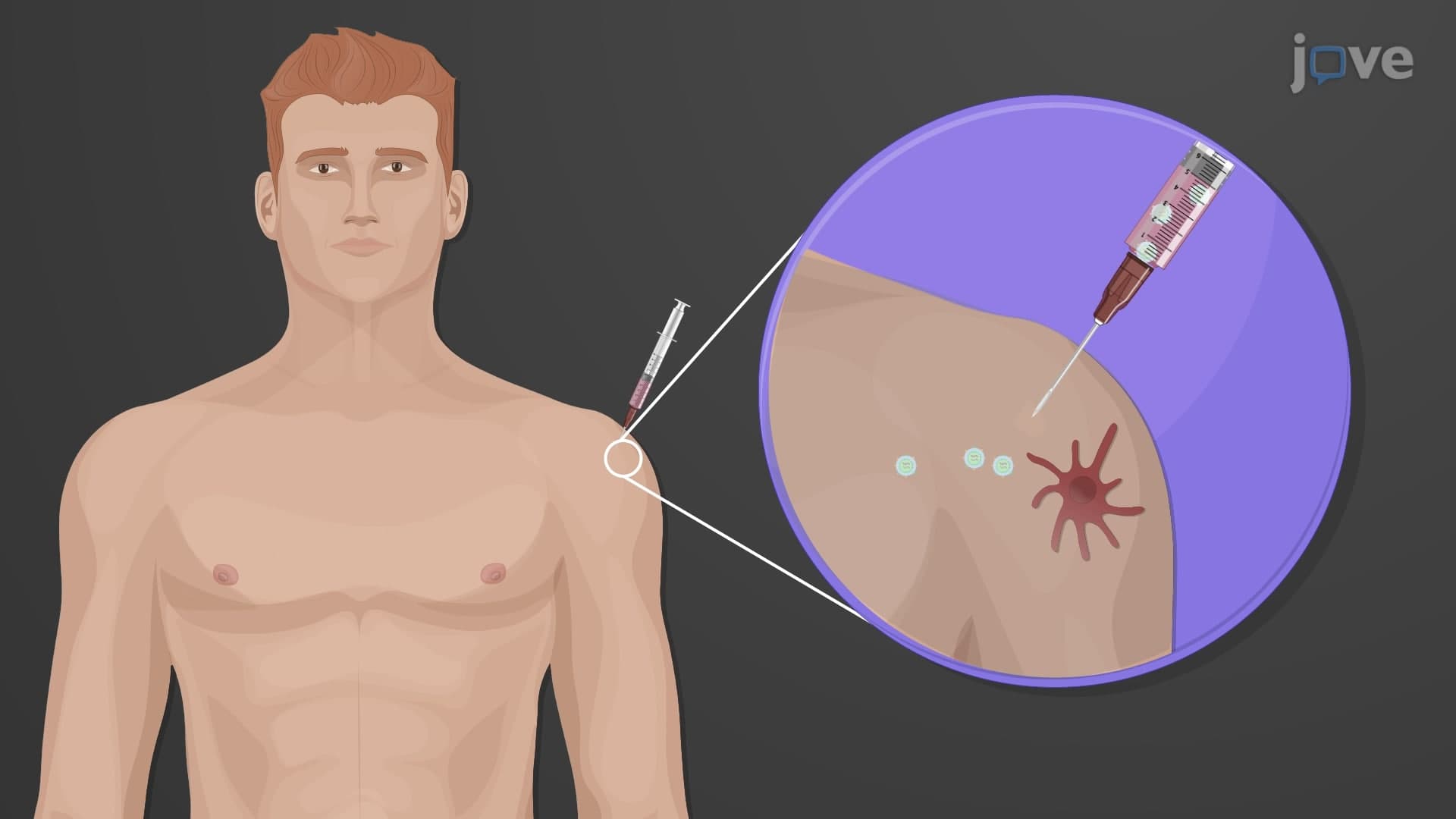
T Cell Activation and Clonal Selection


00:00
01:22
Video Summary: T Cell Activation and Clonal Selection Explained
Every second, your immune system performs life-or-death decisions-determining whether foreign invaders like the flu virus deserve a massive cellular attack or if healthy tissue should be left alone. T cell activation clonal selection is the precise molecular process that makes these critical choices, involving specialized receptor proteins and co-stimulatory signals that prevent autoimmune disasters like multiple sclerosis. When a patient receives an organ transplant at Johns Hopkins Hospital, understanding this mechanism helps doctors predict rejection risks. Watch the full video on JoVE Coach to master this concept with expert-led visuals and step-by-step explanations.
- Understand the complete process of T Cell Activation And Clonal Selection Explained, including the role of CD4 and CD8 T cell subpopulations in immune recognition
- Identify the key molecular players: T cell receptors (TCR), MHC I and II molecules, CD28, CD86, and cluster of differentiation (CD) markers in cellular communication
- Analyze how dual-signal activation prevents autoimmune responses through TCR antigen MHC activation combined with costimulatory molecule binding
- Compare CD4 T cell recognition of MHC II-antigen complexes versus CD8 T cell binding to MHC I-loaded antigens in immune surveillance
- Evaluate the importance of costimulation CD28 T cell interactions in confirming legitimate immune threats versus normal tissue recognition
- Apply clonal expansion T cell principles to explain how a single activated lymphocyte generates thousands of antigen-specific defenders
- Recognize how T cell activation signal pathways lead to effector cell formation for immediate response and memory cell development for long-term protection
- Explore the clinical implications of T lymphocyte clonal selection in vaccine effectiveness, transplant rejection, and autoimmune disease development
Understanding T Cell Activation And Clonal Selection Fundamentals
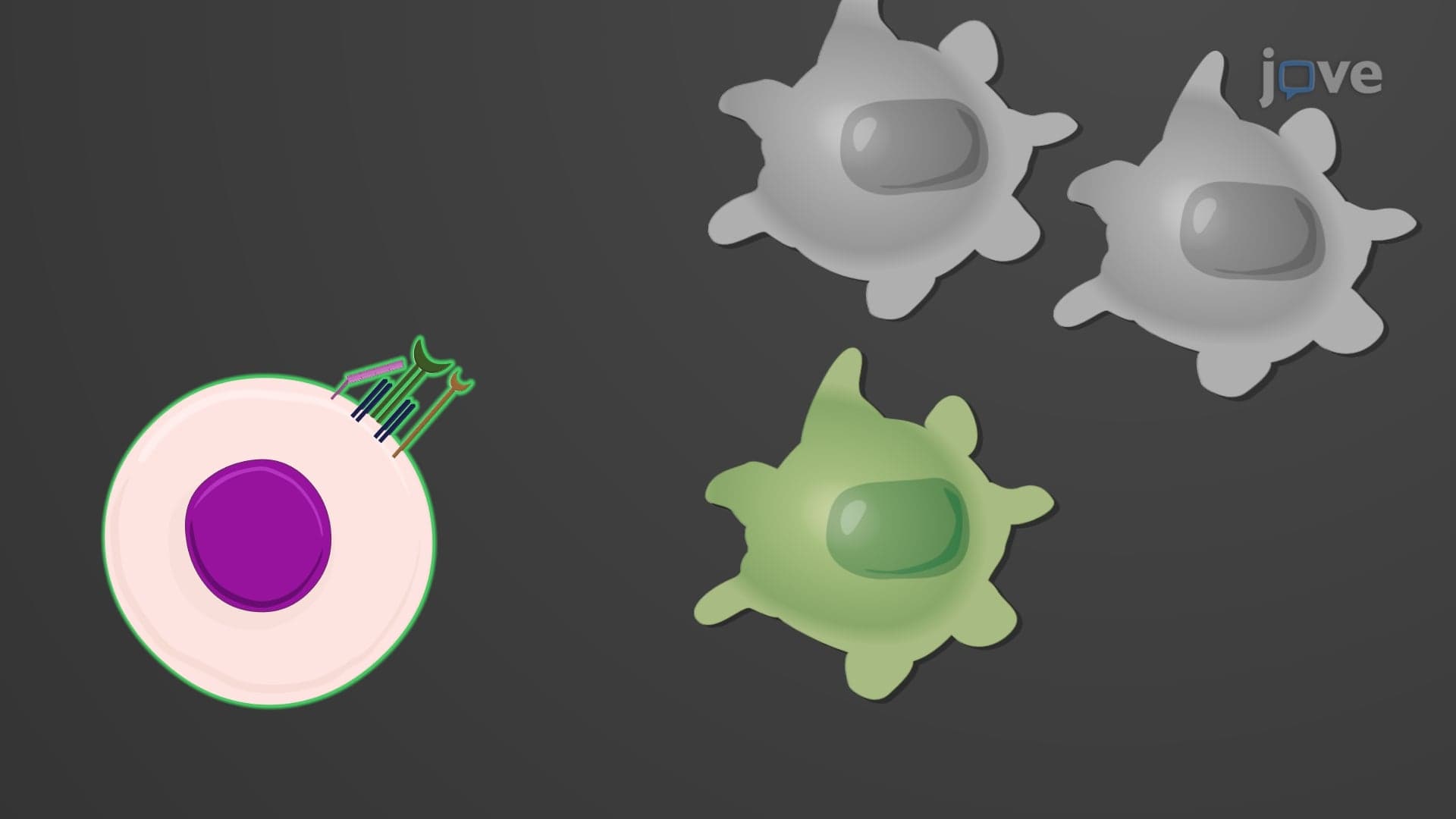
The immune system's ability to distinguish "self" from "non-self" represents one of biology's most sophisticated recognition systems. T cell activation clonal selection begins when naive T lymphocytes encounter their specific antigen through a carefully orchestrated molecular handshake. This process involves two critical T cell populations: CD4+ helper T cells and CD8+ cytotoxic T cells, each equipped with unique cluster of differentiation markers that determine their functional destiny.
Molecular Recognition: TCR and MHC Interactions
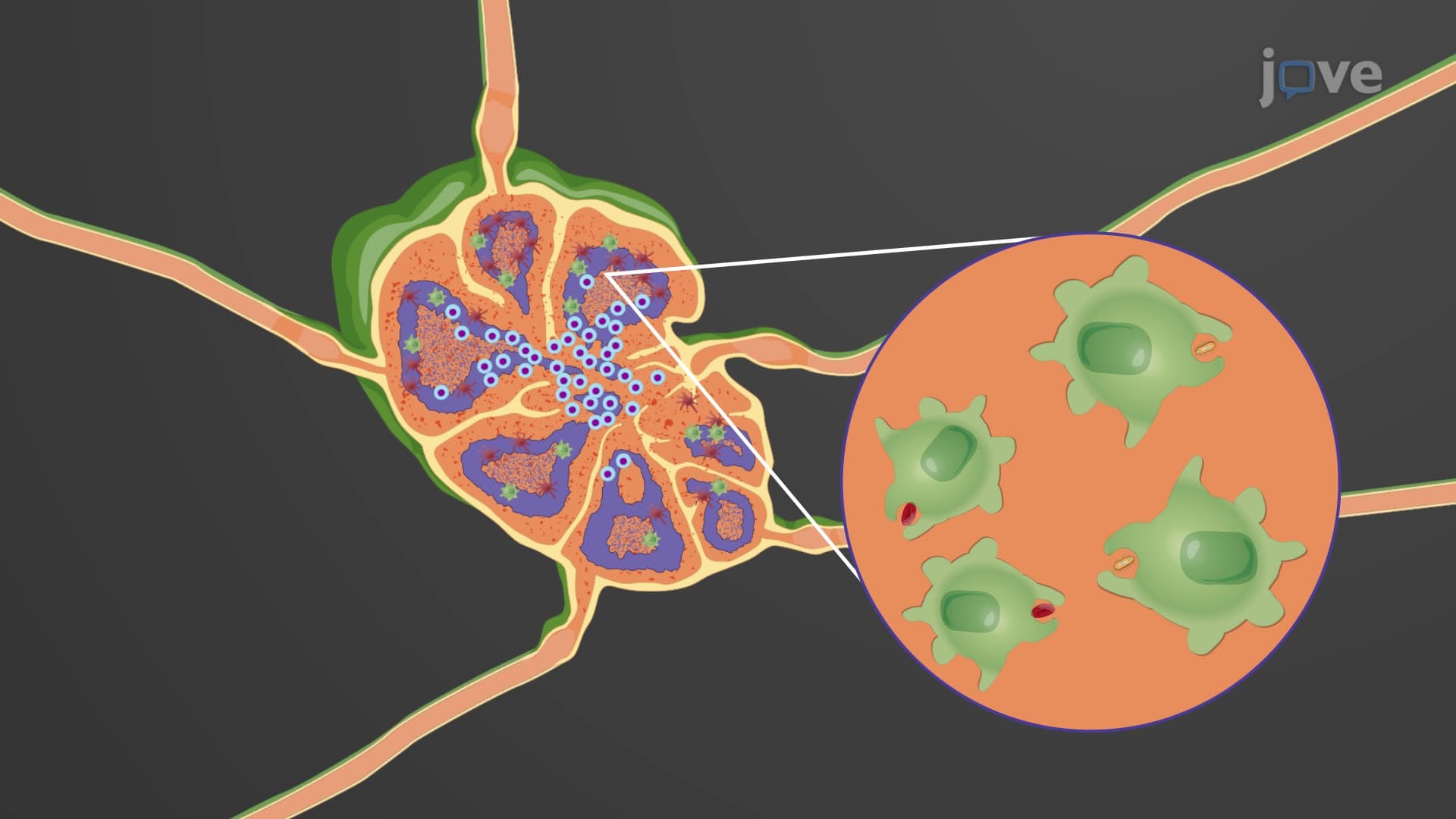
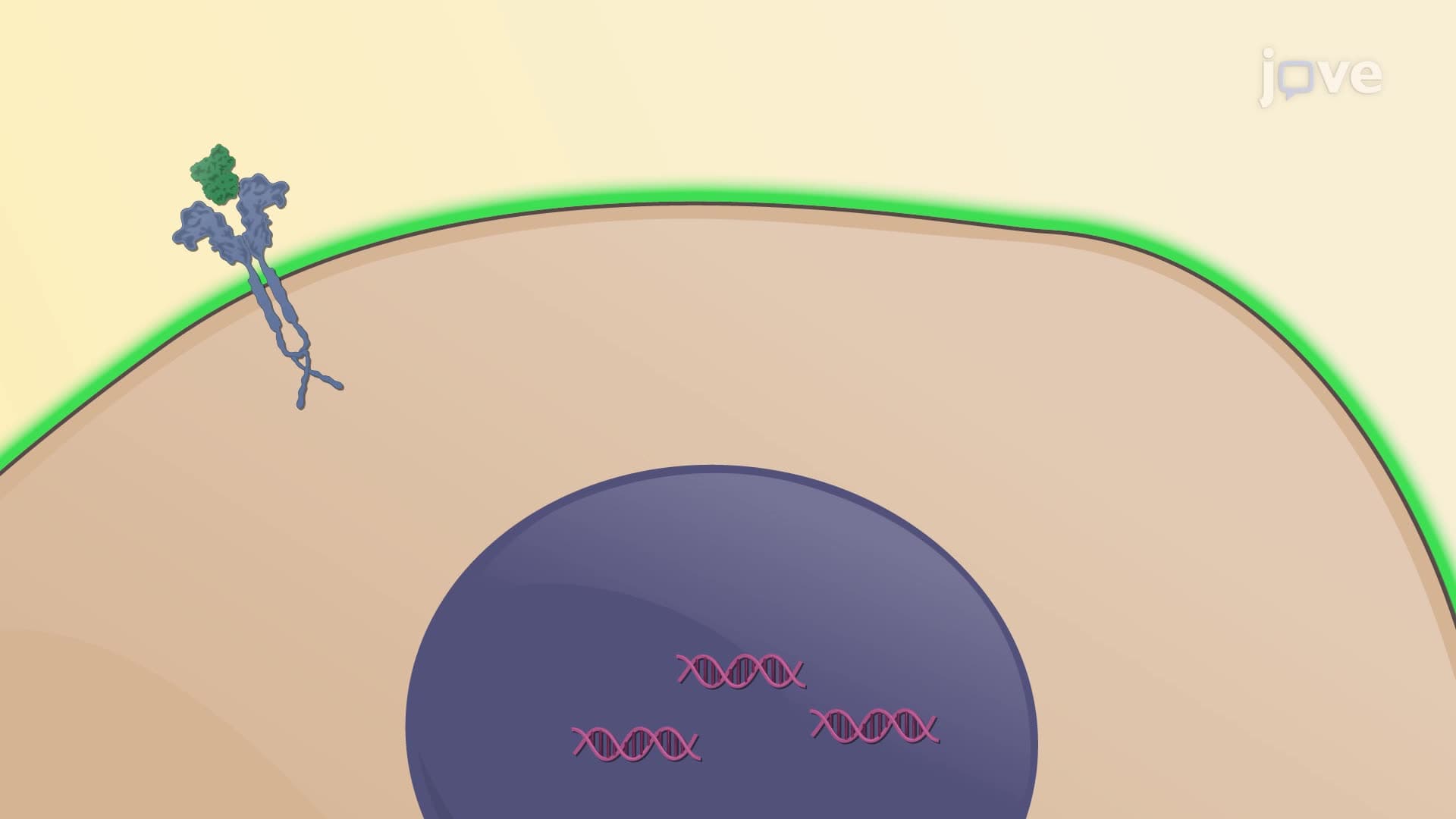
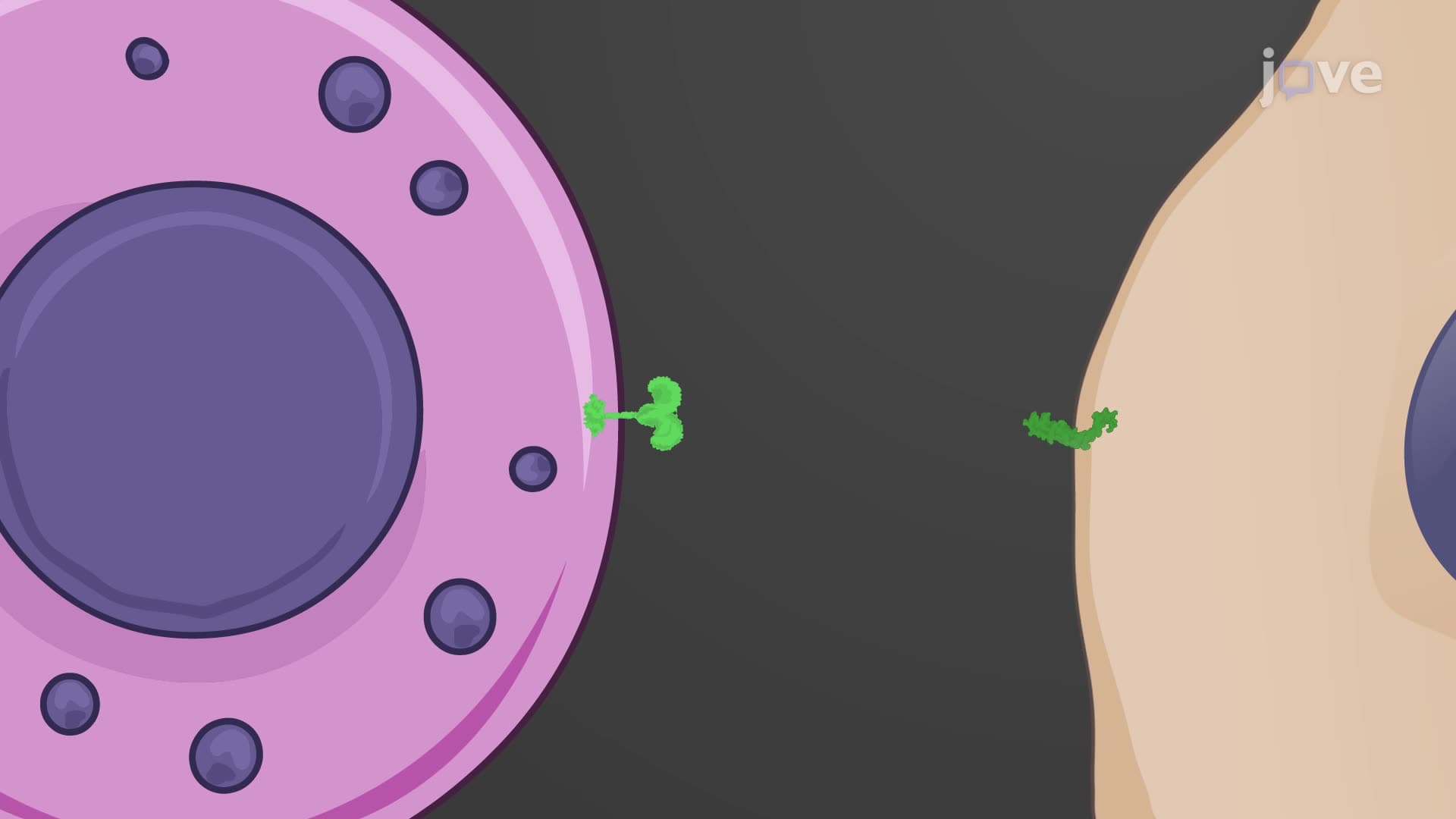
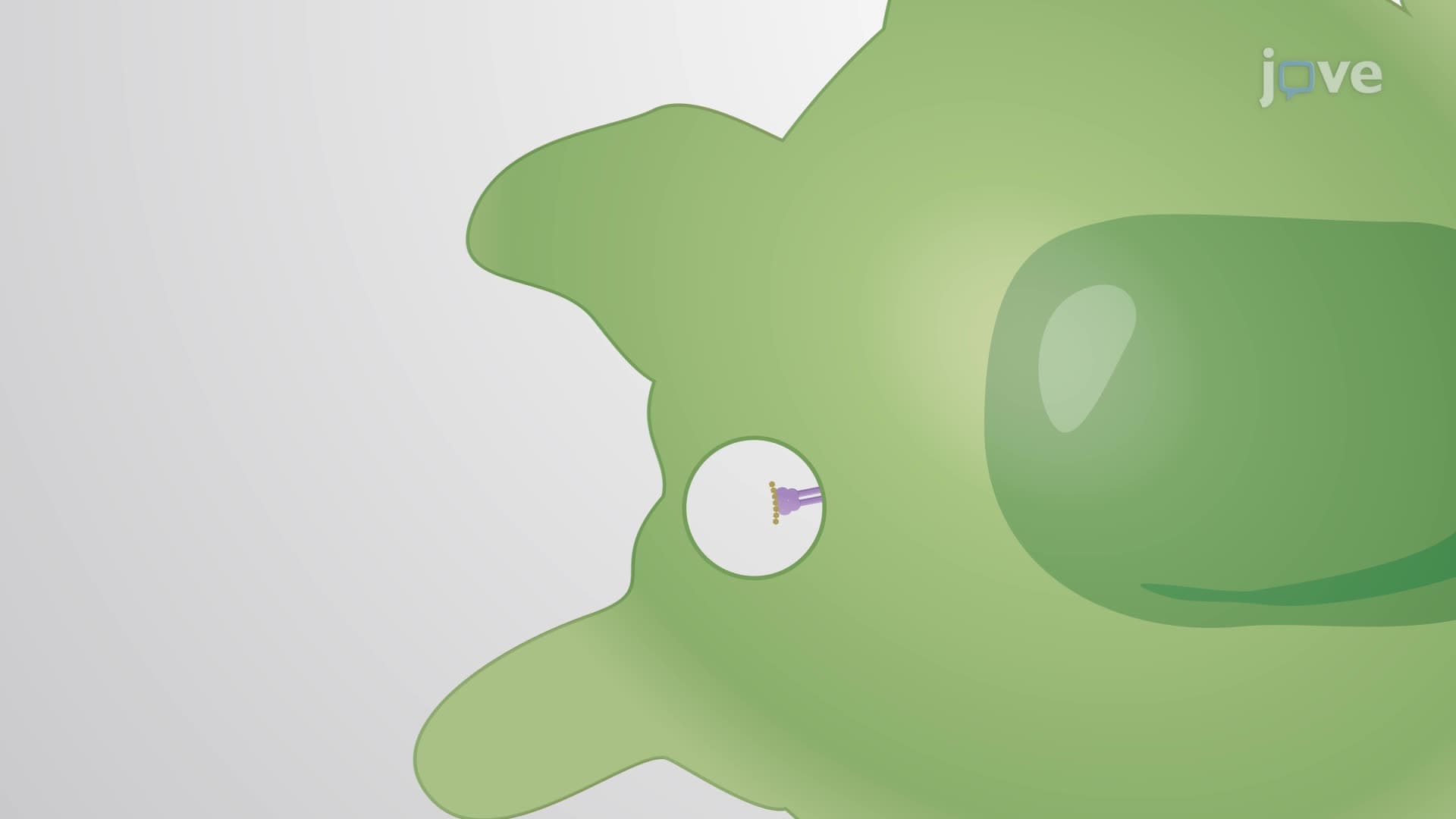
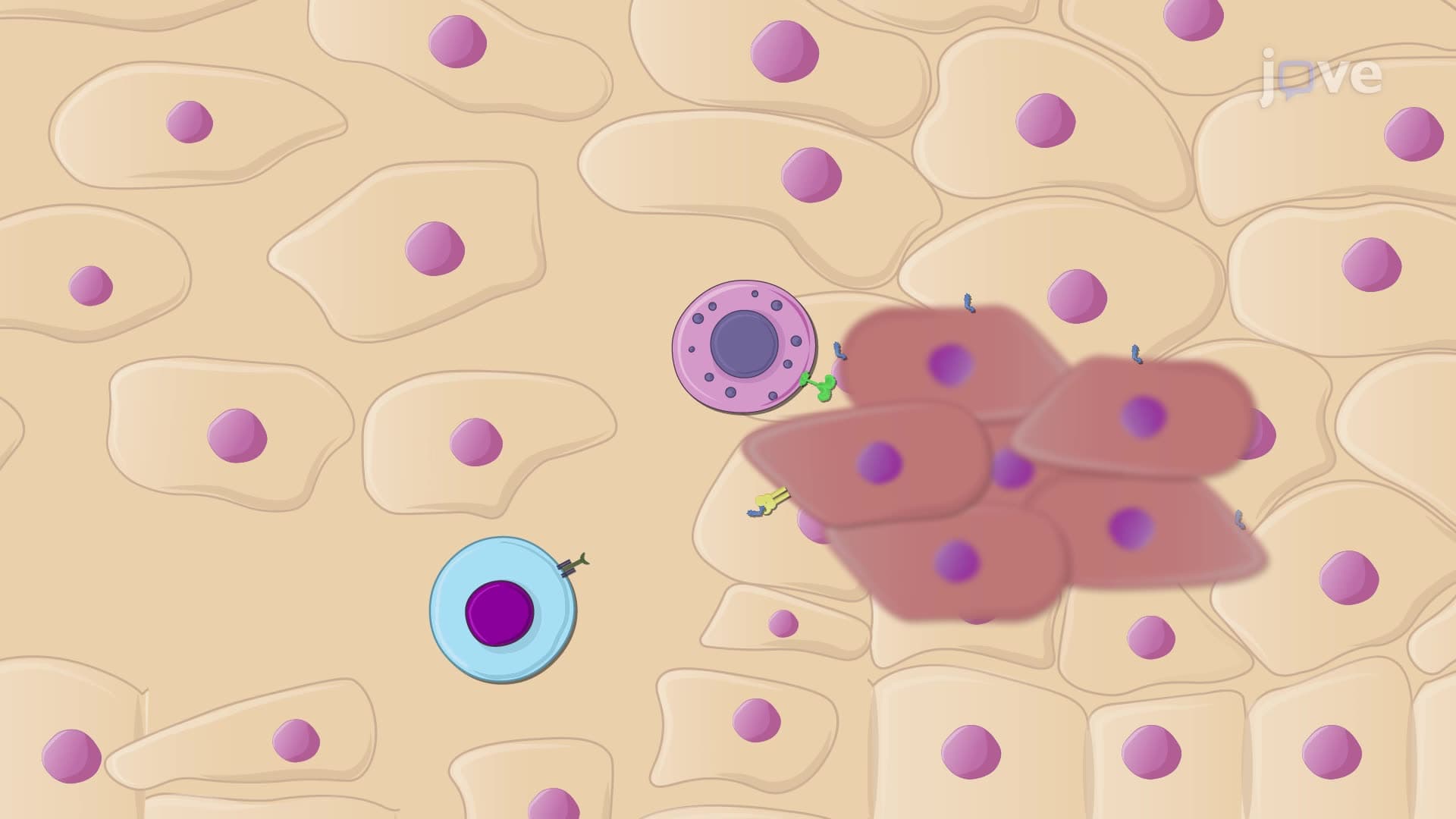
TCR antigen MHC activation forms the foundation of adaptive immunity. CD4+ T cells patrol for threats by recognizing antigenic fragments presented on MHC class II molecules, typically found on antigen-presenting cells like dendritic cells in lymph nodes. Meanwhile, CD8+ T cells scan MHC class I molecules present on virtually all nucleated cells, detecting intracellular infections or malignant transformations. This division of labor ensures comprehensive immune surveillance-CD4+ cells coordinate responses to extracellular pathogens like Streptococcus bacteria, while CD8+ cells eliminate virus-infected cells or tumor cells displaying abnormal proteins.
The Critical Role of Costimulation
Costimulation CD28 T cell interactions provide the essential "second signal" that prevents catastrophic autoimmune responses. When a T cell receptor binds its specific antigen-MHC complex, the interaction alone is insufficient for full activation. The CD28 receptor on T cells must simultaneously bind CD86 (B7-2) or CD80 (B7-1) molecules on antigen-presenting cells. This dual-signal requirement acts as a molecular safety switch-imagine a nuclear launch requiring two keys turned simultaneously. Without costimulation, T cells become anergic (unresponsive) or undergo apoptosis, preventing attacks on healthy tissue.
Clonal Expansion and Cellular Differentiation
Following successful T cell activation signal reception, selected lymphocytes undergo dramatic clonal expansion T cell proliferation. A single activated T cell can divide to produce thousands of identical clones within 3-5 days. These expanding populations differentiate into two functionally distinct lineages: effector cells that immediately combat the current threat, and memory cells that provide rapid response to future encounters with the same antigen. This T lymphocyte clonal selection process explains why childhood vaccinations against measles provide lifelong immunity-memory T cells persist for decades, ready to mount swift secondary responses.
Understanding these mechanisms proves essential for AP Biology students tackling immune system questions and pre-med students preparing for MCAT immunology sections. Clinical applications include CAR-T cell therapy development at institutions like MD Anderson Cancer Center, where researchers engineer patient T cells to better recognize and eliminate cancer cells.
Frequently Asked Questions
T cell activation and clonal selection is the immune system's process of identifying threats and creating specialized defender cells. When T cells recognize foreign antigens through specific receptors, they multiply rapidly to form armies of identical cells that can fight infections or remember invaders for future protection. This prevents both immune system failure and dangerous autoimmune attacks on healthy tissue.
MCAT questions often test costimulation requirements, MHC restriction, and clonal expansion timelines in experimental scenarios. AP Biology focuses on comparing innate versus adaptive immunity, with T cell activation as a key example of specificity and memory. Expect diagram interpretation questions showing TCR-MHC binding and multiple choice questions about CD4 versus CD8 functions in immune responses.
Immunology, Cell Biology, and Microbiology courses at universities like Stanford and Harvard dive deep into T cell activation mechanisms. Pre-med students encounter this material in advanced biology courses, while nursing students study these concepts in pathophysiology classes. Medical school immunology courses examine clinical applications including transplant rejection and autoimmune disease mechanisms.
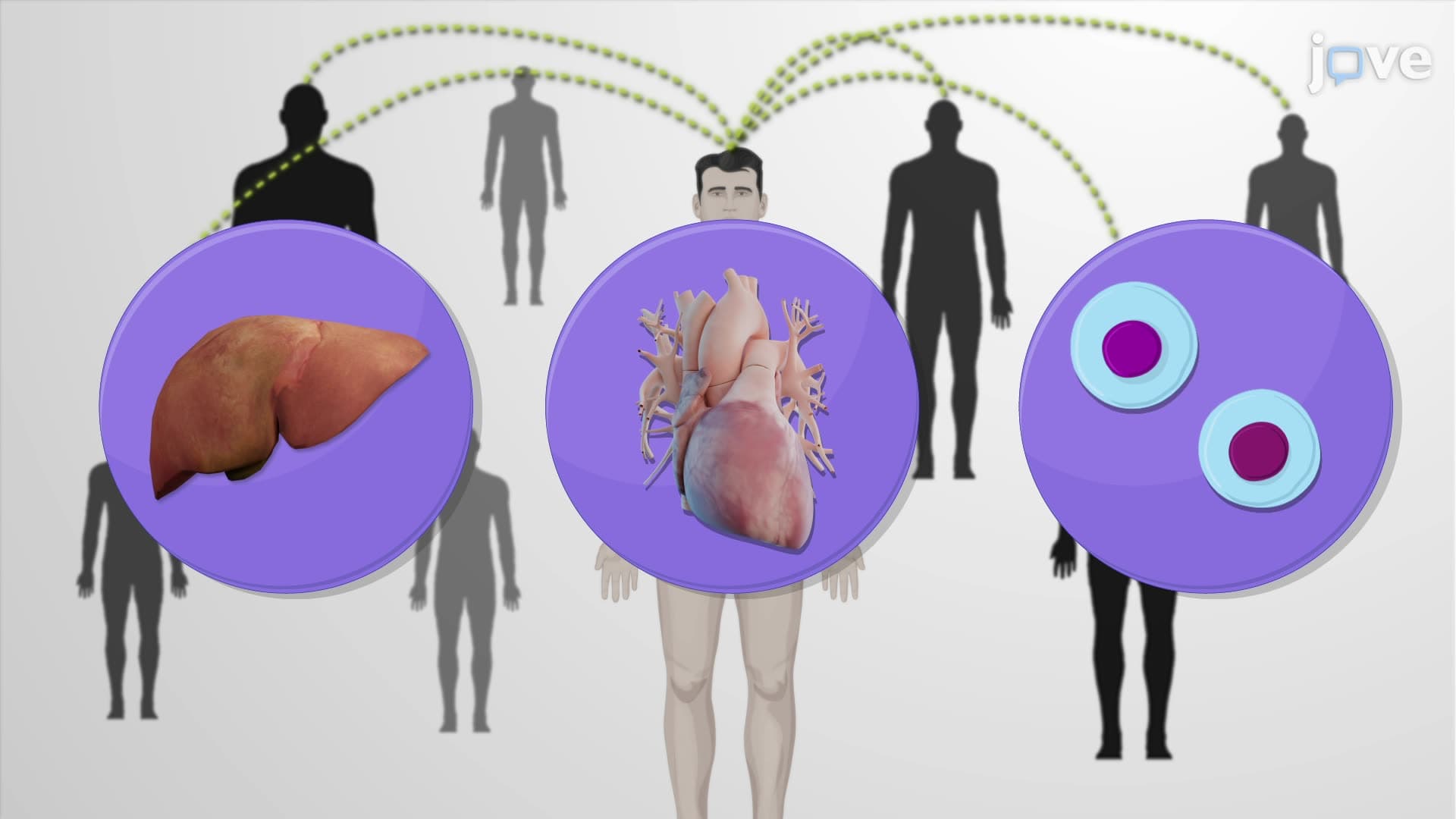
Multiple sclerosis results from T cells mistakenly attacking brain myelin due to failed self-tolerance mechanisms. Type 1 diabetes involves T cells destroying insulin-producing pancreatic cells, while organ transplant rejection occurs when recipient T cells recognize donor tissue as foreign. Cancer immunotherapy treatments like checkpoint inhibitors work by enhancing T cell activation against tumor cells.
Basic high school chemistry suffices for understanding T cell activation principles-you mainly need to grasp protein-protein interactions and receptor binding concepts. The focus is on biological processes rather than complex chemical equations. Students with AP Biology or introductory college biology backgrounds can master these concepts through careful study of molecular interactions and cellular communication pathways.
Create flowcharts showing the two-signal activation model, practice drawing TCR-MHC interactions, and use active recall with flashcards for key molecules (CD4, CD8, CD28, CD86). Focus on understanding the "why" behind costimulation requirements rather than memorizing isolated facts. Practice explaining the process aloud to identify knowledge gaps before exam day.
Study B cell activation and antibody production to understand humoral immunity, then explore regulatory T cells (Tregs) that control immune responses. Advanced topics include cytokine signaling networks, immune tolerance mechanisms, and clinical applications like CAR-T cell therapy. These concepts build naturally on T cell activation principles while expanding therapeutic understanding.
Clonal expansion transforms a few antigen-specific T cells into thousands of defenders within days, providing the massive cellular armies needed to combat infections. Without this rapid multiplication, the immune system couldn't generate sufficient effector cells to clear pathogens or establish long-lasting immunological memory. This process explains why vaccines work and why some infections become overwhelming before immune responses develop.
Related Micro-courses