Loading subject page…


218,420 views

Video Summary: What are Antigen Presenting Cells
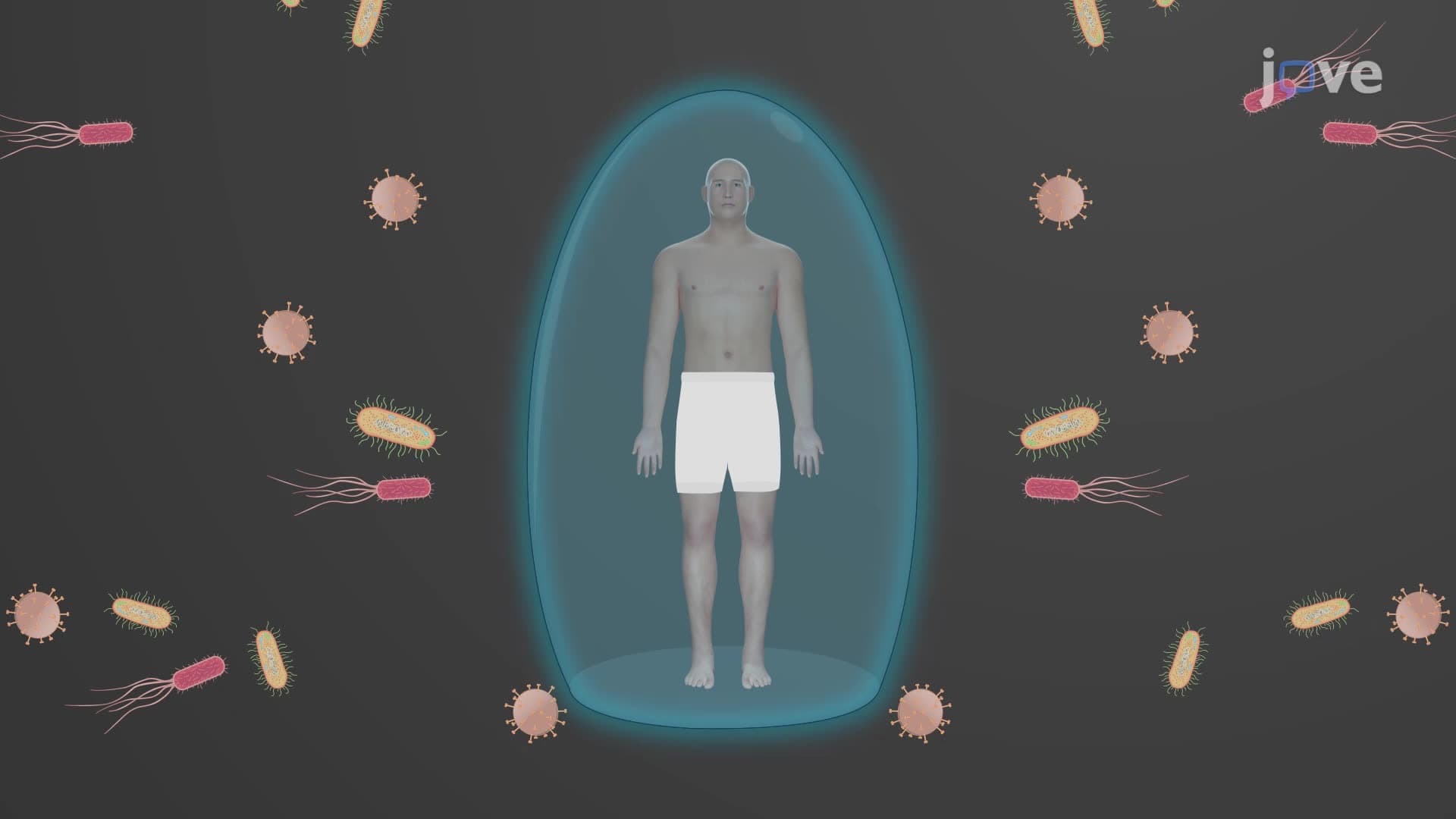
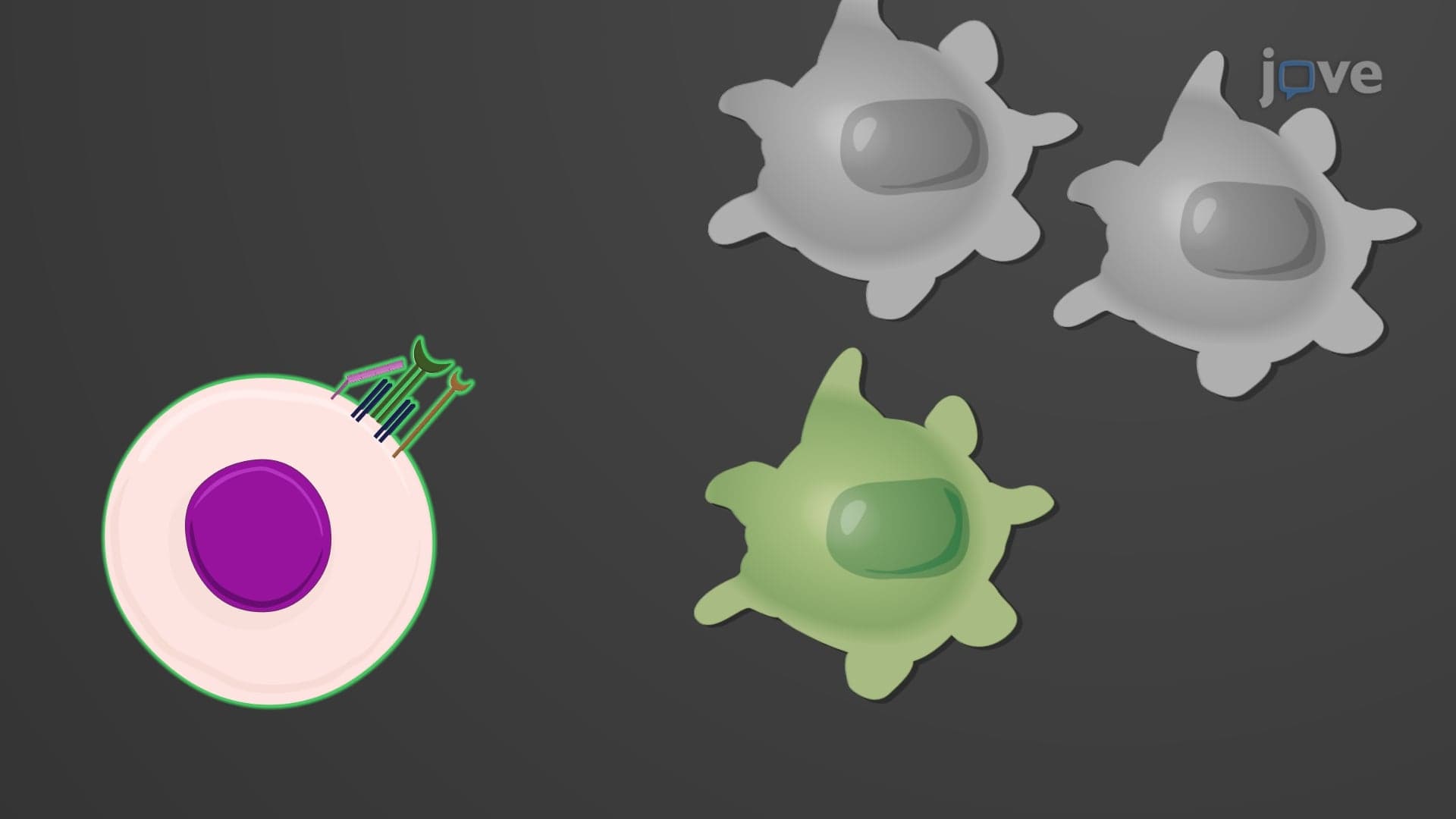
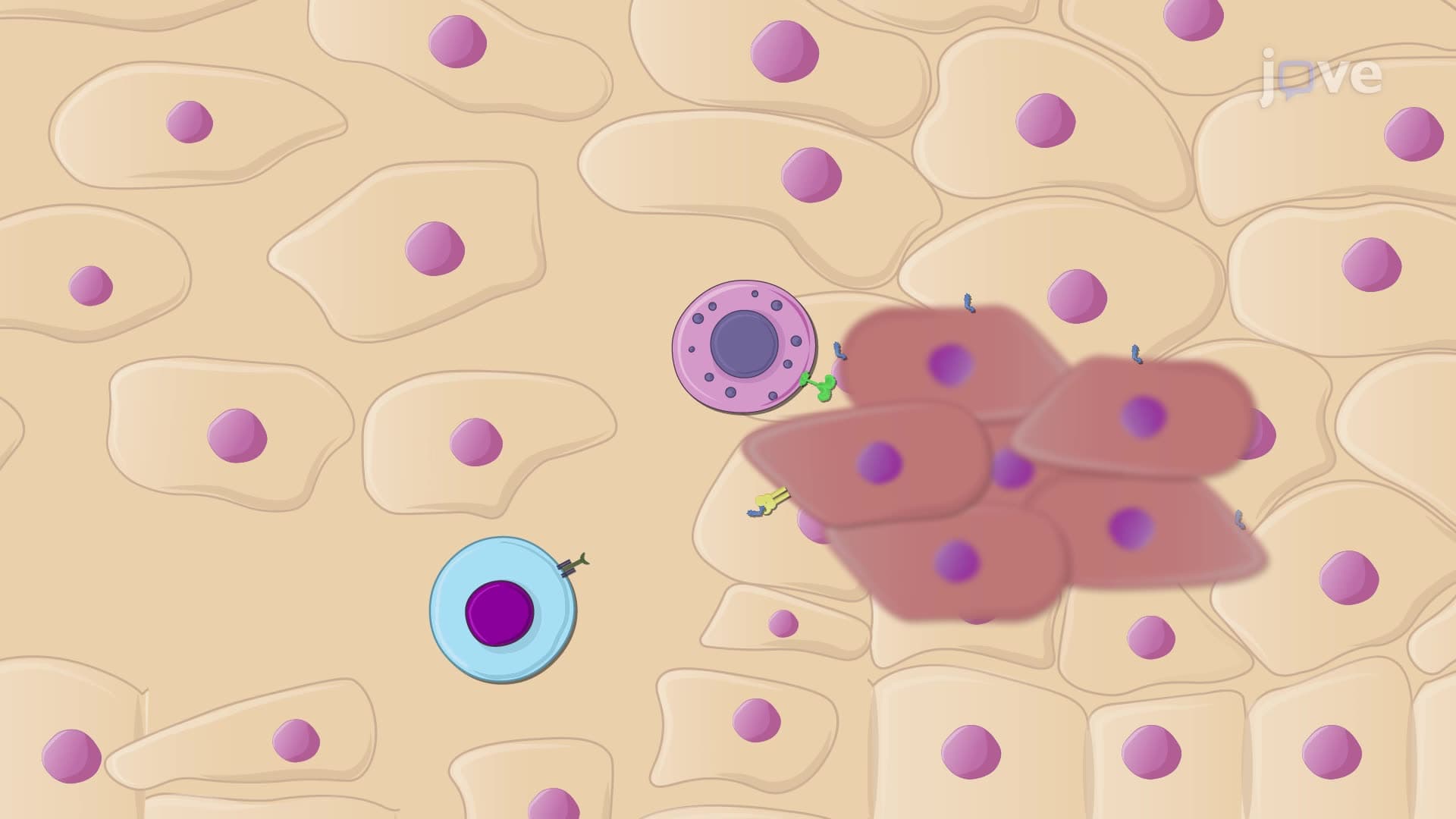
Did you know that your immune system has specialized "messenger cells" that act like security guards showing ID badges to immune defenders? Antigen presenting cells biology reveals how dendritic cells, macrophages, and B cells capture foreign invaders, break them into recognizable fragments, and display these pieces on MHC molecules for T cell recognition. During the 2020 COVID-19 pandemic, these APCs were crucial in helping vaccines train our immune systems to recognize the virus. Understanding what are antigen presenting cells is fundamental to grasping how immunity works. Watch the full video on JoVE Coach to master this concept with expert-led visuals and step-by-step explanations.
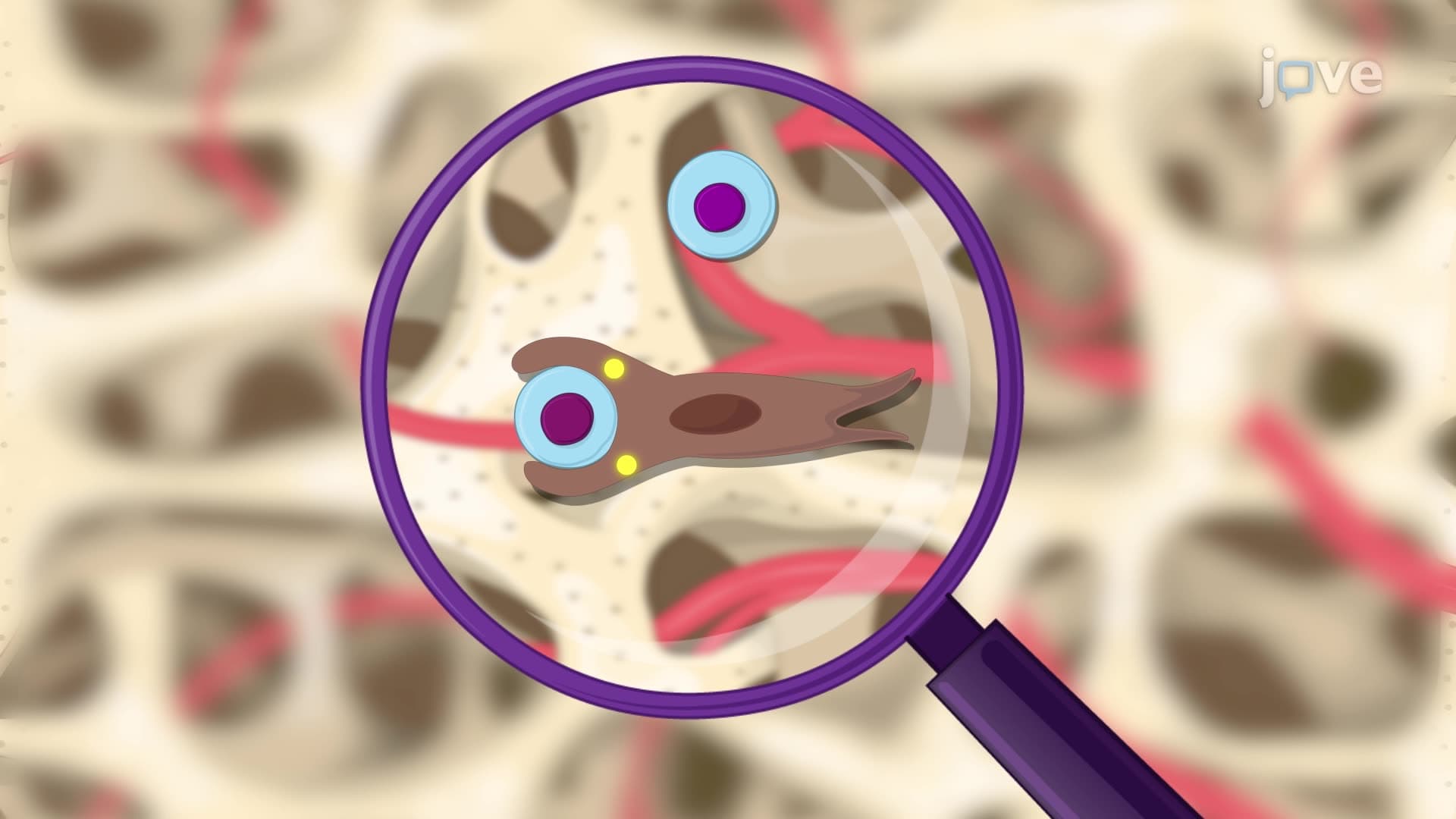
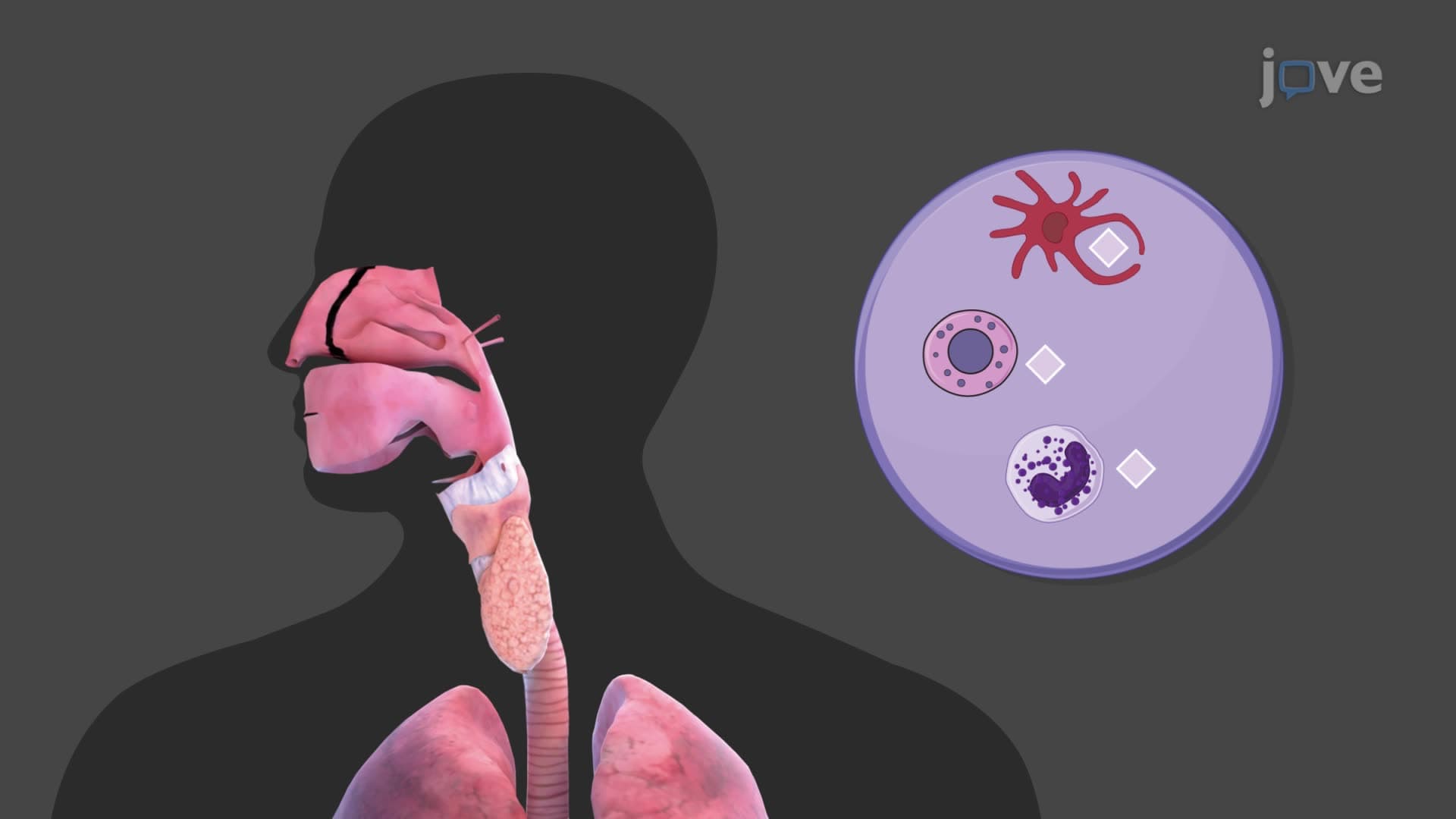
Antigen presenting cells biology forms the cornerstone of adaptive immunity, serving as critical bridges between innate and adaptive immune responses. These professional APCs-dendritic cells, macrophages, and B cells-function as the immune system's intelligence network, capturing foreign substances and presenting them in a format that T cells can recognize and respond to effectively.
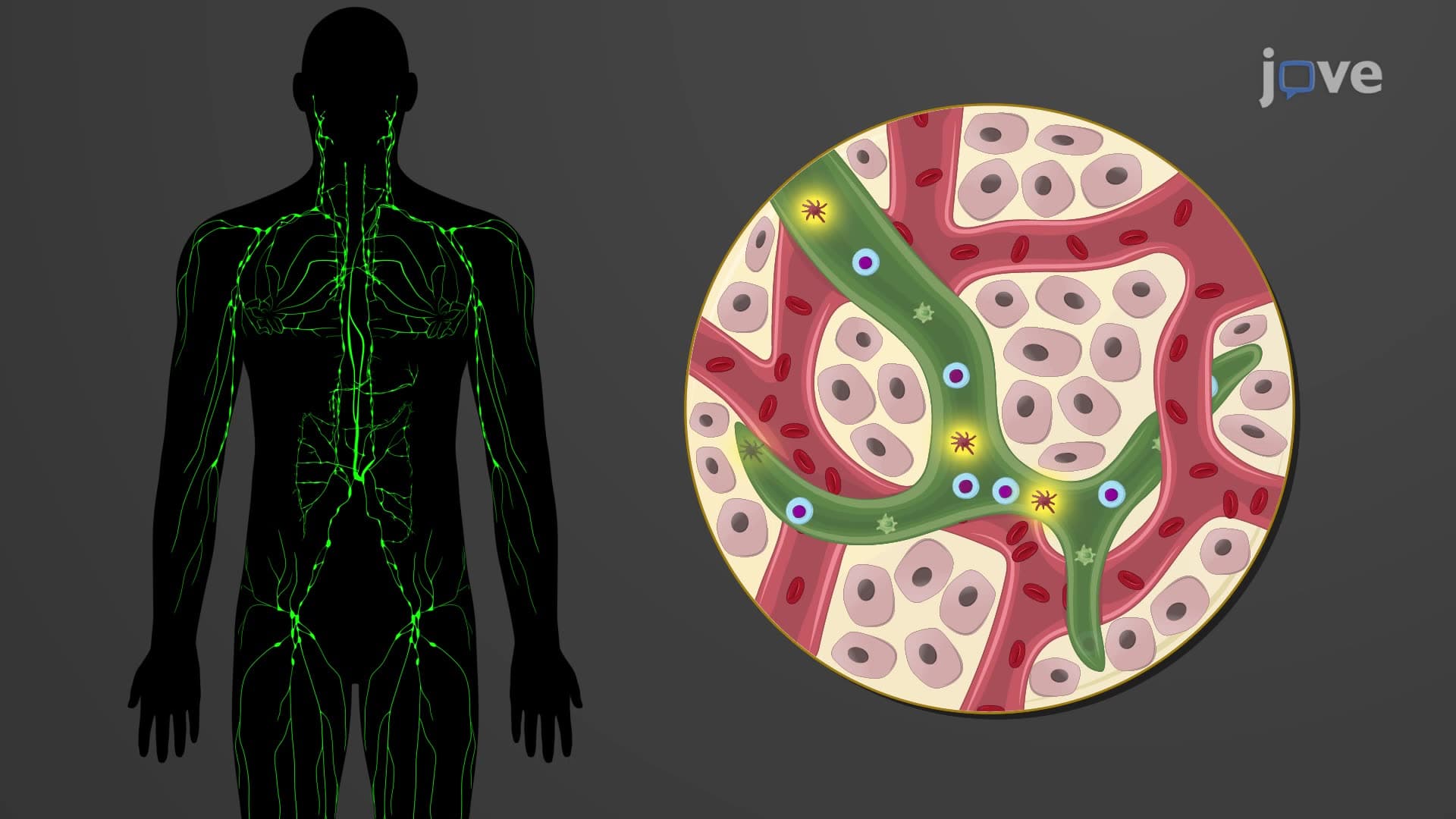
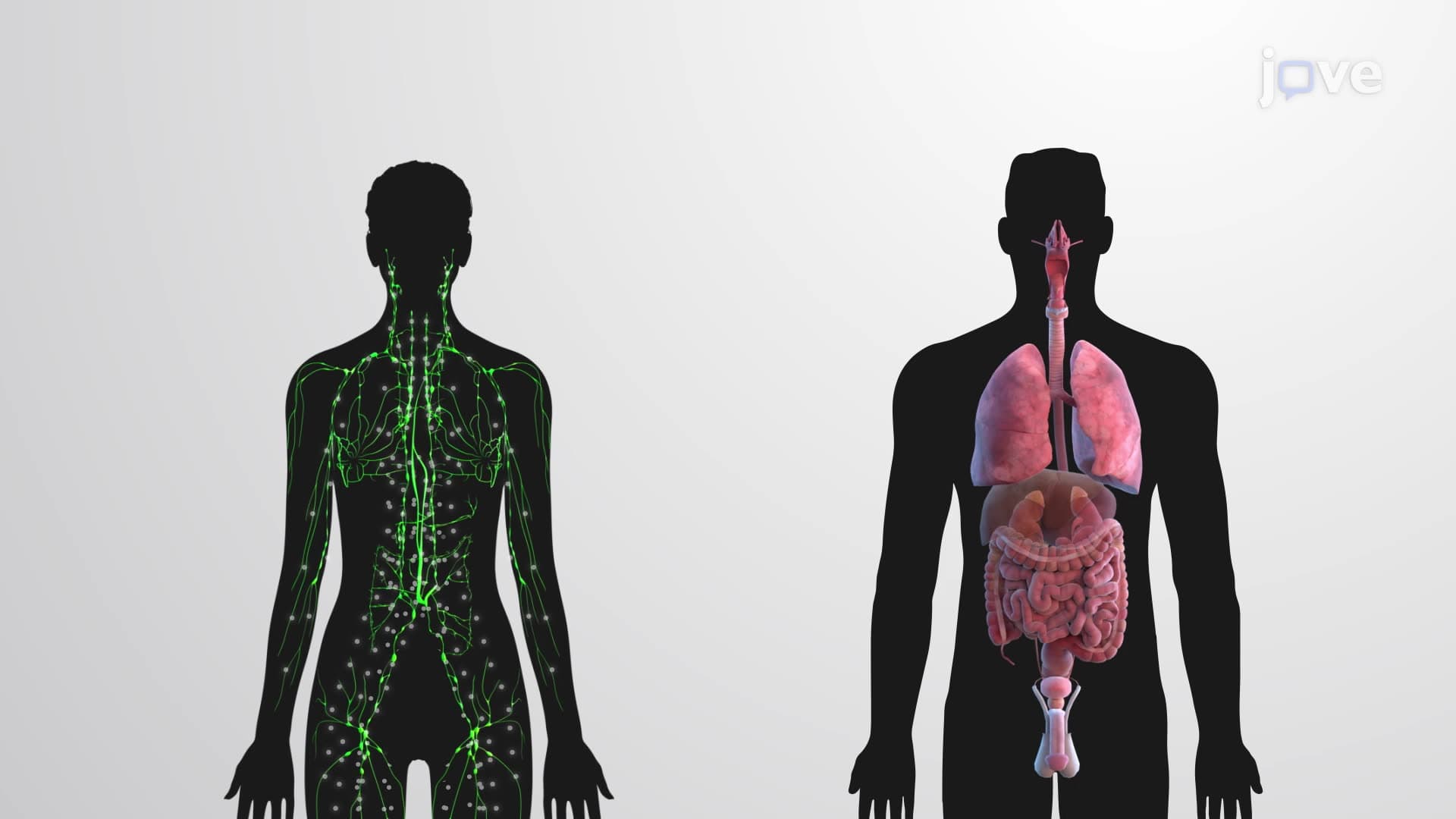
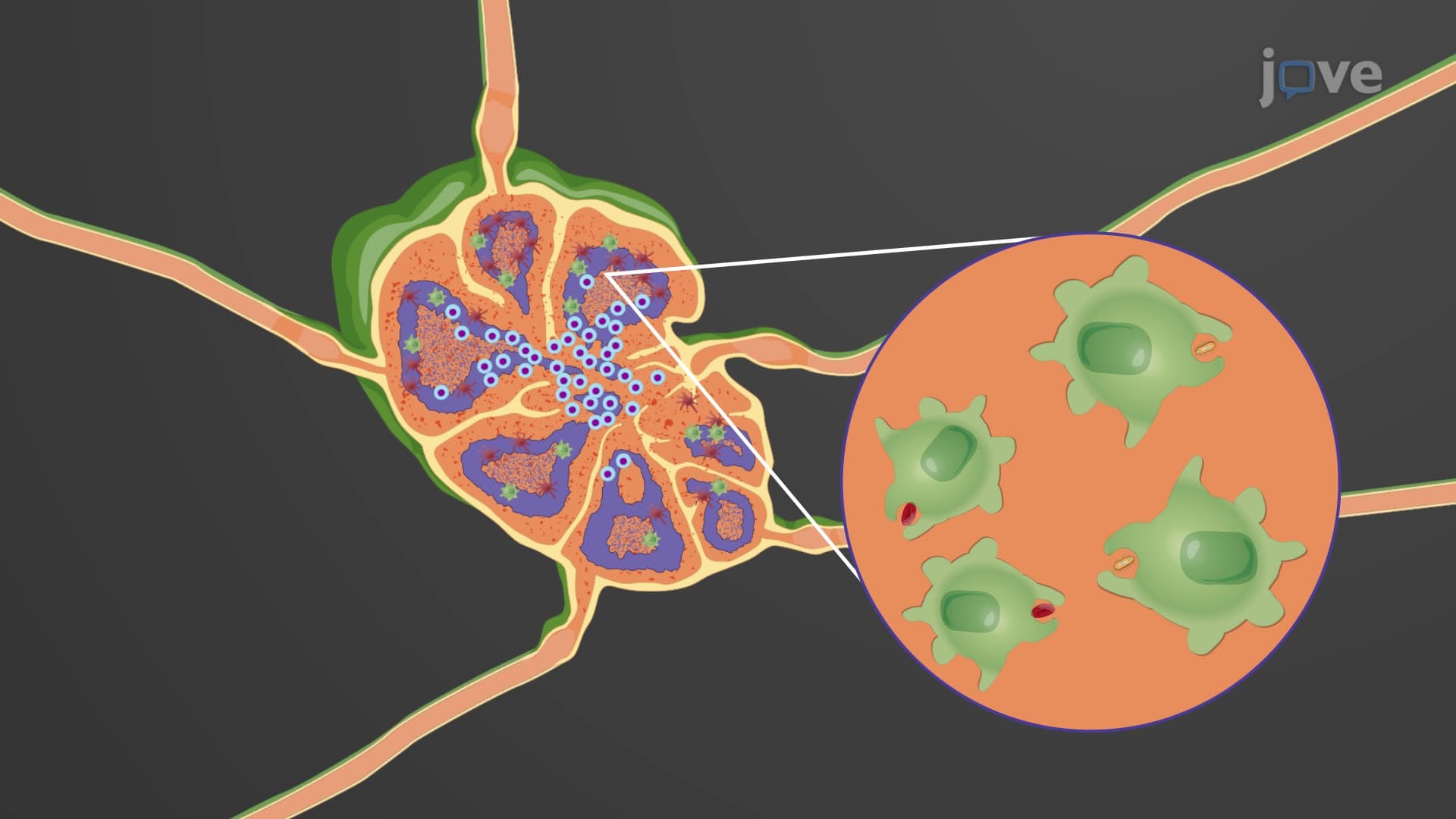
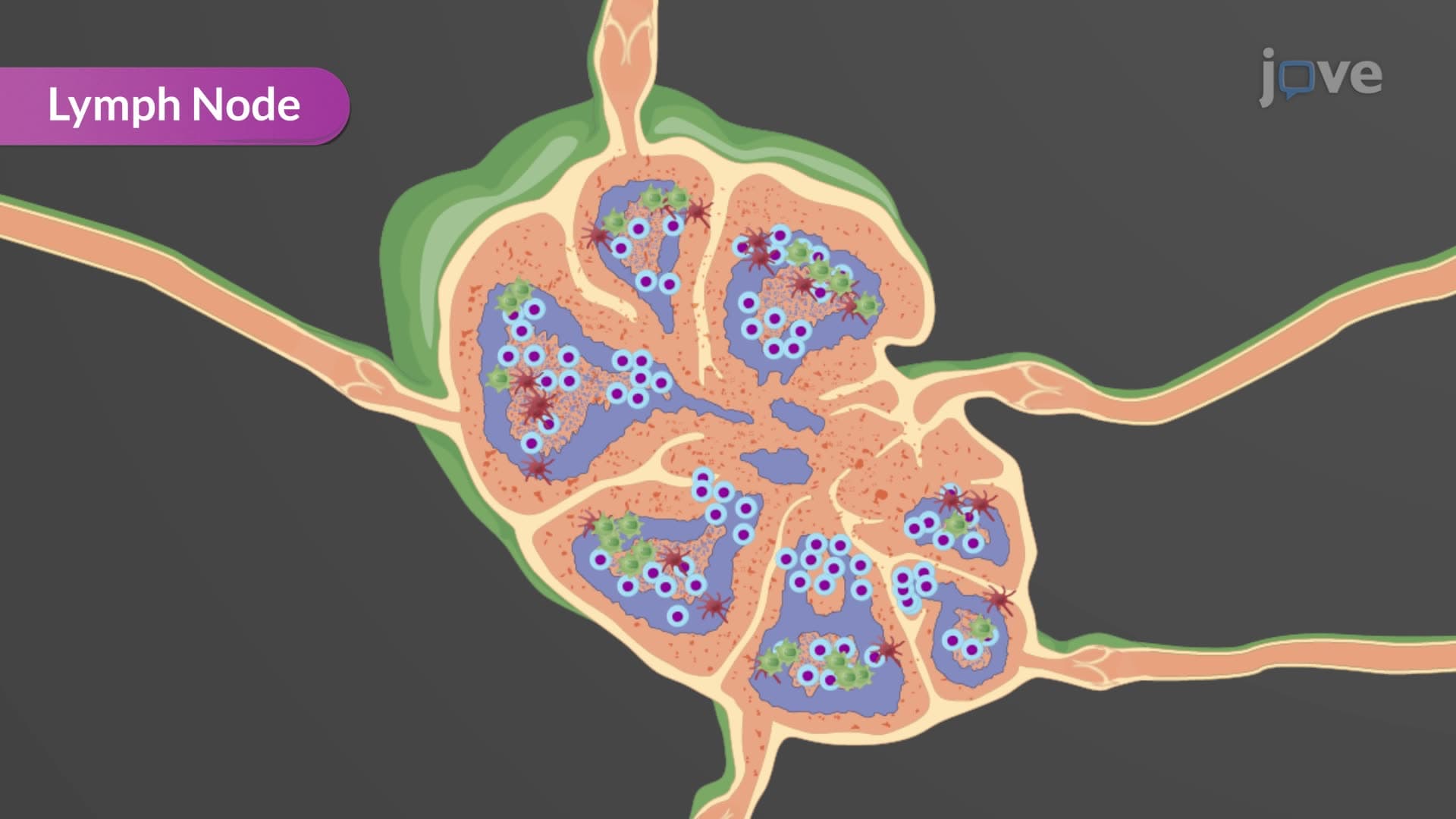
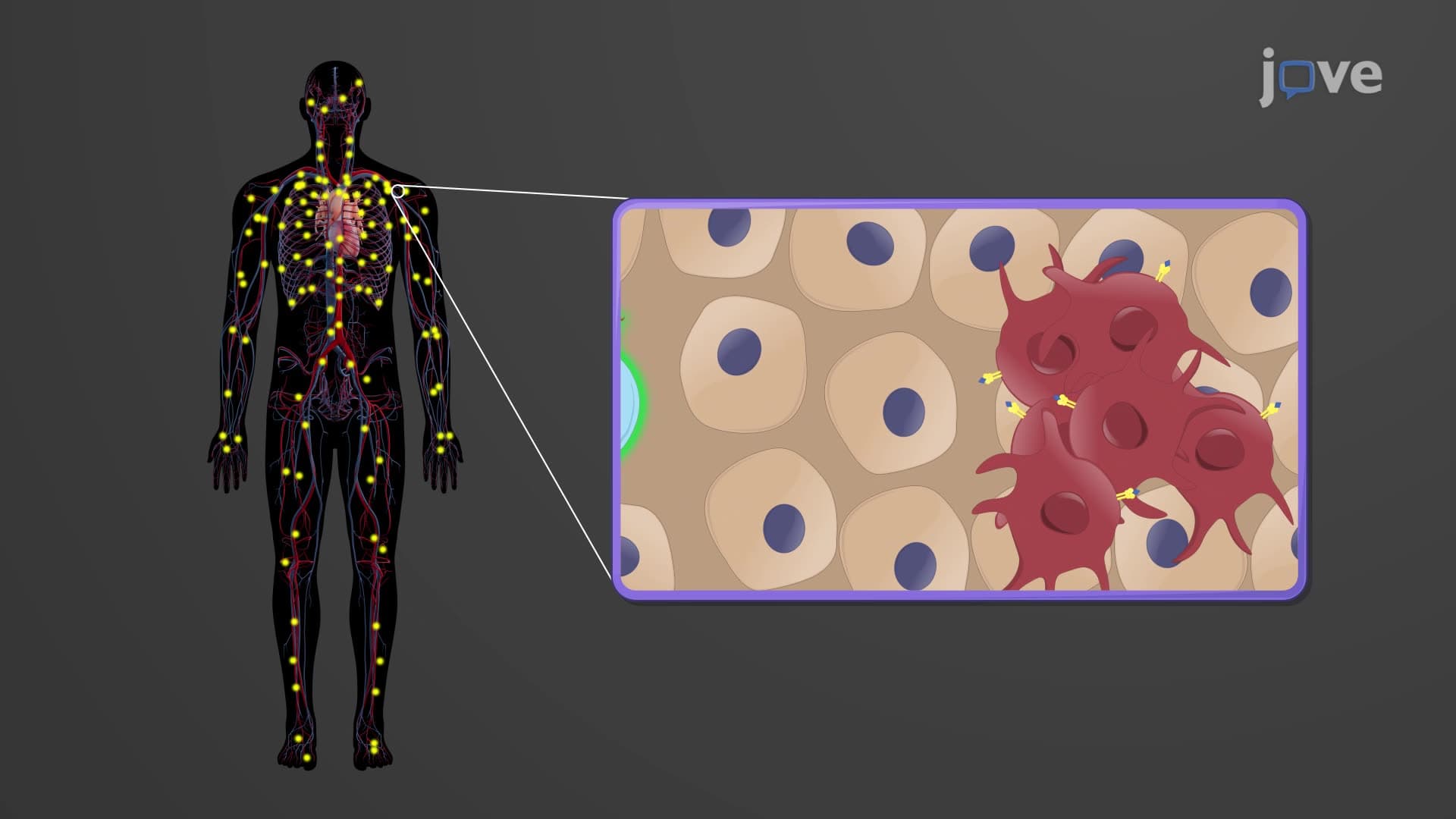
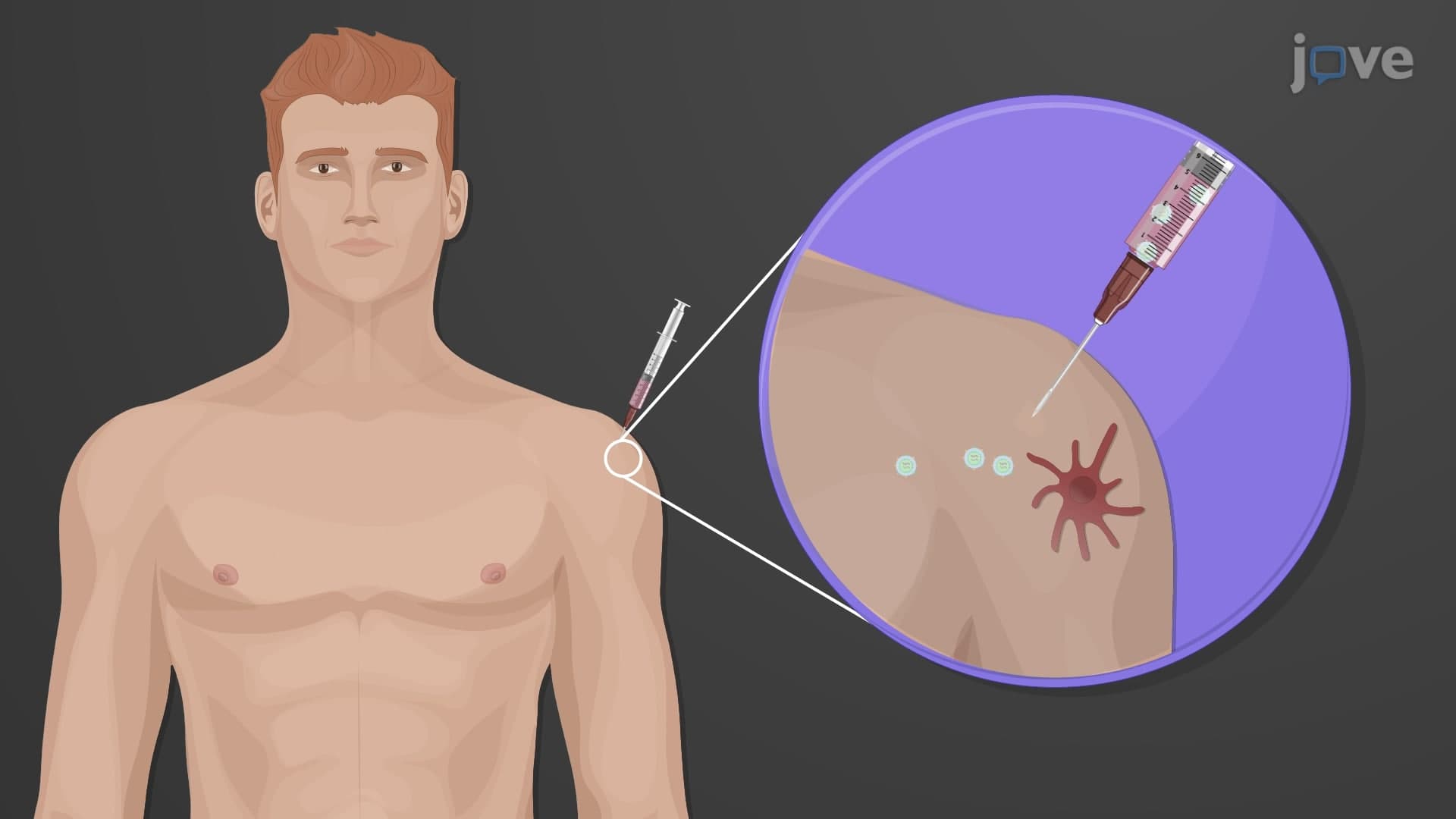
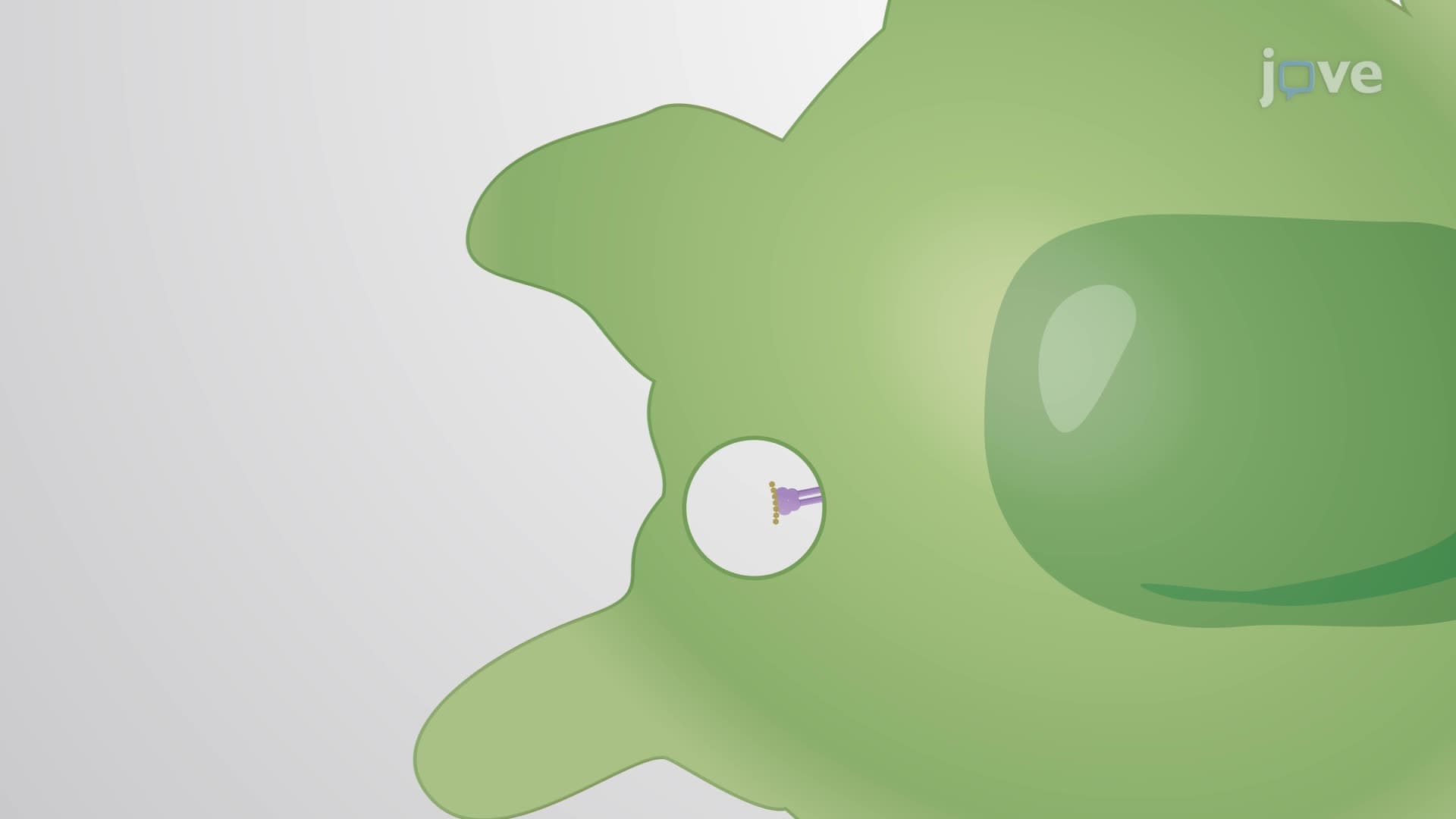
Dendritic cell APC function represents the gold standard of antigen presentation. These highly mobile cells patrol tissues like sentinels, particularly concentrated in barrier sites such as skin (Langerhans cells) and mucosal surfaces. After capturing antigens through phagocytosis, dendritic cells migrate to lymph nodes where they present processed antigens to naive T cells, initiating primary immune responses. This process is crucial for vaccine effectiveness-COVID-19 mRNA vaccines specifically target dendritic cells to present viral spike proteins.
Macrophage APC presentation occurs throughout body tissues, where these resident immune cells serve dual roles as both cleanup crews and antigen presenters. Unlike dendritic cells, macrophages primarily activate already-primed T cells rather than naive ones. In clinical settings, alveolar macrophages in lungs present bacterial antigens during pneumonia, while splenic macrophages process blood-borne pathogens.
B cell APC role creates unique bidirectional communication within adaptive immunity. B cells use their specific antibody receptors to capture antigens, process them, and present fragments to helper T cells. This interaction provides the crucial second signal B cells need for antibody production, explaining why some vaccines require T cell help for effective antibody responses.
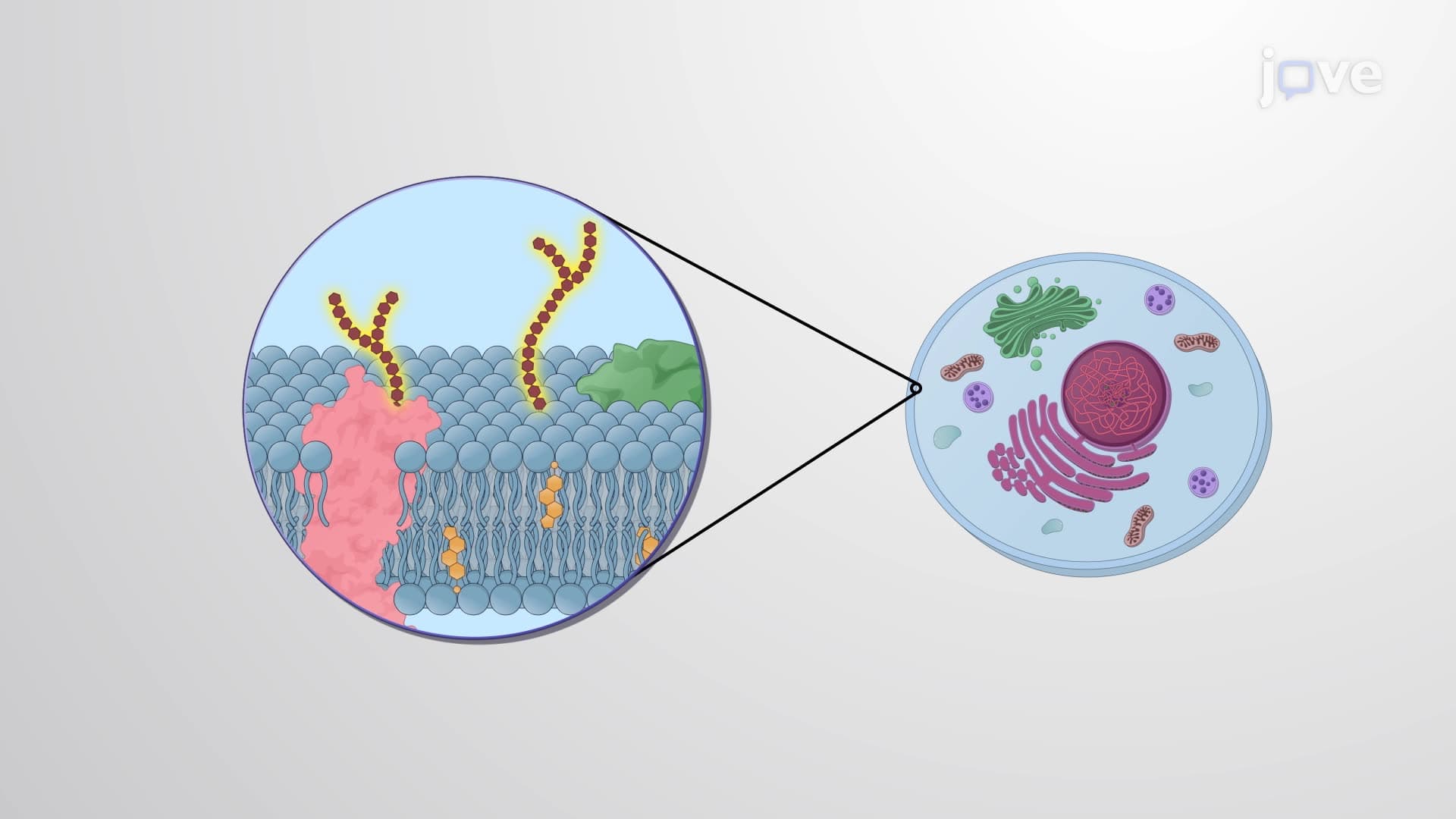
The MHC class II APC pathway involves sophisticated intracellular processing. After antigen uptake, APCs digest proteins in specialized compartments called endolysosomes. These fragments then associate with MHC class II molecules, forming stable complexes transported to the cell surface. This process typically takes 4-6 hours, which students often encounter in AP Biology and college immunology courses when studying immune response timelines.
Understanding APC function proves essential for MCAT preparation, particularly in biological sciences sections covering immune system interactions. Students preparing for medical school should recognize how APC dysfunction contributes to autoimmune diseases like multiple sclerosis, where self-antigens are inappropriately presented, triggering immune attacks on healthy tissue.
Related Micro-courses