Loading subject page…


218,421 views


Video Summary: What are Antimicrobial Proteins
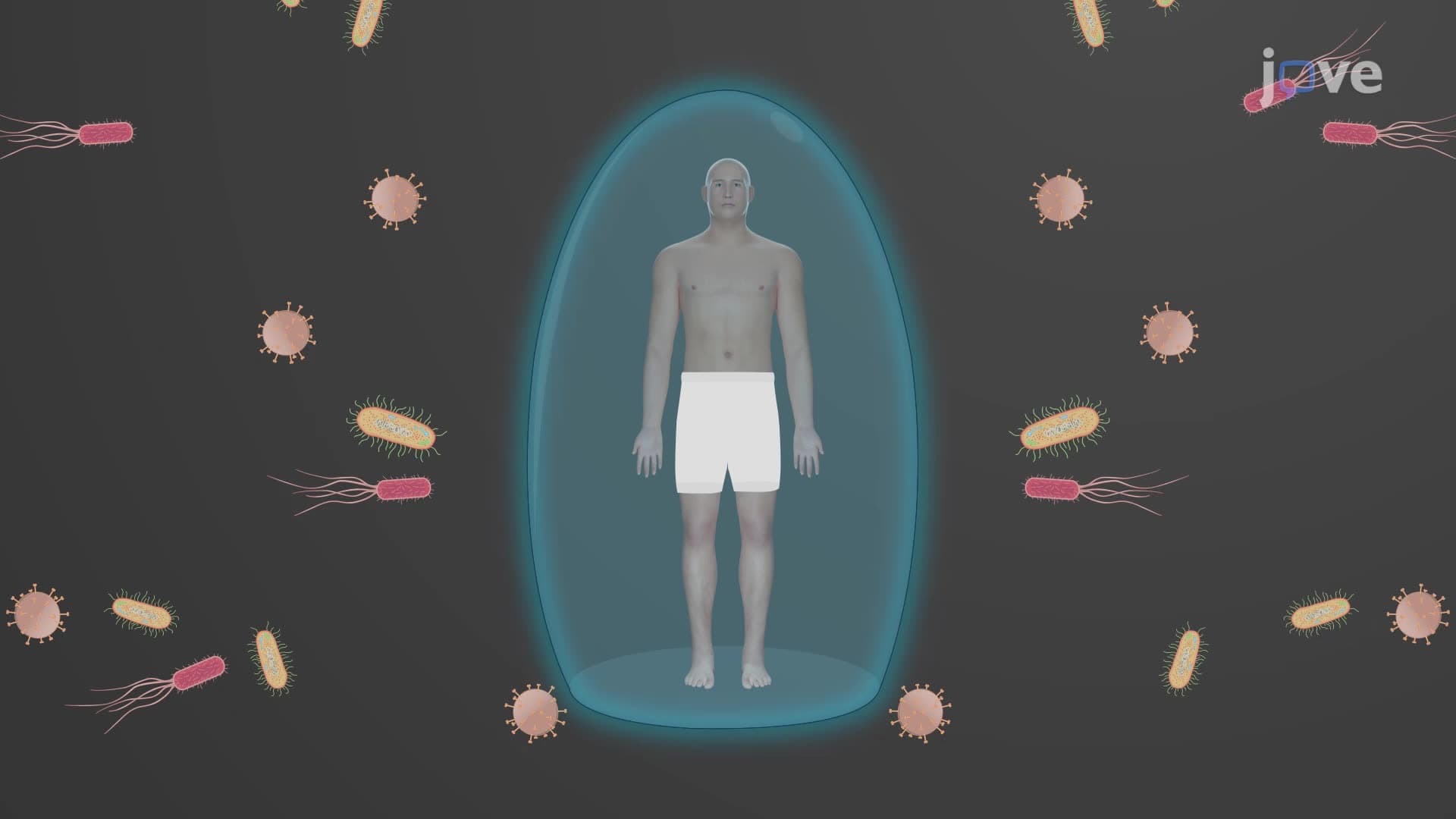
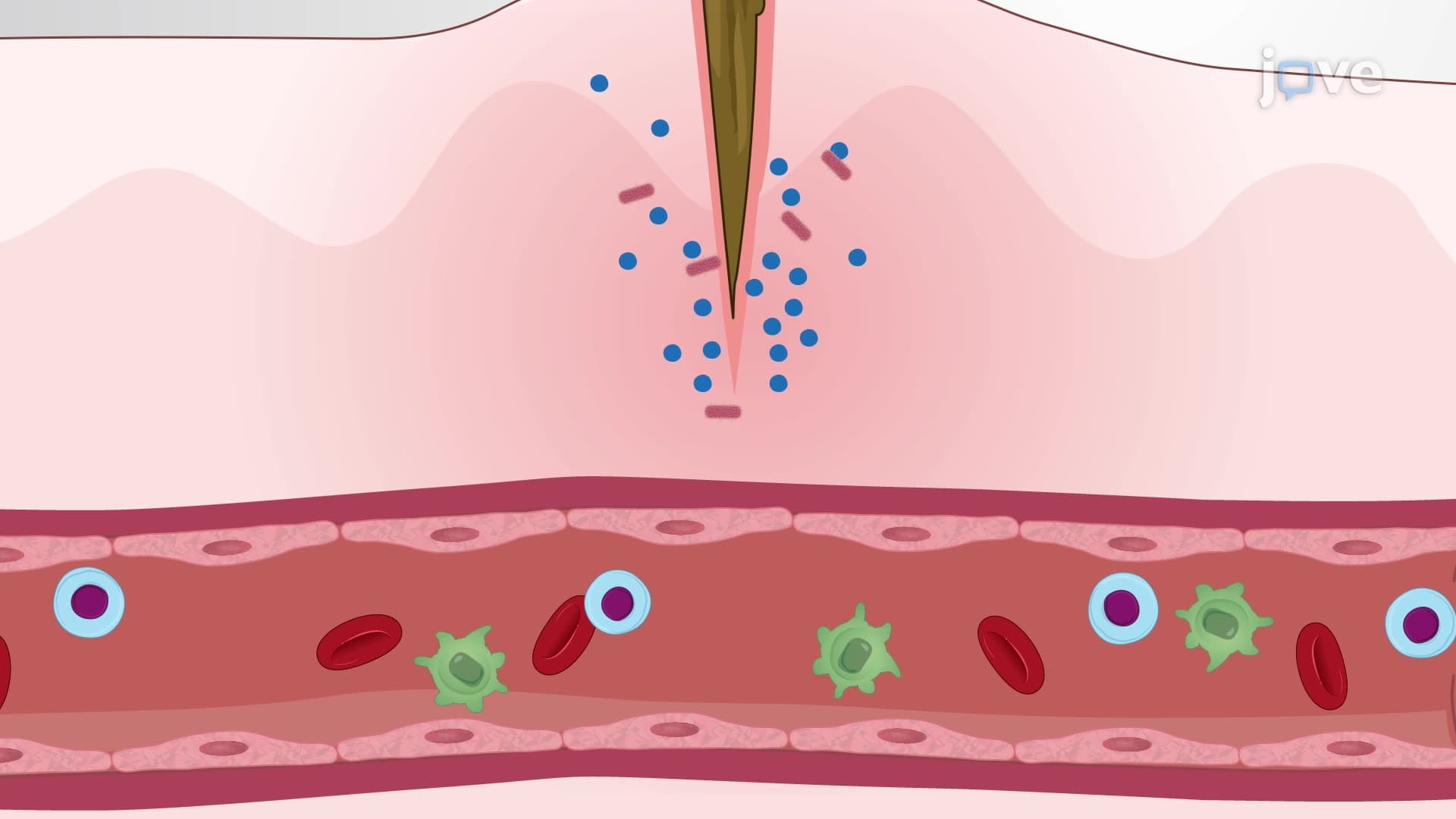
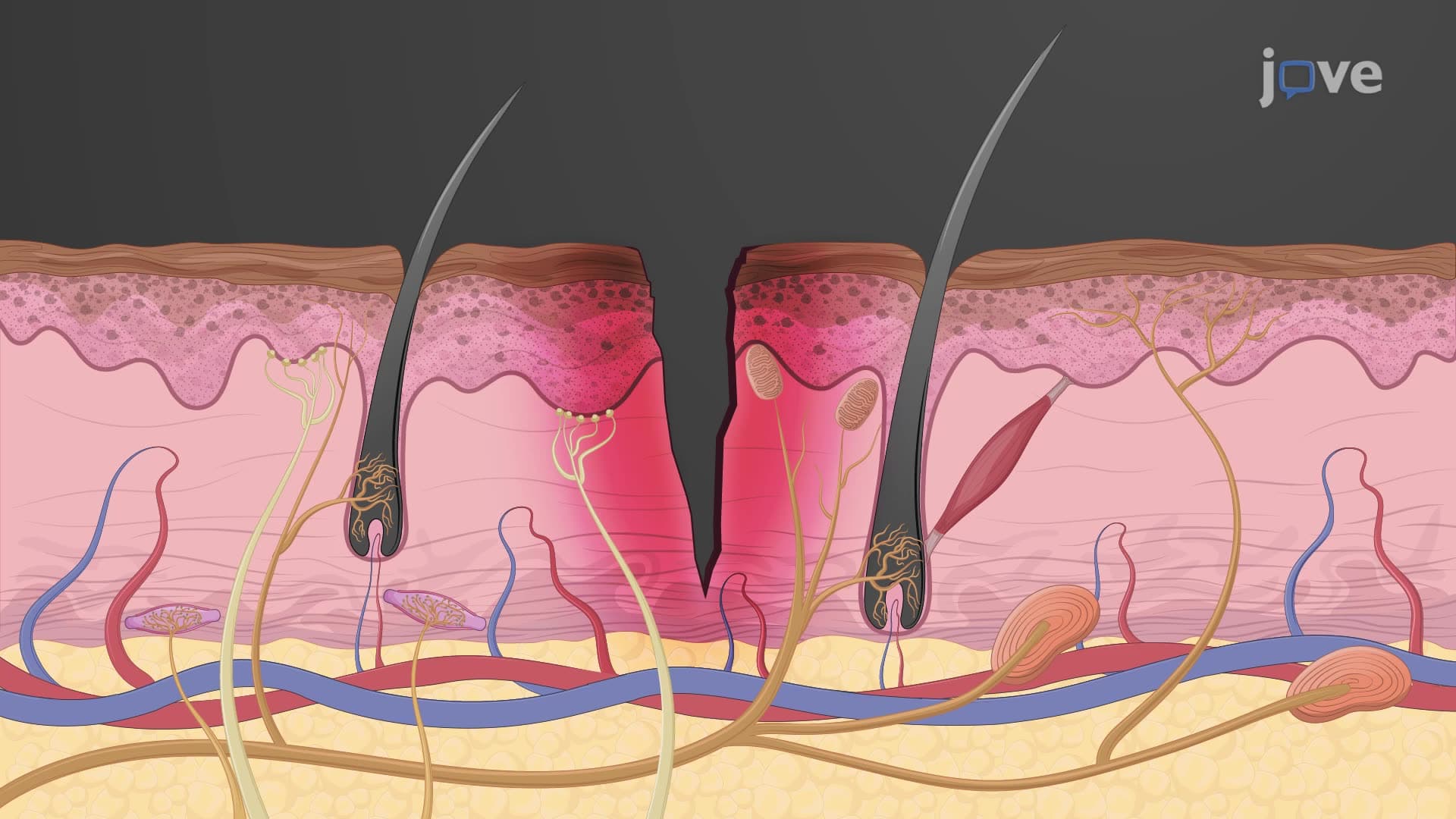
Did you know your body produces its own arsenal of microscopic warriors that can stop a viral infection before you even feel sick? Antimicrobial proteins immunity systems work around the clock, with specialized proteins like interferons and complement factors acting as your first line of cellular defense. For example, when someone contracts influenza at a New York high school, their cells immediately begin producing interferon proteins that warn neighboring healthy cells to prepare antiviral defenses. What are antimicrobial proteins? They're nature's pharmaceutical factory built right into your immune system. Watch the full video on JoVE Coach to master this concept with expert-led visuals and step-by-step explanations.
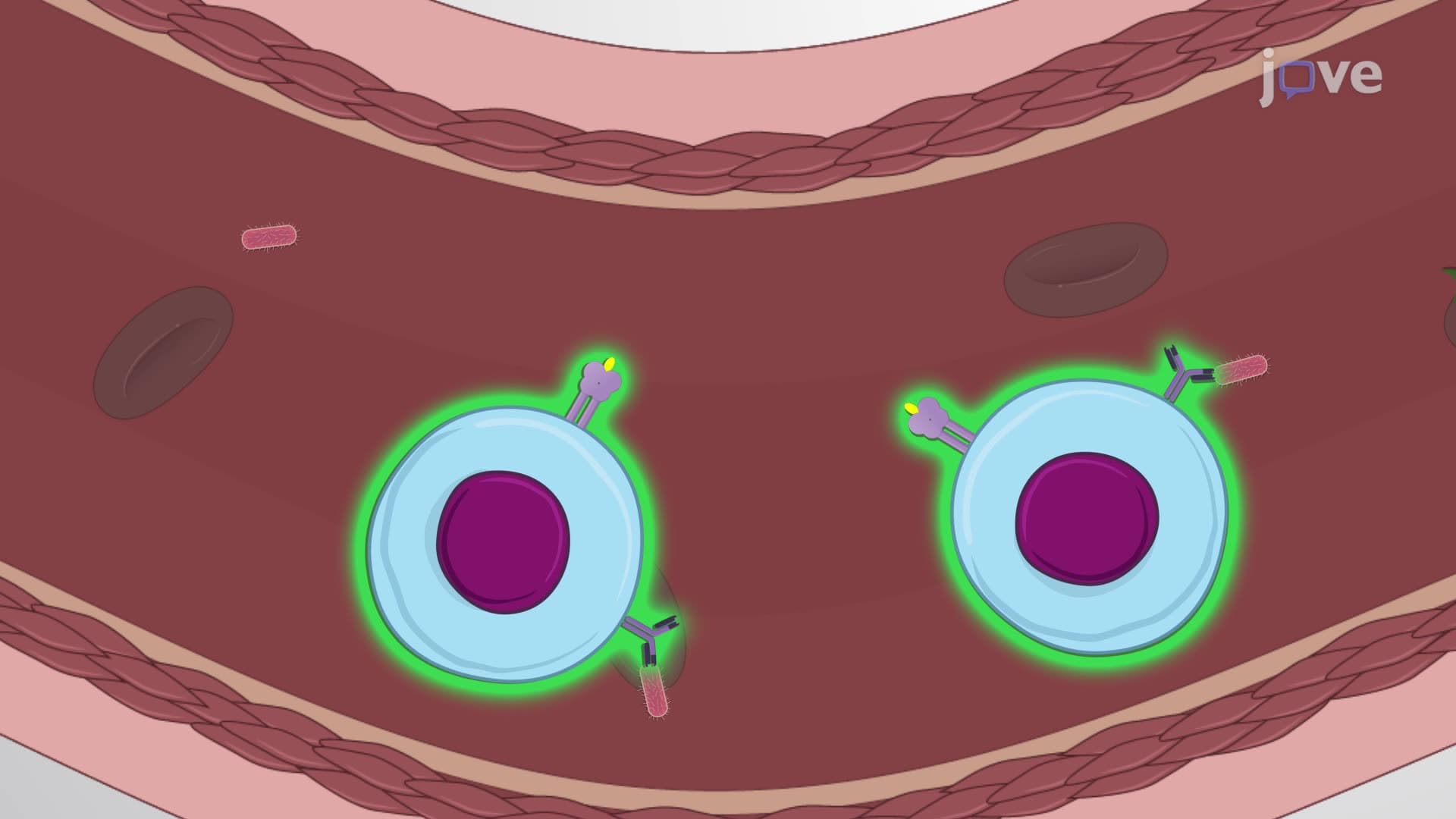
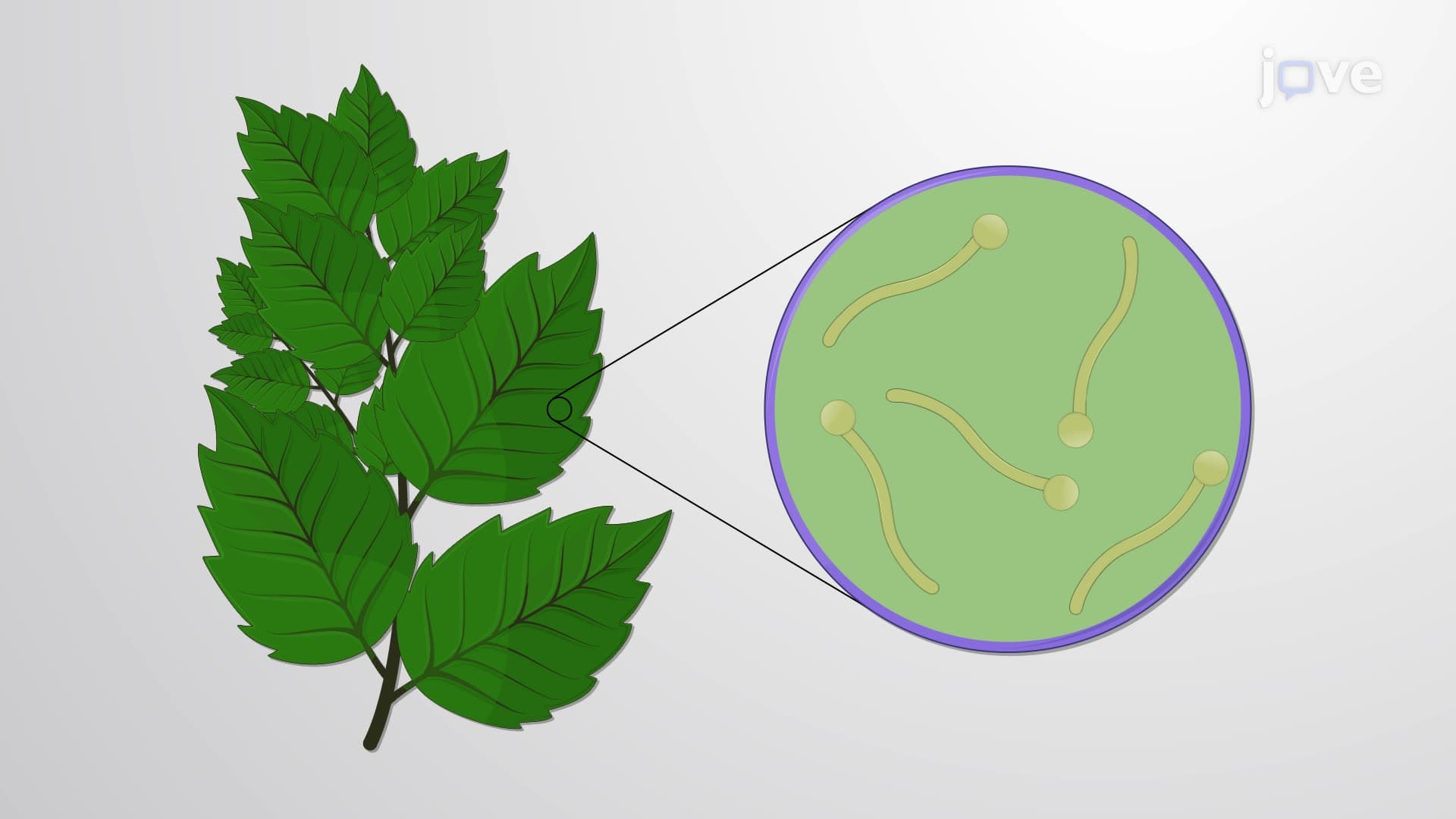
Antimicrobial proteins immunity represents one of evolution's most sophisticated defense strategies, operating as molecular sentinels that detect and eliminate pathogens before adaptive immunity activates. These proteins function through diverse mechanisms-some disrupt pathogen membranes, others starve microbes of essential nutrients, and still others coordinate complex immune cascades. Unlike antibodies that target specific antigens, antimicrobial proteins provide broad-spectrum protection, making them invaluable in clinical settings where rapid pathogen identification isn't possible.
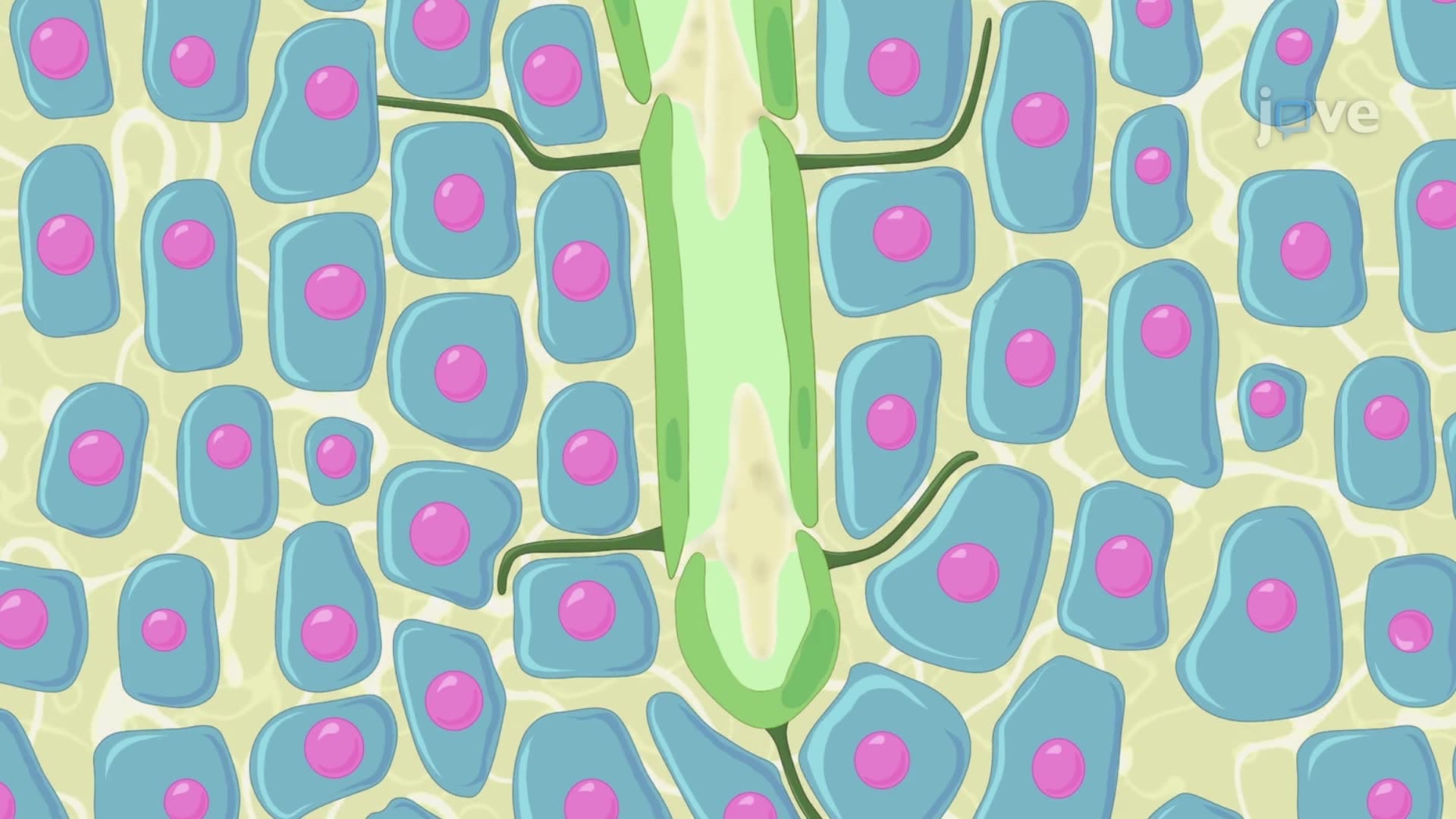
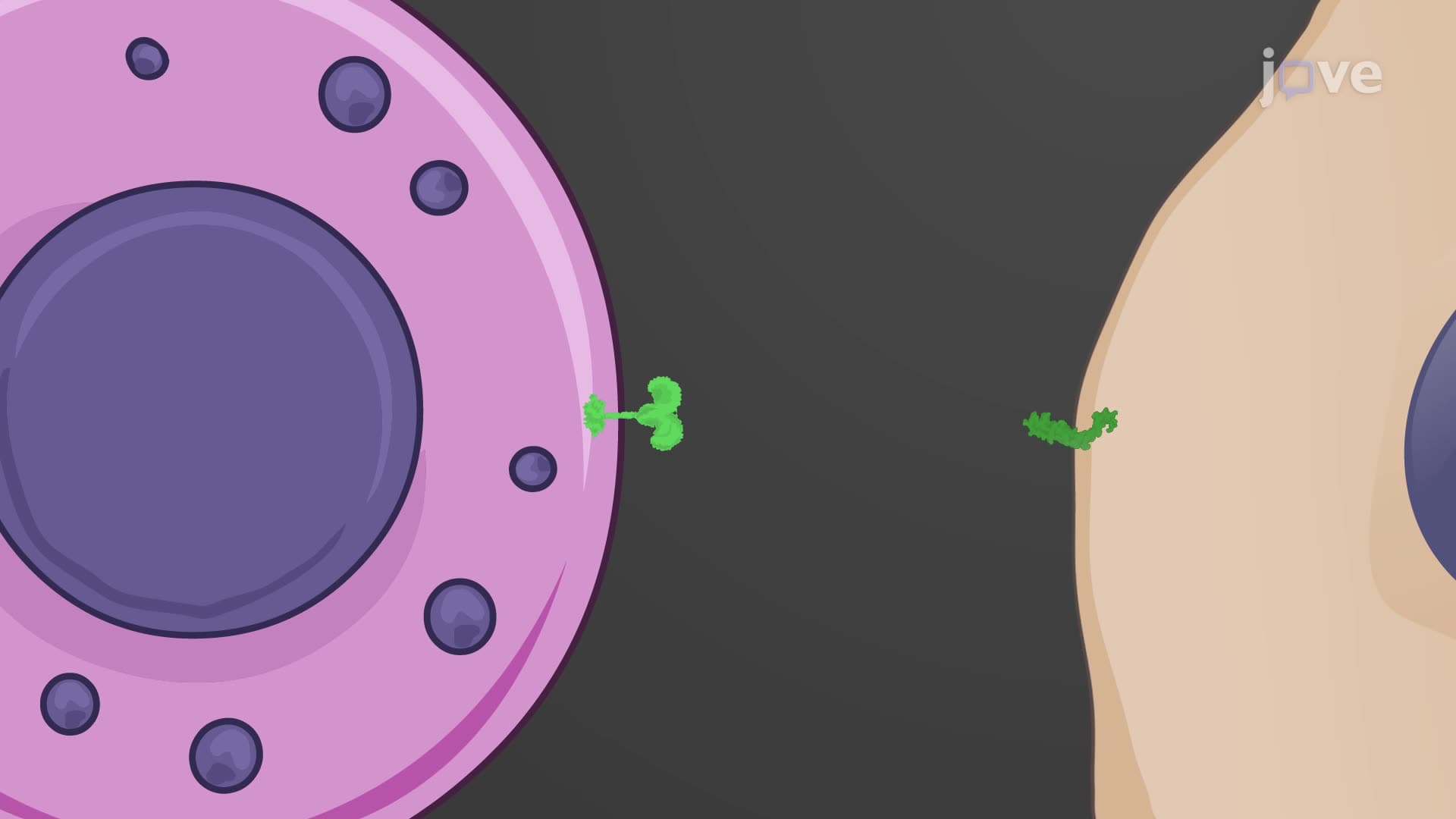
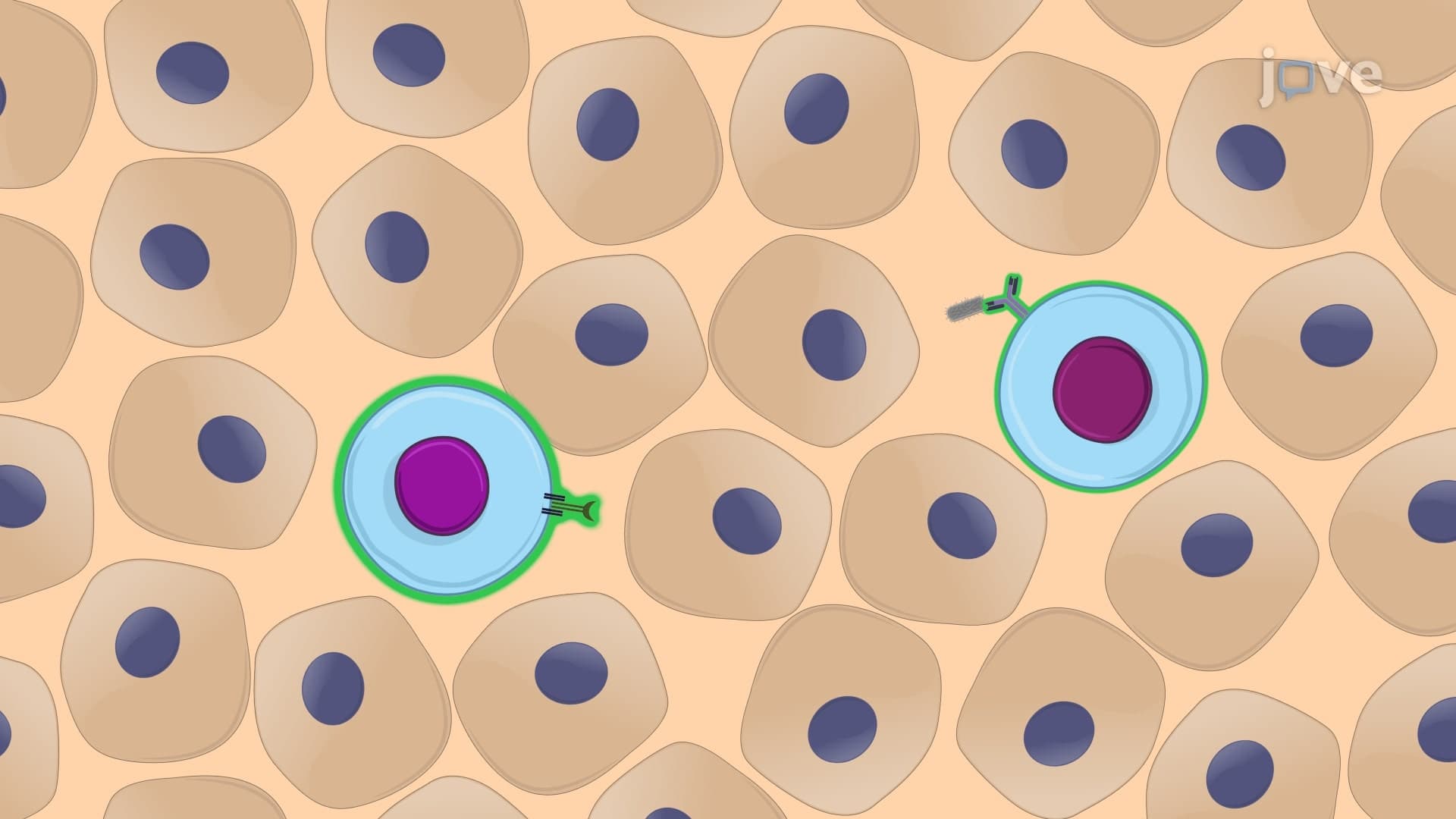
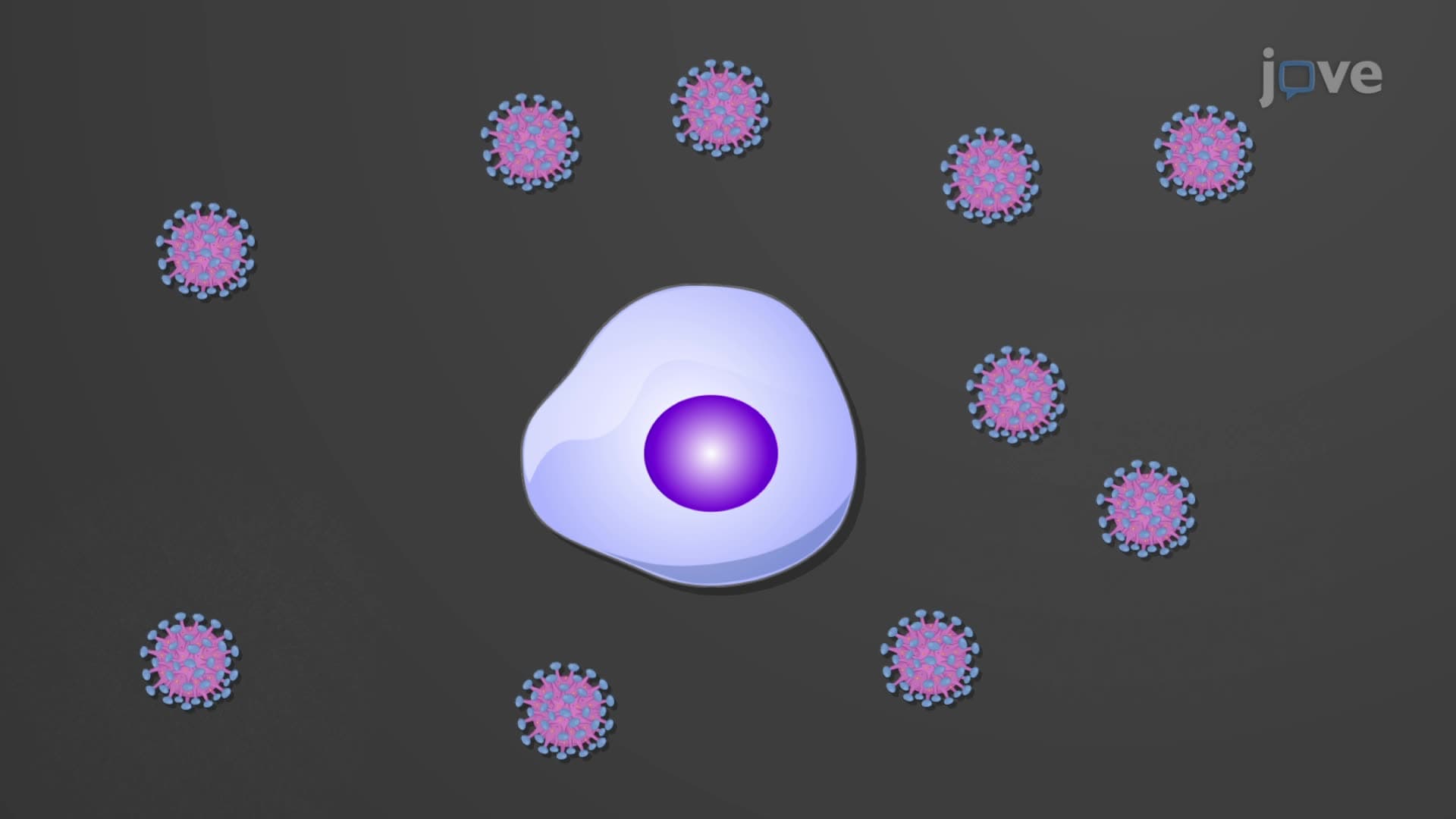
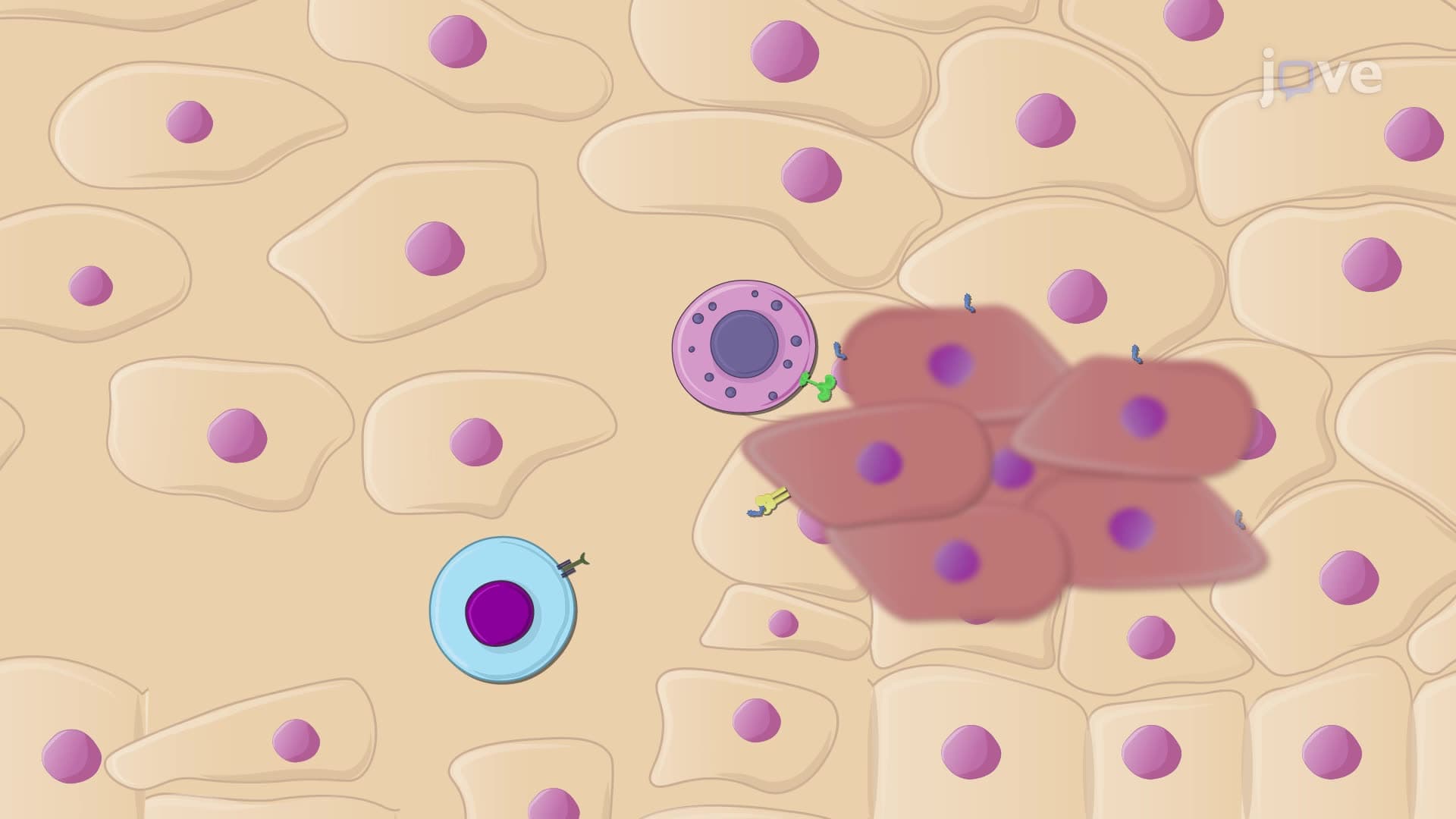
Interferon antiviral protein systems exemplify cellular cooperation during viral threats. When cells detect viral RNA or DNA, they rapidly produce interferons (alpha, beta, and gamma types) that bind to receptors on nearby healthy cells. This binding triggers production of antiviral proteins like protein kinase R (PKR) and oligoadenylate synthetase, which halt protein synthesis and degrade viral RNA respectively. At Johns Hopkins Medical School, researchers have documented how interferon therapy helps hepatitis B patients by enhancing this natural antiviral response.
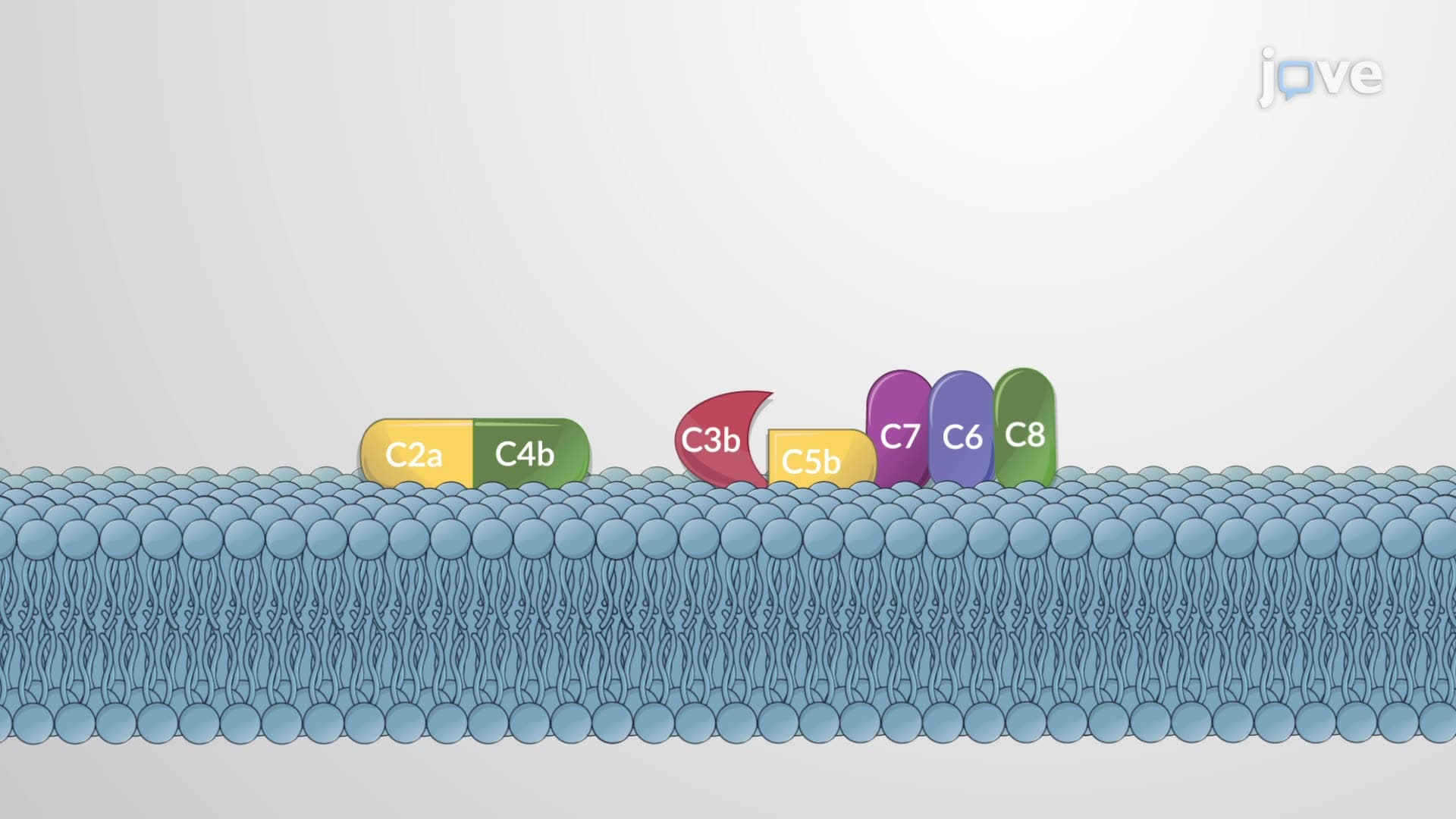
Complement antimicrobial proteins create one of immunology's most elegant examples of biological amplification. This system involves over 20 plasma proteins working in three distinct pathways (classical, alternative, and lectin) that converge on pathogen destruction. The cascade culminates in membrane attack complex (MAC) formation, creating pores in bacterial membranes that cause osmotic lysis. Medical students at Harvard Medical School learn to recognize complement deficiencies as causes of recurrent bacterial infections, particularly *Neisseria* species.
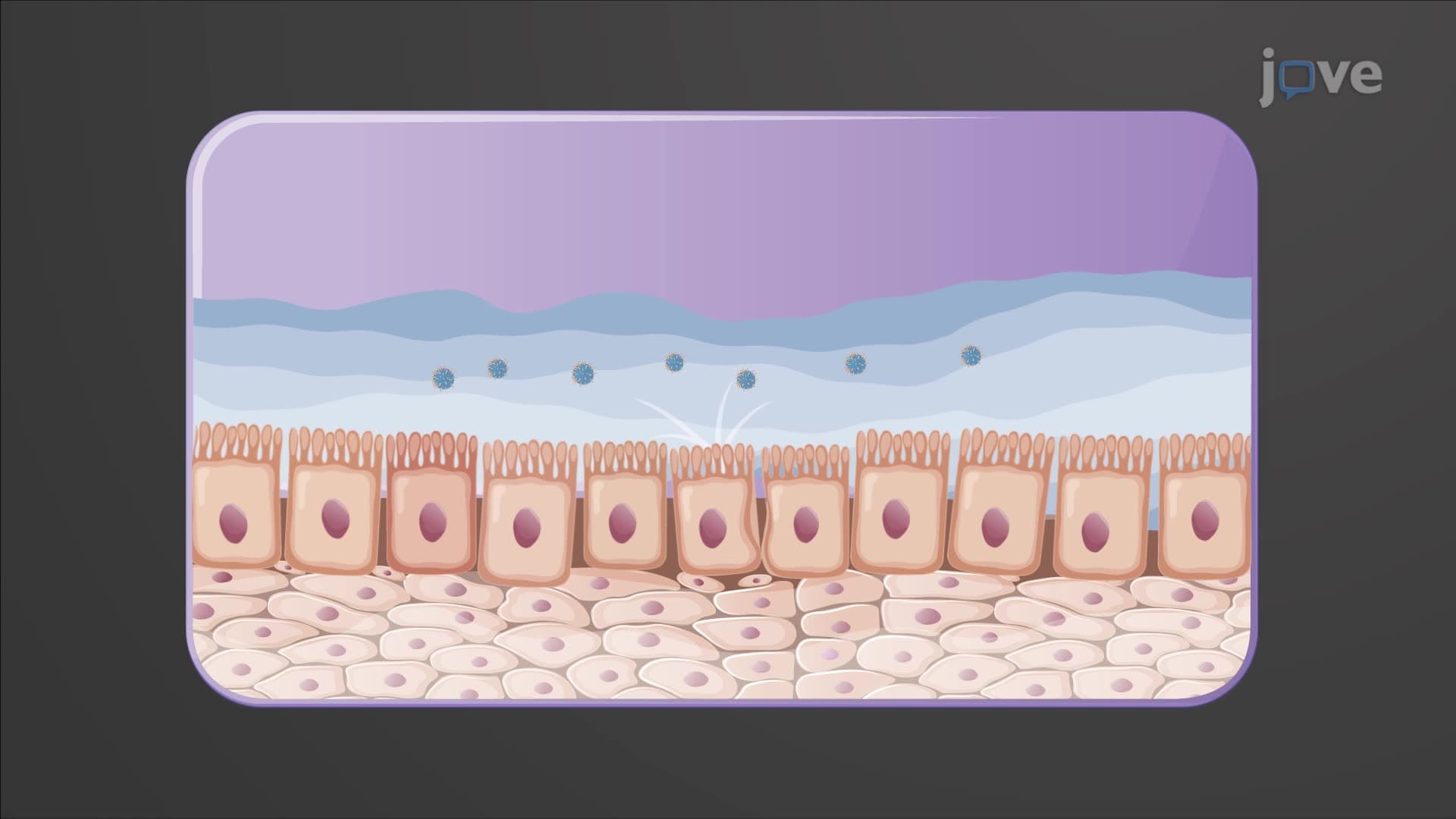
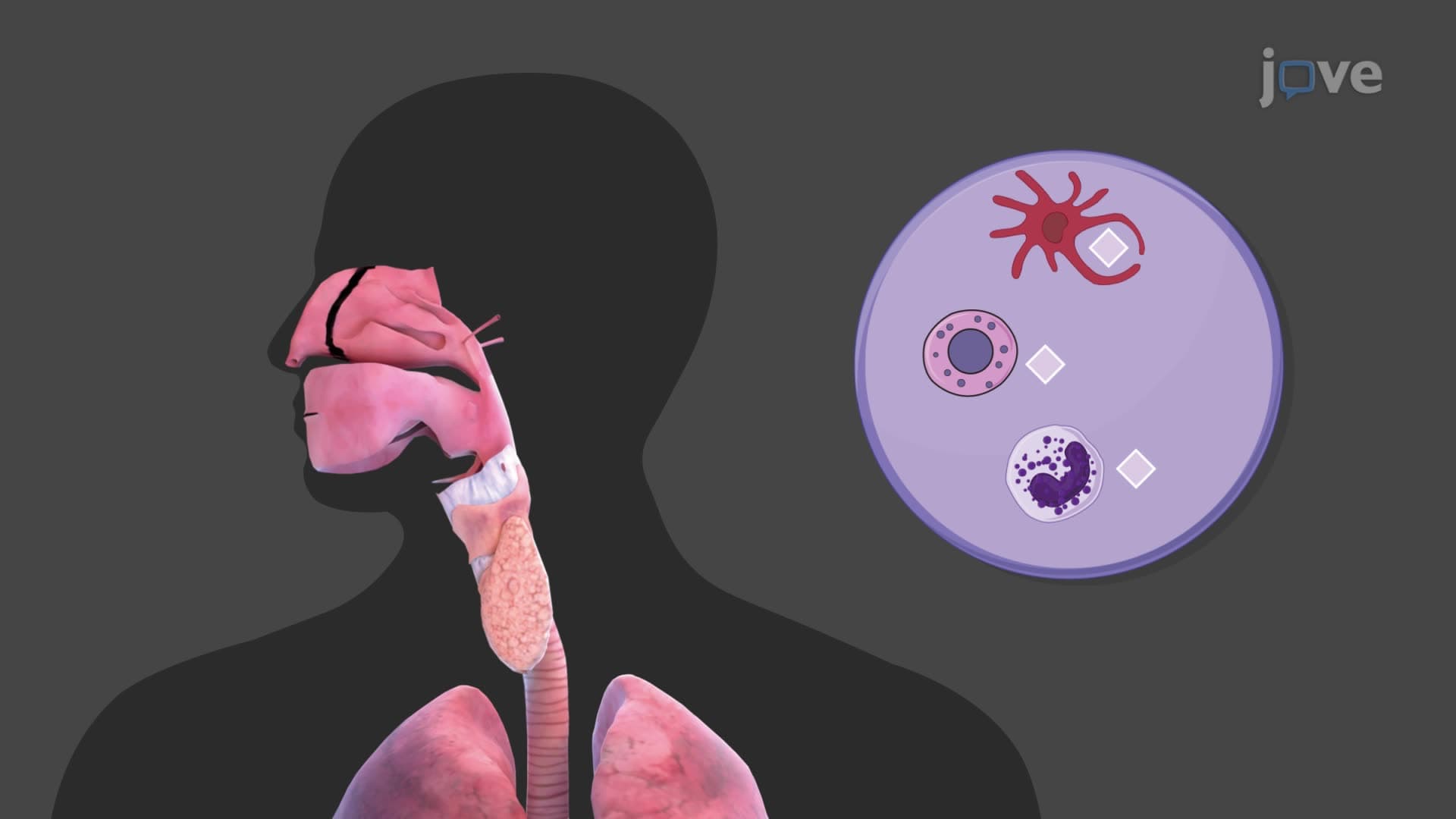
Defensin antimicrobial peptides and other small proteins like lysozyme provide immediate protection at barrier sites. Human beta-defensins, produced by epithelial cells in lungs and intestines, demonstrate remarkable selectivity-they target bacterial membranes while sparing human cells due to differences in membrane composition and charge. At Stanford University's microbiology labs, students study how cystic fibrosis patients show altered defensin activity, contributing to chronic *Pseudomonas aeruginosa* infections. These concepts frequently appear on MCAT biochemistry sections and AP Biology exams, particularly in questions about innate immunity mechanisms.
Related Micro-courses