Loading subject page…


218,421 views

Video Summary: What are Autoimmune Disorders
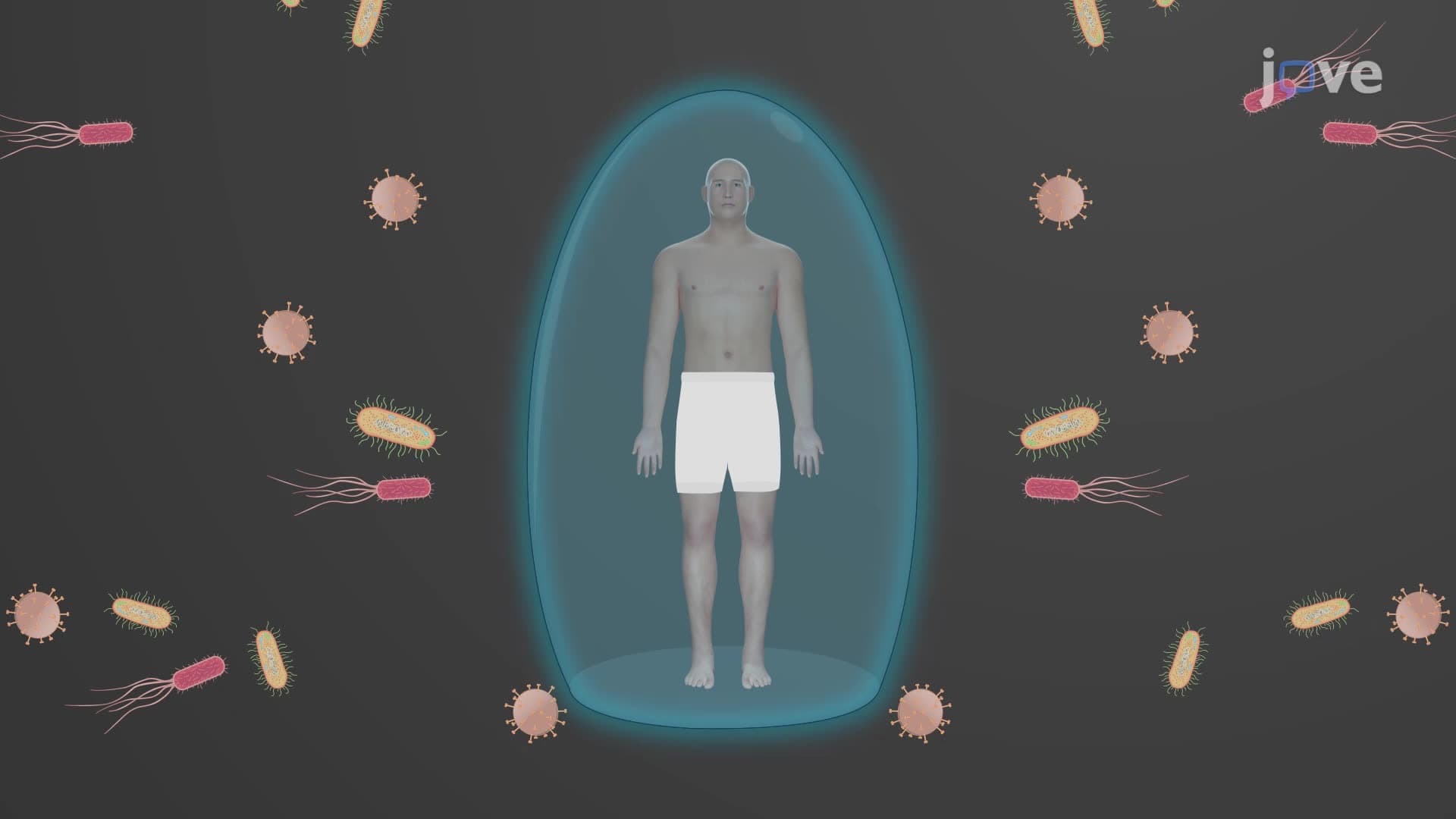
Did you know that autoimmune disorders biology reveals how your body's defense system can become its own worst enemy? In autoimmune disorders, the immune system mistakenly attacks healthy cells, affecting over 23 million Americans with conditions like type 1 diabetes and rheumatoid arthritis. These complex diseases result from genetic predisposition, environmental triggers, and hormonal factors working together. What are autoimmune disorders and why does this cellular "friendly fire" occur? Watch the full video on JoVE Coach to master this concept with expert-led visuals and step-by-step explanations.
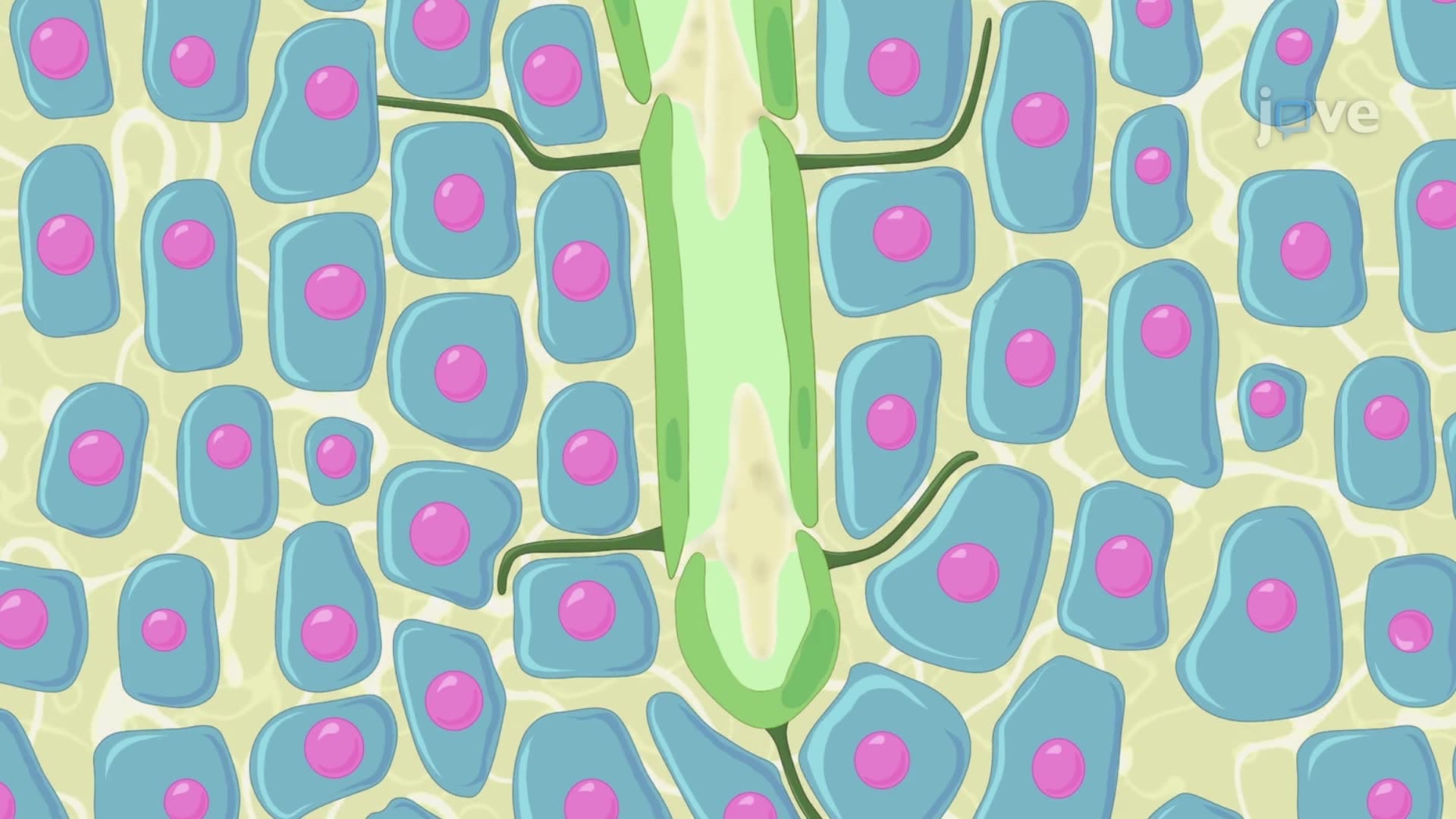
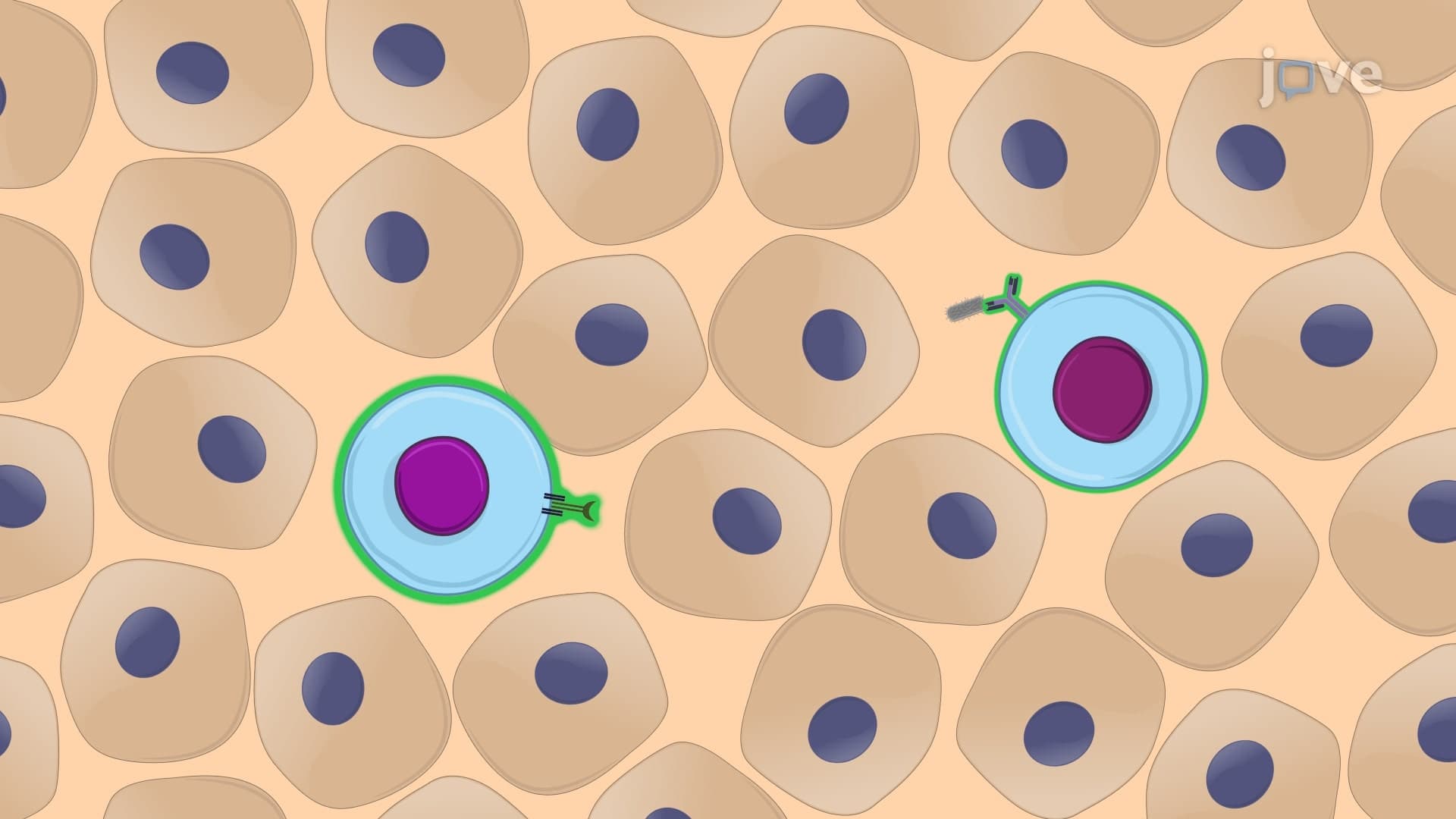
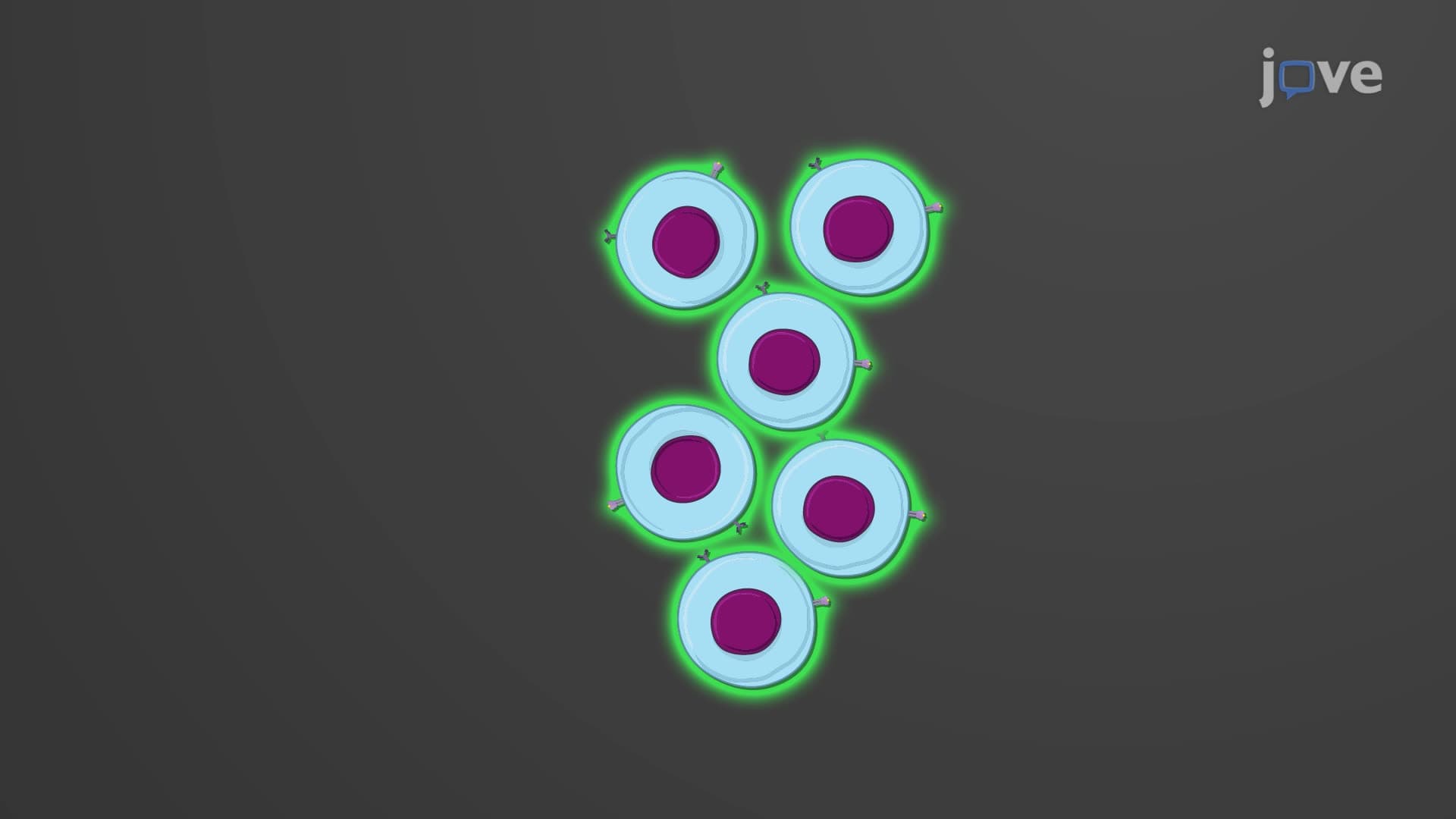
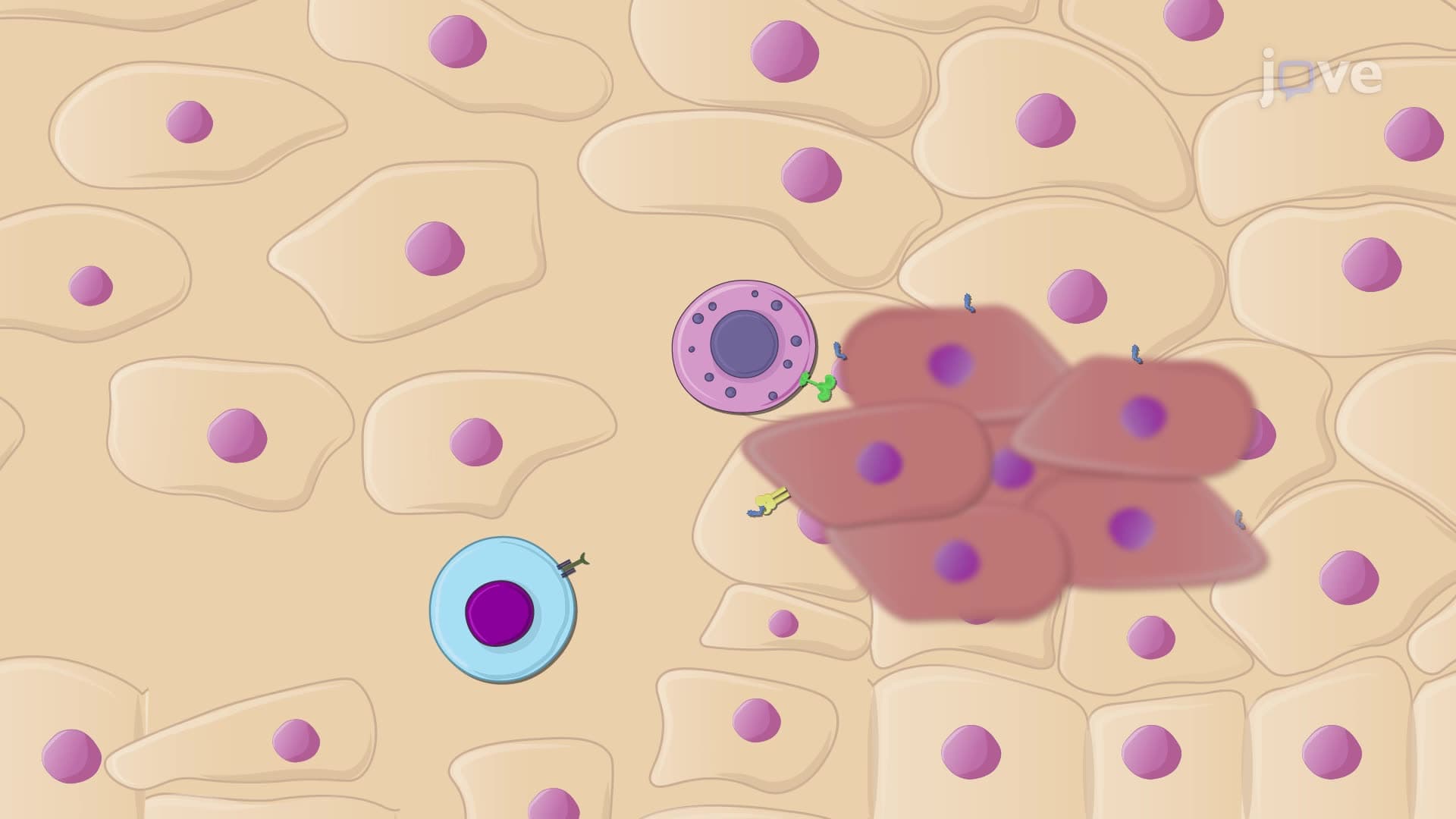
Autoimmune disorders represent a fundamental breakdown in immune system recognition, where the body's defense mechanisms turn against healthy tissues. In normal immune function, tolerance mechanisms prevent T and B cells from attacking "self" antigens. However, when these protective systems fail, self-reactive immune cells become activated, leading to chronic inflammation and tissue destruction.
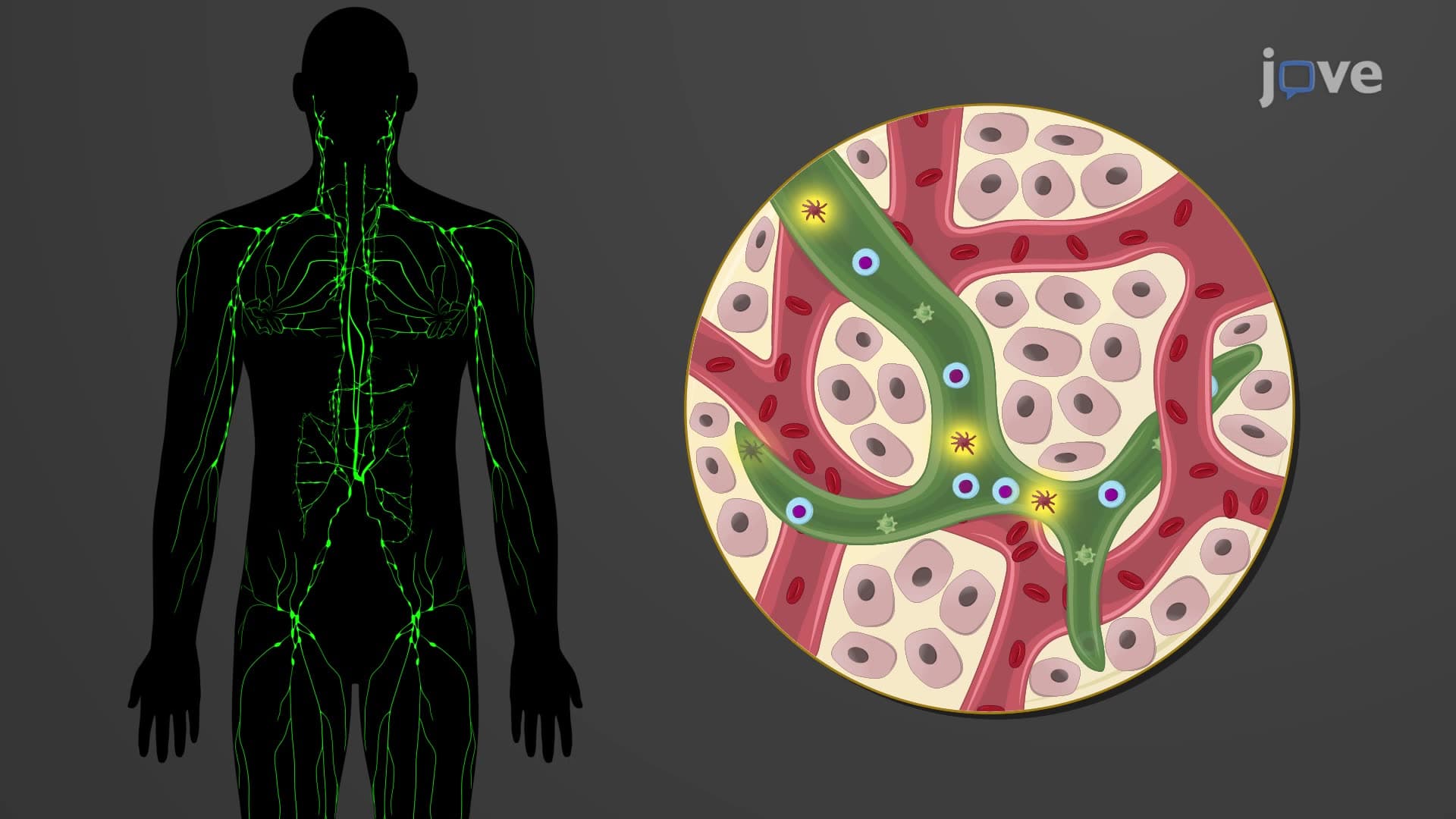
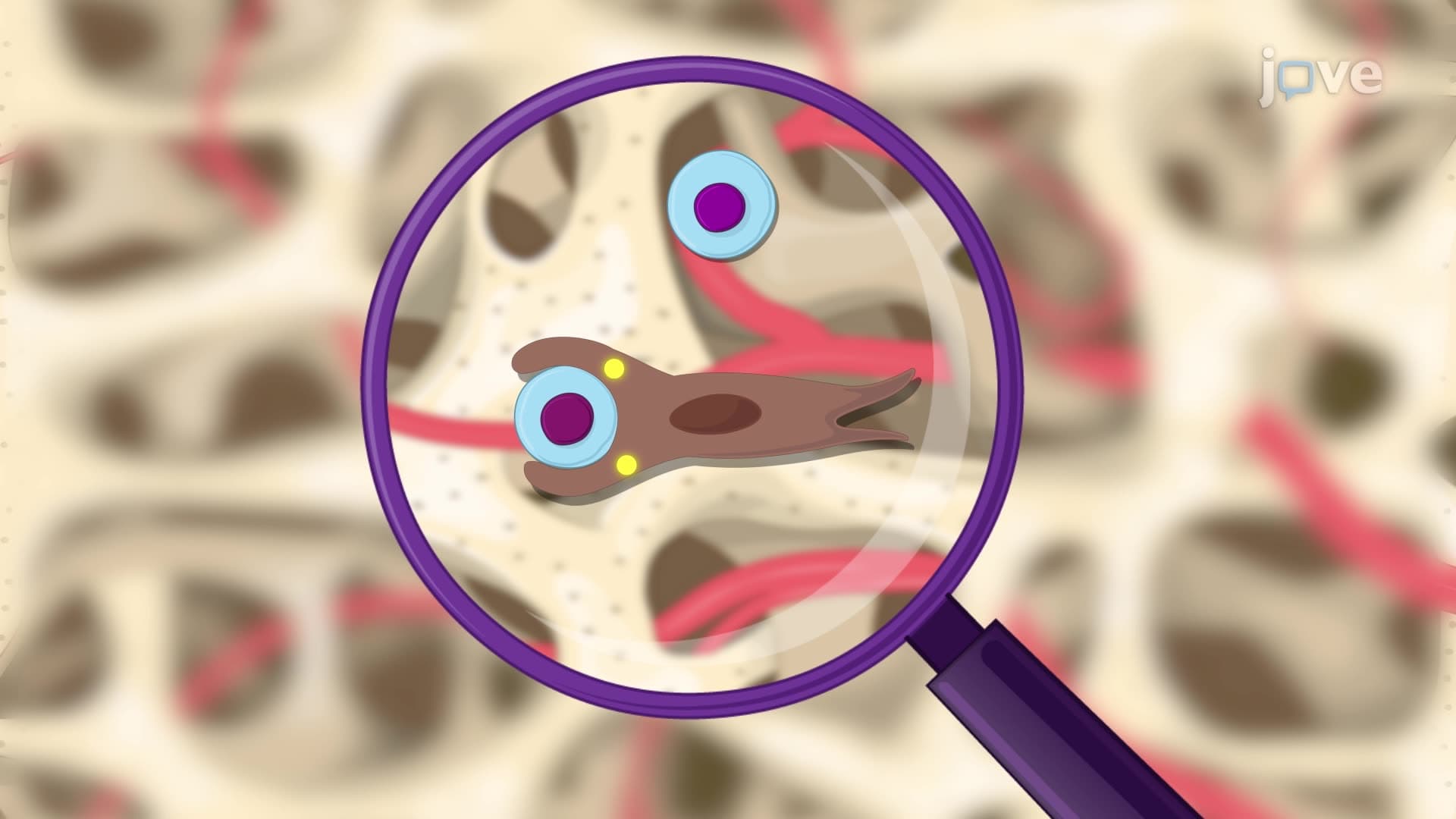
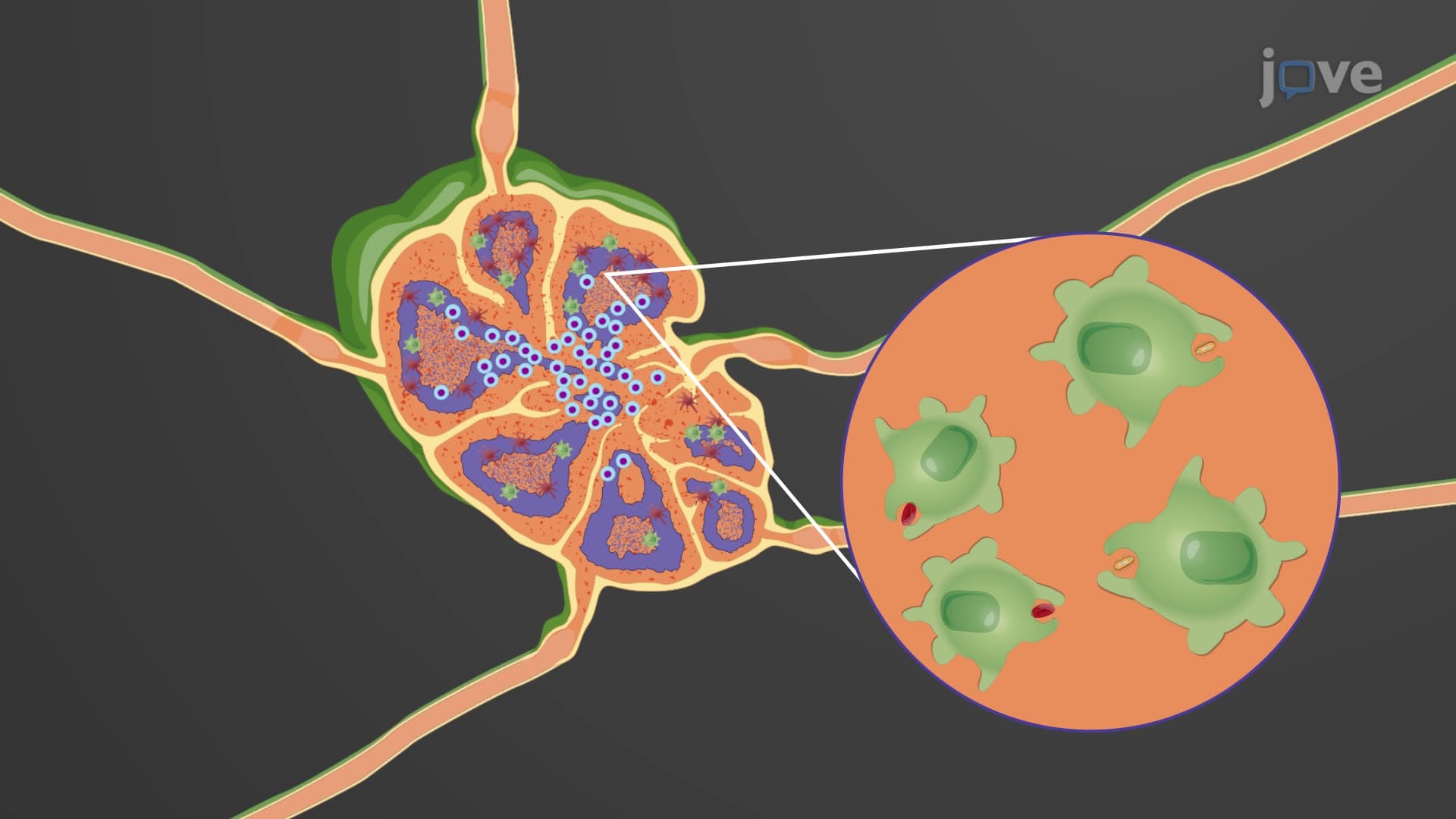
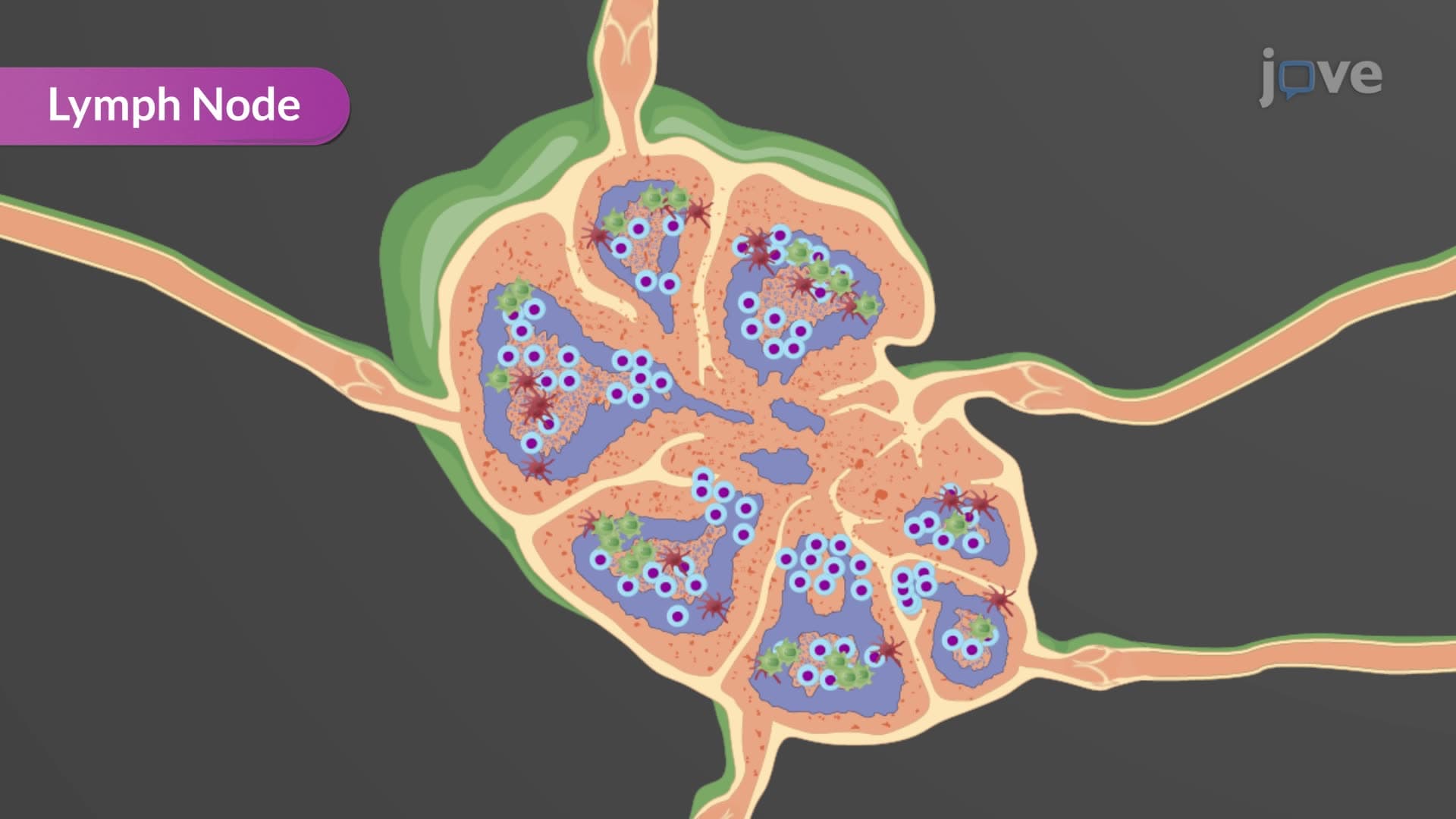
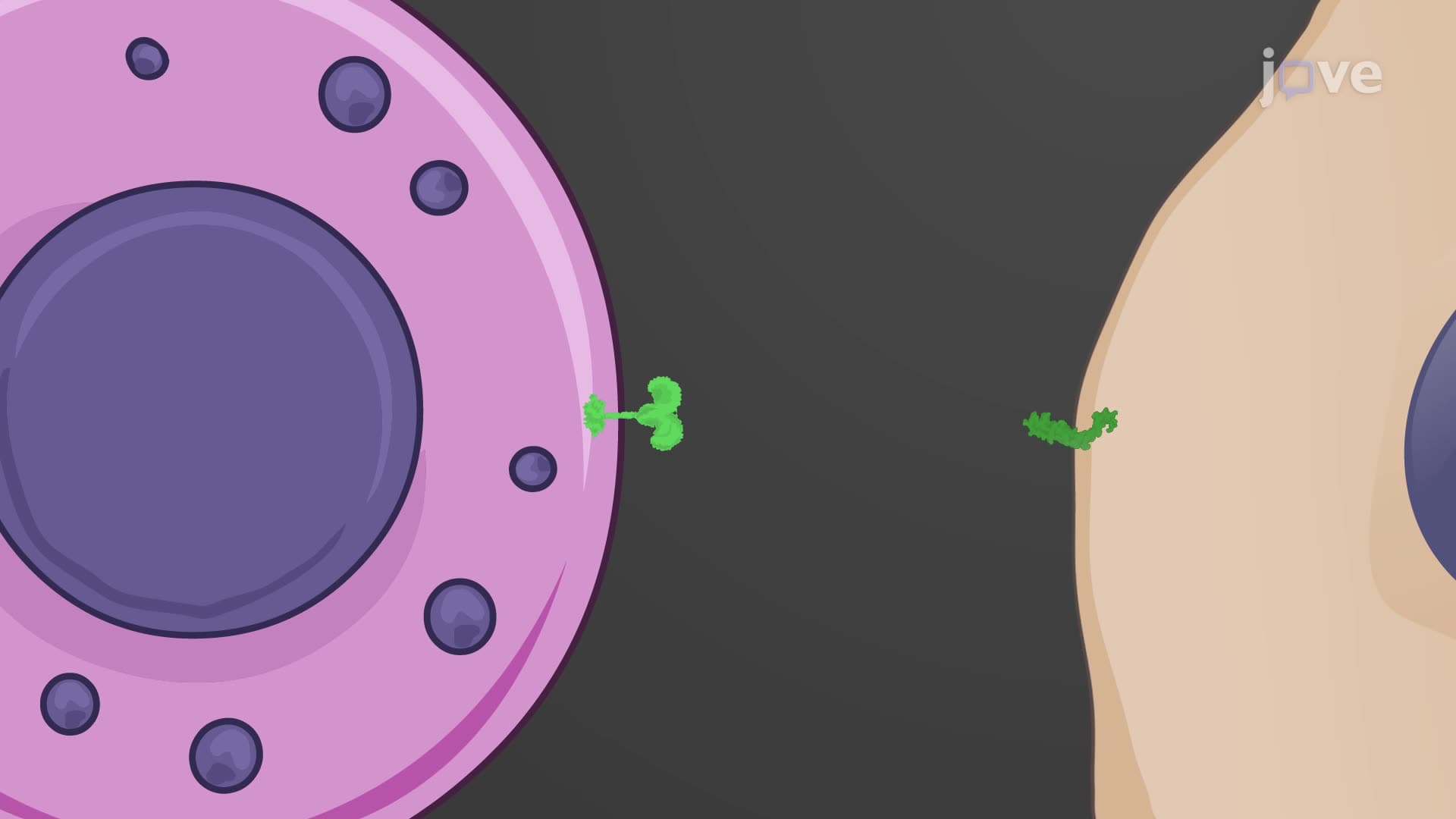
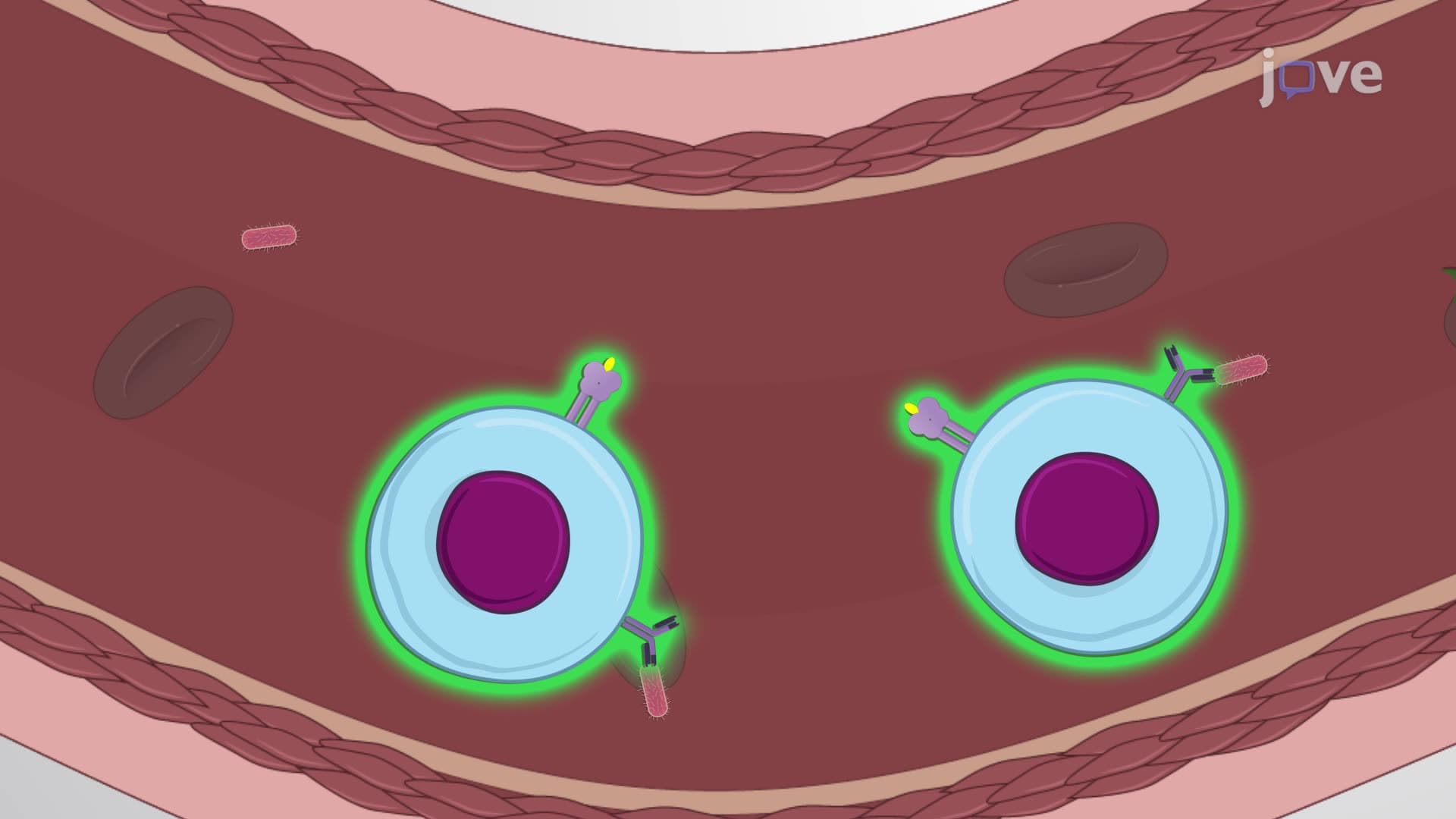
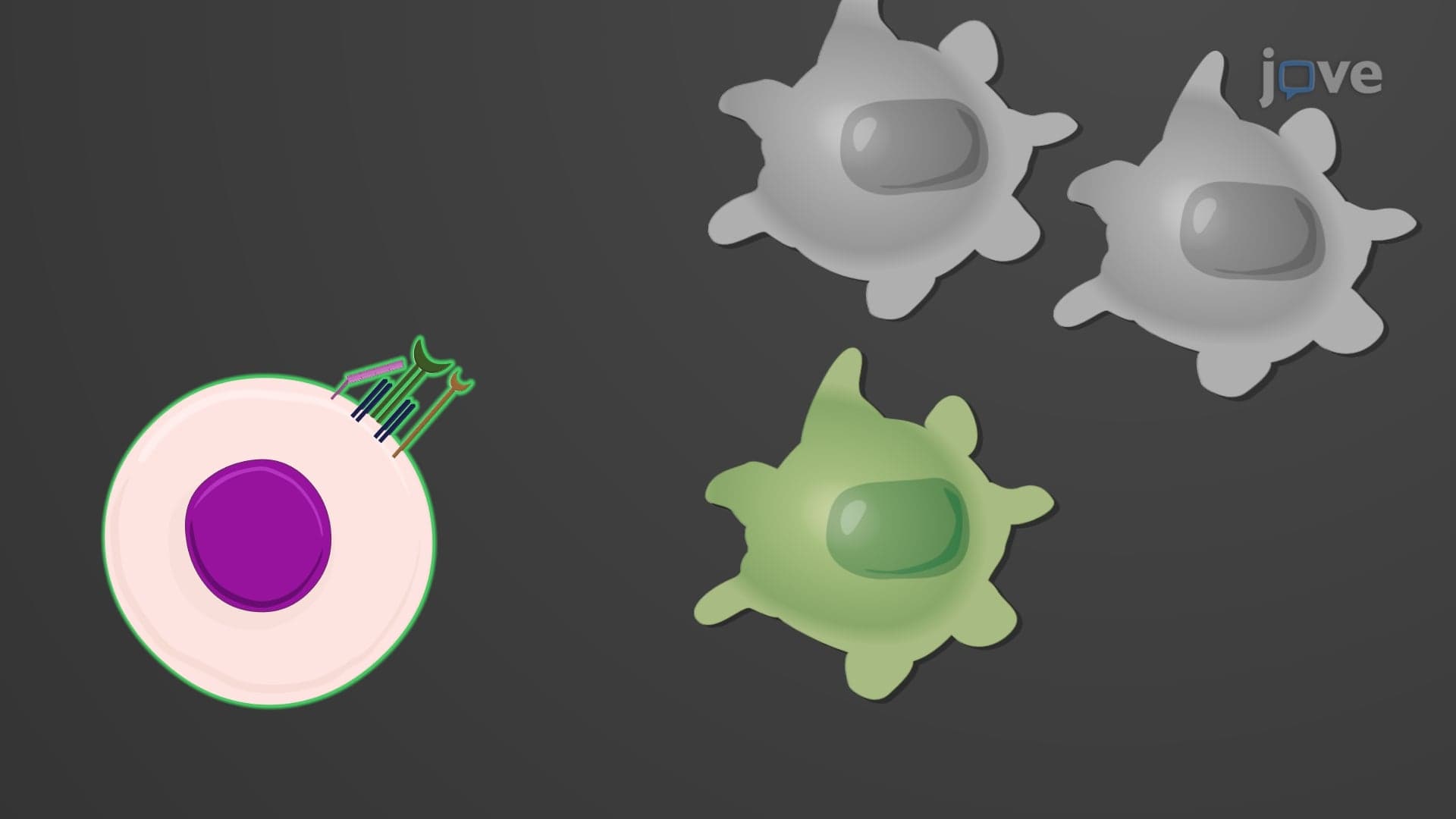
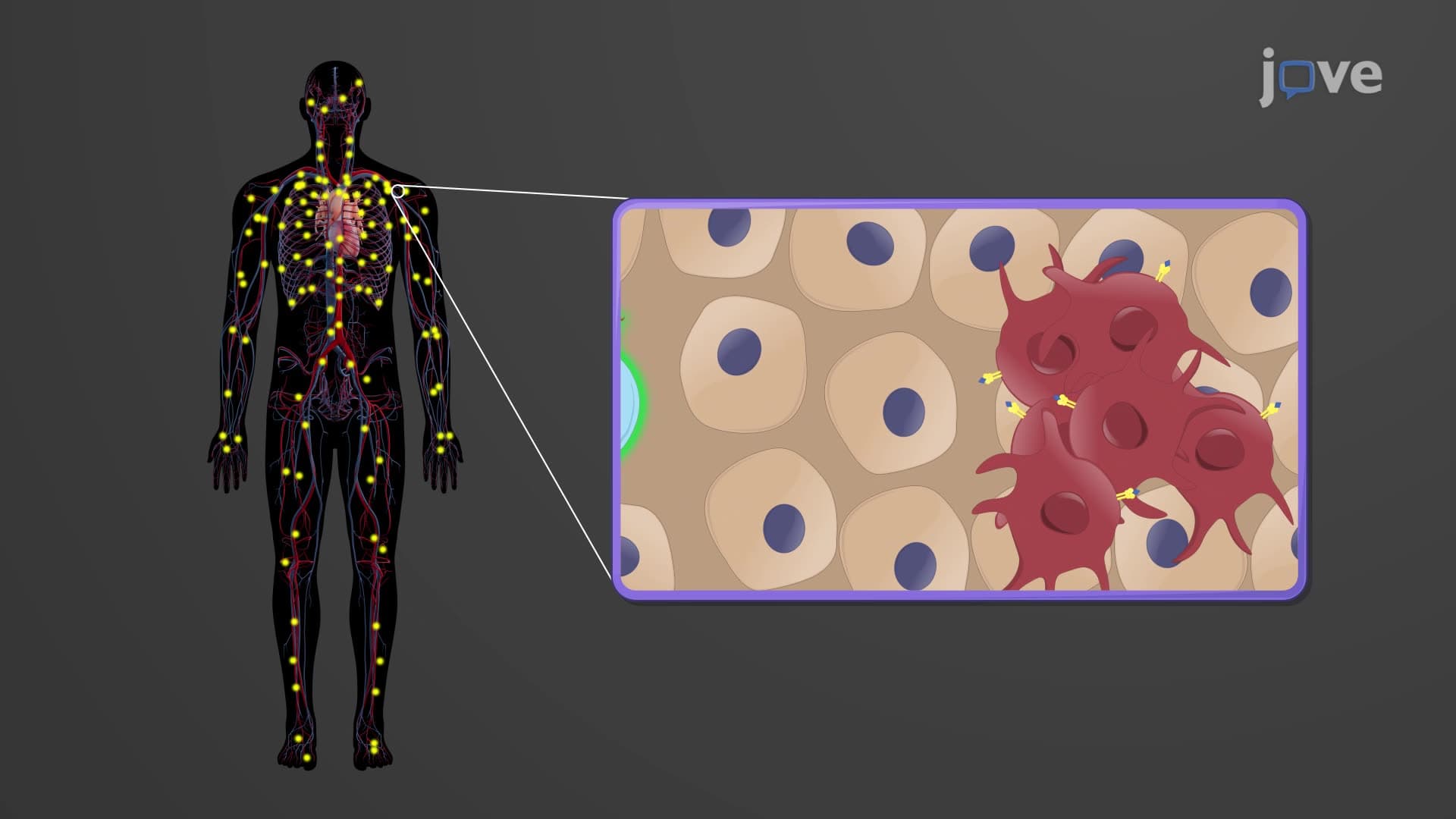
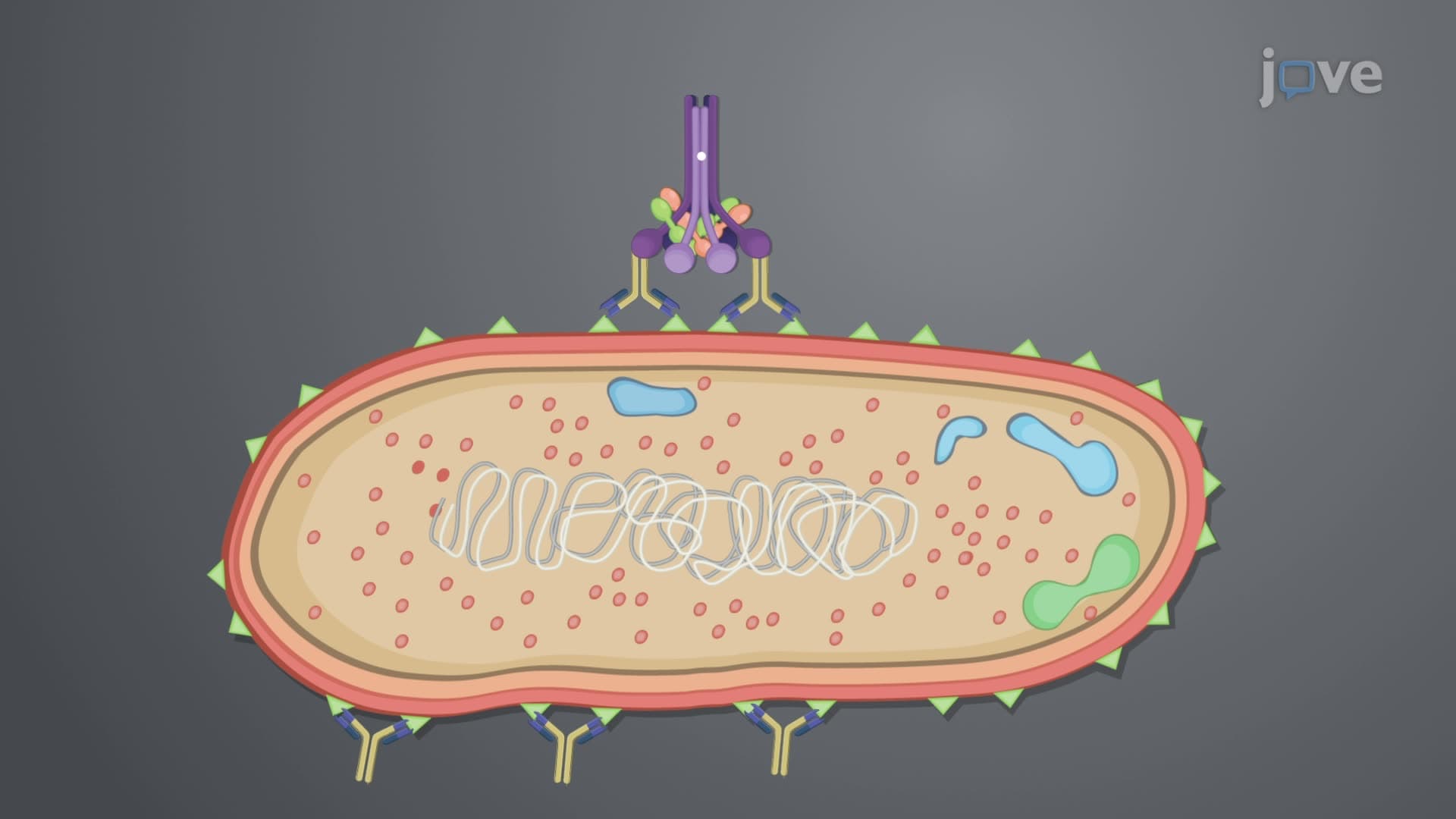
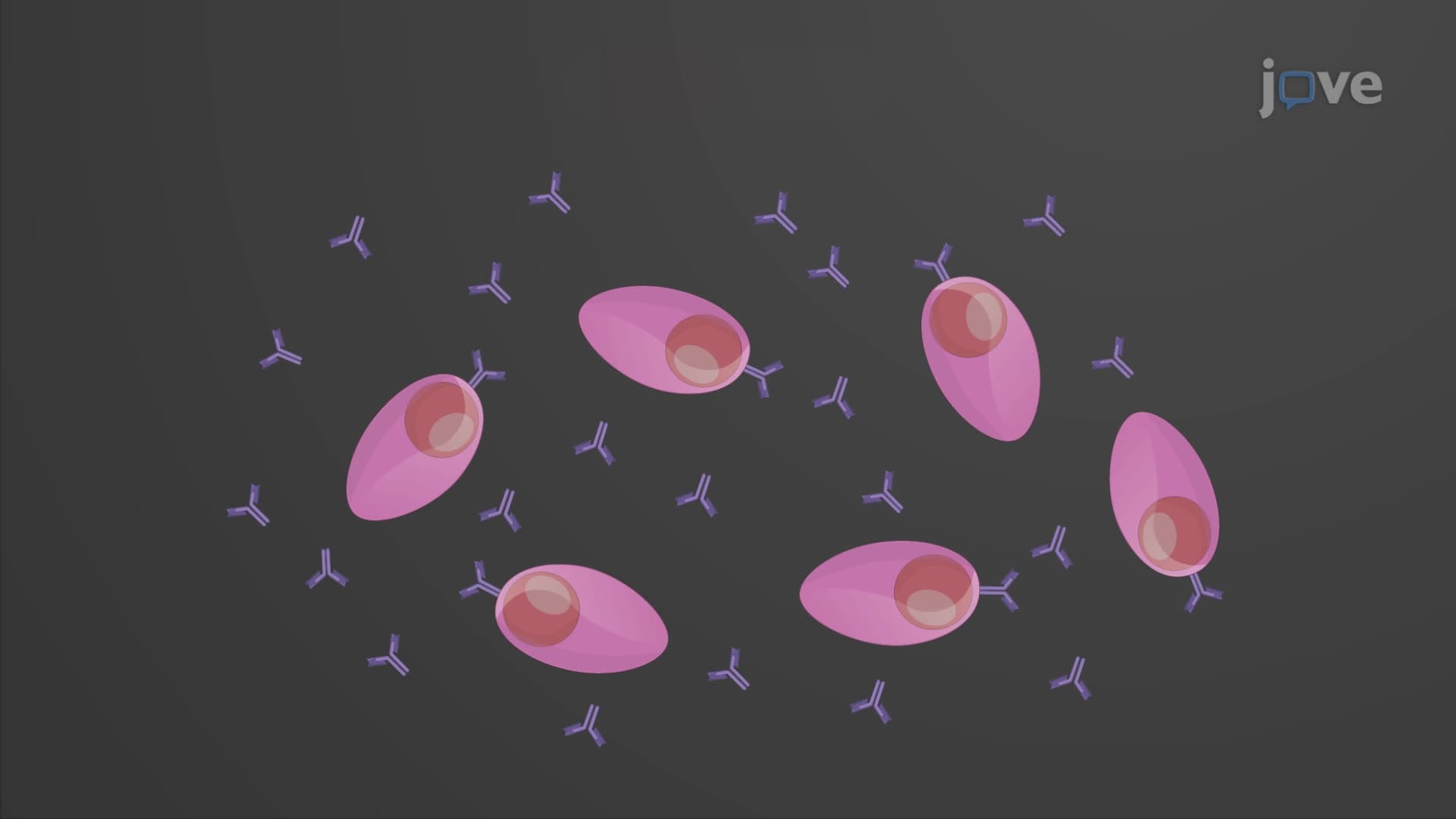
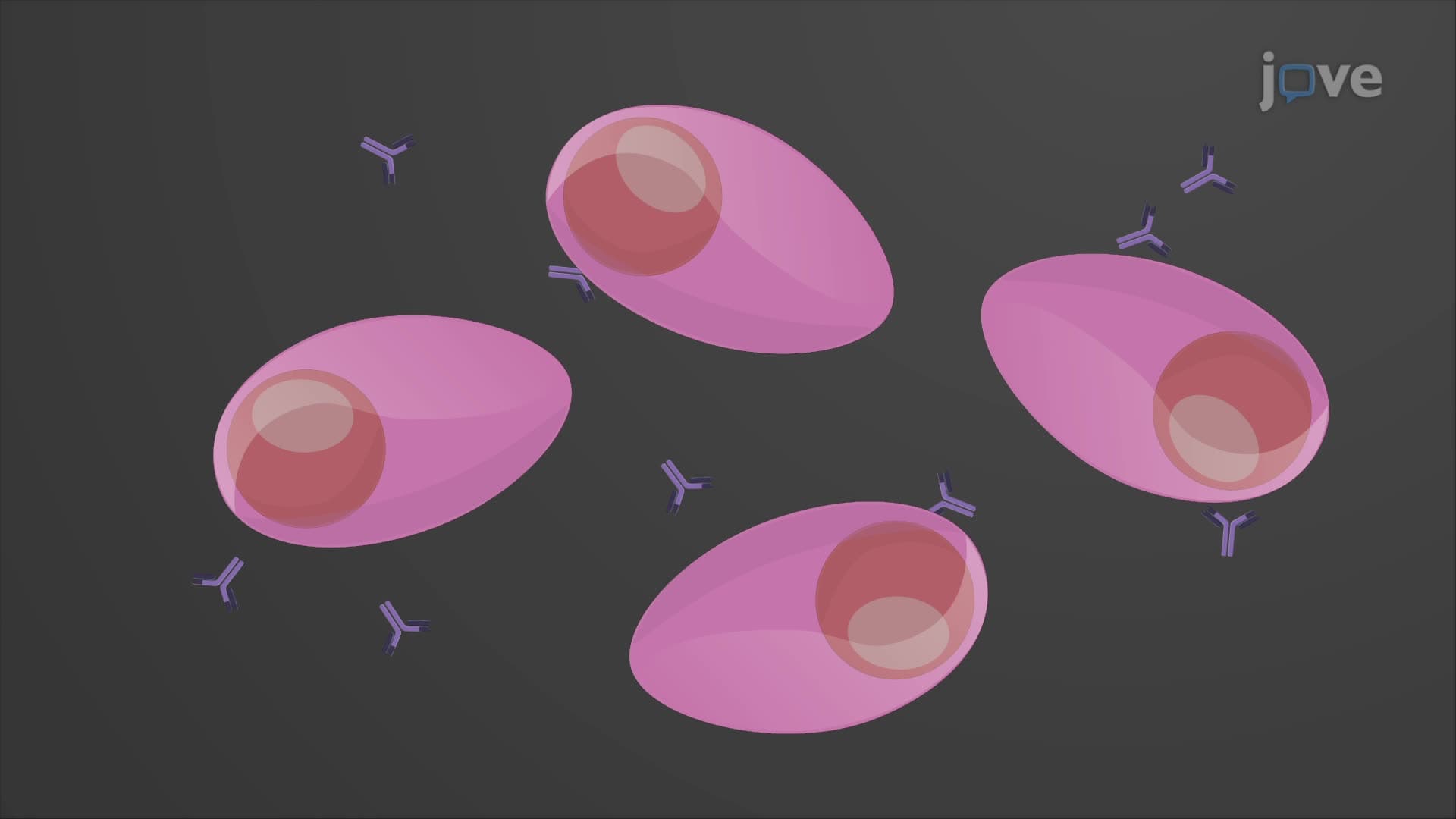
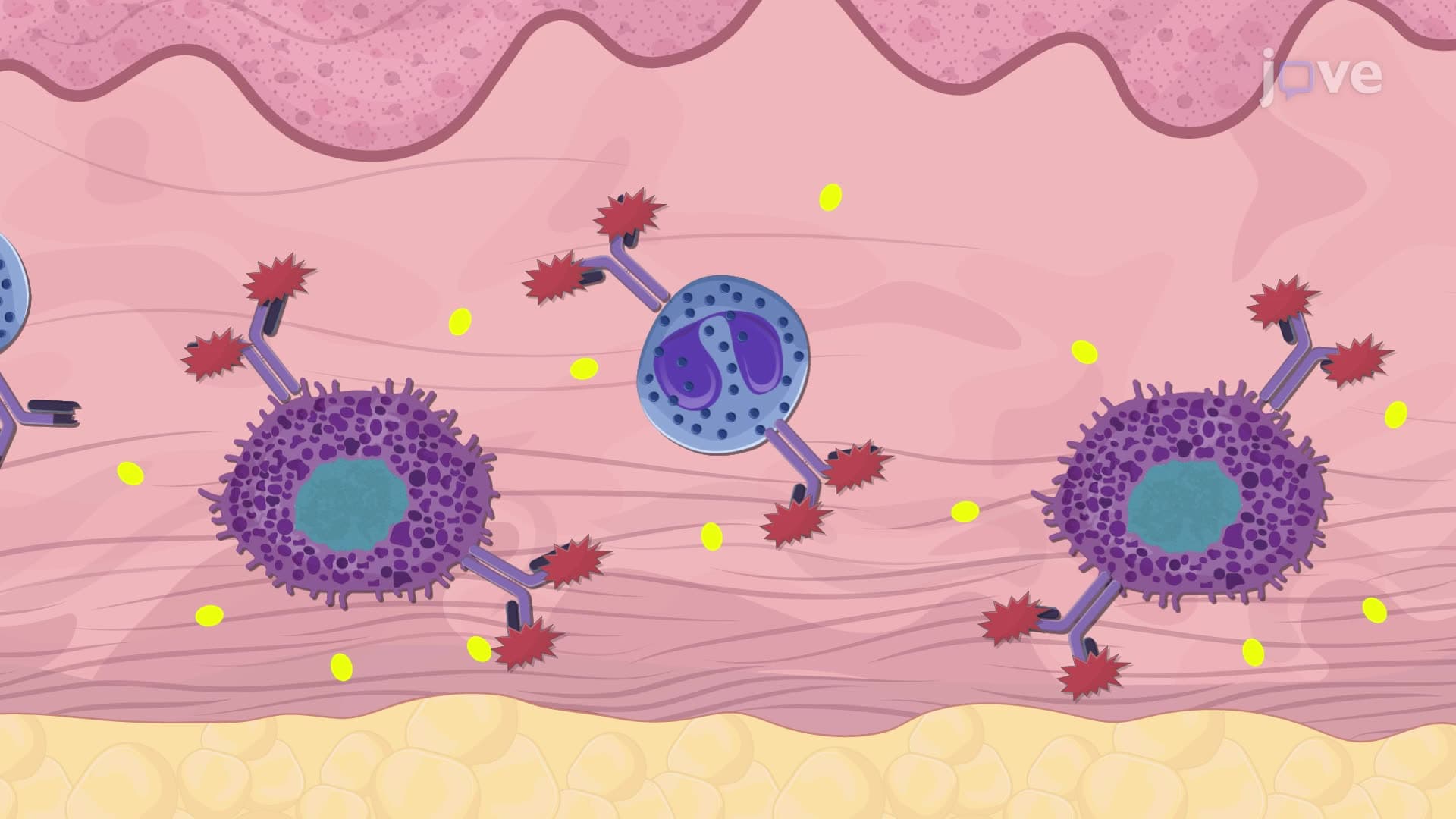
The process begins when antigen-presenting cells mistakenly present self-antigens to naive T cells in lymph nodes. Instead of being eliminated or silenced, these T cells become activated and differentiate into effector cells. Simultaneously, B cells may produce autoantibodies that bind to healthy tissues, marking them for destruction by complement proteins and immune effector cells.
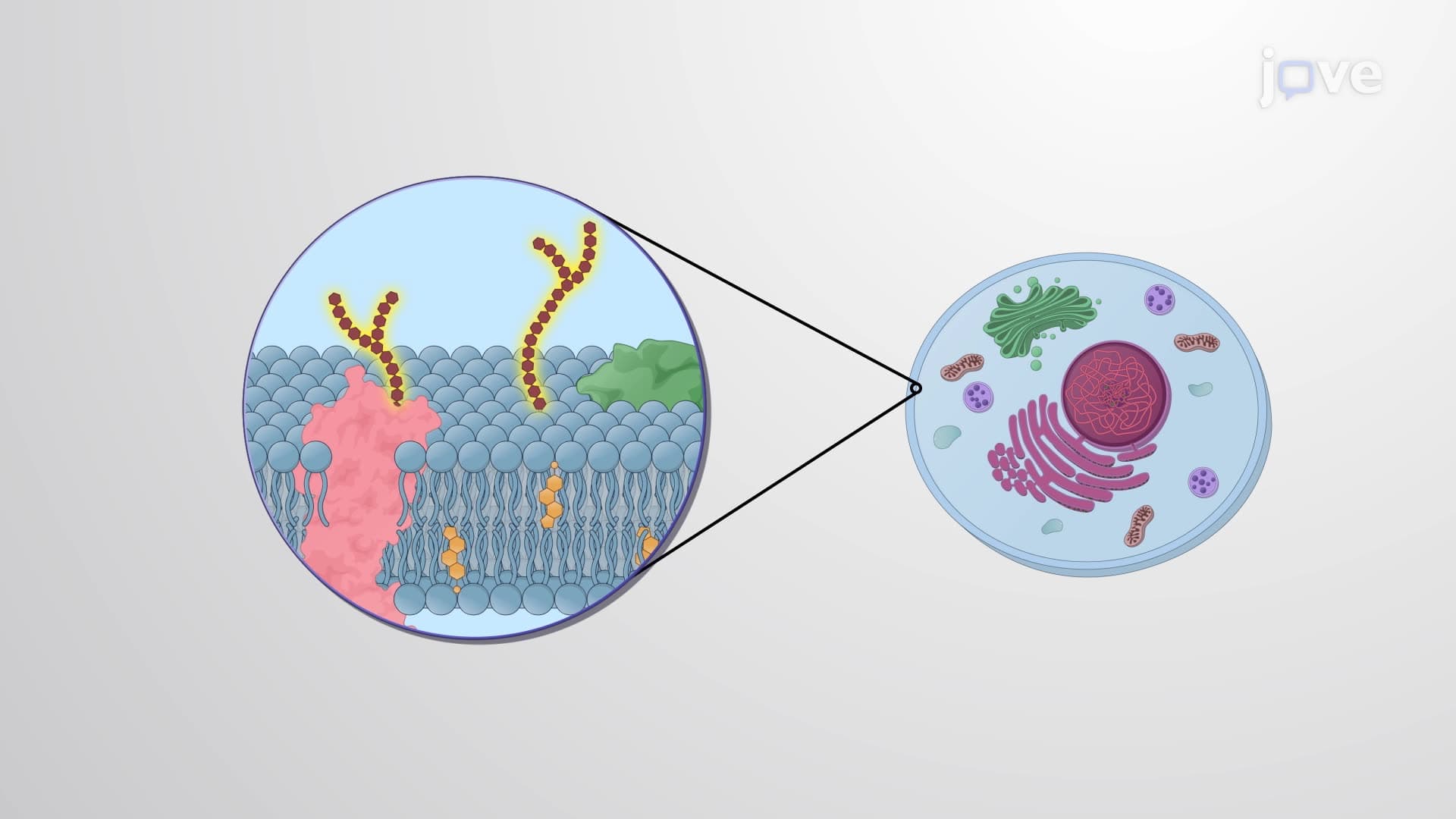
Human leukocyte antigen (HLA) genes play a crucial role in autoimmune susceptibility. These genes encode proteins that present antigens to T cells, and certain HLA variants significantly increase disease risk. For example, HLA-B27 is present in 90% of patients with ankylosing spondylitis, while HLA-DQ2 and HLA-DQ8 variants are found in most celiac disease patients.
This genetic component explains why autoimmune diseases often cluster in families. Students preparing for the AP Biology exam should understand that while having risk genes doesn't guarantee disease development, it creates susceptibility that environmental factors can trigger. The MCAT frequently tests this gene-environment interaction concept in immunology passages.
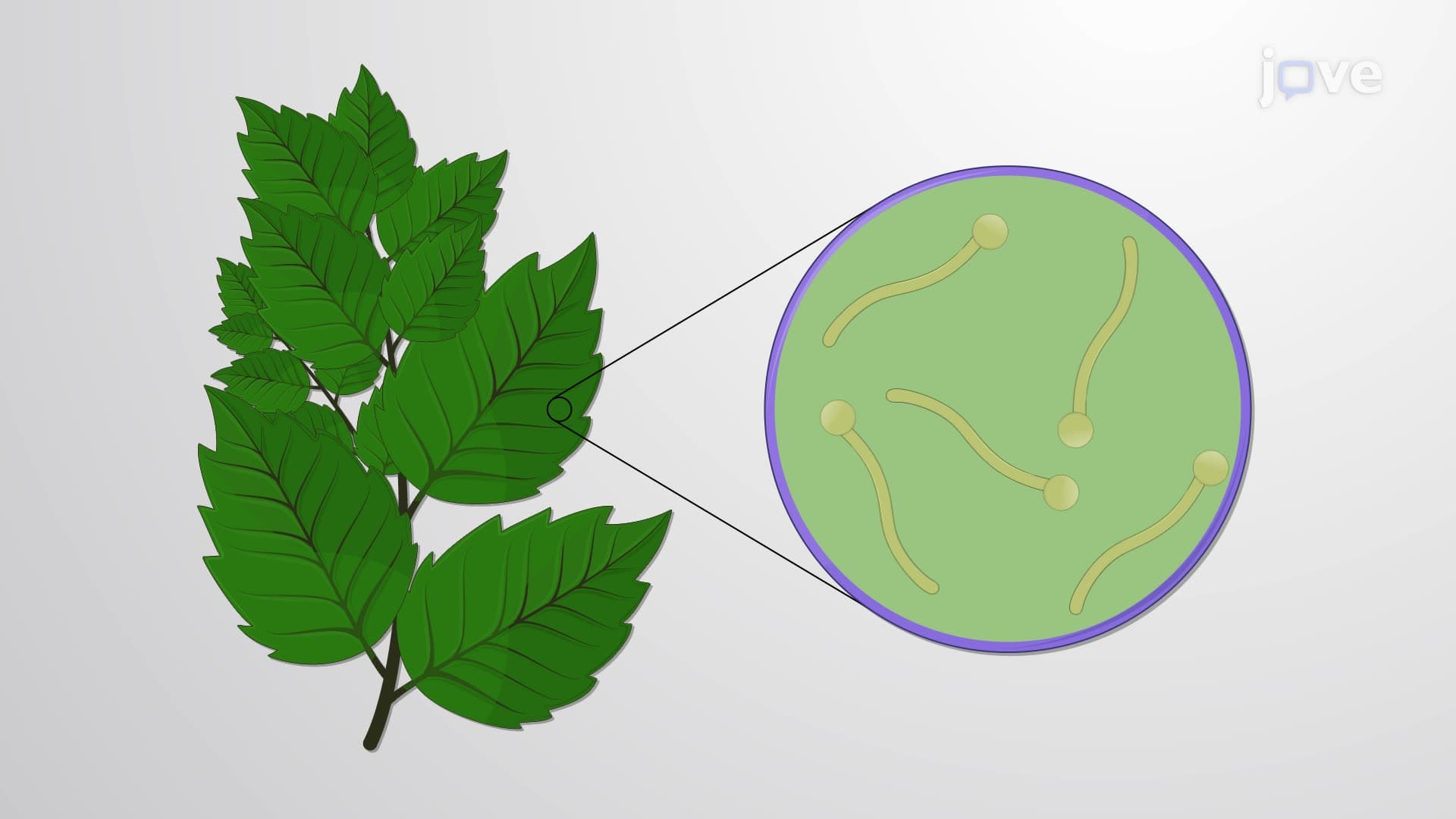
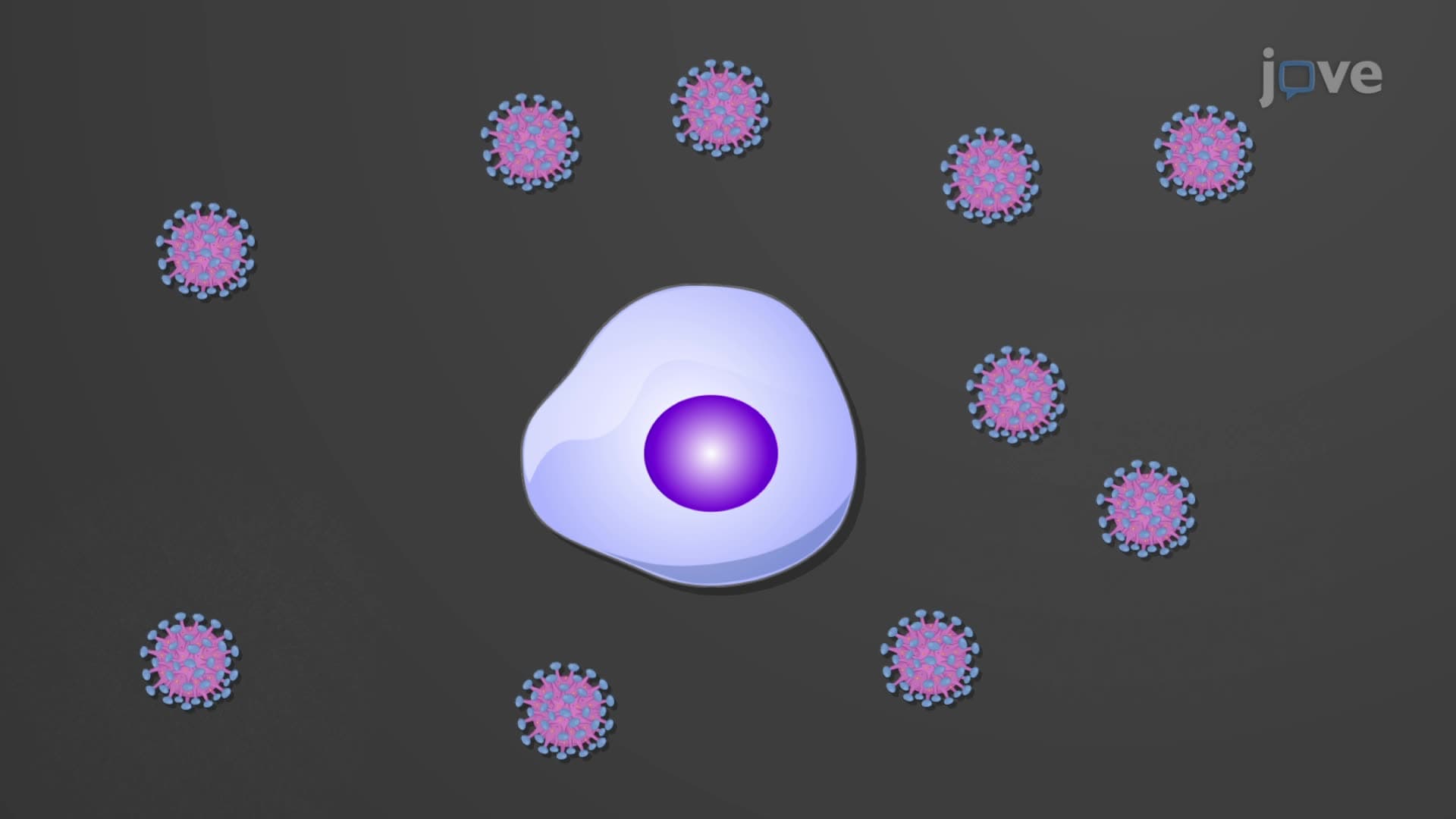
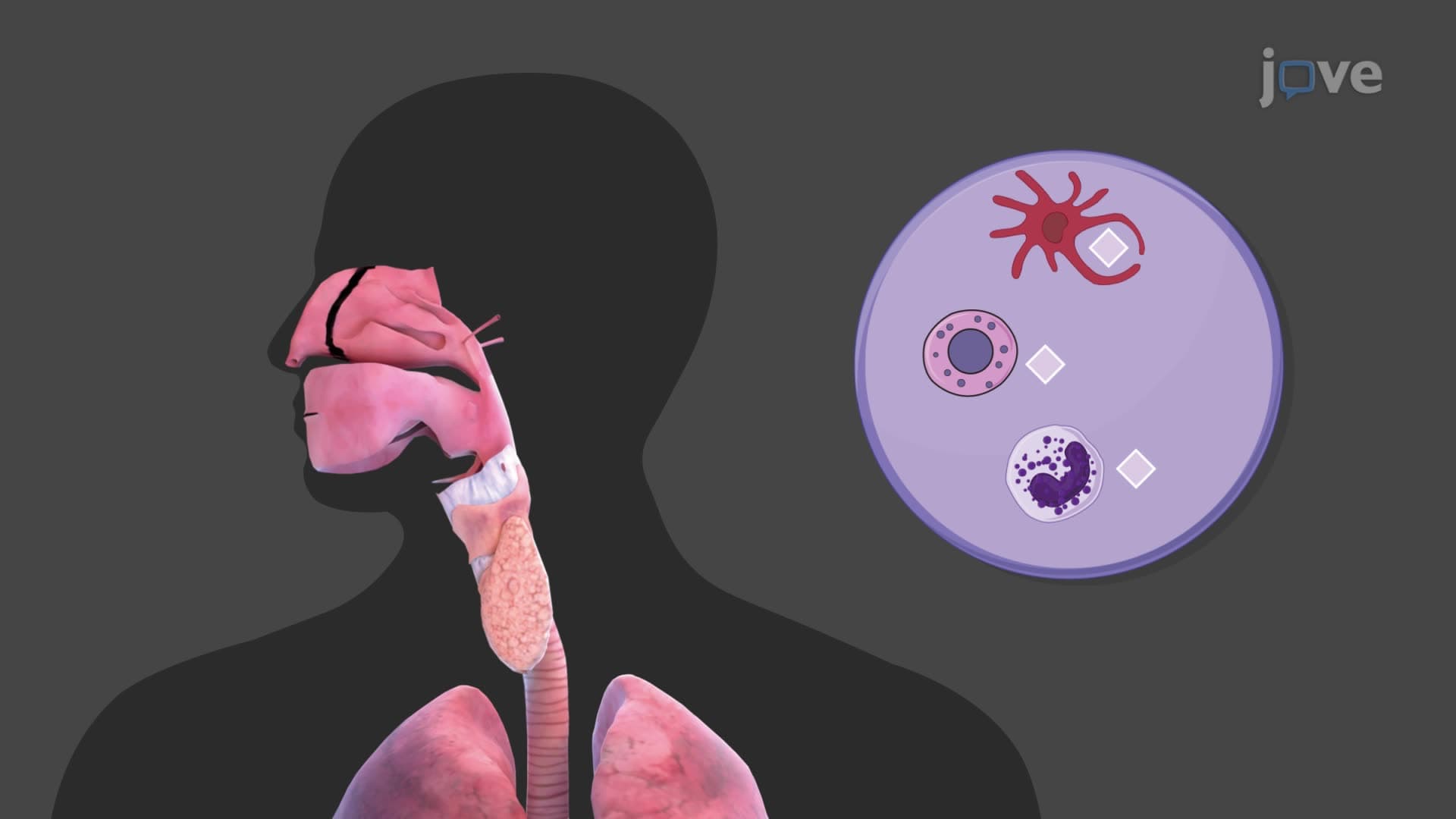
Environmental factors act as the spark that ignites autoimmune responses in genetically predisposed individuals. Viral infections represent particularly important triggers through molecular mimicry-when pathogen proteins resemble self-proteins closely enough to confuse the immune system. For instance, Epstein-Barr virus proteins share structural similarities with myelin proteins, potentially triggering multiple sclerosis in susceptible individuals.
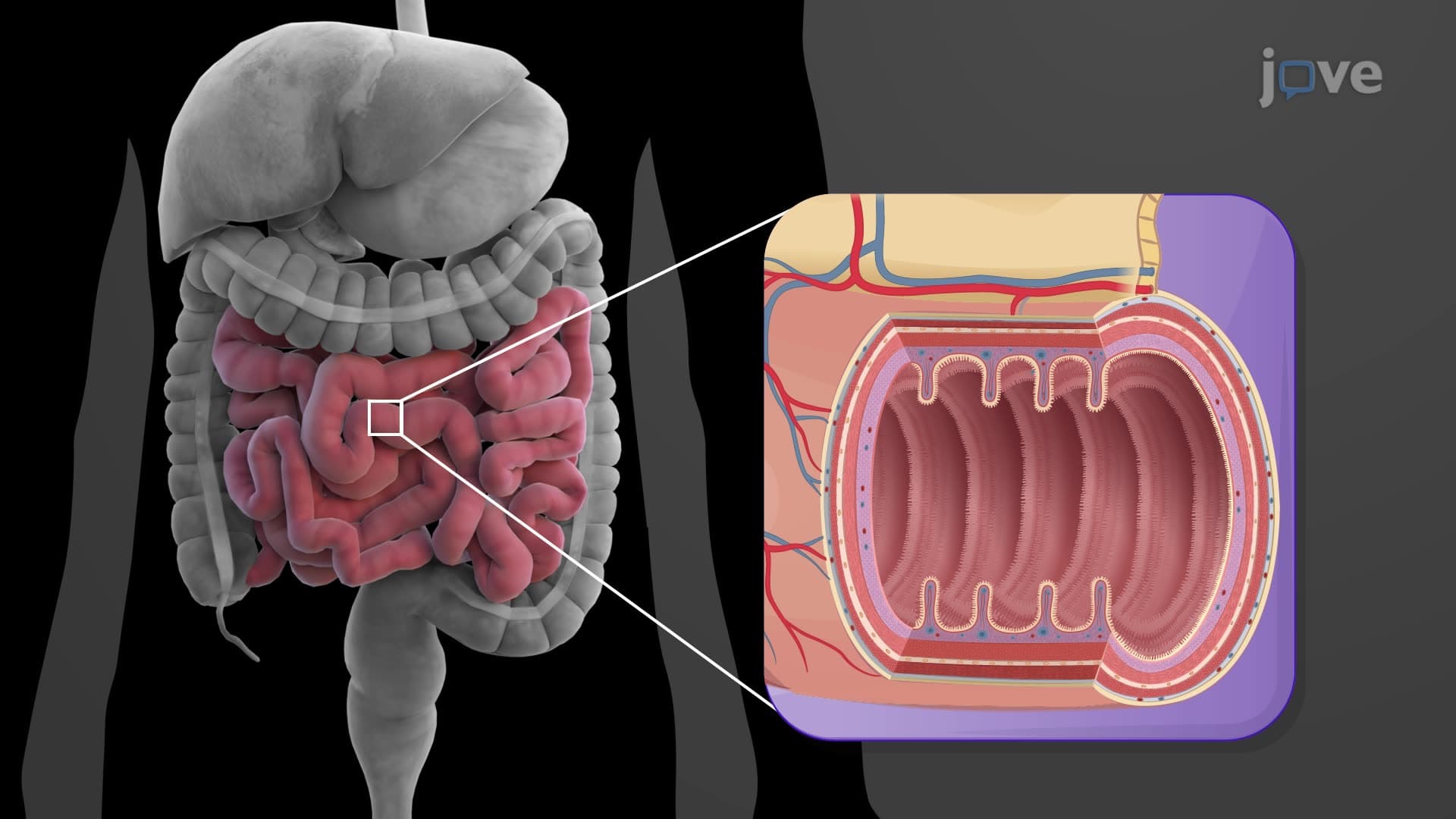
Dietary components also serve as triggers, with gluten being the classic example in celiac disease. When genetically susceptible individuals consume gluten, tissue transglutaminase modifies gluten peptides, creating new epitopes that HLA-DQ2 or HLA-DQ8 molecules present to T cells, initiating an autoimmune cascade.
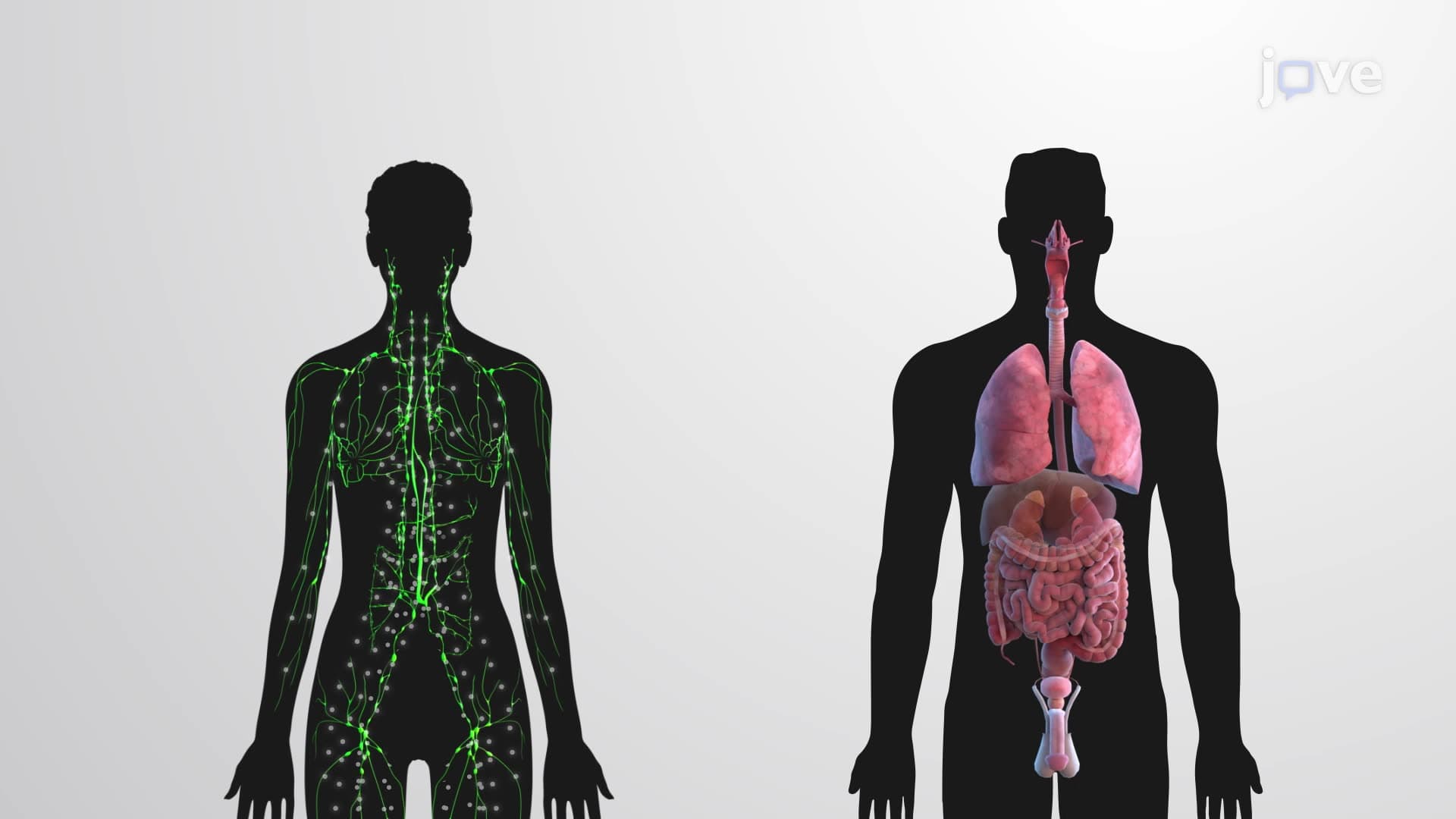
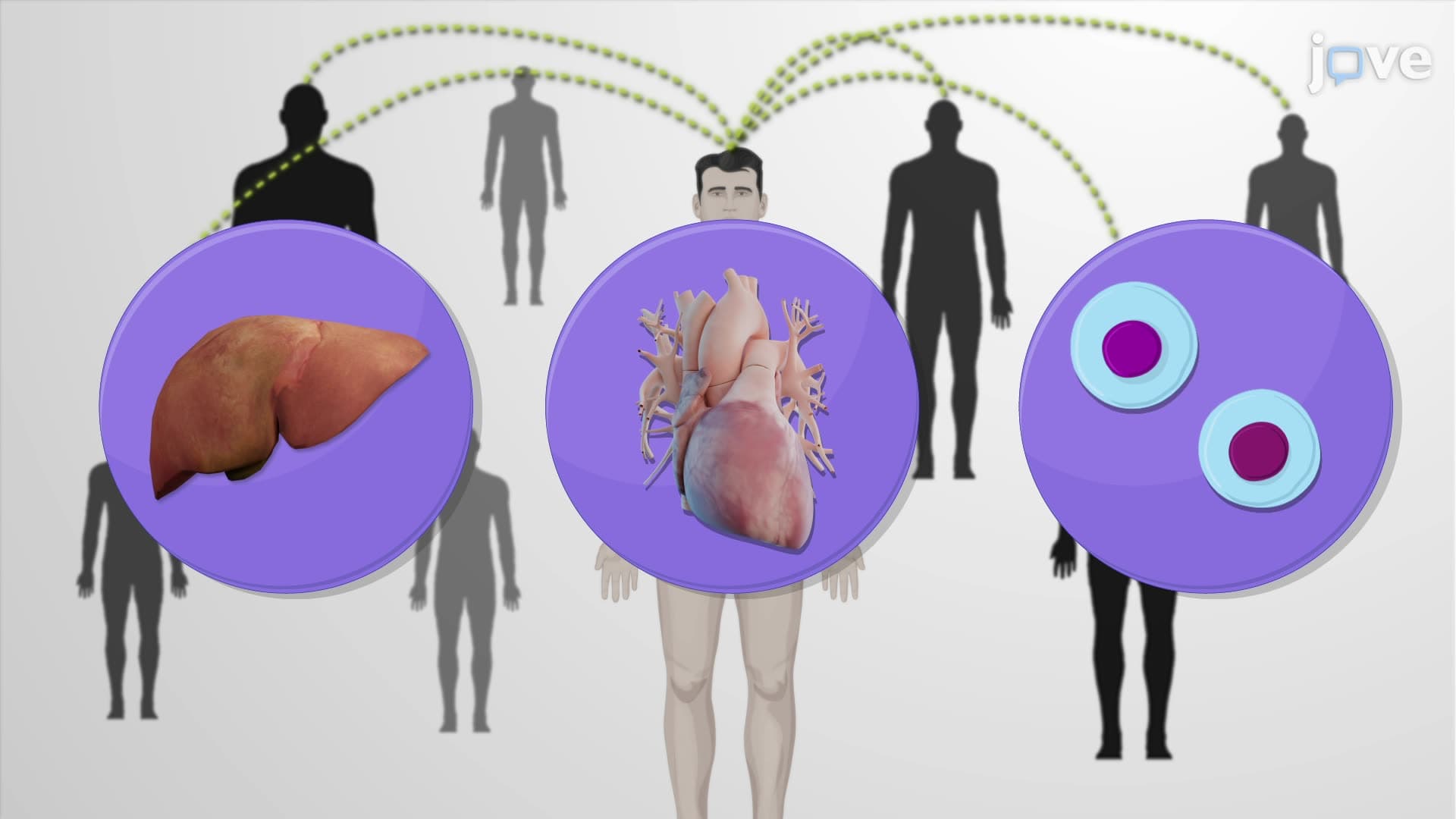
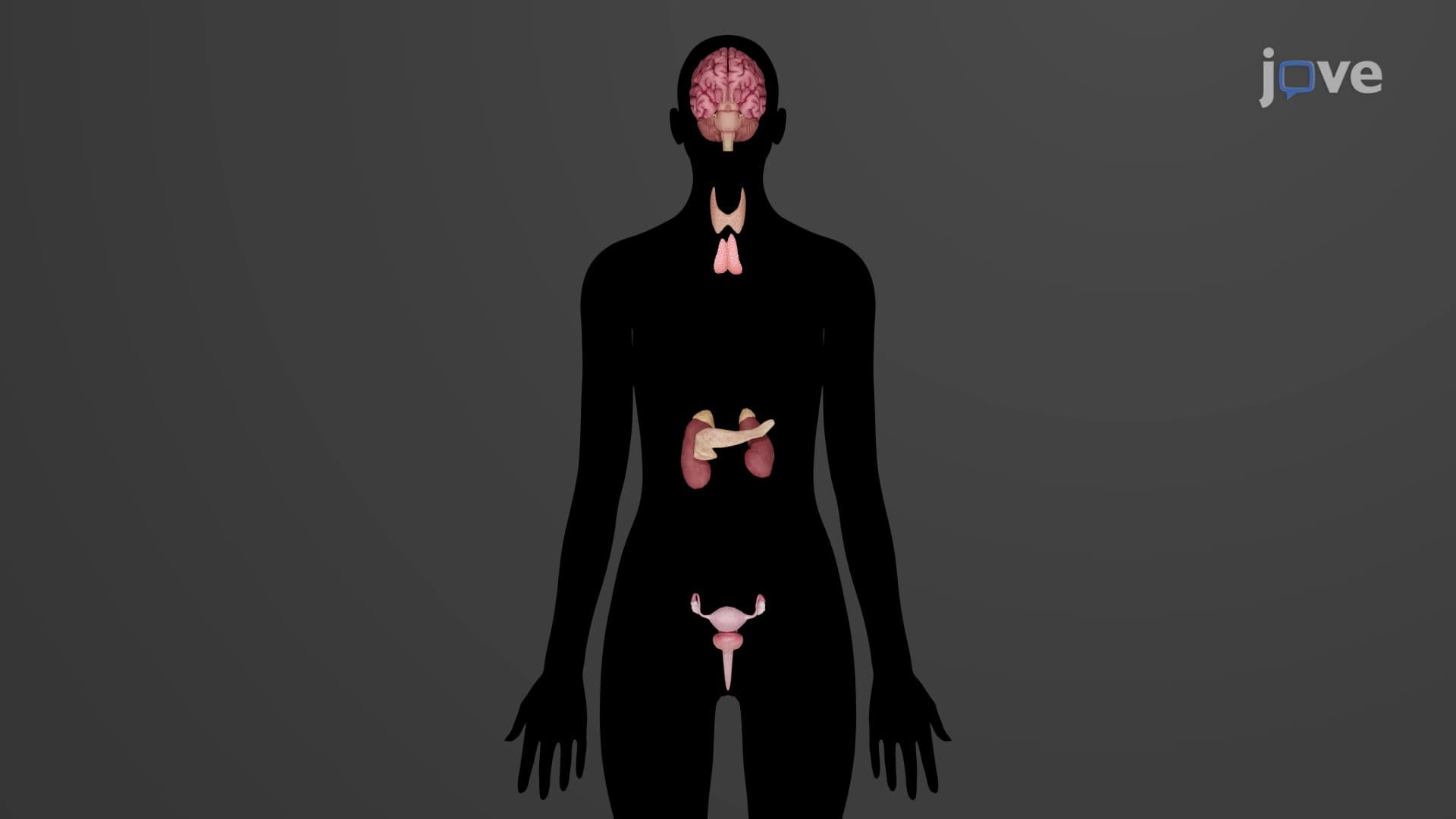
Autoimmune diseases affect virtually every organ system, from endocrine glands (type 1 diabetes, Hashimoto's thyroiditis) to connective tissues (systemic lupus erythematosus, rheumatoid arthritis). Treatment focuses on immunosuppression and inflammation control rather than cure, using medications like corticosteroids, disease-modifying antirheumatic drugs (DMARDs), and biologics that target specific immune pathways.
Related Micro-courses