Loading subject page…


218,424 views

Video Summary: What are Cancer Vaccines
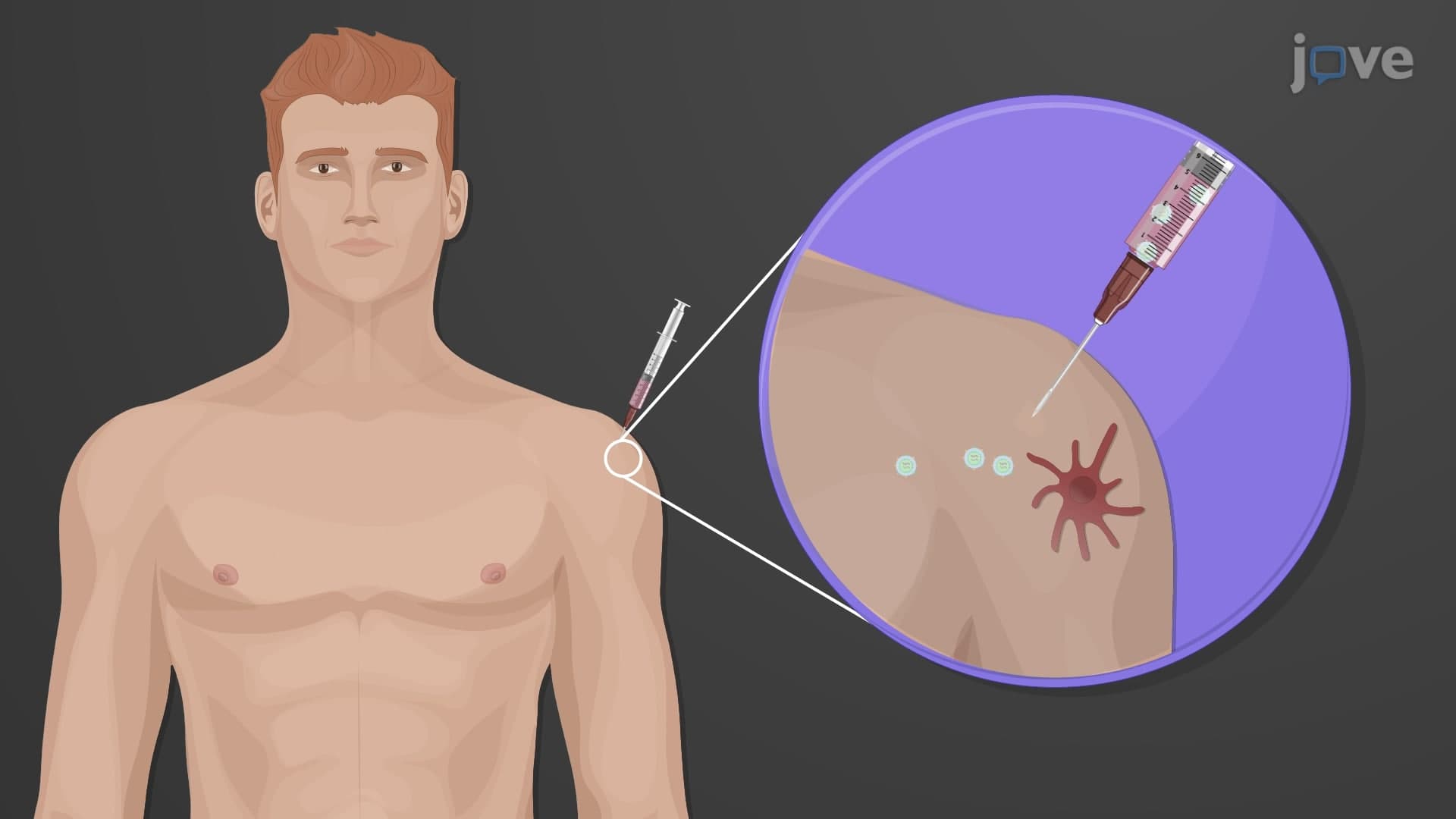
Did you know that some vaccines can actually prevent cancer from developing in the first place? Cancer vaccines biology represents a revolutionary approach where our immune system becomes the weapon against malignancies. The HPV vaccine, now routinely given to teenagers across American high schools, prevents cervical cancer by blocking the virus that causes it. What are cancer vaccines? They're sophisticated immunotherapies that either prevent cancer or treat existing tumors by training immune cells to recognize and destroy malignant tissue. Watch the full video on JoVE Coach to master this concept with expert-led visuals and step-by-step explanations.
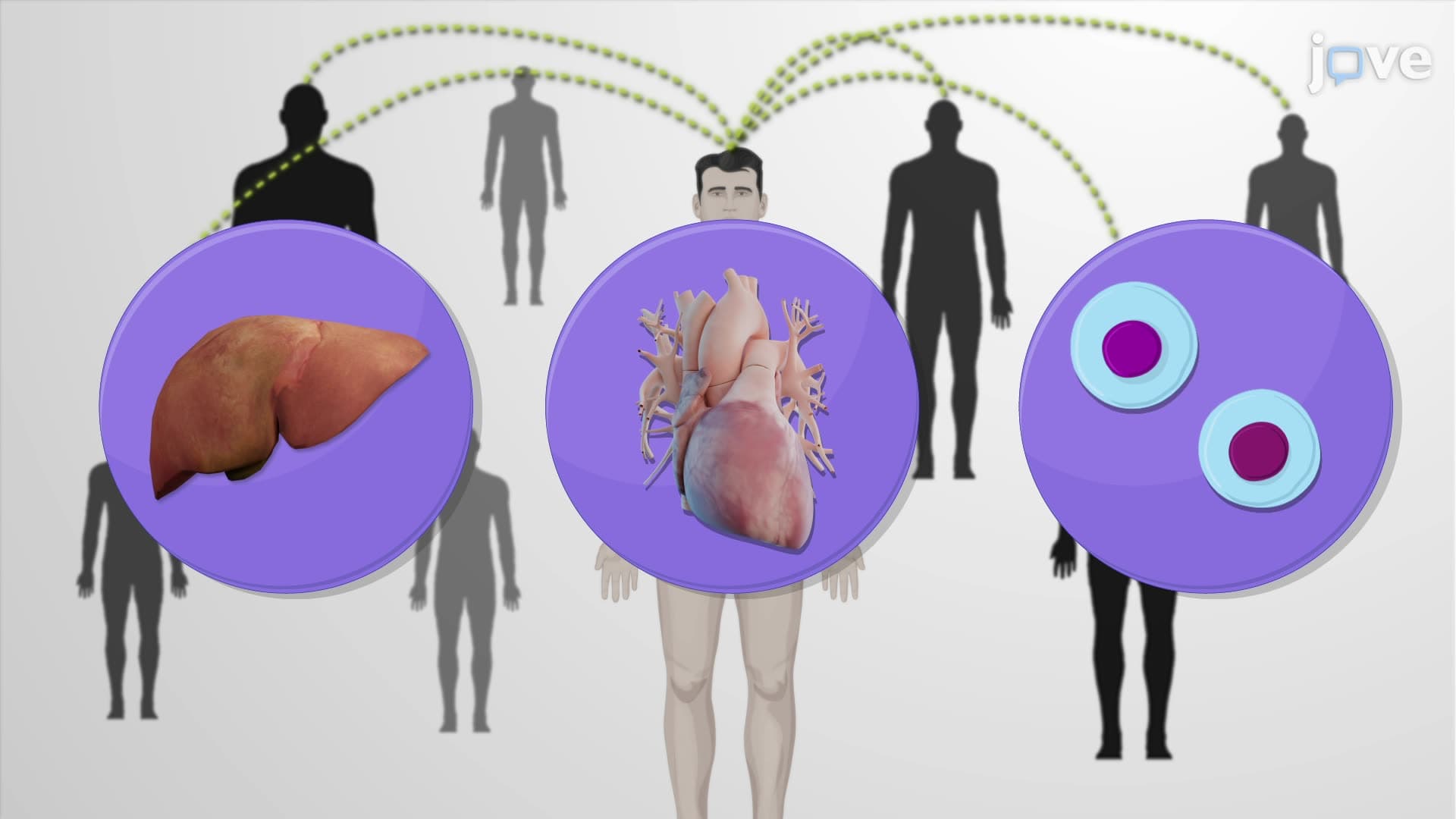
Cancer vaccines biology encompasses two fundamentally different strategies that harness our immune system's power. Unlike traditional vaccines that prevent infectious diseases, cancer vaccines either prevent cancer development or treat existing malignancies. This dual nature makes them unique in the vaccine landscape and critical for understanding modern immunotherapy approaches.
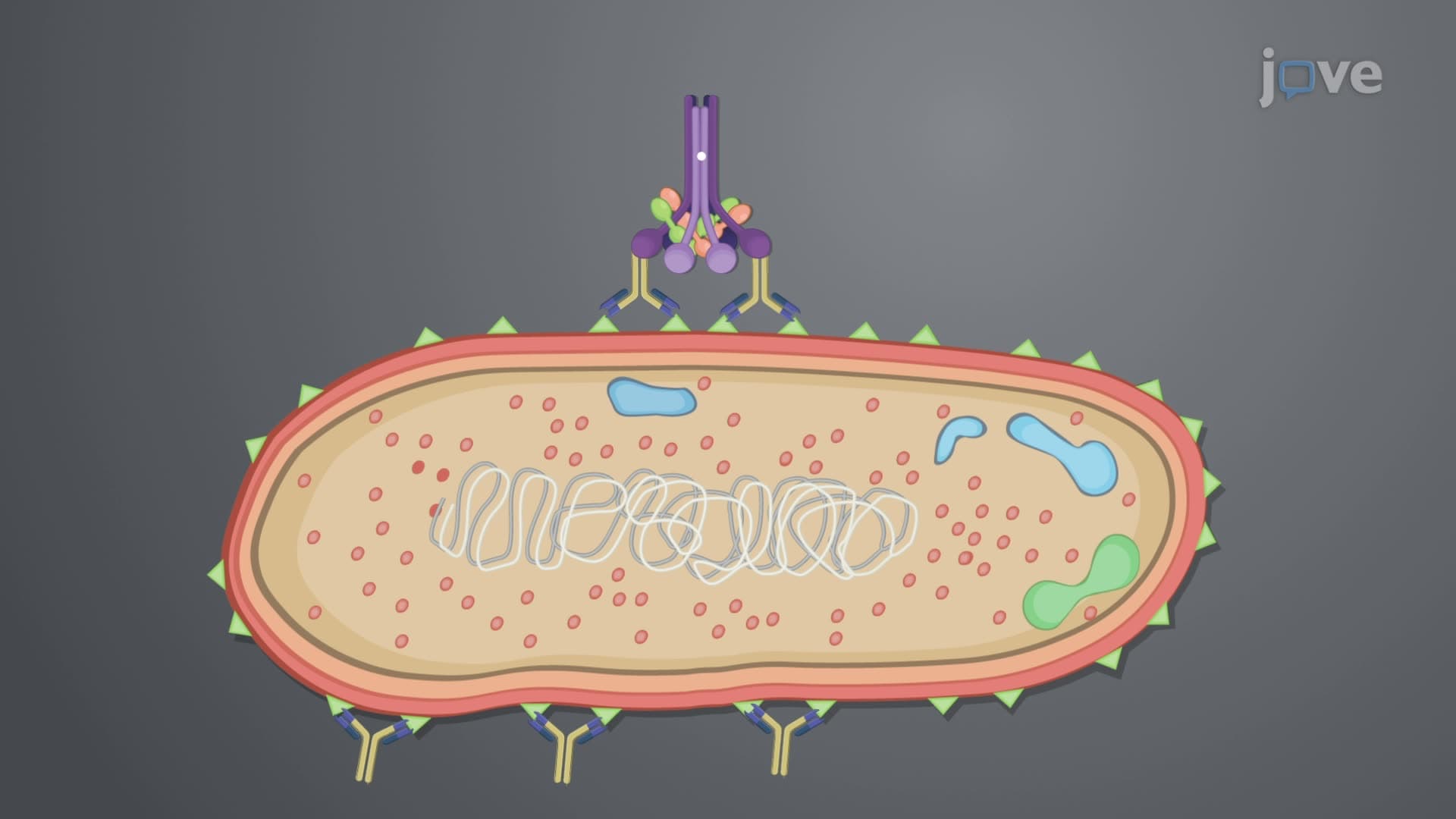
Preventive cancer vaccines work similarly to childhood immunizations-they're given to healthy individuals to prevent future disease. The most successful example is the HPV vaccine (Gardasil), recommended by the CDC for all 11-12 year olds across American schools. This prophylactic cancer vaccine prevents cervical, anal, and oropharyngeal cancers by generating antibodies against high-risk HPV strains 16 and 18, which cause approximately 70% of cervical cancers in the United States.
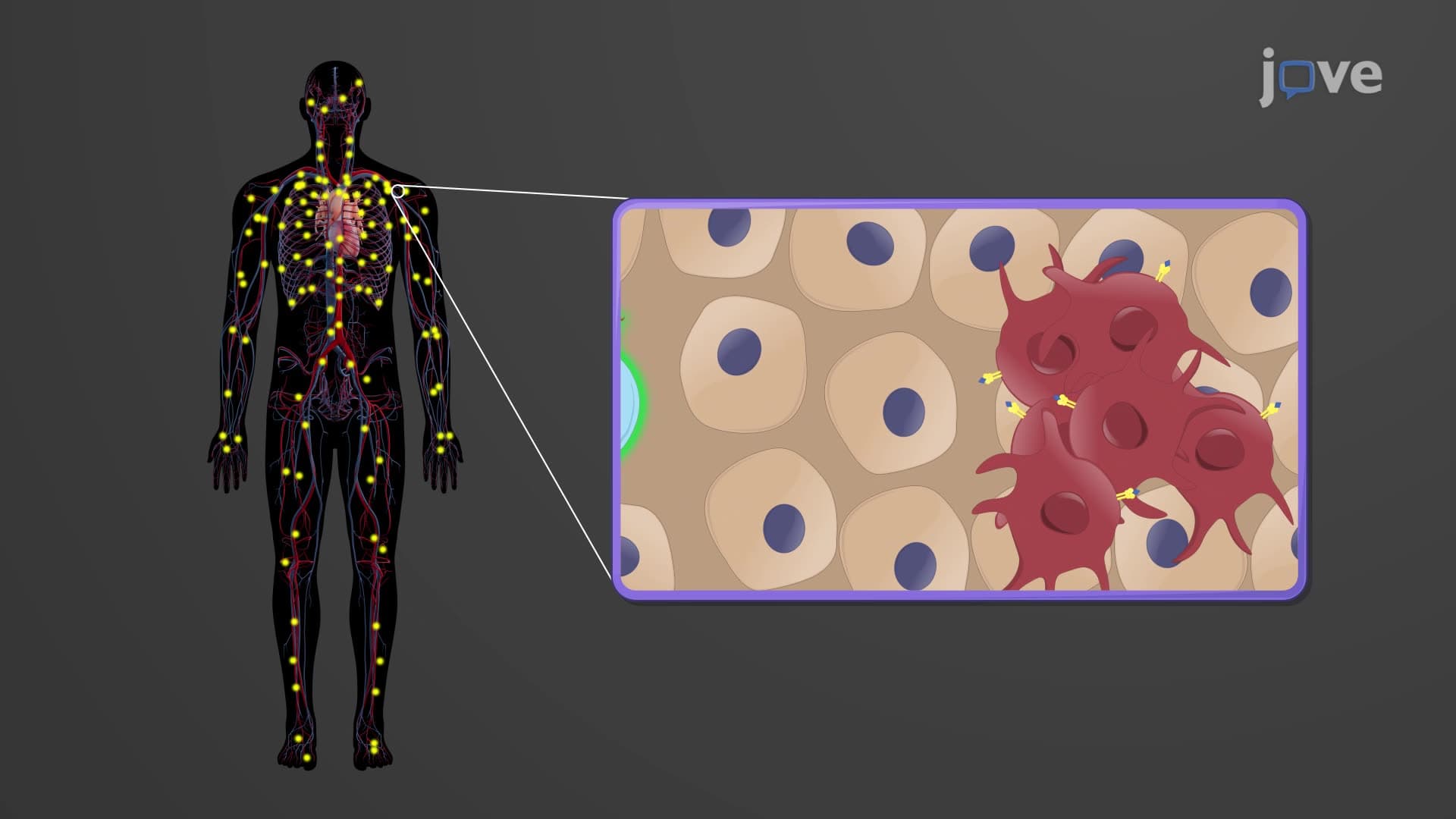
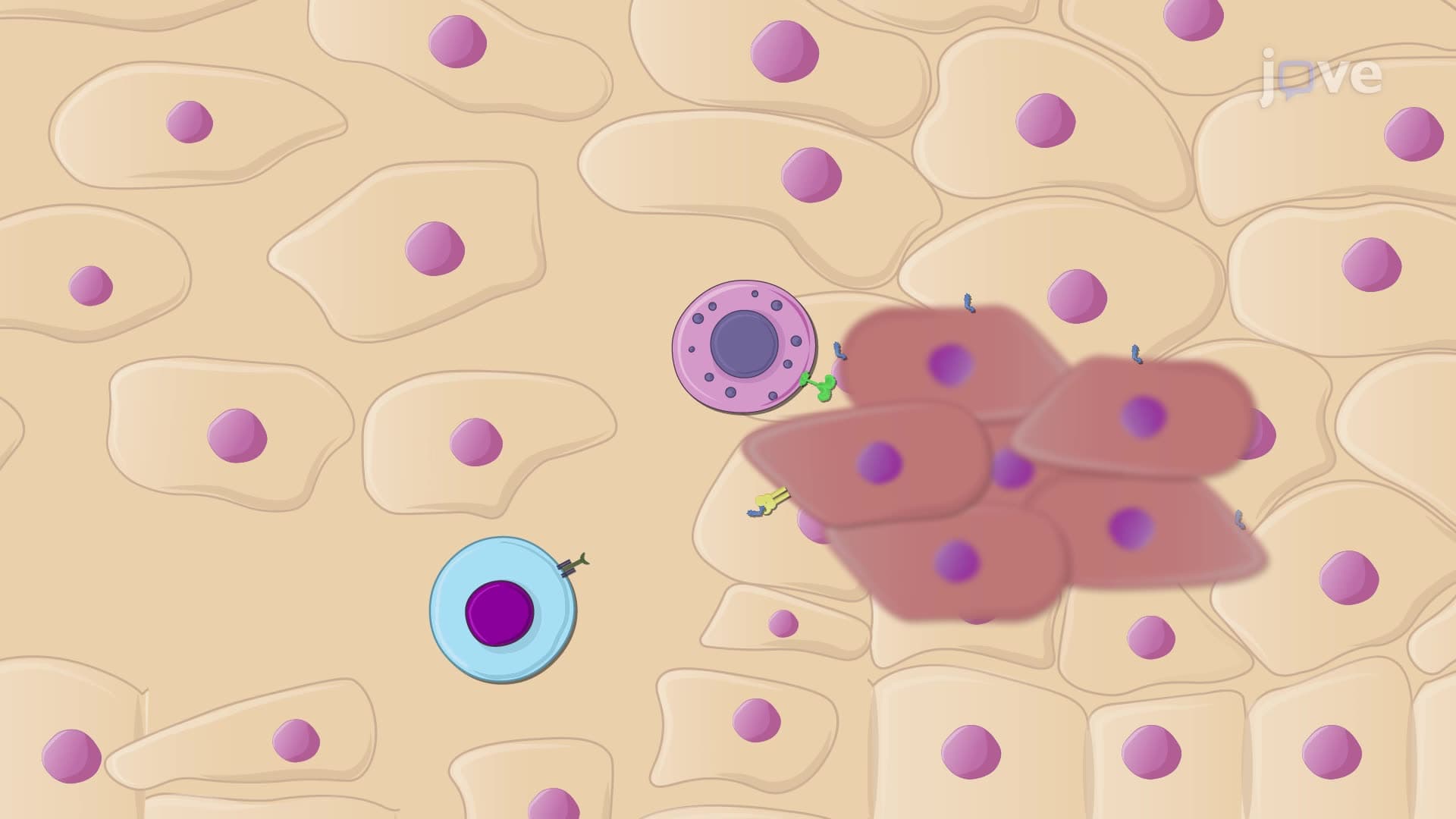
Tumor vaccines explained immunity through active immunotherapy-stimulating the patient's immune system to recognize and attack existing cancer cells. These therapeutic cancer vaccines face unique challenges since cancer cells often evade immune detection by resembling normal tissue.
Whole-cell vaccines use entire cancer cells, typically genetically modified and irradiated to prevent reproduction while maintaining immunogenic properties. GVAX vaccines exemplify this approach, using cancer cells engineered to produce GM-CSF (granulocyte-macrophage colony-stimulating factor), a cytokine that attracts and activates dendritic cells-the immune system's most powerful antigen-presenting cells.
Tumor antigen vaccines represent a more targeted approach, delivering specific cancer-associated proteins to trigger immune responses. PROSTVAC, developed for prostate cancer treatment, uses a recombinant poxvirus vector to deliver the PSA (prostate-specific antigen) gene directly into patient cells. This cancer vaccine mechanism ensures that immune cells learn to recognize PSA as foreign, leading to targeted destruction of PSA-producing prostate cancer cells.
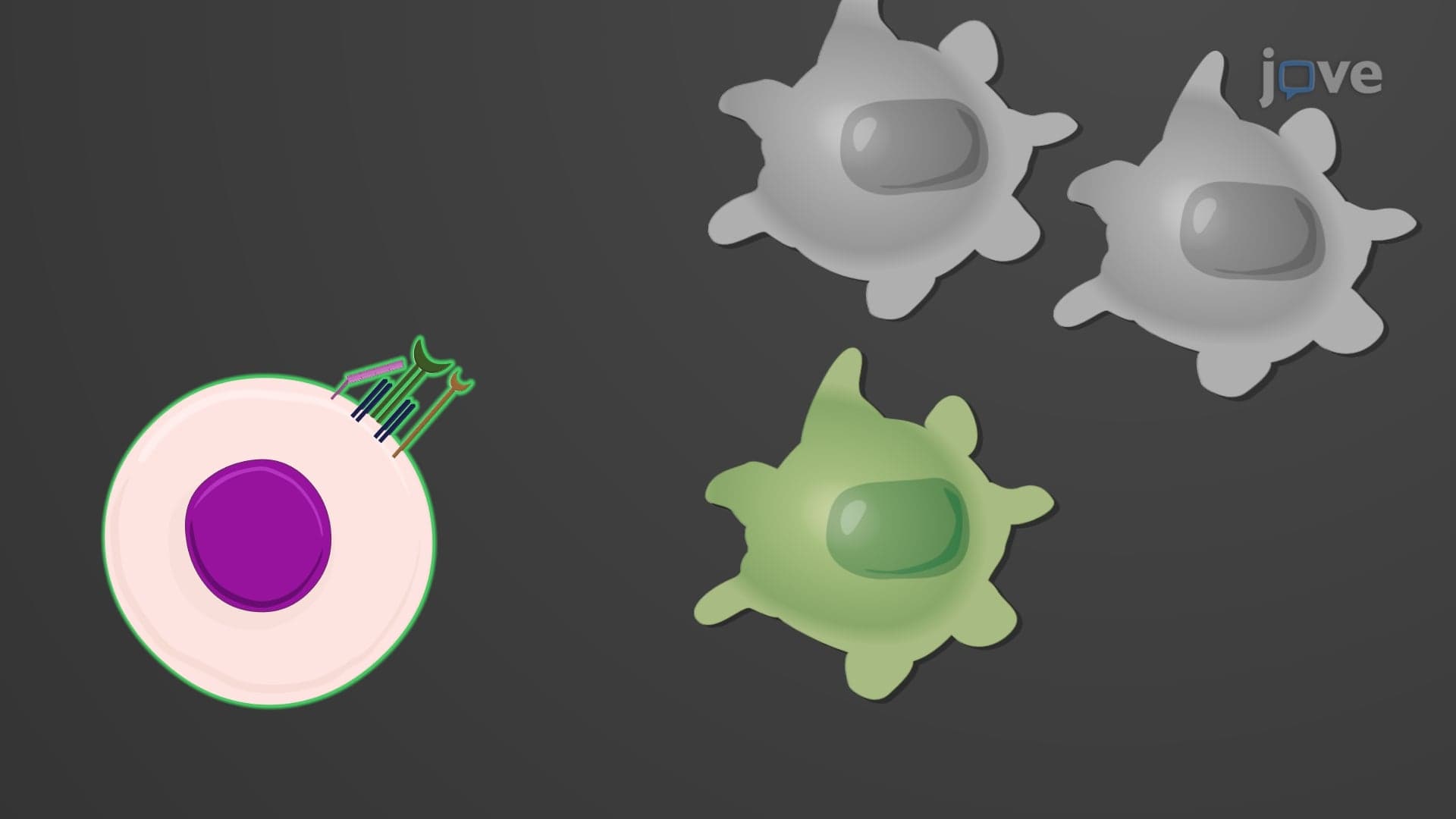
The most sophisticated approach involves dendritic cell vaccines like Provenge (sipuleucel-T), the first FDA-approved therapeutic cancer vaccine for prostate cancer. This personalized immunotherapy requires harvesting the patient's dendritic cells, exposing them to prostate cancer antigens in laboratory conditions, then reinfusing them intravenously. These educated dendritic cells then train T-cells to recognize and attack prostate cancer throughout the body.
Understanding what are cancer vaccines in immunotherapy connects directly to concepts tested on the MCAT, AP Biology exams, and undergraduate immunology courses, particularly regarding adaptive immunity, antigen presentation, and T-cell activation pathways.
Related Micro-courses