Loading subject page…


218,422 views

Video Summary: What are Defense Against Bacterial Pathogens
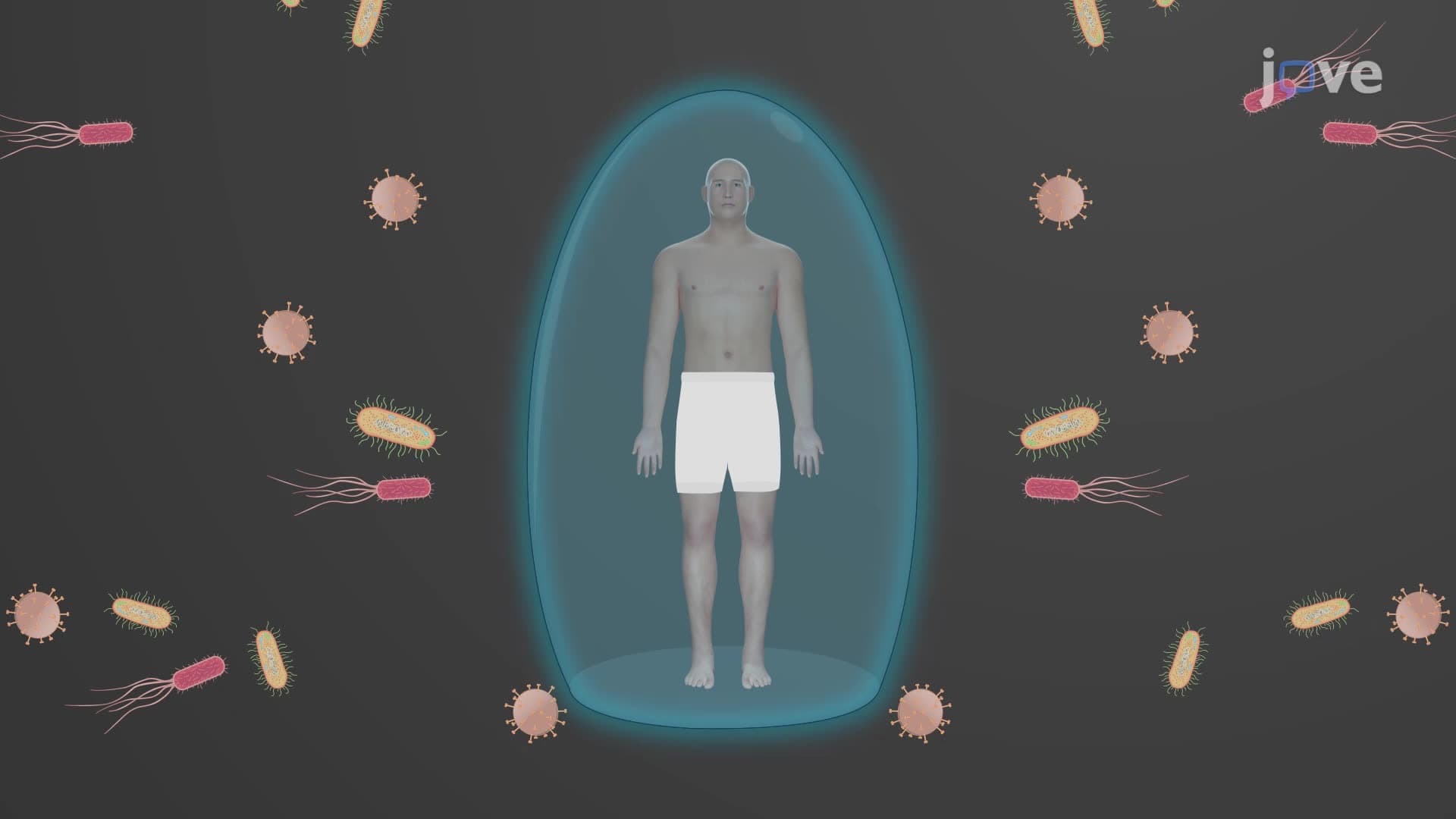
Did you know that your body fights off millions of bacterial invaders every day without you even knowing it? Defense against bacterial pathogens involves a coordinated attack by your immune system's specialized cells-from the quick-responding macrophages that literally "eat" bacteria to the precision-targeted antibodies that mark invaders for destruction. Consider how your immune system battles Streptococcus pyogenes during strep throat, deploying both immediate and long-term defenses. Watch the full video on JoVE Coach to master this concept with expert-led visuals and step-by-step explanations.
The human immune system has evolved sophisticated mechanisms to combat bacterial infections through coordinated responses involving both innate and adaptive immunity. Defense against bacterial pathogens represents one of the most crucial functions of our immune system, protecting us from potentially life-threatening bacterial diseases like pneumonia, meningitis, and sepsis.
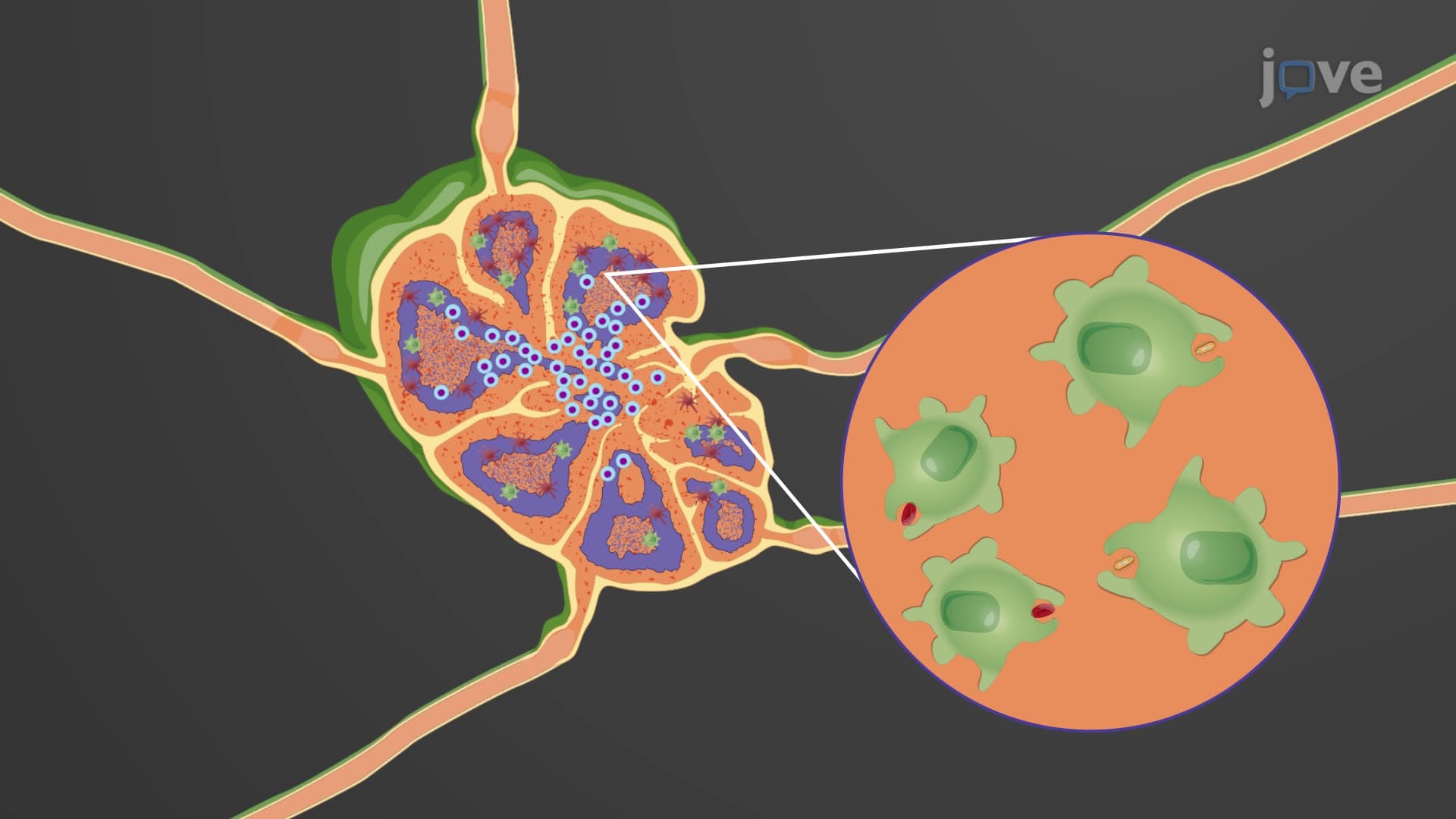
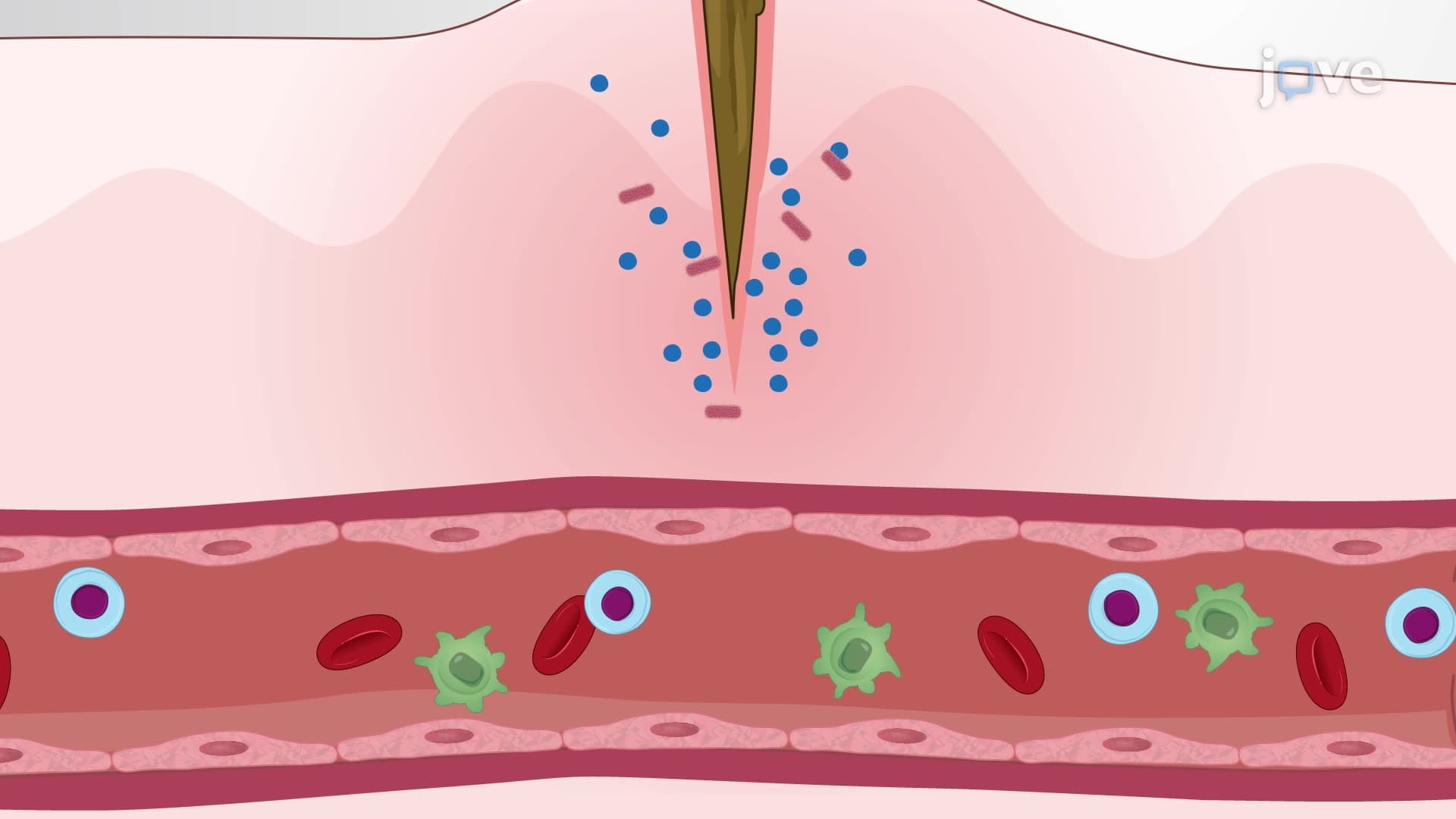
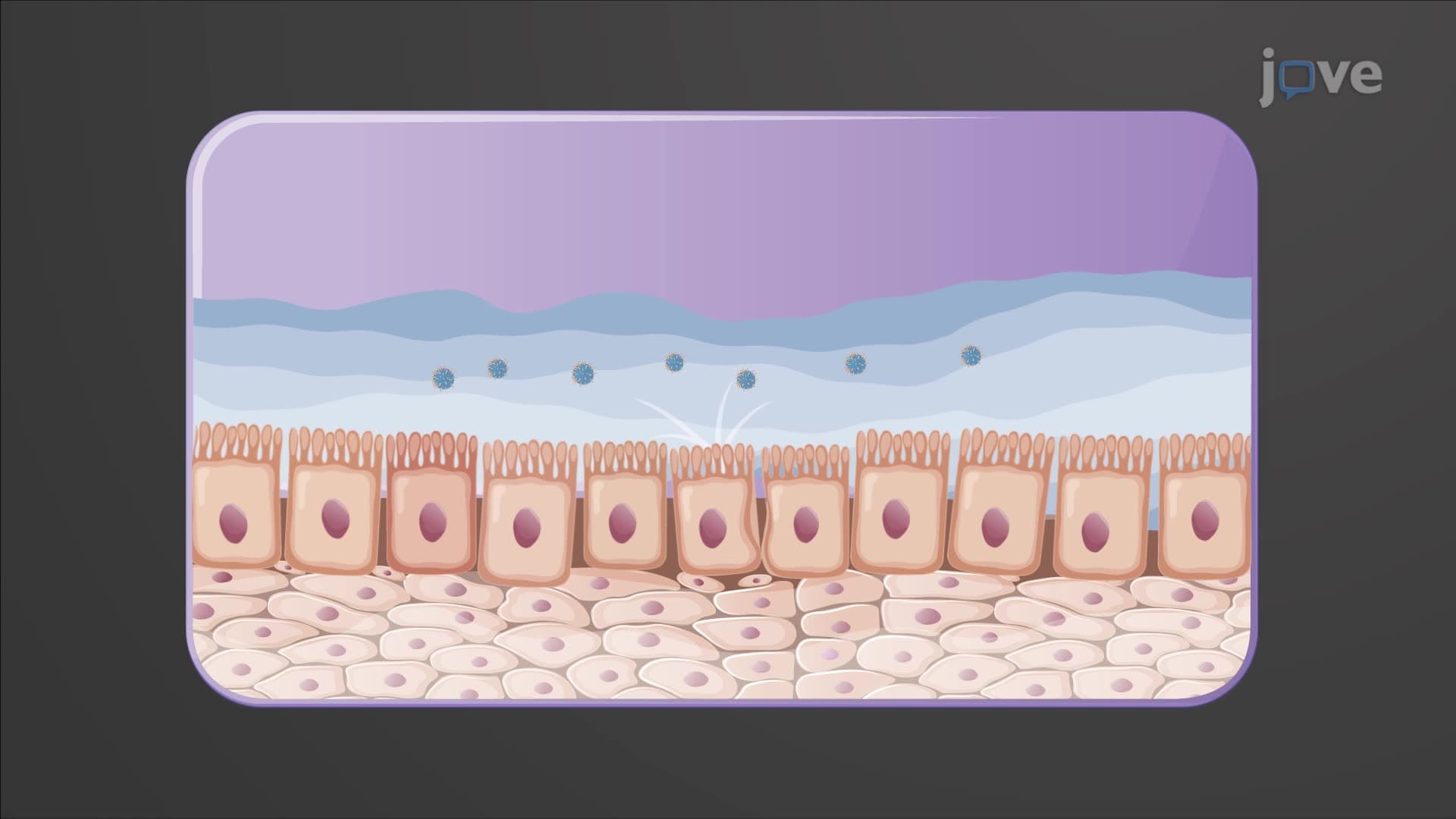
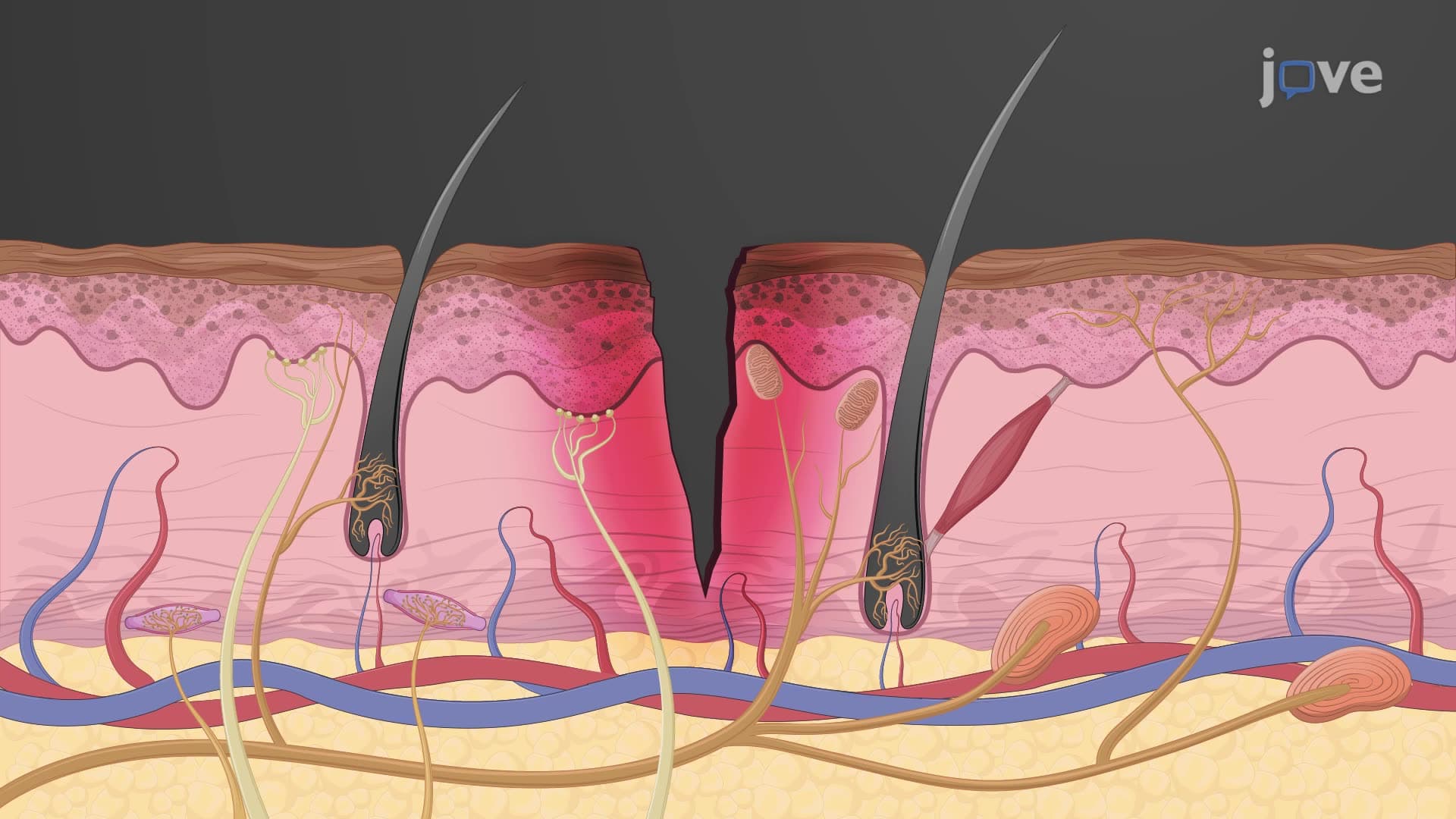
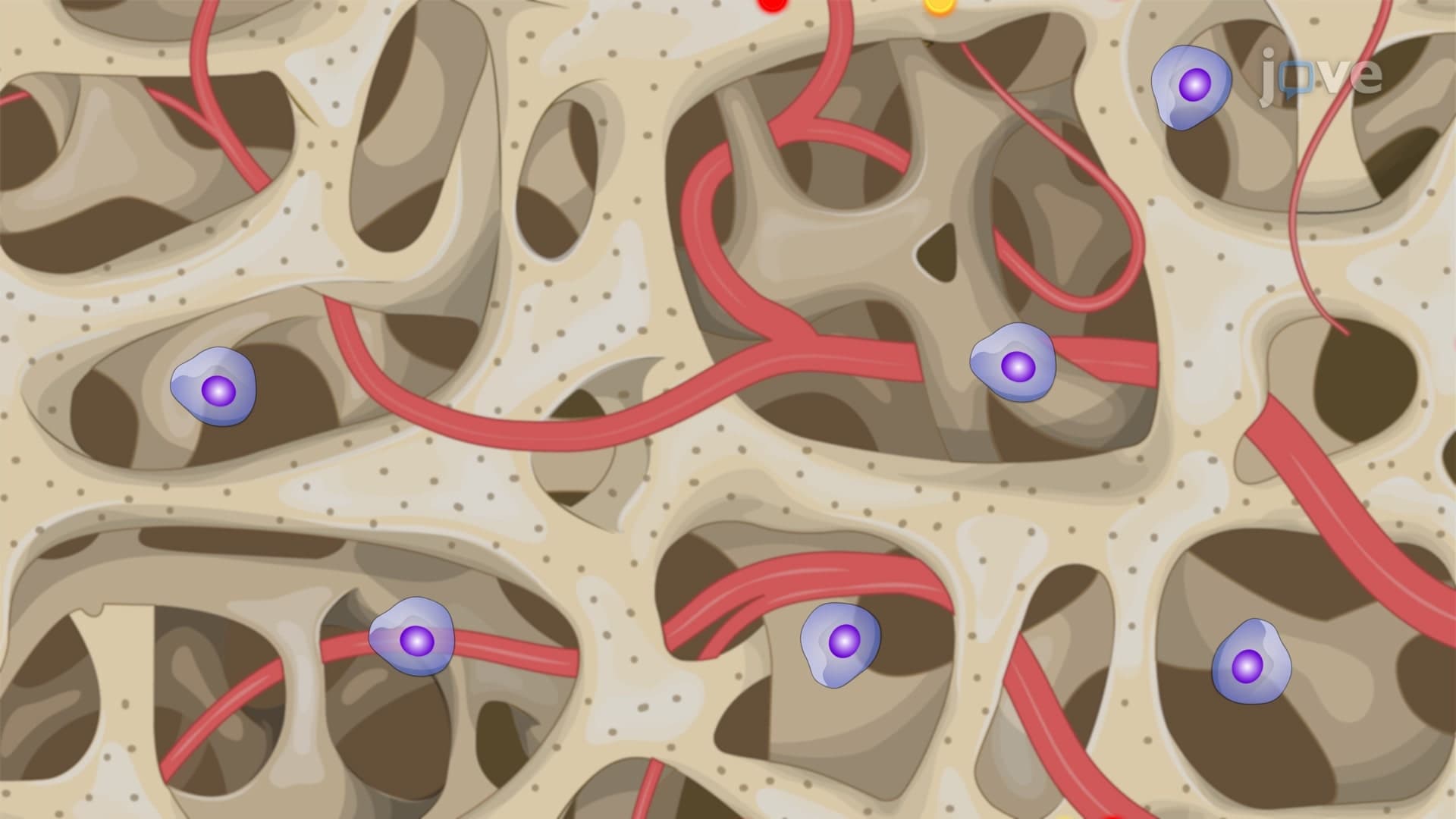
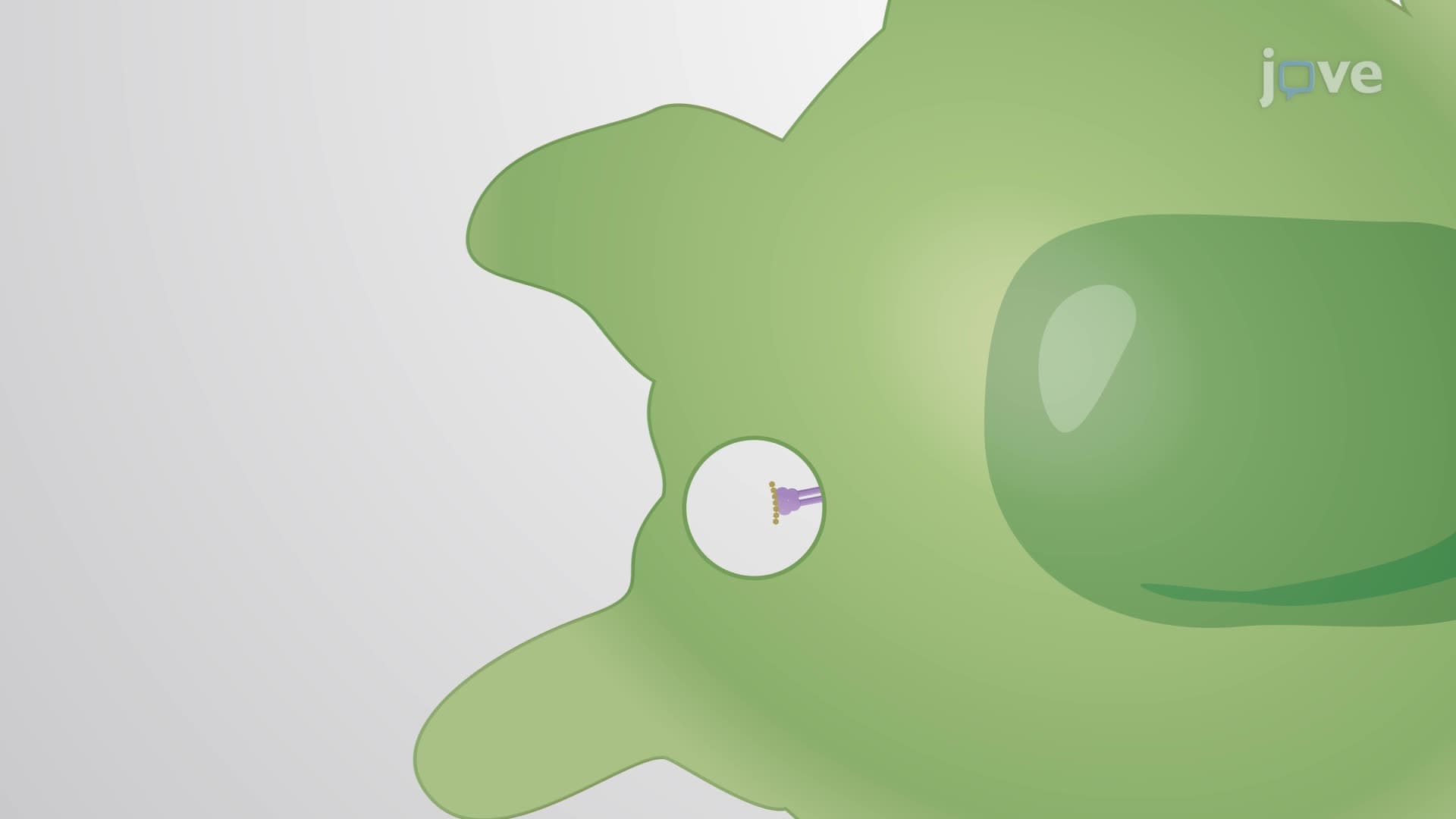
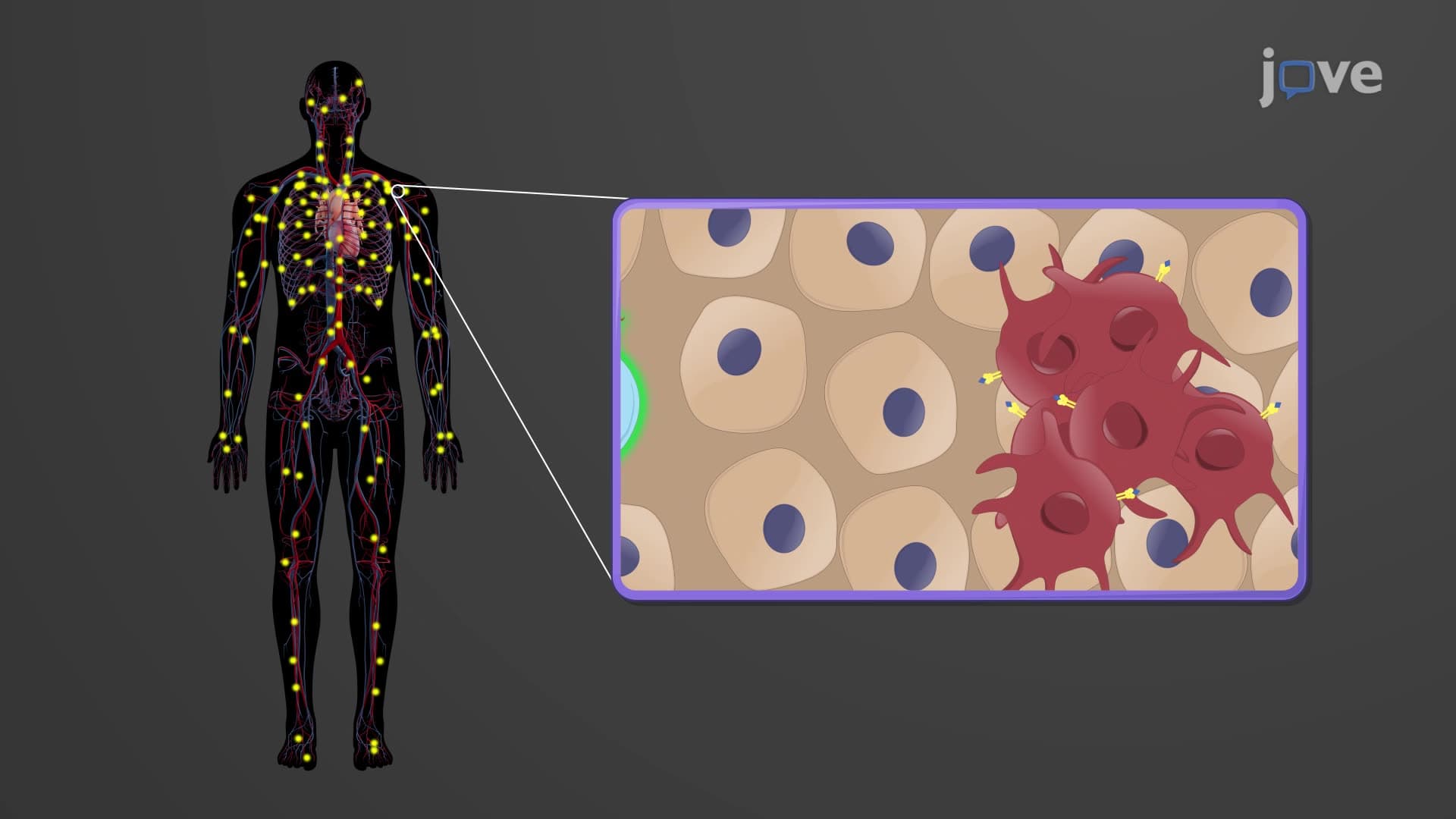
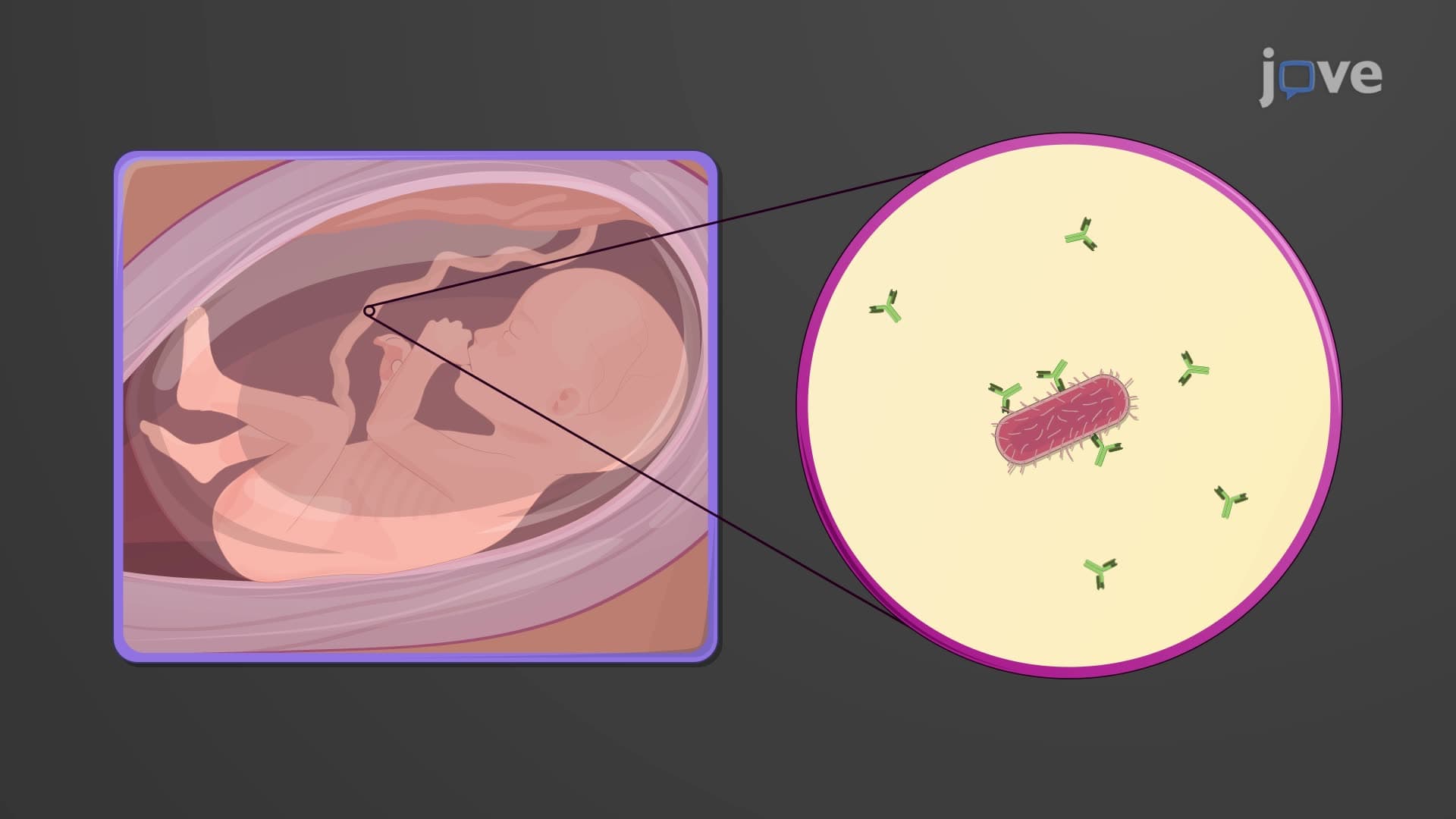
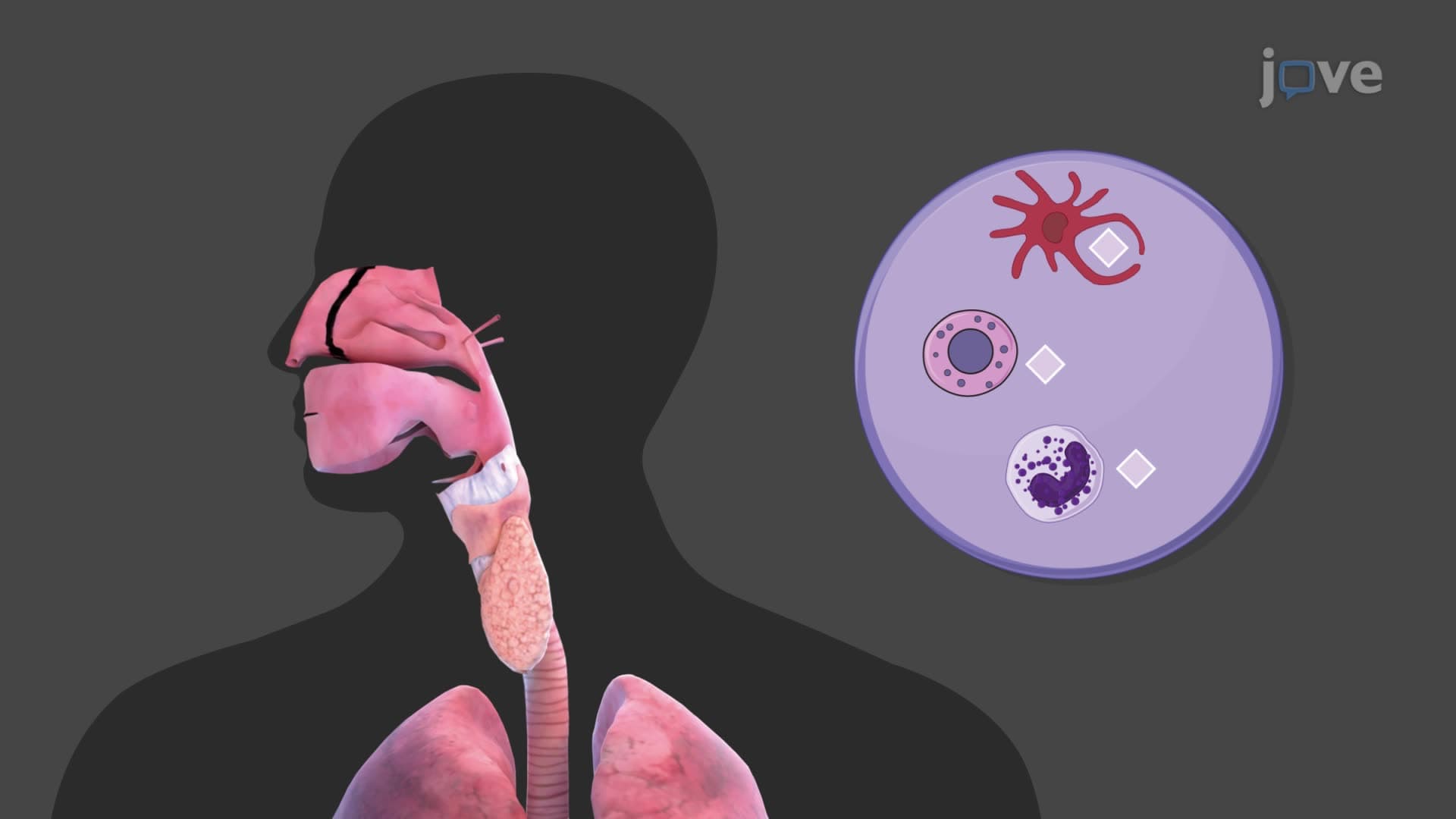
When bacteria breach physical barriers like skin or mucous membranes, the innate immune system provides immediate defense. Macrophages serve as the primary responders, using phagocytosis bacterial defense mechanisms to engulf and destroy invading bacteria. These versatile cells patrol tissues throughout the body-alveolar macrophages in the lungs combat Streptococcus pneumoniae, while Kupffer cells in the liver filter bacteria from blood circulation.
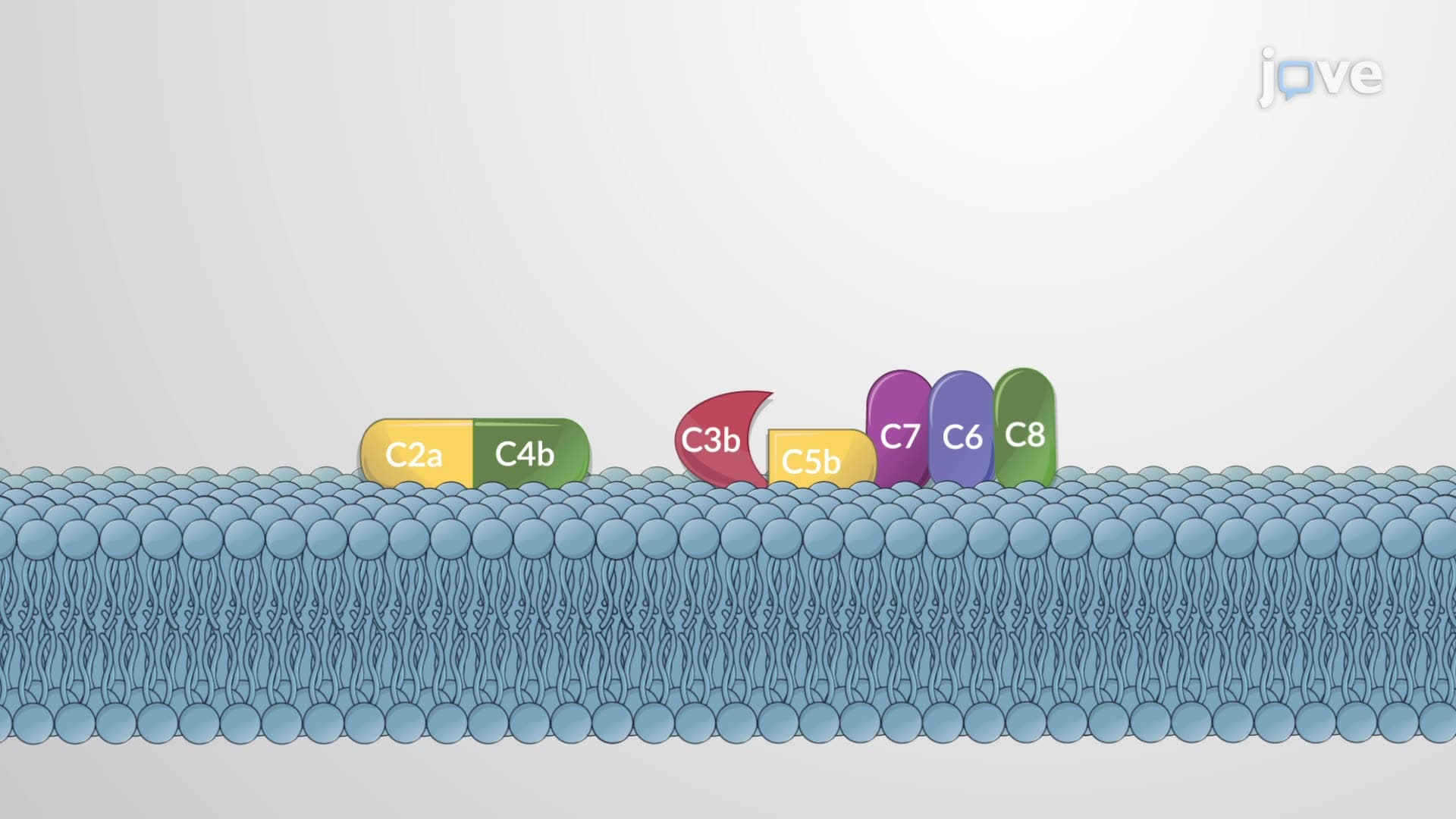
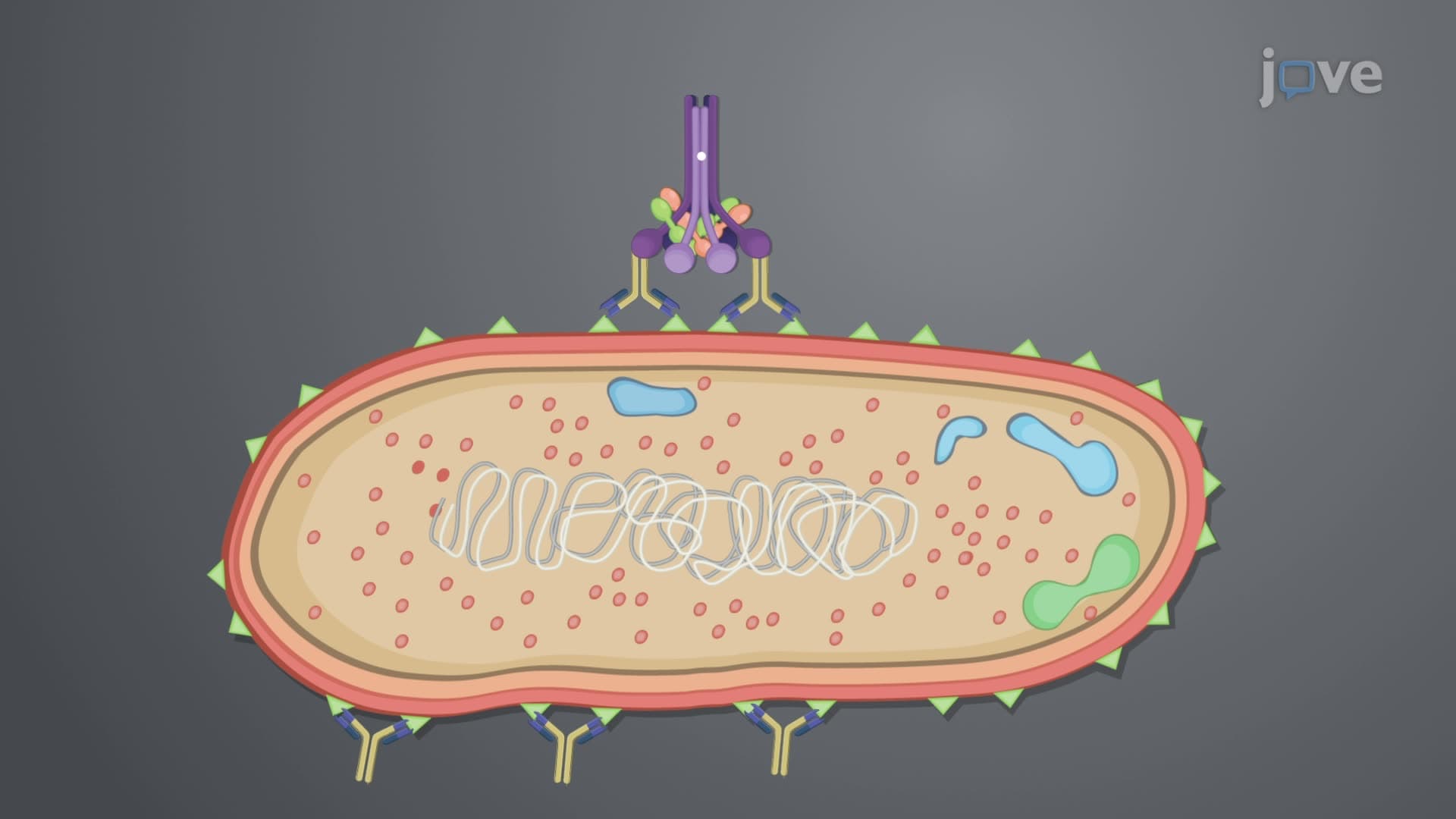
The complement bacteria killing system enhances this defense by forming membrane attack complexes that punch holes in bacterial cell walls. Complement proteins also facilitate opsonization, coating bacteria with C3b proteins that make them more recognizable to phagocytes. This process is particularly important in fighting encapsulated bacteria like Haemophilus influenzae, which can evade direct phagocytosis.
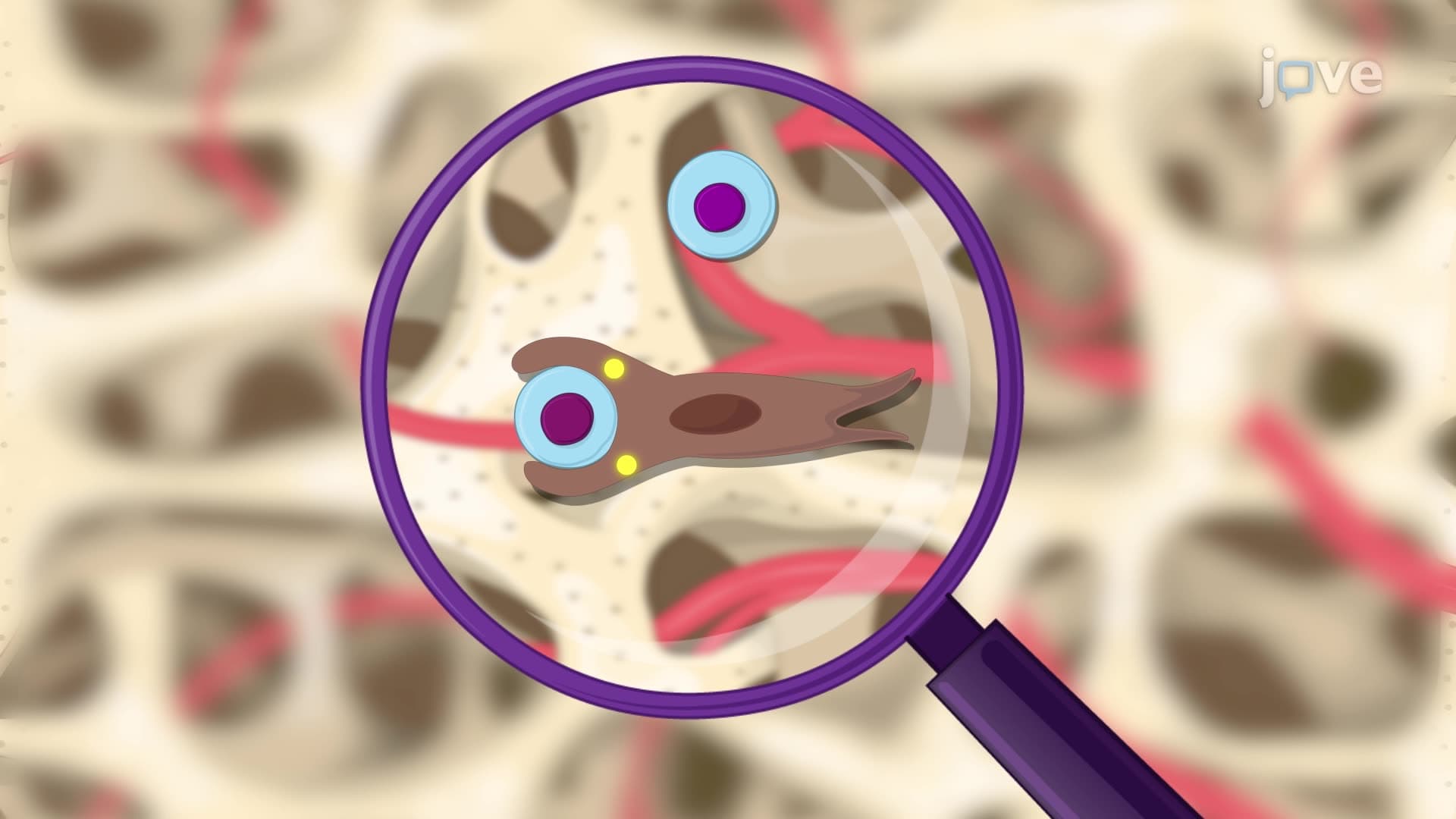
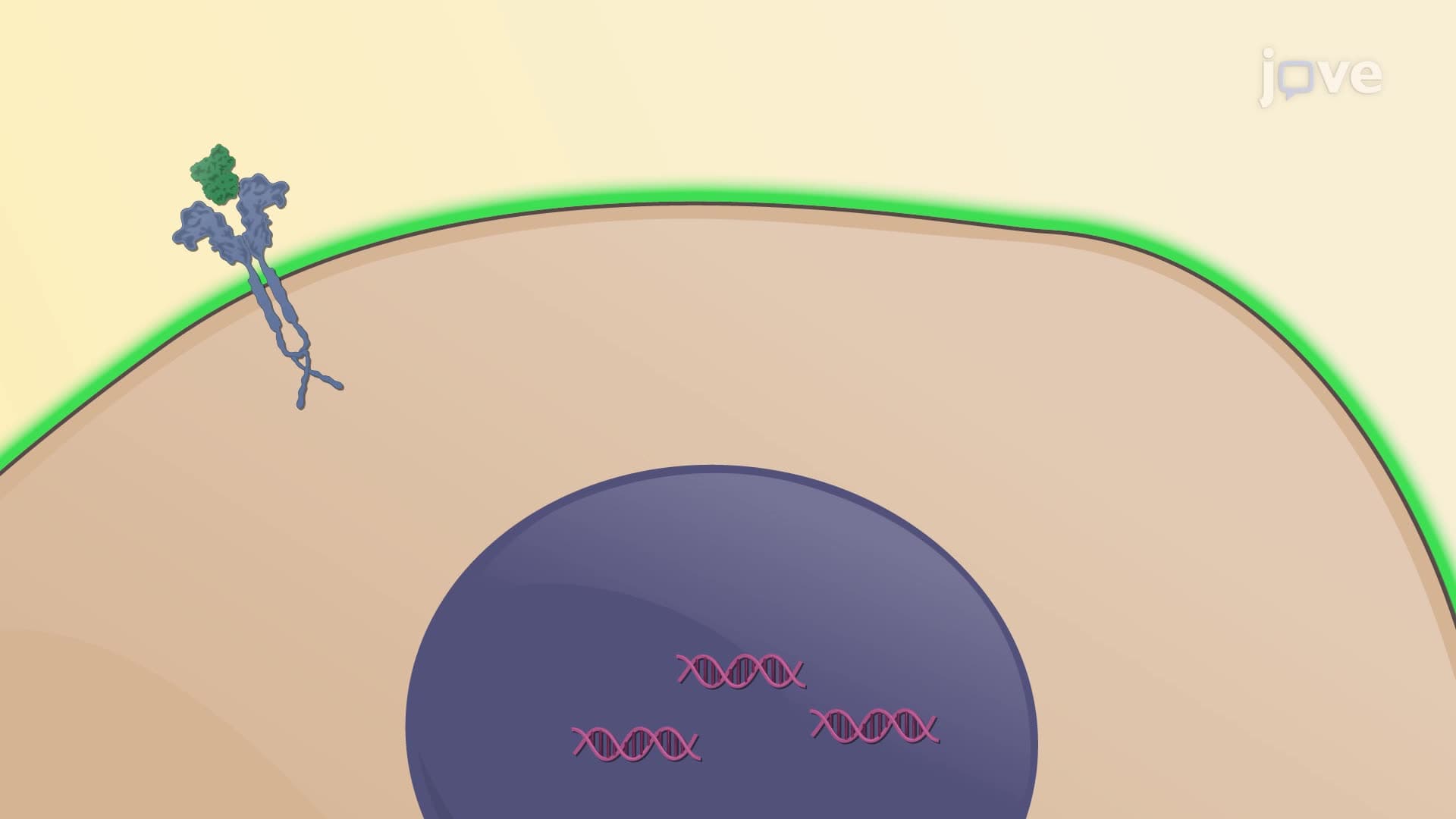
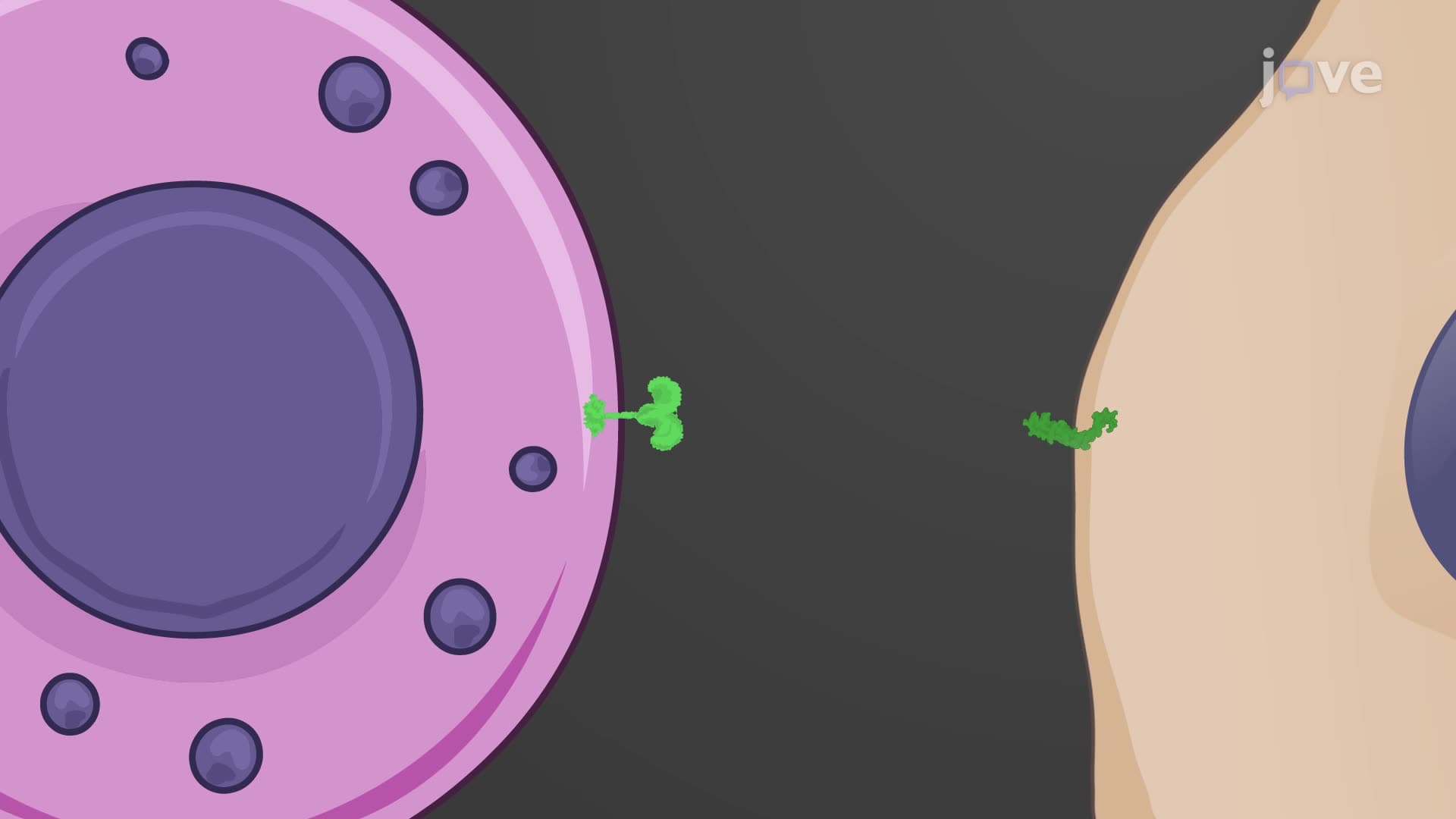
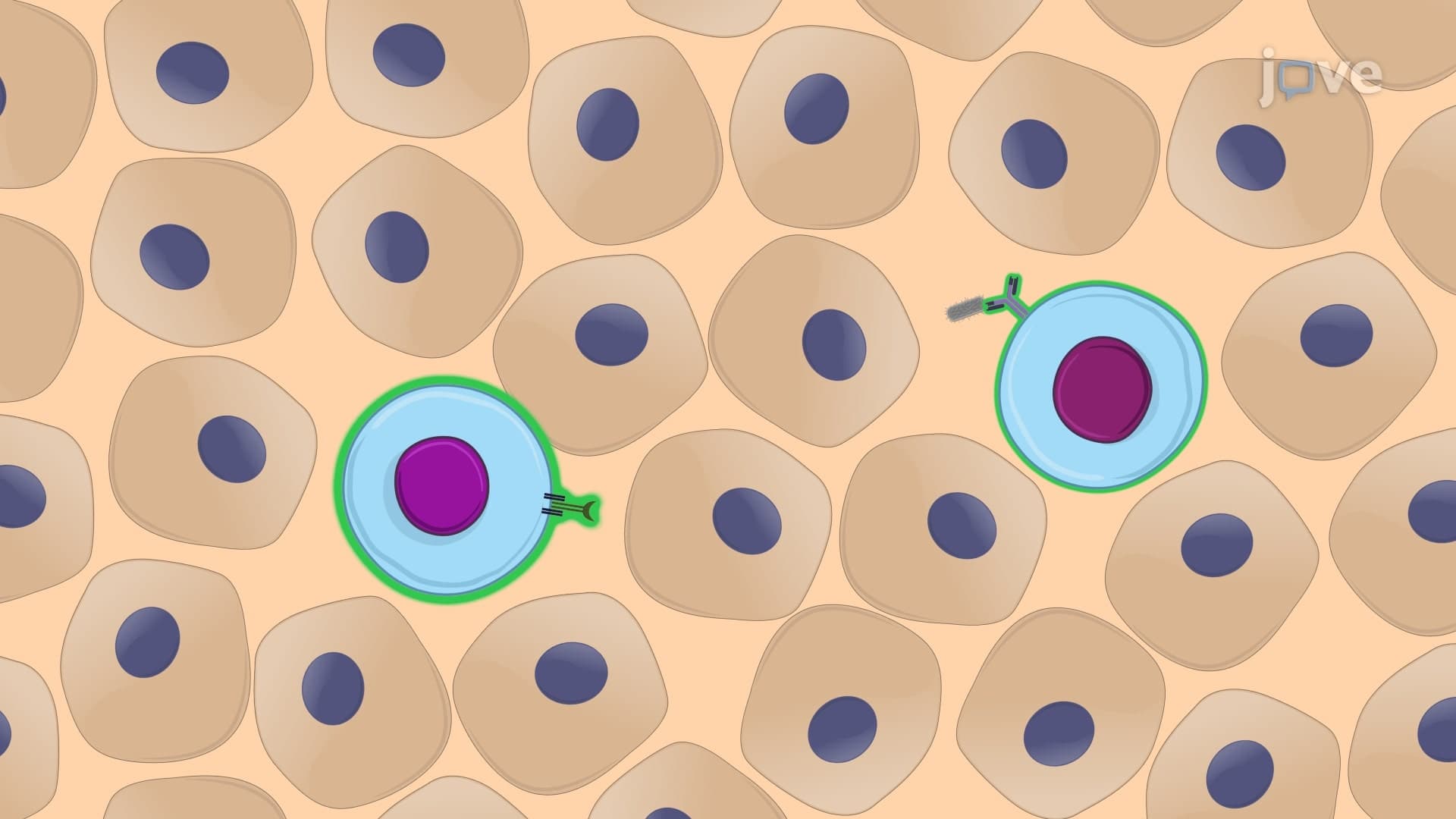
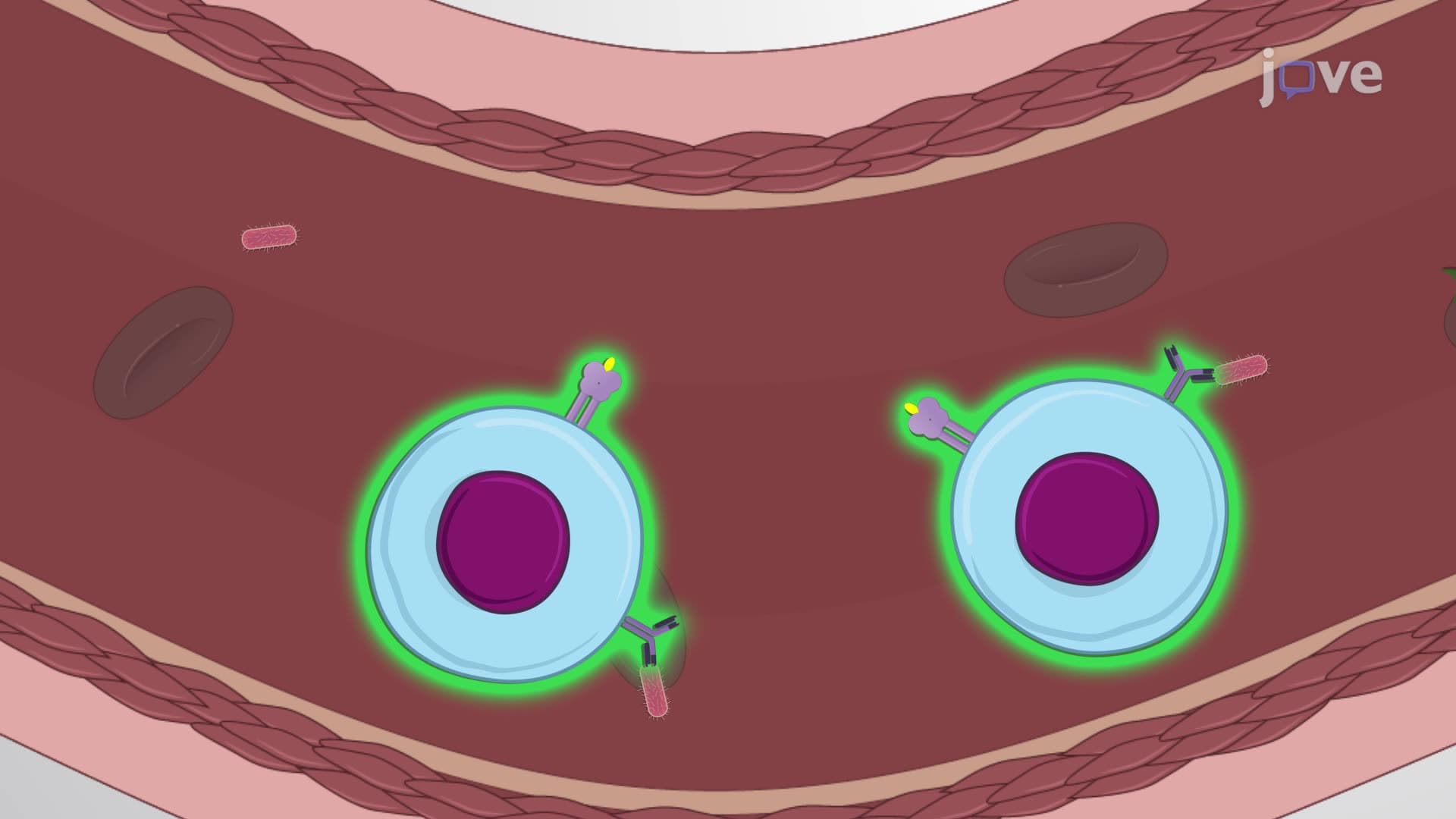
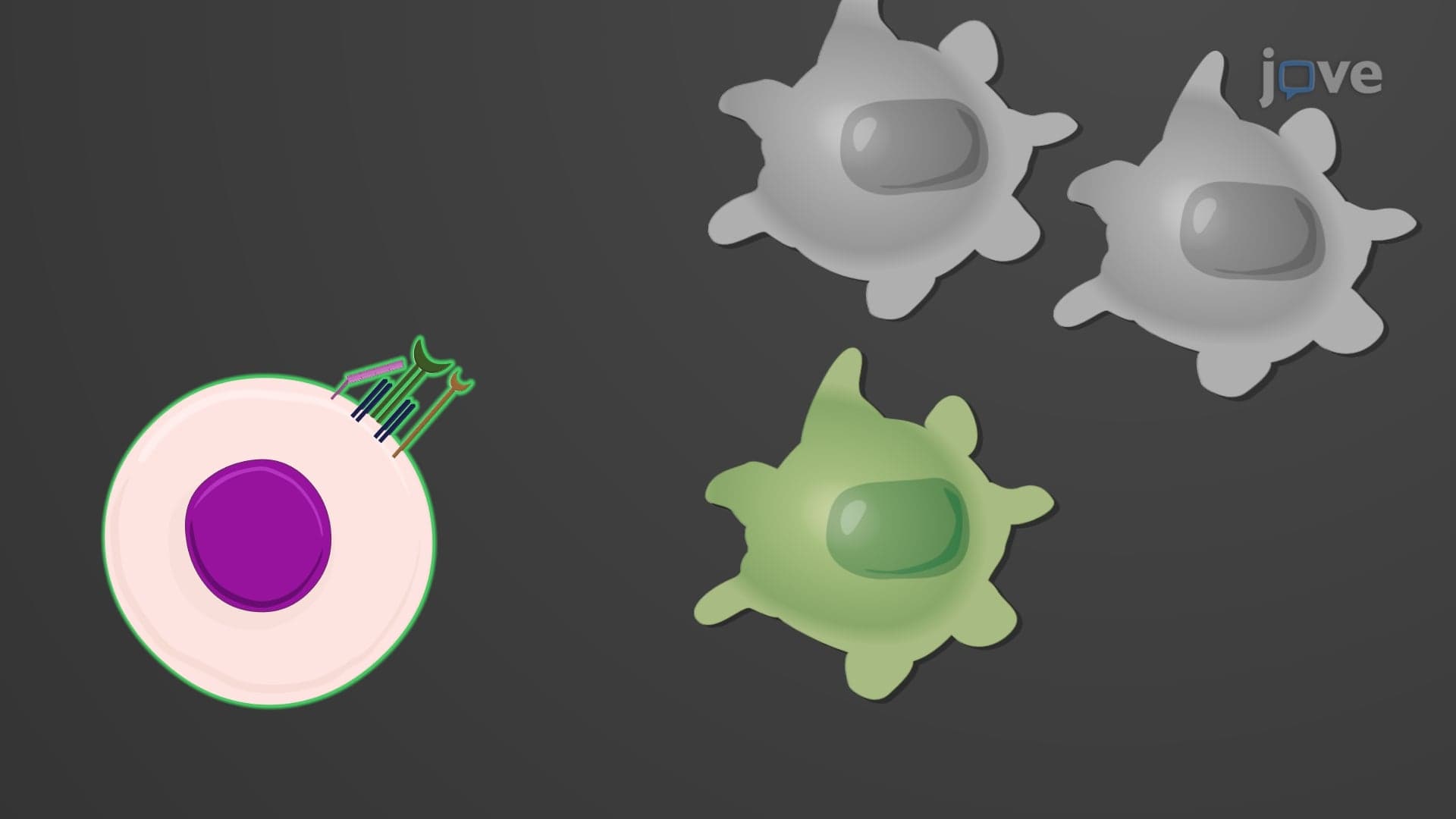
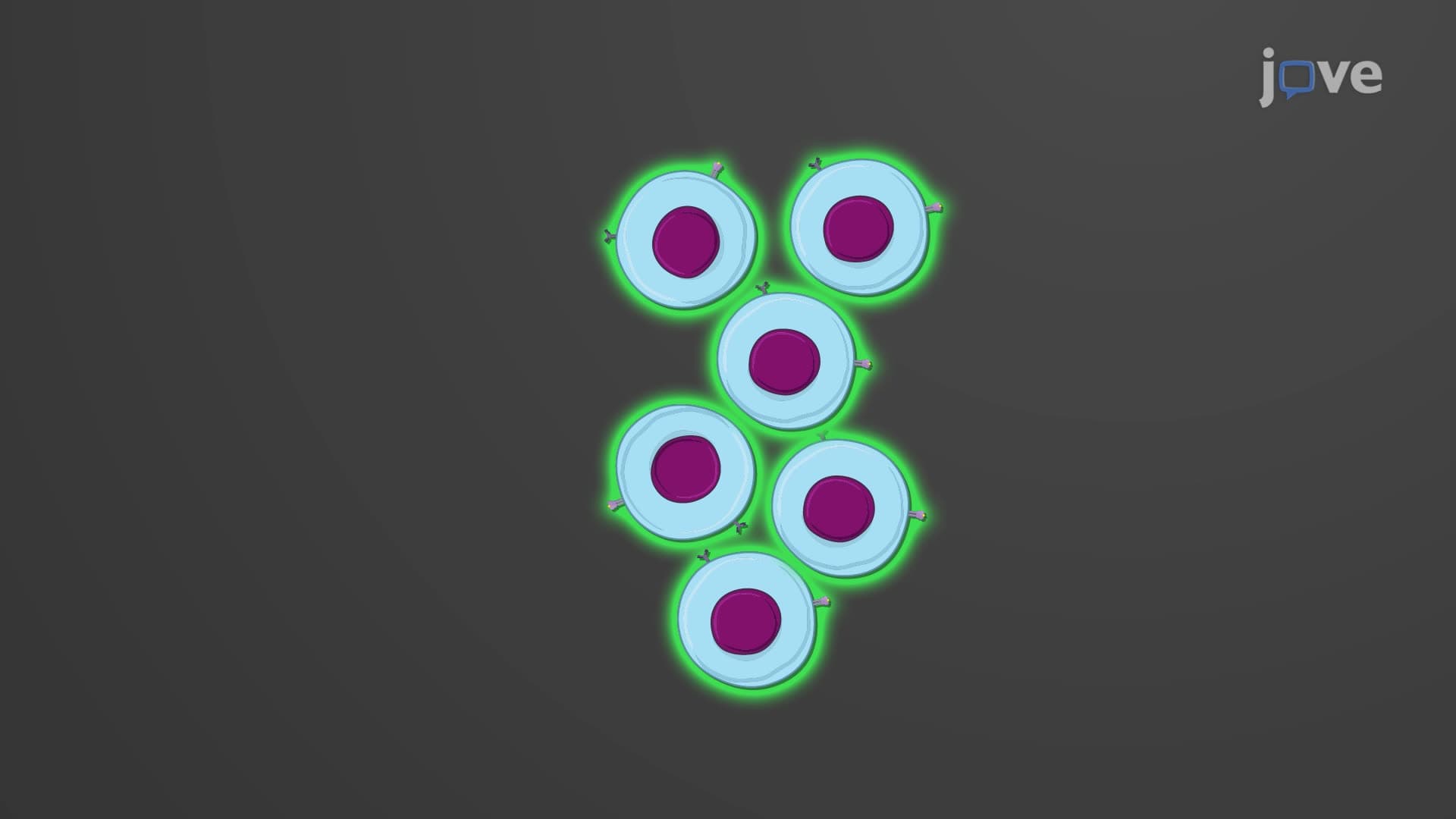
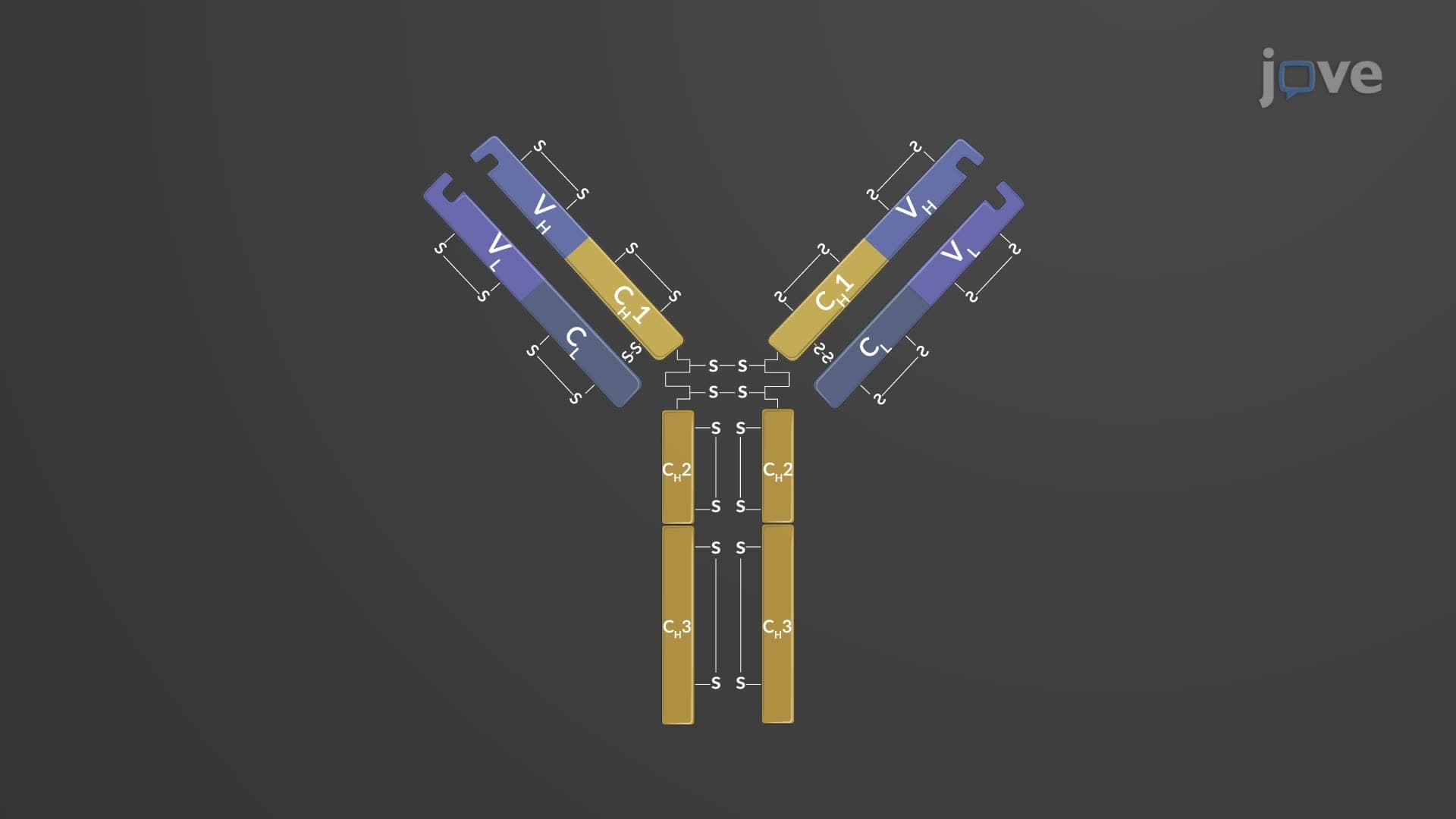
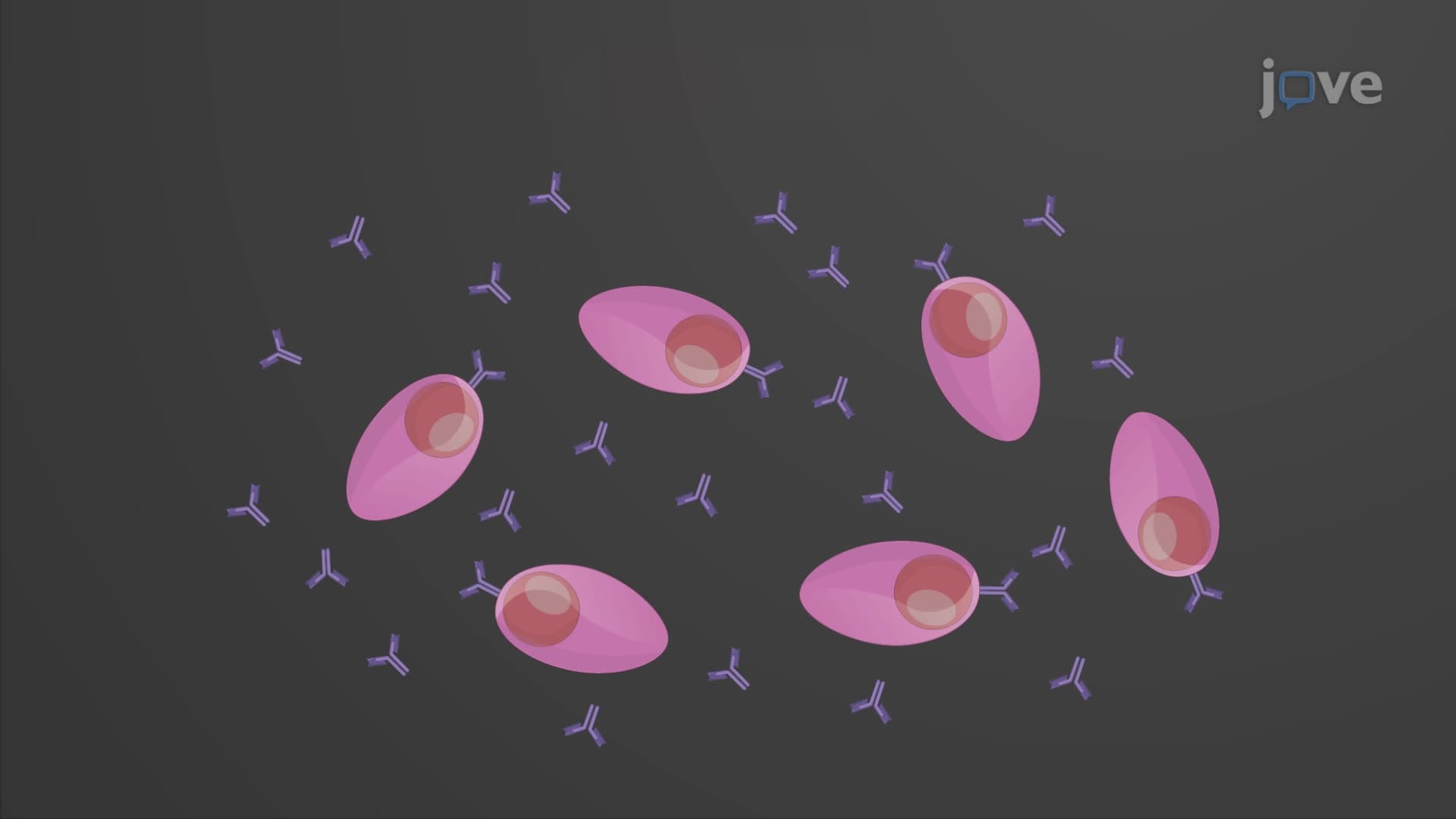
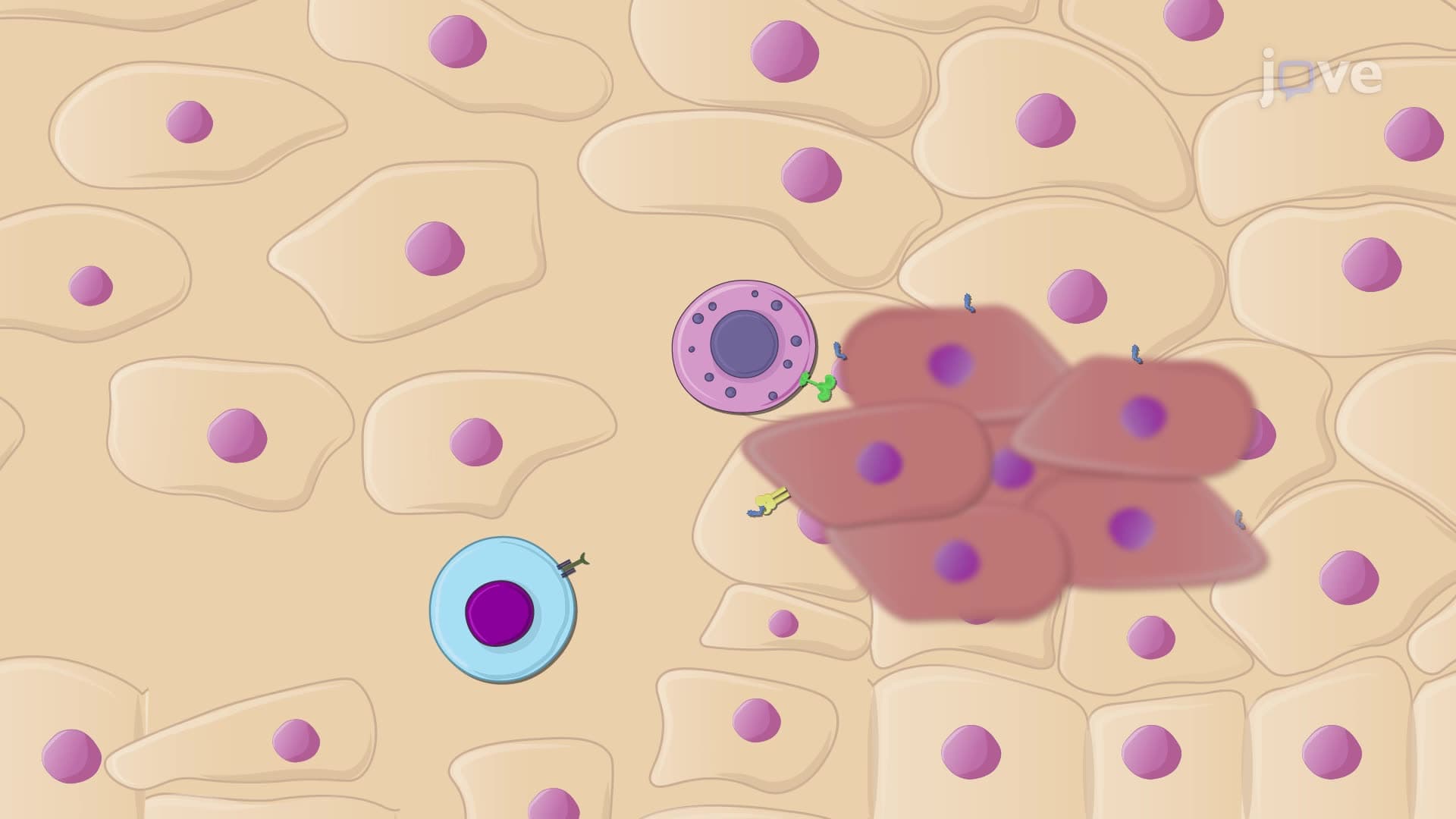
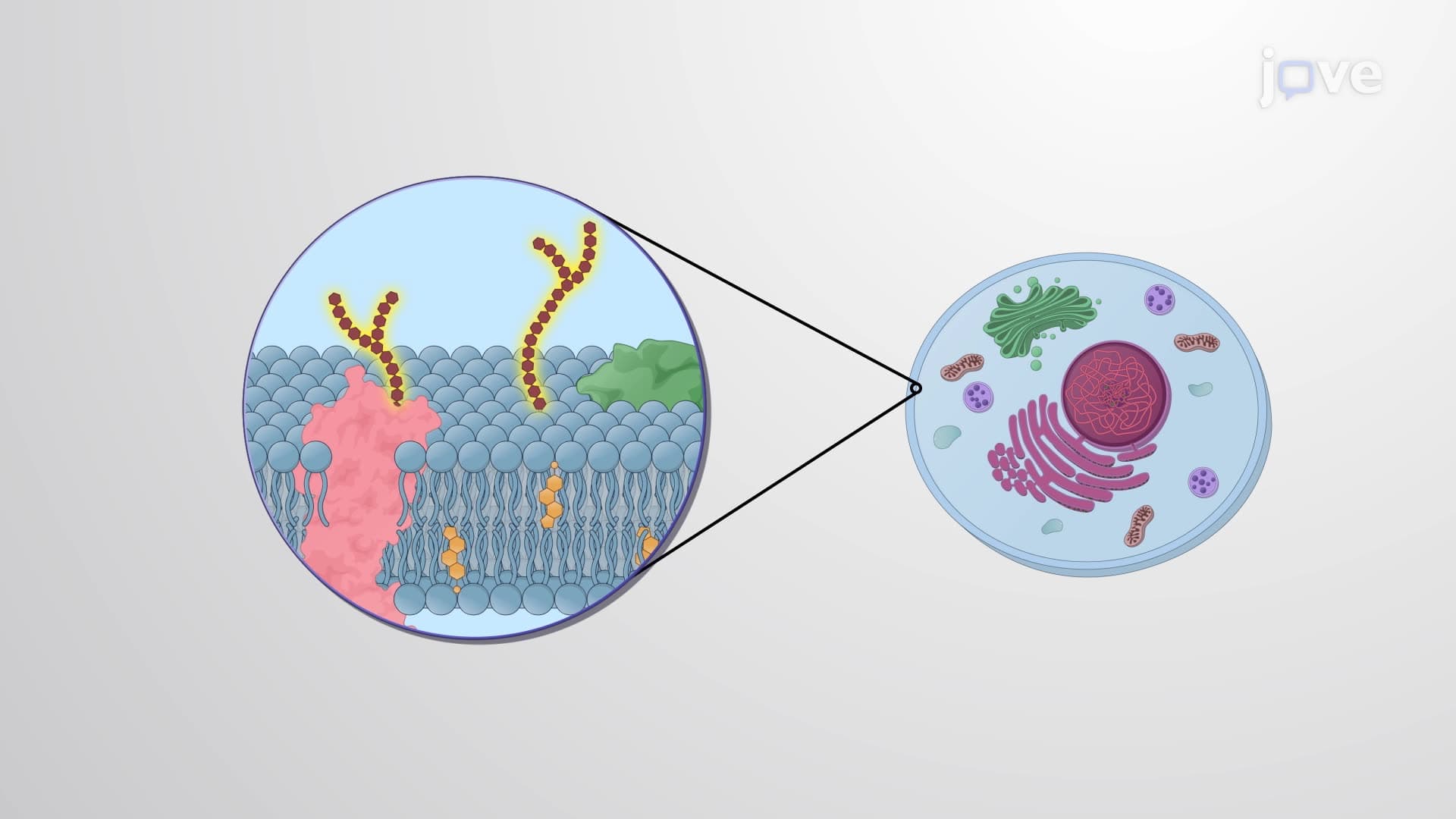
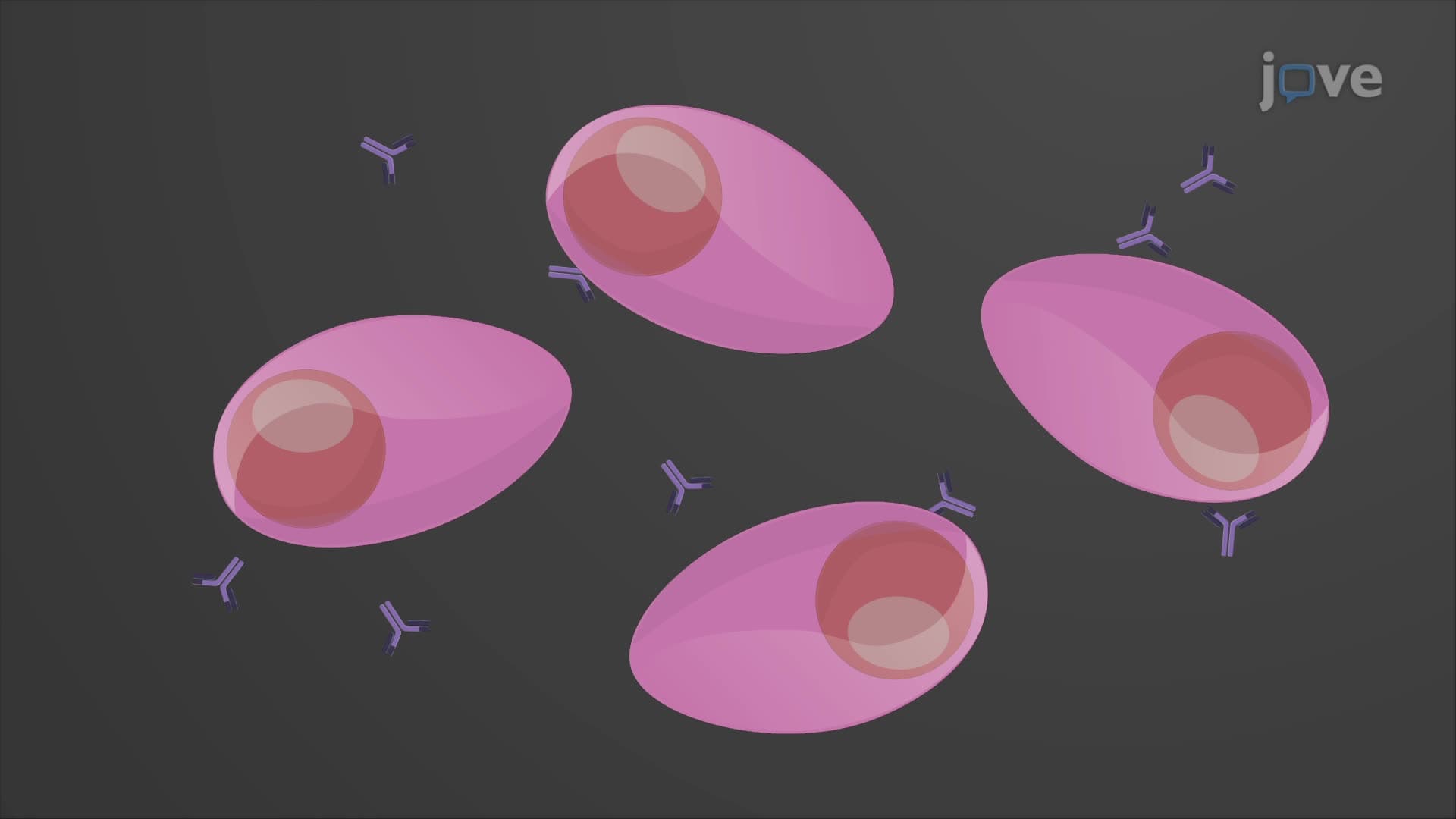
While innate immunity provides rapid response, adaptive immunity delivers specific, long-lasting protection. B cells recognize unique bacterial antigens through their surface immunoglobulins, then internalize and process these antigens for presentation on MHC II molecules. This antibody opsonization bacteria mechanism becomes crucial when B cells differentiate into plasma cells and produce specific antibodies.
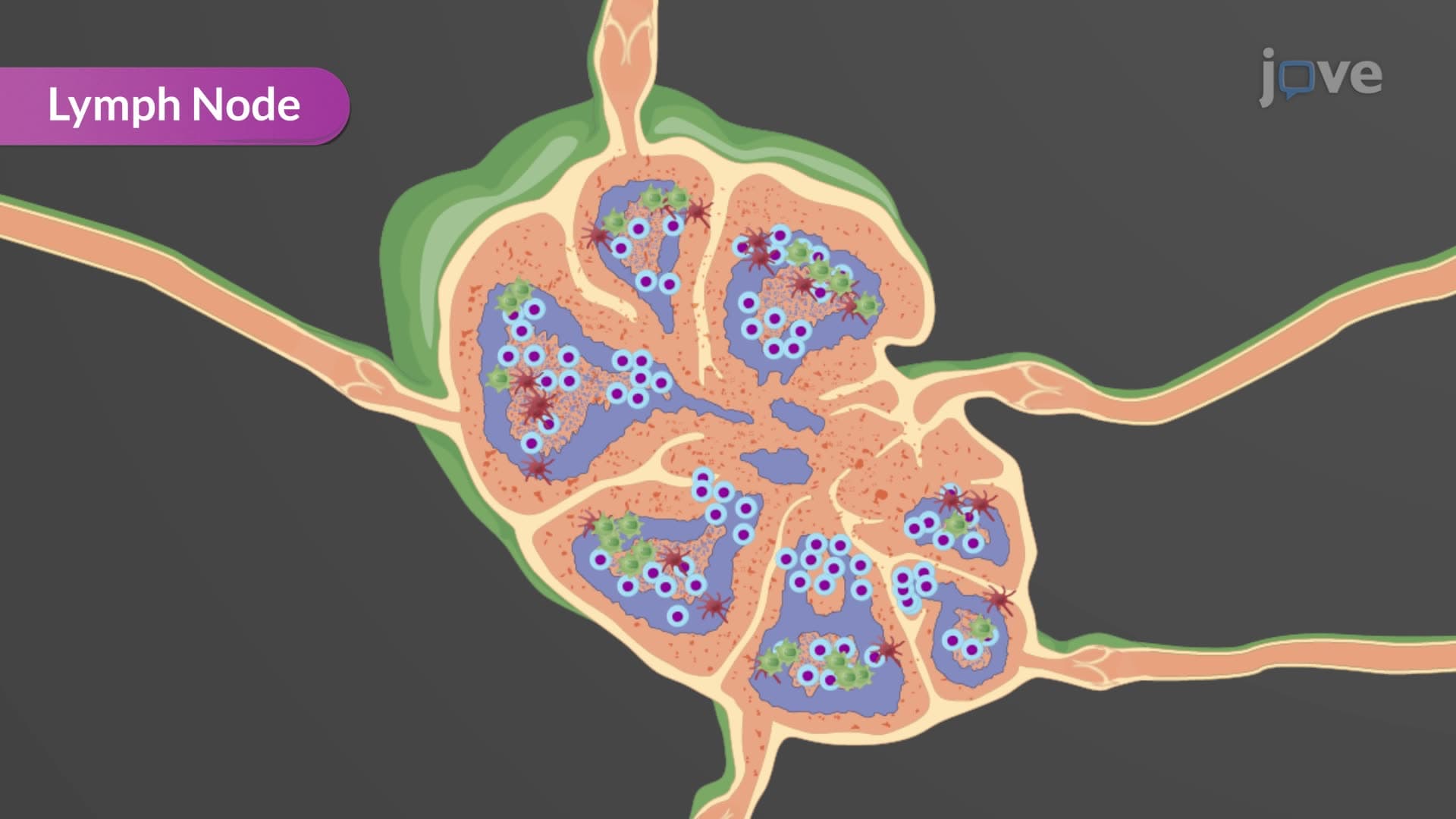
The immune defense bacteria mechanism involves complex cell-to-cell communication. Antigen-presenting cells activate CD4+ T helper cells, which release cytokines like interleukin-4 and interferon-gamma. These signaling molecules stimulate B cell proliferation and guide antibody class switching, determining whether IgG antibodies (for systemic infections) or IgA antibodies (for mucosal infections) are produced.
Understanding bacterial immunity is essential for AP Biology students studying immune system mechanisms and pre-med students preparing for the MCAT. The concept frequently appears in college immunology and microbiology courses, where students must distinguish between different types of immune responses. For nursing students taking the NCLEX or HESI A2, knowledge of bacterial defense mechanisms helps in understanding infection control protocols and antibiotic resistance patterns in clinical settings.
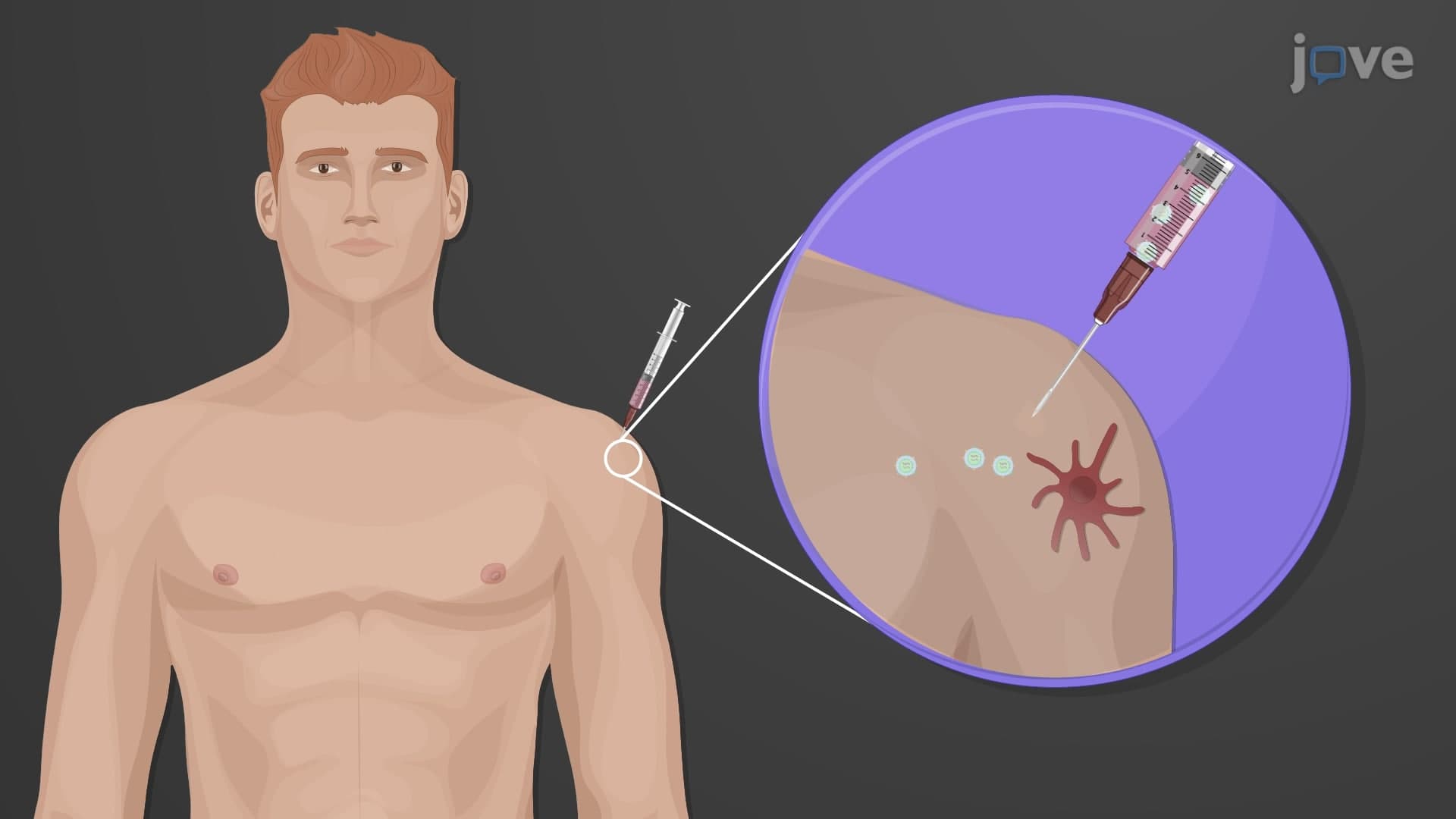
Real-world applications include vaccine development strategies-the pneumococcal vaccine works by exposing the immune system to bacterial polysaccharides, allowing memory B cells to mount rapid responses upon future exposure. Similarly, understanding how innate adaptive antibacterial responses work together helps explain why immunocompromised patients are more susceptible to opportunistic bacterial infections.
Related Micro-courses