Loading subject page…


218,420 views

Video Summary: What are Hypersensitivities
Did you know that a single peanut can trigger a life-threatening reaction in over 1 million Americans? Hypersensitivity types biology reveals how our immune system's overprotective responses create these dangerous allergic reactions. What are hypersensitivities? They're classified into four distinct types, from immediate asthma attacks to delayed skin reactions like poison ivy dermatitis. Watch the full video on JoVE Coach to master this concept with expert-led visuals and step-by-step explanations.
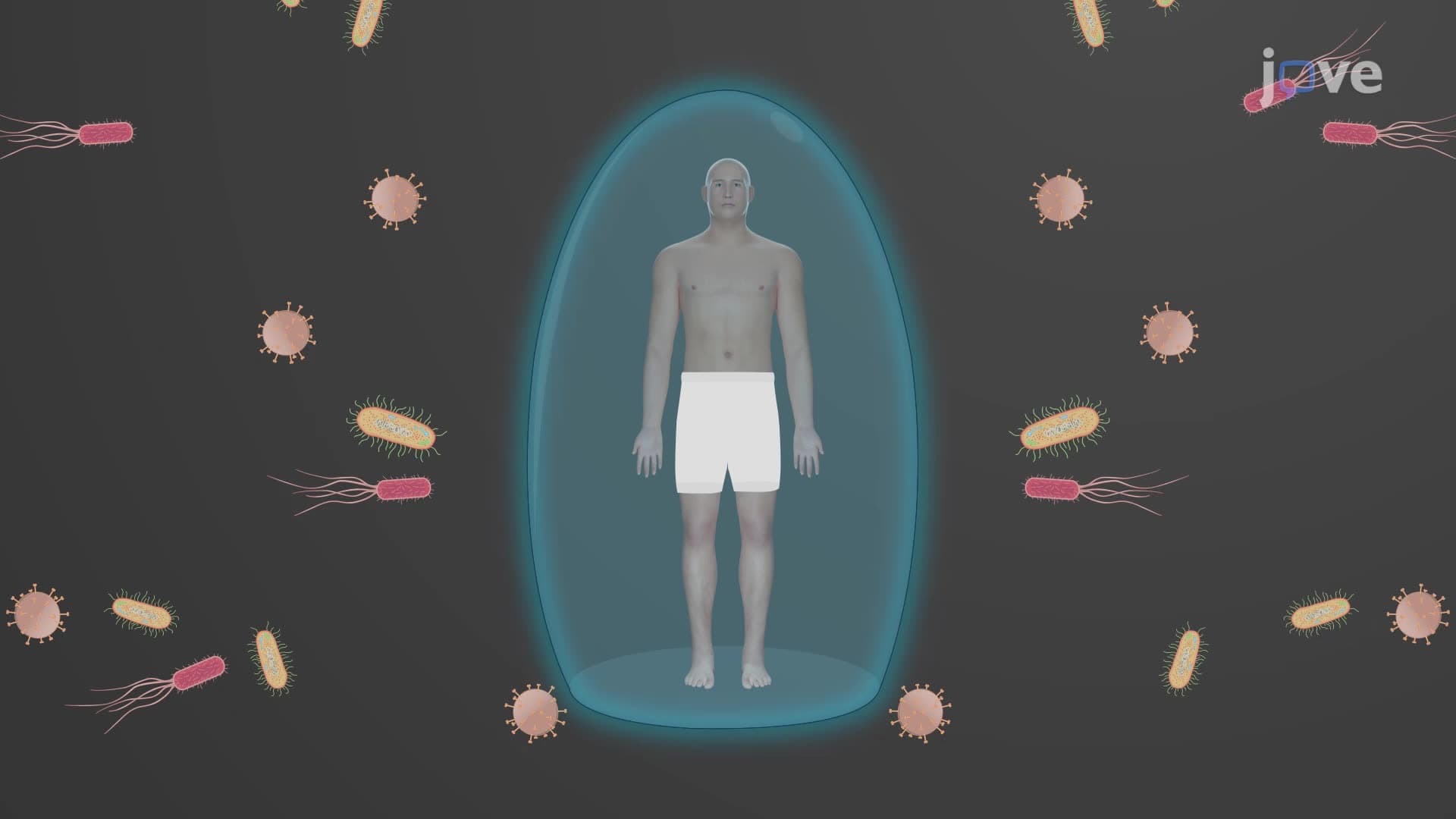
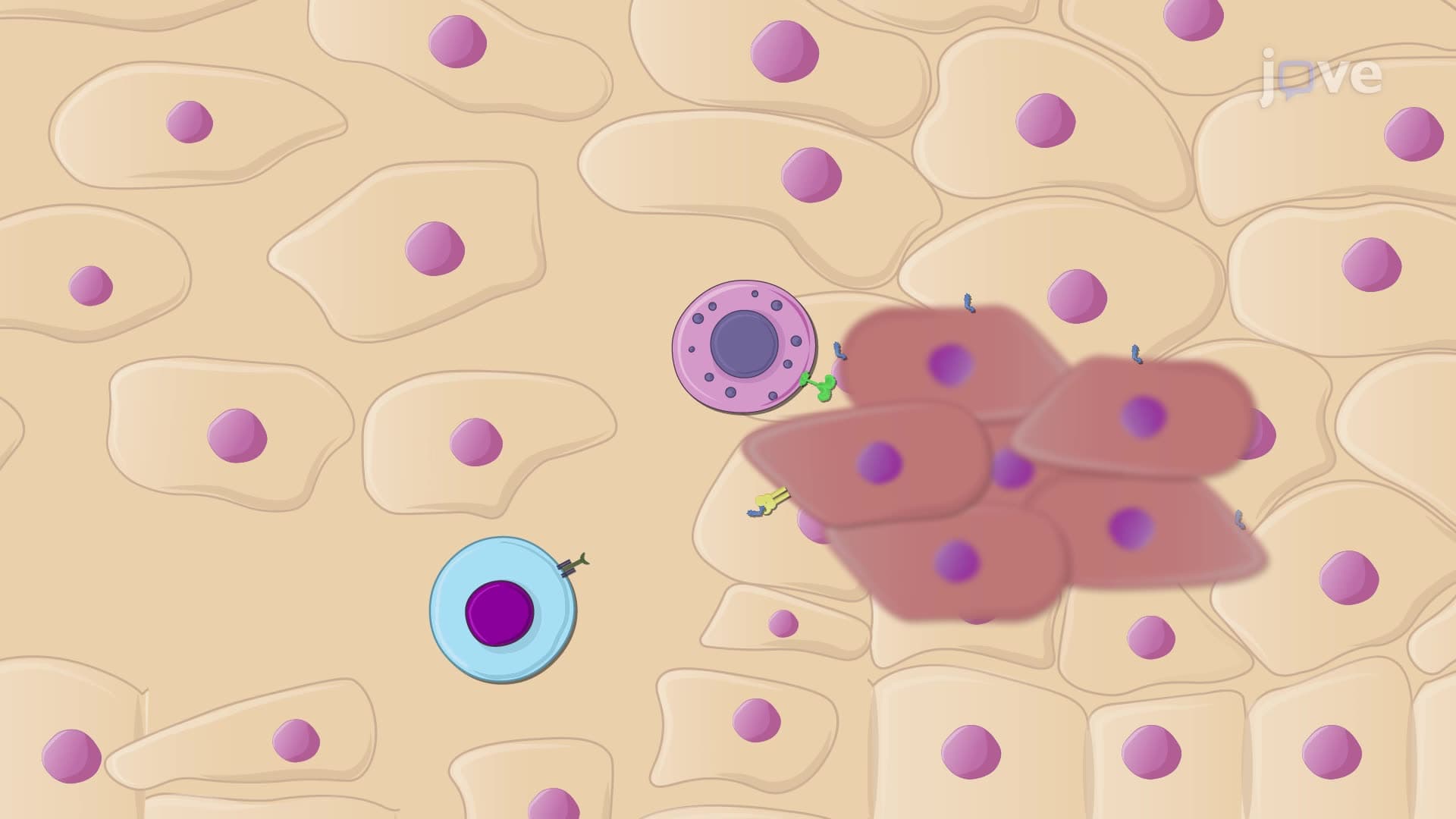
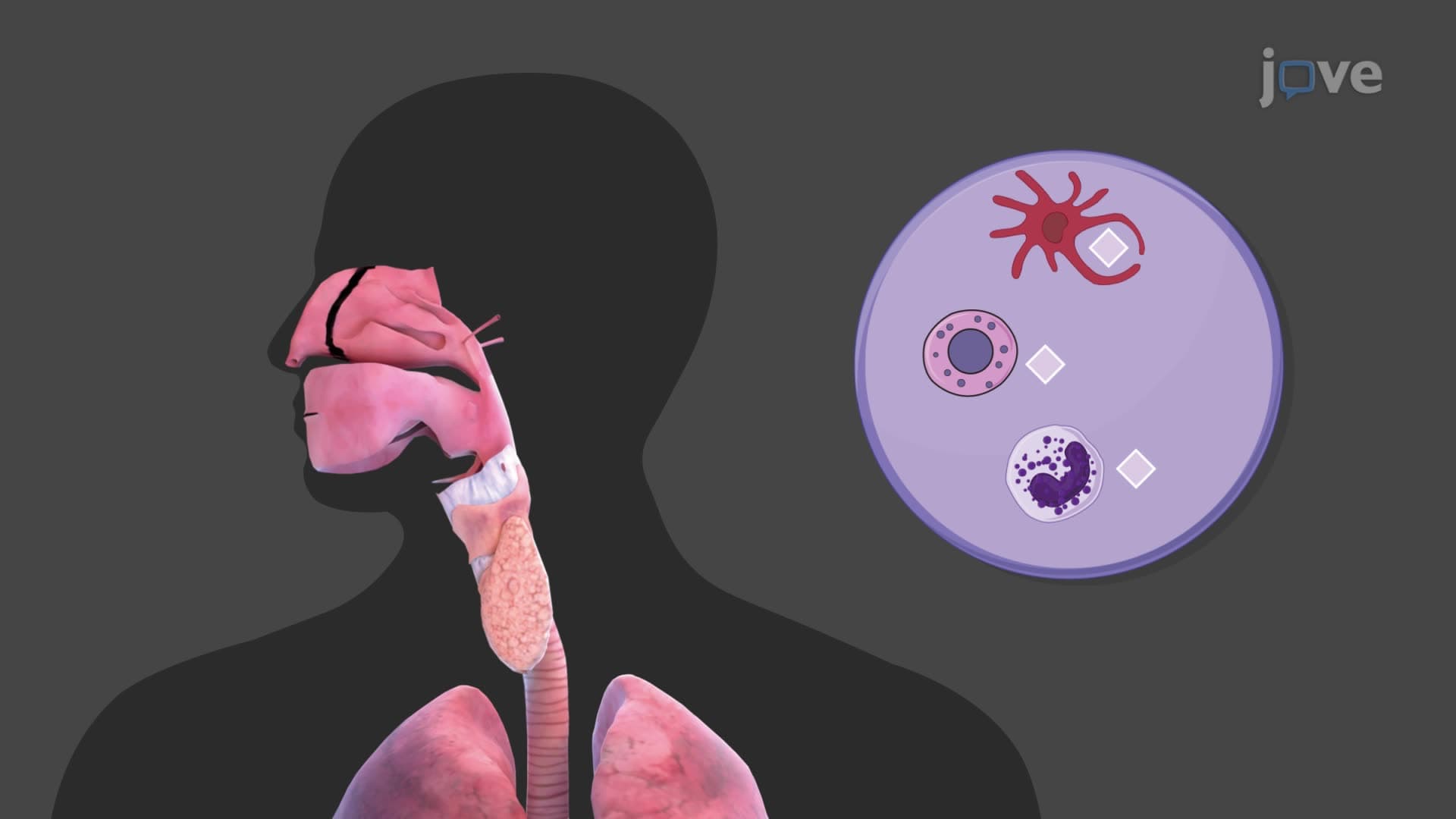
Allergic hypersensitivity explained begins with recognizing that these reactions represent immune system malfunctions rather than protective responses. When functioning properly, your immune system distinguishes between harmful pathogens and benign substances like pollen or food proteins. However, in hypersensitive individuals, the immune system mistakenly identifies harmless antigens as threats, launching disproportionate attacks that damage the host's own tissues.
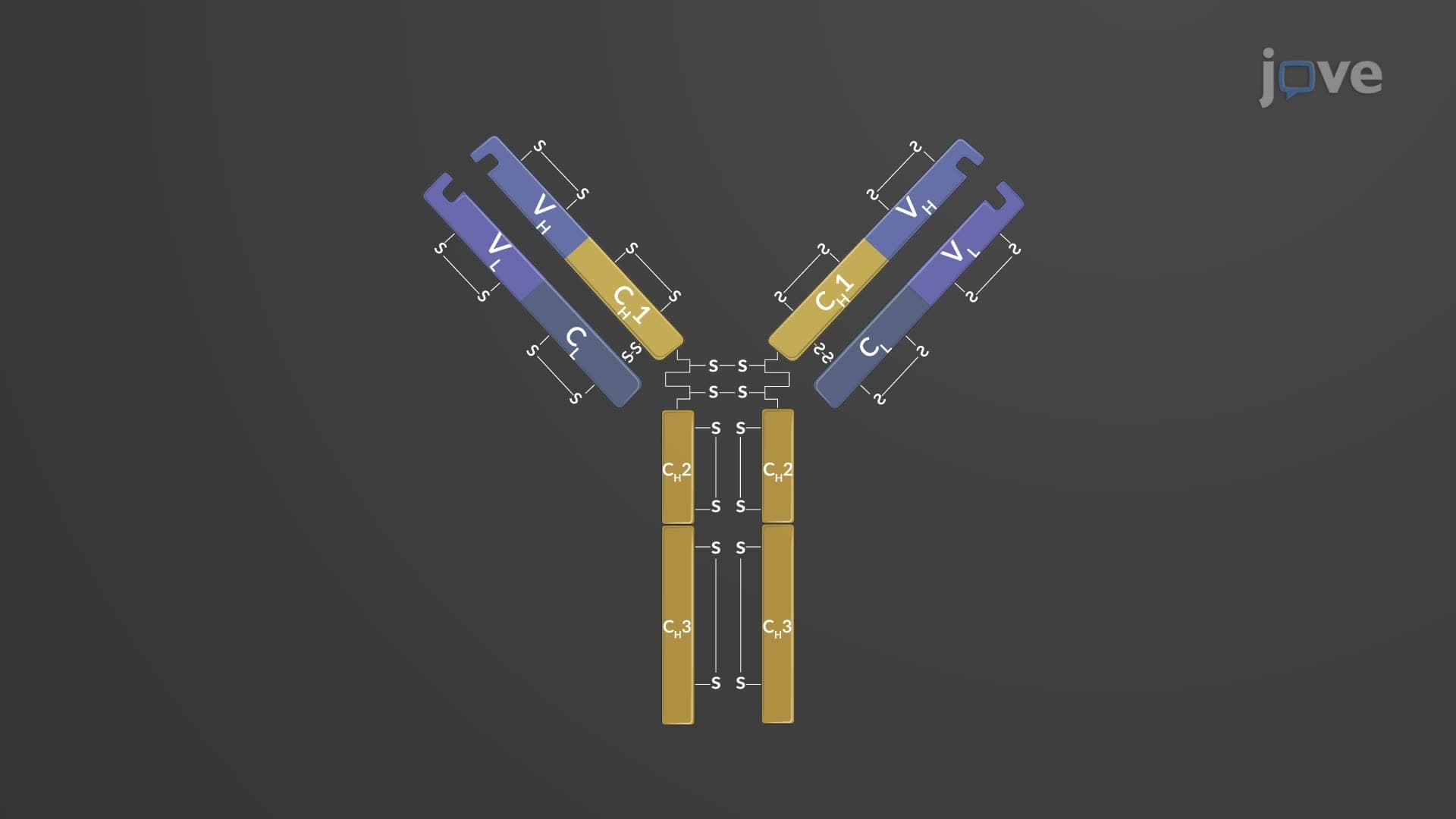
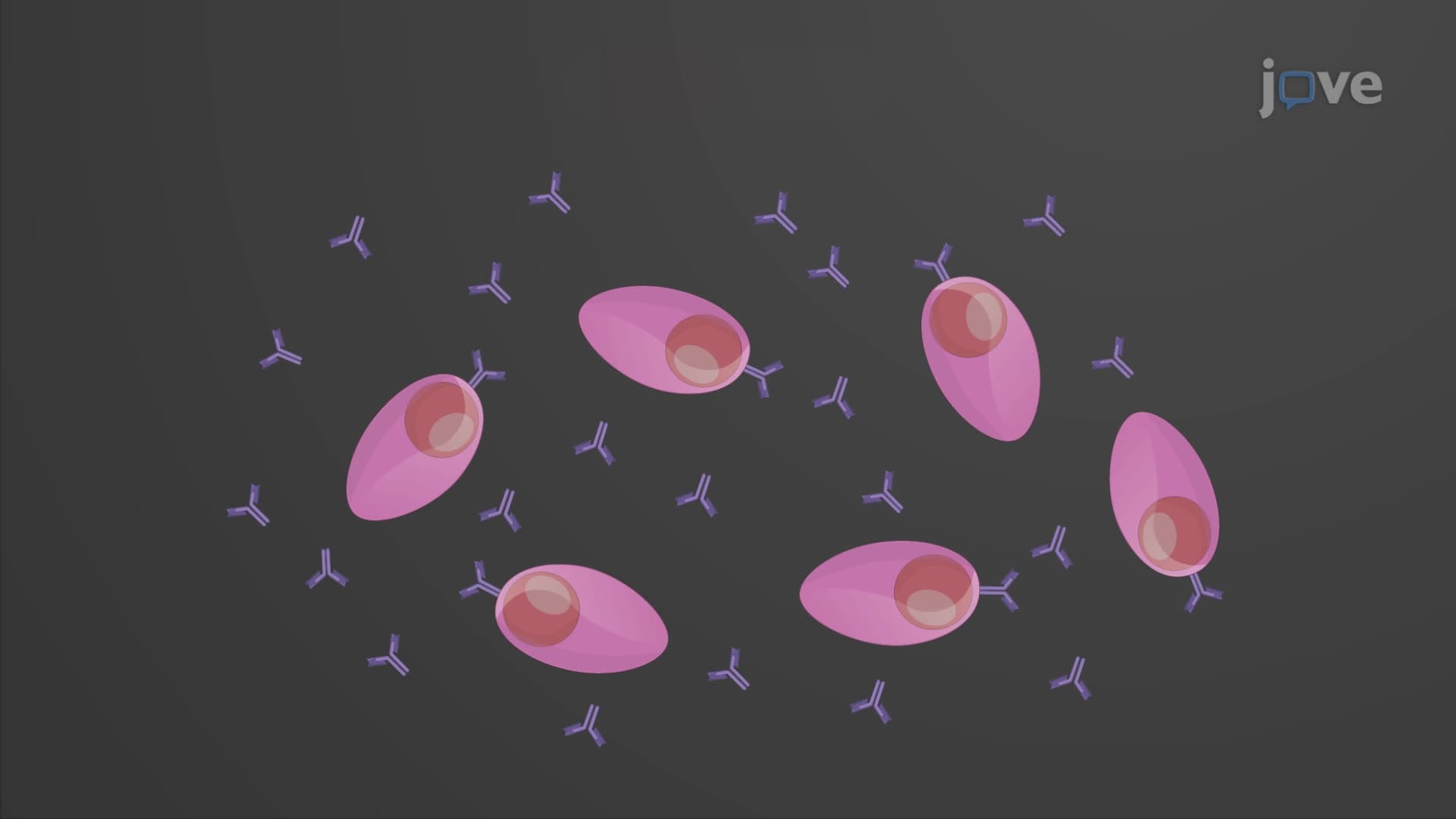
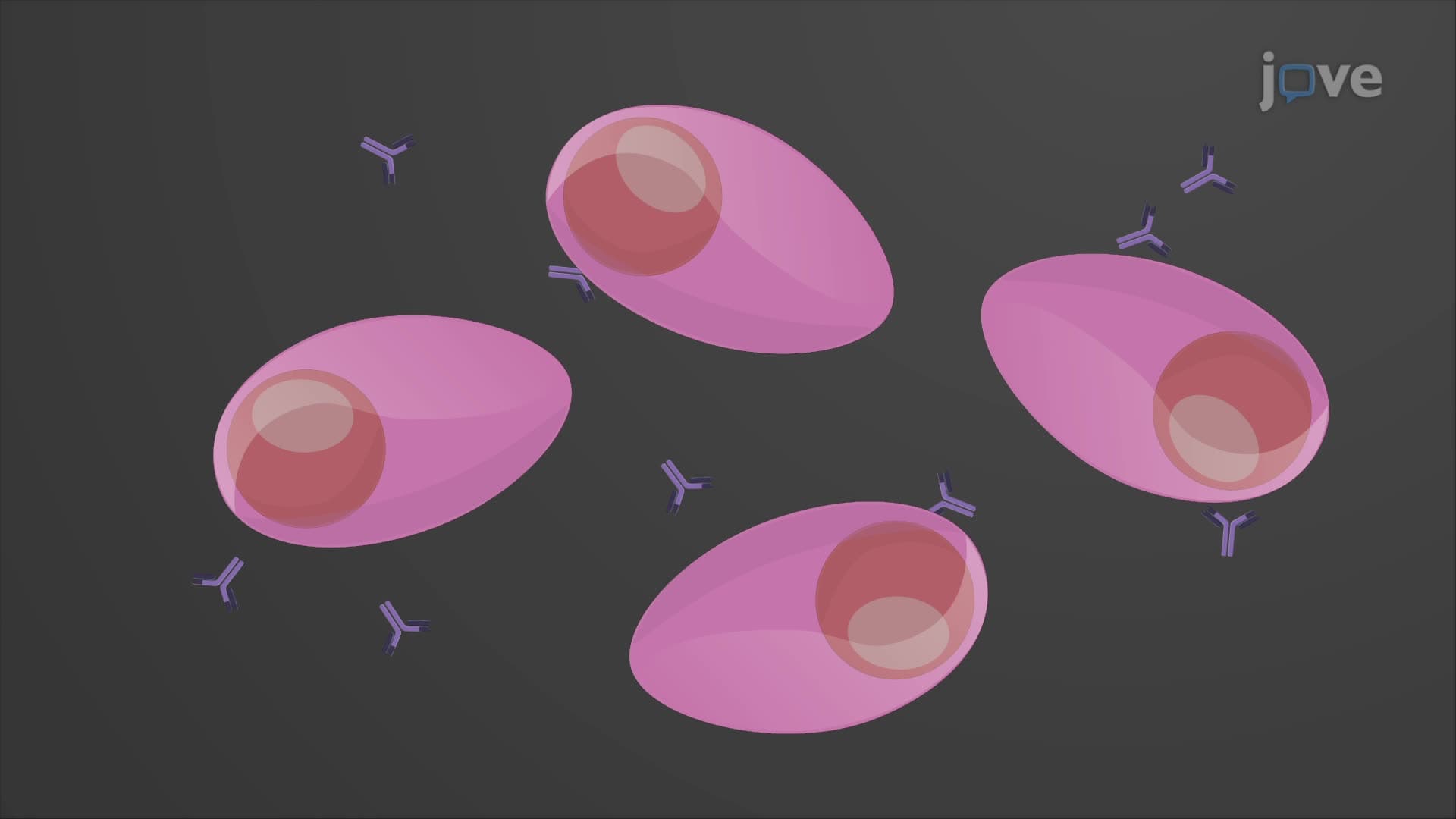
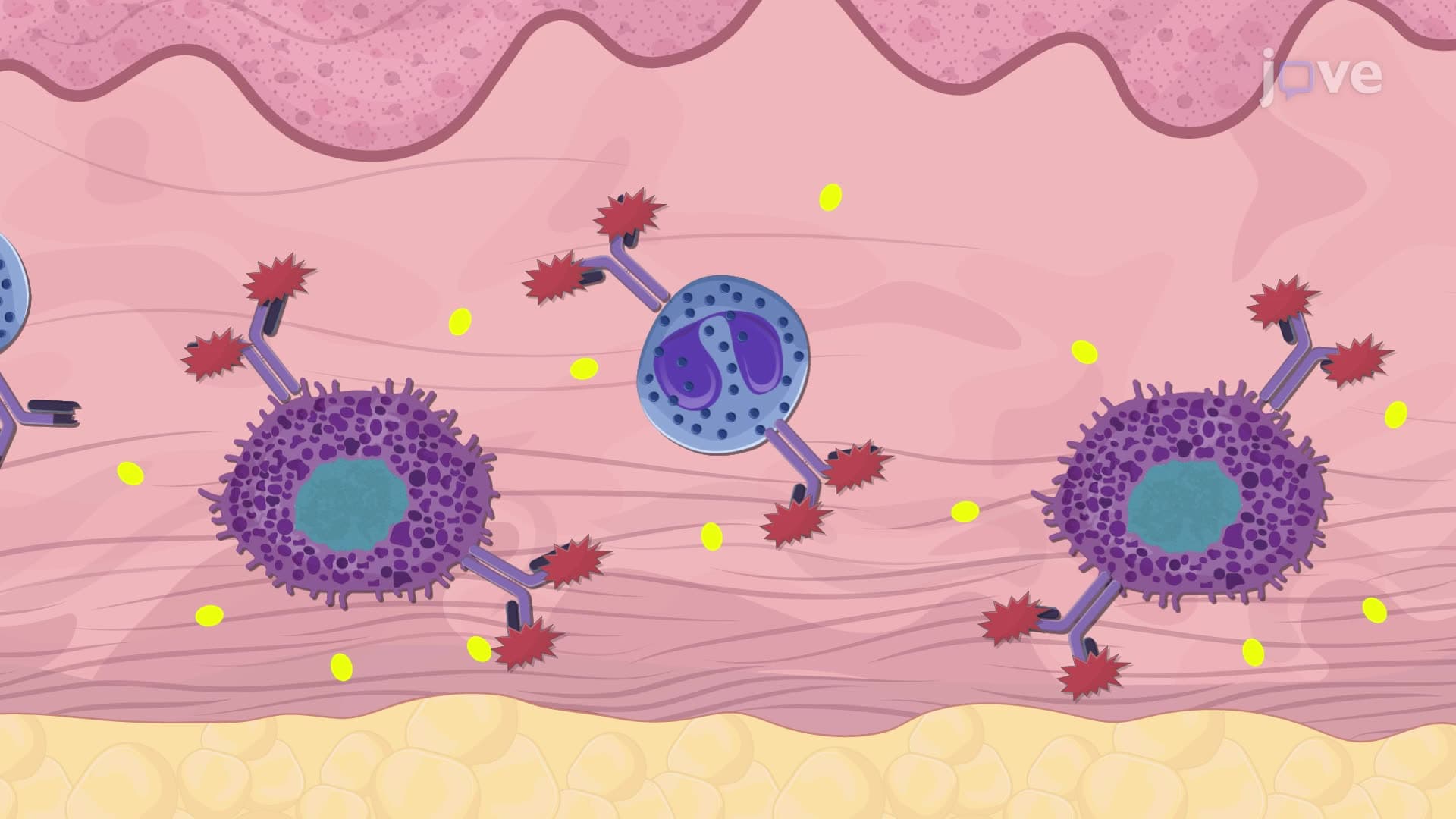
IgE allergic hypersensitivity dominates Type I reactions, affecting over 50 million Americans annually. During initial allergen exposure, plasma cells produce massive quantities of allergen-specific IgE antibodies that bind to mast cells and basophils. Upon re-exposure, allergens cross-link these bound IgE molecules, triggering explosive degranulation. Released histamine causes vasodilation, increased vascular permeability, and smooth muscle contraction-explaining why anaphylaxis can kill within minutes.
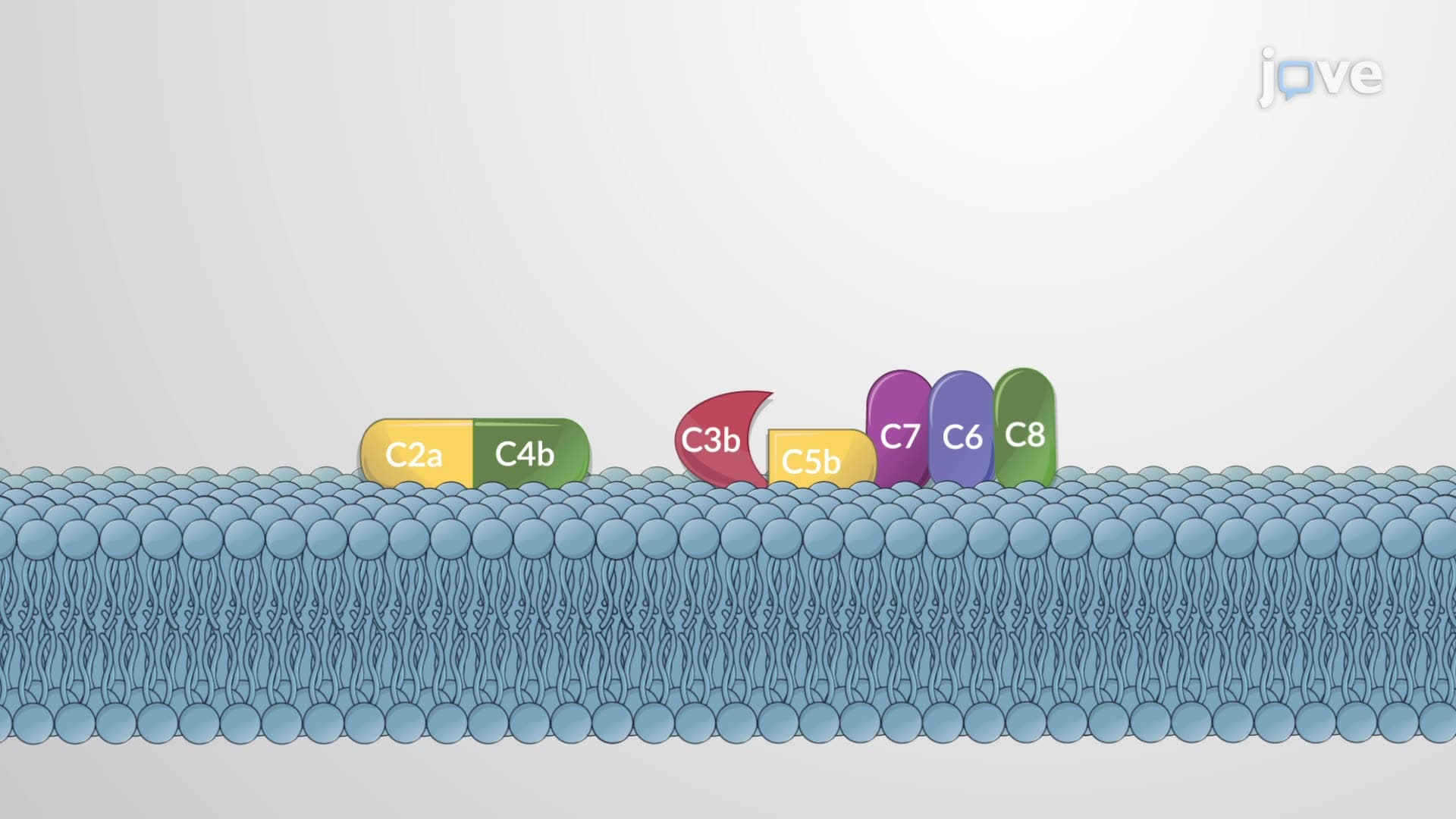
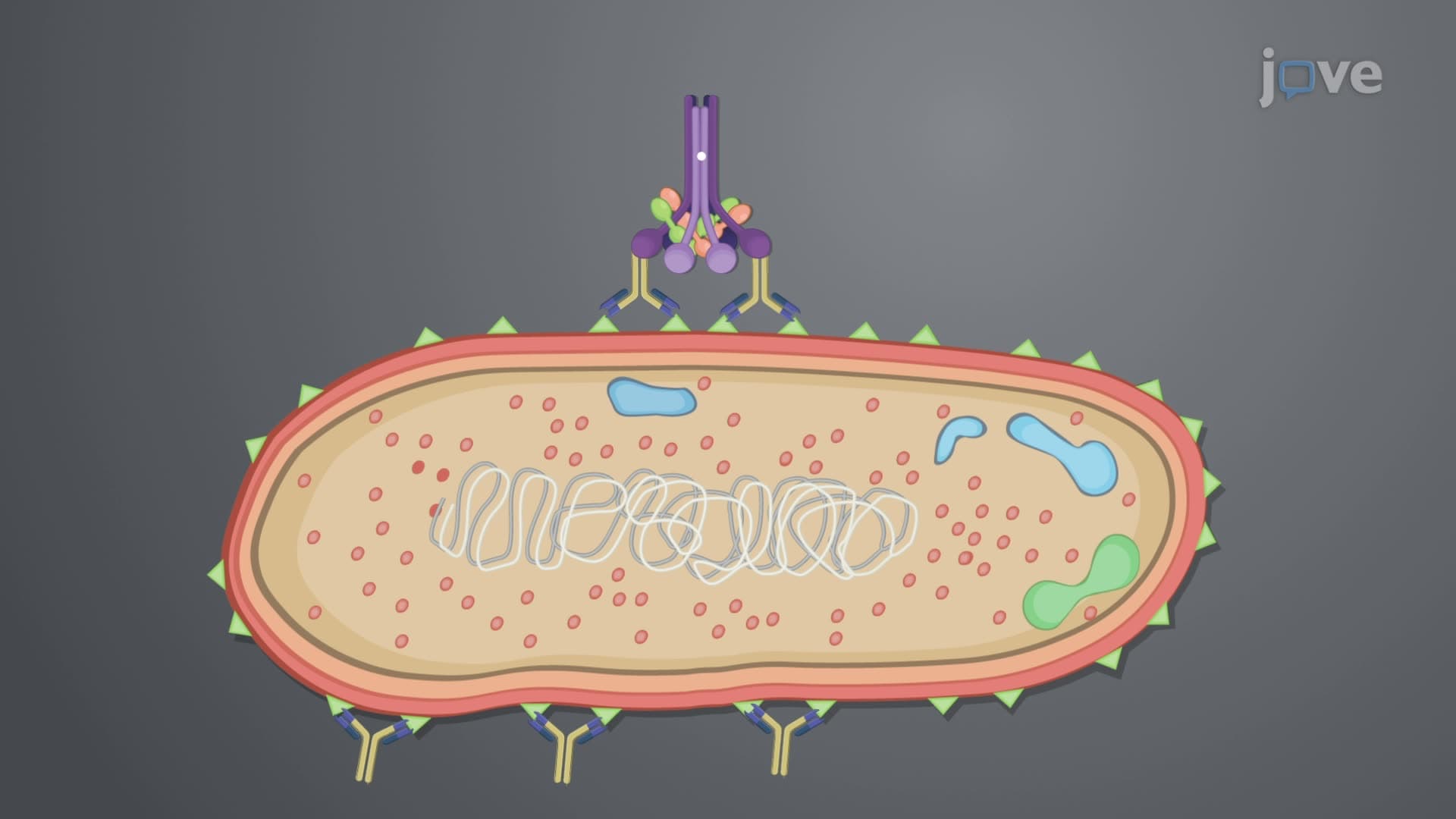
Cytotoxic Type II hypersensitivity operates differently, involving IgG and IgM antibodies that directly target cell-surface antigens. ABO blood group incompatibilities exemplify this mechanism: transfusing Type A blood into a Type O recipient triggers anti-A antibodies to bind donor red blood cells, activating complement cascades and causing massive hemolysis. This is why blood typing remains critical in US hospitals.
Type III hypersensitivity creates immune complexes that deposit in tissues, particularly affecting joints and kidneys. Rheumatoid arthritis, afflicting 1.3 million Americans, demonstrates how these complexes trigger chronic inflammation in synovial tissues, ultimately destroying cartilage and bone.
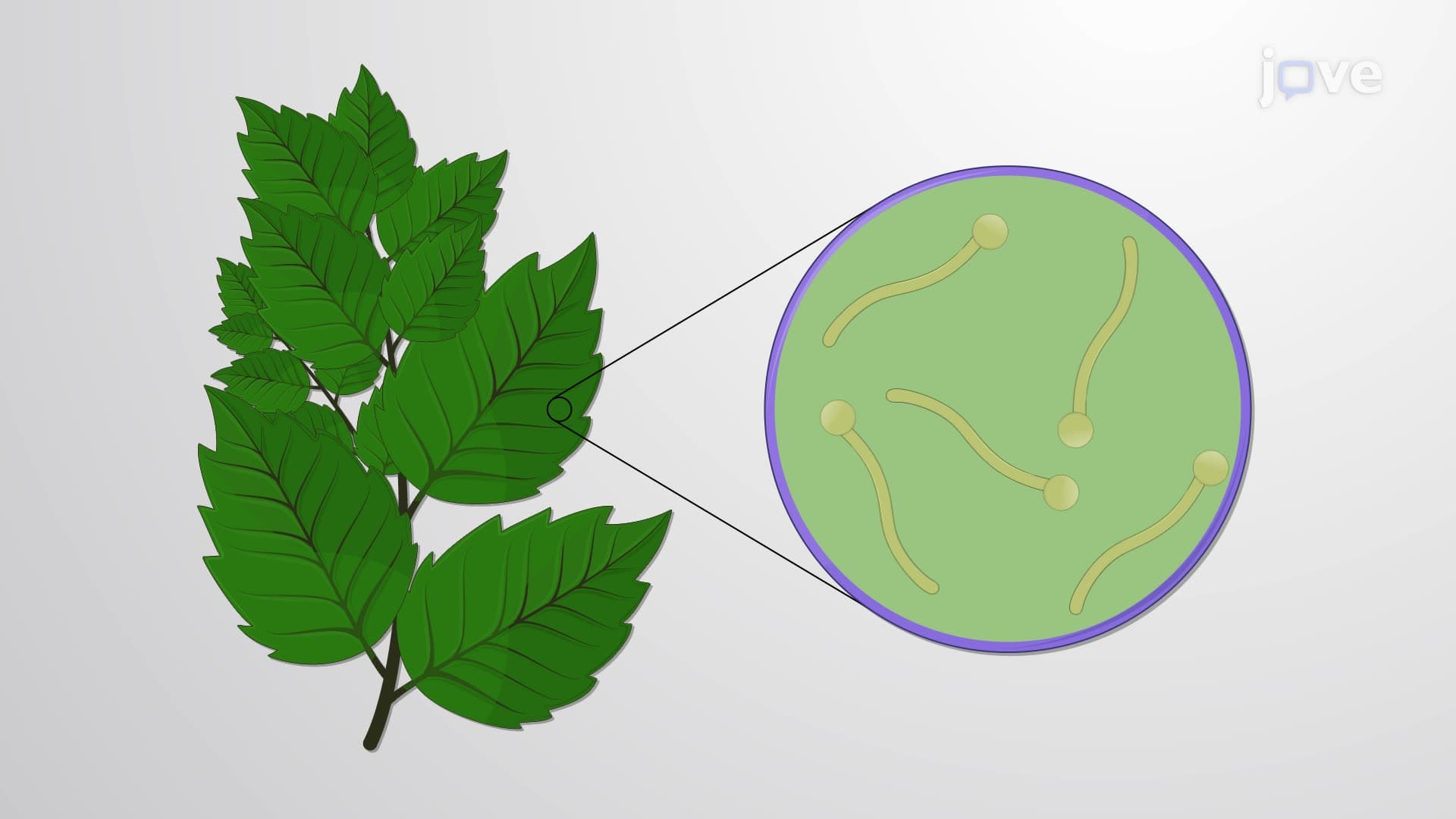
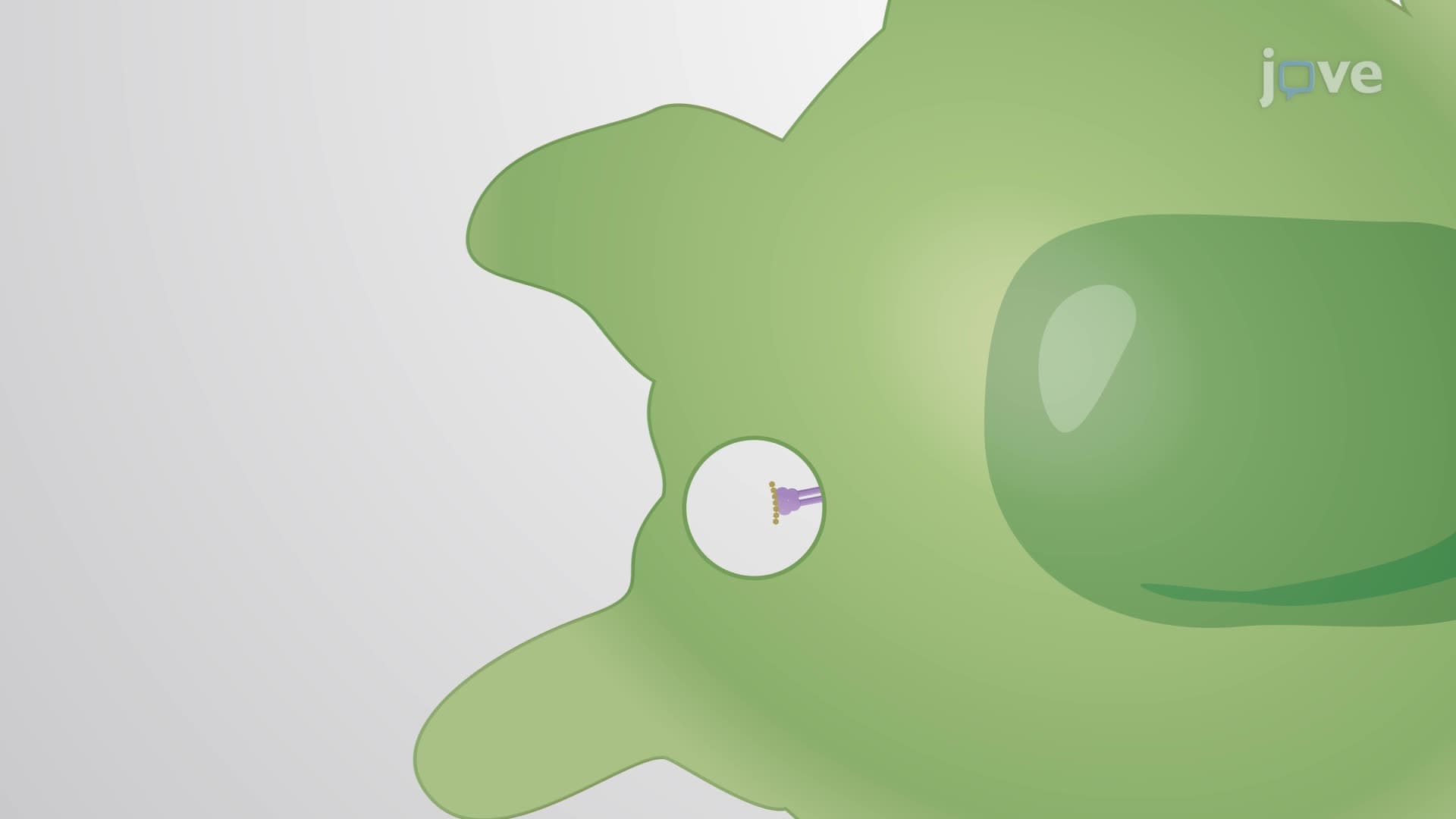
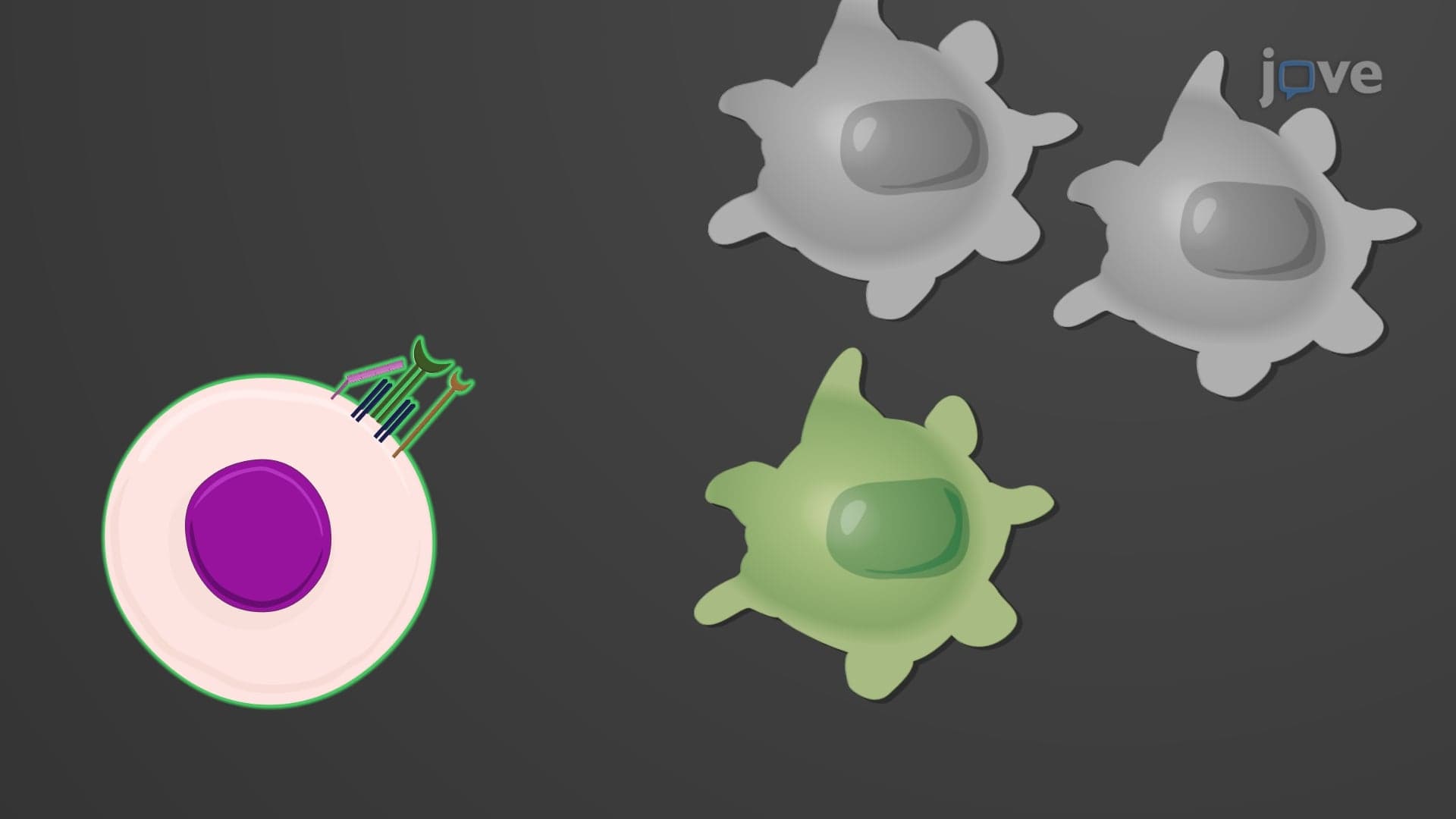
Delayed Type IV hypersensitivity involves T-cell mediated responses appearing 12-72 hours post-exposure. Contact dermatitis from poison ivy affects millions of Americans annually-Urushiol oil binds skin proteins, creating hapten-carrier complexes that activate Th1 cells. These release interferon-gamma and other cytokines, recruiting macrophages that cause the characteristic blistering rash.
Understanding hypersensitivity types biology proves essential for MCAT preparation, AP Biology exams, and college immunology courses. Medical schools emphasize these mechanisms because misdiagnosis can prove fatal-distinguishing Type I anaphylaxis from Type III serum sickness determines whether patients receive epinephrine or corticosteroids. Pre-med students should master the timing, cellular players, and molecular mediators distinguishing each type, as USMLE Step 1 frequently tests these concepts through clinical vignettes.
Related Micro-courses