Loading subject page…


218,421 views

Video Summary: What are Immunodeficiency Diseases
Did you know that some children are born so vulnerable to infections that even a common cold could be fatal? Immunodeficiency diseases biology reveals how our immune system can fail through genetic defects, medications, or viral attacks like HIV. For instance, patients undergoing cancer treatment at MD Anderson Cancer Center often develop temporary immunodeficiency from chemotherapy drugs. What are immunodeficiency diseases? They represent critical breakdowns in our body's defense mechanisms, affecting millions of Americans from newborns with SCID to adults living with AIDS. Watch the full video on JoVE Coach to master this concept with expert-led visuals and step-by-step explanations.
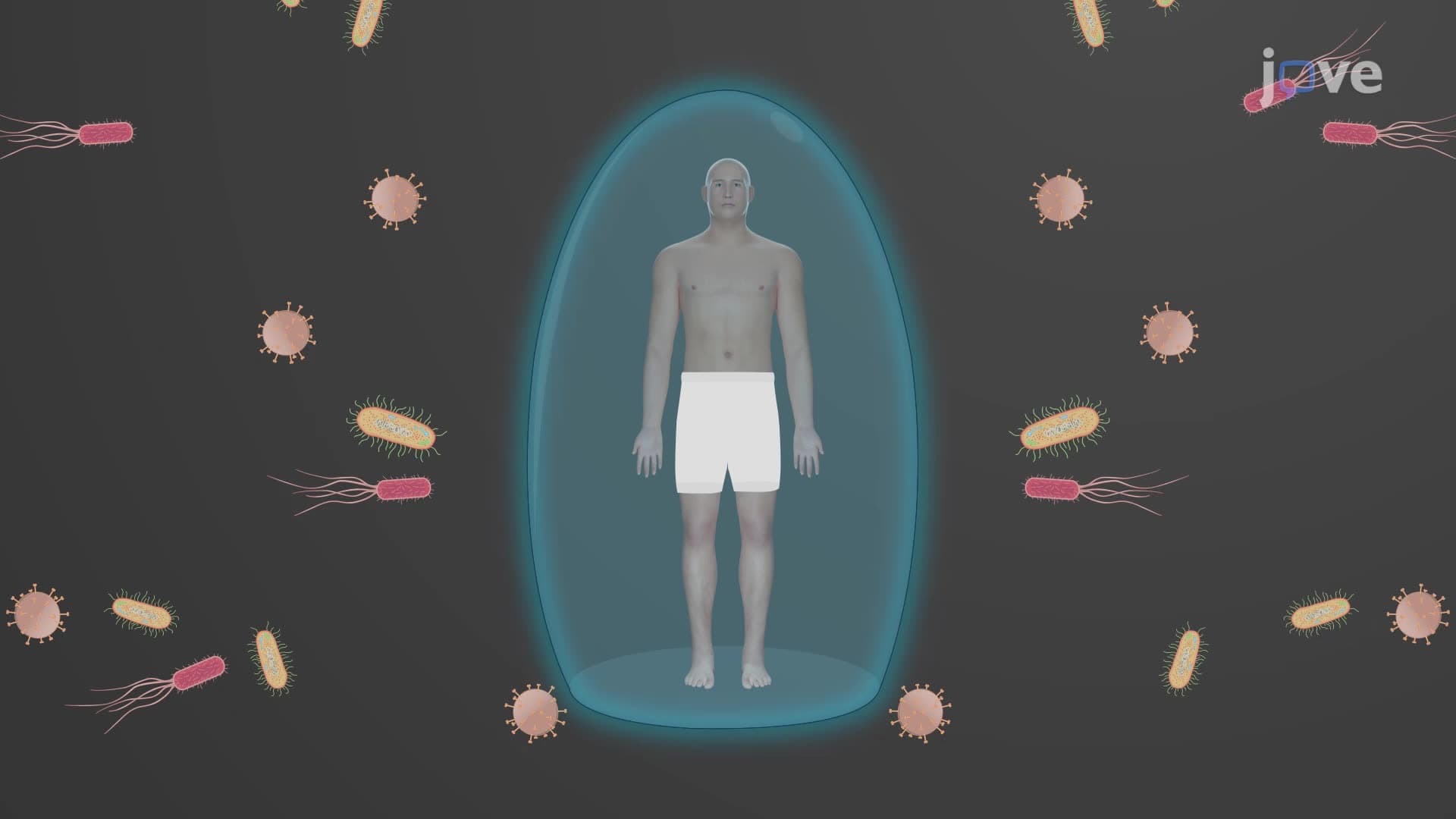
Immunodeficiency diseases represent a diverse group of conditions where the immune system fails to protect the body adequately against infections, cancers, and other threats. These disorders affect approximately 1 in 1,200 Americans, ranging from mild conditions requiring minimal intervention to severe diseases demanding immediate medical attention. The immune deficiency disorders explained fall into two major categories: primary immunodeficiencies (genetic defects present from birth) and secondary immunodeficiencies (acquired conditions).
Primary immunodeficiencies stem from inherited genetic mutations affecting immune system development or function. Severe Combined Immunodeficiency (SCID) exemplifies the most critical form, affecting roughly 1 in 58,000 newborns in the United States. Children with SCID lack functional T cells and often B cells, making them extraordinarily susceptible to opportunistic infections that healthy immune systems easily combat.
The molecular basis involves defects in genes essential for lymphocyte development, such as the common gamma chain receptor or adenosine deaminase enzyme. Without early intervention, SCID proves fatal within the first year of life. However, newborn screening programs implemented across all 50 states now detect SCID early, enabling life-saving treatments like hematopoietic stem cell transplantation at specialized centers including Boston Children's Hospital and St. Jude Children's Research Hospital.
Secondary immunodeficiencies develop due to external factors damaging previously normal immune systems. Immunosuppressive medications, commonly prescribed after organ transplantation or for autoimmune diseases, deliberately suppress immune function but create infection risks. Cancer patients receiving chemotherapy at major centers like Memorial Sloan Kettering often experience temporary immunosuppression requiring careful infection monitoring.
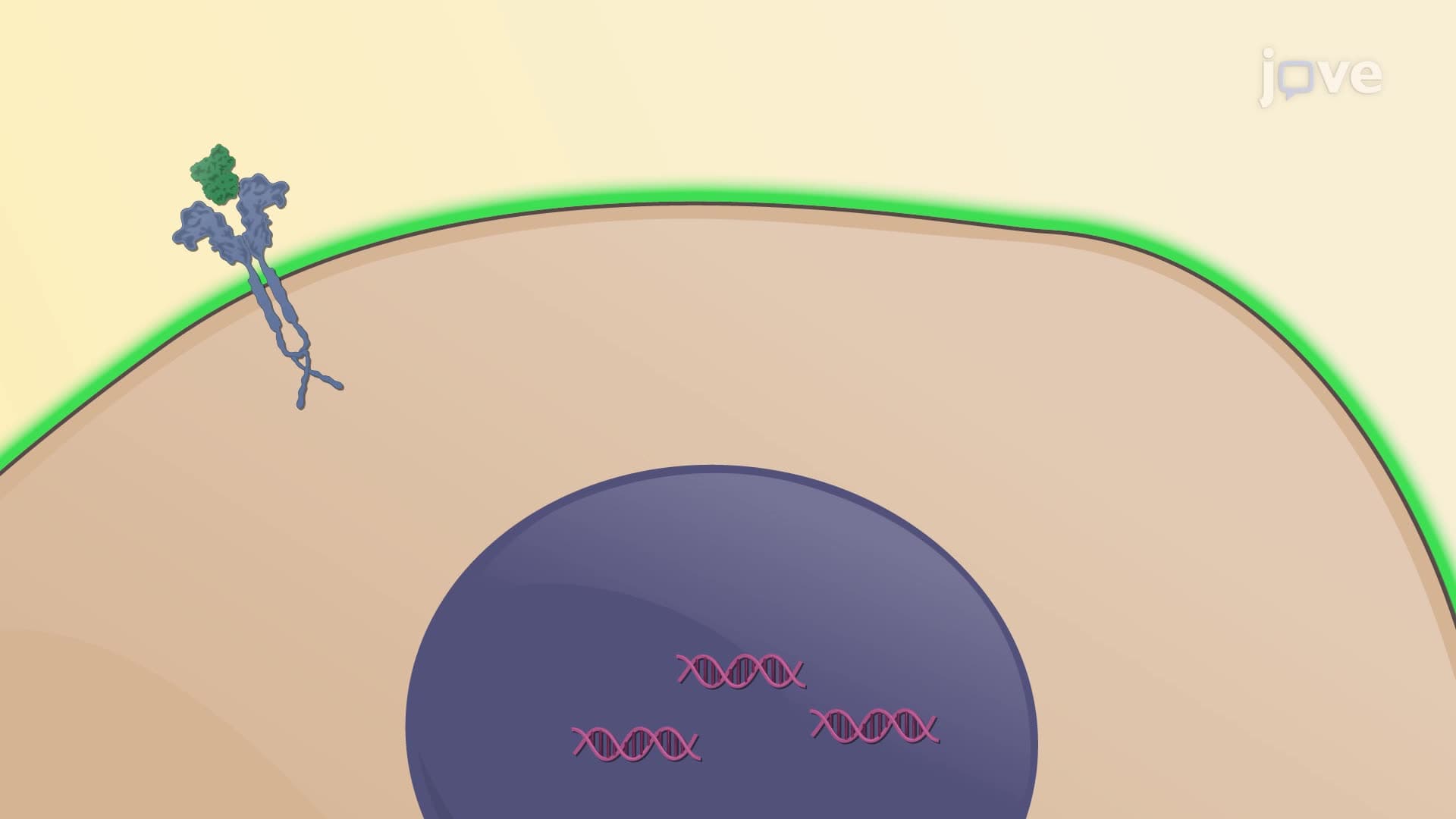
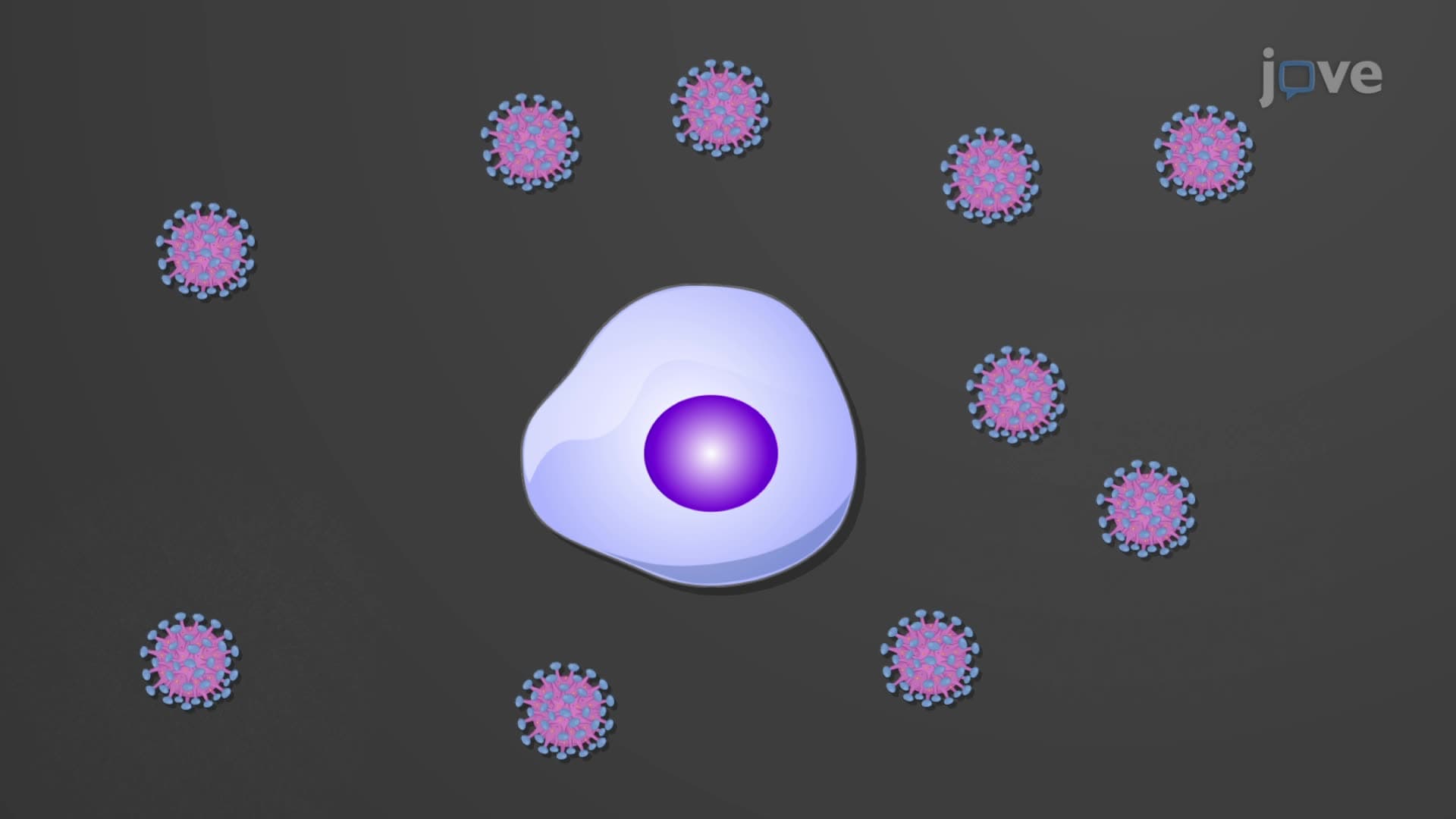
AIDS represents the most globally significant secondary immunodeficiency. HIV specifically targets CD4+ T cells, using reverse transcriptase to integrate viral DNA into host cell genomes. This process gradually destroys the immune system's coordination center, leaving patients vulnerable to opportunistic infections rarely seen in healthy individuals.
Understanding what are immunodeficiency diseases in biology proves essential for healthcare providers, researchers, and students pursuing medical careers. These concepts frequently appear on standardized exams including the MCAT, AP Biology, and nursing school entrance exams like the HESI A2. Recognition of immunodeficiency patterns helps clinicians diagnose conditions early and implement appropriate treatments, significantly improving patient outcomes through personalized medicine approaches.
Related Micro-courses