Loading subject page…


218,422 views

Video Summary: What are Lymphoid Cells and Tissues
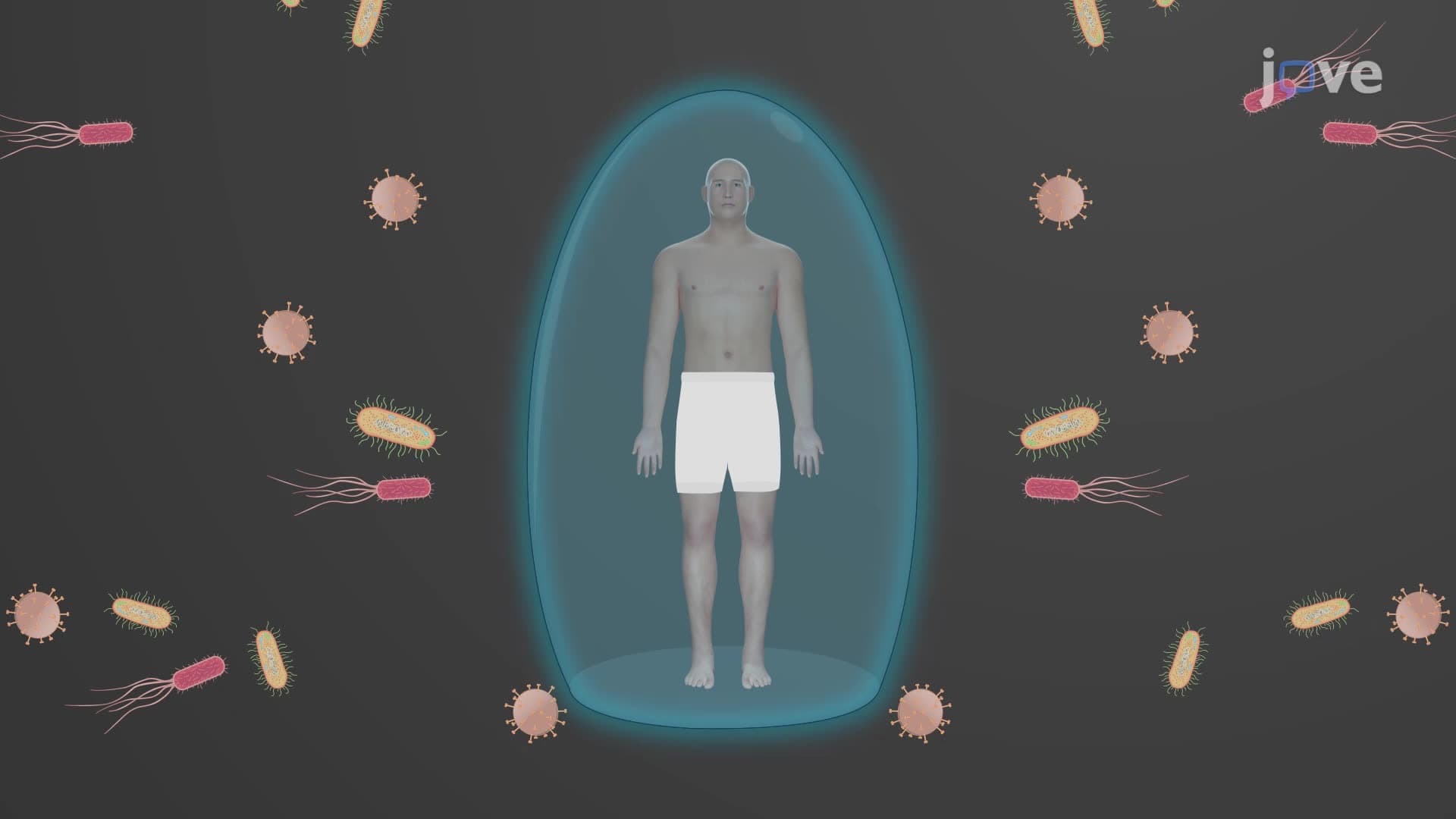
Did you know that your tonsils are actually strategic defense outposts packed with specialized immune cells? Lymphoid cells tissues biology forms the foundation of your body's immune surveillance system, with structures like the Peyer's patches in your intestines acting as microscopic checkpoints that prevent harmful bacteria from entering your bloodstream. What are lymphoid cells and tissues represents one of the most crucial concepts in understanding how your immune system maintains constant protection throughout your body. Watch the full video on JoVE Coach to master this concept with expert-led visuals and step-by-step explanations.
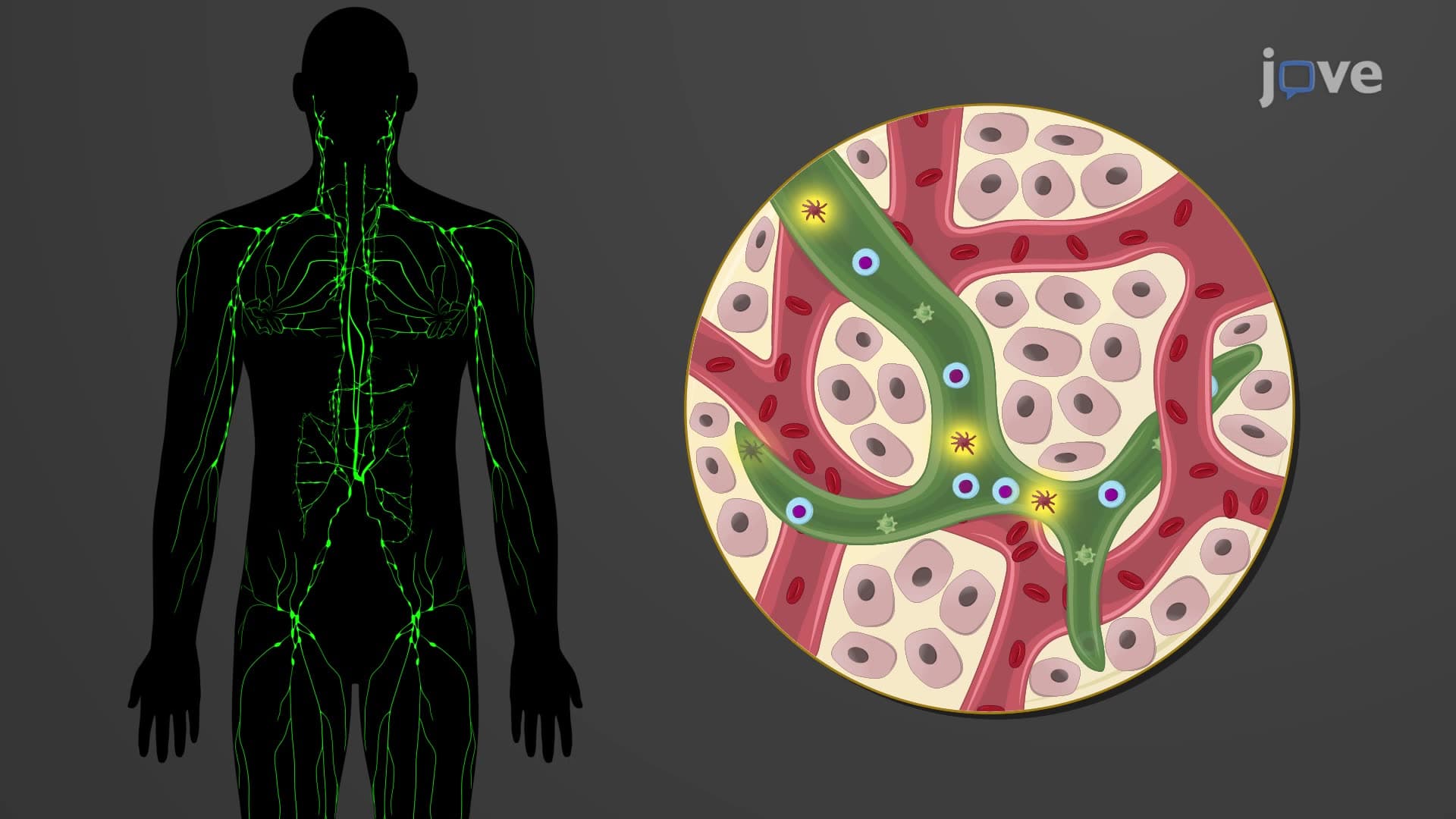
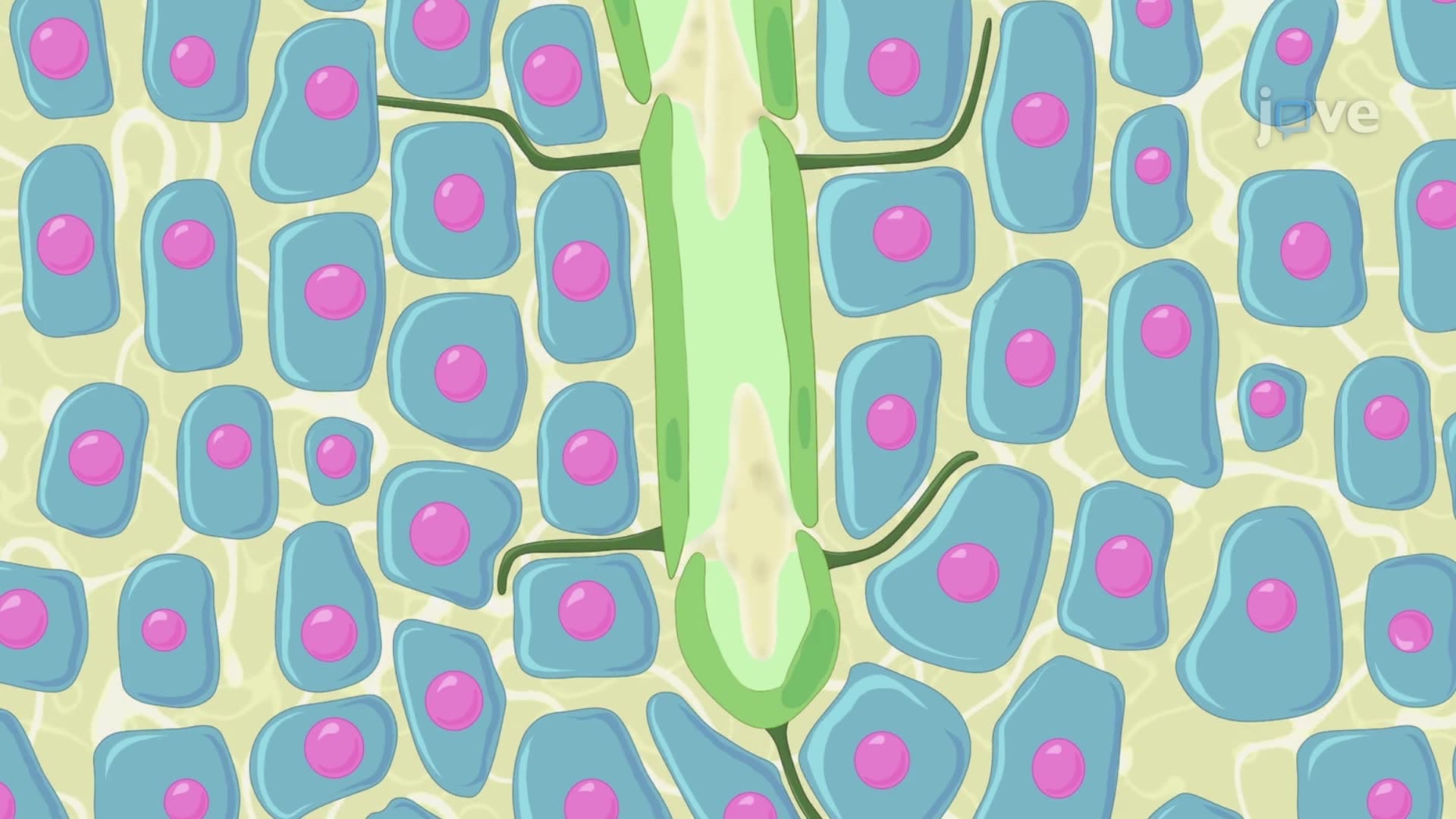
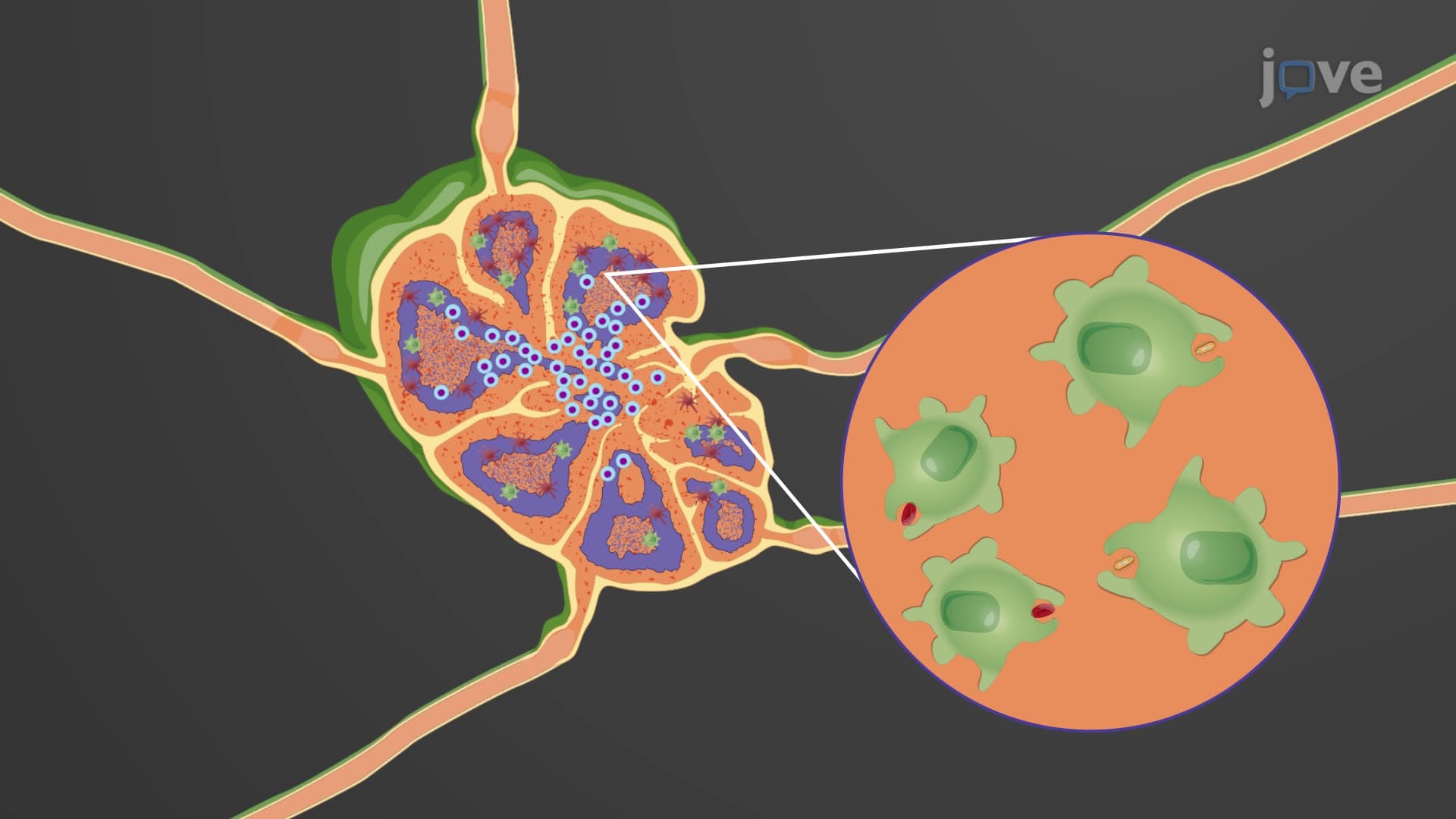
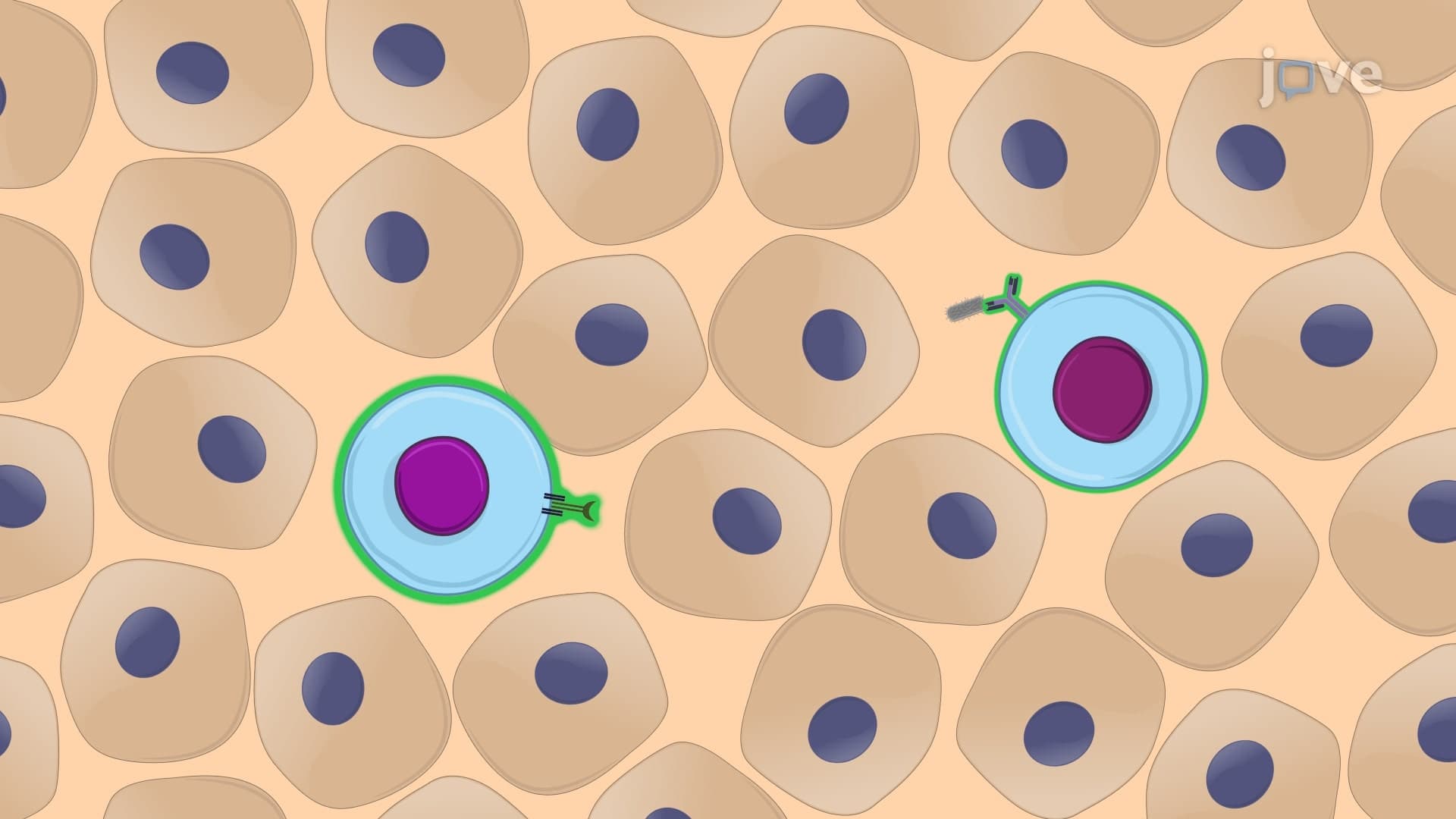
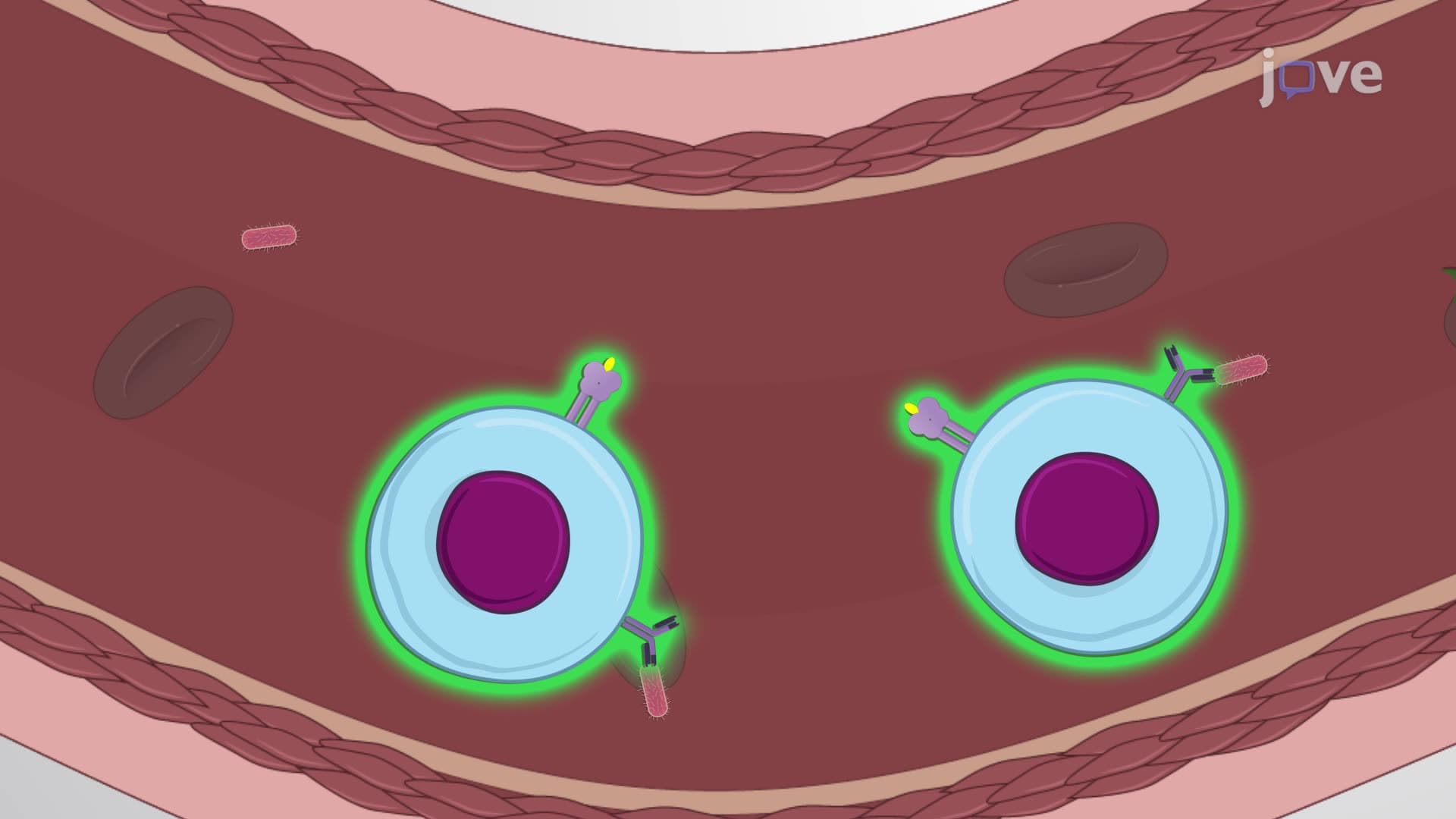
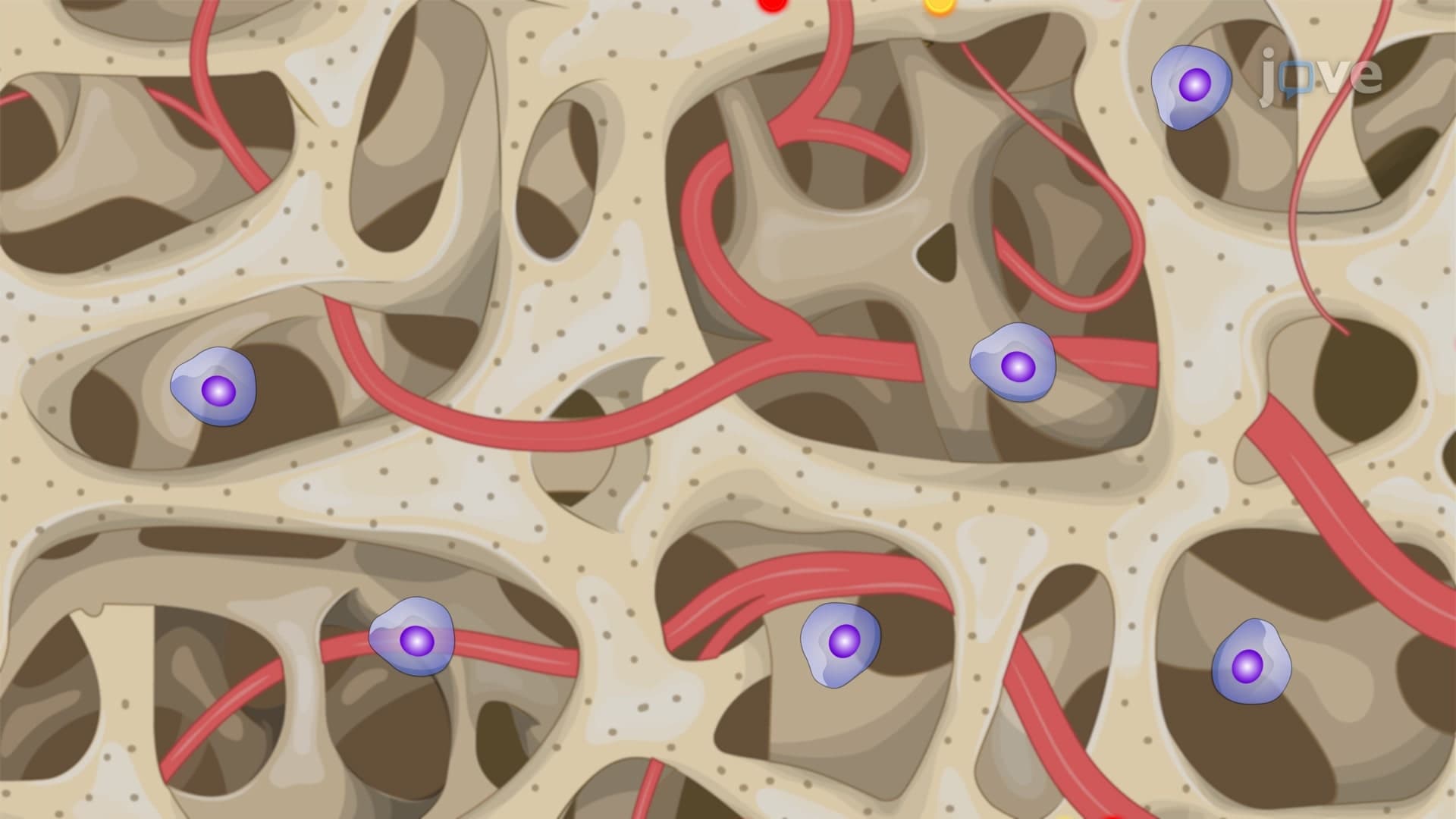
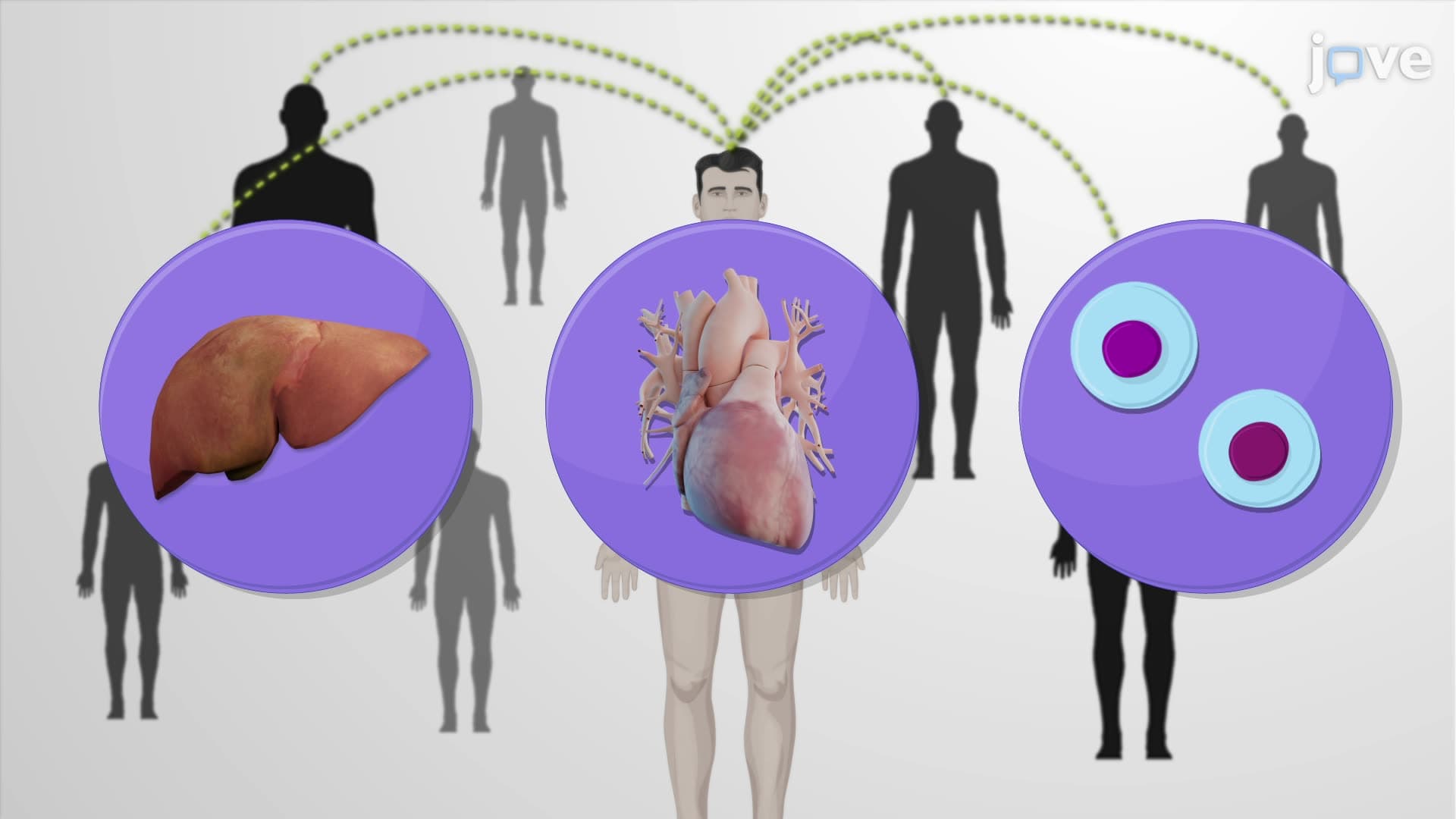
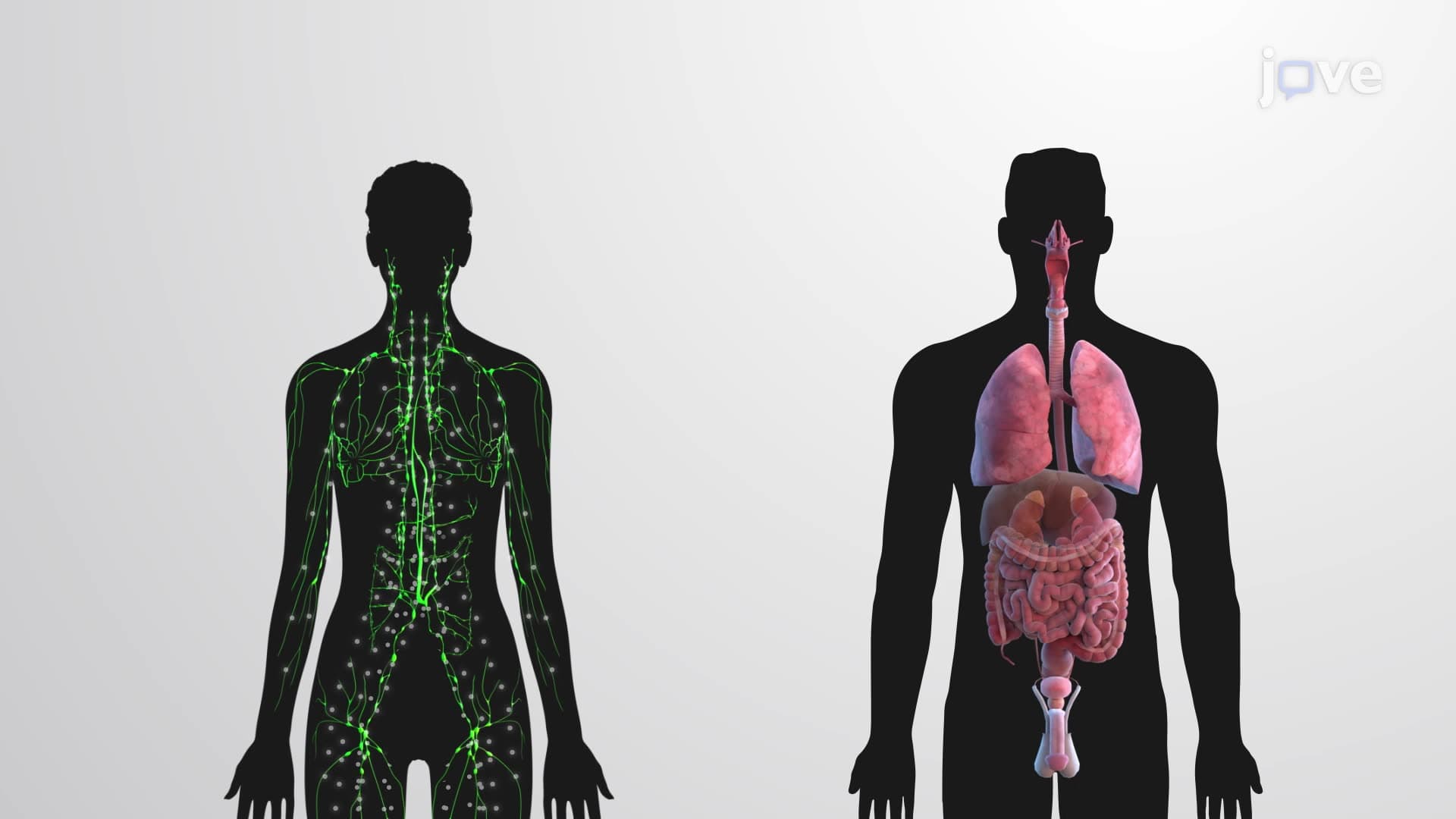
The immune system's architecture relies on two fundamental building blocks that work in perfect coordination. Lymphoid cells encompass the diverse array of immune system warriors-from B lymphocytes that produce antibodies to T lymphocytes that directly attack infected cells, along with supporting players like dendritic cells that present antigens and macrophages that engulf pathogens. The reticular cells, often overlooked but essential, create the scaffolding that holds everything together. Meanwhile, lymphoid tissues provide the physical infrastructure where these cellular defenders can multiply, mature, and coordinate their responses.
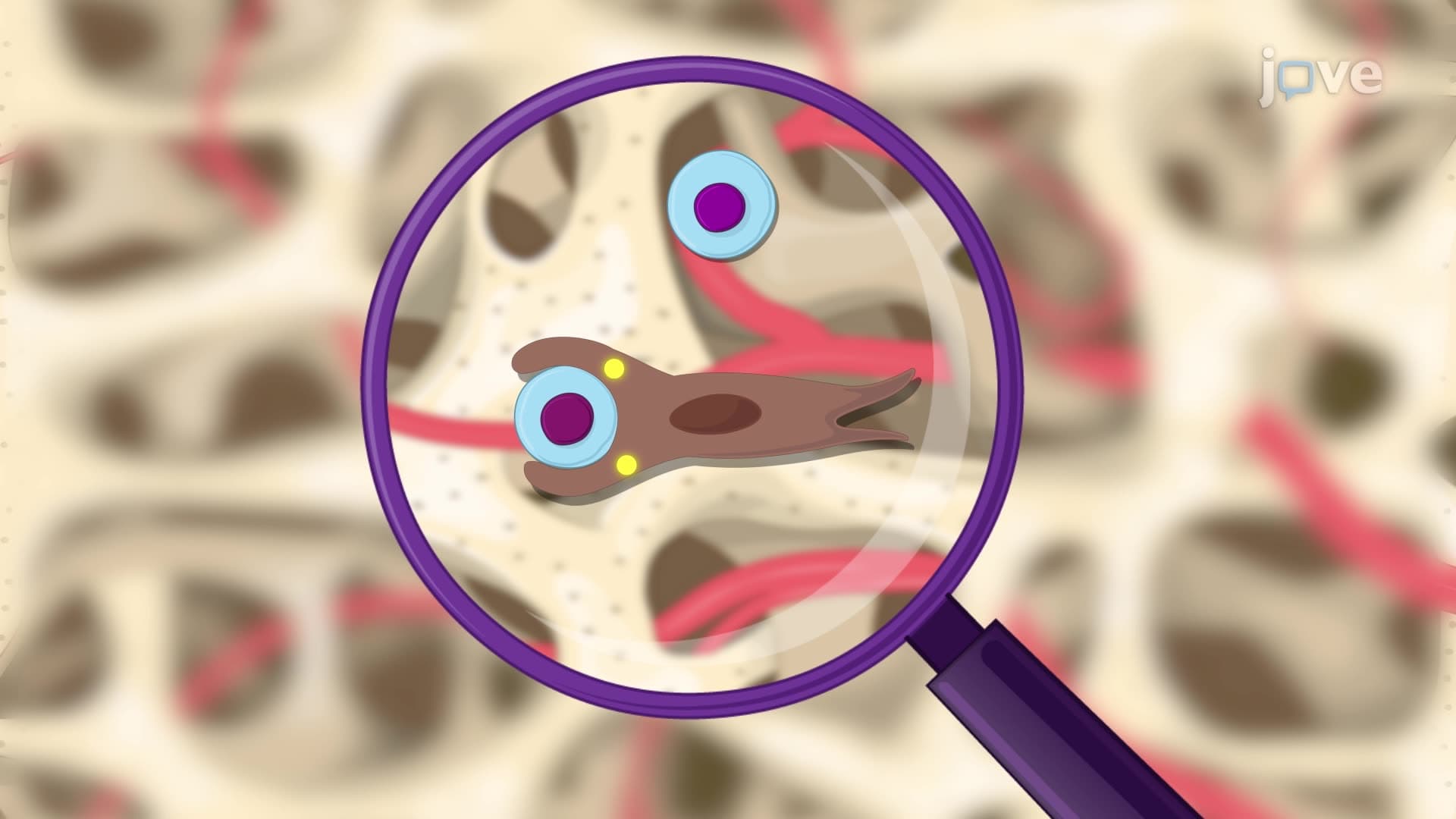
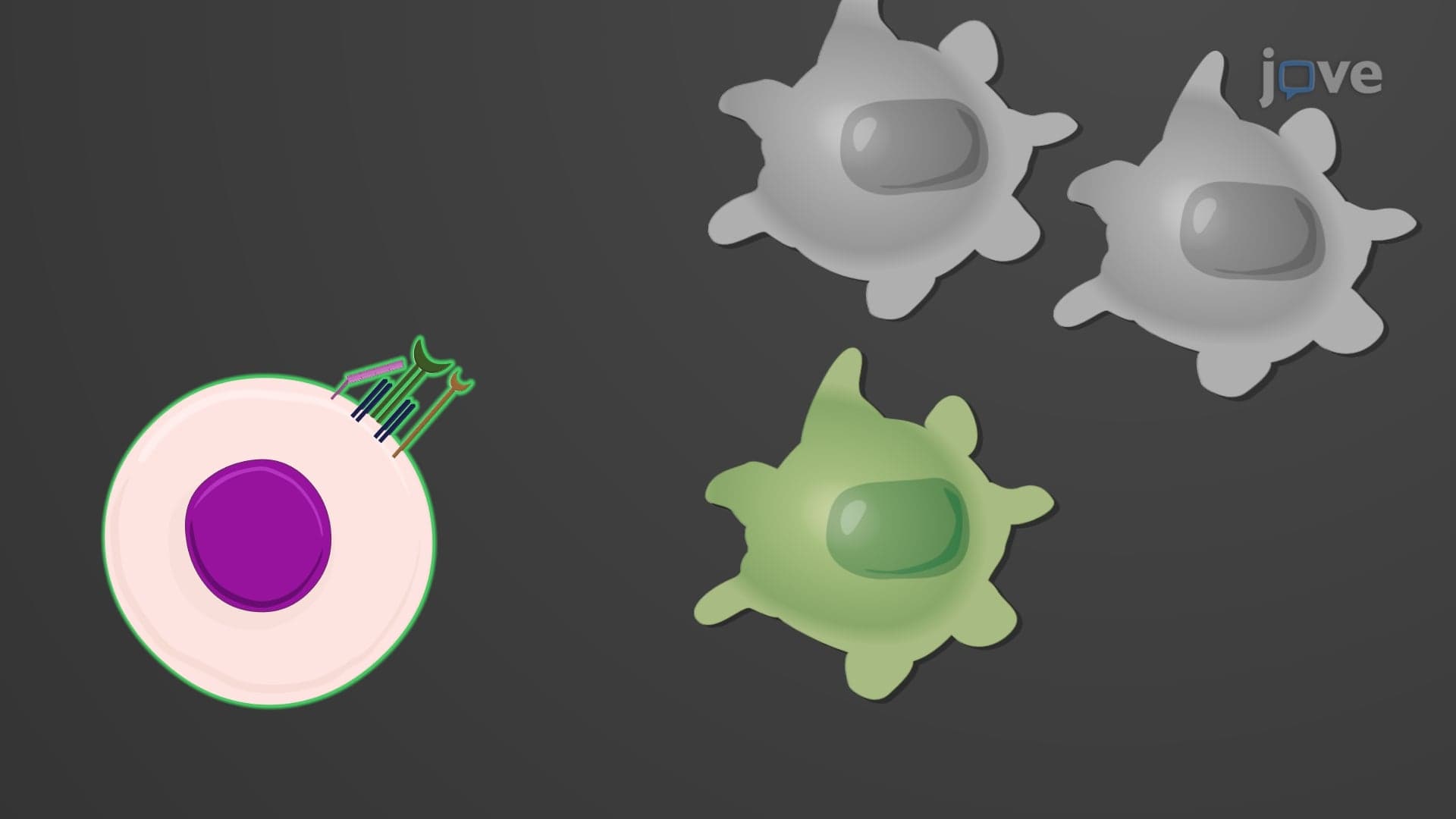
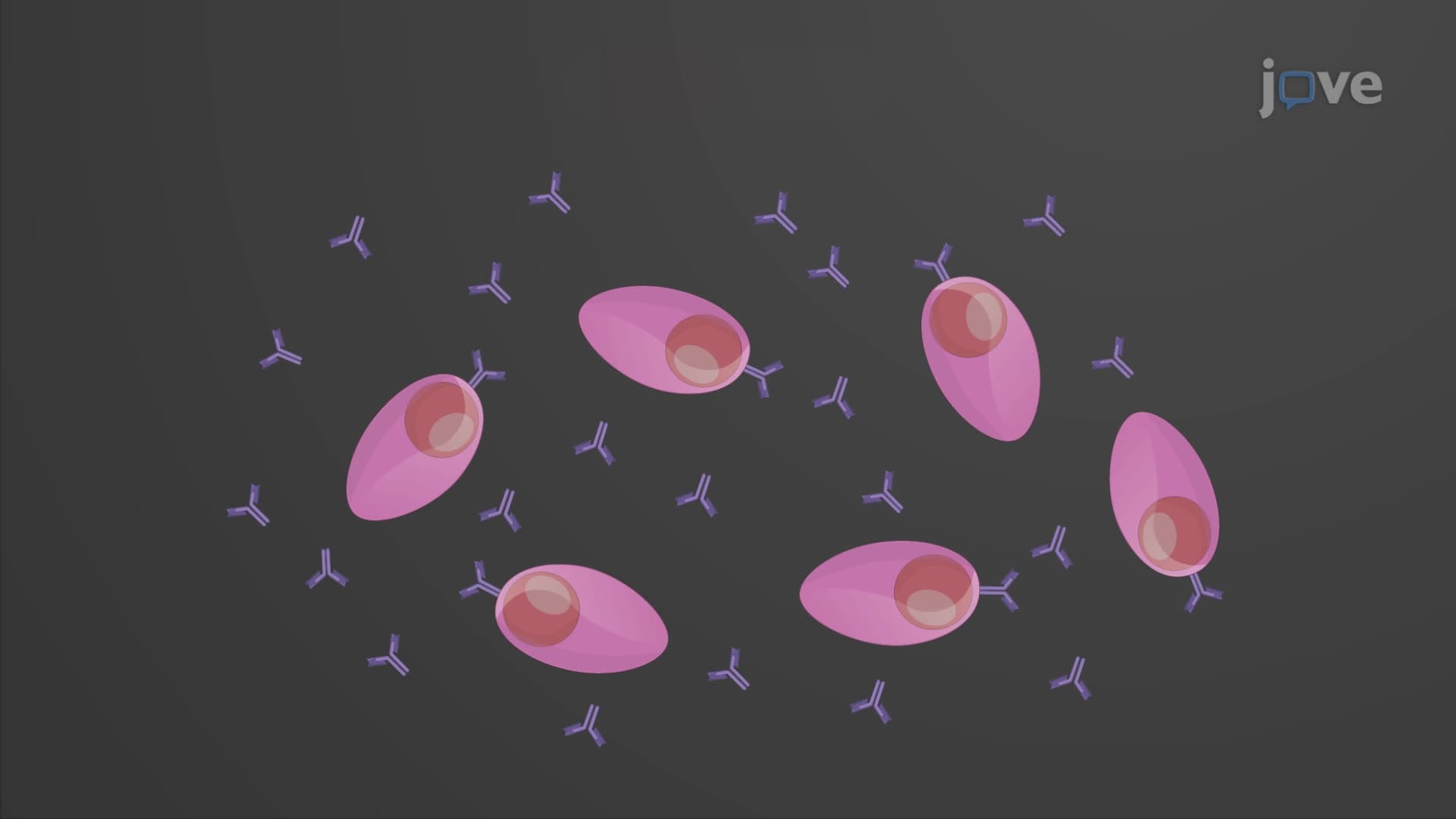
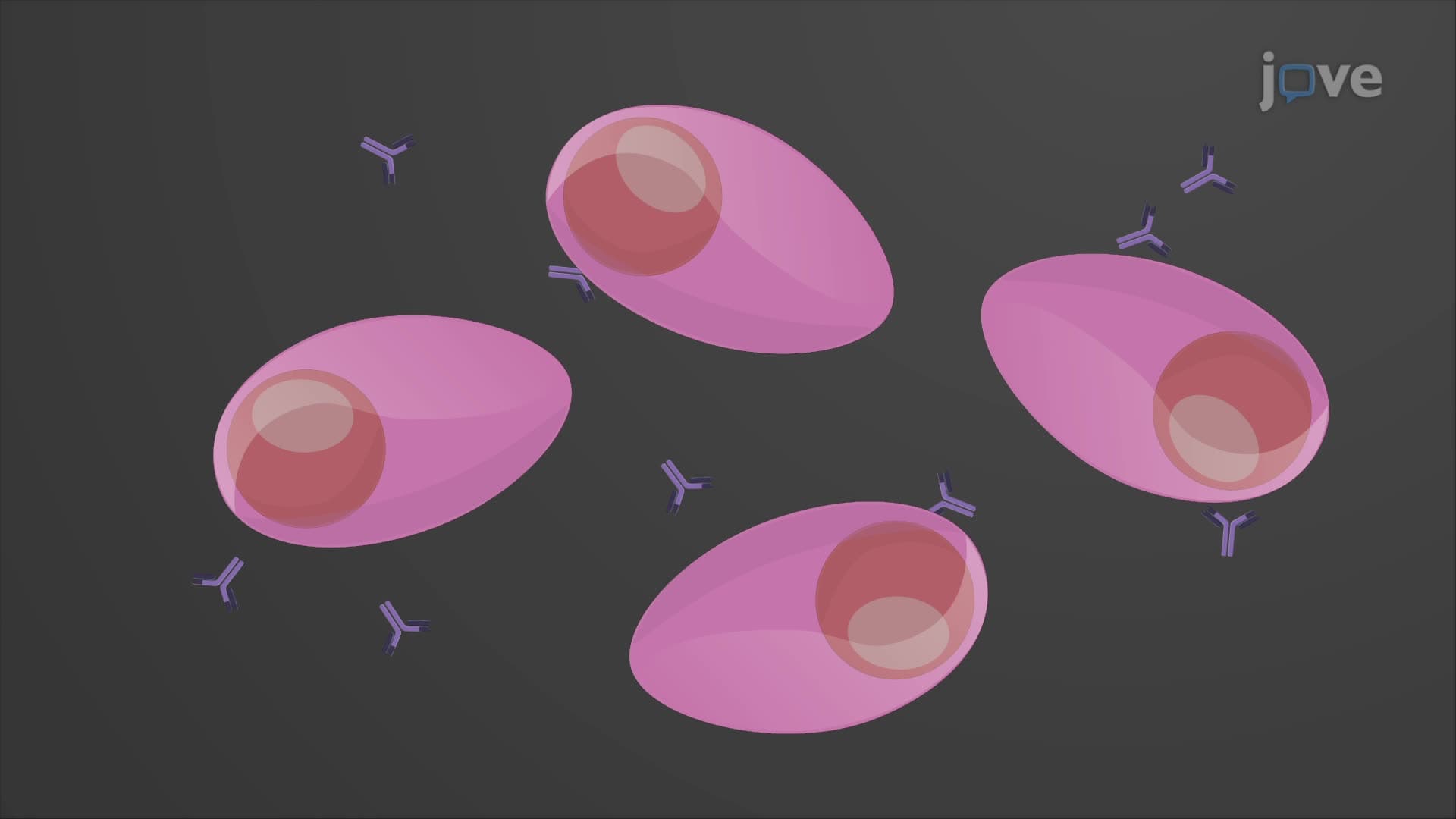
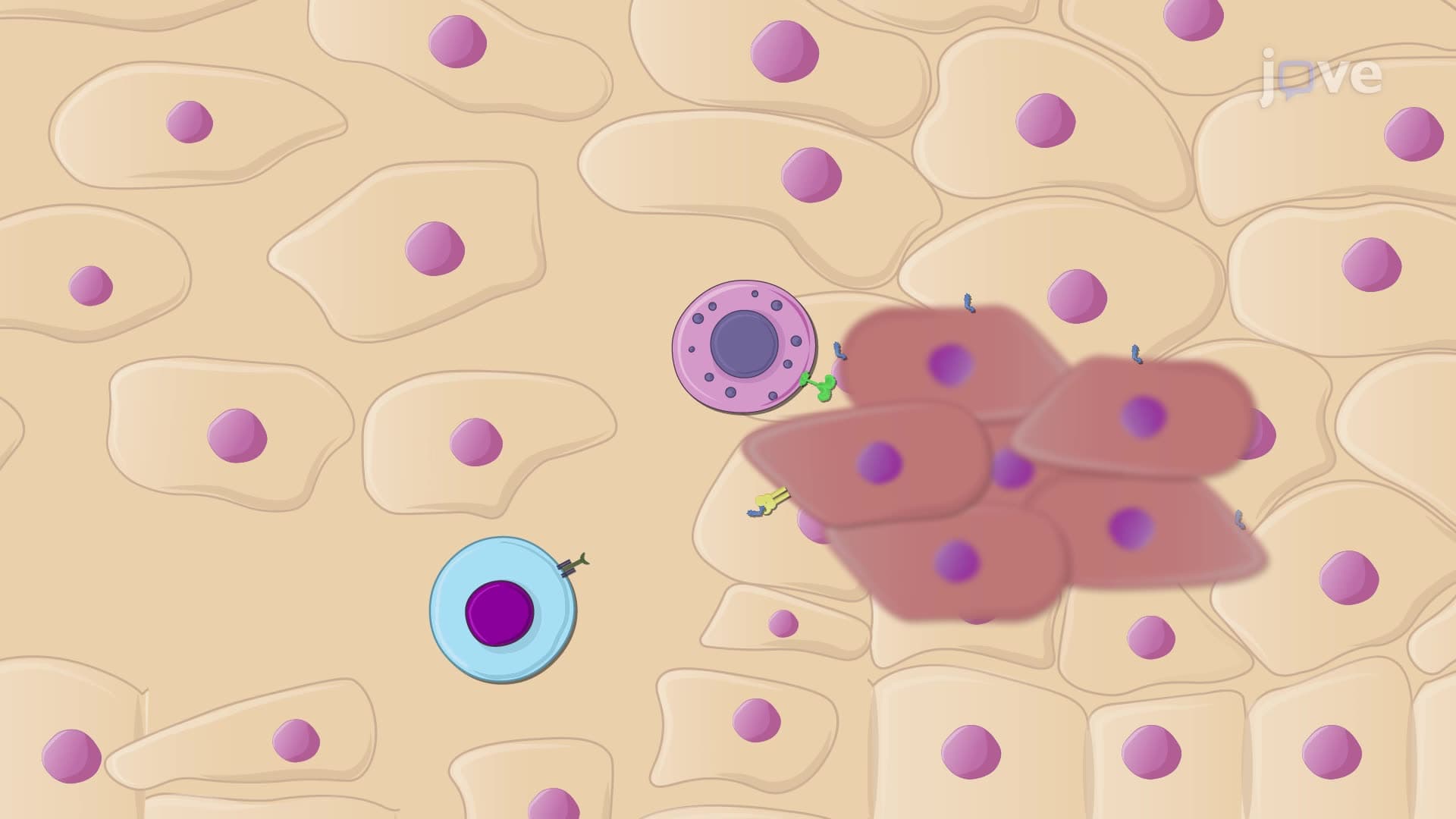
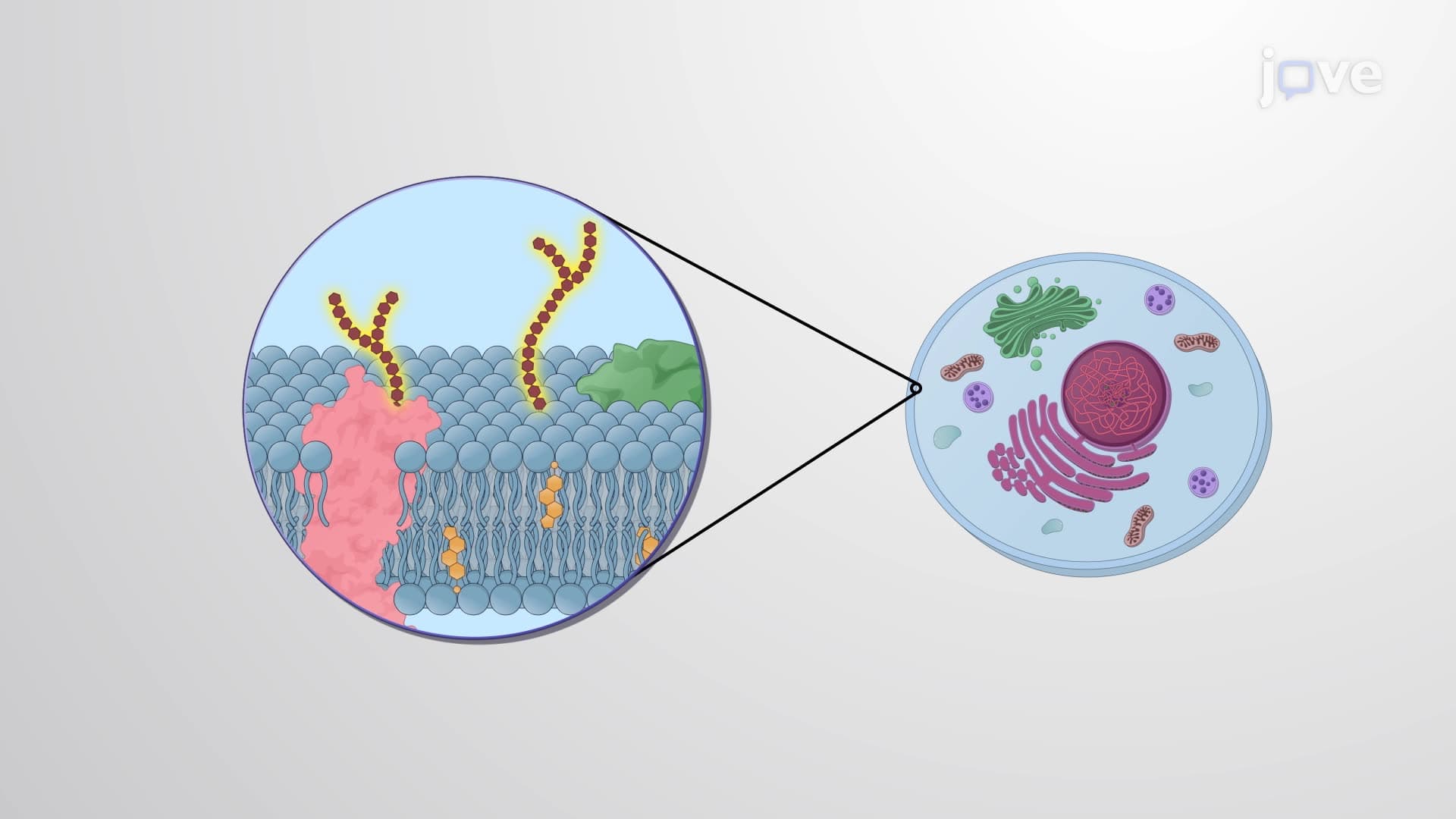
The cellular composition of lymphoid tissues reflects a sophisticated division of labor. B lymphocytes serve as the body's antibody factories, while T lymphocytes function as both helpers that coordinate immune responses and killers that eliminate compromised cells. Natural killer (NK) cells patrol for abnormal cells, and dendritic cells act as intelligence gatherers, capturing and presenting foreign antigens to other immune cells. This cellular diversity explains why conditions like severe combined immunodeficiency (SCID) can be so devastating-when even one cell type is compromised, the entire immune network suffers.
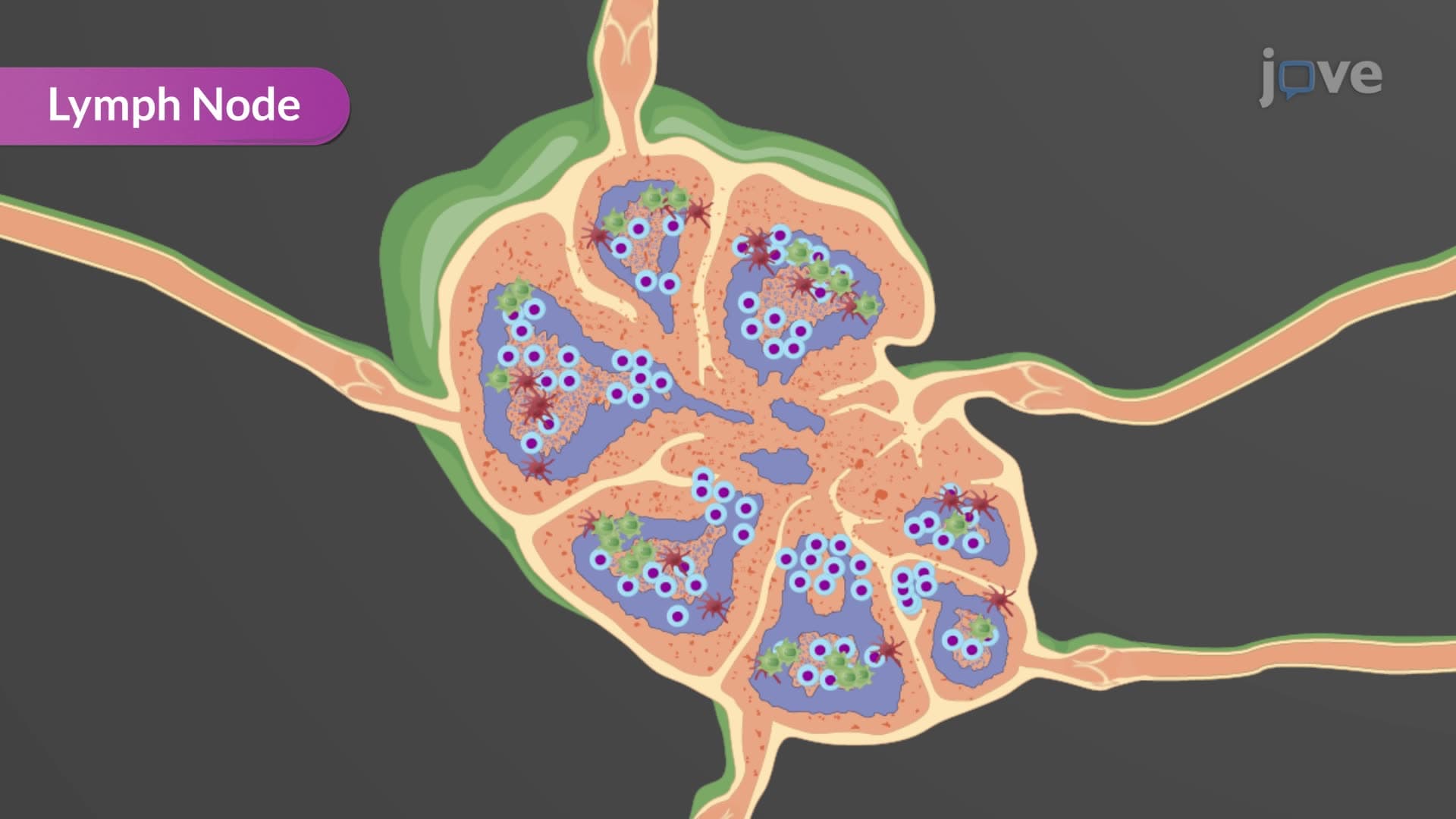
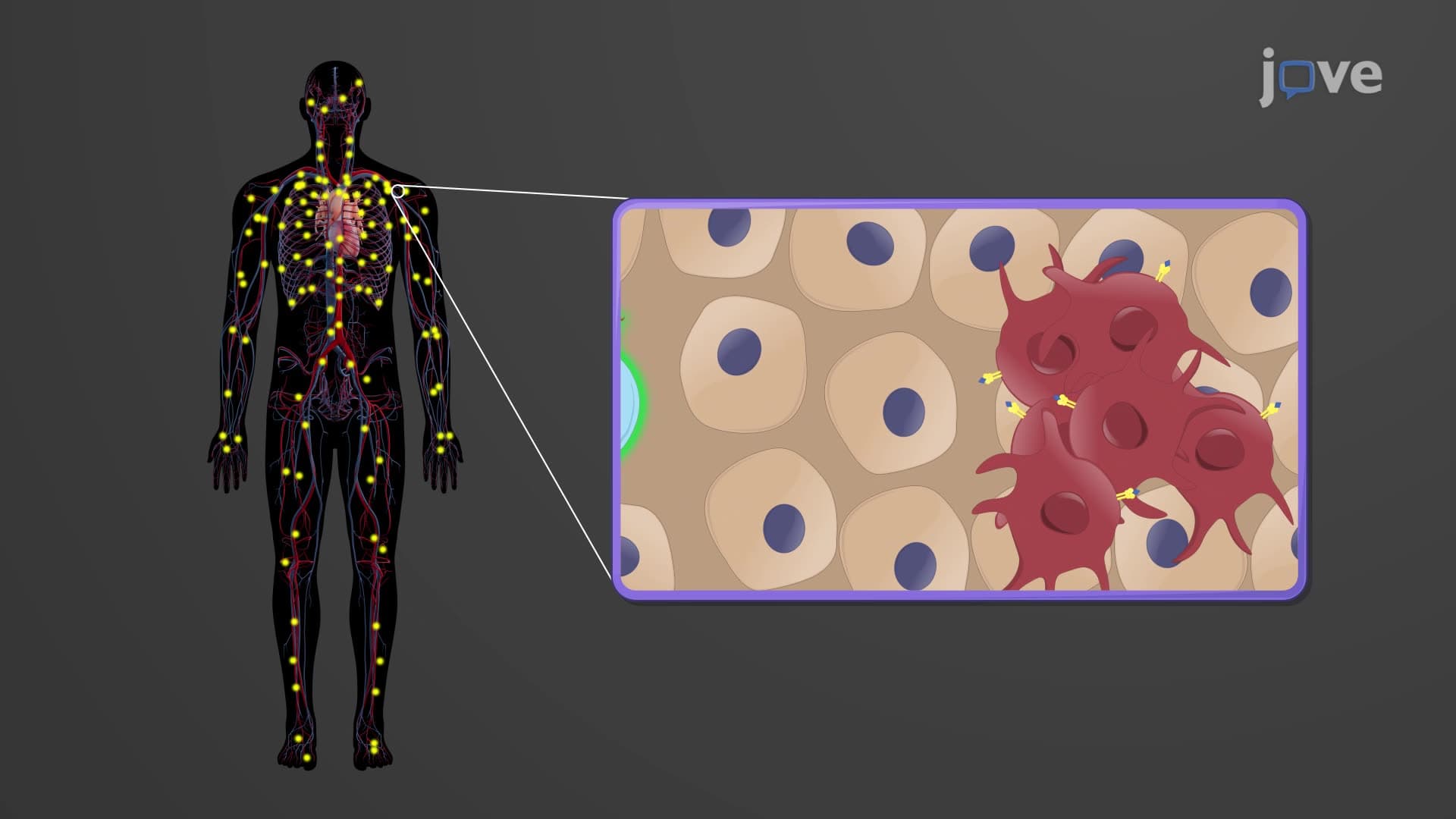
Lymphoid tissue classification reveals nature's strategic approach to immune defense. Diffuse lymphoid tissue resembles a loose network of security guards scattered throughout tissues, providing broad but less concentrated surveillance. In contrast, organized lymphoid structures like nodules and follicles function as intensive training camps and command centers where lymphocytes undergo rigorous selection and activation processes. This organization becomes critically important during infections-students preparing for the MCAT or AP Biology exams should understand how follicle formation increases during immune responses.
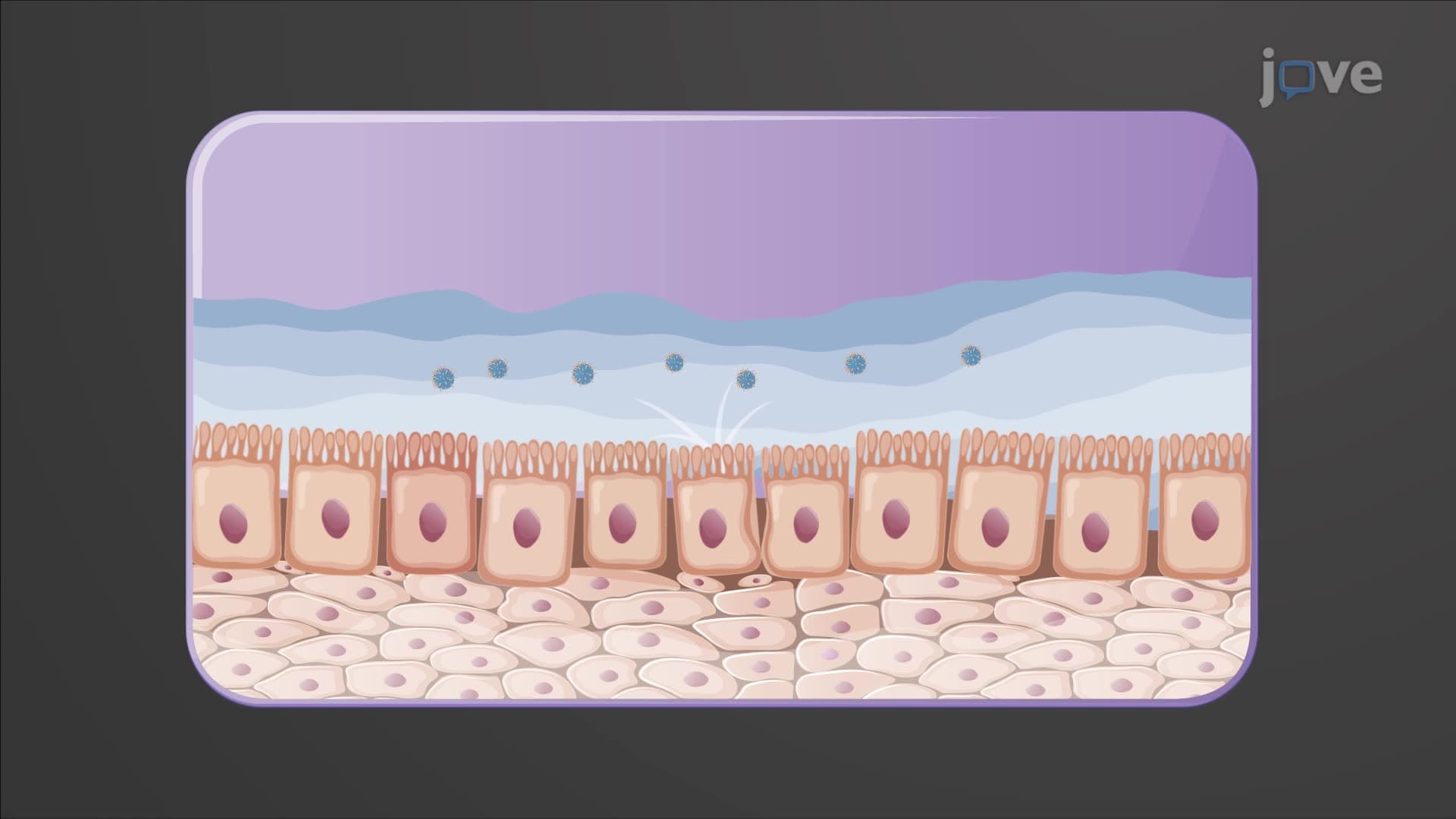
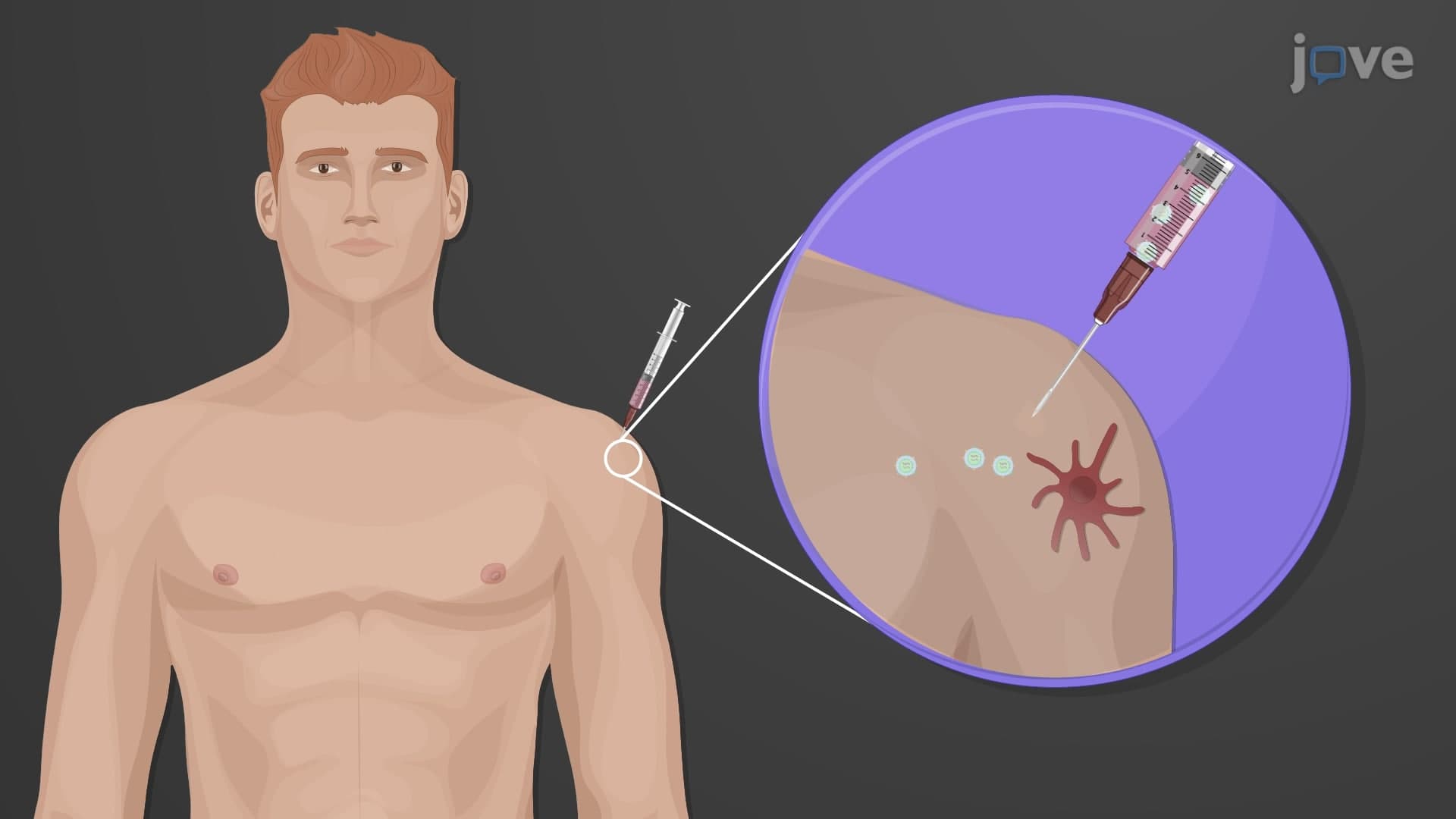
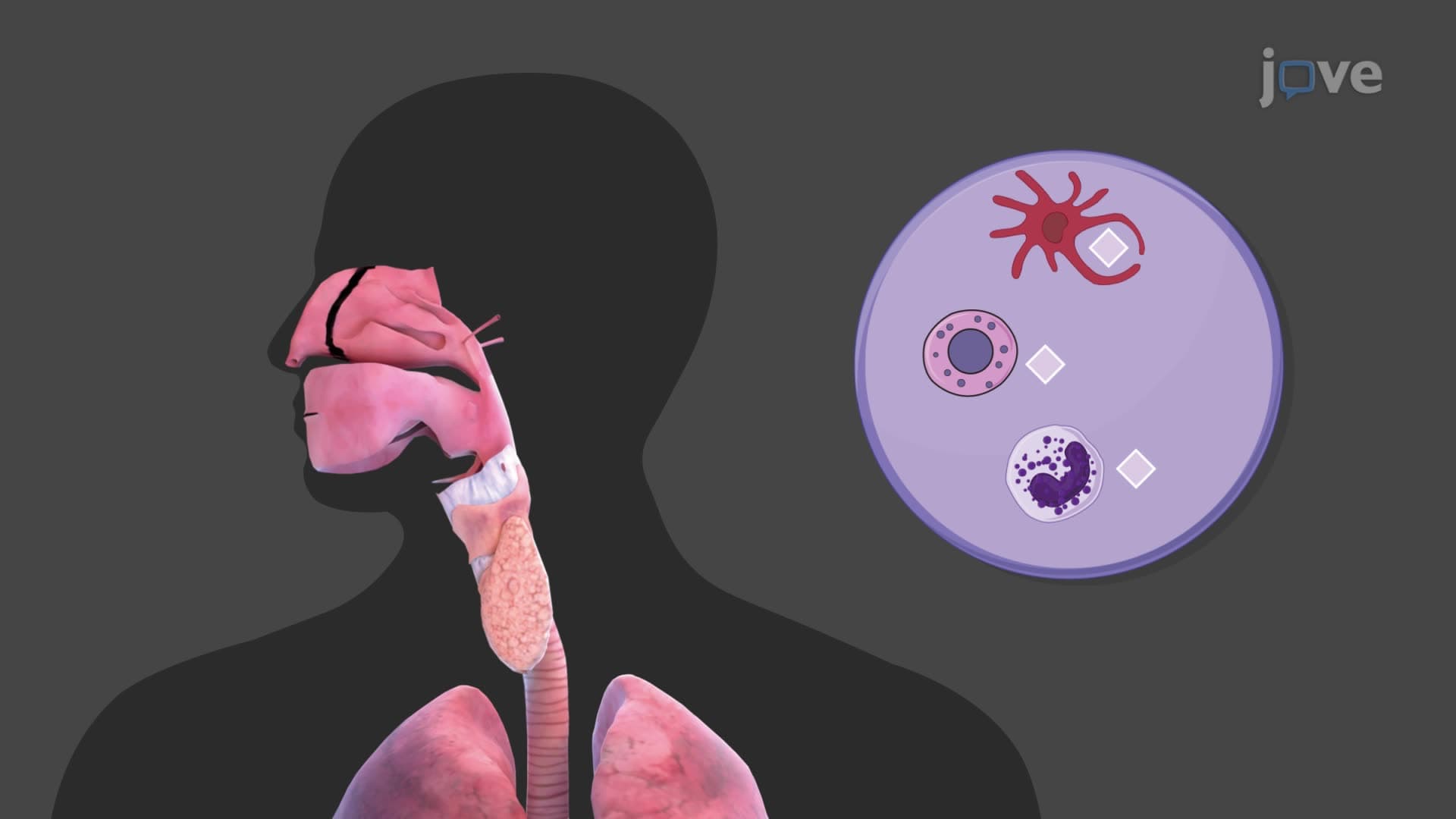
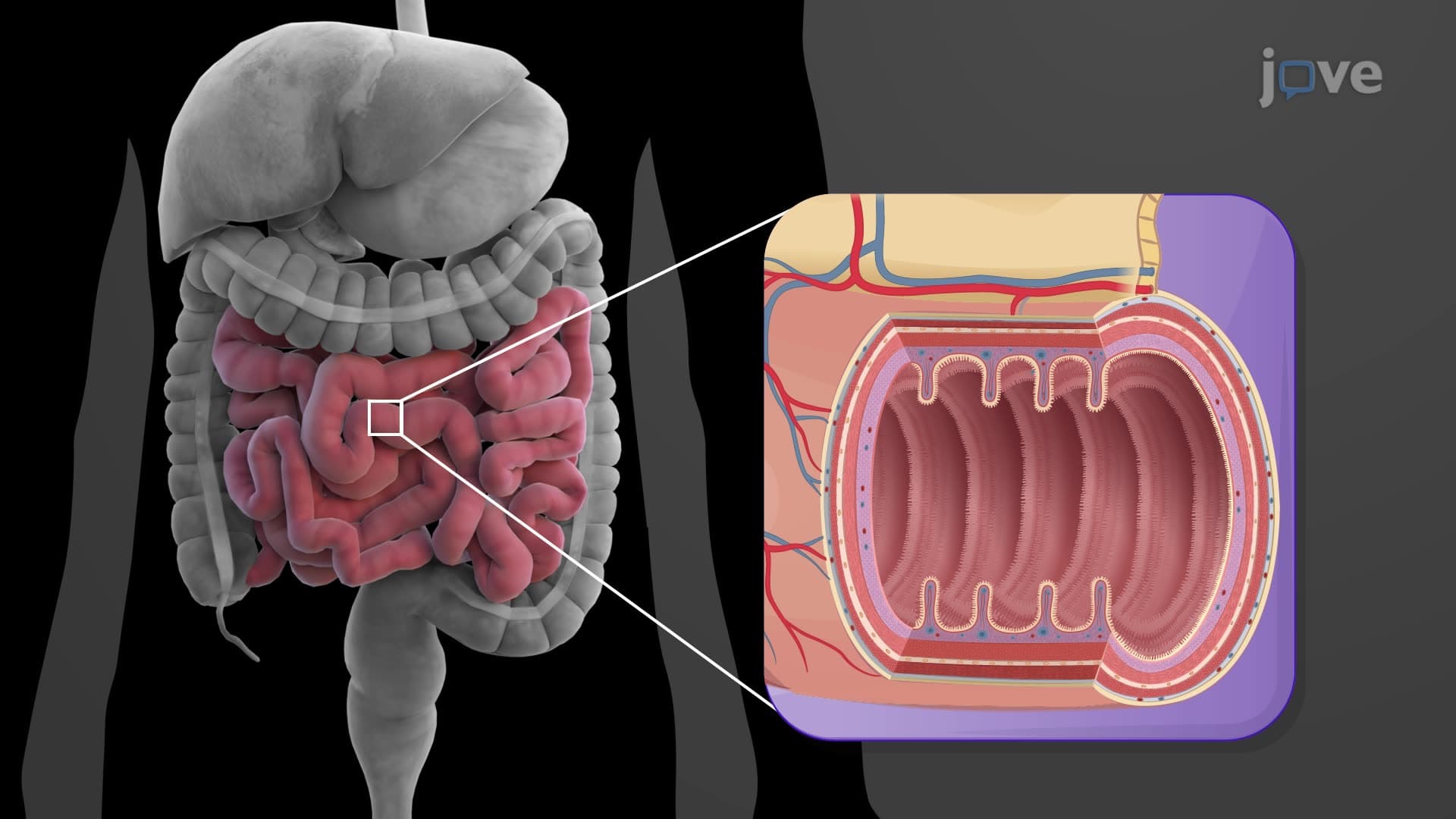
Mucosa-associated lymphatic tissues (MALT) represent one of immunology's most elegant solutions to pathogen prevention. Consider how Peyer's patches line your small intestine exactly where food-borne pathogens might attempt entry, or how palatine tonsils guard the throat where respiratory and digestive systems converge. These aren't random placements-they're strategic positioning based on millions of years of evolutionary pressure. For college students studying immunology, understanding MALT distribution helps explain why certain infections occur in specific body regions and why some vaccines are administered through mucosal routes rather than injection.
Related Micro-courses