Loading subject page…


218,421 views

Video Summary: What are Primary Lymphoid Organs
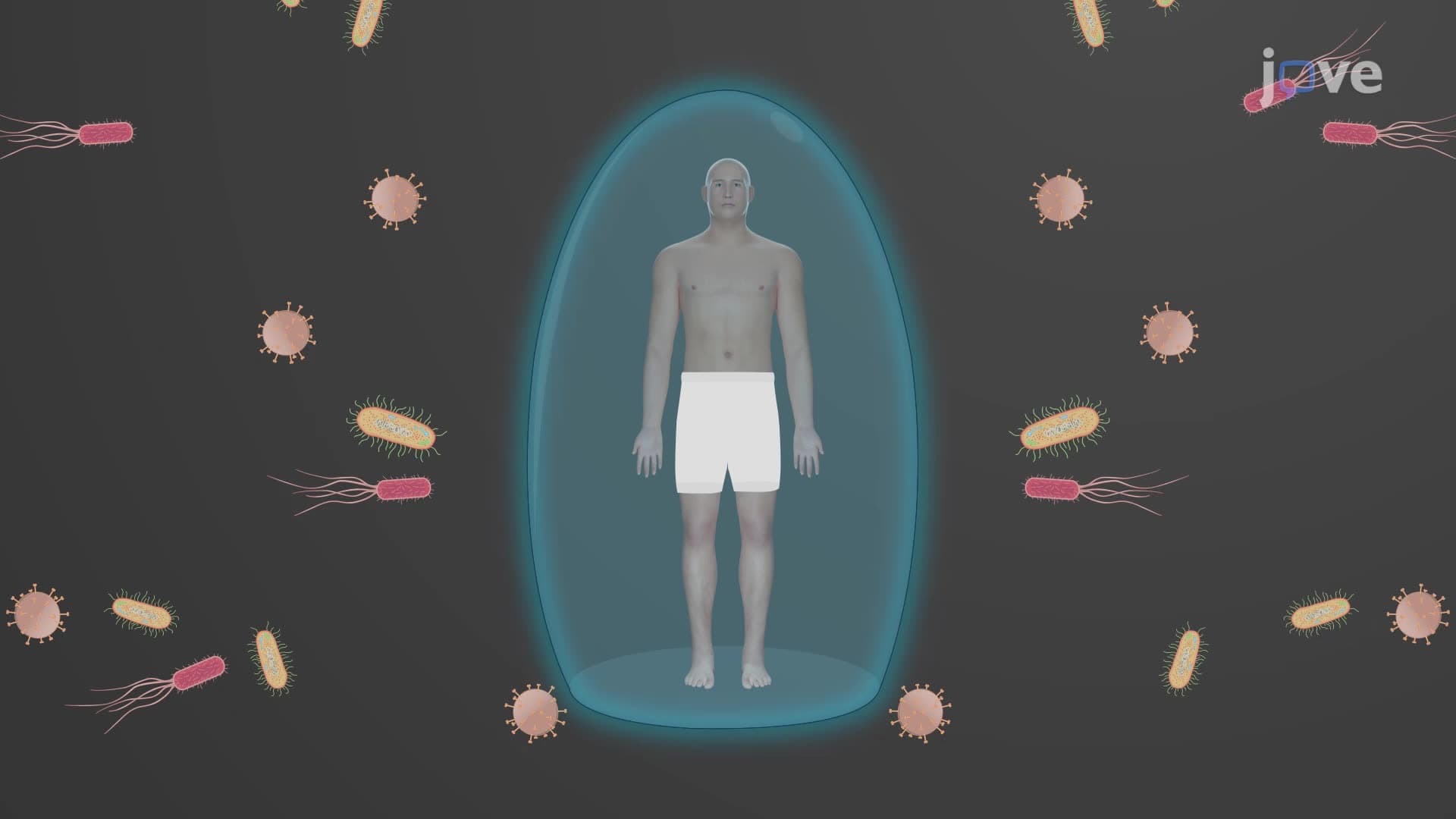
Did you know that every immune cell protecting you right now was "trained" in just two specialized organs? Primary lymphoid organs biology reveals how the thymus and bone marrow function as the body's immune cell boot camps, producing and educating billions of lymphocytes daily. Similar to how West Point Academy trains military officers, these organs prepare B and T cells for their critical defense roles throughout your body. Understanding what are the primary lymphoid organs is fundamental to grasping how your immune system maintains health and fights disease. Watch the full video on JoVE Coach to master this concept with expert-led visuals and step-by-step explanations.
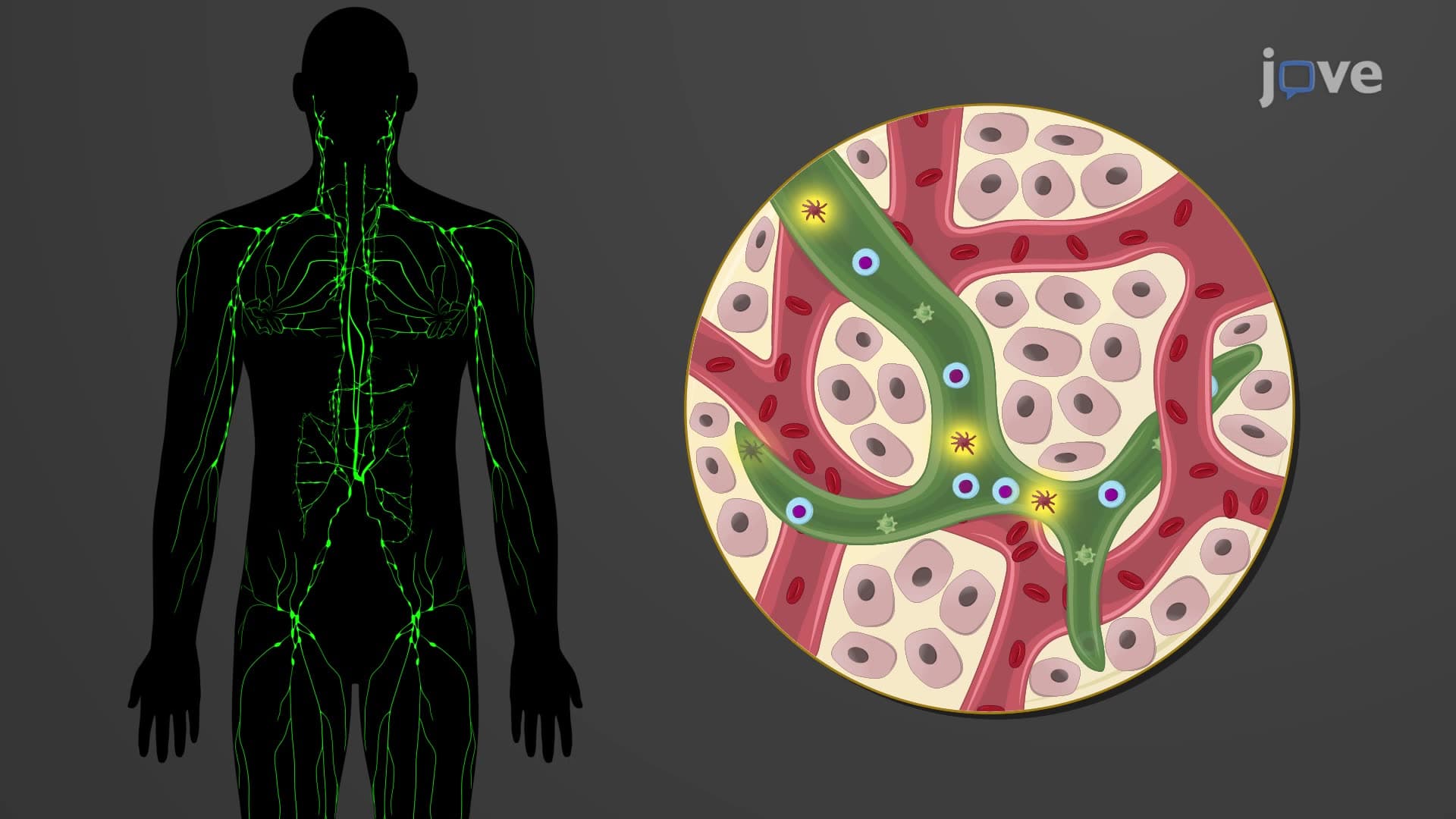
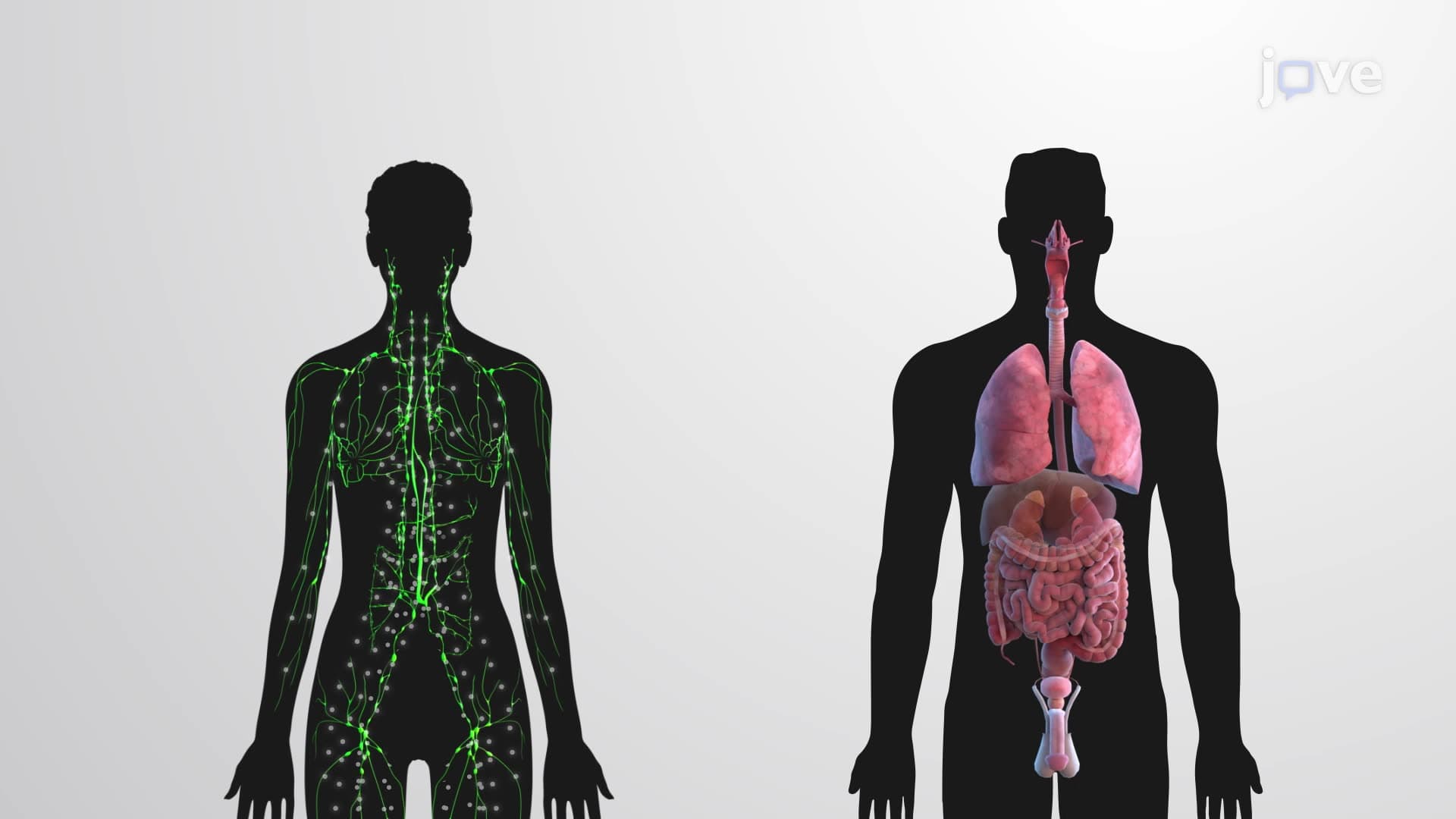
Primary lymphoid organs biology centers on two critical structures: red bone marrow and the thymus. These organs serve as the exclusive sites where lymphocytes undergo initial development and maturation, distinguishing them from secondary lymphoid organs like lymph nodes and spleen, which primarily facilitate immune responses rather than cell development.
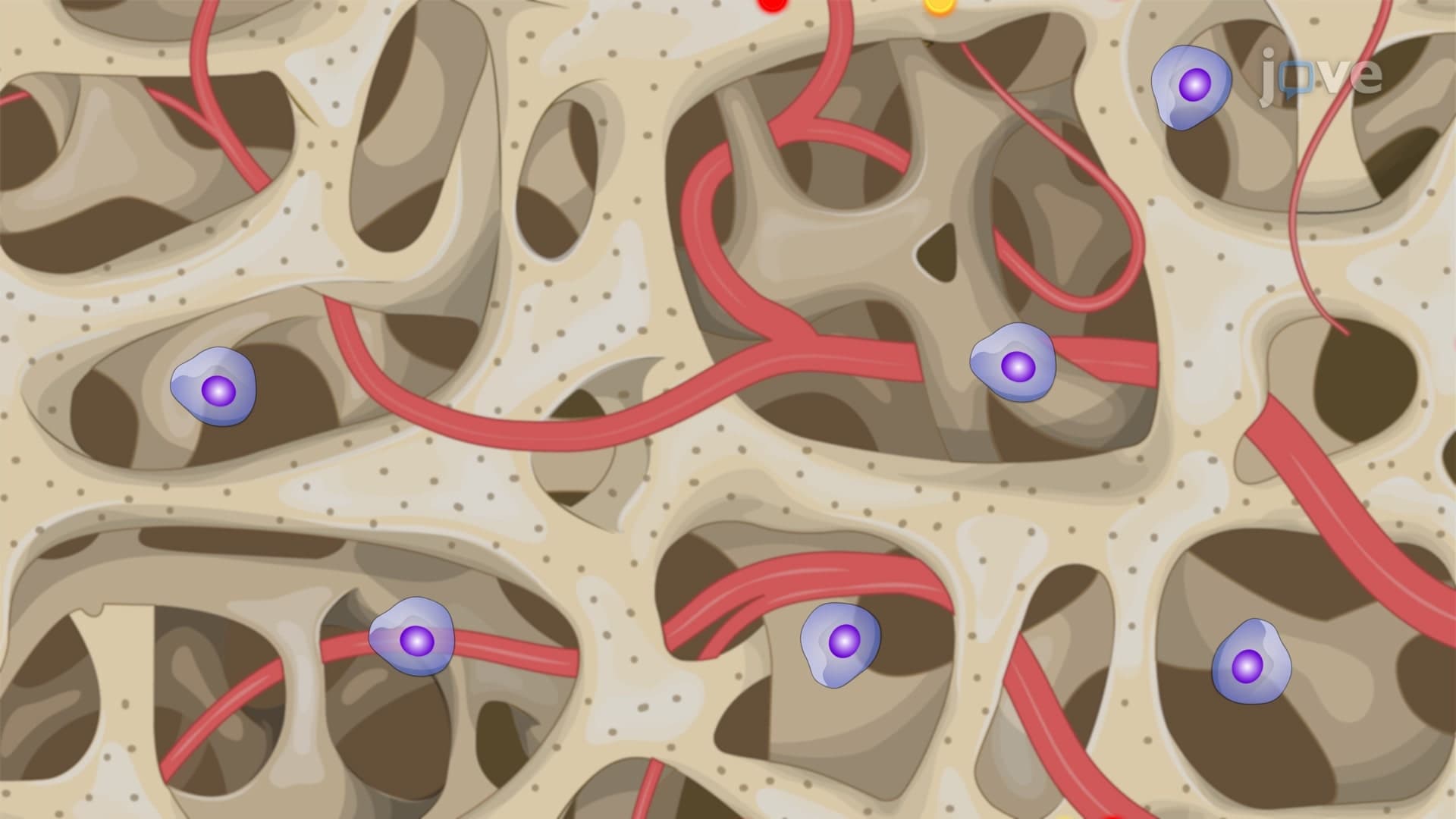
Red bone marrow represents the ultimate stem cell reservoir, housed primarily within the axial skeleton (vertebrae, ribs, sternum), pelvic bones, and the proximal ends of long bones like the femur and humerus. In adults, approximately 4-5% of body weight consists of bone marrow, making it one of the largest organ systems.
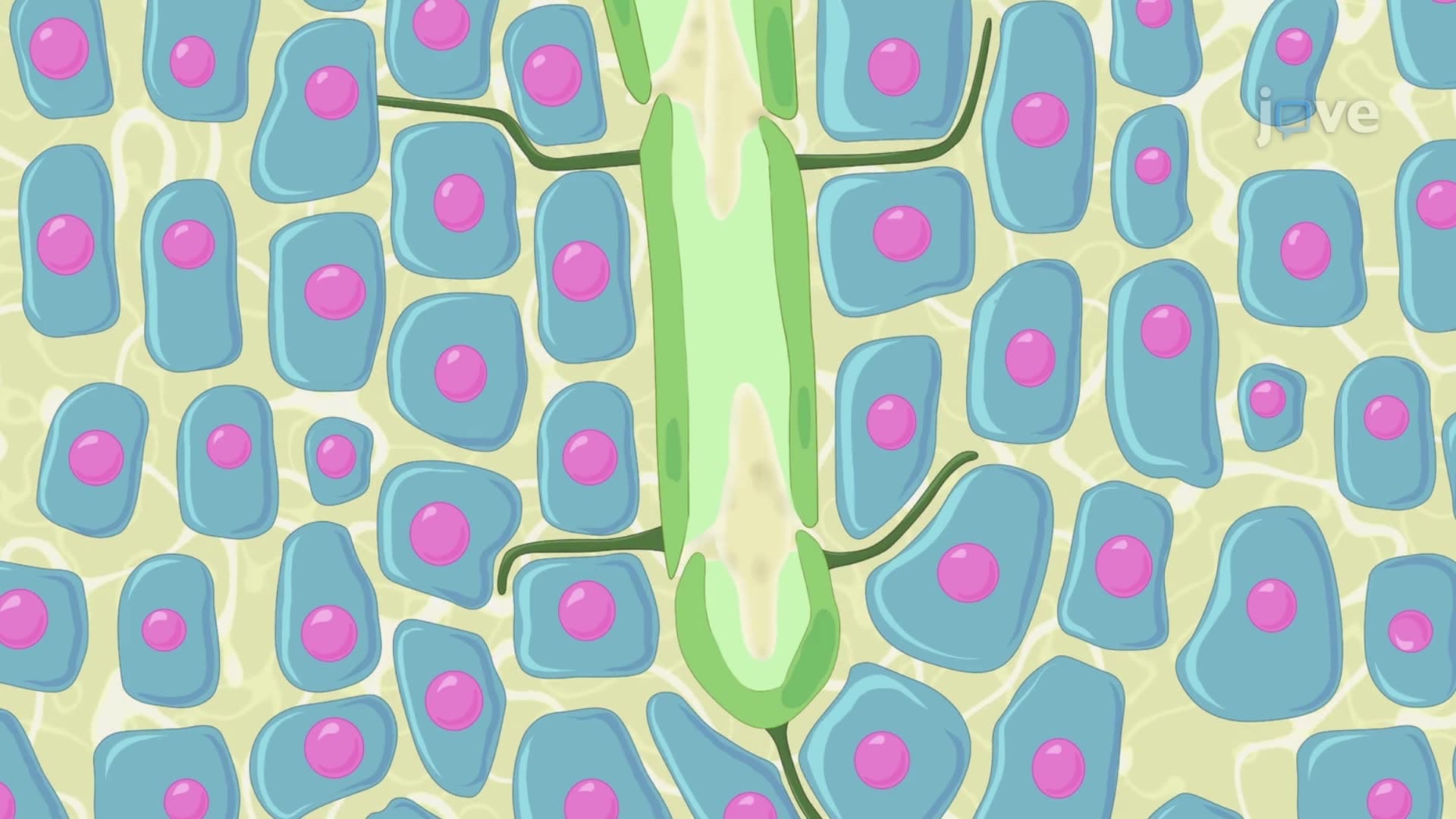
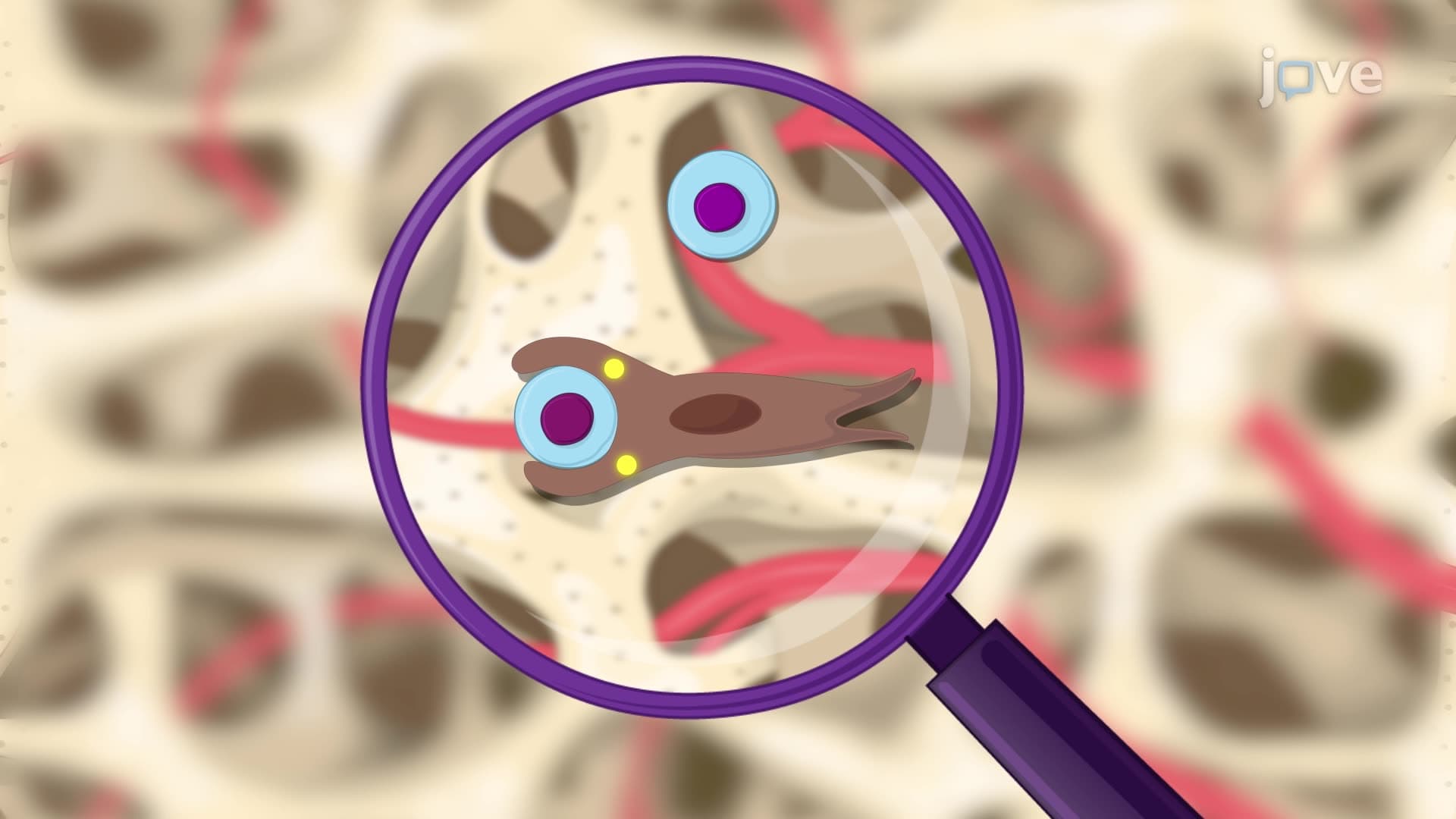
The primary lymphoid organ function of red bone marrow involves hematopoiesis-the process generating all blood cells from pluripotent stem cells. For B lymphocytes, this process occurs entirely within the bone marrow microenvironment. Specialized stromal cells create supportive niches, extending cytoplasmic processes that physically embrace developing B cells while secreting essential growth factors like interleukin-7. This cytokine specifically promotes B cell receptor rearrangement and prevents apoptosis during critical developmental checkpoints.
Students preparing for the MCAT or AP Biology should understand that B cell bone marrow development follows distinct stages: pro-B, pre-B, immature B, and mature B cells. Each stage involves specific gene rearrangements that create unique antibody specificities-a process fundamental to adaptive immunity.
The thymus, positioned in the superior mediastinum between the sternum and great vessels, demonstrates remarkable anatomical specialization for T cell thymus maturation. This bilobed organ reaches maximum size during adolescence before undergoing gradual involution throughout adulthood-explaining why childhood infections often have more severe consequences in immunocompromised adults.
Lymphocyte development primary organ function in the thymus occurs through distinct anatomical regions. The outer cortex contains densely packed thymocytes (developing T cells) supported by cortical epithelial cells that secrete thymosin hormones. These peptide hormones promote T cell proliferation and guide positive selection-the process ensuring T cells can recognize self-MHC molecules.
The inner medulla facilitates negative selection, where T cells reactive against self-antigens undergo apoptosis. This critical process prevents autoimmune diseases, making primary lymphoid organ anatomy essential for clinical understanding. Conditions like DiGeorge syndrome, where thymic development fails, result in severe T cell immunodeficiency.
Understanding primary lymphoid organs proves essential for medical school entrance exams (MCAT), nursing school prerequisites (HESI A2, TEAS), and advanced coursework. Clinical scenarios often involve bone marrow transplantation for treating leukemias or thymic tumors affecting T cell development. Students should recognize how chemotherapy targeting rapidly dividing cells particularly affects these primary lymphoid organs, explaining why cancer patients experience profound immunosuppression.
Related Micro-courses