Loading subject page…


218,421 views

Video Summary: What Is Antibody Actions
Did you know that when you get vaccinated against COVID-19, your antibodies can literally clump together virus particles like tiny molecular magnets? Antibody actions immunity biology represents one of the most sophisticated defense mechanisms in your immune system, where these Y-shaped proteins neutralize threats, tag pathogens for destruction, and activate powerful complement cascades. From preventing influenza infections to enabling life-saving treatments at the Mayo Clinic, understanding what is antibody actions reveals how your body fights disease at the molecular level. Watch the full video on JoVE Coach to master this concept with expert-led visuals and step-by-step explanations.
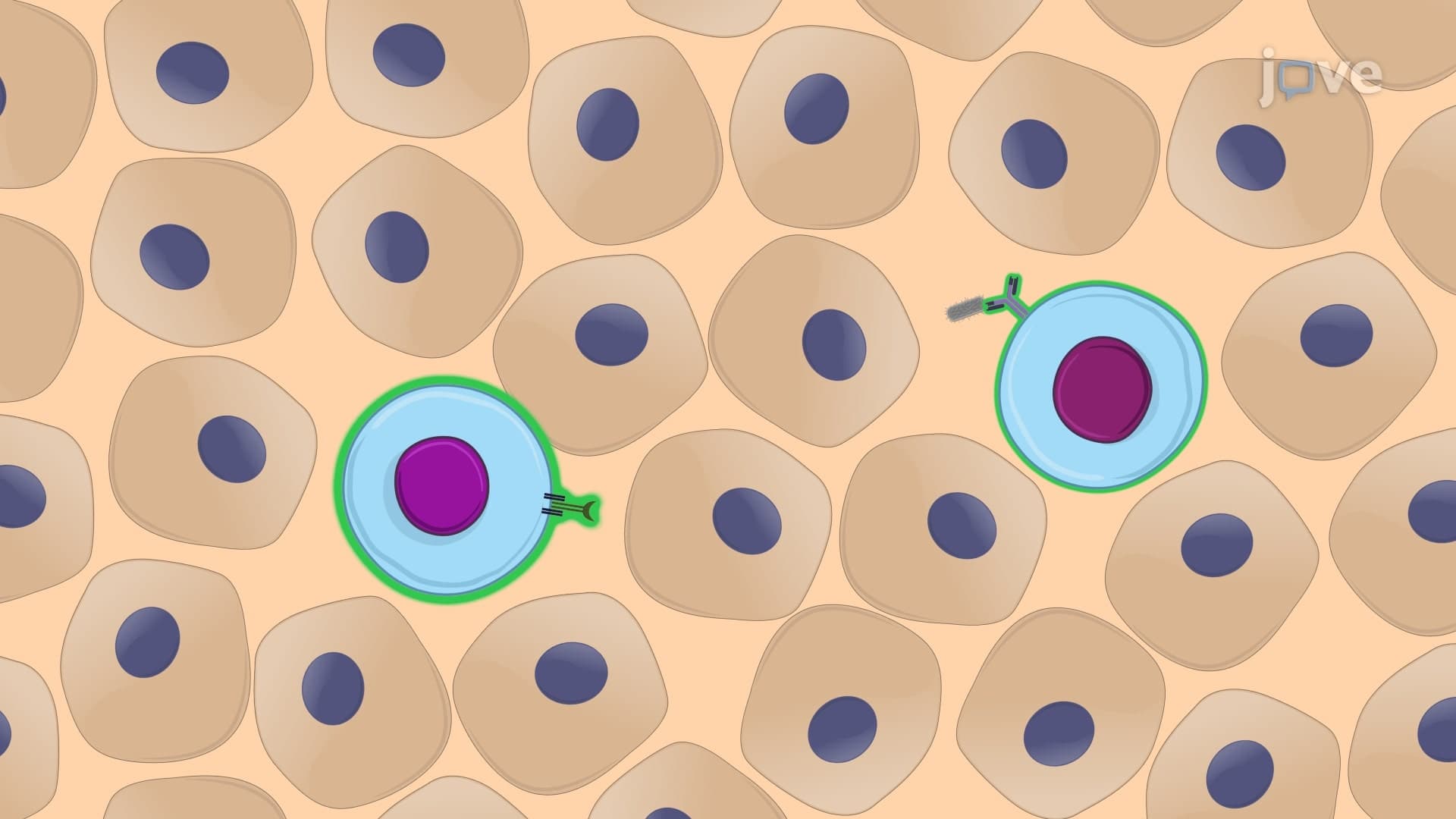
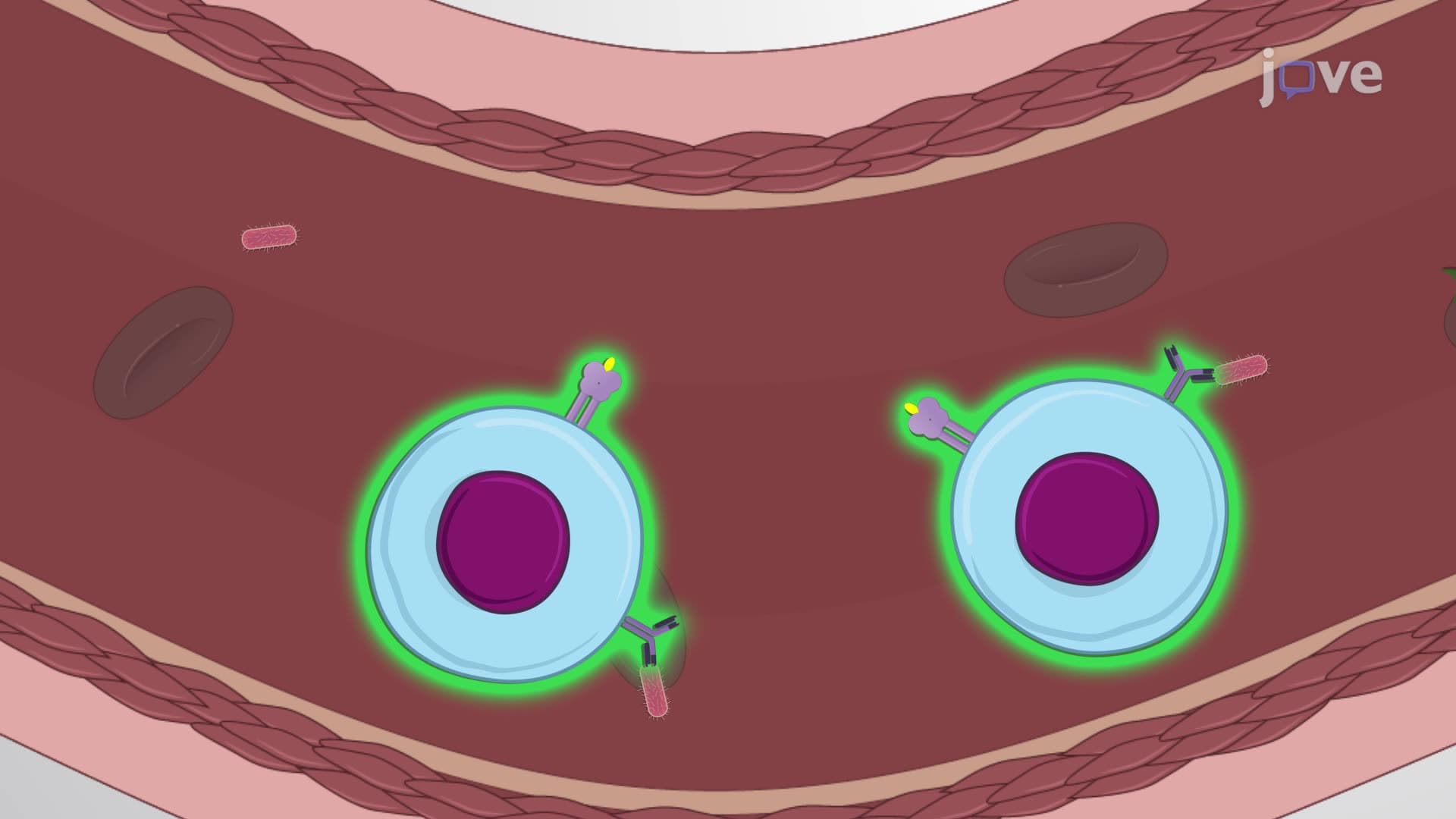
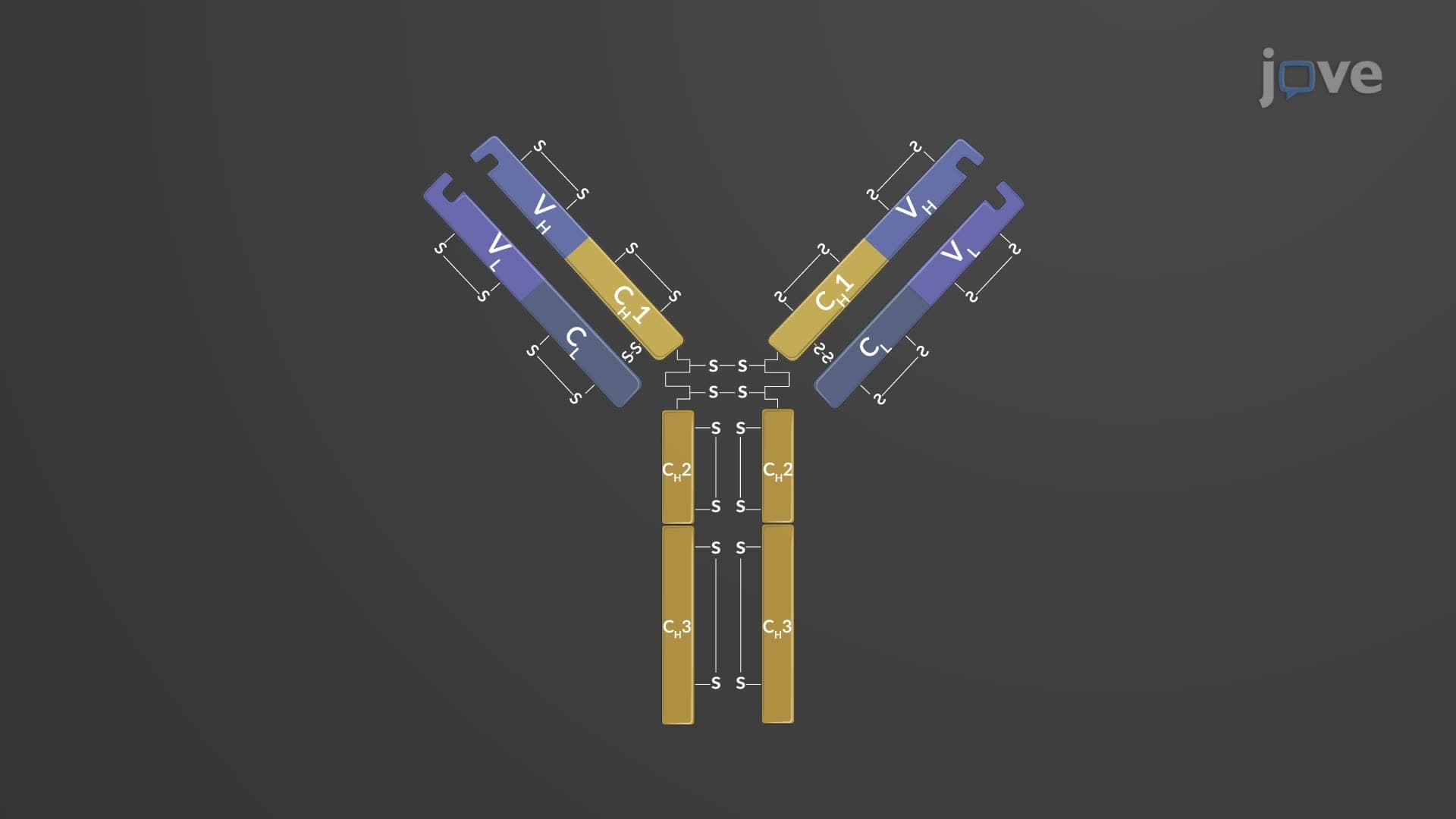
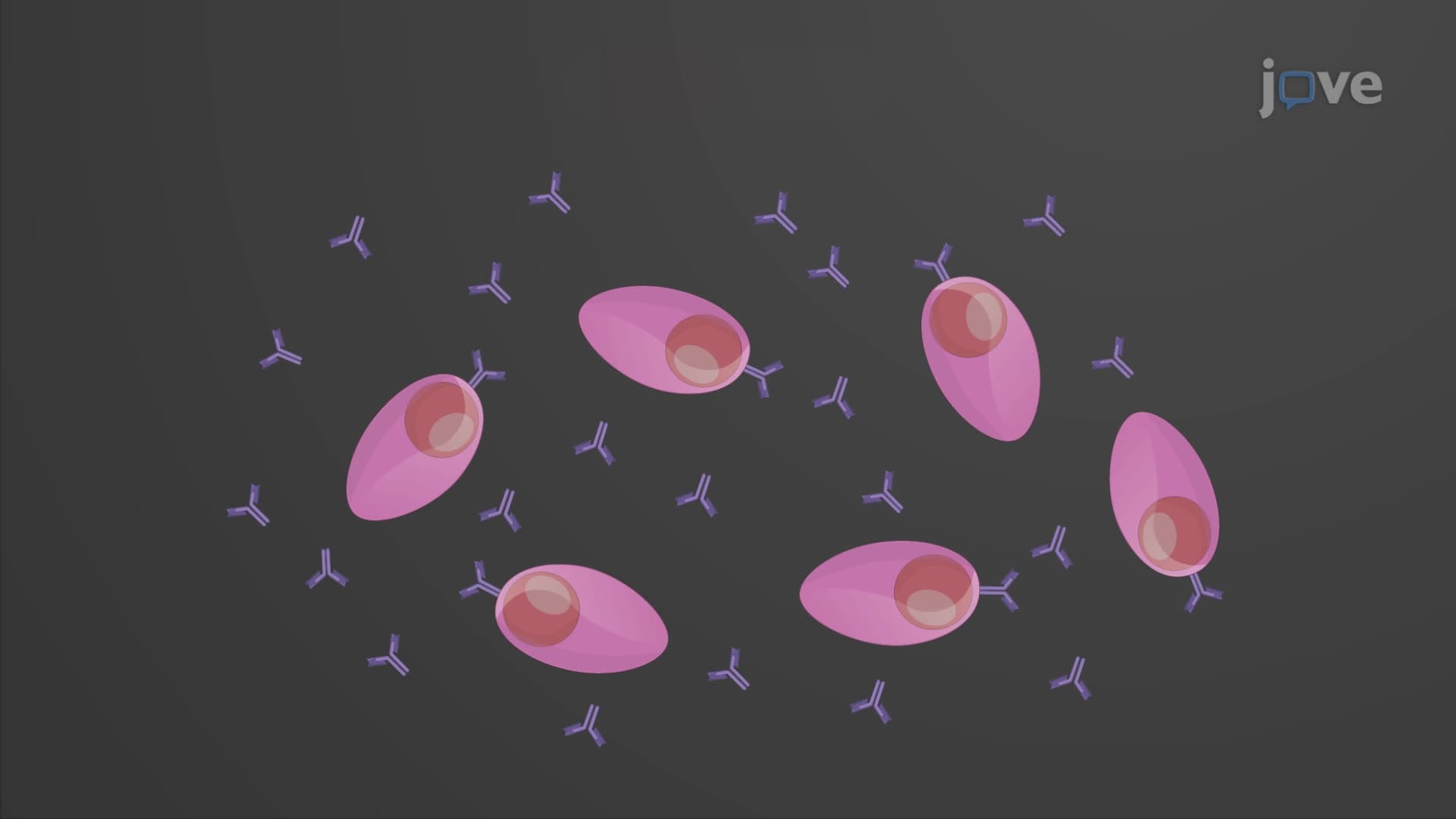
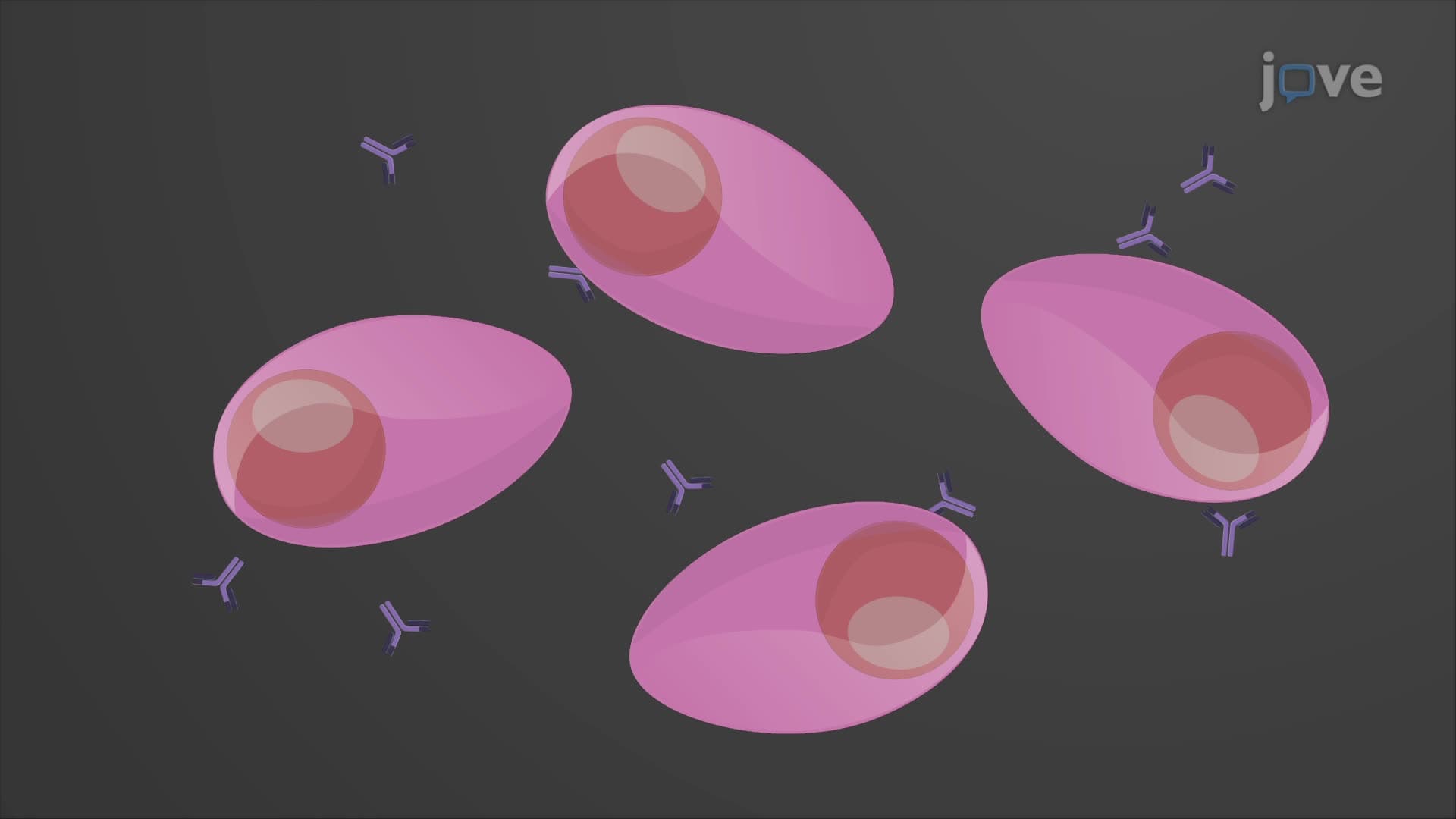
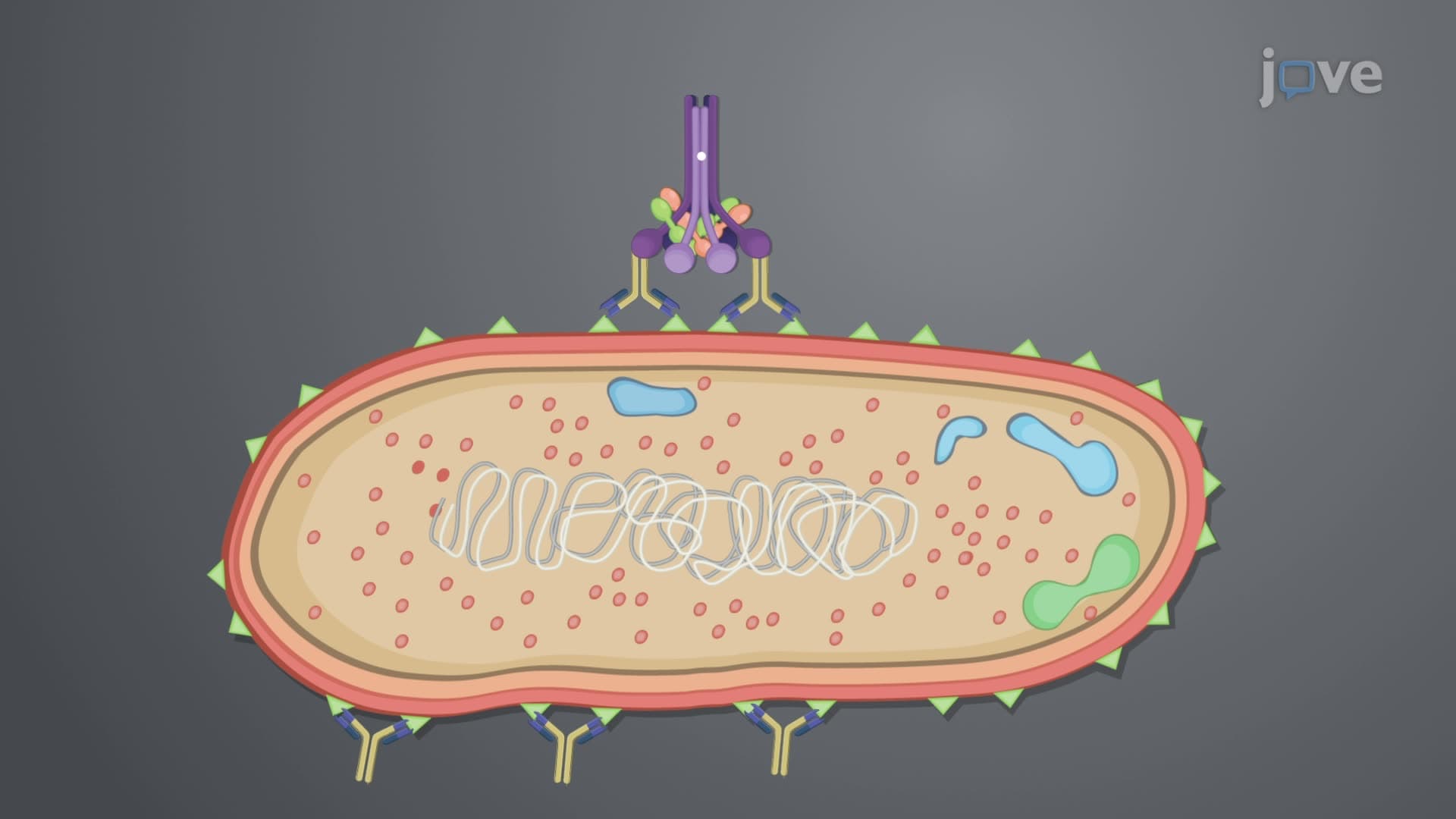
Antibody actions immunity biology encompasses the diverse mechanisms by which immunoglobulins protect your body from infectious agents and harmful substances. These remarkable Y-shaped proteins, produced by plasma cells, execute coordinated attacks against pathogens through five primary mechanisms that work synergistically to eliminate threats and maintain immune homeostasis.
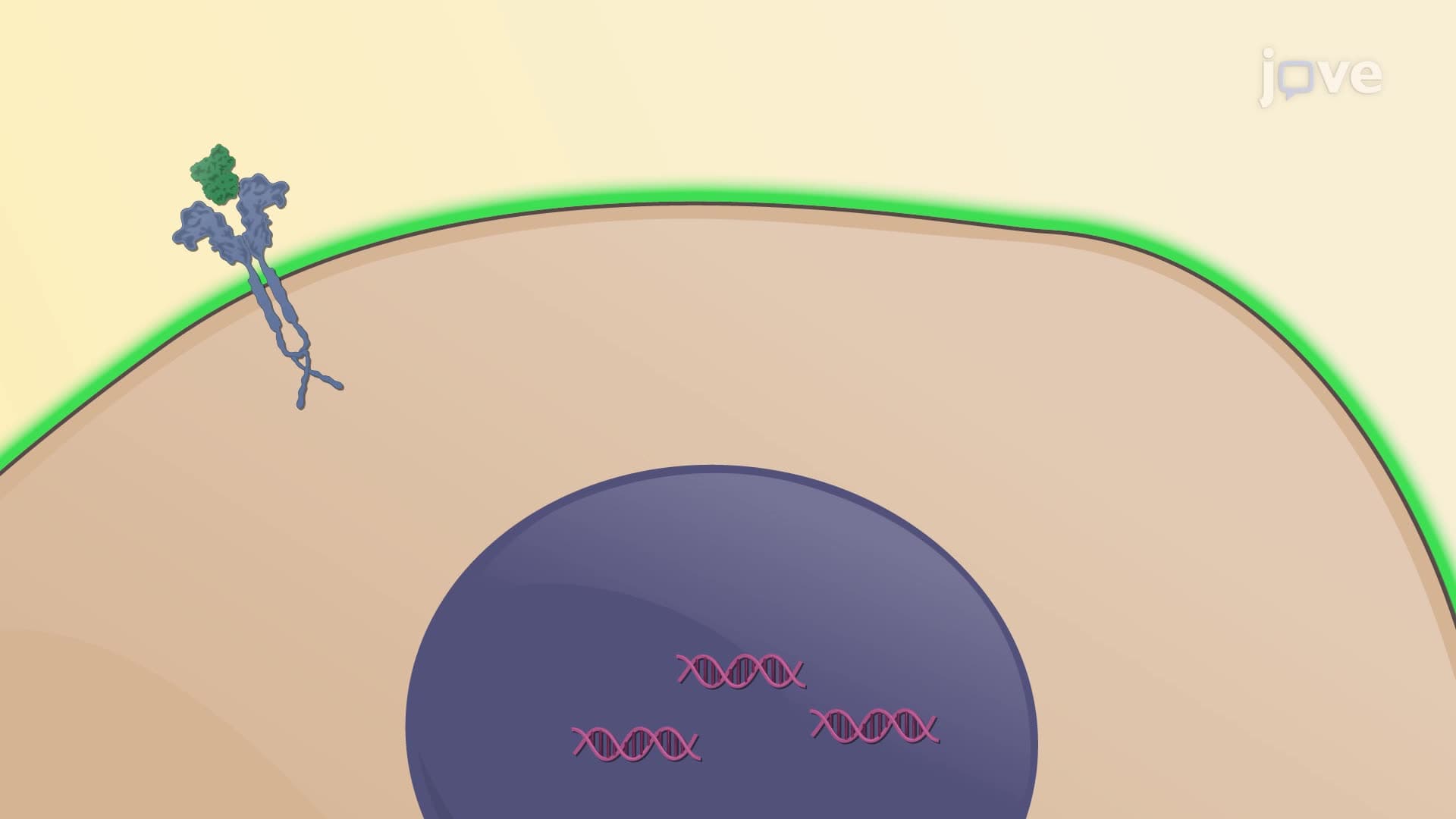
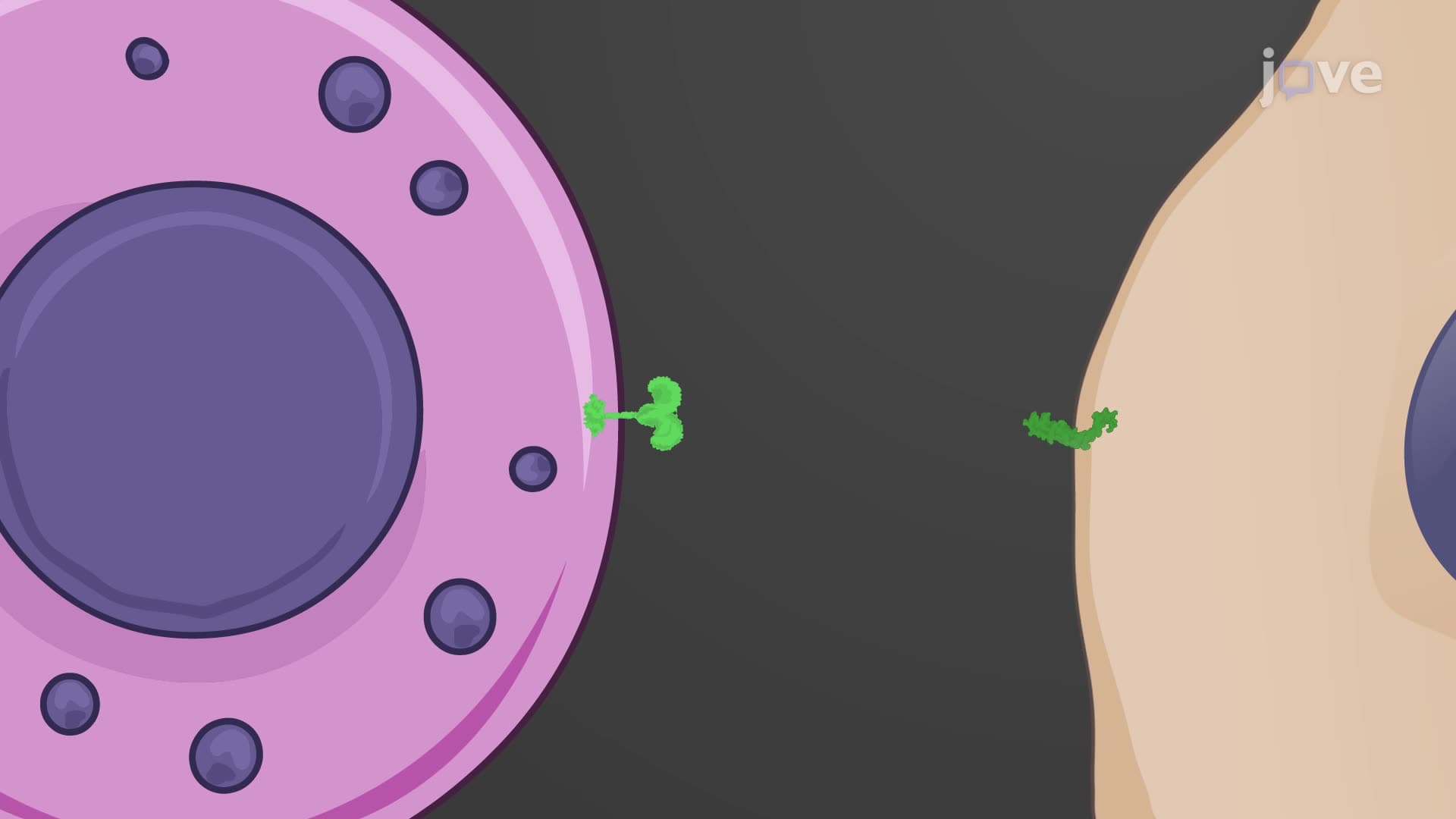
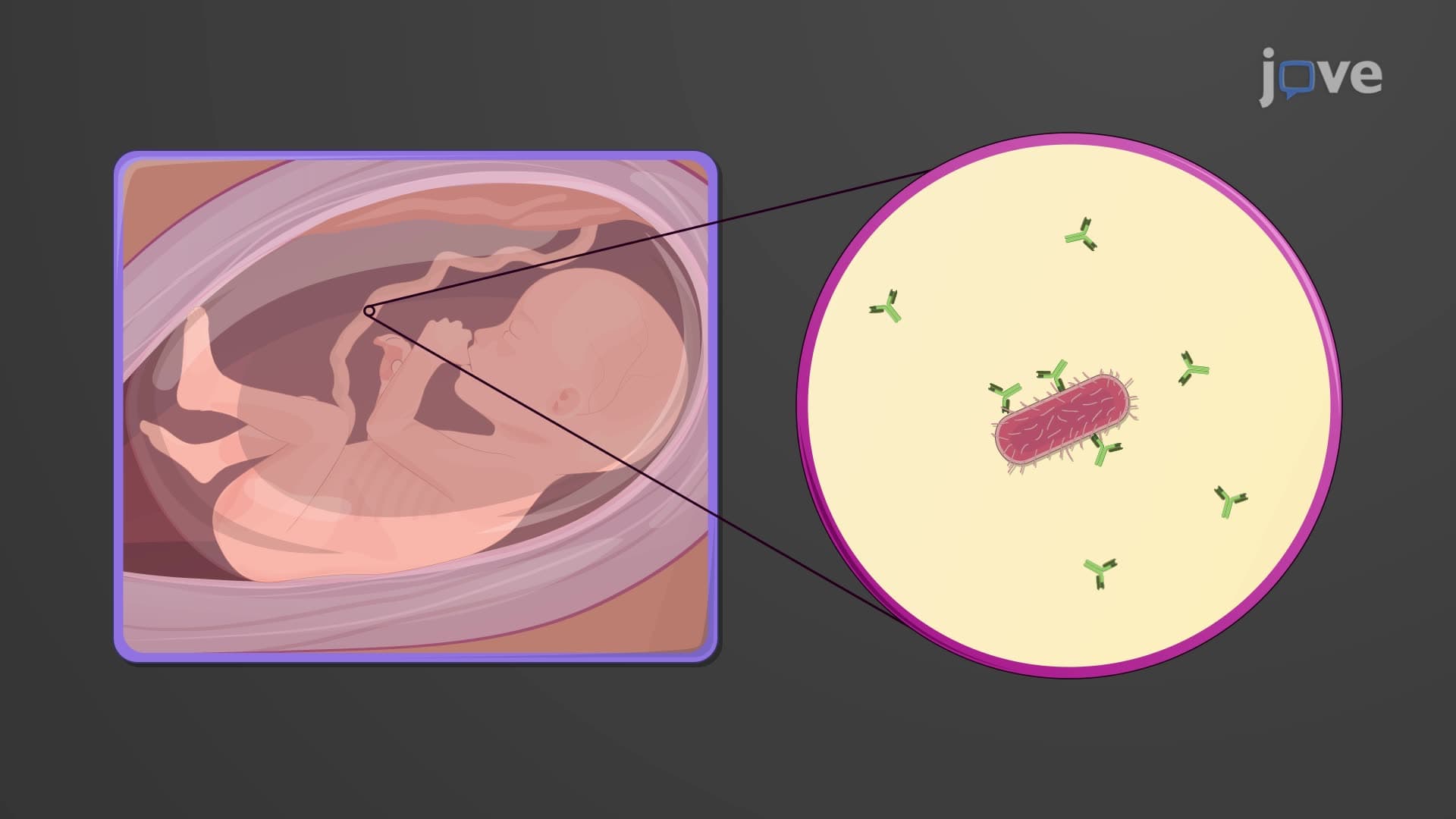
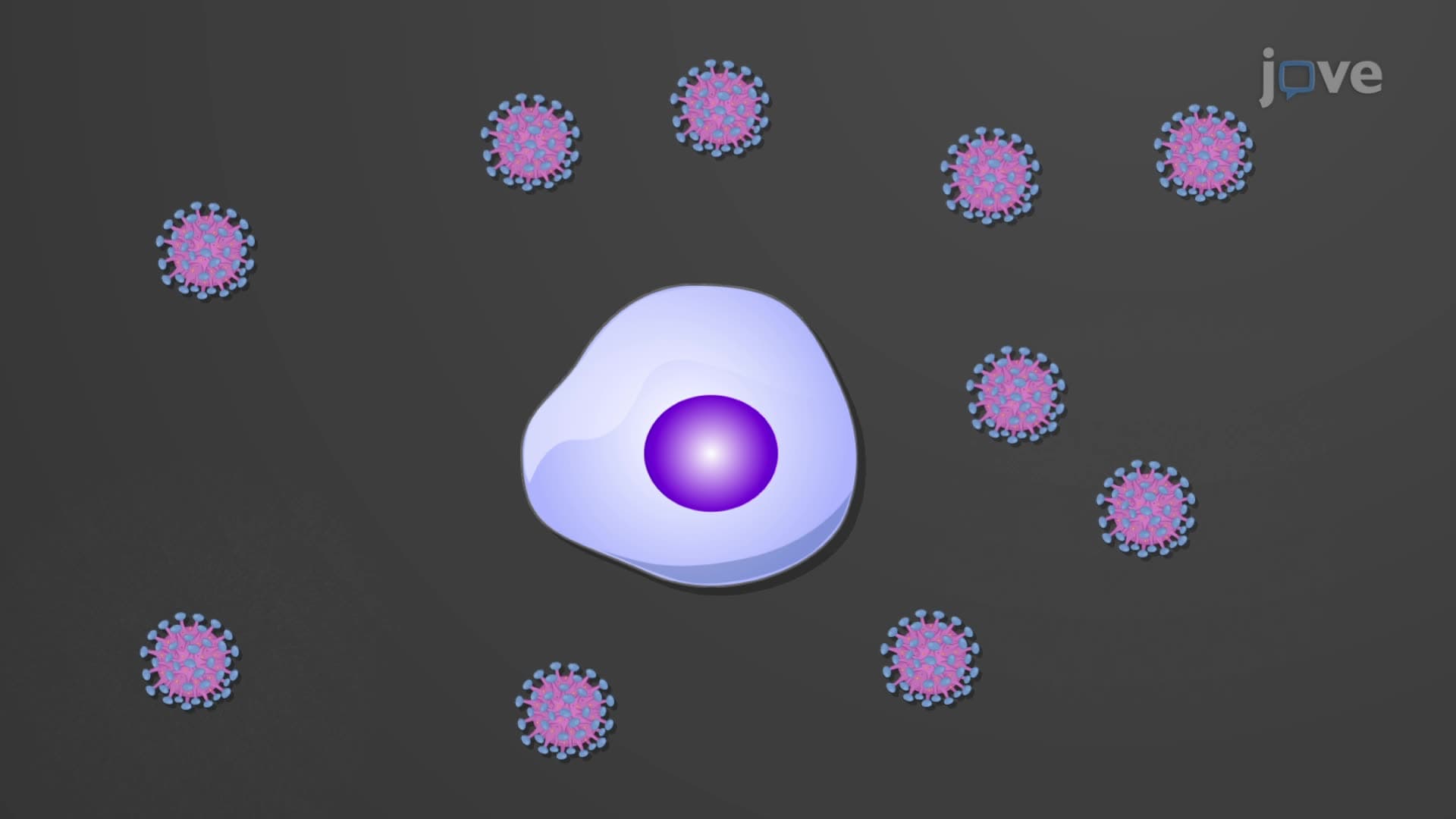
The first line of antibody defense involves neutralization, where antibodies physically block pathogens from infecting host cells. When how antibodies work in immunity through neutralization, they bind to specific surface proteins on viruses or bacteria, preventing these pathogens from attaching to cellular receptors. Consider how monoclonal antibodies developed by Regeneron were used to treat COVID-19 patients-these therapeutics neutralized SARS-CoV-2 by binding to the spike protein, preventing viral entry into respiratory cells. This mechanism is crucial for AP Biology students to understand, as neutralization questions frequently appear on exams regarding vaccine function and passive immunity.
Agglutination precipitation antibody processes demonstrate how antibodies use their bivalent structure to cross-link antigens. Each antibody molecule possesses two identical binding sites, enabling it to connect antigens on different pathogenic particles. This cross-linking creates large immune complexes that either precipitate (when involving soluble toxins) or agglutinate (when involving cellular pathogens). The Stanford School of Medicine uses agglutination tests for blood typing, where anti-A and anti-B antibodies clump red blood cells containing corresponding antigens-a practical application you might encounter in MCAT passages.
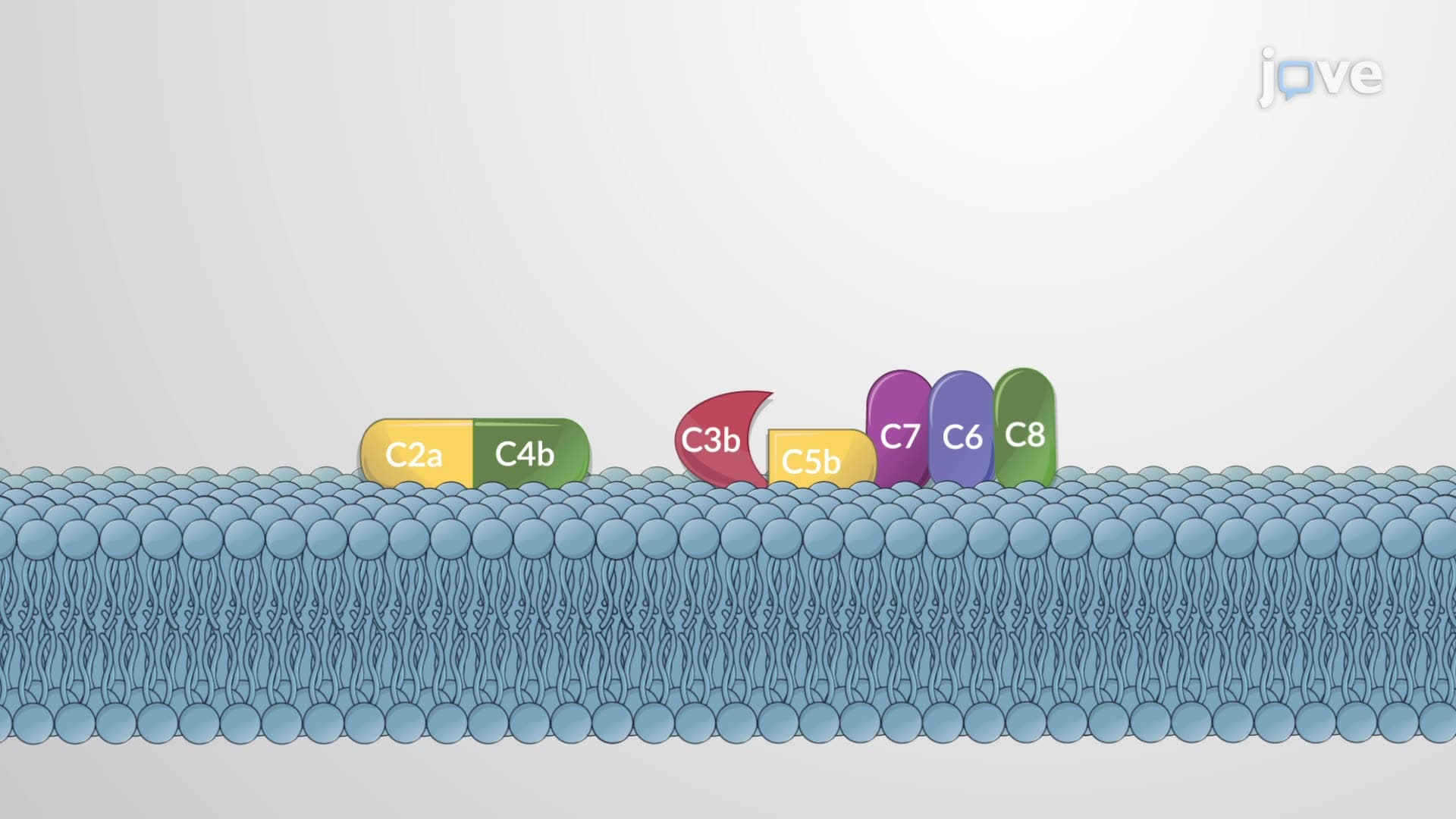
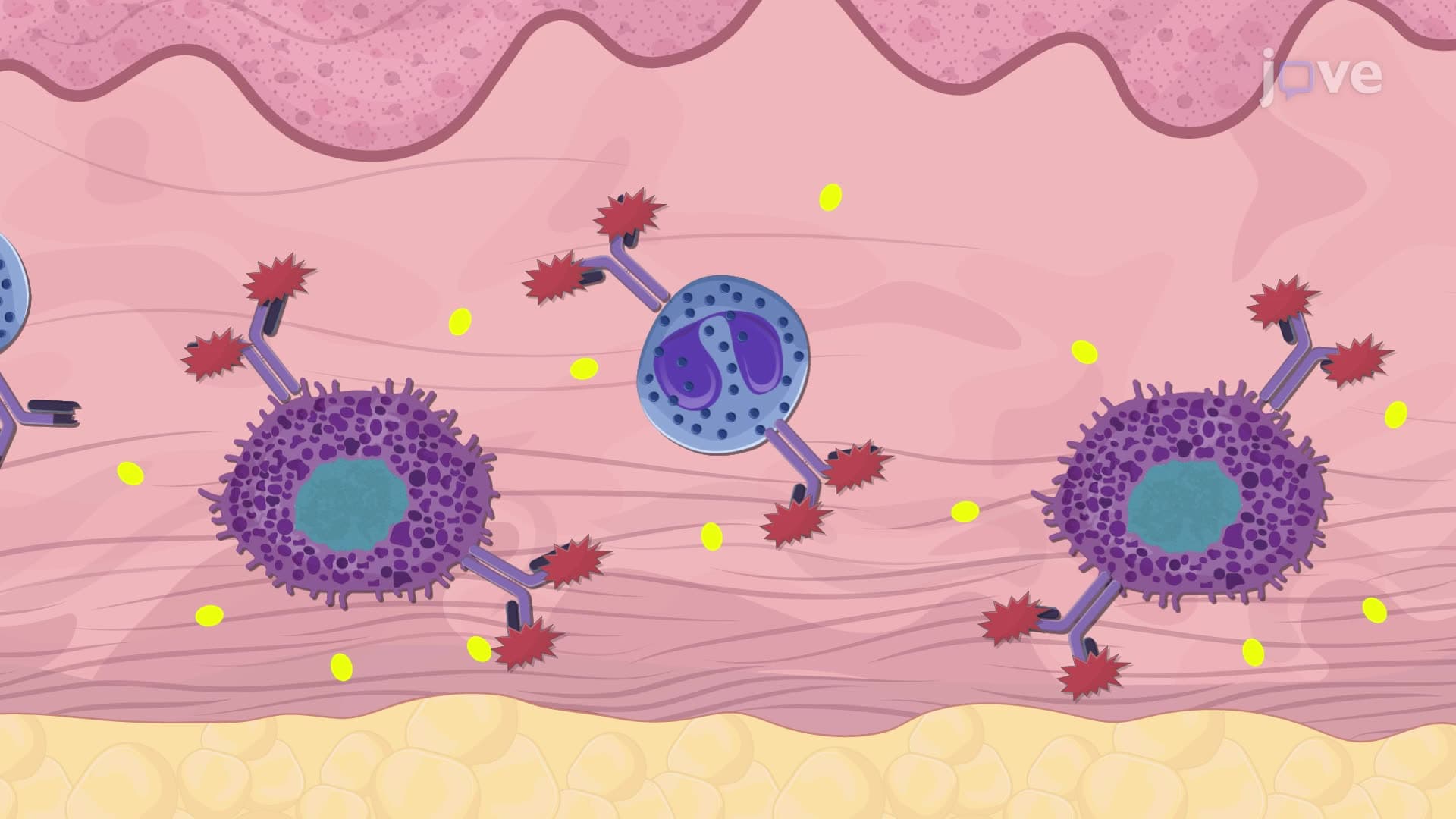
When multiple antibodies cluster on a pathogen's surface, their Fc regions align to trigger complement activation antibody cascades. This process, discovered at Harvard Medical School, involves over 30 plasma proteins that create membrane attack complexes, literally punching holes in bacterial cell walls. Simultaneously, neutralization opsonization antibody coating marks pathogens for destruction by macrophages and neutrophils. Think of opsonization as molecular "seasoning" that makes pathogens more appetizing to immune cells-a concept that helps college students remember this mechanism during immunology exams.
Related Micro-courses