Loading subject page…


218,420 views

Video Summary: What Is Antibody Structure and Classes
When you get a flu shot, your body produces Y-shaped molecular defenders called antibodies that recognize and neutralize specific threats. Understanding antibody structure classes biology reveals how these immunoglobulins use distinct heavy and light chain arrangements to create five major classes-IgG, IgA, IgM, IgE, and IgD-each with specialized functions like IgM's pentamer structure for rapid immune response. The CDC relies on antibody testing to track vaccine effectiveness across American populations. Watch the full video on JoVE Coach to master this concept with expert-led visuals and step-by-step explanations.
Antibody structure classes biology represents one of immunology's most elegant examples of structure-function relationships. These remarkable proteins, formally called immunoglobulins, serve as the adaptive immune system's precision weapons against pathogens threatening human health.
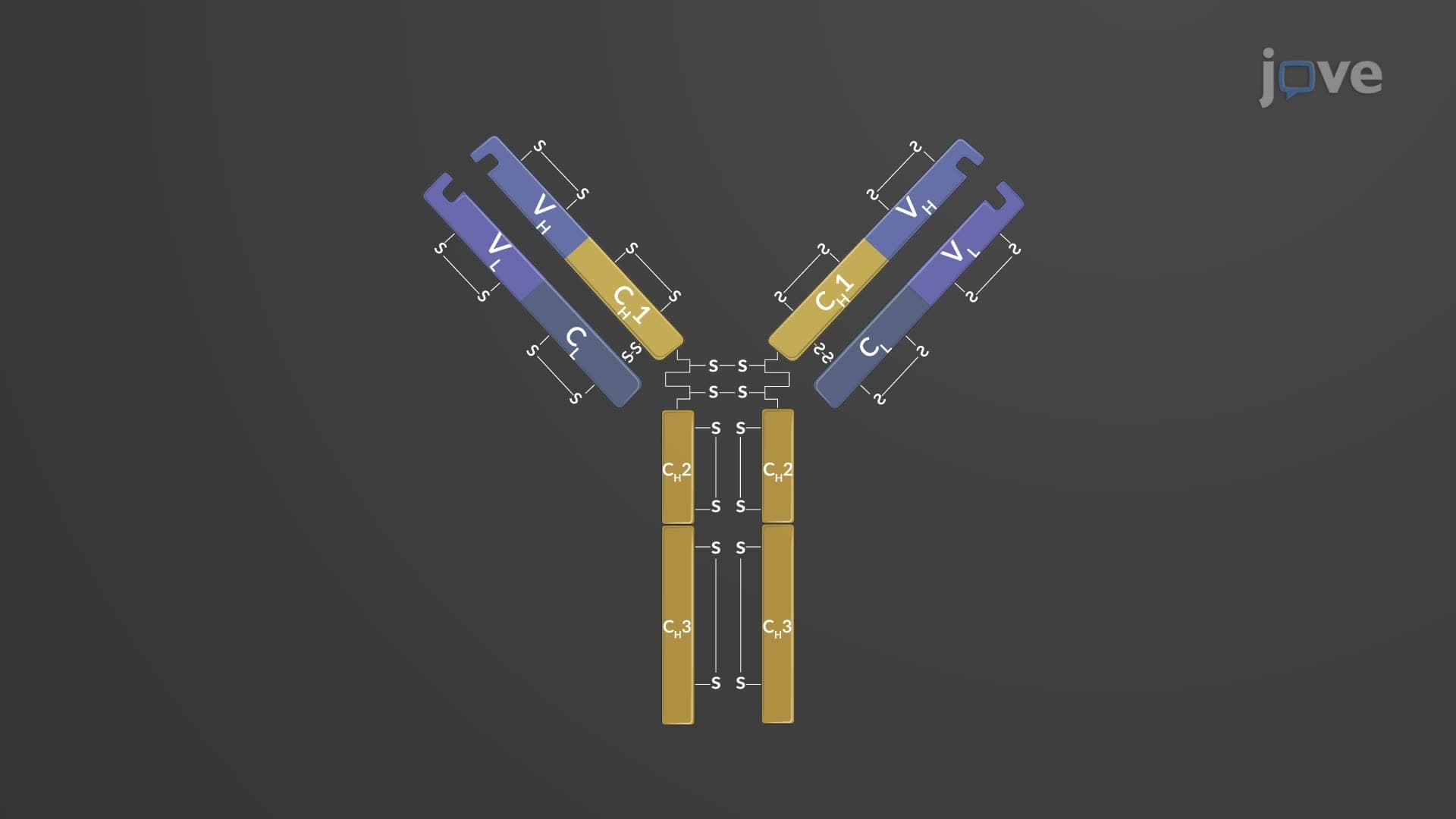
The fundamental immunoglobulin structure explained begins with the iconic Y-shaped monomer. Each antibody contains two identical heavy chains (approximately 450-550 amino acids) and two identical light chains (about 220 amino acids) connected by disulfide bonds. This quaternary structure creates two distinct functional regions: the variable region at the Y's arms and the constant region forming the stem.
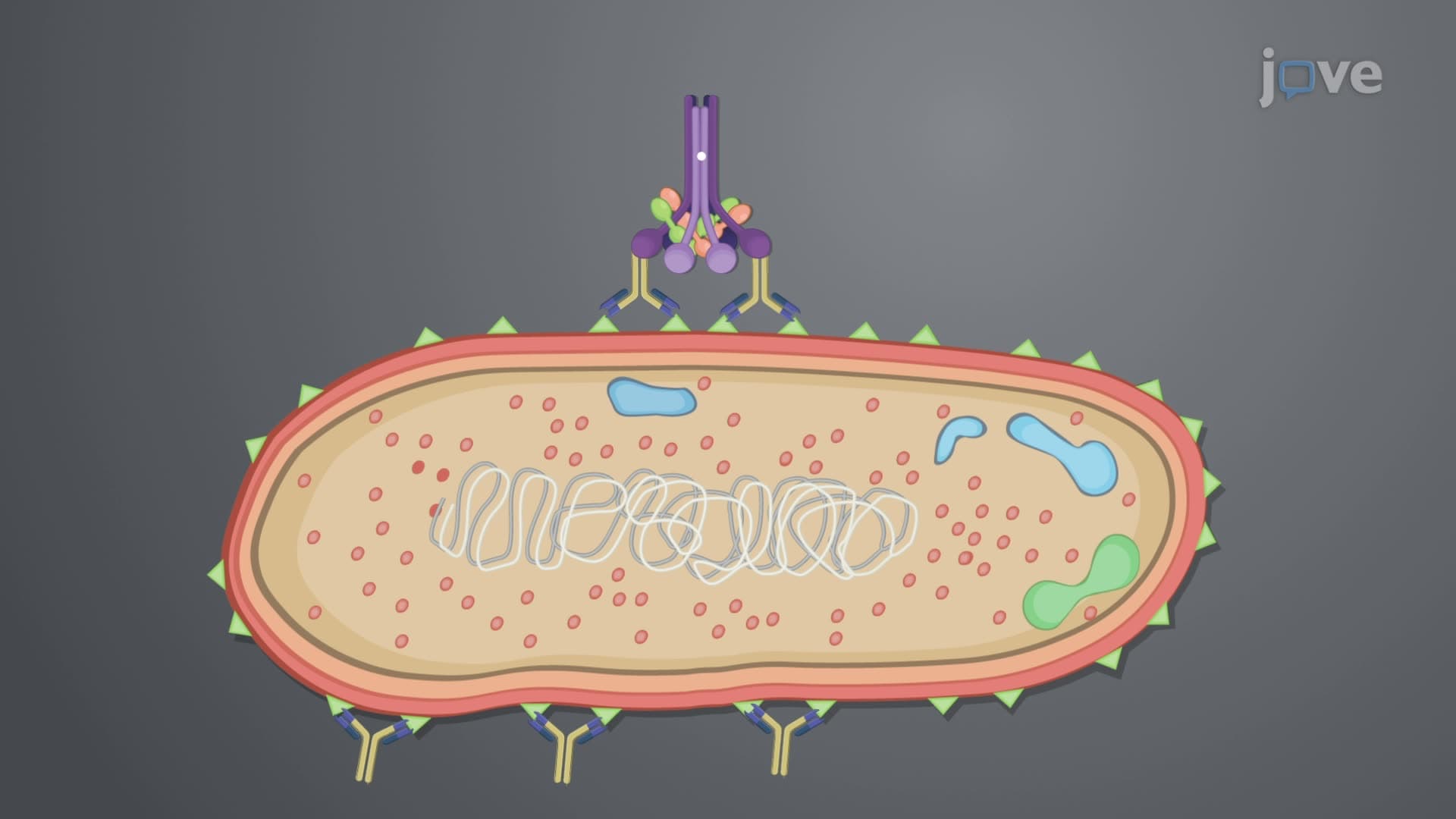
The variable region, comprising both heavy and light chain segments, forms the antigen-binding site (Fab region). Here, hypervariable loops create unique three-dimensional binding pockets that recognize specific molecular patterns on pathogens. Meanwhile, the constant region (Fc region) determines the antibody's effector functions and classification.
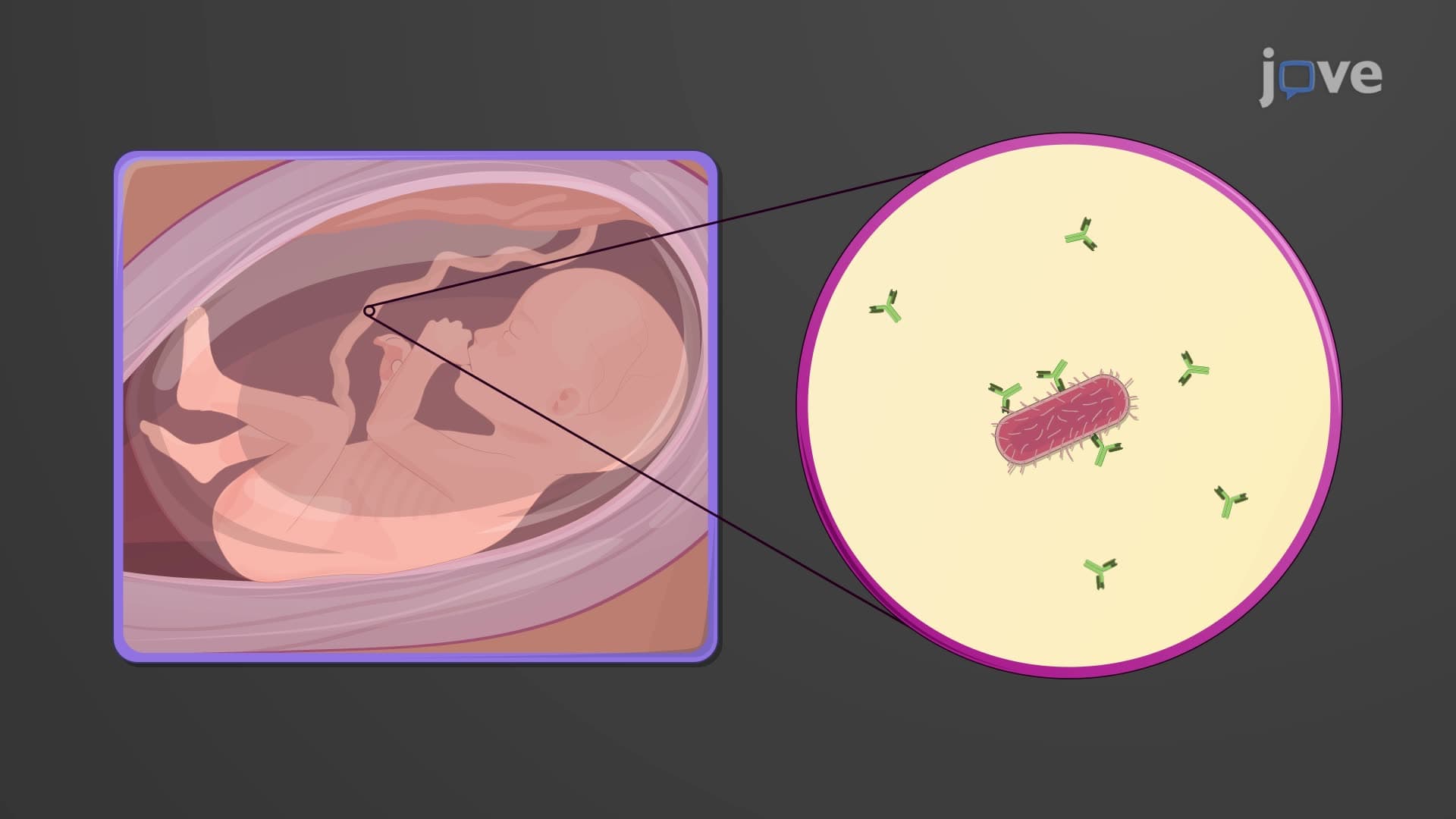
IgG represents the most abundant circulating antibody in healthy adults, comprising 70-75% of serum immunoglobulins. Its monomeric structure allows efficient tissue penetration and placental transfer, making it crucial for maternal immunity transfer to newborns. American pediatricians rely on maternal IgG to protect infants during their first months of life.
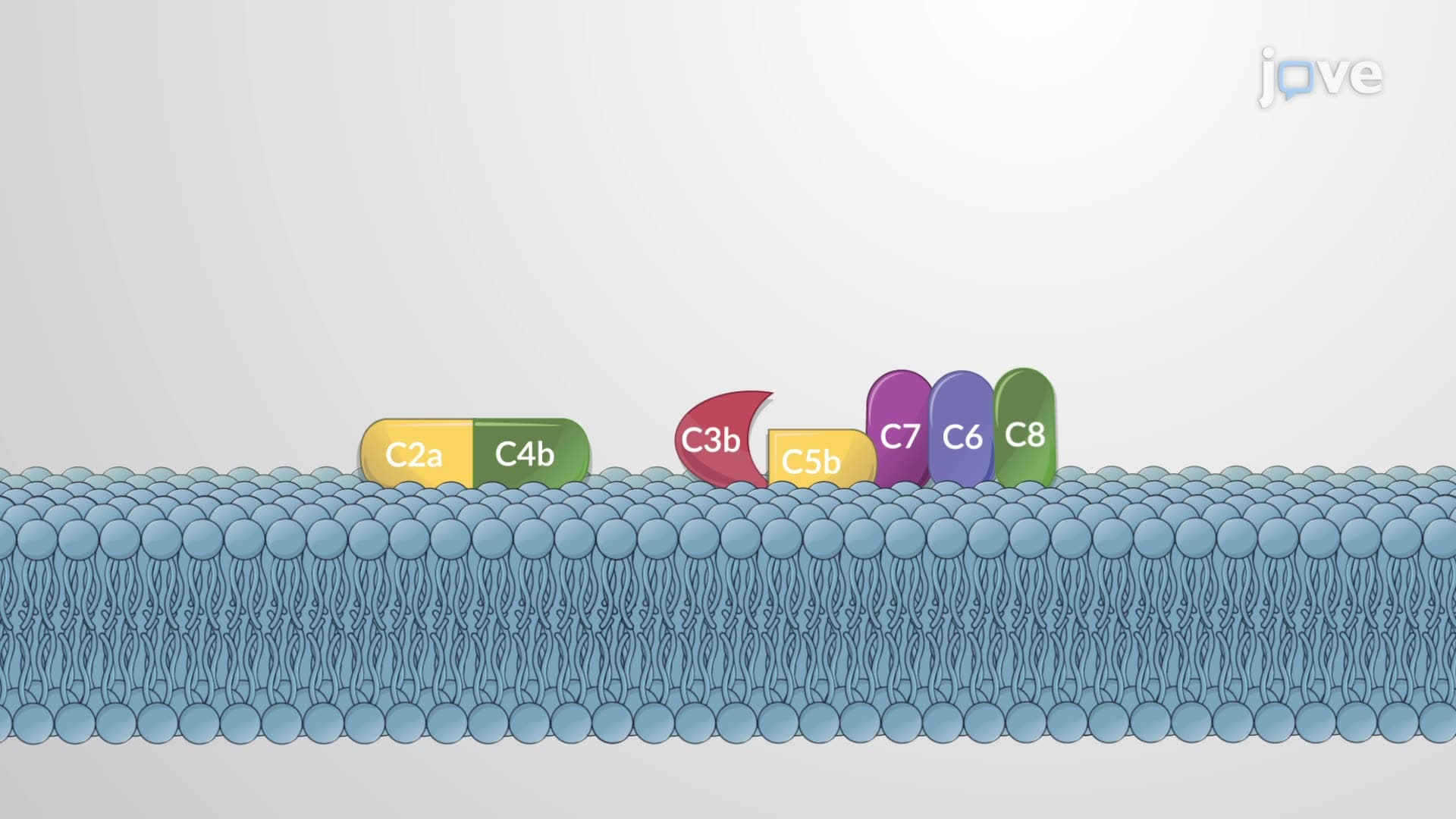
IgM exists as a pentamer-five Y-shaped units connected by a J chain-creating ten antigen-binding sites. This multimeric structure makes IgM extraordinarily effective at complement activation and initial pathogen recognition. Clinical laboratories use IgM detection to diagnose recent infections, as it represents the first antibody response.
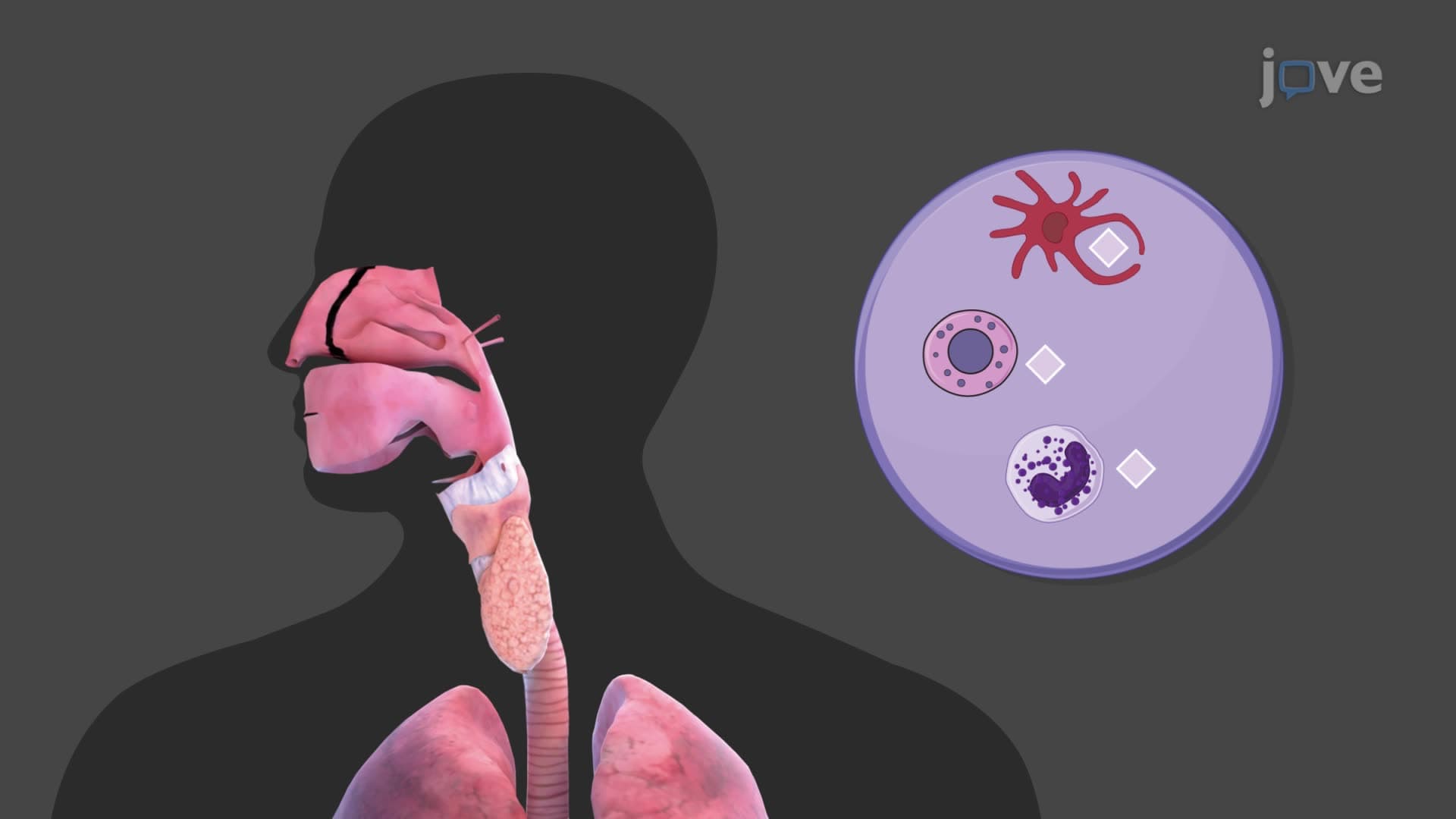
IgA functions primarily as a dimer in secretions, protected by the secretory component protein. This structure enables IgA to survive harsh environments in saliva, tears, and breast milk. The CDC emphasizes IgA's role in mucosal immunity, particularly in respiratory and gastrointestinal protection.
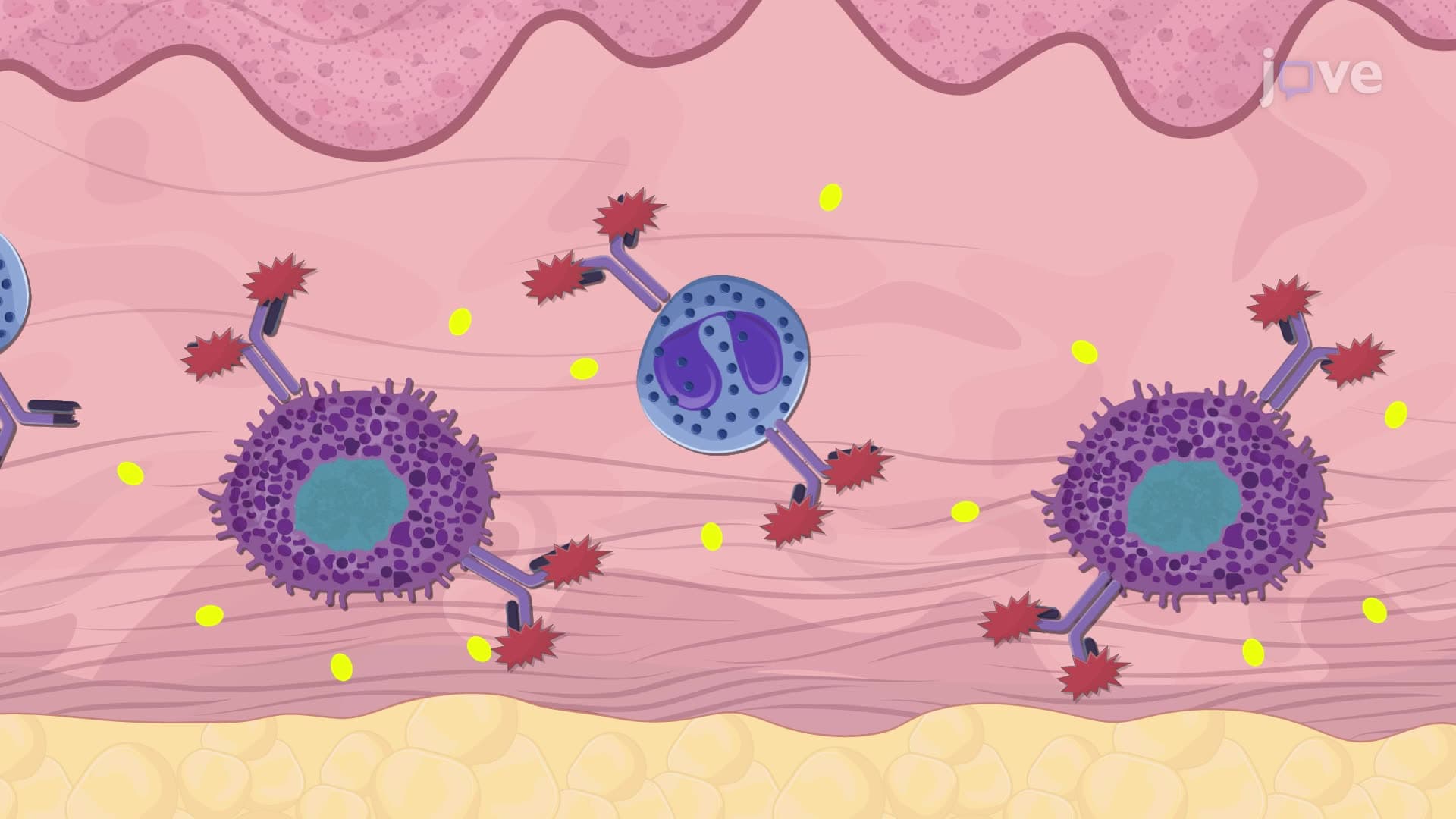
IgE maintains a monomeric structure but possesses unique binding properties for mast cells and basophils. Its constant region enables immediate hypersensitivity reactions, making it central to allergic responses that affect millions of Americans annually.
IgD serves primarily as a membrane-bound receptor on naive B cells, though its soluble form's function remains partially understood.
Understanding heavy light chain antibody relationships proves essential for AP Biology students and pre-med coursework. The MCAT frequently tests antibody structure concepts, particularly focusing on how structural modifications affect function. Medical students studying for USMLE Step 1 must master immunoglobulin class switching mechanisms and their clinical implications.
Modern therapeutic applications highlight antibody structure's practical importance. Monoclonal antibody treatments for cancer and autoimmune diseases leverage specific structural features to target disease processes while minimizing side effects.
Related Micro-courses