Loading subject page…


218,421 views

Video Summary: What Is Antigens Involved
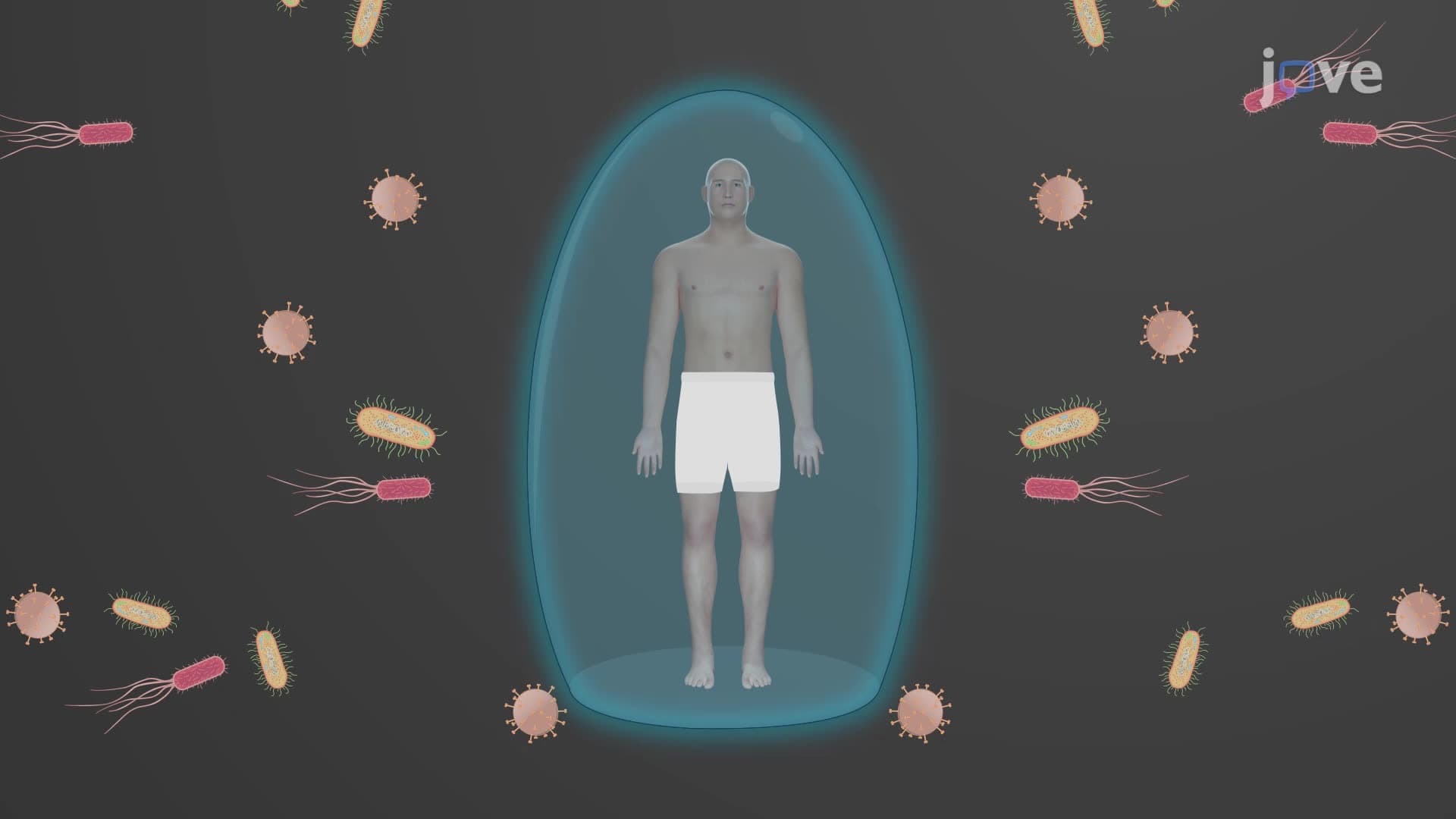
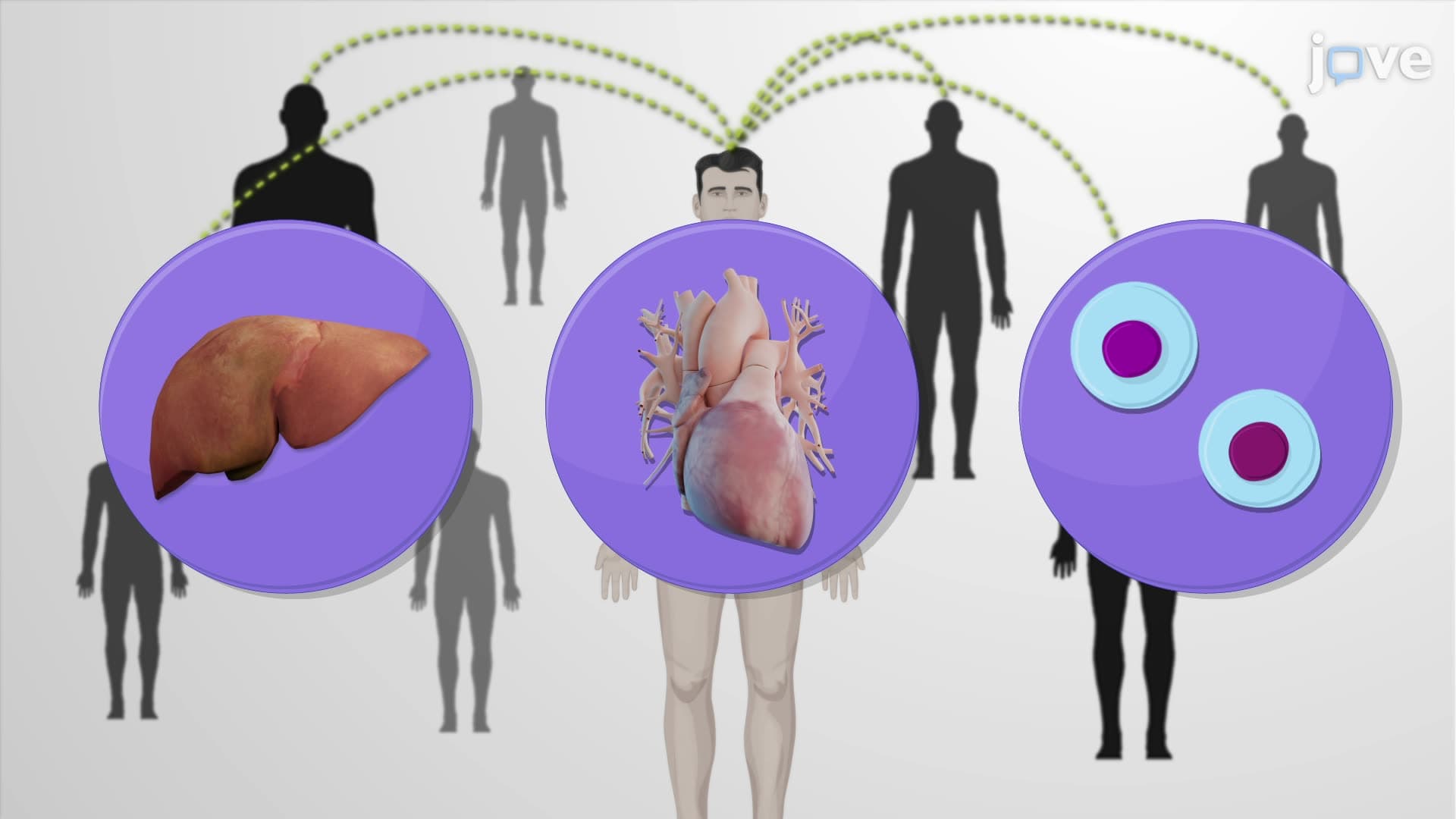
Ever wondered why your body rejects an organ transplant but accepts your own cells? The answer lies in antigens immune response biology, specialized molecular markers that determine whether your immune system attacks or tolerates different substances. Consider how patients receiving kidney transplants at Johns Hopkins must take immunosuppressive drugs to prevent their immune system from recognizing the donor organ as foreign. Understanding what is antigens involved in immune recognition helps explain everything from vaccine effectiveness to allergic reactions. Watch the full video on JoVE Coach to master this concept with expert-led visuals and step-by-step explanations.
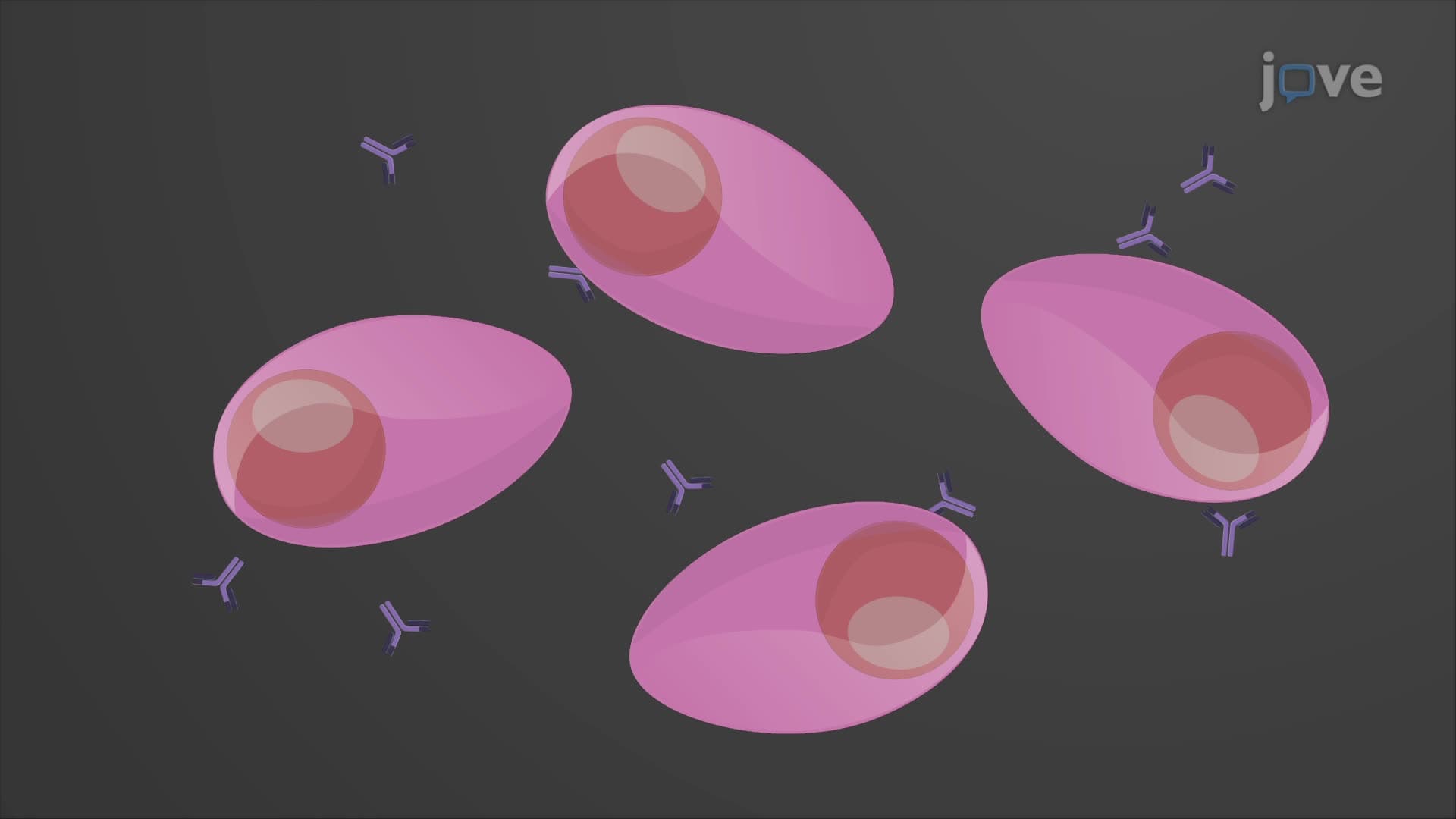
Antigens immune response biology centers on understanding how foreign molecules trigger defensive reactions in our bodies. Complete antigens are large, structurally complex molecules, typically proteins exceeding 10,000 daltons, that possess both immunogenicity (ability to stimulate immune cell proliferation) and reactivity (capacity to bind with immune effectors). This dual functionality makes them the primary triggers of adaptive immune responses.
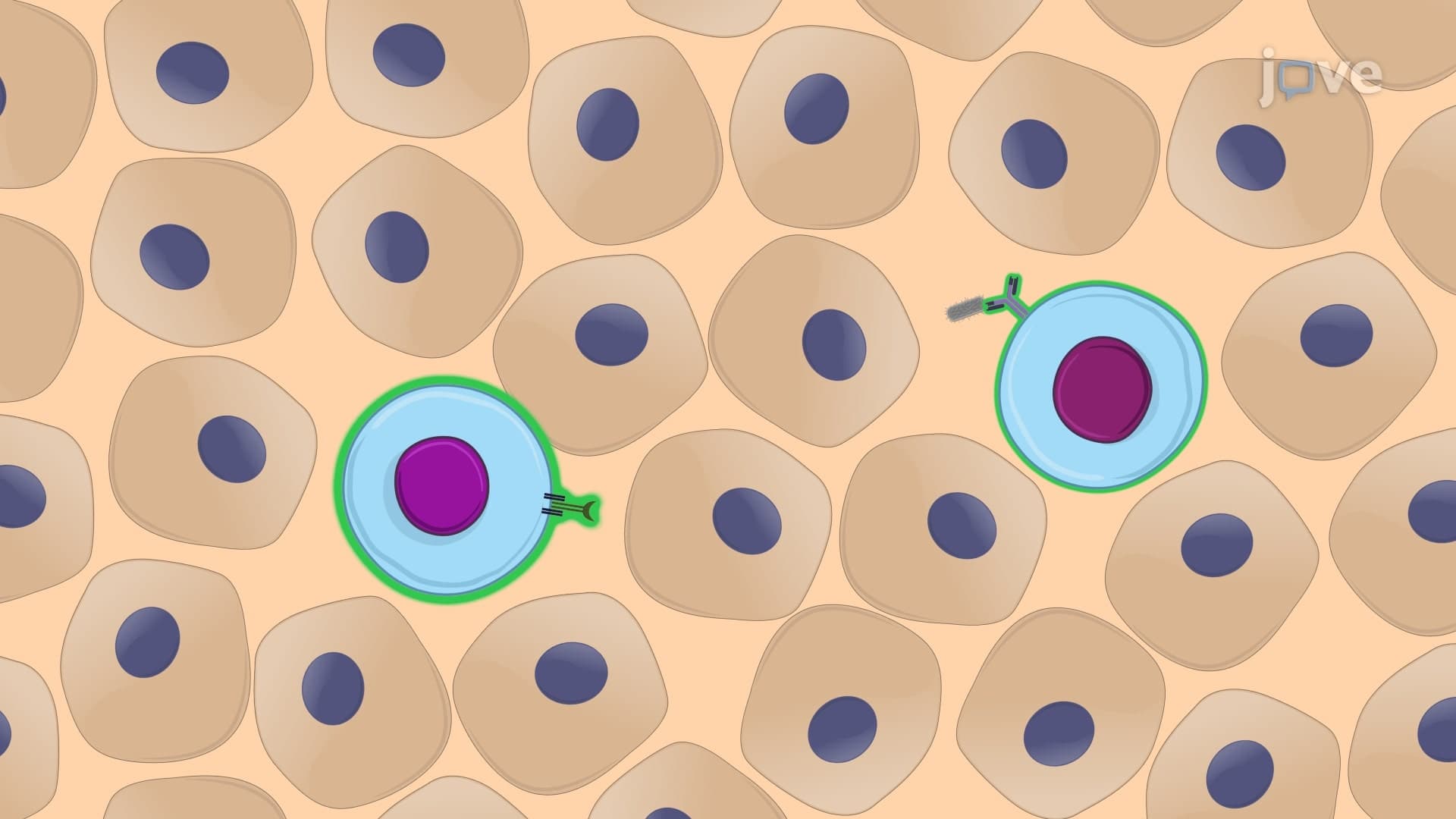
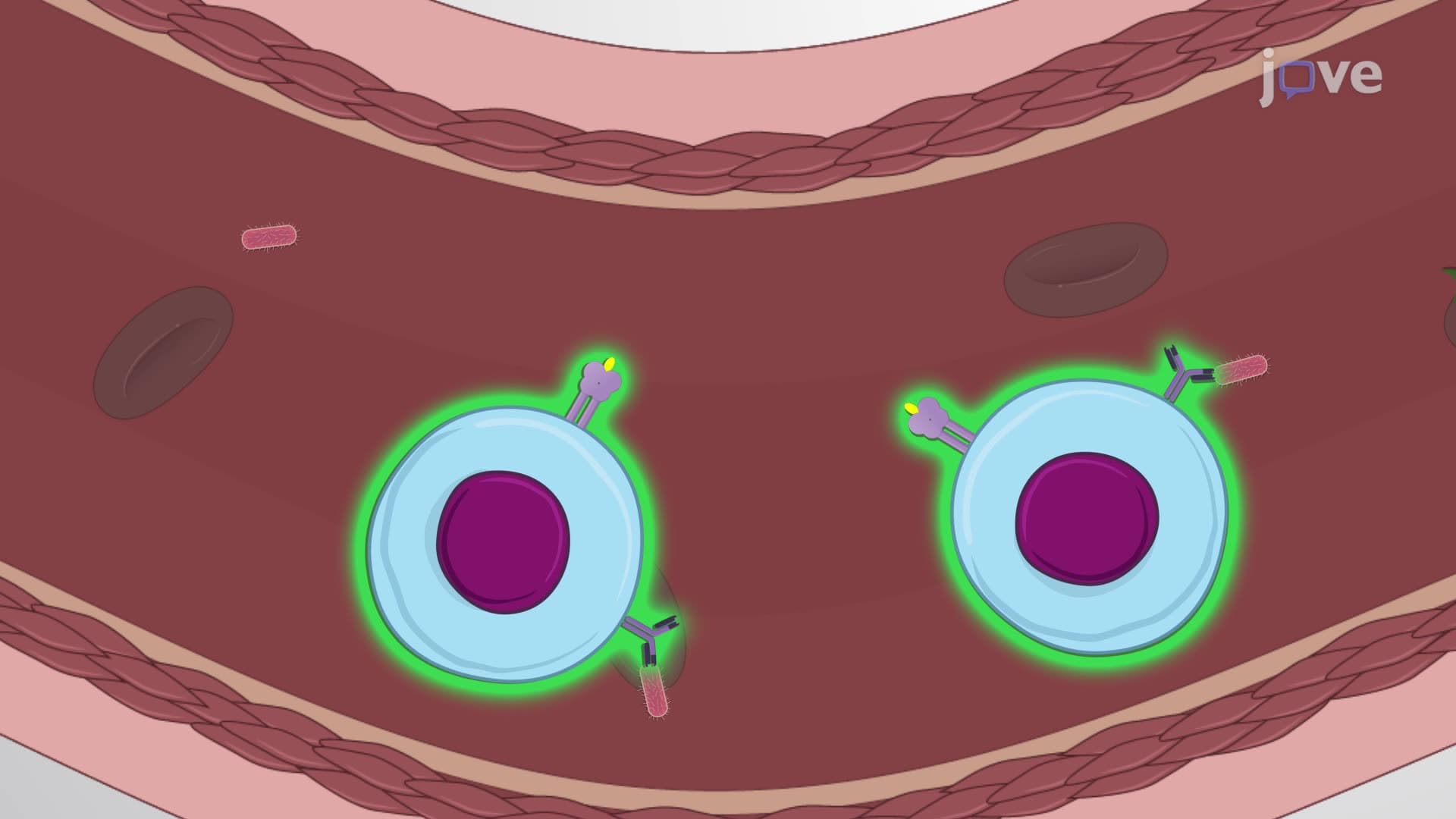
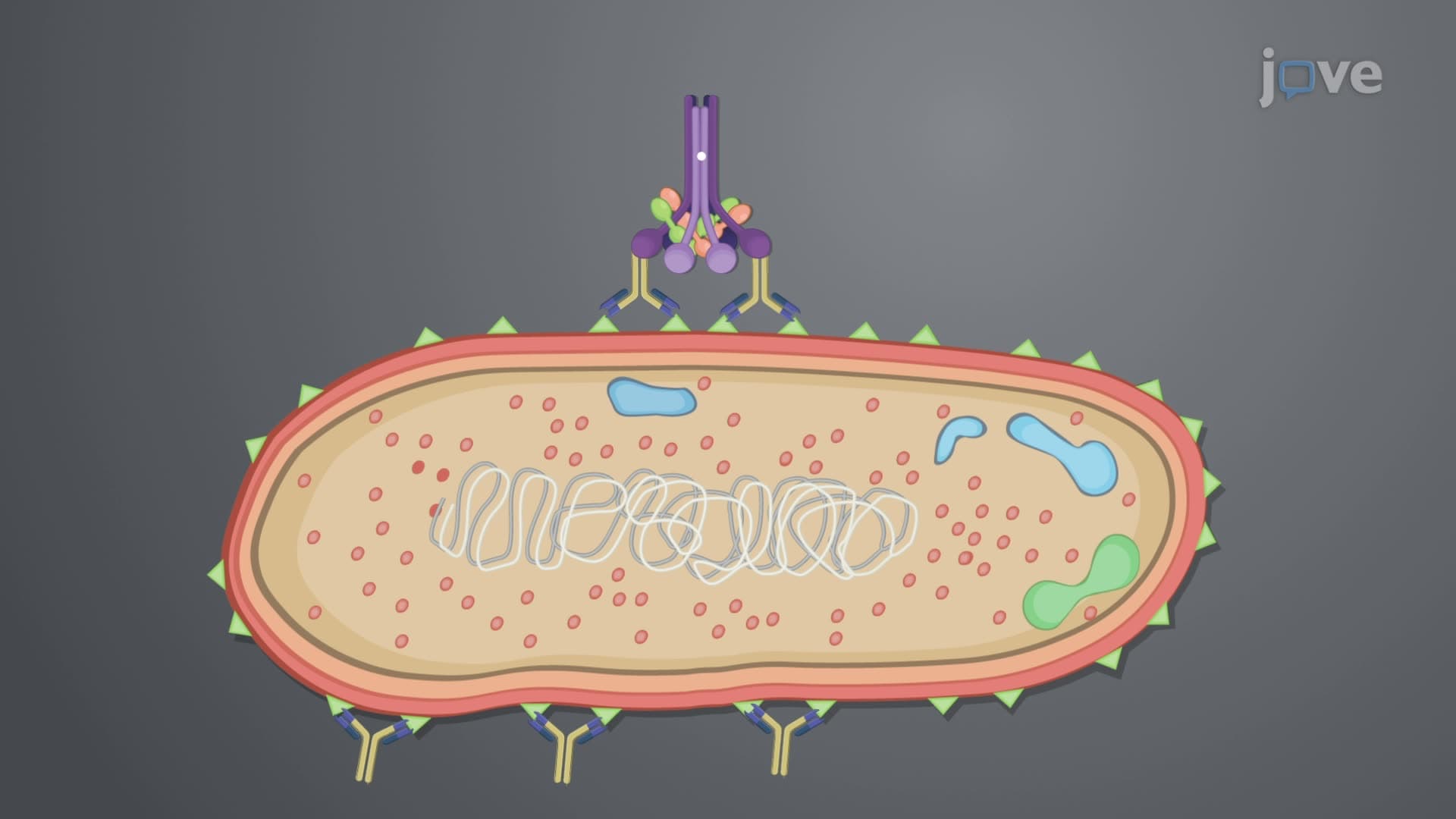
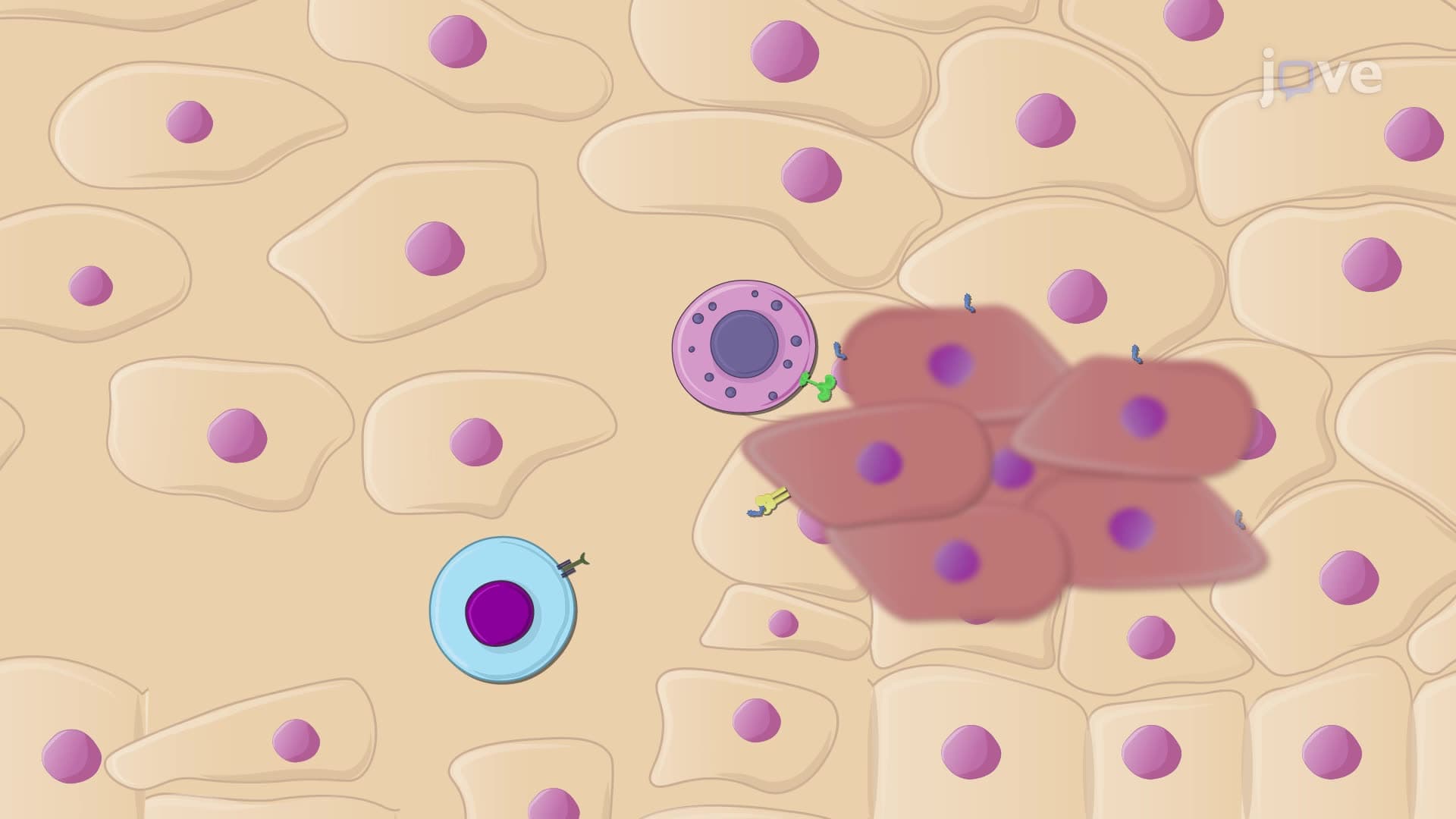
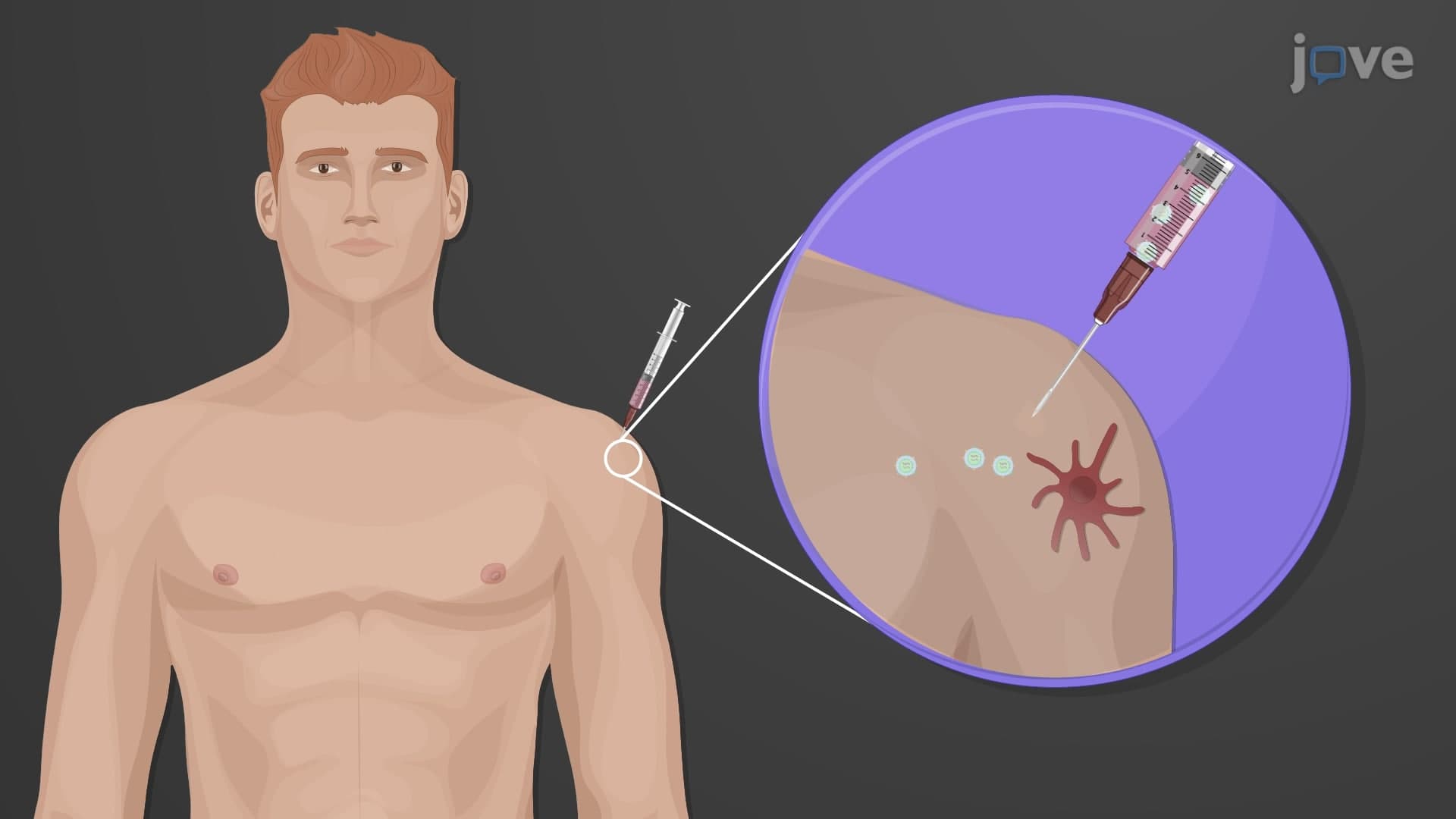
The concept of antigen epitope binding explains how immune specificity works at the molecular level. Each antigen contains multiple epitopes, distinct three-dimensional regions typically 8-12 amino acids long that serve as recognition sites. B-cells produce antibodies targeting specific epitopes, while T-cells recognize epitopes only when presented by MHC molecules. This specificity explains why vaccines work: they expose our immune system to pathogen epitopes without causing disease, creating immunological memory for future protection.
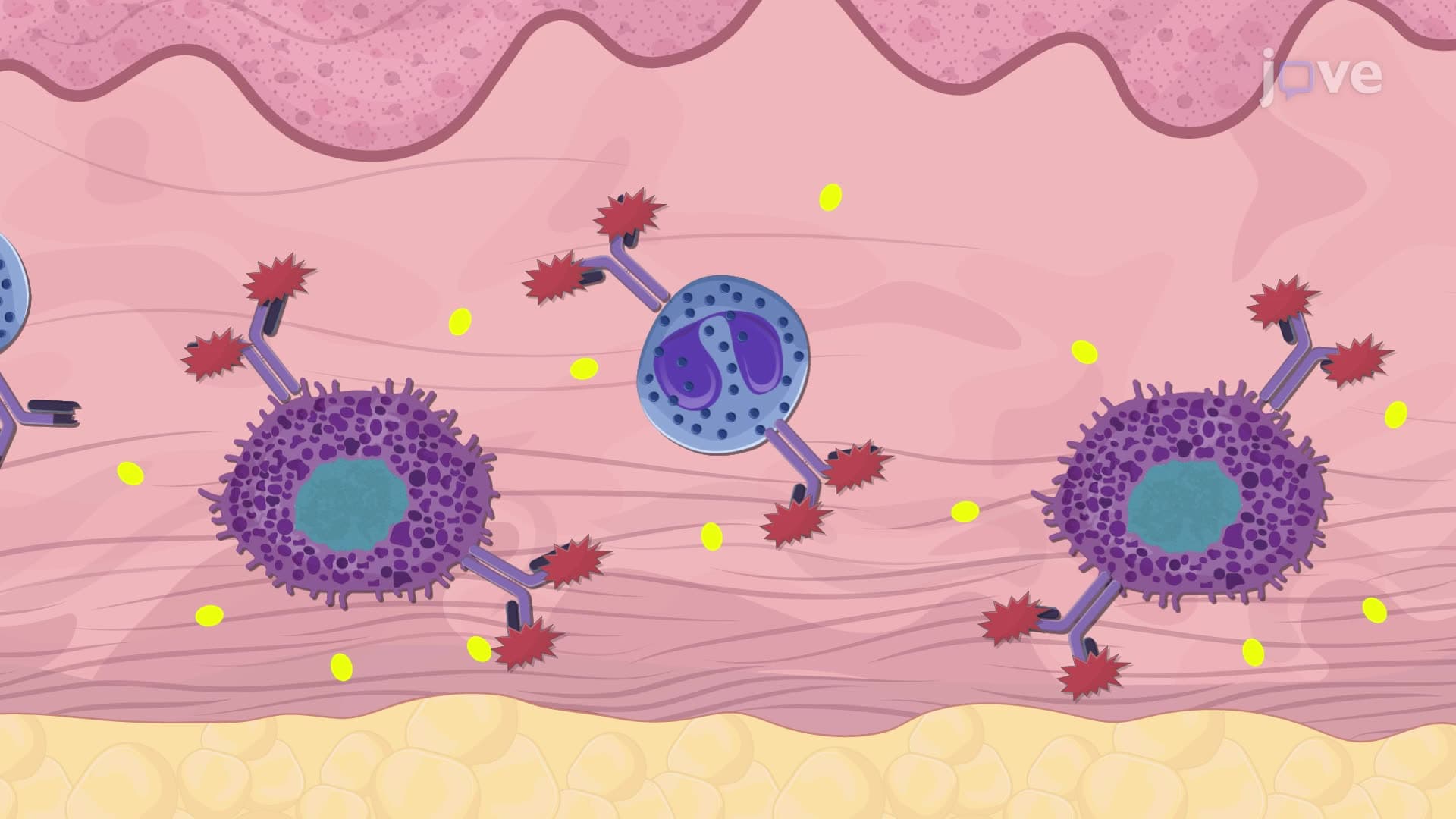
Hapten carrier antigen complexes illustrate how small molecules become immunogenic. Haptens like penicillin or poison ivy's urushiol lack immunogenicity alone but trigger powerful responses when bound to body proteins. This mechanism explains drug allergies affecting millions of Americans annually. When penicillin conjugates with skin proteins, the immune system recognizes this hapten-carrier complex as foreign, potentially causing life-threatening anaphylaxis in sensitized individuals.
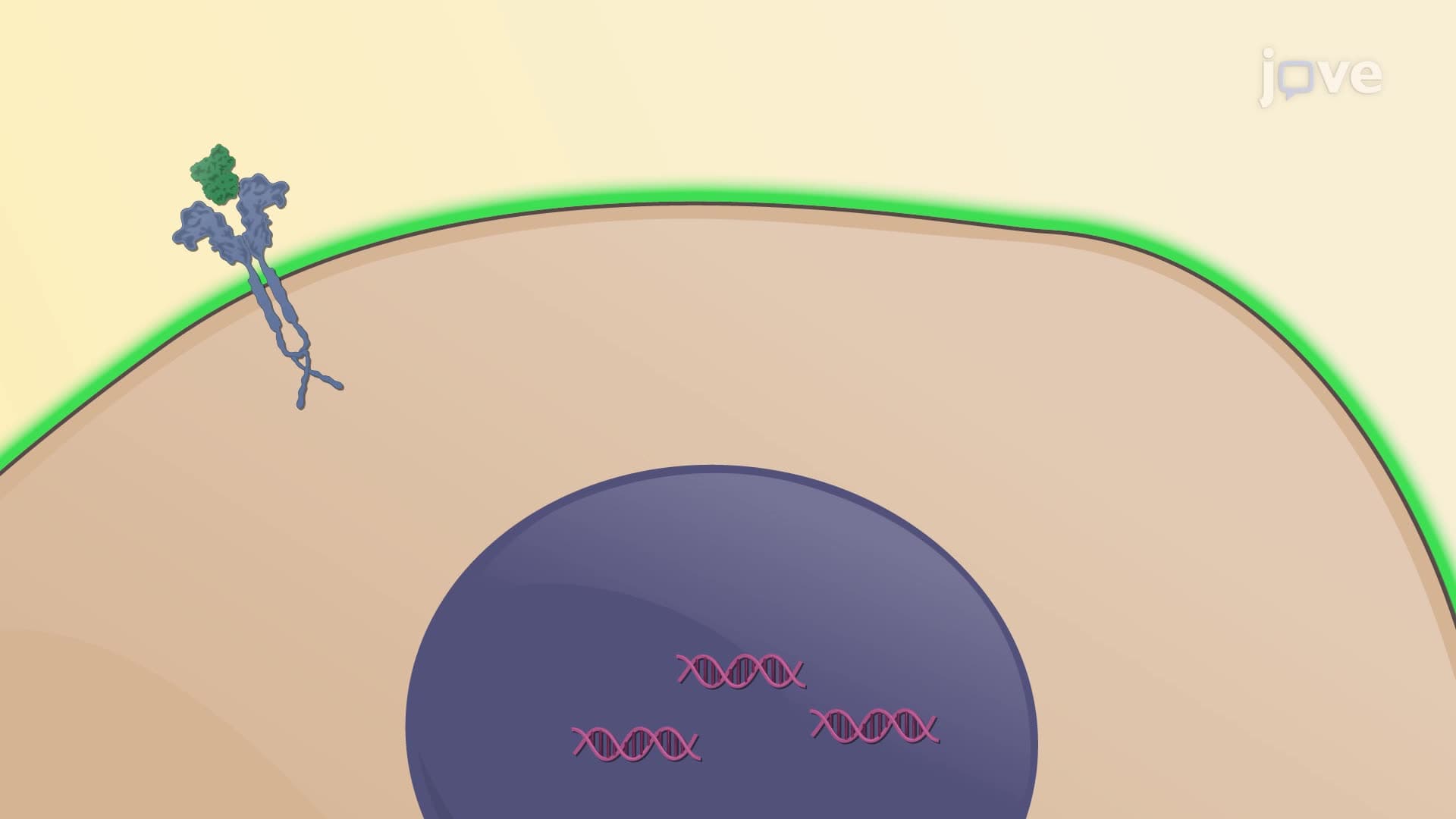
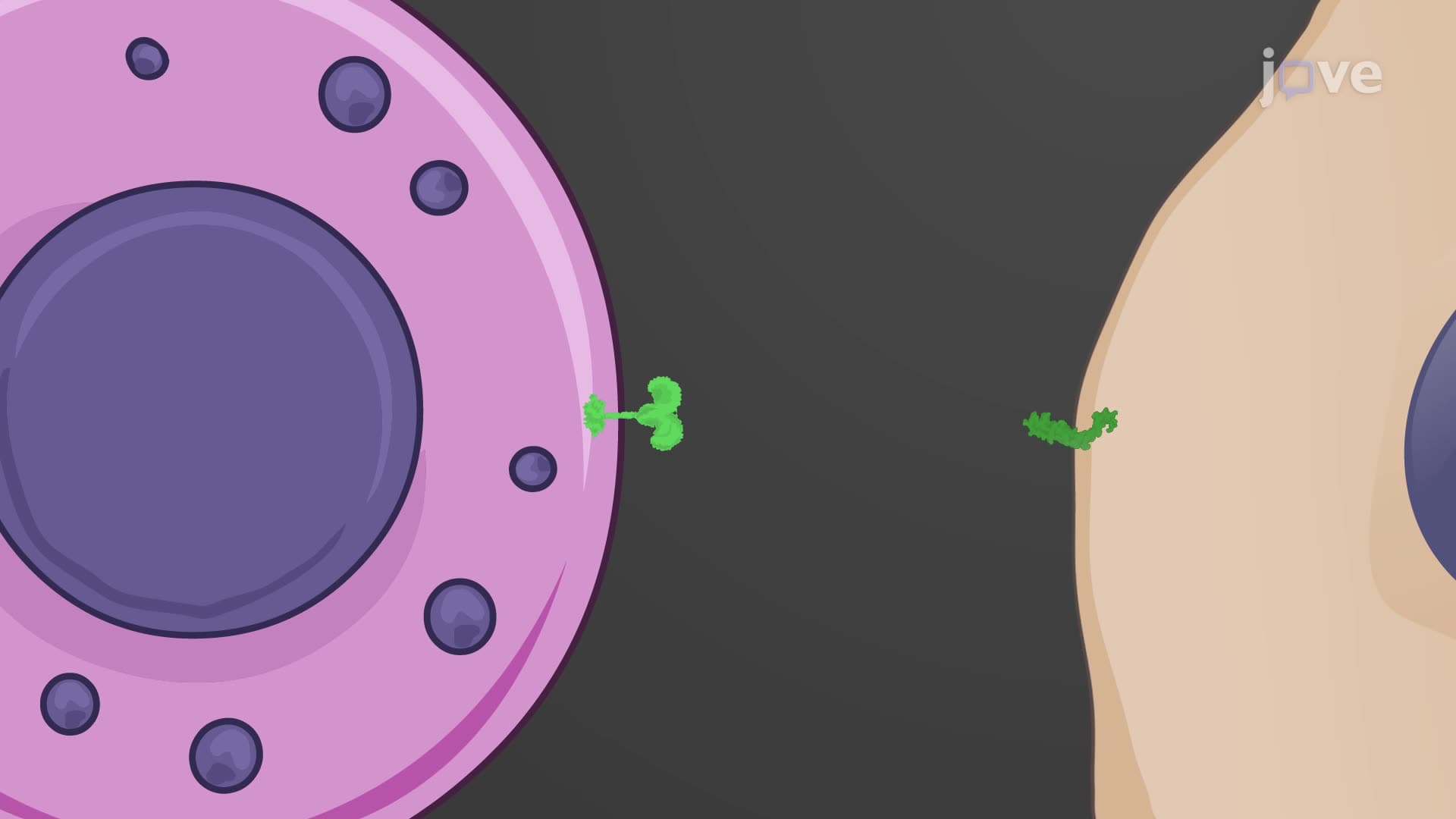
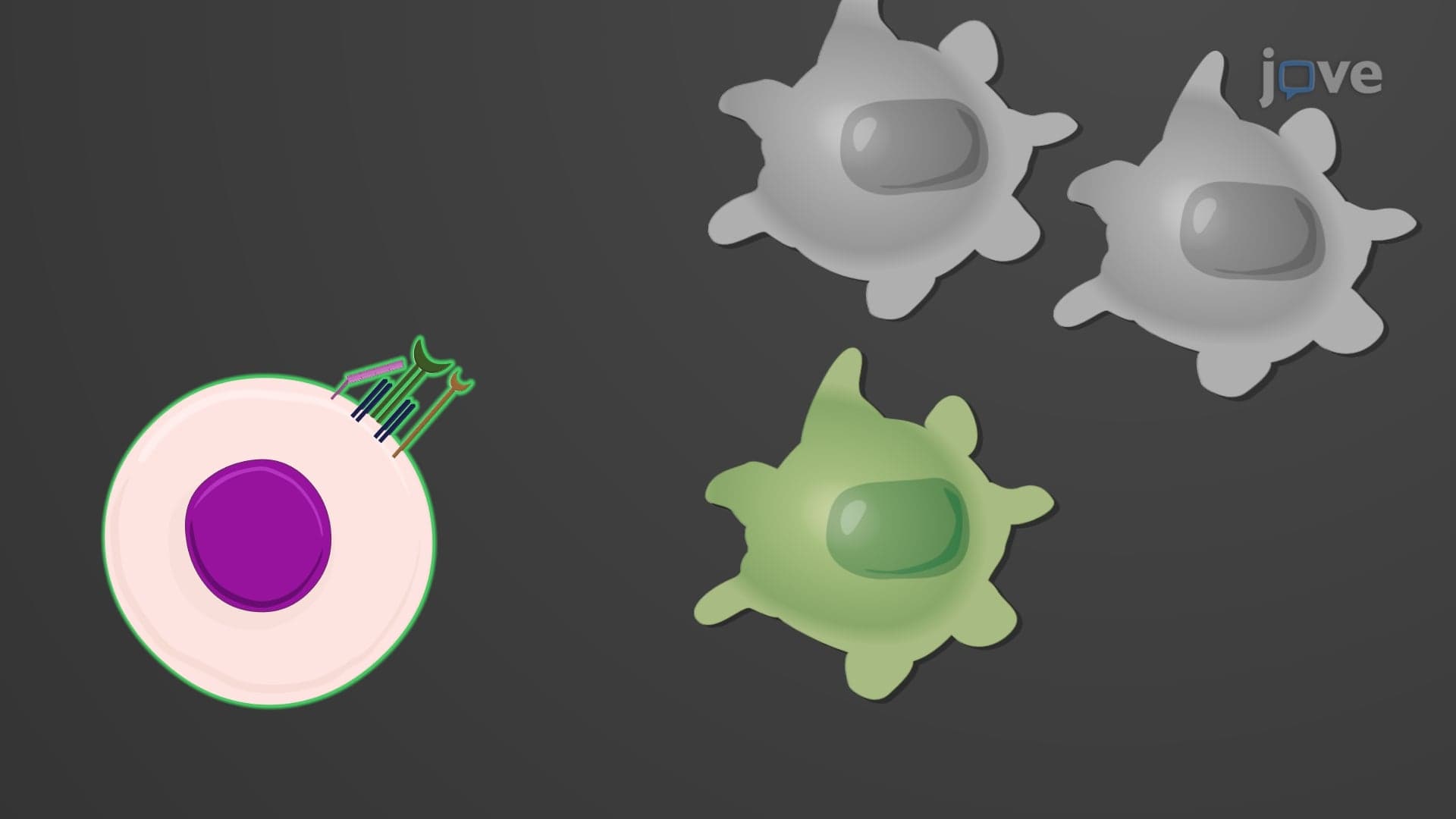
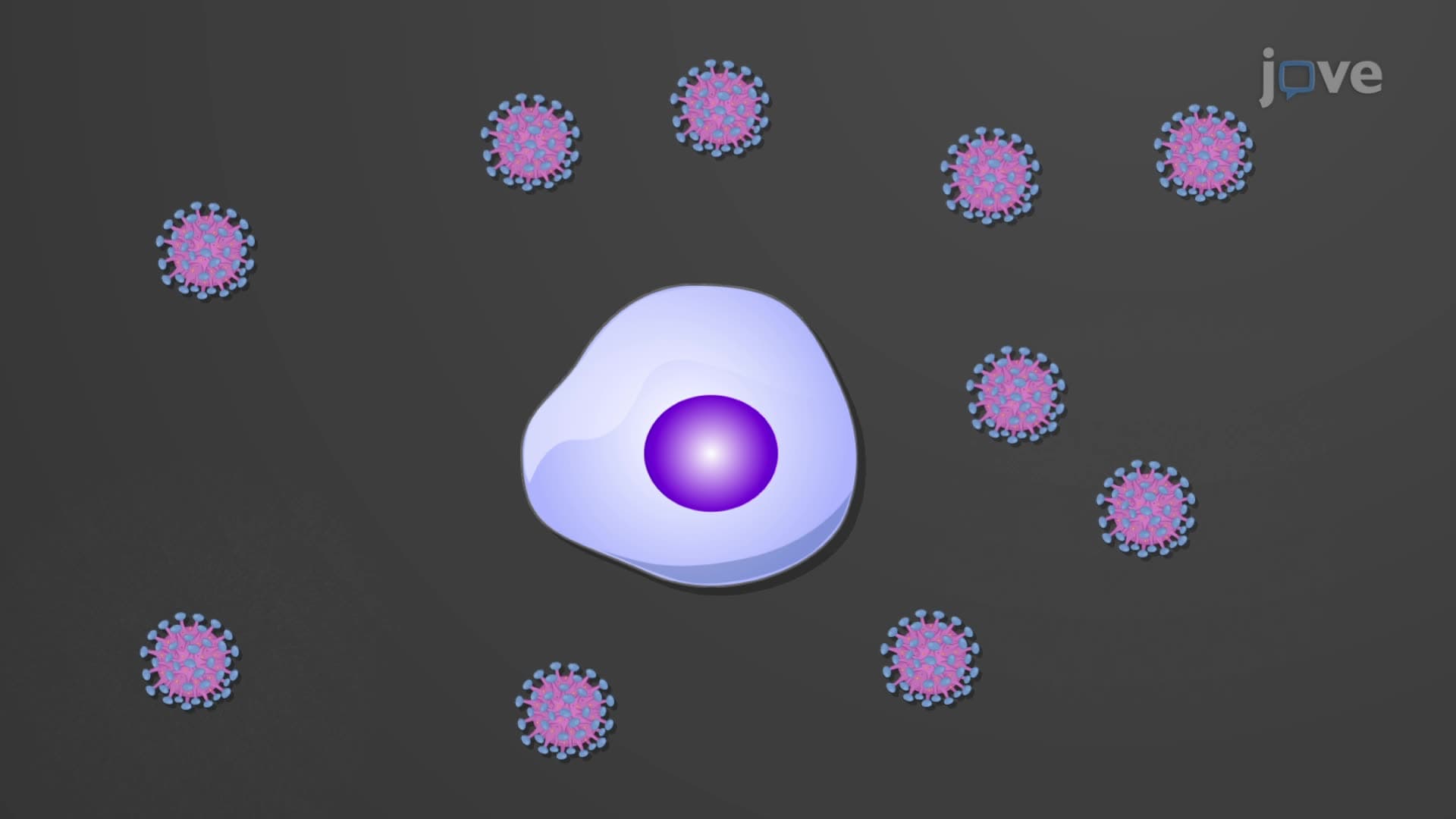
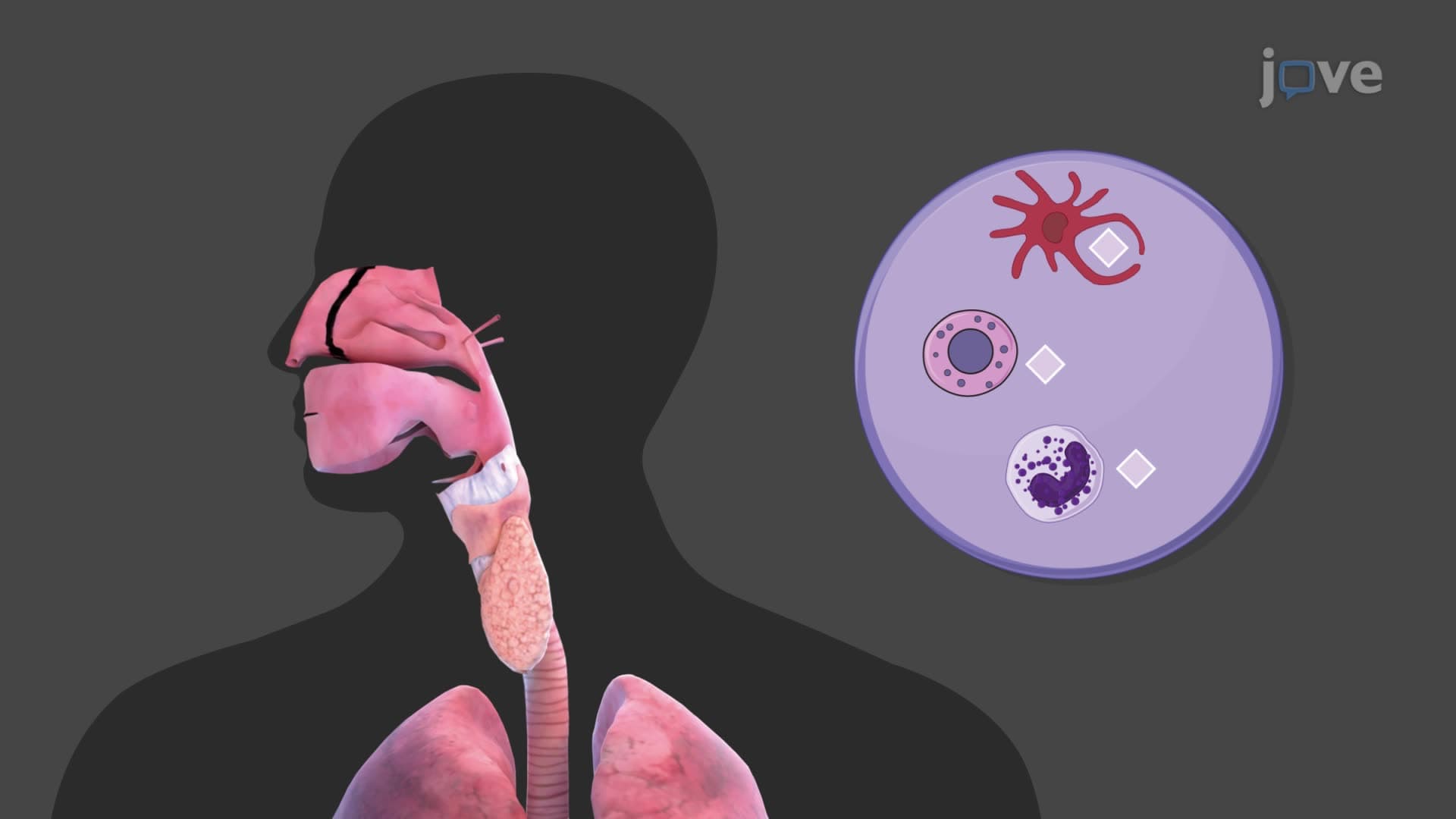
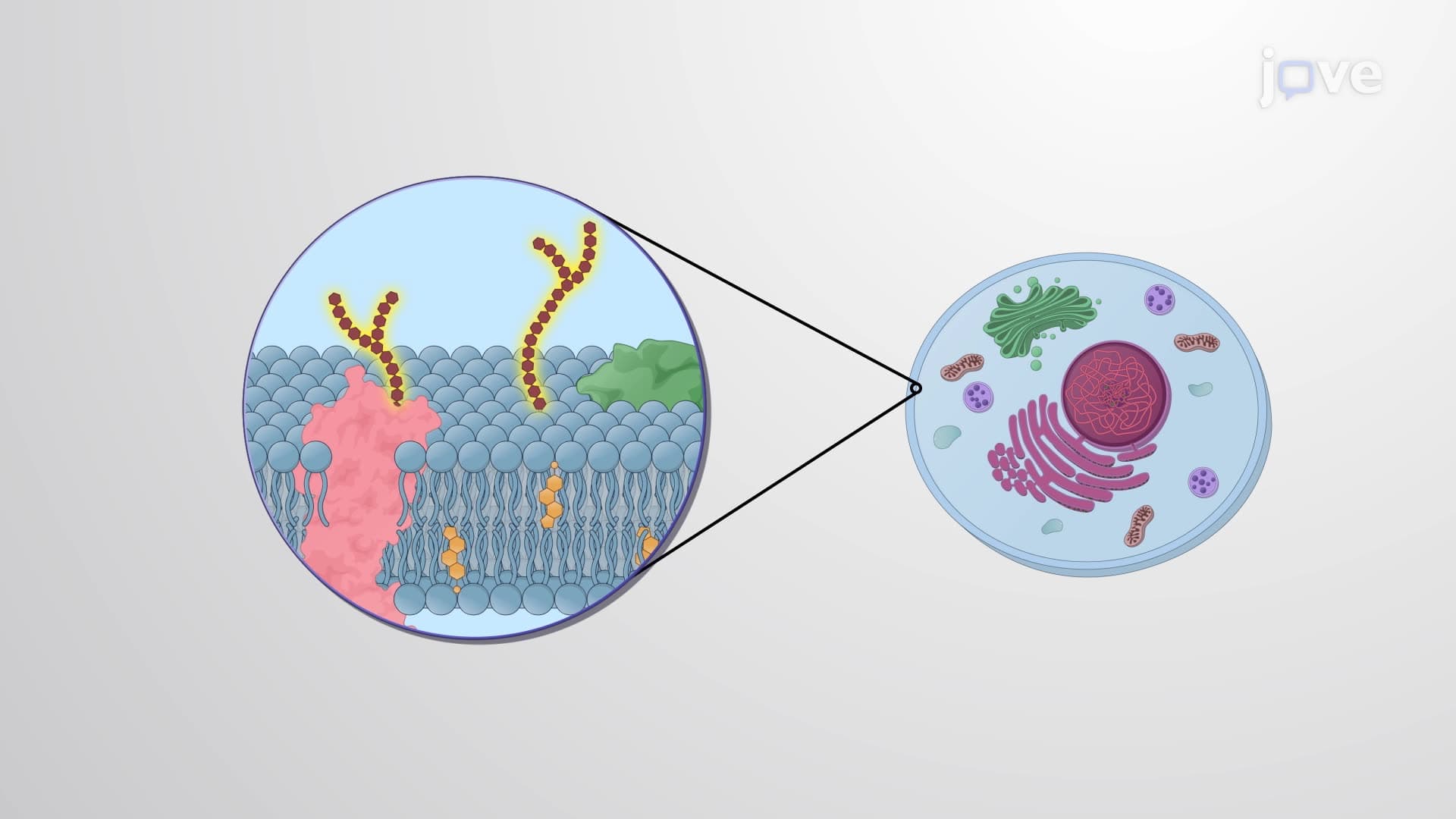
The major histocompatibility complex represents our body's cellular "ID system." MHC-I molecules on all nucleated cells display internal protein fragments, allowing immune surveillance for viral infections or cancer. MHC-II molecules on antigen presenting cells like dendritic cells, macrophages, and B-cells present extracellular antigens to helper T-cells. This system's importance becomes evident in organ transplantation, mismatched MHC molecules between donor and recipient trigger rejection responses that require lifelong immunosuppression.
Understanding these concepts proves essential for AP Biology exams, MCAT preparation, and college immunology courses, where antigen recognition mechanisms frequently appear in both multiple-choice and free-response questions.
Related Micro-courses