Loading subject page…


218,421 views

Video Summary: What Is Cells Adaptive Immune Response
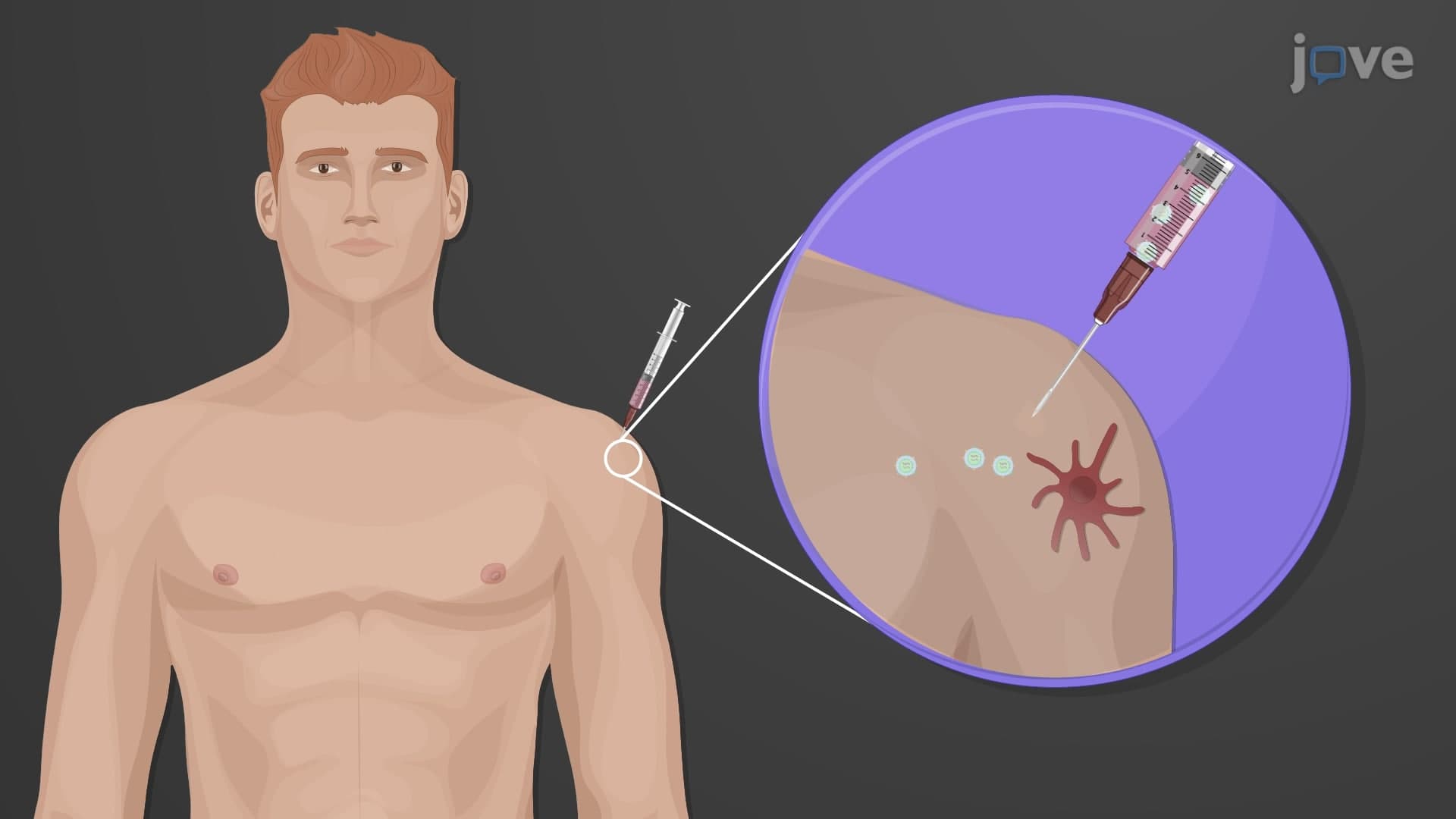
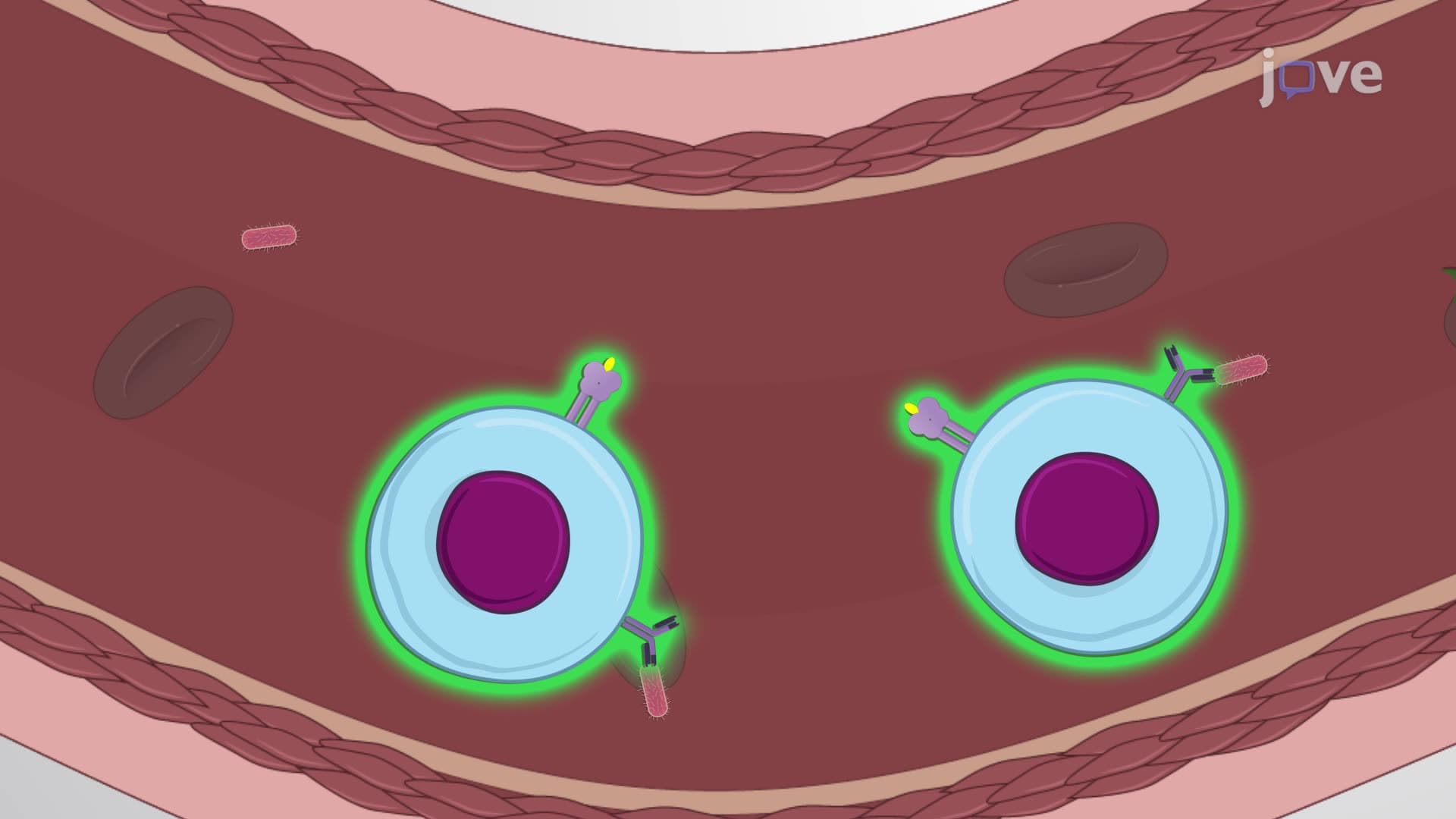
When you get a flu vaccine at your local CVS, your body's adaptive immune response cells spring into action, creating a personalized defense system that remembers this specific threat for years. These specialized T lymphocytes and B lymphocytes undergo remarkable transformations-from naive precursors in your bone marrow and thymus to activated warriors patrolling your bloodstream. Understanding what is cells adaptive immune response reveals how your body builds lasting immunity through precise cellular coordination and memory formation. Watch the full video on JoVE Coach to master this concept with expert-led visuals and step-by-step explanations.
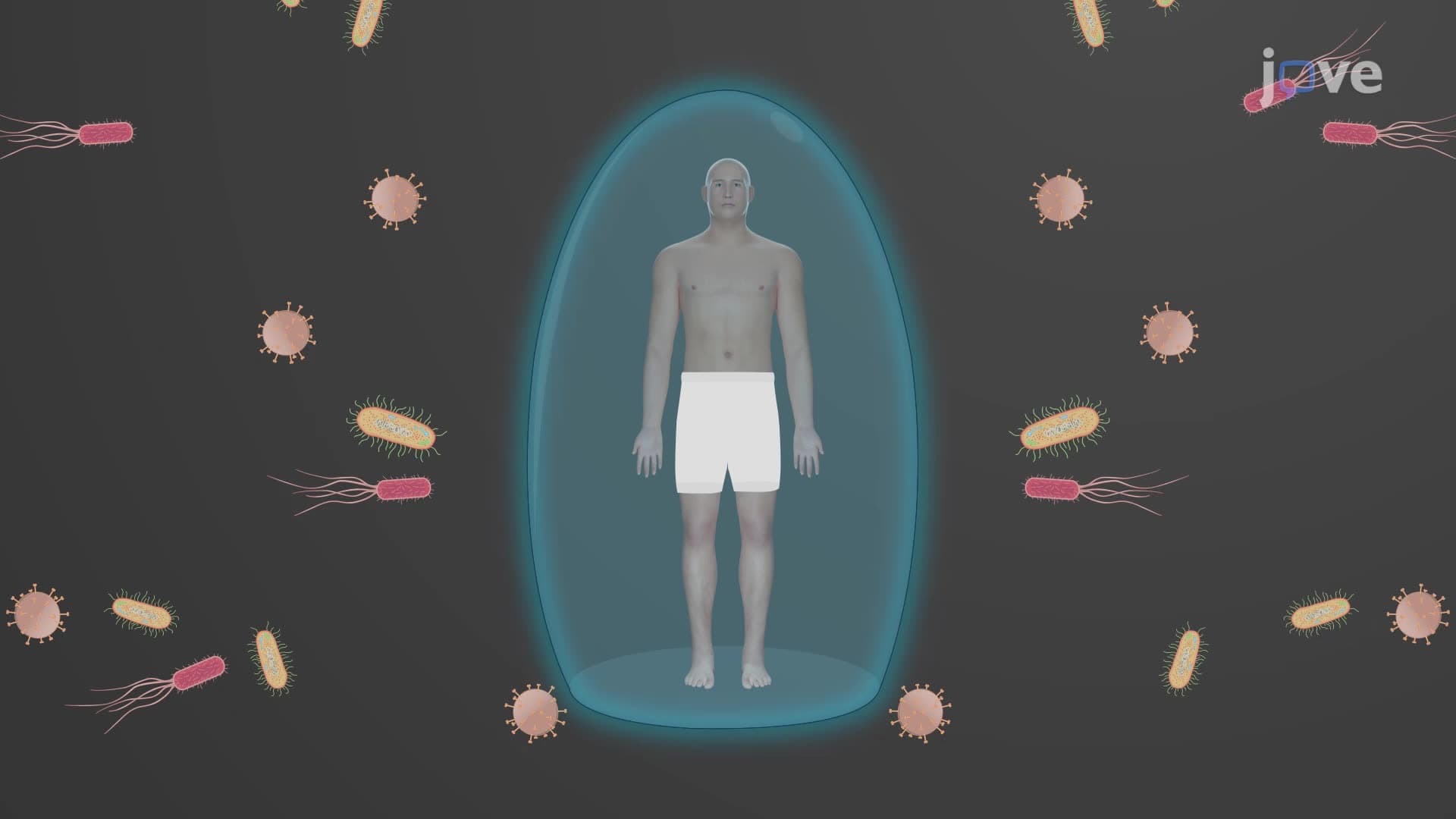
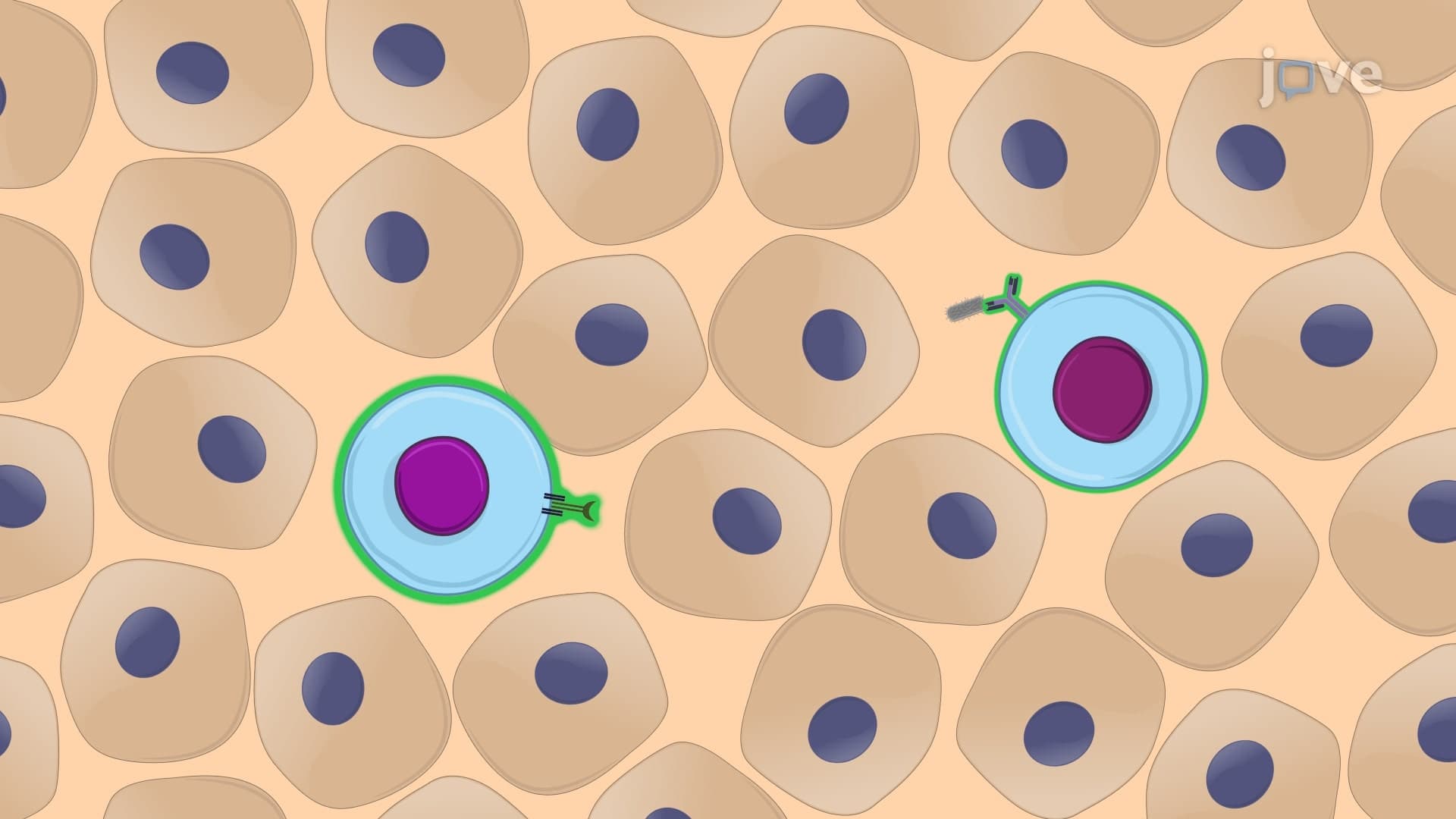
The adaptive immune response cells represent your body's most sophisticated defense mechanism, capable of learning, remembering, and mounting increasingly effective attacks against specific threats. Unlike innate immunity's broad-spectrum approach, adaptive immunity creates tailored responses through specialized lymphocytes that undergo extensive education and selection processes.
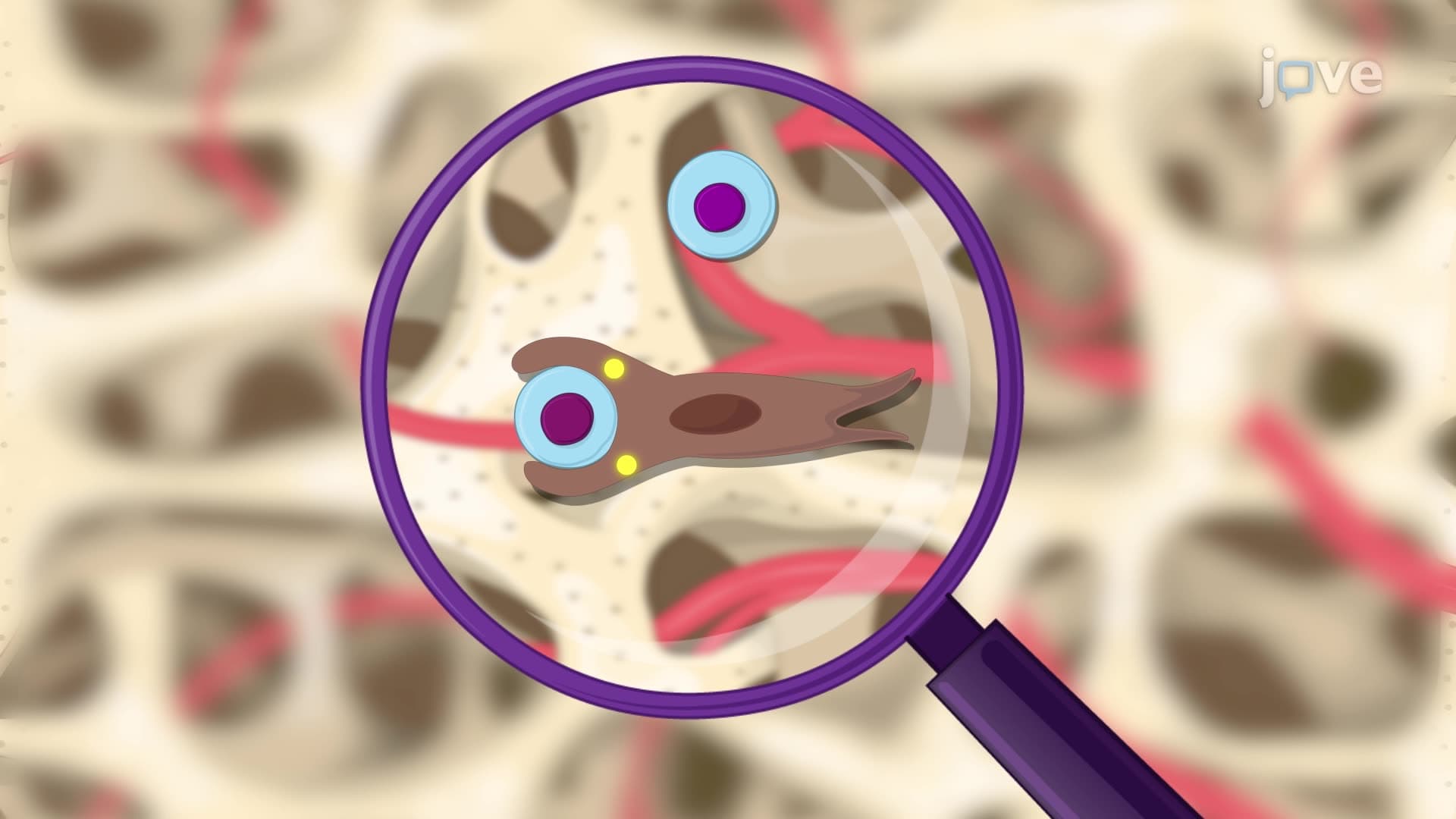
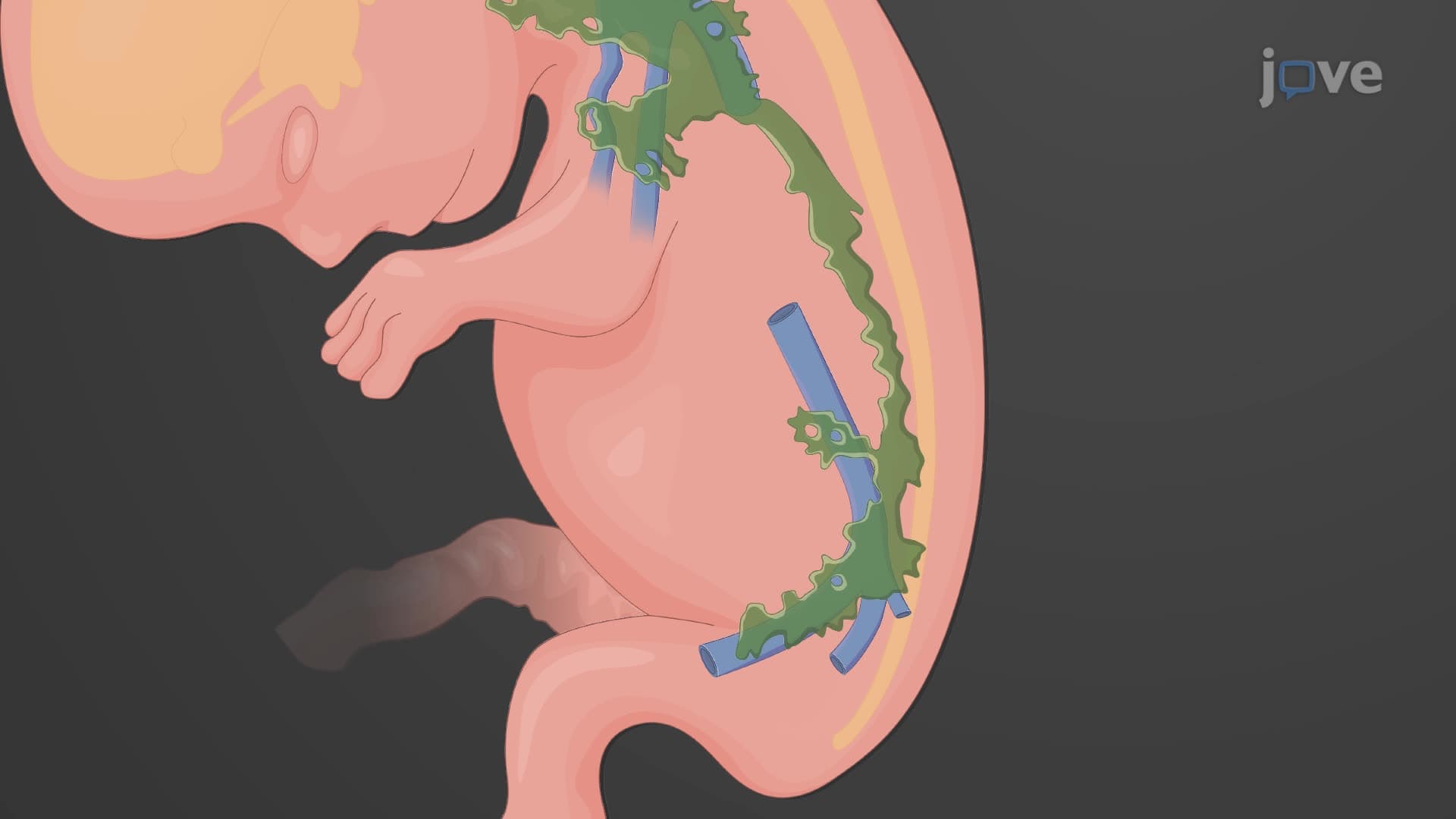
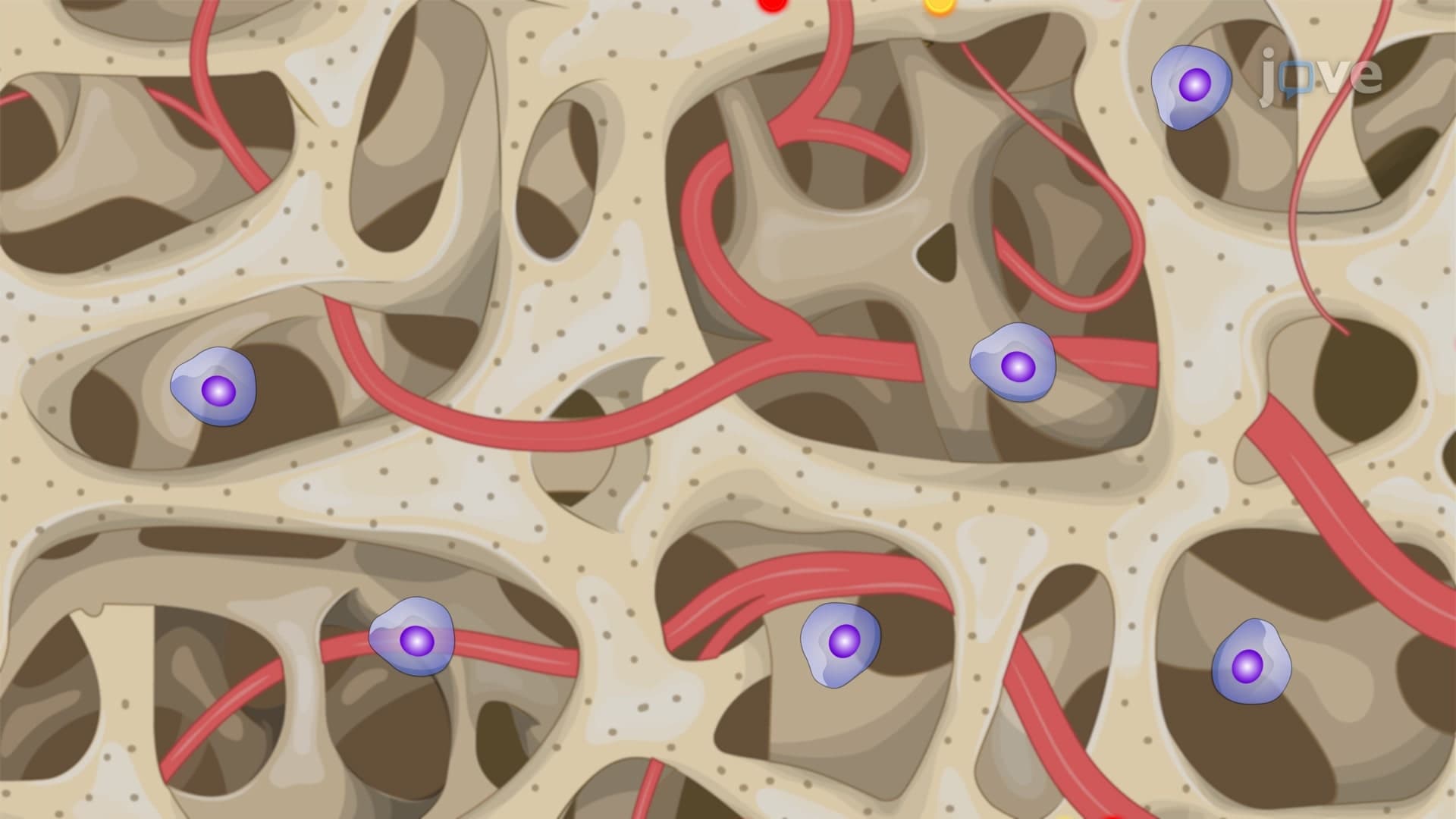
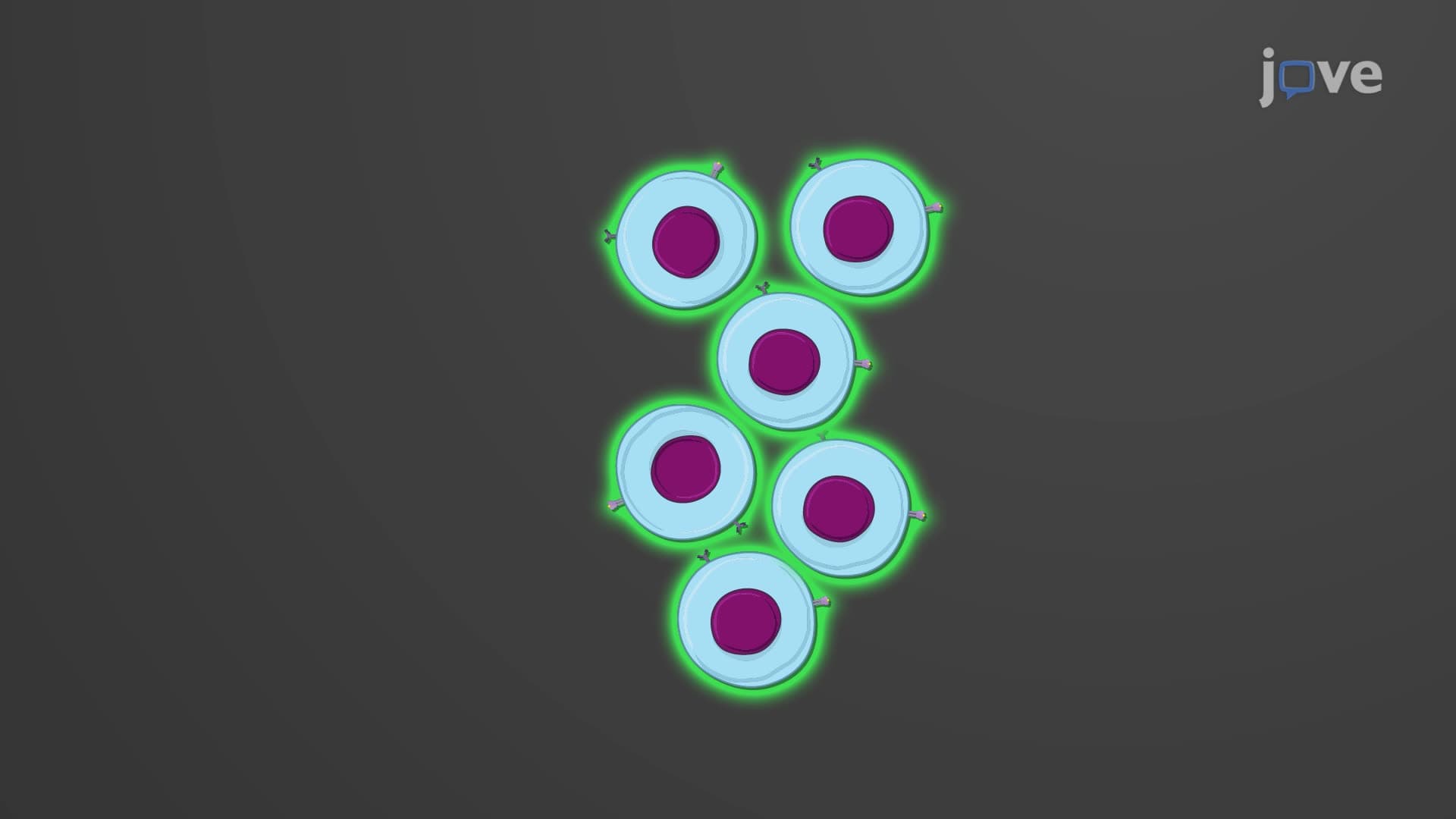
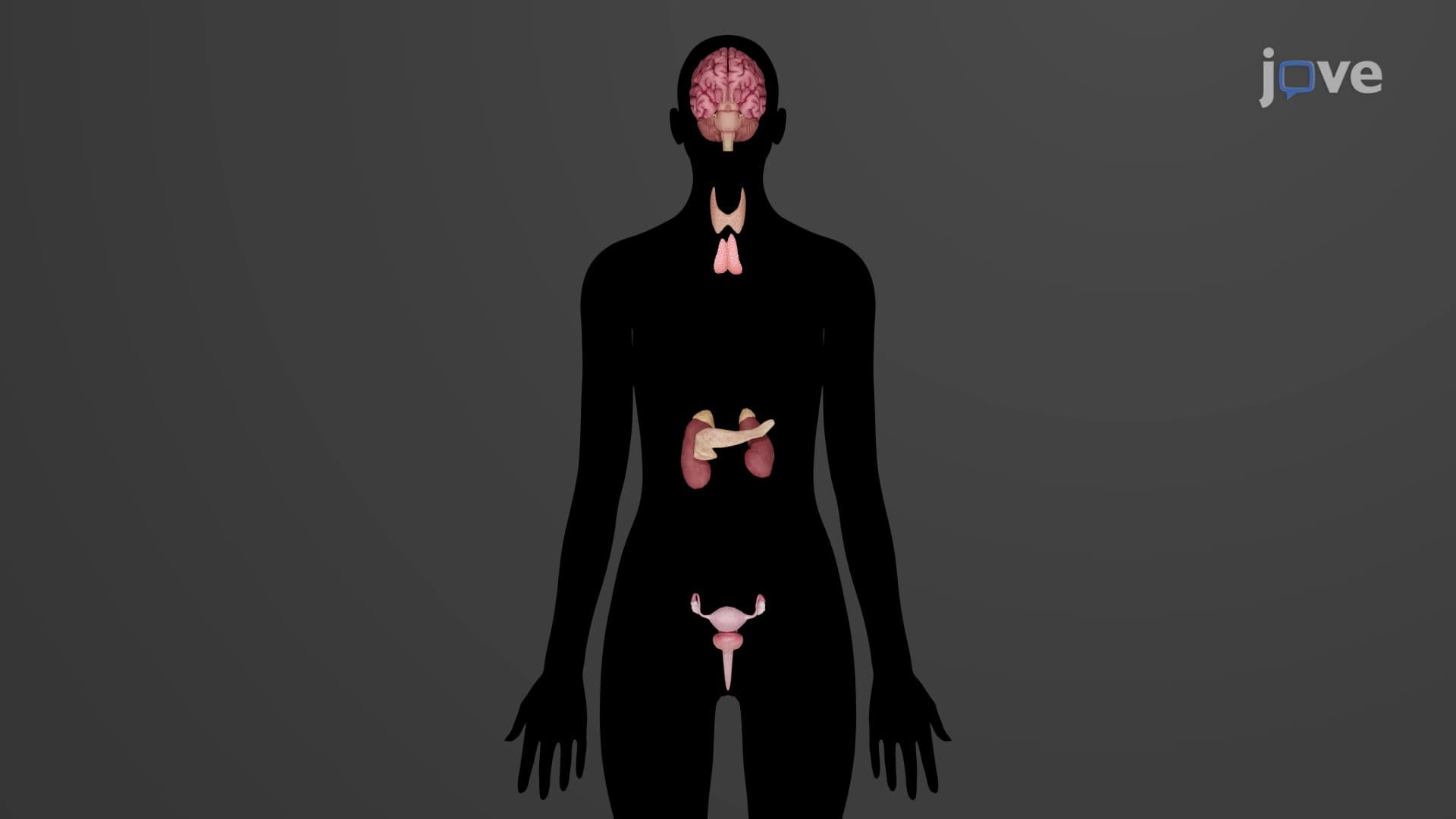
T lymphocyte B lymphocyte development begins with common lymphoid progenitors in bone marrow, but their maturation journeys diverge dramatically. B cell precursors complete their entire education within the bone marrow's protective environment, learning to produce antibodies without accidentally targeting self-antigens. Meanwhile, T cell precursors migrate to the thymus-a specialized organ above your heart-where they undergo rigorous selection processes that eliminate potentially dangerous self-reactive cells.
This educational process, called central tolerance, is crucial for preventing autoimmune diseases like Type 1 diabetes or multiple sclerosis, conditions affecting millions of Americans. Students preparing for the MCAT or AP Biology exams should understand that approximately 95% of developing T cells fail thymic selection and undergo programmed cell death-a seemingly wasteful but essential quality control mechanism.
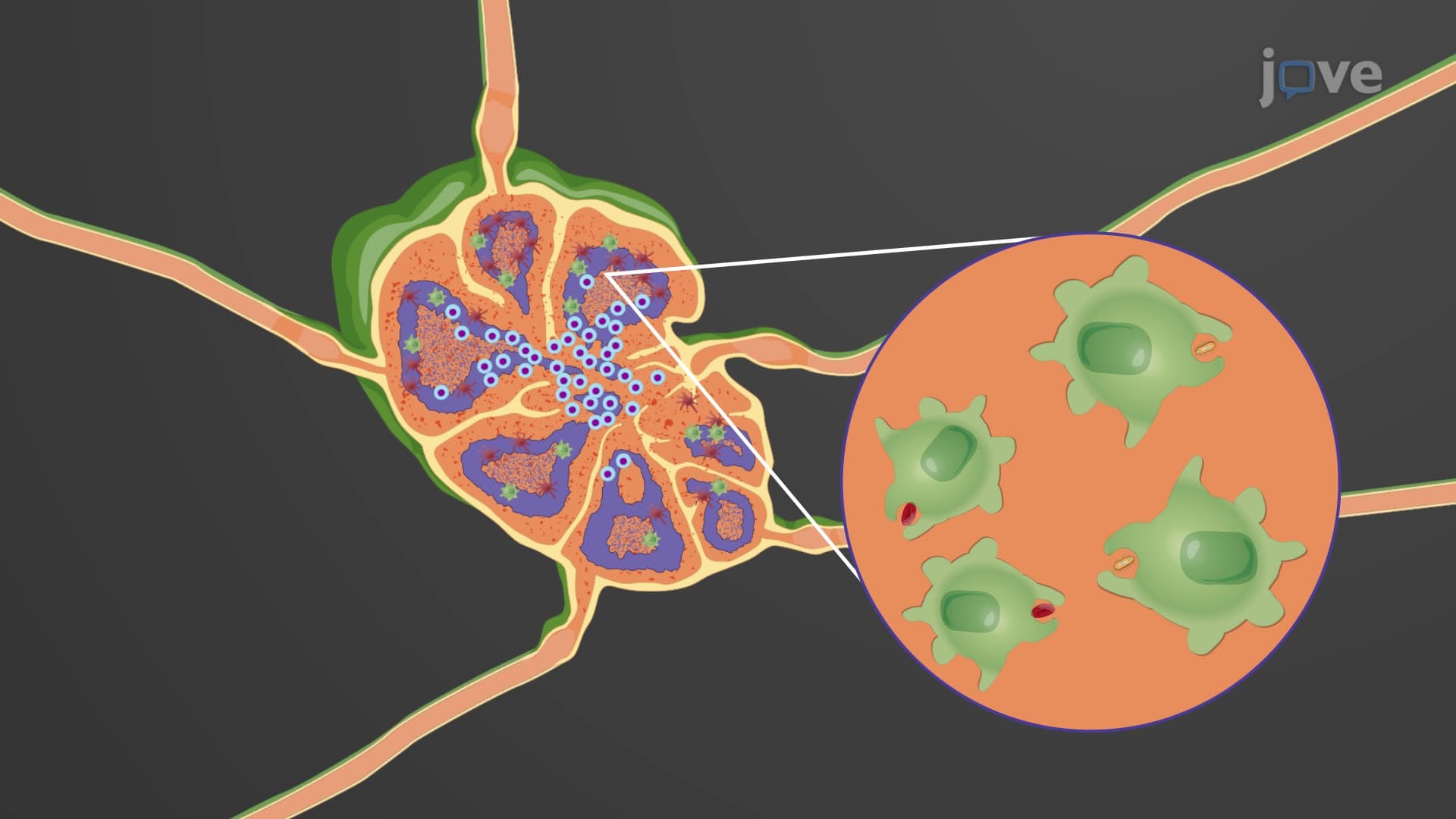
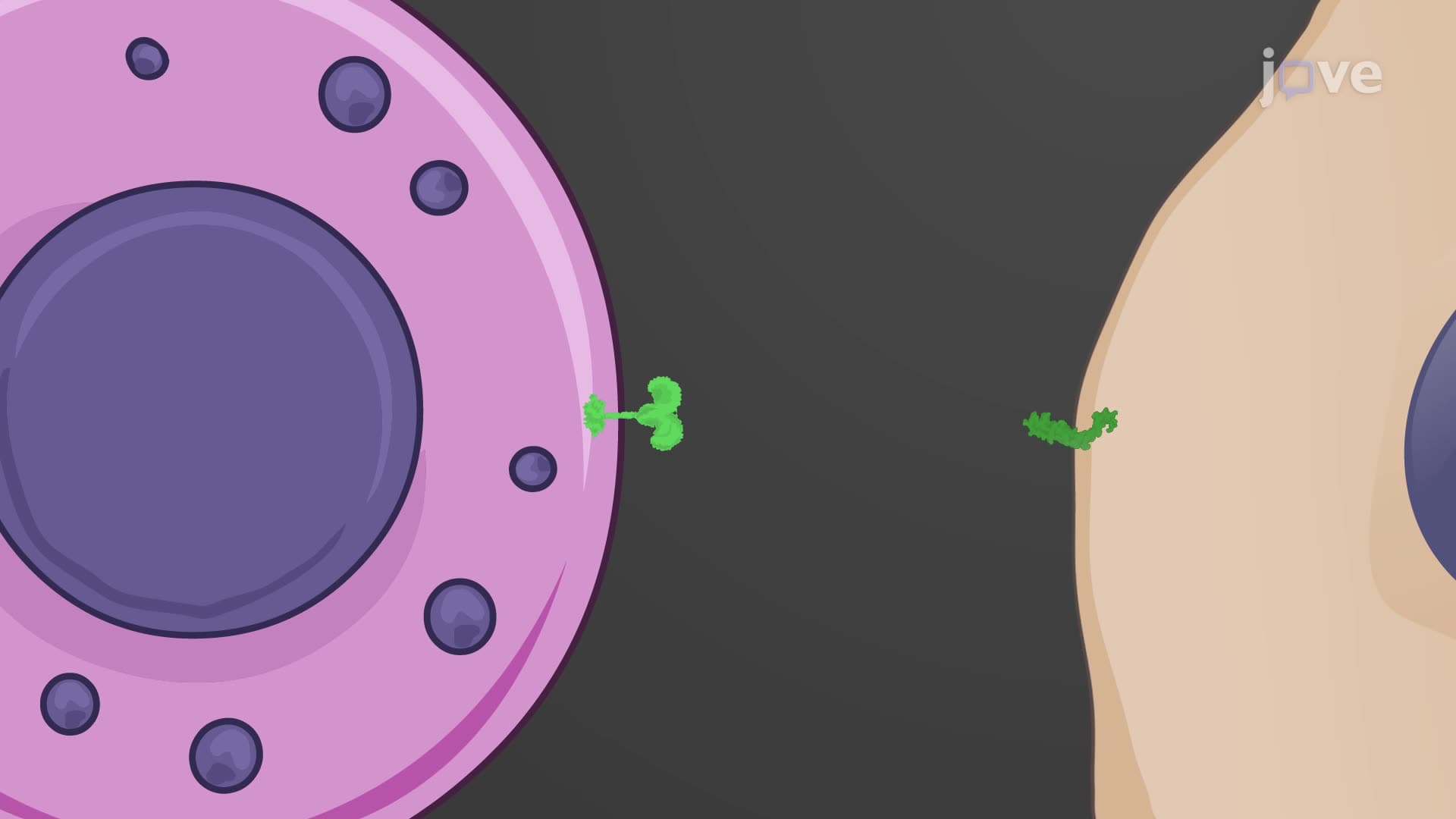
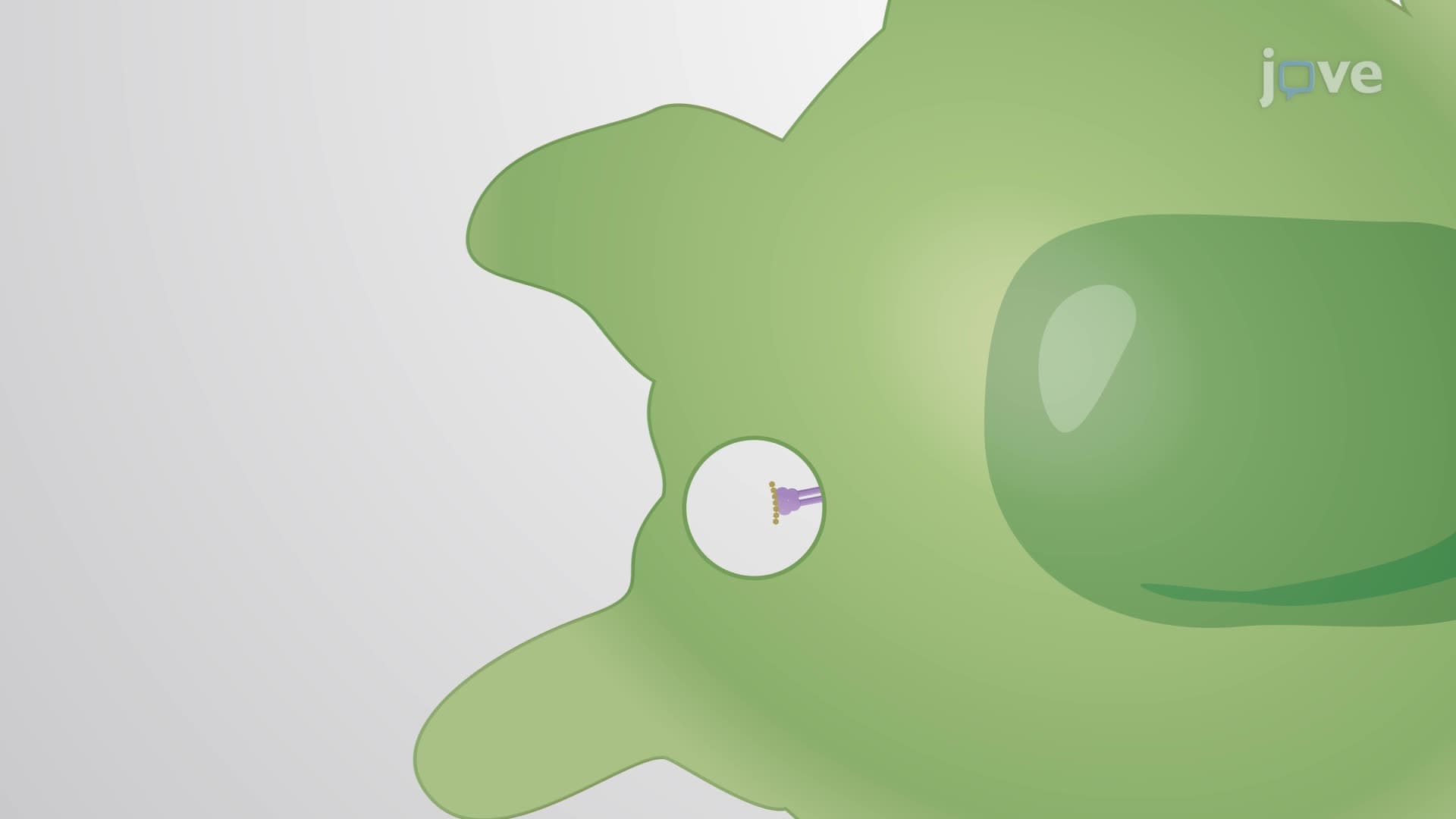
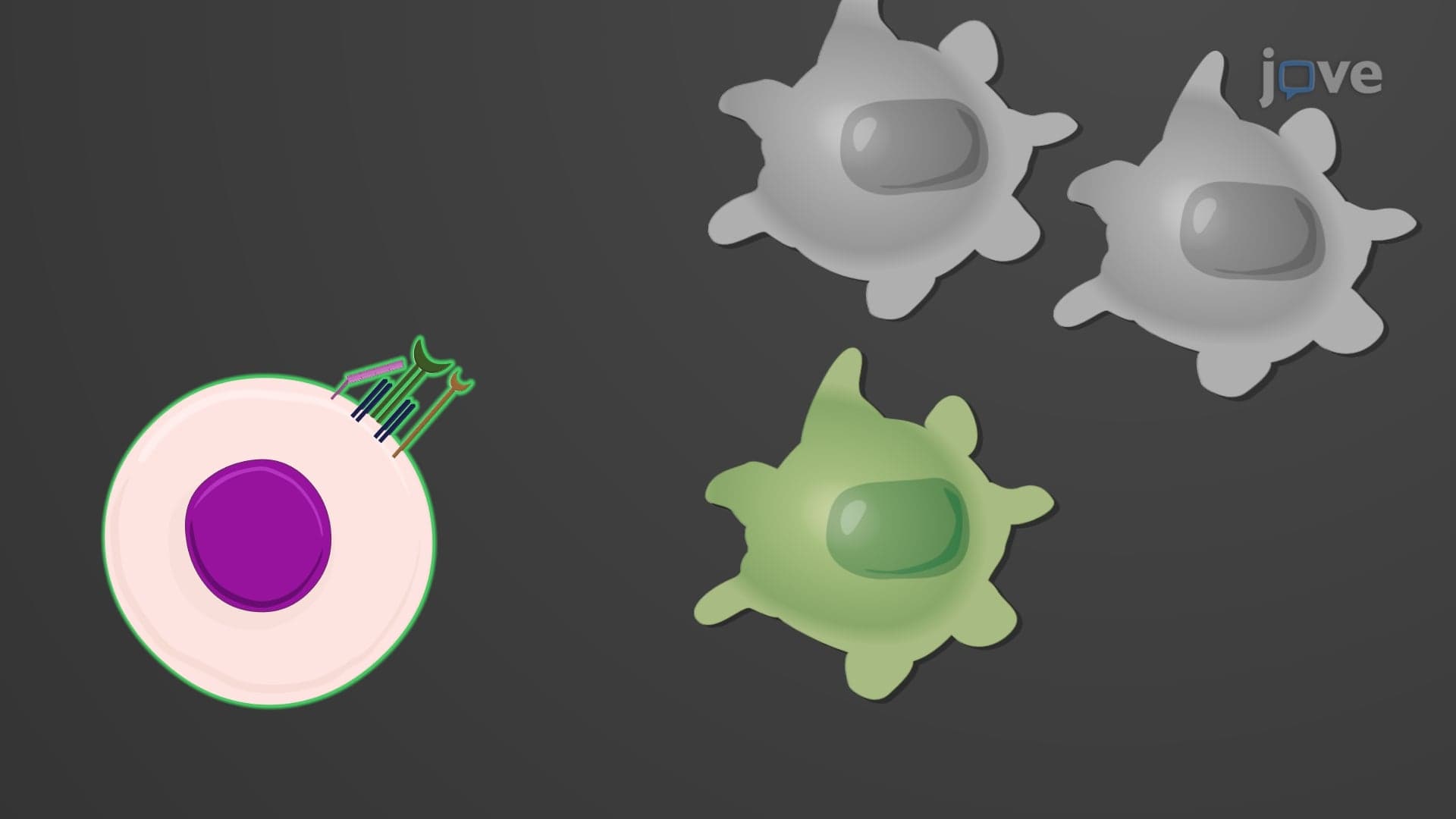
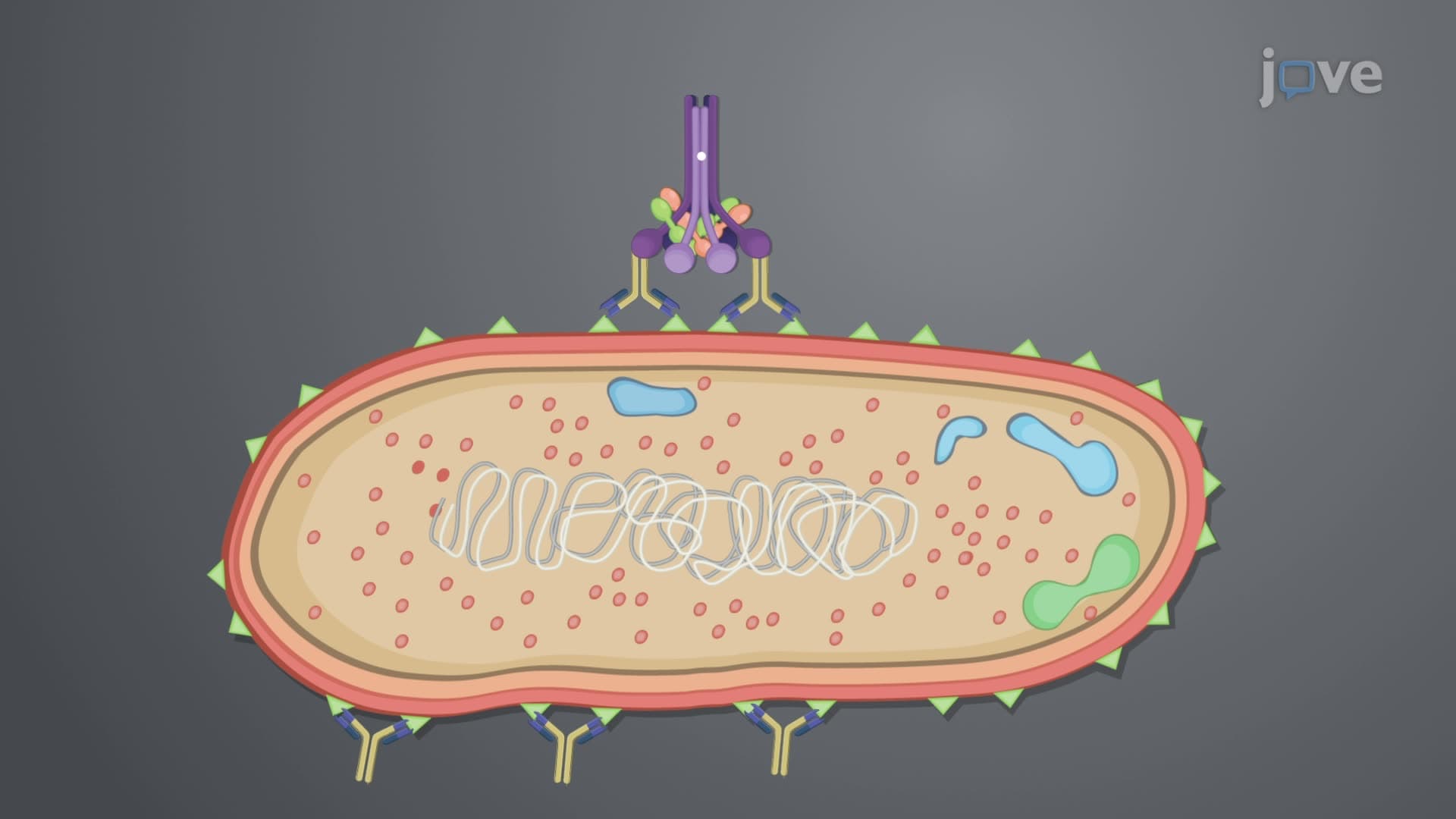
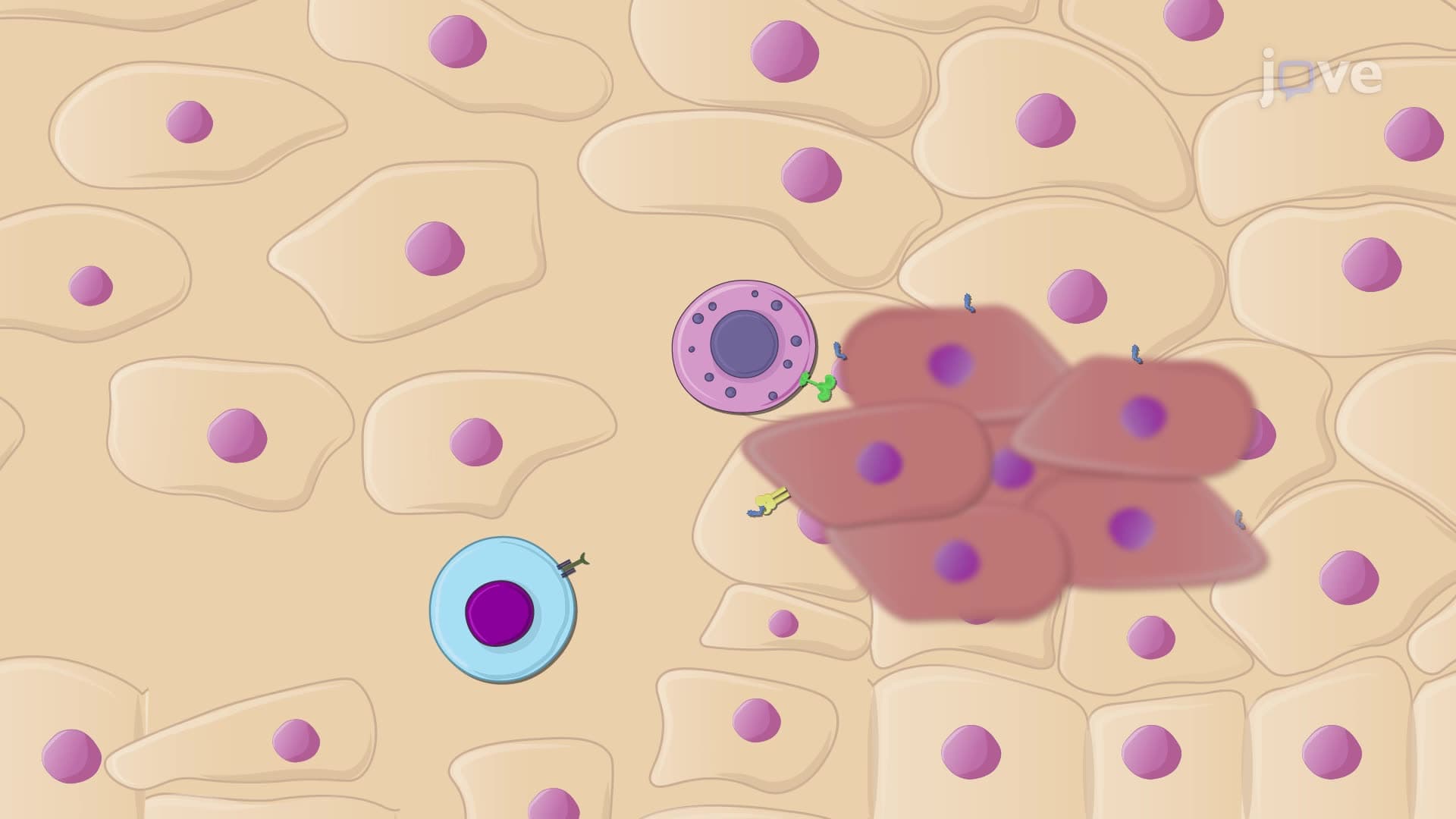
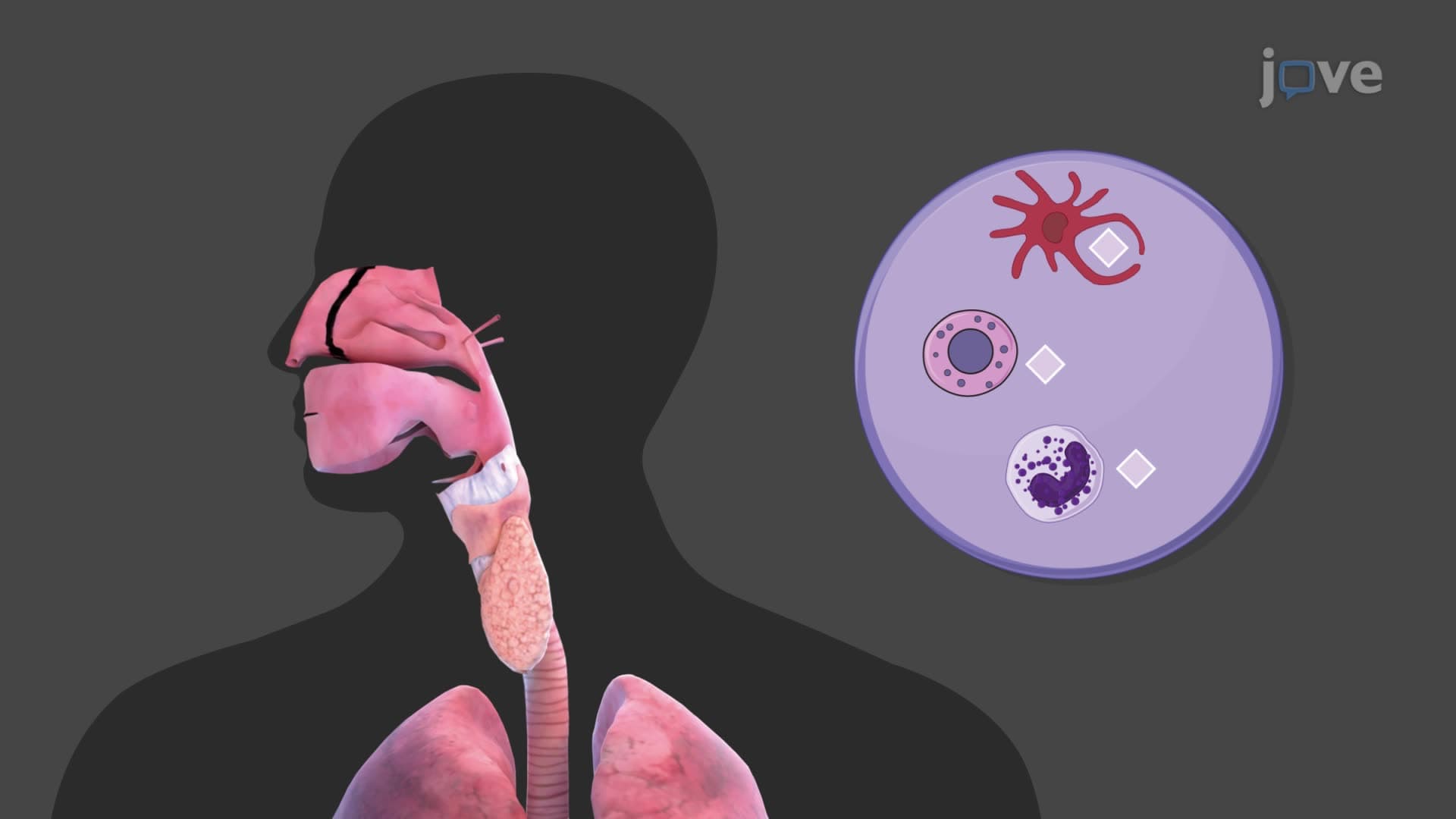
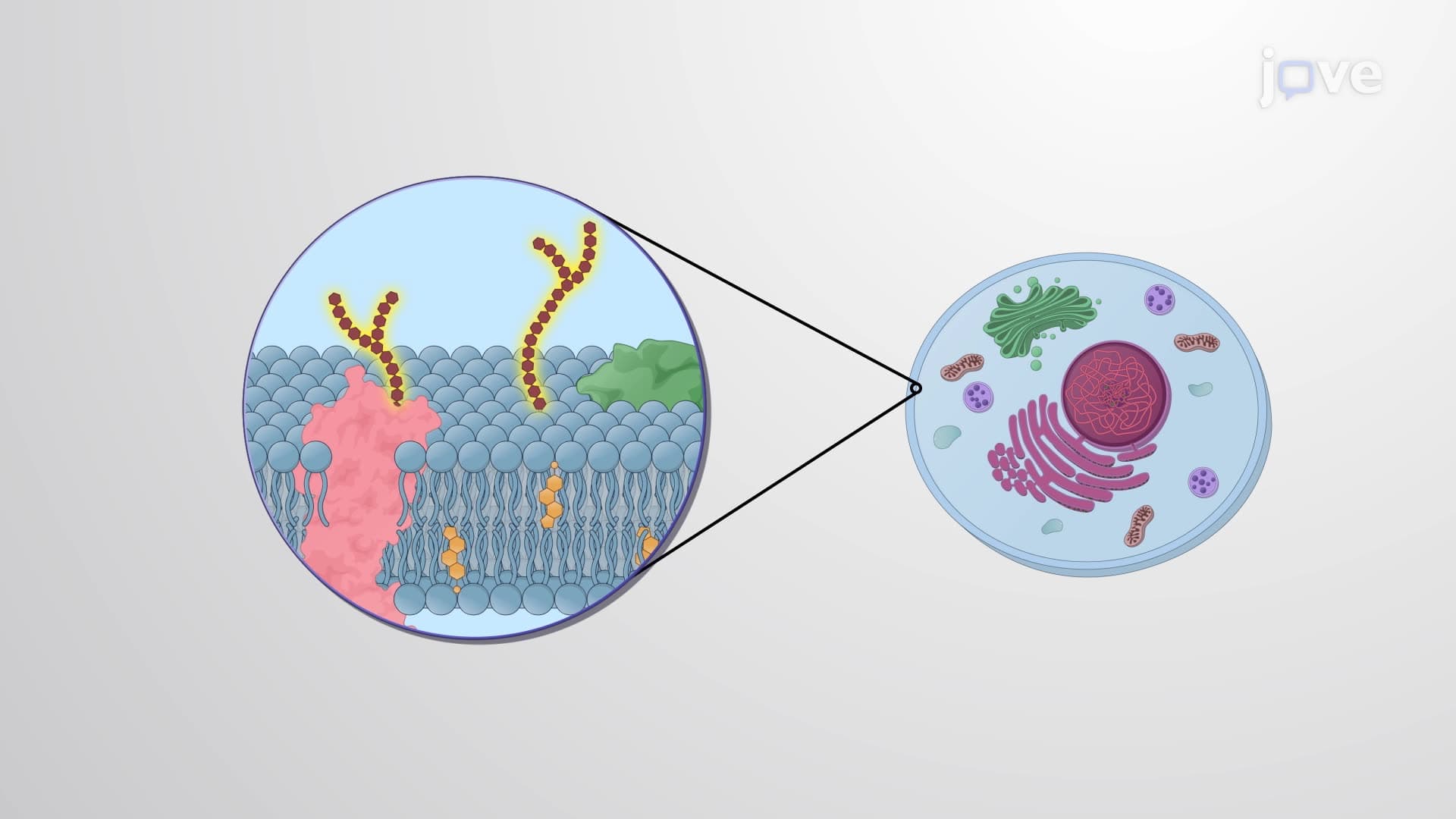
Helper cytotoxic T cell activation requires sophisticated molecular handshakes between naive lymphocytes and antigen-presenting cells like dendritic cells, macrophages, or activated B cells. This two-signal system prevents accidental activation-imagine if your immune system activated every time it encountered harmless environmental proteins!
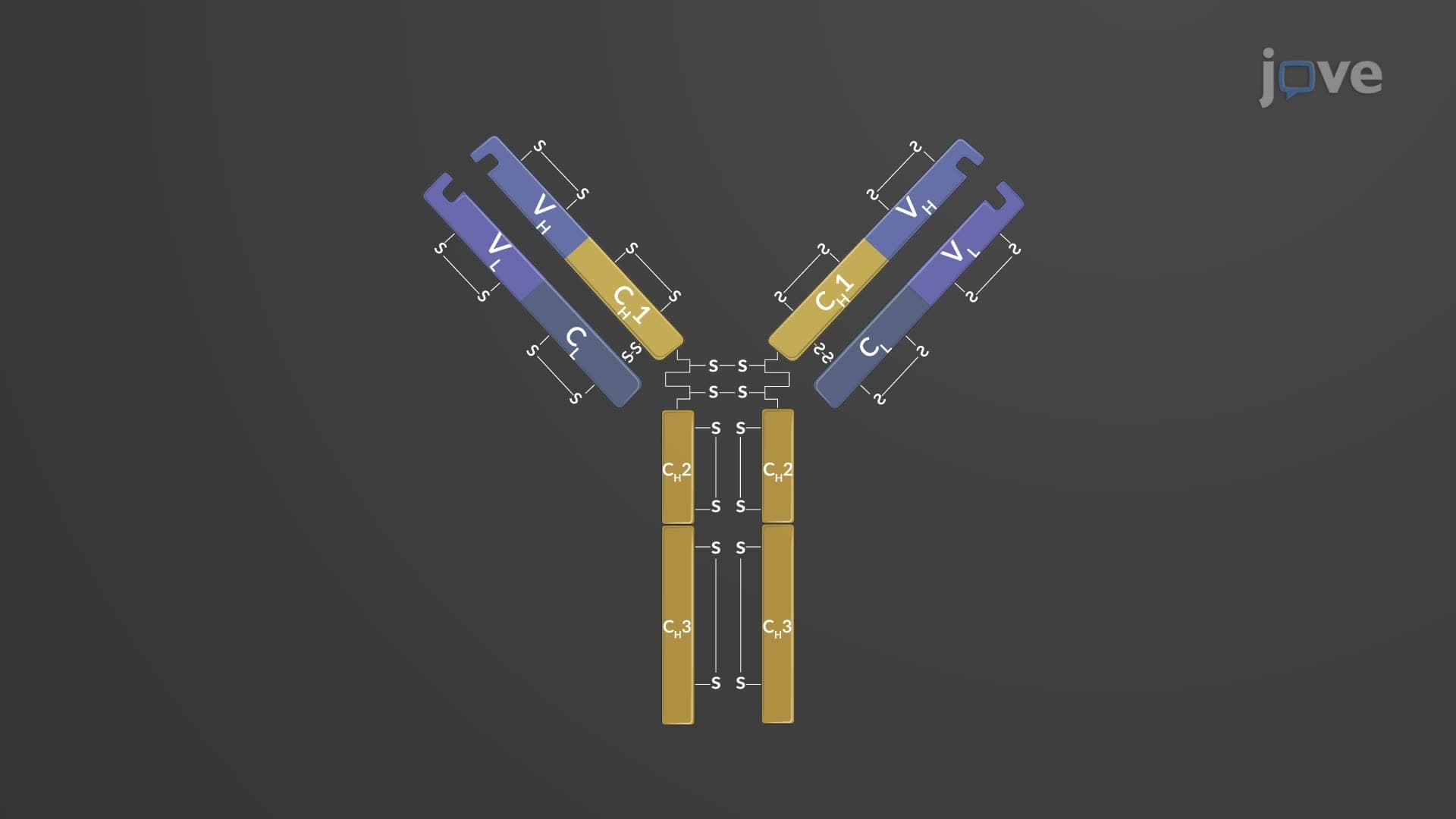
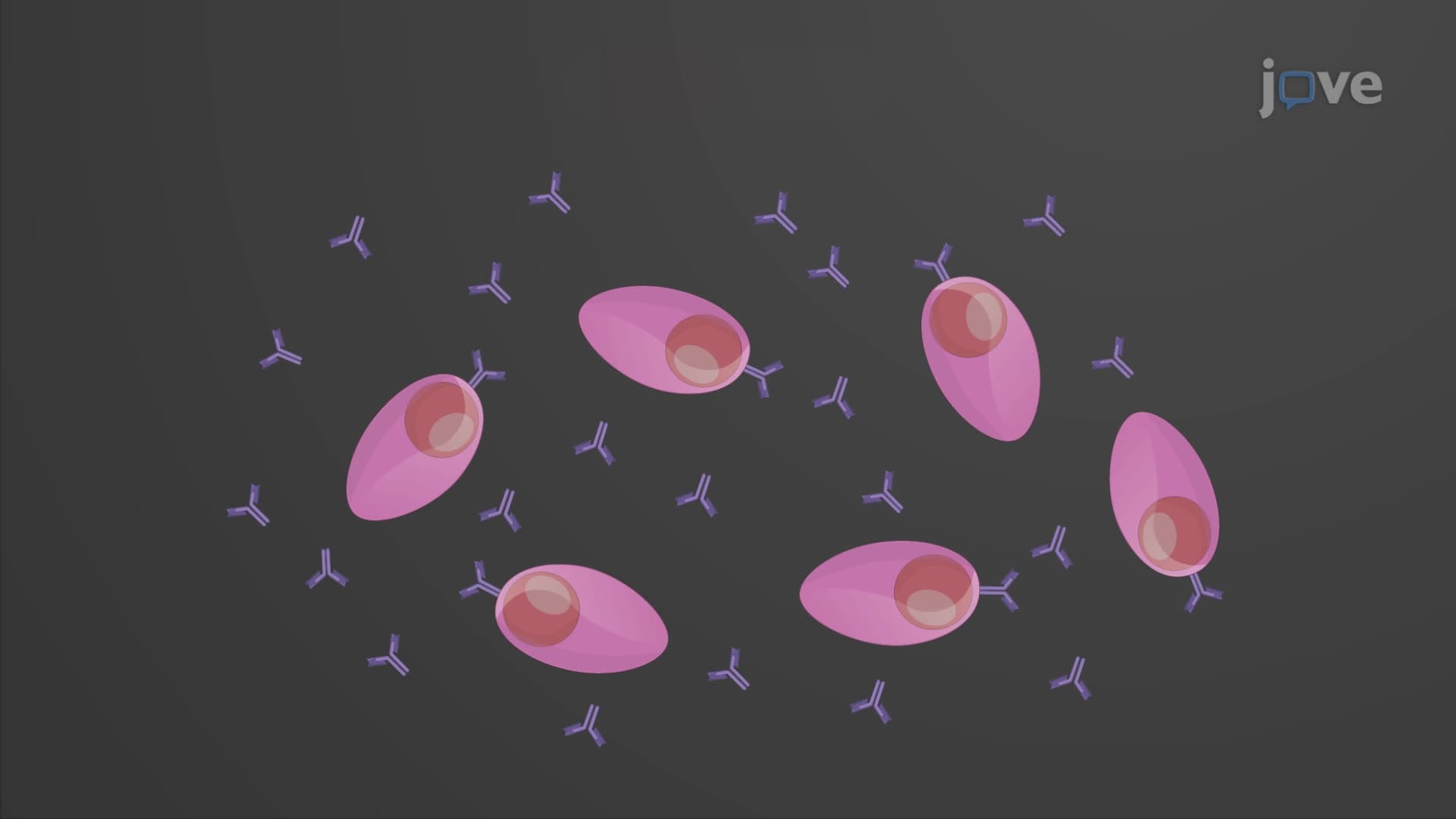
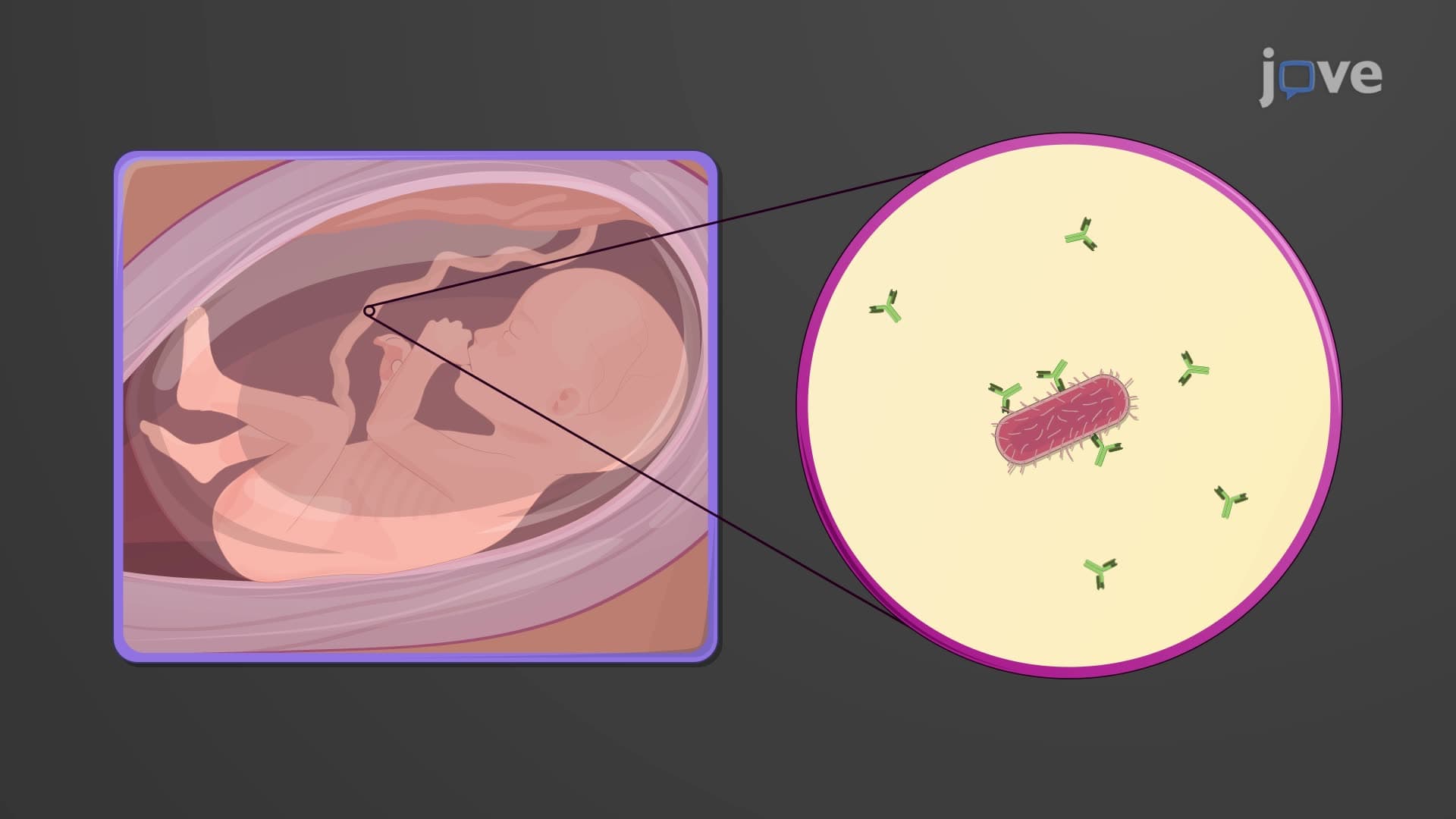
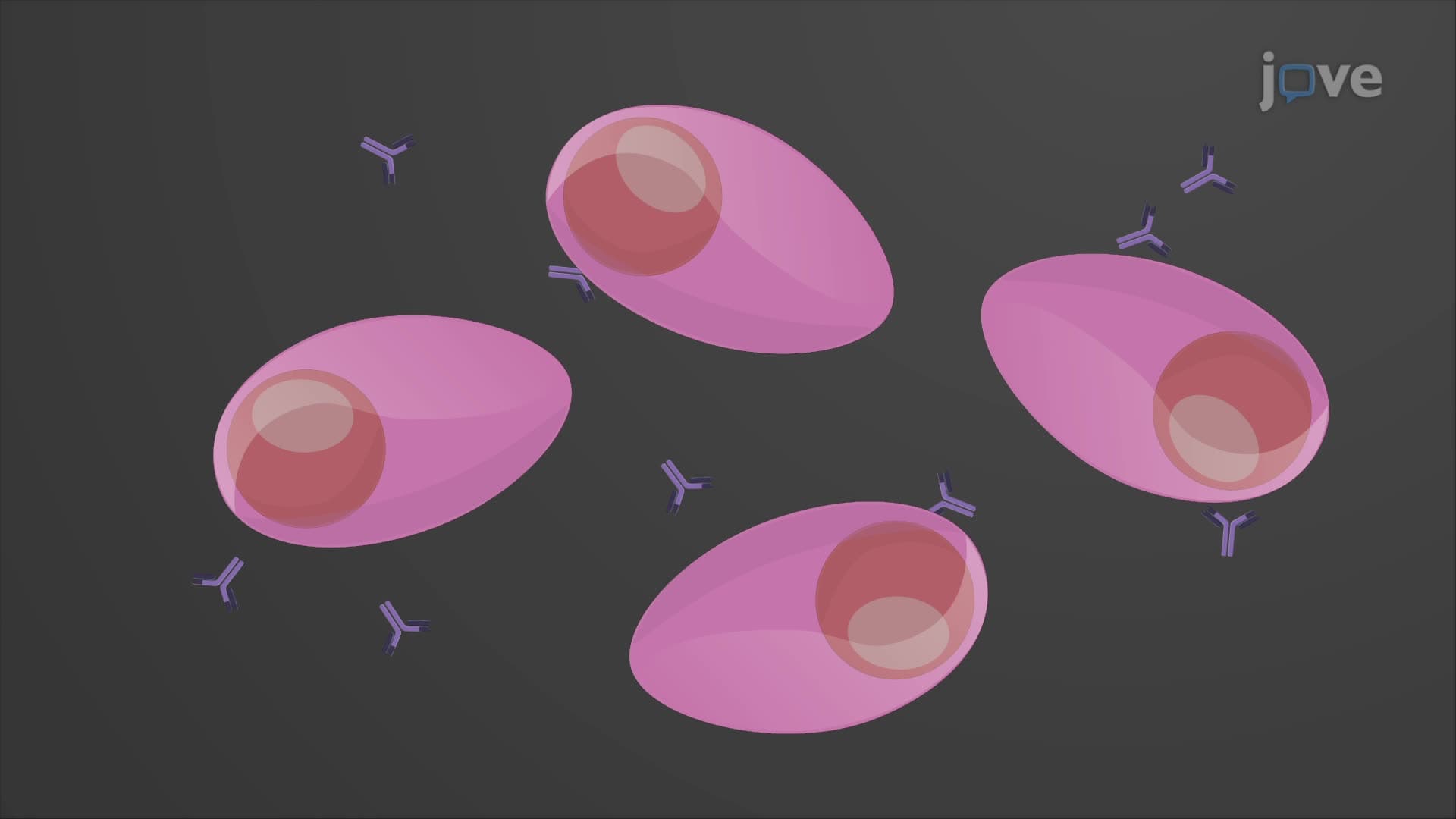
When properly activated, a single lymphocyte rapidly divides to produce thousands of identical clones through a process called clonal expansion. Most clones become short-lived effector cells: plasma B cell antibody factories that pump out millions of specific antibodies, or cytotoxic T cells that directly kill infected cells.
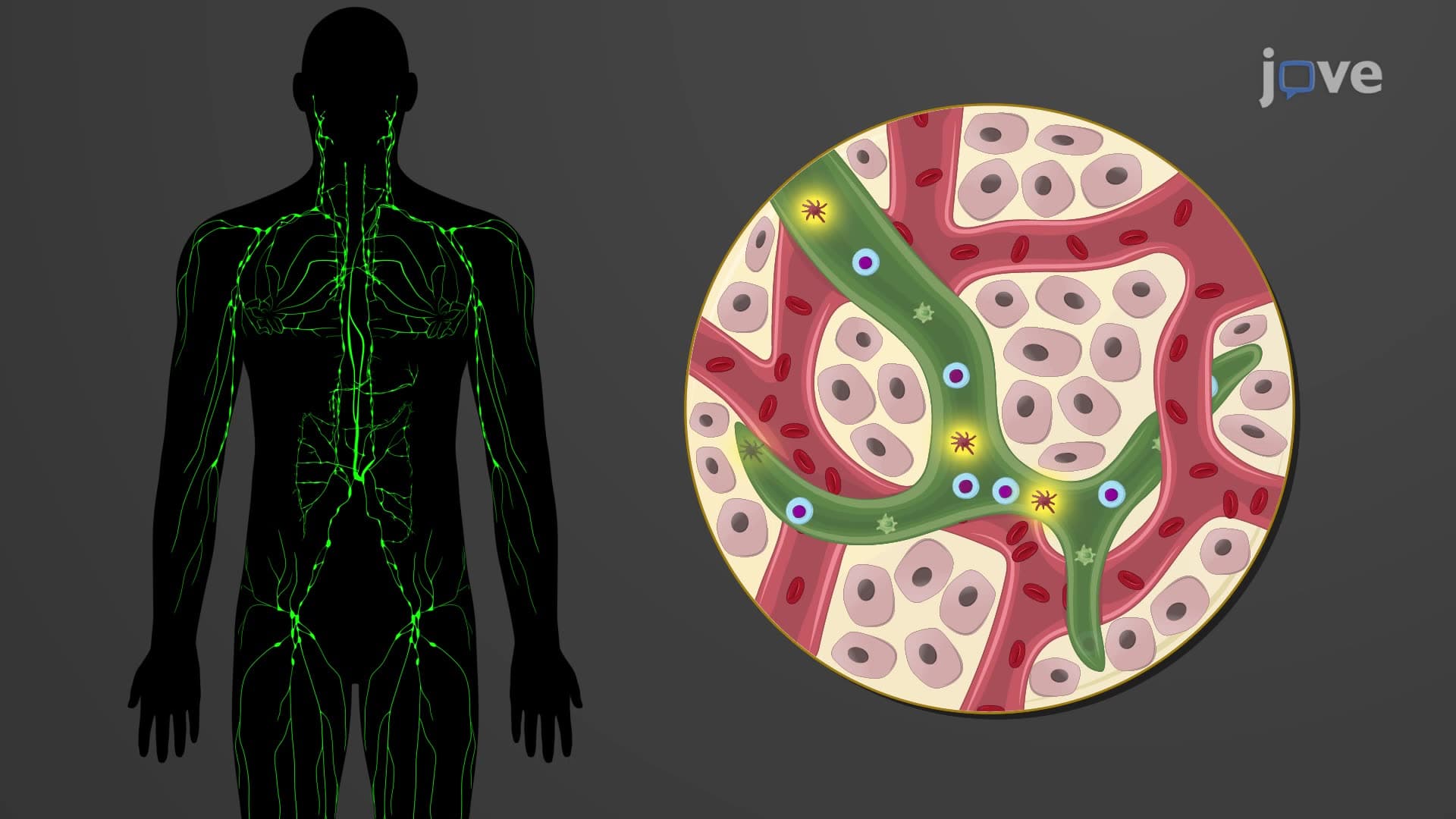
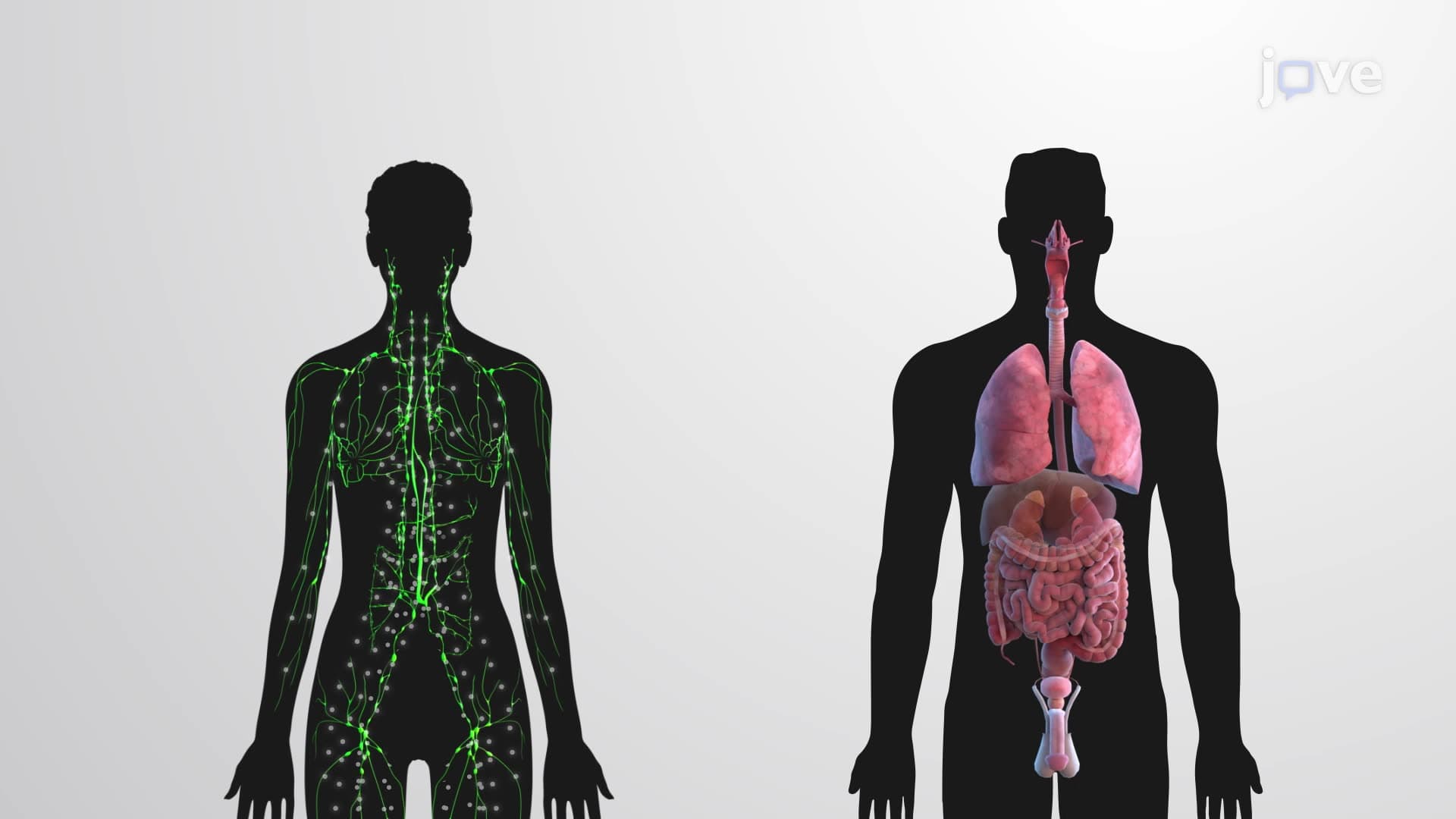
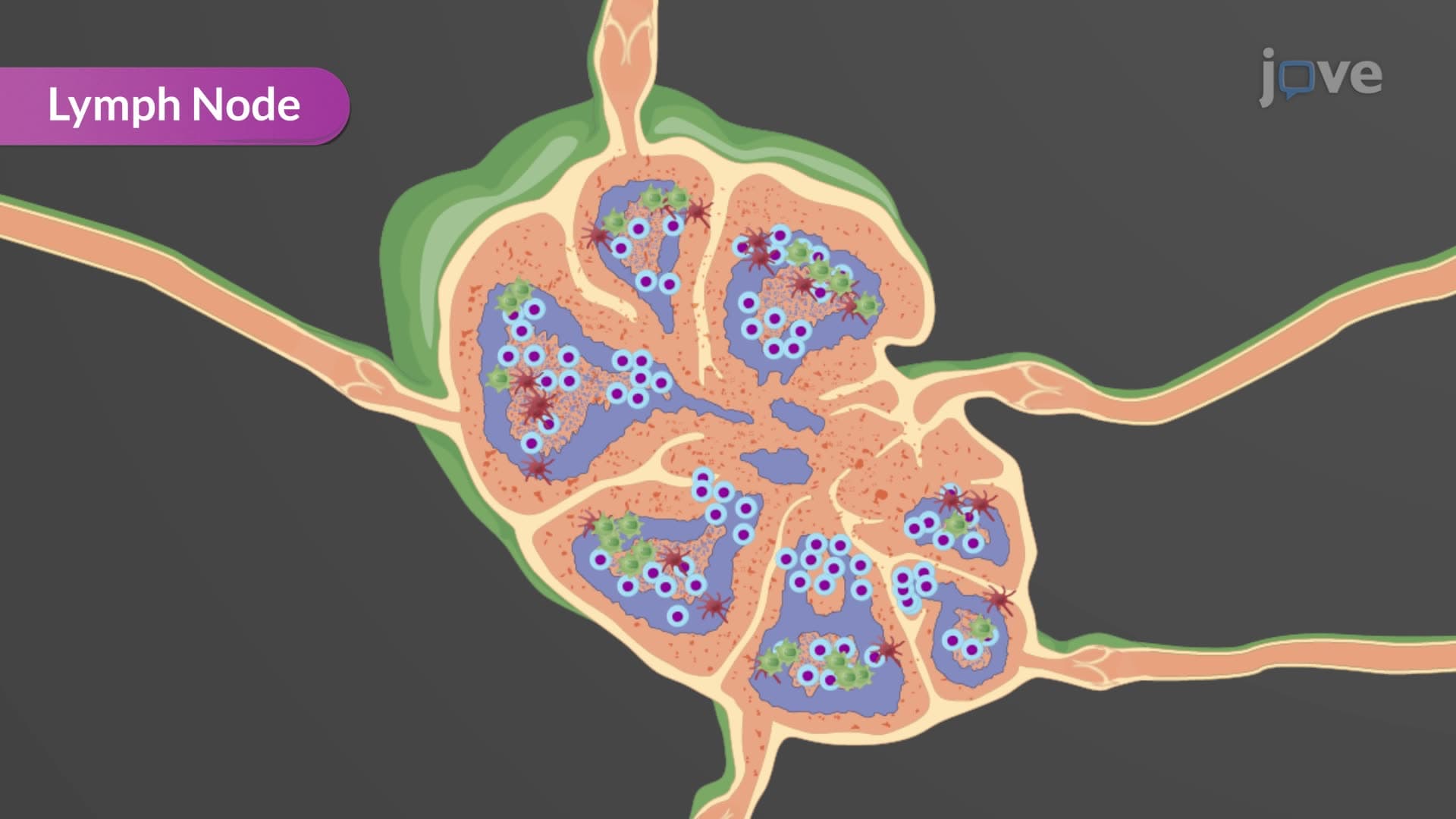
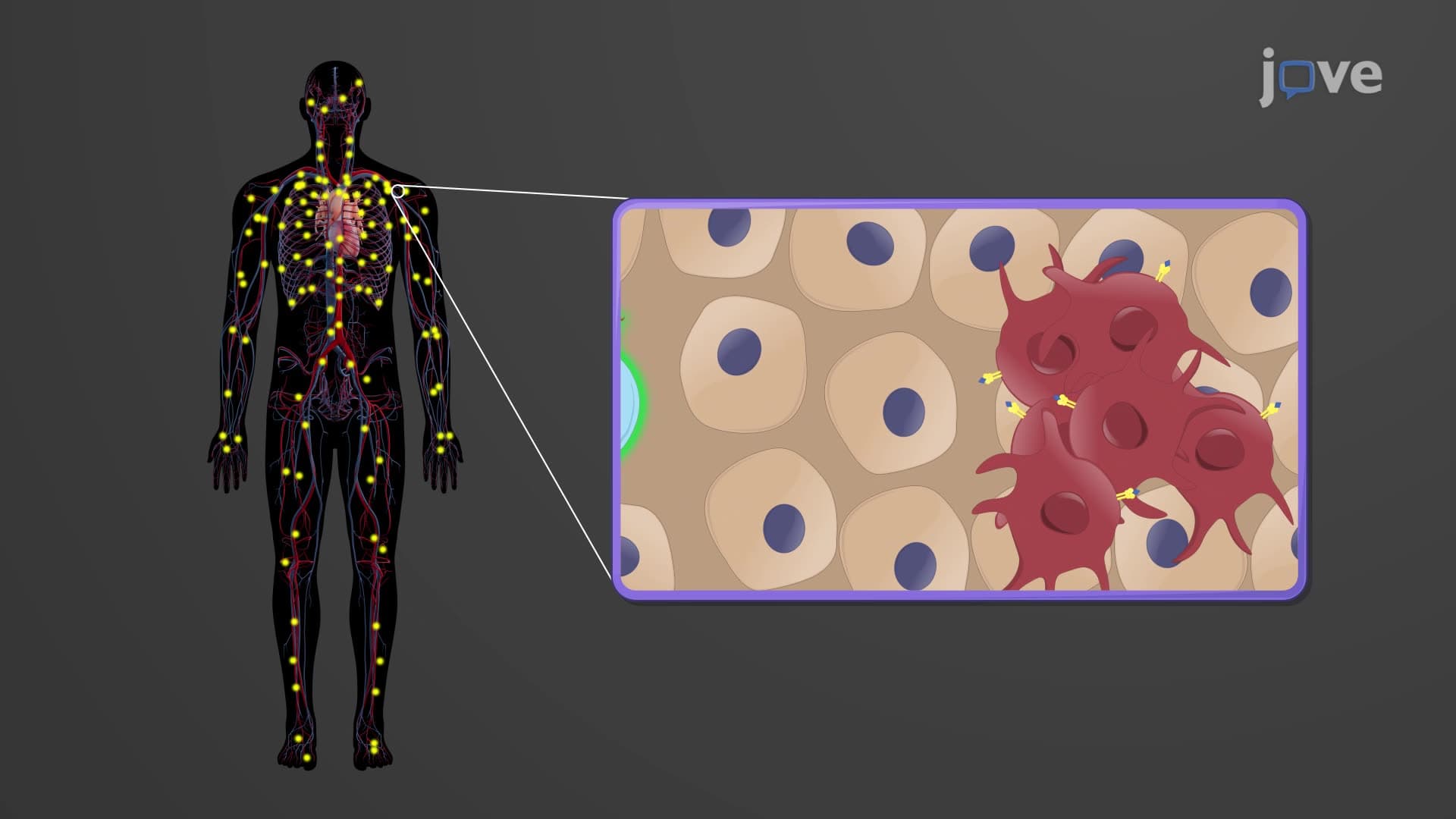
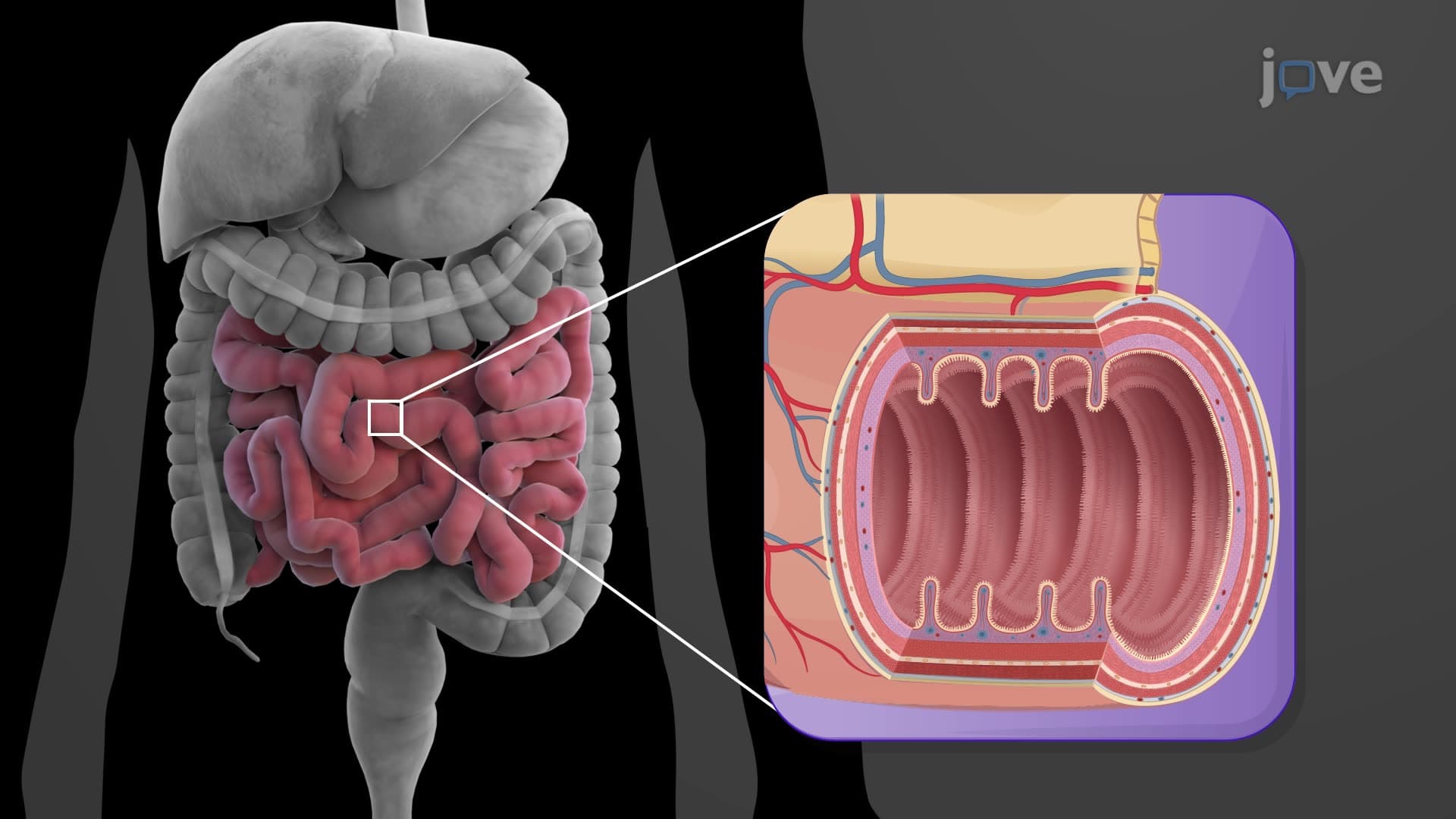
Memory cell adaptive immunity represents the system's crowning achievement-the ability to "remember" previous encounters and respond faster upon re-exposure. This explains why you typically don't get chickenpox twice, and why COVID-19 boosters enhance protection. Memory cells can survive for decades, maintaining surveillance in secondary lymphoid organs like your spleen and lymph nodes.
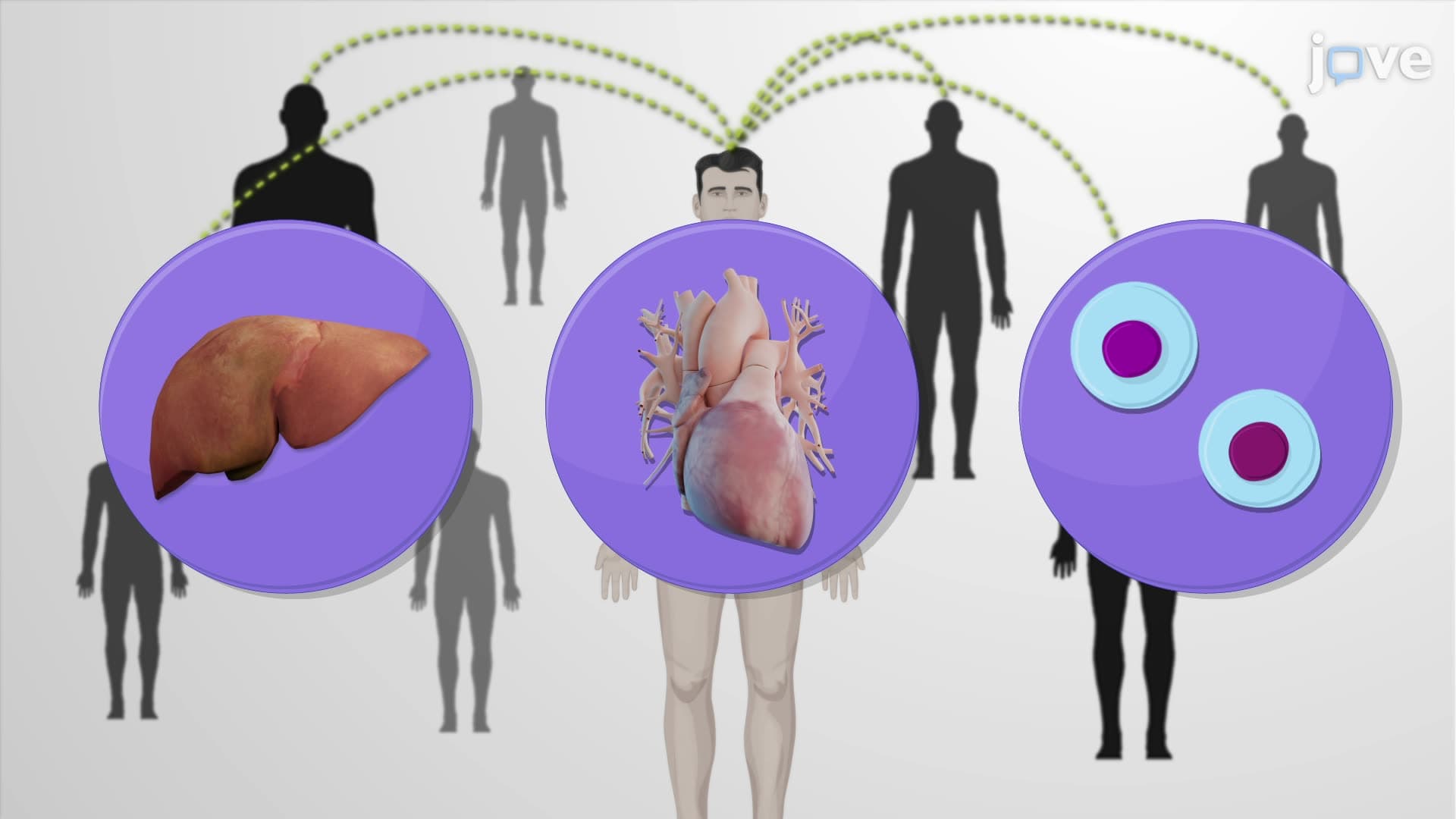
For college immunology courses, understanding lymphocyte adaptive immune responses helps explain vaccine strategies, transplant rejection, and emerging immunotherapies for cancer treatment-areas of intense research at institutions like Johns Hopkins and Stanford University.
Related Micro-courses