Loading subject page…


218,421 views


Video Summary: What Is Cells Innate Immune Response
Did you know that your body's first line of cellular defense can distinguish between healthy and infected cells within minutes of an invasion? Innate immune response cells serve as your body's rapid-response security team, with neutrophils arriving at infection sites faster than emergency responders reach a 911 call in major US cities. These specialized cells, including phagocytes and natural killer cells, work tirelessly to eliminate threats before your adaptive immune system even recognizes danger. Watch the full video on JoVE Coach to master this concept with expert-led visuals and step-by-step explanations.
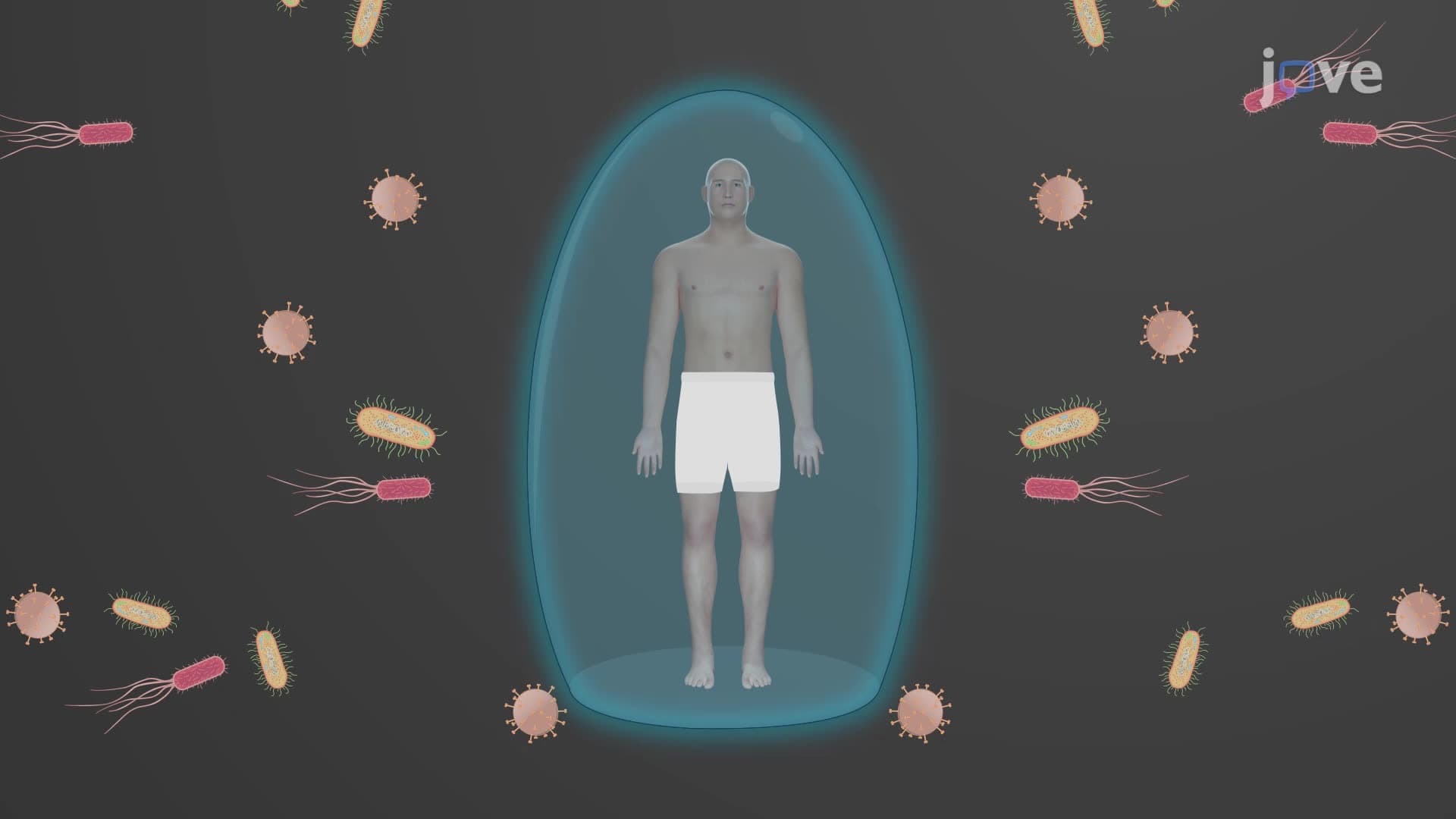
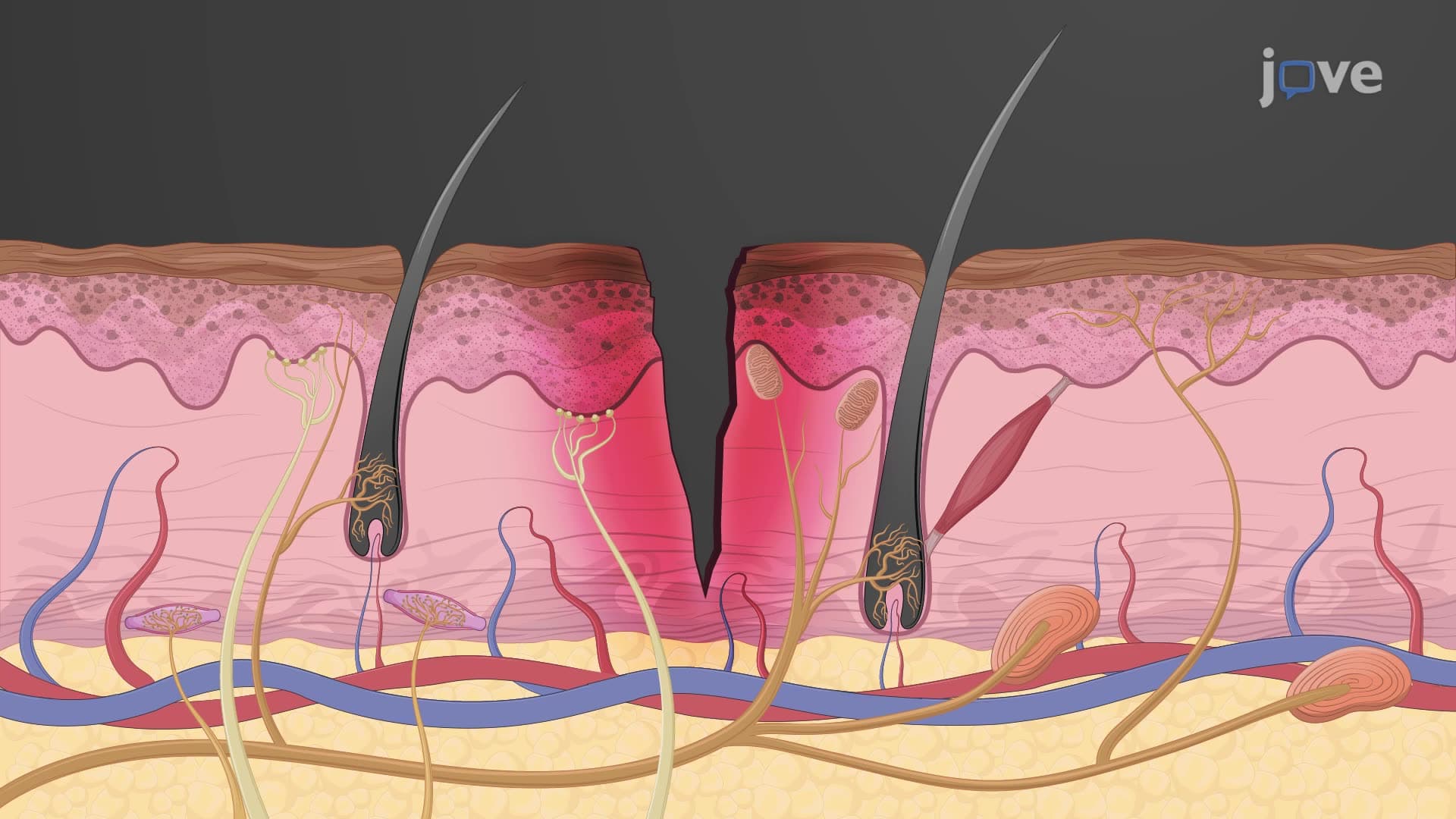
The innate immune response cells represent your body's immediate defense mechanism, functioning like a well-coordinated emergency response team. Unlike adaptive immunity, which requires days to weeks to mount specific responses, innate immune cells spring into action within minutes of detecting threats. This rapid response system has evolved to recognize common pathogen patterns and eliminate invaders before they establish infections.
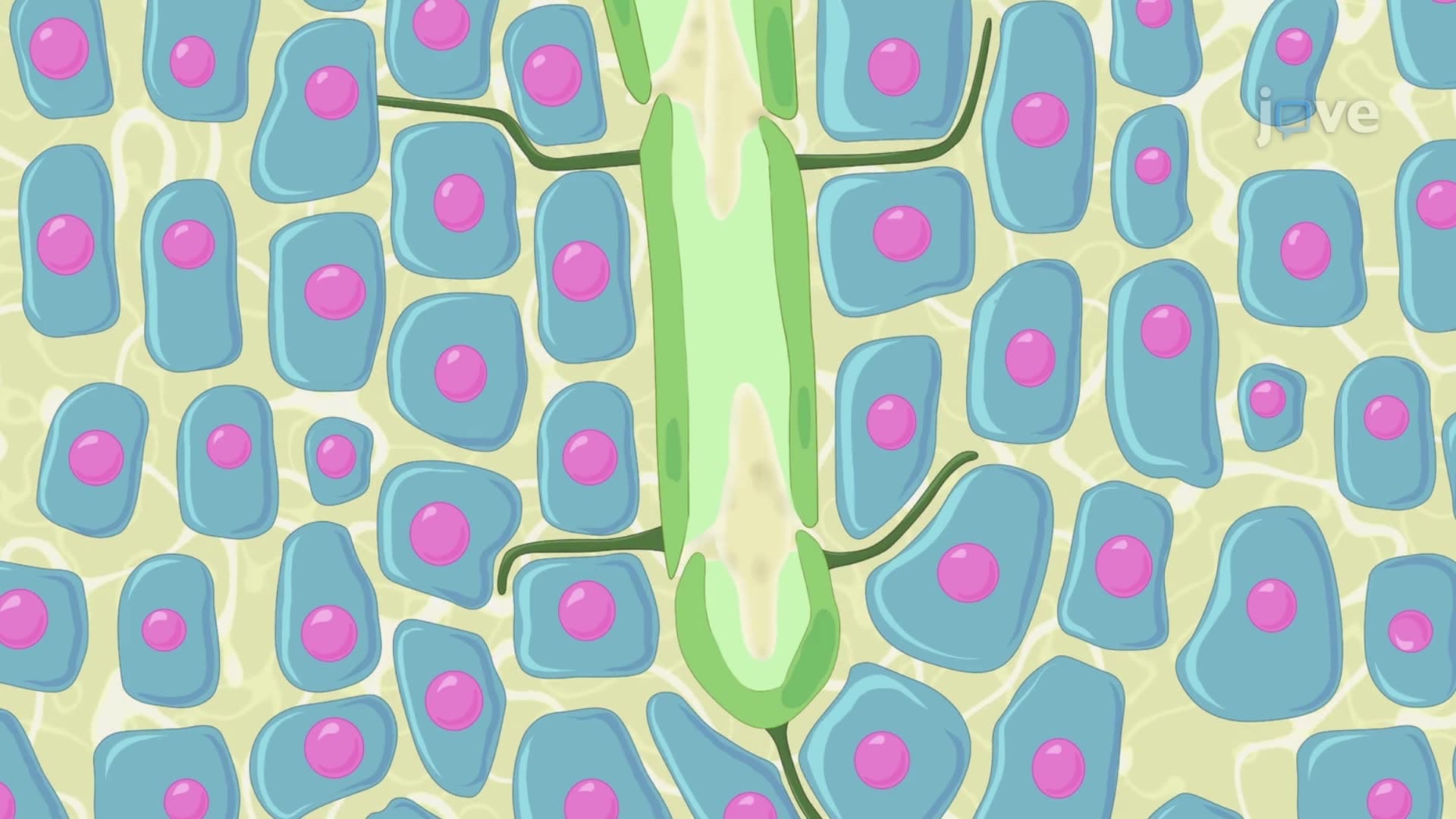
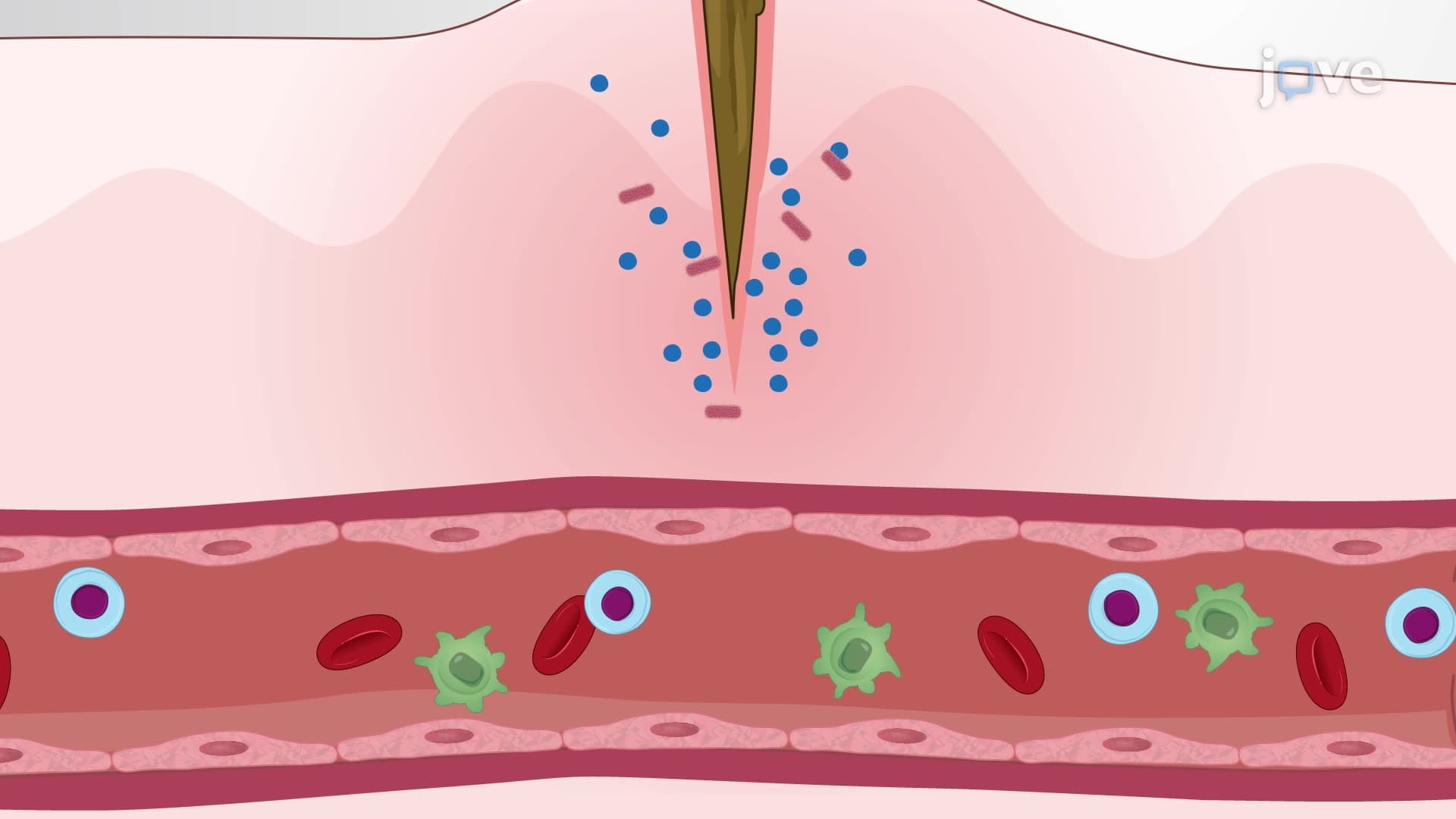
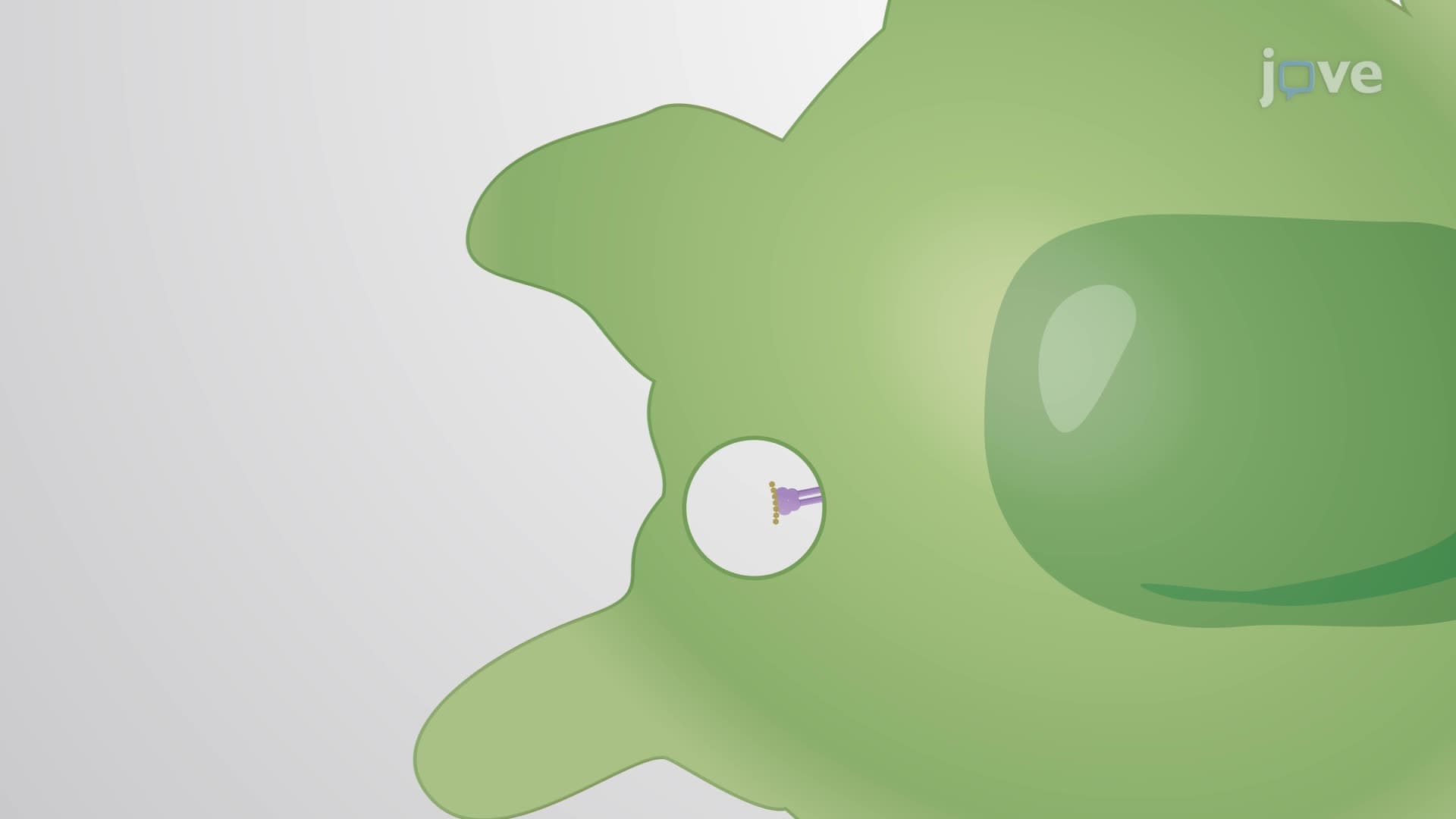
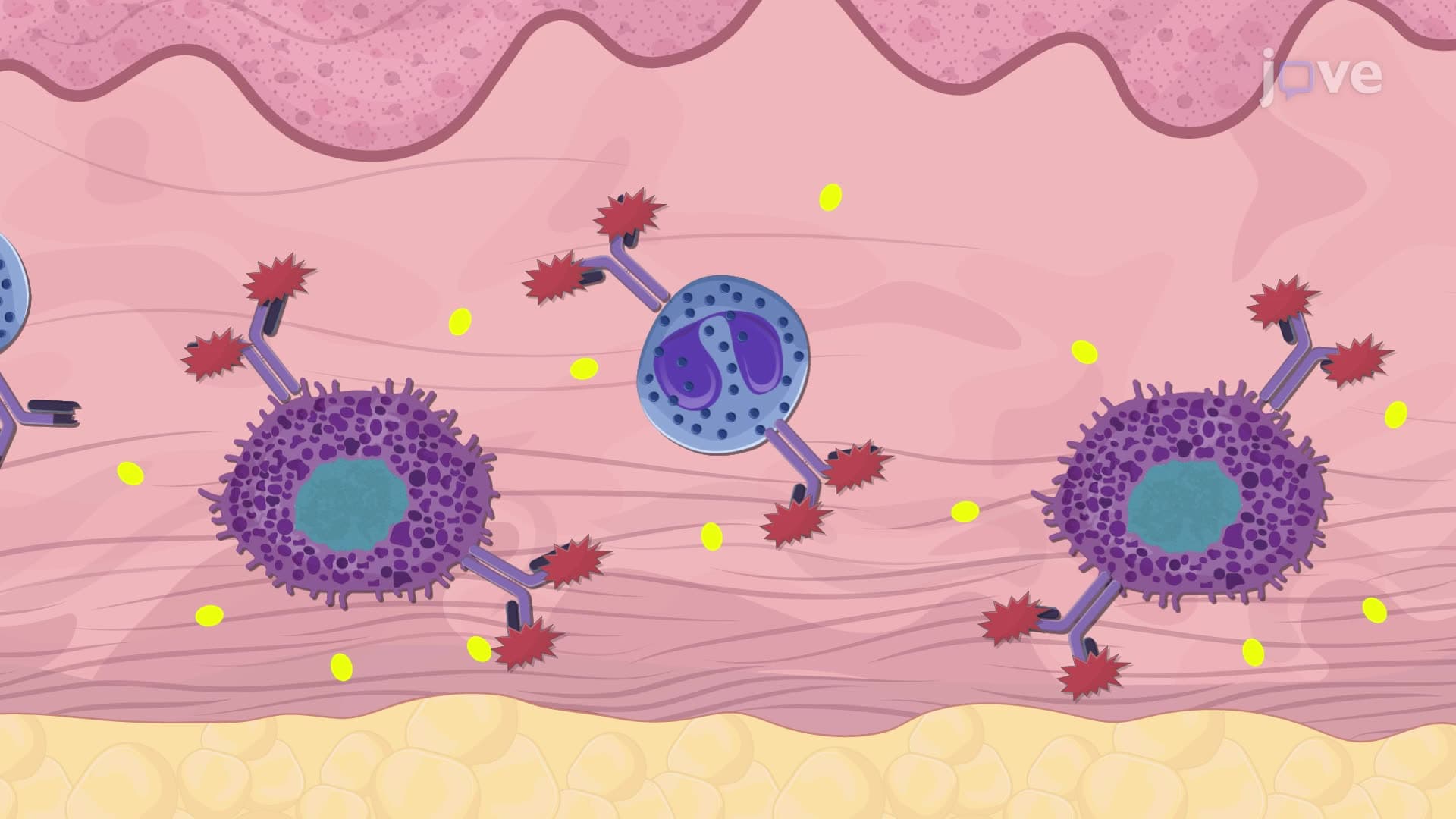
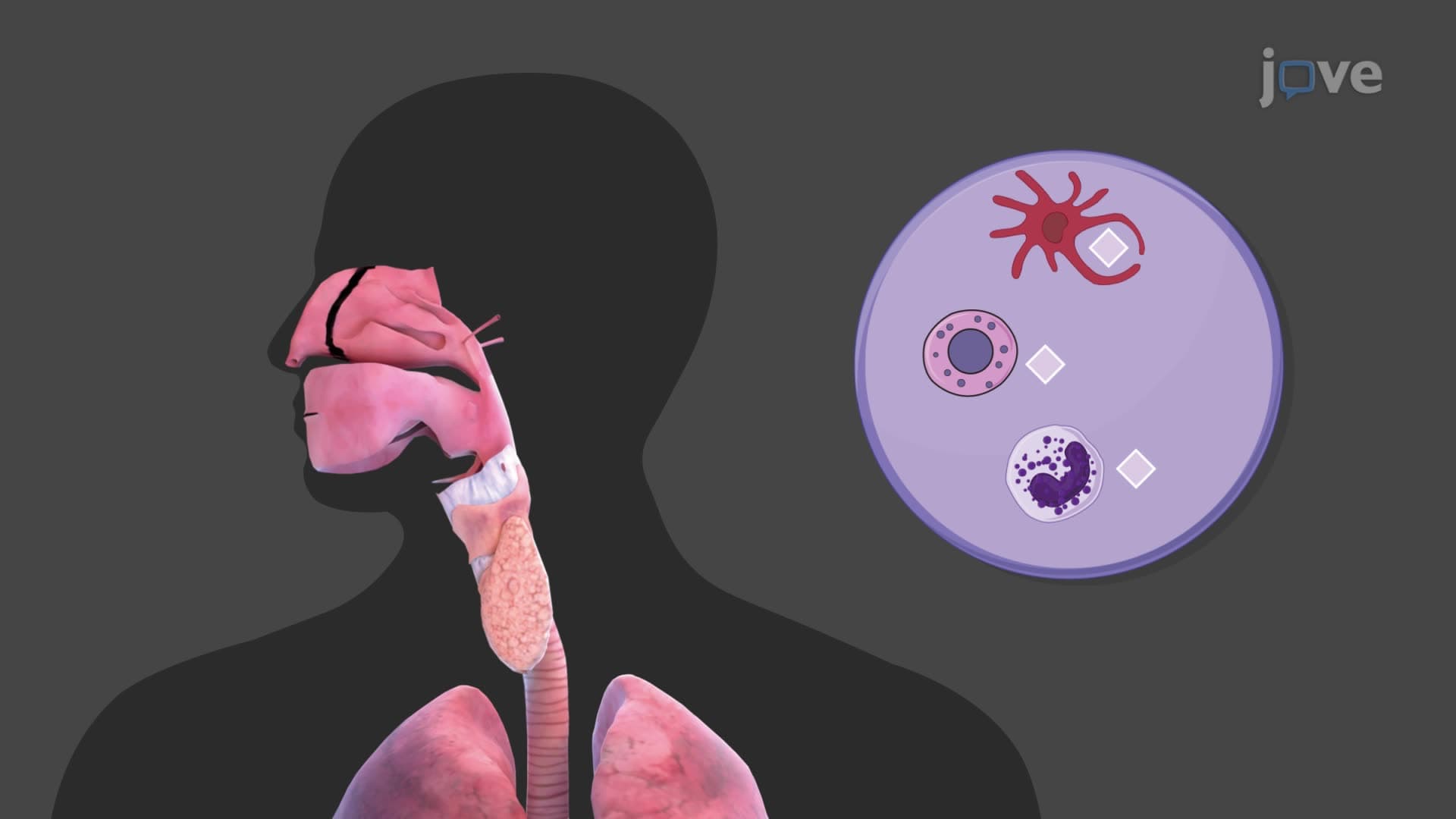
Phagocytes serve as the immune system's sanitation workers, literally "eating" harmful substances through phagocytosis. This multi-step process involves recognition, engulfment, and destruction of pathogens. Neutrophil macrophage innate responses begin with neutrophils-the most abundant white blood cells comprising 50-70% of circulating leukocytes. During bacterial infections like strep throat, neutrophils migrate from blood vessels into infected tissues within 30-60 minutes.
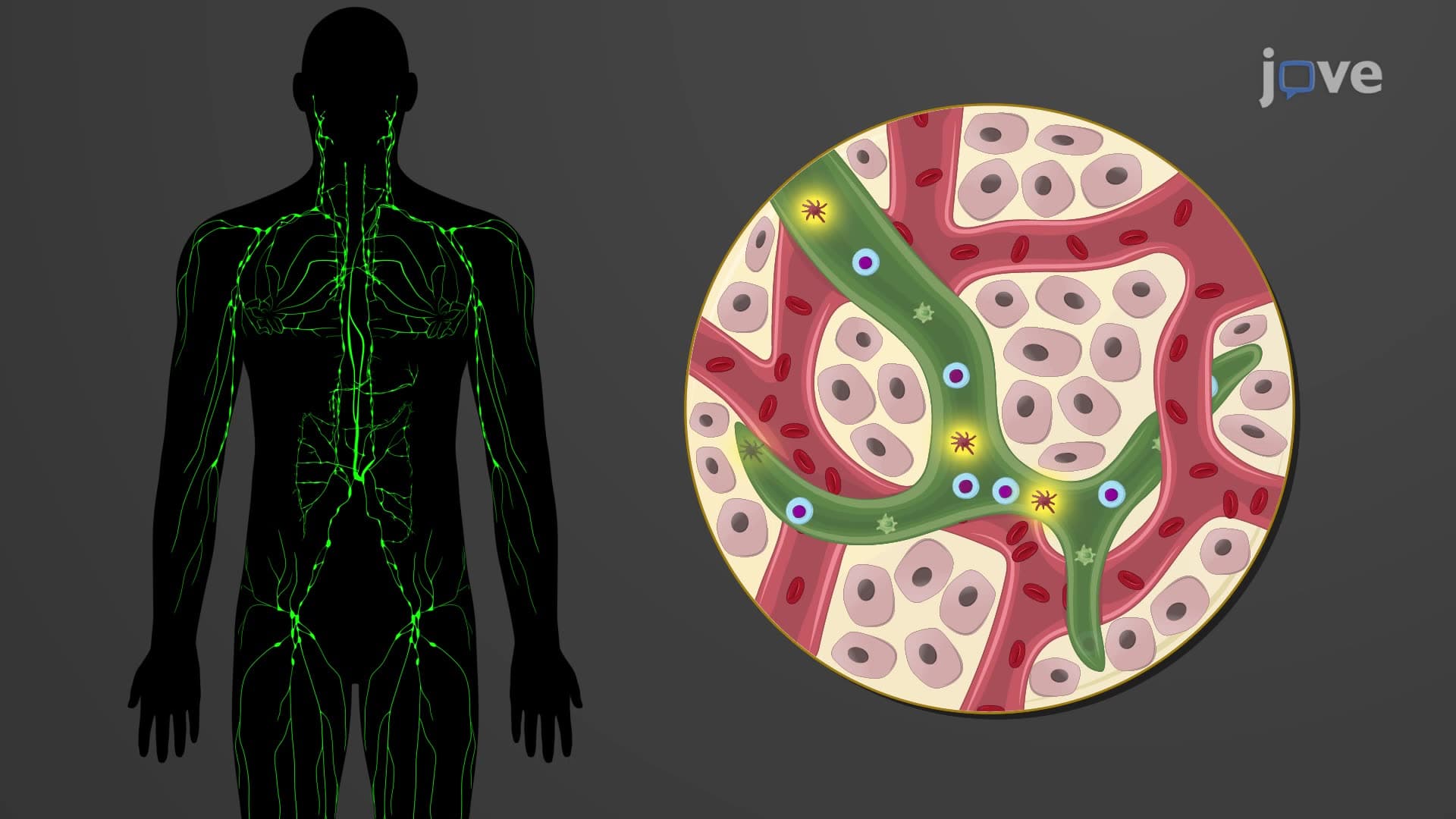
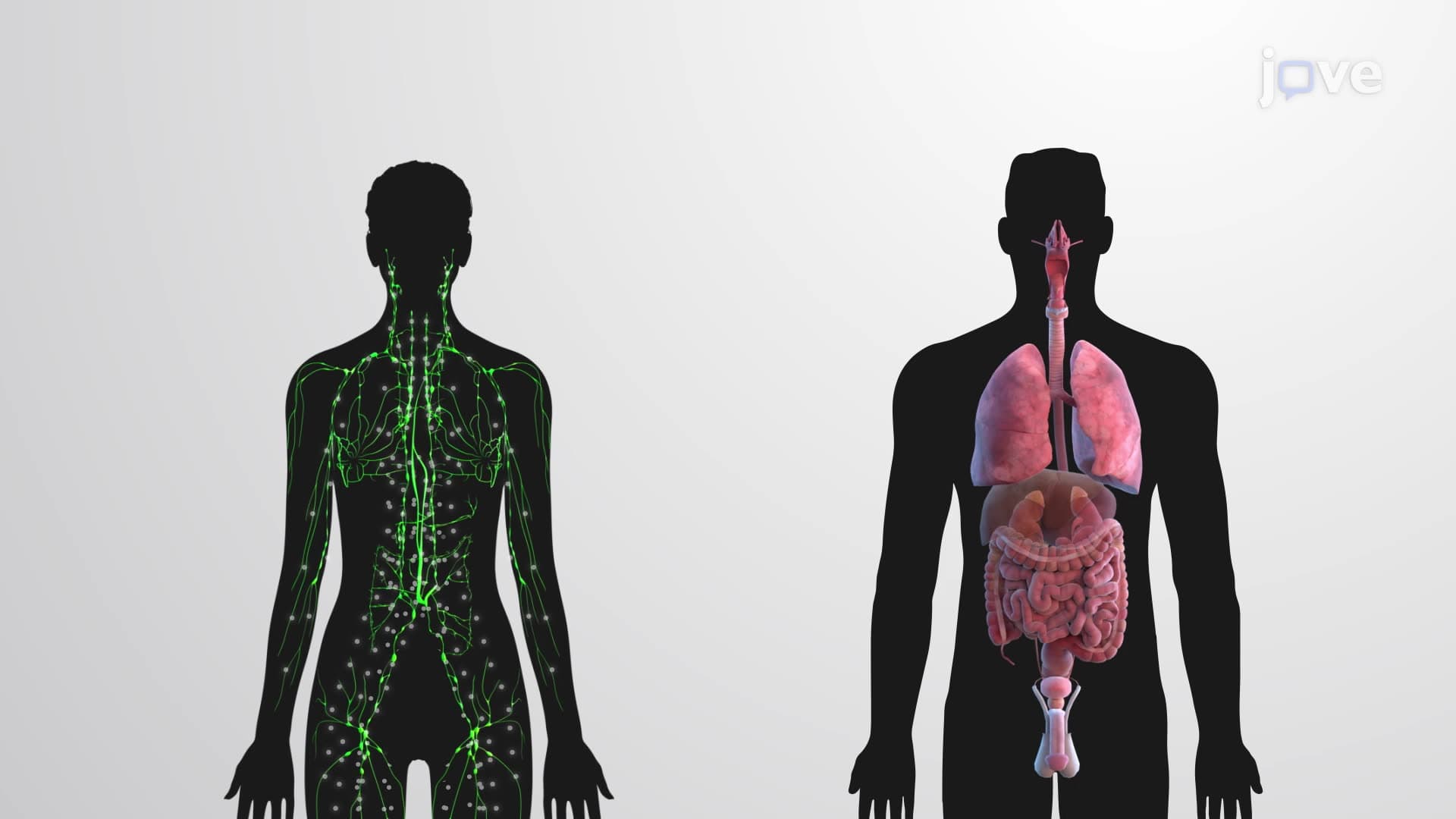
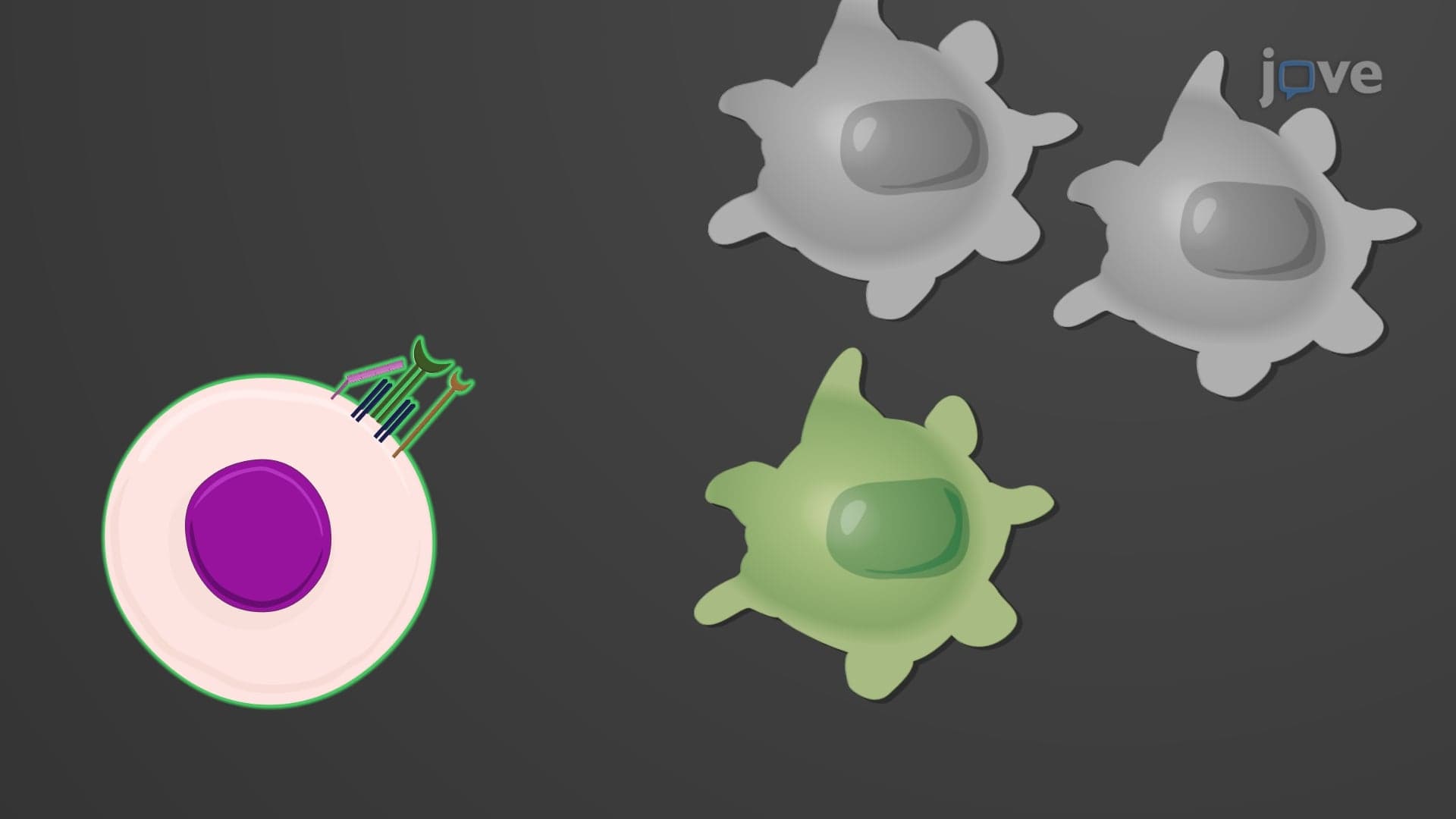
Macrophages represent the "big eaters" of the immune system, derived from blood monocytes that differentiate upon entering tissues. Wandering macrophages patrol tissues like security guards, while fixed macrophages remain stationed in specific organs. For example, Kupffer cells in the liver filter blood-borne pathogens, while alveolar macrophages in lungs remove inhaled particles and bacteria. This strategic positioning ensures comprehensive pathogen surveillance throughout the body.
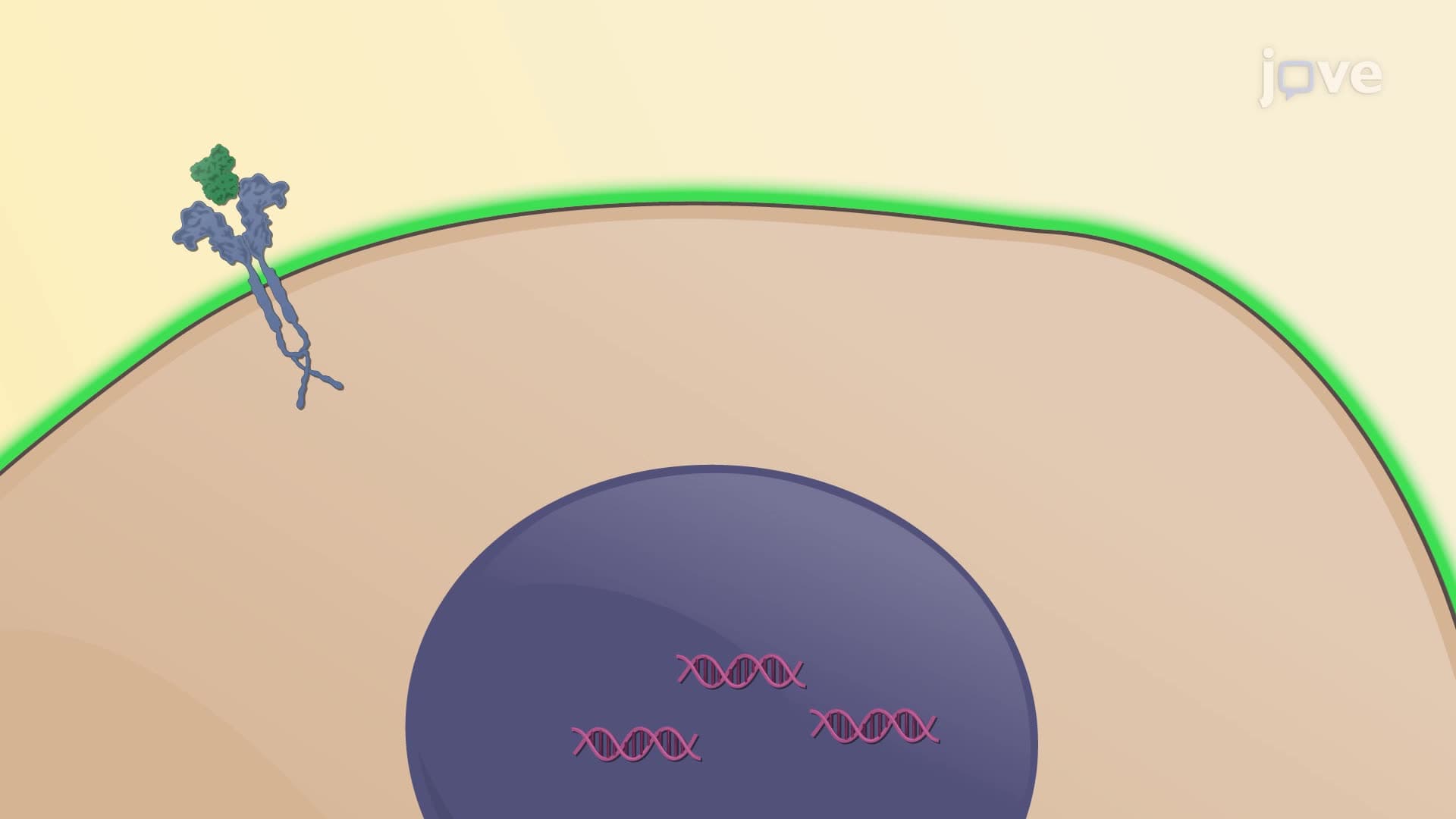
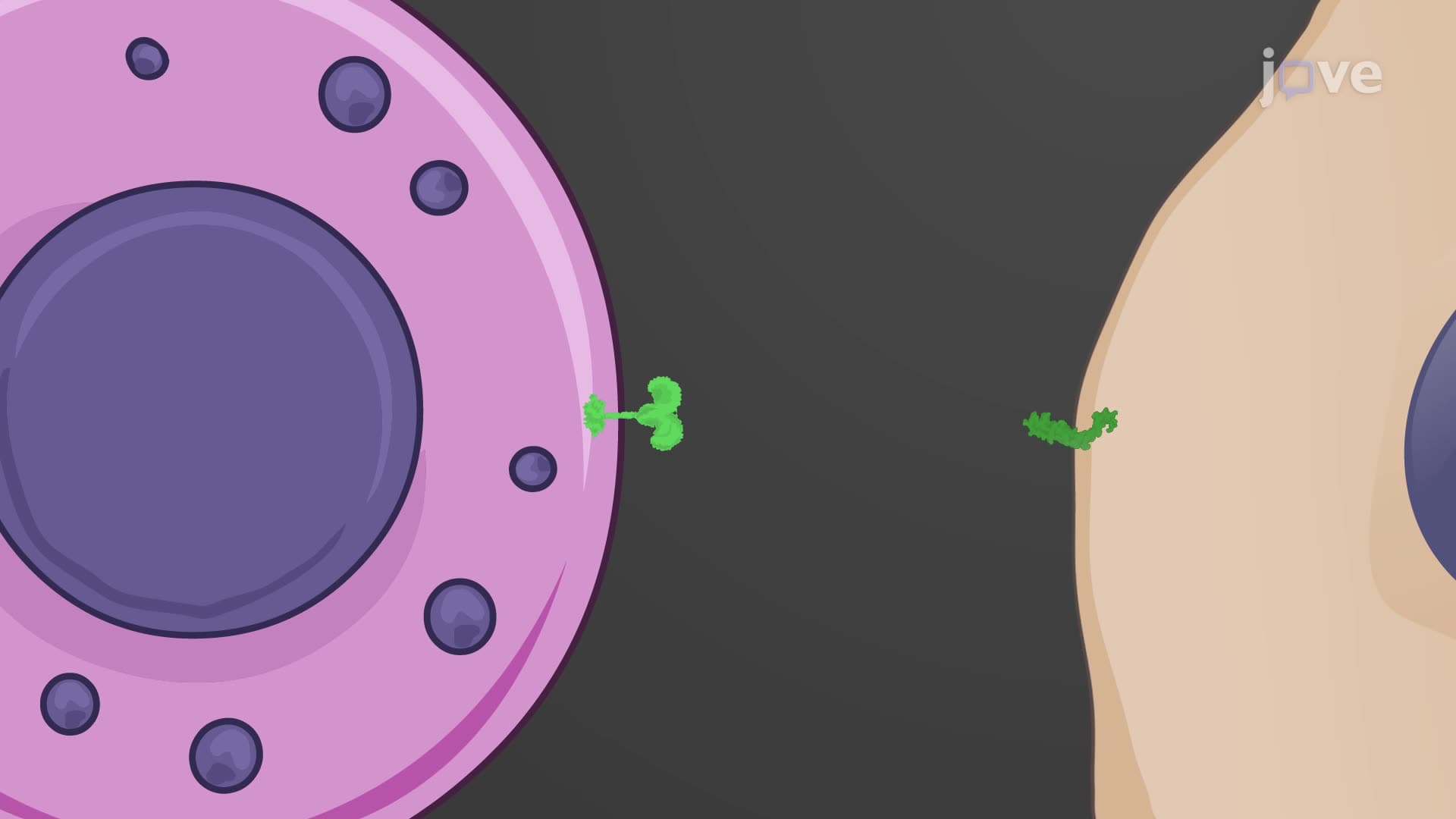
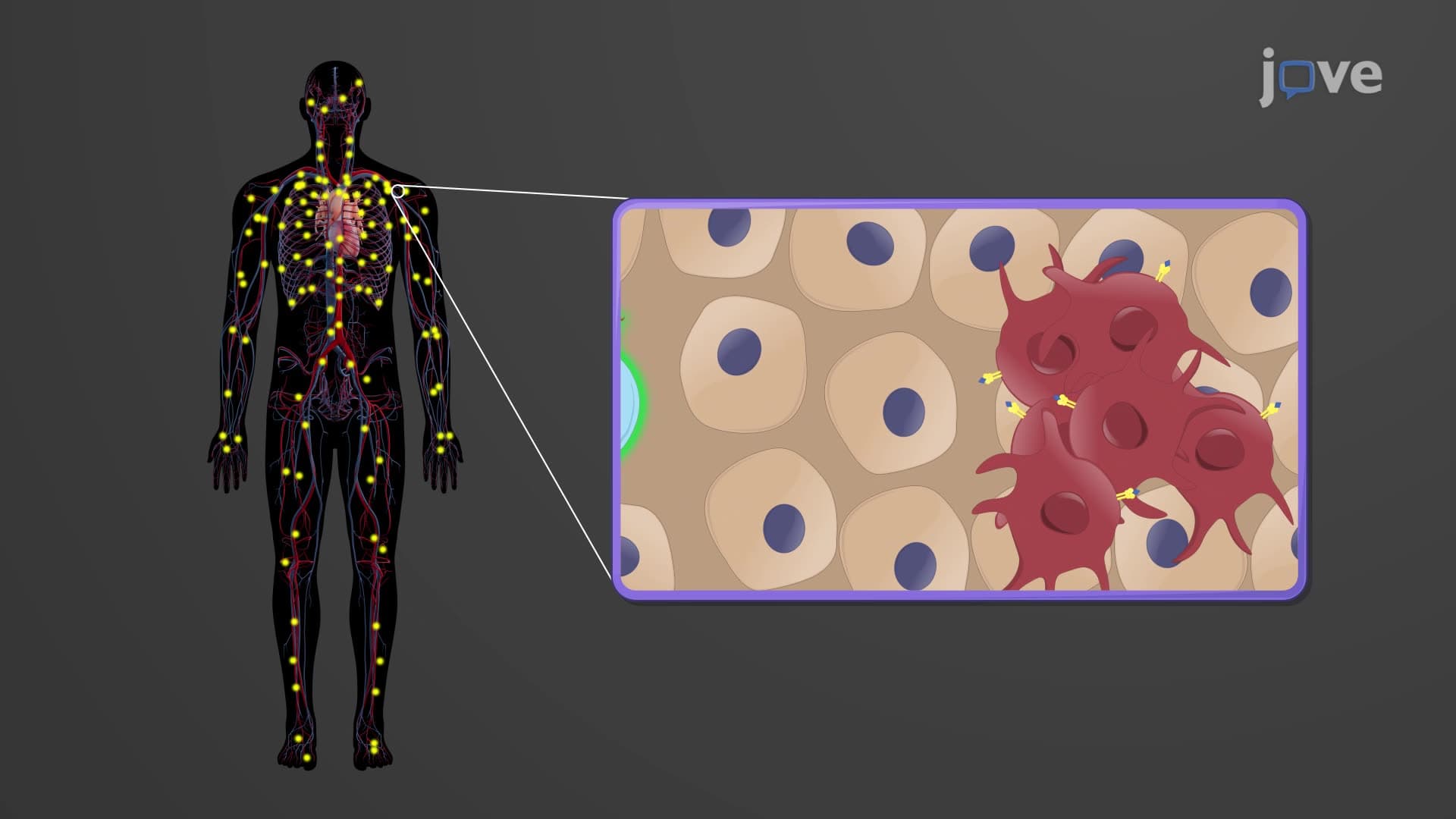
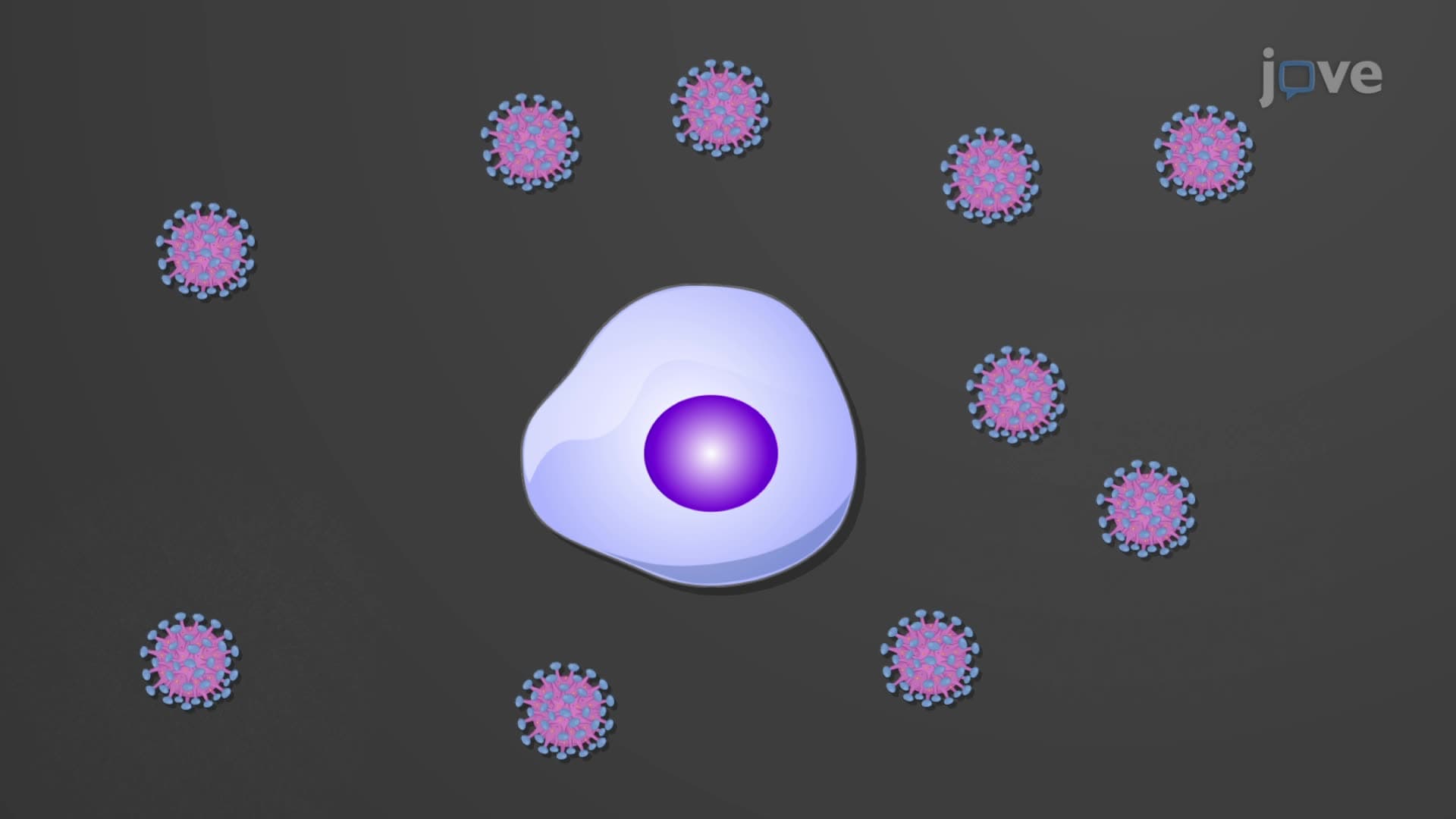
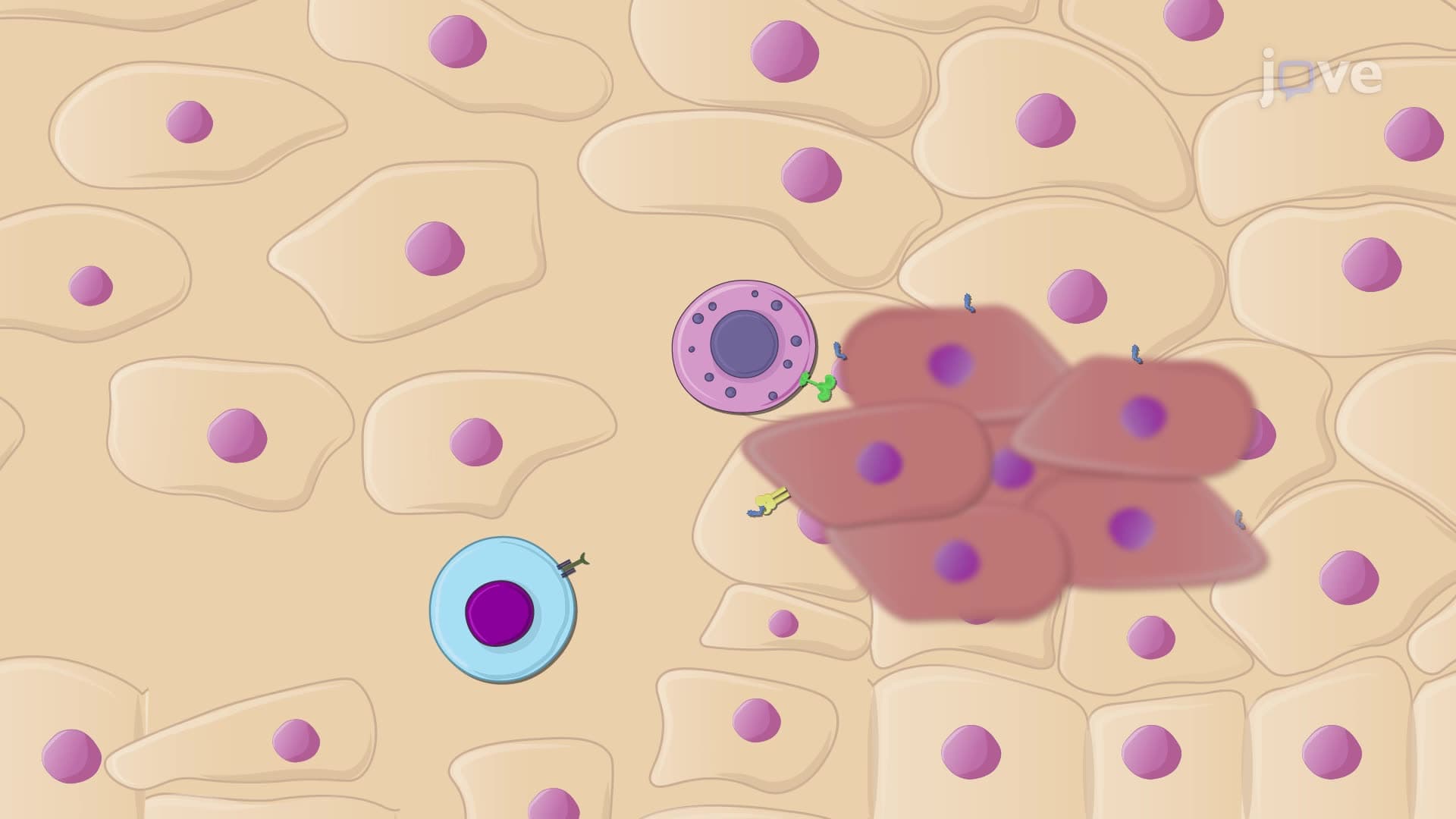
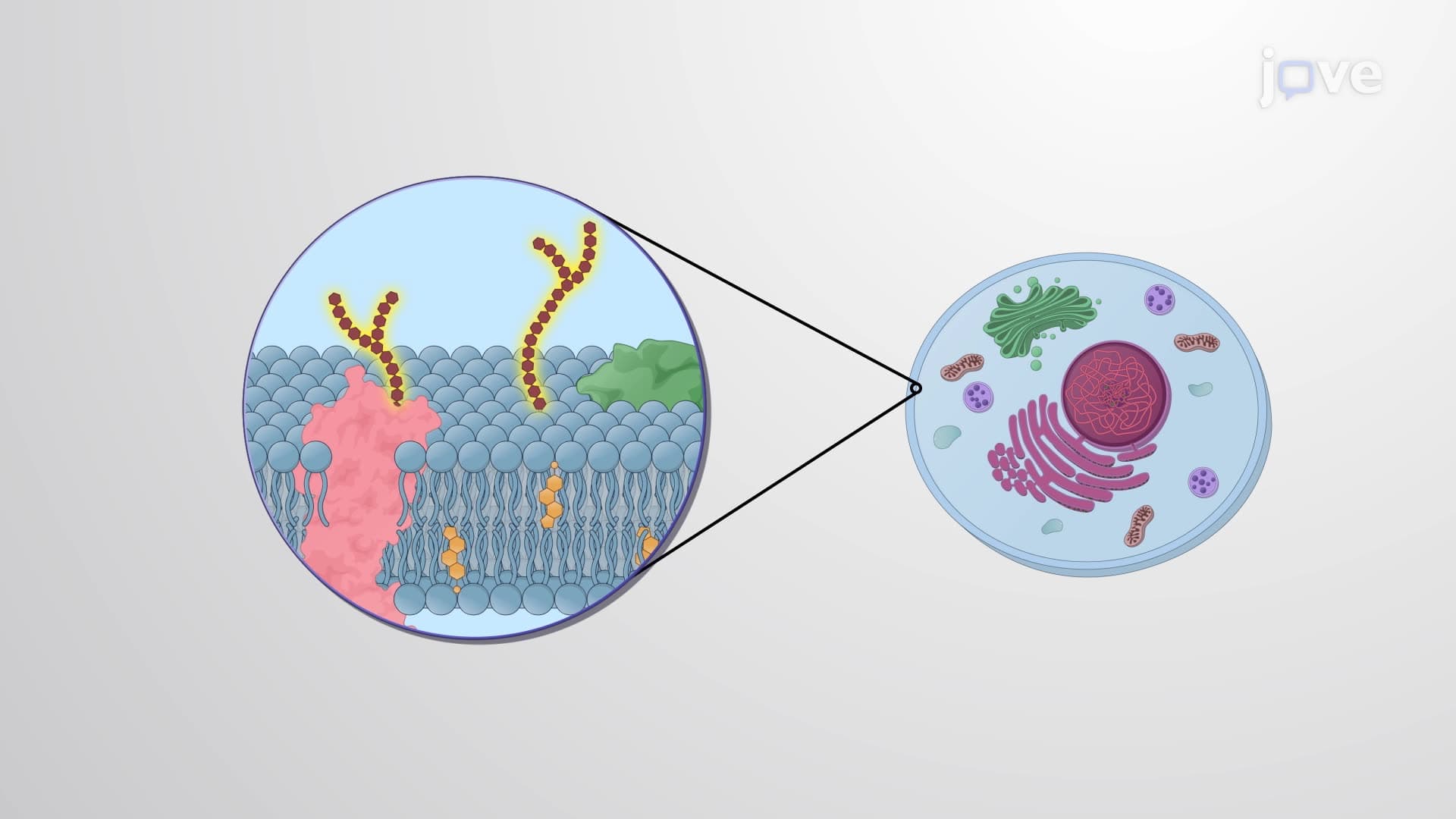
Natural killer NK innate cells function as the immune system's quality control inspectors, identifying and eliminating compromised cells. Unlike B and T cells that require specific antigen presentation, NK cells recognize abnormal cells through "missing self" mechanisms-detecting the absence of normal cellular markers or presence of stress signals. When cells become infected with viruses like influenza or develop cancerous mutations, they display altered surface proteins that NK cells recognize as danger signals.
NK cells induce apoptosis (programmed cell death) in target cells through cytotoxic granule release, containing perforin and granzymes. This process prevents viral replication and tumor growth while avoiding the inflammatory damage associated with cell rupture. In clinical settings, NK cell activity serves as a prognostic indicator for cancer patients and transplant recipients.
Understanding innate immune cells proves essential for AP Biology, college immunology courses, and pre-medical studies. MCAT questions frequently test phagocytosis mechanisms and NK cell functions. In healthcare settings, monitoring neutrophil counts helps diagnose infections, while NK cell deficiencies may indicate immunodeficiency disorders or increased cancer susceptibility.
Related Micro-courses