Loading subject page…


218,422 views

Video Summary: What Is Development of Immunocompetence
Did you know that babies are born with immune systems that are only about 60% as effective as adults? Immunocompetence development biology reveals how our immune defenses mature from fetal stages through childhood, starting with T cell migration from the thymus at just three months of gestation. For instance, premature infants in US NICUs often require extra protection because their development of immunocompetence is incomplete. This complex process involves thymus education of T cells, bone marrow B cell production, and the gradual transition from maternal antibody protection to self-generated immunity. Watch the full video on JoVE Coach to master this concept with expert-led visuals and step-by-step explanations.
Immunocompetence development biology describes the complex process by which the human immune system matures from a collection of primitive cells into a sophisticated defense network. This developmental journey begins in utero and continues through adolescence, involving precise timing of cellular migration, organ development, and functional maturation.
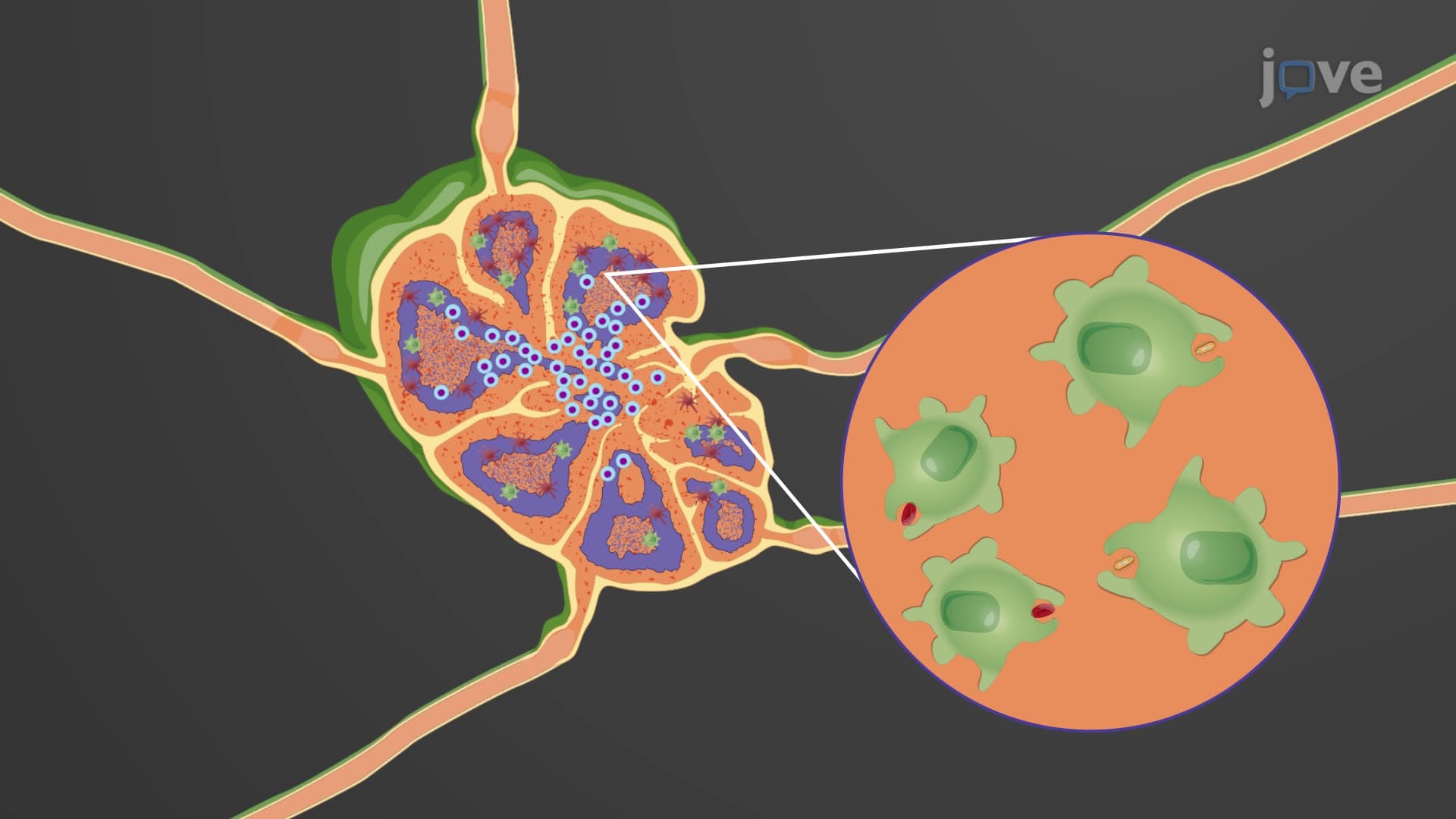
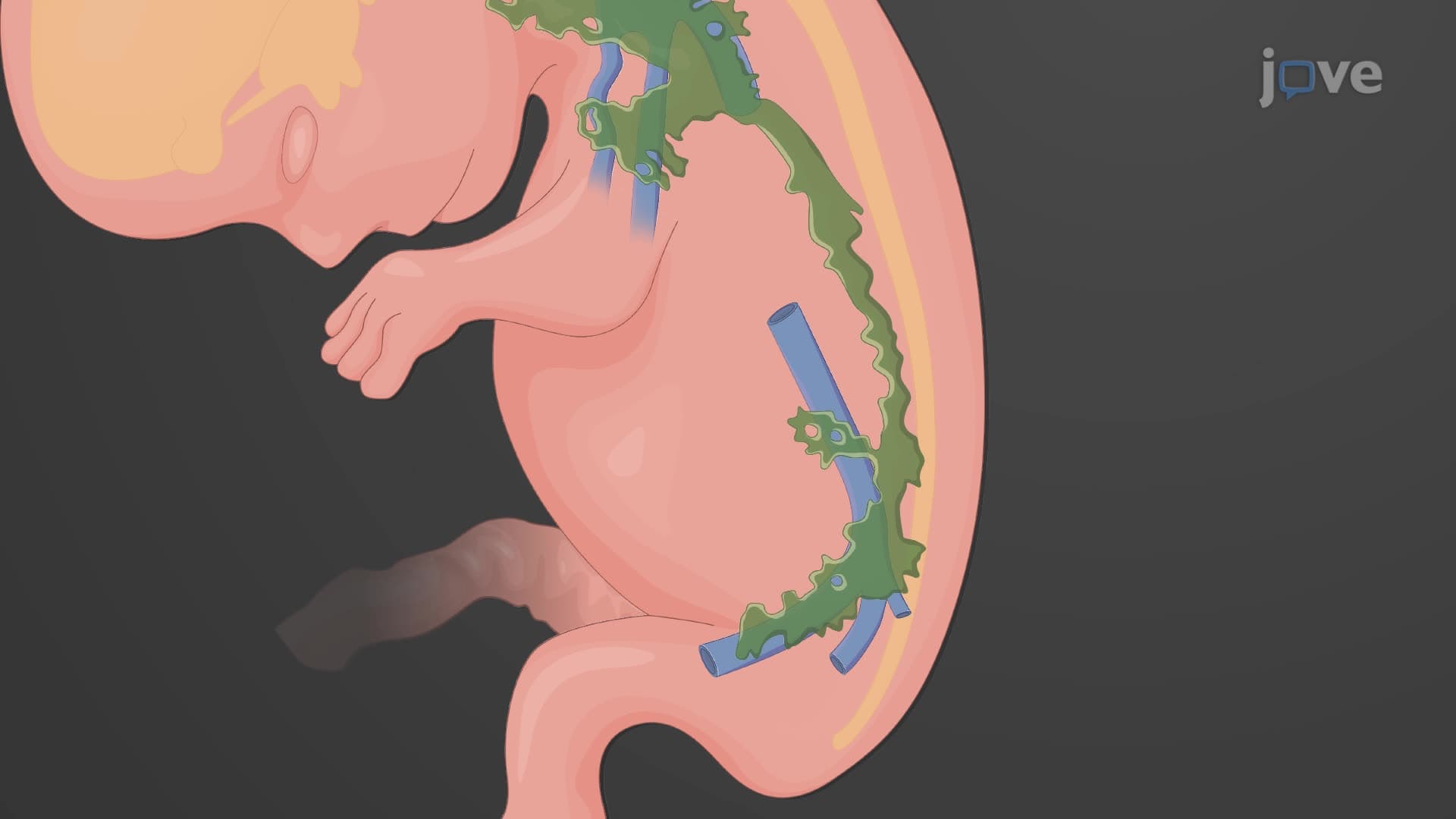
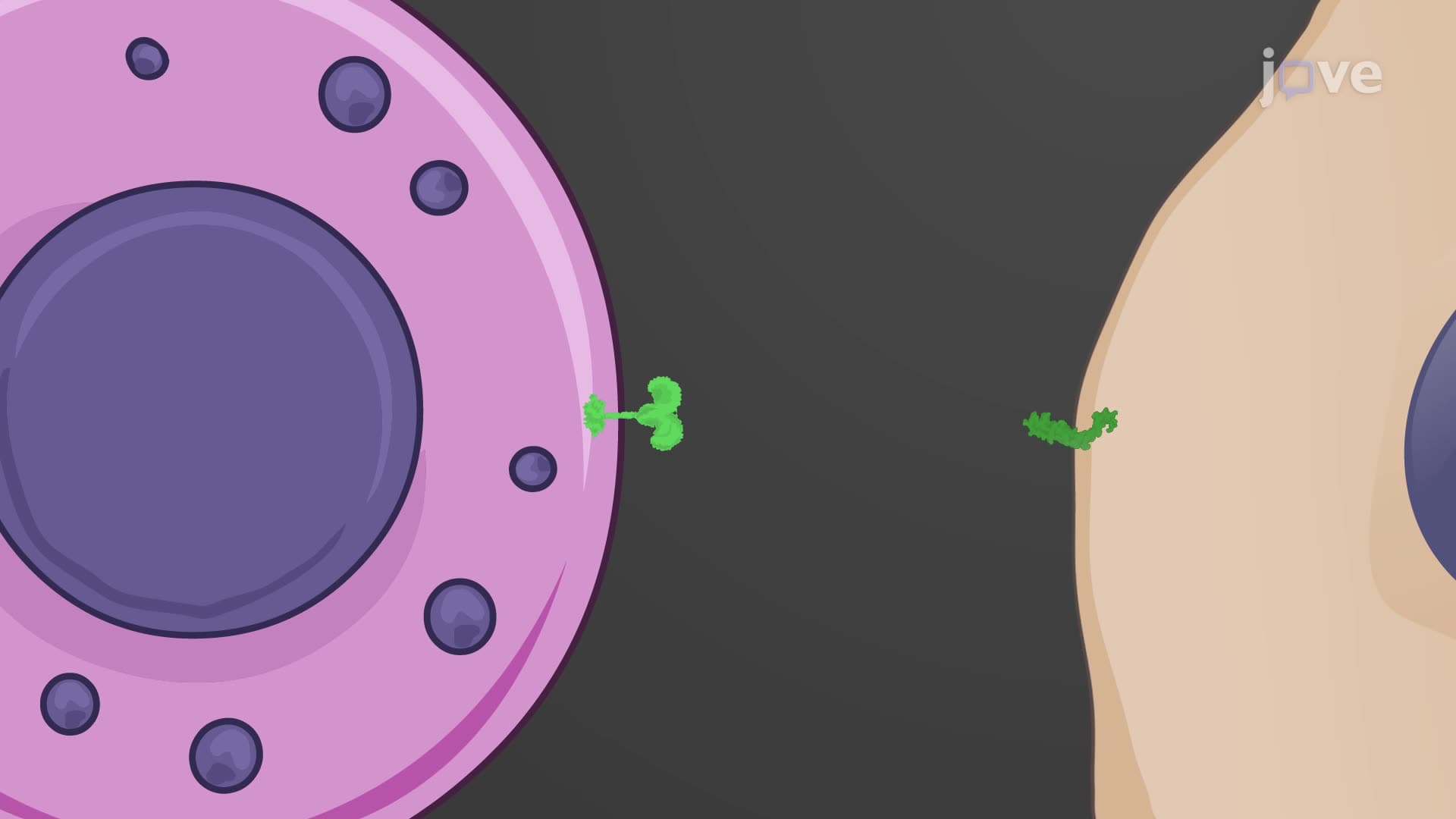
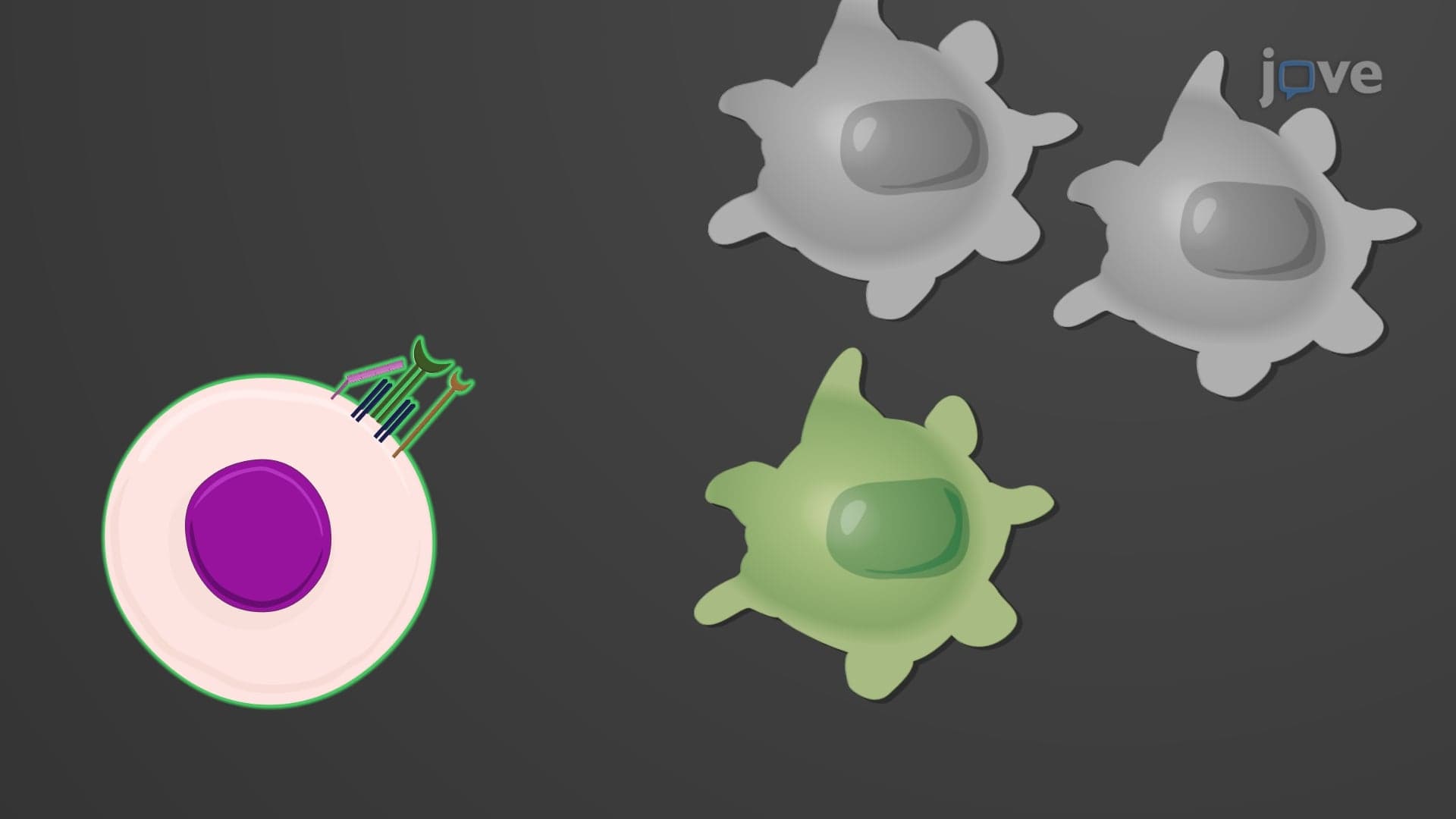
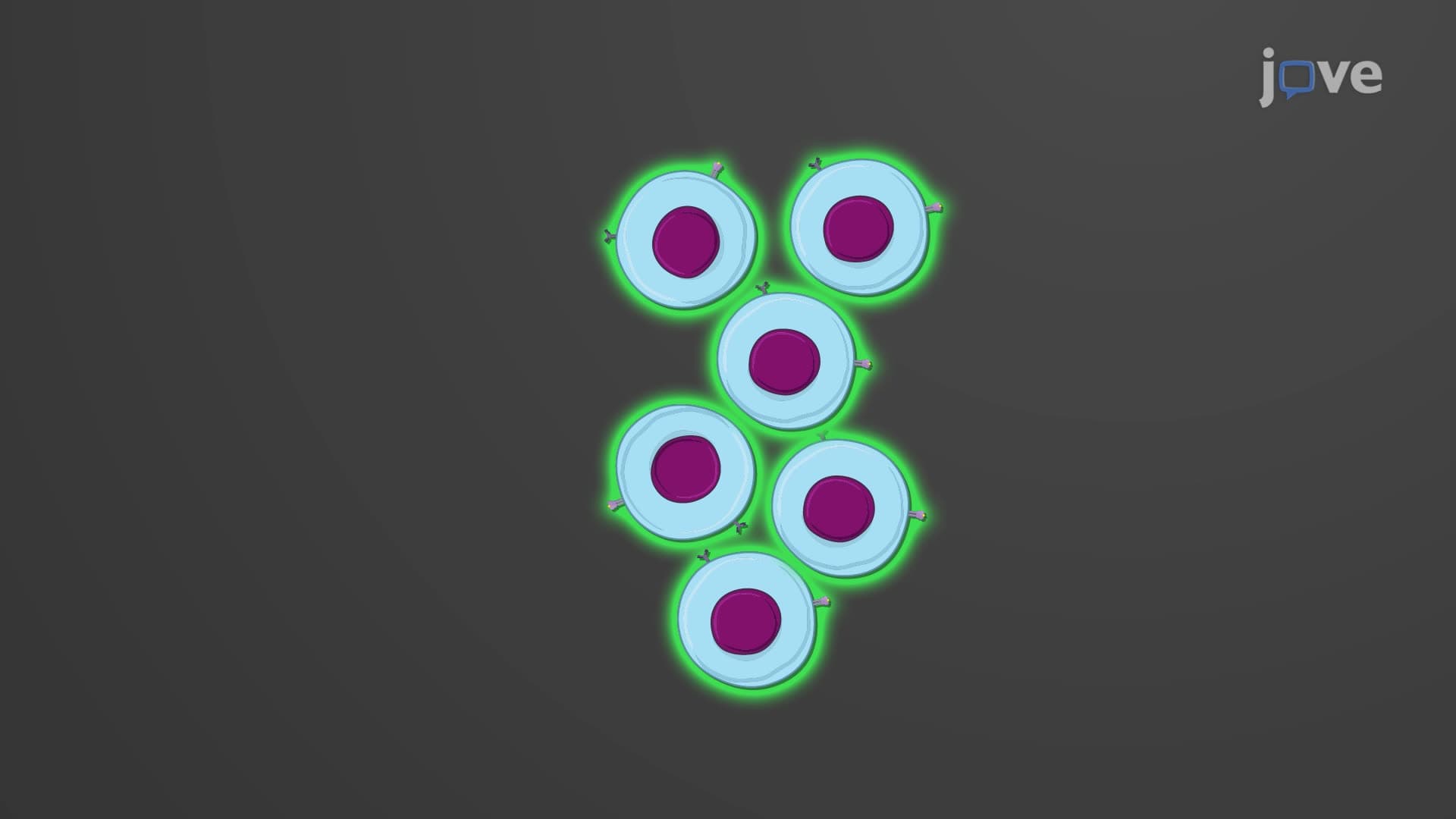
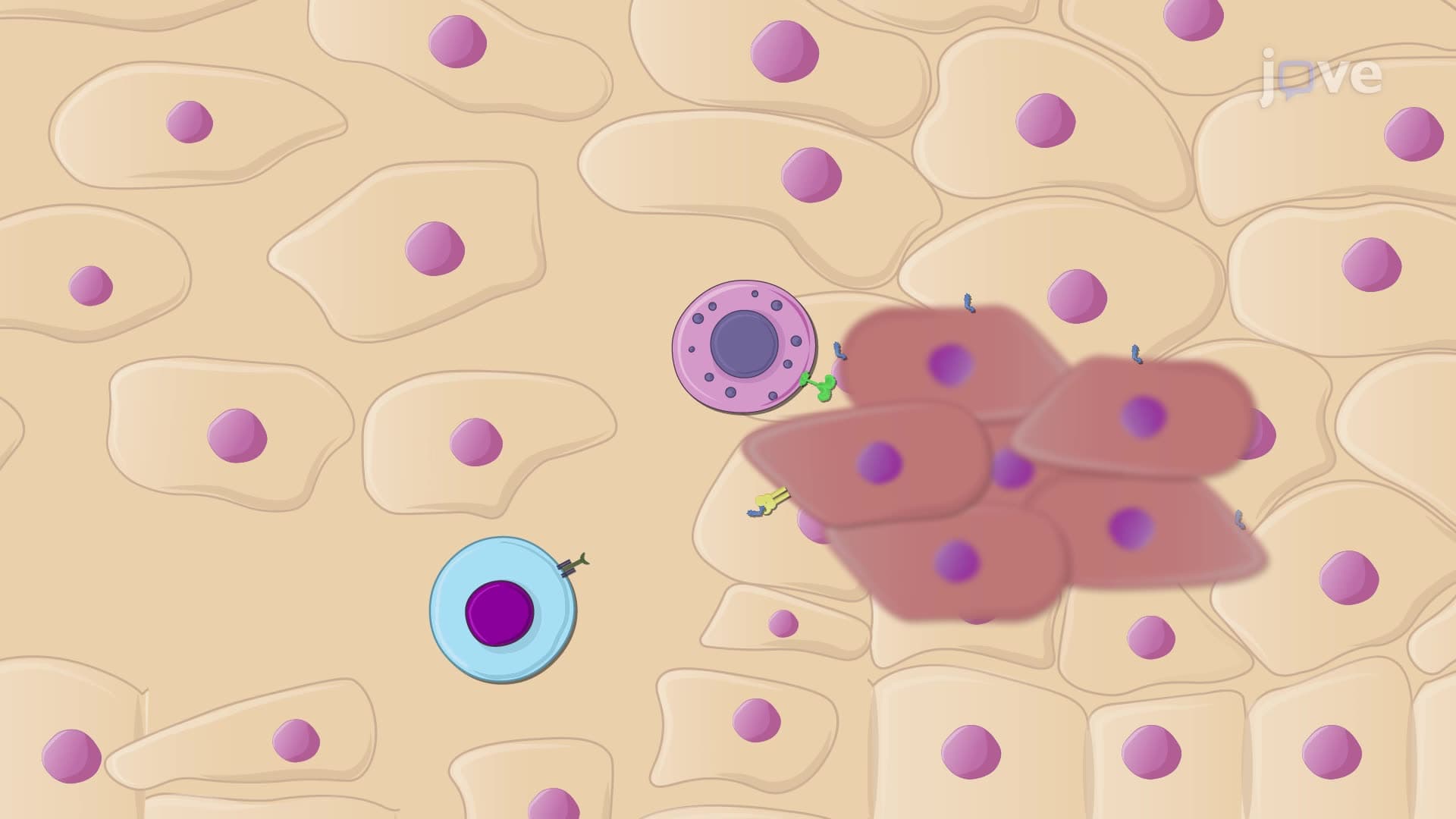
The foundation of immune competence explained biology starts remarkably early in human development. At just three months of gestation, the fetal thymus begins producing T cells through a process called thymic education. During thymus T cell education, developing T cells undergo rigorous selection processes including positive and negative selection. Clonal deletion immunocompetence eliminates T cells that would attack the body's own tissues, establishing self tolerance immunocompetence essential for preventing autoimmune diseases.
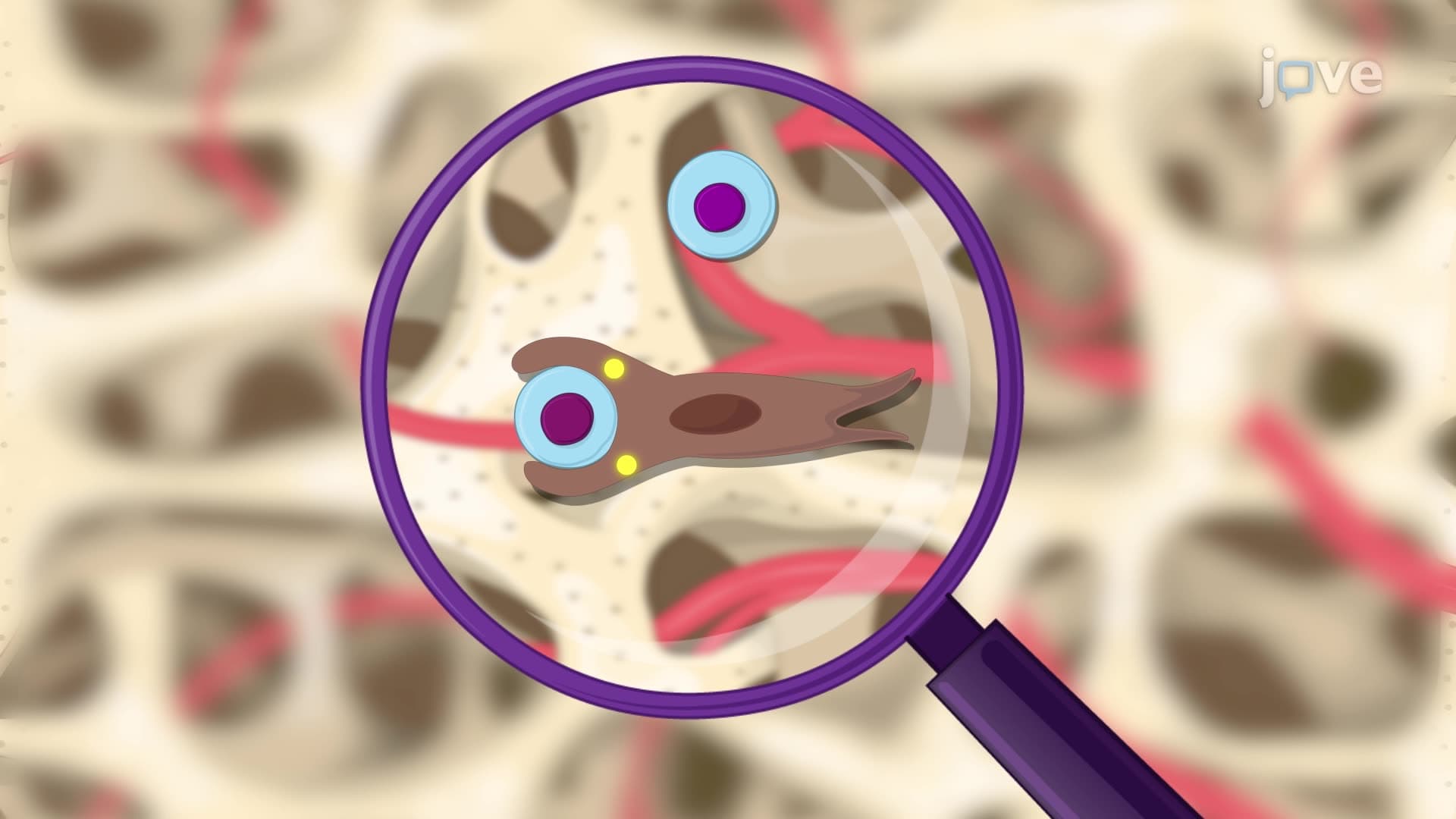
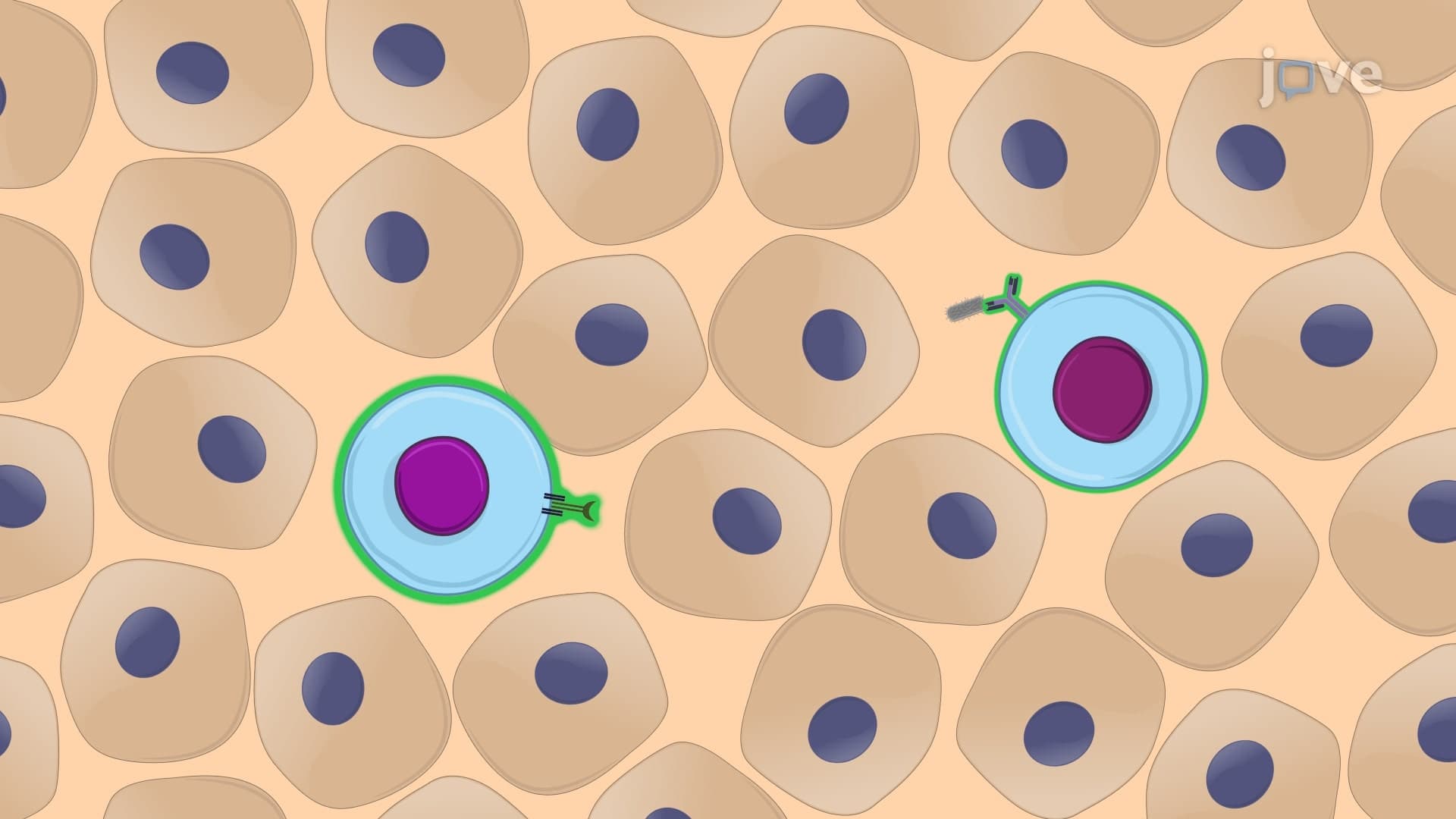
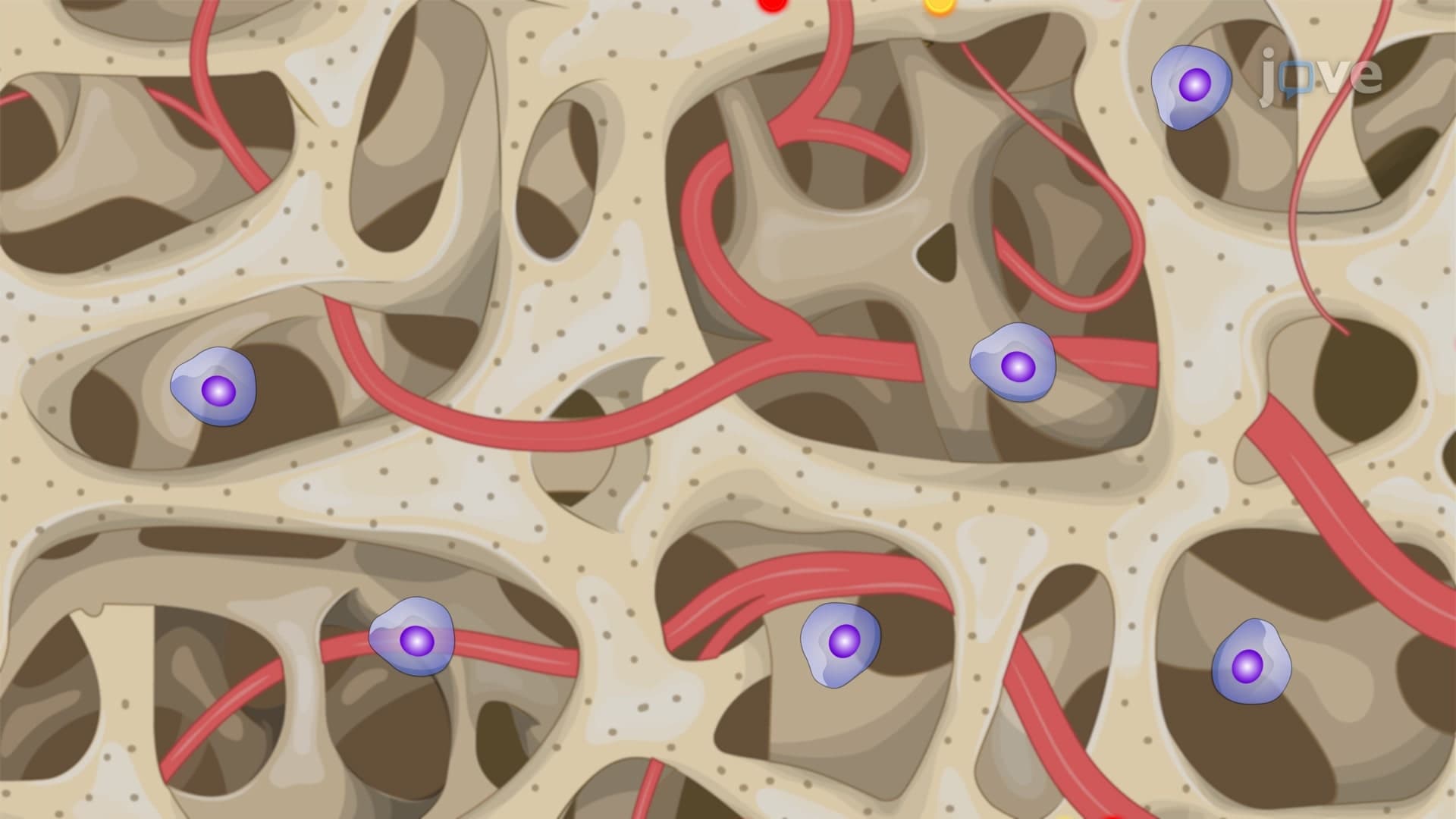
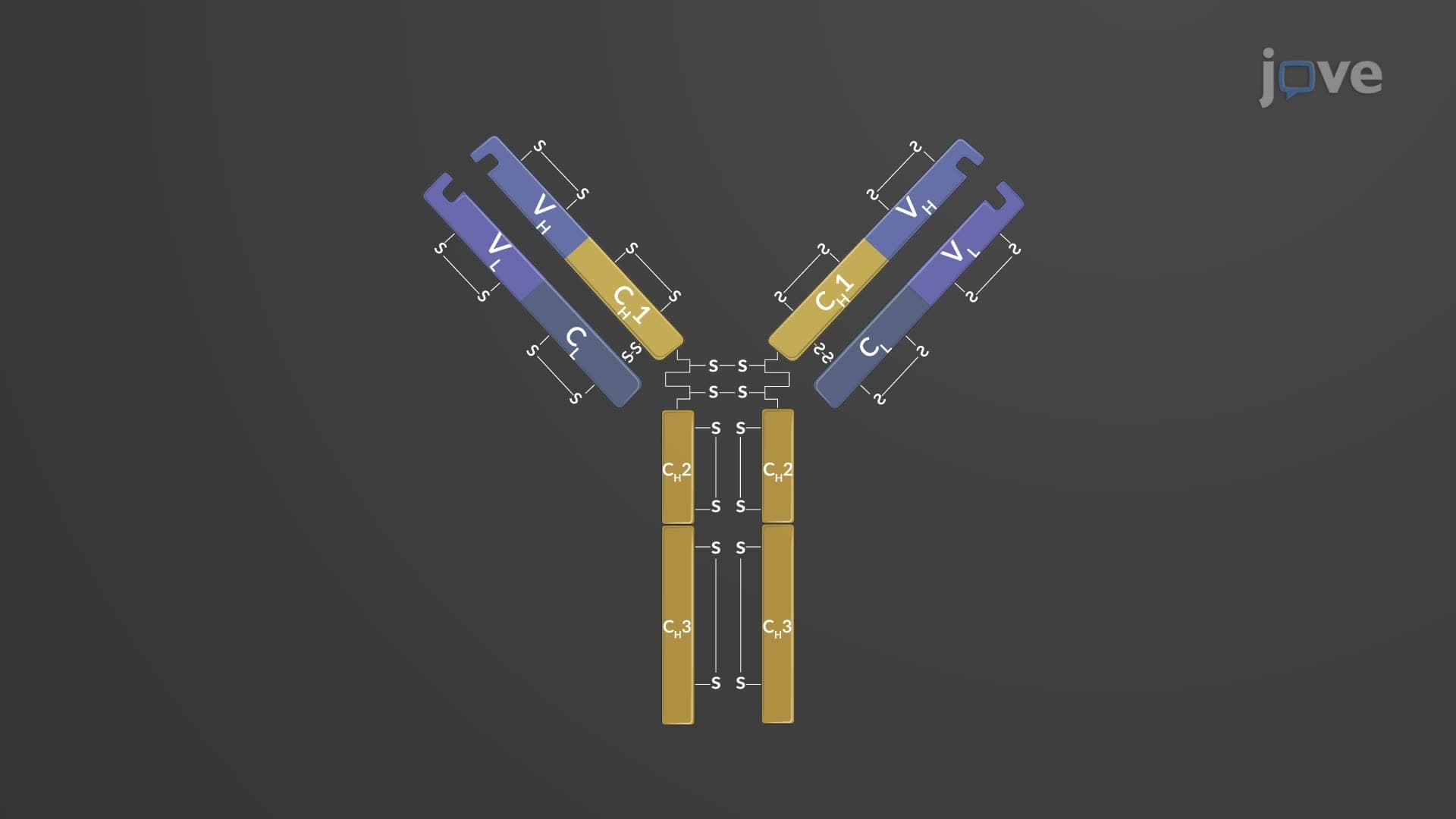
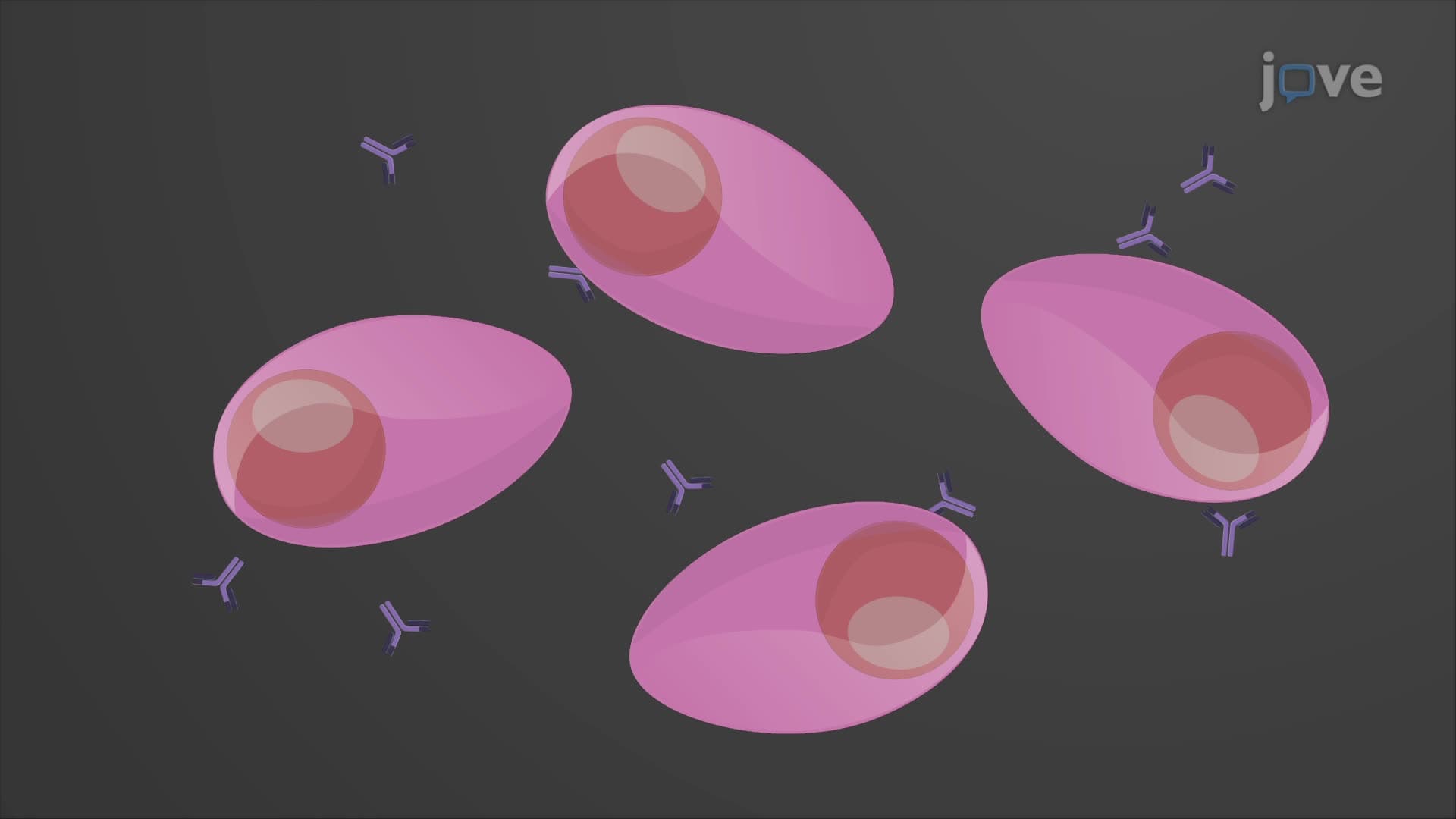
Simultaneously, the bone marrow B cell production begins, with early B cells displaying IgM antibodies on their surfaces. This dual development of cellular and humoral immunity components sets the stage for comprehensive immune protection. Students preparing for the AP Biology exam should note that this timeline is frequently tested, particularly the sequence of T cell versus B cell development.
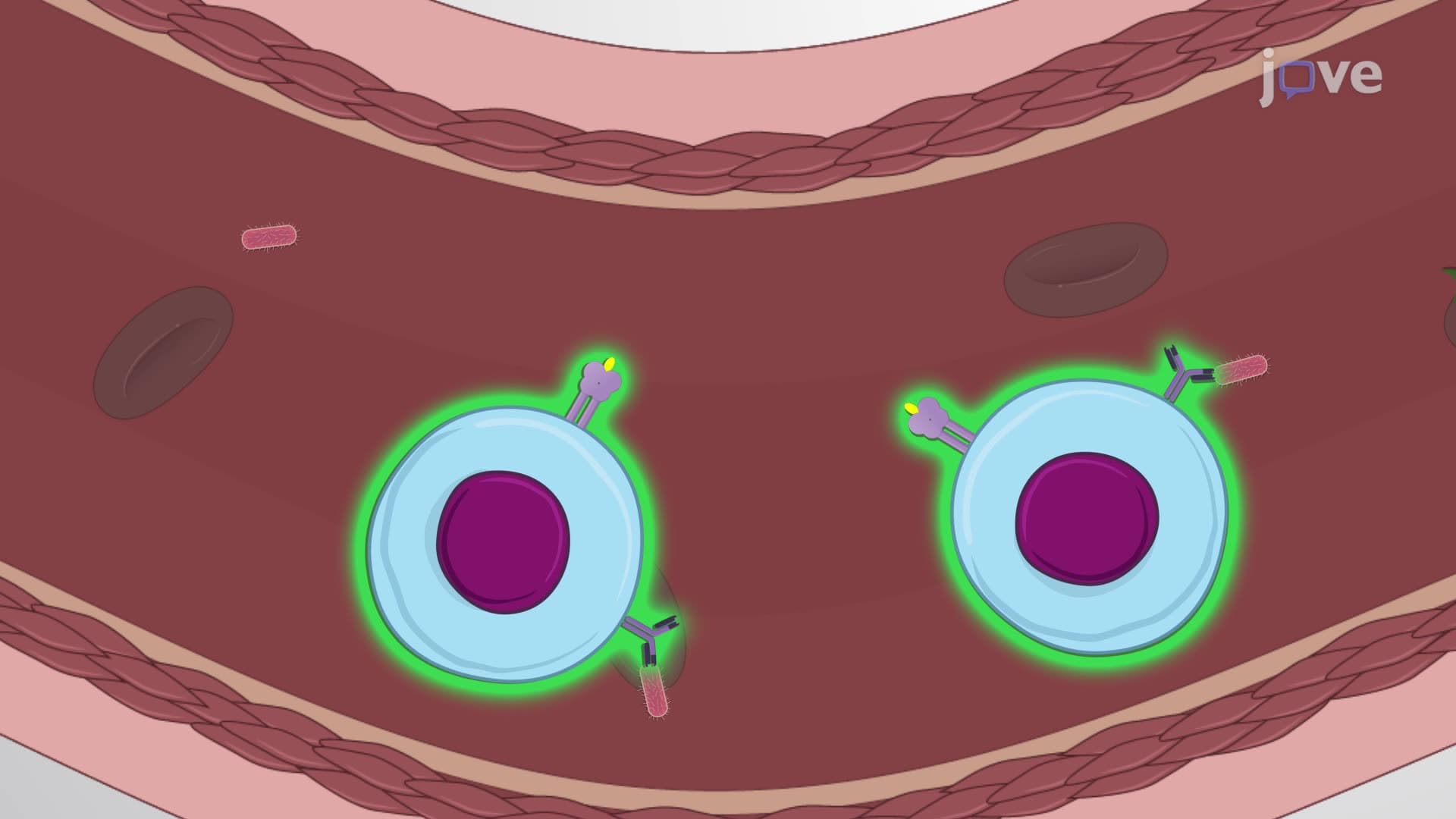
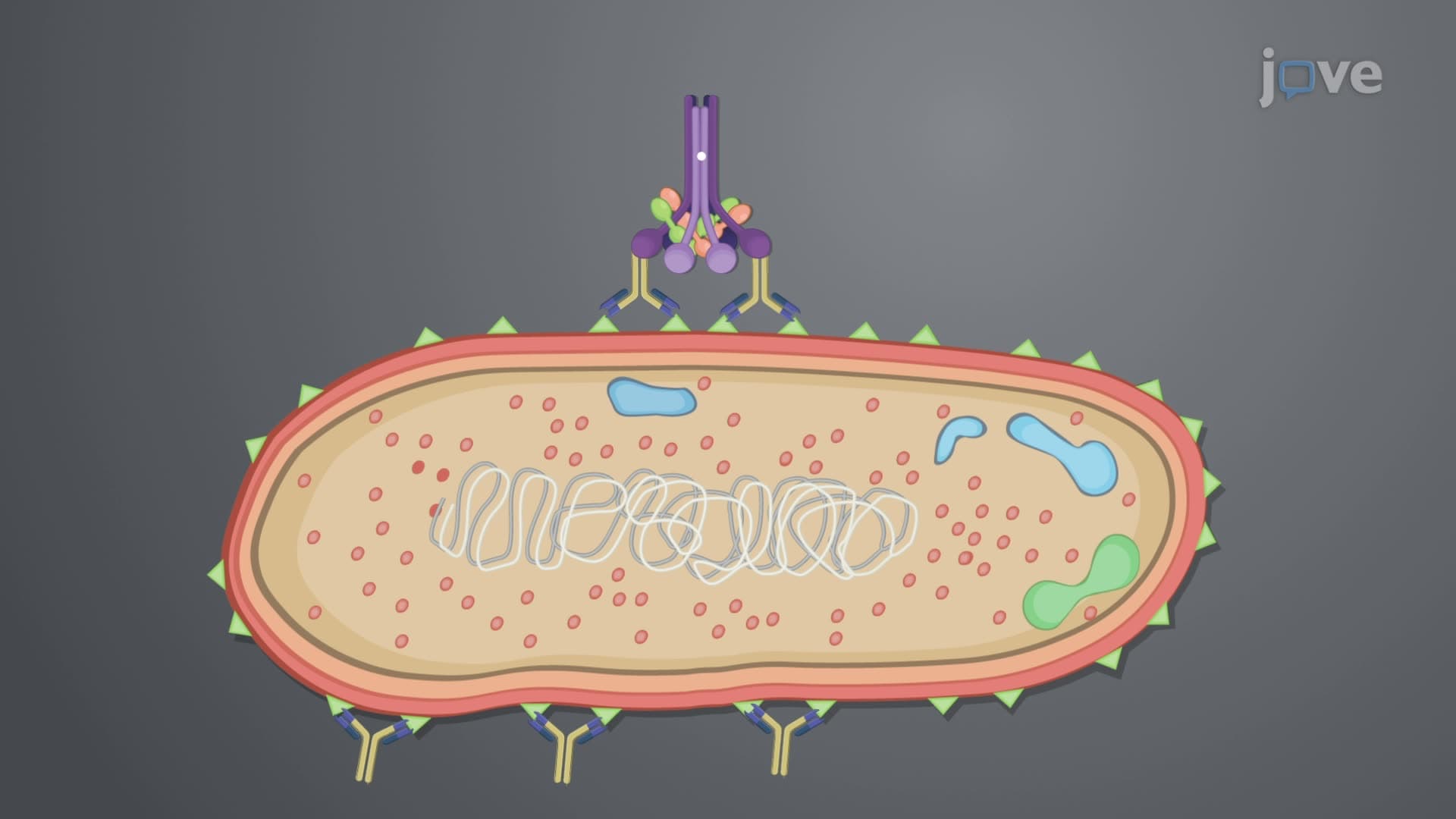
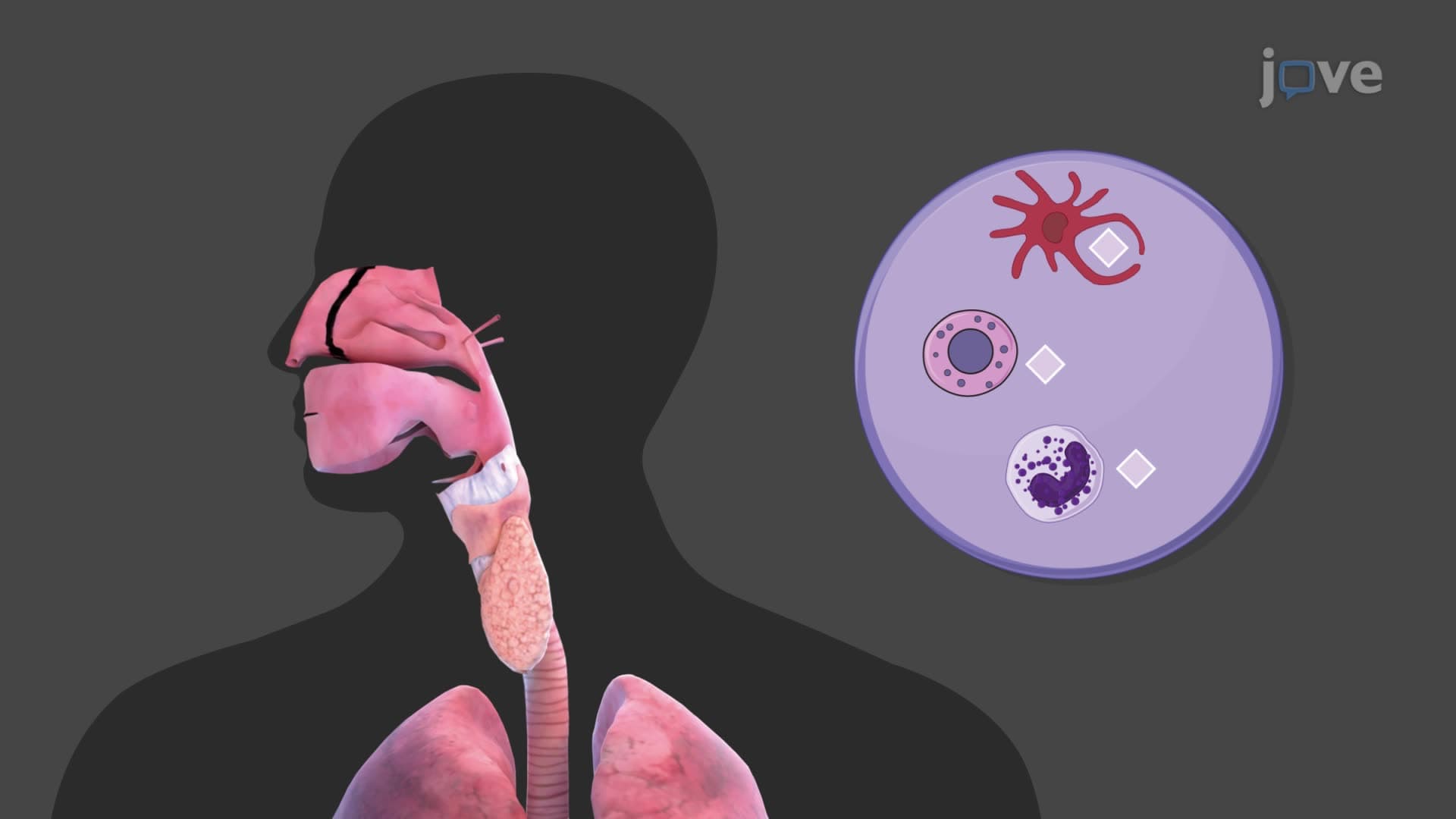
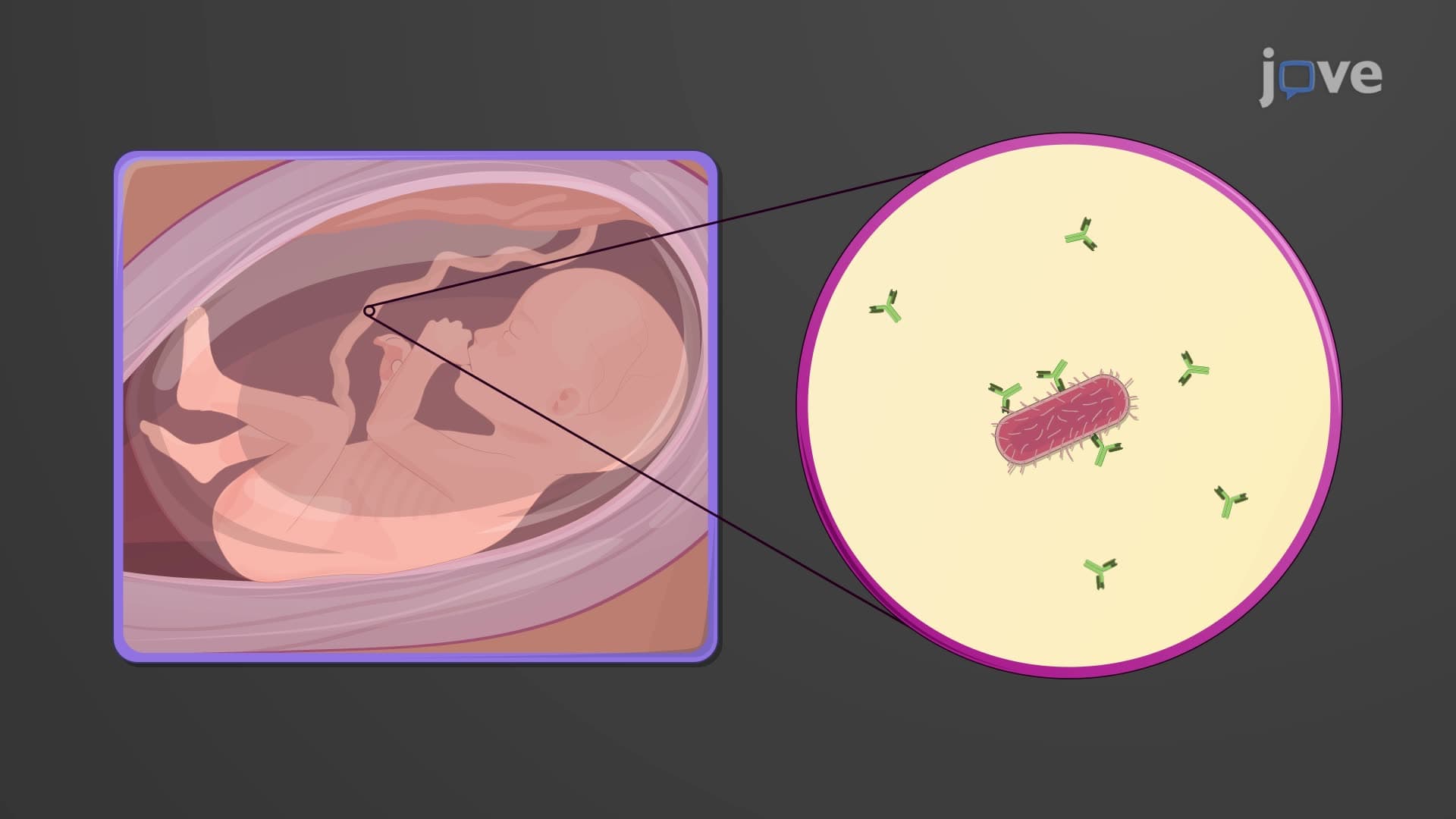
The transition from fetal to postnatal life represents a critical period in immune development maturation. Maternal IgG antibodies, which crossed the placenta during pregnancy, provide passive immunity for the first few months of life. However, this protection gradually wanes, creating a vulnerable period often called the "immunity gap." Breast milk provides crucial IgA antibodies that protect mucosal surfaces, explaining why breastfed infants in US pediatric studies show fewer respiratory and gastrointestinal infections.
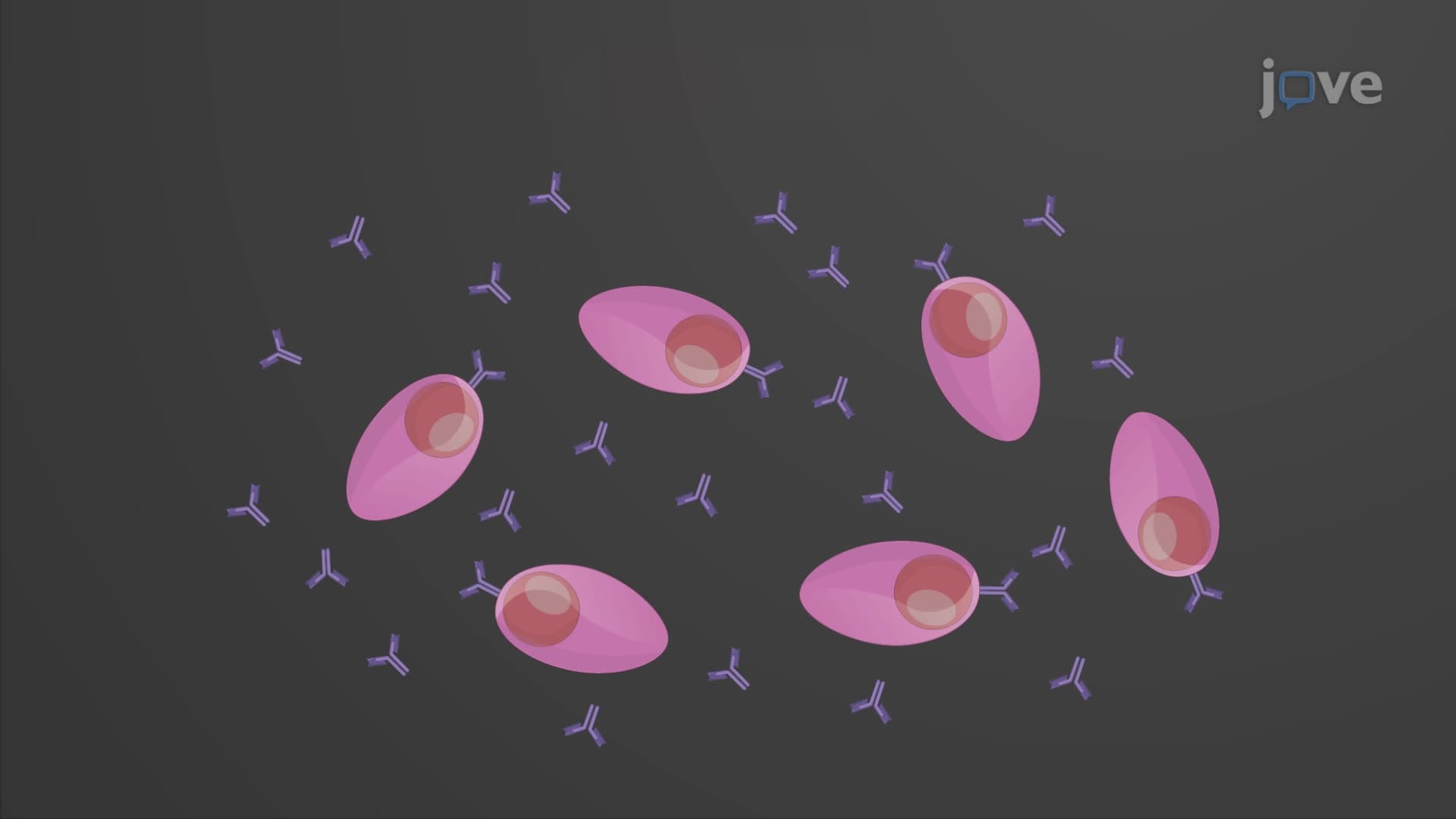
From birth through age 12, children continuously encounter new antigens, gradually building their immunological memory. This process involves expanding populations of memory B cells and T cells, ultimately reaching adult-level antibody concentrations and cellular immune responses. Medical students studying for the USMLE Step 1 should understand that this prolonged maturation explains why vaccination schedules are carefully timed to work with, rather than against, natural immune development patterns.
Related Micro-courses