Loading subject page…

- Anatomy and Physiology
- The Lymphatic and Immune System
- Immunological Memory
Micro-course: The Lymphatic and Immune System
218,420 views
Learn key concepts and earn your certificate.






Immunological Memory

00:00
01:23
Video Summary: What Is Immunological Memory
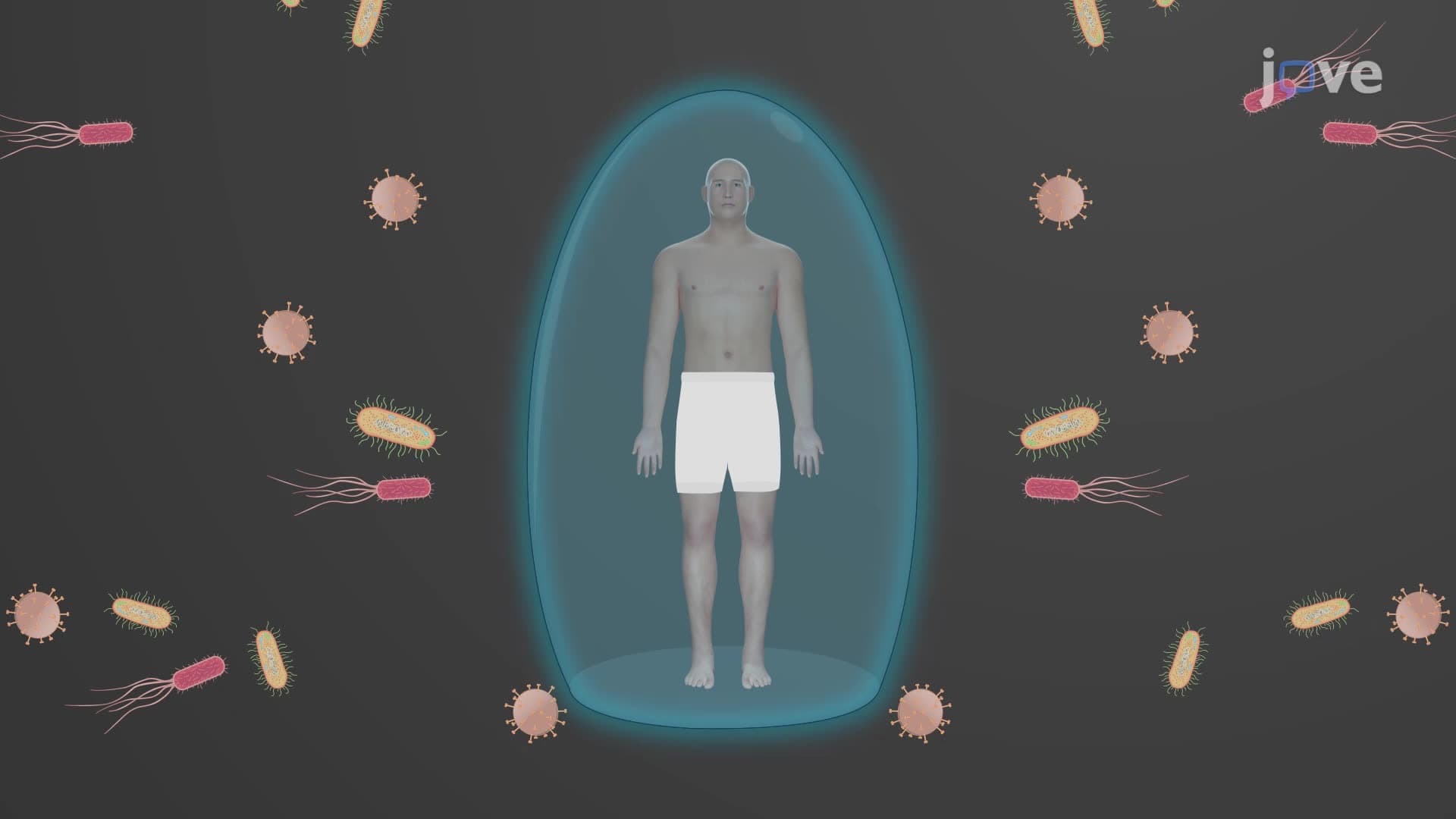
Ever wondered why you rarely get chickenpox twice, but might catch a cold multiple times? Immunological memory biology explains how your immune system "remembers" past infections and responds faster upon re-exposure. This fascinating mechanism involves long-lived memory cells that persist after initial antigen encounters. Consider the measles vaccine given to US schoolchildren-one shot provides decades of protection through immunological memory. Understanding what is immunological memory reveals why vaccination programs have successfully eliminated diseases like polio from America. Watch the full video on JoVE Coach to master this concept with expert-led visuals and step-by-step explanations.
- Understand what is immunological memory and its fundamental role in adaptive immunity
- Identify the key cellular components responsible for immune memory, including memory B cells and T cells
- Analyze the differences between primary and secondary immune responses in terms of speed and intensity
- Compare IgM and IgG antibody production patterns during initial versus repeat antigen exposures
- Evaluate how antibody titers serve as measurable indicators of immune memory strength
- Apply immunological memory principles to explain vaccination effectiveness and disease prevention
- Recognize real-world examples of immune memory in preventing reinfection
- Explore the connection between memory cell persistence and long-term immunity
Understanding Immunological Memory in the Adaptive Immune System
Immunological memory biology represents one of the most remarkable features of vertebrate immune systems. This sophisticated mechanism allows our bodies to mount faster, stronger responses against previously encountered pathogens. Unlike innate immunity, which responds identically to repeated exposures, adaptive immunity improves with experience through specialized memory cells.
Primary vs. Secondary Immune Responses
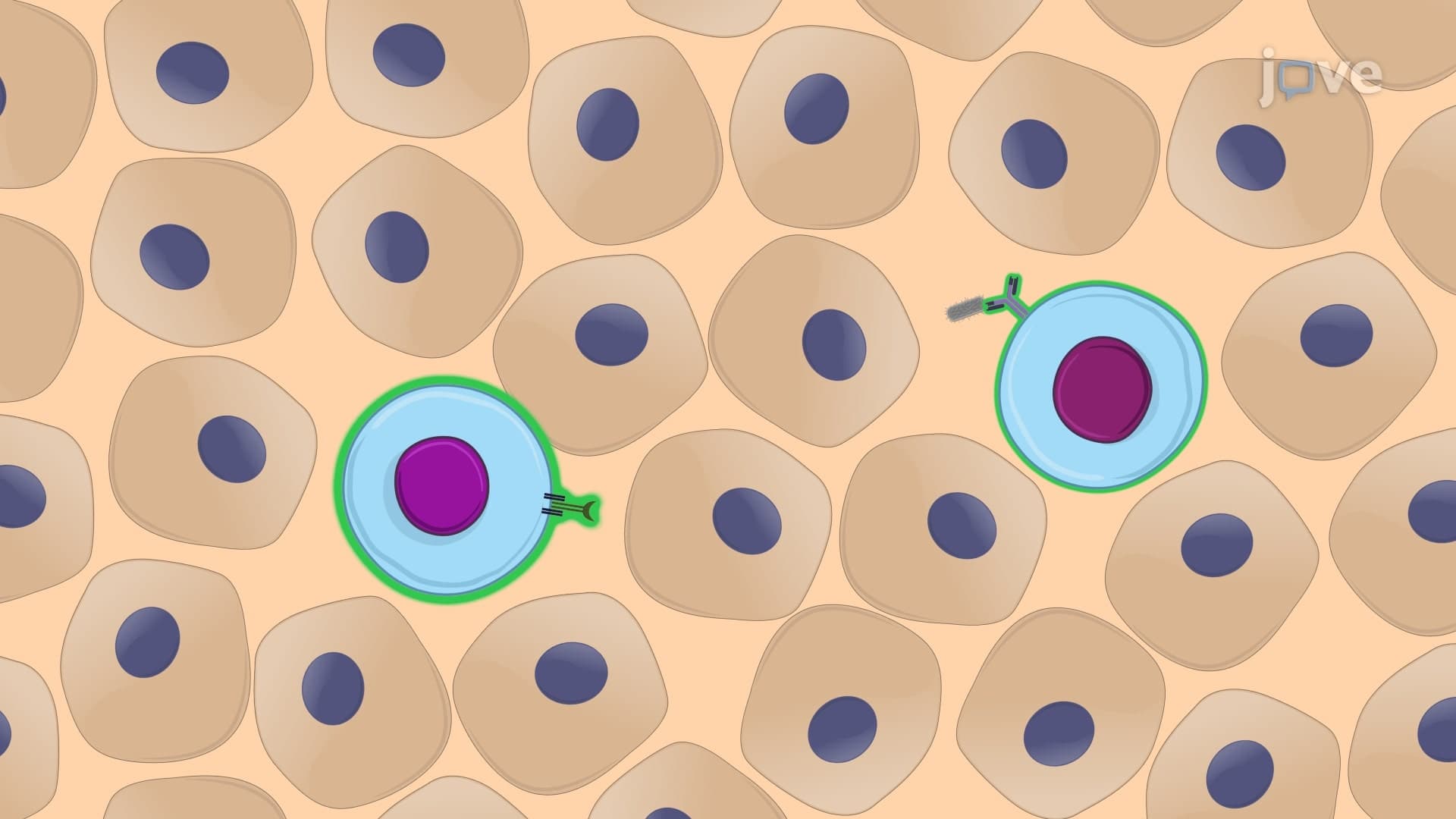
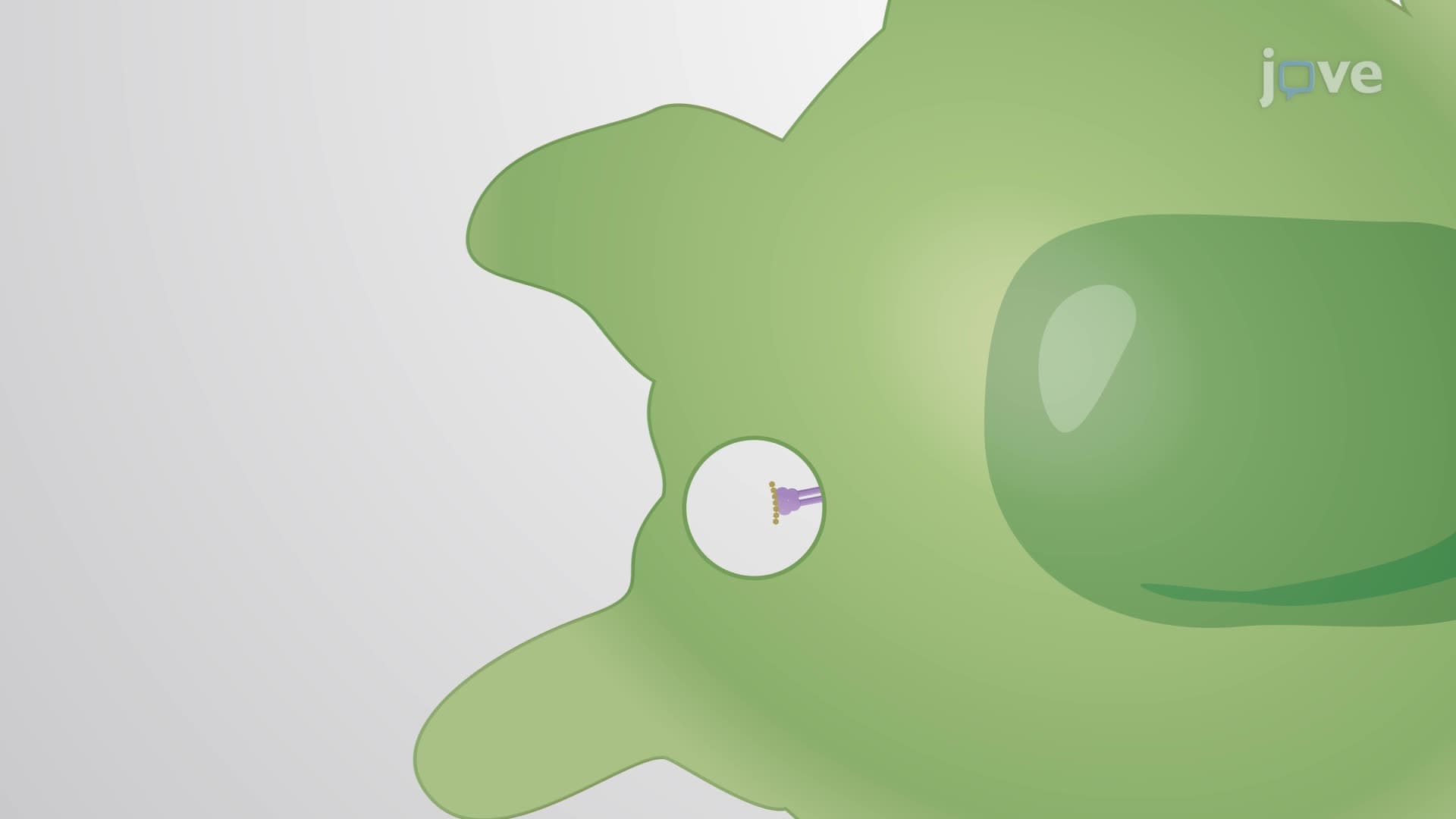
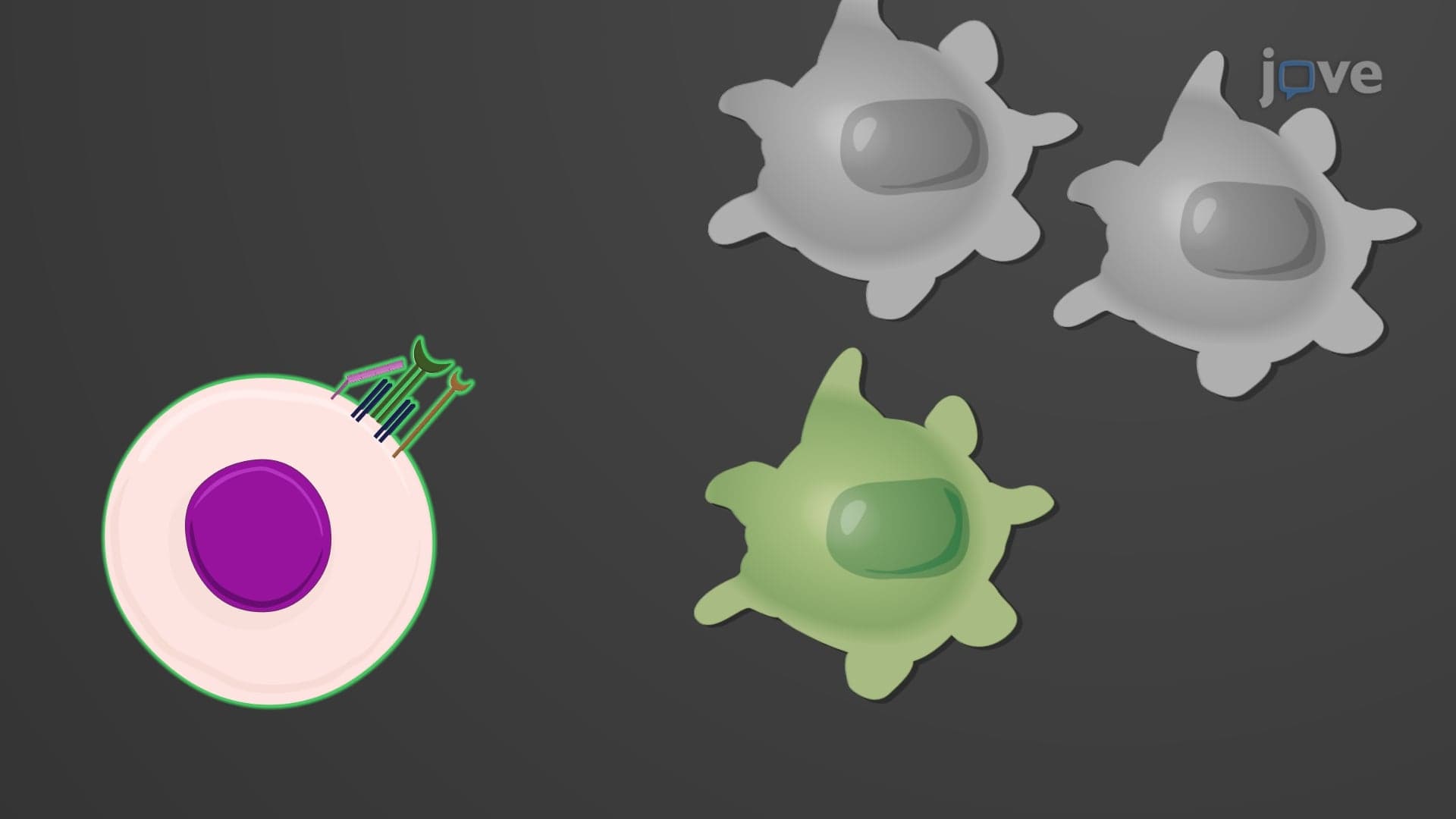
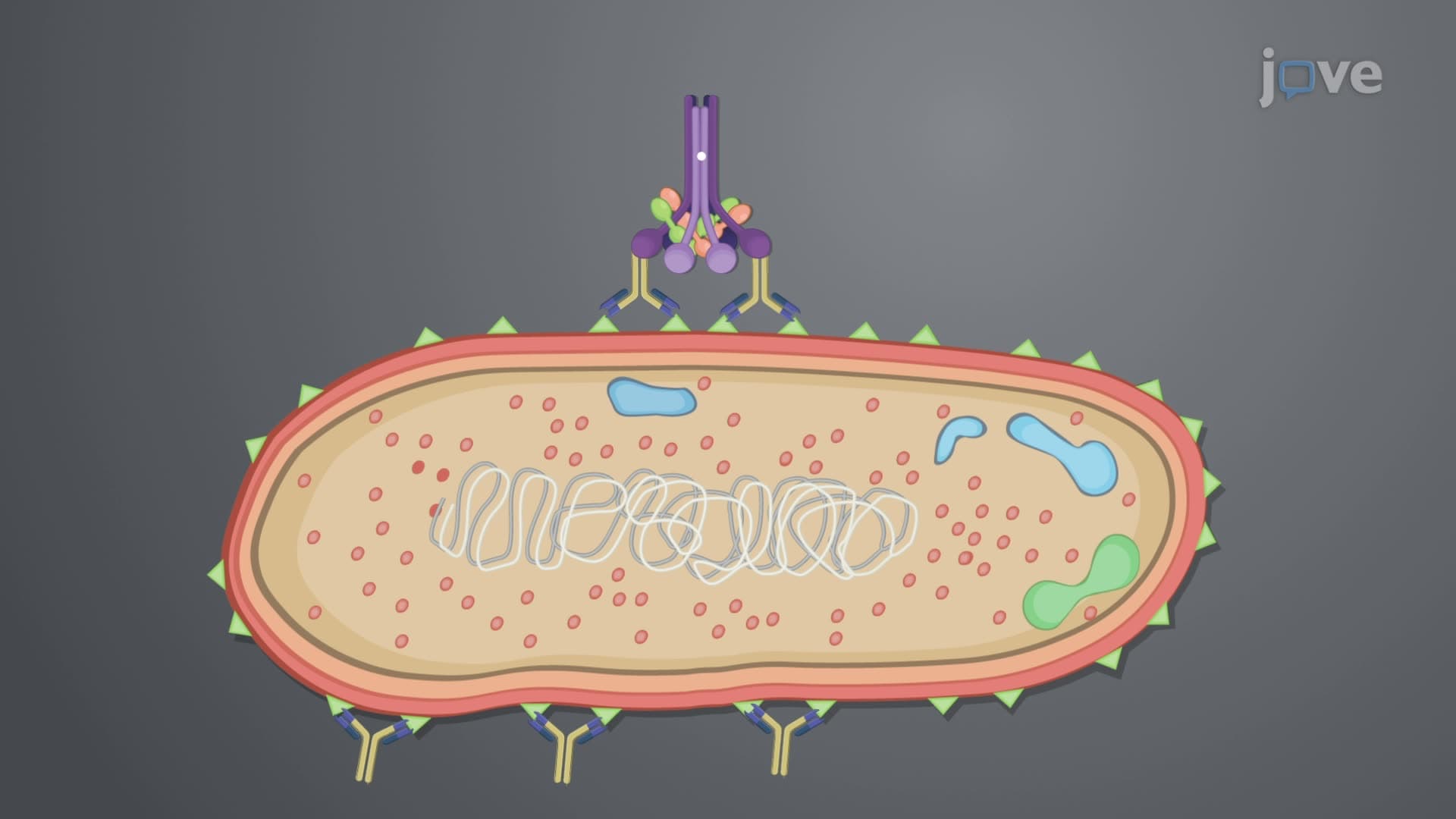
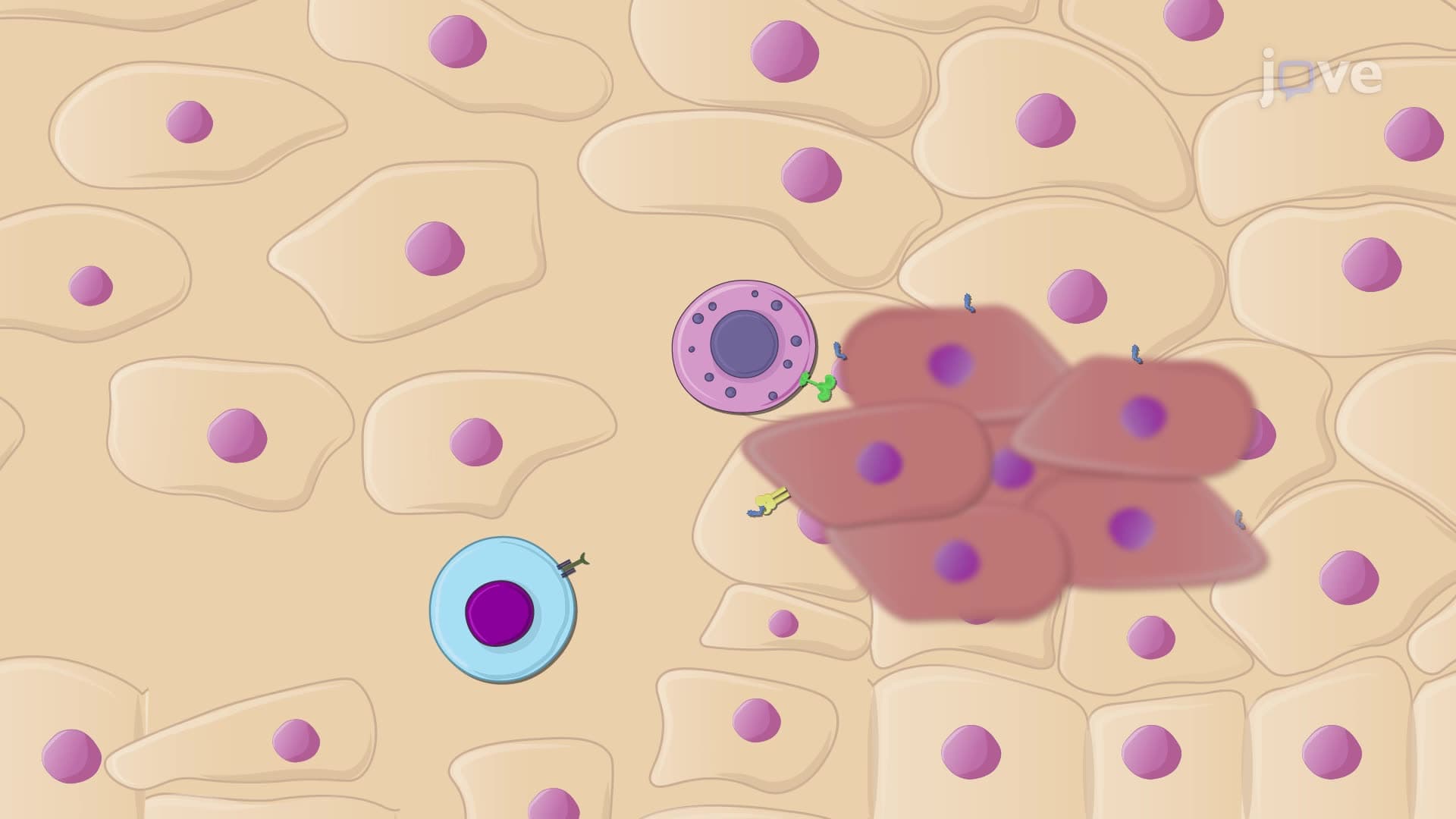
The distinction between primary and secondary responses illustrates immune memory explained simply. During initial antigen exposure, naive B and T lymphocytes must undergo selection, activation, and differentiation-a process taking 7-14 days. Only a small fraction of lymphocytes possess receptors matching the specific antigen, resulting in a delayed, moderate response.
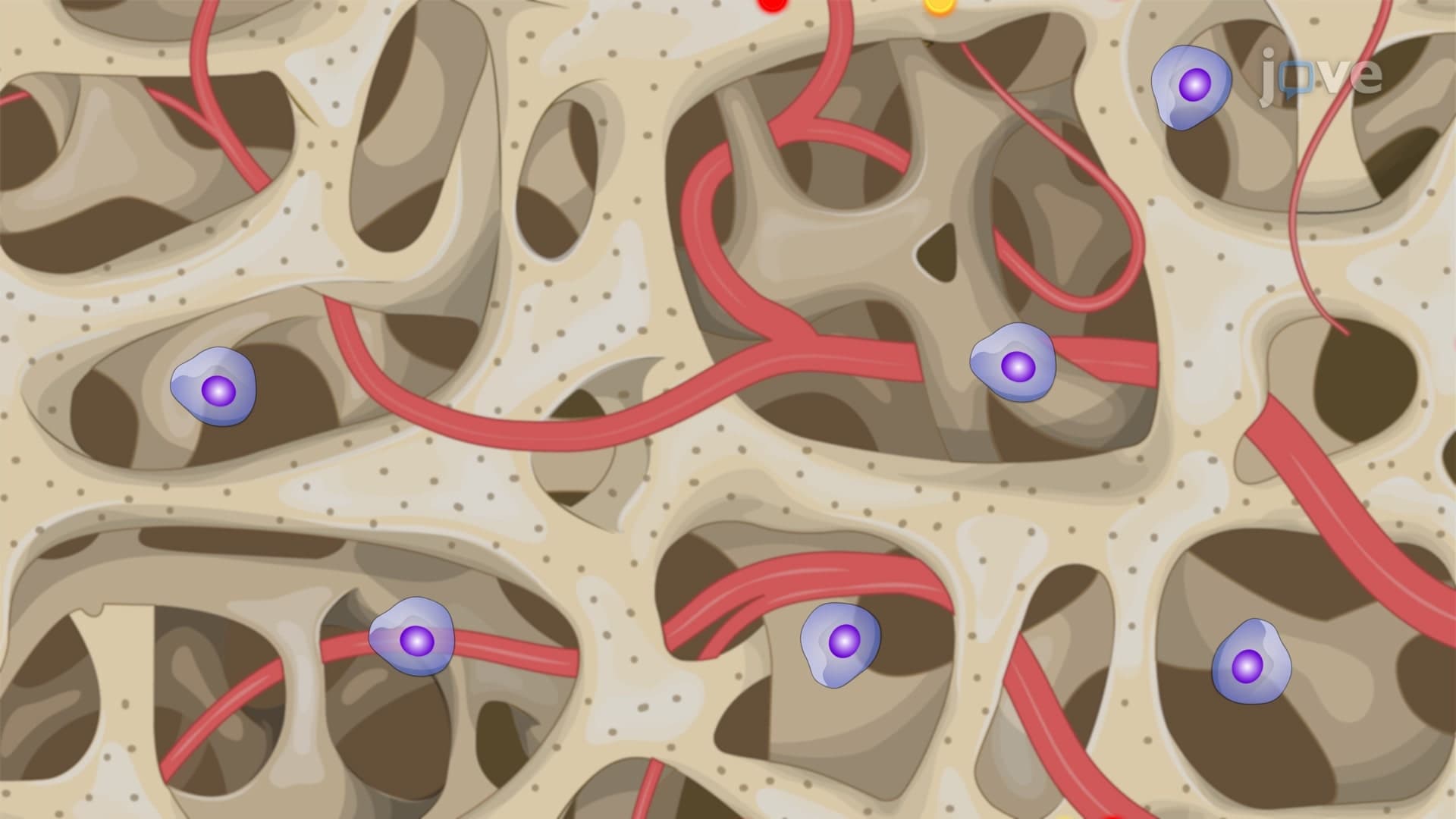
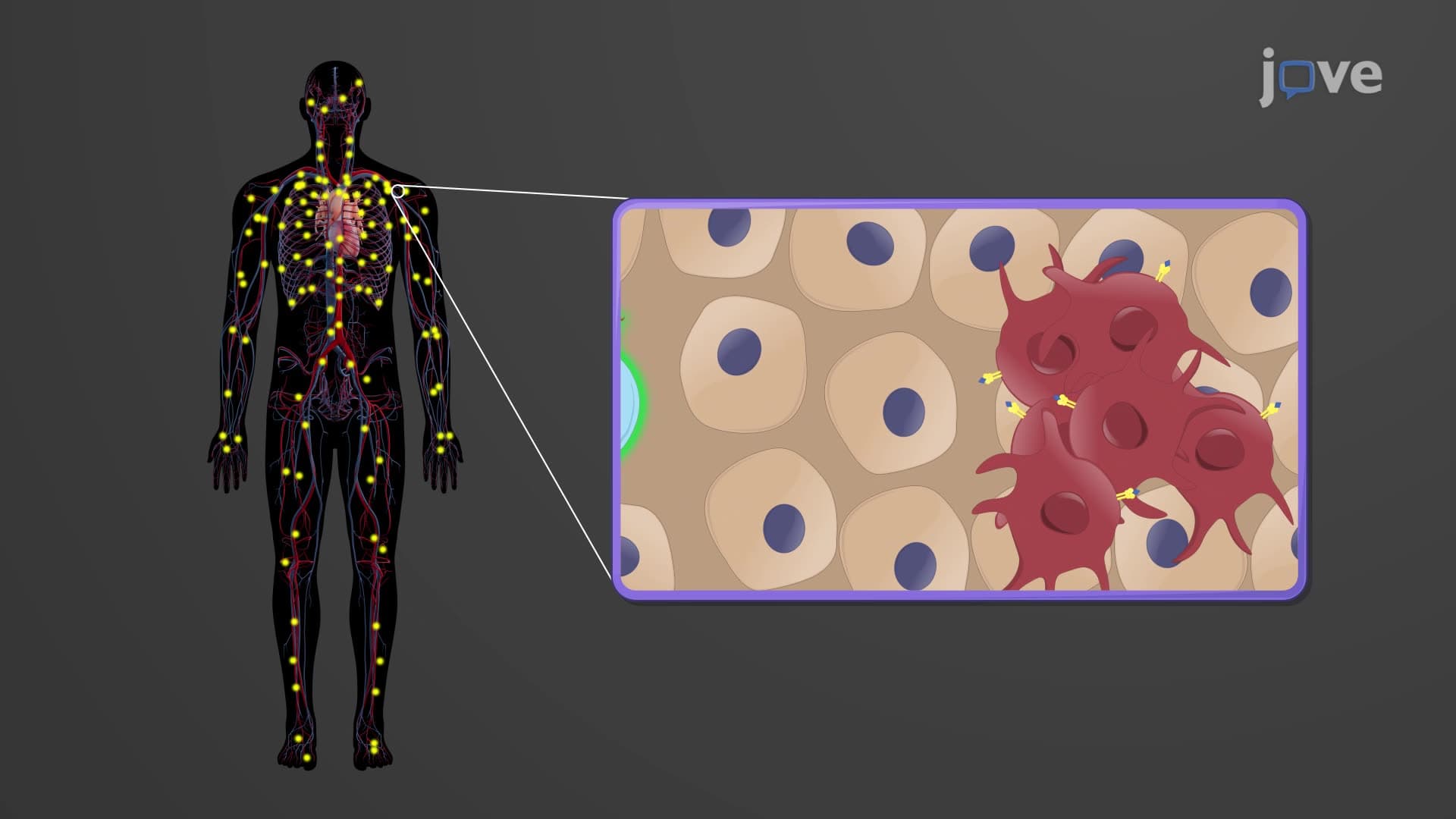
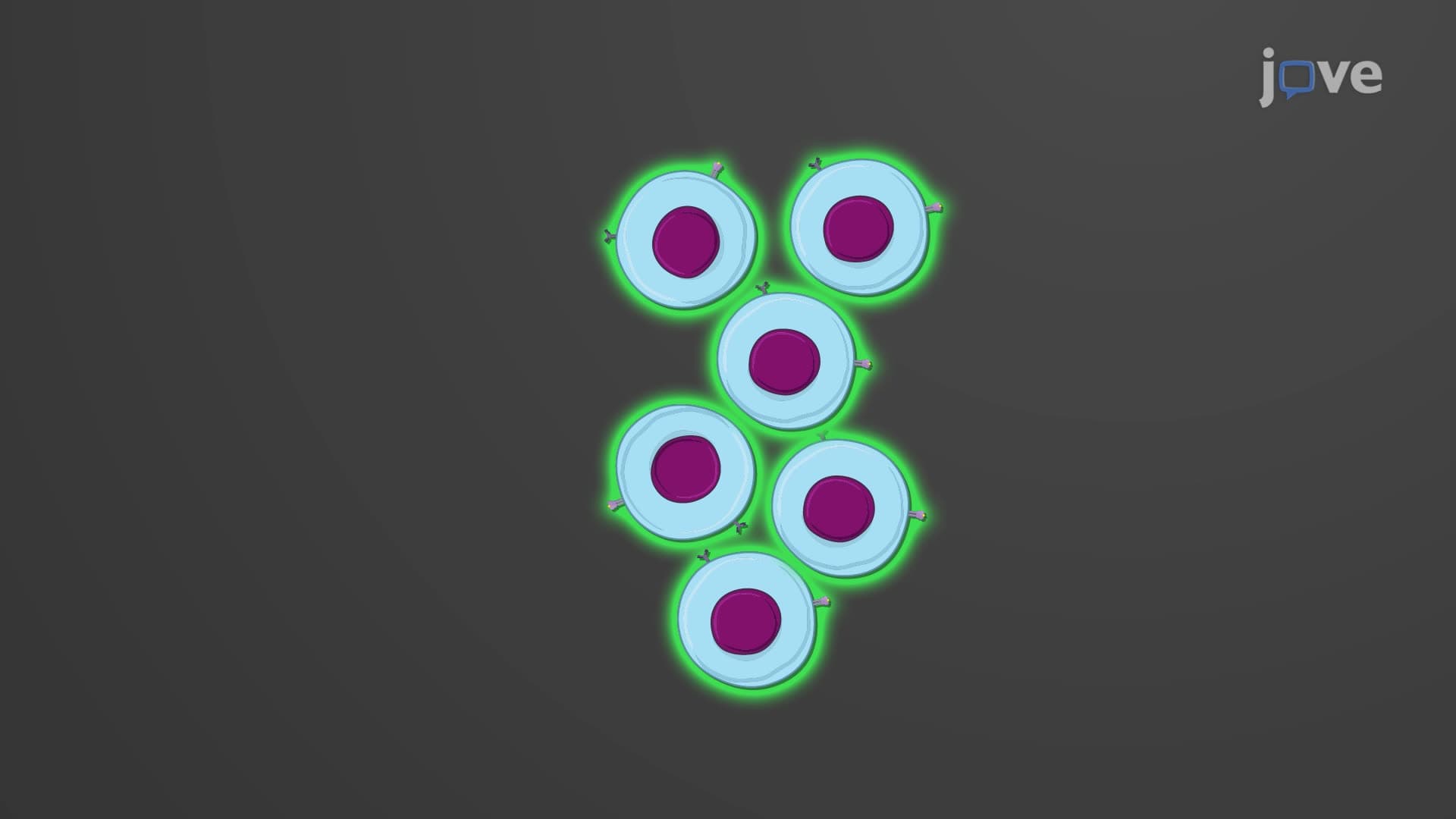
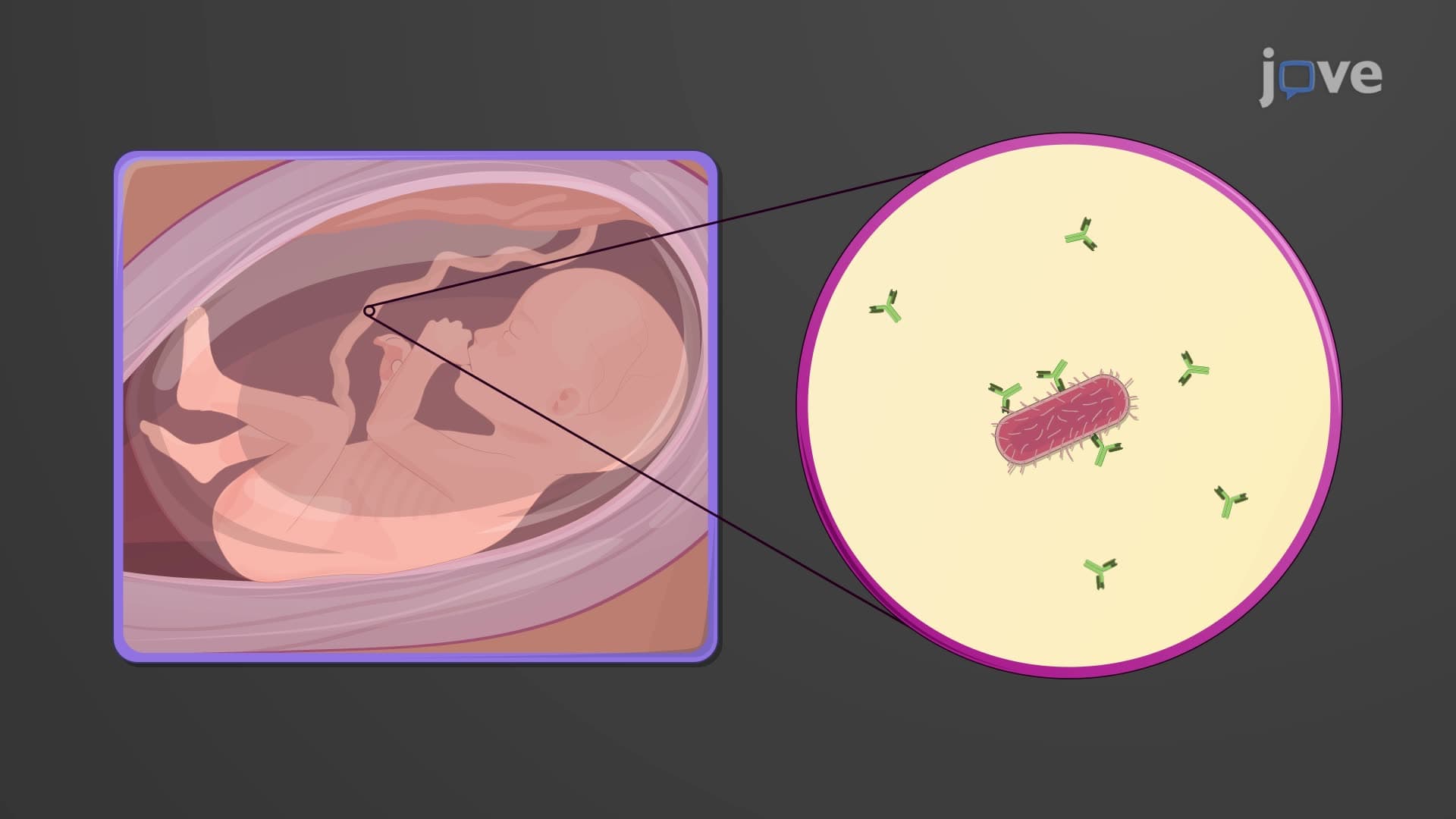
However, memory cells generated during primary responses persist for years or decades. Upon re-exposure, these expanded populations rapidly proliferate and differentiate, producing faster stronger memory response within 2-5 days. This acceleration explains why vaccinated individuals rarely develop severe symptoms even when exposed to actual pathogens.
Antibody Production and Memory B Cell Function
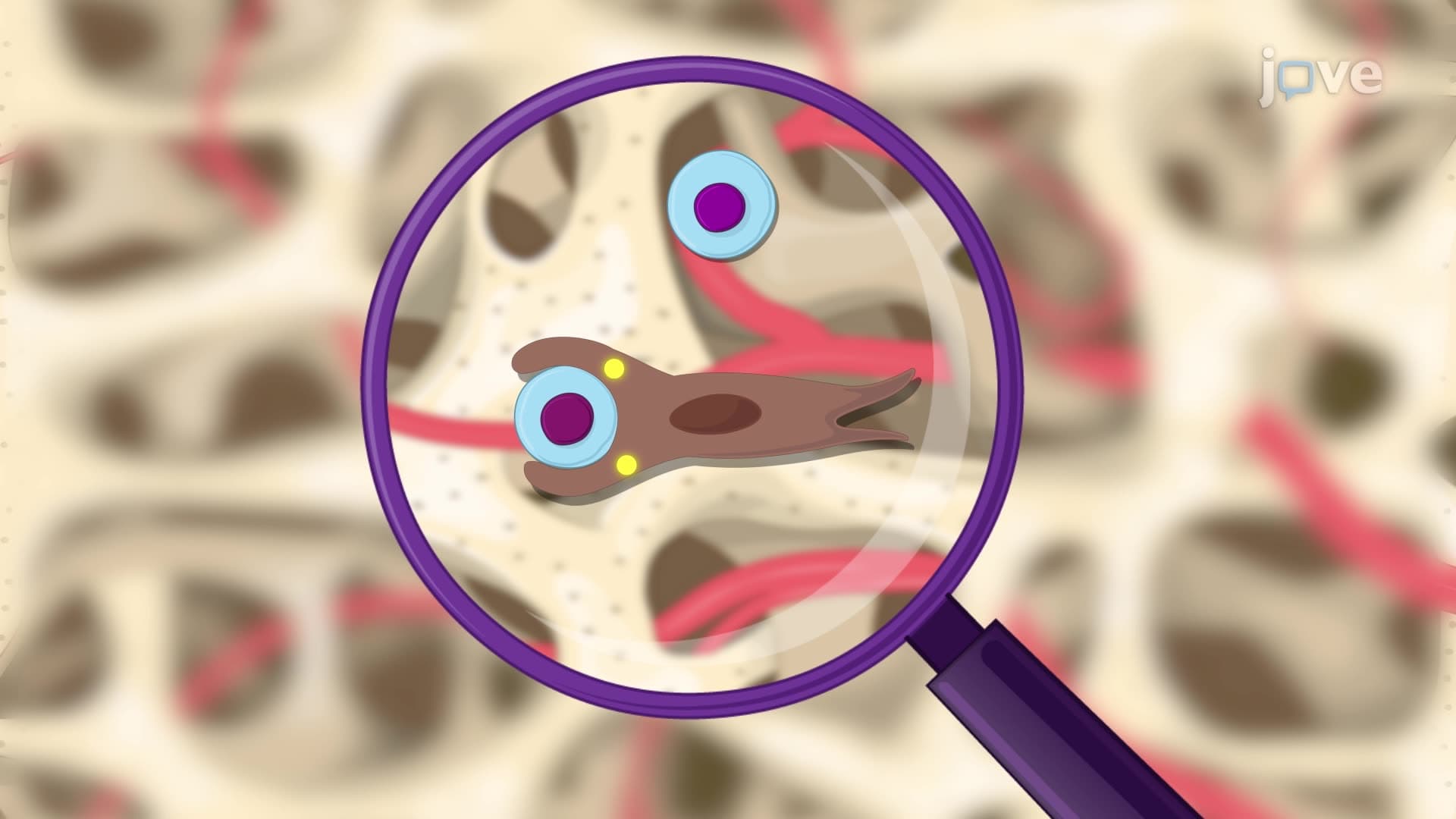
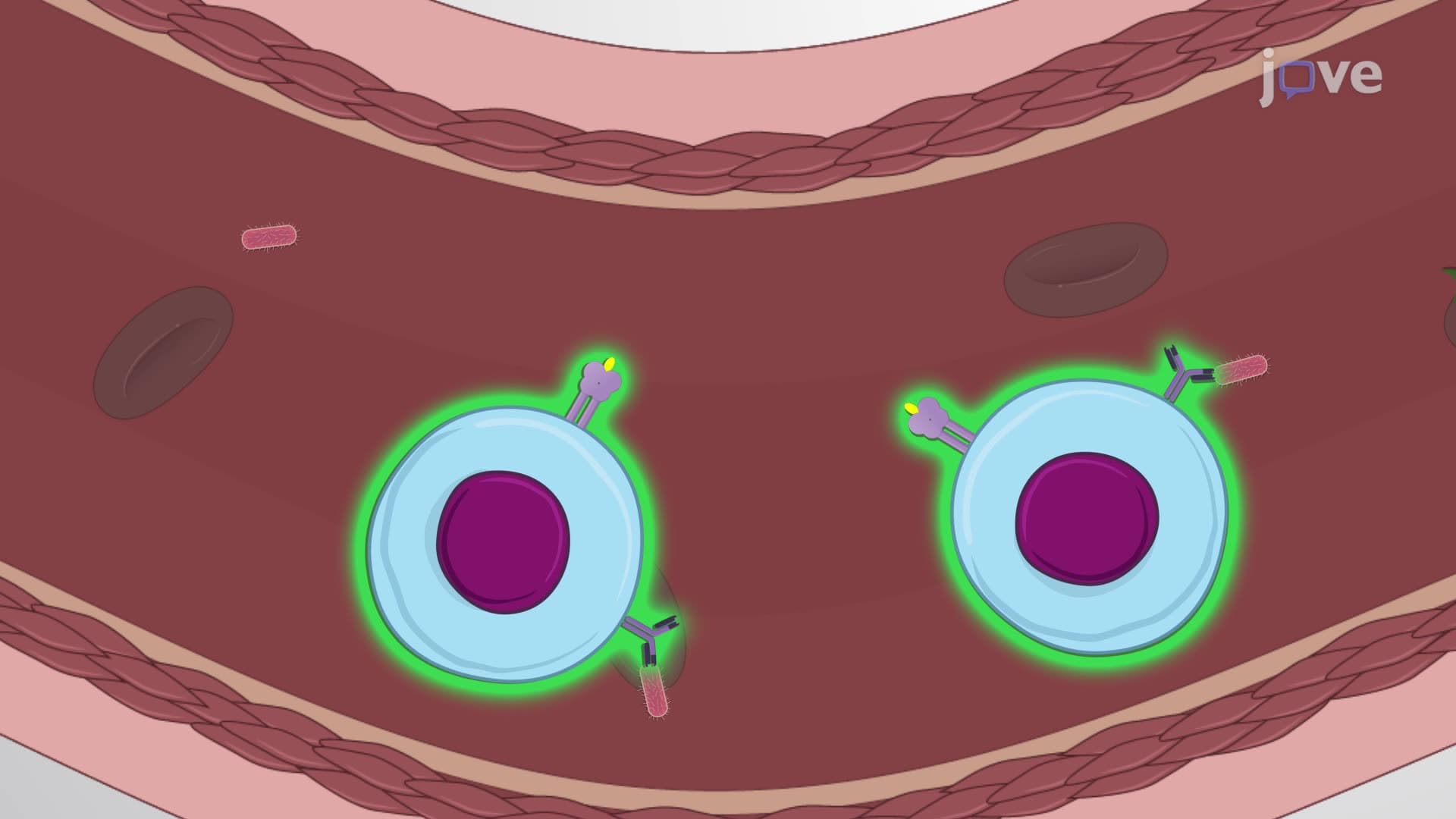
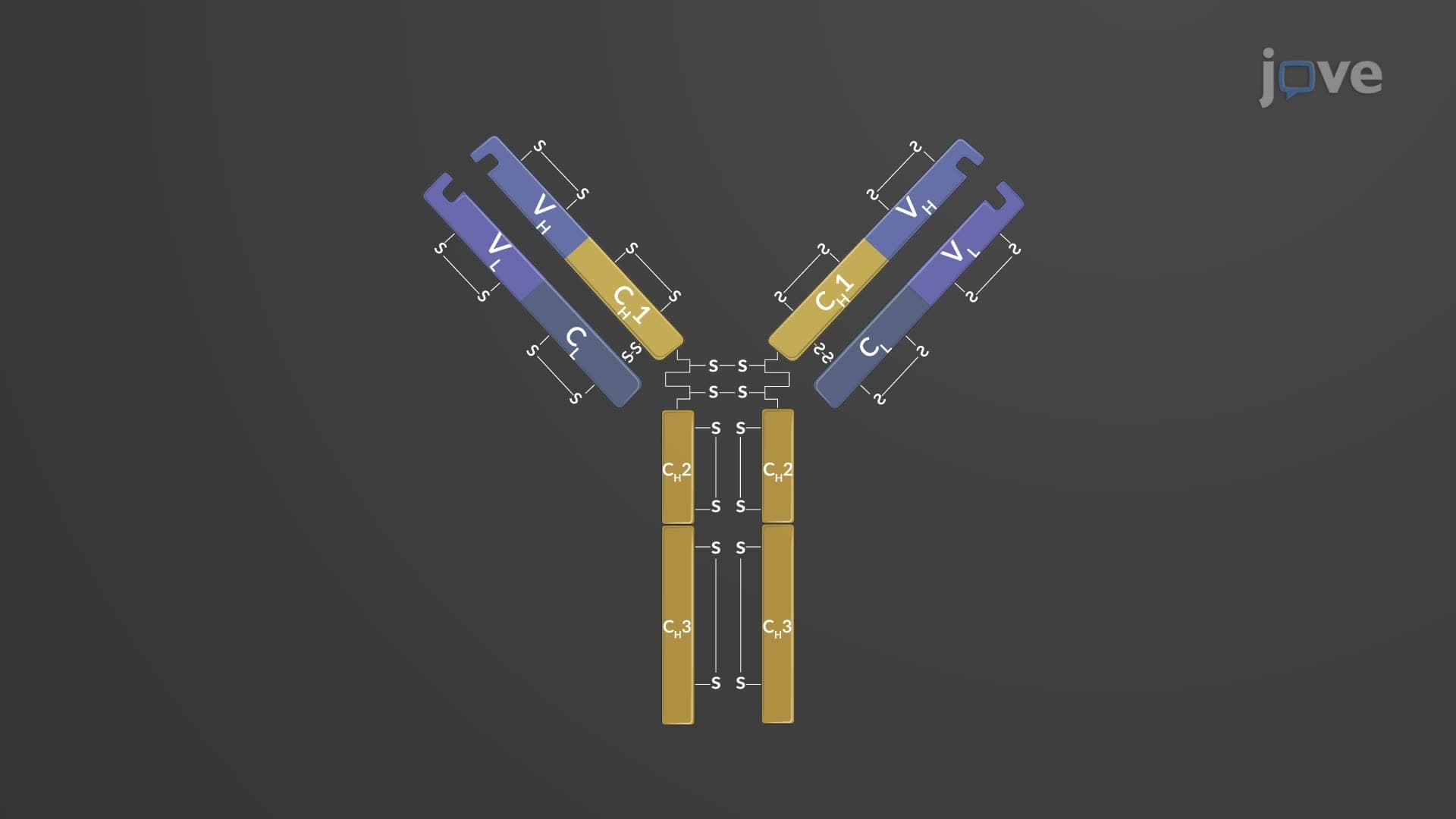
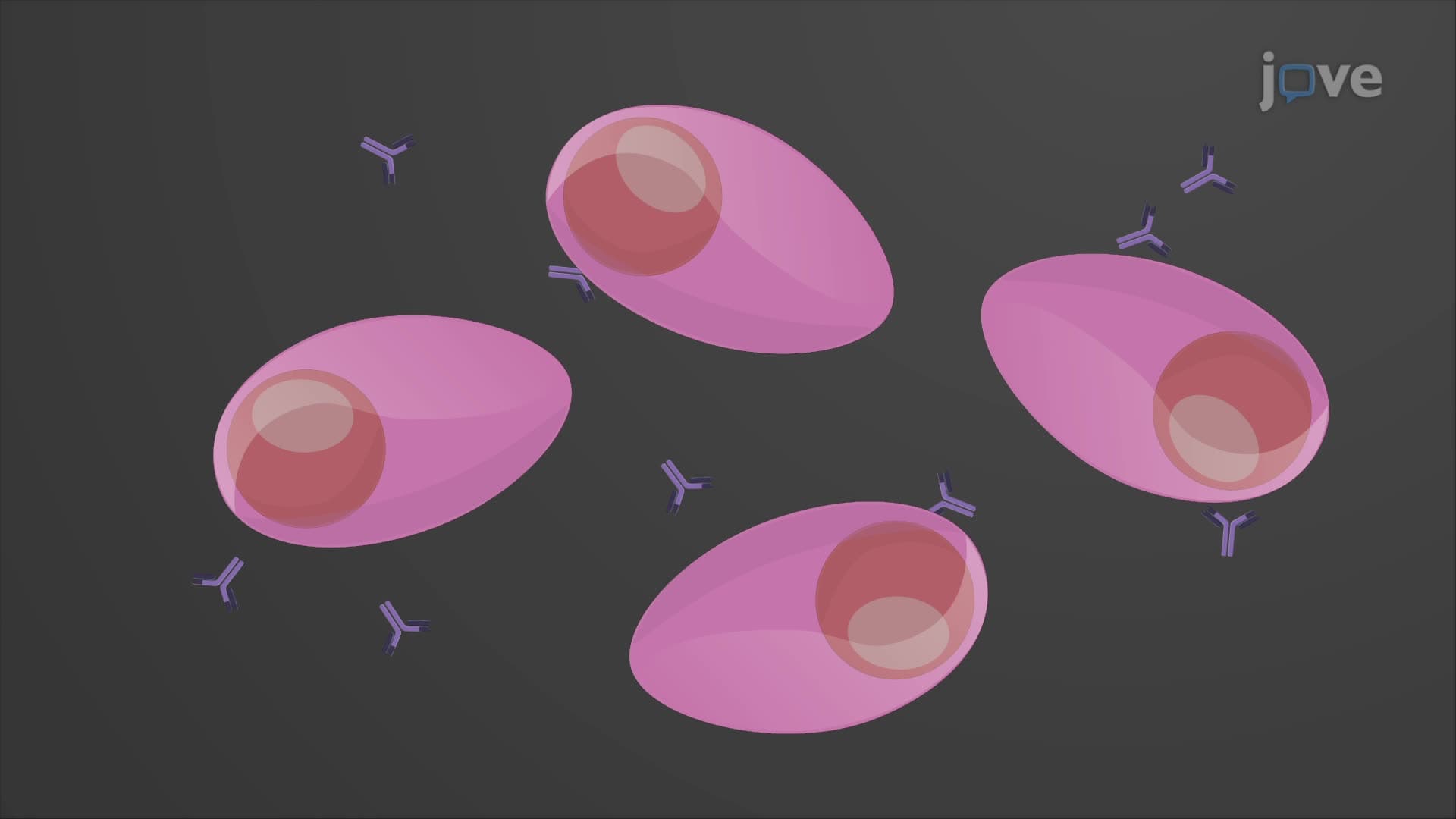
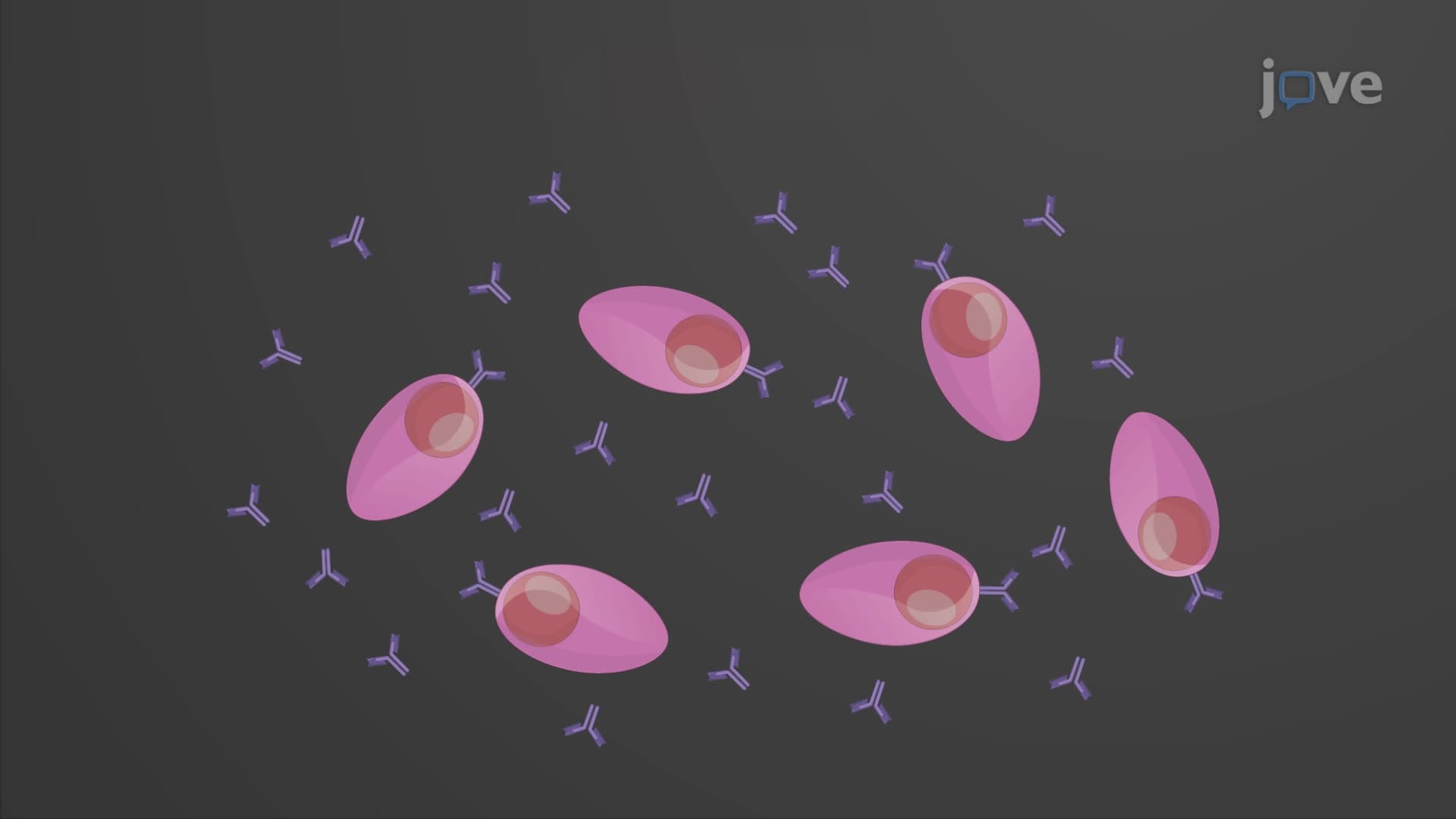
Memory B T cell long-lived populations drive humoral immunity improvements. During primary responses, activated B cells differentiate into plasma cells producing IgM antibodies initially, followed by class-switched IgG antibodies. Memory B cells retain antigen specificity while remaining metabolically quiescent.
Secondary exposures trigger rapid memory B cell activation, bypassing initial selection phases. These cells quickly differentiate into plasma cells producing high-affinity IgG antibodies. The secondary immune response memory generates antibody titers 10-100 times higher than primary responses, often eliminating pathogens before symptom onset.
Clinical Applications and Vaccination Strategies
Understanding clonal memory persistence guides US vaccination schedules. The CDC recommends booster shots for certain vaccines because memory cell populations gradually decline over time. For example, tetanus boosters every 10 years maintain protective antibody levels.
This concept frequently appears on AP Biology exams, MCAT immunology sections, and college microbiology courses. Students should recognize that memory immune cell biology explains why vaccination programs successfully eliminated diseases like polio and significantly reduced measles incidence in American populations.
Frequently Asked Questions
Immunological memory is the immune system's ability to respond faster and more effectively to previously encountered antigens through long-lived memory cells. This mechanism provides lasting protection against reinfection and forms the foundation for vaccination strategies. It explains why diseases like chickenpox typically occur only once in a lifetime while enabling vaccines to provide decades of protection.
MCAT immunology sections frequently test primary versus secondary response characteristics, antibody class switching, and memory cell functions. AP Biology exams emphasize vaccination mechanisms and adaptive immunity evolution. Students should understand antibody titer graphs, memory cell activation timelines, and real-world vaccination examples for comprehensive exam preparation.
Immunology, microbiology, and advanced biology courses extensively cover immune memory mechanisms. Pre-med students encounter this topic in MCAT preparation, while nursing students study vaccination principles for NCLEX preparation. Many universities include immune memory in sophomore-level cell biology and junior-level immunology coursework.
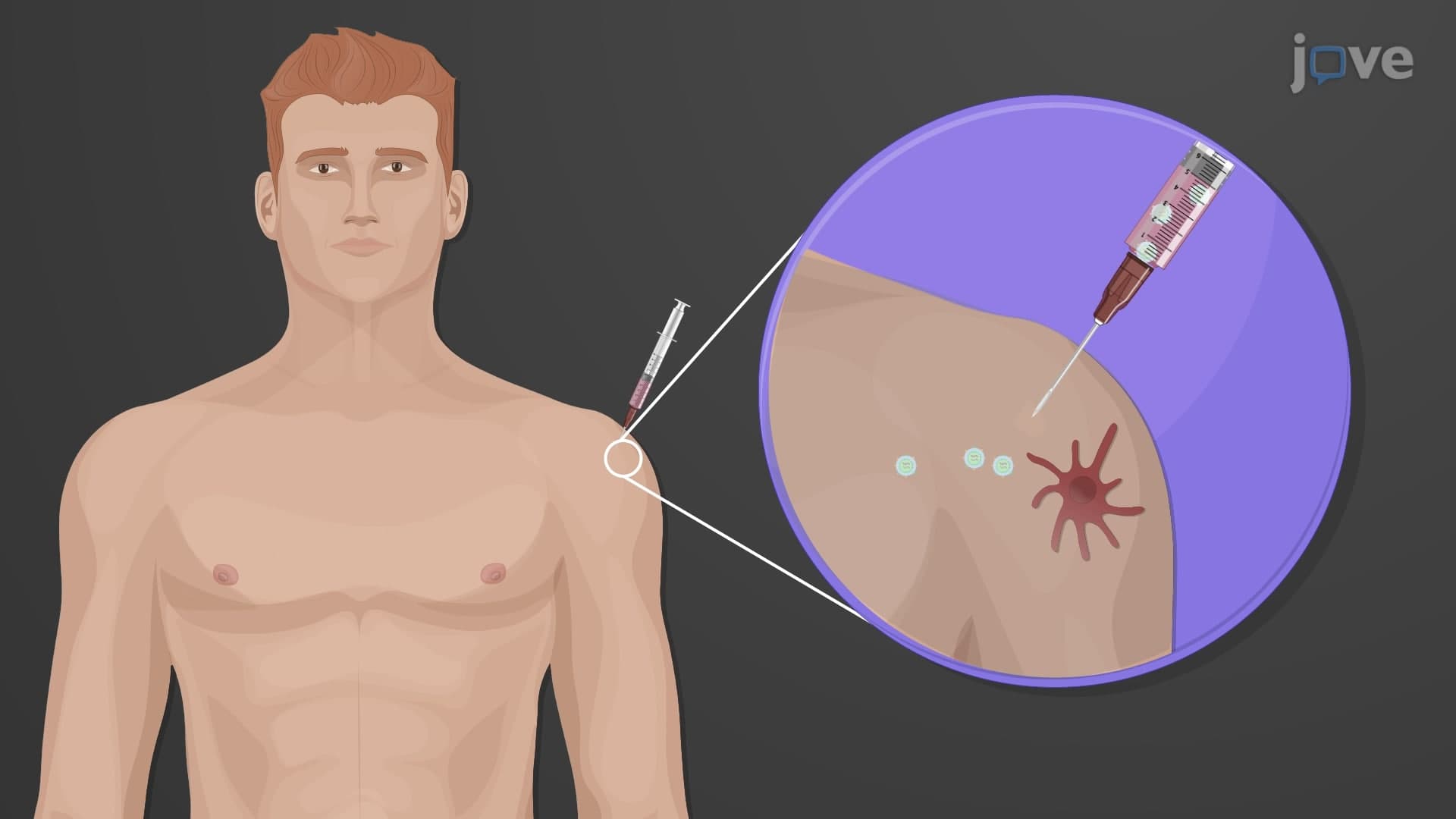
The MMR vaccine given to American schoolchildren contains weakened measles virus that triggers primary immune responses without causing disease. Memory B and T cells persist for decades, providing lifelong protection. When exposed to actual measles virus, these memory cells rapidly activate, preventing infection-explaining why measles outbreaks primarily affect unvaccinated populations.
Basic high school biology provides sufficient background for understanding immunological memory principles. While advanced biochemistry enhances comprehension of antibody structure and cell signaling, core concepts remain accessible to students with foundational knowledge of cells, proteins, and biological processes. Focus on conceptual understanding rather than molecular details initially.
Create timeline diagrams comparing primary and secondary responses, emphasizing speed and intensity differences. Practice interpreting antibody titer graphs showing IgM and IgG patterns over time. Connect vaccination examples to memory cell persistence, and use real diseases like polio elimination to reinforce concepts during review sessions.
Immunological memory builds upon antigen recognition, lymphocyte activation, and antibody production mechanisms. This foundation supports learning about autoimmune diseases, cancer immunotherapy, and emerging vaccine technologies. Consider exploring transplant rejection, allergic reactions, and immunodeficiency disorders as natural progressions from basic memory concepts.
Related Micro-courses