Loading subject page…

- Anatomy and Physiology
- The Lymphatic and Immune System
- Inflammatory Response
Micro-course: The Lymphatic and Immune System
218,420 views
Learn key concepts and earn your certificate.




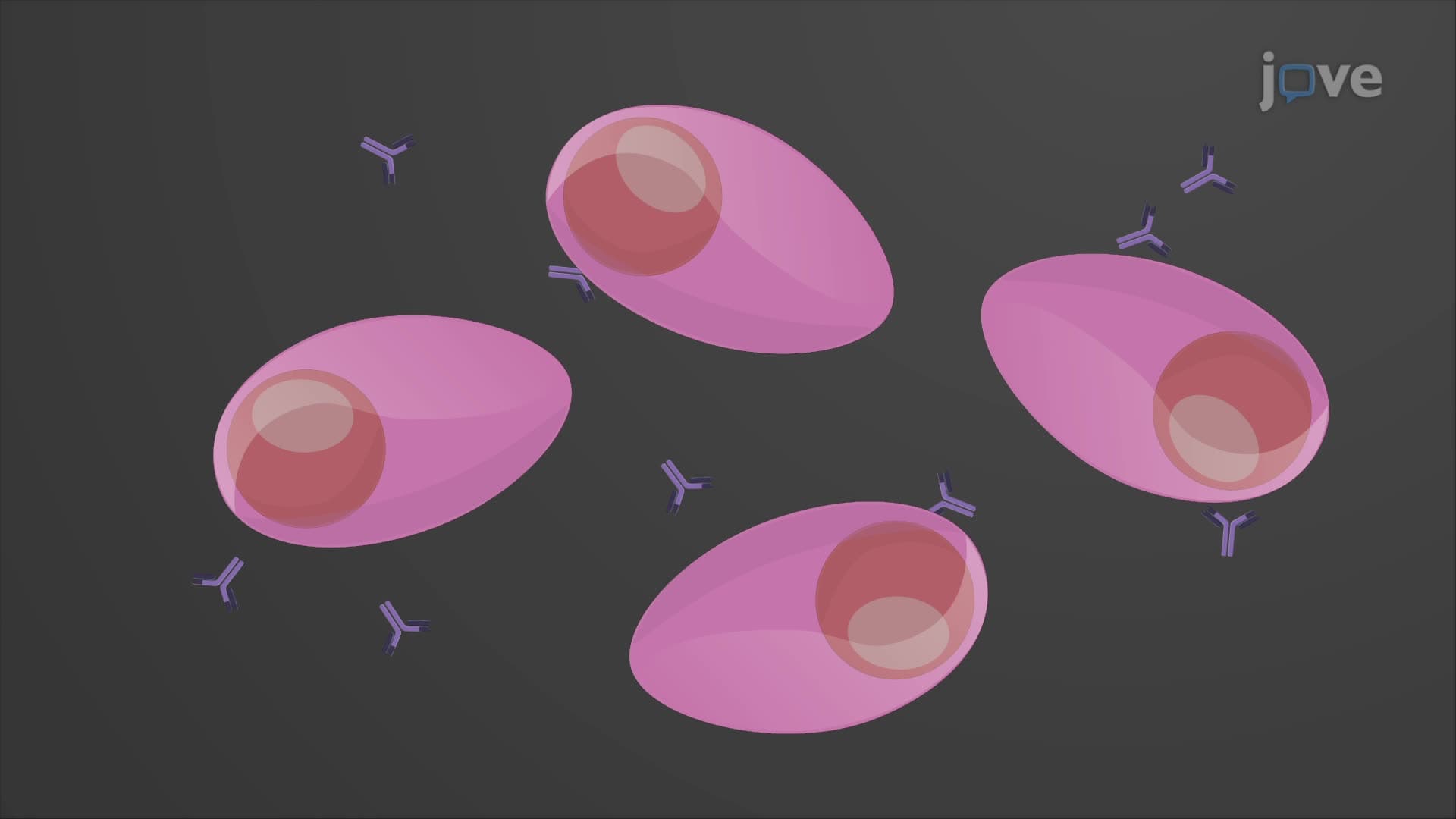

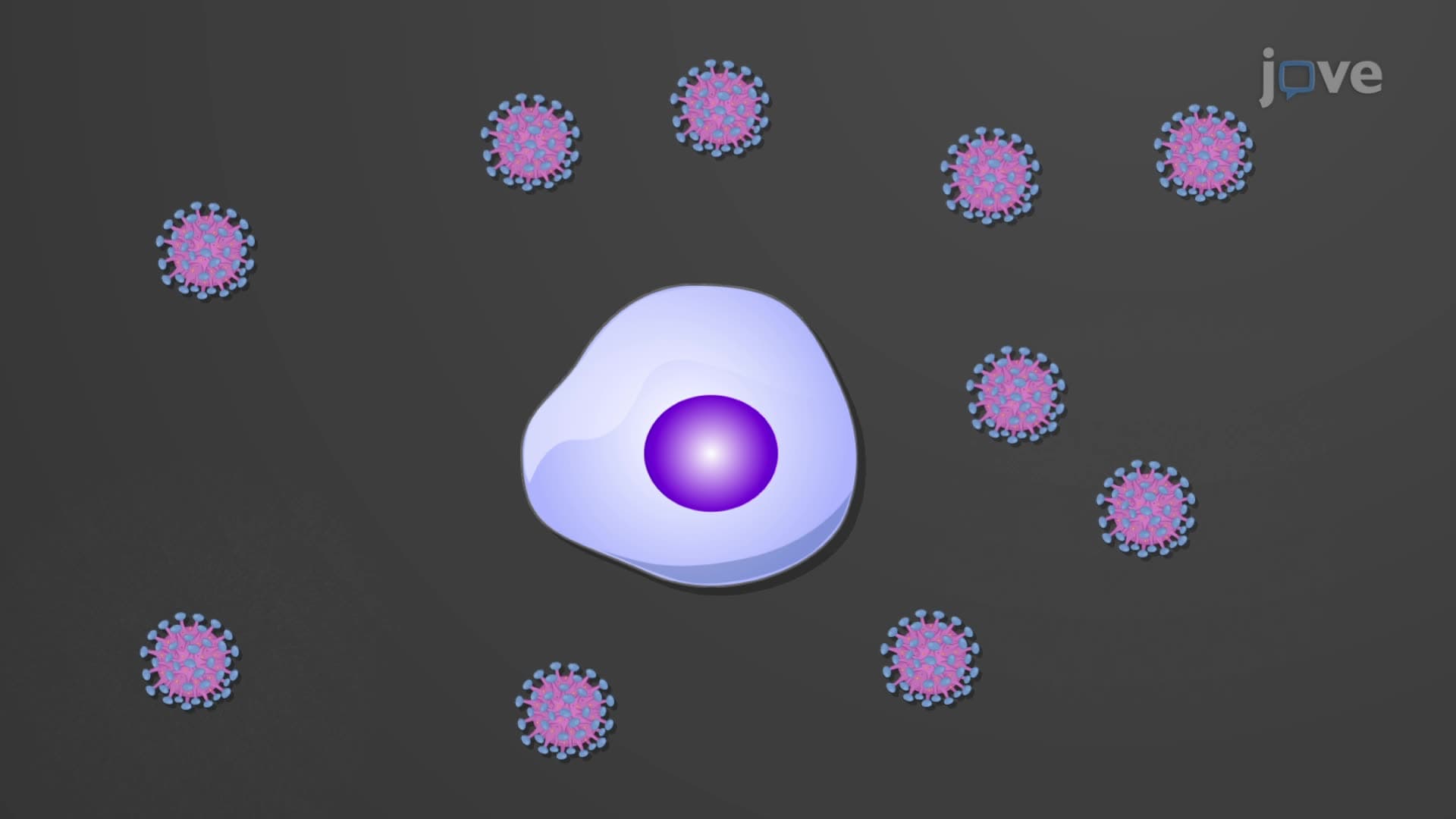
Inflammatory Response

00:00
01:28
Video Summary: What Is Inflammatory Response
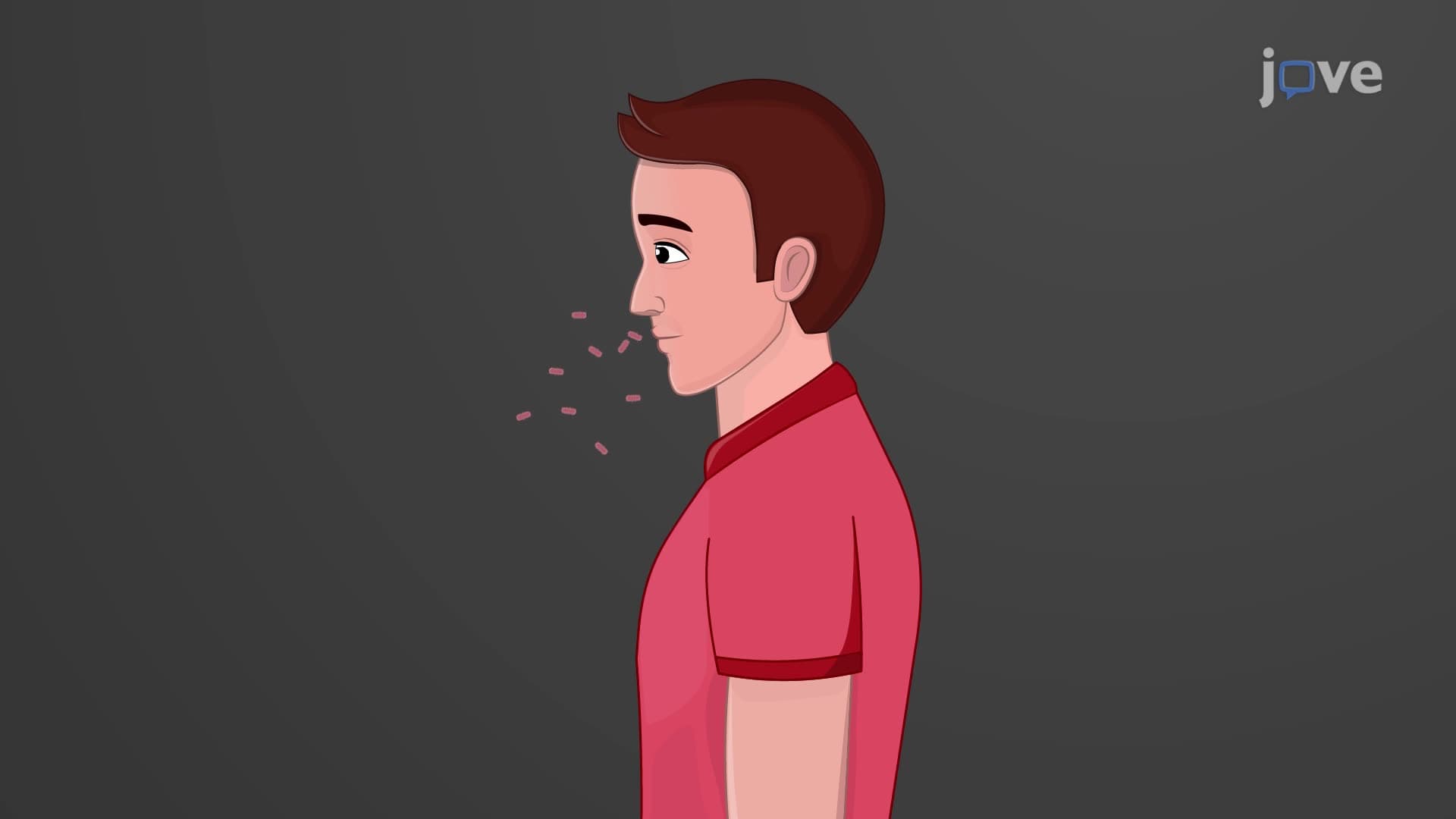
Ever wonder why a paper cut turns red and swells up within minutes? The inflammatory response biology kicks in immediately when your body detects tissue damage, creating those familiar cardinal signs of redness, heat, swelling, and pain. Consider how a scraped knee from skateboarding in California triggers this same protective mechanism that helps fight infections and begin healing. This localized immune reaction involves complex cellular communications and chemical mediators working together to defend and repair damaged tissue. Watch the full video on JoVE Coach to master this concept with expert-led visuals and step-by-step explanations.
- Understand the inflammatory response as a critical first-line defense mechanism in the immune system
- Identify the five cardinal signs of inflammation: redness, heat, swelling, pain, and loss of function
- Analyze how inflammatory mediators like histamine and prostaglandins coordinate vascular changes during tissue injury
- Recognize the role of mast cells, neutrophils, and macrophages in the inflammatory cascade
- Evaluate how increased vascular permeability and blood flow contribute to effective immune defense
- Apply knowledge of chemotactic factors to explain how immune cells migrate to injury sites
- Compare acute inflammatory responses to different stimuli including pathogens, chemicals, and physical trauma
- Explore the connection between inflammatory processes and tissue repair mechanisms
Understanding the Inflammatory Response Mechanism
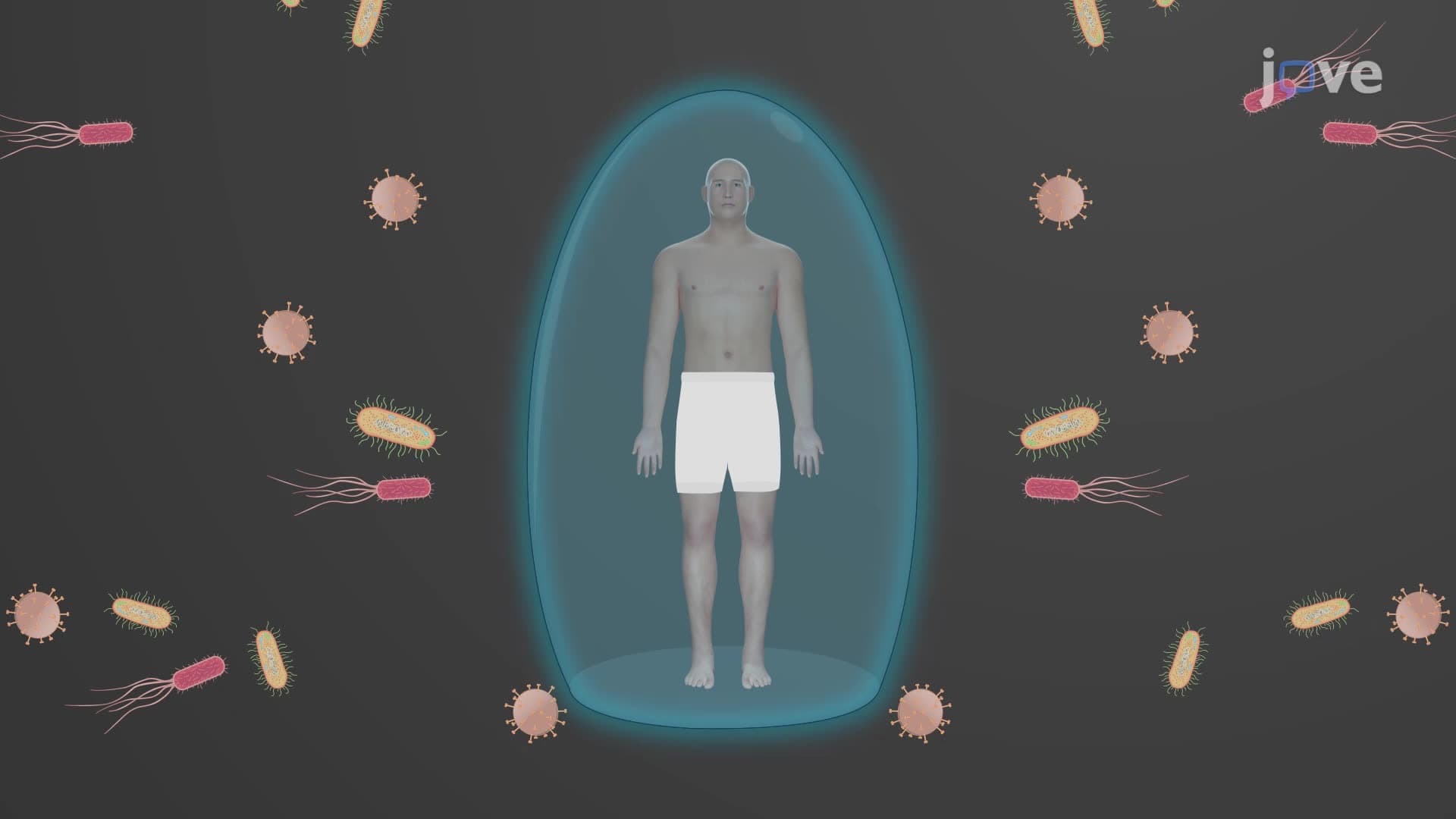
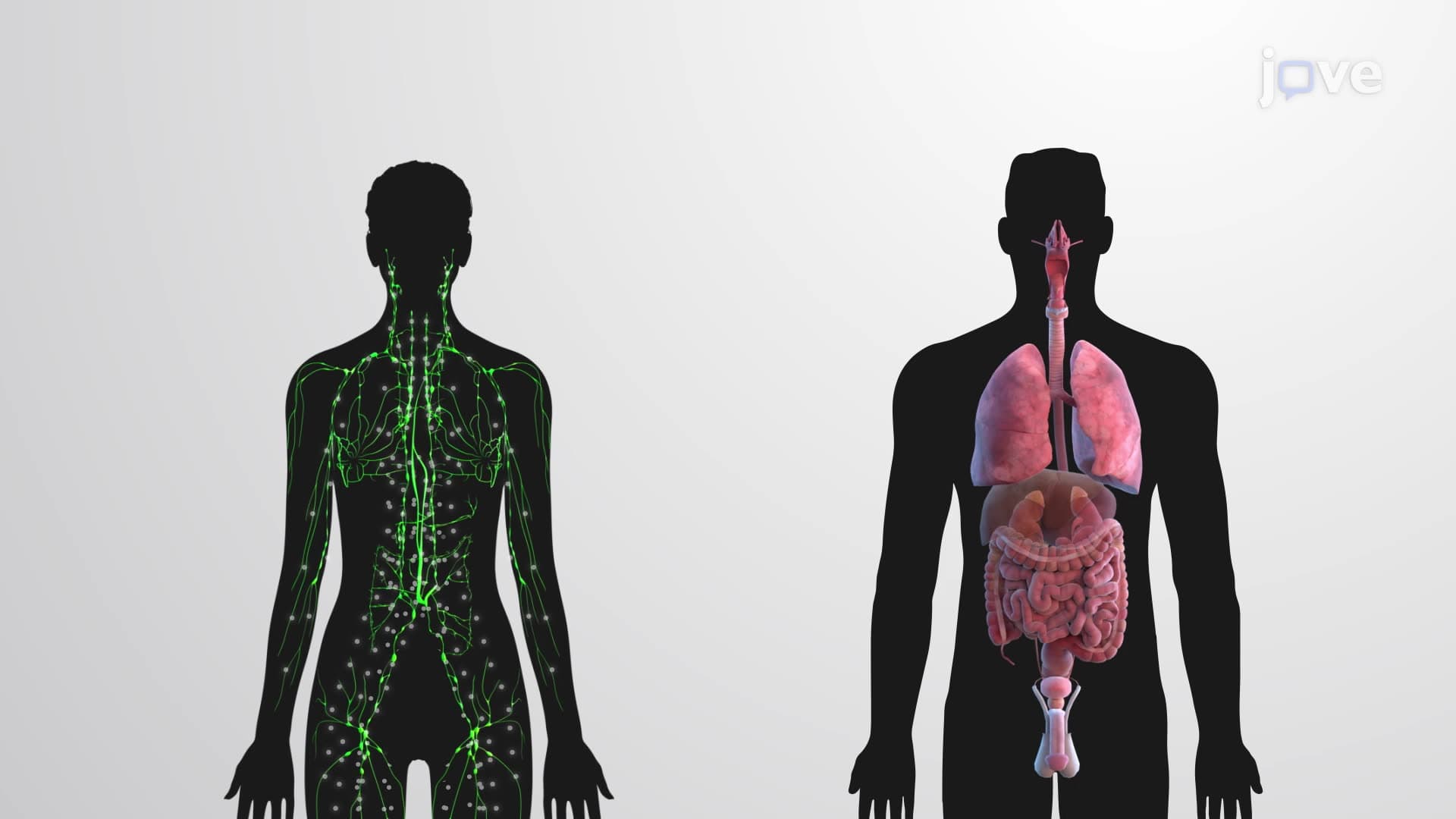
The inflammatory response represents one of the body's most fundamental protective mechanisms, serving as the immune system's rapid-deployment force against tissue damage and potential threats. This non-specific defense strategy evolved to contain damage, eliminate harmful agents, and initiate repair processes before adaptive immunity can mount a more targeted response.
Cardinal Signs and Vascular Changes in Acute Inflammation Process
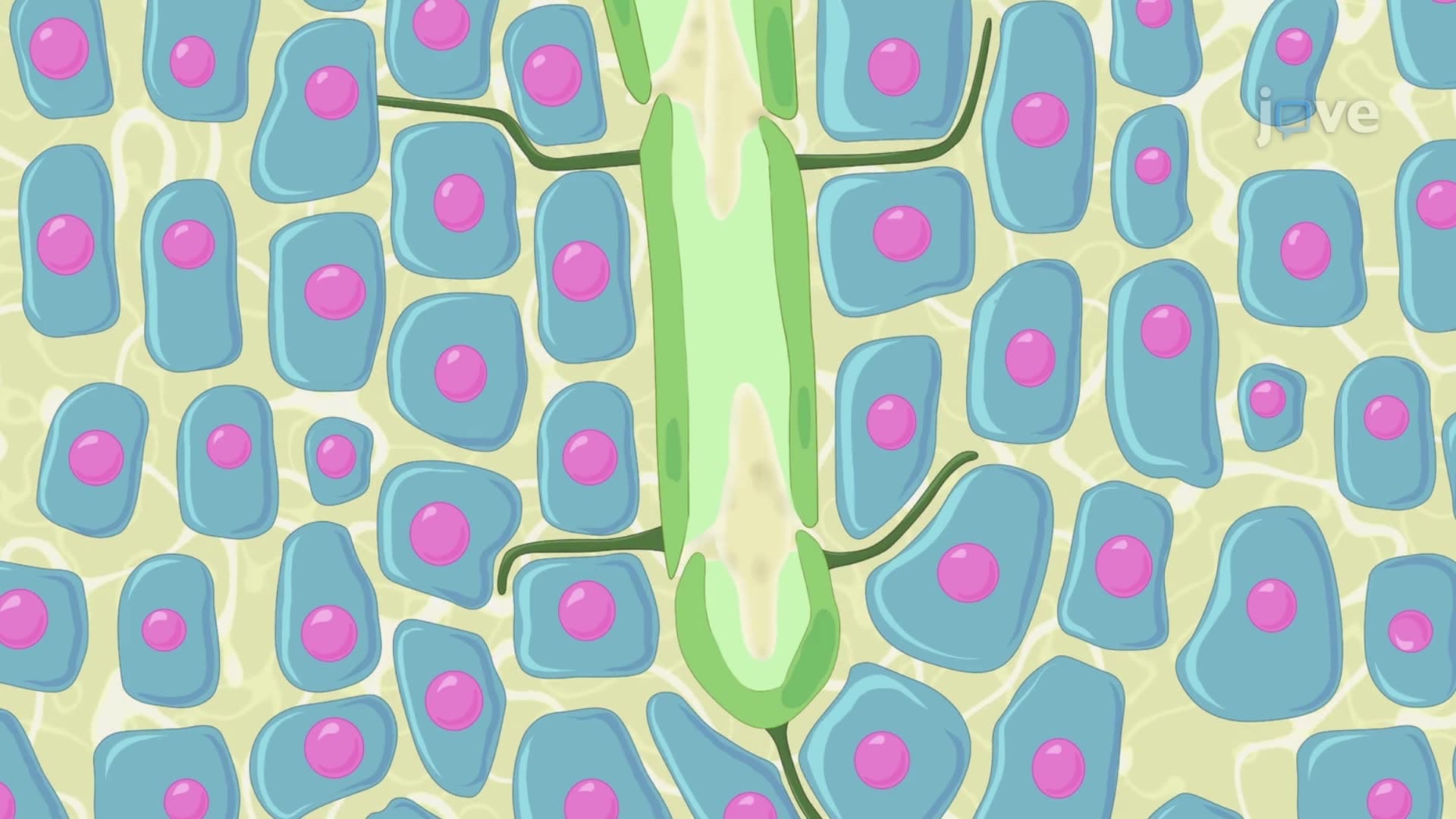
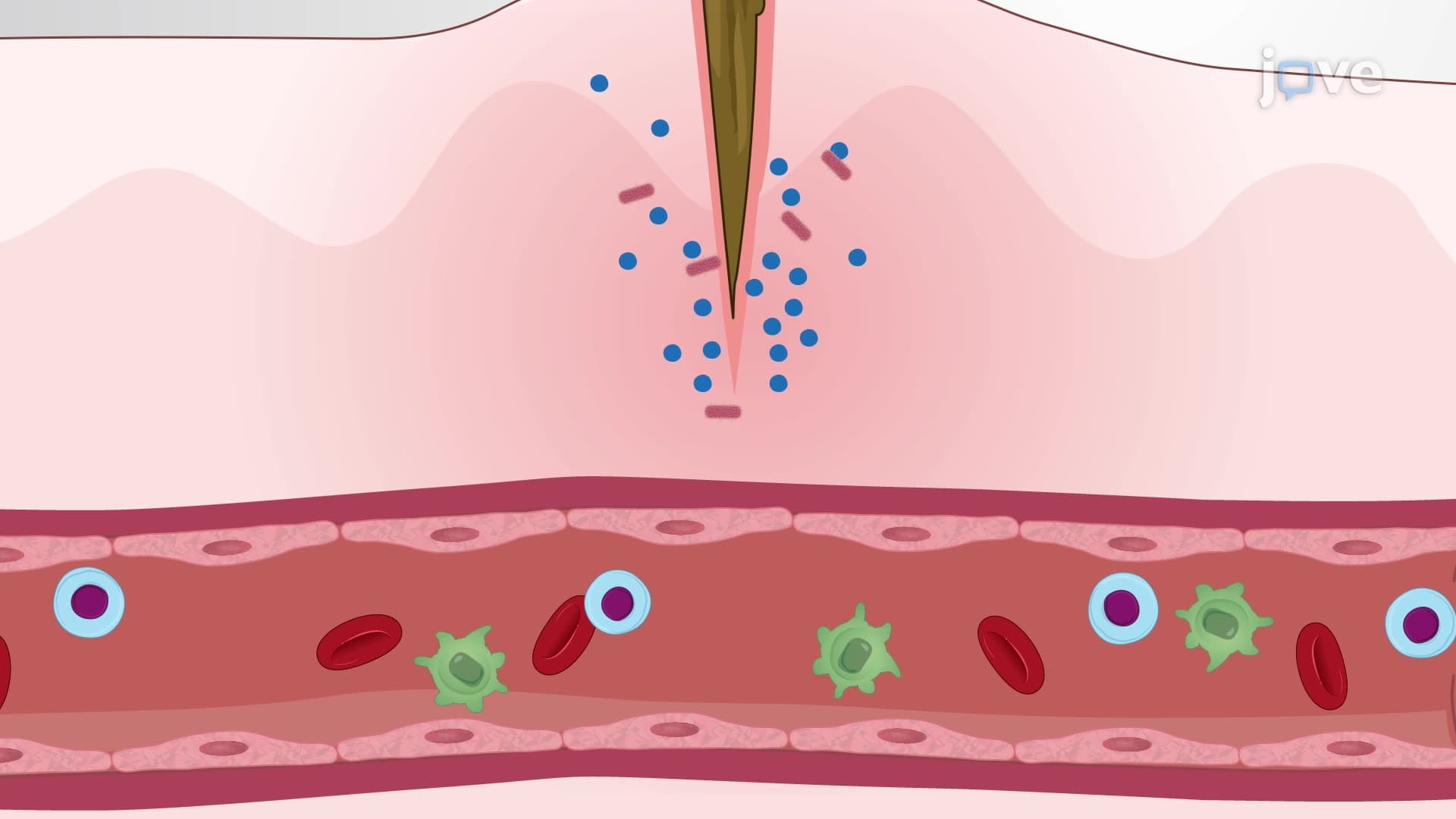
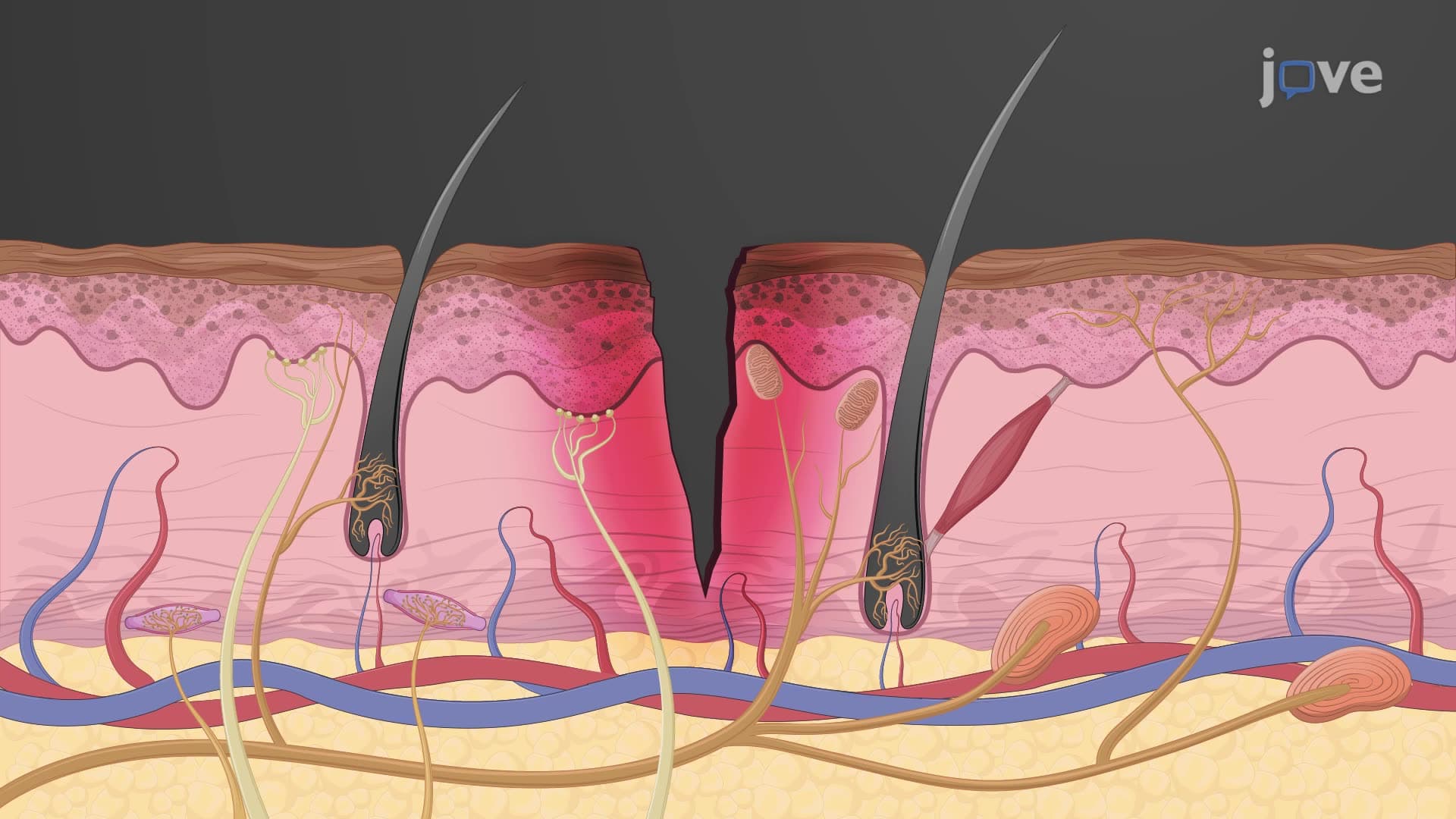
The five classical signs of inflammation-rubor (redness), calor (heat), dolor (pain), tumor (swelling), and functio laesa (loss of function)-directly result from coordinated vascular and cellular changes. When tissue damage occurs, whether from a sports injury at a Texas high school football game or exposure to irritating chemicals in a laboratory setting, damaged cells and resident immune cells immediately release inflammatory mediators.
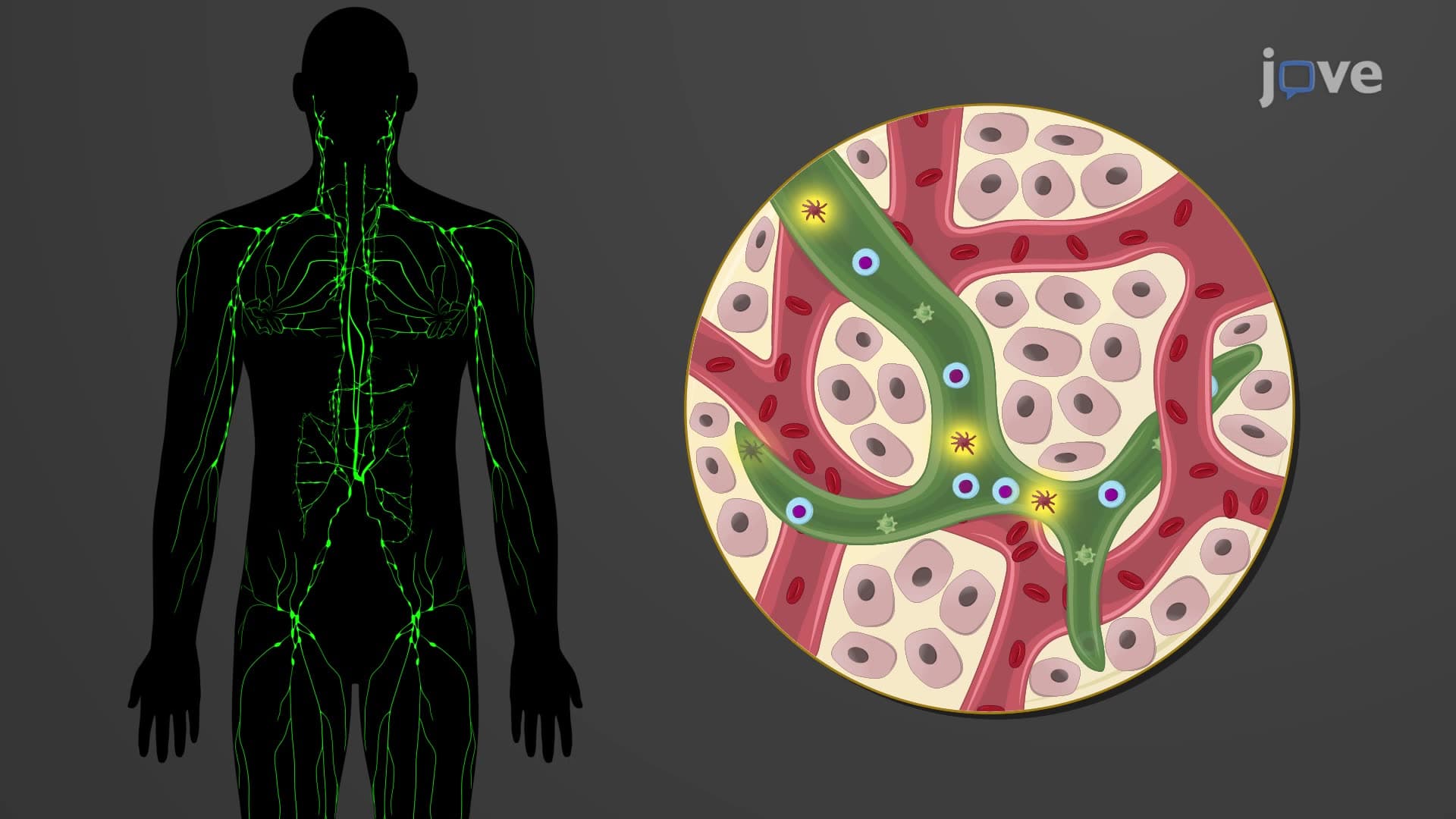
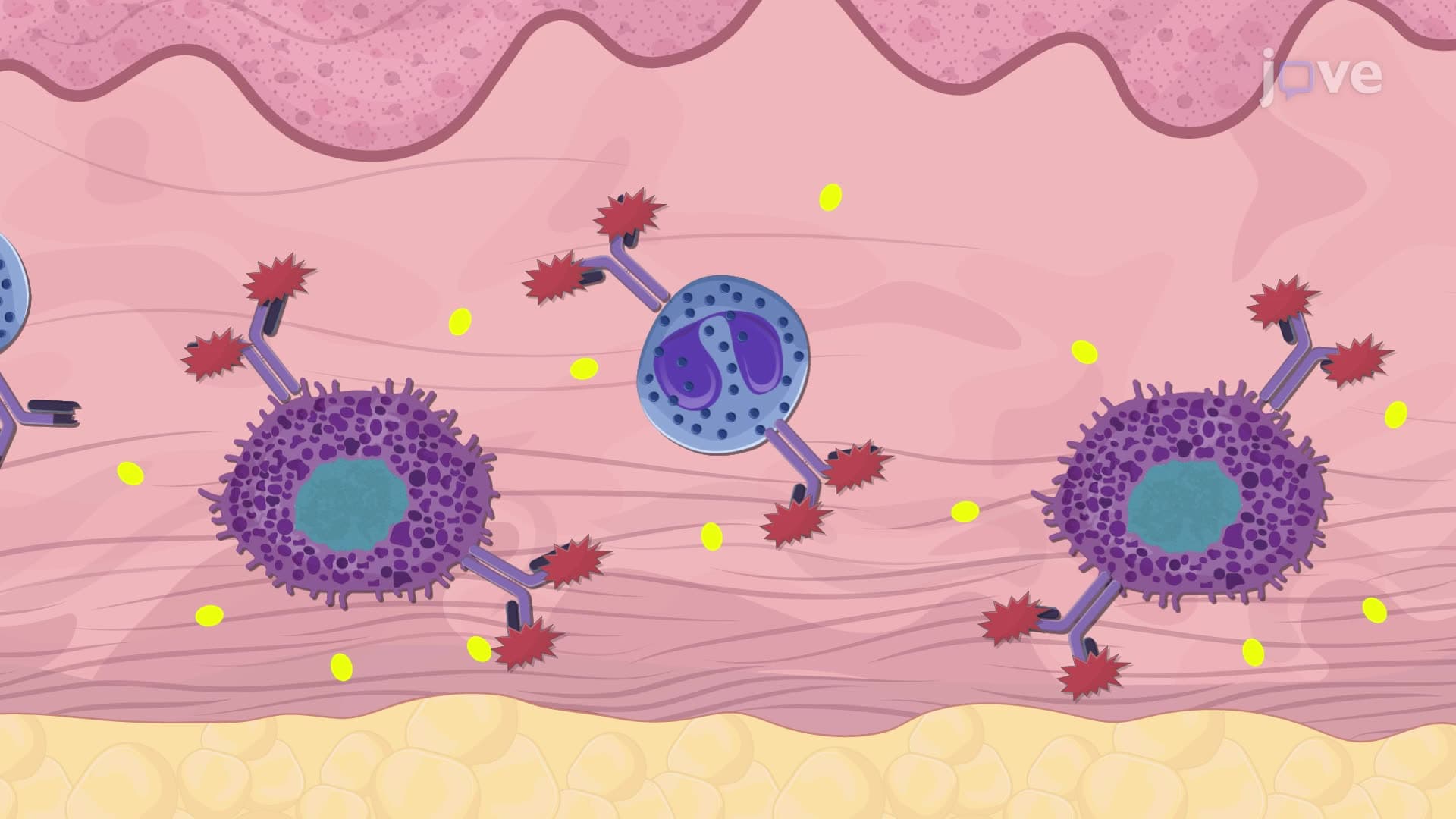
Histamine, released by mast cells, and prostaglandins cause profound vasodilation and increased capillary permeability. This vascular response explains why inflamed tissue appears red and feels warm-increased blood flow brings more red blood cells to the area while enhanced heat reflects accelerated metabolic activity. The swelling results from plasma proteins and fluid leaking into interstitial spaces, creating edema that can impair normal tissue function.
Inflammatory Mediators and Cellular Recruitment
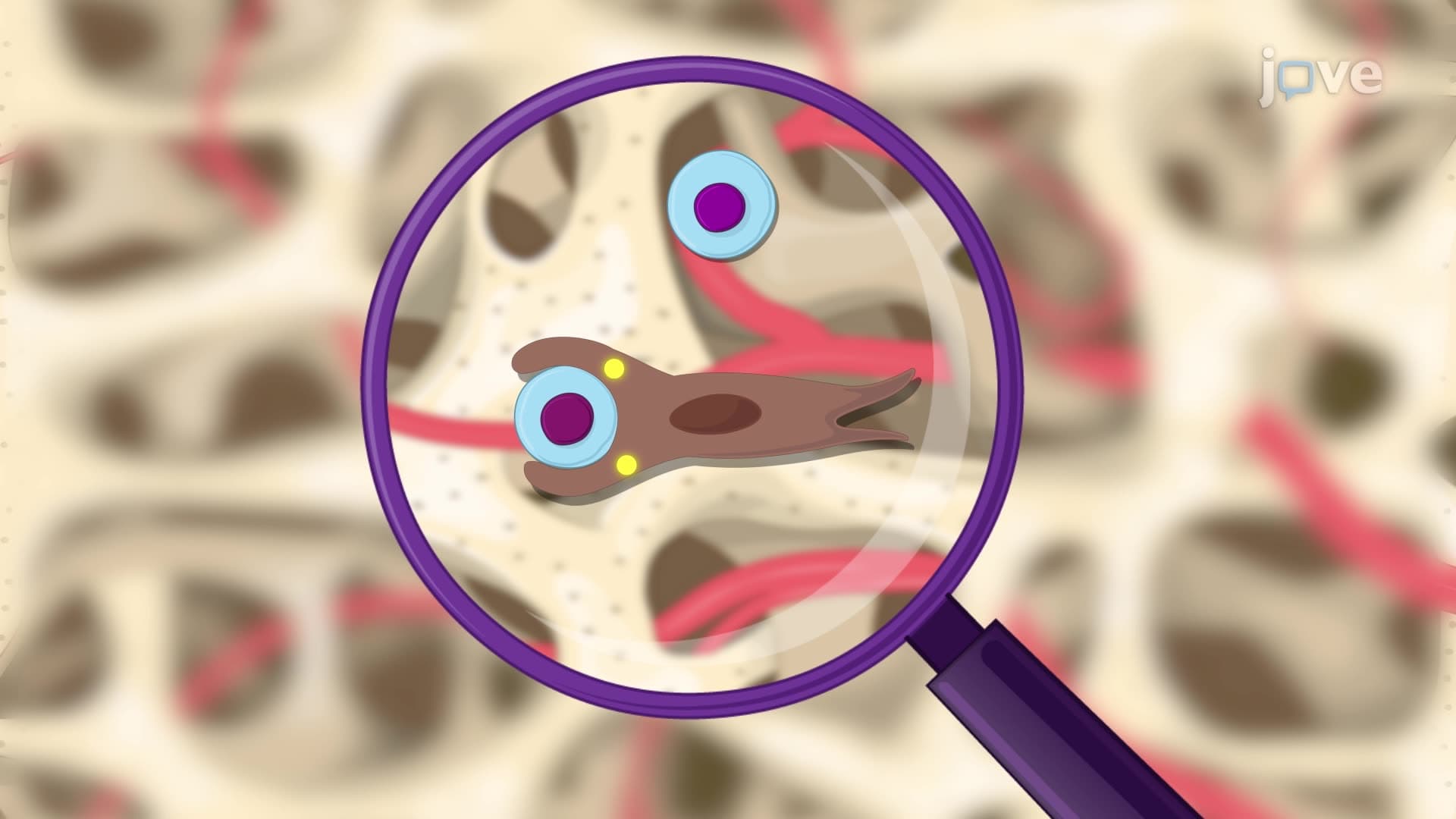
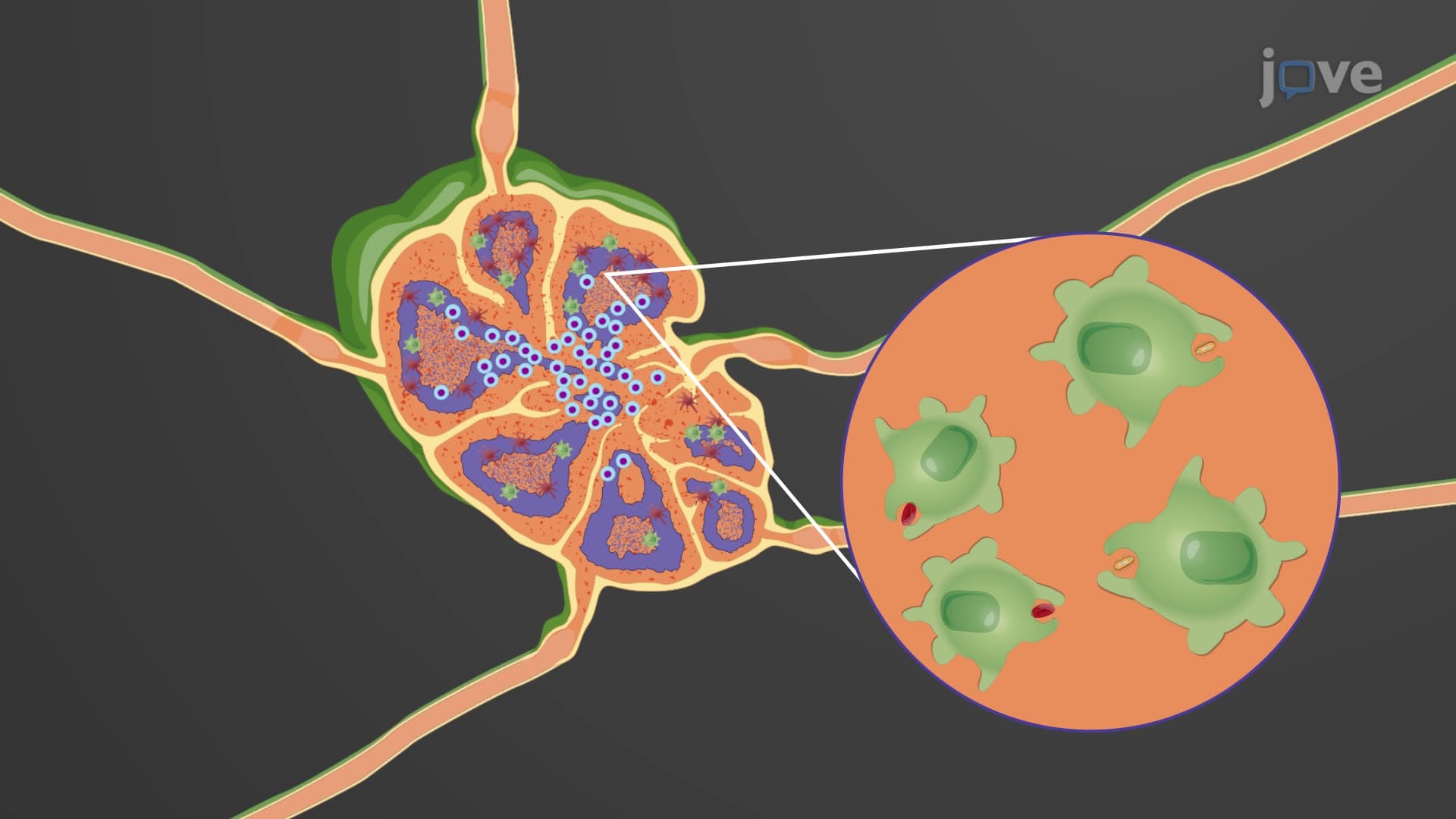
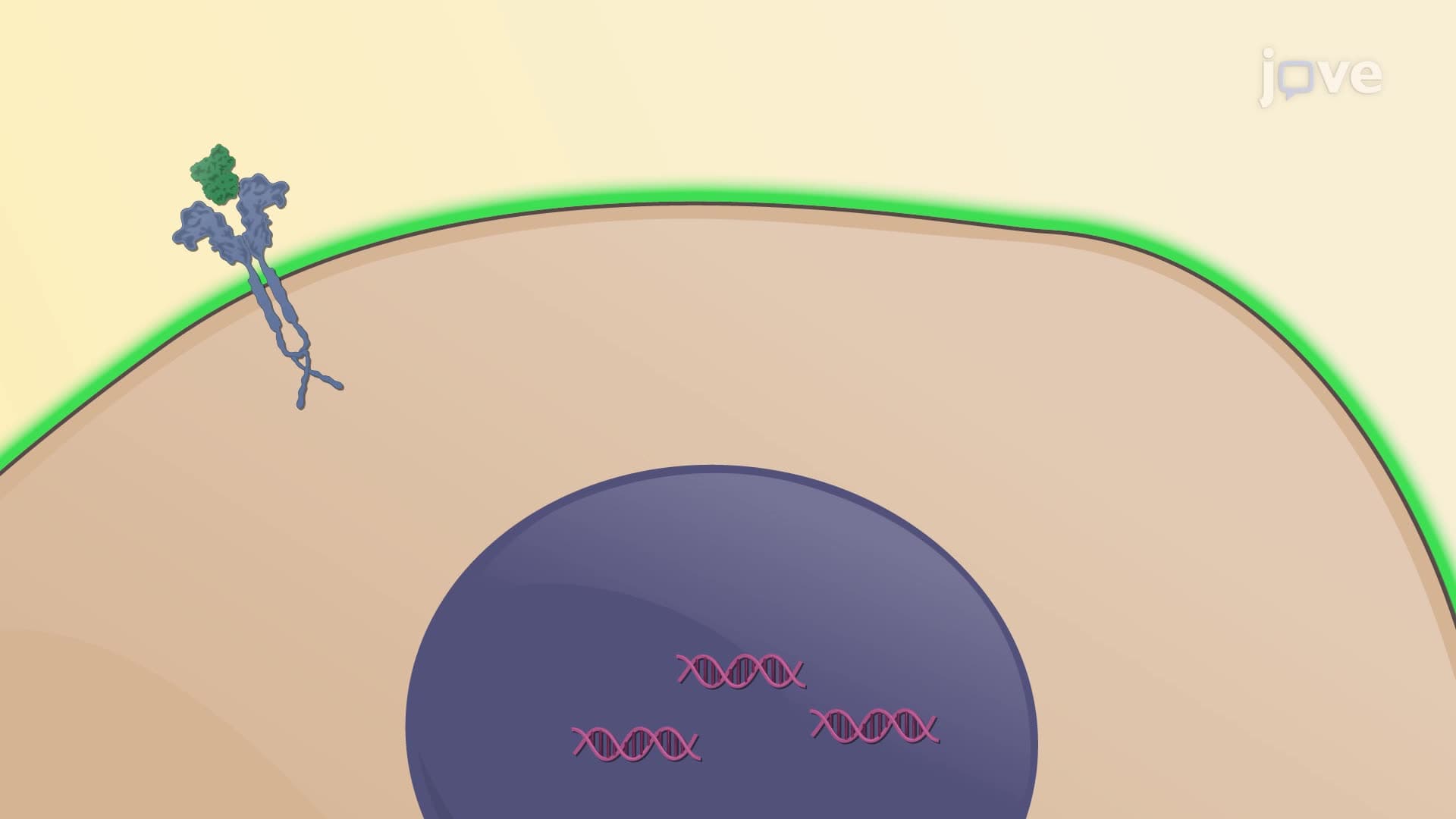
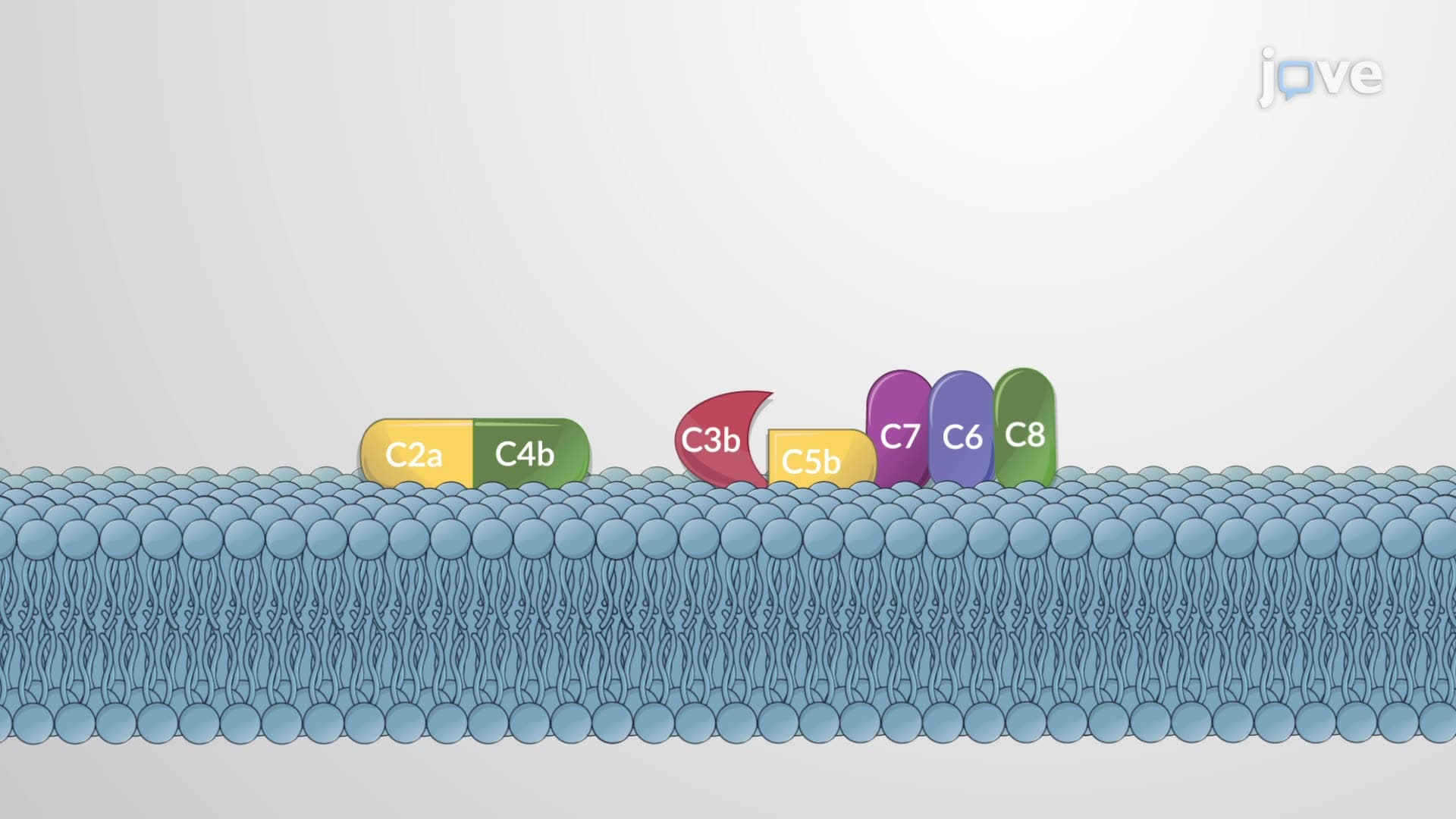
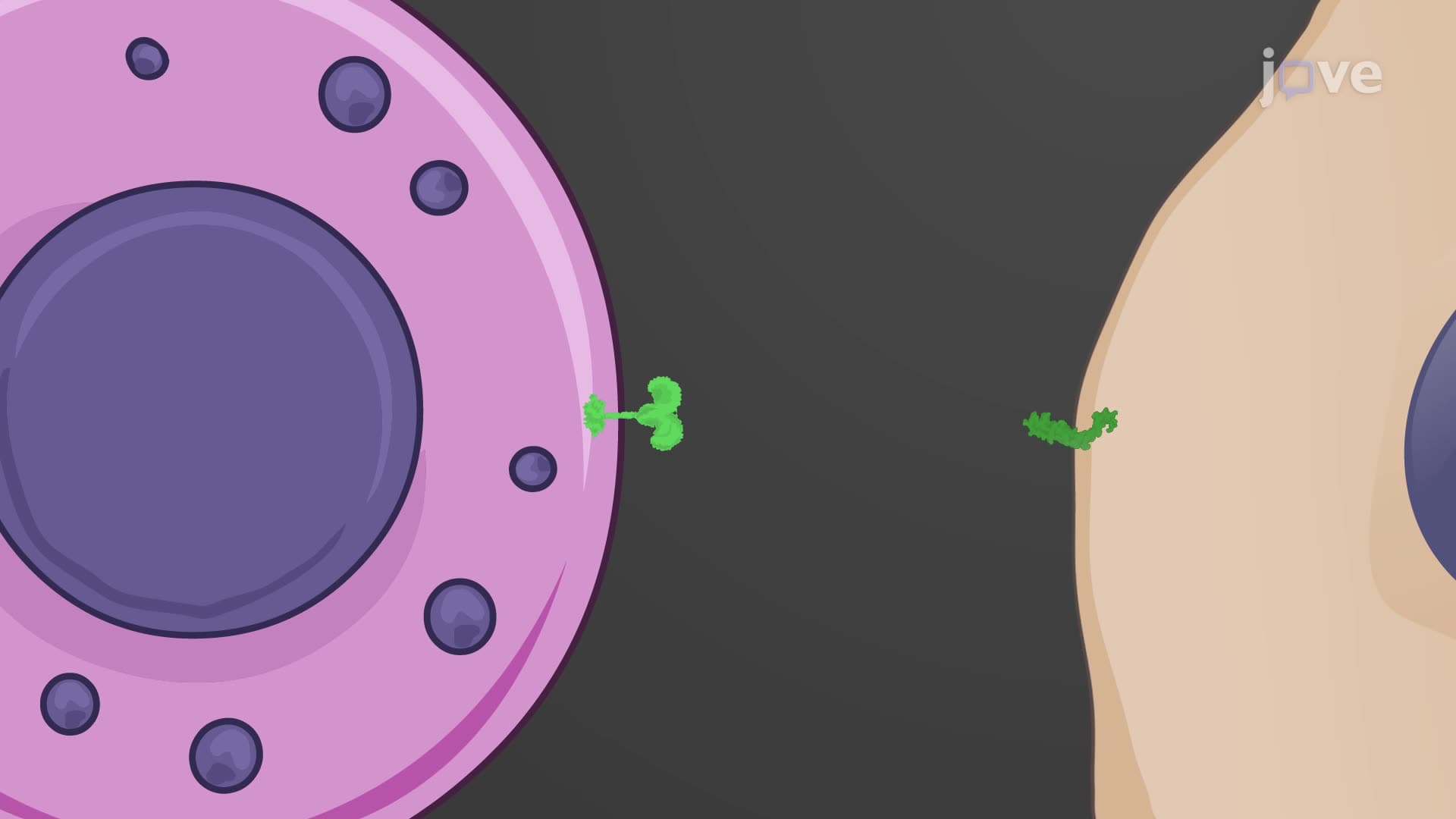
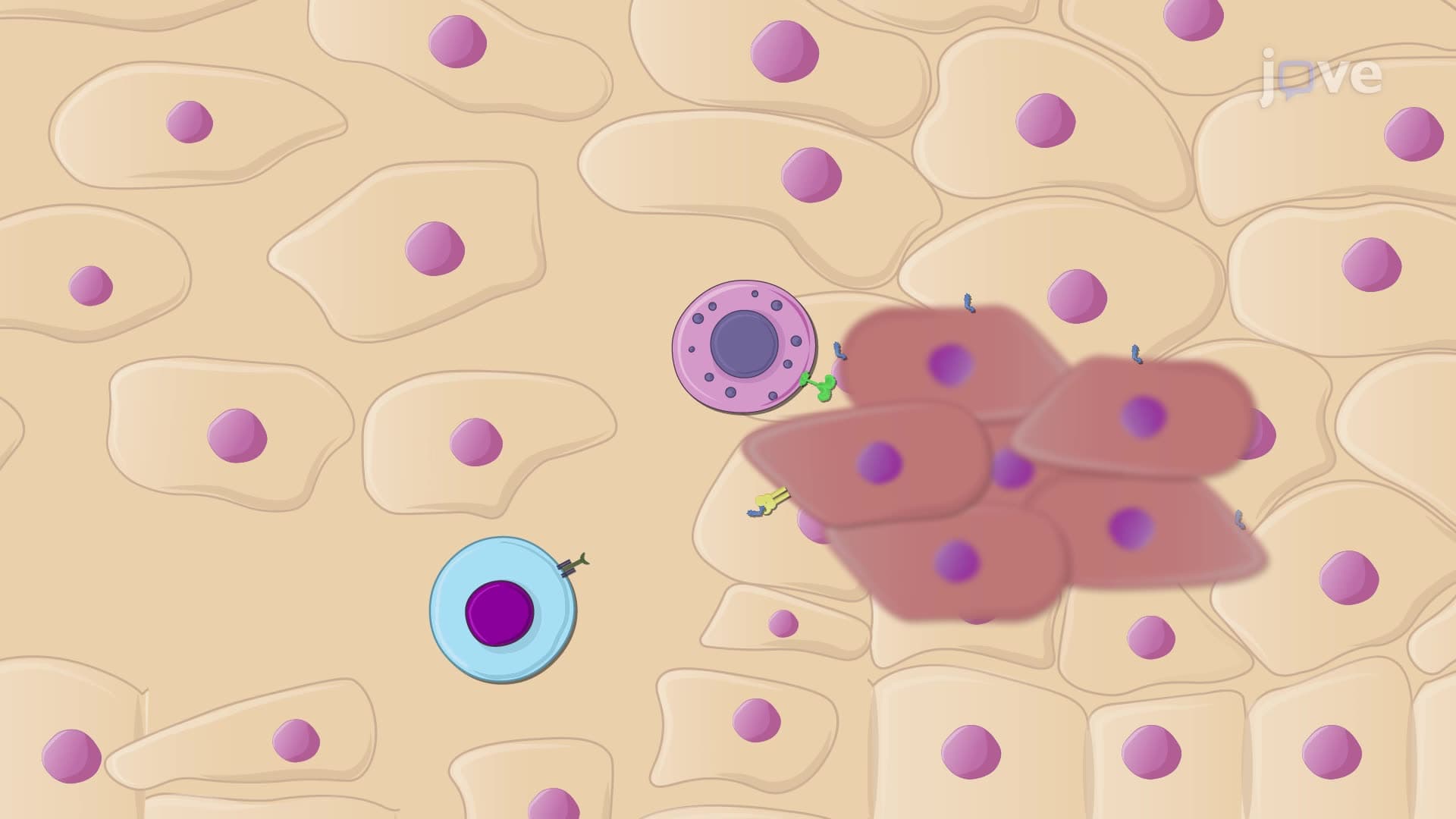
The inflammatory mediators cytokine family, along with complement proteins and other chemical signals, orchestrate a complex cellular response. These molecules act as chemotactic agents, creating concentration gradients that guide neutrophils and macrophages from the bloodstream to injury sites. Neutrophils arrive first, typically within hours, followed by macrophages that perform cleanup operations and coordinate tissue repair.
For students preparing for the MCAT or AP Biology exams, understanding this temporal sequence is crucial. Questions often test knowledge of which immune cells respond first and how different mediators contribute to the overall inflammatory cascade.
Clinical Significance and Therapeutic Implications
Healthcare professionals regularly encounter inflammatory responses in clinical practice. Emergency room physicians in hospitals across the United States assess inflammation to diagnose conditions ranging from appendicitis to allergic reactions. Understanding inflammatory mechanisms helps explain why anti-inflammatory medications like ibuprofen reduce pain and swelling, and why chronic inflammation contributes to diseases like arthritis and cardiovascular disease.
This knowledge proves essential for pre-med students tackling MCAT passages about immune function and for nursing students preparing for NCLEX questions about wound healing and infection control.
Frequently Asked Questions
The inflammatory response is a rapid, localized immune reaction that protects tissues from damage and infection through increased blood flow, immune cell recruitment, and chemical mediator release. It serves as the body's first line of defense, containing threats while initiating healing processes. This response is essential because it prevents minor injuries from becoming serious infections and coordinates both immediate protection and long-term tissue repair.
Inflammatory response questions frequently appear on standardized exams, testing your knowledge of immune system coordination and cellular biology. The MCAT often includes passages about inflammatory mediators and their effects on vascular permeability, while AP Biology exams may ask about the sequence of cellular events during inflammation. Focus on understanding cause-and-effect relationships between tissue damage, chemical signals, and physiological responses rather than just memorizing the five cardinal signs.
For college-level exams, focus on key players: histamine (from mast cells causing vasodilation), prostaglandins (contributing to pain and fever), complement proteins (enhancing immune responses), and cytokines (coordinating cellular communication). Understand how each mediator contributes to specific inflammatory signs and remember that these molecules work synergistically, not in isolation. Many professors test the connection between specific mediators and their physiological effects.
Consider what happens when you get a splinter while hiking in a US national park like Yellowstone. Within minutes, the area becomes red, warm, and swollen as your inflammatory response activates. Mast cells release histamine, blood vessels dilate, and immune cells rush to the site to prevent bacteria from the wooden splinter from causing infection. This same mechanism protects athletes during sports injuries and helps surgical patients heal after procedures in American hospitals.
Not at all-inflammatory response builds naturally on basic biology concepts you already know about cells, blood circulation, and immune function. Start with the familiar experience of inflammation from cuts or bee stings, then connect these observations to underlying cellular mechanisms. The key is understanding the "why" behind each step rather than memorizing isolated facts. Most high school AP Biology courses cover this topic thoroughly, and it provides an excellent foundation for advanced health science studies.
Create a flowchart showing the sequence from initial tissue damage through resolution, including key mediators at each step. Practice explaining how each cardinal sign connects to specific physiological changes-for example, how increased vascular permeability leads to swelling. Use active recall by covering up your notes and drawing the inflammatory cascade from memory. Focus on understanding relationships between components rather than just listing inflammatory mediators.
Once you understand acute inflammation, explore chronic inflammation and its role in diseases like diabetes and heart disease. Study adaptive immunity to see how inflammatory responses connect with antibody production and T-cell activation. Investigate complement system pathways and how they amplify inflammatory signals. These topics frequently appear together on advanced exams and provide a comprehensive understanding of immune system coordination.
Anti-inflammatory drugs like aspirin and ibuprofen block prostaglandin synthesis, reducing pain, fever, and swelling associated with inflammation. Understanding this mechanism helps explain why these medications are effective for conditions from headaches to arthritis. For students interested in healthcare careers, this knowledge is fundamental for understanding drug actions, side effects, and therapeutic decision-making in clinical practice across American healthcare settings.
Related Micro-courses