Loading subject page…


218,421 views

Video Summary: What Is Innate and Adaptive Immunity
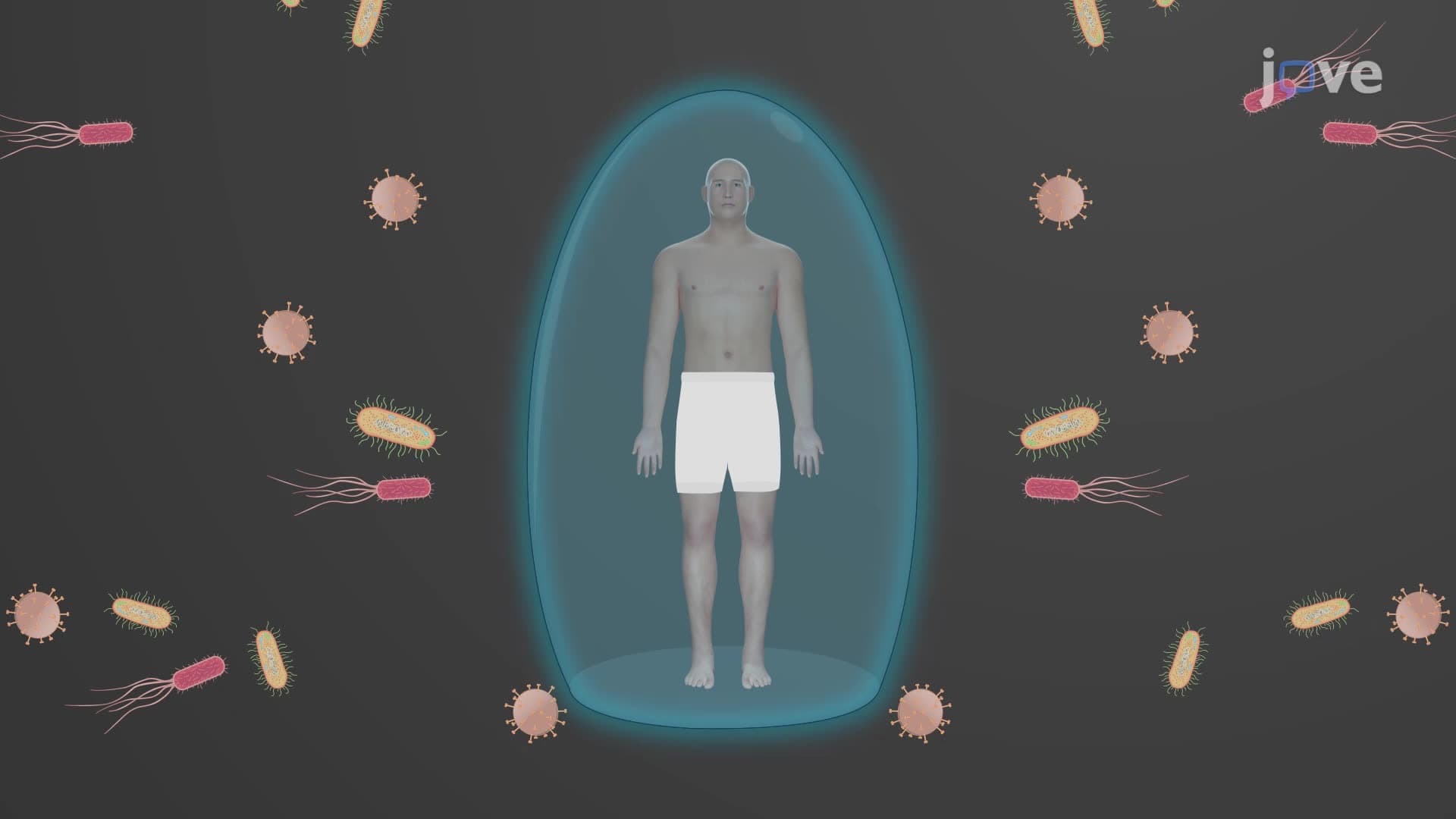
Why can some people fight off the flu in days while others suffer for weeks? The answer lies in understanding innate adaptive immunity overview - your body's two-layered defense system. When the 2020 pandemic hit the US, scientists quickly recognized how both nonspecific innate immunity (immediate response) and specific adaptive immunity (targeted, memory-forming response) determined patient outcomes. What is Innate And Adaptive Immunity reveals how these complementary systems work together to protect you from pathogens. Watch the full video on JoVE Coach to master this concept with expert-led visuals and step-by-step explanations.
Your immune system operates like a sophisticated military defense network with two distinct but coordinated branches. The innate adaptive immunity overview reveals how these systems provide comprehensive protection against the countless pathogens we encounter daily. This dual-system approach has evolved over millions of years to maximize survival while minimizing energy expenditure.
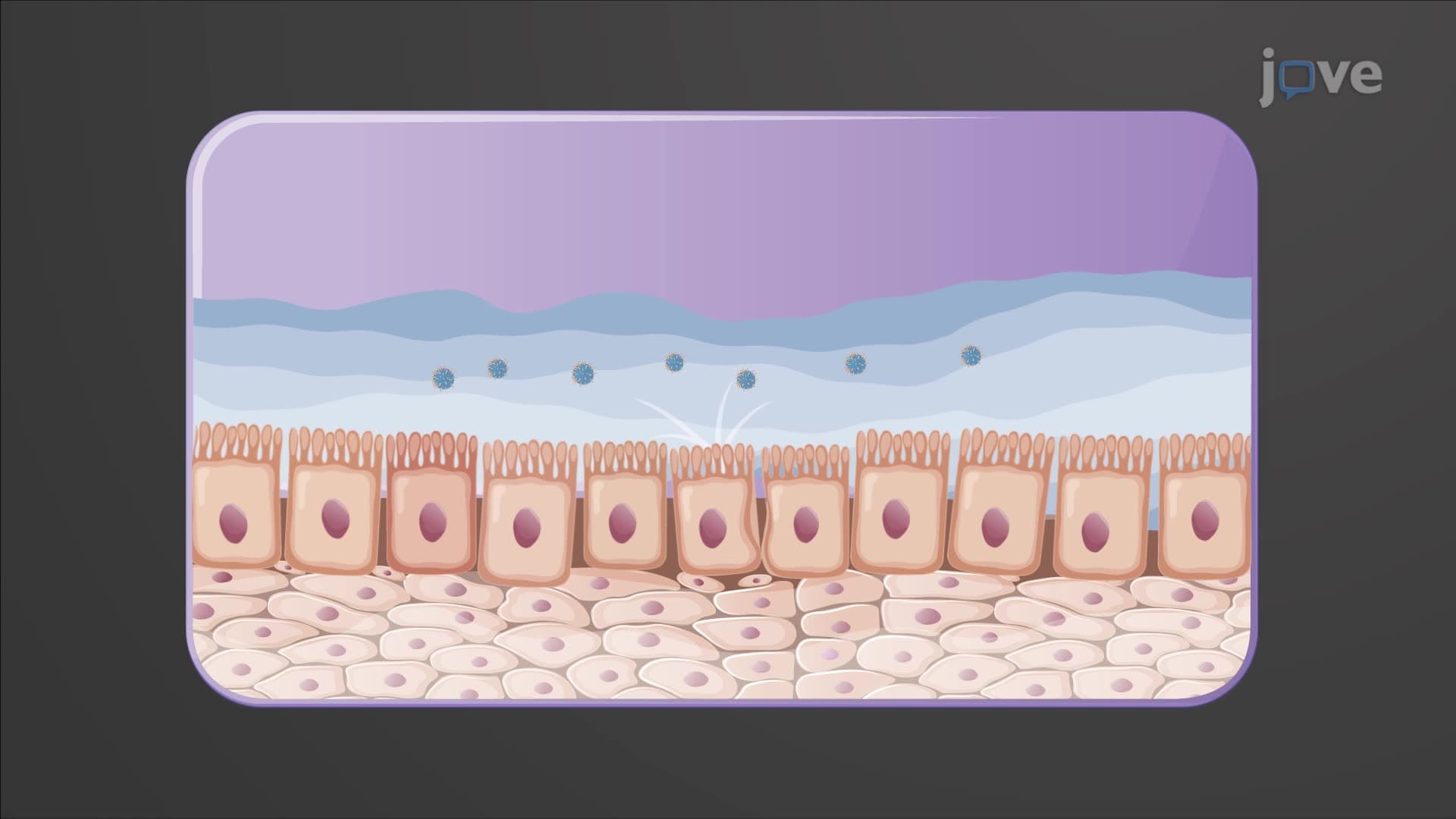
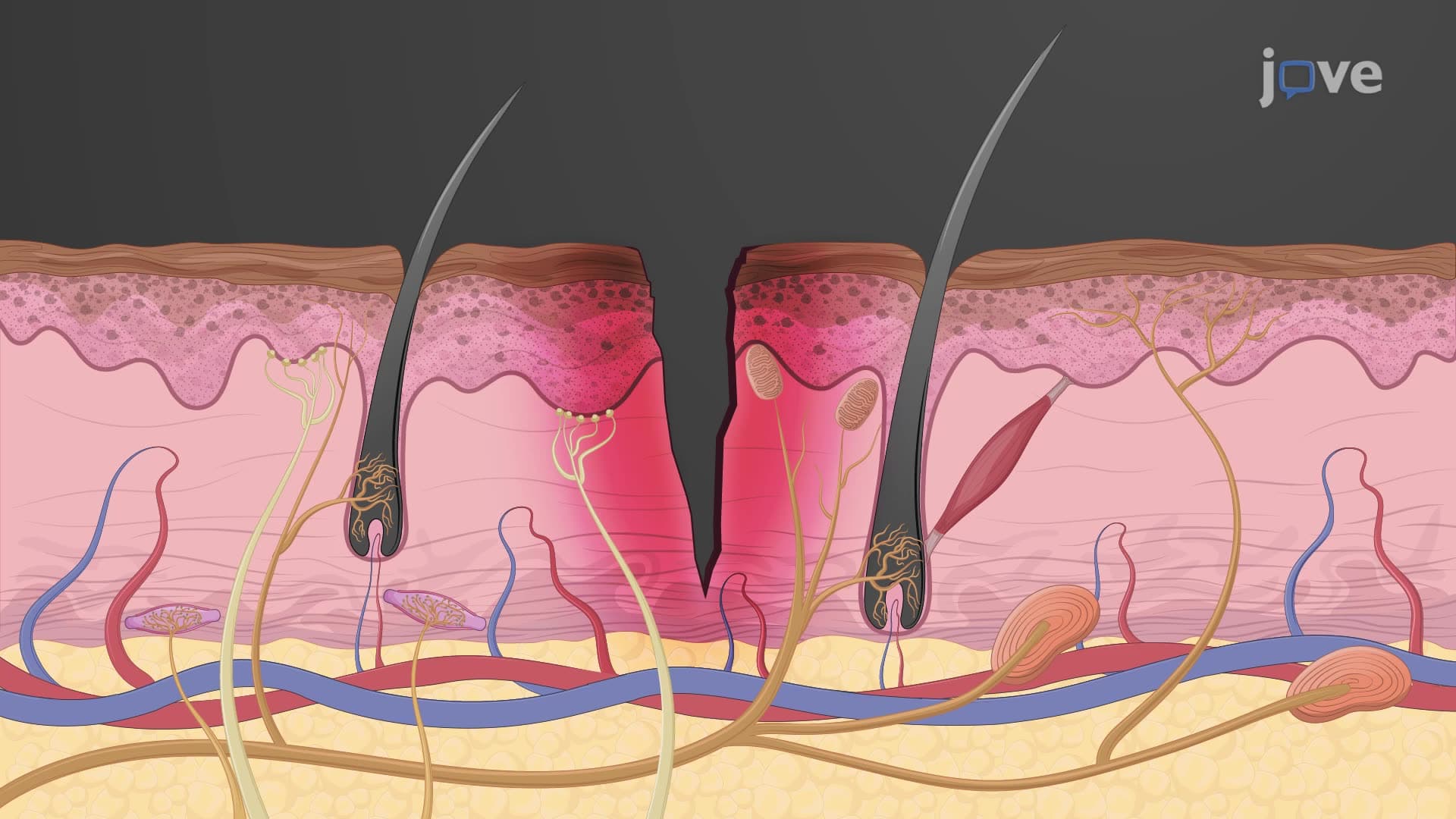
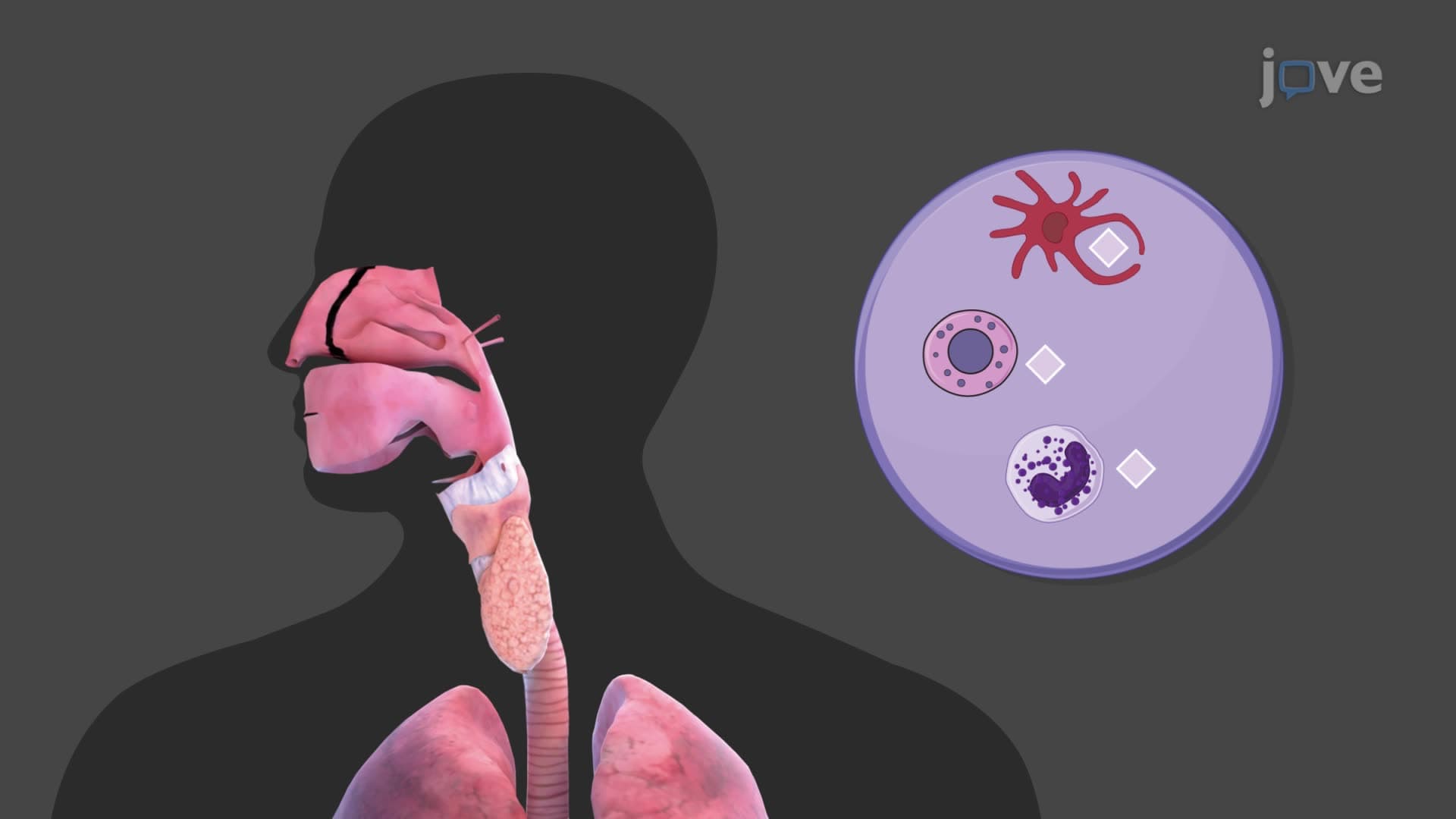
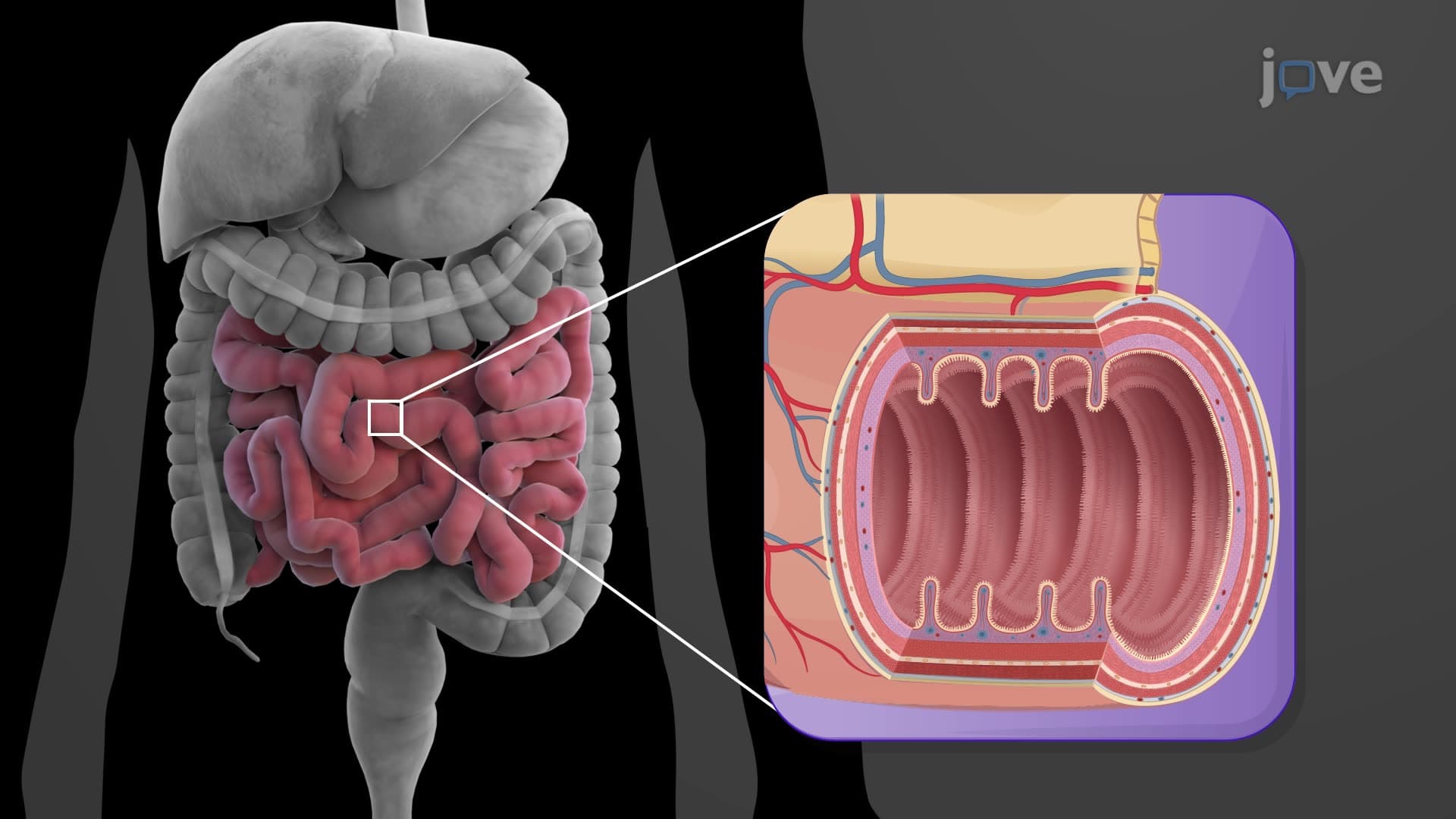
Nonspecific innate immunity functions as your body's immediate response system, activated within minutes of pathogen exposure. The first second line defense begins with physical barriers - your skin acts like a fortress wall, while mucous membranes in your respiratory and digestive tracts trap invaders before they can establish infection. These barriers are surprisingly effective; intact skin blocks 99% of bacterial penetration attempts.
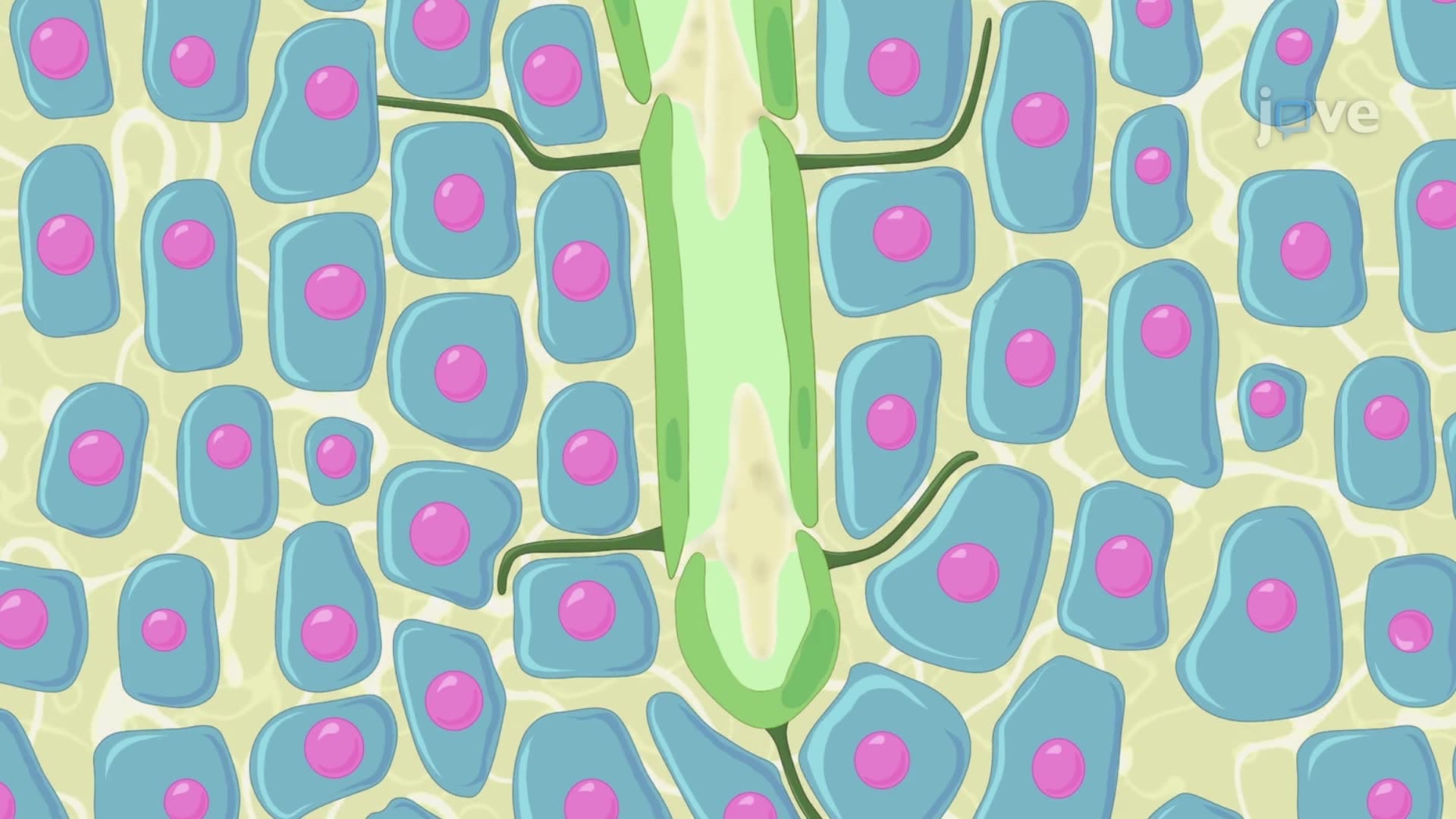
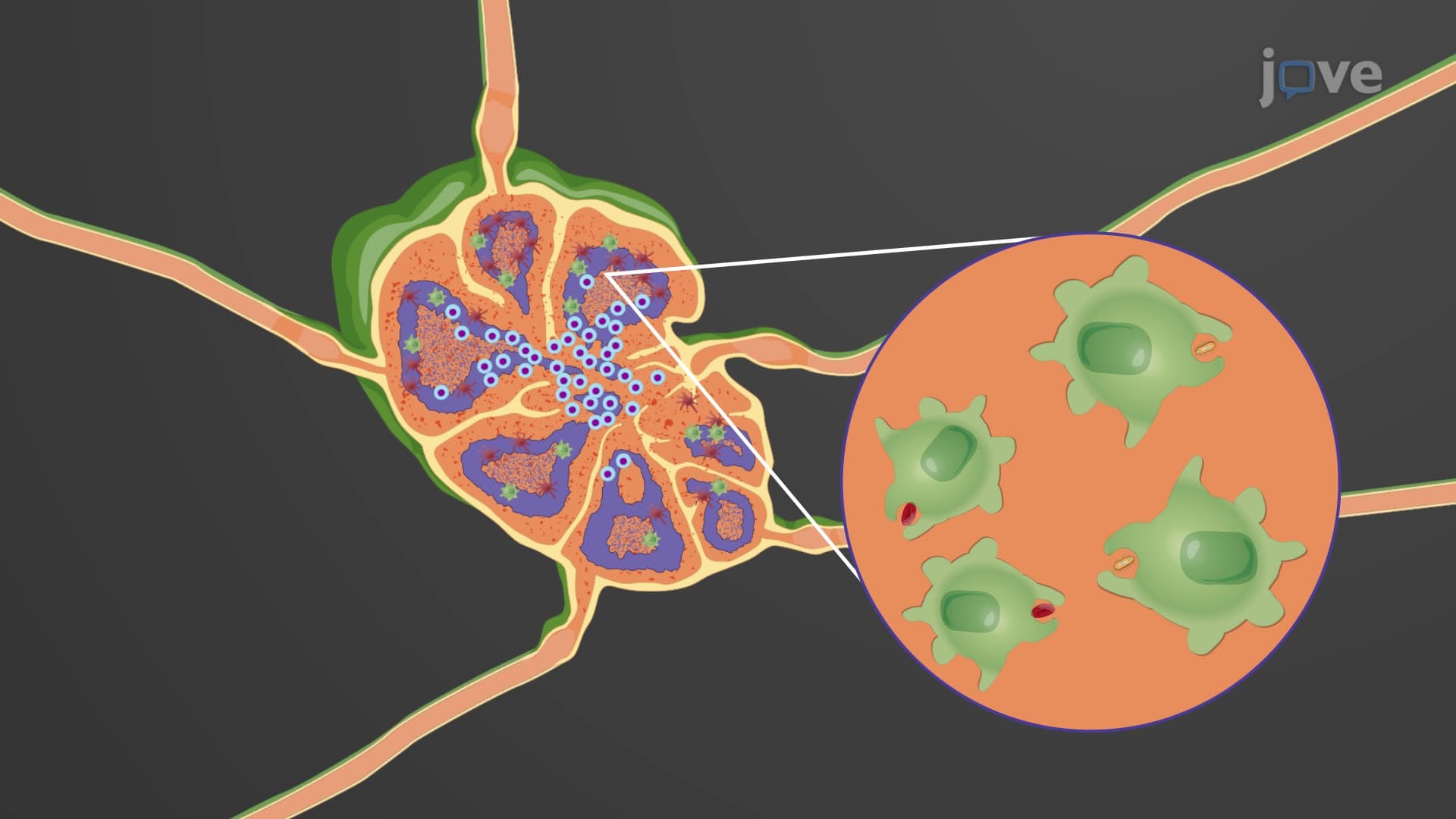
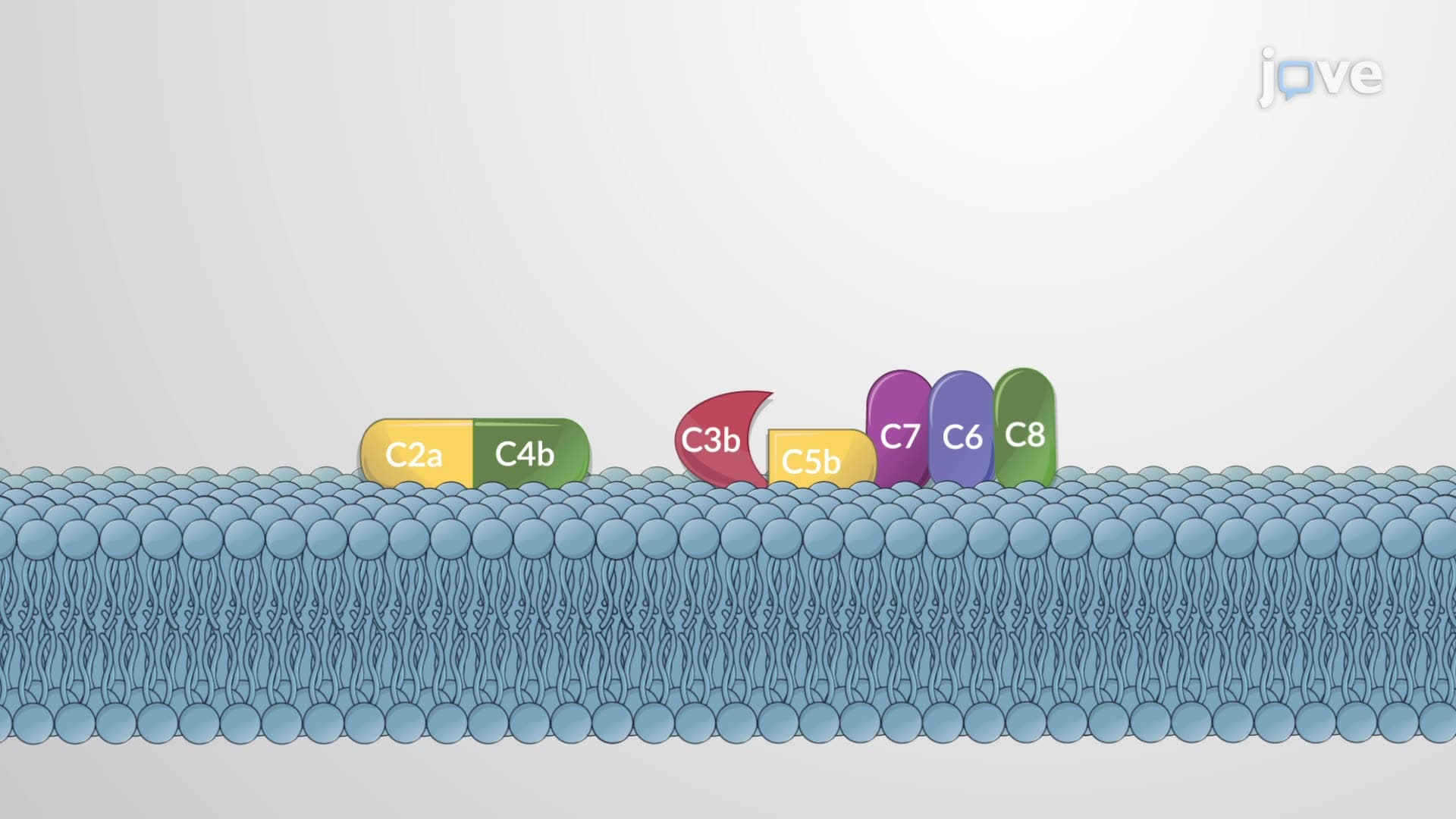
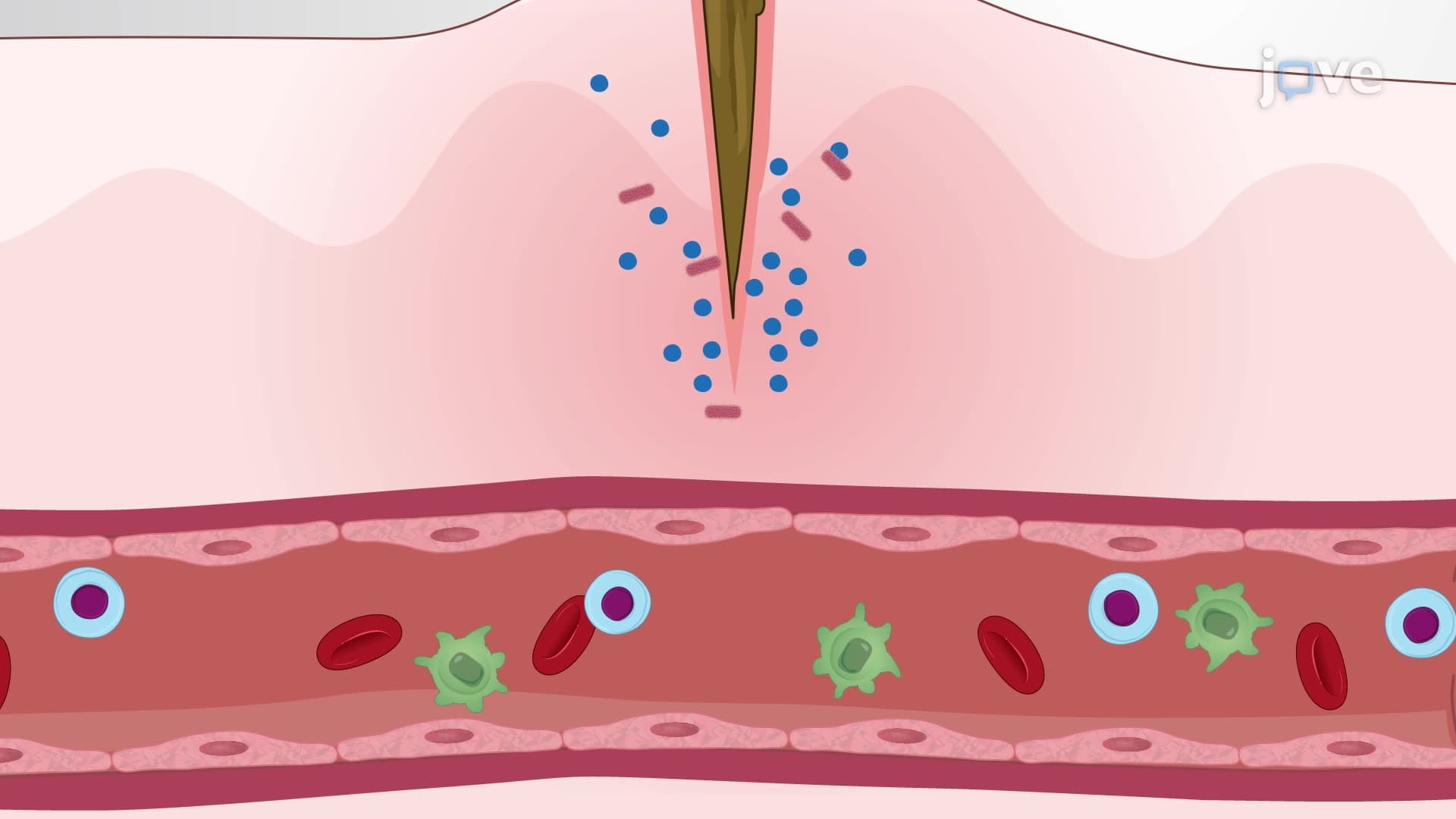
When pathogens breach these initial defenses, specialized cells called phagocytes (literally "eating cells") spring into action. Neutrophils, the most abundant white blood cells, arrive first at infection sites and literally consume bacteria. Meanwhile, antimicrobial peptides like defensins punch holes in bacterial cell walls. This response is "nonspecific" because it attacks any foreign invader using the same mechanisms, whether facing strep throat or a cut from a rusty nail.
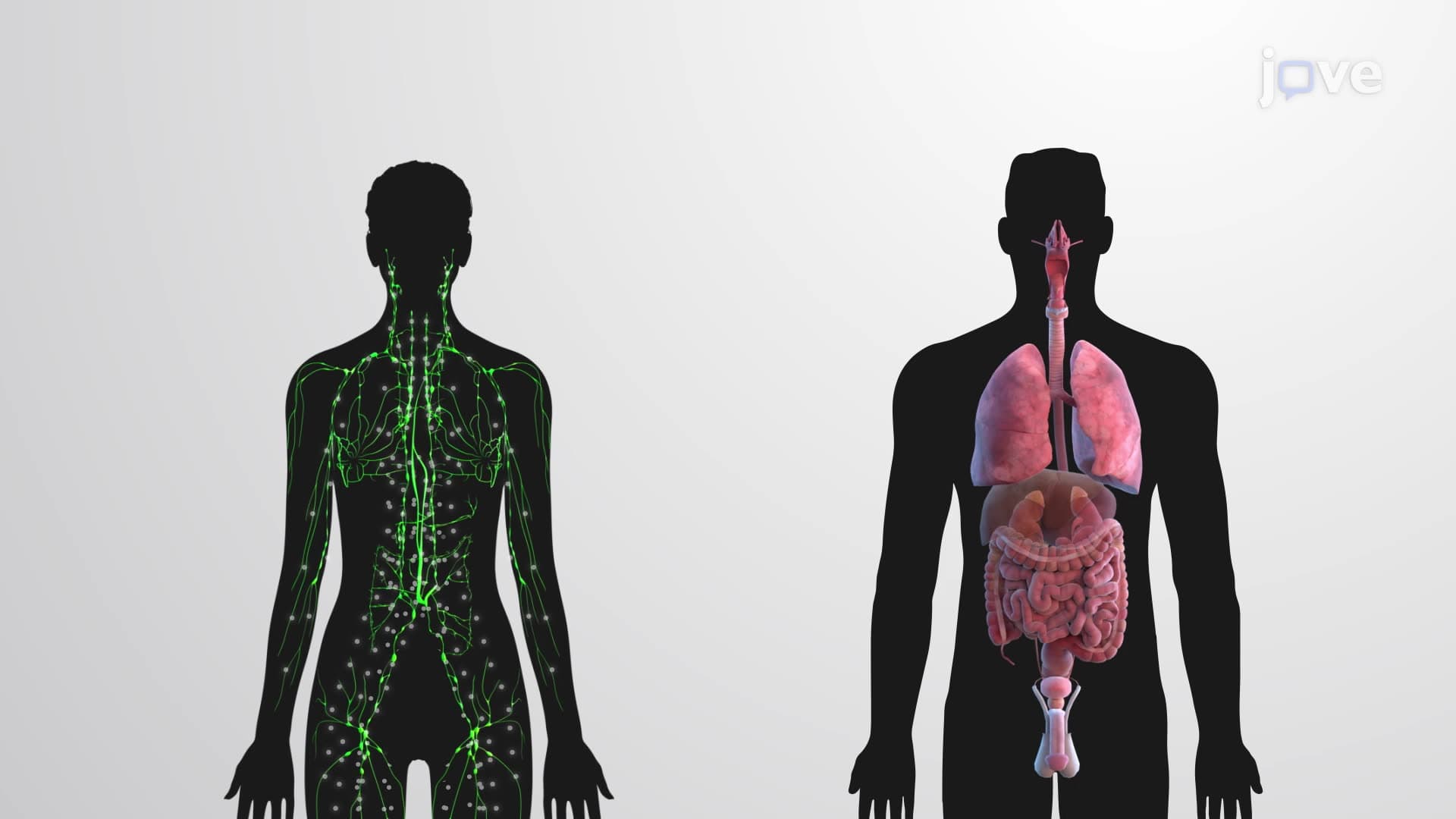
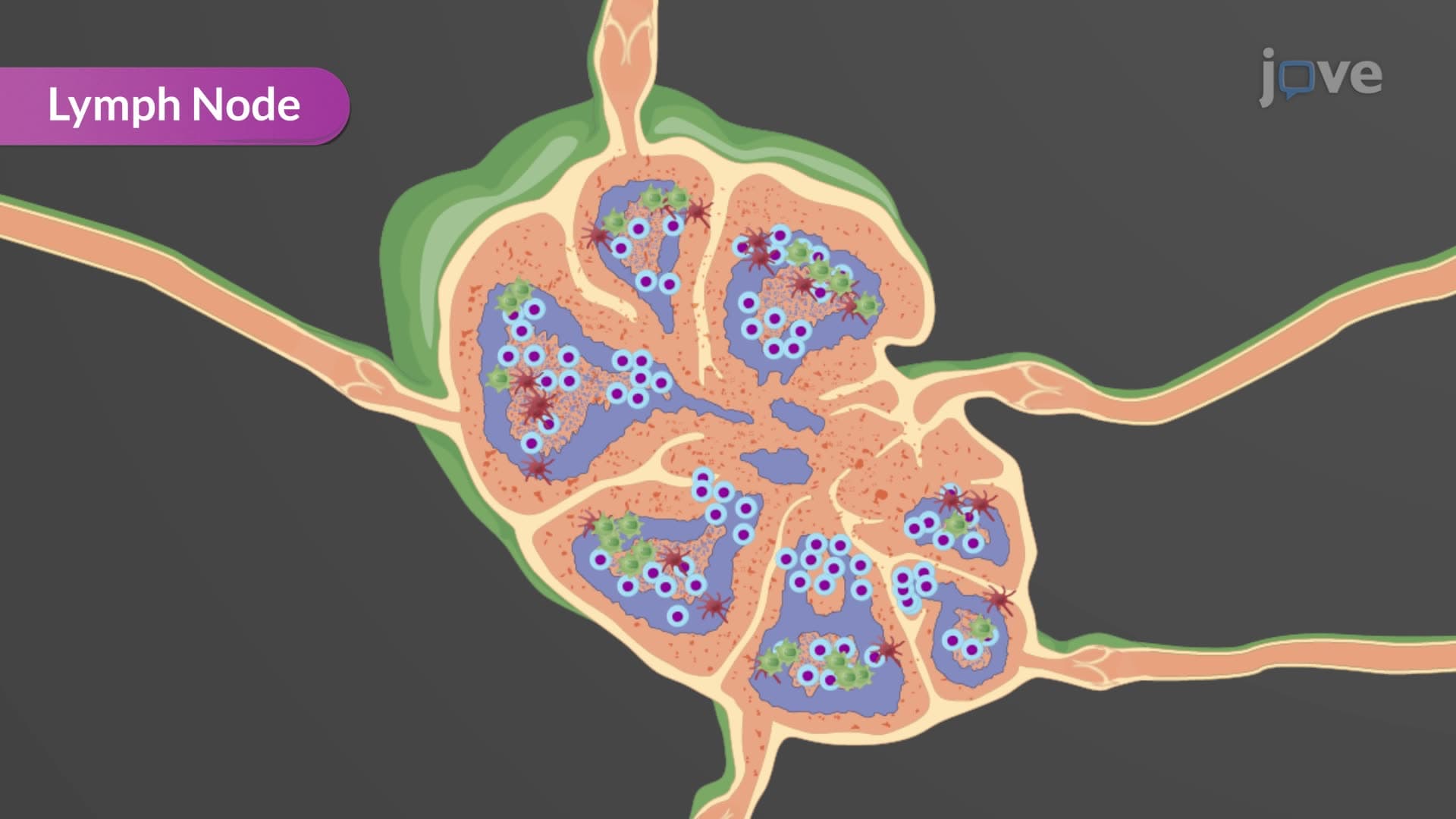
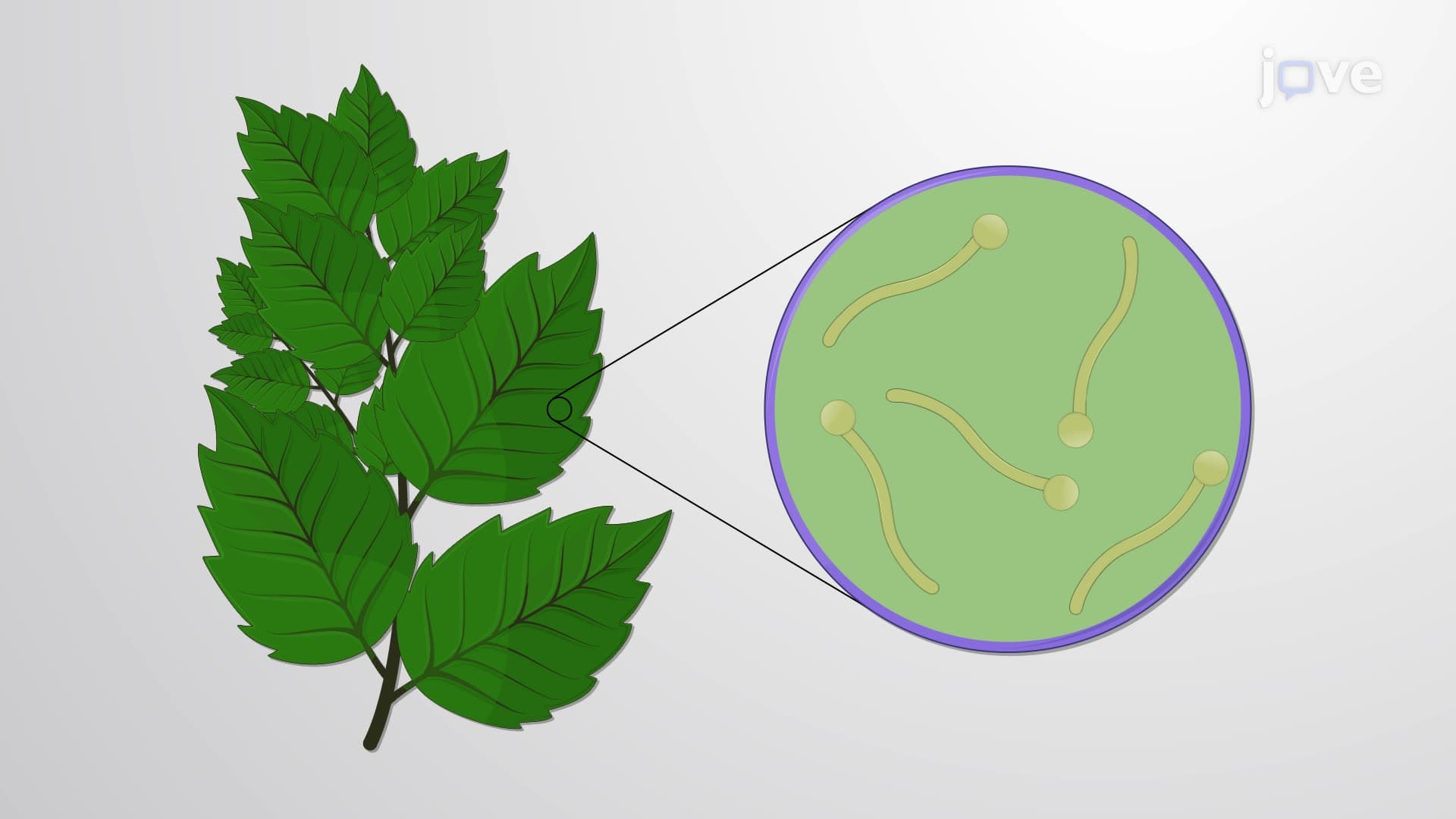
While innate immunity provides immediate but general protection, specific adaptive immunity develops sophisticated, pathogen-specific responses. This system takes days to weeks to fully activate but provides incredibly precise and long-lasting protection. The innate vs adaptive immune system comparison reveals that adaptive immunity offers three key advantages: specificity, memory, and systemic coverage.
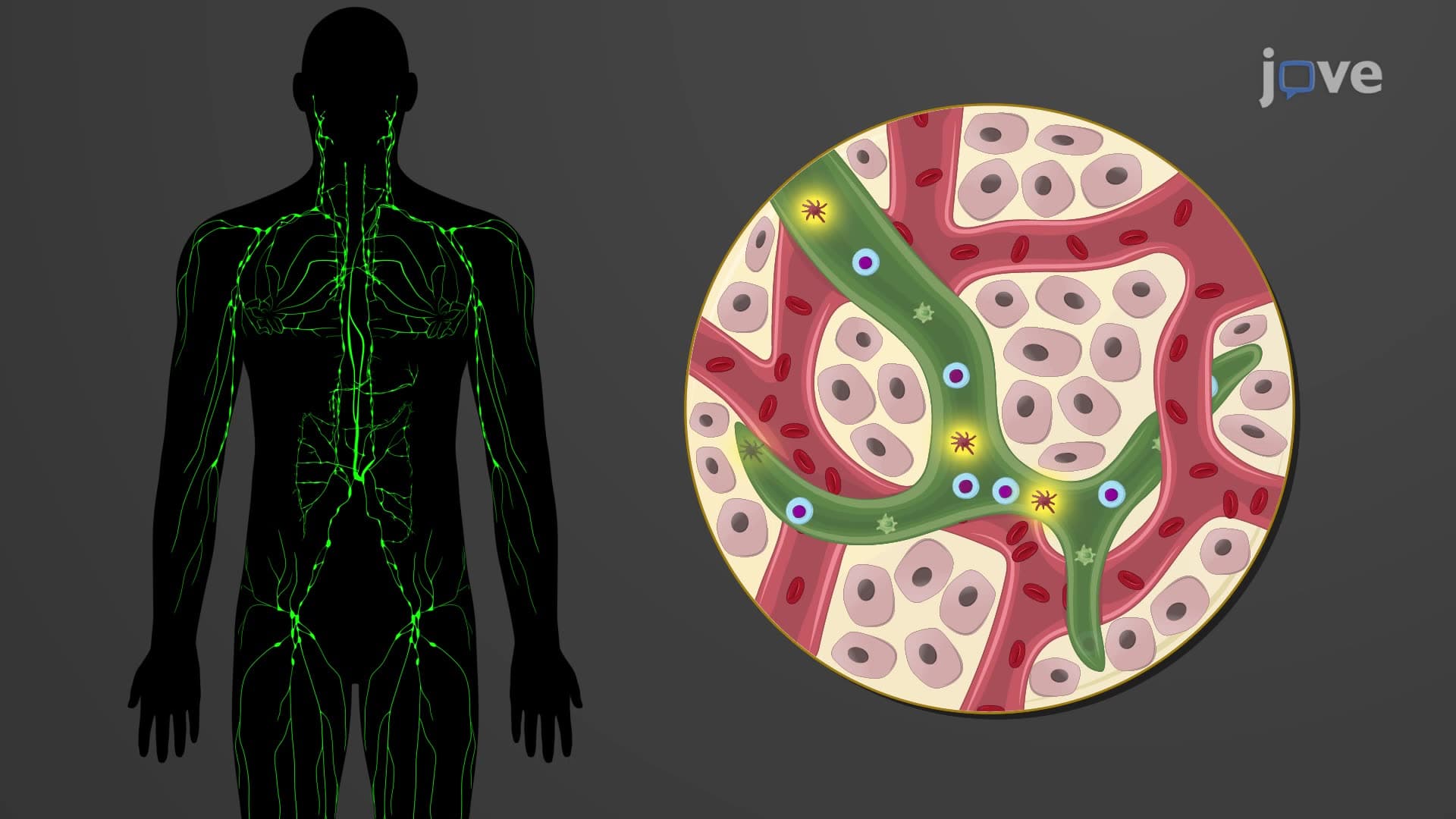
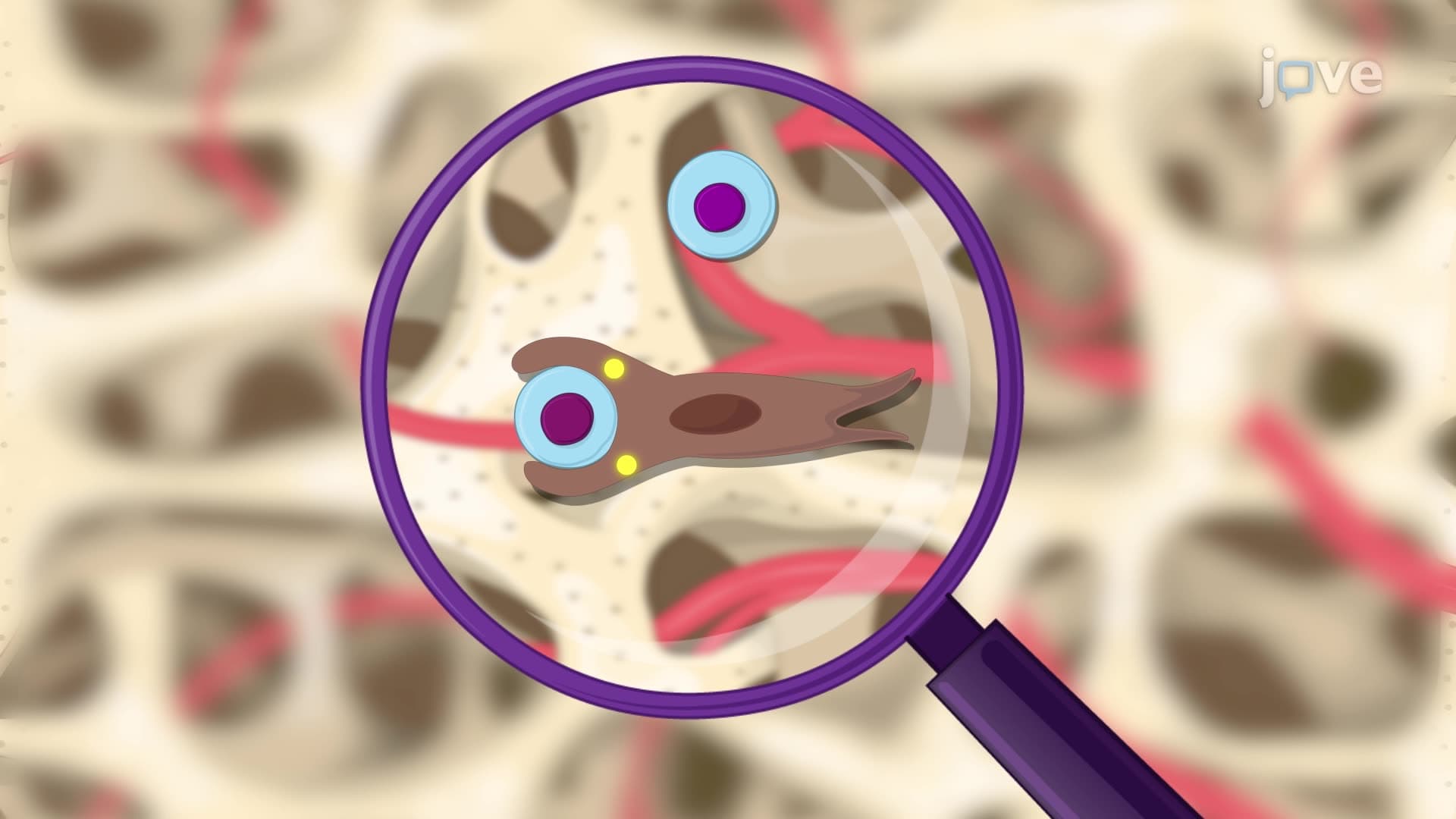
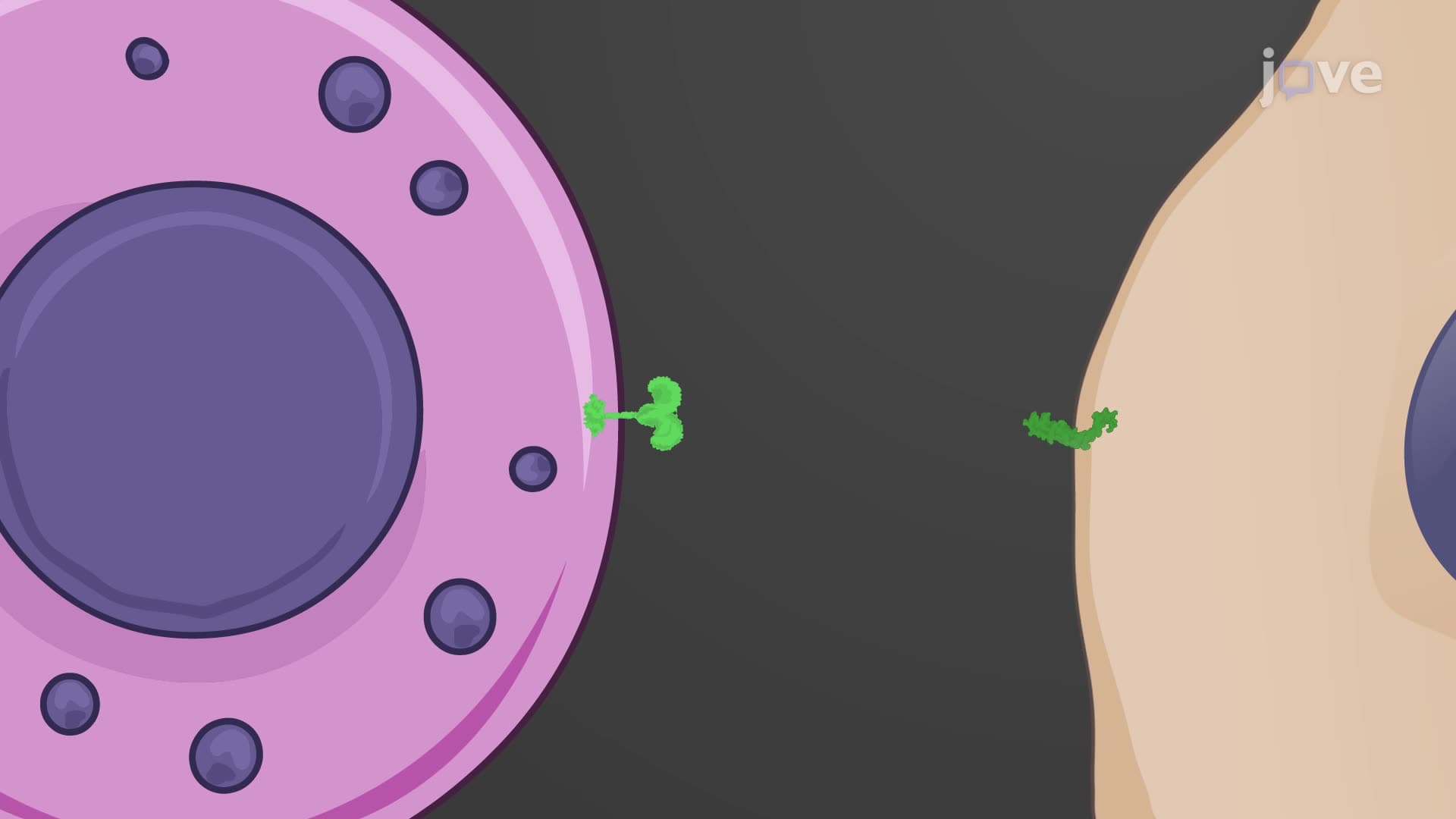
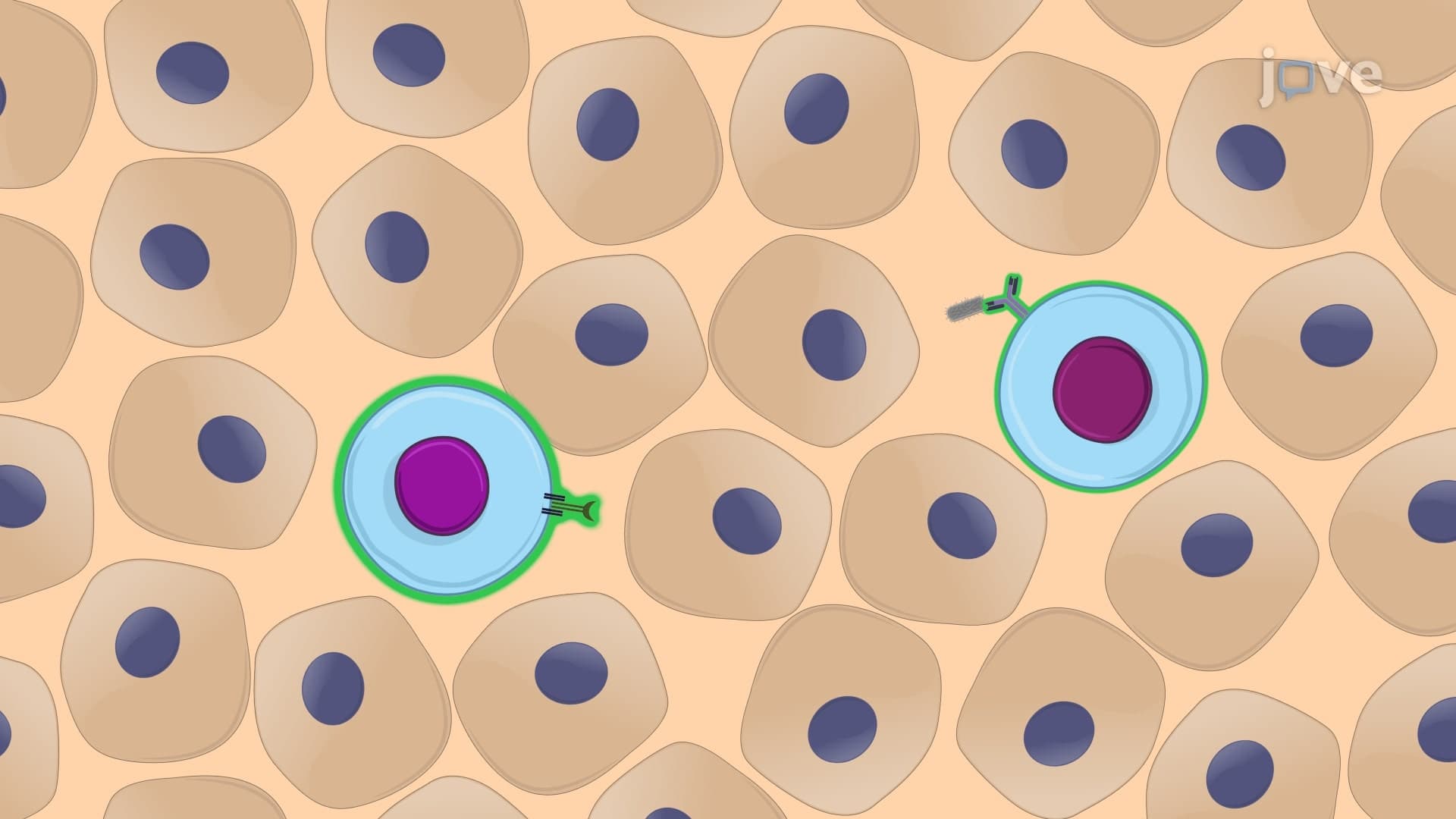
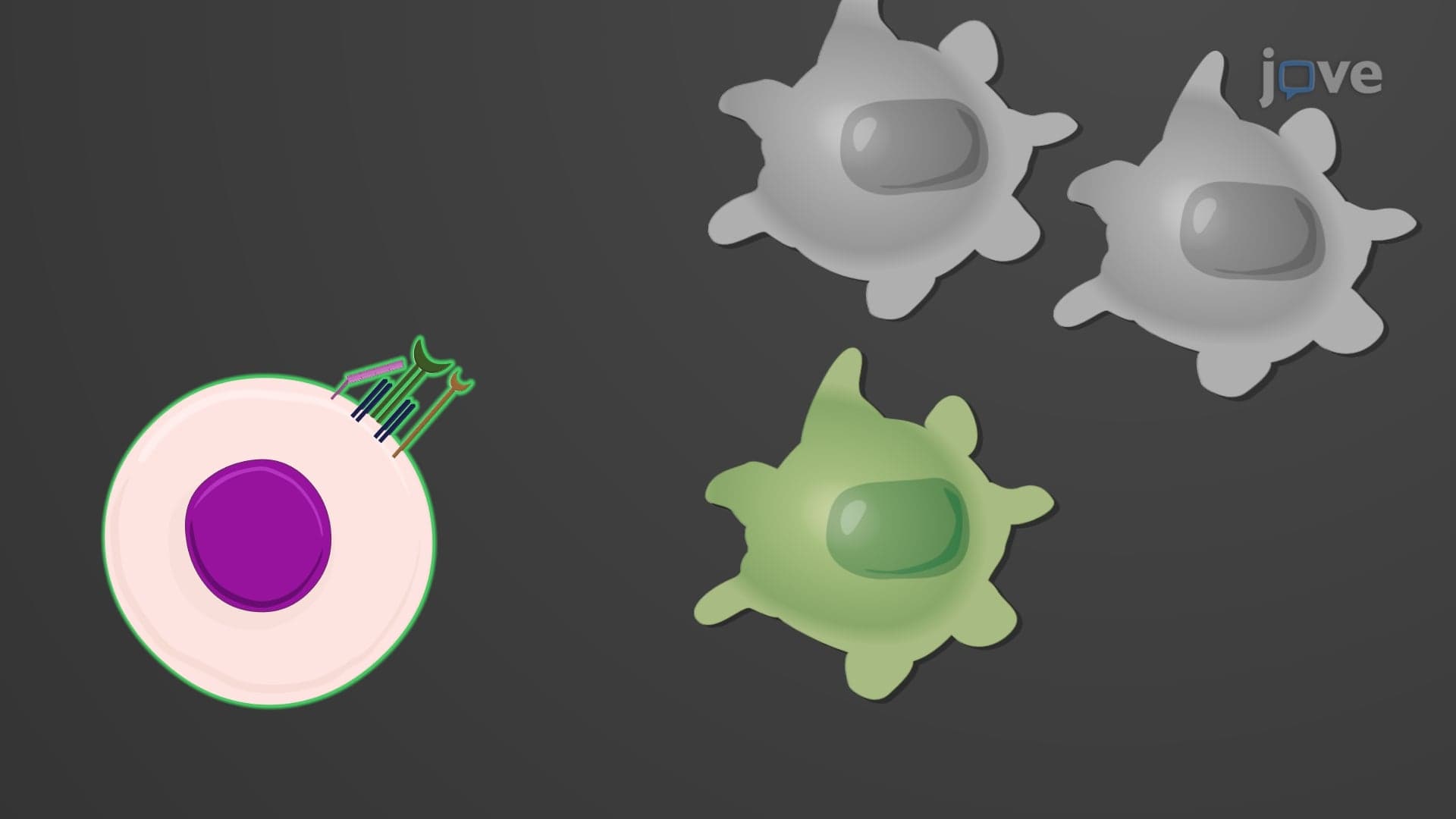
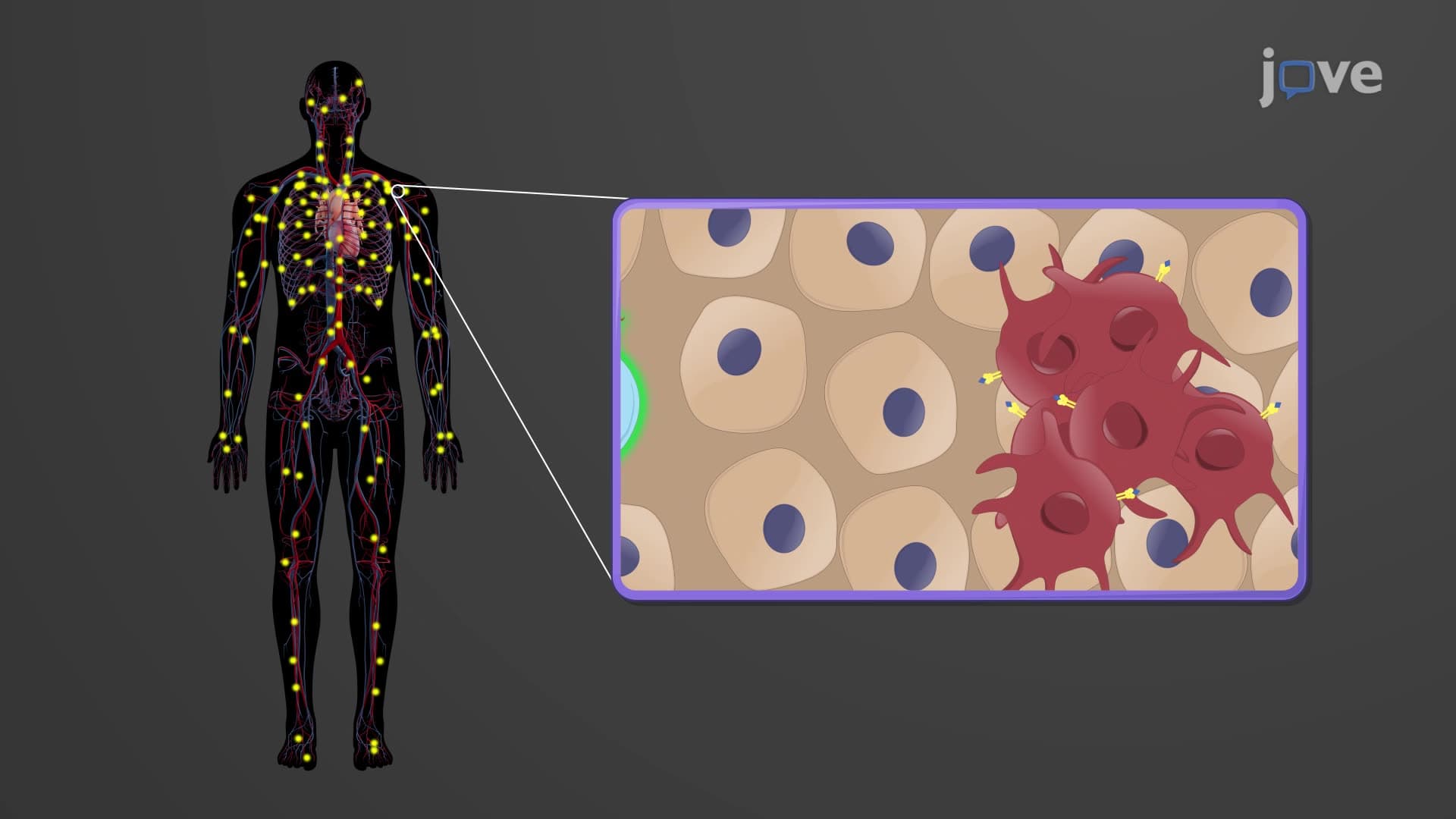
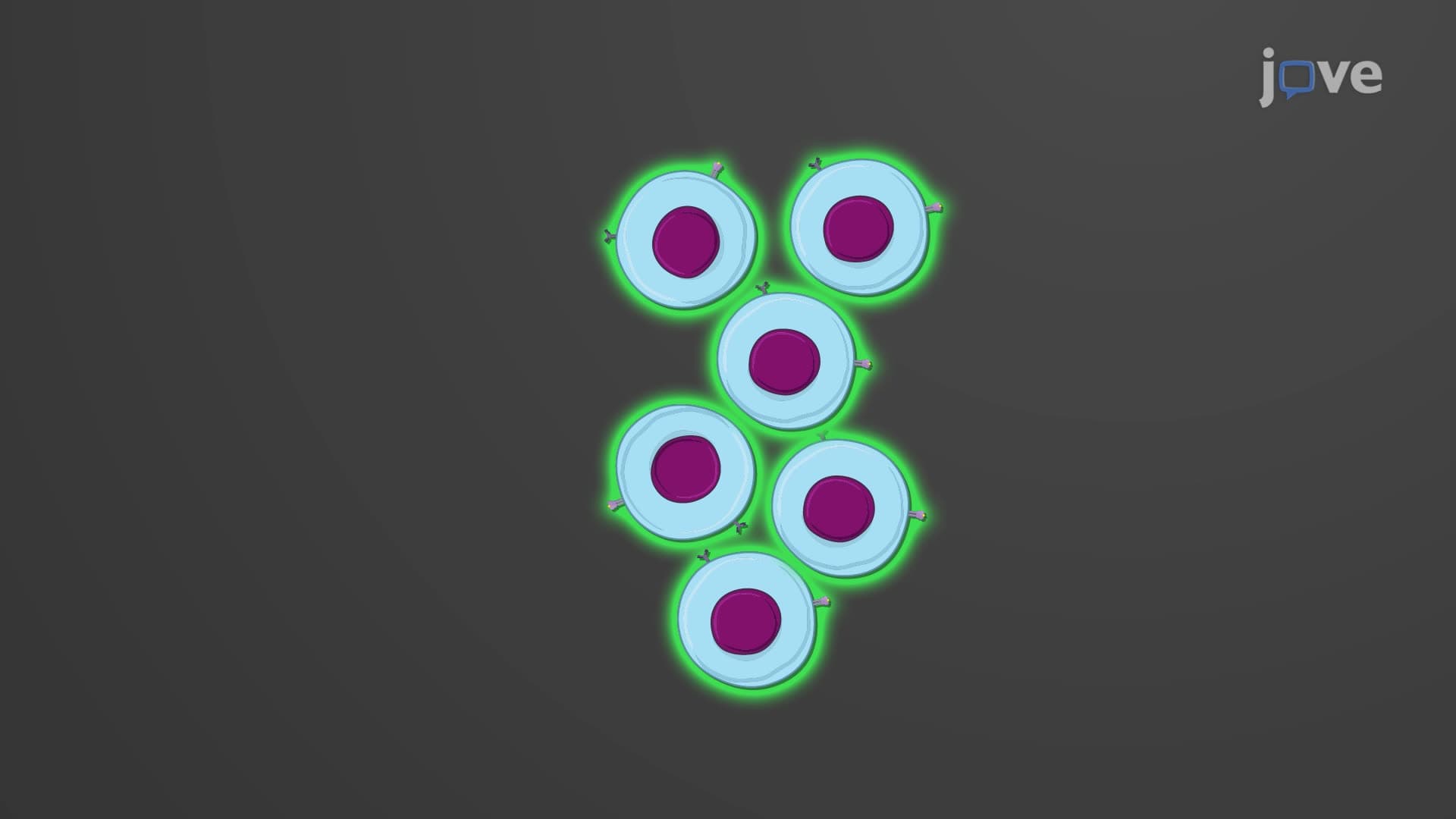
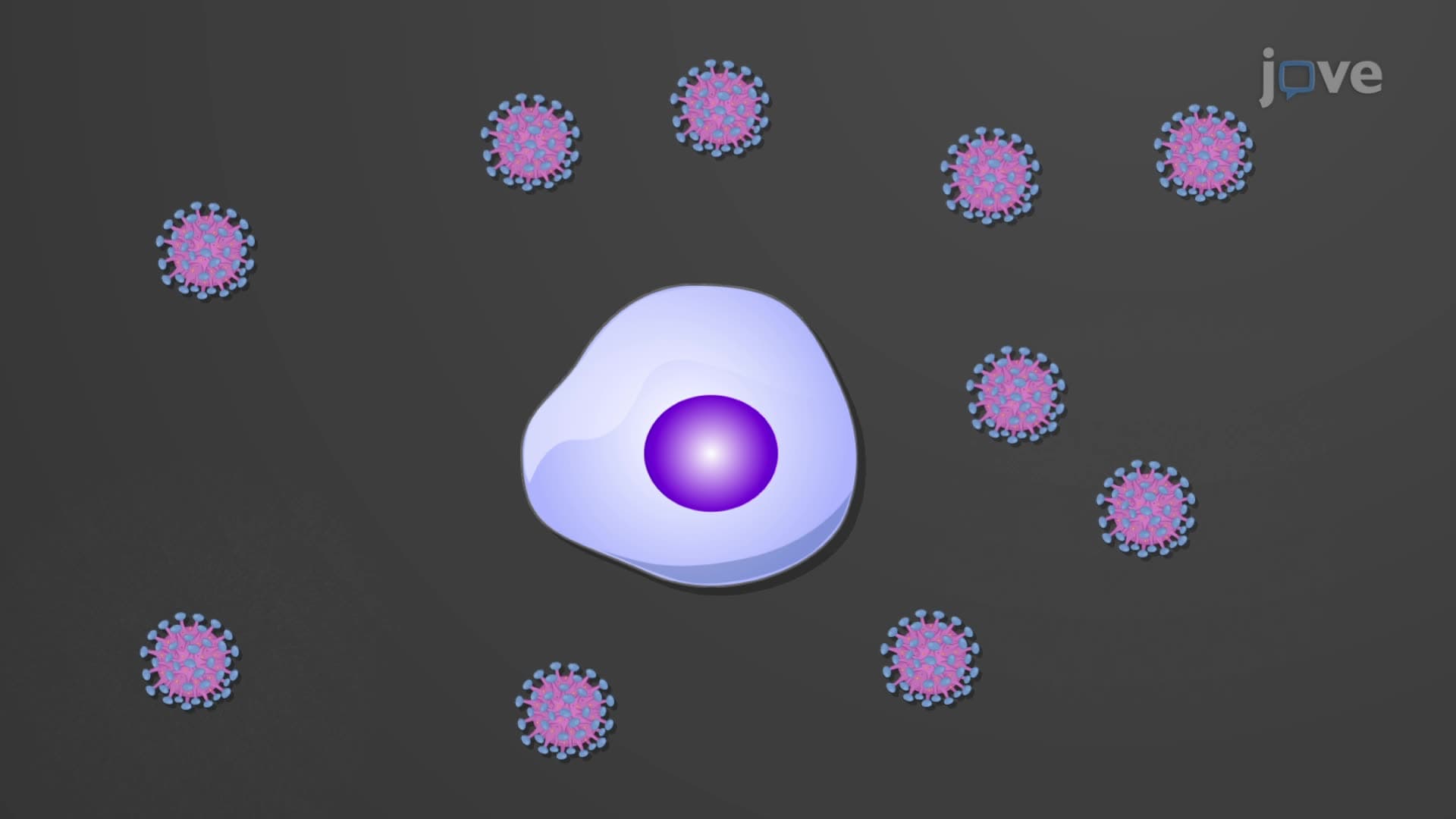
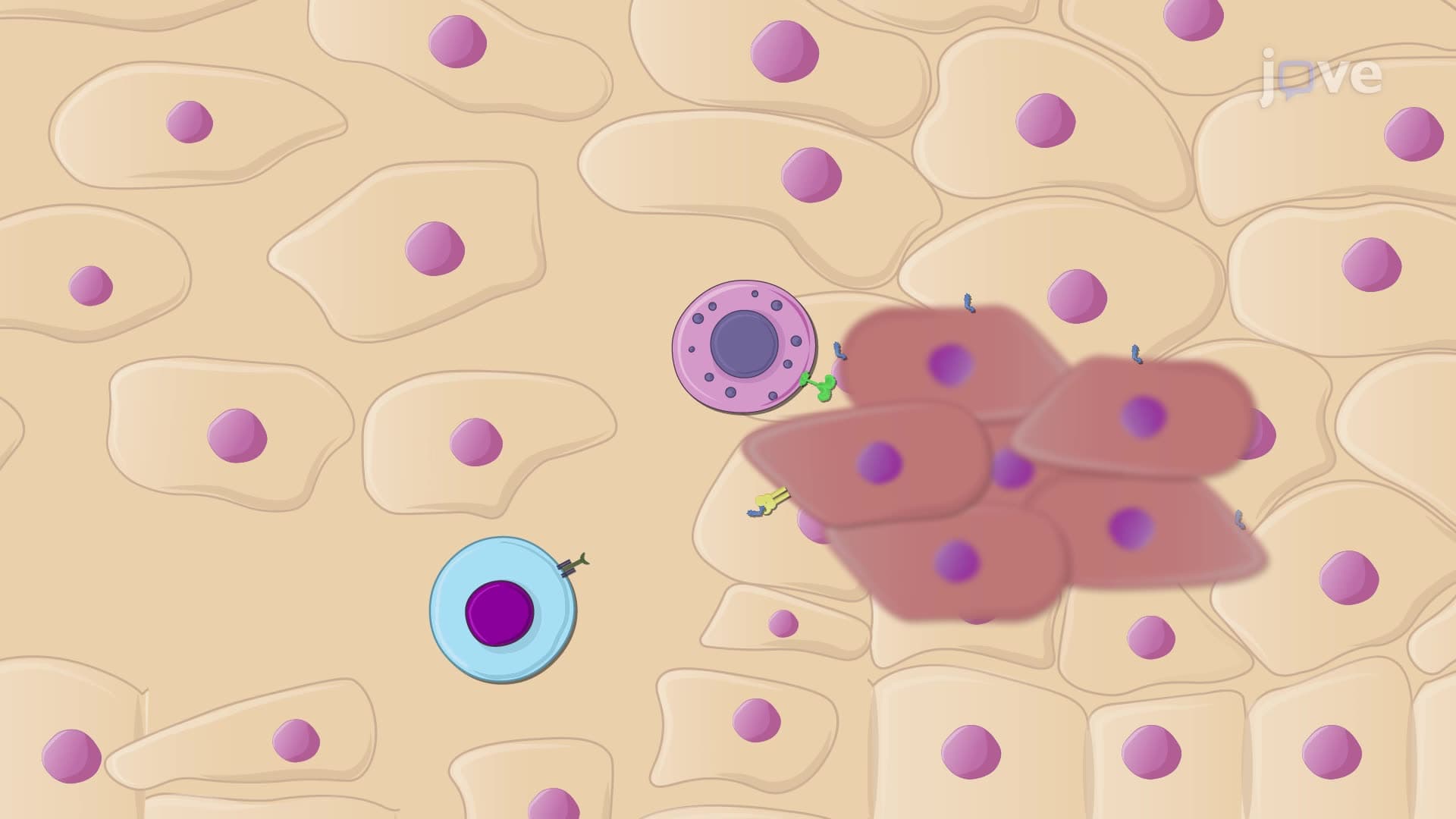
Cell-mediated immunity involves T lymphocytes that directly attack infected cells or coordinate immune responses. Cytotoxic T cells act like specialized assassins, identifying and destroying cells harboring viruses or showing cancerous changes. Helper T cells coordinate the entire immune response, directing other immune cells to optimal targets.
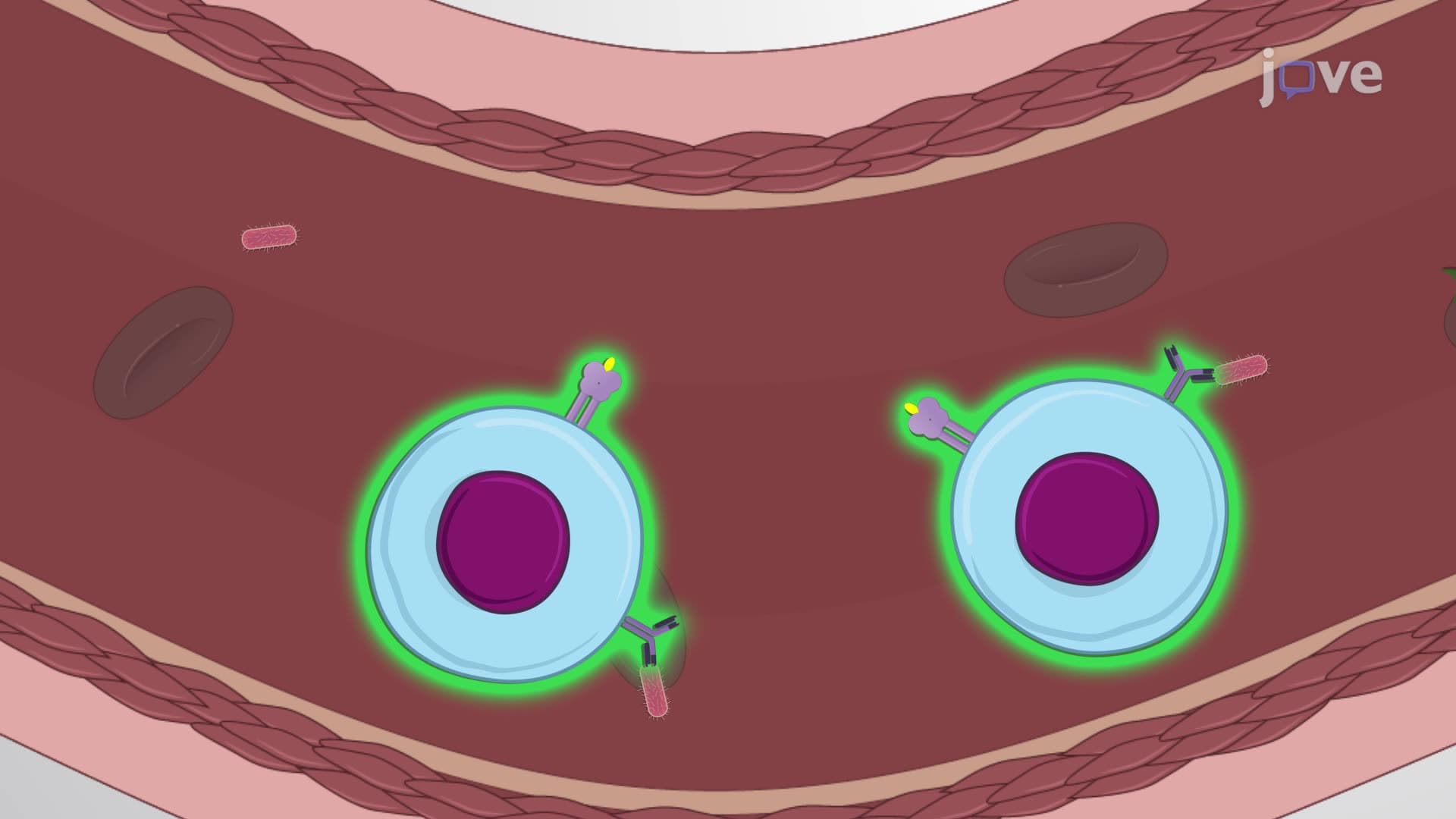
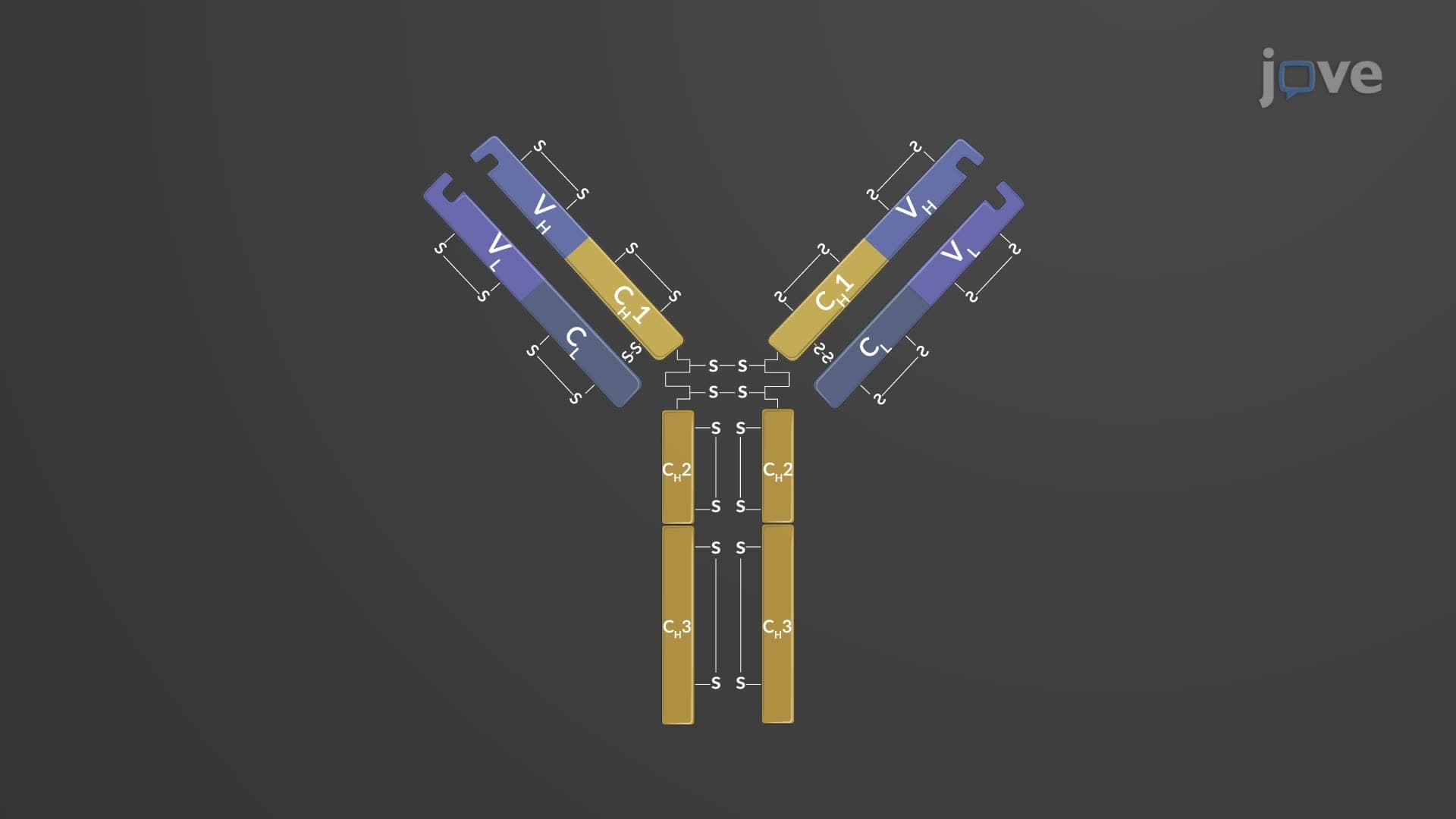
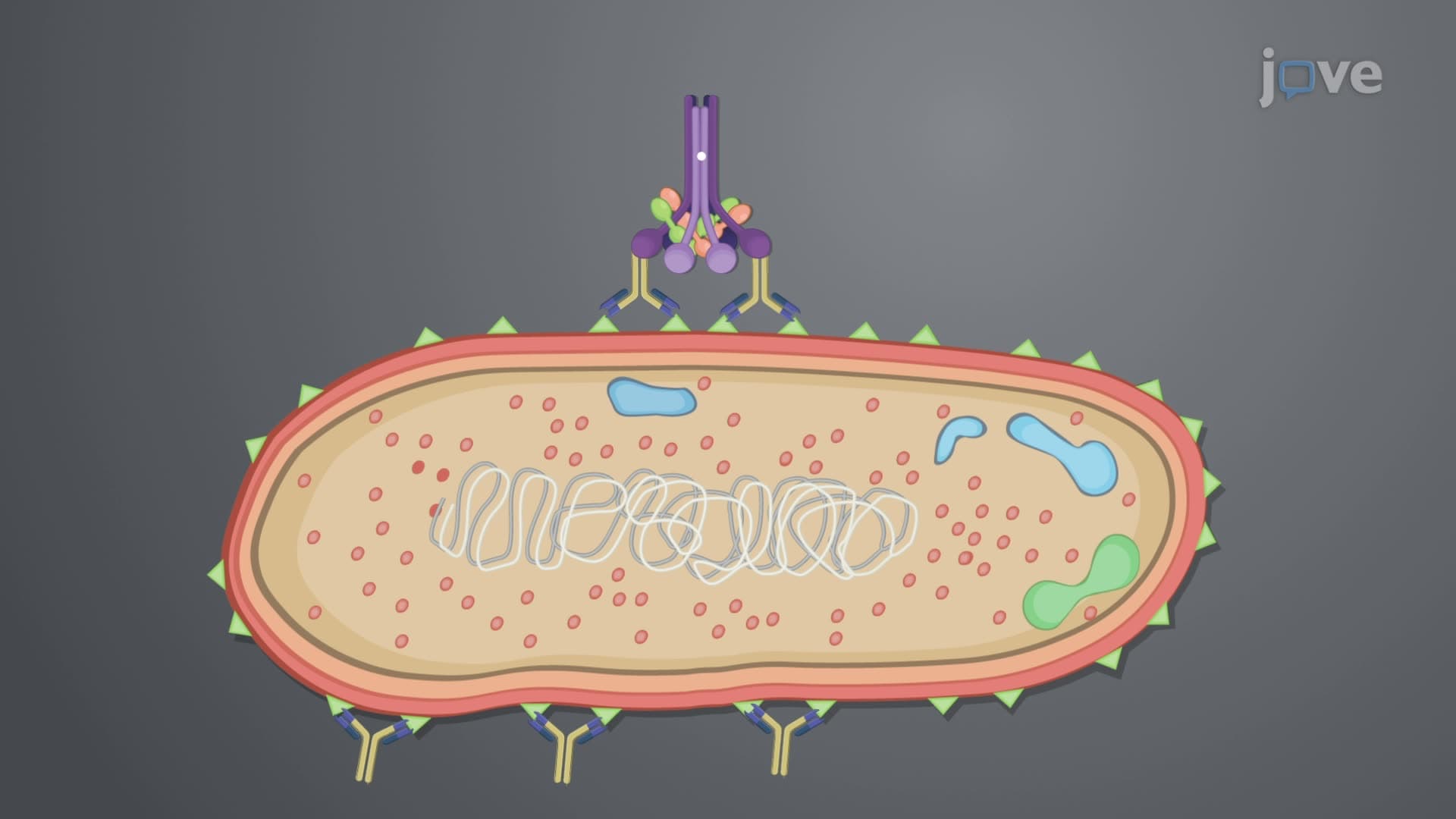
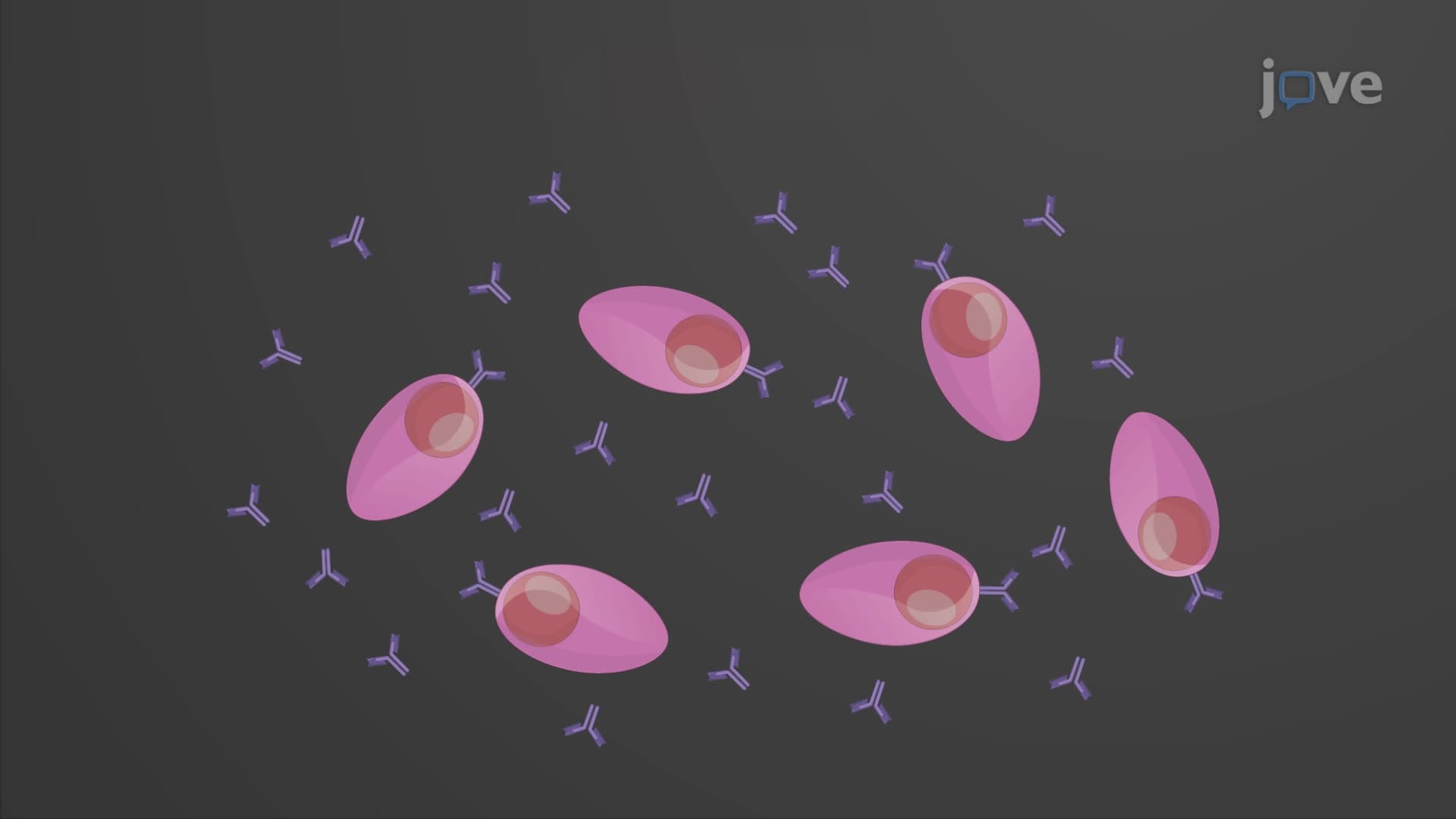
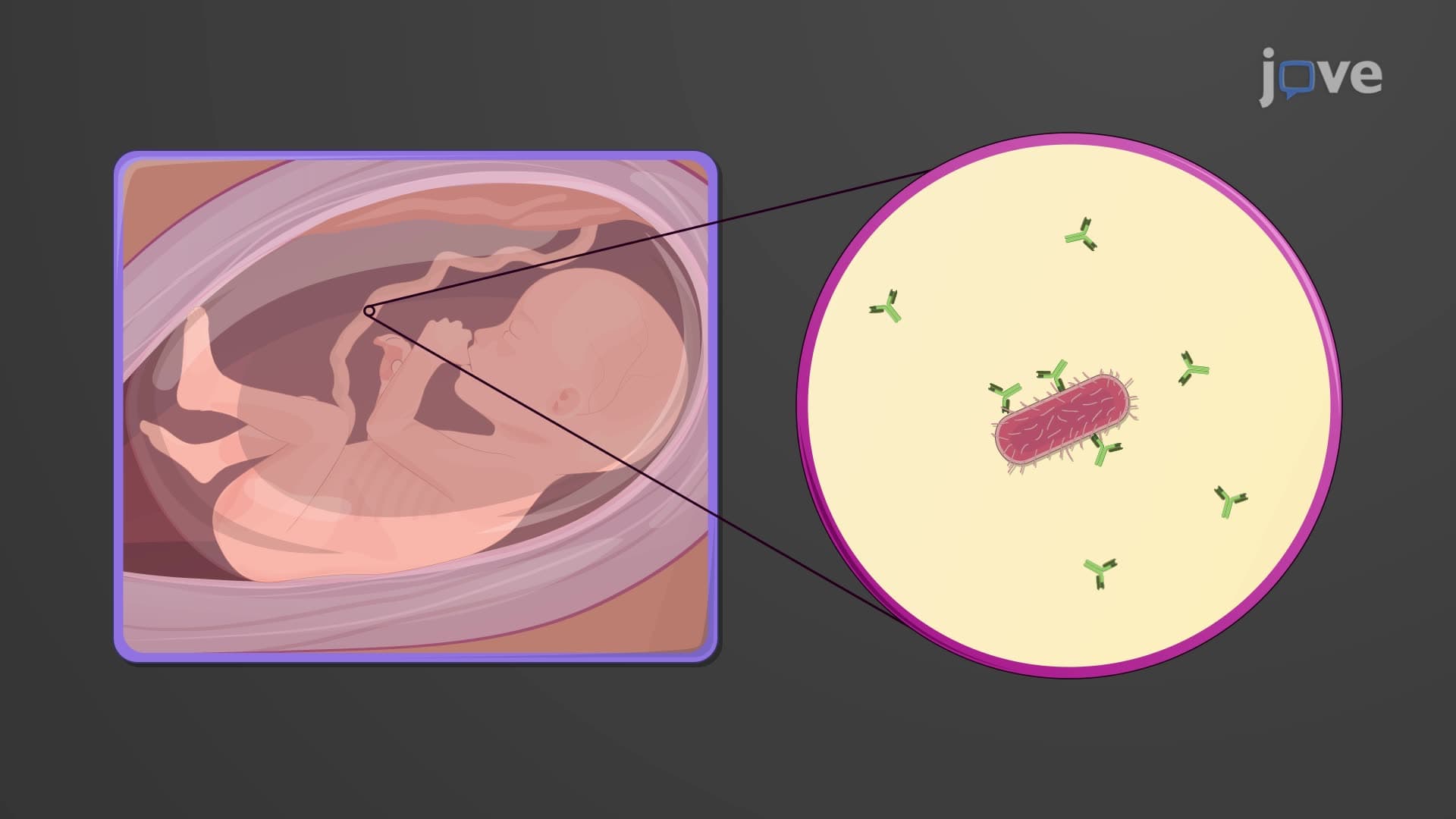
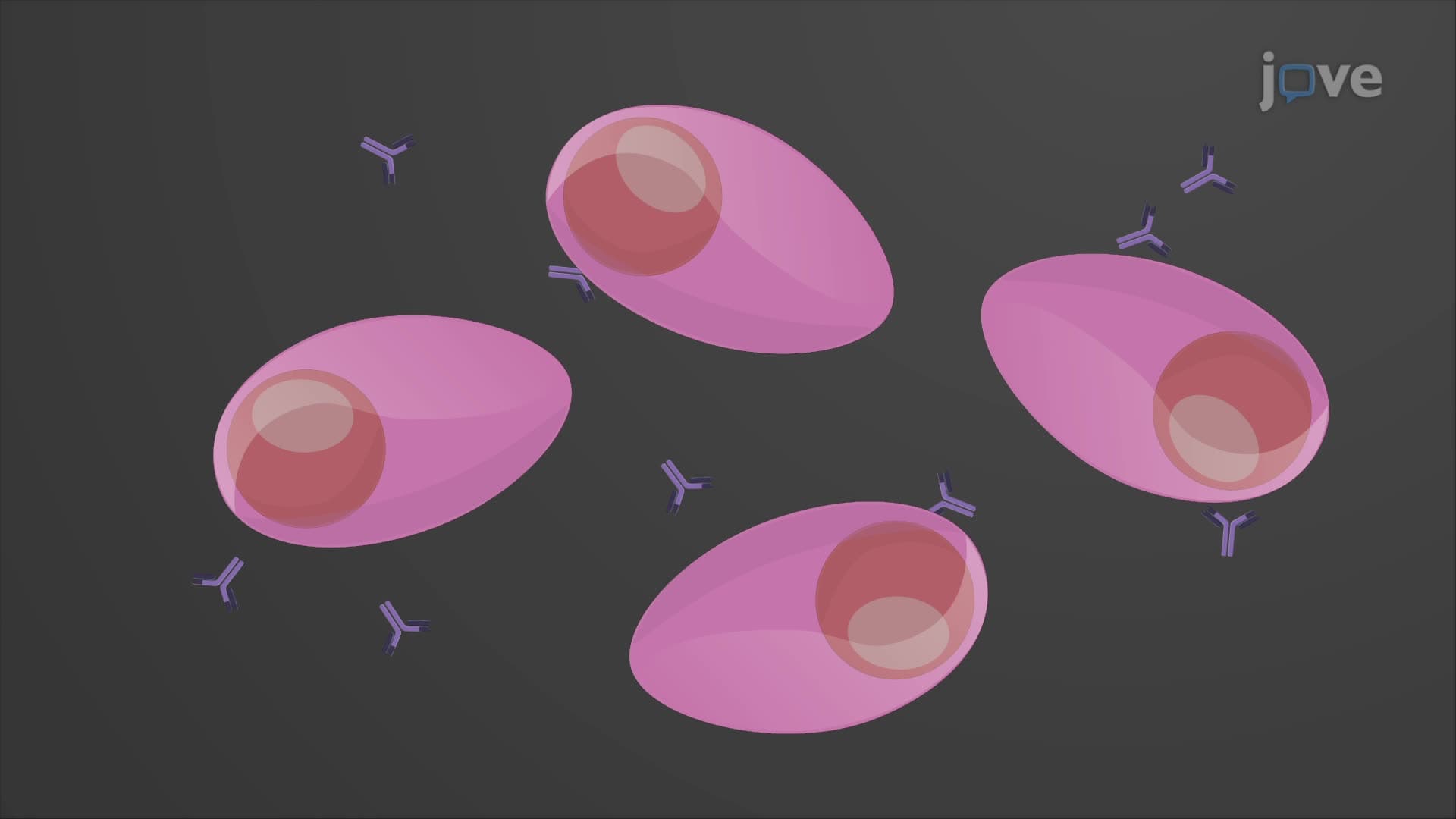
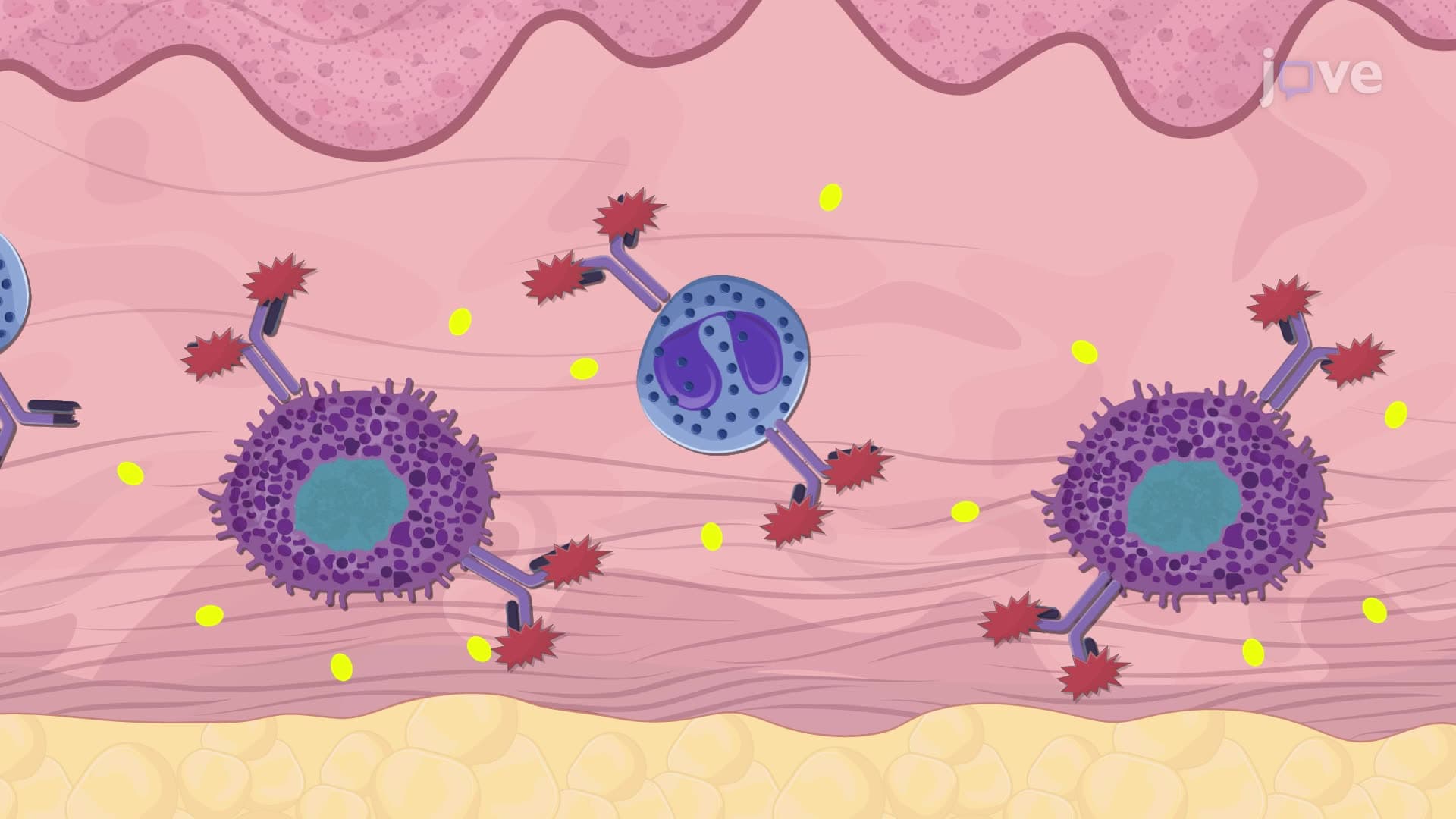
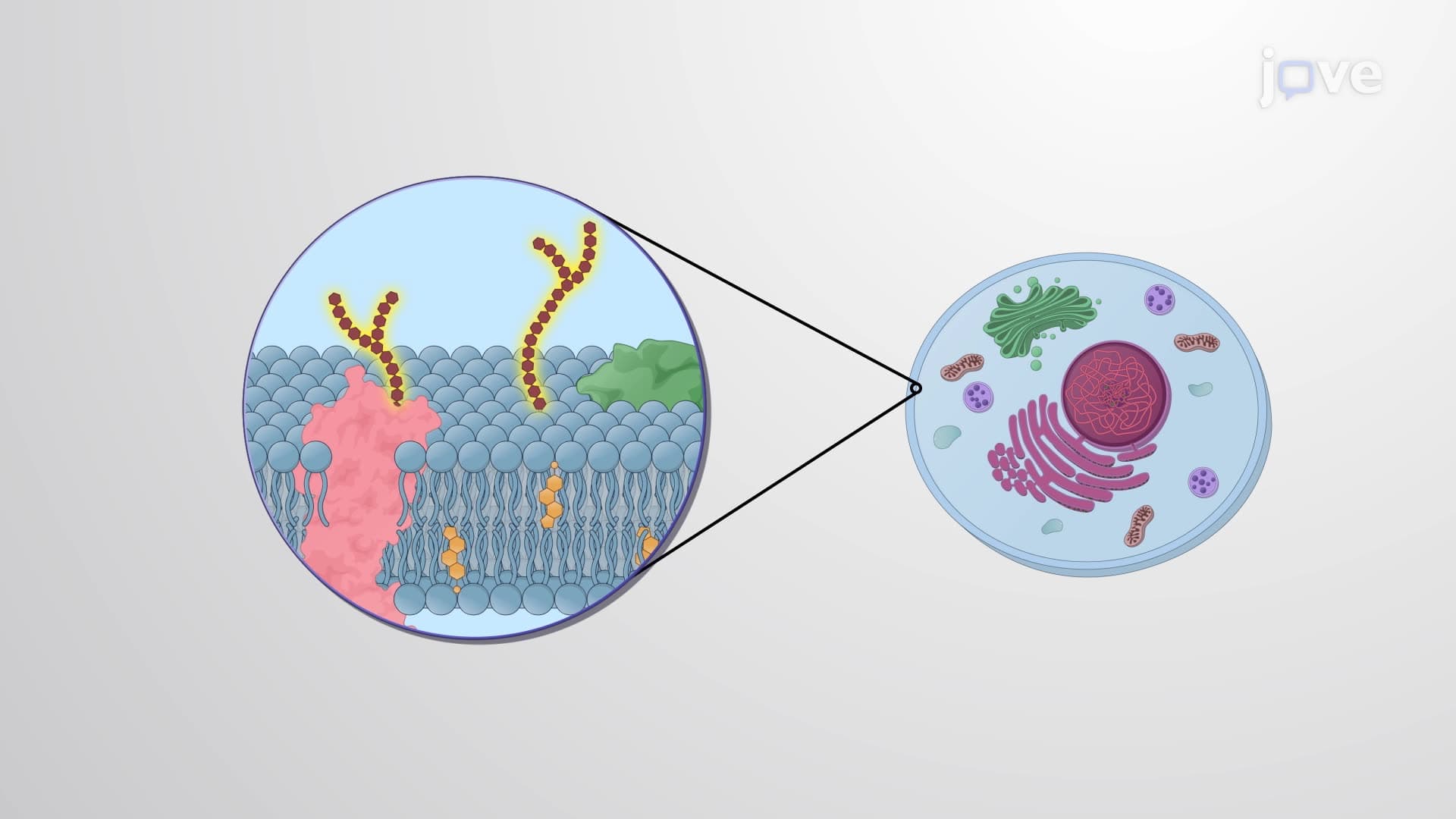
Antibody-mediated immunity centers on B lymphocytes producing highly specific antibodies - Y-shaped proteins that bind to specific molecular patterns on pathogens. Each antibody is designed to recognize one specific target, like a molecular lock and key. Once bound, antibodies mark pathogens for destruction and prevent them from infecting healthy cells.
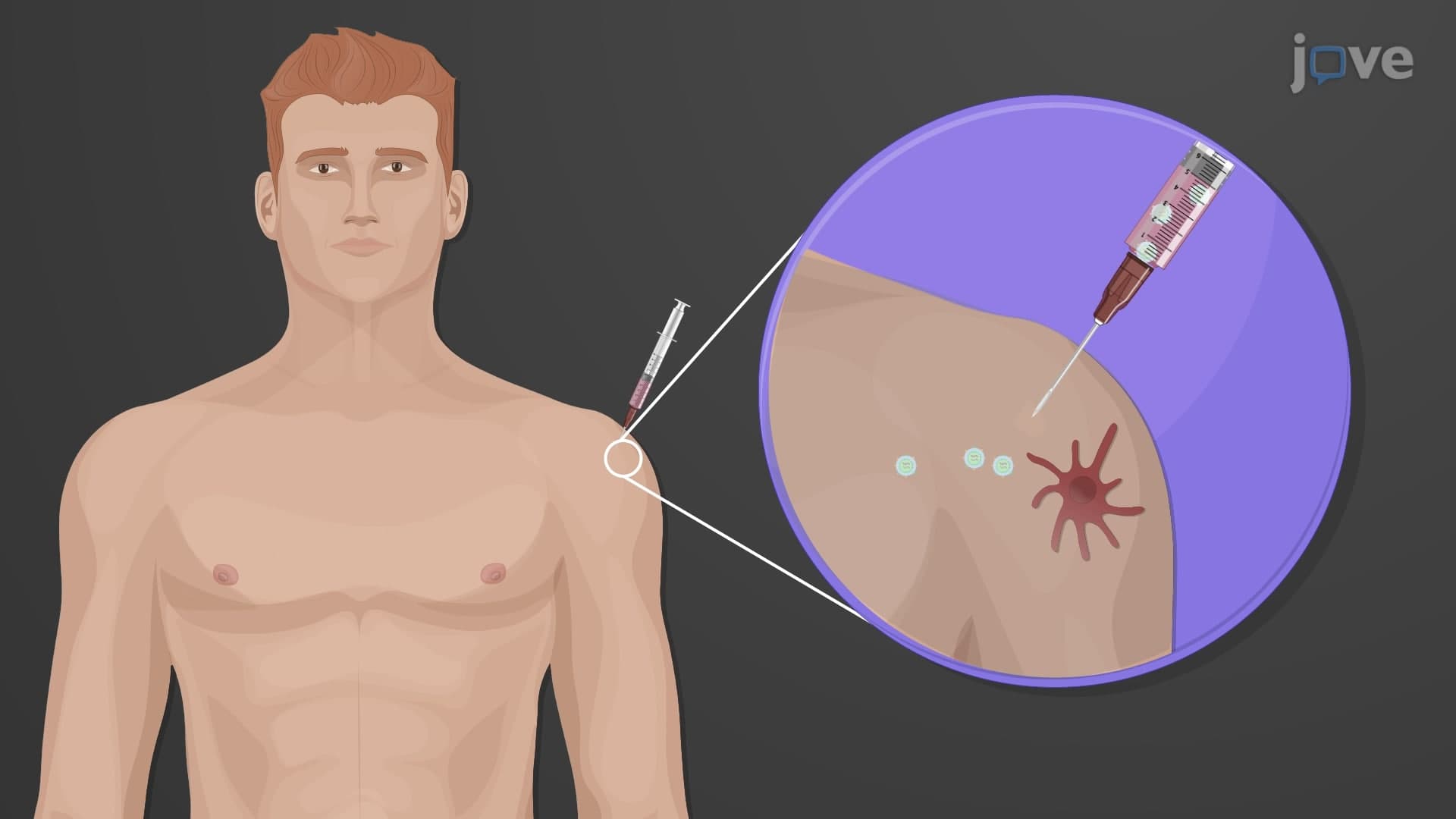
Understanding what is innate and adaptive immunity in biology proves crucial for AP Biology, college immunology courses, and pre-med MCAT preparation. Students frequently encounter questions about vaccination mechanisms (adaptive immunity creating memory), autoimmune diseases (adaptive immunity attacking self), and immunodeficiency conditions affecting either system. Healthcare professionals use this knowledge daily - from understanding why immunocompromised patients need isolation to designing treatment protocols for allergic reactions.
Related Micro-courses