Loading subject page…


218,421 views

Video Summary: What Is Lymphatic and Immune System
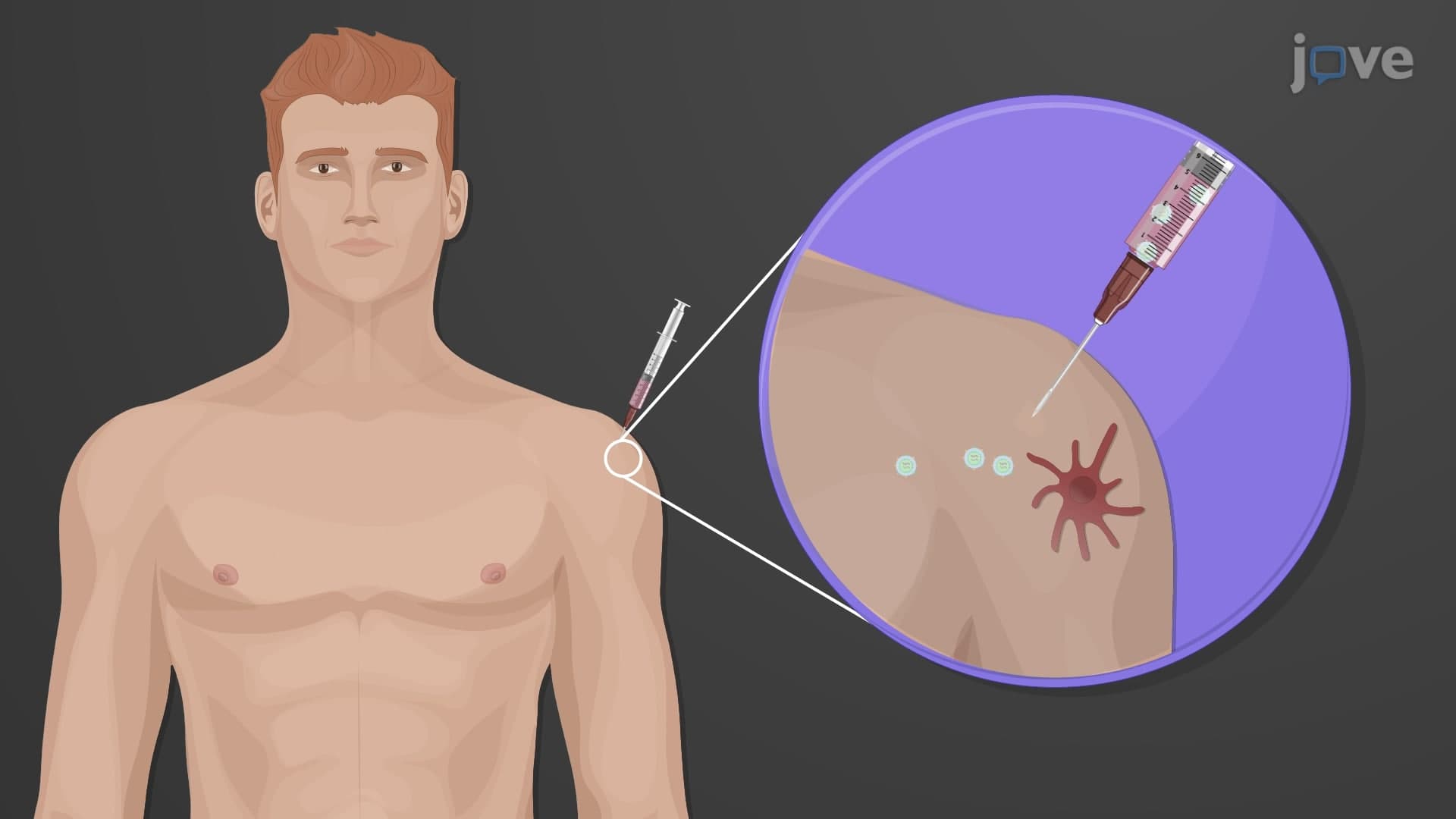
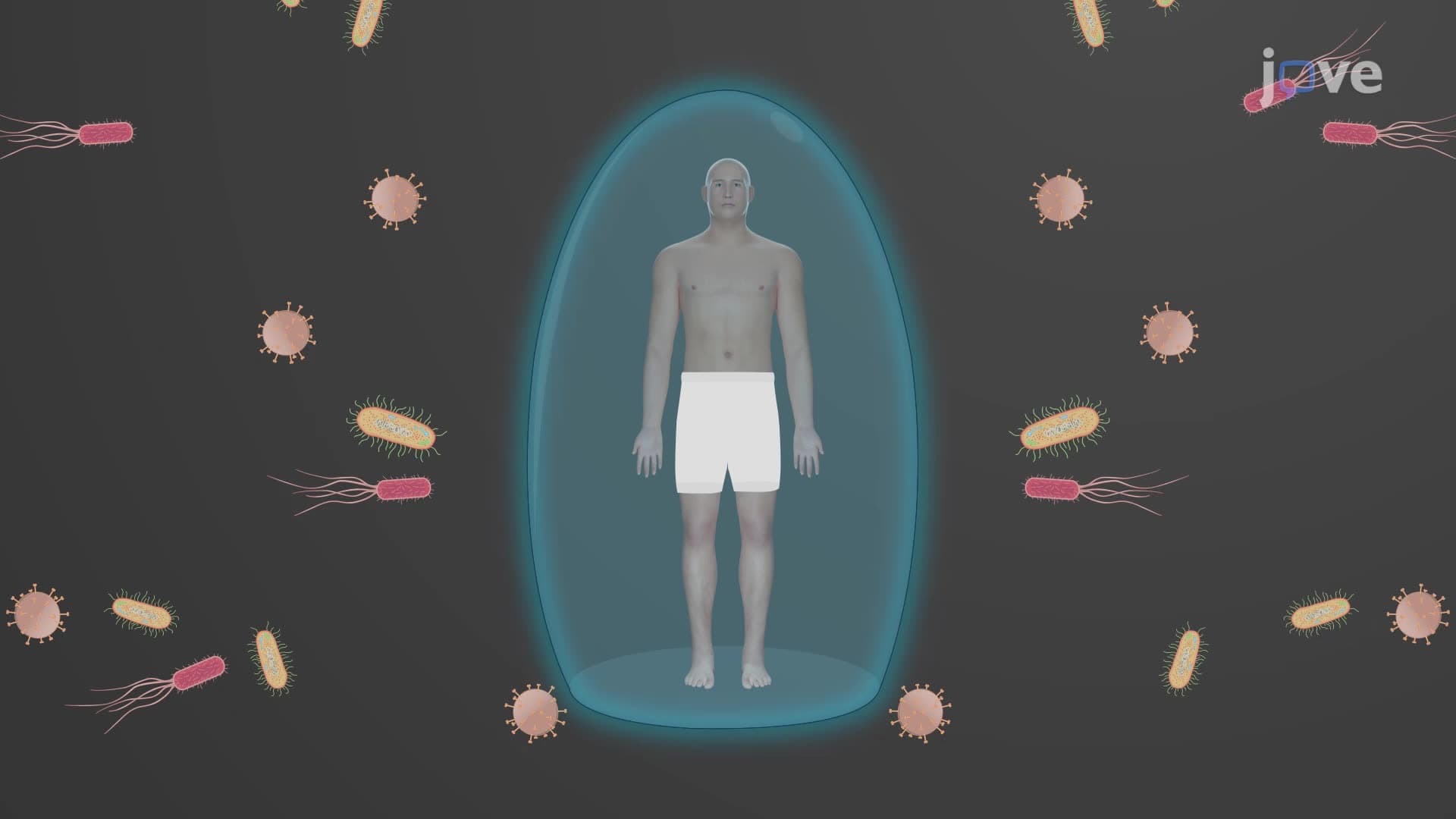
Ever wondered why you don't catch the same cold twice? Your lymphatic immune system overview reveals a sophisticated network that remembers every pathogen it encounters. Consider how vaccines work at Johns Hopkins Hospital, they train your lymphatic system to recognize threats before actual infection occurs. Understanding what is the lymphatic and immune system unlocks the secrets of how your body maintains health through coordinated defense mechanisms involving lymph vessels, immune cells, and specialized organs working together. Watch the full video on JoVE Coach to master this concept with expert-led visuals and step-by-step explanations.
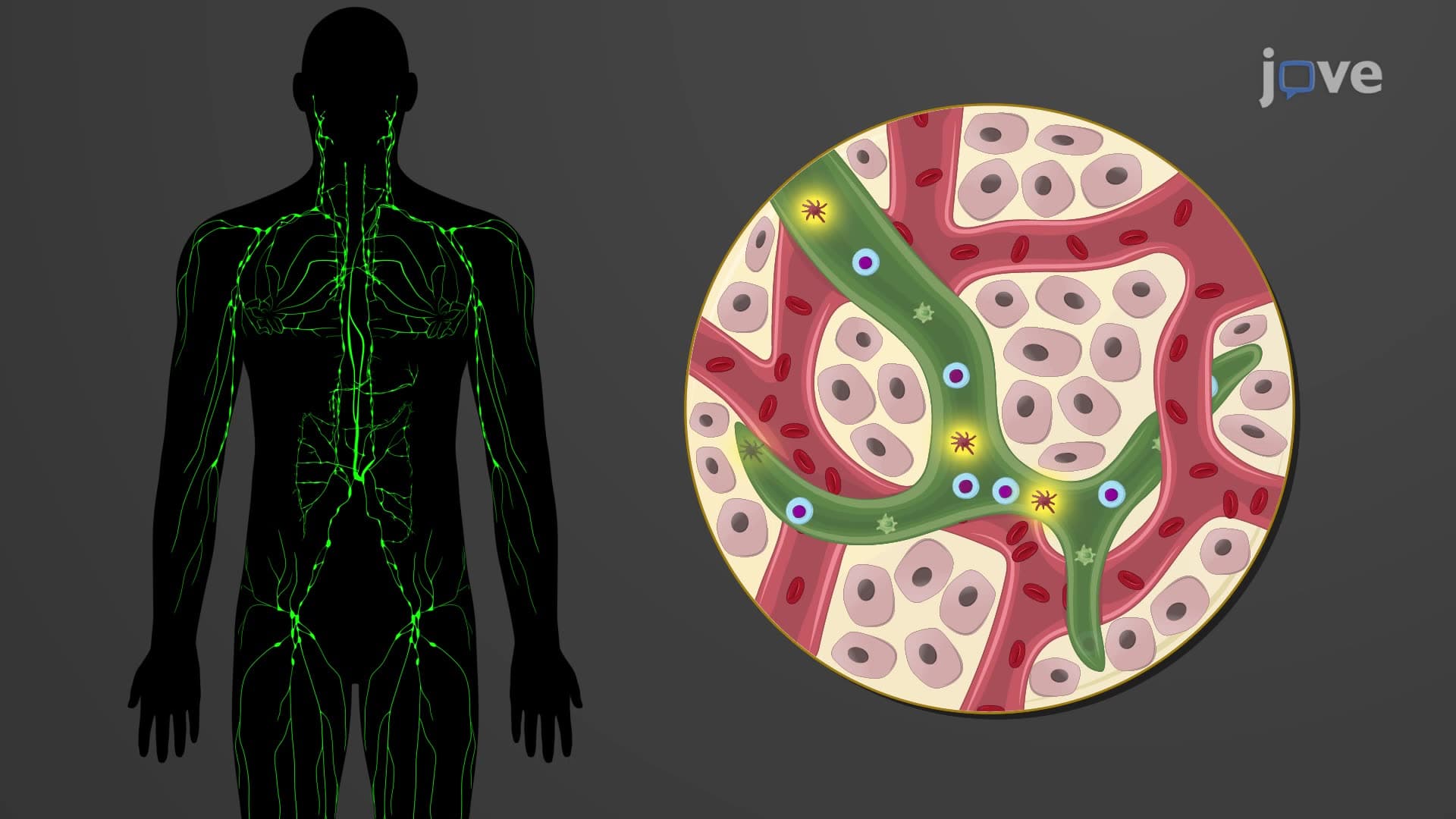
The lymphatic system immunity biology represents one of medicine's most elegant partnerships. Unlike your cardiovascular system's closed loop, the lymphatic network operates as an open drainage system that doubles as an immune highway. This dual function makes it indispensable, without proper lymph circulation immune function, you'd develop severe swelling and lose critical immune surveillance.
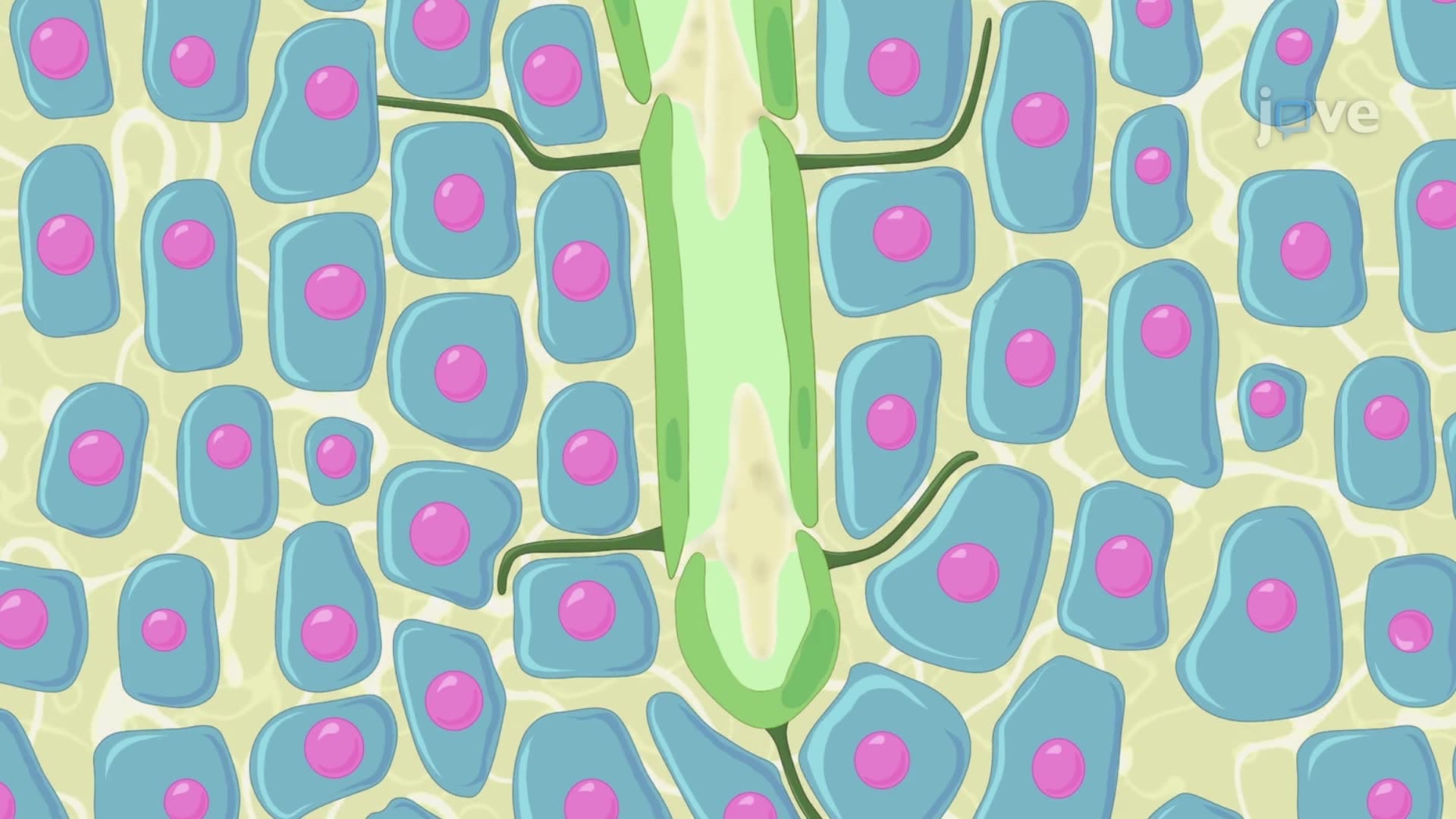
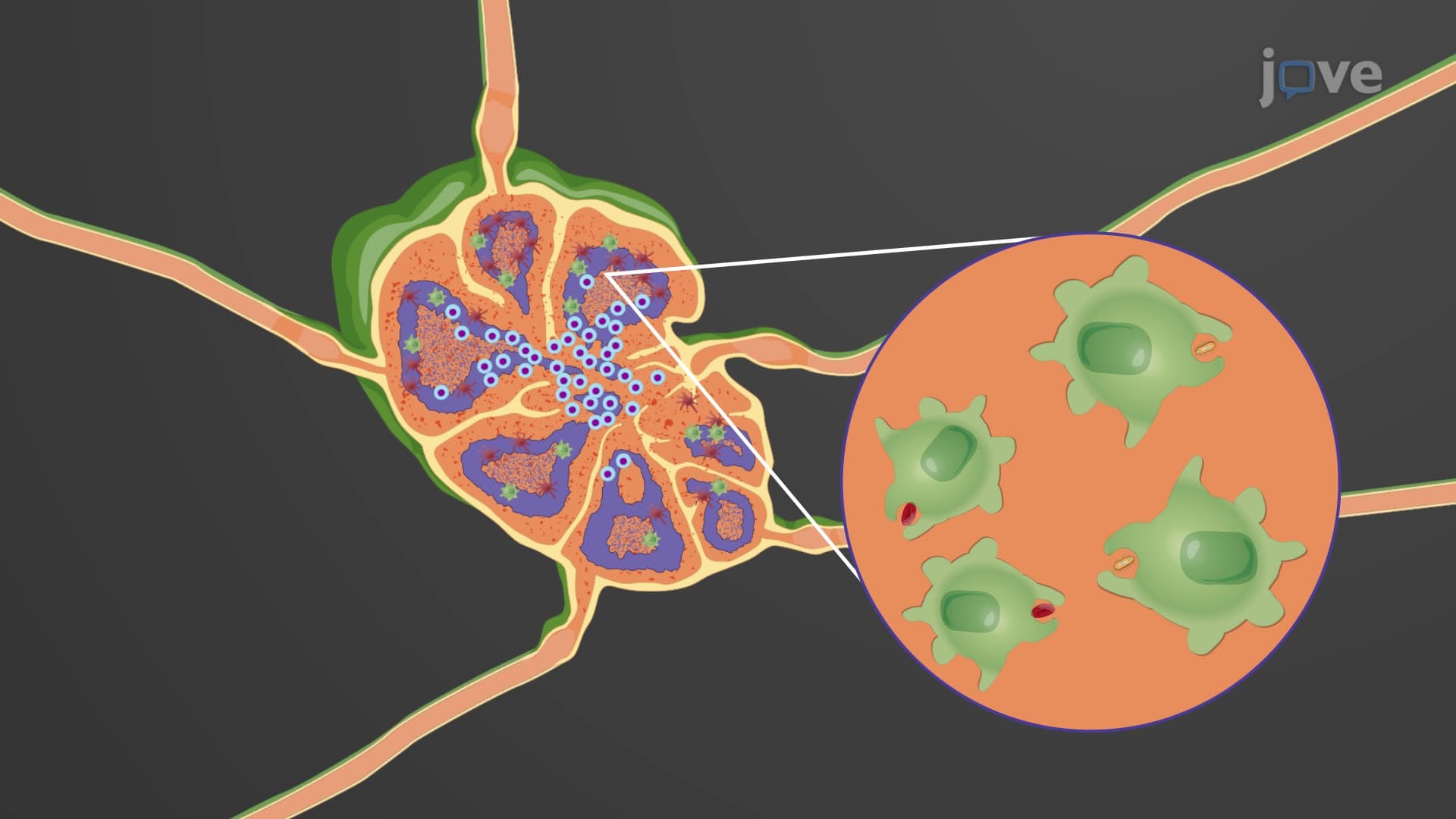
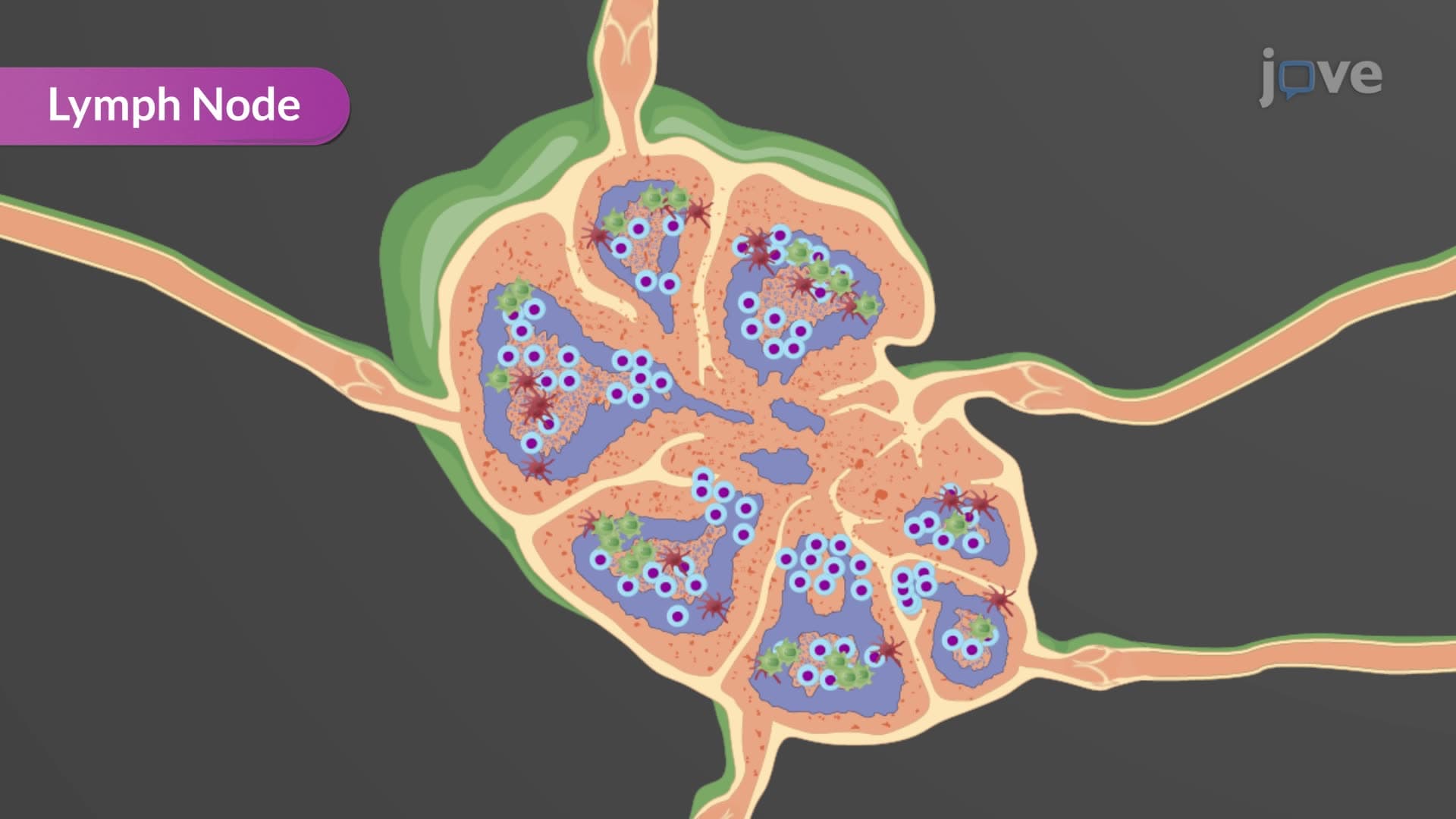
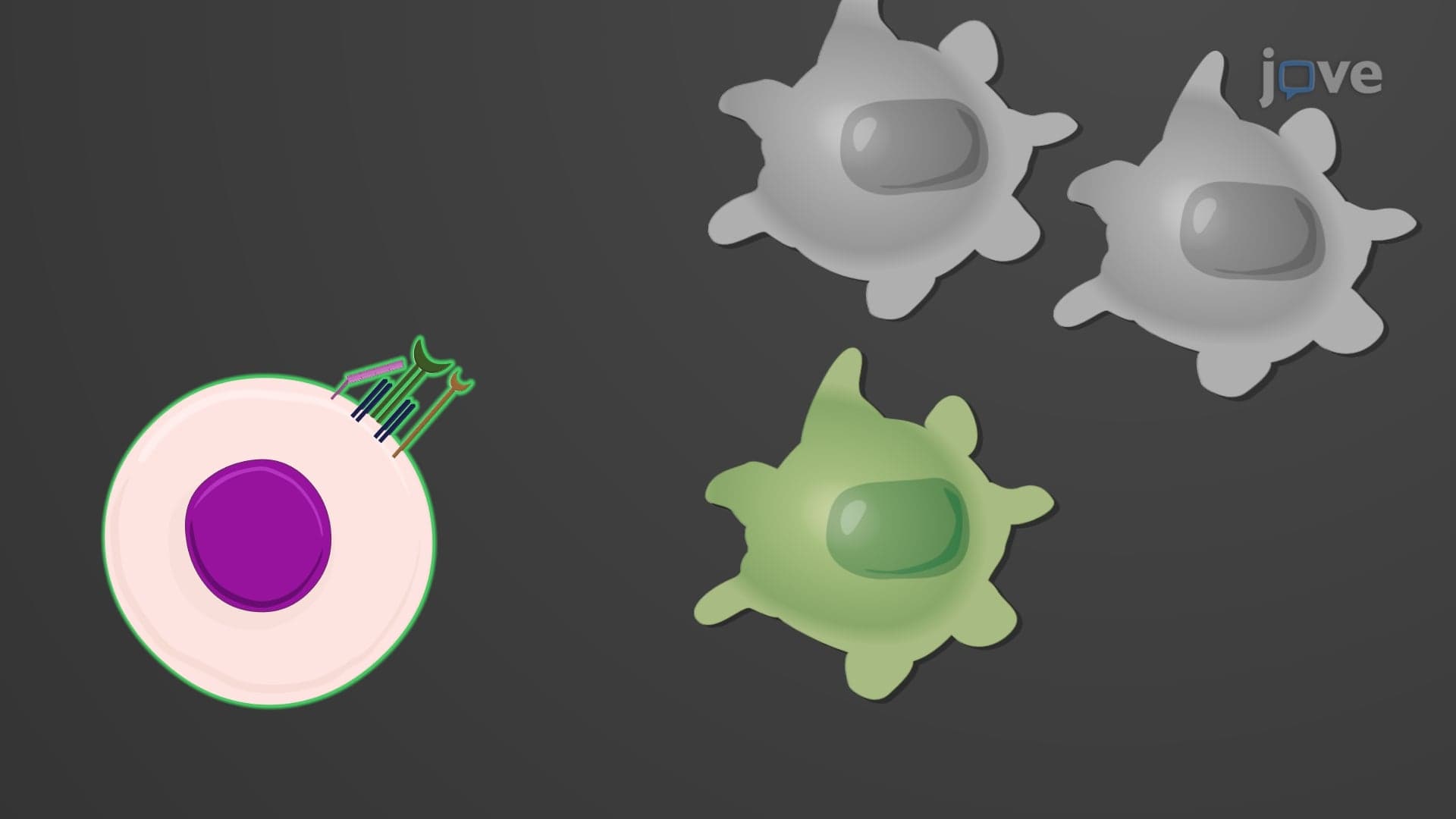
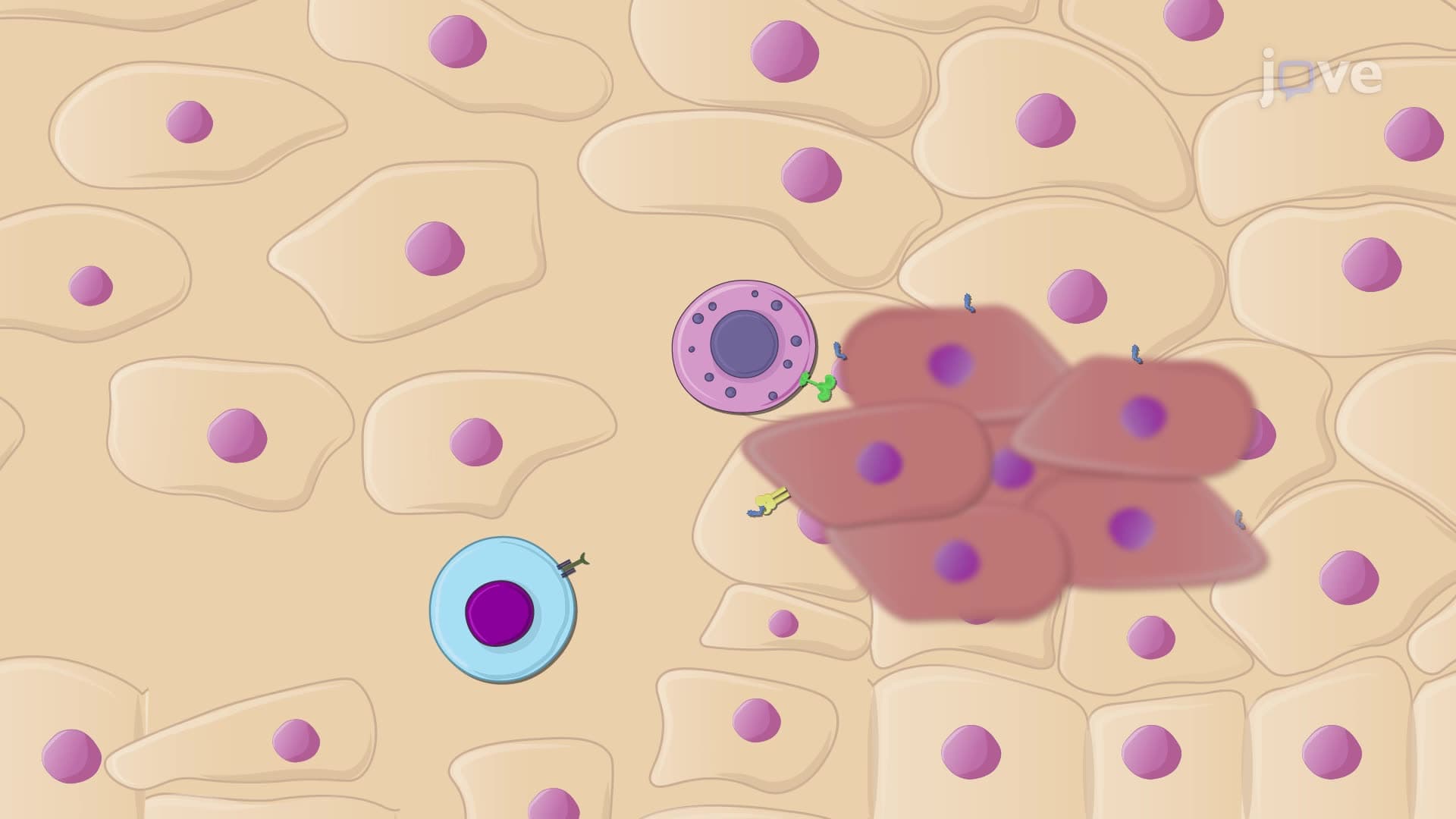
Lymph vessel node organ structures create checkpoints throughout your body. Lymphatic capillaries begin as blind-ended tubes in tissues, collecting excess interstitial fluid that becomes lymph. This clear fluid carries more than just water, it transports immune cells, antigens, and cellular debris. The Mayo Clinic's research demonstrates how lymph nodes act like security checkpoints, where dendritic cells present captured antigens to T-lymphocytes, initiating adaptive immune responses.
The lymphatic immunity connection becomes evident in lymph node structure. Each node contains specialized zones: the cortex houses B-cells that produce antibodies, while the paracortex contains T-cells that coordinate cellular immunity. When you feel swollen lymph nodes during illness, you're experiencing this immune activation firsthand.
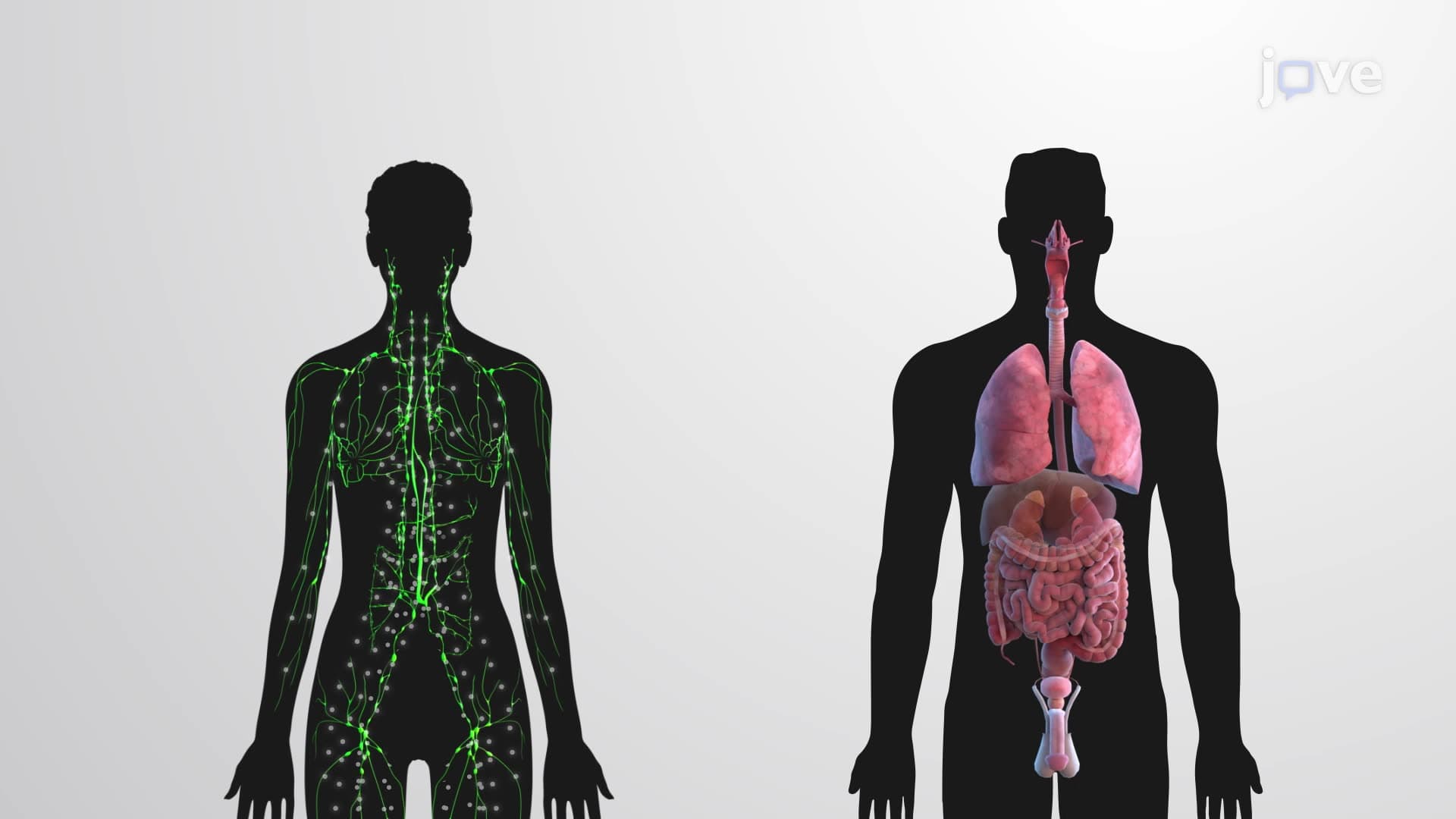
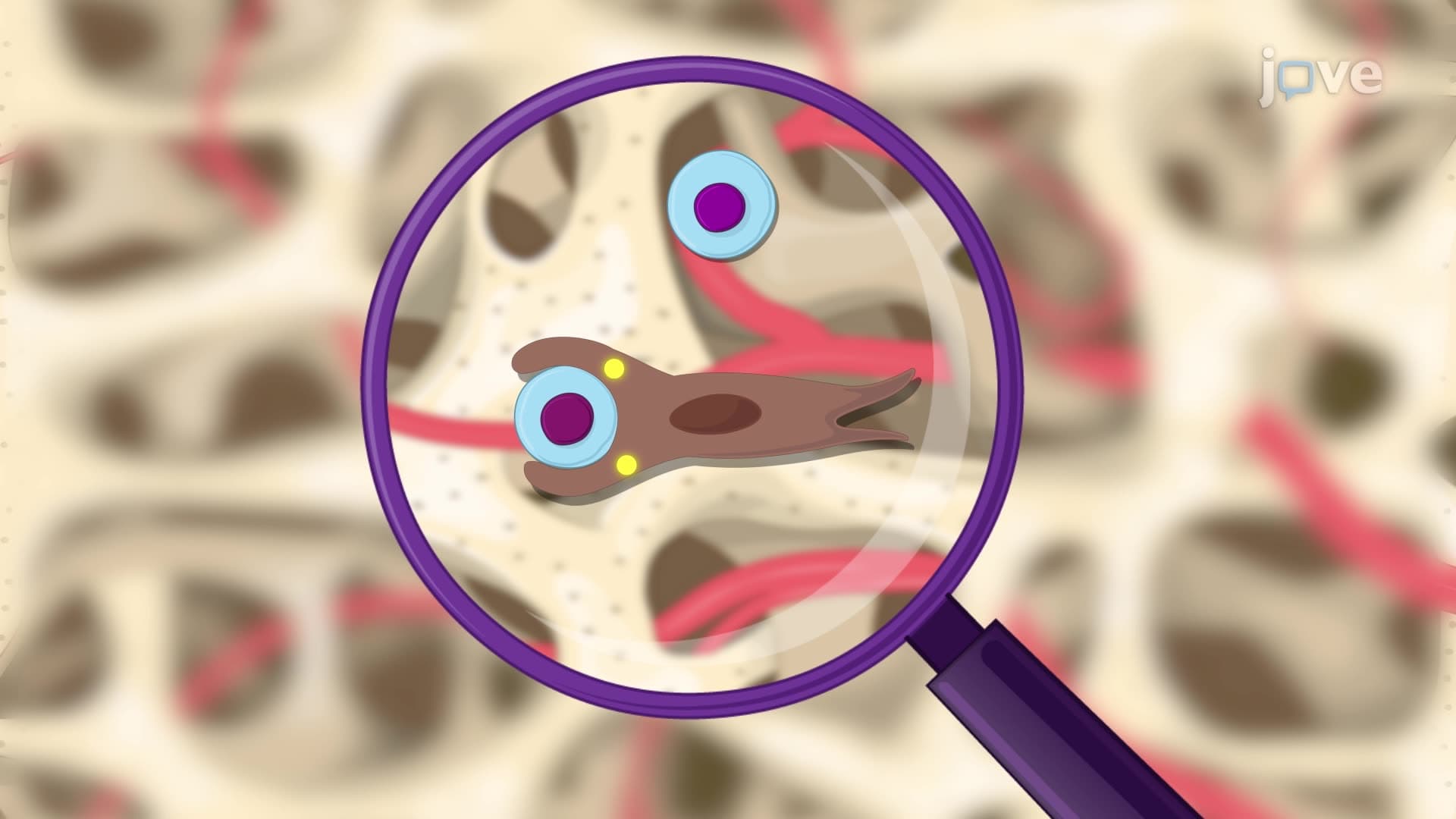
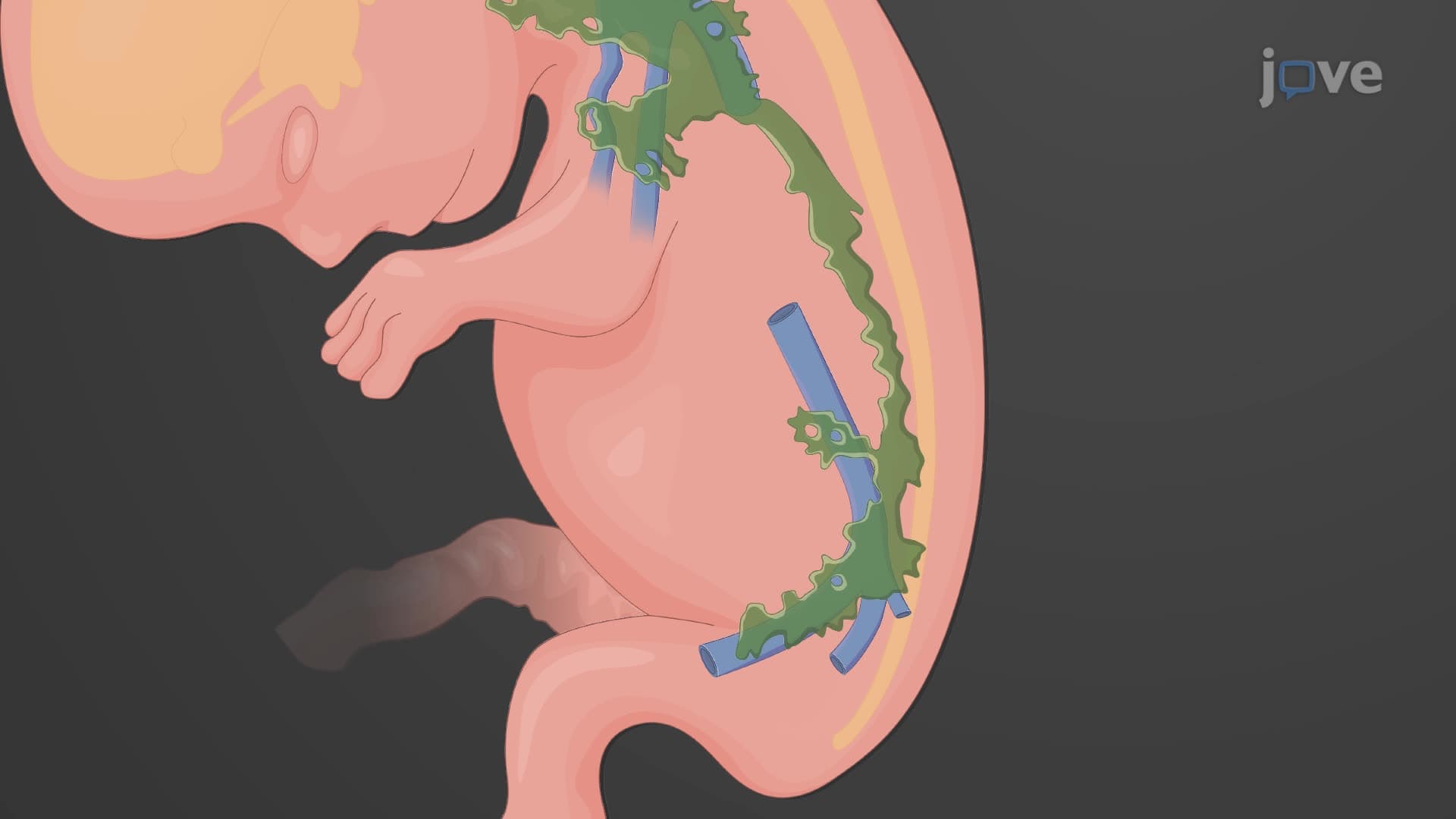
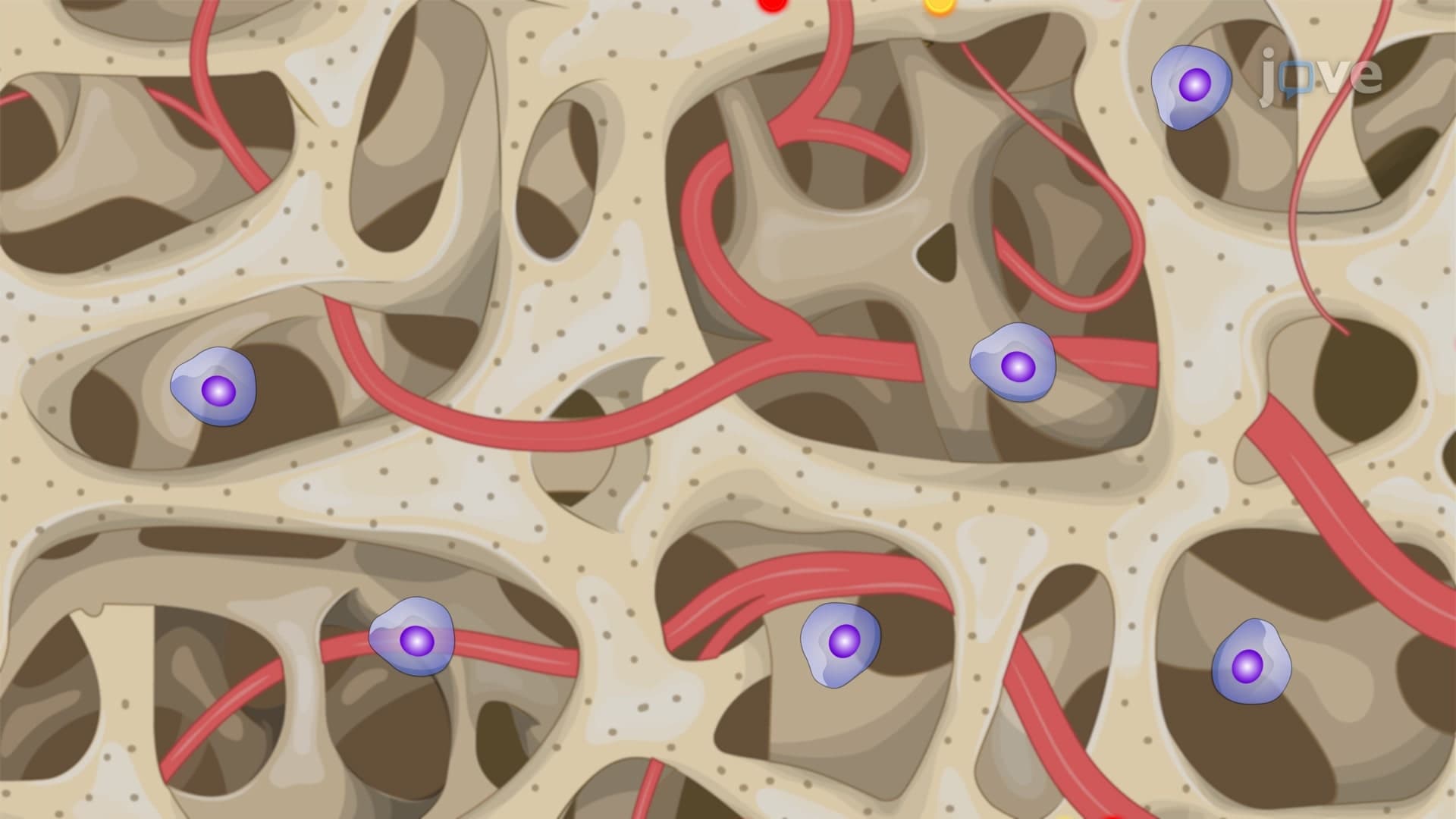
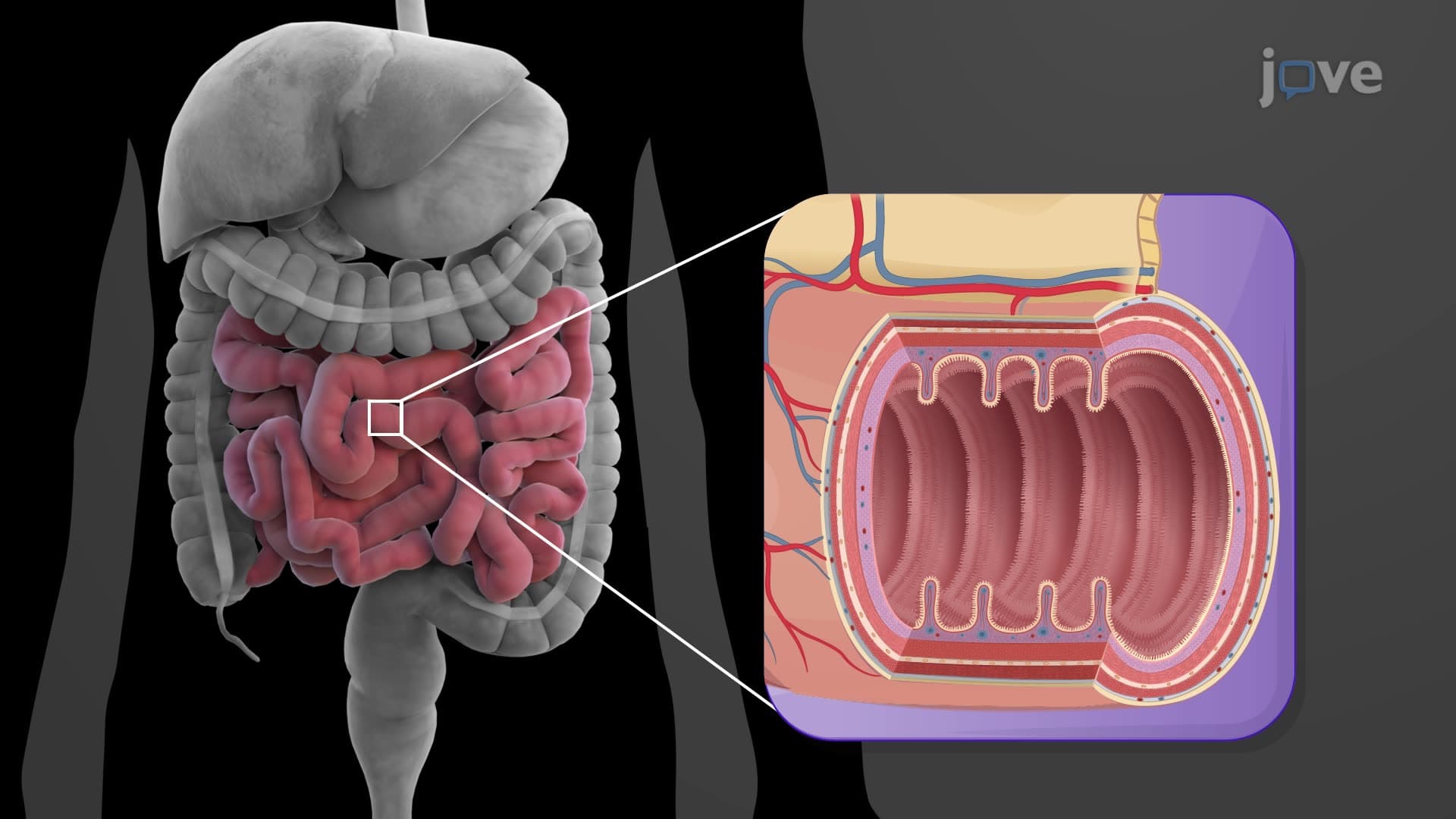
Lymphoid tissue immune responses showcase remarkable cellular cooperation. Primary lymphoid organs, bone marrow and thymus, generate and educate immune cells. The thymus, located behind your sternum, trains T-cells to distinguish self from non-self, preventing autoimmune reactions. Secondary lymphoid organs like spleen, lymph nodes, and mucosa-associated lymphoid tissue (MALT) serve as battle stations where immune responses launch.
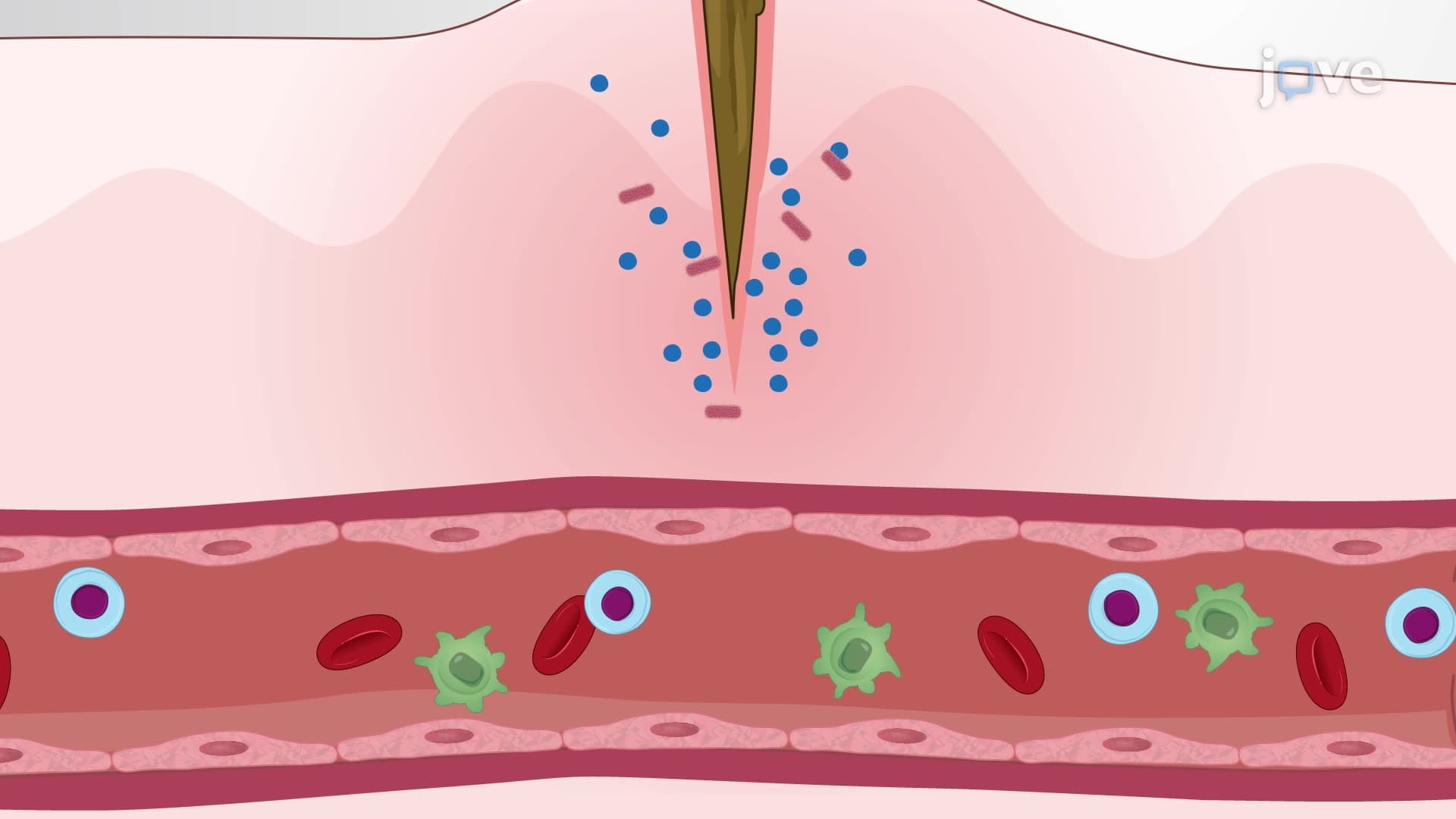
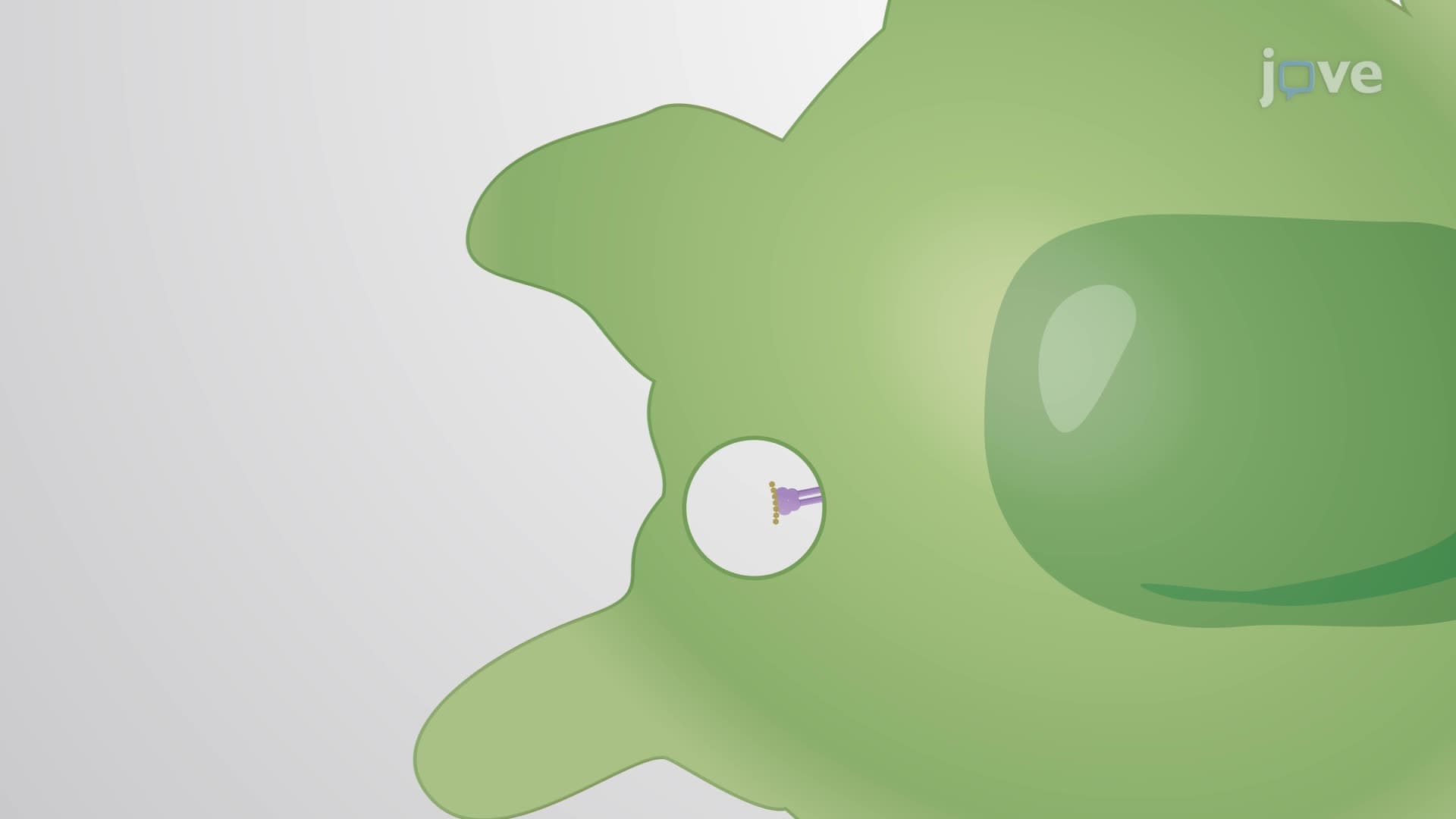
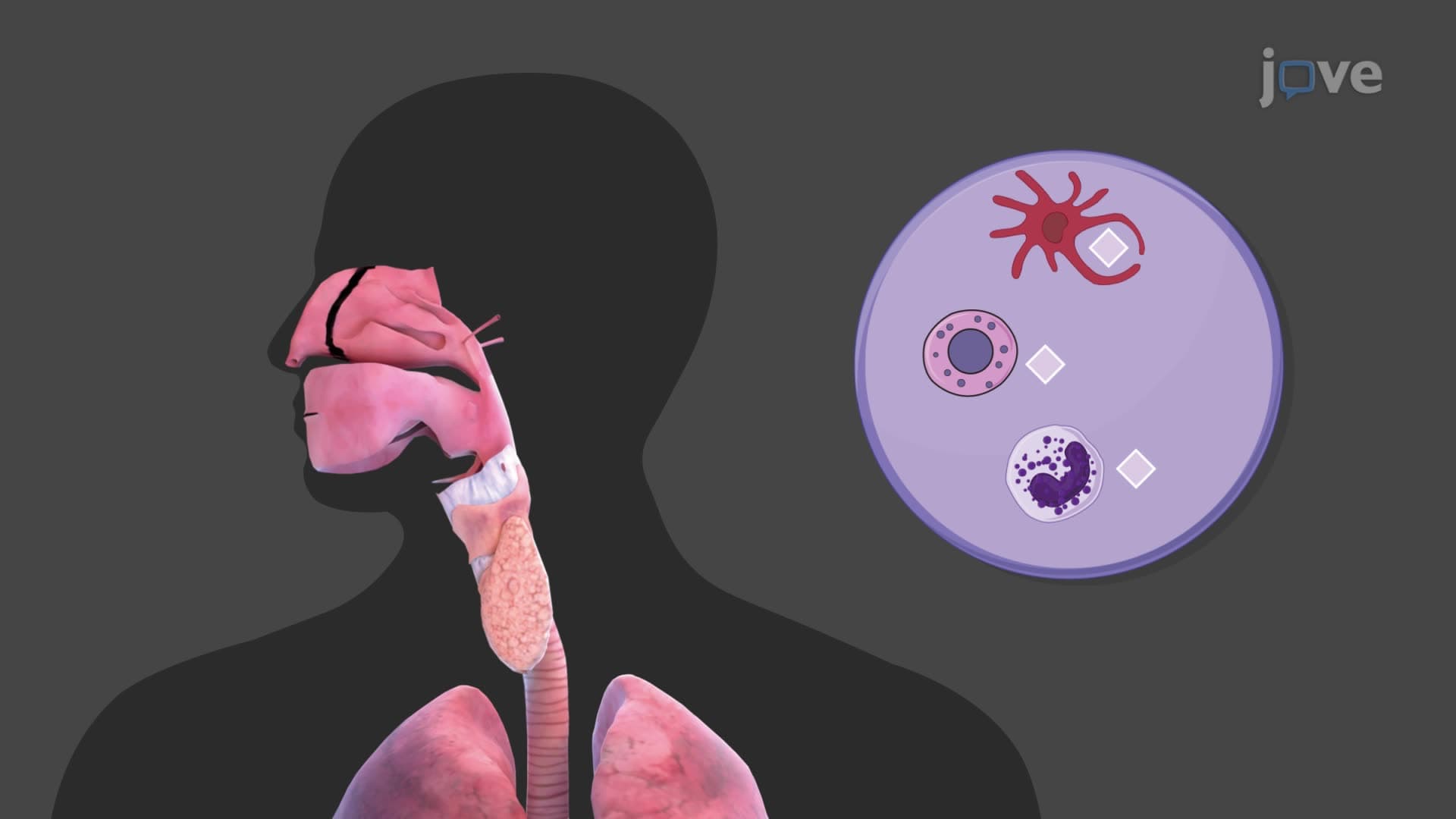
Macrophages patrol lymphatic vessels as mobile cleanup crews, engulfing pathogens and cellular debris. Meanwhile, dendritic cells capture antigens and migrate to lymph nodes, where they activate naive T-cells. This lymphatic system function immunity coordination ensures rapid, specific responses to threats.
Understanding this system proves crucial for AP Biology, college anatomy courses, and MCAT preparation. The College Board emphasizes lymphatic-immune integration in AP Biology Unit 3 (Cellular Energetics) and Unit 7 (Natural Selection). For pre-med students, MCAT passages frequently test lymphatic pathways and immune cell trafficking concepts.
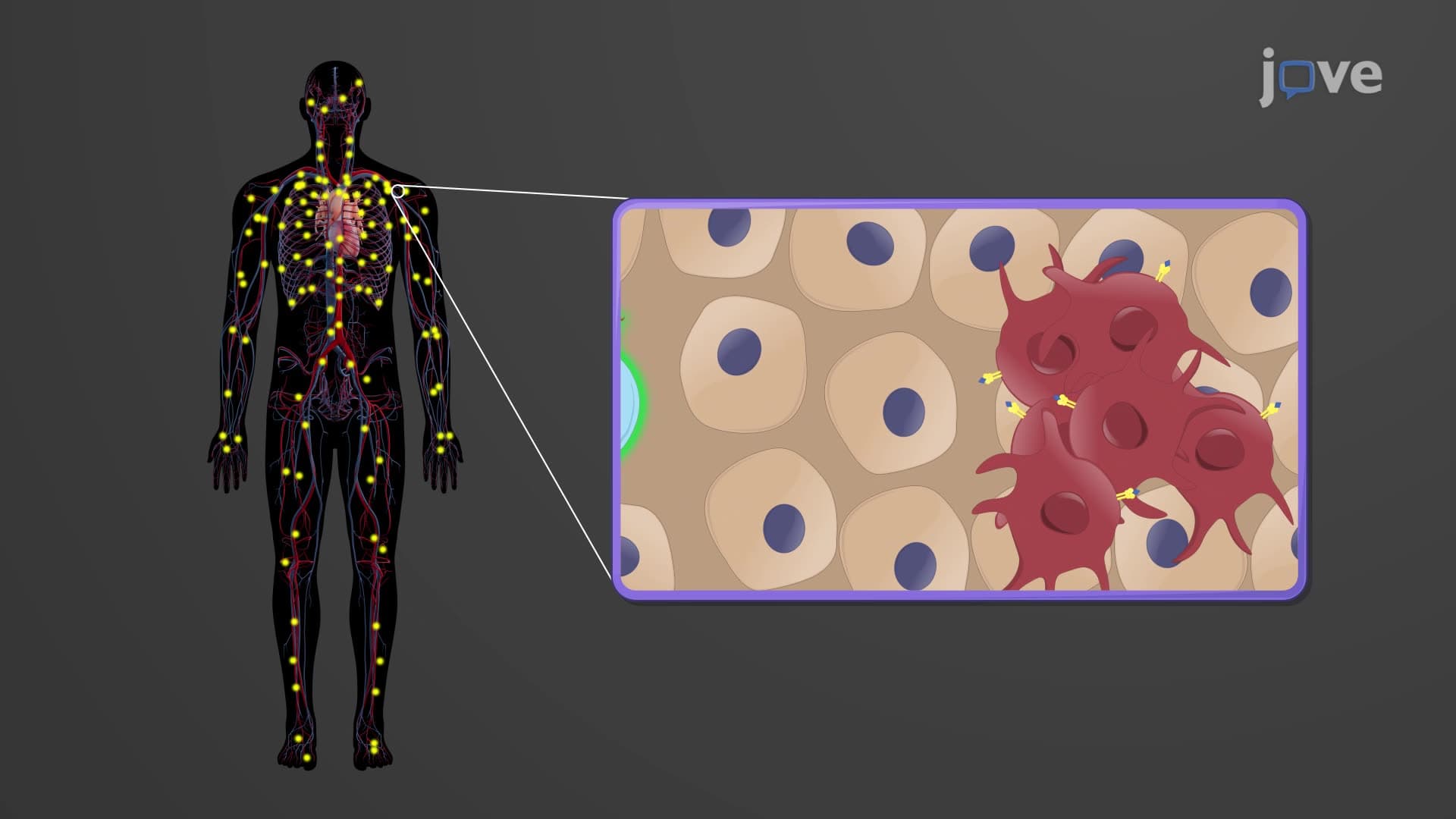
Clinical applications include understanding how cancer spreads through lymphatic vessels, oncologists at MD Anderson Cancer Center routinely examine lymph node involvement for staging. Immunodeficiency disorders often involve lymphatic dysfunction, making this knowledge essential for future healthcare professionals studying conditions like severe combined immunodeficiency (SCID) or lymphedema.
Related Micro-courses