Loading subject page…

- Anatomy and Physiology
- The Lymphatic and Immune System
- Surface Membrane Barriers
Micro-course: The Lymphatic and Immune System
218,420 views
Learn key concepts and earn your certificate.



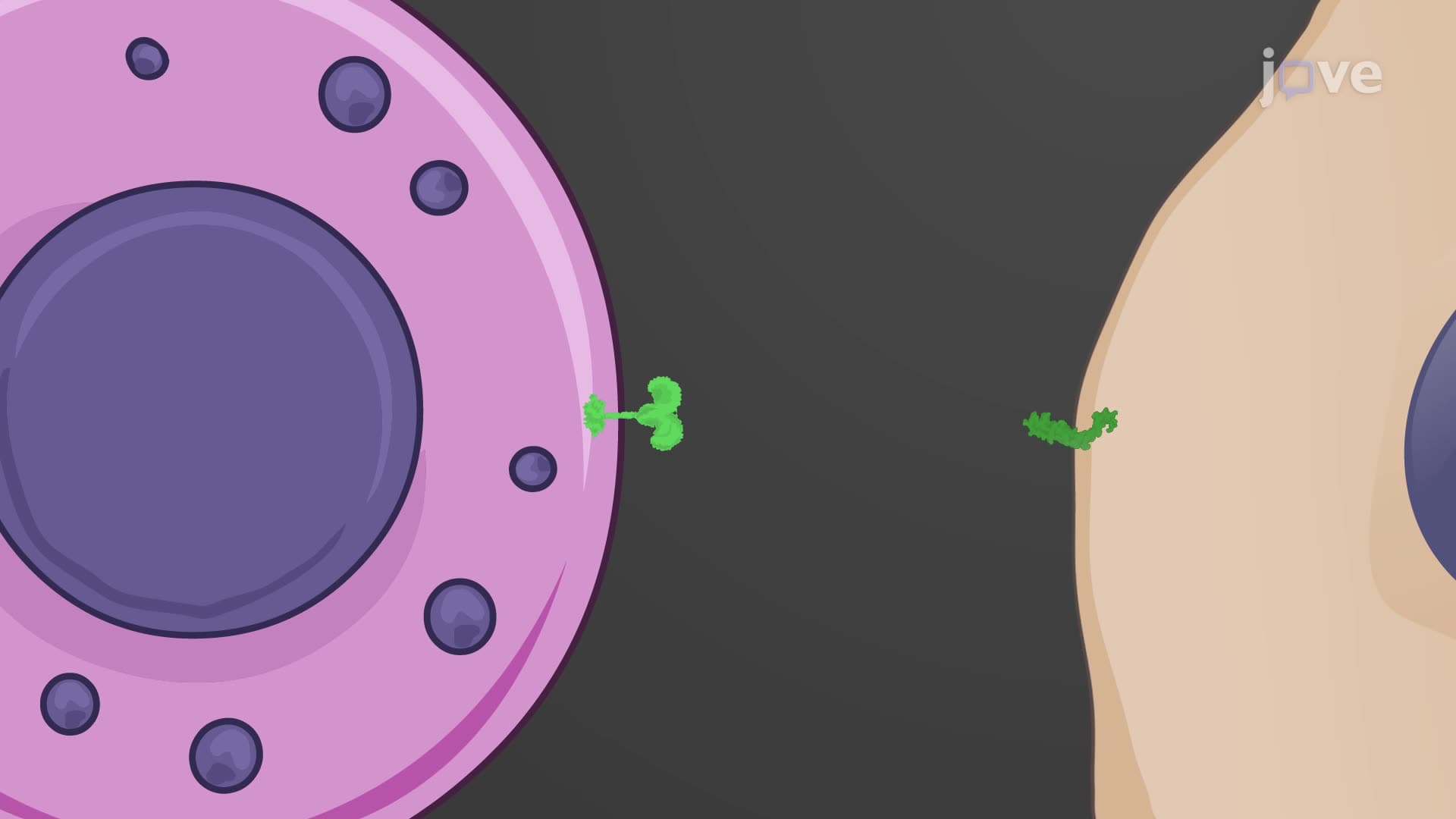
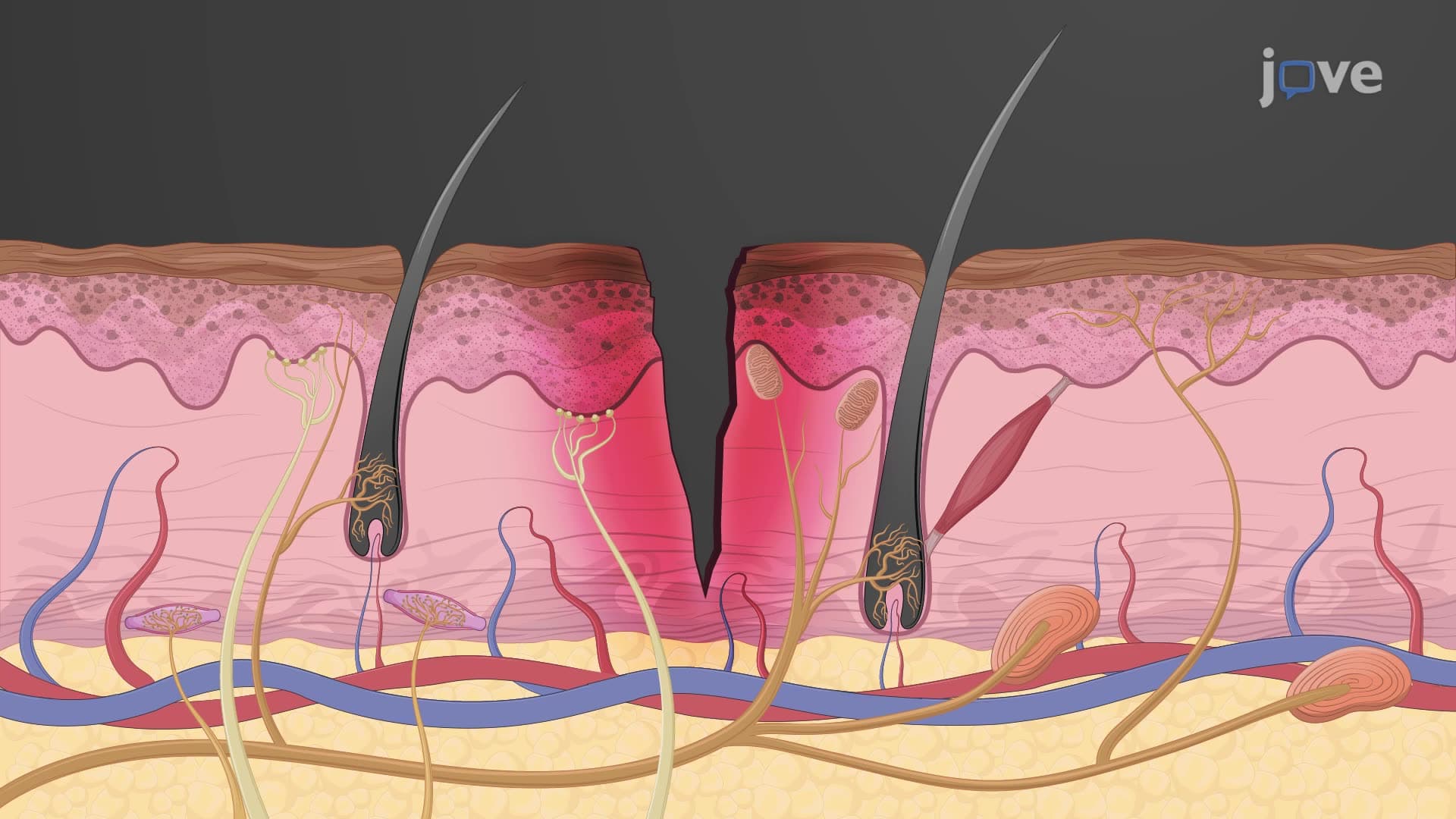
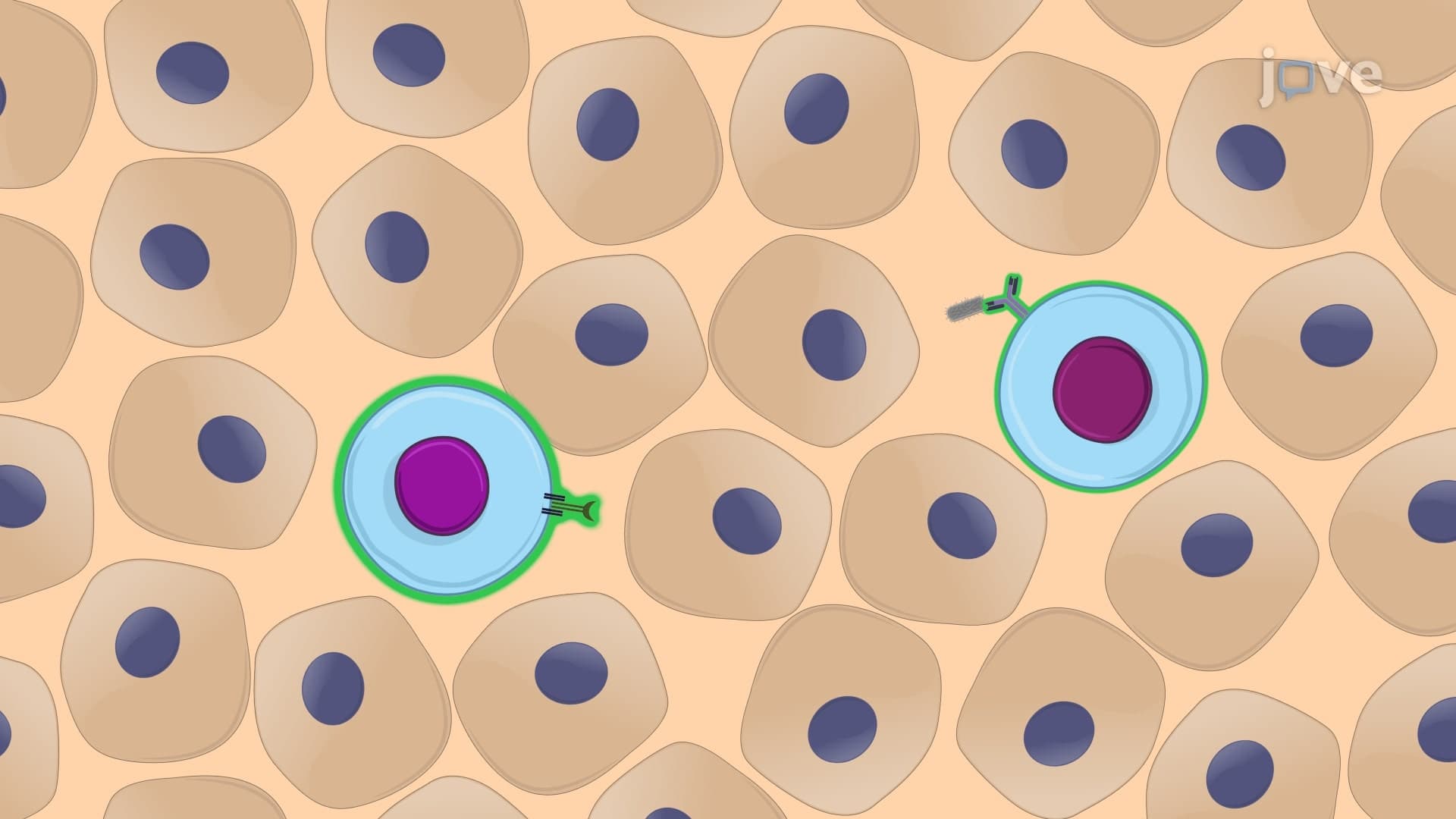
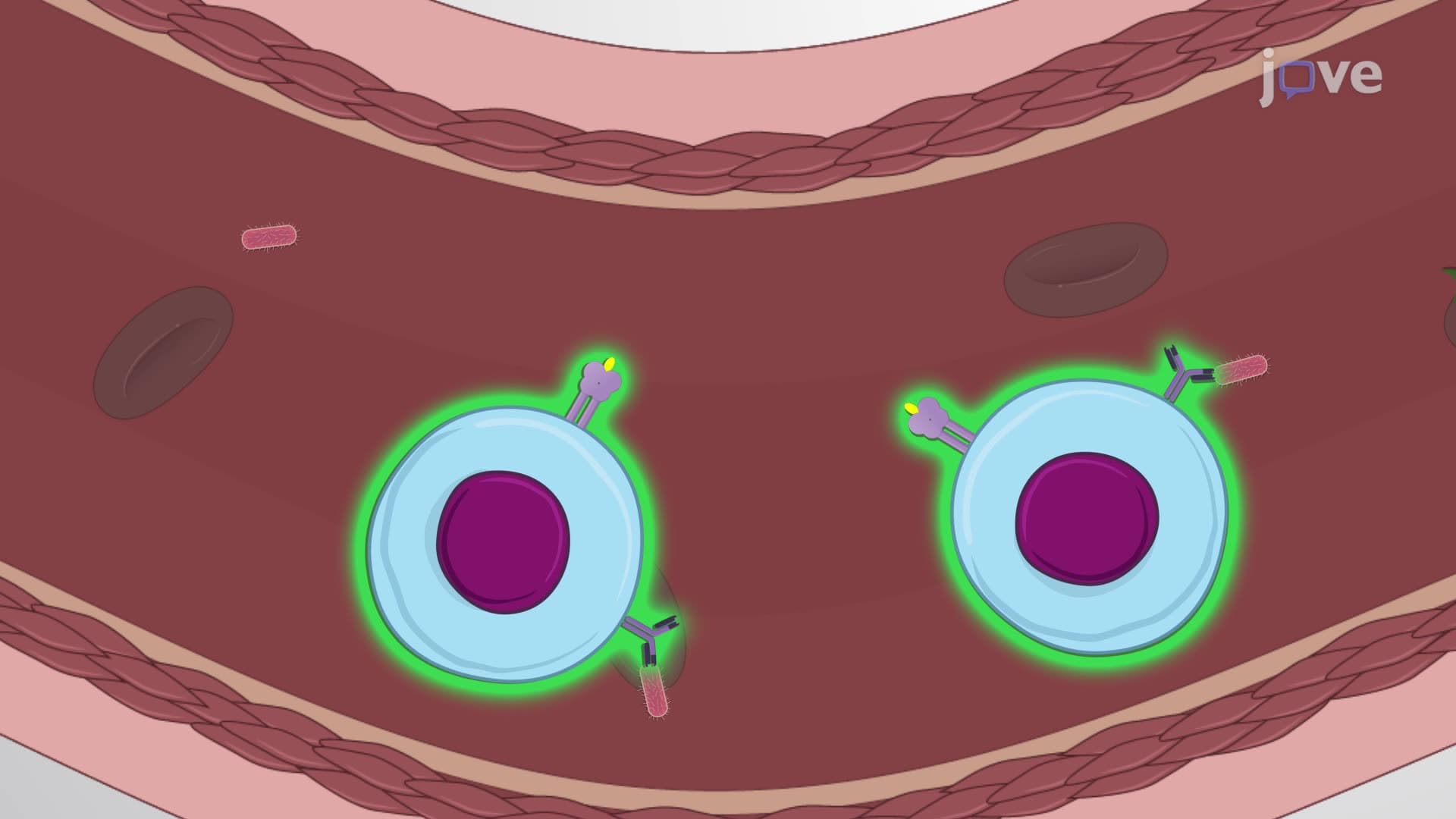
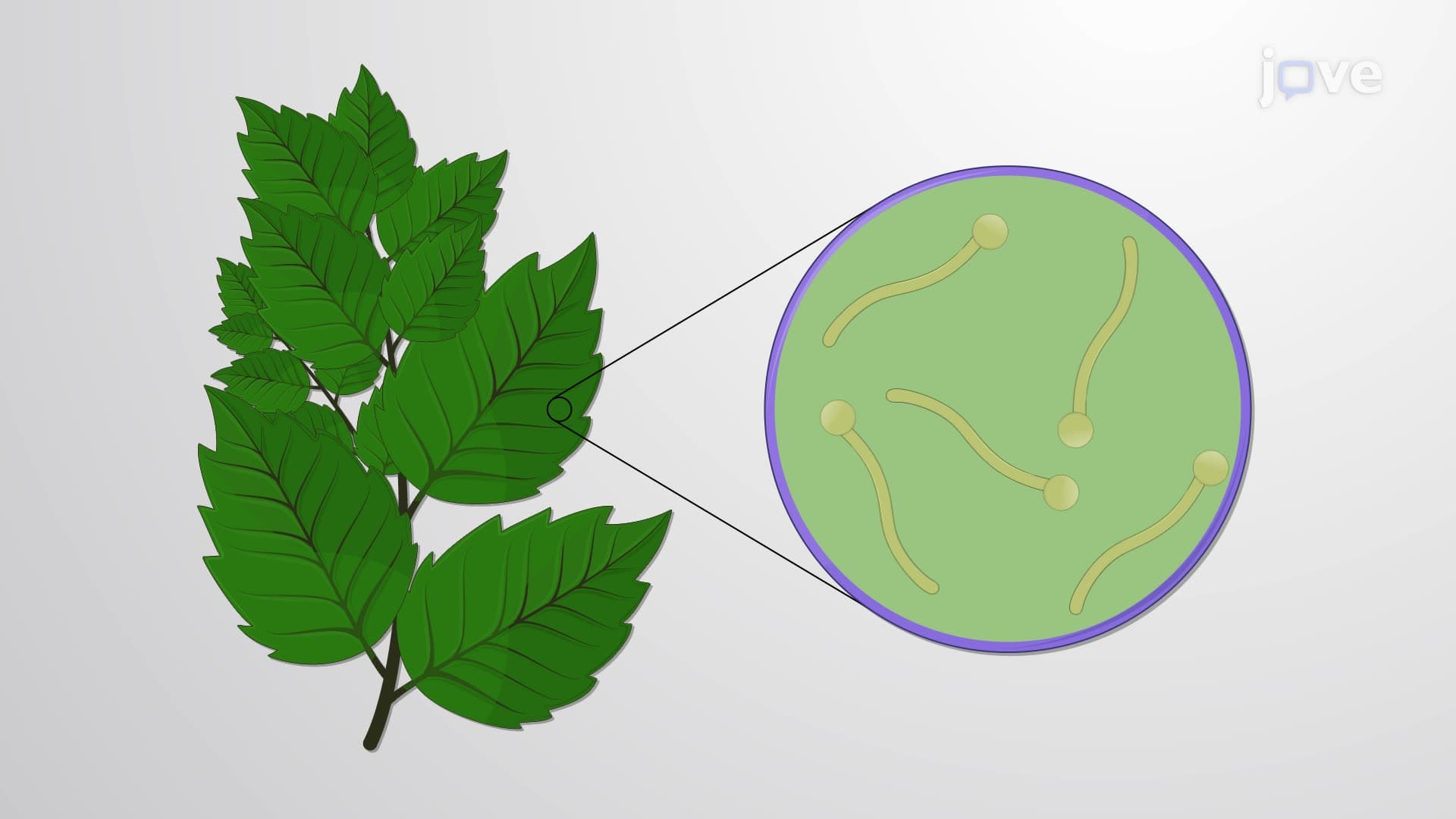



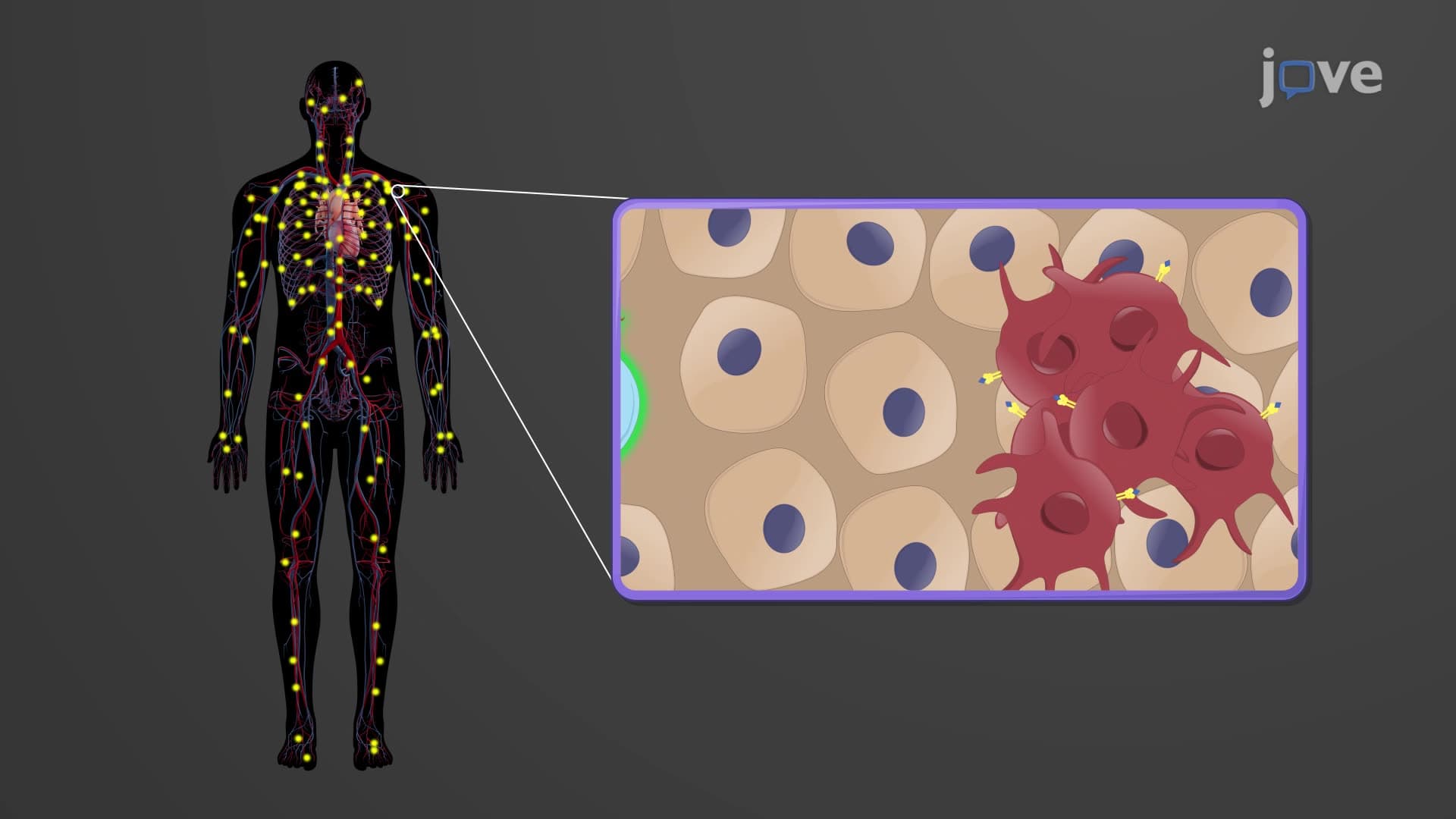



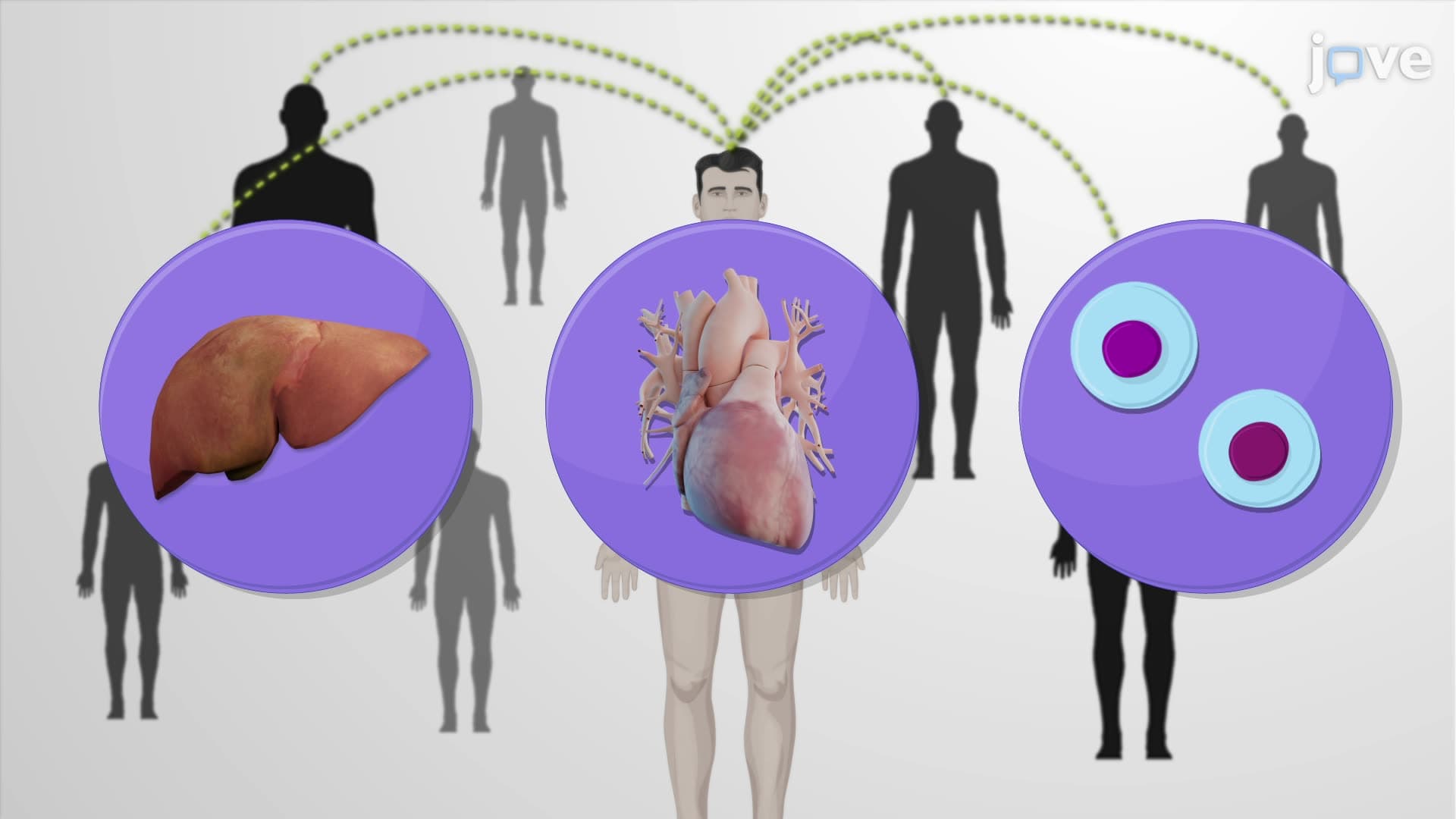
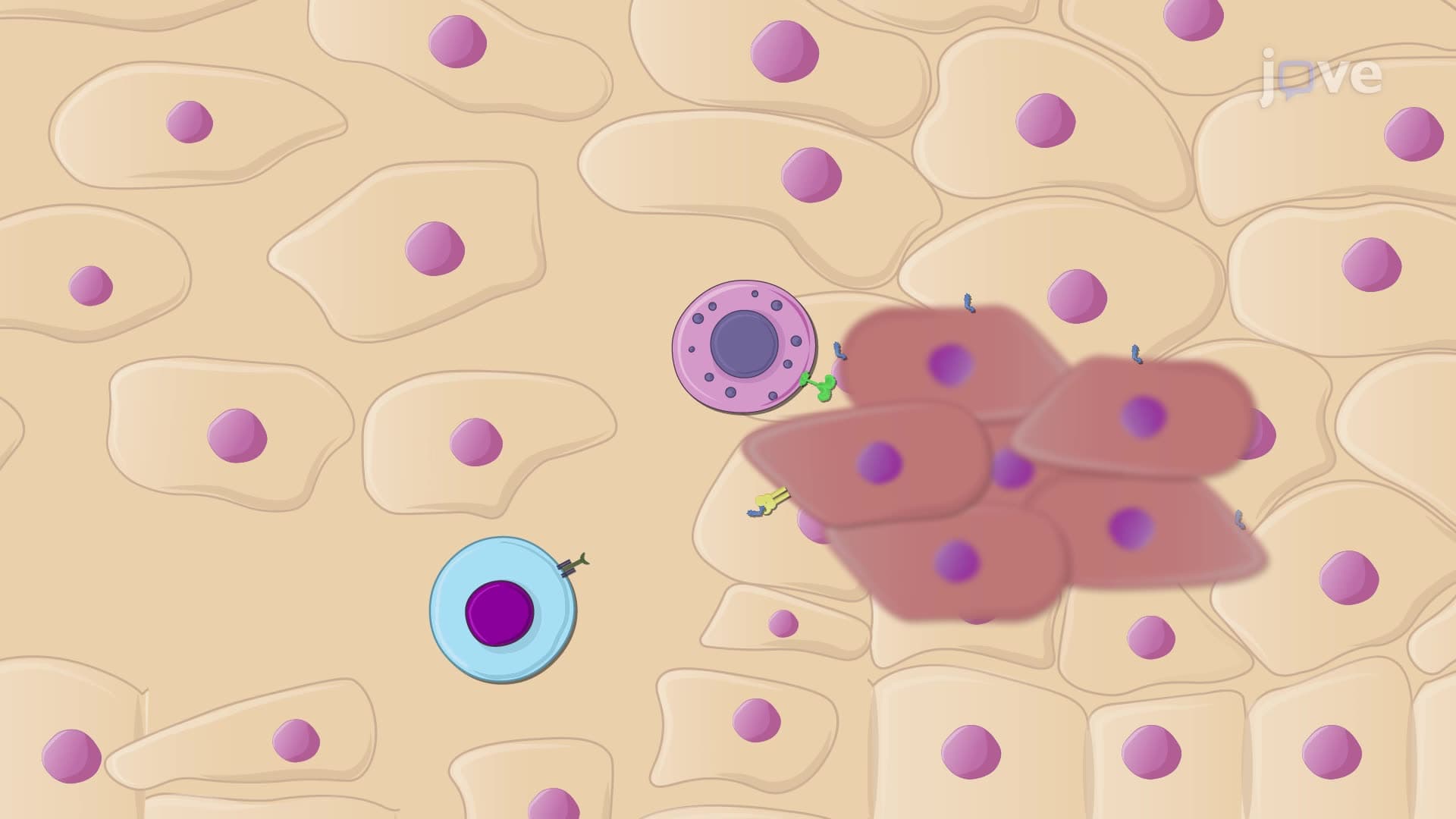
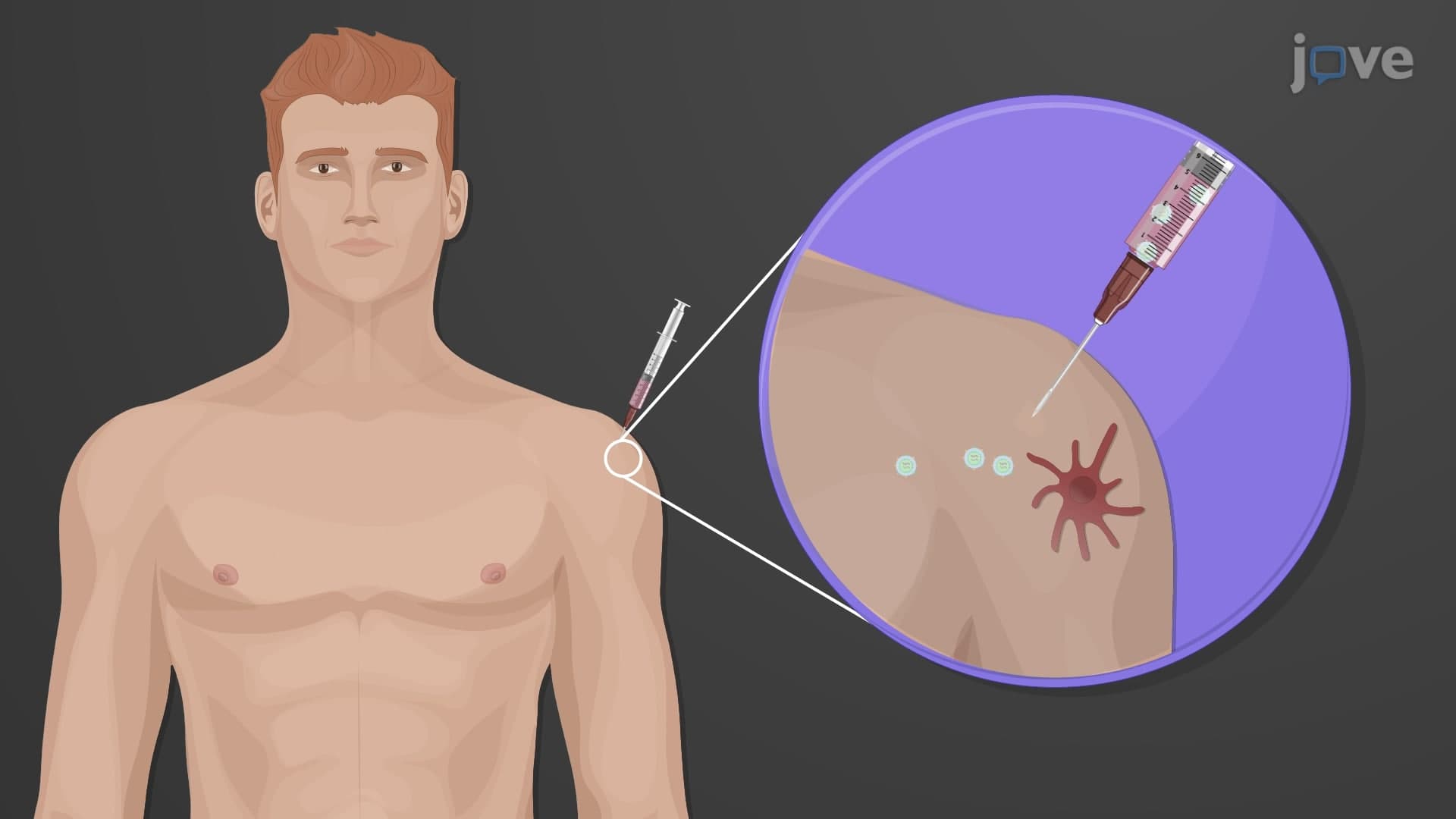
Surface Membrane Barriers

00:00
01:18
Video Summary: What Is Surface Membrane Barriers
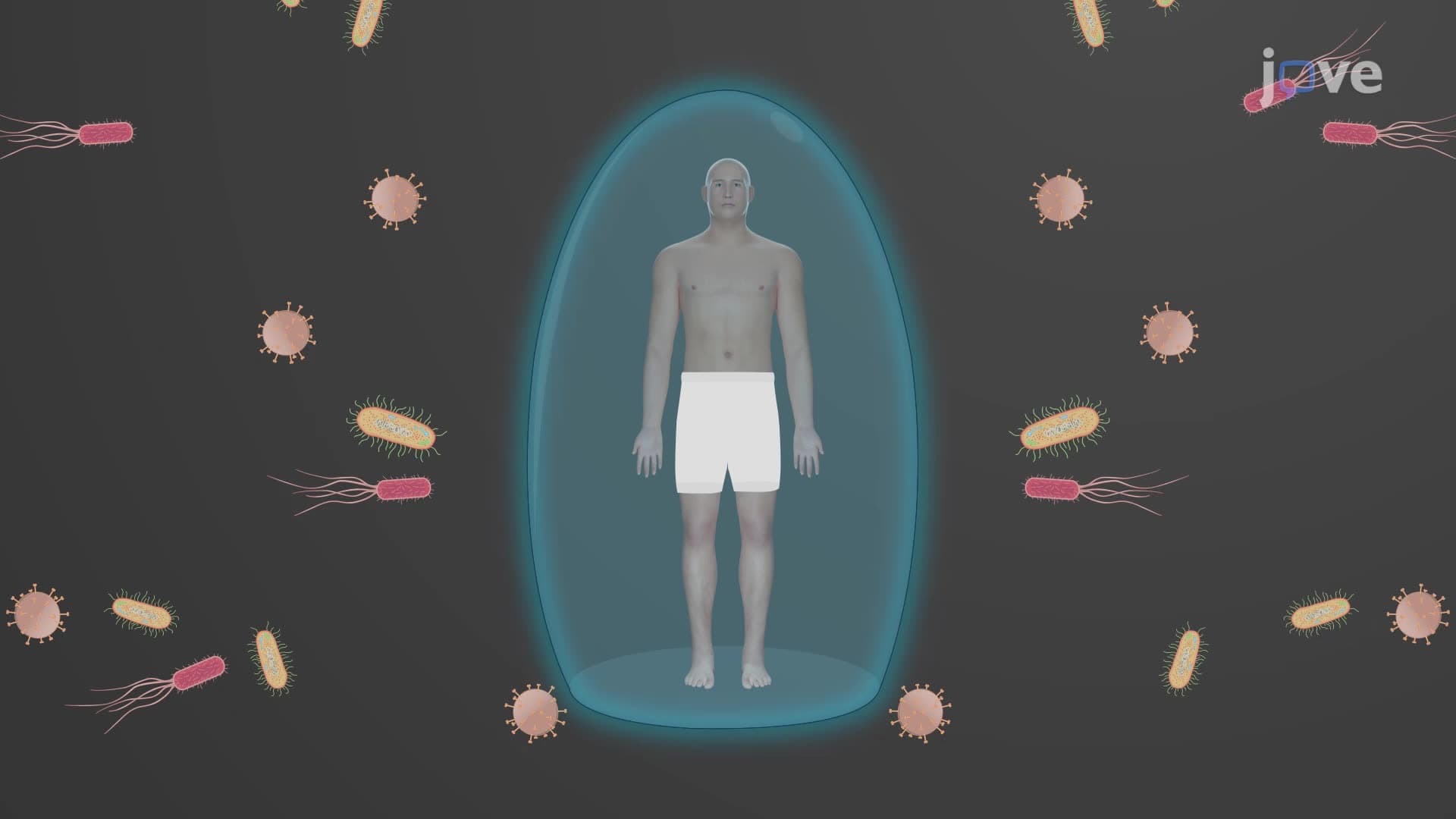
Did you know that your skin blocks 99.9% of harmful microbes every single day? Surface membrane barriers immunity forms your body's first line of defense, working like a fortress wall to keep pathogens out. When healthcare workers at Johns Hopkins Hospital scrub their hands, they're maintaining these crucial physical barriers immune defense systems. Understanding what are surface membrane barriers in immunity reveals how your skin and mucous membranes act as biological gatekeepers, using both mechanical blockades and chemical weapons to protect your internal organs. Watch the full video on JoVE Coach to master this concept with expert-led visuals and step-by-step explanations.
- Understand what surface membrane barriers are and how they function as the body's primary immune defense mechanism
- Identify the key structural components of skin and mucous membranes that provide physical protection against pathogens
- Analyze the chemical defense mechanisms employed by surface barriers, including antimicrobial peptides and pH regulation
- Compare the different types of mechanical barriers found in various body systems, from respiratory cilia to skin keratinization
- Evaluate how surface barrier integrity affects overall immune system effectiveness and disease susceptibility
- Apply knowledge of surface membrane barriers to explain why proper wound care and hygiene practices are medically important
- Recognize the relationship between surface barriers and other components of innate immunity
- Explore how environmental factors and lifestyle choices can strengthen or compromise these natural defense systems
Understanding Surface Membrane Barriers in Immune Defense
Surface membrane barriers immunity represents the body's most fundamental protection system, functioning as biological fortifications that prevent pathogen entry before infections can establish. These barriers operate through sophisticated mechanical innate barrier mechanisms combined with powerful chemical defenses, creating a multi-layered security system that rivals any engineered protection.
Physical Architecture of Skin Defense Systems
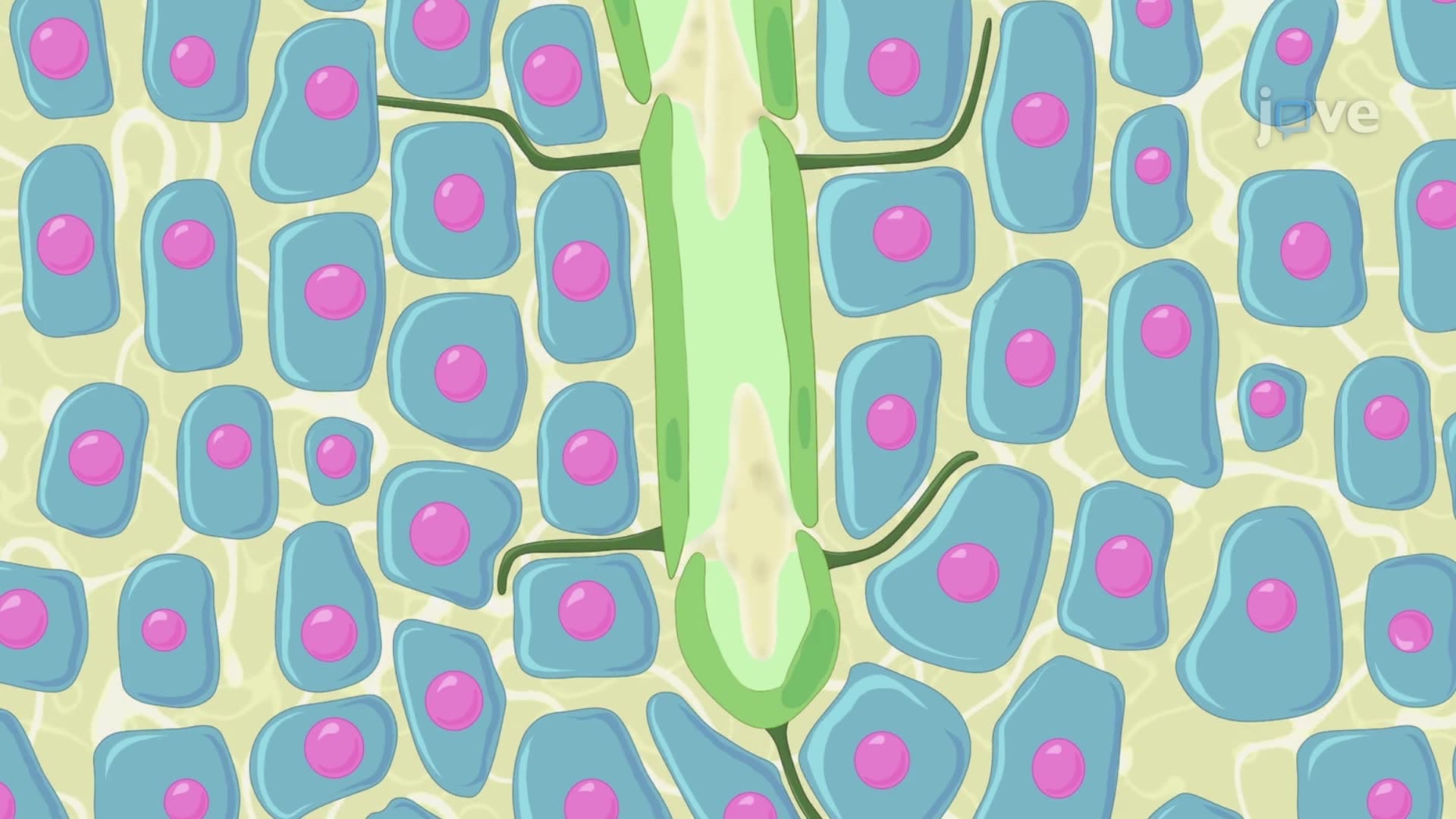
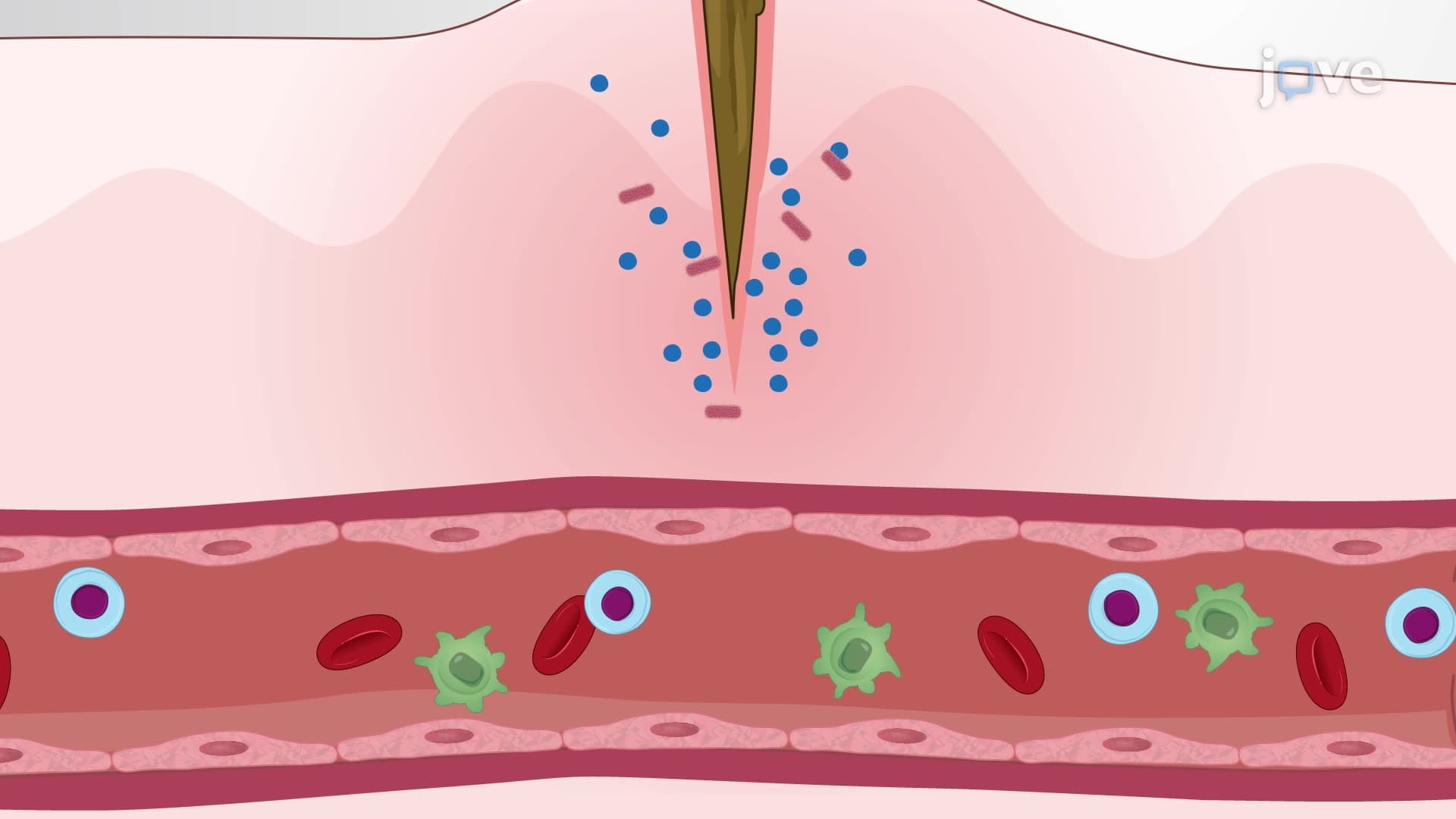
The skin operates as an antimicrobial surface barrier through its unique cellular organization. The epidermis contains densely packed, keratinized cells that form an impenetrable wall when intact. This skin mucosa physical barrier becomes compromised only through cuts, burns, or abrasions-which explains why emergency room physicians at hospitals like Cleveland Clinic immediately focus on wound cleaning and closure. The skin's sebaceous glands produce sebum, an oily secretion that creates a hostile environment for many microorganisms while maintaining skin flexibility and preventing cracks that could serve as entry points.
Chemical Warfare at Barrier Surfaces
Beyond physical blockades, surface barriers employ sophisticated chemical physical barrier immunity strategies. Antimicrobial peptides called defensins act like molecular antibiotics, directly attacking bacterial cell walls and membranes. Body fluids including tears, saliva, and sweat contain lysozyme-an enzyme that literally dissolves bacterial cell walls. The low pH maintained in various body secretions, particularly in sweat (pH 4.5-6.5) and vaginal discharge (pH 3.5-4.5), creates acidic environments that inhibit bacterial growth while promoting beneficial microorganism survival.
Mucous Membrane Specialized Defense Networks
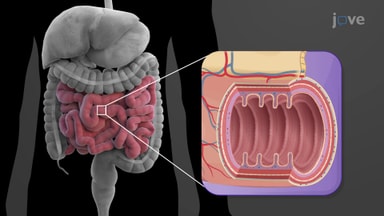
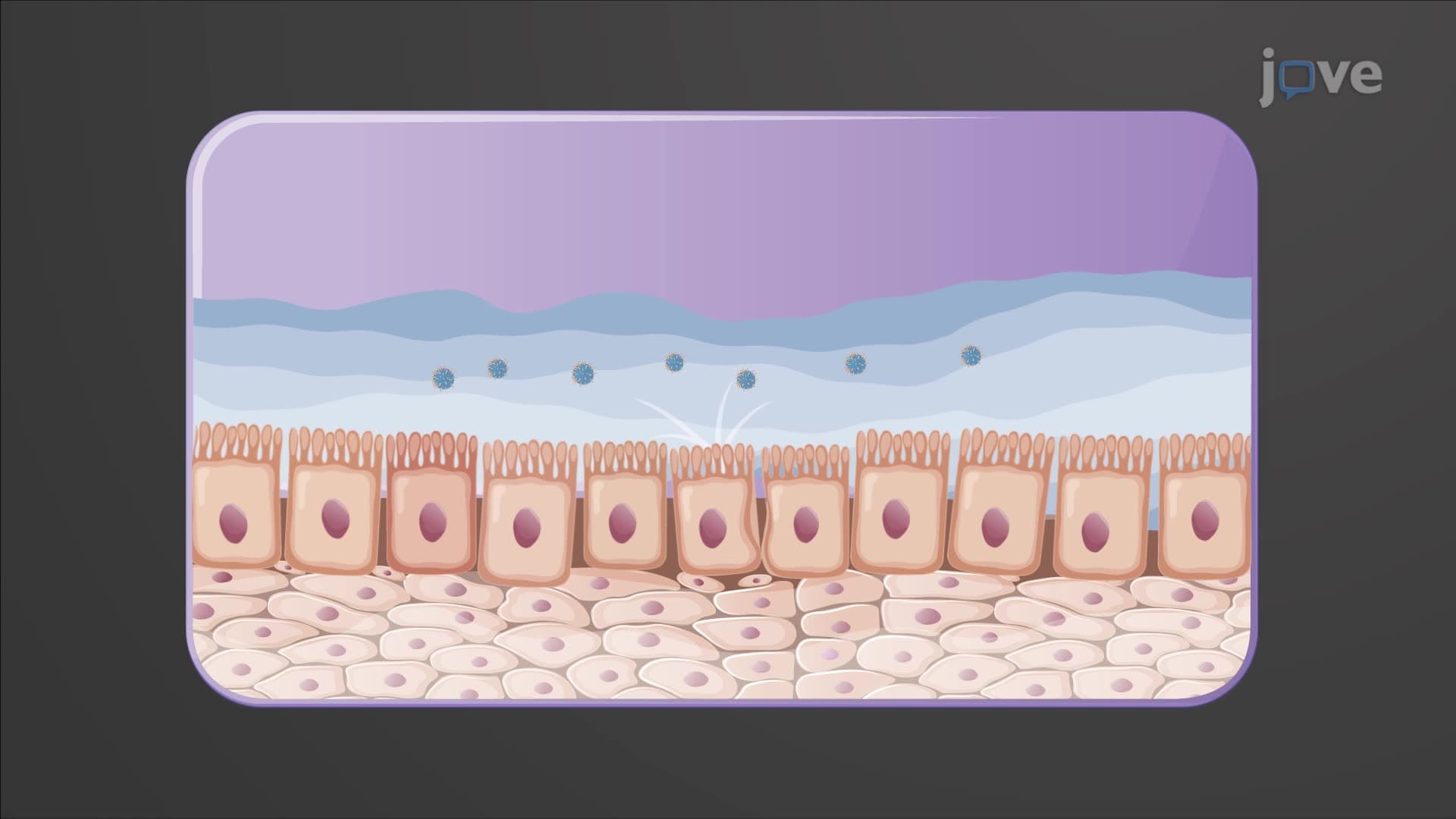
Mucous membranes represent highly specialized first line immune defense systems tailored to their anatomical locations. In the respiratory tract, ciliated epithelial cells create coordinated beating patterns that sweep mucus-trapped pathogens upward and outward-a mechanism called the mucociliary escalator. This system proves so effective that pulmonologists studying lung diseases often focus on ciliary dysfunction as a primary disease mechanism. The nasal cavity combines physical filtration through hair with chemical neutralization through mucus-bound antimicrobial compounds.
These concepts frequently appear on MCAT biology sections, AP Biology exams, and college-level immunology courses. Students should understand how barrier compromise-through conditions like eczema or burns-creates infection susceptibility that requires medical intervention and monitoring.
Frequently Asked Questions
Surface membrane barriers are the body's first line of defense against pathogens, consisting of skin and mucous membranes that provide both physical and chemical protection. They're crucial because they prevent 99% of potential infections from ever establishing, making them more important than any internal immune response. These barriers work 24/7 without requiring energy or conscious effort, unlike adaptive immunity that must be activated.
MCAT questions often test understanding of barrier mechanisms in clinical scenarios, such as burn patients developing infections or cystic fibrosis affecting mucociliary clearance. AP Biology typically focuses on comparing innate versus adaptive immunity, with surface barriers as prime examples of innate responses. Students should know specific examples like lysozyme function and pH effects on bacterial growth.
College exams commonly require detailed knowledge of antimicrobial peptide mechanisms, ciliary action in respiratory defense, and how barrier compromise leads to opportunistic infections. Professors often ask students to predict infection risks in patients with specific barrier defects. Understanding defensin structure and function is frequently emphasized in upper-level coursework.
In US hospitals, healthcare workers rely on surface barrier principles daily through hand hygiene protocols that preserve skin barrier function while removing pathogens. Burn units focus heavily on barrier restoration since damaged skin loses protective capabilities. Respiratory therapists monitor patients with compromised mucociliary clearance, understanding that damaged barriers require external support through medications and procedures.
Surface membrane barriers are actually one of the more accessible immunology topics since students can relate to everyday experiences like cuts getting infected or allergies affecting mucous membranes. The concepts build logically from simple physical barriers to chemical defenses, making them excellent introduction material for immune system study. Most students grasp these mechanisms more easily than complex adaptive immunity processes.
Create comparison charts showing physical versus chemical barriers across different body systems, then practice applying this knowledge to clinical scenarios. Use mnemonics like "SLIM" for Skin, Lysozyme, Innate immunity, Mucous membranes to remember key components. Focus on understanding mechanisms rather than memorizing lists, since exam questions typically require application of principles to new situations.
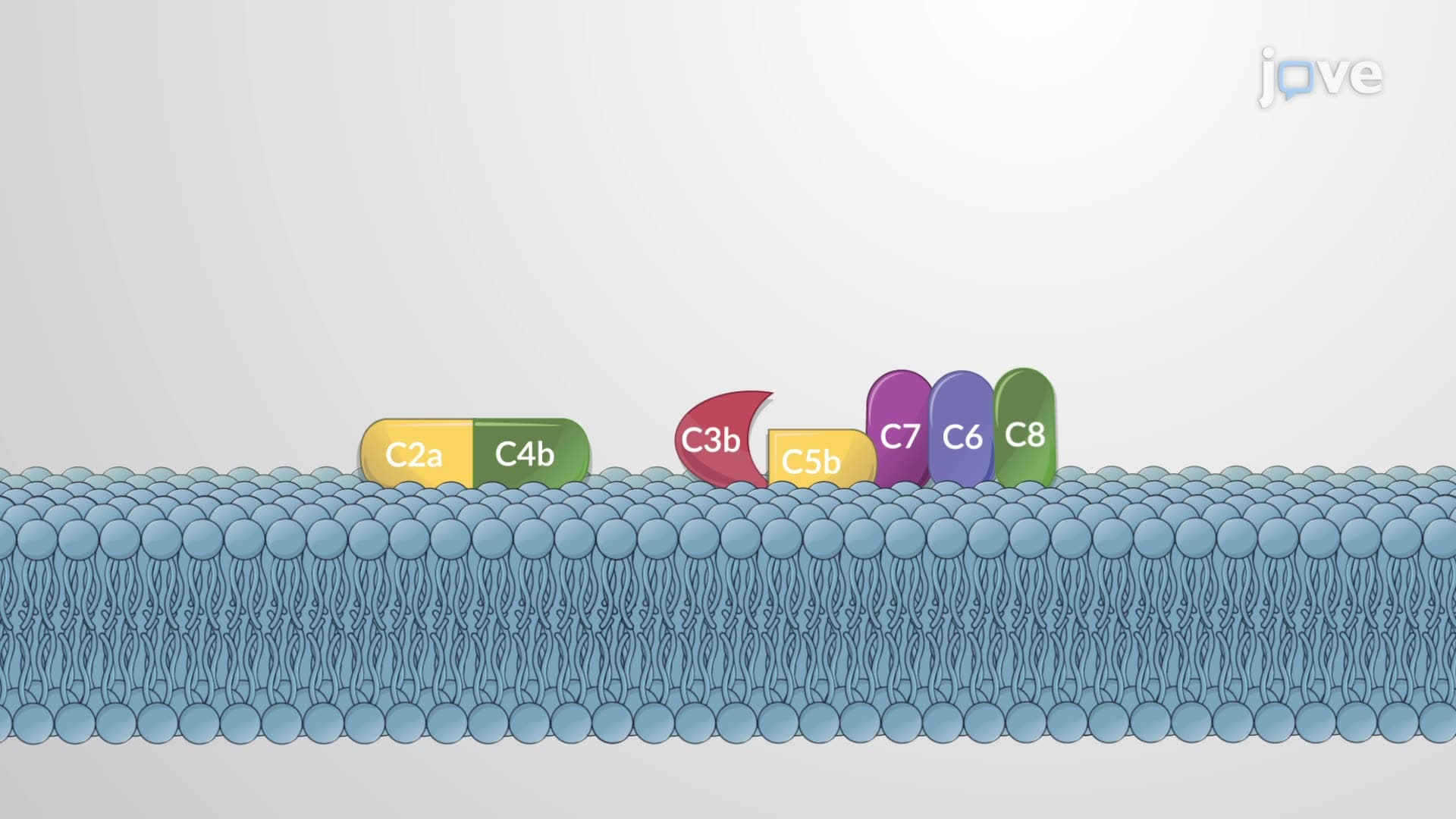
Progress to cellular components of innate immunity, particularly phagocytes like neutrophils and macrophages that respond when surface barriers are breached. Understanding complement system activation provides excellent connection between innate and adaptive immunity. These topics build naturally from surface barrier concepts while introducing more complex immune cell interactions.
Proper hydration maintains mucous membrane function, while excessive hand washing can compromise skin barrier integrity by removing protective oils. Smoking damages respiratory ciliary function, reducing mucociliary clearance effectiveness. Adequate nutrition supports barrier repair and antimicrobial peptide production, while stress hormones can thin mucous membranes and reduce barrier effectiveness.
Related Micro-courses