Loading subject page…


218,421 views

Video Summary: What Is Tissue Transplantation
Did you know that every person has a unique molecular "fingerprint" that determines whether their organs can save another person's life? Tissue transplantation immunology governs this life-or-death compatibility, where specialized MHC molecules act as cellular identity cards. When doctors at Johns Hopkins perform a kidney transplant, they must match at least 3-4 of these molecular markers to prevent the recipient's immune system from attacking the new organ. Understanding what is tissue transplantation in immunology reveals how our body's defense system can become both protector and obstacle in medical miracles. Watch the full video on JoVE Coach to master this concept with expert-led visuals and step-by-step explanations.
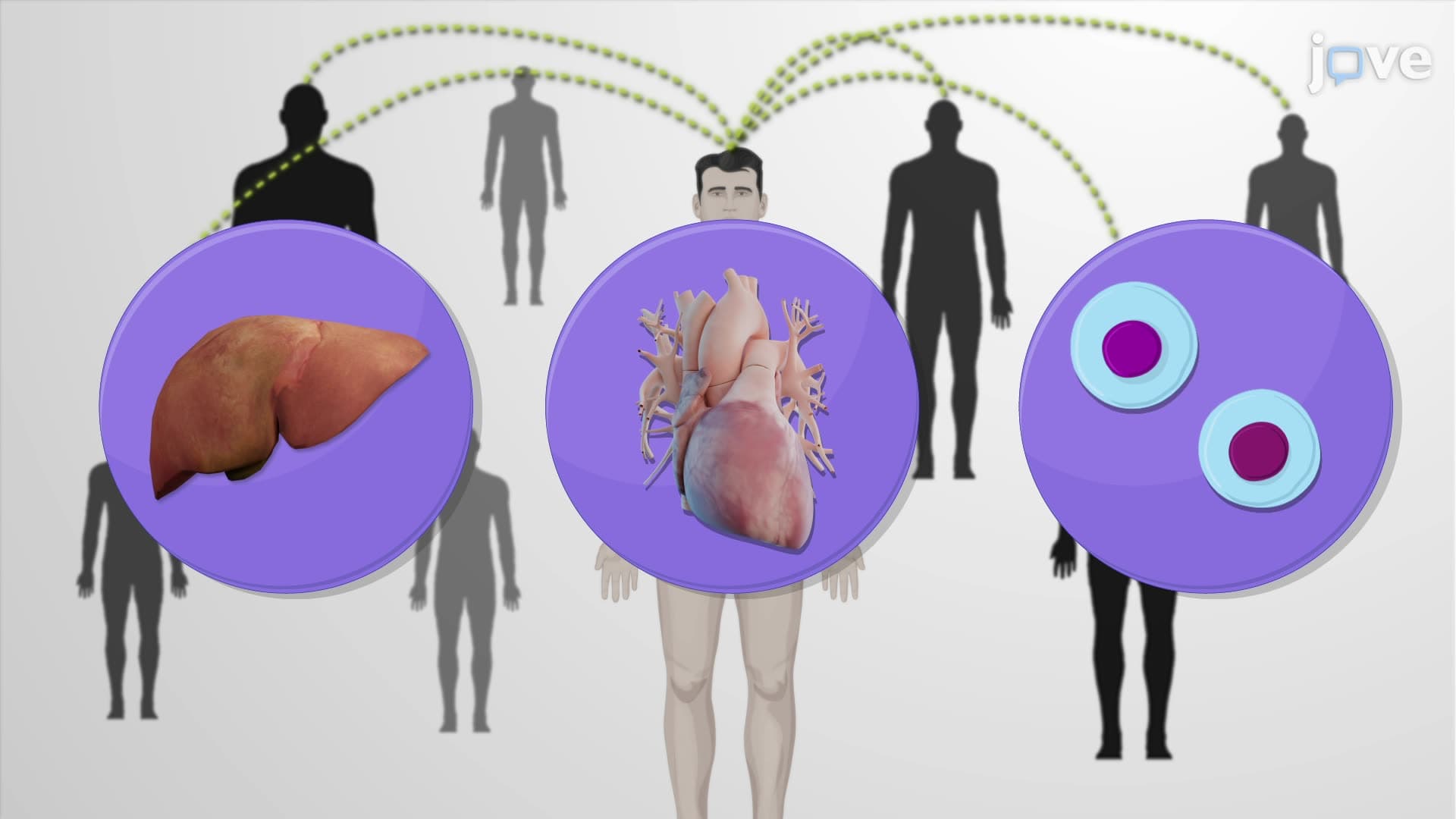
Tissue transplantation immunology represents one of medicine's most challenging frontiers, where the immune system's protective mechanisms must be carefully navigated to save lives. At its core, transplantation involves transferring healthy tissues or organs from a donor to a recipient whose own organs have failed. However, this seemingly straightforward procedure becomes complex due to our immune system's sophisticated ability to recognize "foreign" material.
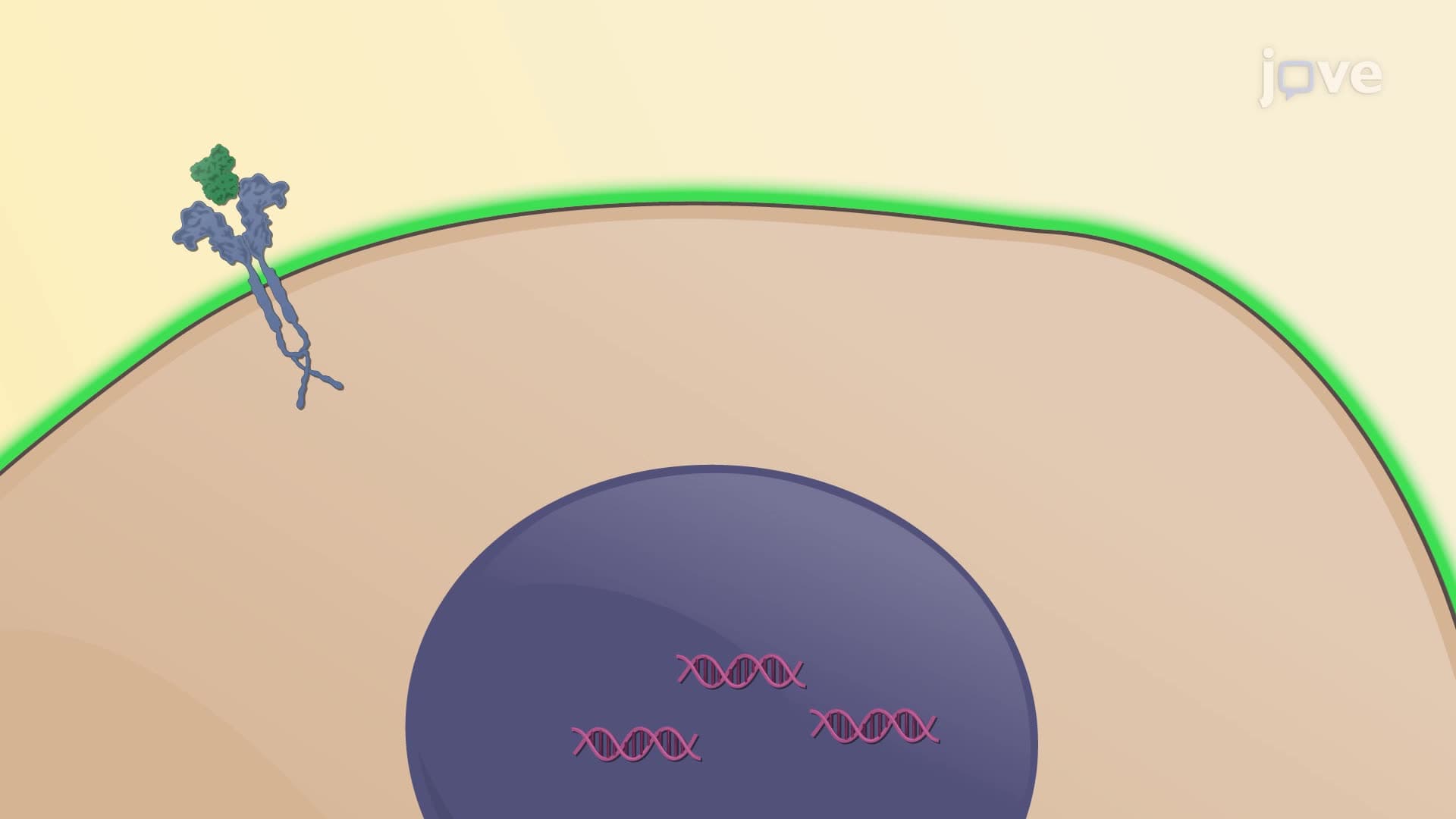
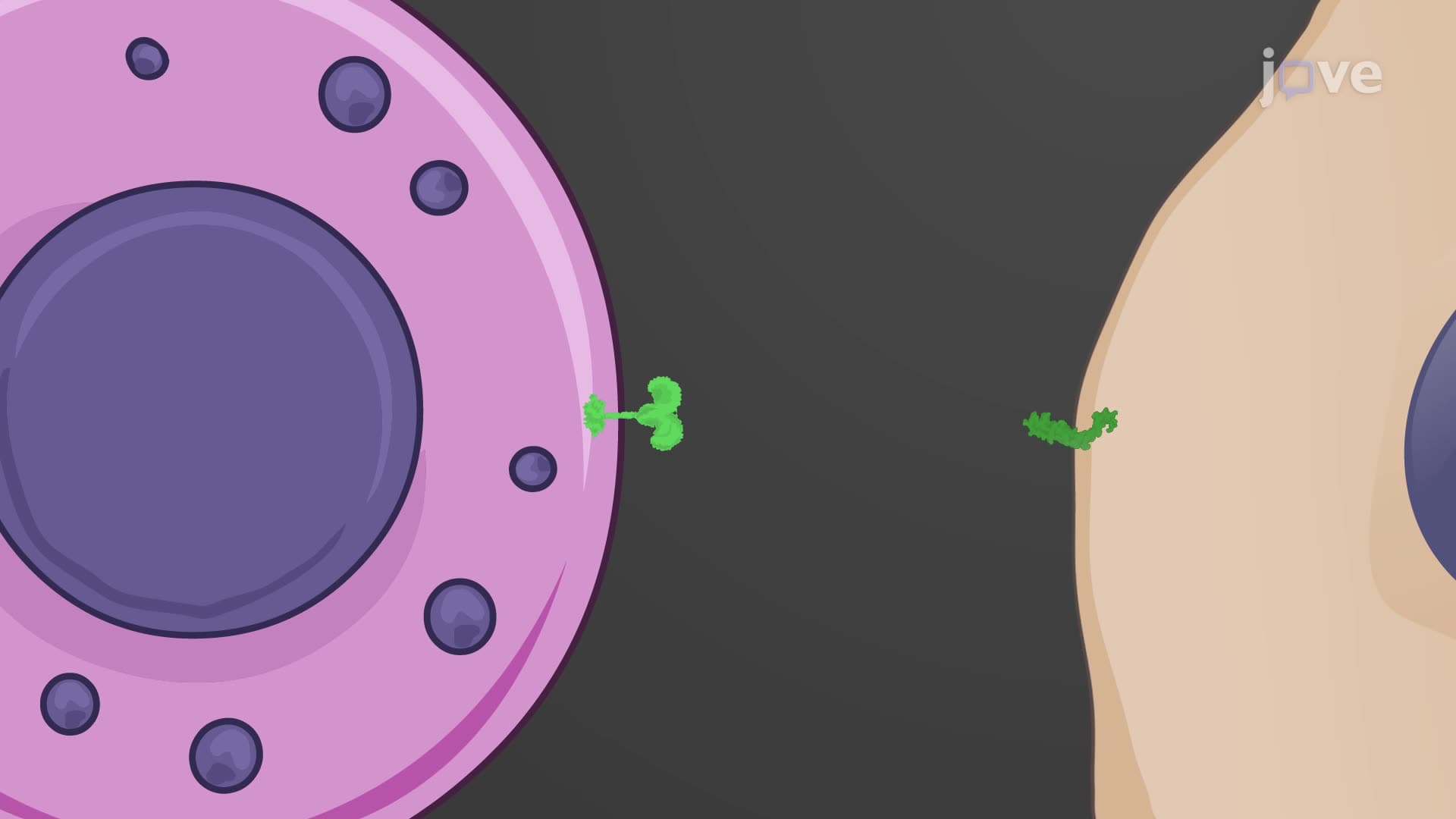
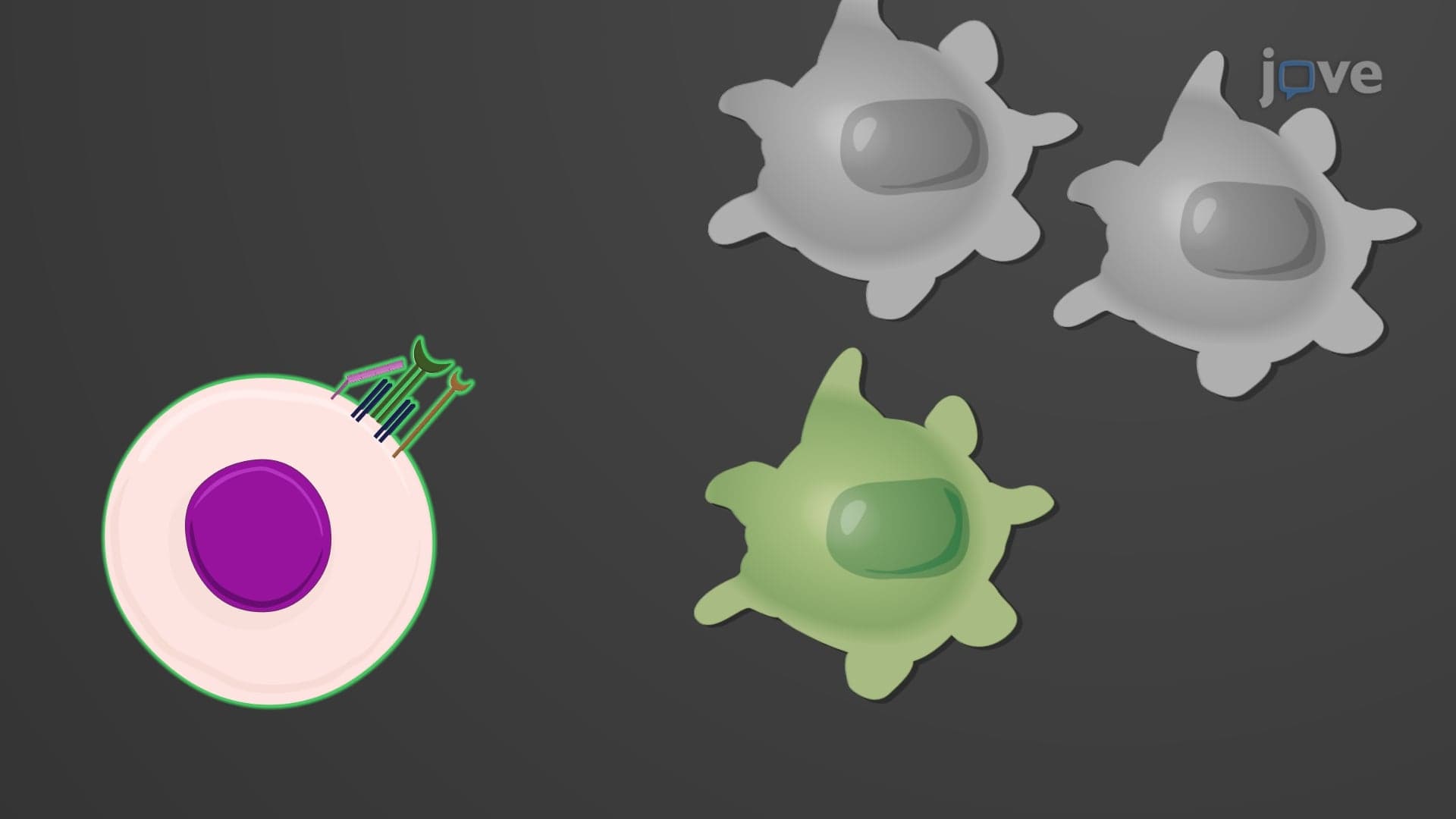
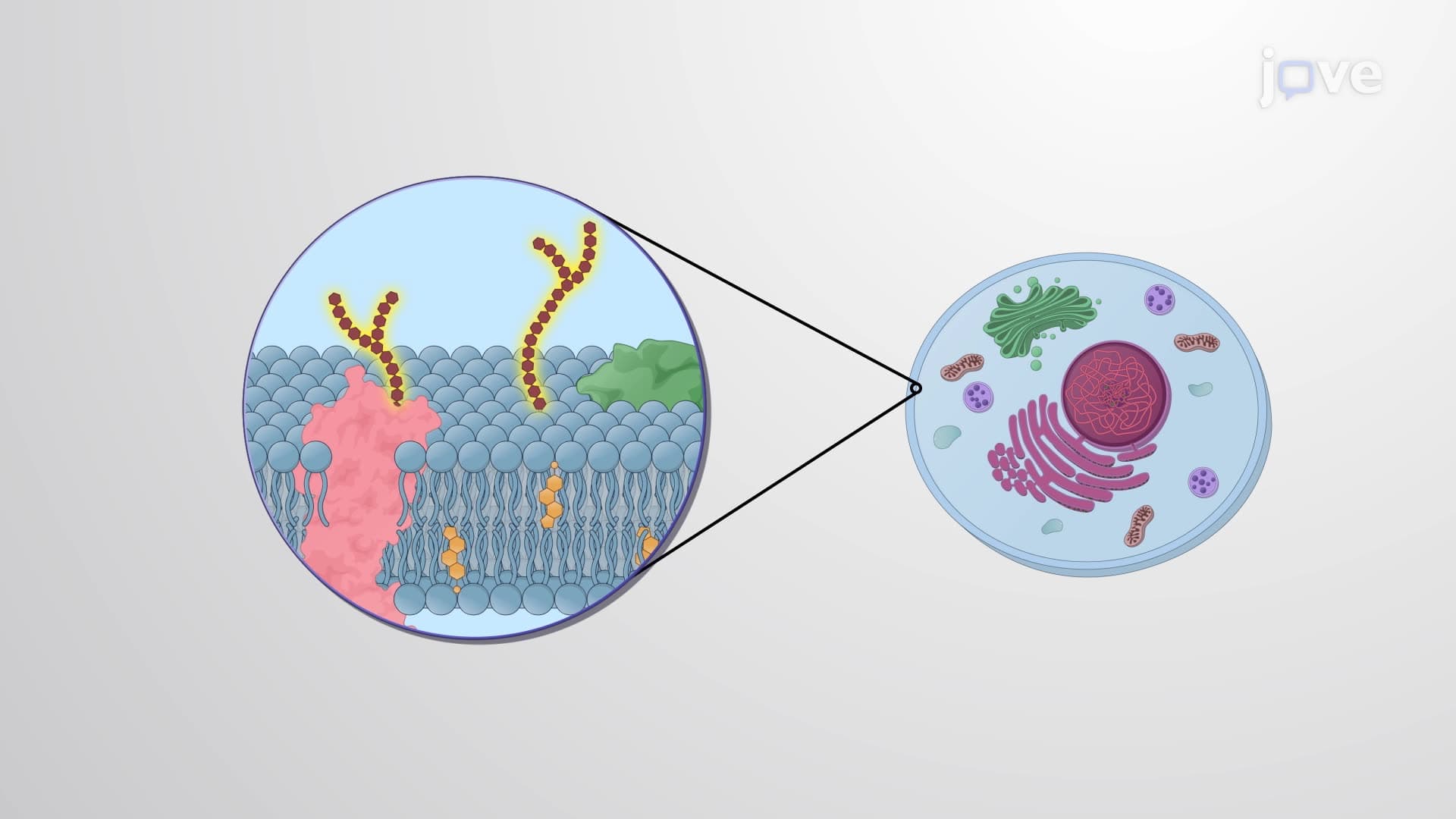
The success of any transplant hinges on Major Histocompatibility Complex (MHC) molecules, known in humans as Human Leukocyte Antigens (HLA). These protein markers, present on every cell surface, function like molecular barcodes that identify each person's unique genetic signature. The challenge lies in the extraordinary diversity of these molecules-with over 10,000 different HLA variants documented in human populations.
For a successful transplant, medical teams at major US transplant centers like the Mayo Clinic must achieve compatibility in at least 3-4 key MHC molecules between donor and recipient. This requirement explains why siblings have only a 25% chance of being perfect matches, while finding an unrelated compatible donor can take months or years through national registries like the United Network for Organ Sharing (UNOS).
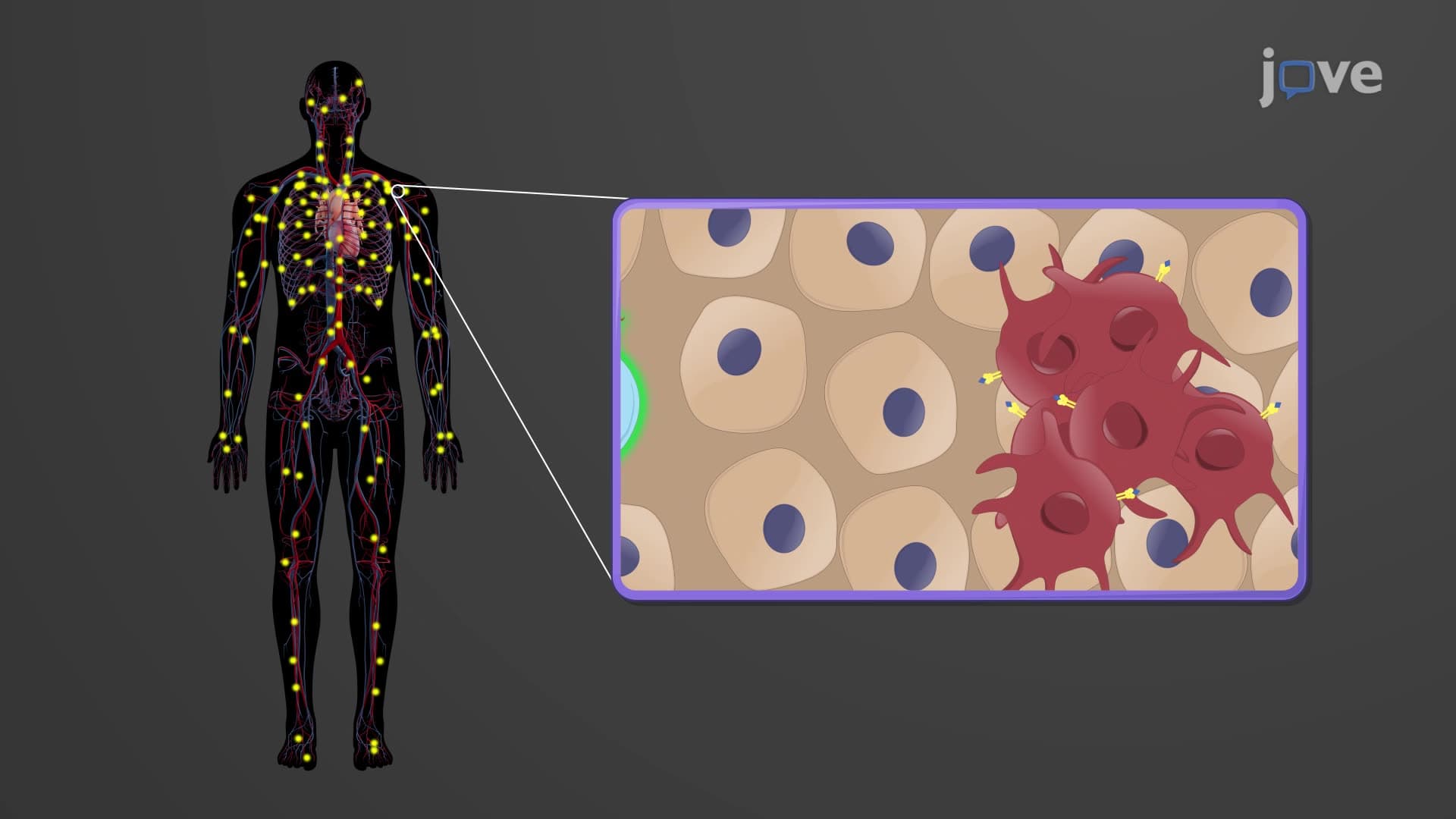
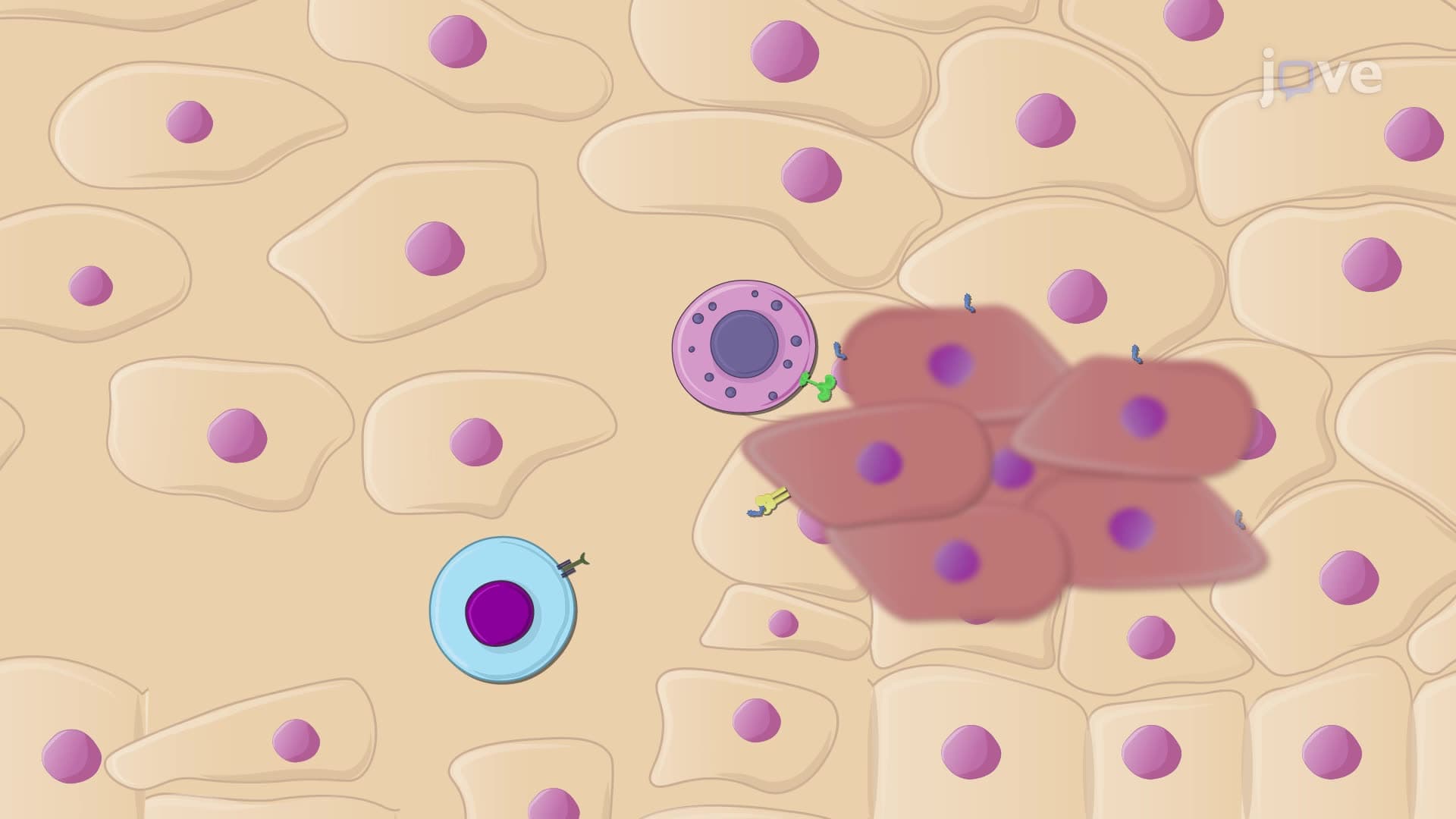
When MHC matching transplant requirements aren't met, the recipient's immune system launches a coordinated attack against the foreign tissue, termed allograft rejection. Cytotoxic T-cells, the body's cellular assassins, recognize mismatched MHC molecules as threats and systematically destroy transplanted tissue. This process can occur within days (acute rejection) or develop gradually over years (chronic rejection).
Understanding these mechanisms proves crucial for students preparing for advanced coursework or exams like the MCAT, where transplant immunology frequently appears in biological sciences sections. The concept also connects to AP Biology topics covering immune system function and cellular recognition.
Modern transplant medicine employs sophisticated immunosuppression transplant protocols to prevent rejection while maintaining the recipient's ability to fight infections. Drugs like tacrolimus and cyclosporine specifically target T-cell activation pathways, creating a delicate balance between acceptance and immune competence. These treatments have revolutionized outcomes for conditions like severe combined immunodeficiency (SCID), where bone marrow transplants can completely restore immune function in affected children.
Related Micro-courses