Loading subject page…


218,421 views
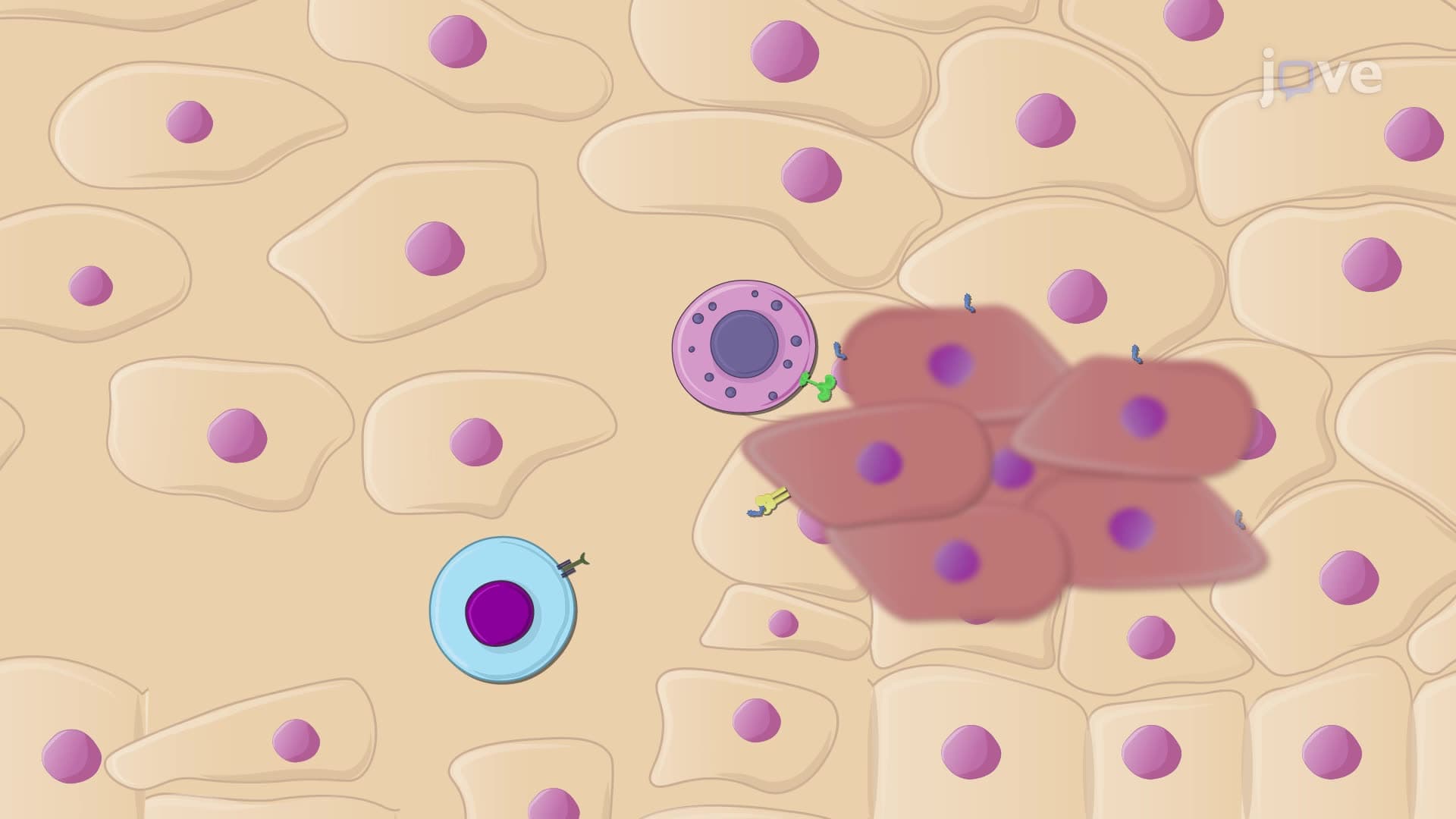

Video Summary: What Is Tumor Immunotherapy
Every year, cancer kills over 600,000 Americans-but what if your own immune system could be trained to fight back? Tumor immunotherapy biology represents one of medicine's most promising breakthroughs, harnessing natural immune mechanisms to target cancer cells. The FDA's approval of CAR-T cell therapies like Kymriah has transformed treatment for blood cancers at major US cancer centers. What is tumor immunotherapy fundamentally changes how we approach cancer-turning the body's defense system into a precision weapon against malignant cells. Watch the full video on JoVE Coach to master this concept with expert-led visuals and step-by-step explanations.
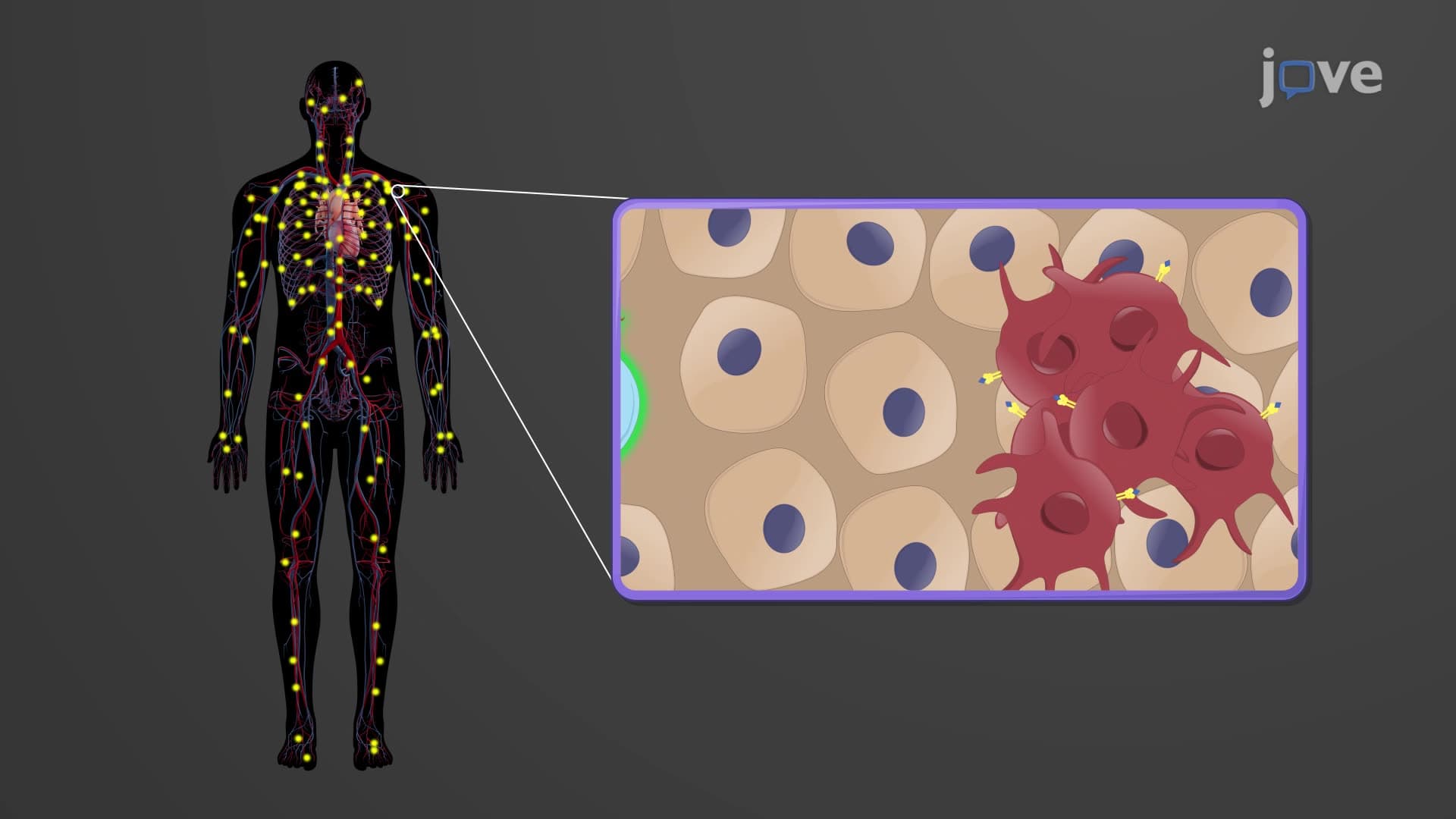
Tumor immunotherapy biology revolutionizes cancer treatment by leveraging the immune system's natural ability to recognize and eliminate abnormal cells. Unlike conventional treatments that directly attack cancer cells, immunotherapy enhances or redirects immune responses to target malignancies more precisely. This approach has transformed oncology practice across major US medical centers, from MD Anderson to Memorial Sloan Kettering.
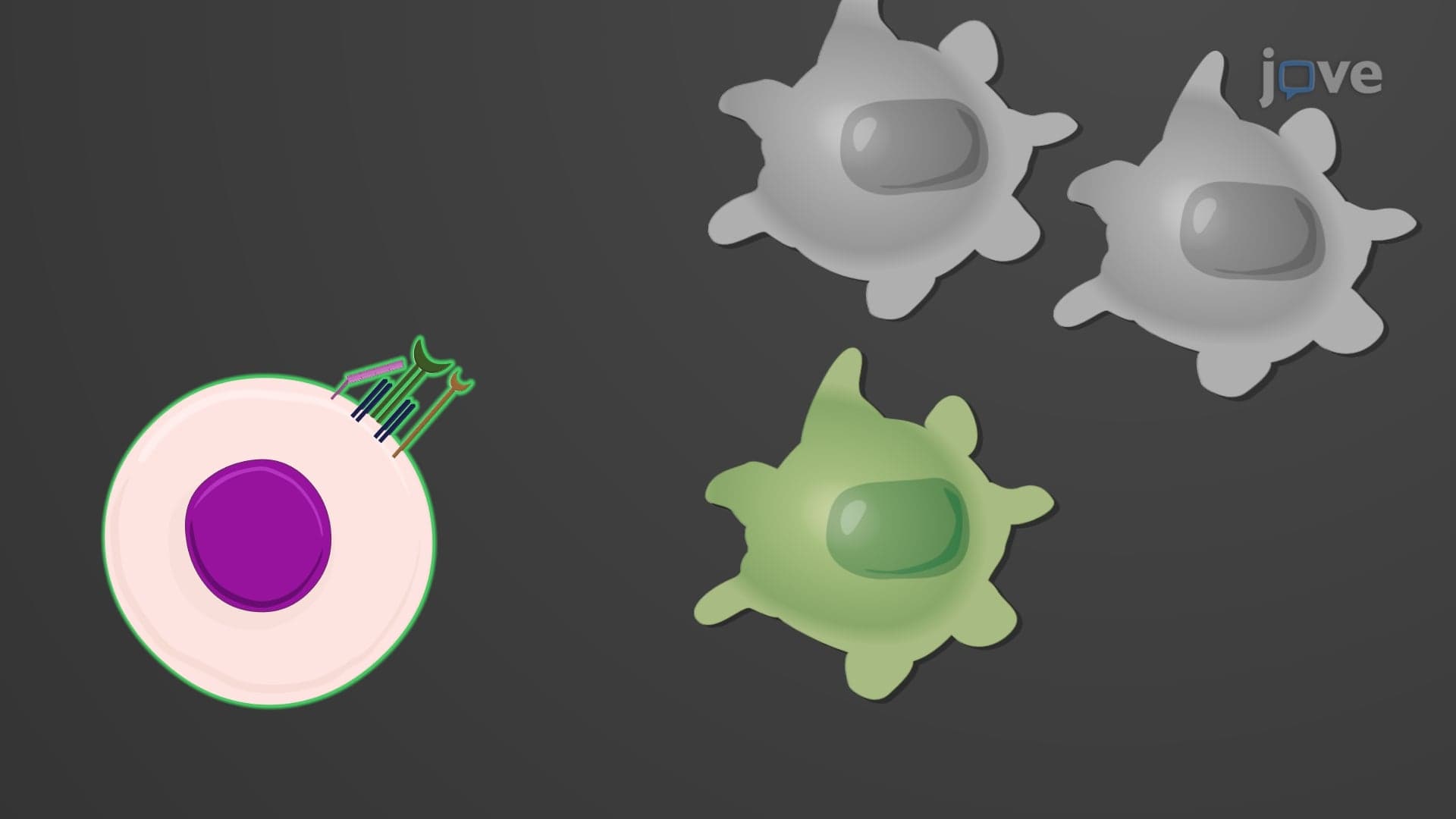
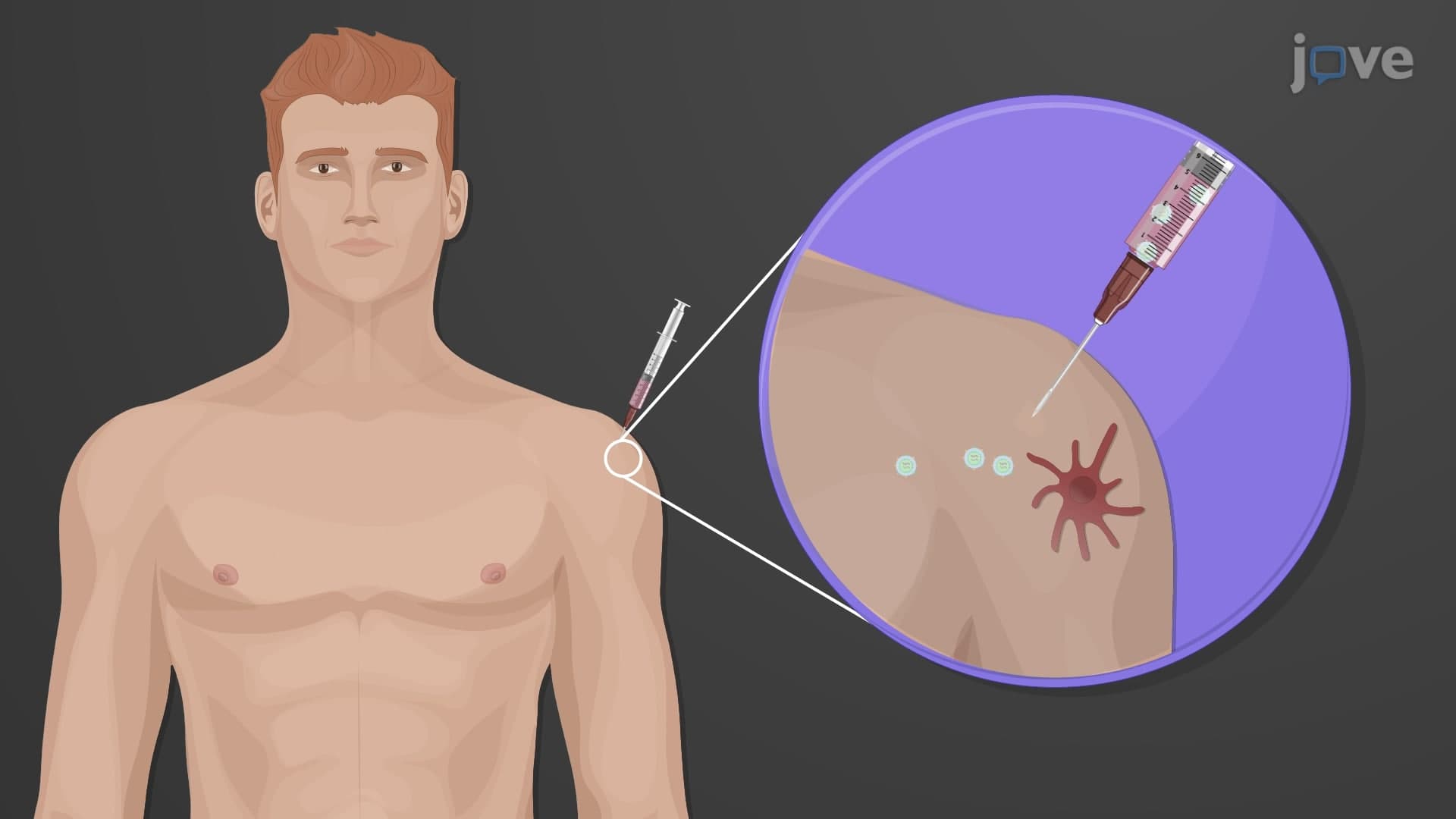
Cancer immunotherapy explained begins with understanding how therapeutic vaccines work differently from preventive vaccines. These treatments use the patient's own dendritic cells-professional antigen-presenting cells-loaded with tumor-specific antigens. Sipuleucel-T (Provenge), FDA-approved for prostate cancer, exemplifies this approach. Dendritic cells process tumor antigens and present them to T cells, initiating a targeted immune response. This mechanism frequently appears on MCAT immunology sections and AP Biology exams focusing on adaptive immunity.
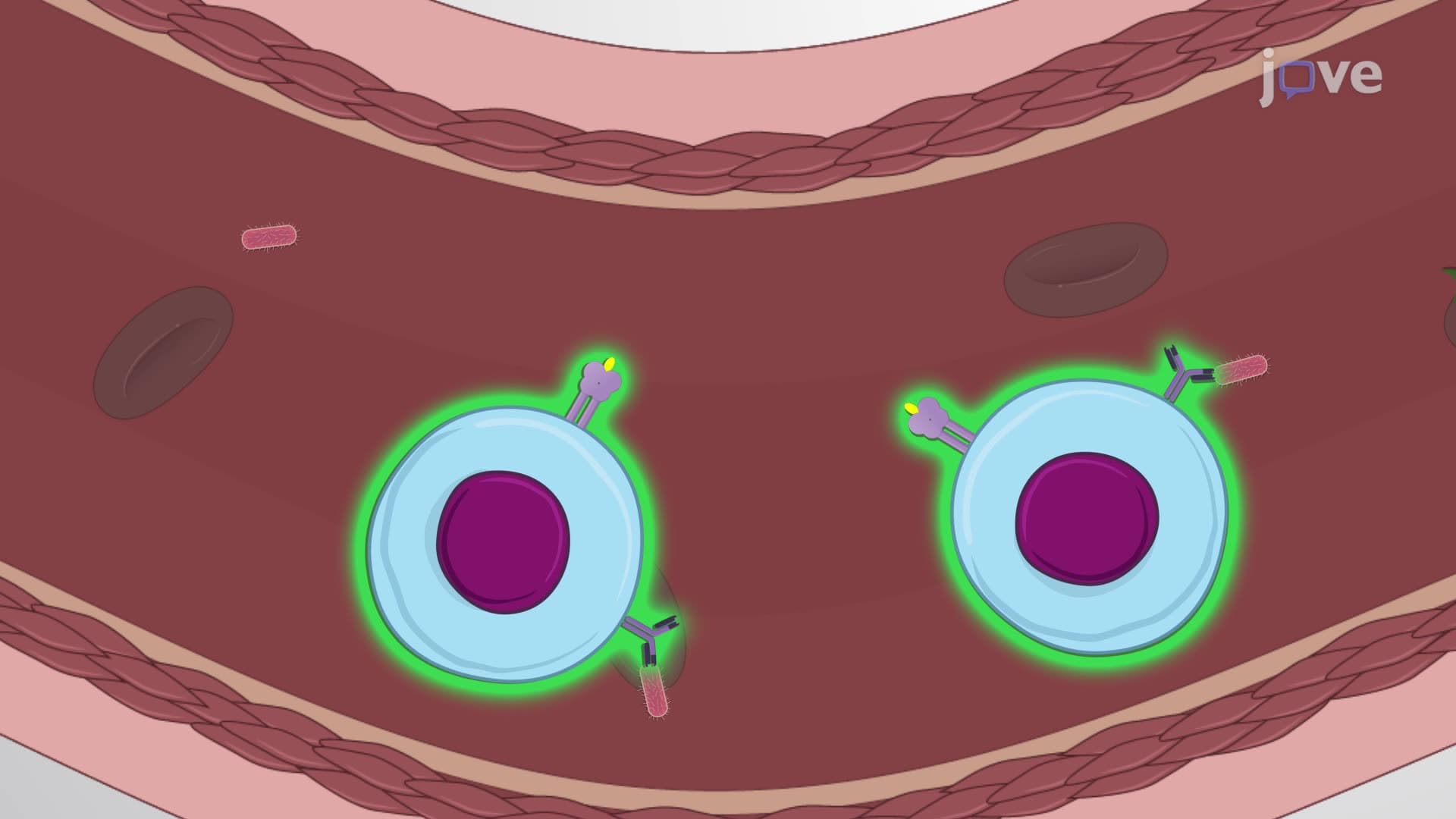
CAR T cell cancer therapy represents precision medicine at its finest. Patient T cells are genetically modified to express chimeric antigen receptors (CARs) that recognize specific tumor antigens like CD19 on B-cell malignancies. Once reinfused, these engineered cells directly bind and destroy cancer cells. Kymriah and Yescarta, both FDA-approved CAR-T therapies, have achieved remarkable remission rates in pediatric leukemia patients at Children's Hospital of Philadelphia and other leading institutions.
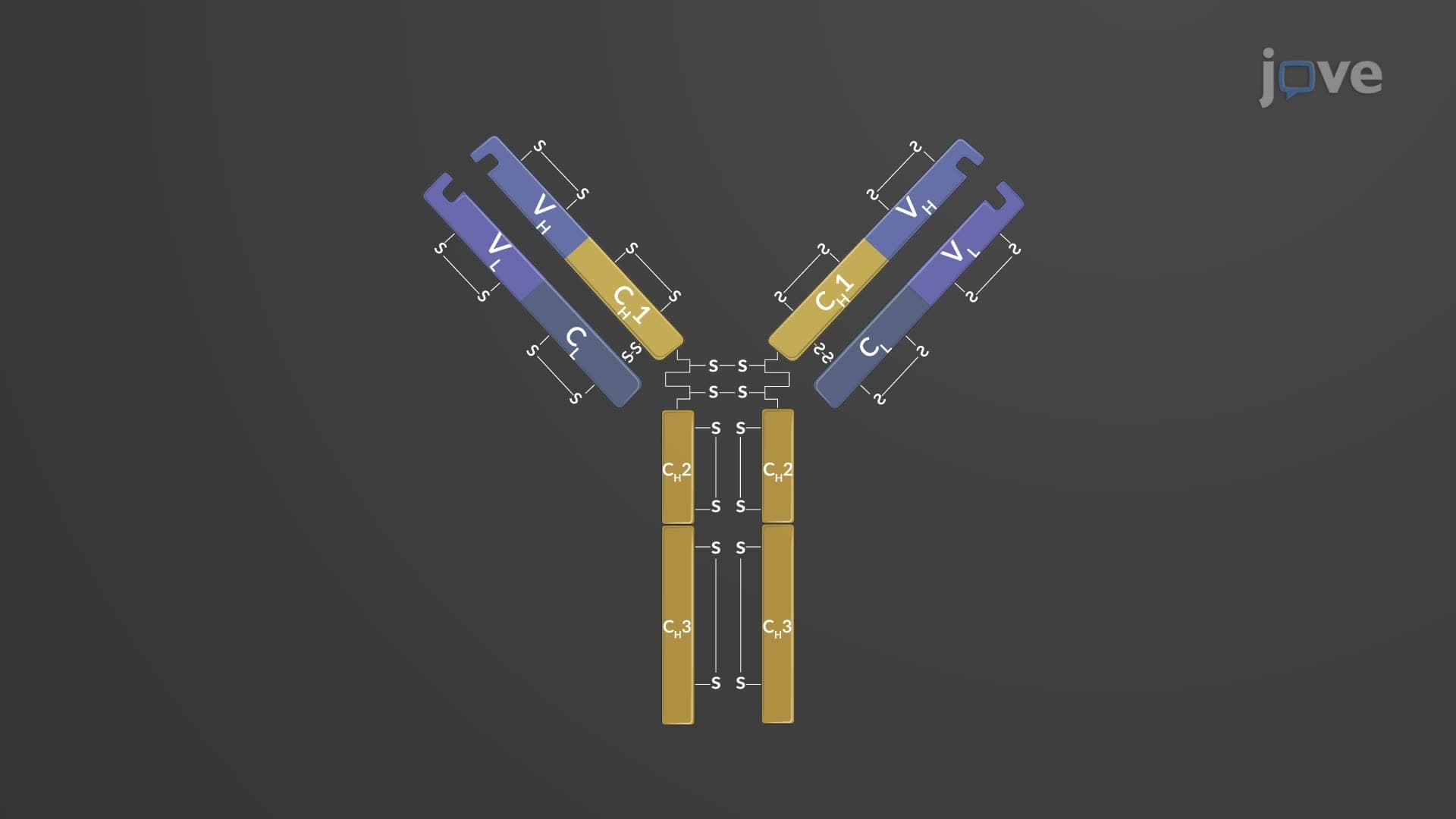
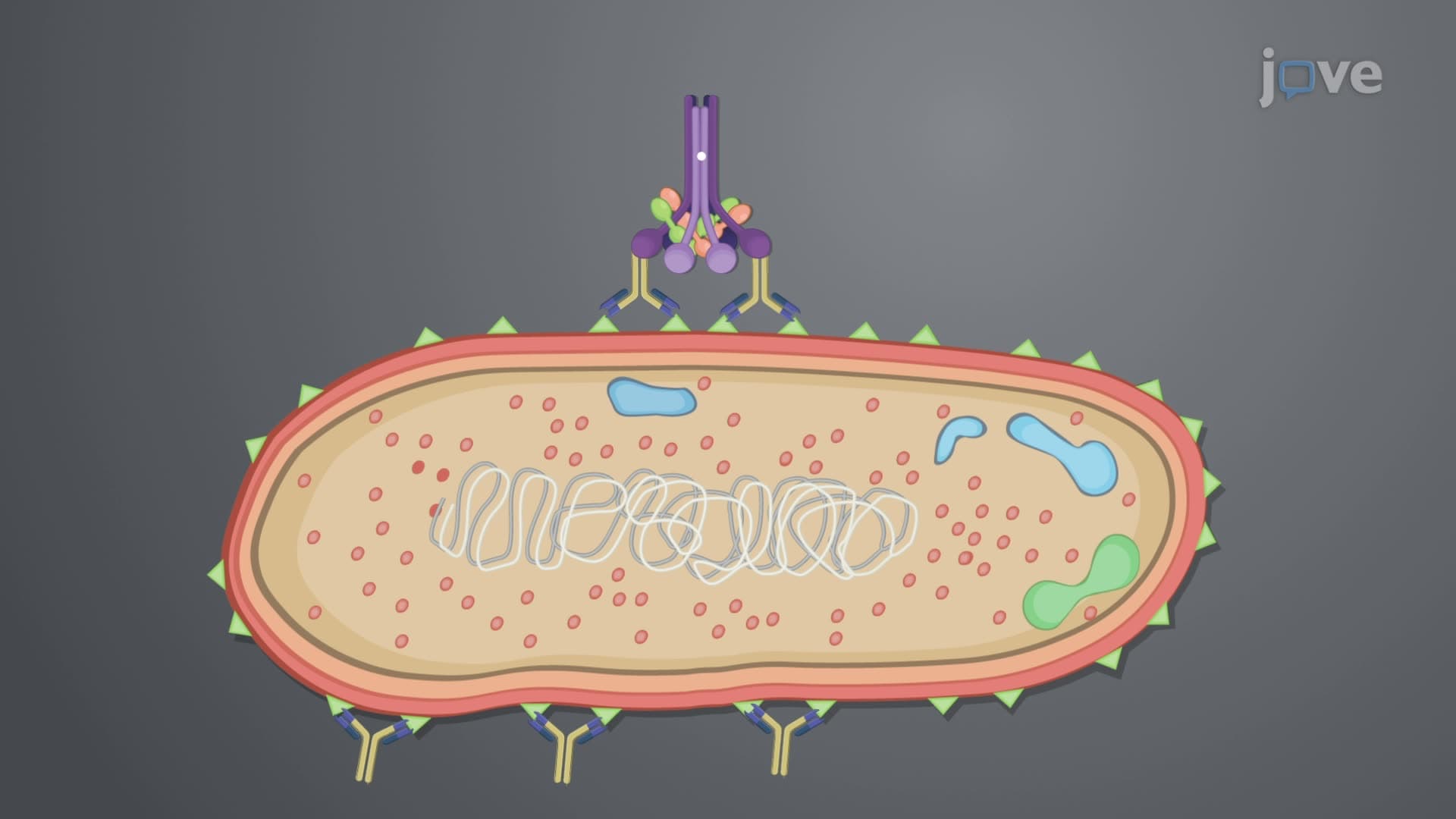
Checkpoint inhibitor immunotherapy targets regulatory pathways that normally prevent excessive immune activation. Cancer cells exploit these checkpoints-particularly CTLA-4 and PD-1/PD-L1 interactions-to evade immune surveillance. Monoclonal antibody tumor treatments like ipilimumab (anti-CTLA-4) and pembrolizumab (anti-PD-1) block these inhibitory signals, unleashing T cell responses against tumors. Understanding these pathways is crucial for college immunology courses and medical school examinations.
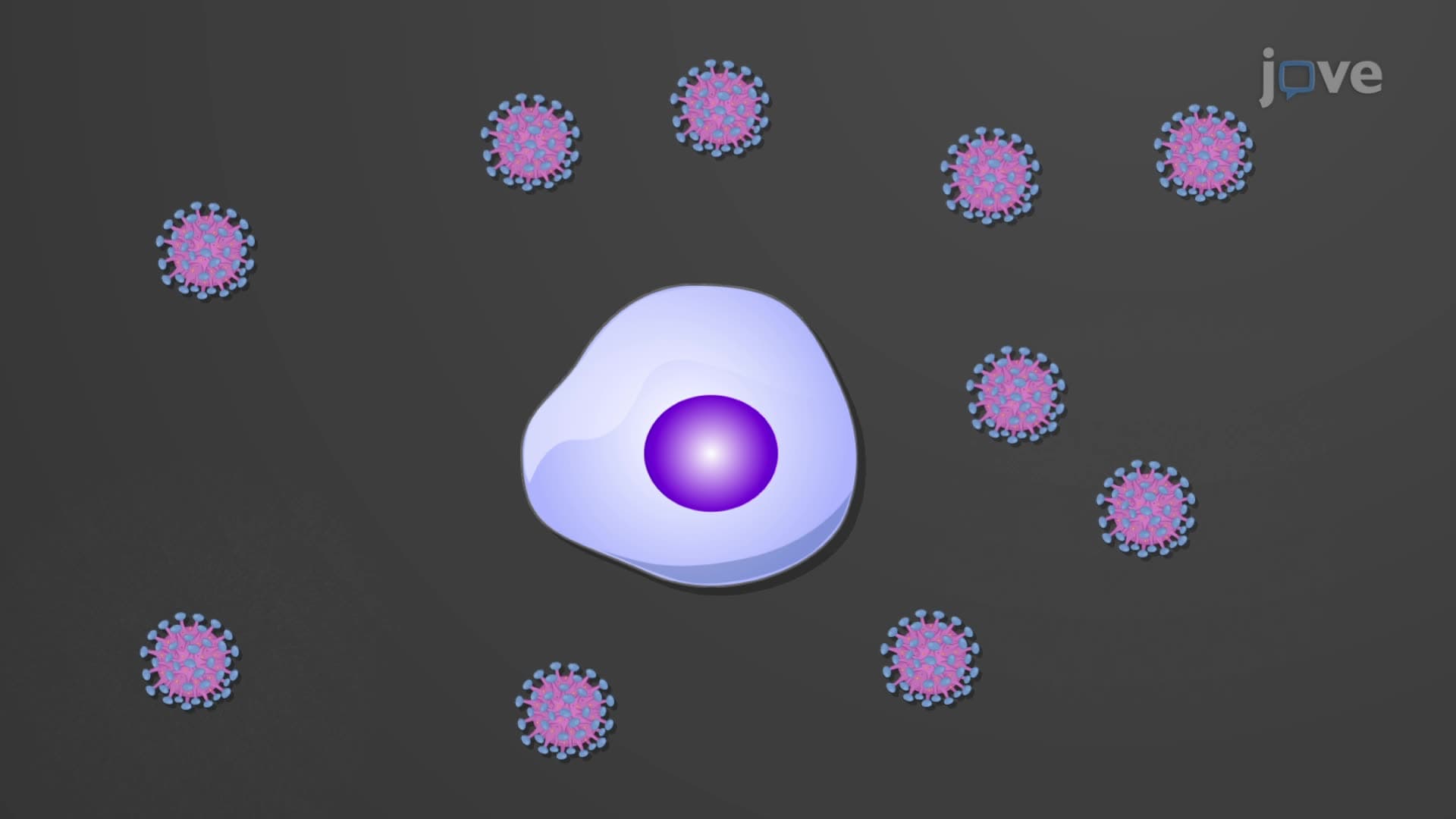
Oncolytic viruses selectively infect and destroy cancer cells while stimulating broader immune responses. T-VEC, a genetically modified herpes virus, exemplifies this approach in melanoma treatment. These engineered viruses lyse tumor cells and release antigens that activate additional immune responses-a concept that bridges virology and immunology in advanced biology curricula.
Related Micro-courses