Loading…
Loading video…

167,201 views

Why do wolves hunt in packs while bears prefer solitude? Behavior encompasses all the fascinating ways organisms interact with their environment and each other, shaped by millions of years of evolution. From the intricate mating dances of American bald eagles to the complex social hierarchies in Yellowstone wolf packs, these adaptive actions ensure survival and reproductive success. The behavior definition reveals how every action—whether foraging, communicating, or caring for young—serves a crucial evolutionary purpose. Watch the full video on JoVE Coach to master this concept with expert-led visuals and step-by-step explanations.
Behavior represents the comprehensive set of actions, reactions, and interactions that organisms exhibit in response to internal stimuli and external environmental factors. This fundamental biological concept encompasses everything from simple reflexes to complex social structures, all shaped by evolutionary pressures over millions of years.
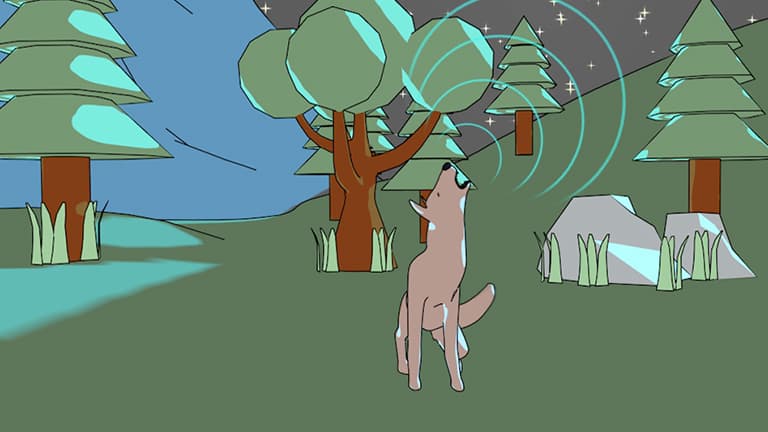
Biological behaviors fall into distinct categories, each serving critical survival functions. Foraging behavior includes the sophisticated hunting strategies of North American predators like the gray wolf, which uses coordinated pack hunting to take down large prey like elk in Yellowstone National Park. These behaviors maximize energy intake while minimizing risk and energy expenditure.
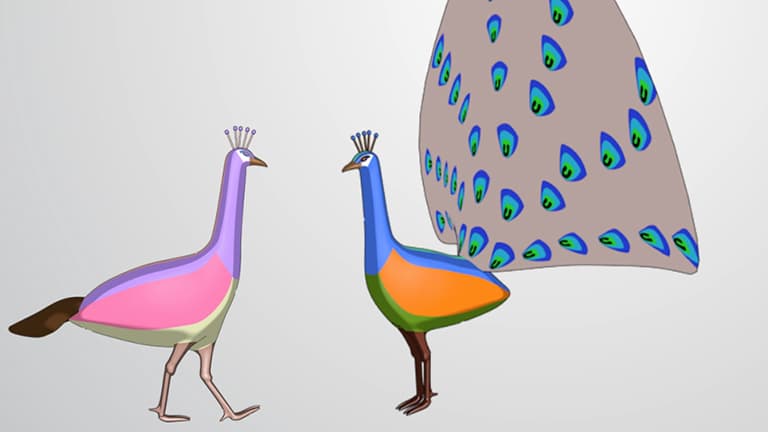
Social behaviors demonstrate remarkable complexity, from the warning calls of prairie dogs in the Great Plains to the intricate communication systems of honeybee colonies. These interactions enhance group survival through information sharing, cooperative defense, and resource allocation. The elaborate courtship rituals of American bird species, such as the elaborate dances of sandhill cranes, exemplify how behavior facilitates mate selection and reproductive success.
Modern understanding reveals that behaviors have strong genetic components while remaining flexible enough to adapt to changing environments. The migration patterns of monarch butterflies across North America demonstrate how complex behaviors can be encoded genetically yet modified by environmental cues like temperature and daylight duration.
Students encounter behavior concepts extensively in AP Biology courses, particularly when studying ecology and evolution units. College-level courses in animal behavior, ethology, and evolutionary biology build upon these foundations. The MCAT frequently tests behavioral concepts in biological and biochemical foundations sections, emphasizing the connection between behavior and survival strategies.
Understanding behavior proves essential for pre-medical students, as human behavioral patterns often mirror those observed in other species, providing insights into medical conditions, treatment compliance, and public health strategies.
Frequently Asked Questions
Behavior encompasses all observable actions and interactions that organisms display in response to their environment and other living beings. These actions have evolved through natural selection to enhance survival and reproductive success. Examples include foraging strategies, social communication, mating rituals, and parental care behaviors.
The AP Biology exam frequently includes behavior questions in the ecology and evolution units, focusing on adaptive significance and evolutionary origins. Students must analyze behavioral data, interpret graphs showing behavioral patterns, and explain how specific behaviors enhance fitness. Free response questions often require connecting behavior to natural selection principles.
The MCAT tests behavioral concepts primarily in the Biological and Biochemical Foundations section and Psychological, Social, and Biological Foundations section. Key topics include operant and classical conditioning, social behavior, mate selection, and the relationship between genetics and behavior. Understanding evolutionary psychology and behavioral ecology proves particularly important.
Wildlife behavioral studies directly inform conservation strategies across the United States. For example, understanding migration patterns helps establish protected corridors for species like caribou in Alaska, while knowledge of mating behaviors guides breeding programs for endangered California condors. These applications demonstrate the practical importance of behavioral research.
Behavior concepts are highly accessible because they build on observable, everyday phenomena that students can relate to their own experiences and pets. Starting with familiar examples like dog training or bird feeding makes complex evolutionary concepts more approachable. The key is connecting observable actions to underlying biological principles.
Create concept maps connecting different behavior types to their evolutionary advantages, use real wildlife examples to illustrate abstract principles, and practice analyzing behavioral data graphs. Focus on understanding the "why" behind behaviors rather than memorizing lists. Connect behaviors to fitness consequences to strengthen comprehension.
Students can advance to specialized areas like behavioral ecology, which examines how environmental factors shape behavior, or evolutionary psychology, which applies behavioral principles to human psychology. Ethology, the scientific study of animal behavior, and conservation biology represent excellent next steps for deeper exploration.
Related Micro-courses



Related Subjects