- Biology
- Behavior
Micro-courses:36

Behavior
1. What is Behavior?
2. Imprinting
3. Communication
4. Migration
5. Mate Choice
6. Fixed Action Patterns
7. Optimal Foraging
8. Parental Care
9. Altruism
10. Inclusive Fitness
Behavior encompasses the diverse ways animals interact with their environment and other organisms, shaped by natural selection and evolutionary pressures. From foraging strategies to complex mating rituals, animal behavior biology demonstrates how organisms maximize survival and reproductive success. This comprehensive JoVE Coach micro-course explores how biology influences behavior through examples ranging from migrating monarch butterflies to parental care in American robins, providing essential foundations for understanding behavioral ecology and ethology.
- Understand the fundamental principles of animal behavior and its evolutionary basis
- Learn how imprinting creates critical bonds between parents and offspring during sensitive periods
- Identify different forms of animal communication and their adaptive functions
- Explore migration patterns and how environmental changes trigger behavioral responses
- Analyze mate selection strategies and their role in reproductive success
- Apply concepts of fixed action patterns and innate behavioral responses
- Understand optimal foraging theory and energy-efficient feeding strategies
- Learn about parental care behaviors across different species
- Analyze altruistic behaviors and their evolutionary advantages
- Explore inclusive fitness and kin selection in social species
1. Foundations of Animal Behavior - Animal behavior represents evolutionarily-shaped interactions between organisms and their environments, driven by natural selection to maximize survival and reproduction. Behaviors fall into categories including foraging (food acquisition), social interactions (communication and cooperation), and reproductive strategies (mate selection and offspring care). American examples include beaver dam construction for habitat modification, wolf pack hunting coordination, and seasonal bird migration patterns. Understanding behavioral foundations helps explain why certain actions persist across generations and how environmental pressures shape species-specific responses to challenges like predation, resource scarcity, and competition.
2. Imprinting and Critical Periods - Imprinting creates irreversible bonds between parents and offspring during brief critical periods after birth or hatching, ensuring proper recognition and care. This innate learning mechanism occurs in species like Canada geese, where goslings follow the first large moving object encountered within 24 hours of hatching. Unlike other learning forms, imprinting cannot be reversed once established and fails to occur if no appropriate stimulus appears during the critical window. Examples include mallard ducklings following their mother and farm animals like sheep recognizing their lambs. This process ensures parental investment reaches the correct offspring while enabling young animals to learn essential survival behaviors.
3. Animal Communication Systems - Communication involves information transfer between individuals through various channels including visual displays, vocalizations, chemical signals, and tactile interactions. American songbirds like mockingbirds use complex vocalizations for territory defense and mate attraction, while honeybees perform waggle dances to communicate food source locations. Chemical communication includes pheromone trails in ants and scent marking in mammals like wolves and mountain lions. These systems evolve to maximize information transmission while minimizing energy costs and predation risks. Effective communication enhances group coordination, predator avoidance, and reproductive success across diverse species.
4. Migration and Environmental Responses - Migration represents adaptive responses to seasonal resource availability, with animals traveling between breeding and feeding grounds to optimize survival. North American examples include monarch butterfly migrations from Canada to Mexico, caribou movements across Alaskan tundra, and gray whale journeys along Pacific coasts. These behaviors require precise timing, navigation abilities, and energy management strategies. Environmental cues like day length changes, temperature shifts, and food availability trigger migratory behavior. Some species migrate individually while others travel in groups, with different strategies reflecting species-specific ecological needs and evolutionary histories shaped by geographic and climatic patterns.
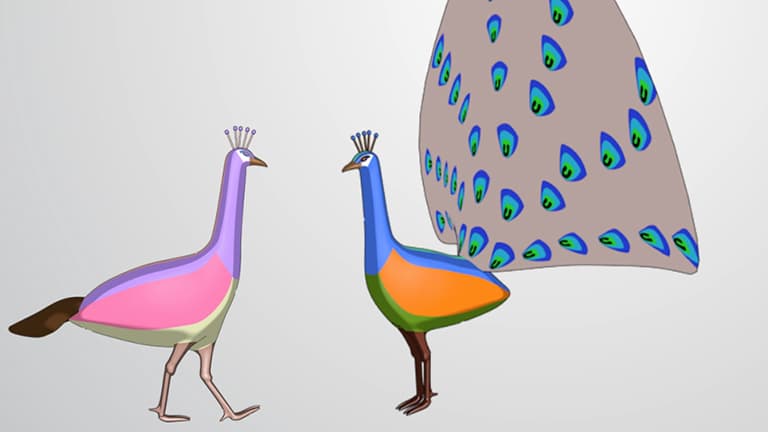
5. Mate Choice and Sexual Selection - Mate selection involves choosing reproductive partners based on traits indicating genetic quality, resource availability, or parental investment potential. Sexual selection favors elaborate displays and ornaments in species like northern cardinals (bright red males) and wild turkeys (male tail displays and gobbling). Female choice often focuses on indicators of male health, territory quality, or ability to provide resources. These preferences can lead to seemingly disadvantageous traits like peacock tail feathers that attract predators but signal superior genes. Mate choice behaviors ensure offspring receive beneficial genetic combinations while maximizing reproductive success in competitive mating environments.
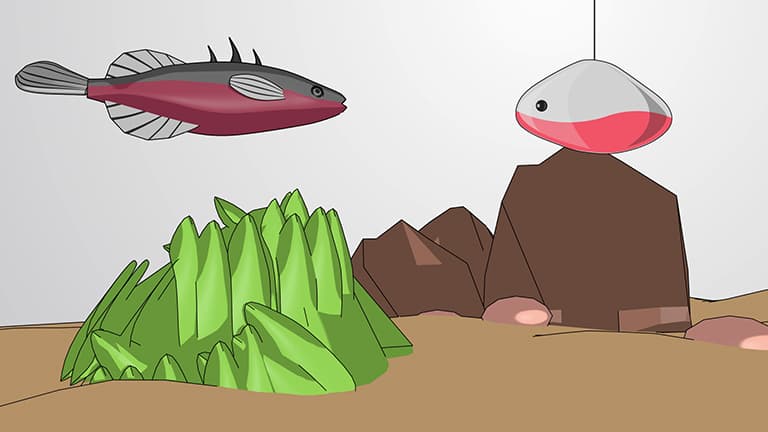
6. Fixed Action Patterns and Instinct - Fixed action patterns are stereotyped behavioral sequences triggered by specific stimuli and completed once initiated, representing innate responses shaped by natural selection. Examples include egg-rolling behavior in greylag geese, where birds retrieve displaced eggs using identical head movements, and aggressive displays in male red-winged blackbirds defending territories. These hardwired responses ensure appropriate reactions to critical situations without learning delays that could prove fatal. The triggering stimuli often involve simple features like colors, shapes, or sounds that reliably indicate important environmental conditions requiring immediate behavioral responses for survival or reproduction.
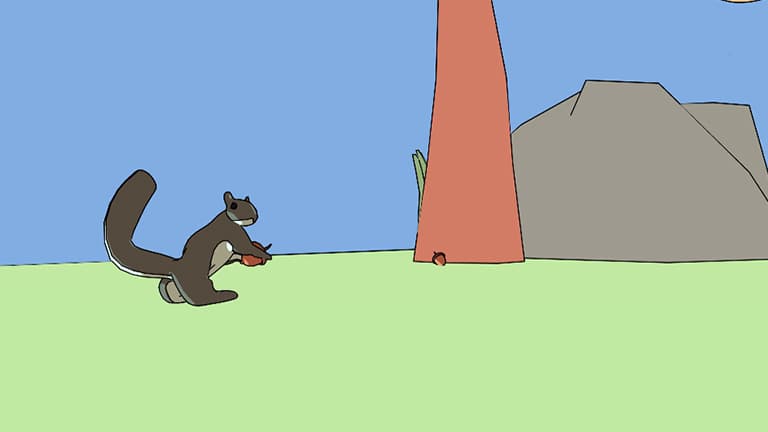
7. Optimal Foraging and Energy Balance - Optimal foraging theory predicts that natural selection favors feeding strategies maximizing energy gain while minimizing costs like time, energy expenditure, and predation risk. American robins demonstrate this by adjusting foraging techniques based on prey availability, switching between ground-probing for worms and gleaning insects from surfaces. Squirrels show optimal foraging by preferentially collecting nuts with higher caloric content during autumn preparation for winter. These strategies involve decision-making processes that weigh immediate energy gains against long-term survival needs, explaining why animals sometimes ignore abundant low-quality food sources in favor of rarer high-energy alternatives.
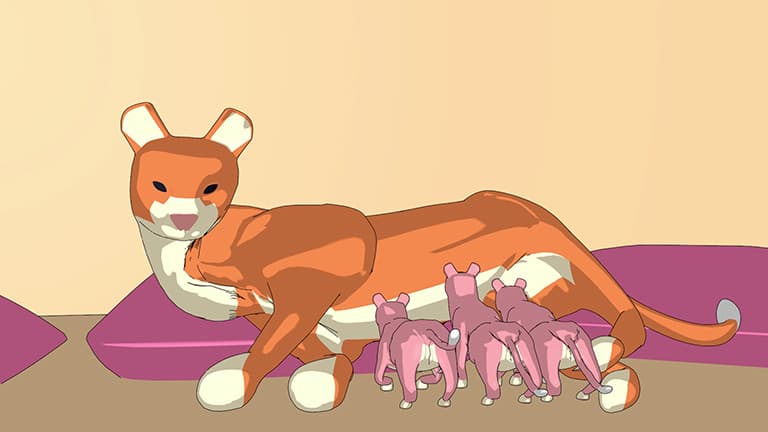
8. Parental Care and Investment - Parental care behaviors increase offspring survival through feeding, protection, and teaching essential skills, with strategies varying based on species ecology and life history. American alligators provide extensive care by carrying hatchlings to water and protecting them for months, while many songbird species engage in biparental care with both parents feeding nestlings. Mammalian examples include wolf pack cooperation in raising pups and extended maternal care in species like black bears. The evolution of parental care reflects trade-offs between current reproductive investment and future breeding opportunities, with different species showing varying levels of care based on offspring vulnerability and environmental challenges.
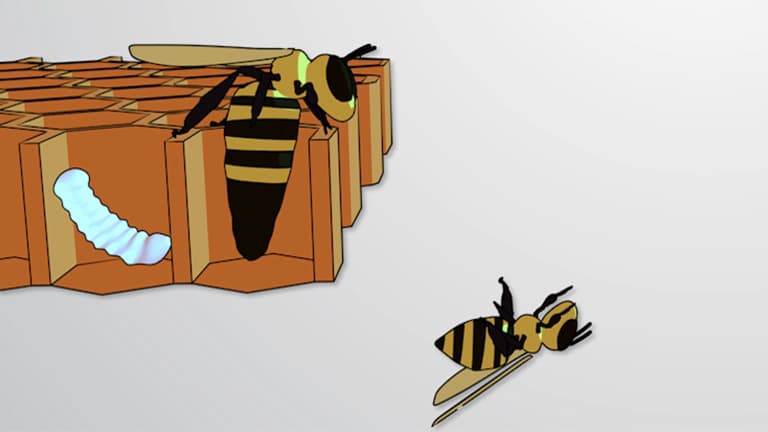
9. Altruism and Cooperative Behavior - Altruistic behaviors benefit others at personal cost to the performer, with evolution favoring such actions when they increase inclusive fitness through helping relatives reproduce shared genes. Examples include alarm calls in Belding's ground squirrels warning of predators, cooperative hunting in wolves where individuals risk injury for group benefit, and food sharing in vampire bats. Reciprocal altruism occurs between unrelated individuals when benefits are eventually returned, as seen in cleaner fish relationships and primate grooming partnerships. These behaviors demonstrate how natural selection can favor seemingly self-sacrificing actions when they ultimately enhance genetic representation in future generations.
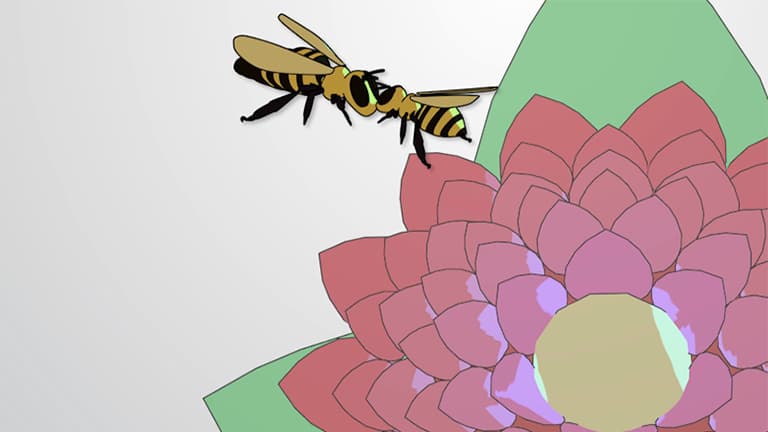
10. Inclusive Fitness and Kin Selection - Inclusive fitness measures an individual's total genetic contribution through direct reproduction and indirect assistance to relatives sharing genes, explaining the evolution of behaviors that appear to reduce personal fitness. Honeybee workers exemplify this concept by foregoing reproduction to help their queen mother produce sisters, thereby passing on shared genes indirectly. Prairie dog colonies show kin selection through nepotistic alarm calling, with individuals more likely to warn close relatives of approaching predators. This concept explains cooperative breeding systems in species like Florida scrub jays, where non-reproductive helpers assist breeding relatives, ultimately maximizing their genetic legacy through inclusive fitness rather than direct reproduction alone.
Frequently Asked Questions
Innate behaviors are genetically programmed responses that appear without learning, like fixed action patterns and reflexes, while learned behaviors develop through experience and practice. Many behaviors combine both elements - for example, songbirds have an innate tendency to sing but must learn specific songs from adults.
Animal behavior appears in AP Biology Unit 8 (Ecology), covering topics like behavioral ecology, evolution of behavior, and communication. The exam tests understanding of how natural selection shapes behavioral traits, energy costs and benefits of behaviors, and the role of behavior in species interactions and population dynamics.
The MCAT Biological and Biochemical Foundations section emphasizes how genetics and evolution influence behavior, neural control of behavior, and behavioral adaptation to environmental changes. Focus on understanding how behavior contributes to evolutionary fitness, social structures, and species survival strategies.
Altruistic behaviors evolve when they increase inclusive fitness - an individual's total genetic contribution through personal reproduction plus helping relatives reproduce shared genes. Worker bees that die defending the hive are actually promoting their genetic legacy by protecting relatives who carry similar genes.
Animals use multiple navigation methods including magnetic field detection, celestial navigation using sun and star positions, landmark recognition, and chemical cues. Many species combine these techniques - for example, sea turtles use magnetic fields for long-distance navigation and chemical signals to locate specific nesting beaches.
Animal behavior can seem challenging because it integrates concepts from genetics, ecology, evolution, and neuroscience, but breaking it down into core principles like cost-benefit analysis and evolutionary advantage makes it more manageable. Focus on understanding why behaviors exist rather than memorizing specific examples.
Create concept maps connecting behaviors to their evolutionary advantages, use real examples to illustrate abstract principles, and practice explaining how specific behaviors increase fitness or survival. Focus on the "why" behind behaviors rather than just describing what animals do.
Climate change alters timing of seasonal resources, temperature patterns, and habitat availability, causing many species to adjust migration routes and schedules. Some birds migrate earlier in spring, Arctic animals face shrinking ice habitats, and marine species shift to cooler waters, demonstrating behavioral plasticity in response to environmental changes.
Yes, studying animal behavior provides insights into evolutionary origins of human behaviors, stress responses, social structures, and learning mechanisms. This knowledge applies to understanding human psychological conditions, developing therapeutic approaches, and recognizing how biological factors influence behavior in clinical settings.
This microcourse includes 10 concept videos that walk you through the building blocks of Biology. Each video is short, about 1 minute, so you can cover a full topic during a coffee break or between classes. The full sequence starts with What is Behavior? and ends with Inclusive Fitness.
The playlist moves from big-picture ideas to the precise vocabulary used in Biology. Early videos introduce What is Behavior?, Imprinting, and Communication. The middle of the series focuses on Mate Choice, Fixed Action Patterns, and Optimal Foraging. The final stretch covers Parental Care, Altruism, and Inclusive Fitness.
The natural next step is Ecosystems. From there, you can move to Population and Community Ecology, Biodiversity and Conservation, and Speciation and Diversity. Once you finish those, the full Biology curriculum of 36 microcourses on JoVE Coach opens up, taking you from foundational concepts to advanced systems.
Related Subjects

