- Biology
- Endocrine System
Micro-courses:36

Endocrine System
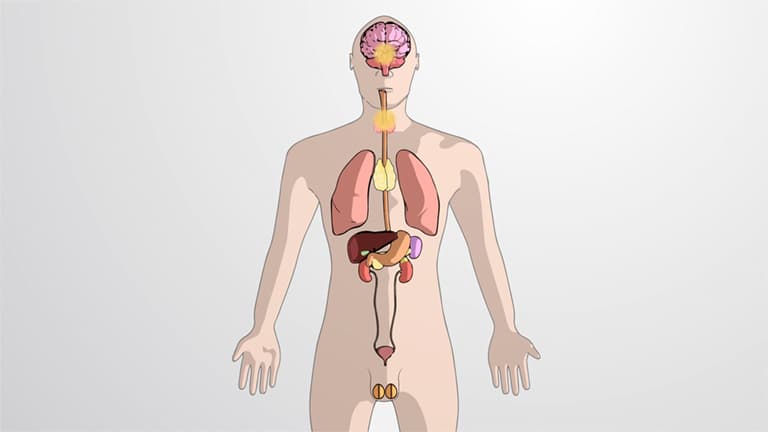
1. What is the Endocrine System?
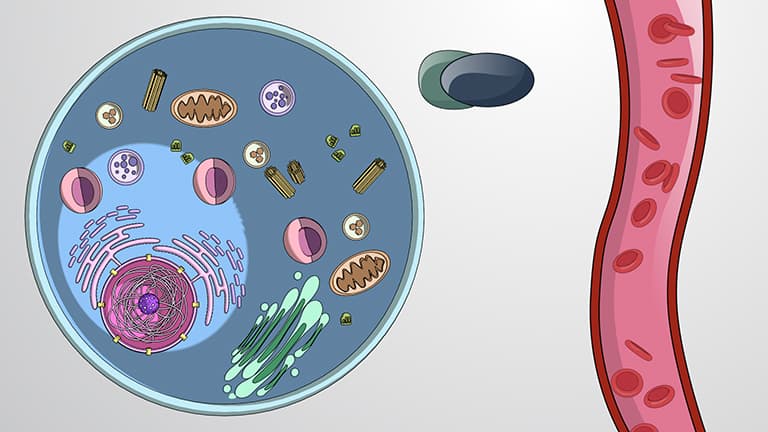
2. Intracellular Hormone Receptors
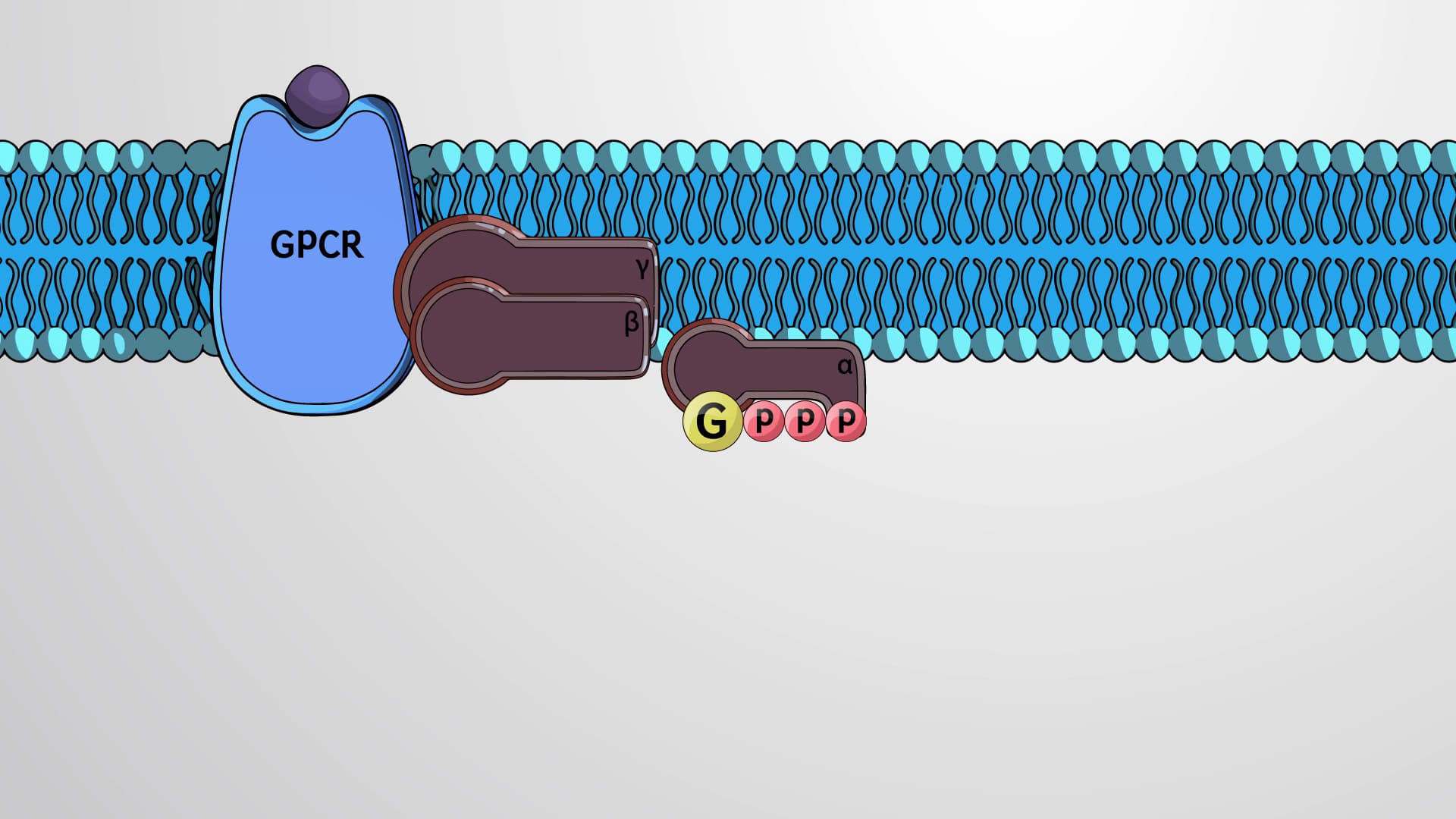
3. Cell-surface Signaling
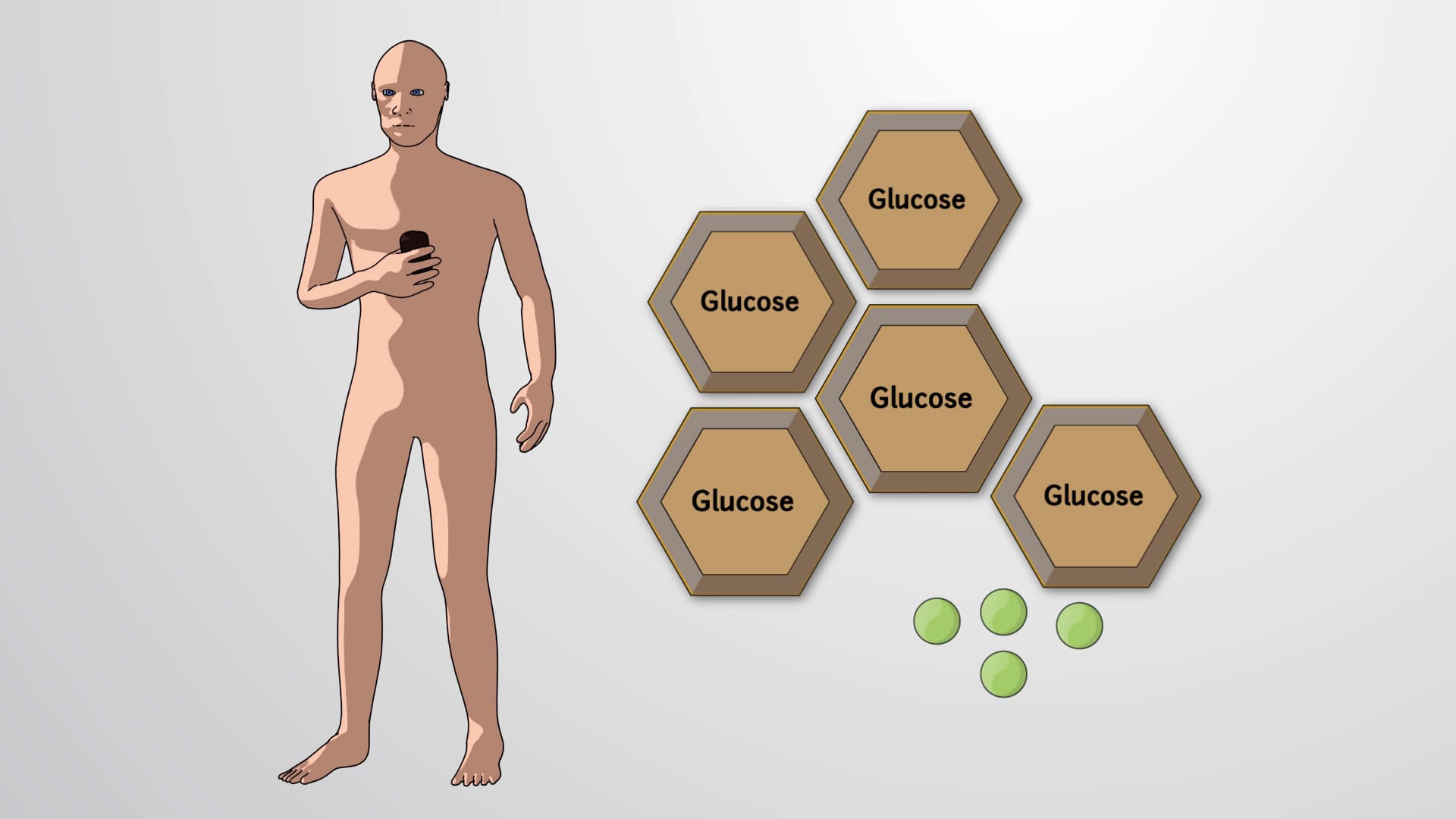
4. Feedback Loops
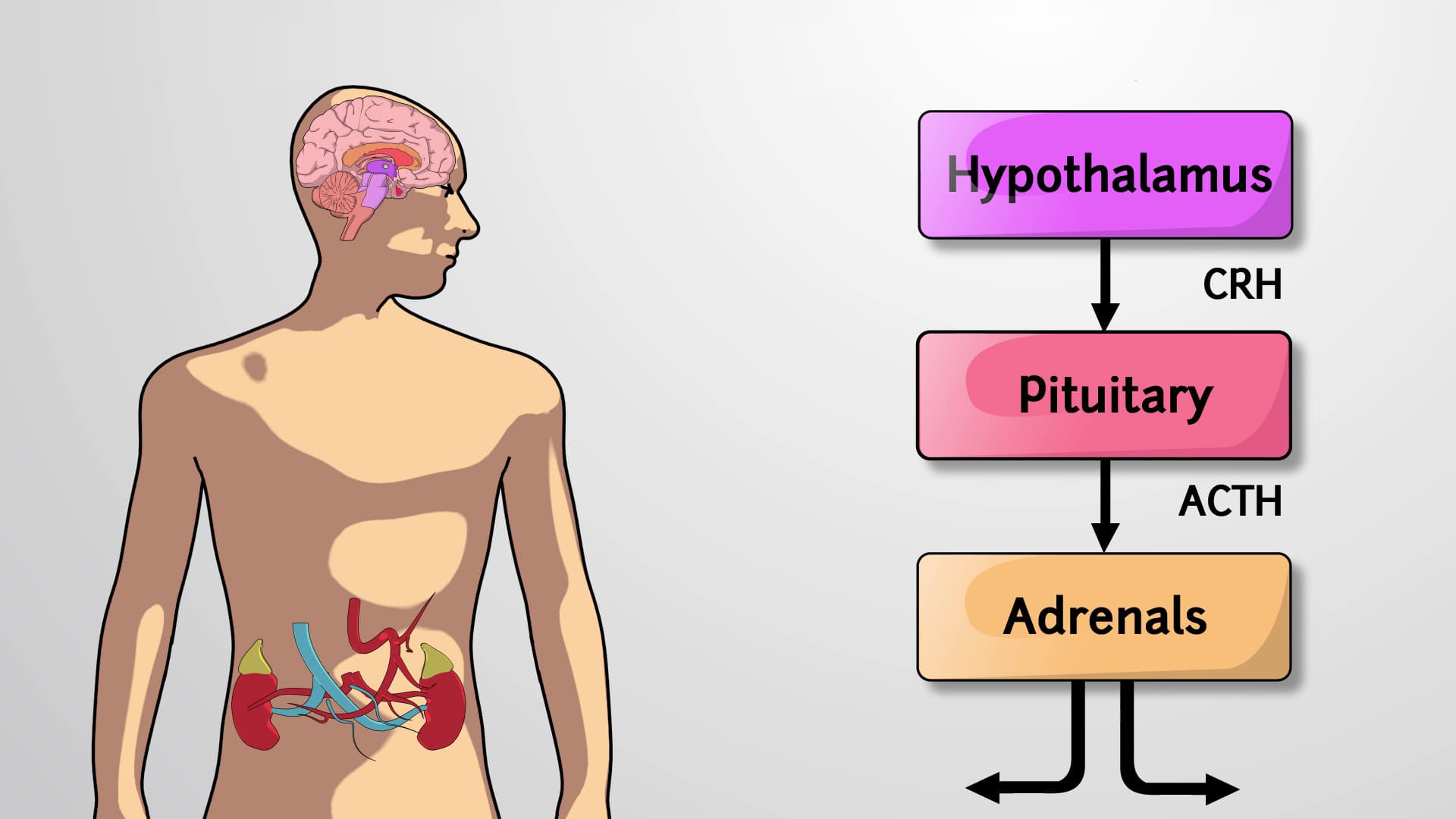
5. Hypothalamic-Pituitary Axis
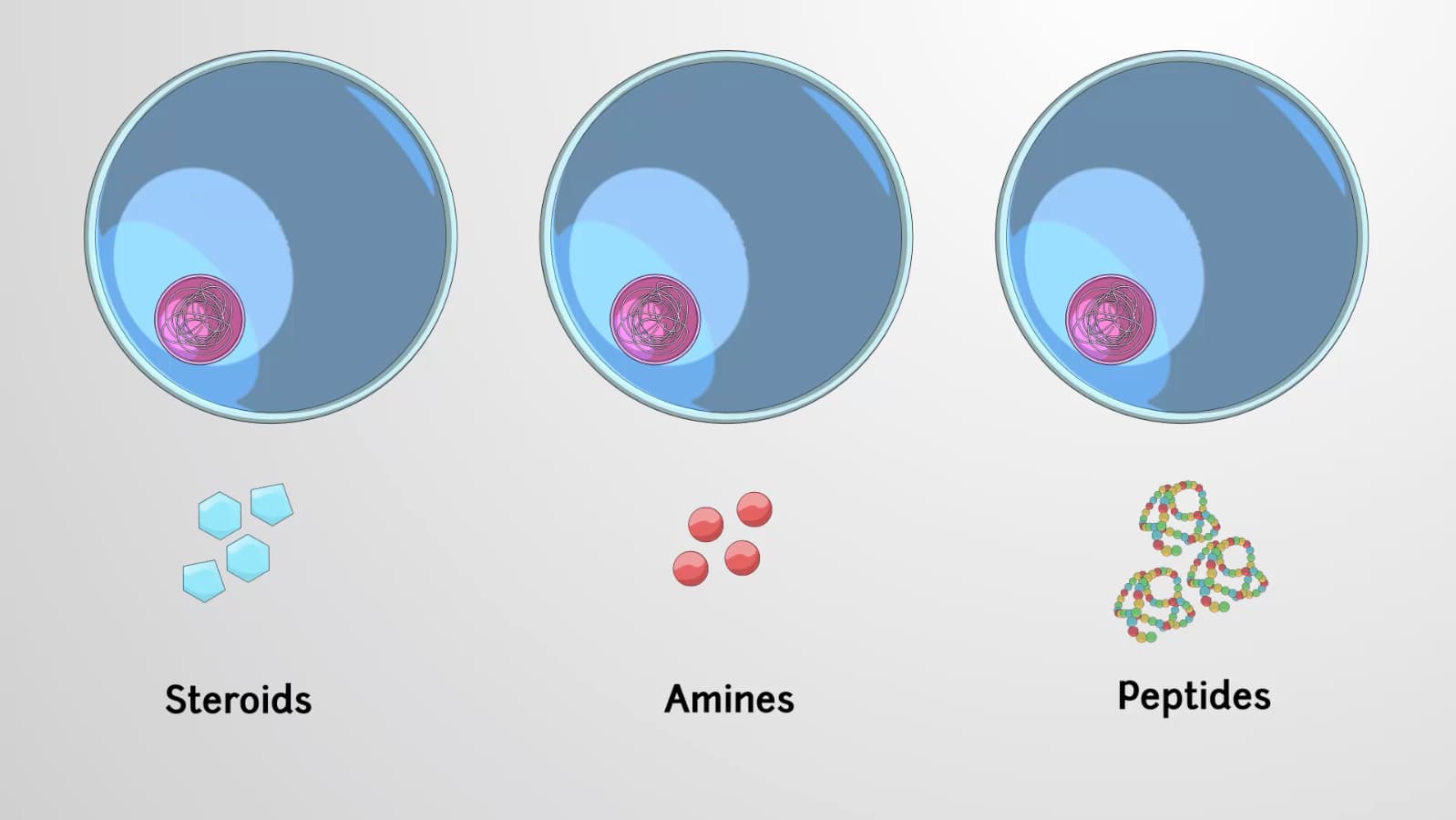
6. Types of Hormones
The endocrine system regulates vital body processes through hormone signaling networks that control metabolism, reproduction, and homeostasis. This comprehensive course explores how glands like the pituitary, thyroid, and adrenal glands coordinate cellular communication through chemical messengers, from basic hormone-receptor interactions to complex feedback mechanisms that maintain physiological balance in the human body.
- Understand the fundamental components of the endocrine system and how hormones and glands biology maintains homeostasis
- Identify the three main types of hormones and their distinct signaling mechanisms
- Explore intracellular hormone receptors and how lipid-soluble hormones regulate gene expression
- Analyze cell-surface signaling pathways and second messenger systems
- Learn how feedback loops prevent excessive hormone production and maintain balance
- Understand the hypothalamic-pituitary axis and its role in stress response
- Apply knowledge of hormone classification to predict cellular responses
- Examine real-world examples of endocrine regulation in metabolism and development
1. Endocrine System Components and Organization - The endocrine system comprises specialized cells, tissues, and glands that produce and secrete hormones throughout the body. Major endocrine glands include the pituitary (master gland), thyroid (metabolism regulation), adrenal glands (stress response), pancreas (blood sugar control), and reproductive organs. These structures work together through hormone signaling to coordinate essential functions like growth, metabolism, and reproduction, demonstrating how the endocrine system regulates the body through precise chemical communication networks.
2. Hormone Classification and Structure - Hormones fall into three main categories based on chemical structure: steroid hormones derived from cholesterol (like testosterone and estradiol), amine hormones synthesized from single amino acids (such as epinephrine and melatonin), and peptide hormones composed of amino acid chains (including insulin and growth hormone). Each type exhibits distinct properties - steroids are lipid-soluble and cross cell membranes easily, while amine and peptide hormones are water-soluble and require surface receptors to function.
3. Intracellular Hormone Signaling Mechanisms - Lipid-soluble hormones like steroid hormones diffuse through cell membranes and bind to intracellular receptors within target cells. These hormone-receptor complexes enter the nucleus and bind to specific DNA sequences called hormone response elements, directly triggering gene transcription and protein synthesis. This mechanism allows hormones to create long-lasting cellular changes by altering gene expression patterns, explaining how hormones like cortisol can influence metabolism and immune function for extended periods.
4. Cell-Surface Signaling and Second Messengers - Water-soluble hormones cannot penetrate cell membranes and must bind to surface receptors to initiate cellular responses. This binding activates signaling cascades involving second messengers like cyclic AMP, IP3, and calcium ions. For example, when hormones bind to G-protein coupled receptors, they trigger enzyme activation that produces these second messengers, amplifying the original signal and enabling rapid cellular responses like muscle contraction or enzyme activation throughout the cytoplasm.
5. Feedback Loop Regulation - Hormone production is controlled primarily through negative feedback mechanisms that prevent overproduction and maintain homeostasis. The classic example involves blood glucose regulation: rising glucose levels stimulate insulin release from the pancreas, which promotes glucose uptake by cells, lowering blood glucose and signaling the pancreas to reduce insulin production. This self-regulating system ensures hormone levels remain within optimal ranges, preventing dangerous fluctuations that could disrupt normal physiological processes.
6. Hypothalamic-Pituitary-Adrenal (HPA) Axis - The HPA axis represents a crucial neuroendocrine pathway that coordinates stress responses throughout the body. During stress, the hypothalamus releases corticotropin-releasing hormone (CRH), which stimulates the pituitary gland to secrete adrenocorticotropic hormone (ACTH). ACTH then activates the adrenal cortex to produce cortisol and other stress hormones. This cascade demonstrates how the endocrine system integrates with the nervous system to produce coordinated physiological responses, with negative feedback from cortisol eventually shutting down the stress response.
Frequently Asked Questions
Hormones achieve specificity through receptor proteins that act like molecular locks. Only cells with the correct receptor "key" can respond to a particular hormone, even though the hormone circulates throughout the entire body. This receptor-hormone specificity ensures that insulin only affects cells with insulin receptors, preventing unwanted effects on other tissues.
The nervous system provides rapid, short-term communication through electrical impulses that travel in milliseconds, while the endocrine system creates slower, longer-lasting effects through hormone release that can take seconds to hours to show results. However, endocrine effects often persist much longer than nervous system responses, making them ideal for regulating processes like growth and metabolism.
MCAT endocrine questions frequently focus on hormone classification, feedback mechanisms, and the hypothalamic-pituitary axis. Students should thoroughly understand insulin regulation, stress hormone pathways, reproductive hormones, and thyroid function. Practice connecting endocrine concepts to other systems, as the MCAT often tests integrated physiological responses rather than isolated hormone functions.
For AP Biology, focus on distinguishing between intracellular and cell-surface receptor pathways. Practice tracing complete signaling cascades from hormone release through cellular response, and understand how different hormone types (steroid vs. peptide) use different mechanisms. Pay special attention to second messenger systems and their amplification effects, as these concepts frequently appear in free-response questions.
Diabetes can result from various factors affecting the insulin signaling pathway. Type 1 diabetes occurs when the immune system destroys insulin-producing pancreatic cells, while Type 2 diabetes typically involves cells becoming resistant to insulin's effects. Genetic factors, lifestyle choices, and environmental influences can all impact how effectively the endocrine system maintains blood glucose homeostasis in different individuals.
Endocrinology requires understanding multiple interconnected systems simultaneously - you must grasp chemical signaling, cellular biology, anatomy, and physiology concepts together. The abstract nature of hormone interactions and the numerous feedback loops can be overwhelming. Success comes from practicing with specific examples and creating concept maps that show relationships between different glands, hormones, and their target effects.
Create organized charts grouping hormones by gland of origin and function rather than trying to memorize random lists. Use mnemonics for complex pathways like the HPA axis, and practice drawing signaling cascades from memory. Focus on understanding the logic behind hormone actions - knowing why insulin lowers blood glucose makes it easier to remember than rote memorization.
The endocrine system integrates closely with every other body system. It works with the nervous system through neuroendocrine connections, regulates cardiovascular function through hormones like epinephrine, controls digestive processes via insulin and glucagon, and manages reproductive functions through sex hormones. Understanding these connections helps you see how hormone imbalances can create widespread physiological effects throughout the body.
This microcourse includes 6 concept videos that walk you through the building blocks of Biology. Each video is short, about 1 minute, so you can cover a full topic during a coffee break or between classes. The full sequence starts with What is the Endocrine System? and ends with Types of Hormones.
The playlist moves from big-picture ideas to the precise vocabulary used in Biology. Early videos introduce What is the Endocrine System?, Intracellular Hormone Receptors, and Cell-surface Signaling. The middle of the series focuses on Hypothalamic-Pituitary Axis and Types of Hormones. The final stretch covers Types of Hormones.
The natural next step is Circulatory and Pulmonary Systems. From there, you can move to Osmoregulation and Excretion, Immune System, and Reproduction and Development. Once you finish those, the full Biology curriculum of 36 microcourses on JoVE Coach opens up, taking you from foundational concepts to advanced systems.
Related Subjects

