- Biology
- Cell Structure and Function
Micro-courses:36

Cell Structure and Function
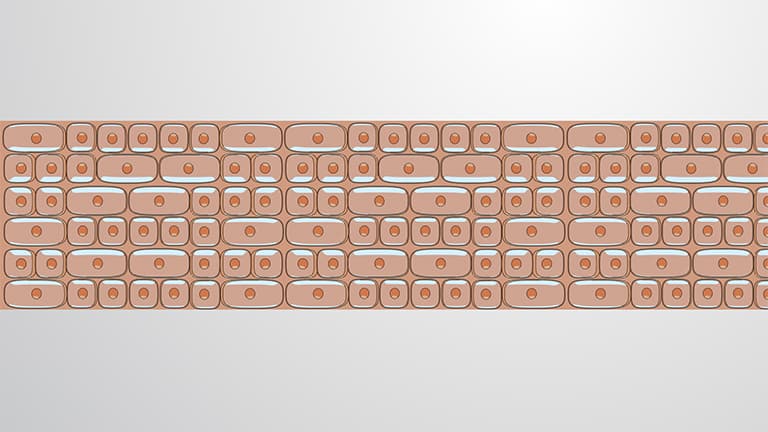
1. What are Cells?
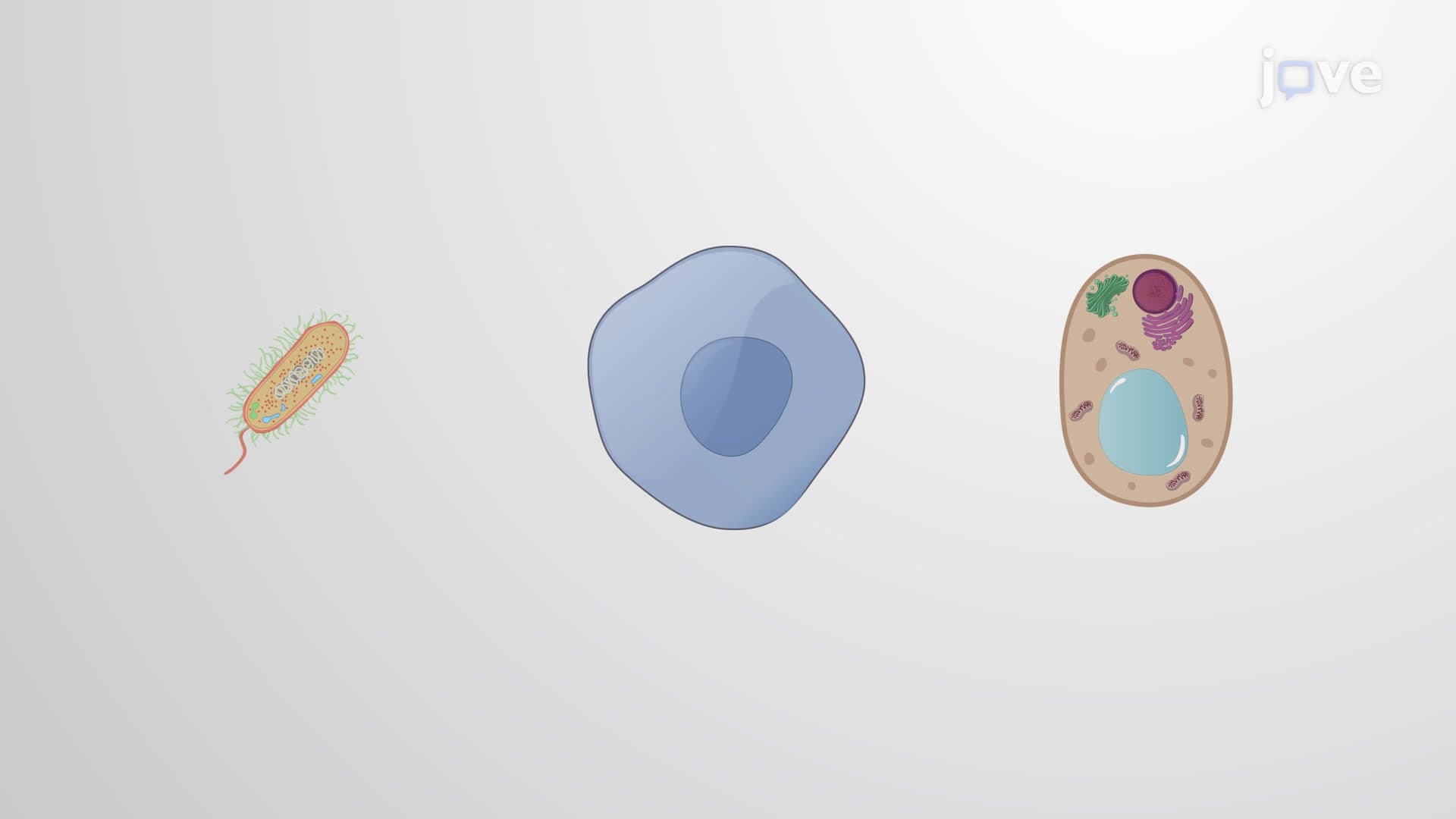
2. Cell Size
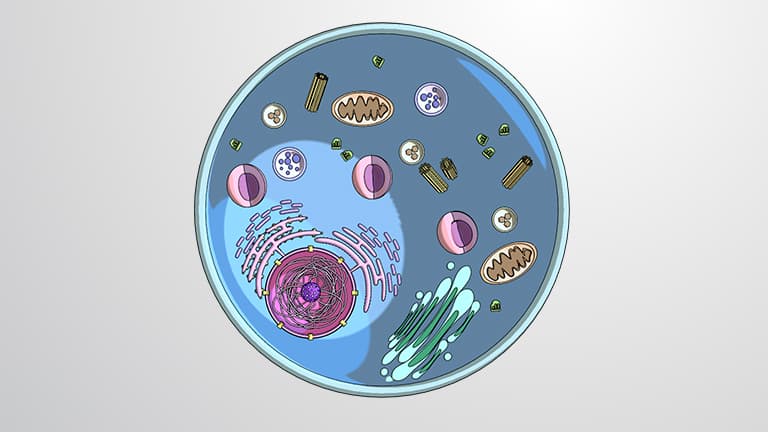

3. Eukaryotic Compartmentalization
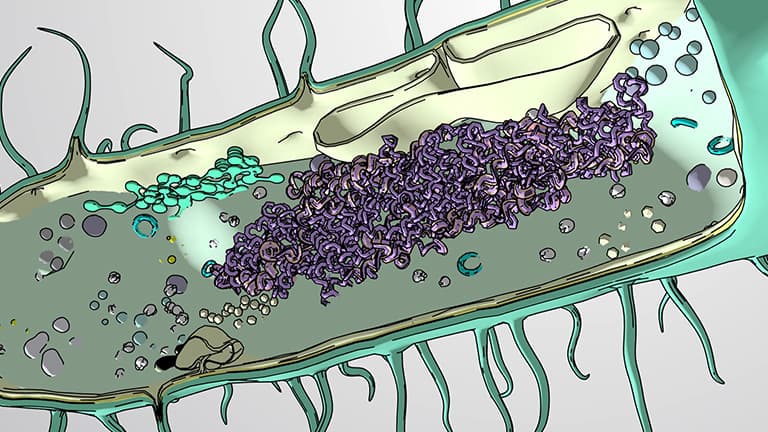
4. Prokaryotic Cells
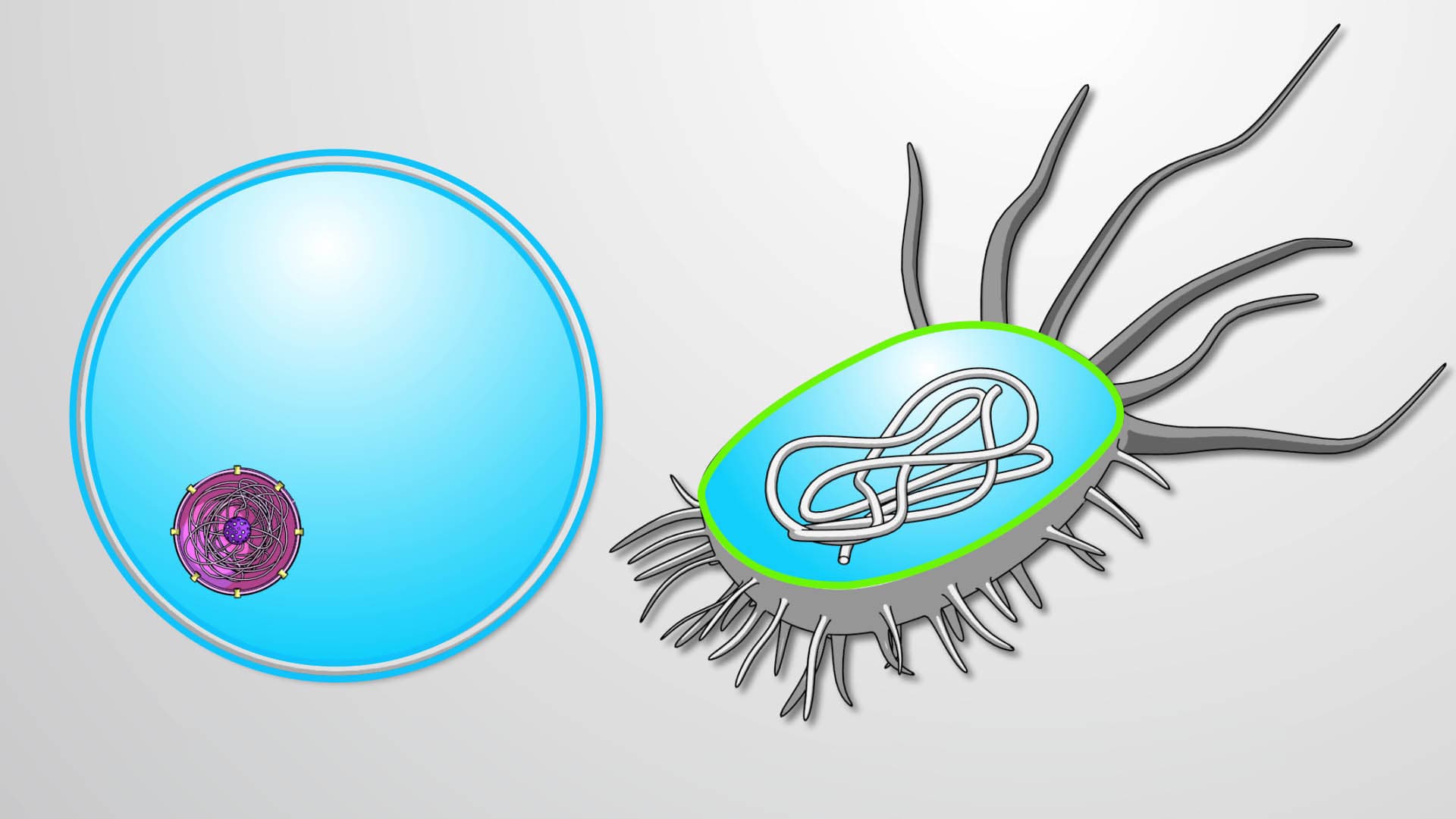
5. Cytoplasm
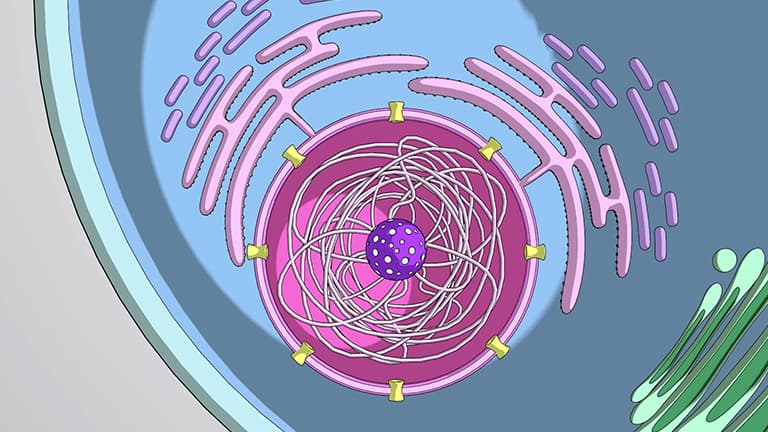
6. The Nucleus
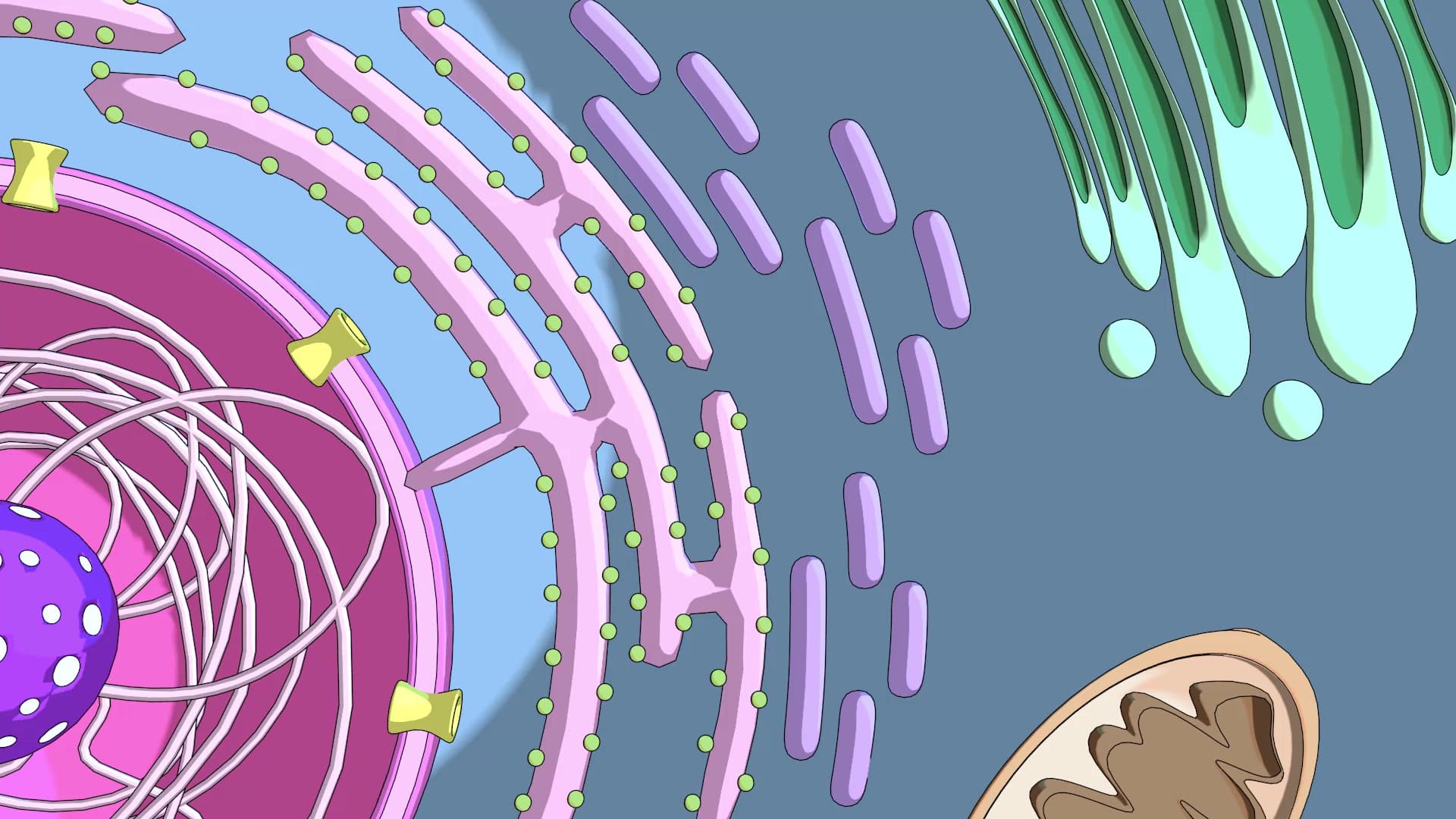
7. Endoplasmic Reticulum
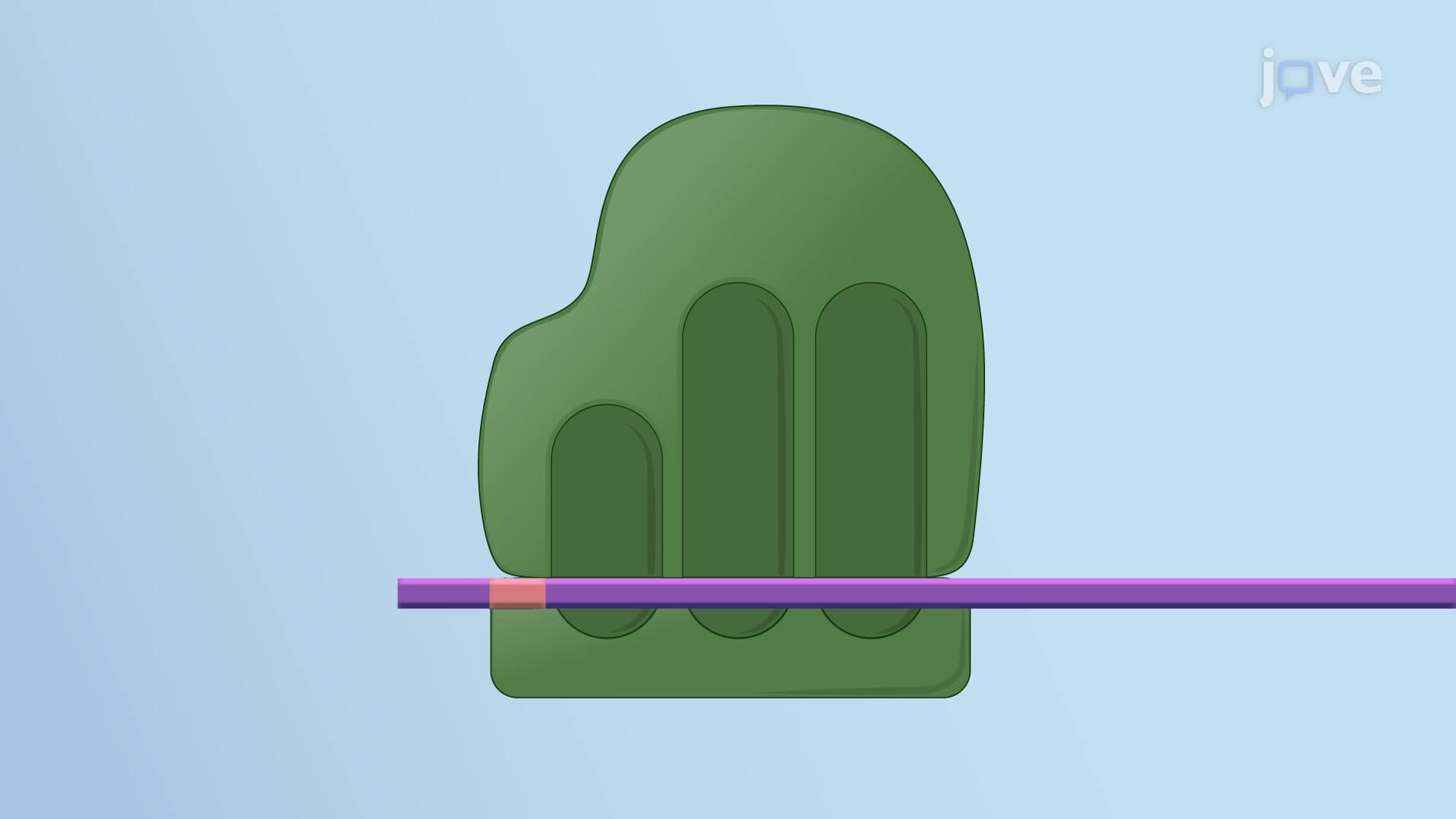
8. Ribosomes
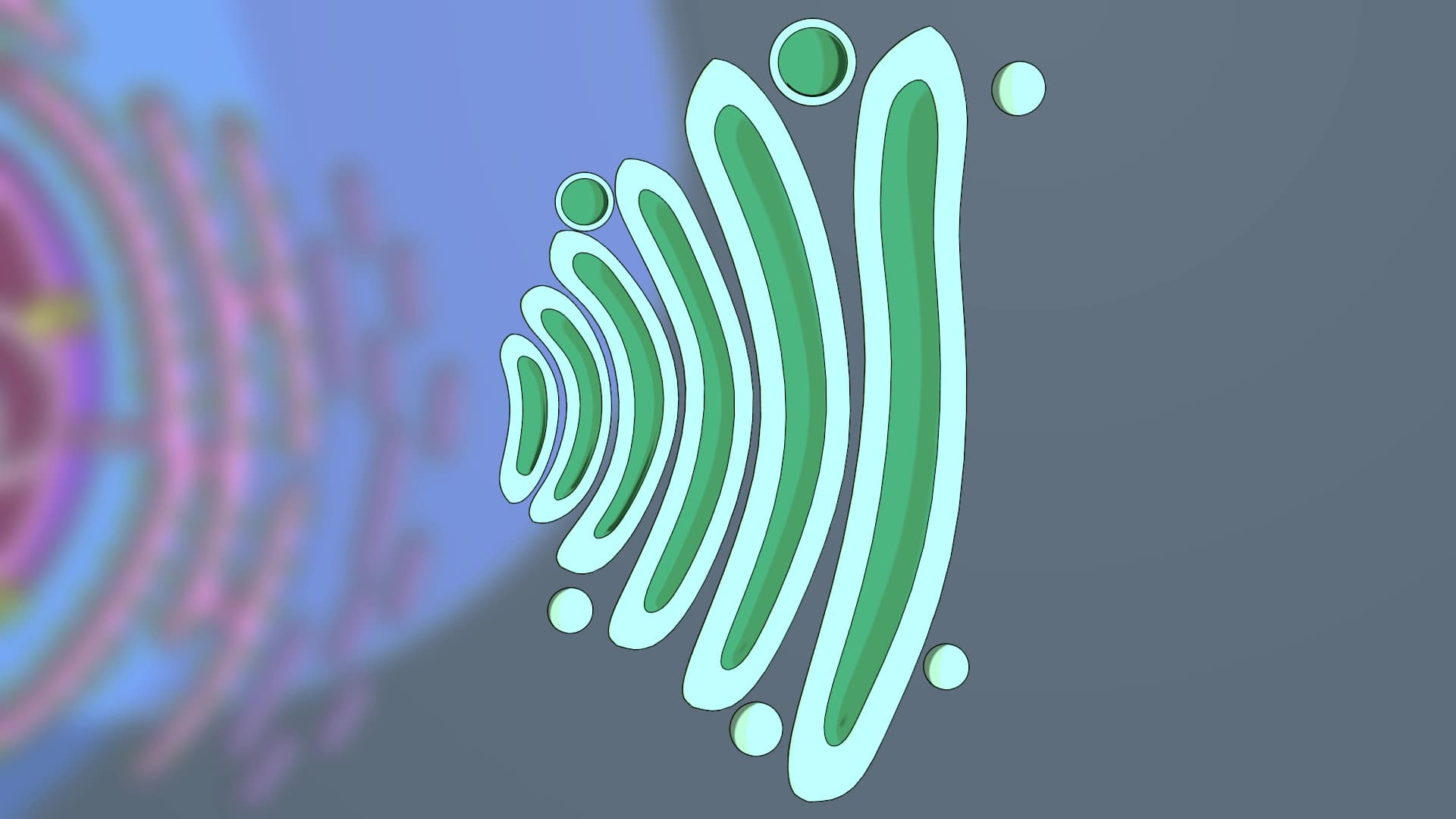
9. Golgi Apparatus
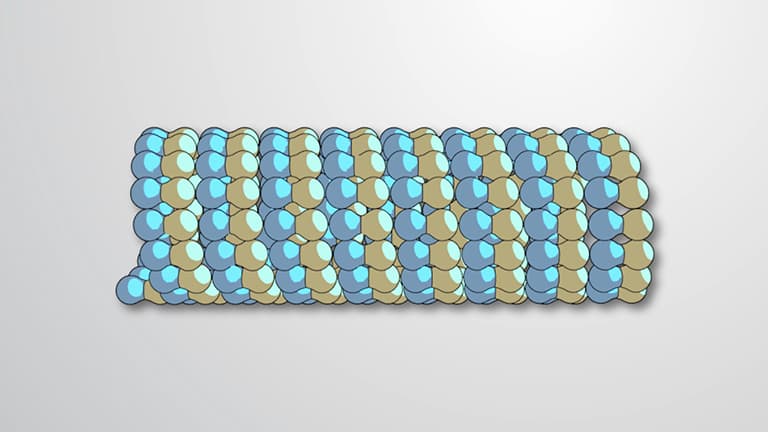
10. Microtubules
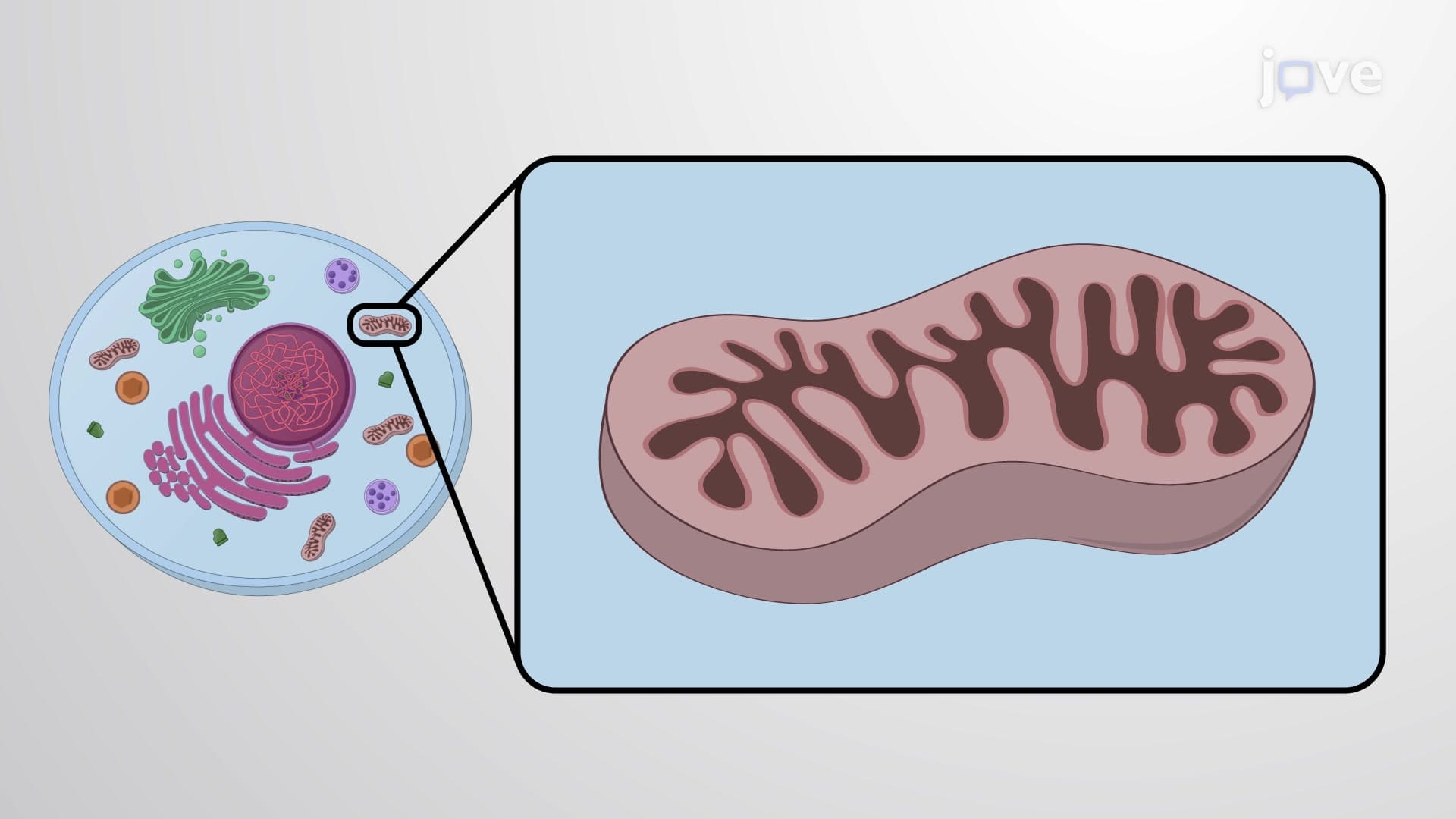
11. Peroxisomes and Mitochondria
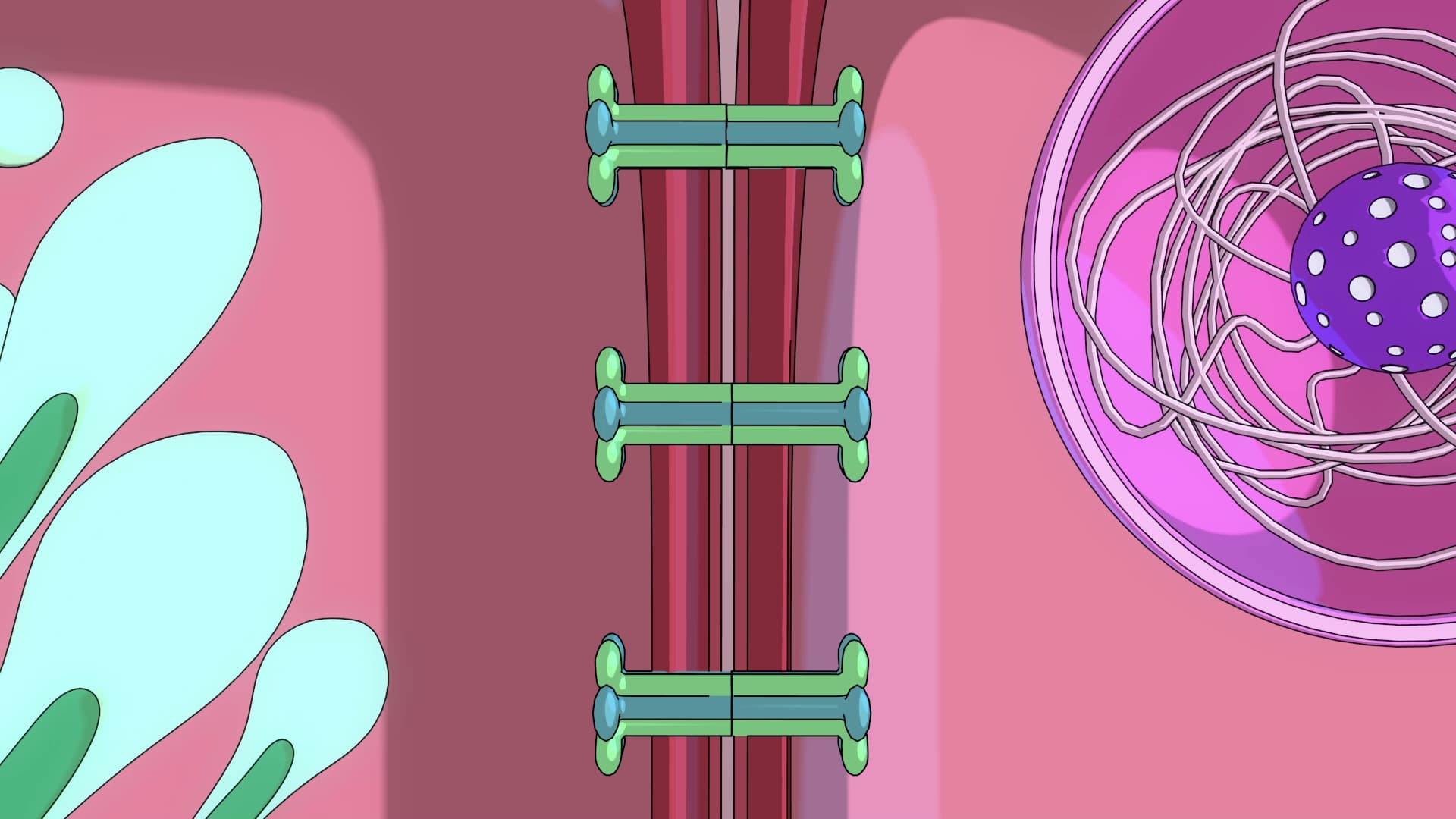
12. Gap Junctions
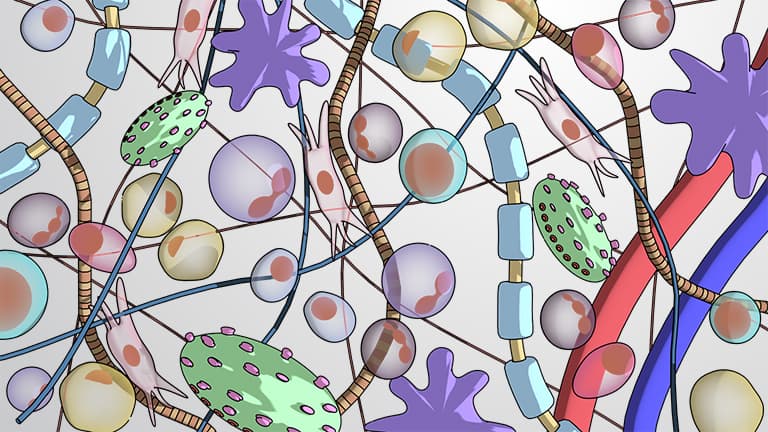
13. The Extracellular Matrix
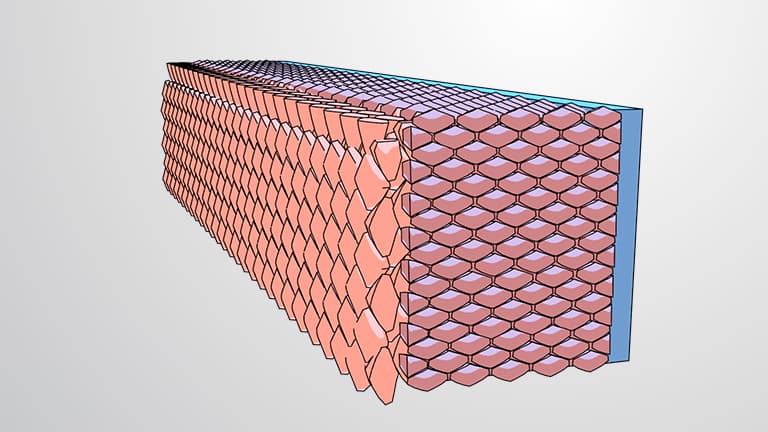
14. Tissues

15. Plant Cell Wall
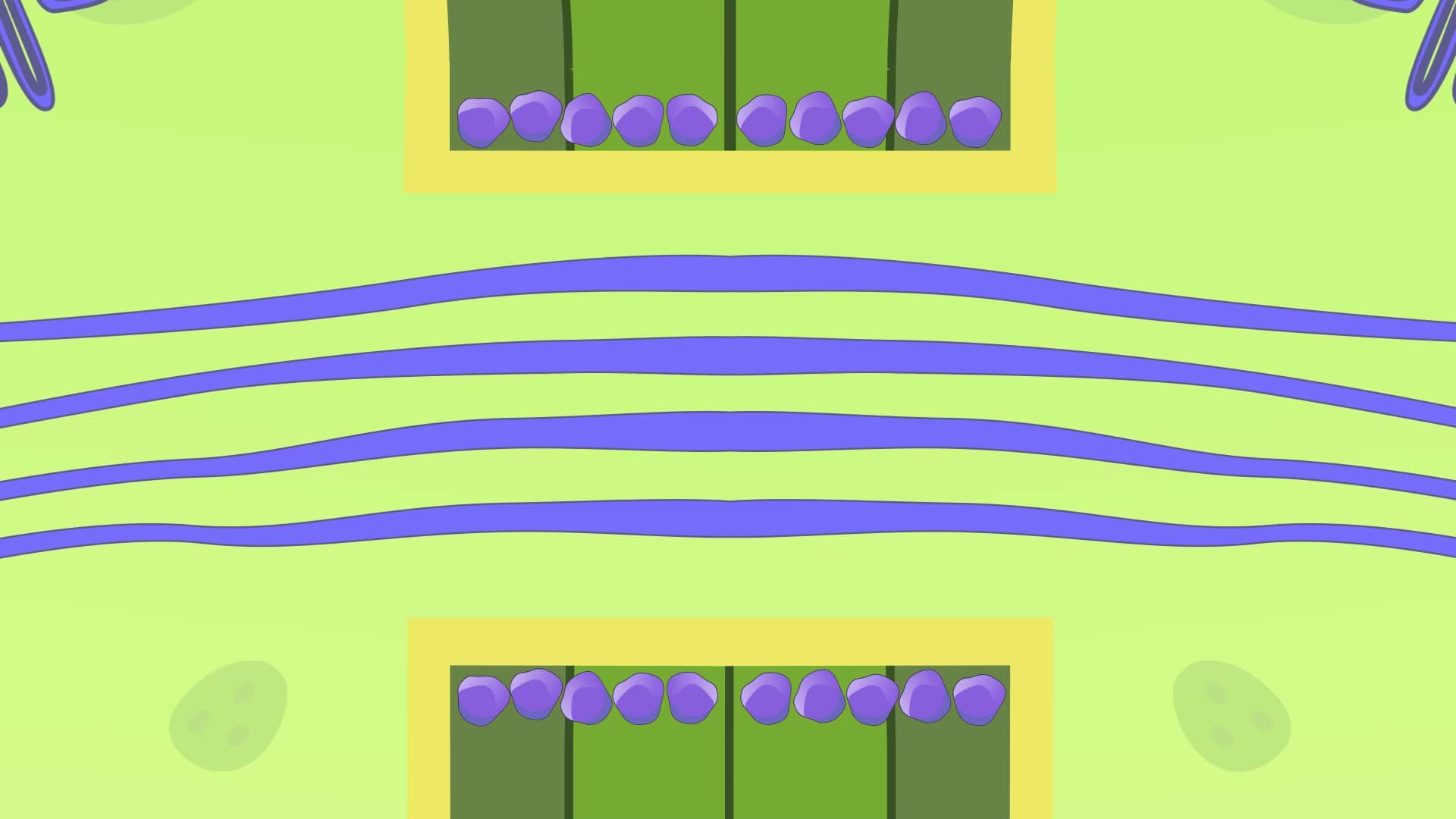
16. Plasmodesmata
Cell structure and function forms the foundation of biology, examining how prokaryotic and eukaryotic cells organize their components to sustain life. This comprehensive study explores cellular architecture from bacterial simplicity to complex plant and animal cell systems, including organelle specialization, membrane dynamics, and intercellular communication. Students will master concepts essential for AP Biology, pre-med coursework, and nursing programs through JoVE Coach's interactive approach, connecting molecular mechanisms to real-world applications in medicine and biotechnology.
- Understand the fundamental differences between prokaryotic and eukaryotic cell organization and complexity
- Identify key organelles and their specific functions in maintaining cellular homeostasis
- Explore how surface area-to-volume ratios influence cell size limitations and transport efficiency
- Learn the structure and function of the nucleus, endoplasmic reticulum, and Golgi apparatus in protein processing
- Analyze mitochondrial and peroxisomal roles in cellular energy production and detoxification
- Apply knowledge of cytoskeletal components and their roles in cell shape and intracellular transport
- Examine plant-specific structures including cell walls and plasmodesmata for structural support and communication
- Understand how tissues form from specialized cell communities in multicellular organisms
1. Prokaryotic vs. Eukaryotic Cell Organization: Prokaryotic cells, including bacteria like *E. coli* and *Streptococcus*, lack membrane-bound organelles and contain genetic material in a nucleoid region. Eukaryotic cells feature compartmentalization with distinct organelles like the nucleus, mitochondria, and endoplasmic reticulum. This fundamental distinction explains why antibiotics like penicillin target bacterial cell walls without harming human cells. Understanding these differences is crucial for medical applications, including antibiotic development and studying infectious diseases. The endosymbiotic theory explains how eukaryotic cells evolved through engulfing prokaryotic organisms, supported by mitochondrial DNA evidence.
2. Cell Size Limitations and Surface Area-to-Volume Ratios: Cell size directly impacts efficiency due to mathematical relationships between surface area and volume. As cells increase in size, volume increases faster than surface area, limiting nutrient transport and waste removal. Bacterial cells maintain high surface area-to-volume ratios for rapid diffusion, while larger eukaryotic cells develop specialized transport systems. Human intestinal cells demonstrate this principle through microvilli that increase absorption surface area. This concept explains why nerve cells can extend meters in length while maintaining narrow diameters, and why red blood cells are small and disc-shaped for optimal gas exchange.
3. Nuclear Structure and Genetic Material Organization: The nucleus serves as the cell's control center, housing DNA within a double membrane envelope punctured by nuclear pore complexes. Chromatin organization changes throughout the cell cycle, from loosely dispersed during interphase to condensed chromosomes during mitosis. The nucleolus specializes in ribosome assembly, critical for protein synthesis. Nuclear pore complexes regulate molecular transport, allowing mRNA export and protein import. Some human cells lack nuclei (red blood cells) or contain multiple nuclei (skeletal muscle cells), demonstrating functional adaptations. Understanding nuclear organization is essential for comprehending gene expression and cellular reproduction.
4. Protein Processing Through the Endomembrane System: The endoplasmic reticulum and Golgi apparatus work together in protein synthesis and modification. Rough ER, studded with ribosomes, synthesizes proteins destined for secretion or membrane insertion, while smooth ER produces lipids and stores calcium ions. The sarcoplasmic reticulum in muscle cells demonstrates specialized smooth ER function in muscle contraction. The Golgi apparatus modifies proteins through glycosylation and sorts them to appropriate destinations. This system is crucial in human physiology, from insulin production in pancreatic beta cells to antibody secretion by plasma cells. Defects in this system cause diseases like cystic fibrosis.
5. Energy Production and Cellular Metabolism: Mitochondria serve as cellular powerhouses, generating ATP through oxidative phosphorylation in their cristae-containing inner membranes. These organelles are abundant in energy-demanding tissues like heart muscle and liver cells. Peroxisomes handle fatty acid oxidation and hydrogen peroxide detoxification, with catalase enzymes breaking down toxic byproducts. The alcohol detoxification process in liver cells demonstrates peroxisomal function. Mitochondrial dysfunction causes diseases like Leber hereditary optic neuropathy, while peroxisomal disorders like Zellweger syndrome affect development. Understanding these organelles is crucial for comprehending cellular respiration and metabolic diseases.
6. Cytoskeletal Organization and Cellular Transport: Microtubules, composed of tubulin proteins, form highways for intracellular transport using motor proteins kinesin and dynein. These structures originate from microtubule organizing centers and maintain cell shape while enabling organelle movement. During mitosis, microtubules form the spindle apparatus for chromosome segregation. Cancer treatments like Taxol target microtubules to prevent cell division. The cytoskeleton's role extends from maintaining cellular architecture to enabling processes like axonal transport in neurons. Understanding cytoskeletal function helps explain neurological diseases and provides insight into potential therapeutic targets.
7. Plant Cell Specializations and Intercellular Communication: Plant cells feature unique structures including cellulose-containing cell walls providing structural support and turgor pressure resistance. The three-layered wall system (middle lamella, primary wall, secondary wall) develops as cells mature, with lignin adding rigidity in woody tissues. Plasmodesmata create cytoplasmic connections between adjacent plant cells, forming the symplast network for molecular communication. Callose regulation controls plasmodesmatal transport, allowing plants to respond to environmental changes. These specializations enable plants to achieve structural integrity while maintaining cellular communication, essential for coordinated growth and development responses.
Frequently Asked Questions
The key distinction is compartmentalization - eukaryotic cells have membrane-bound organelles including a nucleus, while prokaryotic cells lack these structures and have genetic material freely floating in the cytoplasm. Remember that "pro" means "before" and "eu" means "true," referring to the presence of a true nucleus.
As cells grow larger, volume increases faster than surface area, making nutrient transport less efficient. This explains why cells remain small or develop specialized structures like microvilli to increase surface area. This concept frequently appears in AP Biology free-response questions about cellular transport and efficiency.
Prioritize the nucleus (genetic control), mitochondria (energy production), endoplasmic reticulum and Golgi (protein processing), and ribosomes (protein synthesis). These are heavily tested because they're fundamental to cellular processes and connect to other biological systems you'll encounter in medical school.
The ER is crucial in drug metabolism - smooth ER in liver cells processes medications and toxins. Many genetic diseases involve ER dysfunction, like cystic fibrosis where defective protein folding occurs. Understanding ER function helps explain how the body processes pharmaceuticals and why some genetic disorders affect protein production.
The biggest challenge is connecting structure to function across multiple organelles working together. Instead of memorizing isolated facts, focus on how organelles collaborate - like how rough ER, Golgi apparatus, and vesicles work together in protein secretion. Create flow charts showing these processes.
Focus on organelle functions related to human physiology - mitochondrial energy production for muscle function, nucleus for genetic disorders, and membrane transport for medication absorption. These exams emphasize practical applications over detailed molecular mechanisms.
Plant cells need structural support (cell walls) and energy capture (chloroplasts) that animal cells don't require. Focus on how these adaptations solve specific problems - cell walls prevent bursting from water uptake, while plasmodesmata enable communication despite rigid walls. This demonstrates evolutionary adaptation principles.
Investigate how organelle dysfunction causes human diseases, explore the endosymbiotic theory evidence, and study how cells adapt their organelle numbers based on function (like mitochondria in muscle cells). Understanding protein trafficking signals and membrane dynamics will prepare you for advanced cell biology coursework.
This microcourse includes 16 concept videos that walk you through the building blocks of Biology. Each video is short, about 2 minutes, so you can cover a full topic during a coffee break or between classes. The full sequence starts with What are Cells? and ends with Plasmodesmata.
The playlist moves from big-picture ideas to the precise vocabulary used in Biology. Early videos introduce What are Cells?, Cell Size, and Eukaryotic Compartmentalization. The middle of the series focuses on Cytoplasm, The Nucleus, and Endoplasmic Reticulum. The final stretch covers Ribosomes, Golgi Apparatus, Microtubules, Peroxisomes and Mitochondria, Gap Junctions, The Extracellular Matrix, and Plasmodesmata.
The natural next step is Membranes and Cellular Transport. From there, you can move to Cell Signaling, Metabolism, and Cellular Respiration. Once you finish those, the full Biology curriculum of 36 microcourses on JoVE Coach opens up, taking you from foundational concepts to advanced systems.
Related Subjects

