- Biology
- Cell Cycle and Division
Micro-courses:36

Cell Cycle and Division
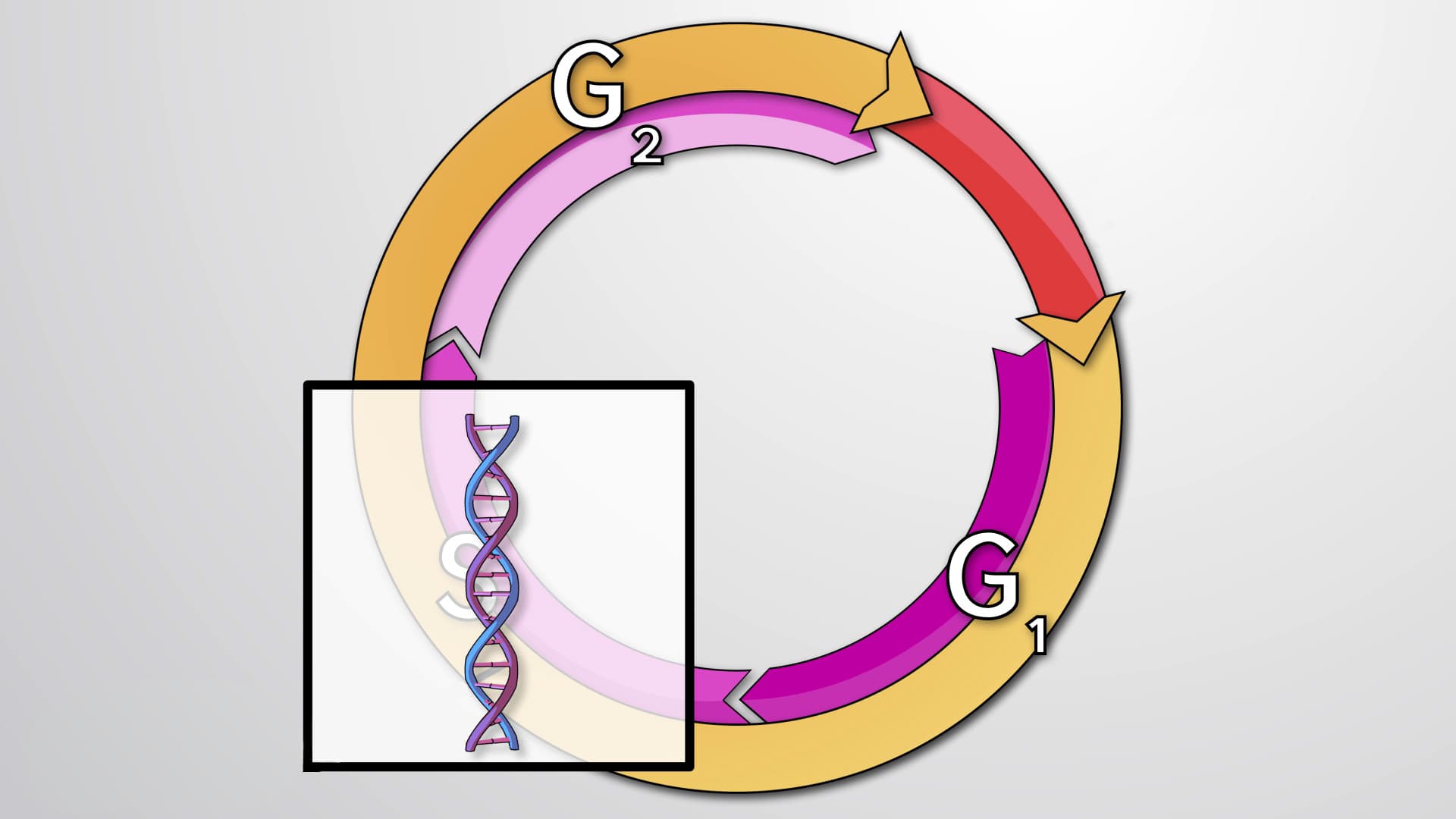
1. What is the Cell Cycle?
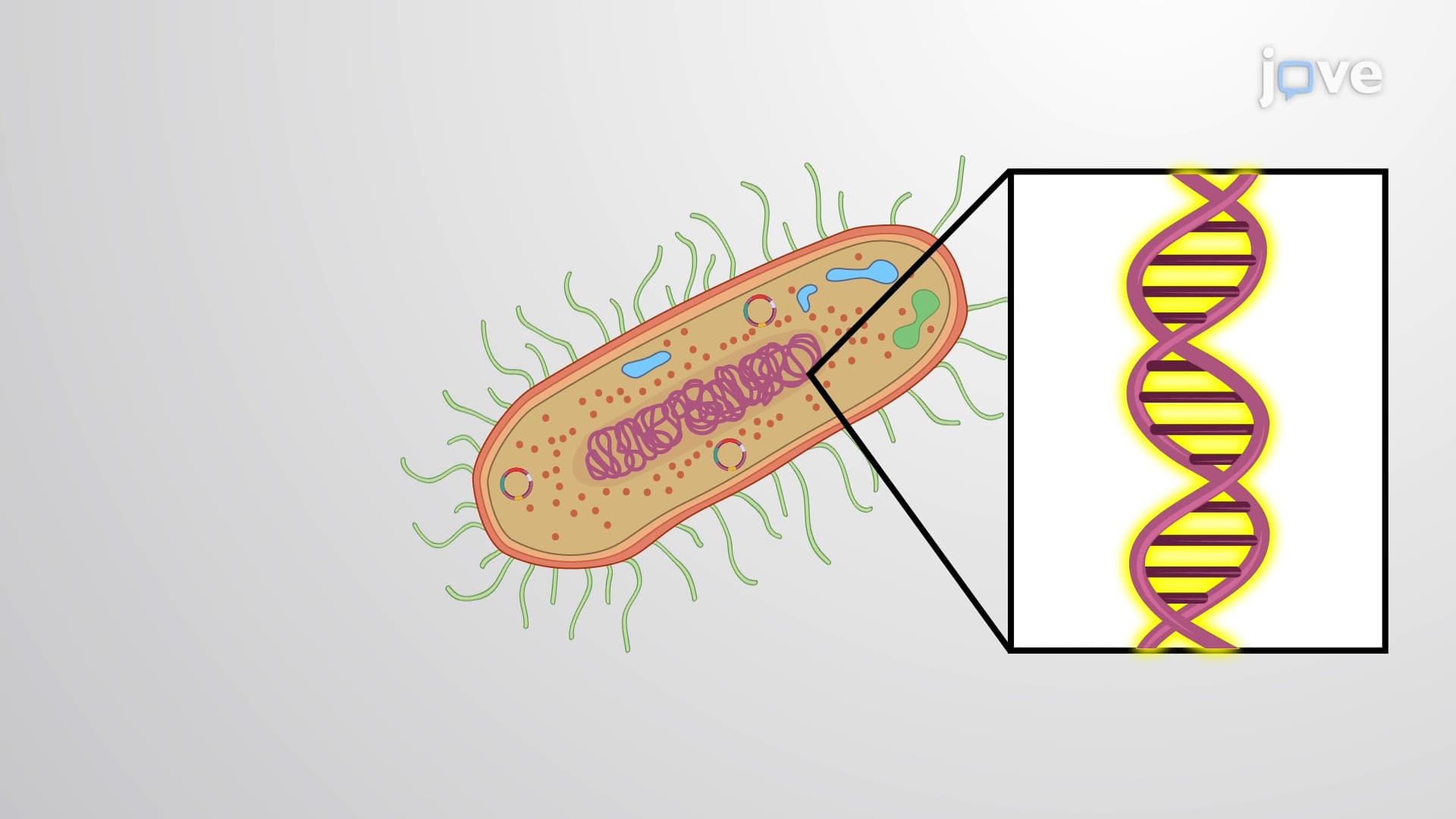
2. Genomic DNA in Prokaryotes
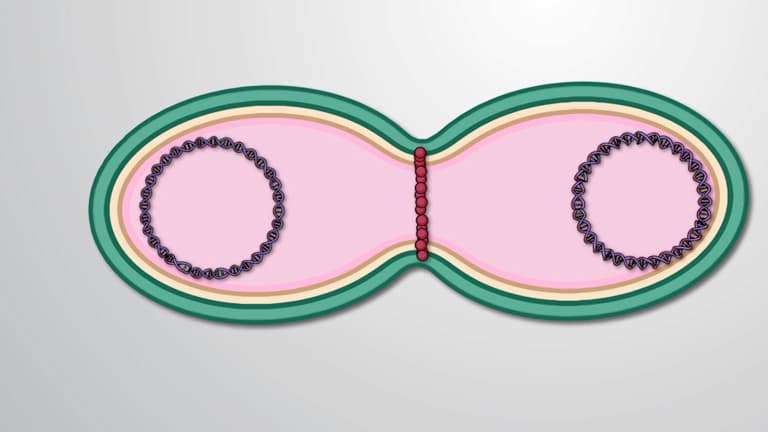
3. Binary Fission
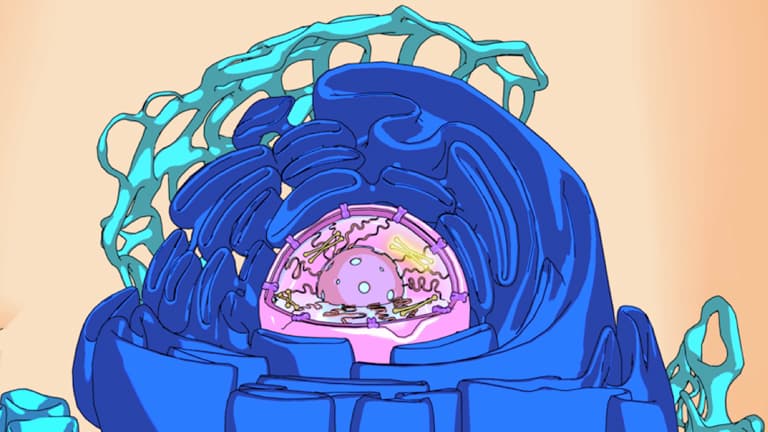
4. Genomic DNA in Eukaryotes
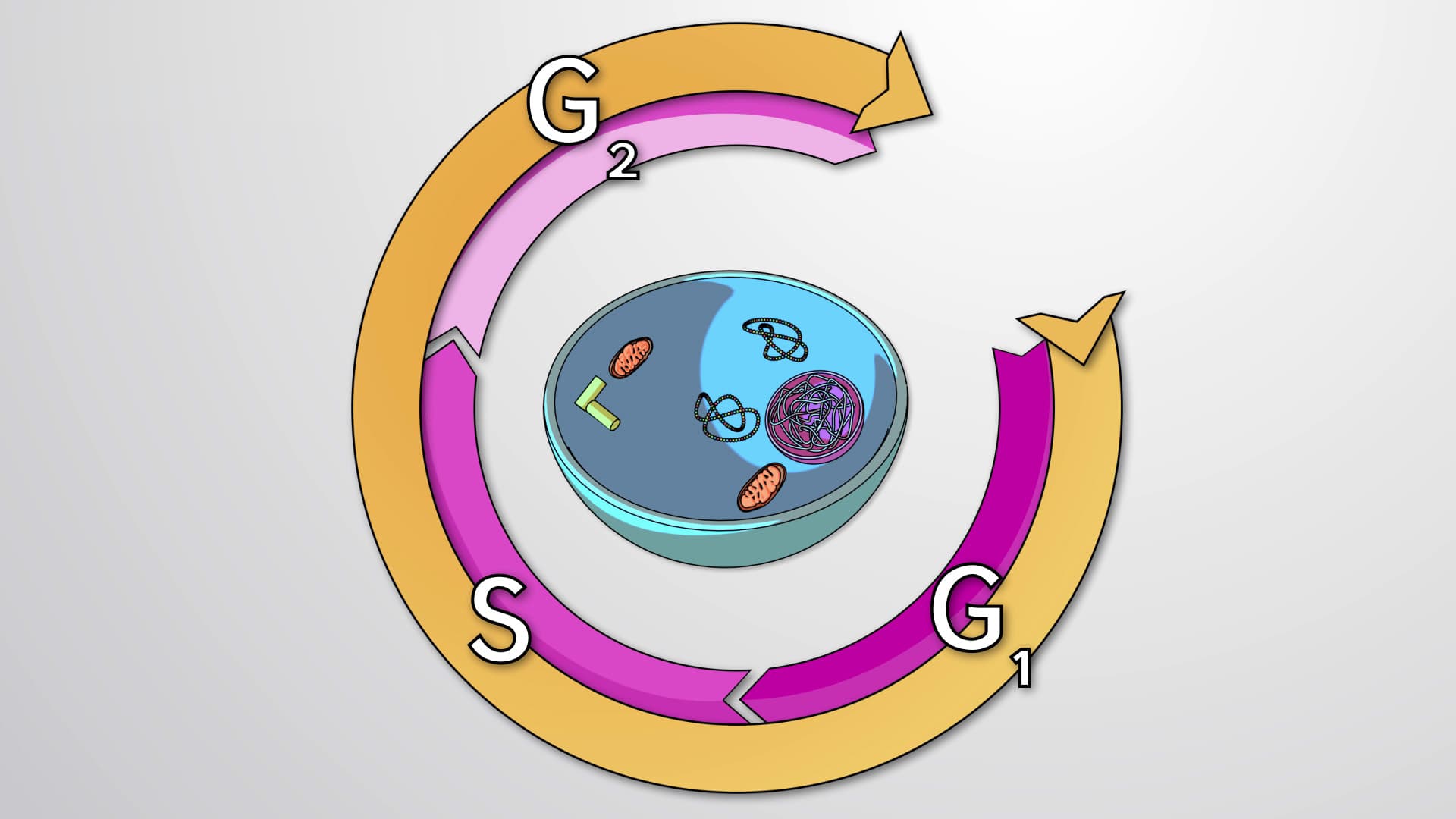
5. Interphase
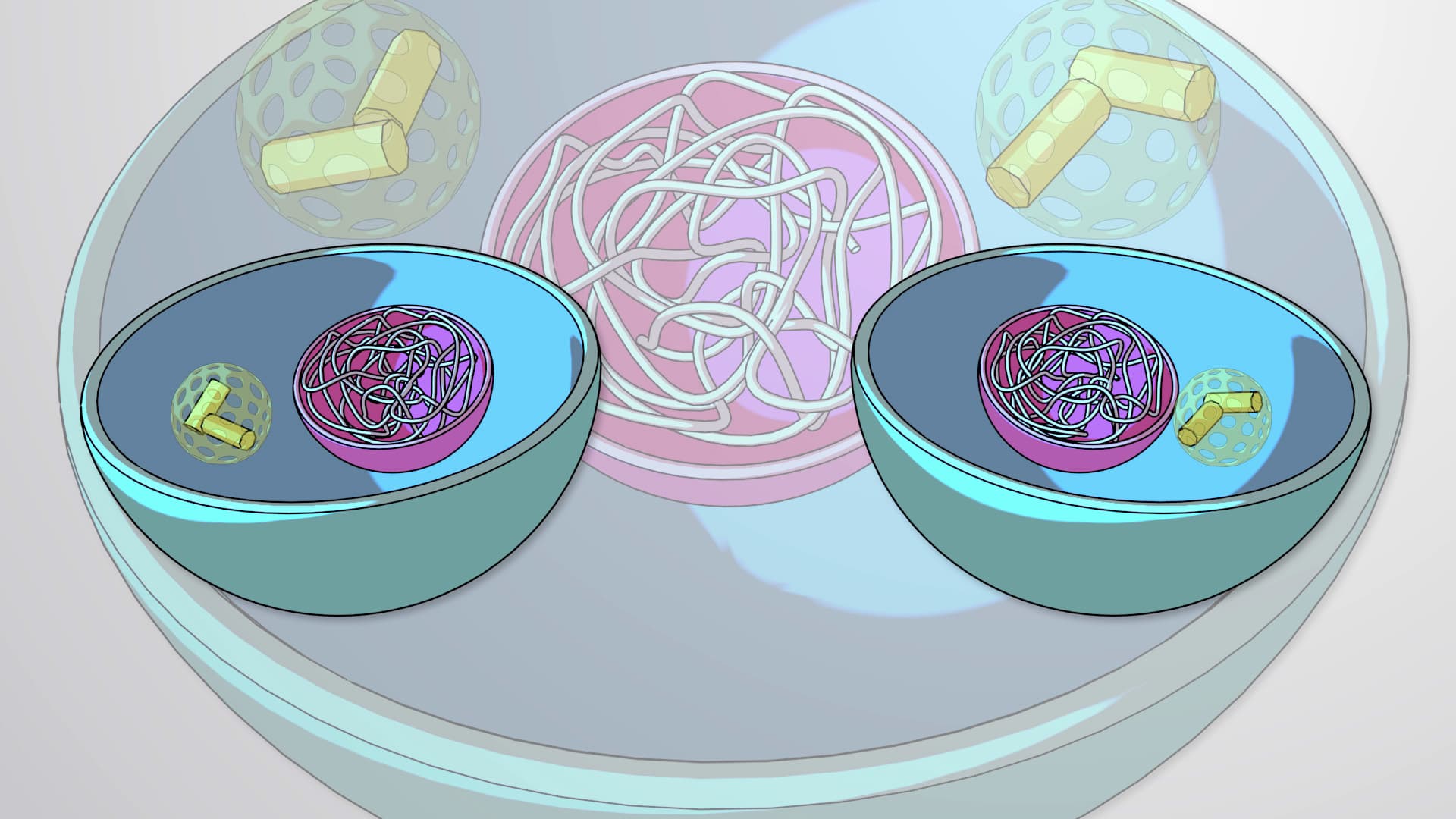
6. Mitosis and Cytokinesis
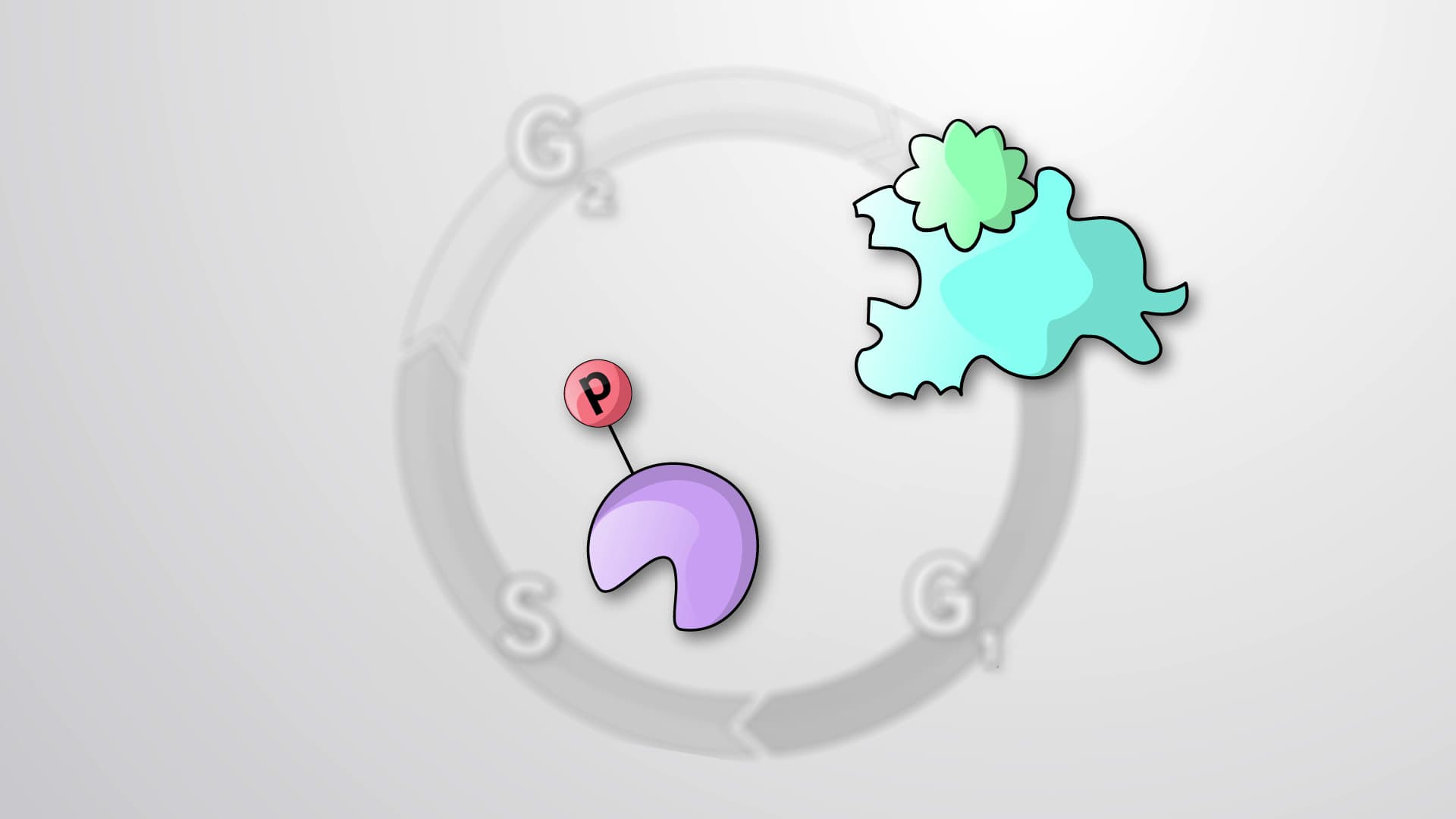
7. Positive Regulator Molecules
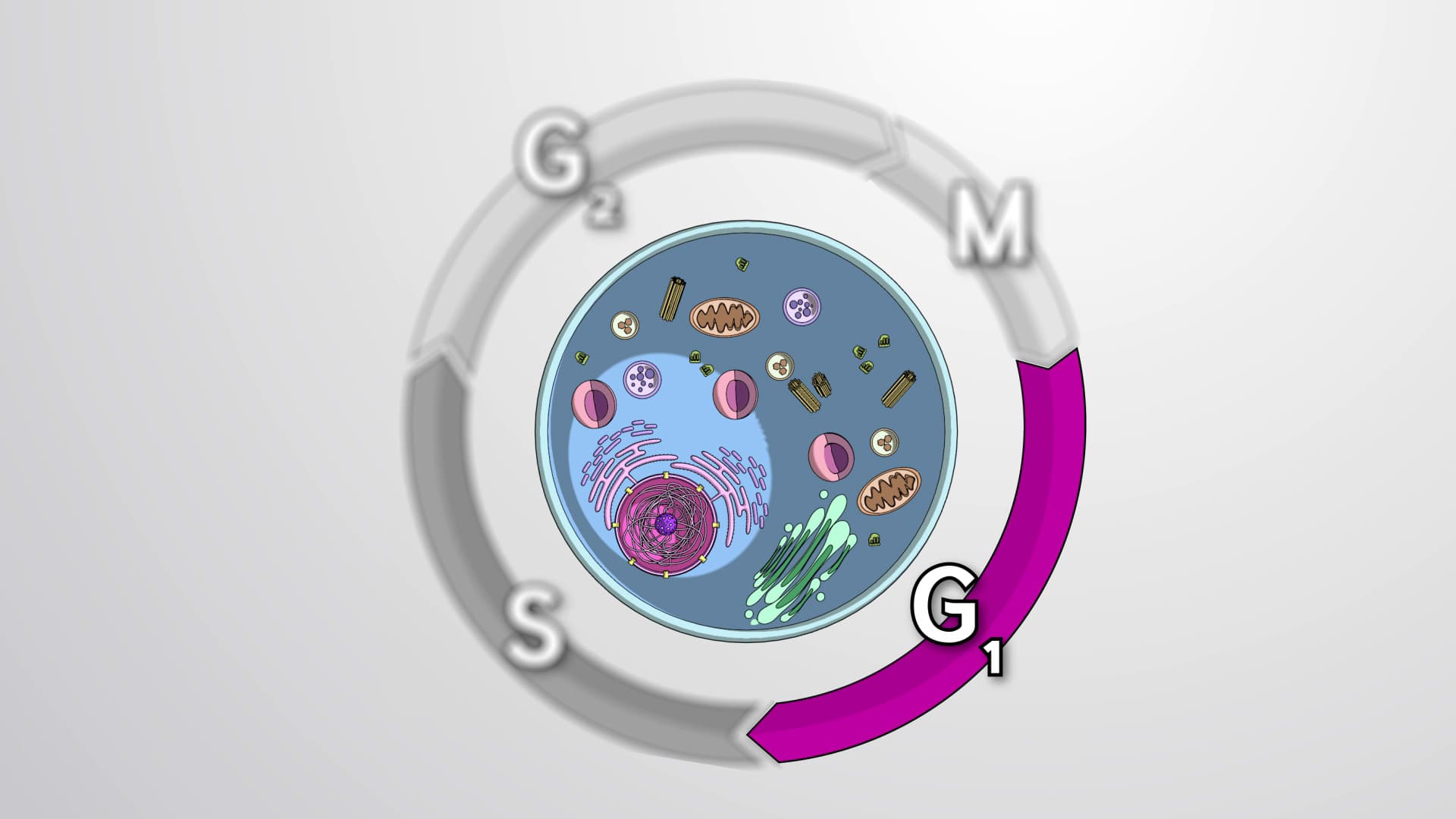
8. Negative Regulator Molecules
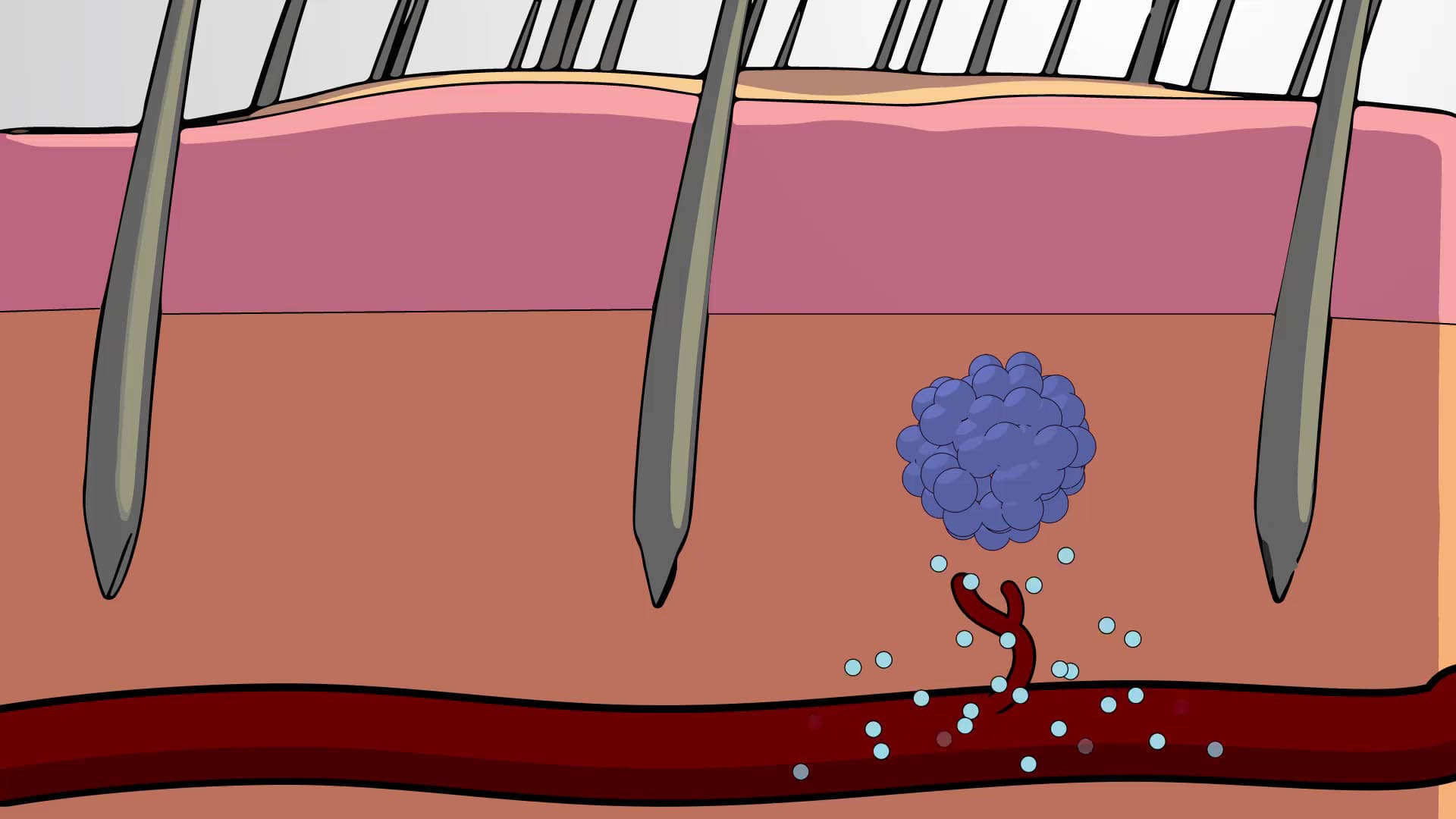
9. Cancer
Cell cycle and division is the fundamental process by which cells grow, replicate their DNA, and divide to create two identical daughter cells. This tightly regulated mechanism drives everything from human development and tissue repair to cancer progression. Understanding these cellular processes is essential for mastering biology concepts tested on standardized exams and provides the foundation for careers in medicine, biotechnology, and biomedical research across the United States. JoVE Coach makes these complex molecular mechanisms accessible through visual learning.
- Understand the four main phases of the cell cycle: G1, S, G2, and M phases
- Learn how prokaryotic cells divide through binary fission versus eukaryotic mitosis
- Identify the stages of mitosis: prophase, metaphase, anaphase, and telophase
- Explore DNA organization differences between prokaryotes and eukaryotes
- Analyze positive regulators like cyclins and CDKs that drive cell cycle progression
- Apply knowledge of negative regulators including p53 and Rb proteins
- Understand how cell cycle dysregulation leads to cancer development
- Learn the molecular mechanisms controlling chromosome replication and segregation
- Explore cytokinesis and the physical division of cellular components
1. Cell Cycle Phases and Checkpoints: The cell cycle consists of four distinct phases that ensure proper cell division. During G1 phase, cells grow and accumulate nutrients while checkpoint proteins like p53 monitor for DNA damage. S phase involves precise DNA replication using enzymes like DNA polymerase and helicase. G2 phase allows final preparation for mitosis with additional quality control checkpoints. The M phase encompasses mitosis and cytokinesis, completing cell division. These checkpoints prevent errors that could lead to cancer, similar to quality control systems in pharmaceutical manufacturing that ensure drug safety before reaching American patients.
2. Prokaryotic vs Eukaryotic DNA Organization: Prokaryotes store their genetic material in a nucleoid region as a single circular chromosome, while eukaryotes package DNA into linear chromosomes within a membrane-bound nucleus. Prokaryotic DNA exists as supercoiled loops with additional plasmids carrying genes for antibiotic resistance - a major concern in American hospitals dealing with resistant bacterial infections. Eukaryotic DNA wraps around histone proteins forming nucleosomes, then condenses into chromatin fibers and finally chromosomes. This organization allows human cells to fit approximately 6 feet of DNA into microscopic nuclei, comparable to storing 3,000 miles of thread in a basketball.
3. Binary Fission in Prokaryotes: Bacteria reproduce through binary fission, beginning with DNA replication at the origin of replication (oriC). The circular chromosome duplicates bidirectionally until reaching the terminus, creating two identical copies. Cell elongation separates the DNA molecules to opposite poles while cytoplasmic components duplicate. The FtsZ protein forms a contractile Z-ring that directs septum formation, ultimately creating two daughter cells. This process allows bacteria like E. coli to divide every 20 minutes under optimal conditions, explaining how foodborne illnesses can rapidly multiply in contaminated products across American food supply chains.
4. Mitosis and Chromosome Segregation: Mitosis ensures equal distribution of duplicated chromosomes to daughter cells through four distinct phases. Prophase involves chromosome condensation and nuclear envelope breakdown. During metaphase, chromosomes align at the cell's center on the metaphase plate. Anaphase separates sister chromatids, pulling them to opposite cell poles. Telophase reforms nuclear envelopes around each chromosome set. This process is crucial for maintaining the human diploid number of 46 chromosomes in somatic cells, ensuring genetic consistency in tissues from skin cells to neurons throughout the American population.
5. Positive Cell Cycle Regulators: Cyclins and cyclin-dependent kinases (CDKs) drive cell cycle progression through specific phase transitions. Cyclin D binds CDK4/6 during G1 phase, while cyclin E partners with CDK2 for G1/S transition. Cyclin A-CDK2 complexes control DNA replication during S phase, and cyclin B-CDK1 initiates mitosis. These regulatory molecules function like molecular switches, requiring CDK-activating kinase (CAK) for full activation. Pharmaceutical companies across the United States develop CDK inhibitor drugs for cancer treatment, targeting these regulatory pathways to prevent uncontrolled cell division in tumor cells.
6. Negative Cell Cycle Regulators and Tumor Suppressors: Proteins like p53 and retinoblastoma (Rb) prevent inappropriate cell division by monitoring cellular conditions and DNA integrity. P53, called the "guardian of the genome," detects DNA damage and either initiates repair mechanisms or triggers apoptosis if damage is irreparable. The Rb protein controls G1/S transition by binding transcription factor E2F, blocking genes necessary for DNA replication until cells reach appropriate size. Mutations in these tumor suppressor genes contribute to approximately 50% of human cancers diagnosed in American cancer centers, highlighting their critical role in preventing malignant transformation.
7. Cancer and Cell Cycle Dysregulation: Cancer results from uncontrolled cell division due to mutations in genes regulating the cell cycle. Oncogenes are mutated positive regulators that promote excessive cell division, while tumor suppressor gene mutations remove growth constraints. Cancer cells develop angiogenesis capabilities, forming blood vessels to supply growing tumors with nutrients and oxygen. Metastasis occurs when cancer cells break away from primary tumors and spread throughout the body, accounting for nearly 90% of cancer deaths in the United States. Understanding these mechanisms guides development of targeted therapies used in American cancer treatment centers, from CDK inhibitors to angiogenesis blockers.
Frequently Asked Questions
Mitosis produces two genetically identical diploid cells for growth and repair, while meiosis creates four genetically diverse haploid gametes for reproduction. Mitosis maintains the same chromosome number (46 in humans), whereas meiosis reduces it by half (23 in human gametes). This course focuses specifically on mitosis and the general cell cycle.
Both exams extensively test cell cycle regulation, particularly checkpoint mechanisms and cancer biology connections. The AP Biology exam includes free-response questions about cell cycle controls, while MCAT passages often link cell division to disease mechanisms. Memorizing cyclin-CDK partnerships and tumor suppressor functions is essential for high scores on both standardized tests.
Mature cells like neurons and cardiac muscle cells exit the cell cycle into G0 (quiescence) because they're terminally differentiated and don't need to divide. However, some G0 cells can re-enter the cycle when stimulated - for example, liver cells during regeneration after injury. This concept frequently appears on nursing exams like NCLEX when discussing tissue repair and wound healing.
Many chemotherapy drugs target rapidly dividing cells by disrupting specific cell cycle phases. For instance, 5-fluorouracil blocks DNA synthesis during S phase, while taxol prevents spindle formation during mitosis. Understanding these mechanisms helps explain why cancer treatments also affect healthy rapidly-dividing cells like hair follicles and intestinal lining, causing common side effects seen in American cancer patients.
The complexity comes from interconnected molecular pathways with multiple regulatory proteins acting simultaneously. Students often struggle memorizing which cyclins pair with specific CDKs and understanding how positive and negative regulators work together. Creating concept maps linking phases to their regulators and practicing with visual diagrams helps overcome these challenges.
Use active recall techniques by drawing cell cycle diagrams from memory, including all regulatory molecules and checkpoints. Create flashcards linking specific cyclins to their CDK partners and cell cycle phases. Practice explaining concepts aloud as if teaching someone else, and work through multiple-choice questions that test application rather than just memorization of definitions.
Cell cycle expertise is crucial for pharmaceutical research, particularly in developing cancer drugs and regenerative medicine therapies. Biotechnology companies across Silicon Valley and Boston hire cell biologists to develop treatments targeting cell division pathways. Understanding these mechanisms also applies to stem cell research, where controlling cell division and differentiation drives advances in personalized medicine and tissue engineering.
p53 monitors DNA integrity at cell cycle checkpoints and prevents damaged cells from dividing by either initiating DNA repair or triggering cell death. When p53 is mutated and non-functional, cells with damaged DNA continue dividing, accumulating more mutations that can lead to cancer. This explains why p53 mutations are found in over 50% of human tumors and why researchers consider it one of the most important tumor suppressor genes in cancer biology.
This microcourse includes 9 concept videos that walk you through the building blocks of Biology. Each video is short, about 1 minute, so you can cover a full topic during a coffee break or between classes. The full sequence starts with What is the Cell Cycle? and ends with Cancer.
The playlist moves from big-picture ideas to the precise vocabulary used in Biology. Early videos introduce What is the Cell Cycle?, Genomic DNA in Prokaryotes, and Binary Fission. The middle of the series focuses on Interphase, Mitosis and Cytokinesis, and Positive Regulator Molecules. The final stretch covers Negative Regulator Molecules and Cancer.
The natural next step is Meiosis. From there, you can move to Classical and Modern Genetics, DNA Structure and Function, and Gene Expression. Once you finish those, the full Biology curriculum of 36 microcourses on JoVE Coach opens up, taking you from foundational concepts to advanced systems.
Related Subjects

