Loading video…


 9 Concepts
 1M views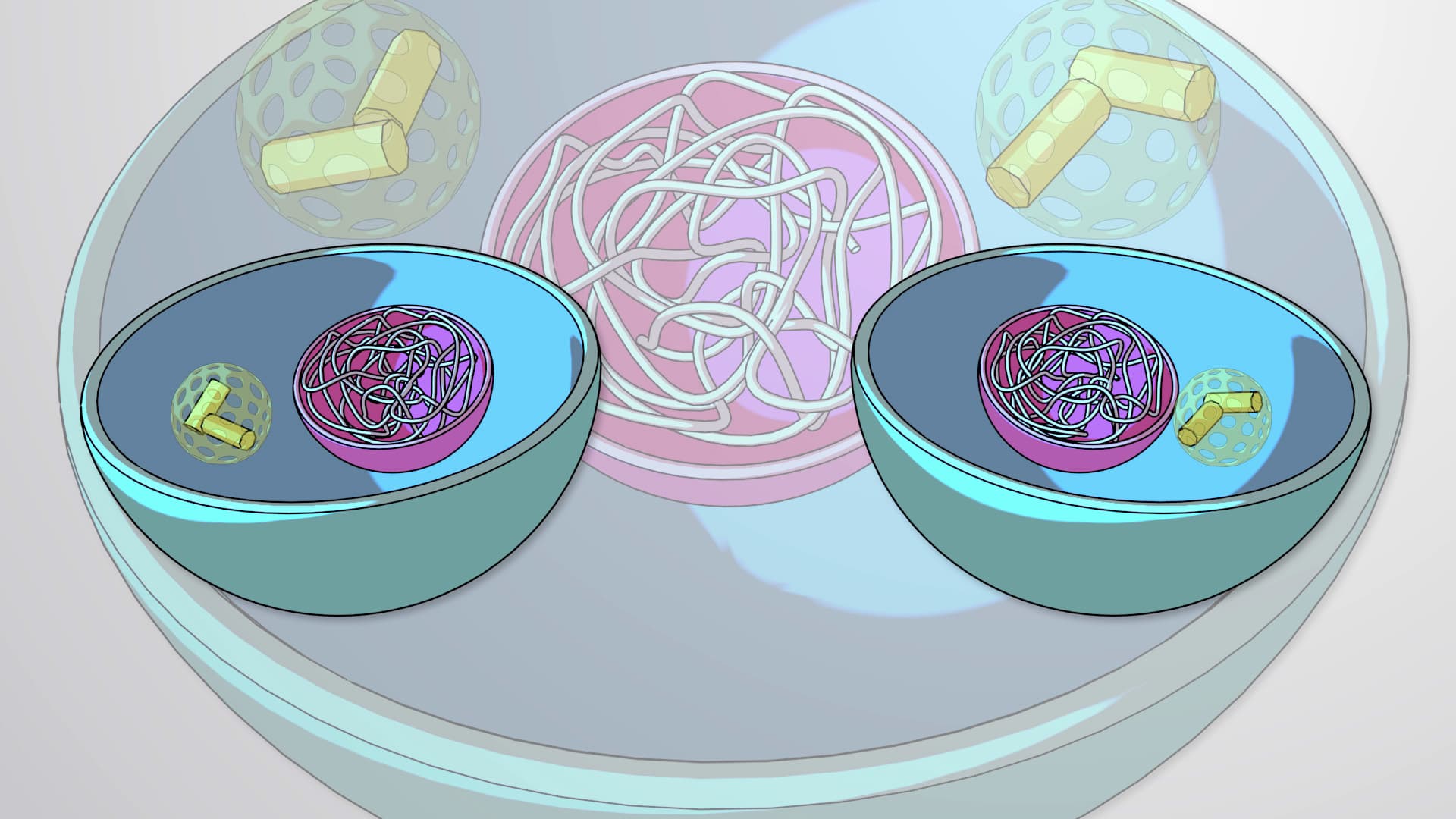

Video Summary: What Is Mitosis and Cytokinesis
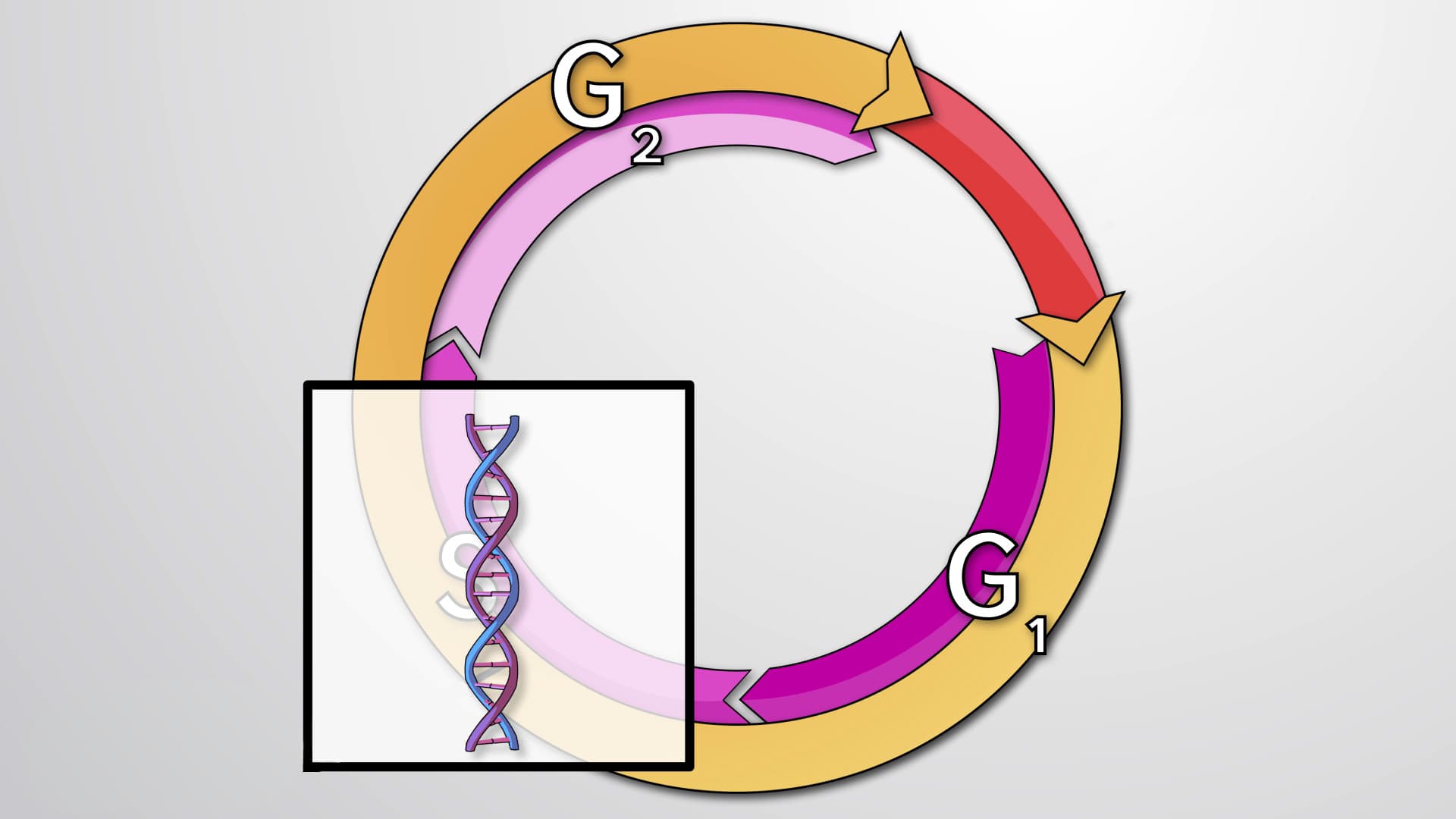
Did you know that every cell in your body-from brain neurons to muscle fibers-originated from a single fertilized egg through countless rounds of cell division? Understanding mitosis cytokinesis explained reveals how one cell becomes two genetically identical daughter cells, a process essential for growth, tissue repair, and healing wounds like those treated in US hospitals daily. This fundamental mechanism of What is Mitosis And Cytokinesis involves five distinct phases that ensure precise chromosome distribution and cellular splitting. Watch the full video on JoVE Coach to master this concept with expert-led visuals and step-by-step explanations.
Mitosis and cytokinesis biology represents one of the most fundamental processes in living organisms, enabling growth from a single fertilized egg to a complex multicellular human body containing approximately 37 trillion cells. While mitosis focuses on nuclear division and chromosome segregation, cytokinesis handles the physical separation of cytoplasm, together ensuring that each daughter cell receives an identical genetic complement.
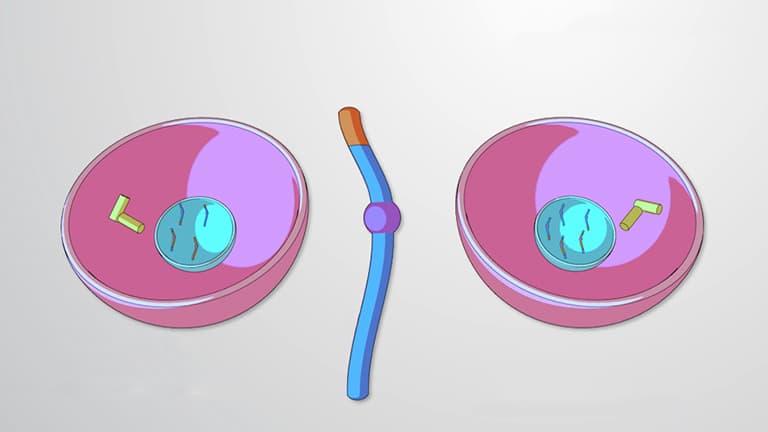
The mitosis stages follow a precisely orchestrated sequence. During prophase, chromatin condenses into visible X-shaped chromosomes while centrosomes migrate to opposite cell poles, establishing the foundation for chromosome movement. Prometaphase marks the breakdown of the nuclear envelope, allowing spindle microtubules to access chromosomes and attach to kinetochores-protein complexes that serve as molecular anchors.
Metaphase represents the critical checkpoint where chromosomes align along the cell's equatorial plane, ensuring equal distribution potential. This alignment is so precise that deviations often trigger cell cycle arrest, preventing genetic abnormalities. Anaphase dramatically separates sister chromatids as kinetochore microtubules shorten, pulling chromosomes toward opposite poles while other microtubules elongate the cell. Finally, telophase witnesses chromosome decondensation and nuclear envelope reformation around each chromosome set.
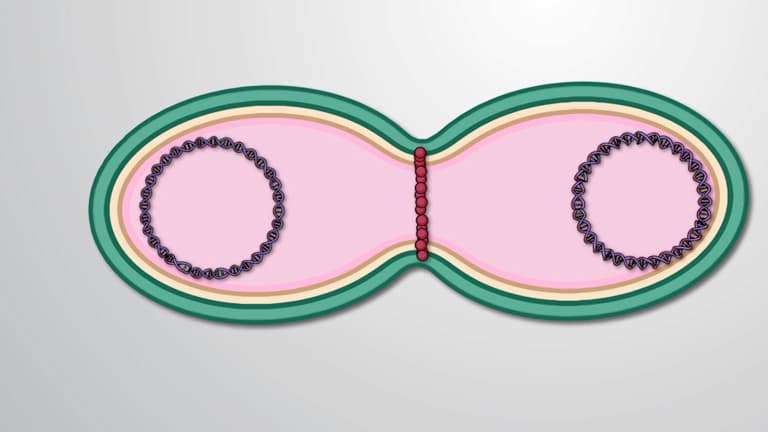
Cytokinesis cleavage furrow formation begins during telophase as contractile proteins create a constricting ring that pinches the cell membrane. In animal cells, this process resembles tying a balloon-the cytoplasm gradually separates until two distinct cells emerge. Plant cells utilize a different mechanism, building a cell plate from the center outward.
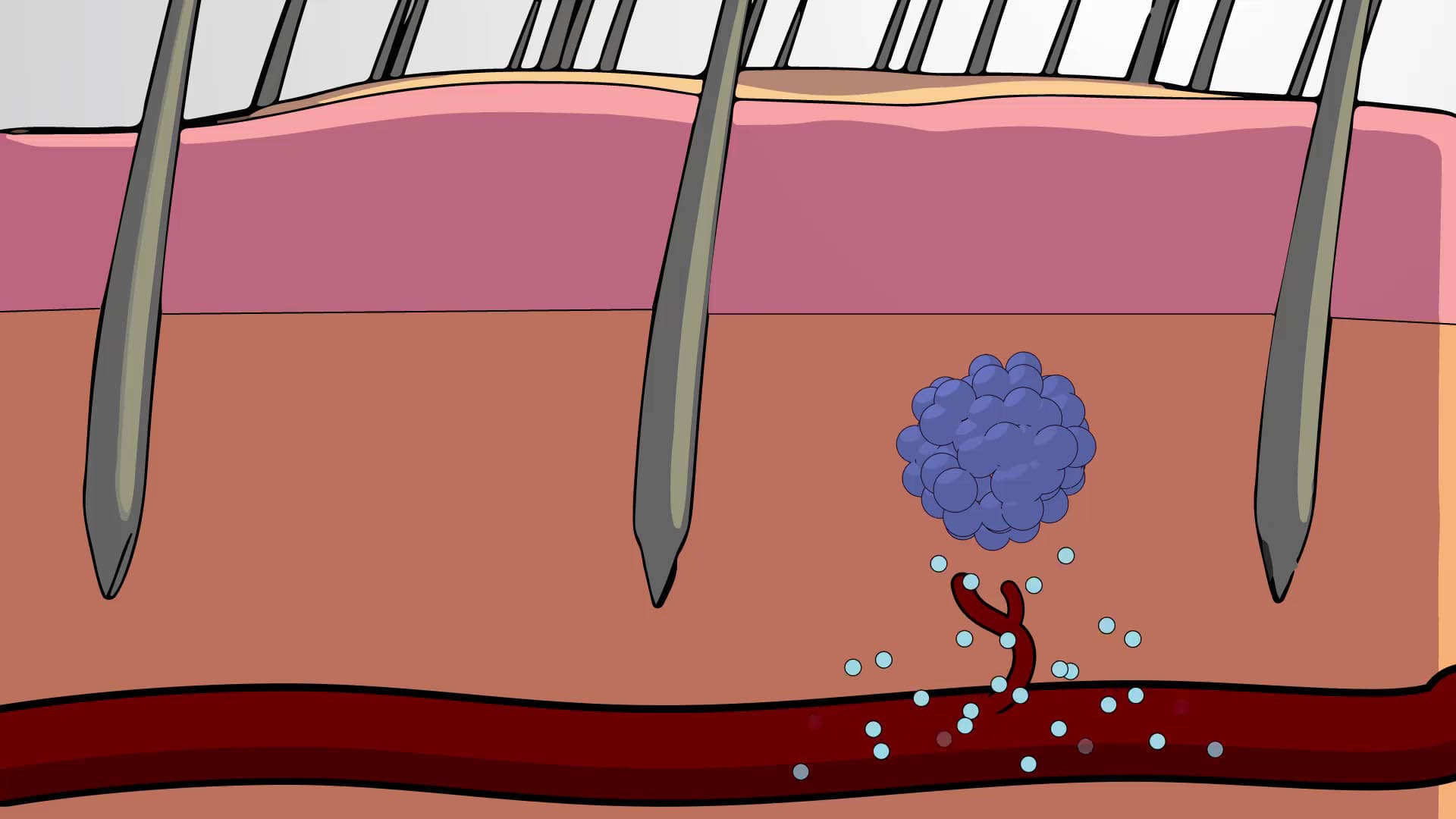
Understanding chromosome segregation mitosis proves essential for AP Biology students, pre-med students preparing for the MCAT, and nursing students taking the NCLEX exam. This knowledge directly applies to cancer biology, where uncontrolled mitosis drives tumor growth. For instance, chemotherapy drugs like taxol target mitotic spindle formation, preventing cancer cells from completing division. Medical professionals at institutions like Johns Hopkins and Mayo Clinic rely on this understanding when treating patients with genetic disorders or cancers affecting cell division machinery.
Related Micro-courses