- Biology
- Speciation and Diversity
Micro-courses:36

Speciation and Diversity
1. What is a Species?
2. Formation of Species
3. Speciation Rates
4. Genetics of Speciation
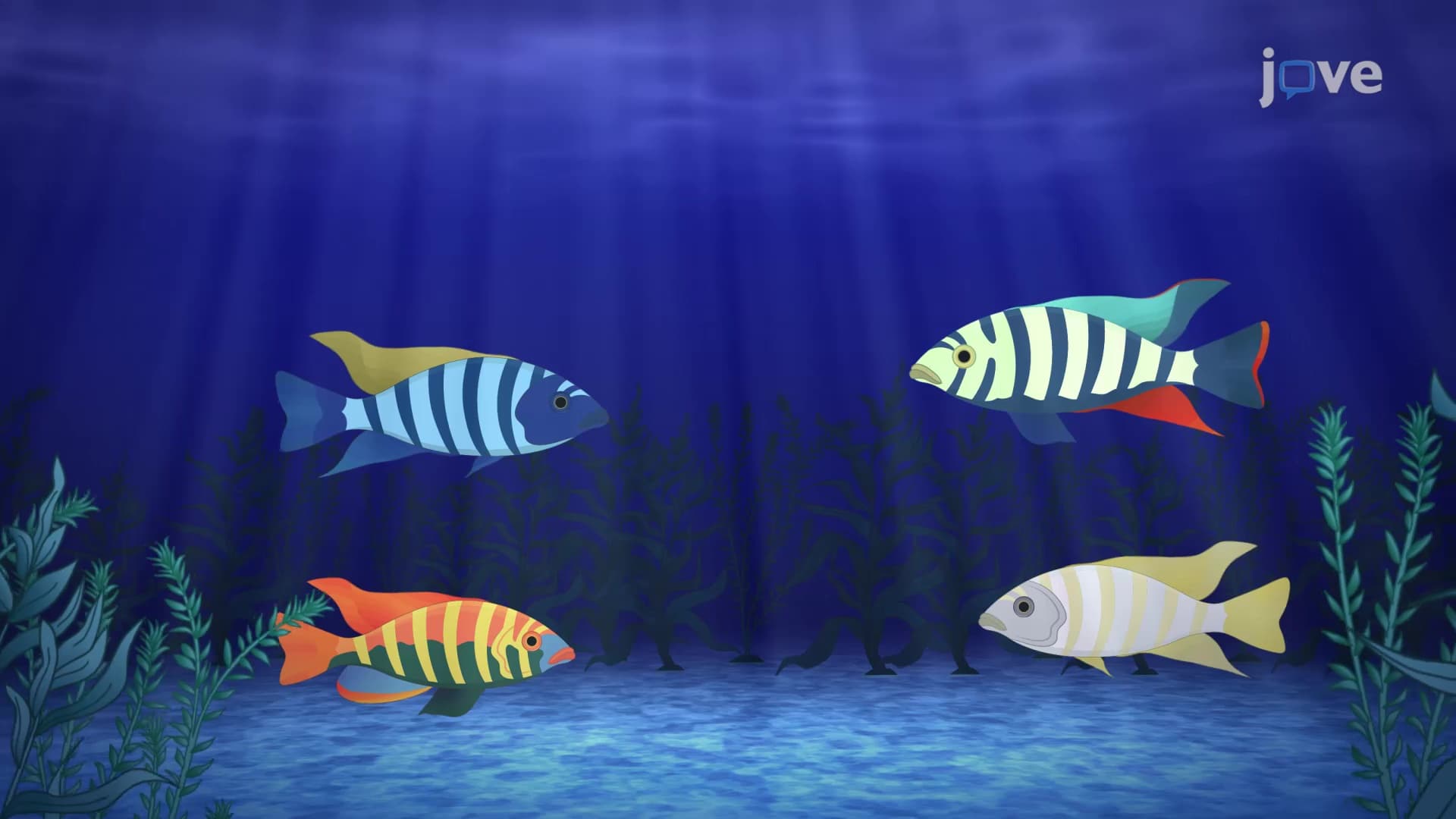
5. Hybrid Zones
Speciation biology forms the foundation of evolutionary diversity, explaining how single populations transform into distinct species through reproductive isolation. This JoVE Coach micro-course examines the mechanisms driving species formation evolutionary biology, from geographic barriers creating allopatric speciation to genetic changes enabling sympatric speciation, demonstrating how new species form through speciation in ecosystems across the United States.
- Understand the biological definition of species and identify reproductive barriers that separate populations
- Learn the fundamental mechanisms of allopatric and sympatric speciation with real-world examples
- Explore how environmental factors and geographic isolation drive species divergence
- Analyze the genetic basis of speciation, including chromosomal changes and polyploidy
- Identify the role of hybrid zones in reinforcement, fusion, and stability between closely related species
- Apply concepts of reproductive isolation to understand biodiversity patterns in North American ecosystems
- Examine how speciation rates vary across different organisms and environmental conditions
- Understand the evolutionary significance of pre-zygotic and post-zygotic reproductive barriers
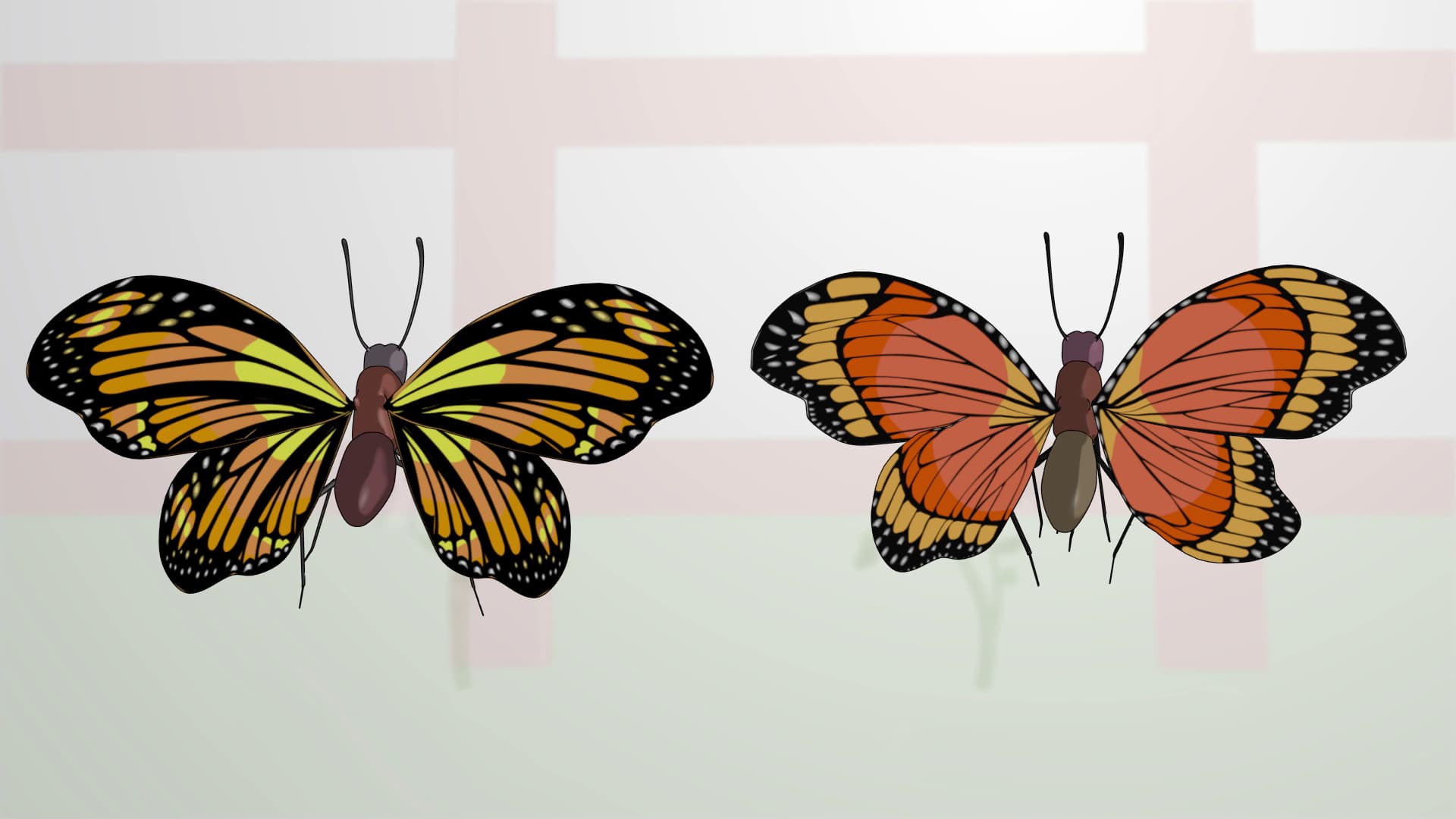
1. Species Definition and Reproductive Barriers: A species represents a group of organisms capable of interbreeding and producing fertile offspring while sharing similar DNA-based characteristics. However, visual similarity doesn't guarantee species identity—North American Monarch and Viceroy butterflies demonstrate this concept with their similar orange-and-black wing patterns despite belonging to different genera. Reproductive barriers maintain species boundaries through pre-zygotic mechanisms (preventing mating) like temporal isolation in diurnal versus nocturnal frog species, and post-zygotic barriers (reducing hybrid fitness) exemplified by sterile zebroid offspring from zebra-donkey crosses in American wildlife facilities.
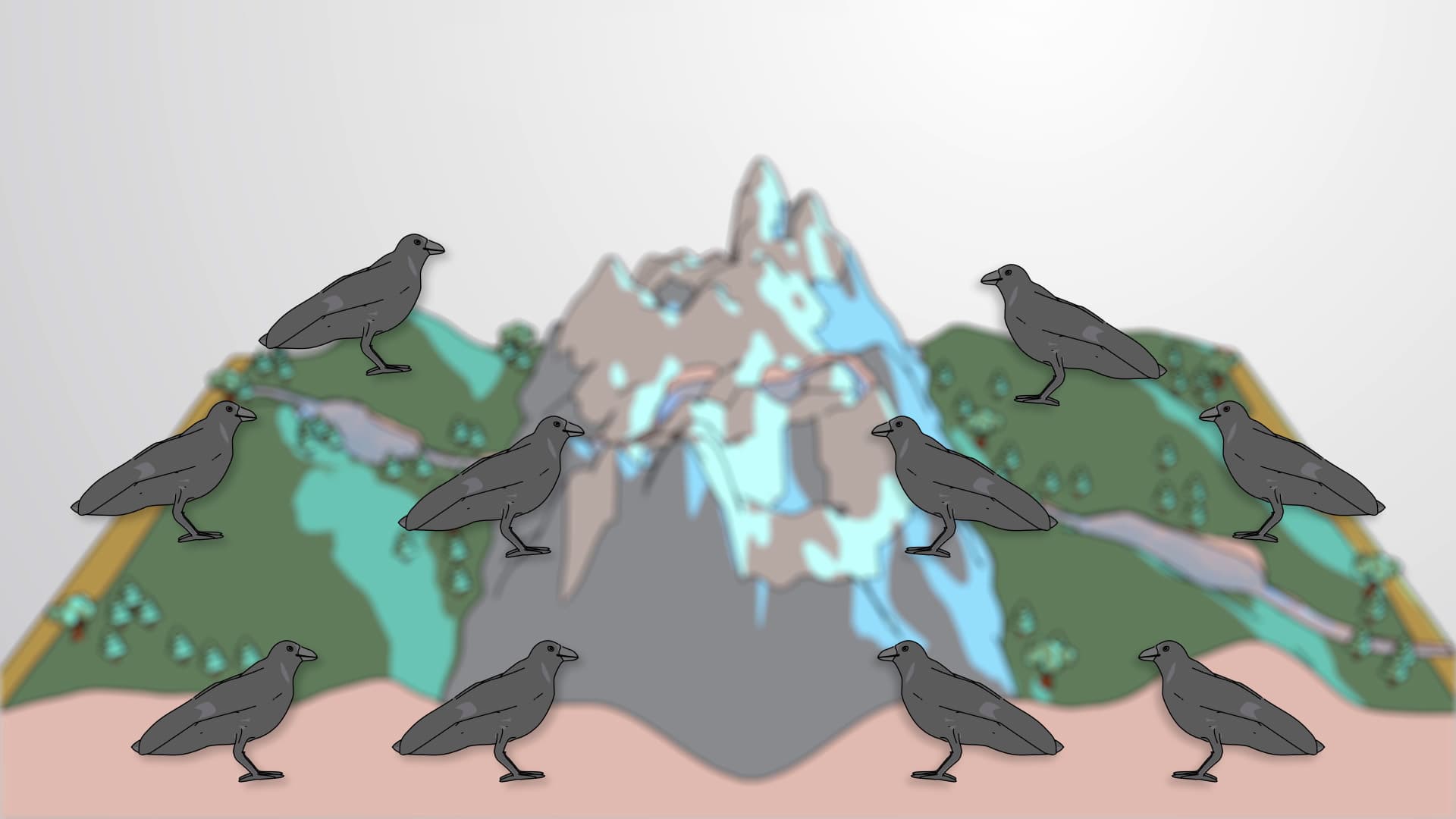
2. Allopatric Speciation Mechanisms: Geographic separation drives allopatric speciation when physical barriers interrupt gene flow between populations, allowing independent evolutionary trajectories. The Rocky Mountains exemplify this process, isolating plant and animal populations on eastern and western slopes, creating distinct selective pressures from varying precipitation, temperature, and soil conditions. Bird populations dispersing to new geographic locations, such as finches colonizing different Hawaiian islands, undergo natural selection in novel environments, gradually accumulating genetic differences that eventually prevent interbreeding with original mainland populations, demonstrating how geographic isolation facilitates species divergence through environmental adaptation.
3. Sympatric Speciation and Polyploidy: Sympatric speciation occurs within shared geographic areas through genetic mechanisms that create reproductive isolation without physical separation. Polyploidy, particularly common in North American flowering plants like certain wildflowers and agricultural crops, results from chromosomal errors during cell division, creating individuals with multiple chromosome sets. These polyploid organisms can only successfully reproduce with other polyploids possessing compatible chromosome numbers, instantly creating reproductive barriers with diploid ancestors. This mechanism explains rapid speciation events in plant populations across American prairies and forests, where polyploid variants establish new evolutionary lineages within existing communities.
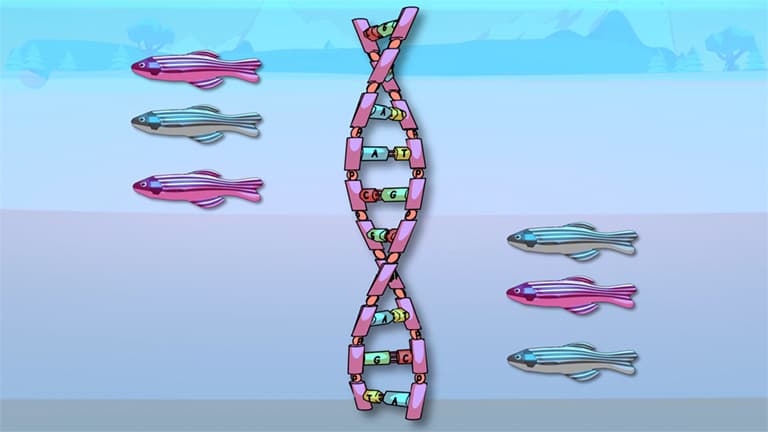
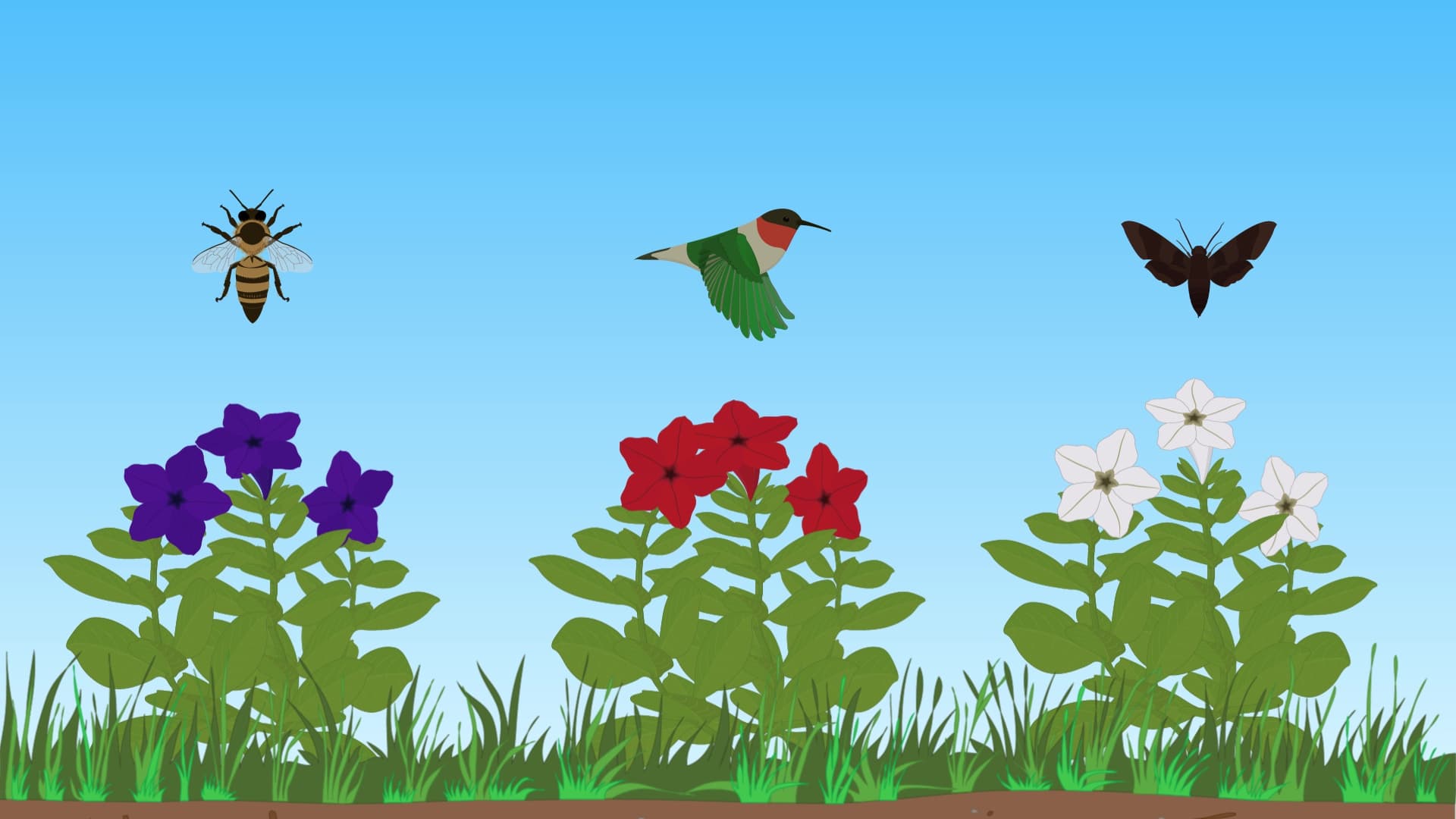
4. Genetic Basis of Speciation: Single gene mutations can create powerful reproductive barriers by altering traits crucial for mate recognition or pollinator attraction. American Petunia species demonstrate this principle through flower color variations controlled by individual genes—purple flowers attract native solitary bees, bright red flowers attract hummingbirds, and white flowers attract hawk moths. These pollinator preferences create reproductive isolation between color variants, eventually leading to distinct species. Additionally, interactions between host genomes and symbiotic bacterial communities, as observed in North American Nasonia wasp species, can cause hybrid lethality when incompatible gene-microbe combinations result in developmental failure, maintaining species boundaries through complex genetic interactions.
5. Hybrid Zones and Evolutionary Outcomes: Hybrid zones represent natural laboratories where closely related species interact and interbreed, testing the strength of reproductive barriers and influencing long-term evolutionary trajectories. North American fire-bellied and yellow-bellied toad hybrid zones demonstrate three possible outcomes: reinforcement strengthens reproductive barriers through selection against less-fit hybrids, fusion eliminates barriers leading to species merger, and stability maintains hybrid populations despite reduced fitness. Great Lakes cichlid fish populations show how environmental changes like water pollution can weaken mate choice mechanisms, promoting fusion, while flycatcher species in overlapping territories exhibit reinforcement through evolution of distinct male plumage patterns that enhance species recognition.
Frequently Asked Questions
Allopatric speciation requires geographic separation—like populations separated by mountains or rivers—while sympatric speciation occurs in the same location through genetic changes like chromosome doubling in plants or behavioral differences in animals.
Speciation connects to multiple AP Biology units including evolution, genetics, and ecology. You'll need to analyze phylogenetic trees, explain reproductive isolation mechanisms, and apply Hardy-Weinberg principles to understand population genetics during species formation.
MCAT biology sections emphasize reproductive barriers, particularly pre-zygotic versus post-zygotic isolation, allopatric speciation mechanisms, and the role of genetic drift in small populations. Understanding polyploidy and hybrid zone outcomes also appears in evolution-focused passages.
Yes! Researchers observe rapid speciation in organisms with short generation times, like bacteria developing antibiotic resistance, fruit flies adapting to new host plants, and Darwin's finches evolving different beak shapes during drought cycles in the Galápagos.
Species definitions focus on producing fertile offspring. Mules result from horse-donkey crosses but are sterile, demonstrating post-zygotic reproductive barriers. The parents are separate species because their hybrid offspring cannot continue the reproductive cycle.
Speciation builds on fundamental genetics and evolution concepts, making it moderately challenging. Focus on understanding reproductive isolation first, then learn the specific mechanisms. Drawing diagrams of speciation scenarios helps visualize these abstract processes.
Create comparison charts for allopatric versus sympatric mechanisms, memorize classic examples like Darwin's finches and cichlid fish, practice analyzing hybrid zone scenarios, and work through genetics problems involving polyploidy and chromosomal changes.
Understanding speciation helps explain why certain regions like California's Central Valley or Florida's Everglades contain numerous endemic species. Conservation efforts must protect the geographic and genetic conditions that allow ongoing evolutionary diversification and maintain existing species boundaries.
This microcourse includes 5 concept videos that walk you through the building blocks of Biology. Each video is short, about 2 minutes, so you can cover a full topic during a coffee break or between classes. The full sequence starts with What is a Species? and ends with Hybrid Zones.
The playlist moves from big-picture ideas to the precise vocabulary used in Biology. Early videos introduce What is a Species?, Formation of Species, and Speciation Rates. The middle of the series focuses on Hybrid Zones. The final stretch covers Hybrid Zones.
The natural next step is Natural Selection. From there, you can move to Population Genetics, Evolutionary History, and Plant Structure, Growth, and Nutrition. Once you finish those, the full Biology curriculum of 36 microcourses on JoVE Coach opens up, taking you from foundational concepts to advanced systems.
Related Subjects

