- Biology
- Gene Expression
Micro-courses:36

Gene Expression
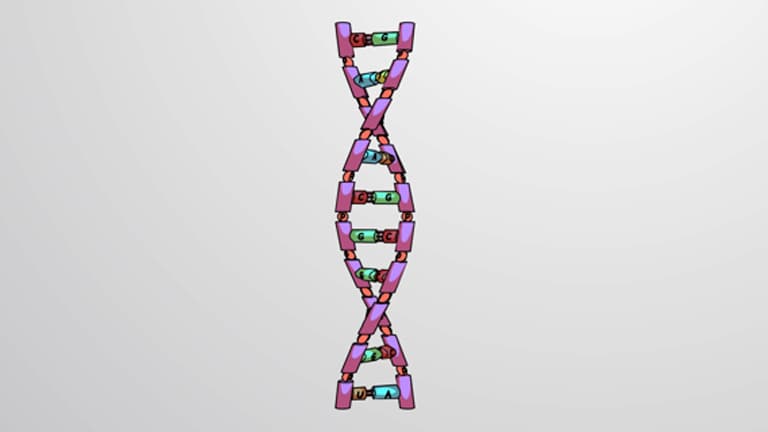
1. What is Gene Expression?
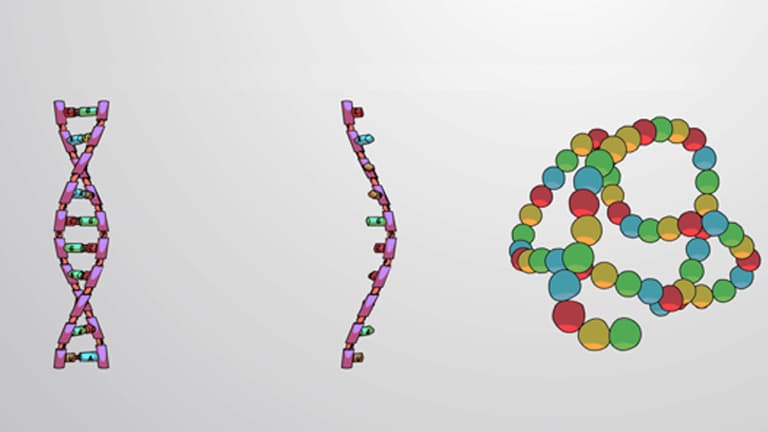
2. The Central Dogma

3. Transcription Factors
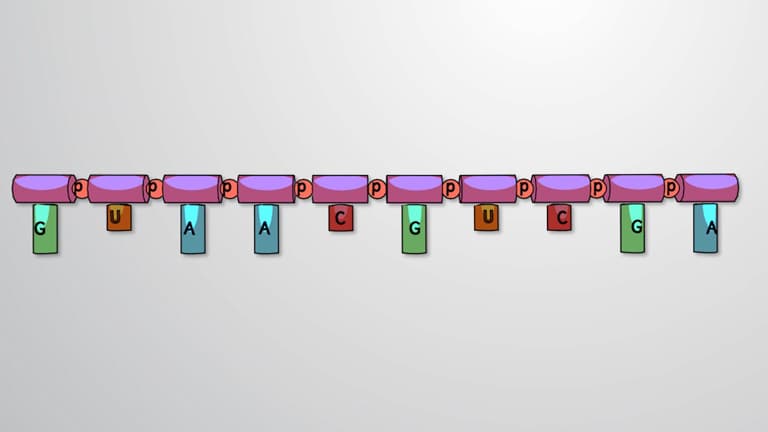
4. RNA Structure
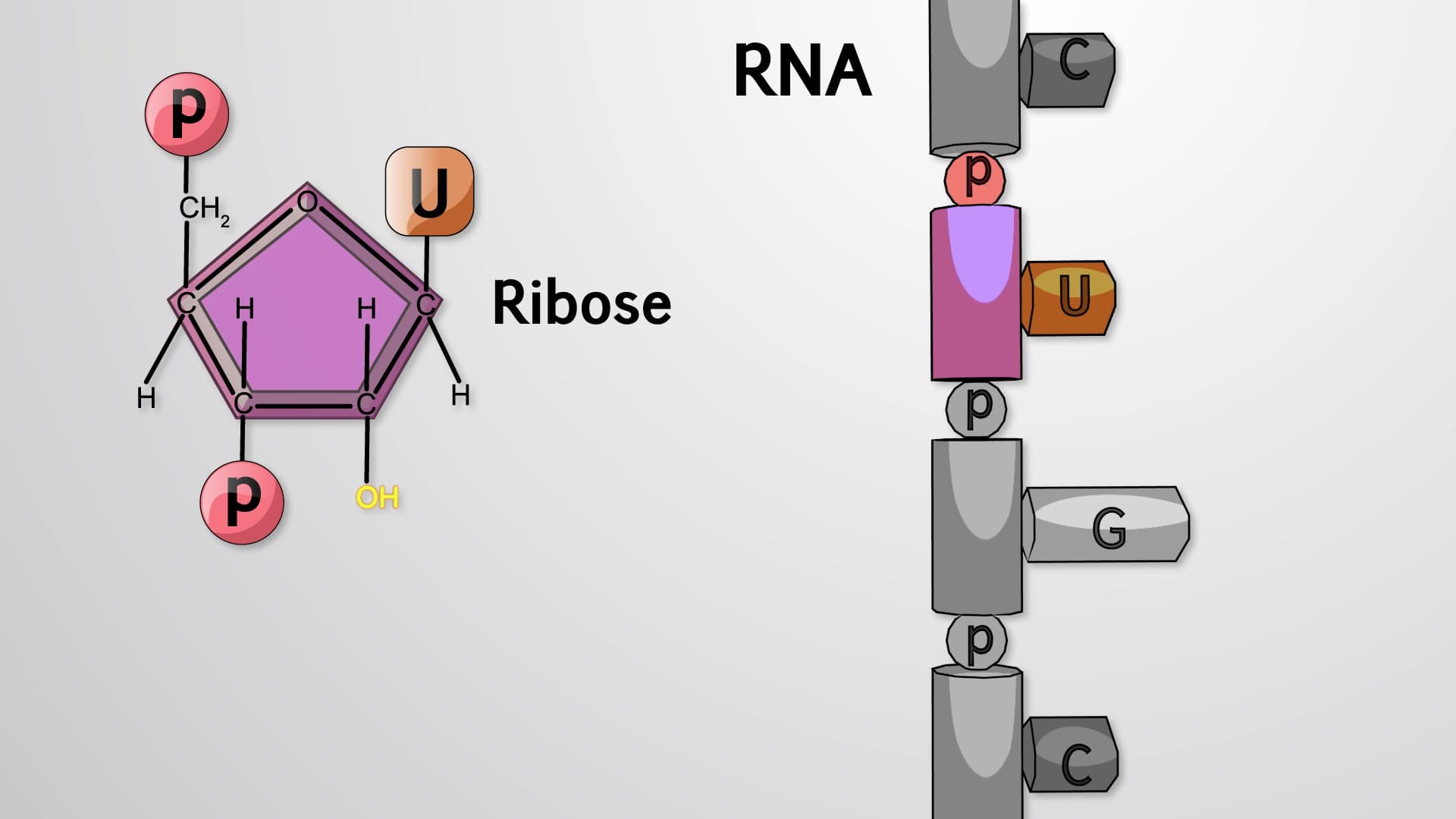
5. RNA Stability
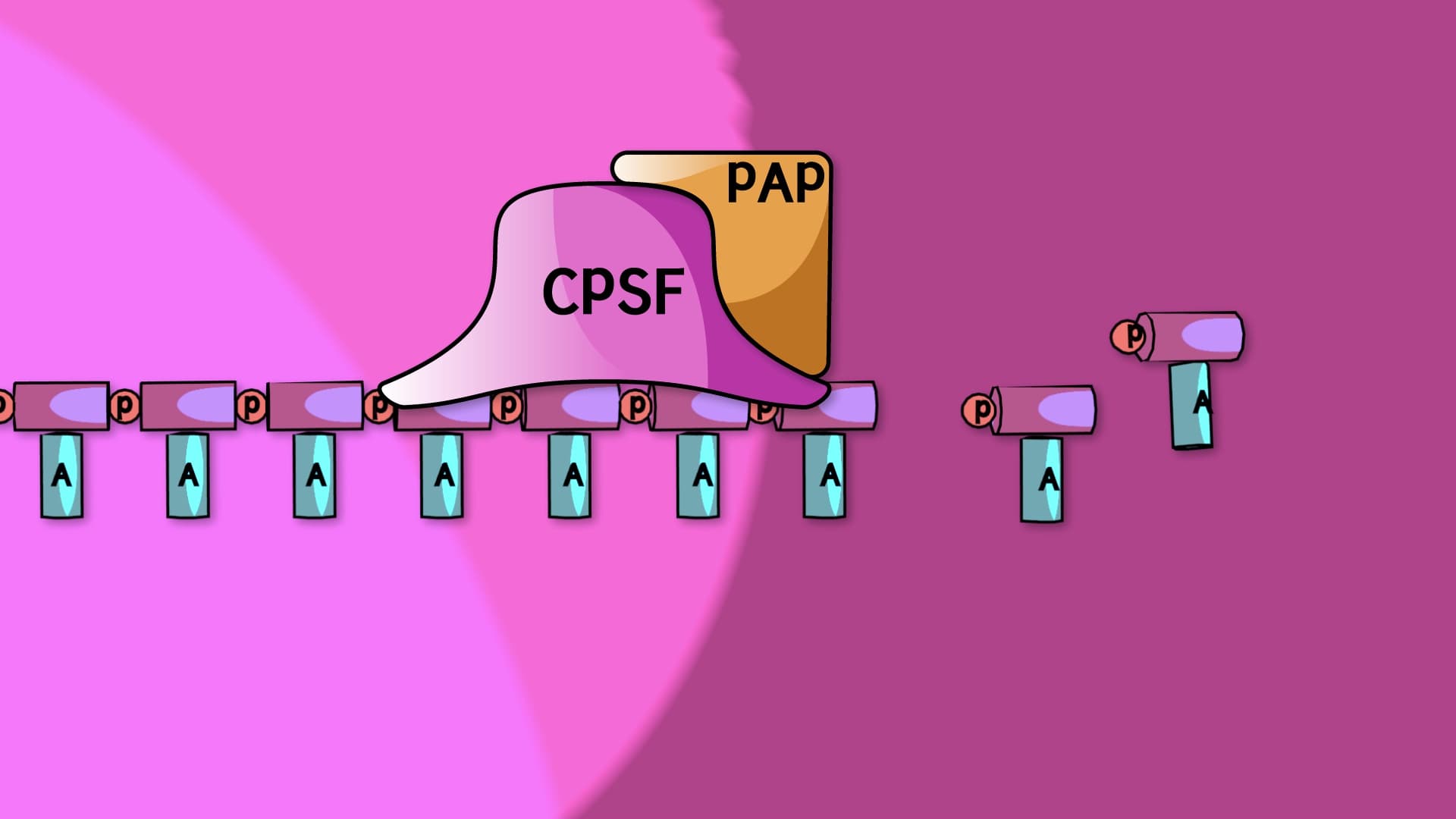
6. pre-mRNA Processing
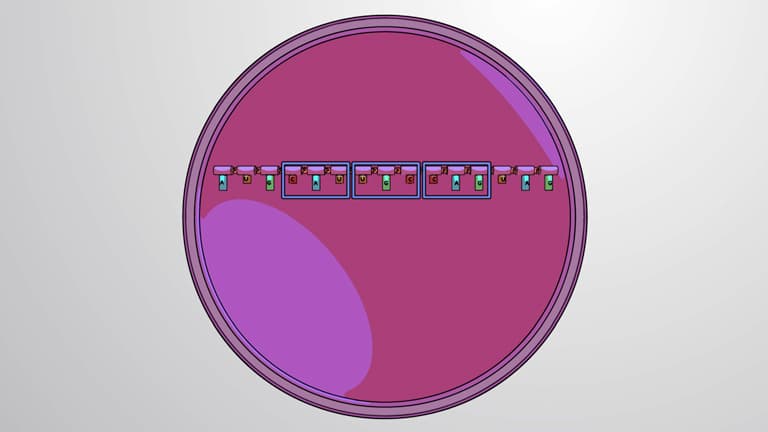
7. Types of RNA
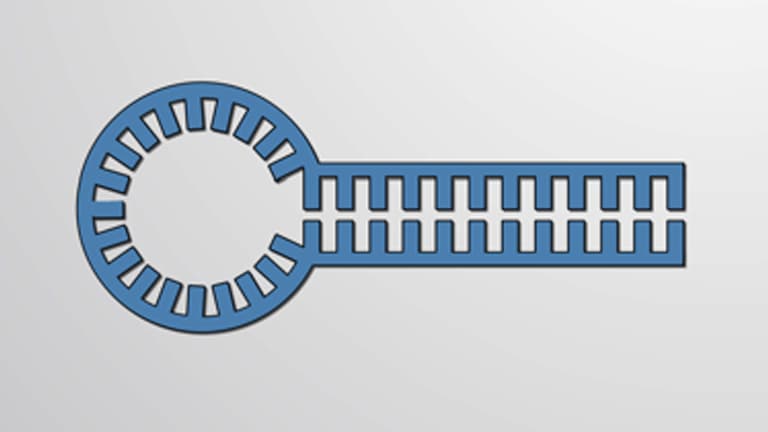
8. MicroRNAs
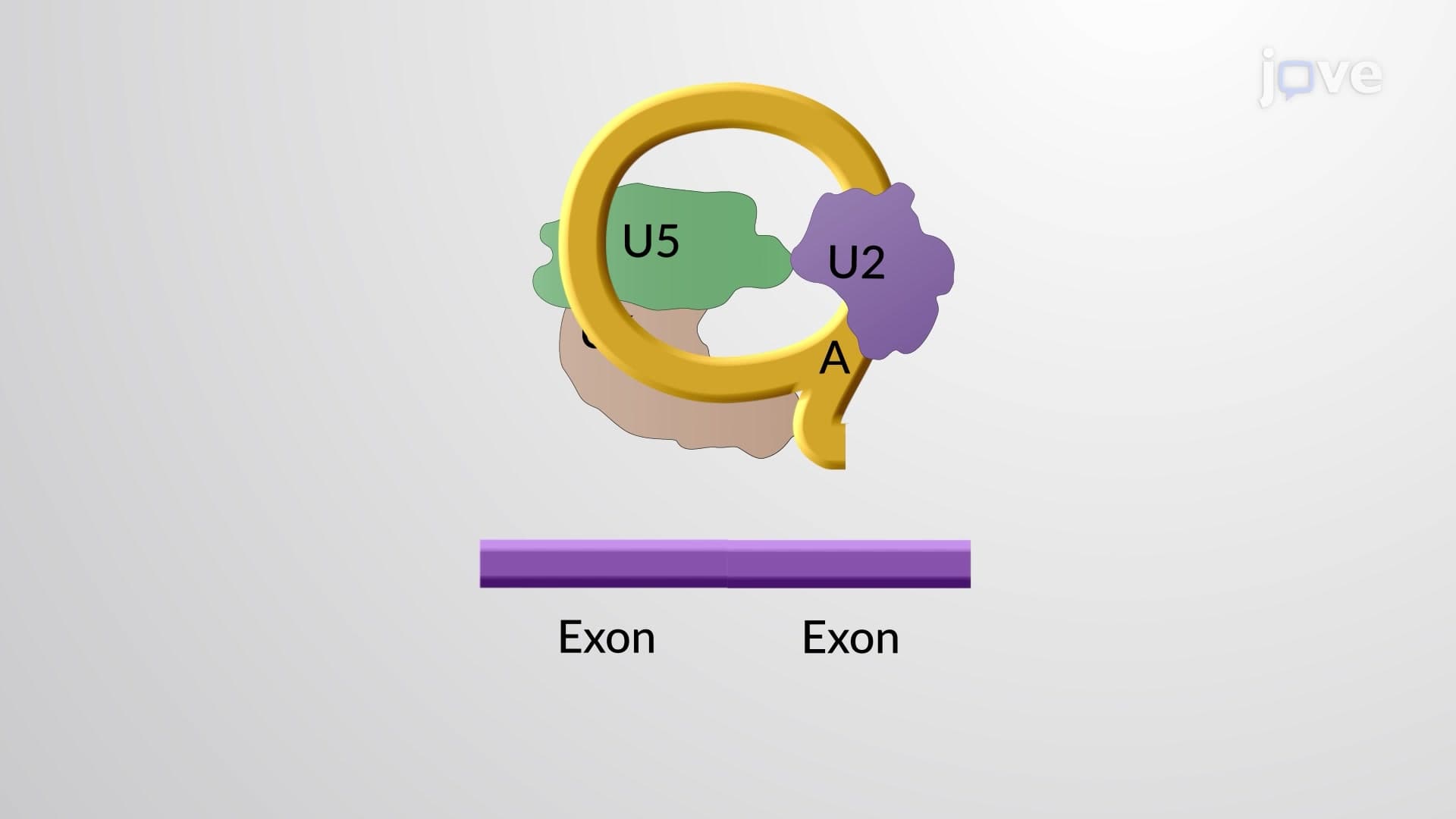
9. RNA Splicing
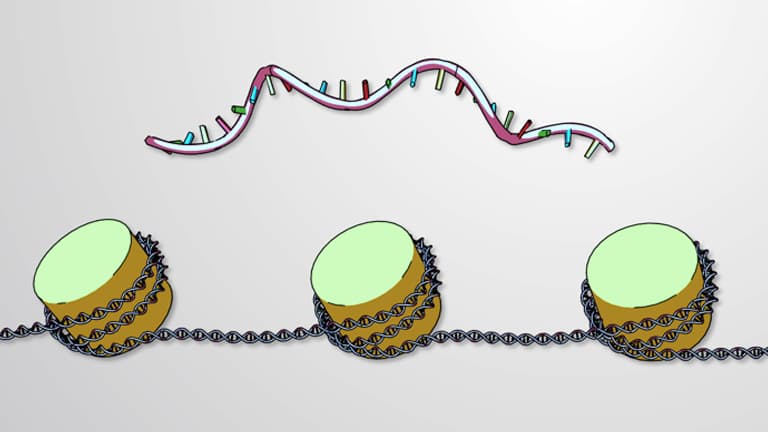
10. Epigenetic Regulation

11. RNA Interference
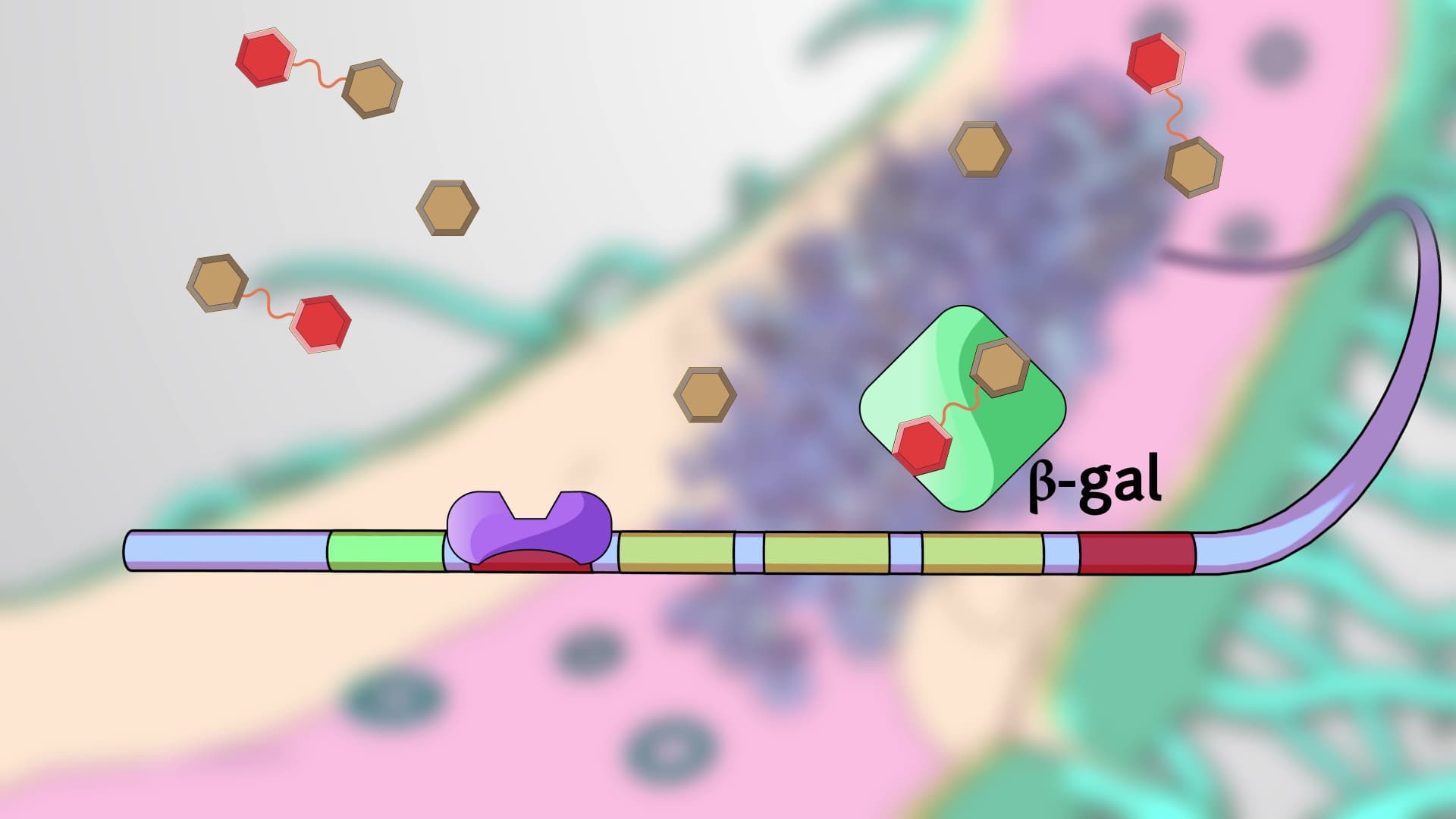
12. Operons
Gene expression is the fundamental biological process by which genetic information stored in DNA is converted into functional proteins through transcription and translation biology. This comprehensive course explores how is gene expression regulated in cells, covering everything from basic mechanisms to complex regulatory networks. Students will examine real-world applications in US biotechnology companies and medical research, utilizing JoVE Coach resources to master this cornerstone concept of molecular biology.
- Understand the central dogma of molecular biology and the flow of genetic information from DNA to RNA to proteins
- Learn the molecular mechanisms of transcription, including RNA polymerase function and promoter recognition
- Identify different types of RNA molecules and their specific roles in gene expression and cellular regulation
- Explore pre-mRNA processing steps including splicing, capping, and polyadenylation in eukaryotic cells
- Analyze transcription factors and their role in controlling gene expression at the molecular level
- Apply knowledge of epigenetic regulation mechanisms including DNA methylation and histone modifications
- Understand RNA interference pathways and their applications in research and therapeutic development
- Examine prokaryotic operons and eukaryotic gene regulation strategies for controlling protein synthesis
- Learn how cell-specific gene expression creates tissue diversity despite identical genetic material
- Analyze cooperative binding mechanisms and combinatorial gene control in complex organisms
1. Central Dogma and Basic Gene Expression Mechanisms The central dogma describes the unidirectional flow of genetic information from DNA to RNA to proteins. Students learn how DNA serves as the template for mRNA synthesis during transcription, followed by protein synthesis during translation. This process occurs in all living cells, from bacteria producing insulin in biotechnology applications to human liver cells manufacturing enzymes. Understanding this fundamental pathway is essential for grasping more complex regulatory mechanisms and forms the basis for genetic engineering techniques used by companies like Genentech and Moderna in developing therapeutic proteins and mRNA vaccines.
2. Transcription Process and RNA Polymerase Function Transcription involves RNA polymerase enzymes reading DNA templates to synthesize complementary RNA strands. In prokaryotes, a single RNA polymerase handles all transcription, while eukaryotes use three different RNA polymerases (I, II, and III) for specific gene types. The process includes initiation at promoter sequences, elongation through the gene body, and termination at specific signals. This knowledge applies directly to understanding how antibiotics like rifampicin work by inhibiting bacterial RNA polymerase, and how certain cancer treatments target transcriptional machinery in rapidly dividing cells.
3. RNA Processing and mRNA Maturation Eukaryotic pre-mRNA undergoes extensive processing including 5' capping, 3' polyadenylation, and splicing to remove introns. The 5' cap structure protects mRNA from degradation and assists ribosome binding, while the poly-A tail enhances stability and translation efficiency. Splicing removes non-coding sequences and enables alternative splicing, allowing one gene to produce multiple protein variants. This process is crucial for understanding genetic diseases like spinal muscular atrophy, where splicing defects cause motor neuron degeneration, and for developing splice-switching oligonucleotides as therapeutic approaches used by companies like Biogen.
4. Transcription Factors and Gene Regulation Transcription factors are proteins that bind specific DNA sequences to activate or repress gene expression. They contain DNA-binding domains that recognize regulatory sequences and activation/repression domains that interact with the transcriptional machinery. Examples include the p53 tumor suppressor that responds to DNA damage by activating cell cycle checkpoint genes, and liver-specific factors like HNF-1 that control hepatocyte-specific gene expression. Understanding transcription factor function is essential for comprehending cancer biology, developmental disorders, and the mechanisms of action for many pharmaceuticals that target these regulatory proteins.
5. Epigenetic Regulation and Chromatin Modifications Epigenetic mechanisms control gene expression without changing DNA sequences through DNA methylation, histone modifications, and chromatin remodeling. DNA methylation typically silences gene expression and is important for genomic imprinting and X-chromosome inactivation. Histone modifications like acetylation and methylation create accessible or repressive chromatin states. These mechanisms explain how identical twins can develop different diseases and how environmental factors influence gene expression. Companies like Illumina develop sequencing technologies to study epigenetic patterns, while pharmaceutical companies create drugs targeting epigenetic enzymes for cancer treatment.
6. RNA Interference and Non-coding RNA Functions RNA interference (RNAi) involves small RNA molecules like microRNAs and siRNAs that regulate gene expression post-transcriptionally. MicroRNAs bind complementary sequences in target mRNAs, leading to translational repression or mRNA degradation. This process fine-tunes protein levels and is crucial for development, differentiation, and disease prevention. RNAi has revolutionized research through gene knockdown experiments and shows therapeutic promise for treating viral infections, cancer, and genetic disorders. Companies like Alnylam Therapeutics develop RNAi-based drugs, while research institutions use RNAi to study gene function in model organisms.
7. Prokaryotic Gene Regulation and Operons Bacterial operons coordinate expression of functionally related genes under single promoter control. The lac operon exemplifies inducible systems that respond to environmental lactose by producing enzymes for lactose metabolism. The trp operon represents repressible systems that shut down when tryptophan is abundant. These regulatory mechanisms allow bacteria to efficiently respond to environmental changes and conserve energy. Understanding operons is crucial for biotechnology applications, including designing bacterial systems for producing recombinant proteins, developing antibiotic resistance strategies, and creating biosensors for environmental monitoring in US pharmaceutical and agricultural industries.
8. Cell-Specific Gene Expression and Tissue Development Despite containing identical DNA, different cell types express distinct gene sets that determine their specialized functions. Liver hepatocytes express alcohol dehydrogenase for detoxification, while neurons produce neurotransmitter receptors for signal transmission. Master transcription factors like MyoD for muscle development control cell fate decisions during differentiation. This concept explains how stem cells can differentiate into various cell types and is fundamental to understanding developmental biology, cancer metastasis, and regenerative medicine approaches. Companies like Geron Corporation and universities across the US study these mechanisms for developing stem cell therapies.
Frequently Asked Questions
Transcription is the process where DNA is copied into RNA (mRNA, tRNA, or rRNA) in the nucleus, while translation is the process where mRNA is decoded by ribosomes to synthesize proteins in the cytoplasm. Think of transcription as making a photocopy of a recipe (DNA to RNA) and translation as following that recipe to cook a meal (RNA to protein). Both processes are essential steps in converting genetic information into functional cellular components.
The MCAT frequently tests gene expression through biochemistry and biology sections, focusing on transcription factors, epigenetic mechanisms, and the lac operon. AP Biology emphasizes understanding the central dogma, comparing prokaryotic and eukaryotic regulation, and analyzing experimental data about gene expression patterns. Students should expect questions about how mutations affect transcription, the role of enhancers and silencers, and real-world applications like genetic engineering and disease mechanisms.
All cells contain the same genetic blueprint, but they express different combinations of genes based on their specialized functions and environmental signals. Cell-specific transcription factors activate particular sets of genes while repressing others. For example, insulin is only expressed in pancreatic beta cells because they contain specific transcription factors that bind to insulin gene promoters. This differential gene expression allows cells to perform specialized roles while maintaining the complete genetic information.
Epigenetic modifications like DNA methylation and histone acetylation can turn genes on or off without changing the underlying DNA sequence. Environmental factors such as diet, stress, and toxin exposure can alter these epigenetic marks, potentially affecting disease susceptibility. For instance, prenatal nutrition can influence epigenetic patterns that affect metabolism throughout life. This explains why identical twins may develop different diseases and why lifestyle factors can influence gene expression patterns across generations.
Gene expression involves multiple interconnected processes occurring at different cellular locations and time scales. Students often struggle with visualizing how transcription factors find their binding sites among millions of DNA base pairs, understanding the coordination between transcription and RNA processing, and grasping how small regulatory RNAs can have such significant effects. The abstract nature of molecular interactions and the complexity of regulatory networks require strong foundational knowledge and three-dimensional thinking skills.
Create concept maps connecting DNA, RNA, and protein synthesis pathways, and use active recall by explaining processes aloud without notes. Draw out the lac operon mechanism step-by-step, including both presence and absence of lactose conditions. Practice with real experimental data interpretation, such as Northern blots showing mRNA levels or Western blots showing protein expression. Focus on understanding cause-and-effect relationships rather than memorizing isolated facts, and connect molecular mechanisms to physiological outcomes and disease states.
Gene expression knowledge underlies many modern medical treatments, including mRNA vaccines (like those for COVID-19), gene therapy for inherited diseases, and cancer treatments targeting transcription factors. Biotechnology companies use this knowledge to engineer bacteria for producing human insulin, growth hormones, and other therapeutic proteins. Understanding RNA interference has led to new drug classes for treating genetic diseases, while epigenetic research is revealing new targets for cancer therapy and personalized medicine approaches.
Mutations in coding sequences directly alter protein structure and function, while regulatory sequence mutations affect when, where, and how much protein is produced. A mutation in a promoter region might reduce gene expression levels, while an enhancer mutation could eliminate tissue-specific expression patterns. Both types can cause disease, but regulatory mutations often have more subtle, context-dependent effects that may only become apparent under specific environmental conditions or developmental stages.
This microcourse includes 12 concept videos that walk you through the building blocks of Biology. Each video is short, about 2 minutes, so you can cover a full topic during a coffee break or between classes. The full sequence starts with What is Gene Expression? and ends with Operons.
The playlist moves from big-picture ideas to the precise vocabulary used in Biology. Early videos introduce What is Gene Expression?, The Central Dogma, and Transcription Factors. The middle of the series focuses on RNA Stability, pre-mRNA Processing, and Types of RNA. The final stretch covers MicroRNAs, RNA Splicing, Epigenetic Regulation, RNA Interference, and Operons.
The natural next step is Biotechnology. From there, you can move to Viruses, Nutrition and Digestion, and Nervous System. Once you finish those, the full Biology curriculum of 36 microcourses on JoVE Coach opens up, taking you from foundational concepts to advanced systems.
Related Subjects

