Loading…
Loading video…

824,101 views

Did you know that your cells have a built-in defense system that can silence harmful genes using tiny RNA molecules? RNA interference is a cellular process where small RNA molecules bind to messenger RNA (mRNA) to prevent protein production, acting like molecular scissors that cut off unwanted genetic messages. Scientists at Harvard Medical School have used this natural mechanism to develop potential treatments for diseases like Huntington's disease by targeting specific disease-causing genes. Watch the full video on JoVE Coach to master this concept with expert-led visuals and step-by-step explanations.
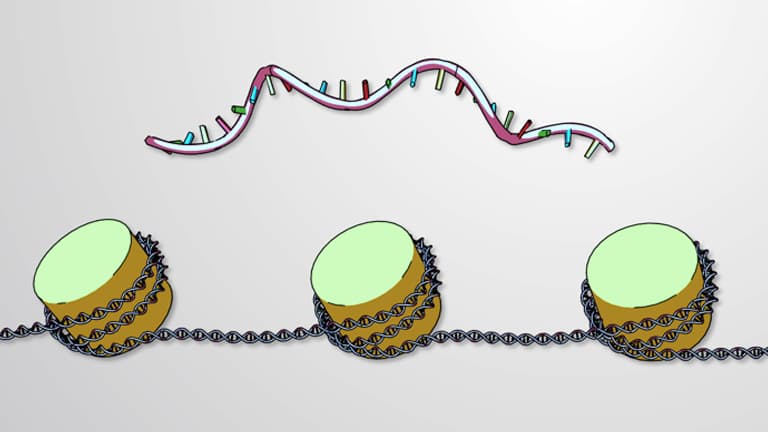
What is RNA interference? This fundamental biological process represents one of the most important discoveries in molecular biology of the 21st century. RNA interference (RNAi) is a regulatory mechanism where small RNA molecules selectively silence gene expression by targeting complementary messenger RNA (mRNA) sequences for degradation or translational repression.
The significance of RNAi extends far beyond basic cellular function. In 2006, Andrew Fire and Craig Mello won the Nobel Prize in Physiology or Medicine for discovering this mechanism, highlighting its revolutionary impact on our understanding of gene regulation. For students preparing for the AP Biology exam or college-level molecular biology courses, mastering RNAi concepts is essential for understanding modern genetics and biotechnology applications.
The RNAi system operates through three distinct classes of small RNA molecules, each with specific origins and functions. MicroRNAs (miRNAs) are endogenously encoded by the cell's own genome and typically regulate normal cellular processes like development and metabolism. These 20-25 nucleotide molecules are processed from longer precursor transcripts and play crucial roles in tissue-specific gene expression patterns.
Small interfering RNAs (siRNAs) originate from external double-stranded RNA sources, particularly viral infections. This makes siRNAs the cell's primary antiviral defense mechanism. When viruses replicate, they often produce double-stranded RNA intermediates that trigger the RNAi pathway, effectively creating a cellular immune response against viral invasion.
PIWI-interacting RNAs (piRNAs) represent the most specialized class, functioning exclusively in germline cells (sperm and egg cells). These molecules protect the genome's integrity by silencing transposable elements—"jumping genes" that could otherwise disrupt normal chromosomal structure and inheritance patterns.
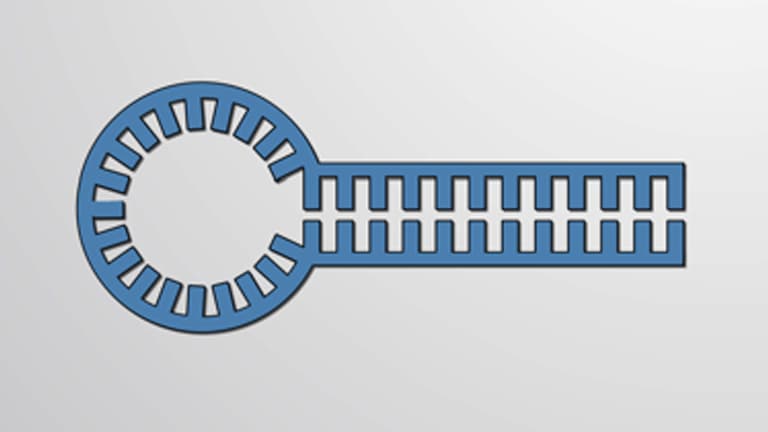
The RNAi mechanism follows a precise molecular pathway that begins with the enzyme Dicer. This ribonuclease recognizes double-stranded RNA substrates and cleaves them into short fragments of approximately 20-25 nucleotides. The resulting siRNA molecules contain characteristic 2-nucleotide overhangs at their 3' ends, a structural feature that facilitates their recognition by downstream processing machinery.
Following Dicer processing, siRNA molecules are loaded into the RNA-induced silencing complex (RISC), a multi-protein assembly that serves as the effector machinery for gene silencing. Within RISC, the siRNA duplex undergoes strand separation, where one strand (the guide strand) remains associated with the complex while the complementary passenger strand is degraded. This asymmetric loading ensures that RISC targets the correct mRNA sequences.
The guide strand then directs RISC to its complementary mRNA target through Watson-Crick base pairing. Perfect or near-perfect complementarity between the guide strand and target mRNA triggers endonucleolytic cleavage by Argonaute proteins, the catalytic component of RISC. This cleavage event occurs precisely between nucleotides 10 and 11 of the guide strand, resulting in mRNA degradation and effective gene silencing.
RNAi technology has transformed both research and therapeutic applications across the United States. The FDA has approved several RNAi-based drugs, including Onpattro (patisiran) for hereditary transthyretin-mediated amyloidosis and Givlaari (givosiran) for acute hepatic porphyria. These medications demonstrate how understanding basic RNAi biology translates directly into life-saving treatments.
In agricultural biotechnology, companies like Monsanto (now part of Bayer) have developed RNAi-based crop protection strategies. For example, corn varieties engineered with RNAi constructs can protect themselves against corn rootworm by producing siRNAs that target essential pest genes, reducing the need for chemical pesticides.
For students taking the MCAT or planning careers in biotechnology, understanding RNAi applications provides valuable context for how molecular biology discoveries become practical solutions to human health and environmental challenges.
Frequently Asked Questions
RNA interference is a natural cellular process where small RNA molecules act like molecular scissors to silence specific genes by cutting their messenger RNA. Think of it as the cell's way of turning off unwanted genetic instructions, similar to how you might delete unwanted text messages. This mechanism helps cells defend against viruses and regulate normal gene expression patterns.
AP Biology commonly tests RNAi through multiple-choice questions about gene regulation mechanisms and free-response questions requiring students to analyze experimental data from RNAi studies. Students should understand the difference between transcriptional and post-transcriptional regulation, identify the roles of Dicer and RISC, and explain how RNAi relates to biotechnology applications. Practice interpreting graphs showing gene expression changes after RNAi treatment.
The MCAT Biology section frequently includes RNAi in passages about gene regulation, biotechnology, and molecular biology techniques. Students should understand RNAi's role in the central dogma, its therapeutic applications, and how it compares to other gene silencing mechanisms like CRISPR. RNAi also appears in passages about cancer biology, where microRNA dysregulation contributes to tumor development.
RNA interference treats genetic diseases by silencing disease-causing genes through targeted mRNA degradation. The FDA-approved drug Onpattro uses siRNA to treat a rare liver disease by reducing production of harmful proteins. Researchers are developing RNAi therapies for conditions like Huntington's disease at institutions like Massachusetts General Hospital, where clinical trials target the mutant huntingtin gene while preserving normal gene function.
RNA interference builds on fundamental concepts you already know: DNA makes RNA makes protein. If you understand base pairing and protein synthesis, RNAi simply adds one more step where small RNAs can interrupt the process. Start by mastering transcription and translation, then RNAi becomes a logical extension of cellular regulation mechanisms.
Create a flowchart showing the RNAi pathway from double-stranded RNA through Dicer processing to RISC-mediated cleavage. Practice drawing this pathway from memory, labeling each component and its function. Use active recall by explaining the process out loud, and connect RNAi to broader themes like gene regulation and biotechnology applications that commonly appear on standardized tests.
After understanding RNAi, explore epigenetic regulation mechanisms like DNA methylation and histone modifications, which work alongside RNAi to control gene expression. Study CRISPR-Cas9 gene editing technology, which complements RNAi as a molecular biology tool. Advanced students should investigate the role of long non-coding RNAs and their interactions with RNAi machinery in complex regulatory networks.
Related Micro-courses
Related Subjects