Loading subject page…


824,133 views

Video Summary: What are Types of RNA
Every cell in your body relies on RNA to convert genetic instructions into functional proteins-without it, life as we know it couldn't exist. Understanding the types of RNA explained reveals how three distinct molecular players orchestrate protein synthesis with remarkable precision. In biomedical research labs at Harvard Medical School, scientists study how disruptions in these RNA types contribute to diseases like cancer and genetic disorders. What are Types of RNA becomes clearer when you see how messenger, ribosomal, and transfer RNA work together like a well-coordinated assembly line. Watch the full video on JoVE Coach to master this concept with expert-led visuals and step-by-step explanations.
The molecular machinery of life depends on three fundamental types of RNA explained through their specialized roles in protein synthesis. Unlike DNA's static information storage, RNA molecules actively participate in converting genetic codes into functional proteins. Each RNA type has evolved distinct structural features that enable precise molecular recognition and catalytic activity.
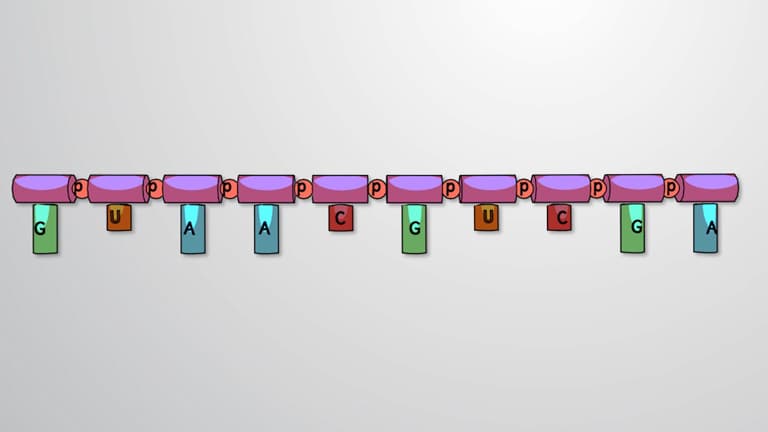
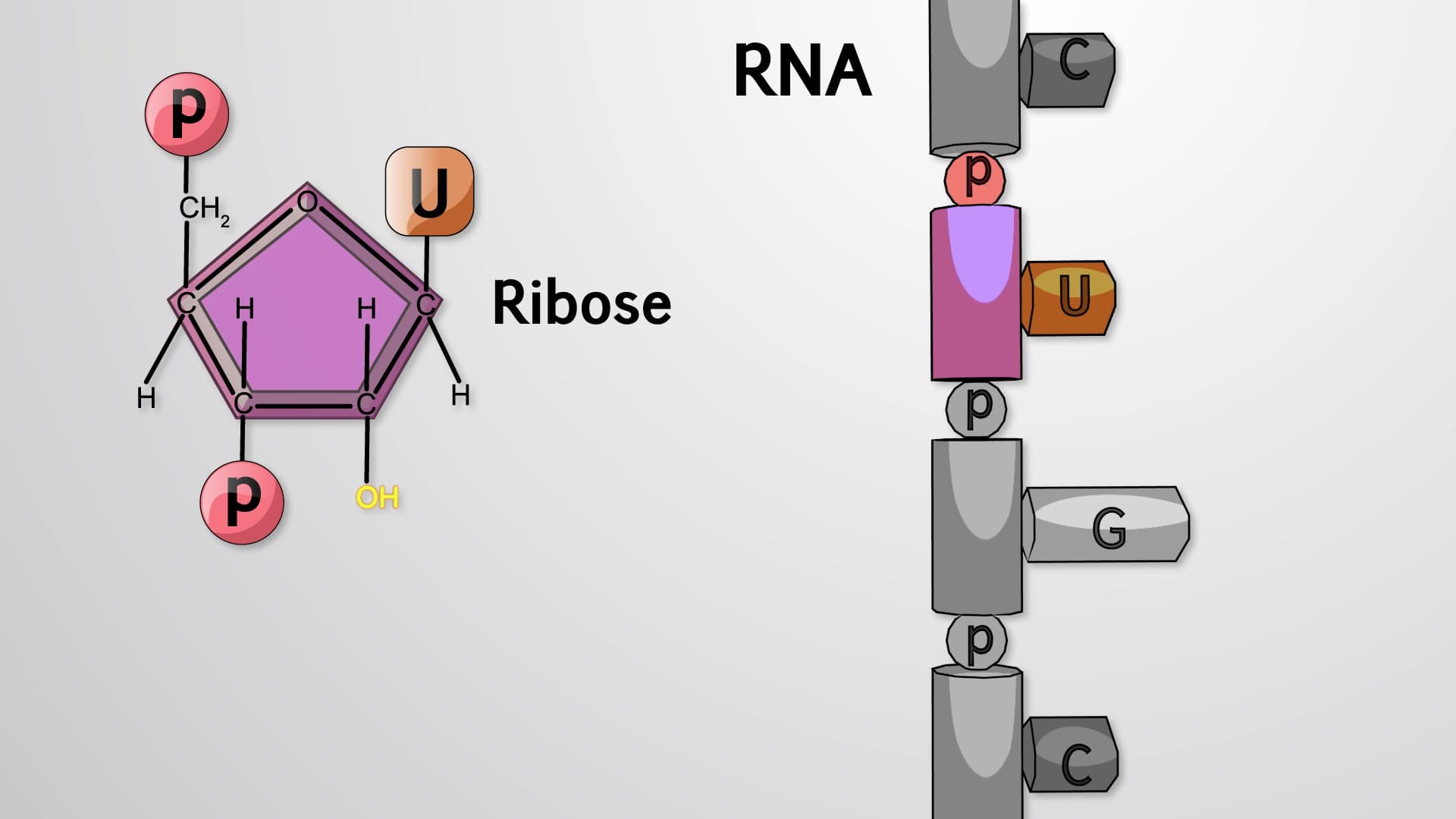
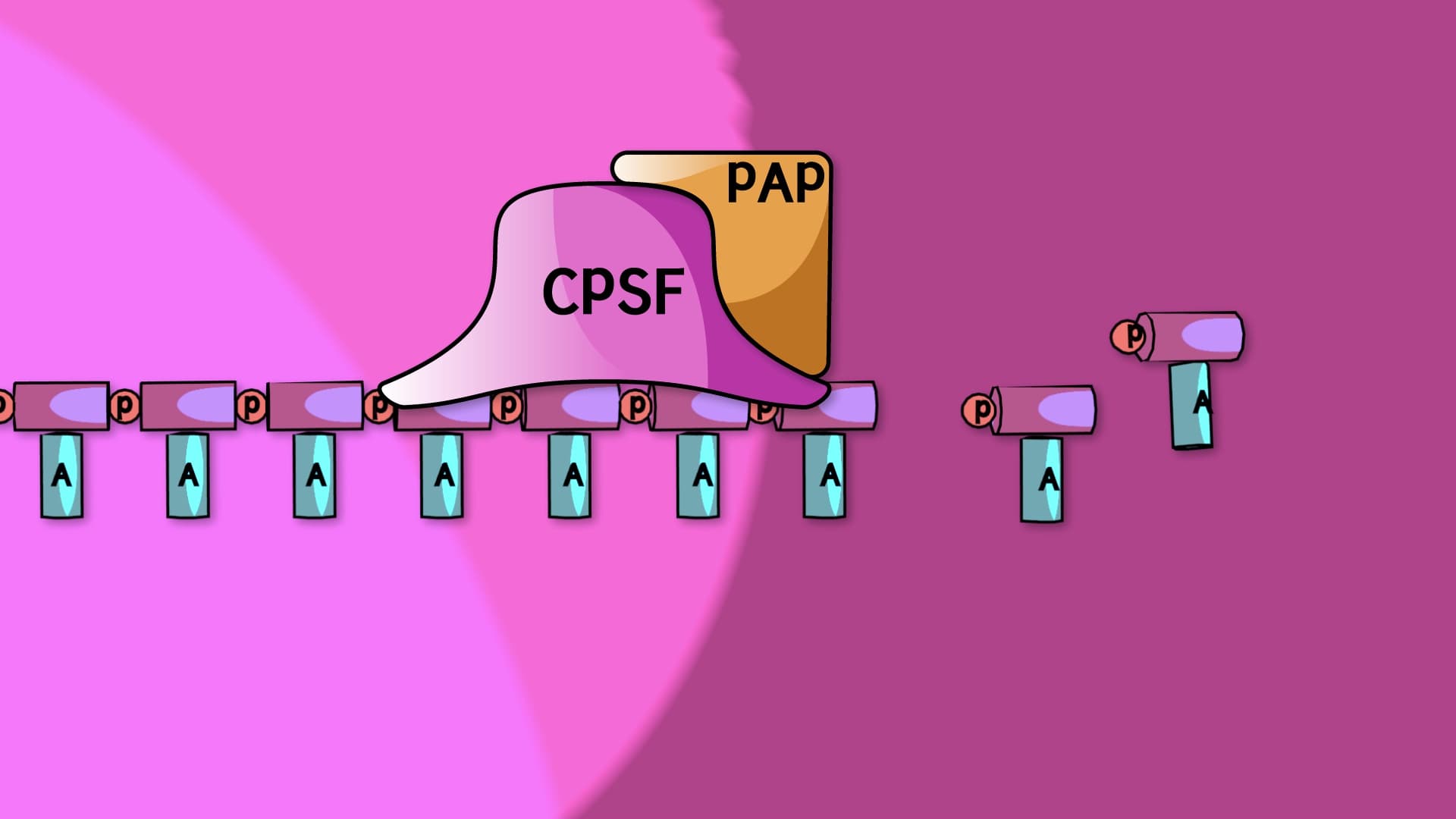
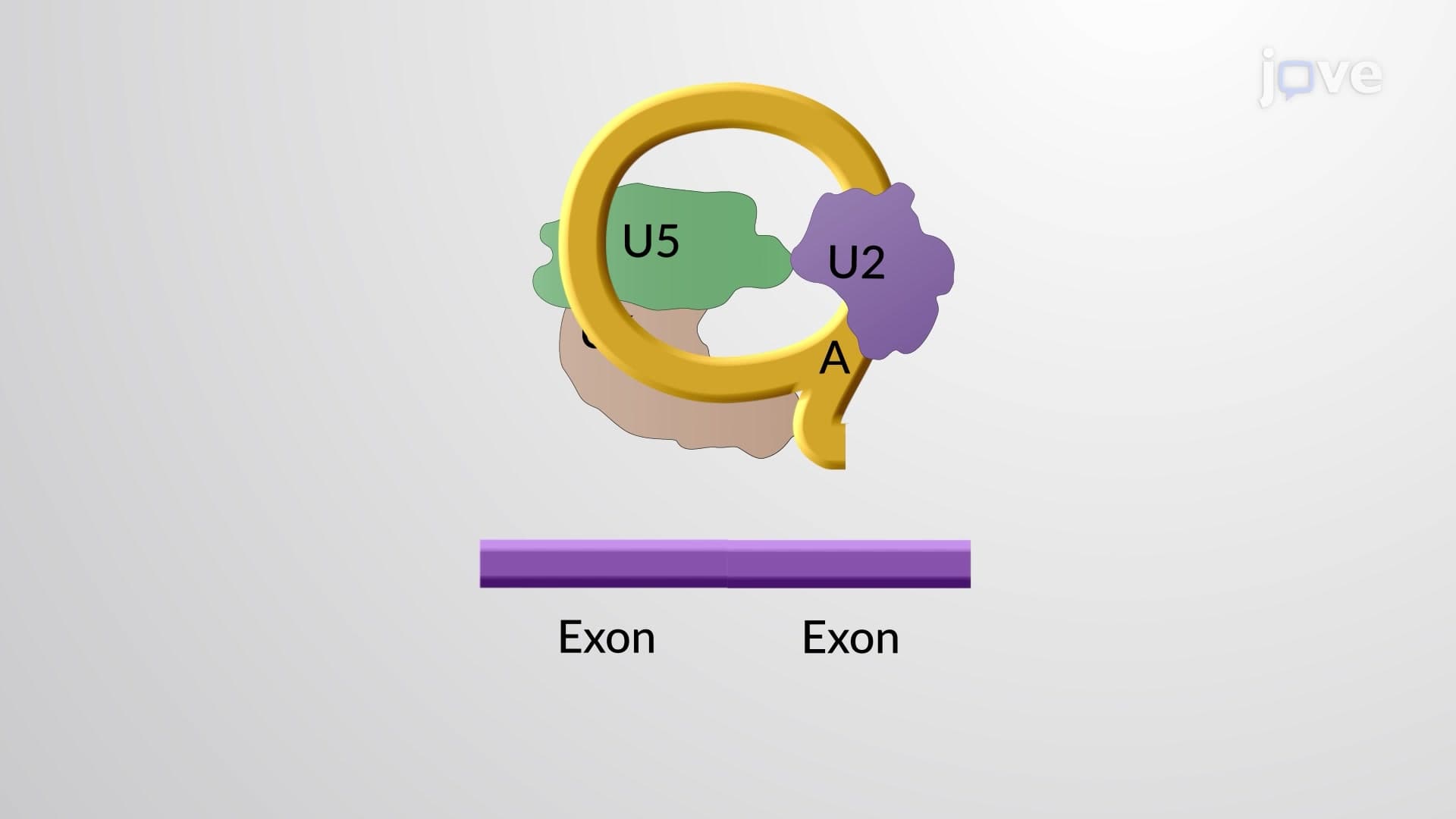
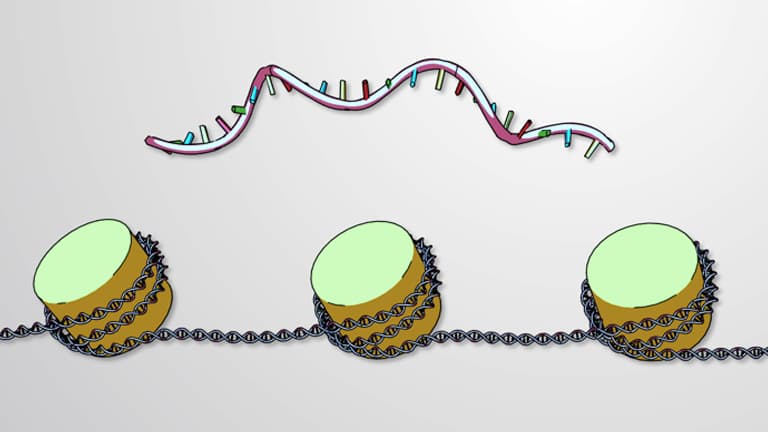
Messenger RNA serves as the mobile genetic messenger, carrying protein-coding instructions from nuclear DNA to cytoplasmic ribosomes. During transcription, RNA polymerase II creates mRNA by reading DNA template strands, substituting uracil for thymine in the complementary sequence. RNA types and functions biology demonstrates how mRNA undergoes extensive processing in eukaryotic cells, including 5' capping, 3' polyadenylation, and intron splicing before translation begins.
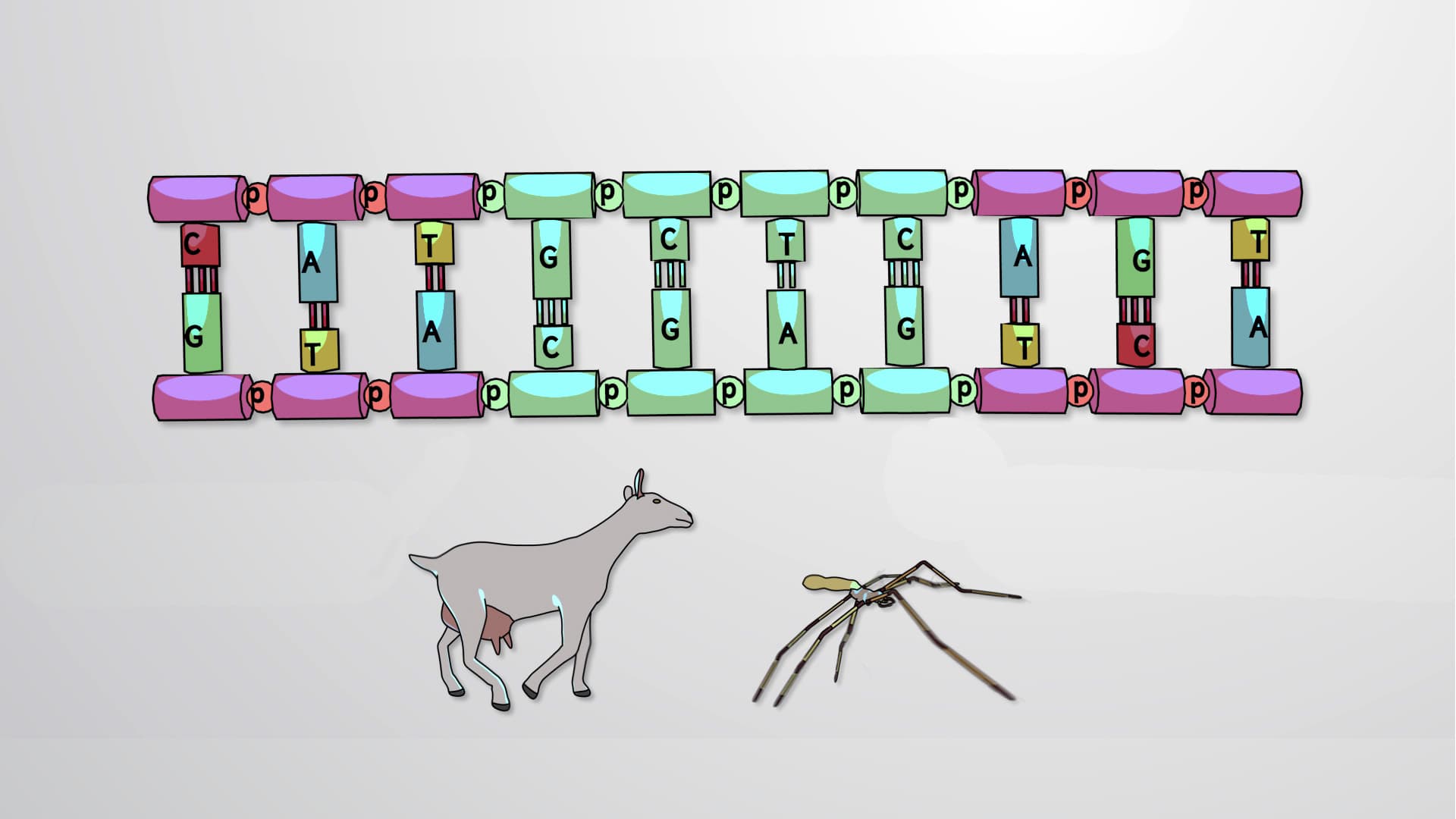
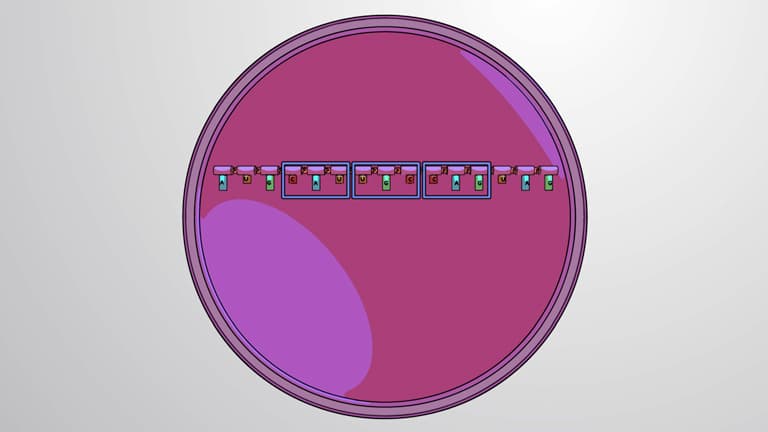
The triplet genetic code within mRNA determines amino acid sequences through codons-three-nucleotide combinations that specify individual amino acids. Start codons (AUG) initiate translation, while stop codons (UAG, UAA, UGA) terminate protein synthesis. This coding system is universal across species, explaining why insulin produced by genetically modified bacteria can treat human diabetes patients at medical centers like Mayo Clinic.
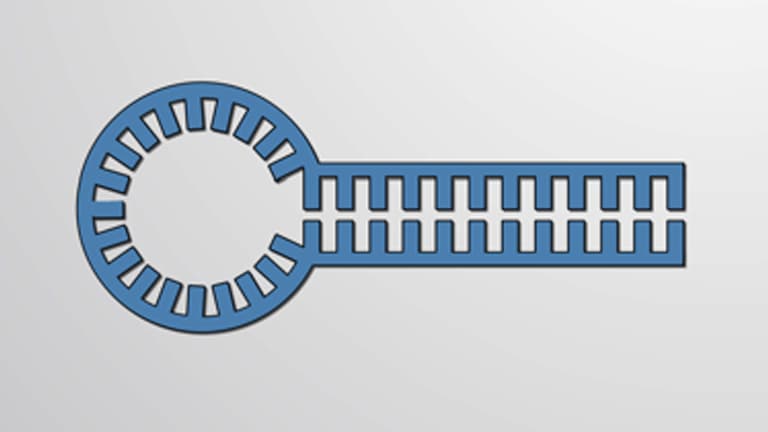
Transfer RNA molecules function as molecular adapters, connecting mRNA codons with their corresponding amino acids. Each tRNA contains an anticodon loop that base-pairs with specific mRNA codons and an amino acid attachment site where aminoacyl-tRNA synthetases load the correct amino acid. What are the different types of RNA becomes apparent when examining tRNA's unique cloverleaf secondary structure, which folds into an L-shaped tertiary structure essential for ribosomal binding.
Human cells contain approximately 400 different tRNA molecules, with multiple tRNAs often recognizing the same amino acid due to wobble base pairing at the third codon position. This redundancy provides evolutionary advantages and explains why some DNA mutations don't alter protein sequences.
Ribosomal RNA forms the structural and catalytic core of ribosomes, the protein synthesis factories. RNA function biology research has revealed that rRNA, not ribosomal proteins, catalyzes peptide bond formation through its peptidyl transferase activity. The 16S rRNA in prokaryotes and 18S rRNA in eukaryotes facilitate mRNA binding and translation accuracy.
Students preparing for AP Biology or MCAT exams should understand that ribosomes contain multiple rRNA species: 28S, 18S, 5.8S, and 5S in eukaryotic 80S ribosomes. These components assemble into large (60S) and small (40S) subunits that coordinate translation initiation, elongation, and termination phases.
Related Micro-courses