Loading subject page…

- Biology
- Gene Expression
- The Central Dogma
Micro-course: Gene Expression
824,101 views
Learn key concepts and earn your certificate.

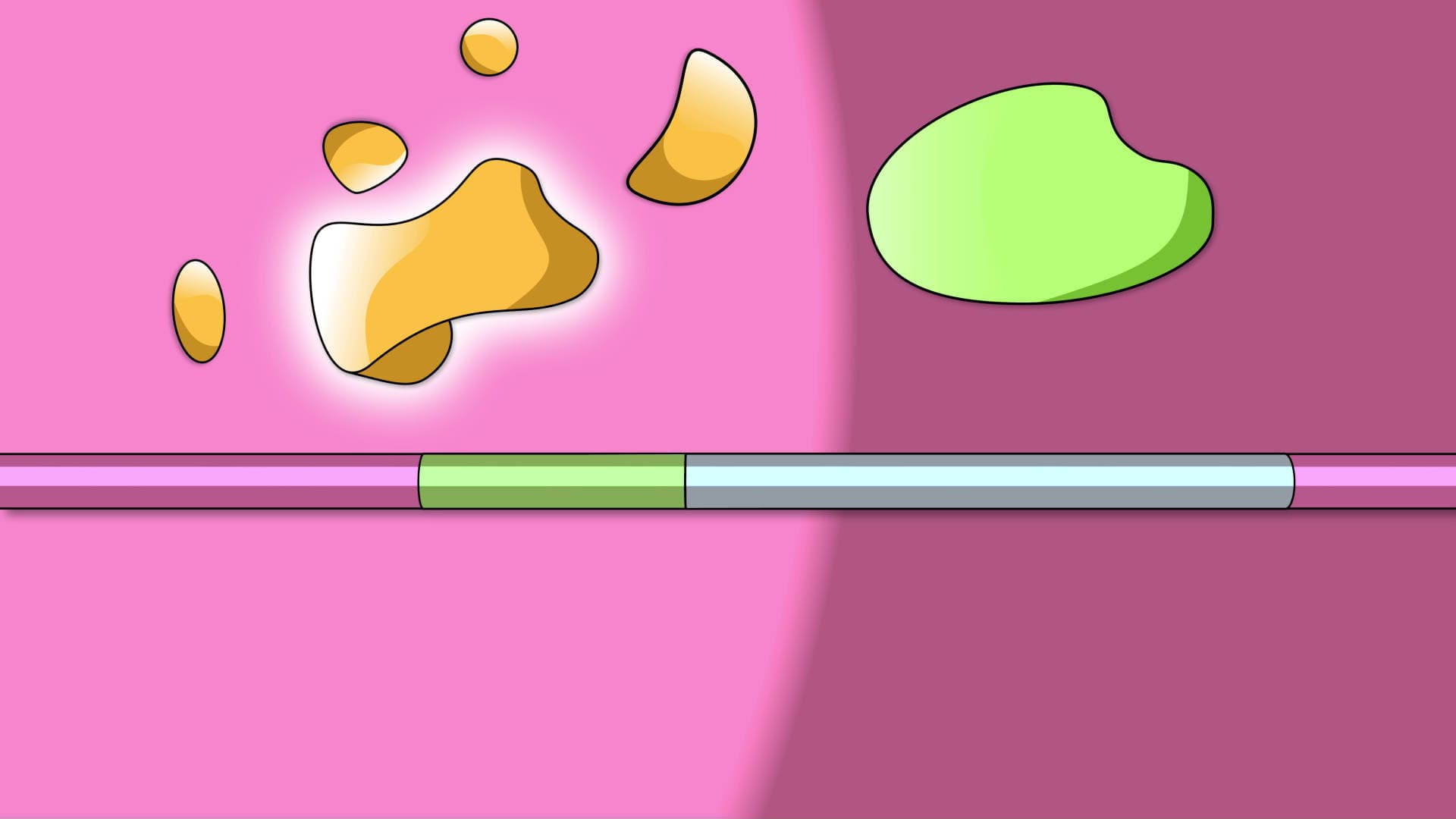
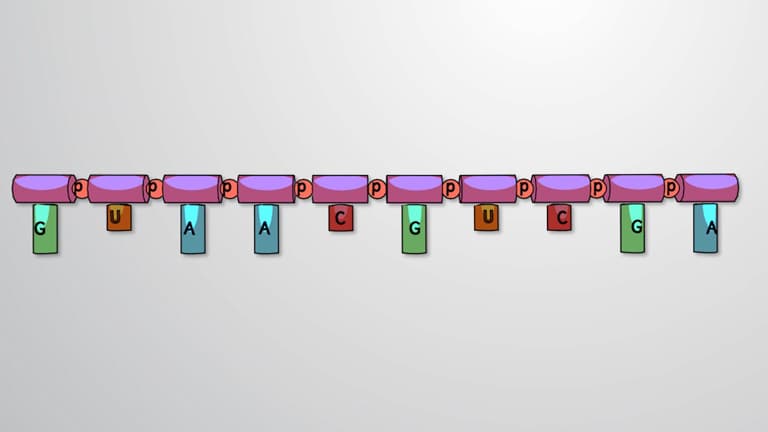
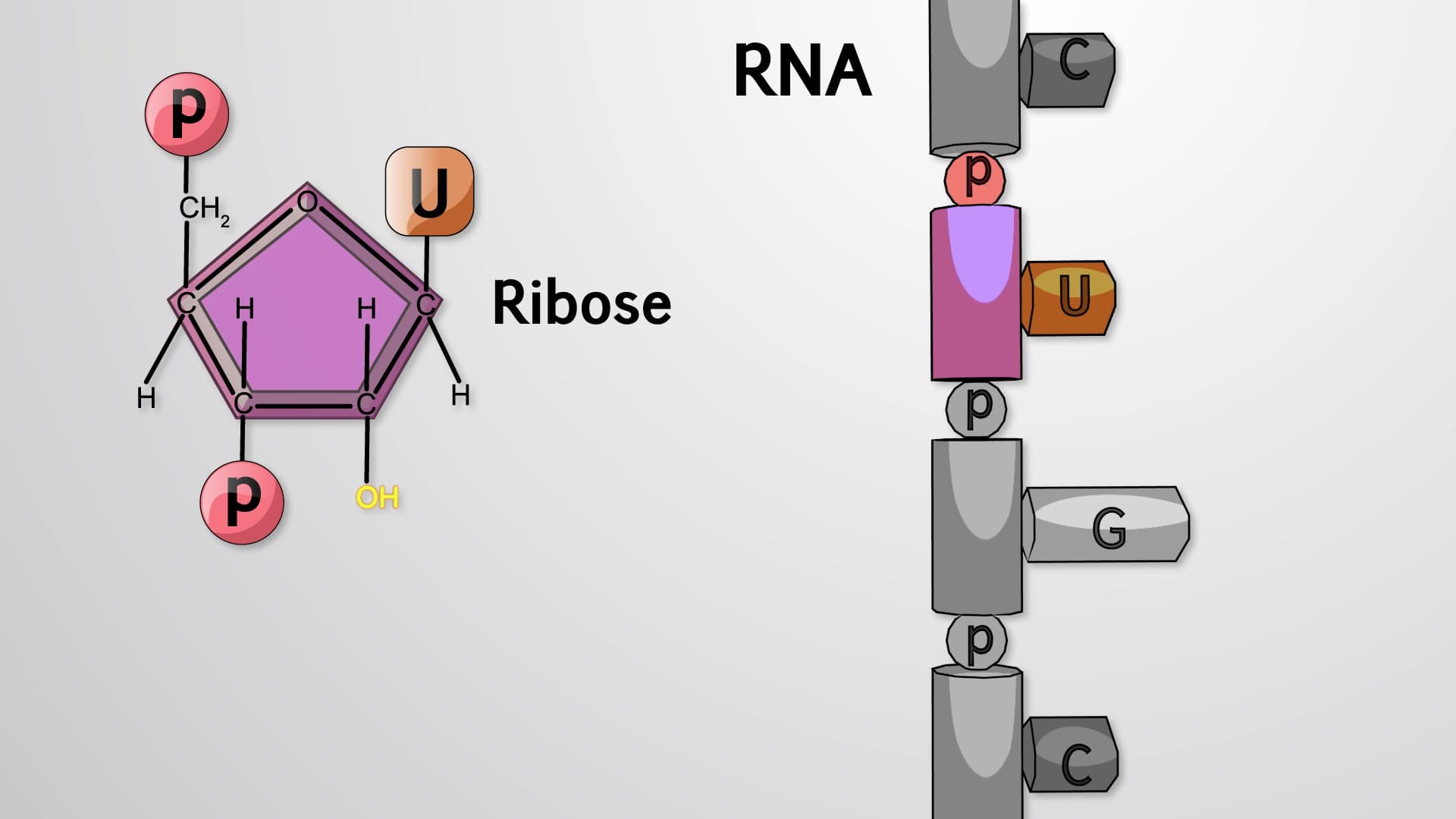
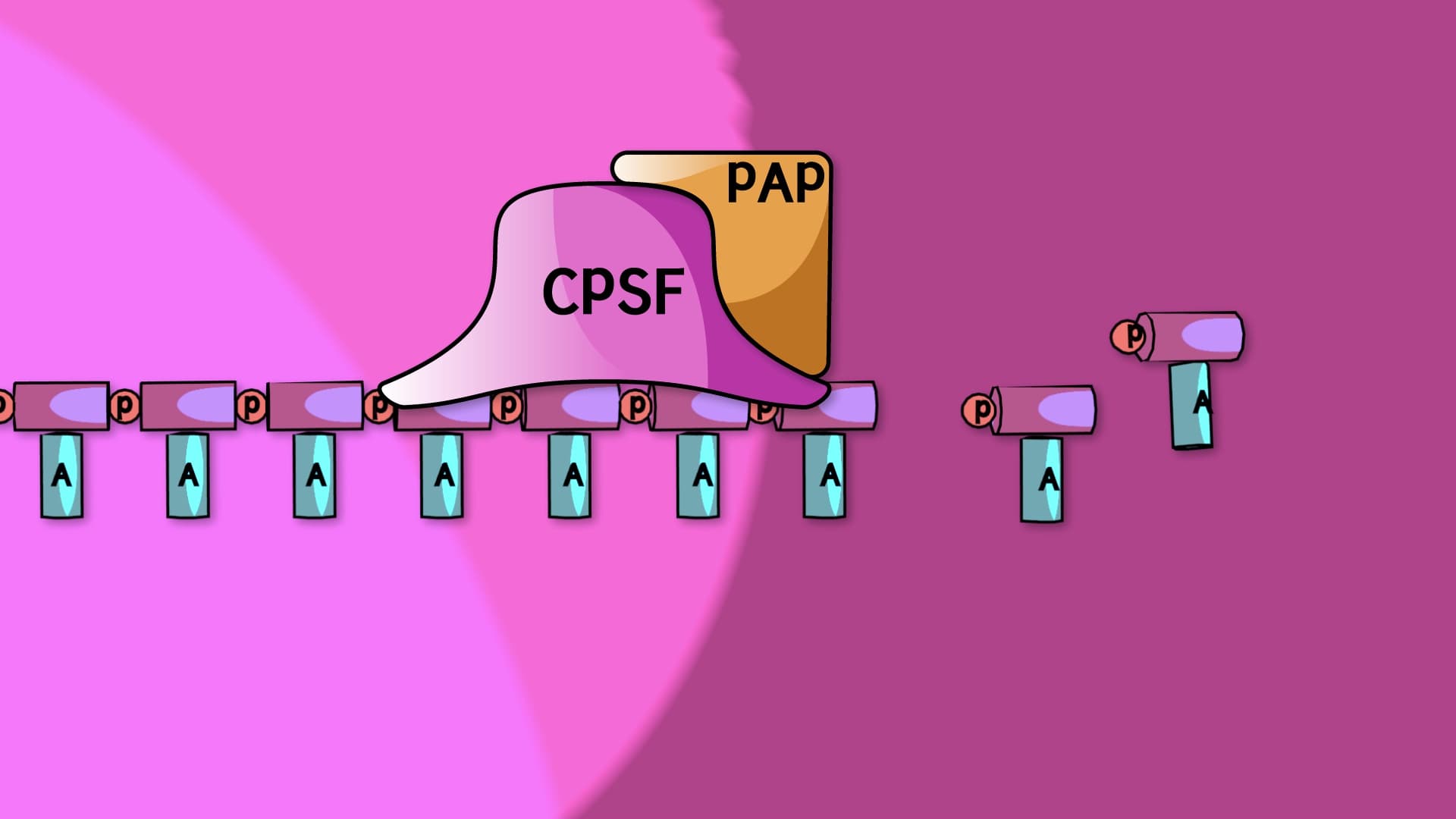
The Central Dogma

00:00
01:25
Video Summary: What Is the Central Dogma
Ever wonder how your eye color gets determined from DNA instructions? The central dogma biology explained reveals the fundamental pathway where genetic information flows from DNA to RNA to proteins in every cell. This three-step process-transcription, translation, and protein synthesis-operates in organisms from bacteria to humans, including the genetic disorders studied at institutions like Johns Hopkins University. What is The Central Dogma represents the core principle governing all life on Earth. Watch the full video on JoVE Coach to master this concept with expert-led visuals and step-by-step explanations.
- Understand What is The Central Dogma and its role as the foundational principle of molecular biology governing genetic information flow
- Identify the three key processes: DNA replication, transcription of DNA to RNA, and translation of RNA to proteins
- Analyze how messenger RNA (mRNA) serves as the intermediary molecule carrying genetic instructions from nucleus to ribosome
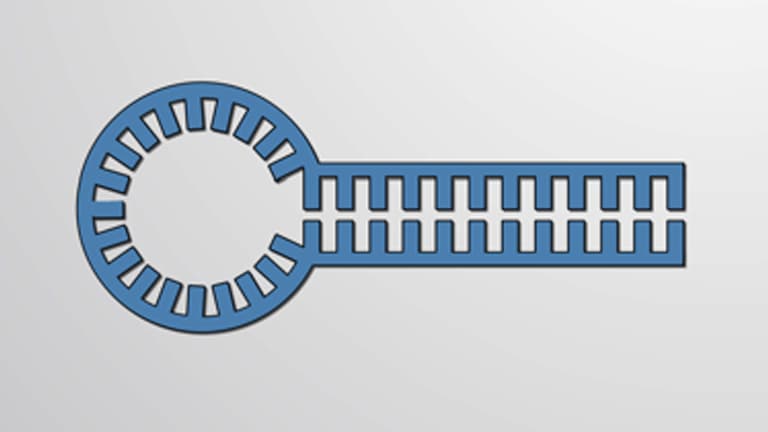
- Compare the structural differences between DNA and RNA, including the substitution of uracil for thymine
- Evaluate the role of transfer RNA (tRNA) in translating genetic codons into specific amino acid sequences
- Apply codon-anticodon pairing principles to predict protein synthesis outcomes
- Recognize how polypeptides undergo post-translational modifications to become functional proteins
- Explore exceptions to the central dogma, including reverse transcription in retroviruses
Understanding What is The Central Dogma: The Foundation of Life
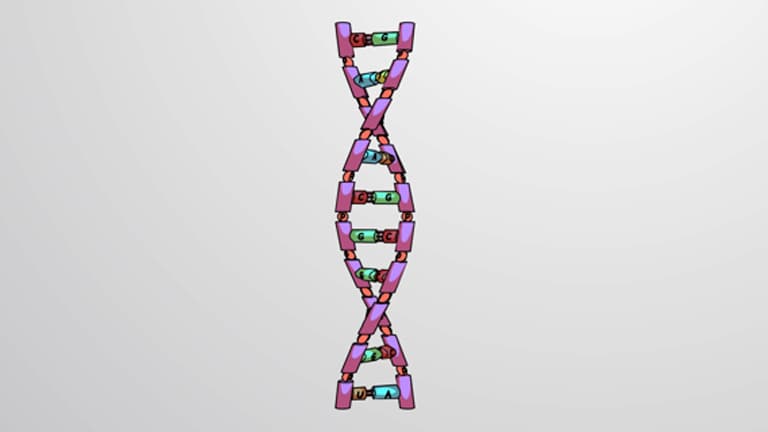
The central dogma molecular biology describes the unidirectional flow of genetic information: DNA → RNA → Protein. This principle, first articulated by Francis Crick in 1958, explains how cells convert genetic blueprints into functional molecules that drive all biological processes.
DNA to RNA: Transcription Process
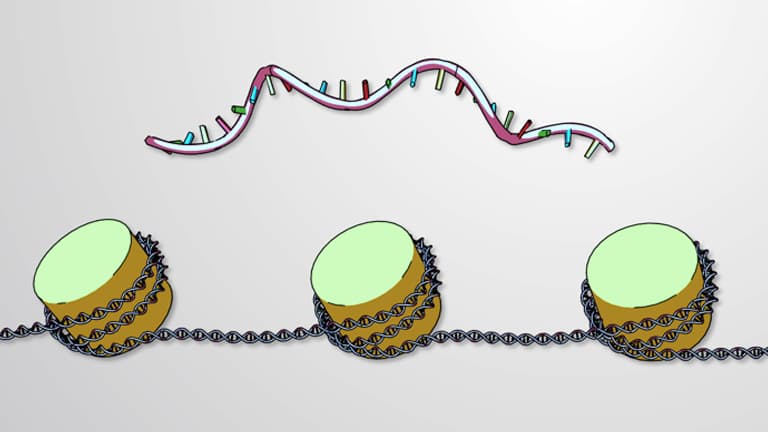
During transcription, DNA serves as a template for RNA synthesis. In eukaryotic cells, this occurs in the nucleus where RNA polymerase II reads the DNA template strand (3' to 5') and synthesizes a complementary mRNA strand (5' to 3'). The key difference lies in RNA's use of uracil instead of thymine. For example, a DNA sequence ATCG becomes UAGC in mRNA. This process is crucial for AP Biology students, as transcription questions frequently appear on College Board exams.
RNA to Protein: Translation Mechanism
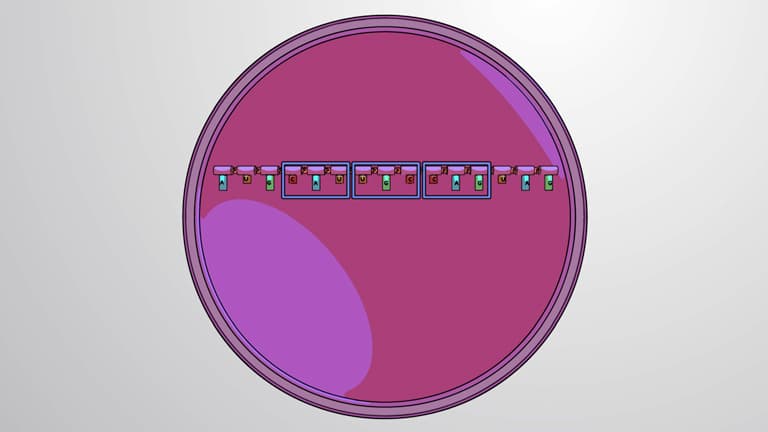
Translation occurs at ribosomes, where the genetic information flow continues. The mRNA's codons (three-nucleotide sequences) pair with complementary anticodons on tRNA molecules. Each tRNA carries a specific amino acid-CCA pairs with proline-tRNA, while AGC pairs with serine-tRNA. This genetic code is universal, meaning the same codons specify identical amino acids across species, from E. coli bacteria studied at Stanford to human cells analyzed at the NIH.
Clinical and Research Applications
The central dogma definition extends beyond textbooks into real-world medicine. At institutions like the Mayo Clinic, understanding this process helps diagnose genetic disorders. Sickle cell anemia results from a single DNA base change (GAG to GTG) that alters mRNA (GAG to GUG) and produces valine instead of glutamic acid in hemoglobin. MCAT students must master these connections between molecular changes and clinical phenotypes.
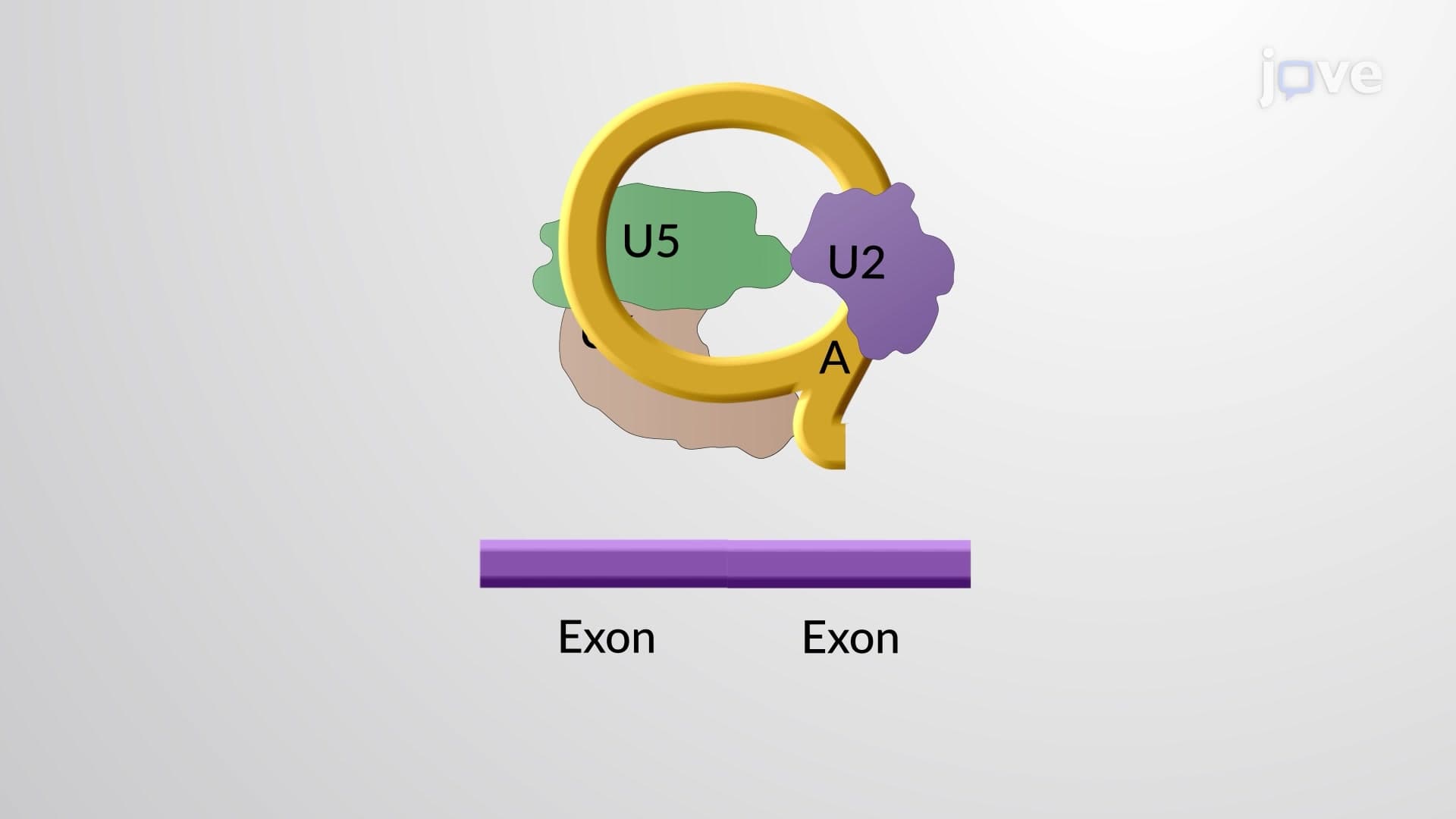
Modern research at universities like MIT explores exceptions to the central dogma, including reverse transcription in HIV and other retroviruses, where RNA templates produce DNA. This knowledge proves essential for developing antiviral therapies and understanding cancer biology.
Frequently Asked Questions
The central dogma describes how genetic information flows in one direction: DNA makes RNA, which makes proteins. This fundamental principle explains how your genes create the proteins that determine your traits, from eye color to enzyme function.
AP Biology frequently tests transcription and translation processes, codon charts, and mutations affecting protein synthesis. Students should expect free-response questions connecting DNA sequences to protein changes and their phenotypic effects.
The MCAT emphasizes transcription regulation, post-translational modifications, and exceptions like reverse transcription. Practice identifying how genetic mutations affect protein function and disease mechanisms.
Medical students apply central dogma principles to understand genetic diseases, pharmacology, and diagnostic techniques. USMLE Step 1 tests knowledge of how genetic variations cause conditions like cystic fibrosis and Huntington's disease.
Insulin production demonstrates the central dogma perfectly. Pancreatic beta cells transcribe the insulin gene to mRNA, translate it to proinsulin protein, then process it to active insulin that regulates blood glucose levels.
Not at all! Start with the basic DNA→RNA→Protein flow, then add details gradually. Many successful pre-med students at universities like UCLA first learned these concepts in high school biology.
Create flowcharts showing each step, practice with codon tables, and work through specific examples like hemoglobin synthesis. Focus on understanding the process rather than rote memorization.
Explore gene regulation, epigenetics, and biotechnology applications like CRISPR gene editing. These topics build directly on central dogma principles and appear in advanced college courses.
Yes, retroviruses like HIV use reverse transcriptase to make DNA from RNA templates. Prions represent another exception, where proteins can replicate without nucleic acids, challenging traditional molecular biology principles.
Related Micro-courses