Loading…
Loading video…

824,101 views
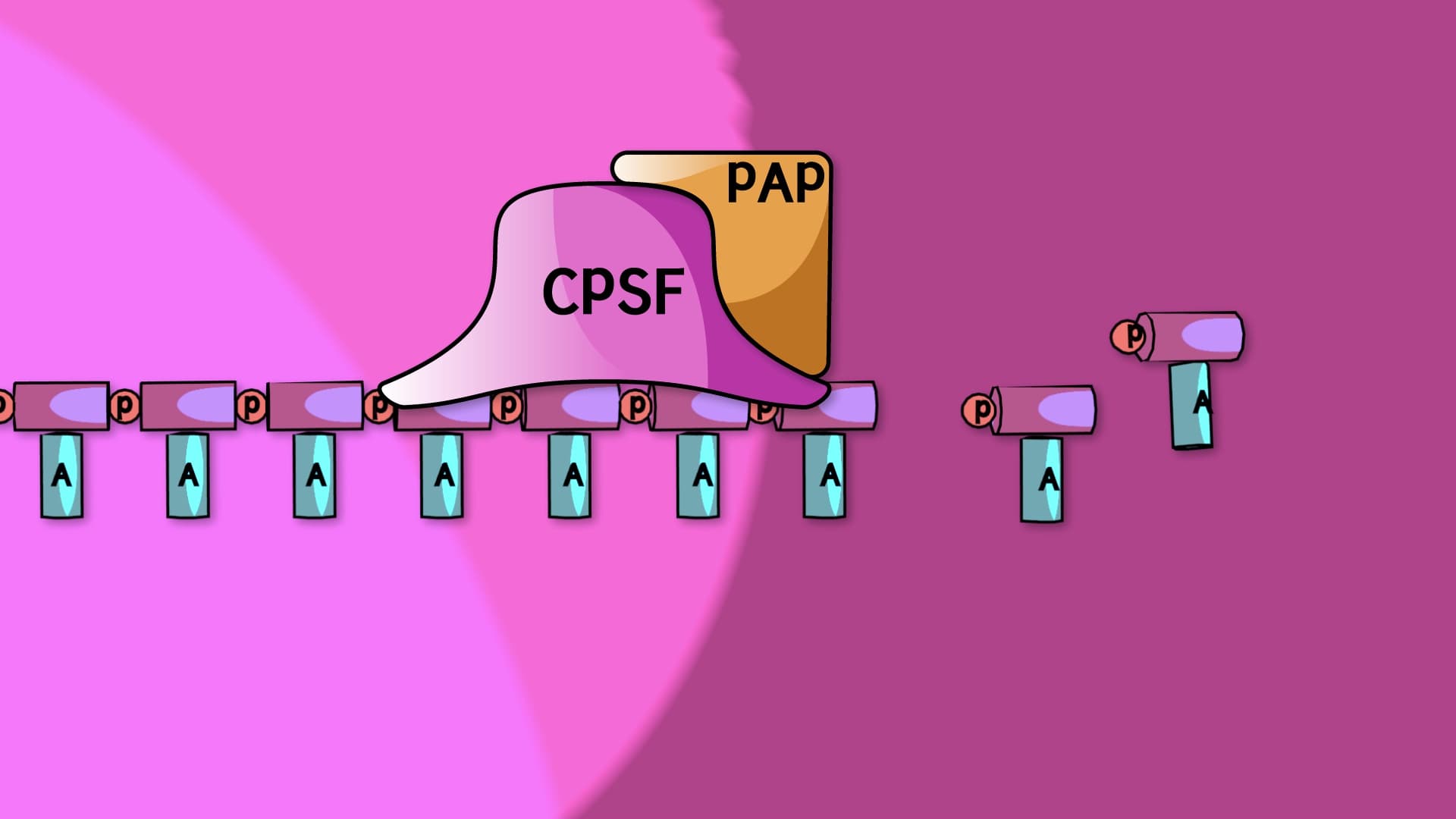
Ever wonder how your cells prevent genetic chaos when making proteins? Pre mRNA processing acts as a sophisticated quality control system, transforming raw genetic transcripts into functional messengers through three critical modifications. Just like how the FDA requires specific labeling and safety checks before medications reach patients, eukaryotic cells must process pre-mRNA through capping, polyadenylation, and splicing before translation can begin. Watch the full video on JoVE Coach to master this concept with expert-led visuals and step-by-step explanations.
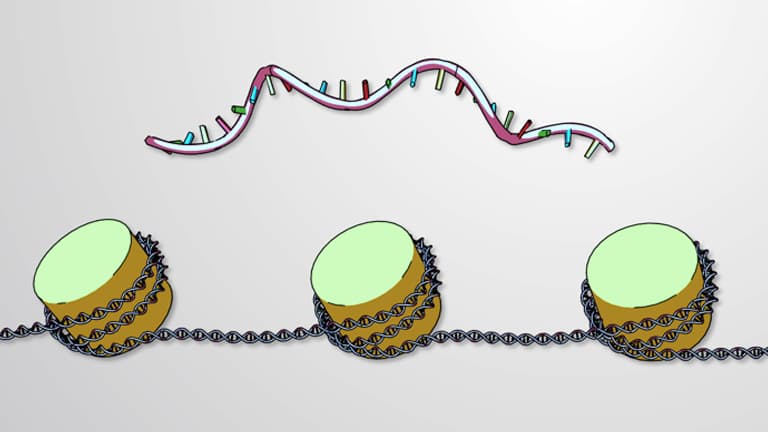
Pre mRNA processing represents one of the most sophisticated quality control mechanisms in molecular biology. When RNA polymerase II transcribes a gene in eukaryotic cells, the initial product—called precursor mRNA or pre-mRNA—is essentially a rough draft that requires extensive editing before becoming a functional protein-coding message. This processing occurs in the nucleus and involves three coordinated modifications that transform the raw transcript into mature mRNA ready for translation.
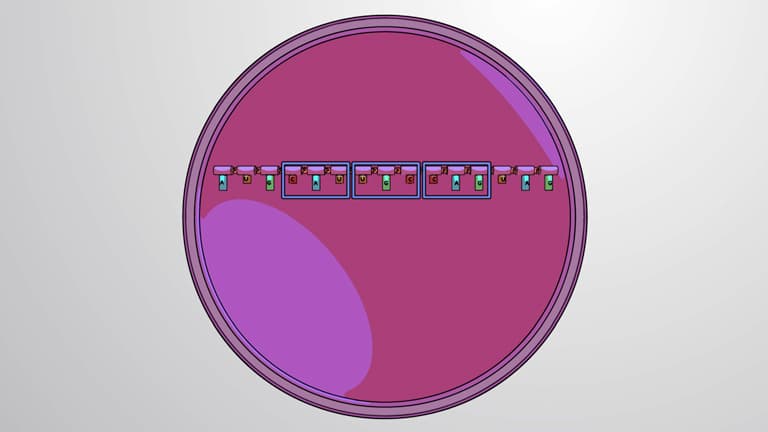
The first modification involves adding a 7-methylguanosine cap to the 5' end of the pre-mRNA transcript. This cap forms through an unusual 5'-5' triphosphate linkage, creating a distinctive structure that serves multiple critical functions. The cap protects the mRNA from 5' exonuclease degradation, which would otherwise rapidly destroy the transcript. Additionally, the cap serves as a recognition signal for cap-binding proteins and eukaryotic initiation factors that guide the mRNA to ribosomes during translation initiation. Students preparing for the MCAT often encounter questions about cap structure and function, particularly regarding how cap-binding complex formation facilitates ribosome recruitment.
The 3' end modification involves recognizing a polyadenylation signal sequence (typically AAUAAA in mammals) located 10-30 nucleotides upstream of the cleavage site. This sequence recruits cleavage and polyadenylation specificity factor (CPSF), which directs endonuclease cleavage of the pre-mRNA. Following cleavage, poly(A) polymerase adds approximately 200-250 adenine residues to form the poly-A tail. This tail enhances mRNA stability by protecting against 3' exonuclease activity and facilitates nuclear export through interactions with poly(A)-binding proteins. In clinical contexts, mutations affecting polyadenylation signals can cause diseases like thalassemia, where defective processing leads to reduced globin protein production.
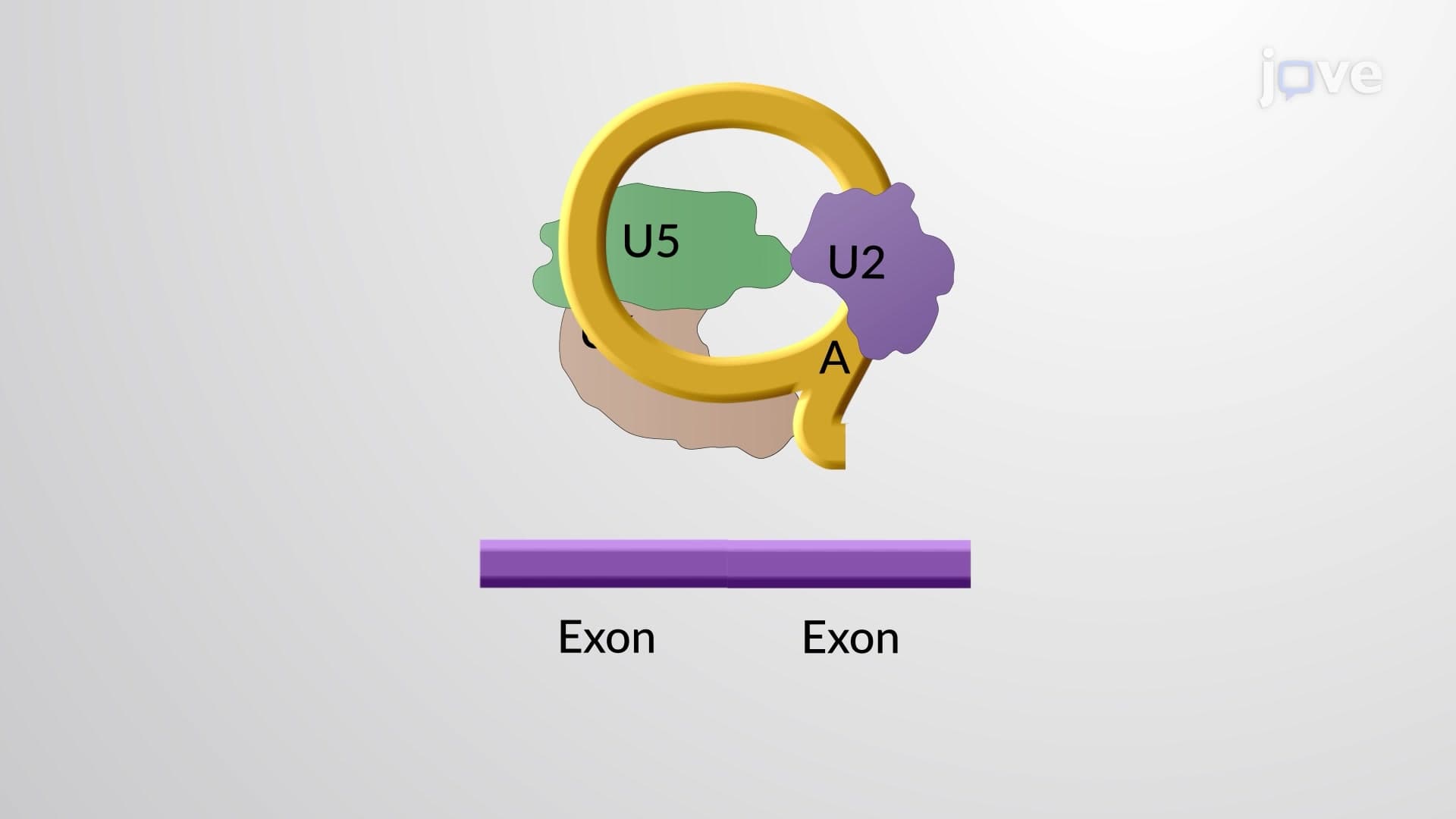
The most complex processing step involves spliceosome-mediated intron removal and exon joining. The spliceosome, a dynamic ribonucleoprotein complex composed of U1, U2, U4, U5, and U6 small nuclear RNPs (snRNPs), recognizes conserved splice sites at intron boundaries. The process occurs through two transesterification reactions that precisely remove introns while joining exons in the correct order. Alternative splicing allows a single gene to produce multiple protein isoforms, dramatically expanding the proteome. For example, the DSCAM gene in humans can theoretically produce over 38,000 different protein variants through alternative splicing. AP Biology students frequently encounter questions about splicing mechanisms and how alternative splicing contributes to protein diversity in complex organisms.
Frequently Asked Questions
Pre mRNA processing is the series of modifications that transform newly transcribed pre-mRNA into mature, functional mRNA in eukaryotic cells. It's essential because raw transcripts lack the structural features needed for stability, nuclear export, and efficient translation. The three main steps—5' capping, 3' polyadenylation, and splicing—ensure that only properly processed mRNAs reach the cytoplasm for protein synthesis.
MCAT questions often test understanding of processing mechanisms, particularly spliceosome function and alternative splicing's role in genetic diseases. AP Biology emphasizes the relationship between processing steps and gene expression regulation. Common question types include interpreting mutations in splice sites, predicting effects of defective capping enzymes, and analyzing how processing contributes to protein diversity through alternative splicing patterns.
Defective processing causes numerous genetic disorders, including beta-thalassemia from faulty globin gene splicing and spinal muscular atrophy from SMN gene processing defects. Cancer cells often show aberrant splicing patterns that produce oncogenic protein variants. Understanding these connections helps explain why many therapeutic strategies target splicing machinery, such as antisense oligonucleotides designed to correct aberrant splicing in Duchenne muscular dystrophy patients.
Not at all—while the molecular details are intricate, the core concepts build logically on basic transcription knowledge. Focus first on understanding why each processing step is necessary (protection, export, translation), then learn the mechanisms. Visual aids showing step-by-step processing help tremendously. Many students find it helpful to think of processing as "editing" a rough manuscript before publication.
Create concept maps linking each processing step to its function and clinical relevance. Practice drawing the structures of caps and poly-A tails, and trace through spliceosome assembly steps. Focus on understanding cause-and-effect relationships: how specific sequence motifs recruit processing factors, and how processing defects lead to disease. Use practice problems that require applying processing knowledge to novel scenarios rather than just memorizing mechanisms.
This topic provides essential foundation for understanding gene regulation, RNA biology, and therapeutic development. Advanced courses explore topics like nonsense-mediated decay, microRNA processing, and RNA-based therapeutics—all building on basic processing principles. Students also encounter processing concepts in genetics courses when studying inheritance patterns of splicing mutations and in biochemistry when learning about ribozyme catalysis in spliceosomes.
Prokaryotic mRNAs are typically translated while still being transcribed, and they lack introns requiring removal. The simpler cellular organization means transcription and translation occur in the same compartment, eliminating the need for nuclear export signals like poly-A tails. However, prokaryotic mRNAs do undergo some processing, including ribosomal RNA modifications and transfer RNA maturation, though these differ significantly from eukaryotic pre-mRNA processing mechanisms.
Alternative splicing allows inclusion or exclusion of specific exons, creating multiple mRNA isoforms from a single gene. This mechanism enables humans to produce over 100,000 different proteins from approximately 20,000 genes. Tissue-specific splicing factors regulate which exons are included, allowing the same gene to produce different protein variants in different cell types, such as muscle-specific versus brain-specific isoforms of the same protein.
Related Micro-courses
Related Subjects