Loading subject page…


824,118 views


Video Summary: What Is Transcription Factors
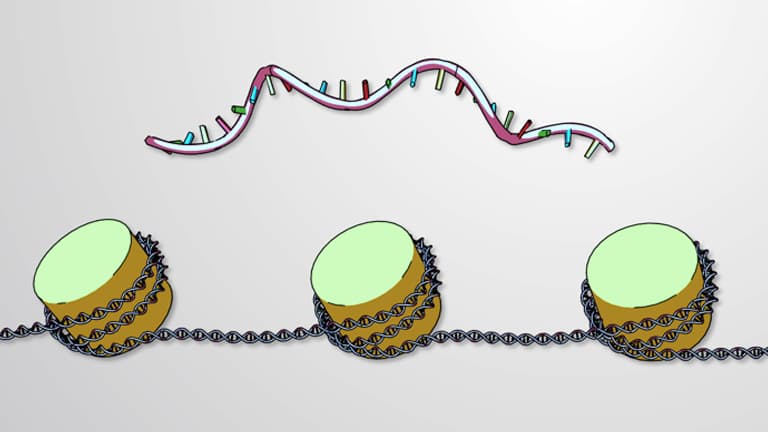
How do cells know when to become skin versus brain tissue? Transcription factors are specialized proteins that act like molecular switches, controlling which genes get turned on or off in your cells. These regulatory proteins determine everything from early embryonic development to how your immune system responds to infections like COVID-19. Over 1,500 different transcription factors orchestrate gene expression in humans, making them essential for life itself. Watch the full video on JoVE Coach to master this concept with expert-led visuals and step-by-step explanations.
Transcription factors represent one of the most critical regulatory systems in molecular biology, serving as the primary controllers of gene expression in eukaryotic cells. These specialized proteins function as molecular switches, determining when, where, and how much of each gene product gets made. Understanding transcription factors is essential for AP Biology, college biochemistry courses, and pre-med preparation for the MCAT.
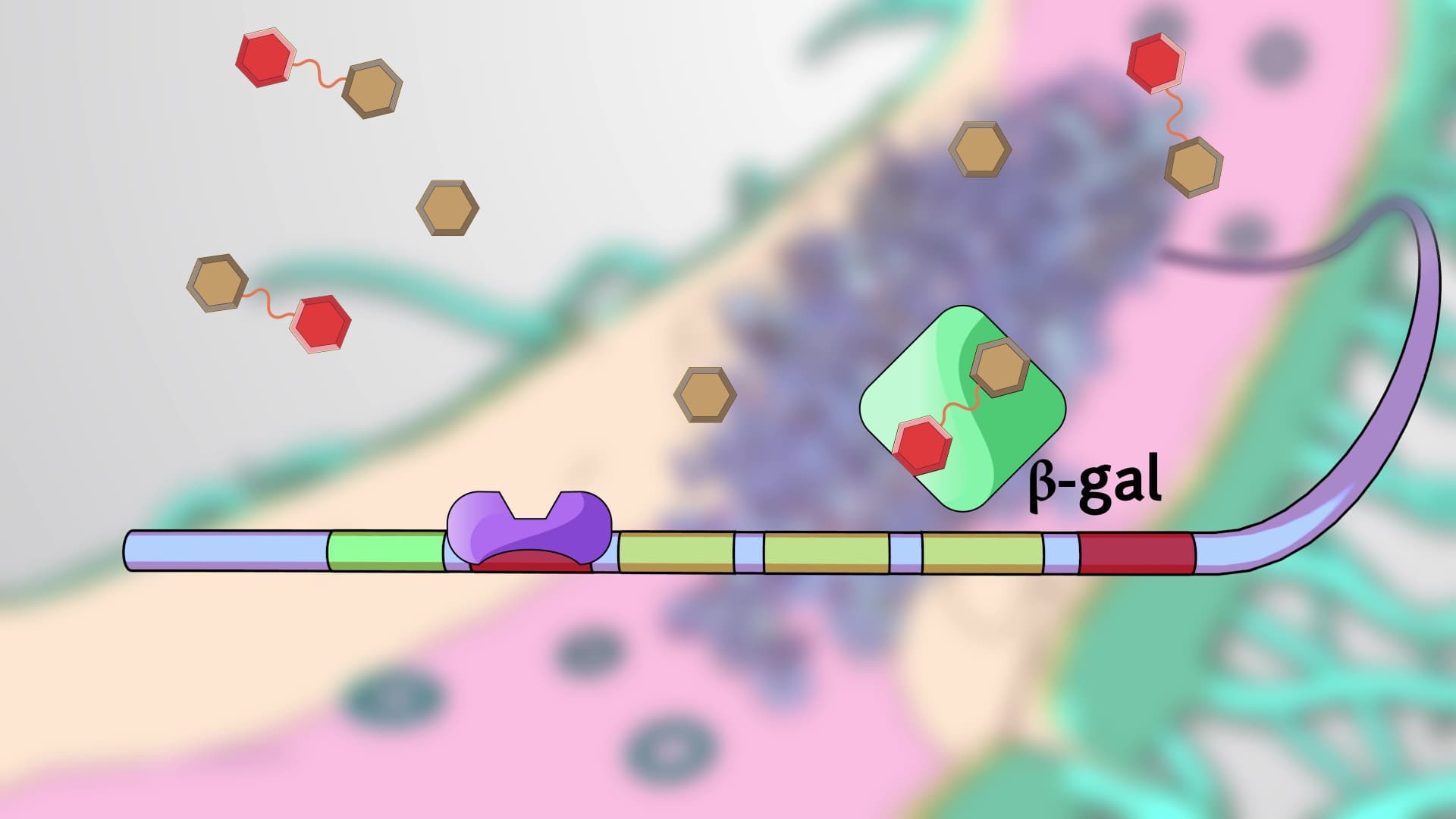
The transcription factor family divides into two main categories with vastly different functions. General transcription factors like TFIID, TFIIA, and TFIIB are essential housekeeping proteins required for basic transcription initiation at virtually all protein-coding genes. TFIID specifically recognizes and binds to the TATA box sequence (typically TATAAA) located about 25 base pairs upstream of the transcription start site. This binding event nucleates assembly of the pre-initiation complex, recruiting RNA polymerase II and other essential machinery.
Specific transcription factors, in contrast, provide the regulatory control that makes complex multicellular life possible. These proteins bind to enhancer sequences that can be located thousands of base pairs away from their target genes-sometimes even on different chromosomes. Through a sophisticated process called DNA looping, these distant regulatory elements physically interact with promoter regions via mediator protein complexes.
Specific transcription factors fall into two functional categories based on their effects on transcription rates. Activators increase gene expression by recruiting additional transcriptional machinery, modifying chromatin structure, or stabilizing the pre-initiation complex. The tumor suppressor protein p53, often called "guardian of the genome," exemplifies a critical activator that responds to DNA damage by turning on genes involved in cell cycle arrest and DNA repair.
Repressors decrease or block transcription through various mechanisms, including competing with activators for DNA binding sites, recruiting chromatin-modifying enzymes that compact DNA, or directly interfering with RNA polymerase function. Understanding this balance between activation and repression is crucial for MCAT success and forms the foundation for advanced topics in molecular medicine.
Transcription factor research drives cutting-edge medical advances across major US research institutions. At Stanford University Medical Center, researchers study how transcription factor mutations contribute to cancer development, while teams at Johns Hopkins focus on transcription factors involved in neurological disorders. The FDA has approved several drugs that target transcription factor pathways, including treatments for certain leukemias that involve disrupted transcription factor function.
For students preparing for standardized exams, transcription factors frequently appear in AP Biology free-response questions about gene regulation and developmental biology. College-level courses often test understanding of transcription factor mechanisms through experimental design problems and data interpretation exercises.
Related Micro-courses