- Biology
- Immune System
Micro-courses:36

Immune System
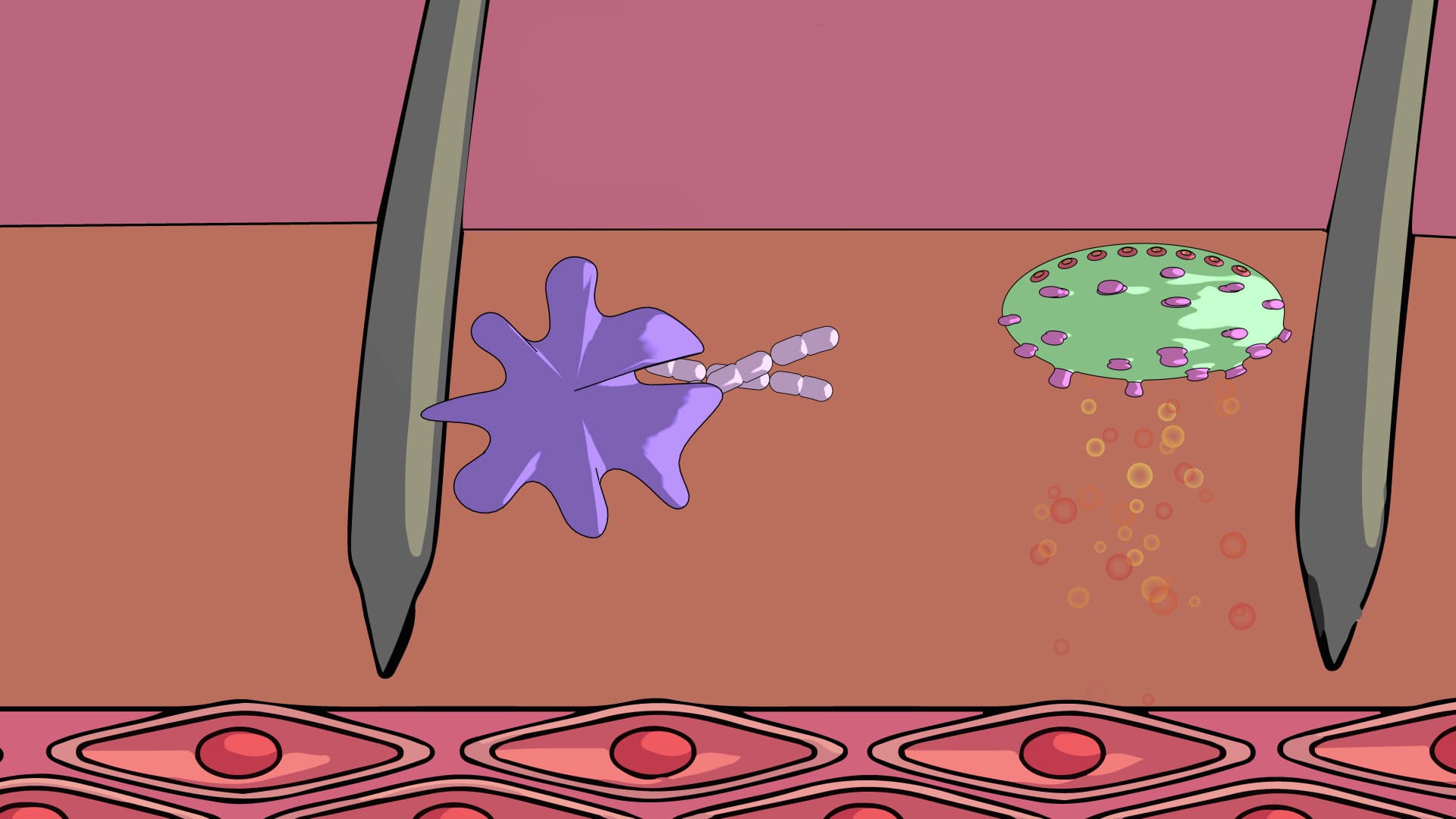
1. What is the Immune System?

2. Cell-mediated Immune Responses
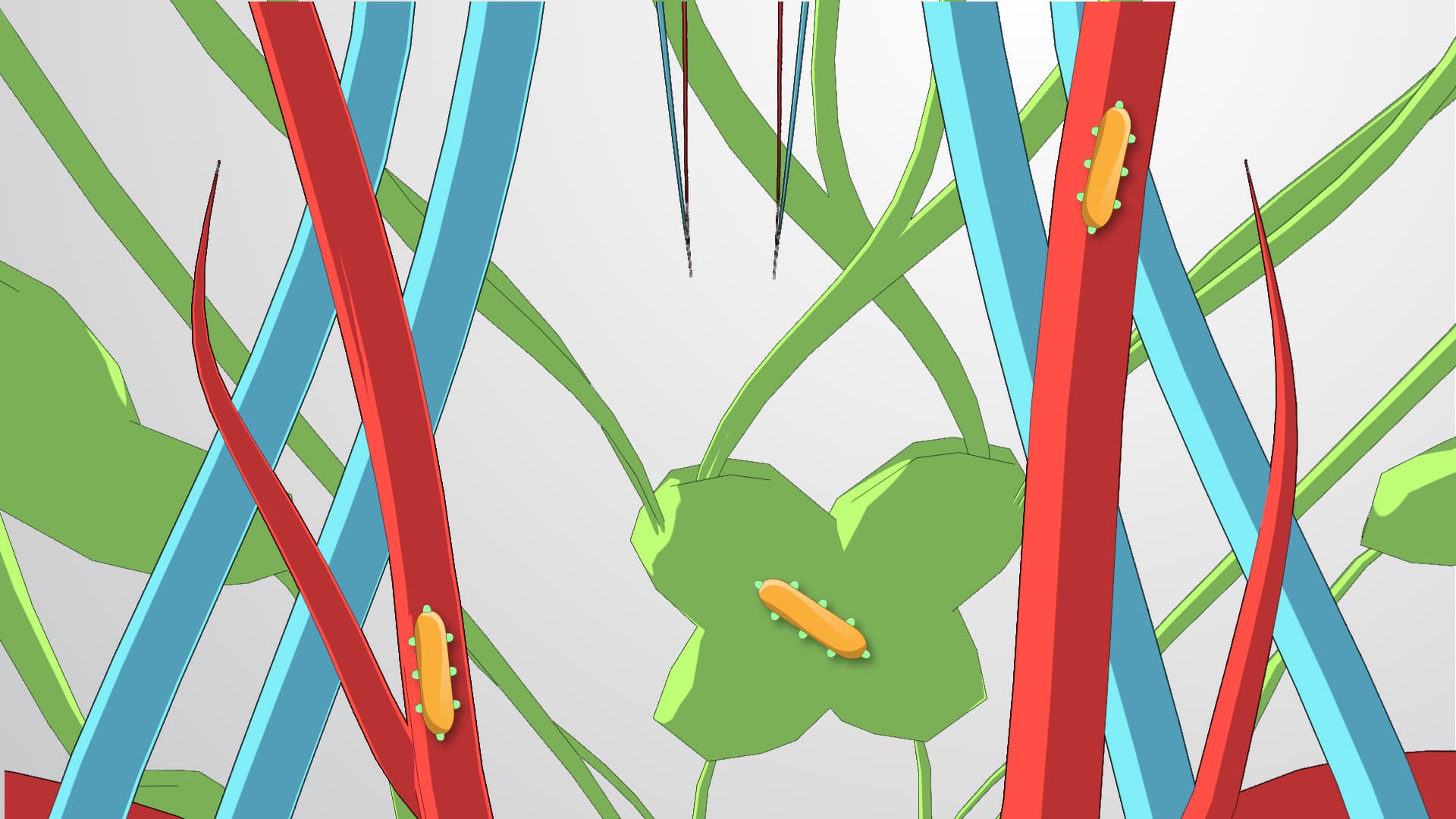
3. Humoral Immune Responses
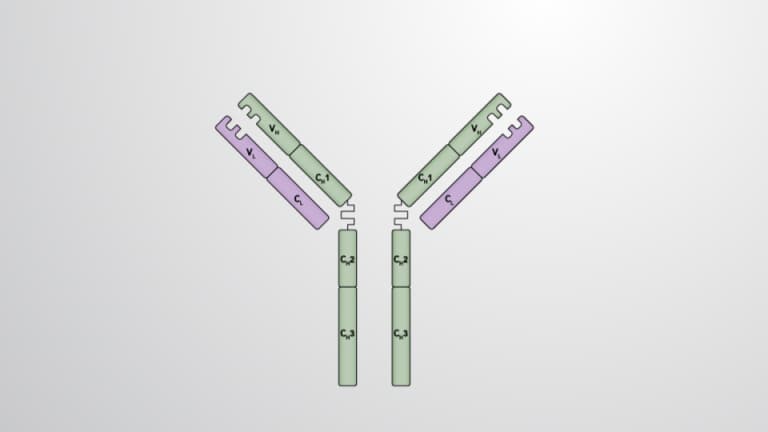
4. Antibody Structure
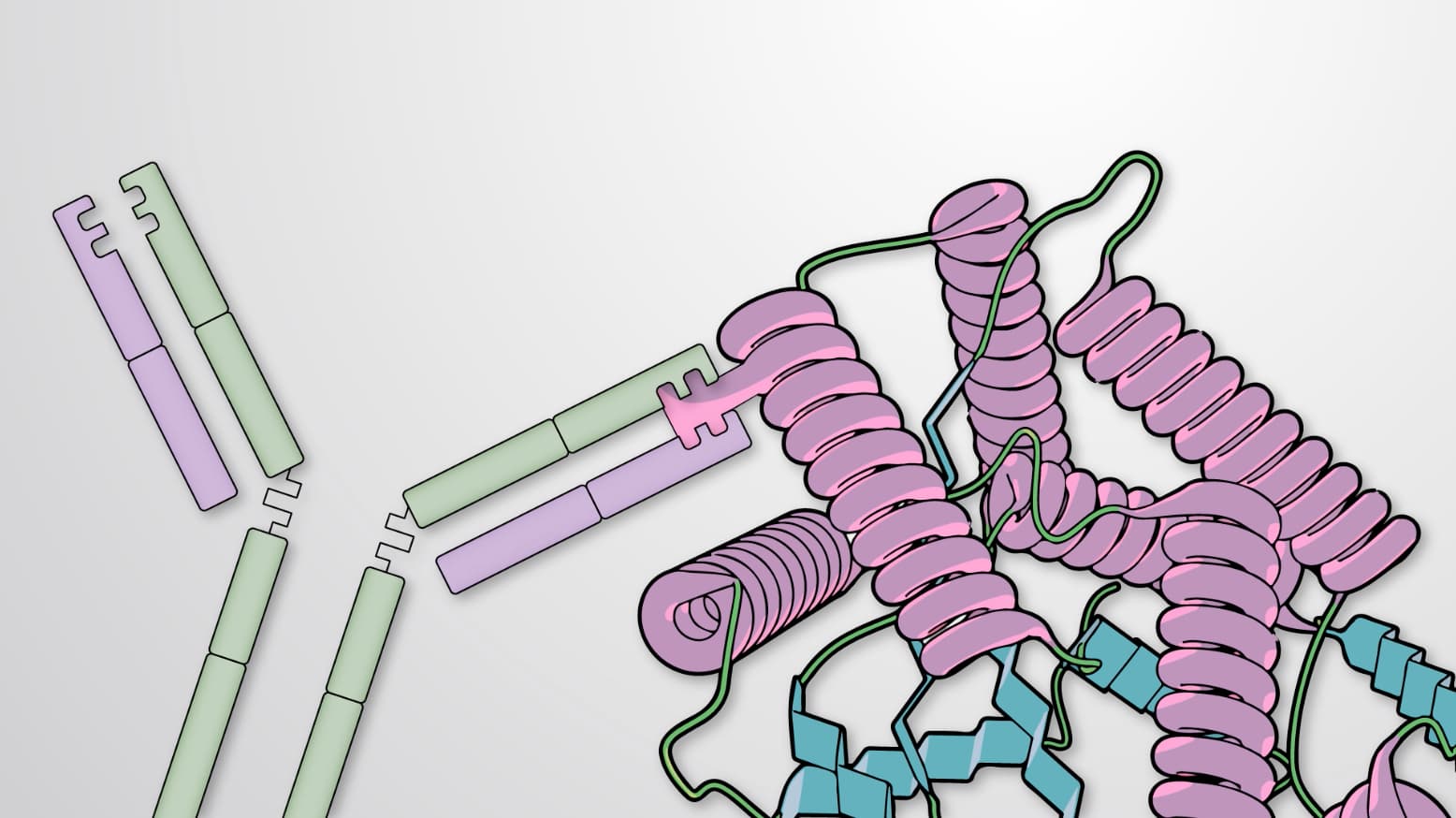
5. Affinity and Avidity
6. Cross-reactivity
7. Allergic Reactions
8. Inflammation
9. Vaccinations
The immune system serves as your body's sophisticated defense network, utilizing both innate and adaptive mechanisms to protect against pathogens and disease. This comprehensive course explores how immunity and defense mechanisms work together, from initial barriers like skin to complex cellular responses involving T cells and B cells. Students will discover how the immune system fights infections through cell-mediated and humoral responses, antibody structure and function, and the science behind vaccinations that have eliminated diseases like polio across US communities.
- Understand the fundamental components of innate and adaptive immune systems
- Learn how phagocytic cells and inflammatory responses provide immediate defense
- Identify the roles of T cells and B cells in cell-mediated and humoral immunity
- Explore antibody structure and antigen-binding mechanisms
- Analyze concepts of affinity, avidity, and cross-reactivity in immune responses
- Apply knowledge of allergic reactions and inflammatory processes
- Understand vaccination principles and memory cell formation
- Explore how immune dysfunction leads to autoimmune diseases and immunodeficiencies
1. Innate vs. Adaptive Immunity The immune system operates through two complementary branches. Innate immunity provides immediate, non-specific protection through physical barriers like skin and mucous membranes, plus cellular defenses including macrophages and neutrophils. This system responds within minutes to hours. Adaptive immunity develops specific responses through lymphocytes, creating immunological memory that enables faster, stronger responses upon re-exposure. For example, when students contract chickenpox, their adaptive immune system creates memory cells that typically prevent reinfection throughout their lifetime, explaining why most US children now receive varicella vaccines.
2. Cell-Mediated Immune Response T lymphocytes orchestrate cellular immunity by recognizing antigens presented on infected cells. Helper T cells coordinate immune responses by secreting cytokines that activate other immune cells. Cytotoxic T cells directly kill virus-infected or cancerous cells by releasing perforin and granzymes. Memory T cells remain dormant until reactivation by familiar antigens. This system proves crucial for fighting intracellular pathogens like tuberculosis, which remains a concern in certain US urban areas. Suppressor T cells eventually halt immune responses to prevent tissue damage from excessive inflammation.
3. Humoral Immunity and Antibody Production B cells produce antibodies that circulate in blood and lymph to neutralize extracellular pathogens. When activated by helper T cells, B cells differentiate into plasma cells that secrete millions of identical antibodies, or memory B cells that provide long-term protection. Antibodies work through neutralization, opsonization, and complement activation. The measles vaccine exemplifies this system's power—antibodies produced after vaccination have helped eliminate measles transmission in the US, though outbreaks still occur in unvaccinated communities.
4. Antibody Structure and Antigen Recognition Antibodies feature a distinctive Y-shaped structure with variable regions that bind specific antigens and constant regions that activate immune responses. The variable regions contain complementarity-determining regions (CDRs) that create unique antigen-binding sites through genetic recombination. Different antibody classes (IgG, IgA, IgM, IgE, IgD) serve specialized functions—for instance, IgA protects mucosal surfaces while IgE triggers allergic reactions. This structural diversity enables recognition of countless antigens, from seasonal flu viruses circulating in US schools to food allergens affecting millions of American children.
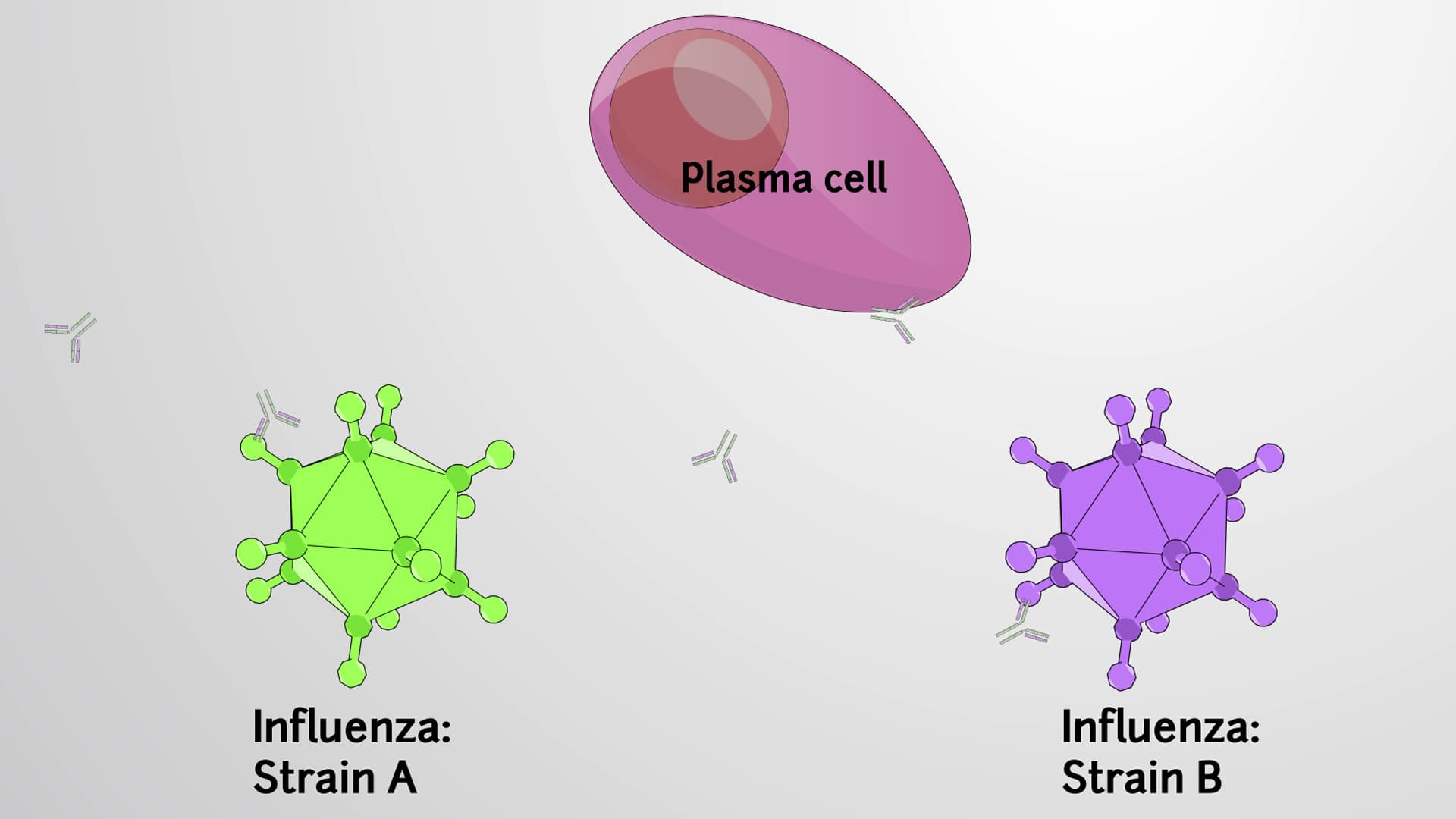
5. Affinity, Avidity, and Cross-Reactivity Affinity describes the strength of individual antibody-antigen binding, while avidity represents the cumulative binding strength of multivalent interactions. High-affinity antibodies bind tightly and provide superior protection. Cross-reactivity occurs when antibodies recognize similar epitopes on different antigens, explaining why some individuals allergic to tree nuts like walnuts also react to pecans. This phenomenon also enables broad protection—flu vaccines sometimes provide partial immunity against variant strains due to cross-reactive antibodies, which proves valuable during influenza seasons affecting US populations.
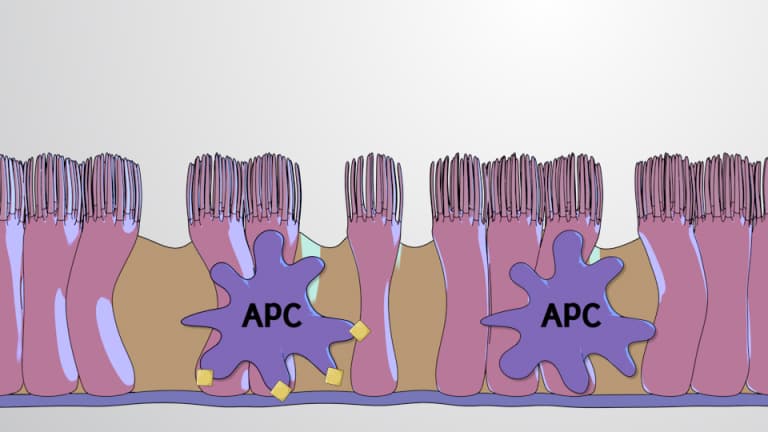
6. Allergic Reactions and Hypersensitivity Allergies represent inappropriate immune responses to harmless substances. Initial sensitization occurs when antigen-presenting cells activate Th2 cells, leading to IgE production by plasma cells. IgE binds to mast cells, priming them for future allergen encounters. Upon re-exposure, allergen binding triggers mast cell degranulation, releasing histamine and leukotrienes that cause symptoms like sneezing, swelling, and potentially life-threatening anaphylaxis. Food allergies affect approximately 8% of US children, with peanut allergies being particularly common and severe, necessitating widespread availability of epinephrine auto-injectors in American schools.
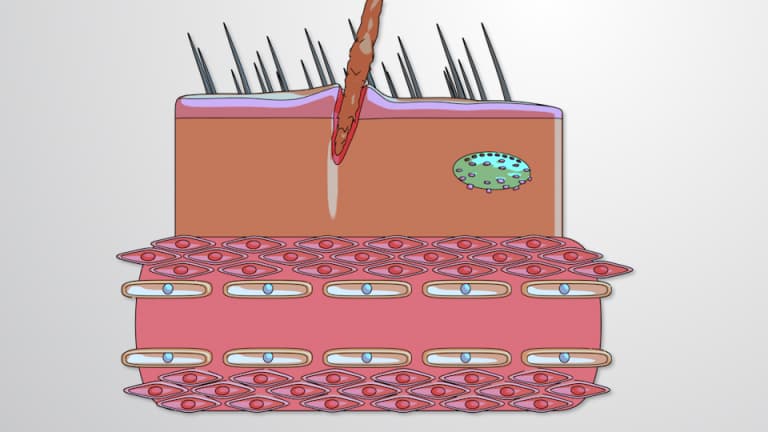
7. Inflammation and Tissue Response Acute inflammation represents the coordinated response to tissue damage or infection, characterized by redness, warmth, swelling, and pain. Mast cells release histamine and prostaglandins, causing vasodilation and increased vascular permeability. Neutrophils migrate to injury sites through chemotaxis, margination, and diapedesis. While inflammation aids healing and pathogen clearance, chronic inflammation contributes to diseases like rheumatoid arthritis and cardiovascular disease. Anti-inflammatory medications like ibuprofen, commonly used by US athletes for sports injuries, work by inhibiting prostaglandin synthesis to reduce inflammatory symptoms.
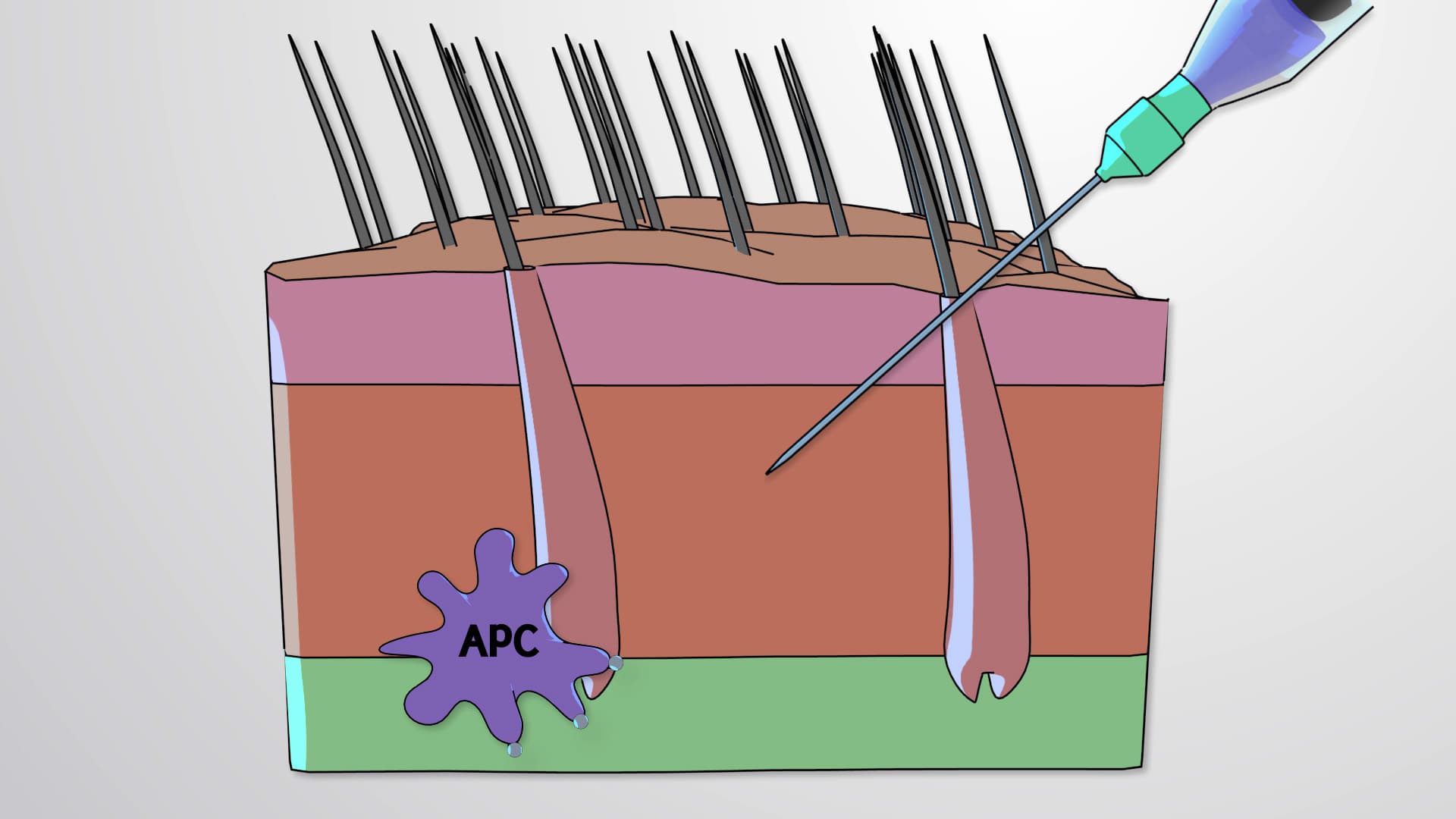
8. Vaccination and Immunological Memory Vaccines contain antigens that stimulate adaptive immune responses without causing disease. Antigen-presenting cells process vaccine components and activate both cellular and humoral immunity. This creates memory cells that persist for years, providing rapid protection upon pathogen encounter. The US vaccination schedule demonstrates this principle—childhood immunizations against diseases like diphtheria, tetanus, and pertussis create lasting immunity that has virtually eliminated these once-common killers. Booster shots refresh memory cell populations, maintaining protective antibody levels throughout adulthood.
Frequently Asked Questions
Innate immunity provides immediate, non-specific protection through barriers and cells that respond the same way to any threat. Adaptive immunity develops specific responses tailored to particular pathogens and creates memory for faster future responses. Think of innate immunity as a security guard who stops anyone suspicious, while adaptive immunity is like a detective who learns to recognize specific criminals and remembers them forever.
Antibodies neutralize pathogens through three main mechanisms: neutralization (blocking pathogen attachment to host cells), opsonization (marking pathogens for destruction by phagocytes), and complement activation (triggering protein cascades that create membrane pores). The antibody's Y-shaped structure allows it to bind antigens while simultaneously signaling other immune components to eliminate the tagged pathogen.
MCAT Biology sections emphasize antibody structure and function, differences between innate and adaptive immunity, T cell and B cell roles, and vaccination principles. Students should understand immunological memory, complement systems, and how immune dysfunction leads to allergies and autoimmune diseases. Practice questions often integrate immune concepts with other biological systems, particularly regarding inflammatory responses and pathogen recognition.
AP Biology focuses on immune system organization, specific vs. non-specific responses, cellular and humoral immunity mechanisms, and vaccination effectiveness. Students must understand how immune cells communicate through chemical signals, the role of memory cells in secondary responses, and connections between immune function and evolution. Free-response questions frequently ask students to analyze experimental data involving immune responses or explain vaccine efficacy.
Allergic reactions result from genetic predisposition and environmental exposure patterns. Some individuals inherit genes that promote Th2 cell activation and IgE production when encountering certain allergens. Additionally, early childhood exposure, hygiene levels, and gut microbiome composition influence allergy development. The "hygiene hypothesis" suggests that reduced early-life pathogen exposure may increase allergy susceptibility, explaining rising allergy rates in developed countries like the US.
Immunology can be complex because it involves multiple cell types, signaling pathways, and interconnected responses that change based on pathogen type and exposure history. The terminology is extensive, and concepts like cross-reactivity and immune memory require understanding molecular-level interactions. However, focusing on the logical progression from pathogen recognition to elimination helps students build comprehension systematically.
Create concept maps showing relationships between immune cells, draw out step-by-step responses to different pathogen types, and use real-world examples like vaccine responses or allergic reactions. Practice explaining immune processes aloud, as this reveals gaps in understanding. Focus on understanding the "why" behind each response rather than memorizing isolated facts—this approach helps with both multiple-choice questions and essay responses on standardized exams.
The immune system integrates extensively with circulatory, lymphatic, and nervous systems. Immune cells travel through blood and lymph vessels, while stress hormones from the endocrine system can suppress immune function. Understanding these connections helps explain complex phenomena like psychoneuroimmunology (how stress affects immunity) and provides foundation knowledge for advanced topics in medicine, public health, and biomedical research careers.
This microcourse includes 9 concept videos that walk you through the building blocks of Biology. Each video is short, about 2 minutes, so you can cover a full topic during a coffee break or between classes. The full sequence starts with What is the Immune System? and ends with Vaccinations.
The playlist moves from big-picture ideas to the precise vocabulary used in Biology. Early videos introduce What is the Immune System?, Cell-mediated Immune Responses, and Humoral Immune Responses. The middle of the series focuses on Affinity and Avidity, Cross-reactivity, and Allergic Reactions. The final stretch covers Inflammation and Vaccinations.
The natural next step is Reproduction and Development. From there, you can move to Behavior, Ecosystems, and Population and Community Ecology. Once you finish those, the full Biology curriculum of 36 microcourses on JoVE Coach opens up, taking you from foundational concepts to advanced systems.
Related Subjects

