Loading subject page…

- Biology
- Immune System
- Cell-mediated Immune Responses
Micro-course: Immune System
545,800 views
Learn key concepts and earn your certificate.

Cell-mediated Immune Responses


00:00
01:40
Video Summary: What are Cell Mediated Immune Responses
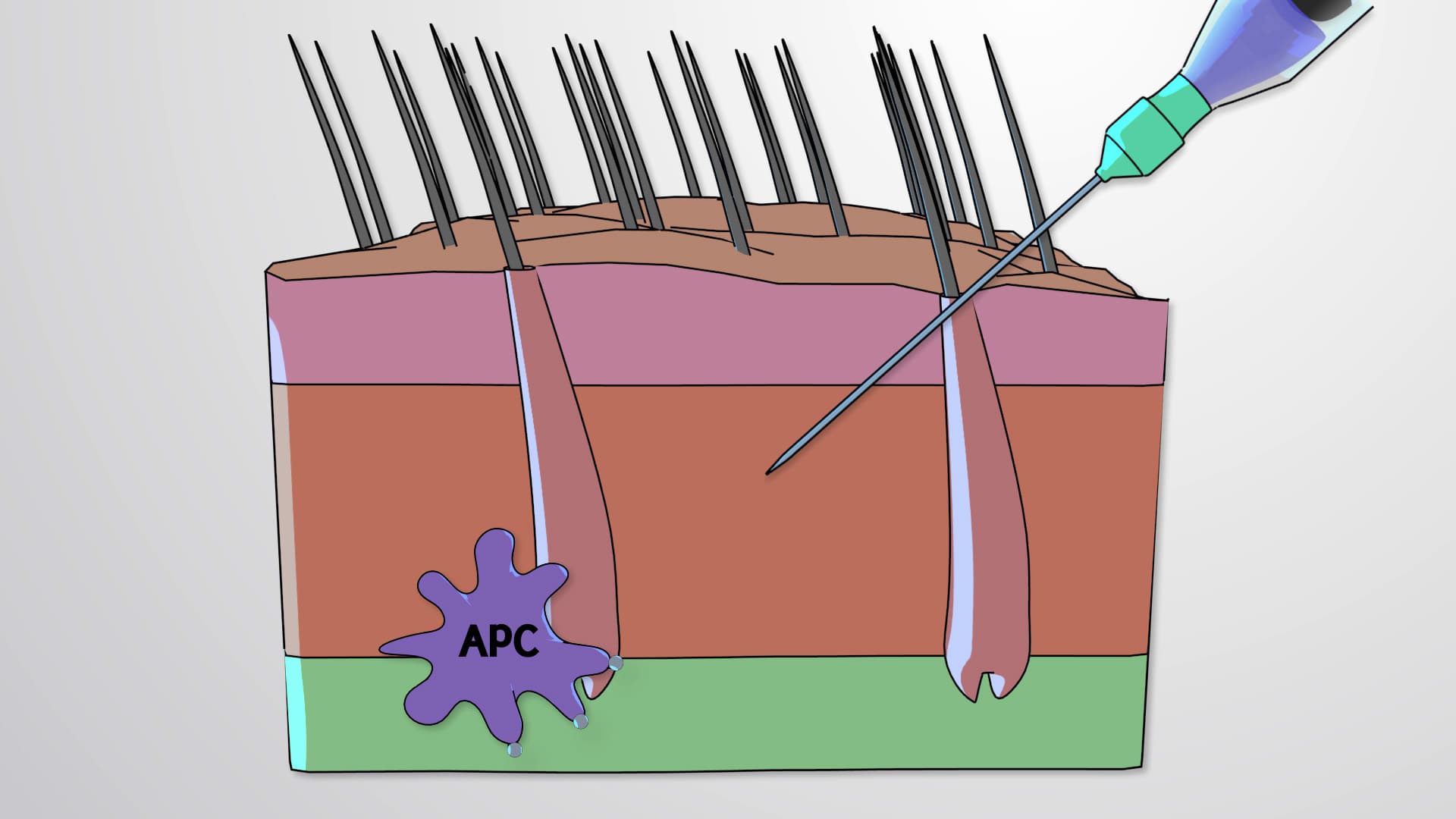
Ever wondered how your body remembers childhood diseases like chickenpox and prevents reinfection decades later? Cell mediated immune responses are specialized adaptive defense mechanisms that create long-lasting immunity through T cell activation and memory formation. When a patient receives the measles, mumps, and rubella (MMR) vaccine at their pediatrician's office, their immune system launches these precise cellular responses to build protection against future exposure. Watch the full video on JoVE Coach to master this concept with expert-led visuals and step-by-step explanations.
- Understand what are cell mediated immune responses and their role in adaptive immunity
- Identify the key cellular players including macrophages, T helper cells, cytotoxic T cells, and memory T cells
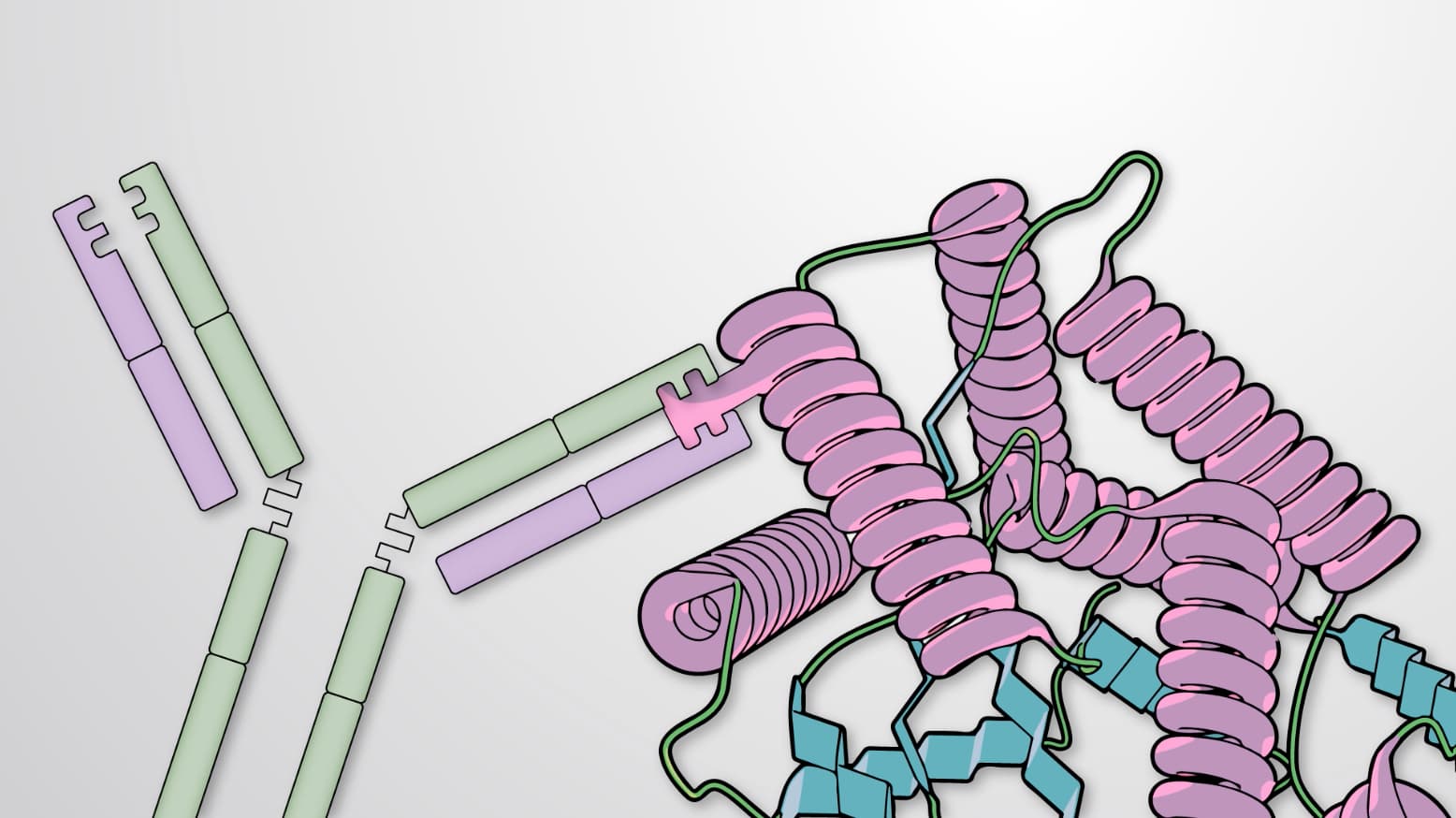
- Analyze the antigen presentation process through MHC class molecules on antigen-presenting cells
- Compare the functions of different T cell subtypes in coordinating immune responses
- Evaluate how memory T cells provide long-term immunity against previously encountered pathogens
- Apply knowledge of T cell activation to understand vaccine effectiveness and autoimmune disorders
- Recognize the regulatory role of suppressor T cells in preventing excessive immune reactions
- Explore the clinical significance of cell-mediated immunity in transplant rejection and cancer immunotherapy
Understanding Cell Mediated Immune Responses
Cell mediated immune responses represent one of the most sophisticated defense systems in human biology, orchestrating precise cellular attacks against infected cells and foreign invaders. Unlike humoral immunity that relies on antibodies, this cellular arm of adaptive immunity depends on direct cell-to-cell interactions and specialized T lymphocytes to eliminate threats.
The Antigen Presentation Pathway
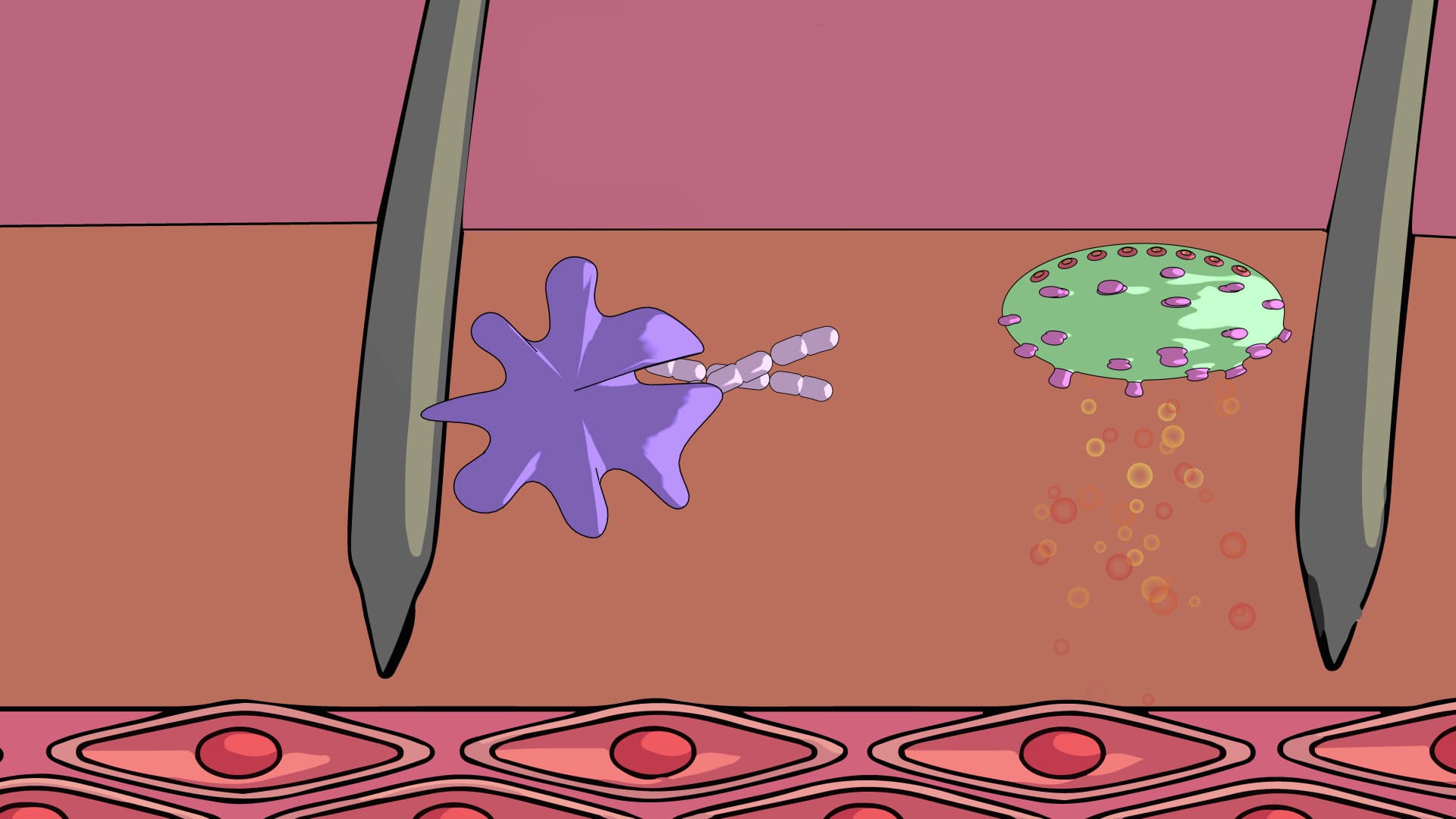
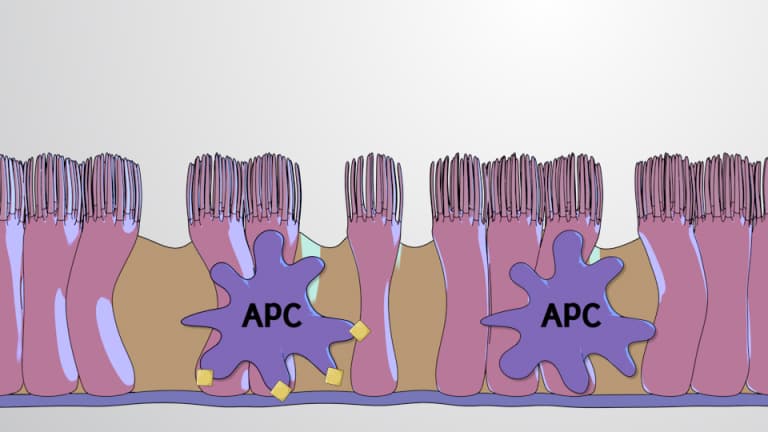
The process begins when macrophages encounter pathogens through phagocytosis, engulfing bacteria, viruses, or other foreign materials. These professional antigen-presenting cells (APCs) process the ingested pathogens within specialized compartments called phagolysosomes, where proteolytic enzymes break down pathogen proteins into smaller peptide fragments. These antigenic fragments are then loaded onto major histocompatibility complex (MHC) class II molecules and transported to the cell surface for presentation.
This antigen presentation mechanism is crucial for T cell education and activation. In medical schools across the United States, students studying for the MCAT learn that MHC class II molecules are primarily found on APCs, while MHC class I molecules are present on all nucleated cells and present intracellular peptides to CD8+ T cells.
T Cell Activation and Differentiation
Once naive T cells recognize their specific antigen presented on MHC molecules, they undergo rapid clonal expansion through mitosis. Helper T cells (CD4+) serve as the conductors of the immune orchestra, secreting cytokines like interleukin-2 that stimulate the proliferation and differentiation of other immune cells. These signals activate cytotoxic T lymphocytes (CD8+), which directly kill virus-infected cells, tumor cells, and transplanted tissues through perforin and granzyme release.
Memory Formation and Clinical Applications
The formation of memory T cells represents the cornerstone of vaccination success. After clearing an infection, a subset of activated T cells differentiates into long-lived memory cells that persist for decades. This explains why childhood vaccinations like the polio vaccine provide lifelong protection. In clinical settings, understanding cell-mediated immunity helps healthcare providers predict transplant rejection risks and develop cancer immunotherapies like CAR-T cell treatments approved by the FDA for certain leukemias and lymphomas.
Frequently Asked Questions
Cell mediated immune responses are adaptive immune reactions that rely on T lymphocytes to directly attack infected or abnormal cells, rather than using antibodies. Unlike humoral immunity, these responses involve cell-to-cell contact and are particularly effective against intracellular pathogens like viruses and certain bacteria. They're essential for fighting infections that hide inside cells where antibodies cannot reach.
The key cellular components include antigen-presenting cells (macrophages, dendritic cells), helper T cells (CD4+), cytotoxic T cells (CD8+), memory T cells, and suppressor T cells. Macrophages initiate the response by presenting antigens, helper T cells coordinate the immune response through cytokine secretion, and cytotoxic T cells directly eliminate infected or abnormal cells.
MCAT questions often test antigen presentation pathways, MHC molecule functions, and T cell activation mechanisms within immunology passages. AP Biology exams frequently include cell-mediated immunity in free-response questions about immune system regulation and vaccine effectiveness. Students should focus on understanding the sequential steps from antigen recognition to memory cell formation.
College immunology courses extensively cover T cell development, cytokine signaling networks, and immune tolerance mechanisms as foundational concepts. Students analyze case studies of immunodeficiency diseases, autoimmune disorders, and cancer immunotherapy approaches. Understanding these responses is crucial for pre-med students preparing for advanced coursework in pathology and clinical medicine.
When infected with SARS-CoV-2, cytotoxic T cells recognize viral peptides presented on MHC class I molecules and eliminate infected respiratory epithelial cells before viral replication spreads. mRNA vaccines like Pfizer and Moderna stimulate both antibody production and T cell responses, explaining their effectiveness against severe disease even when antibody levels decline over time.
While detailed molecular mechanisms require advanced study, the basic concepts are accessible to high school biology students with solid understanding of cell structure and protein function. Starting with the analogy of immune cells as specialized security forces helps students grasp the coordinated nature of cellular immune responses before diving into specific molecular pathways.
Create memory devices linking T cell names to their functions: Helper T cells "help" coordinate responses, Cytotoxic T cells are "toxic" to infected cells, Memory T cells "remember" previous infections, and Suppressor T cells "suppress" excessive responses. Practice drawing flow charts showing how each cell type contributes to the overall immune response sequence.
Students can delve into immune system development, studying positive and negative selection in the thymus, regulatory T cell biology, and immune checkpoint molecules like PD-1 and CTLA-4. These concepts are increasingly important in understanding modern cancer immunotherapies and autoimmune disease treatments being developed in clinical trials across major US medical centers.
Related Micro-courses


