Loading video…


 9 Concepts
 545.8K views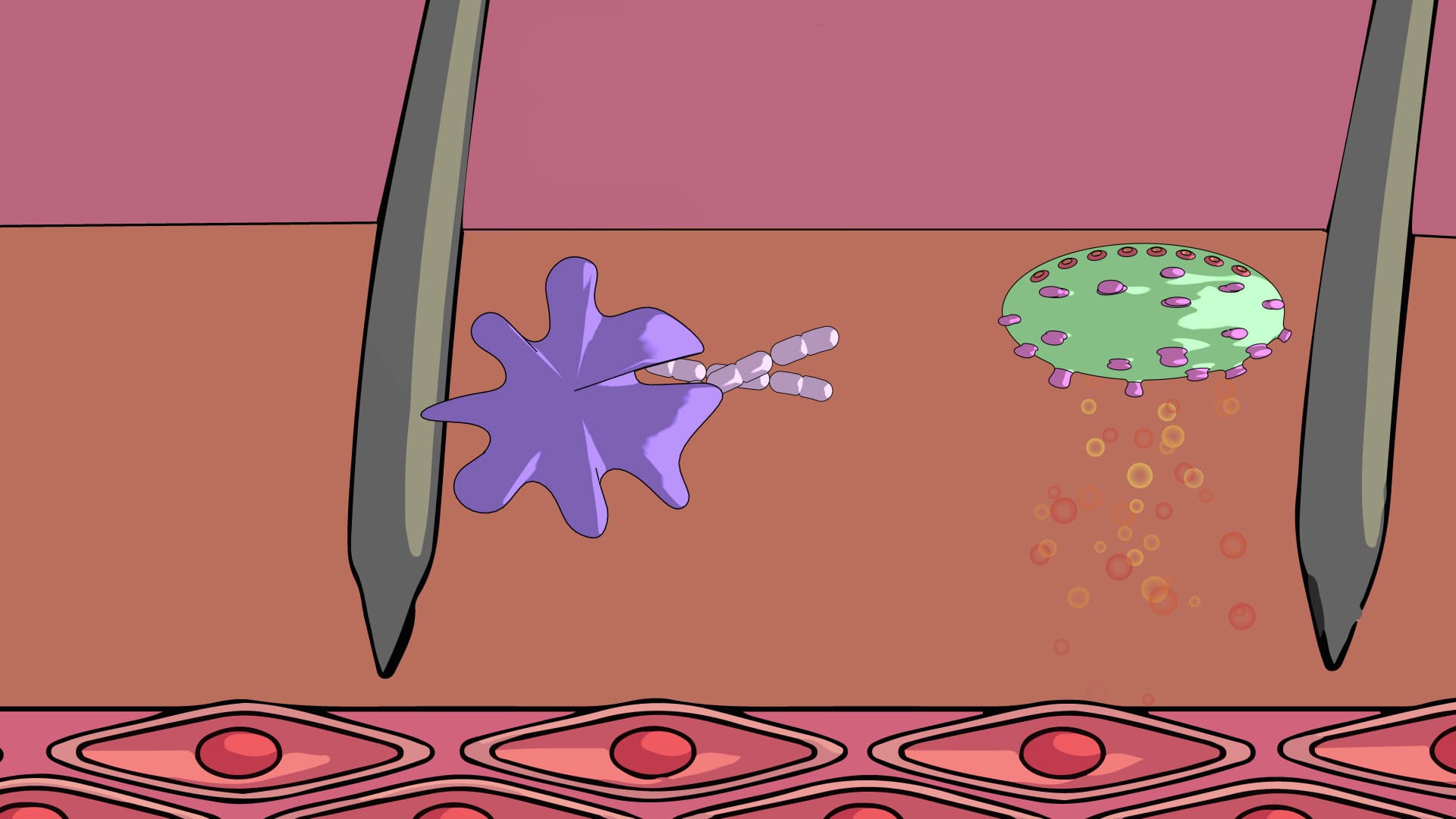

Video Summary: The Immune System Definition
Did you know that your body fights off thousands of potential infections every single day without you even realizing it? The immune system serves as your body's sophisticated defense network, combining innate and adaptive mechanisms to protect against disease-causing invaders. From preventing COVID-19 infections through vaccination to healing cuts without infection, this biological shield operates through three interconnected lines of defense that range from physical barriers to highly specialized cellular responses. Watch the full video on JoVE Coach to master this concept with expert-led visuals and step-by-step explanations.
The immune system definition encompasses a sophisticated biological network that serves as the body's primary defense mechanism against infectious agents, foreign substances, and abnormal cells. This complex system integrates multiple cellular and molecular components working in coordination to maintain health and prevent disease. Unlike a single organ, the immune system operates as a distributed network involving specialized cells, tissues, and chemical mediators throughout the body.
The fundamental organization of immune protection operates through two complementary branches: innate immunity and adaptive immunity. Innate immunity provides immediate, non-specific responses that activate within minutes to hours of pathogen encounter. Adaptive immunity develops more slowly but offers highly specific, long-lasting protection tailored to particular threats. This dual-system approach ensures both rapid initial defense and sustained, targeted protection.
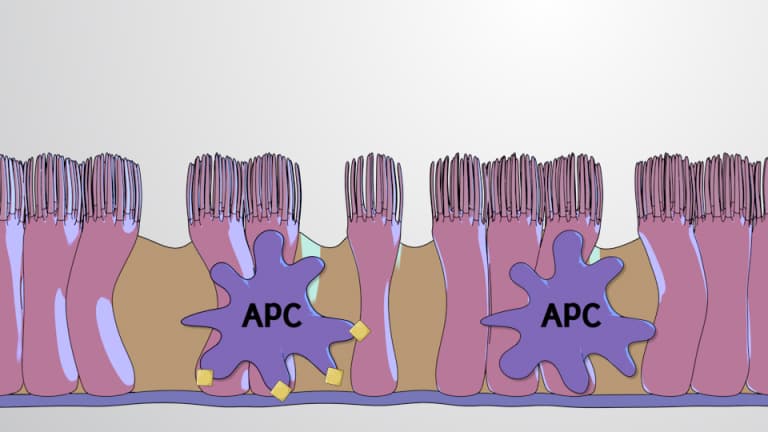
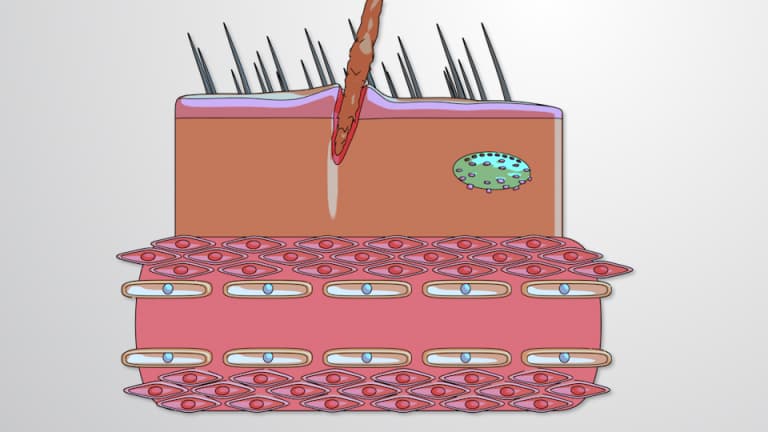
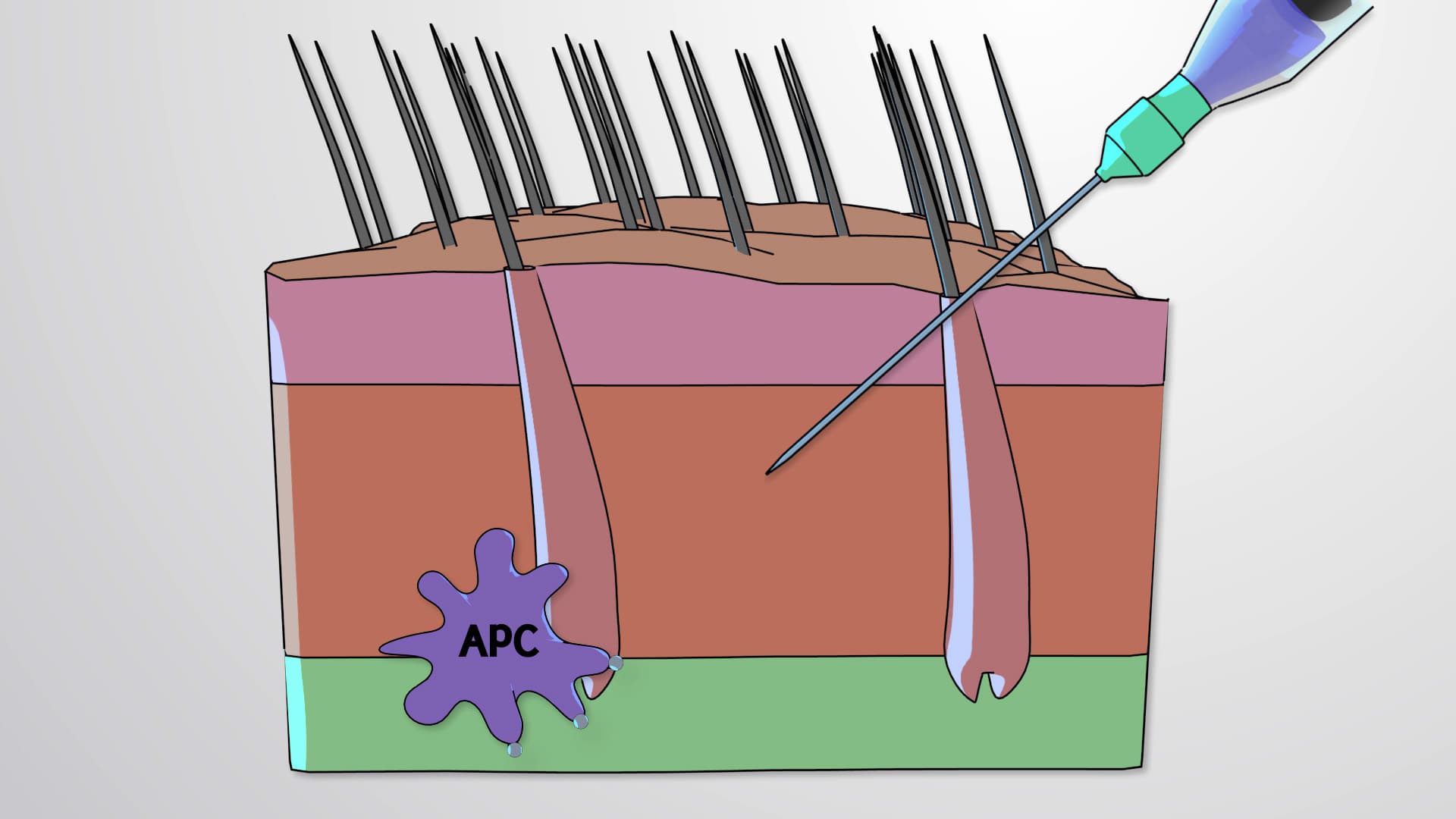
The innate immune system's first line of defense consists of physical and chemical barriers that prevent pathogen entry. Skin serves as the primary physical barrier, featuring a slightly acidic pH (around 5.5) that inhibits bacterial growth and contains antimicrobial peptides called defensins. Mucous membranes lining the respiratory, digestive, and urogenital tracts trap pathogens in sticky secretions while ciliated cells sweep debris toward exit points.
Chemical defenses include stomach acid that destroys ingested pathogens, antimicrobial enzymes in tears and saliva, and the normal microbiota that competes with harmful organisms. These barrier mechanisms are particularly relevant for understanding how diseases like influenza spread through respiratory droplets and why proper wound care prevents skin infections.
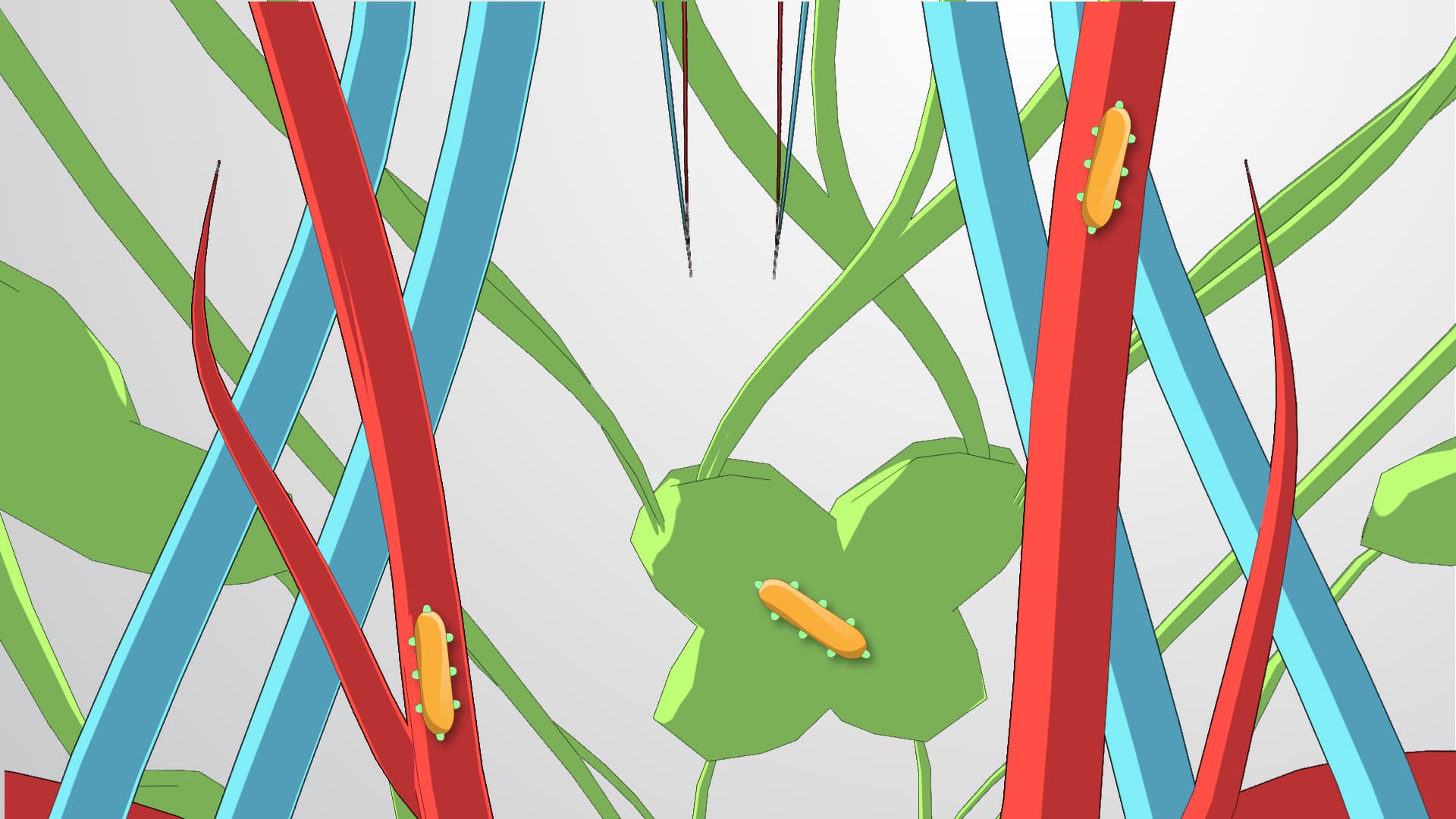
When physical barriers are breached, the immune system activates cellular defenses involving phagocytic cells, natural killer cells, and inflammatory mediators. Macrophages engulf and destroy pathogens through phagocytosis, while neutrophils provide rapid response to bacterial infections. Mast cells and basophils release histamine and other inflammatory mediators that increase blood flow and vascular permeability, facilitating immune cell recruitment to infection sites.
The inflammatory response, characterized by redness, swelling, heat, and pain, represents a coordinated effort to eliminate threats and promote tissue repair. This process is clinically significant in conditions ranging from minor cuts to major infections, and understanding inflammation helps explain both beneficial healing responses and problematic chronic inflammatory diseases.
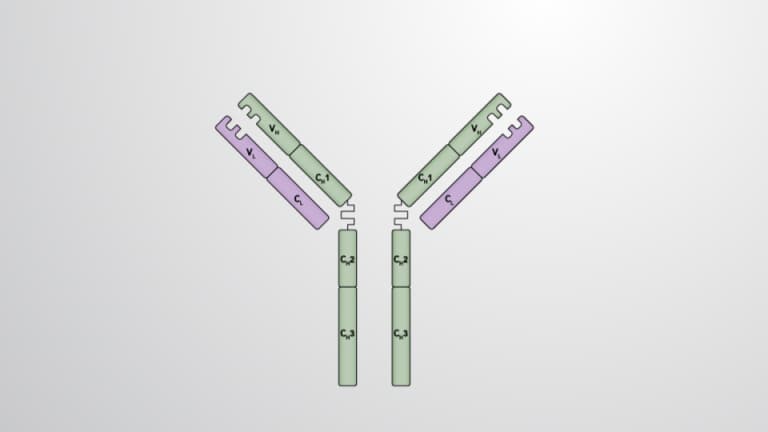
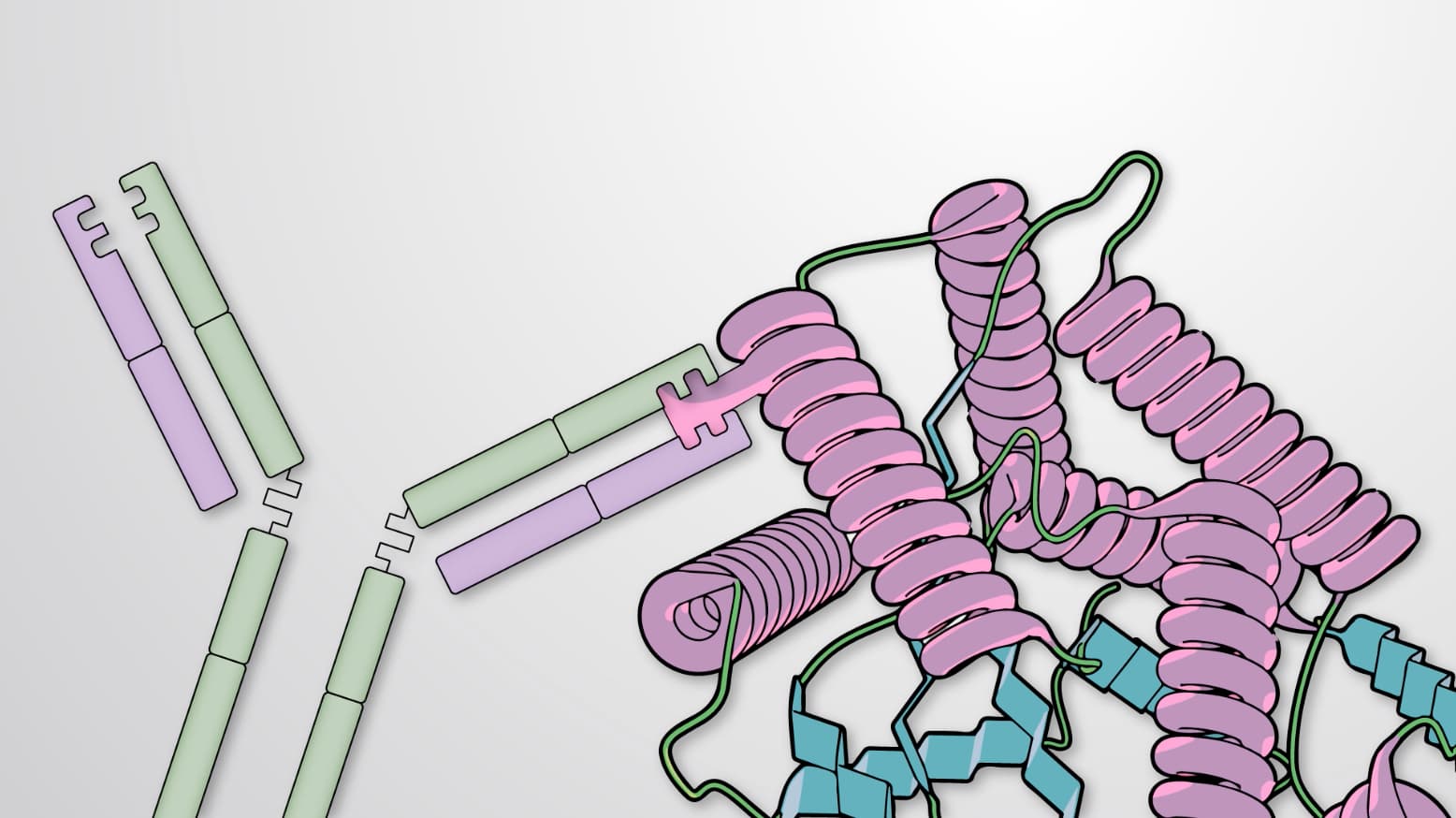
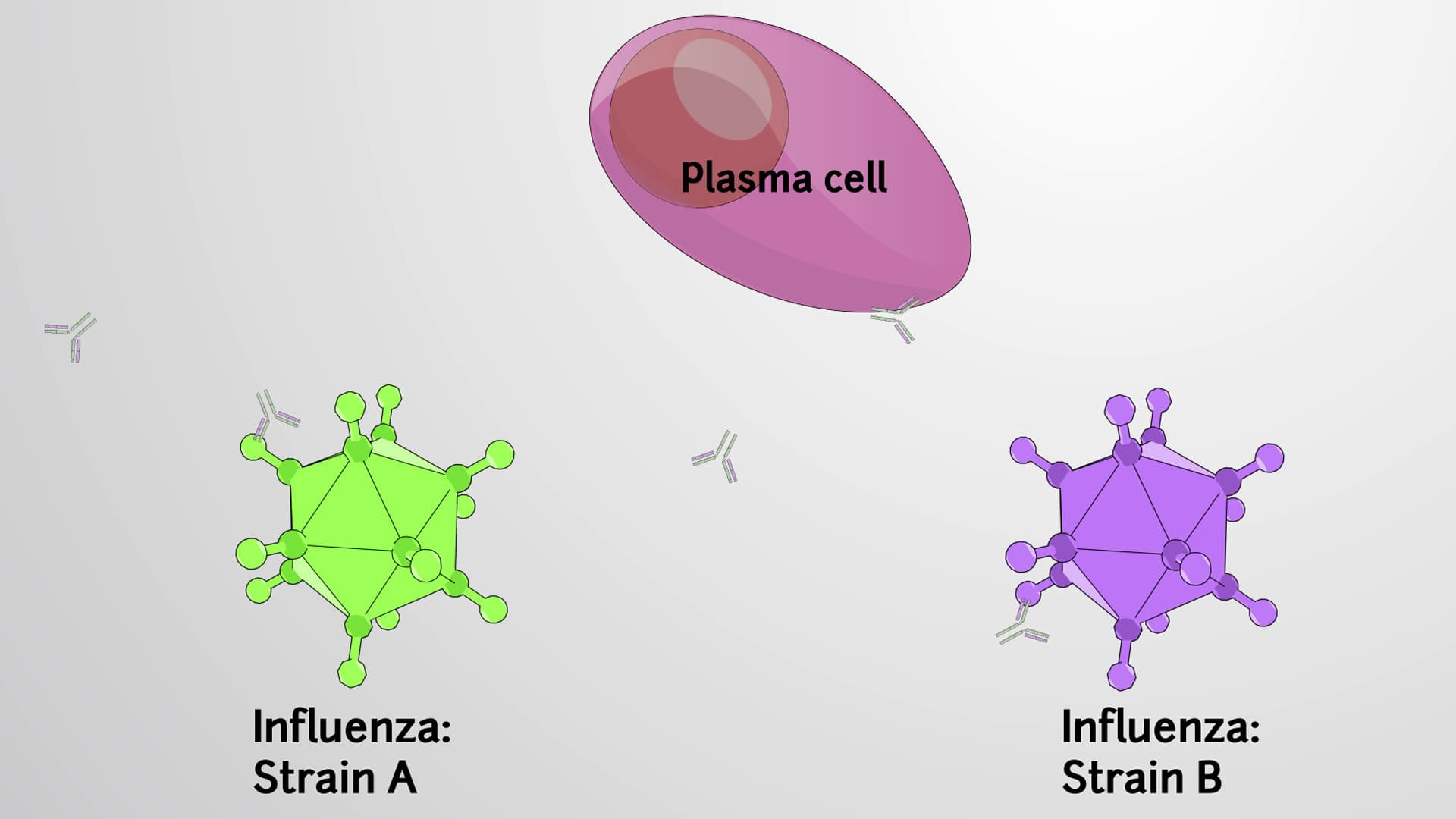
Adaptive immunity provides highly specific, long-lasting protection through lymphocytes-B cells and T cells-that recognize specific molecular patterns called antigens. B cells produce antibodies that neutralize pathogens and mark them for destruction, while T cells include helper T cells that coordinate immune responses and cytotoxic T cells that directly kill infected cells.
Immunological memory, a hallmark of adaptive immunity, enables faster and stronger responses upon repeat pathogen exposure. This principle underlies vaccination strategies used for diseases like measles, polio, and COVID-19. For students preparing for AP Biology or college-level courses, understanding how memory B and T cells provide long-term immunity is crucial for explaining vaccine effectiveness and natural infection recovery.
Related Micro-courses