Loading video…


 9 Concepts
 545.8K views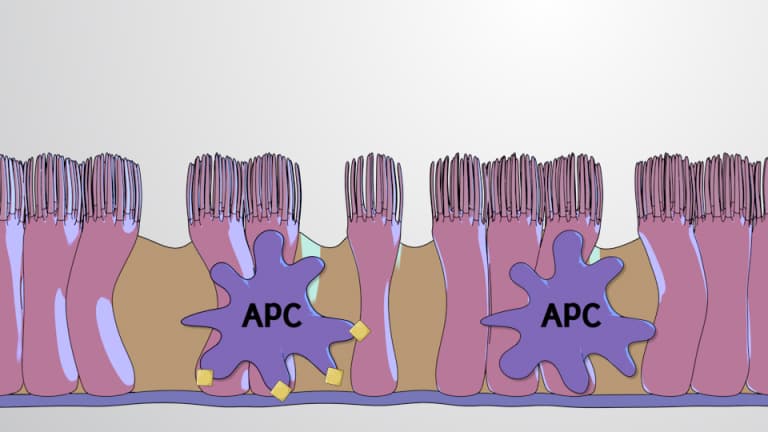

Video Summary: What are Allergic Reactions
Ever wonder why 1 in 4 Americans suffers from seasonal allergies while others remain symptom-free around the same triggers? Allergic reactions represent complex immune system responses where your body mistakenly identifies harmless substances as threats. Consider how millions of students across US college campuses experience spring allergies from tree pollen, triggering sneezing, congestion, and watery eyes through a fascinating two-step immune process involving sensitization and reaction phases. Watch the full video on JoVE Coach to master this concept with expert-led visuals and step-by-step explanations.
Allergic reactions represent one of immunology's most fascinating paradoxes: a protective system gone awry. Unlike infections where immune responses target genuine threats, allergic reactions involve hypersensitive responses to harmless environmental substances called allergens. This misdirected immunity affects over 50 million Americans annually, making allergy comprehension crucial for students pursuing healthcare, biology, or environmental science careers.
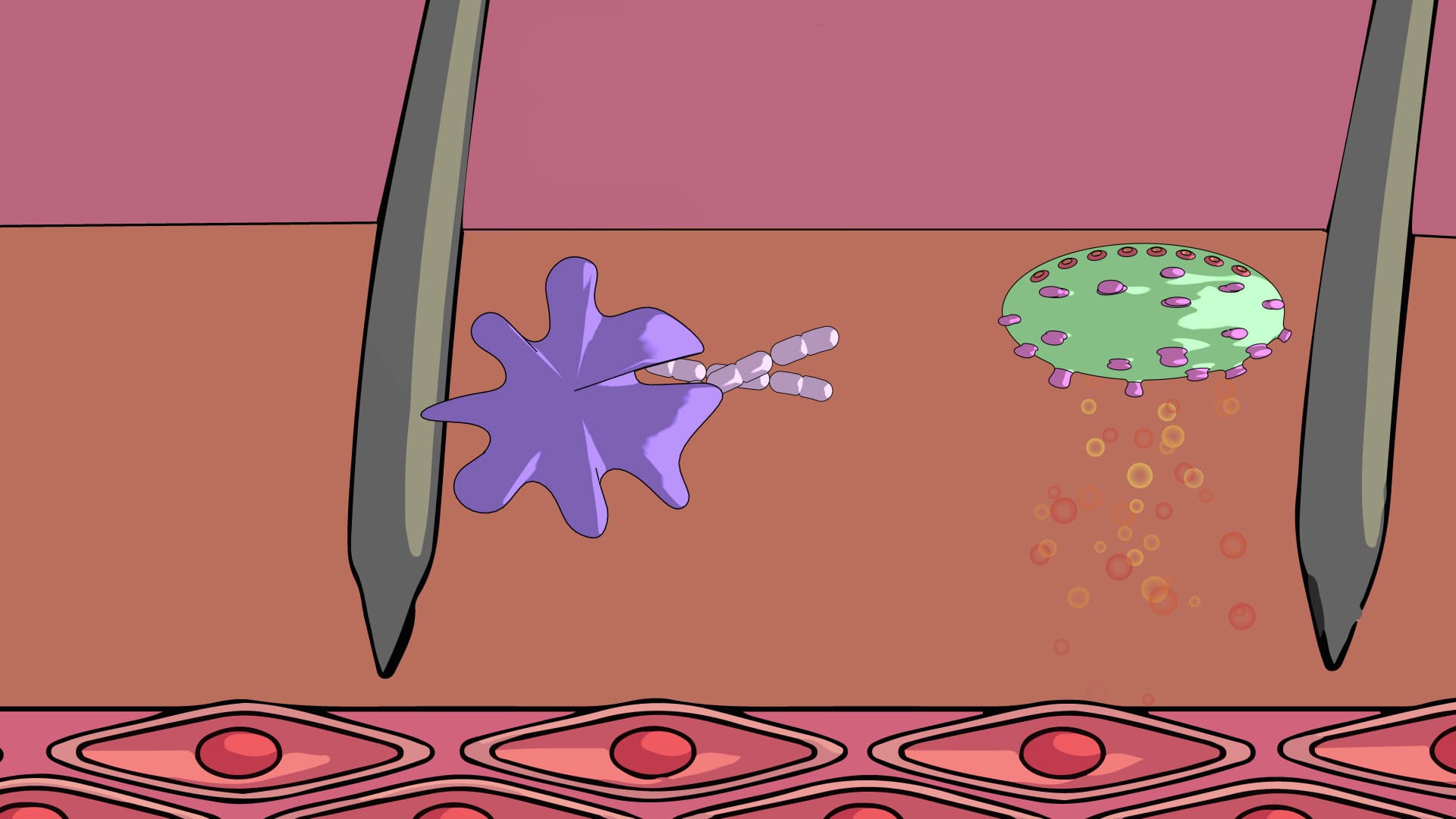
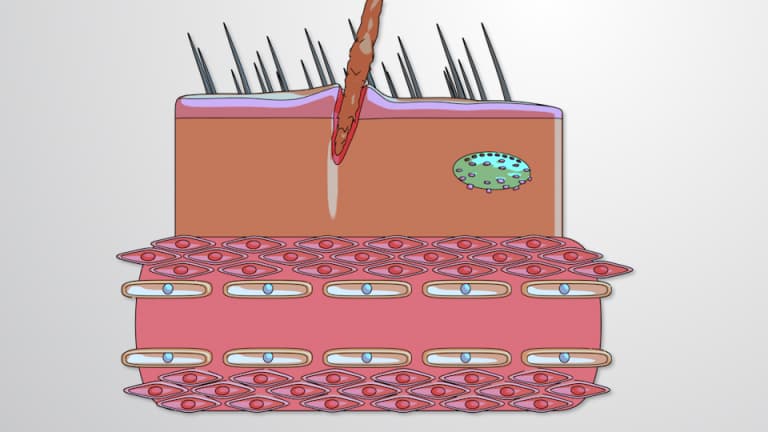
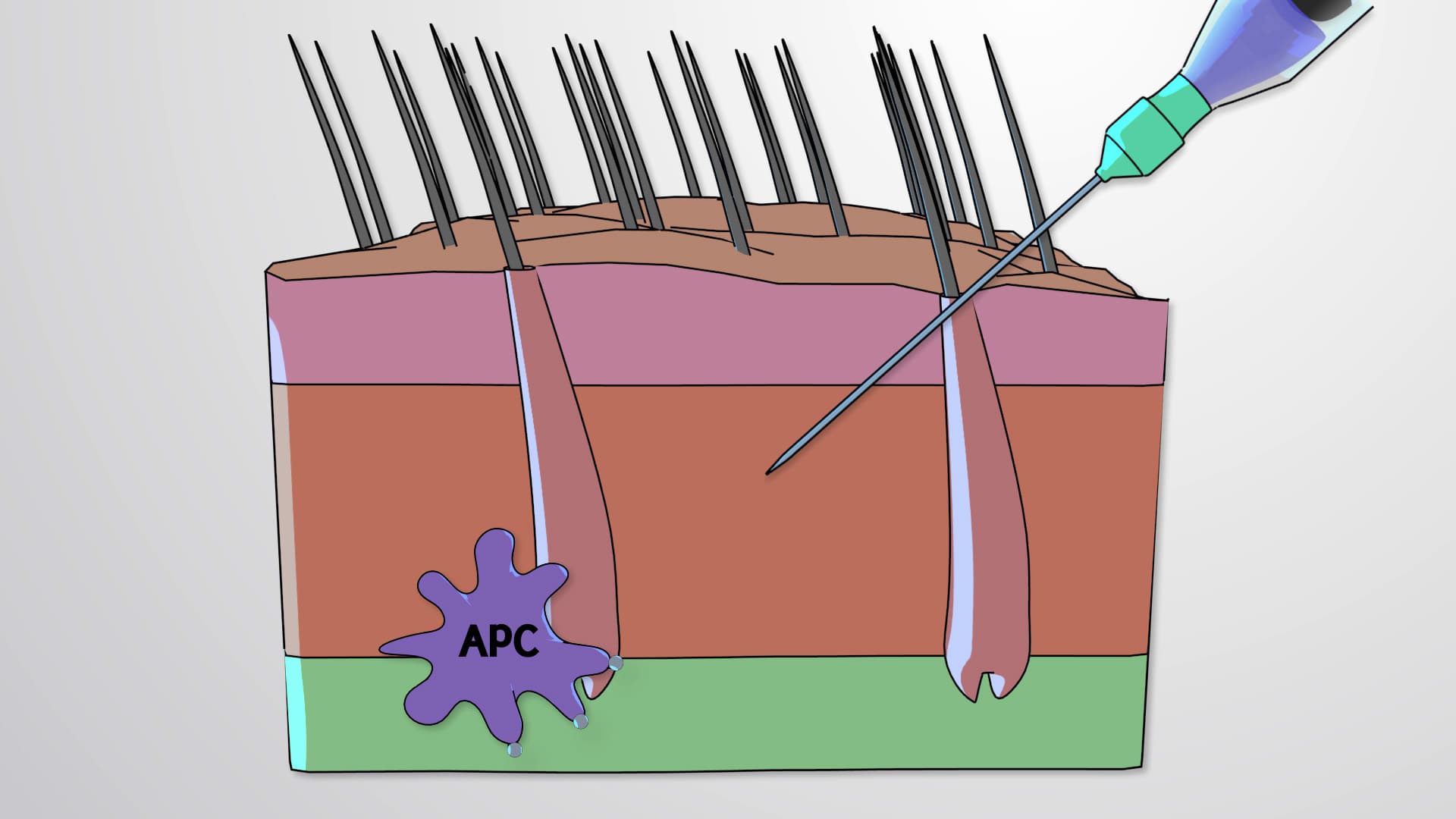
The allergic process unfolds through distinct phases that students often encounter on AP Biology exams and college immunology courses. During initial sensitization, specialized antigen-presenting cells in respiratory and digestive tract linings encounter allergens like ragweed pollen or peanut proteins. These APCs break down allergens into recognizable fragments, displaying them to naive T helper cells. Critically, the local tissue environment determines whether Th1 (anti-pathogen) or Th2 (allergy-promoting) responses develop.
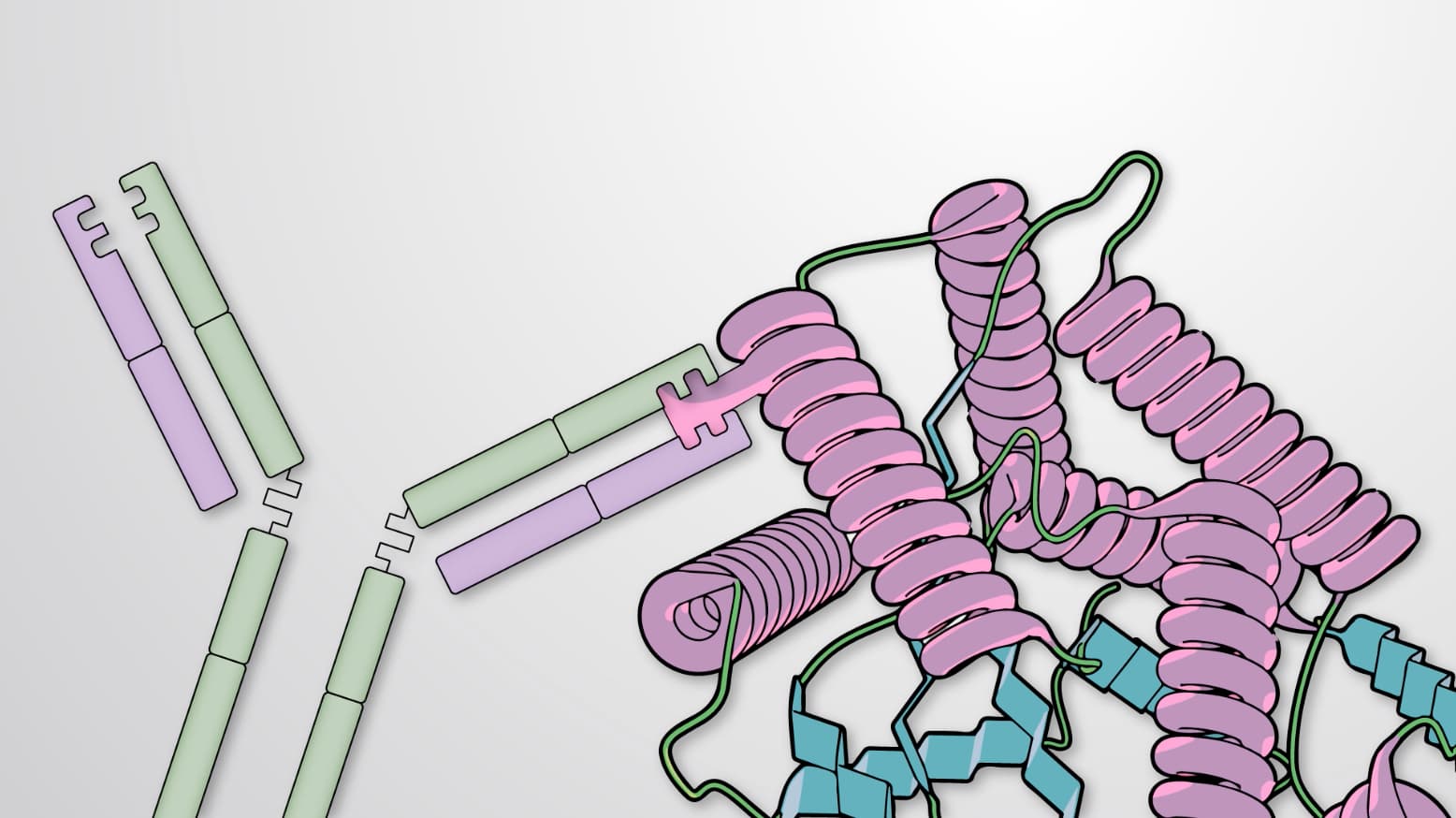
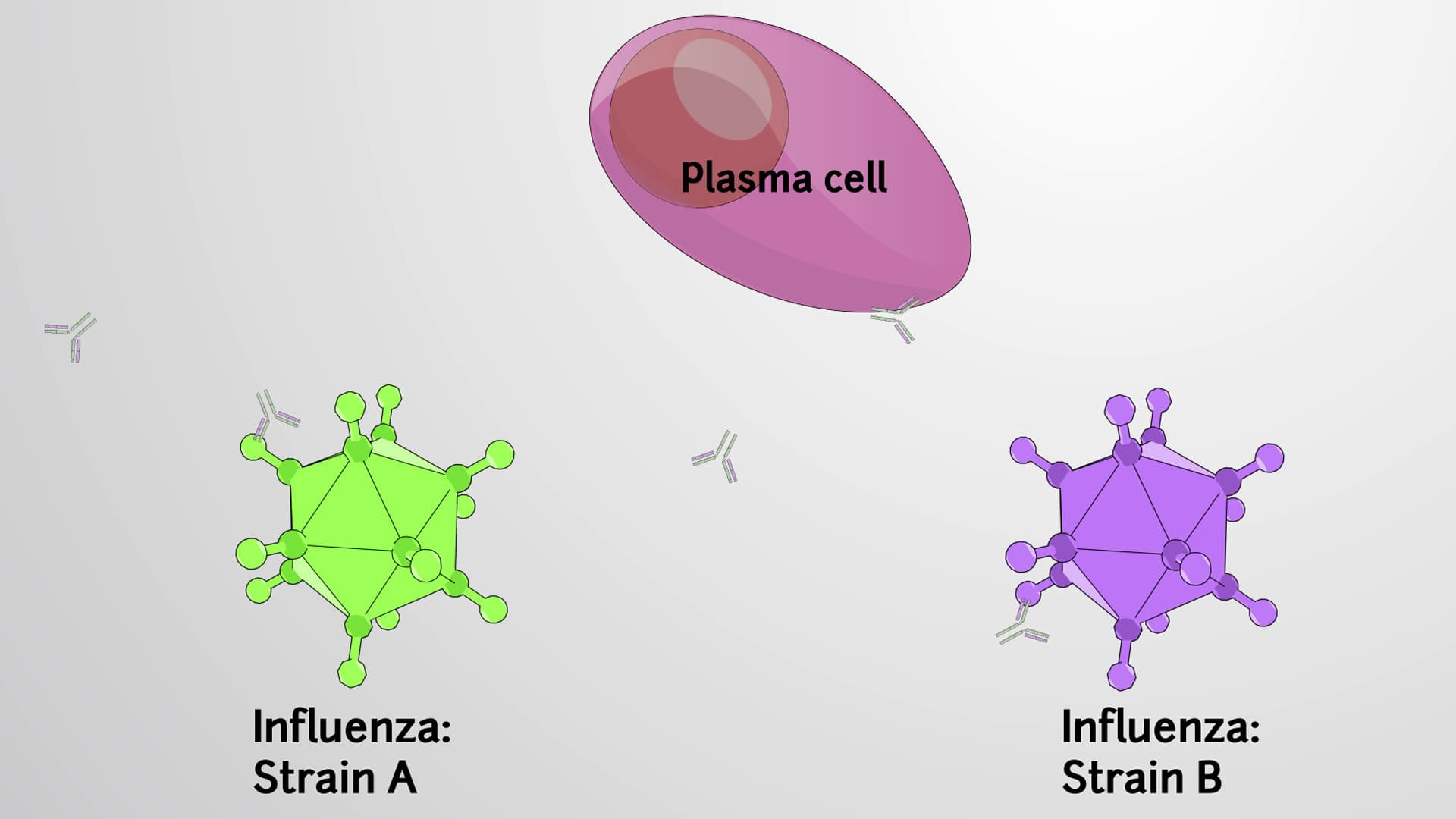
Activated Th2 cells release specific cytokines including IL-4 and IL-13, which signal nearby B cells to undergo class switching. This process transforms B cells into plasma cell factories specifically programmed to manufacture IgE antibodies tailored to the encountered allergen. Students preparing for the MCAT should understand this represents adaptive immunity's remarkable specificity-each IgE molecule recognizes only one allergen type.
Once circulating IgE encounters tissue-resident mast cells, these antibodies attach to specialized surface receptors, essentially "arming" mast cells with allergen-detection capability. Upon subsequent allergen exposure, cross-linking of surface-bound IgE triggers explosive mast cell degranulation. This releases preformed inflammatory mediators including histamine, which increases blood vessel permeability and stimulates mucus production, plus newly synthesized leukotrienes that promote sustained inflammation.
Understanding allergic mechanisms proves essential for healthcare students tackling NCLEX or HESI A2 examinations. For instance, epinephrine auto-injectors work by counteracting mast cell mediators during severe reactions, while antihistamines specifically block histamine receptor binding. Students studying at institutions like Johns Hopkins or UCLA medical schools regularly analyze case studies involving allergic reactions to develop diagnostic and treatment strategies for conditions ranging from seasonal rhinitis affecting college campuses nationwide to life-threatening food allergies in elementary schools.
Related Micro-courses