Loading subject page…


545,809 views

Video Summary: What Is Antibody Structure
Did you know that your immune system produces over 10 billion different antibody structures to protect against threats? Understanding antibody structure is crucial for grasping how your body defends against pathogens like the flu virus during seasonal outbreaks across the United States. These Y-shaped protein molecules feature specialized binding sites that lock onto foreign invaders with remarkable precision. What is antibody structure reveals the elegant molecular architecture behind immunity. Watch the full video on JoVE Coach to master this concept with expert-led visuals and step-by-step explanations.
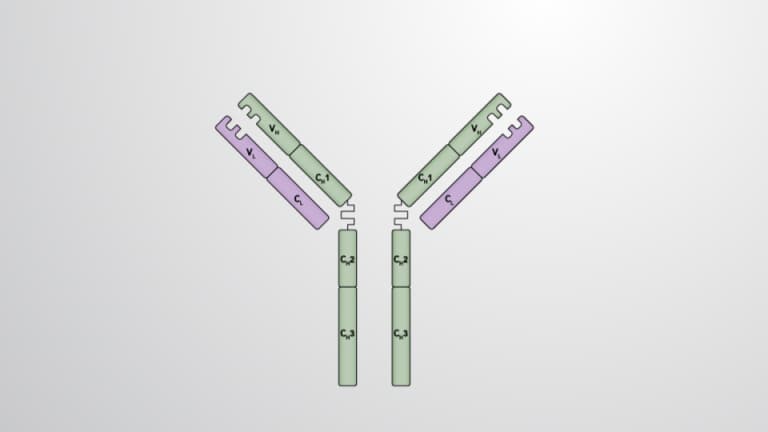
Antibody structure represents one of biology's most elegant molecular designs, featuring a distinctive Y-shaped configuration that enables precise immune recognition. Each antibody molecule consists of four polypeptide chains: two identical heavy chains and two identical light chains. This quaternary protein structure is stabilized through a sophisticated network of both covalent disulfide bonds and noncovalent interactions, creating a stable yet flexible framework essential for immune function.
The heavy chains form the backbone of the antibody, extending through both arms and the stem of the Y-structure. Light chains associate exclusively with the upper portions of heavy chains, contributing to the antigen-binding regions. This modular design allows for incredible diversity-the human immune system can theoretically produce over 10^11 different antibody structures through genetic recombination processes.
At the tips of each Y-arm lie the variable domains, the most critical components for understanding antibody structure definition explained. These regions contain hypervariable sequences that create unique three-dimensional binding pockets complementary to specific antigens. The variable domains of both heavy and light chains contribute to forming the antigen-binding site, with some amino acid residues directly contacting the antigen while others provide structural scaffolding.
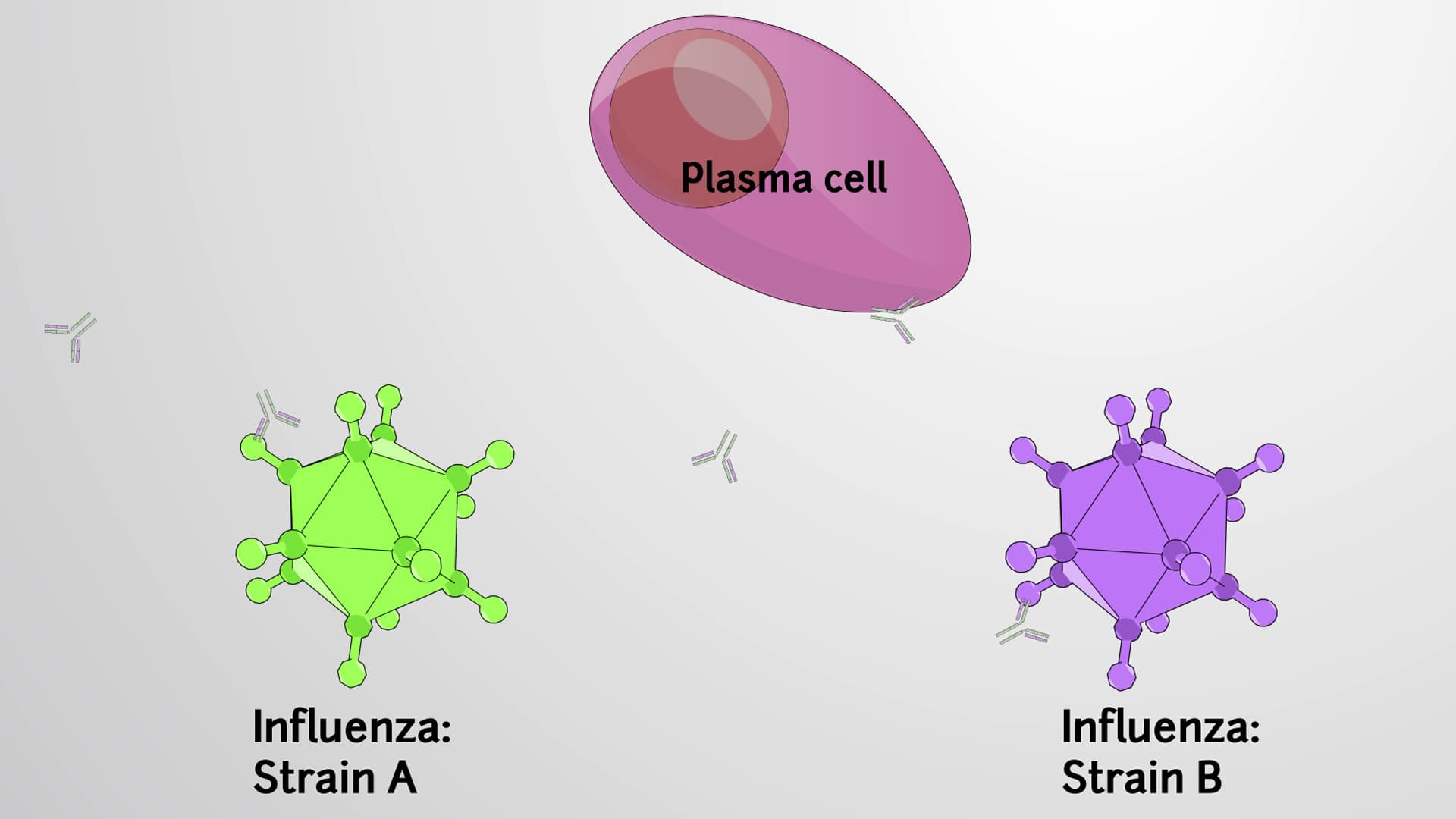
This exquisite specificity explains why antibodies can distinguish between closely related pathogens. For instance, antibodies against the 2019 H1N1 influenza strain circulating in American hospitals differ structurally from those targeting seasonal flu variants, despite sharing similar overall architecture.
The constant region, or stem of the Y-structure, determines the antibody's effector functions through its interaction with immune system components. Different immunoglobulin classes (IgG, IgM, IgA, IgD, IgE) possess distinct constant region structures that dictate their specific roles in immune responses.
IgE antibodies, prevalent in allergic reactions to environmental triggers like pollen during spring seasons across the United States, feature constant regions that bind to mast cells and basophils. When cross-linked by allergens, these antibodies trigger degranulation and histamine release, explaining the molecular basis of allergic symptoms.
Understanding antibody structure overview proves essential for students preparing for standardized exams including the MCAT, AP Biology, and college immunology courses. This knowledge forms the foundation for comprehending vaccine mechanisms, autoimmune diseases, and therapeutic antibody development-topics frequently tested in advanced placement and undergraduate assessments.
Related Micro-courses