Loading video…


 9 Concepts
 545.8K views

Video Summary: What Is Inflammation
Ever wonder why your ankle swells and turns red after twisting it during a basketball game? Inflammation is your body's rapid-response immune system designed to protect and heal injured tissues. When you experience a sports injury like an ACL tear common among American high school athletes, specialized immune cells rush to the damage site, releasing chemical signals that cause the familiar signs of swelling, redness, heat, and pain. This complex biological process involves mast cells releasing histamines, increased blood vessel permeability, and white blood cells migrating to fight potential infections. Watch the full video on JoVE Coach to master this concept with expert-led visuals and step-by-step explanations.
Inflammation represents one of biology's most sophisticated defense mechanisms, evolved over millions of years to protect organisms from harm. When tissues experience damage-whether from a paper cut, bacterial infection, or the crushing impact during an American football tackle-the inflammatory response activates within seconds to minutes. This rapid biological alarm system serves three critical functions: eliminate the initial cause of injury, remove damaged cells and tissues, and initiate tissue repair processes.
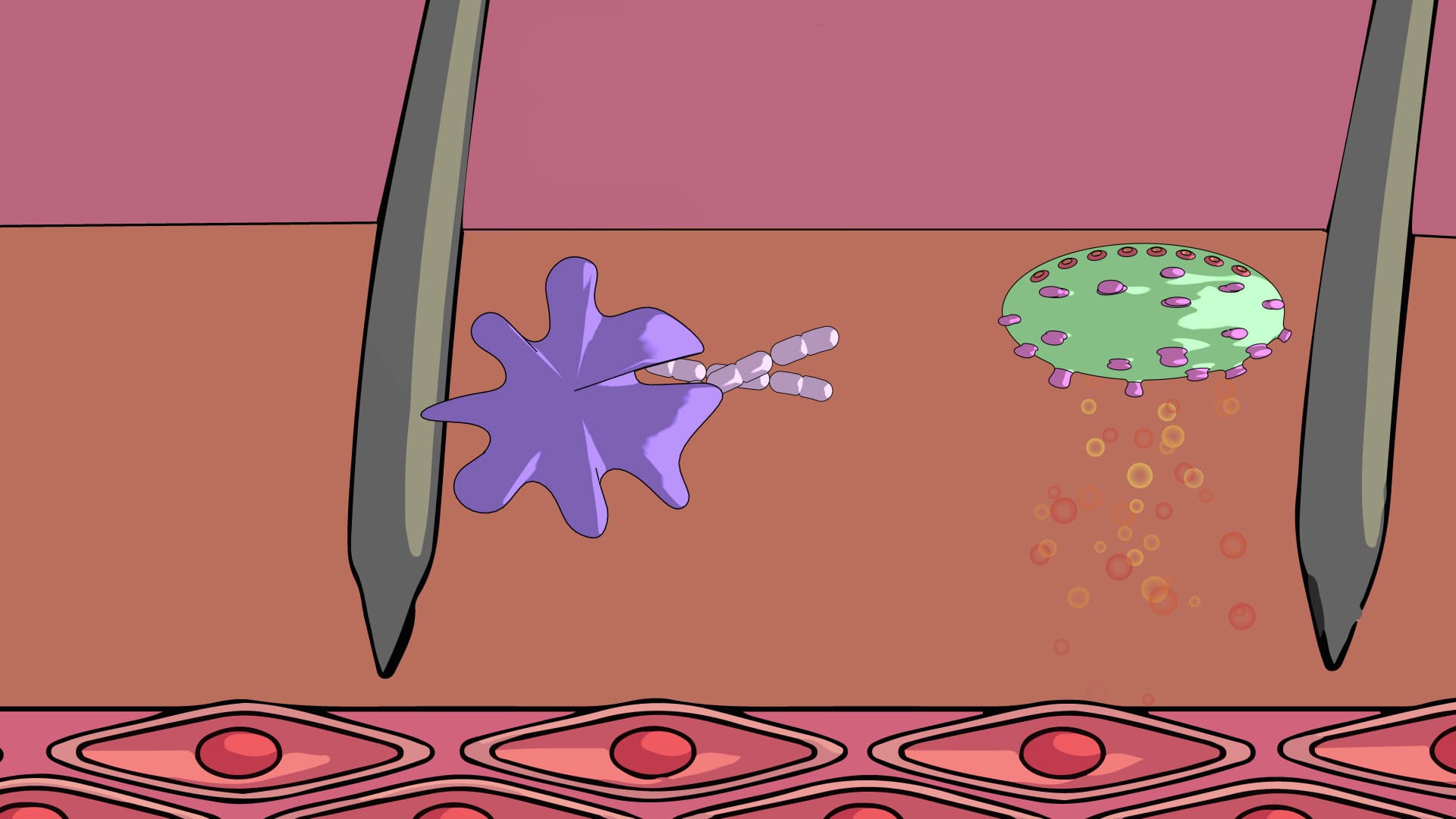
The inflammatory cascade begins when tissue-resident immune cells called mast cells detect danger signals and release histamine, a powerful chemical mediator. This triggers immediate vasodilation-the widening of local blood vessels-bringing more blood flow to the injured area. Students preparing for the AP Biology exam should understand that this increased circulation delivers the classic signs of redness and warmth that characterize inflamed tissues.
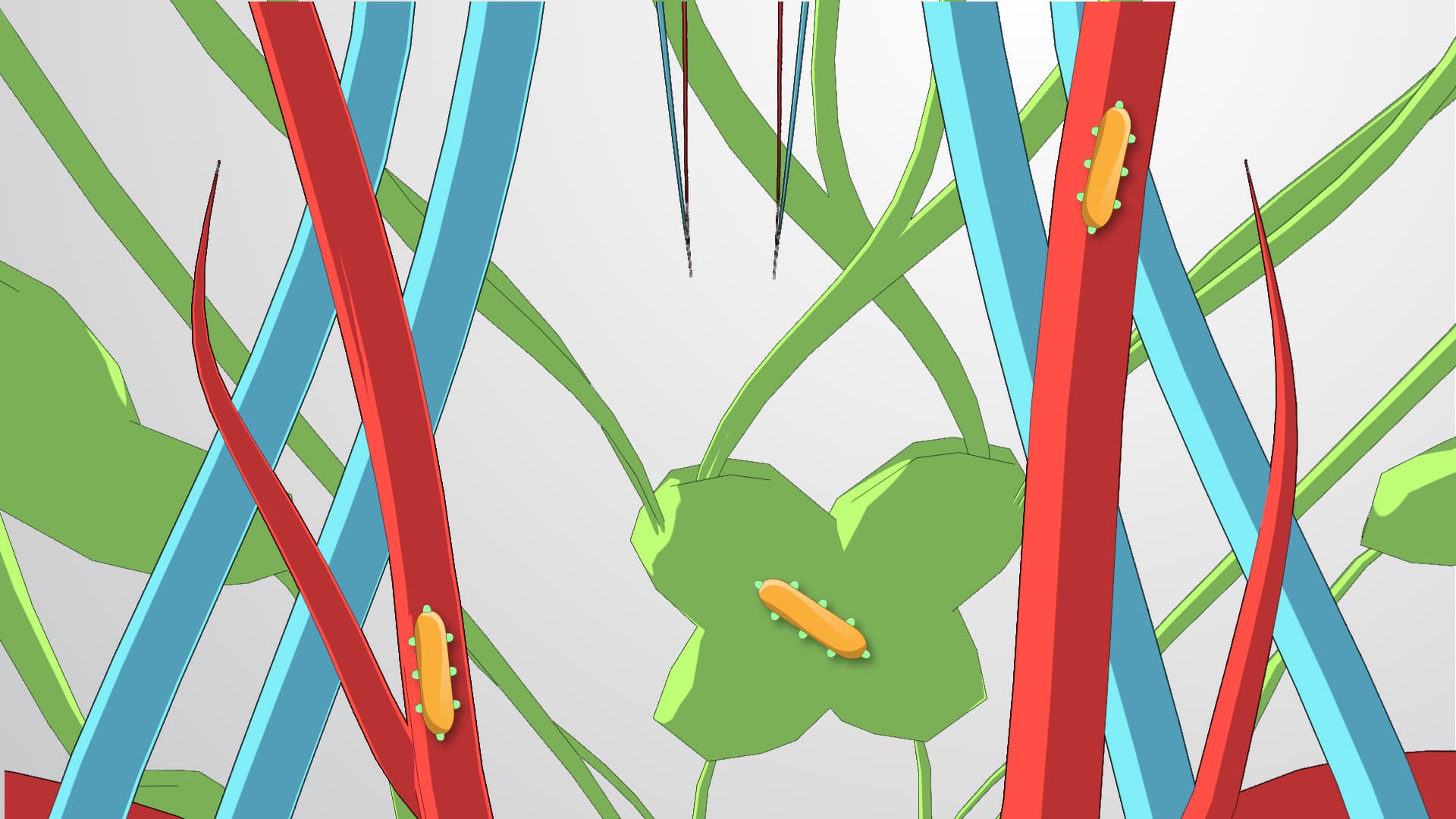
Simultaneously, the walls of blood vessels become more permeable through a process involving endothelial cell contraction. This creates microscopic gaps that allow protein-rich fluid called exudate to leak into surrounding tissues, producing the swelling and pain associated with inflammation. Think of a sprained wrist after falling off a skateboard-the immediate puffiness results from this increased vascular permeability.
Perhaps the most remarkable aspect of inflammation involves the recruitment of specialized white blood cells to the injury site. Neutrophils, the body's first responders, increase dramatically in number through signals called leukocytosis-inducing factors. These cells then undergo margination, binding tightly to blood vessel walls near the injury, followed by diapedesis-the process of squeezing through vessel walls into damaged tissue.
This cellular migration follows chemical gradients in a process called chemotaxis, similar to following a trail of breadcrumbs. For MCAT preparation, students should recognize that monocytes and lymphocytes also participate in this coordinated response, each contributing unique functions to tissue defense and repair.
The inflammatory response culminates in clot formation, where leaked proteins create a fibrin mesh that both stops bleeding and provides scaffolding for tissue reconstruction. Understanding inflammation proves essential for American healthcare professionals, as dysregulated inflammatory responses contribute to major health challenges including heart disease, diabetes, and autoimmune conditions affecting millions of Americans annually.
Related Micro-courses